Why can't you call mid-flight? Here's the real reason
 General
Before and after: Flight rules
Why can't you call mid-flight? Here's the real reason
Flying felt almost casual some decades ago. Passengers could visit inside the cockpit, make phone calls, and even smoke during the flight. Time changes everything, including the rules we once thought were set in stone. Here are 10 flying rules that have changed over the years.
Visiting the cockpit during a flight
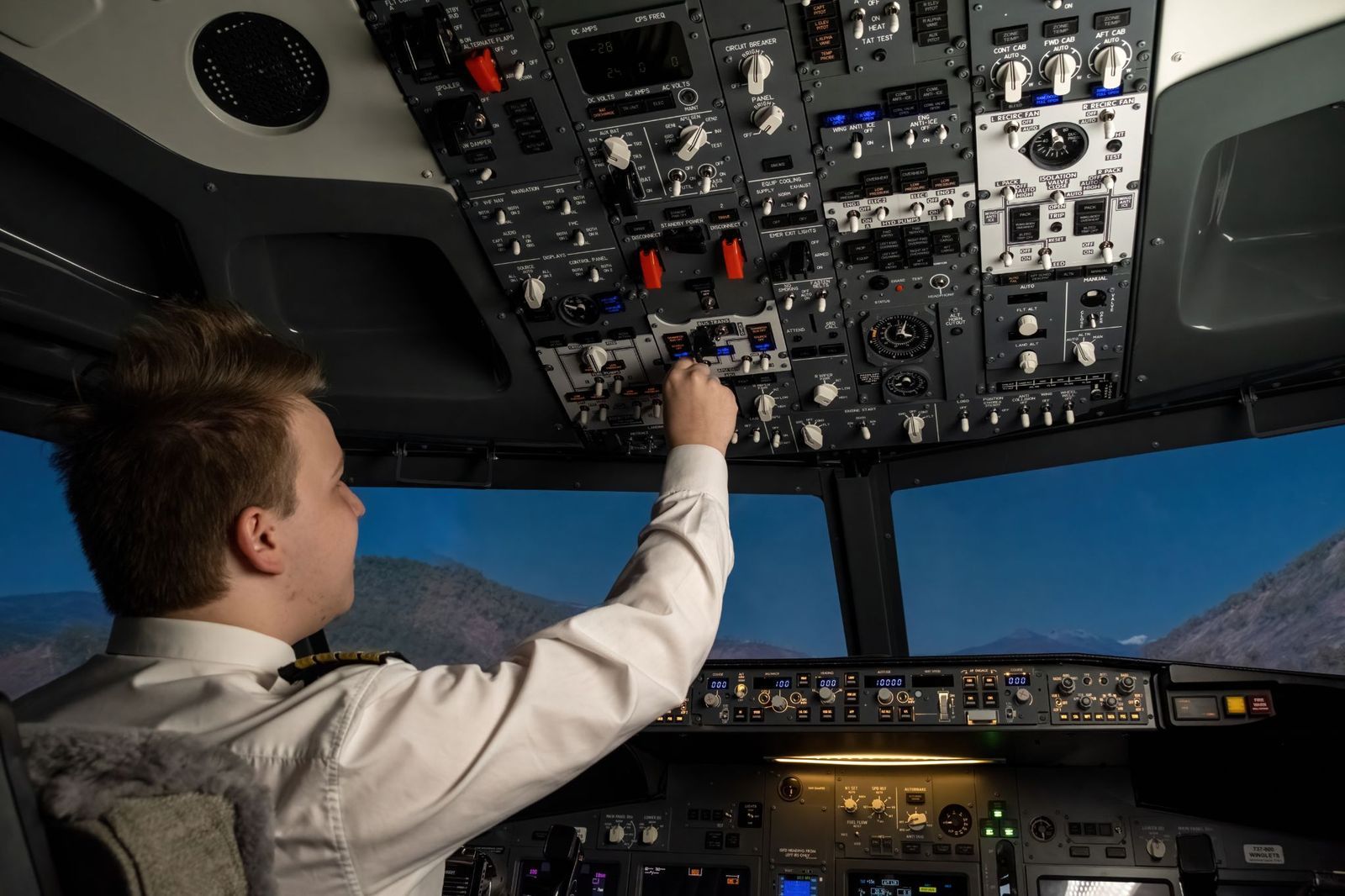
There was a time when visiting the cockpit was part of the fun of flying. Not so long ago, pilots invited passengers to meet the crew and take a look at the controls. Occasionally, this could even happen while the plane was in the air.
After the tragic events of September 11, 2001, it became clear that the cockpit needed much stronger protection. Airlines began reinforcing the doors, keeping them locked during the flight, and limiting access to authorized crew members. Today, passengers may still be allowed to visit before takeoff or after landing, but walking into the cockpit during a flight is definitely no longer part of the experience.
Making cellphone calls in the air
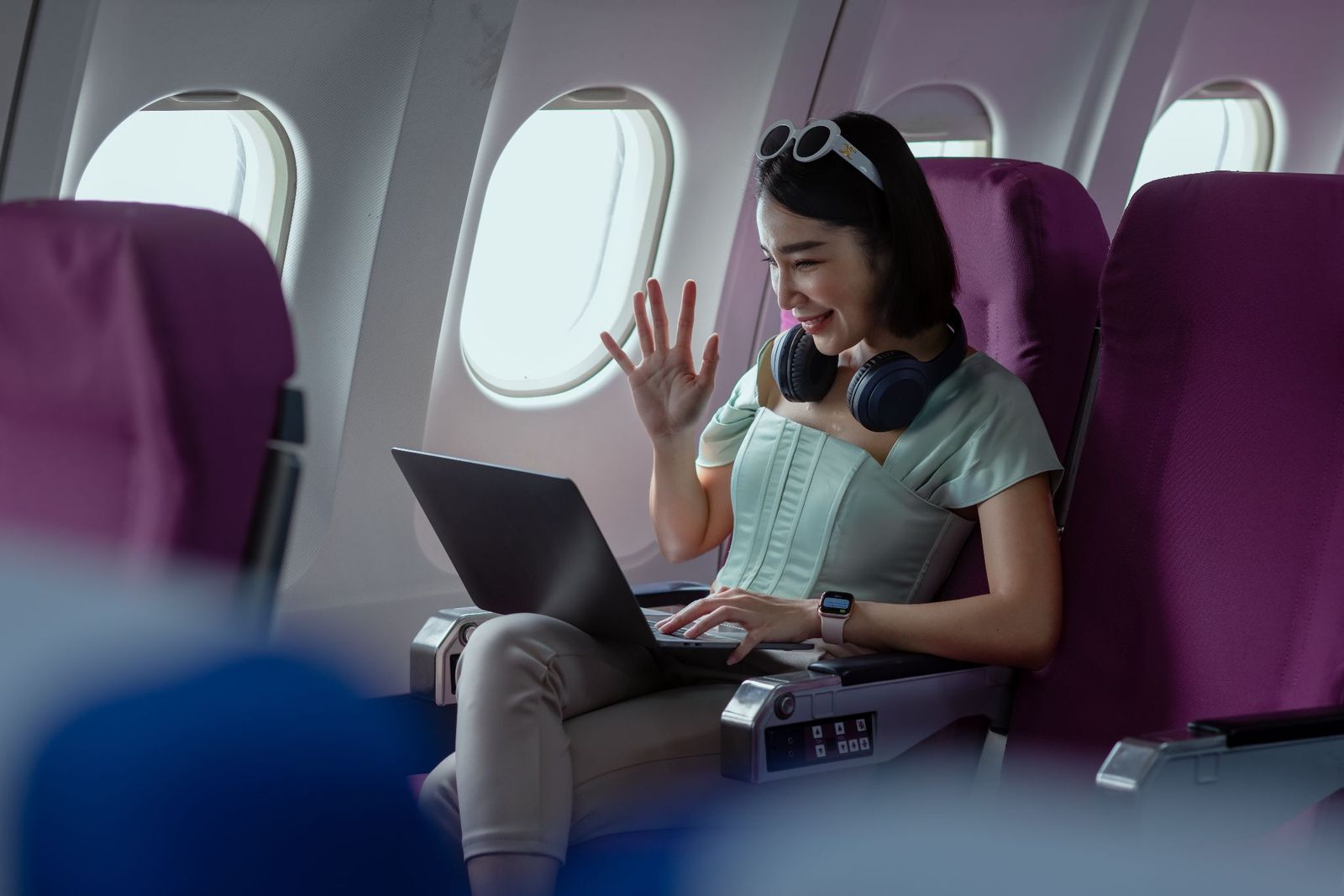
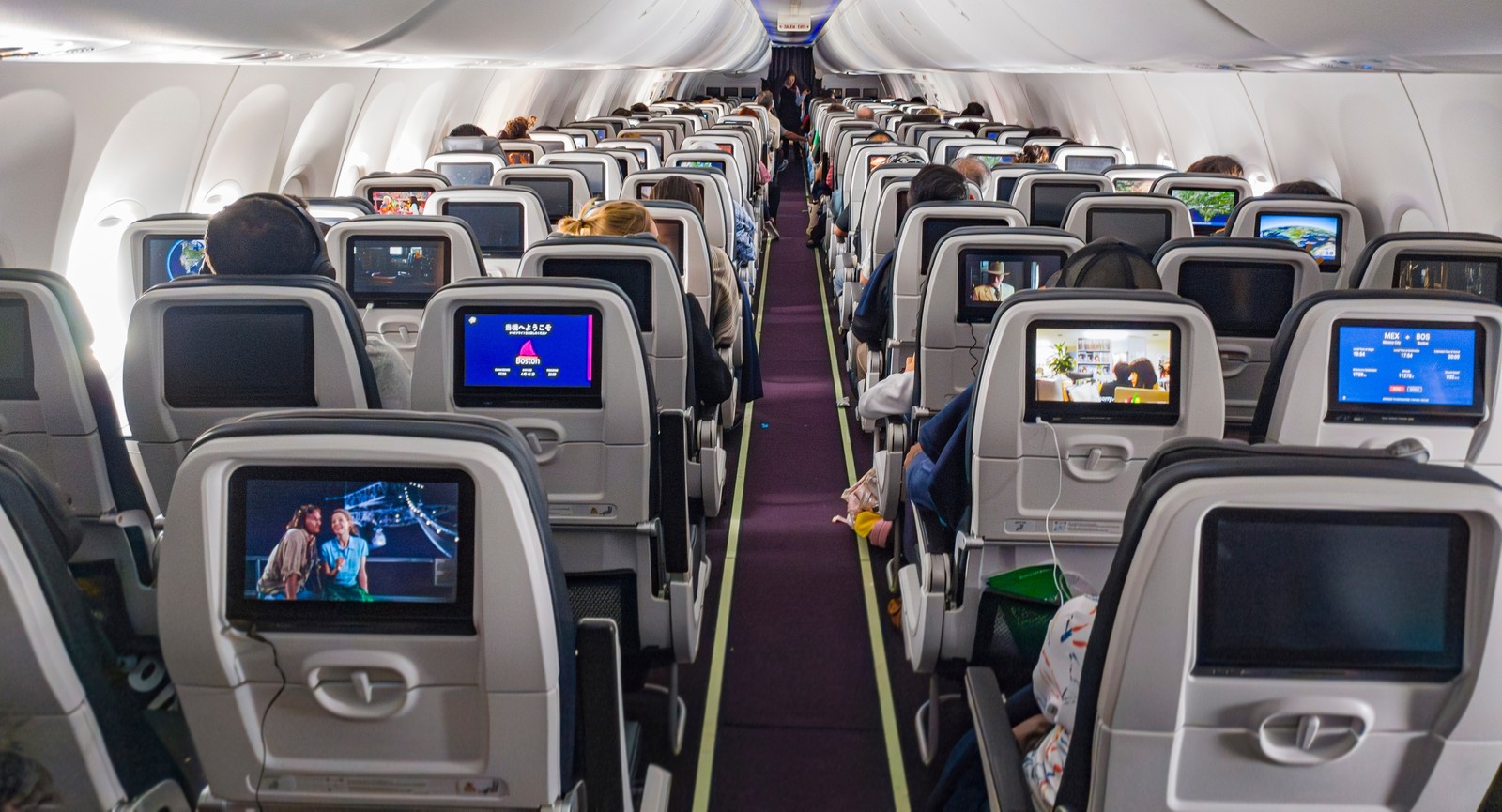
Not every restriction protects passengers from extreme danger. Some rules are just meant to keep the flight peaceful and quiet. That is the main reason cell phone calls are prohibited during the flight. But this wasn’t always the purpose. In 1991, when very few folks had mobile phones to begin with, the Federal Communications Commission banned most cellphone use during flights because signals from phones in the air could interfere with cellular networks on the ground.
Technology has changed a lot since then, and passengers can now use many devices in airplane mode or connect to onboard Wi-Fi. Cellular calls, however, are still not allowed principally because few people want to spend an entire flight listening to someone else’s phone conversation. Can you imagine what it would be like if everyone took calls during the flight?
Smoking during a flight
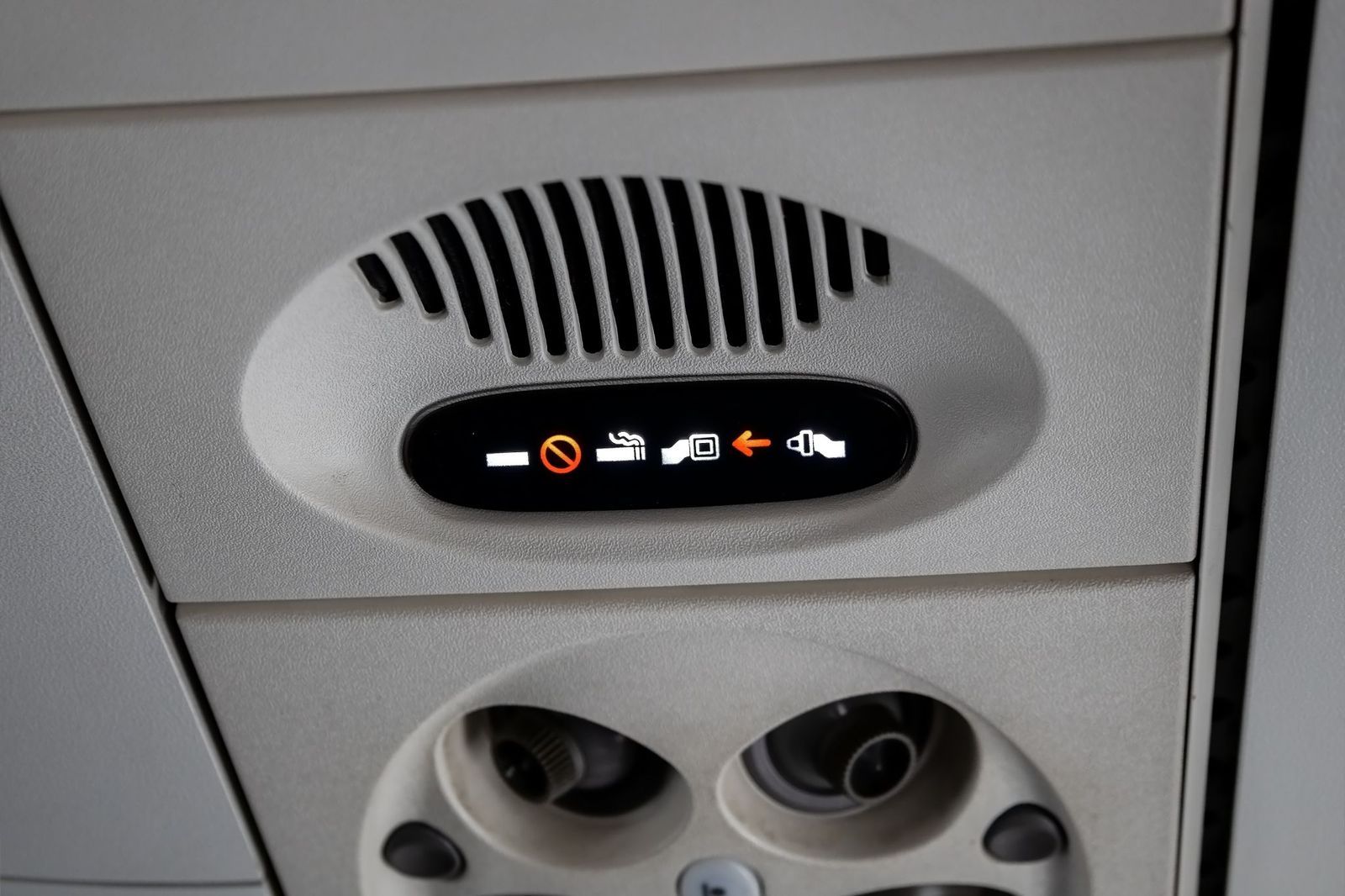
Although these days it seems like one of the most dangerous rules to break on a plane, there was a time when smoking while flying was completely normal. Cigarette smoking became popular during the early 1900s, just before commercial passenger flights began taking off in the 1910s and 1920s. Airlines even handed out cigarettes to passengers as part of the premium flying experience.
But in 1988, that started to change among shorter U.S. domestic flights. Smoking was banned after health officials confirmed the dangers of secondhand smoke, which can damage the lungs and increase the risk of heart disease, stroke, and lung cancer. A lit cigarette can also start a fire, especially if it is thrown into a lavatory trash bin. By the 2000s, smoking was banned on all scheduled passenger flights within, to, and from the United States.
Walking to the gate without a ticket
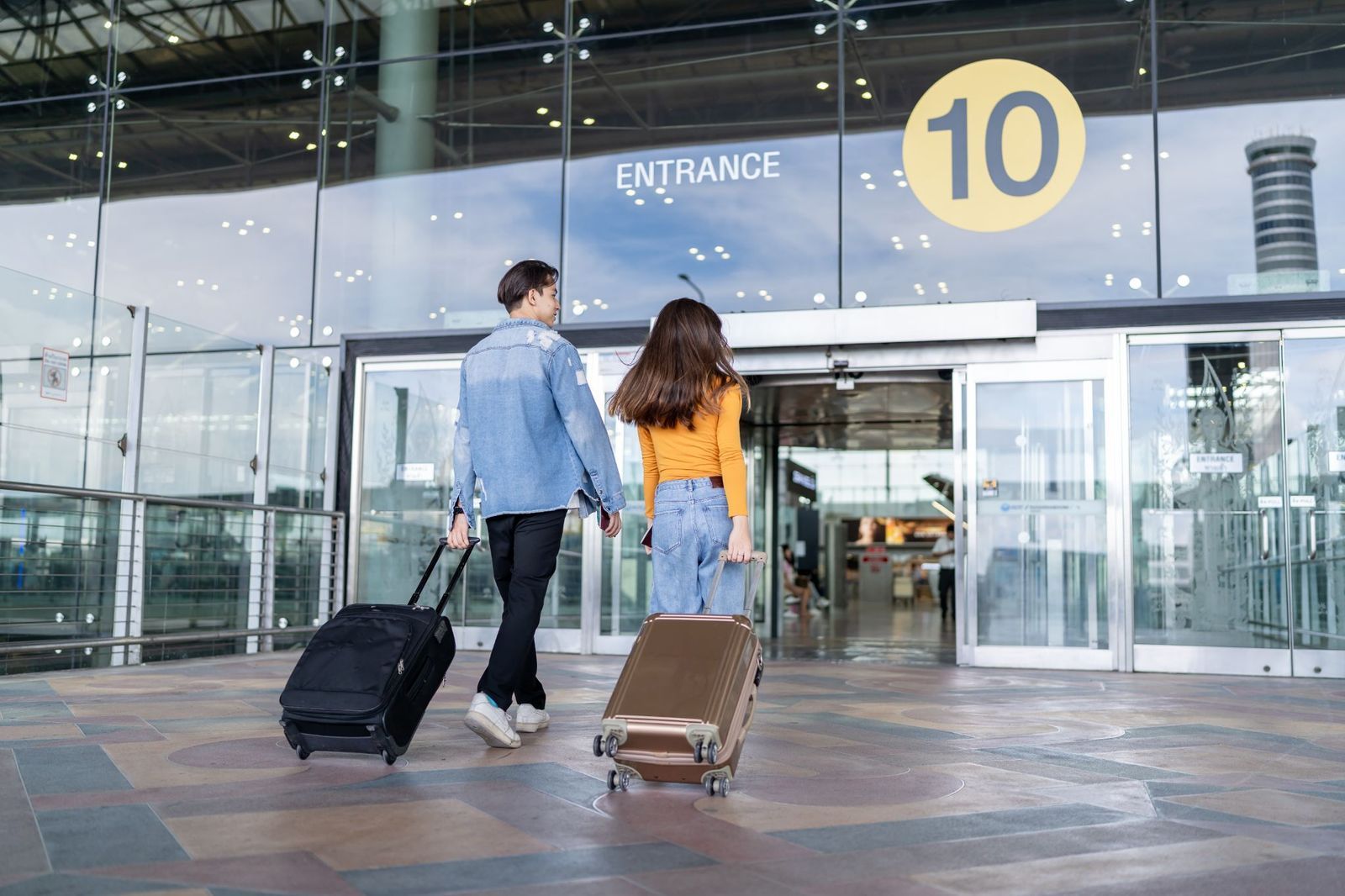
Imagine walking through airport security without a ticket. Back in the day, people didn't need a boarding pass to reach the gate. Family and friends could pass through the metal detector, wait with travelers until boarding, or meet them as soon as they stepped off the plane. Airport gates were more like public meeting places, not restricted areas.
But in the 2000s, after 9/11, the situation changed. Access beyond the security checkpoint was limited mainly to ticketed passengers with a boarding pass. Families now have to say goodbye before security and watch their loved ones continue toward the gate on their own.
Packing power banks in checked luggage
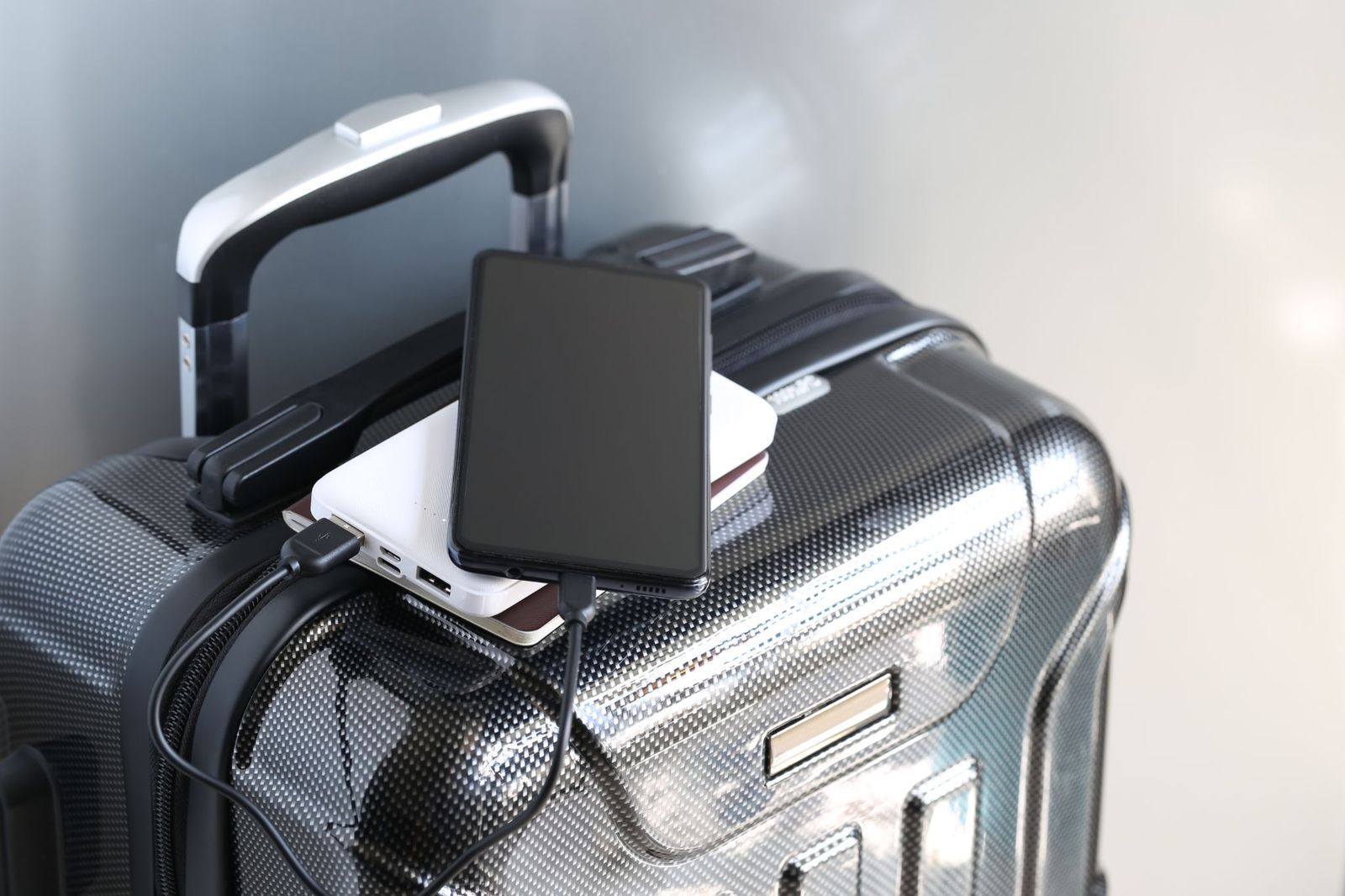
Are power banks really that dangerous? The answer is yes, because power banks contain lithium-ion batteries. If one is damaged, crushed, overheated, or short-circuits, it can smoke or catch fire. That is why they aren’t allowed in checked luggage and must stay in your carry-on bag. While in the cabin, the crew can quickly see smoke or heat and deal with the problem. So, before onboarding, keep your power bank with you, protect it from damage, and never travel with one that is swollen or broken.
Keeping shoes on at security
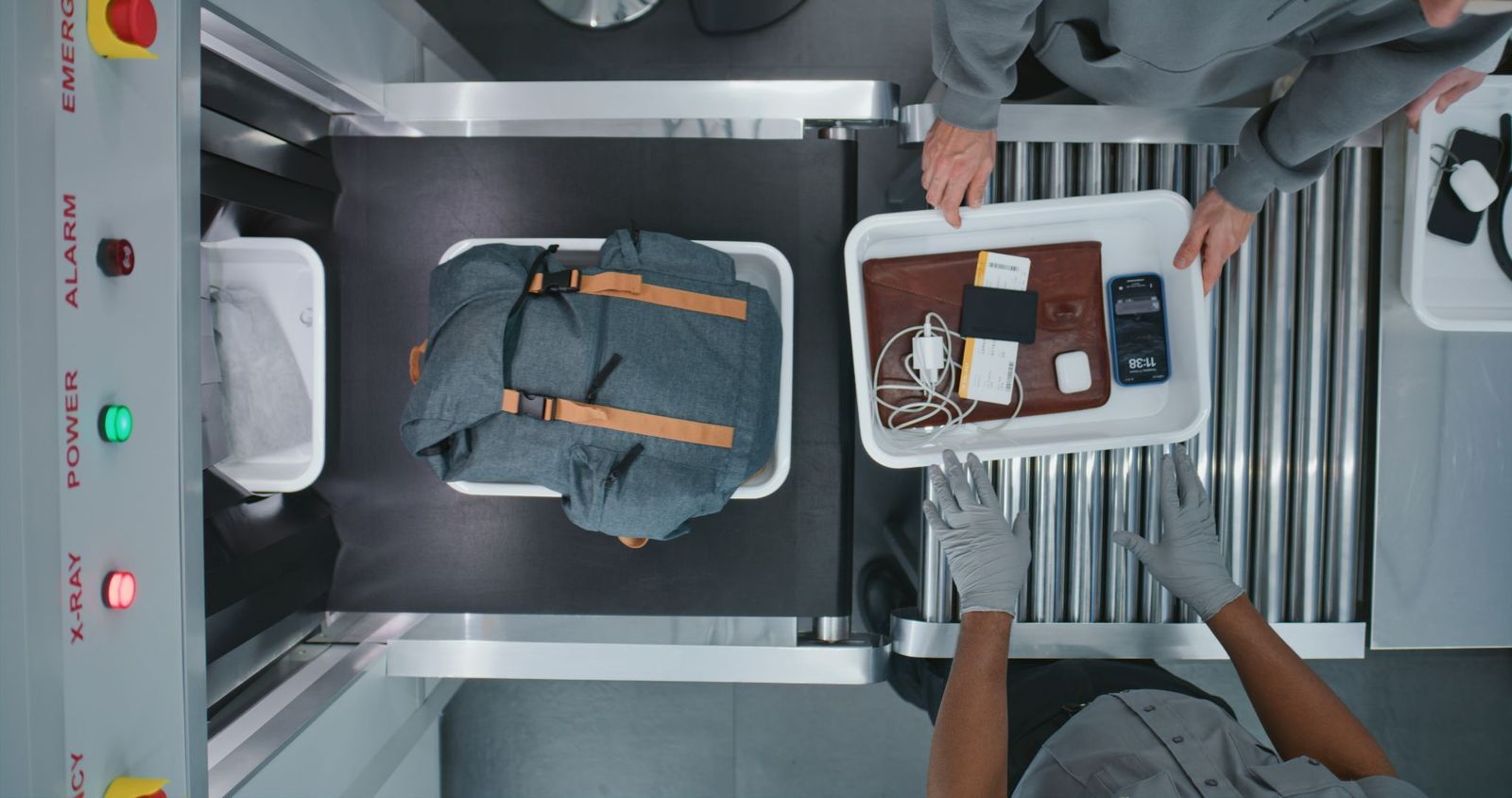
Why were passengers once asked to remove their shoes? For years, shoes weren’t considered dangerous, and passengers walked through airport security without taking them off. On December 22, 2001, the situation changed when a British man named Richard Reid boarded an American Airlines flight from Paris to Miami with explosives hidden inside his shoes. When he tried to set them off in the air, passengers and crew stopped him, and the plane was then diverted to Boston.
After that, shoes became a security concern, and passengers began taking them off so officers could check them more closely along with the bags. In July 2025, the rule changed again, and now most passengers can keep their shoes on unless security asks otherwise.
Boarding without full security screening
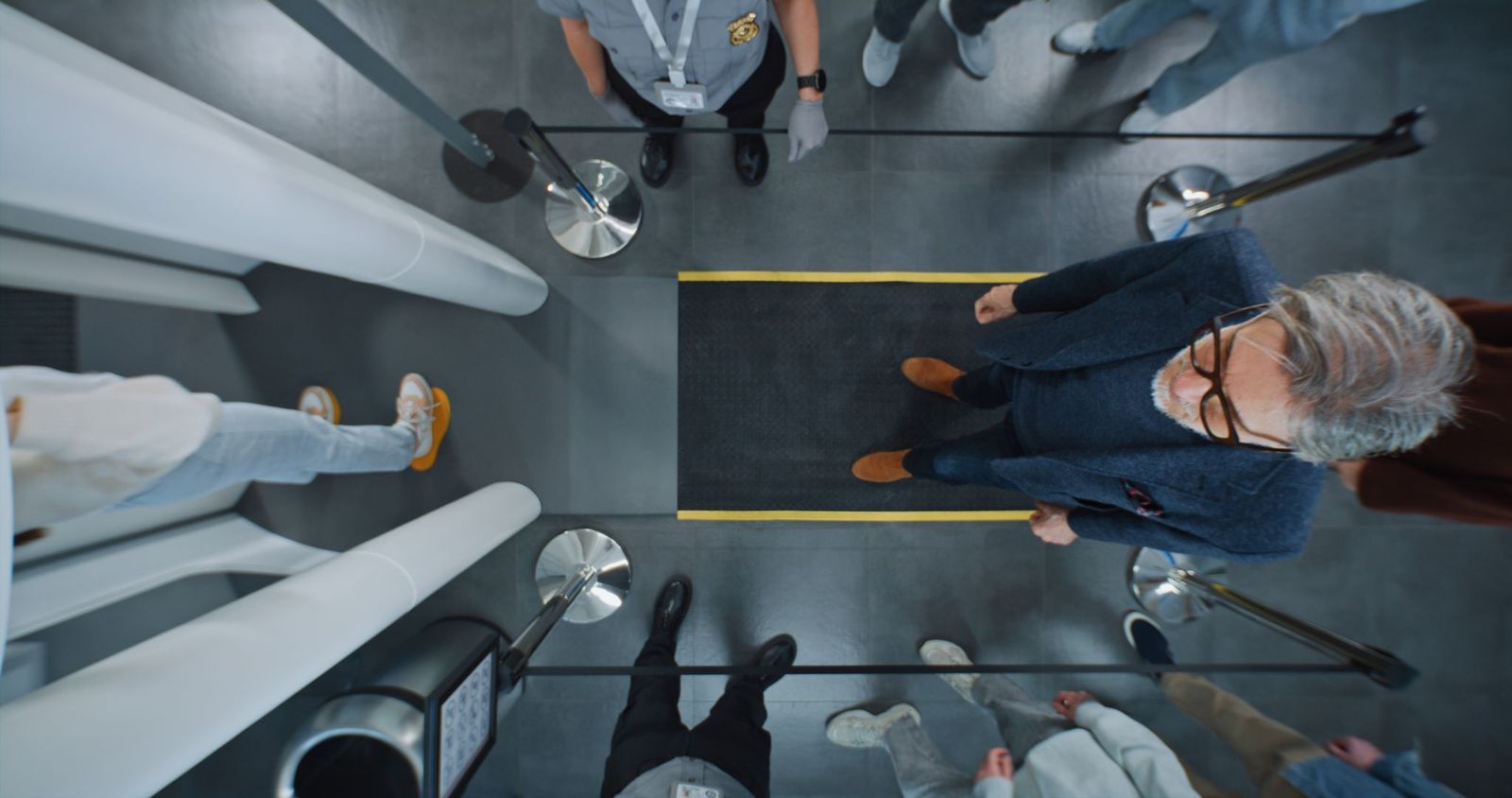
Before the system changed, each airline was in charge of airport security. Most of them hired private companies to check passengers and their bags, but the rules and training were not always the same from one airport to another. In many cases, airlines simply chose the company that offered the lowest price.
After the tragic events of September 11, 2001, Congress created the Transportation Security Administration, and federal officers replaced private screeners at most airports. Today, TSA officers check passengers and bags under the same national rules, airport workers who enter secure areas must also pass background checks, and police help protect the terminals. A few airports still use private screeners, but they must follow federal rules.
Bringing small knives and box cutters on board
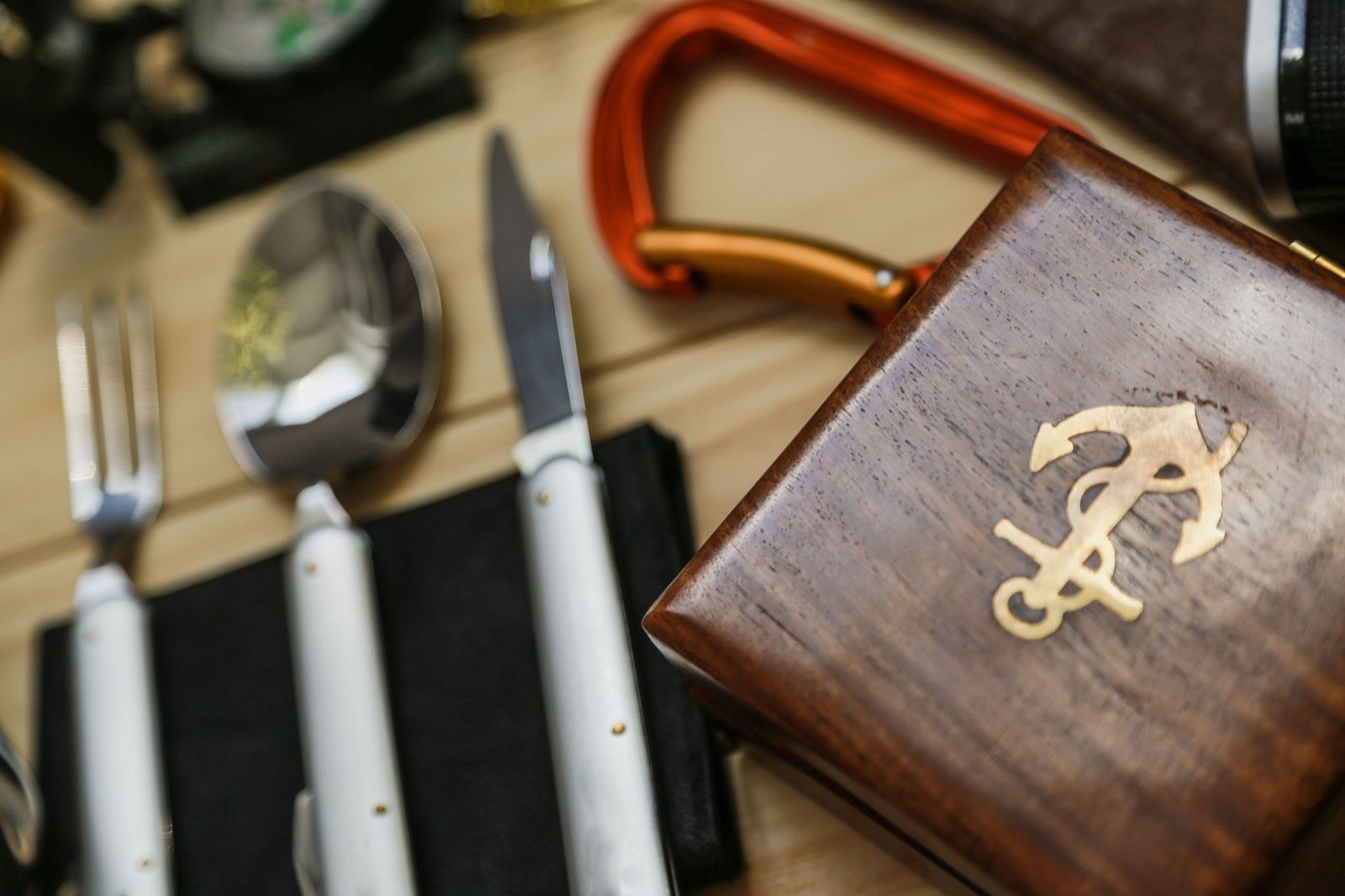
Before 2001, passengers could carry small knives in their hand luggage, as long as the blade was less than four inches long. Airport security rules were less strict, and small blades were not considered a serious threat inside an airplane cabin.
That changed in September 2001, when the Federal Aviation Administration banned knives of any size from carry-on luggage. Shortly after, the Transportation Security Administration was created to oversee airport security and reinforce this measure. Today, knives are still prohibited in carry-on bags, except for plastic knives and butter knives with rounded edges. Regular knives can also travel in checked baggage as long as they are wrapped correctly.
Carrying full-size liquids through security

This rule began with a real-life plot. In August 2006, British authorities stopped a terrorist plot to use liquid explosives on flights leaving London’s Heathrow Airport for the United States and Canada. The Federal Bureau of Investigation also worked with British security teams during the case. At first, airports banned almost all liquids, but a total ban was not practical for everyday travel.
Government agencies and national laboratories then tested how much liquid passengers could carry safely. This led to the rule still used today: each container can hold no more than 3.4 ounces, all containers must fit inside one clear quart-size bag, and each passenger can bring only one bag.
Using E-Cigarettes during a flight
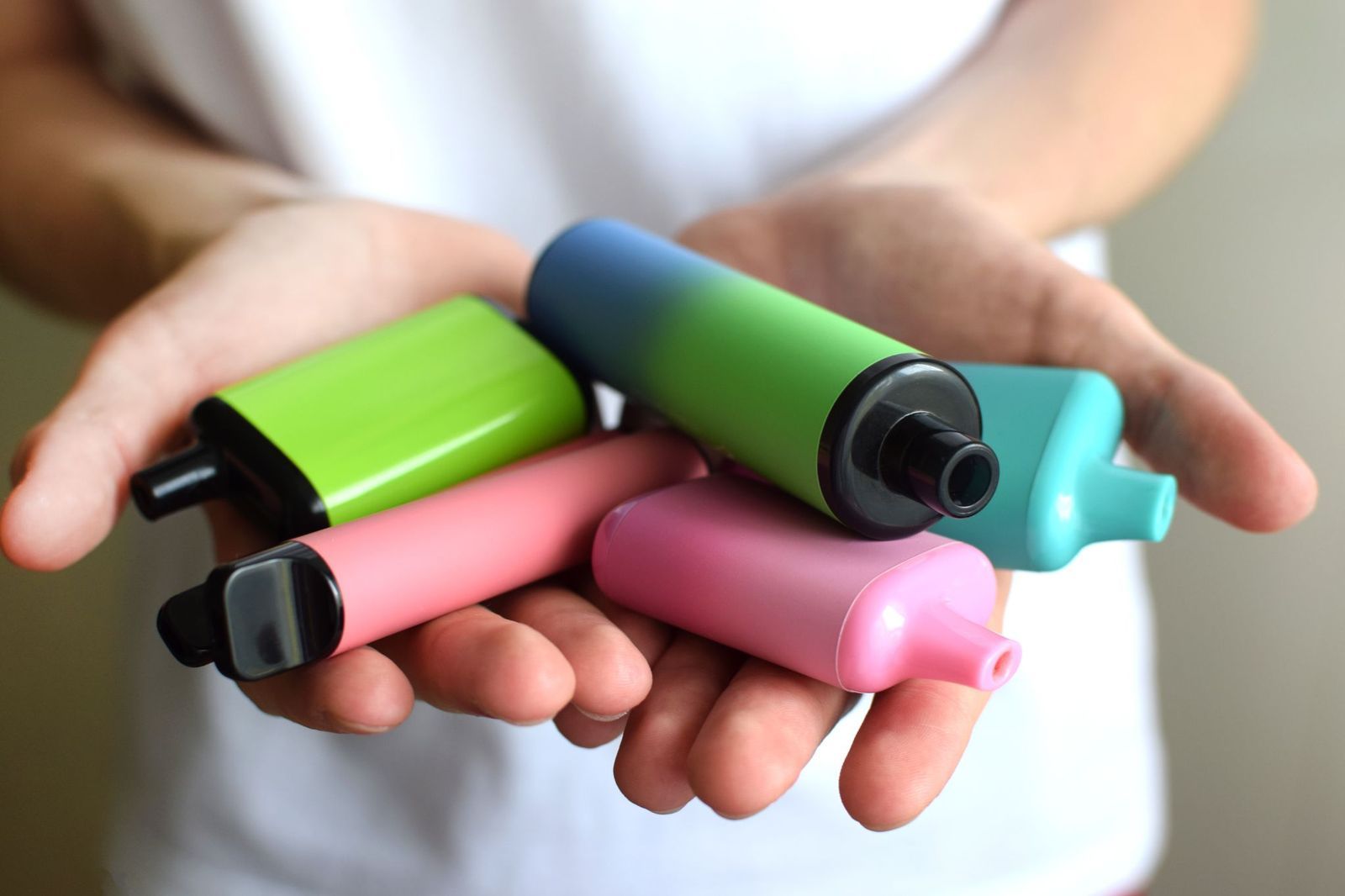
First came the ban on cigarettes. Years later, as technology evolved, the same rule caught up with vaping. In March 2016, the U.S. Department of Transportation banned the use of e-cigarettes on commercial flights, but not specifically for the smoke. Vape aerosol may contain harmful chemicals that other passengers could breathe in. It also has lithium batteries, just like power banks. These batteries can overheat or catch fire, so the devices can’t go in checked luggage or be charged during the flight. Passengers can carry them in the cabin, but turned off during the entire flight.
Which tiny nation controls the global false teeth market?
 Geography
Small borders, big personalities: 10 fun facts about the tiniest nations
In the world of geopolitics, bigger is often synonymous with more powerful, but the planet’s smallest nations prove that influence and character aren't measured in acreage. These microstates—some smaller than a city park—hold some of the most bizarre records and fascinating histories in the human story. From the "Spice Isle" of the Caribbean to a sovereign city-state tucked inside Rome, here are 10 fun facts about the world's 10 smallest countries.
Grenada: The spice isle
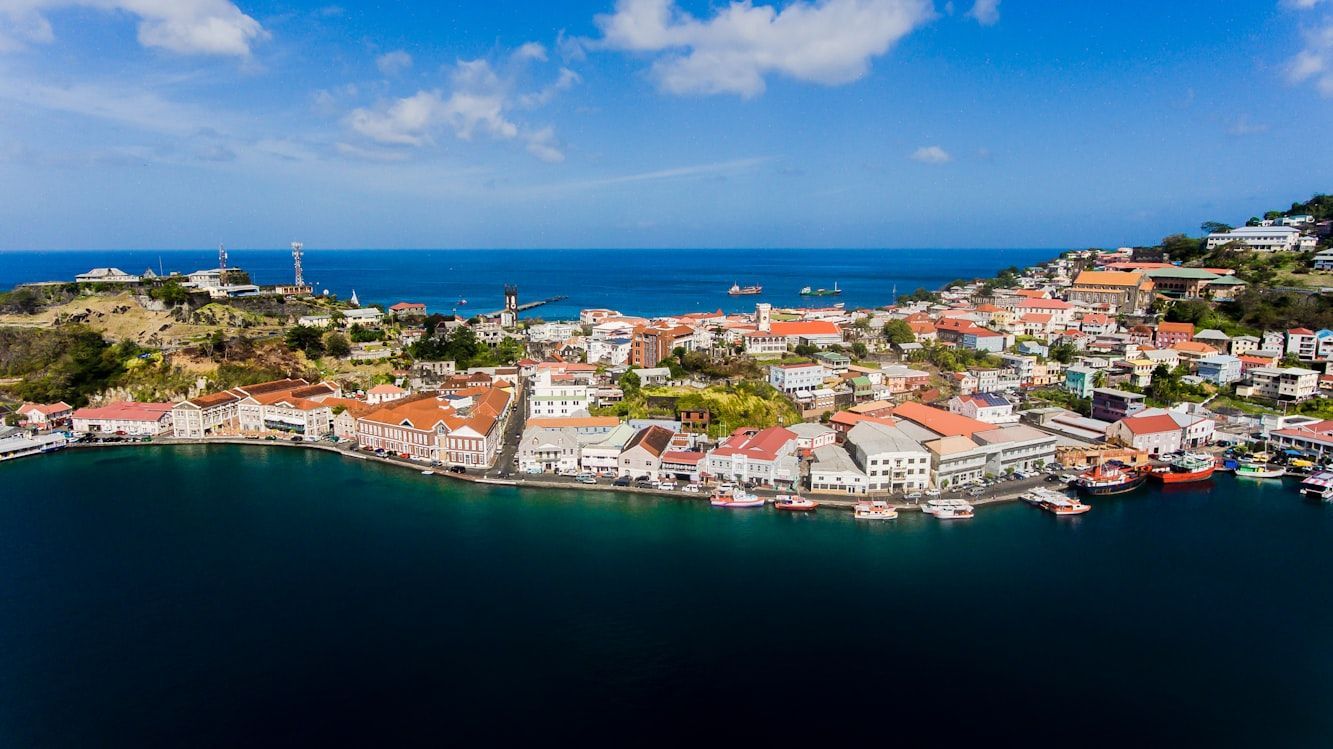
Grenada is effectively the world’s spice cabinet. Despite its modest 133 square miles, it is one of the world's largest exporters of nutmeg and mace. In fact, the nutmeg is so central to the national identity that it is featured prominently on the national flag.
Also, did you know Grenada is home to the world's first underwater sculpture park? Created by British sculptor Jason deCaires Taylor, these life-sized statues are not just art; they serve as artificial reefs, providing a home for coral and marine life to combat the effects of storm damage and bleaching.
Malta: Older than the Pyramids
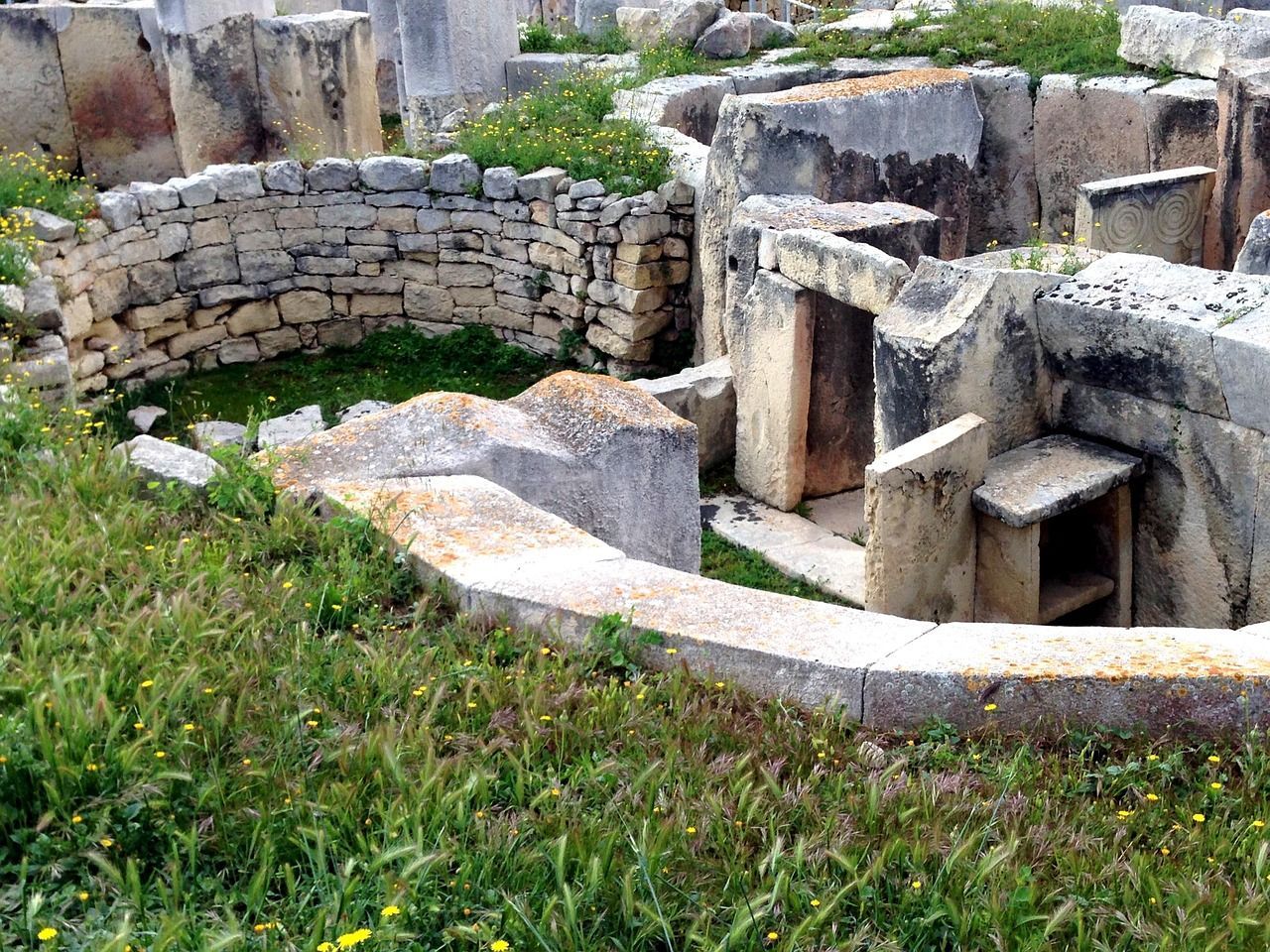
Malta, located in the heart of the Mediterranean, covers only 122 square miles but contains a density of history that is almost unmatched. For example, Malta is home to the Megalithic Temples, which are among the oldest free-standing structures in the world.
Some of these temples, like Ggantija, were built between 3600 and 3200 BC, predating the Great Pyramid of Giza and Stonehenge by centuries. It is also a favorite for Hollywood; the narrow streets of the capital, Valletta, have stood in for everything from Ancient Rome in Gladiator to King’s Landing in Game of Thrones.
Maldives: The lowest country on Earth
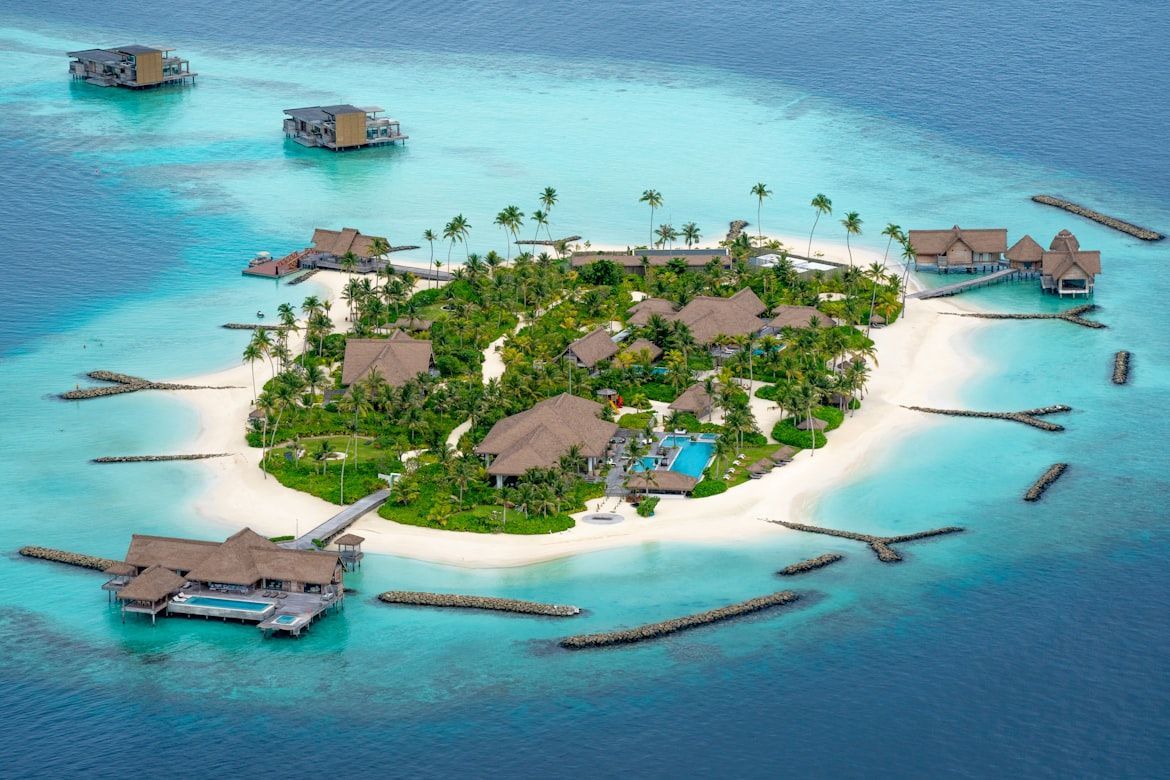
The Maldives is a breathtaking chain of 1,192 coral islands in the Indian Ocean. At 116 square miles, it is the smallest country in Asia.
The Maldives also holds the record for being the flattest country in the world, with an average ground level of just 4 feet 11 inches above sea level. This makes it incredibly vulnerable to climate change. In 2009, to draw global attention to rising sea levels, the President and his cabinet held the world's first underwater cabinet meeting, signing a document while wearing full scuba gear.
Saint Kitts and Nevis: A tale of two islands
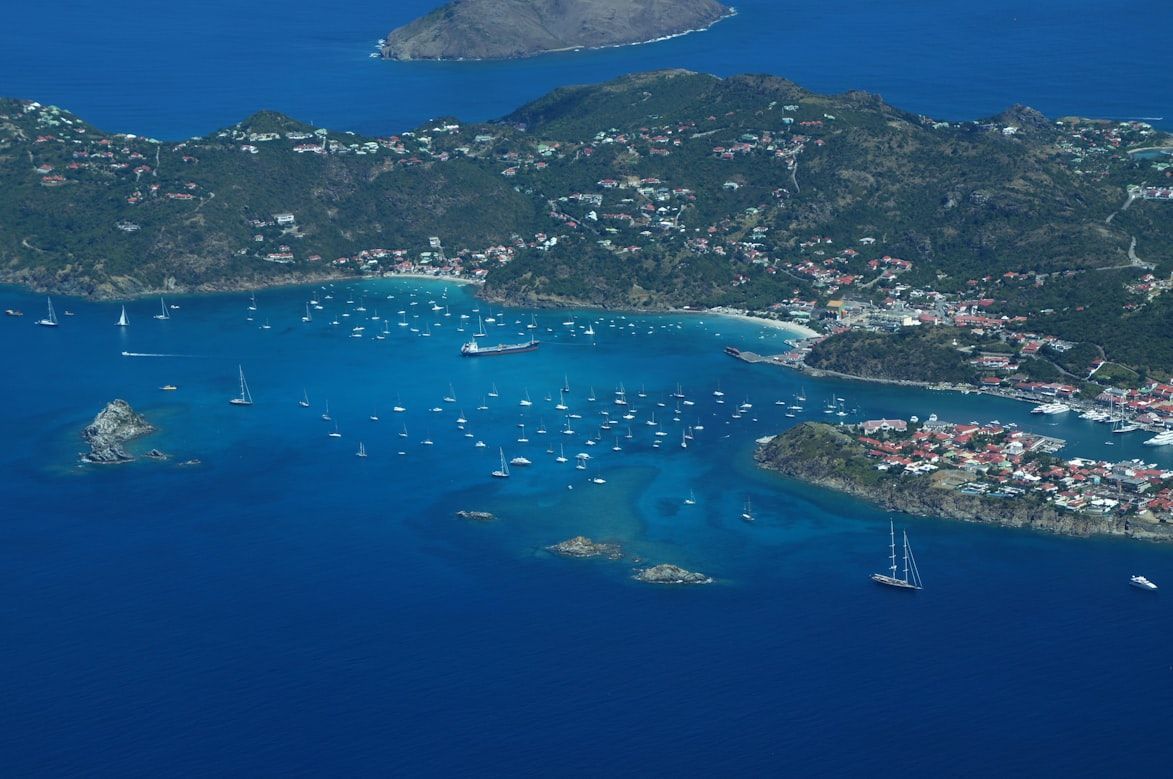
Saint Kitts and Nevis is the smallest sovereign state in the Western Hemisphere, spanning 101 square miles. These two islands were the first in the Caribbean to be colonized by Europeans, earning them the nickname "The Mother Colony of the West Indies."
Another fun fact? On the island of Saint Kitts, the population of green vervet monkeys is estimated to be roughly equal to, if not greater than, the human population. Brought over as pets by 17th-century settlers, the monkeys escaped and thrived, becoming a quirky (and sometimes mischievous) staple of the island's landscape.
Liechtenstein: The dental powerhouse
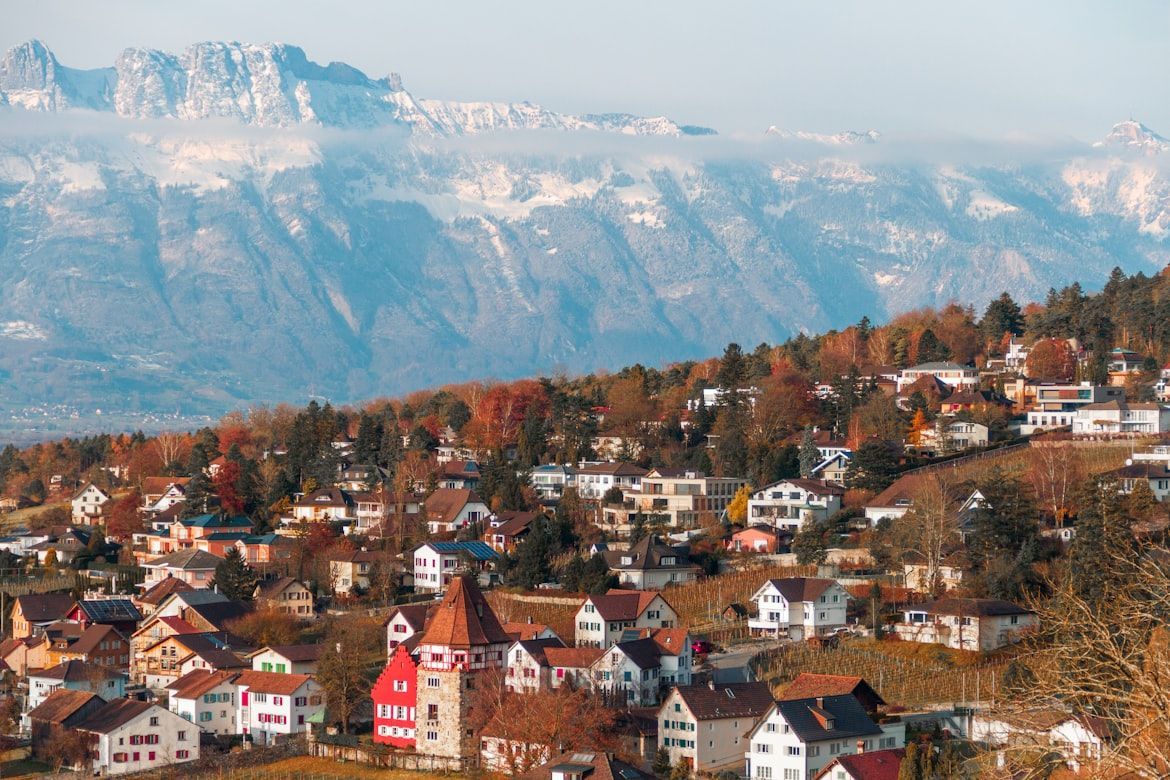
Tucked between Switzerland and Austria, Liechtenstein is a 62-square-mile alpine principality. While it is known as a tax haven, its biggest claim to fame is actually in your mouth. Why? Because Liechtenstein is the world's leading producer of false teeth. A company called Ivoclar Vivadent produces roughly 60 million sets of dentures annually, accounting for a staggering 20% of the global market.
San Marino: The world’s oldest republic
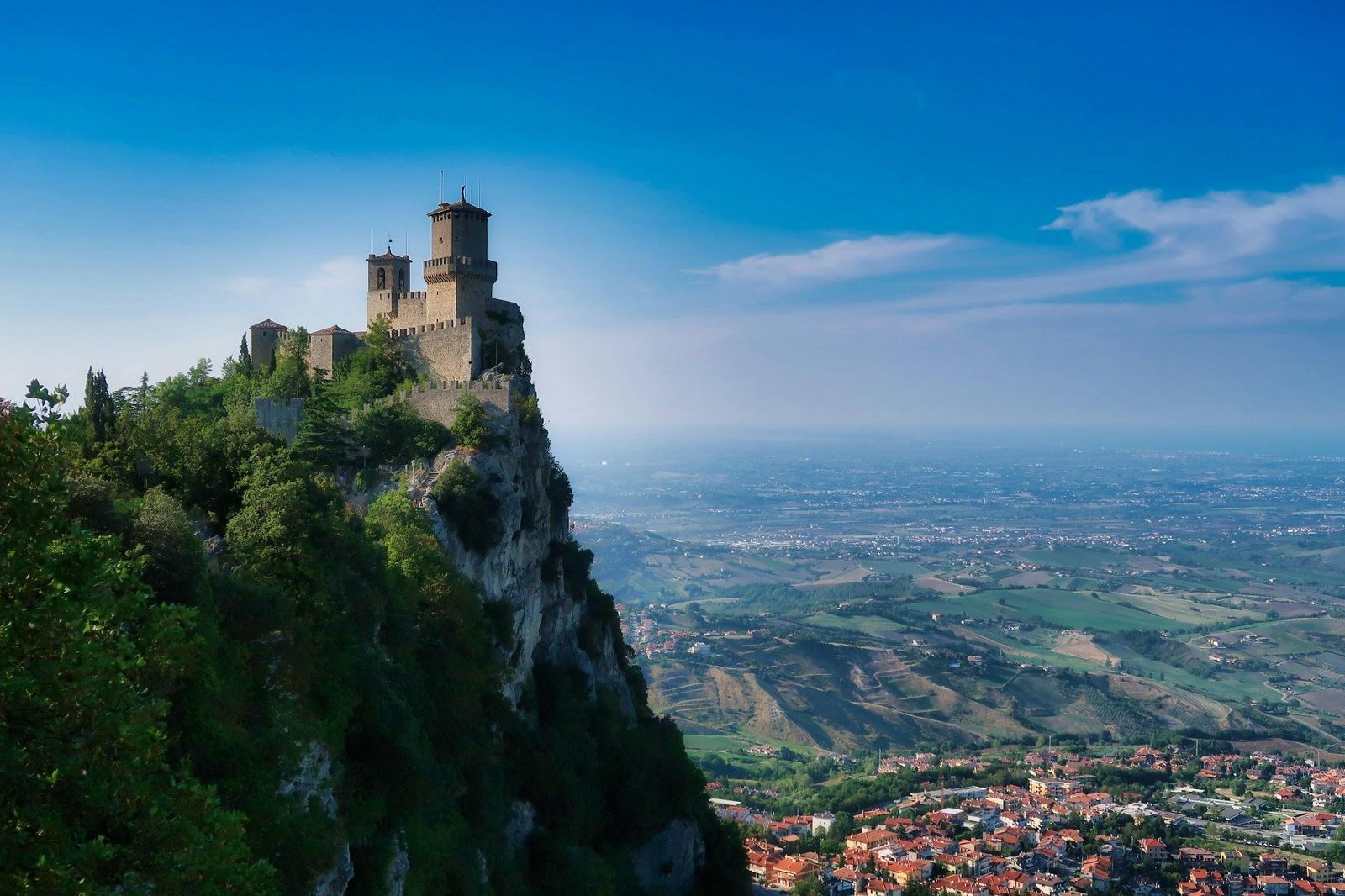
Surrounded entirely by Italy, San Marino covers 23.5 square miles. It claims to be the oldest sovereign state and constitutional republic in the world, founded in 301 AD by a stonemason named Marinus.
In the 19th. century, during the American Civil War, San Marino wrote to Abraham Lincoln expressing their admiration for his leadership. Lincoln responded with a letter praising the republic’s resilience. In return, San Marino granted Lincoln honorary citizenship, a gesture he reportedly found deeply moving during one of his darkest political hours.
Tuvalu: Profiting from the internet
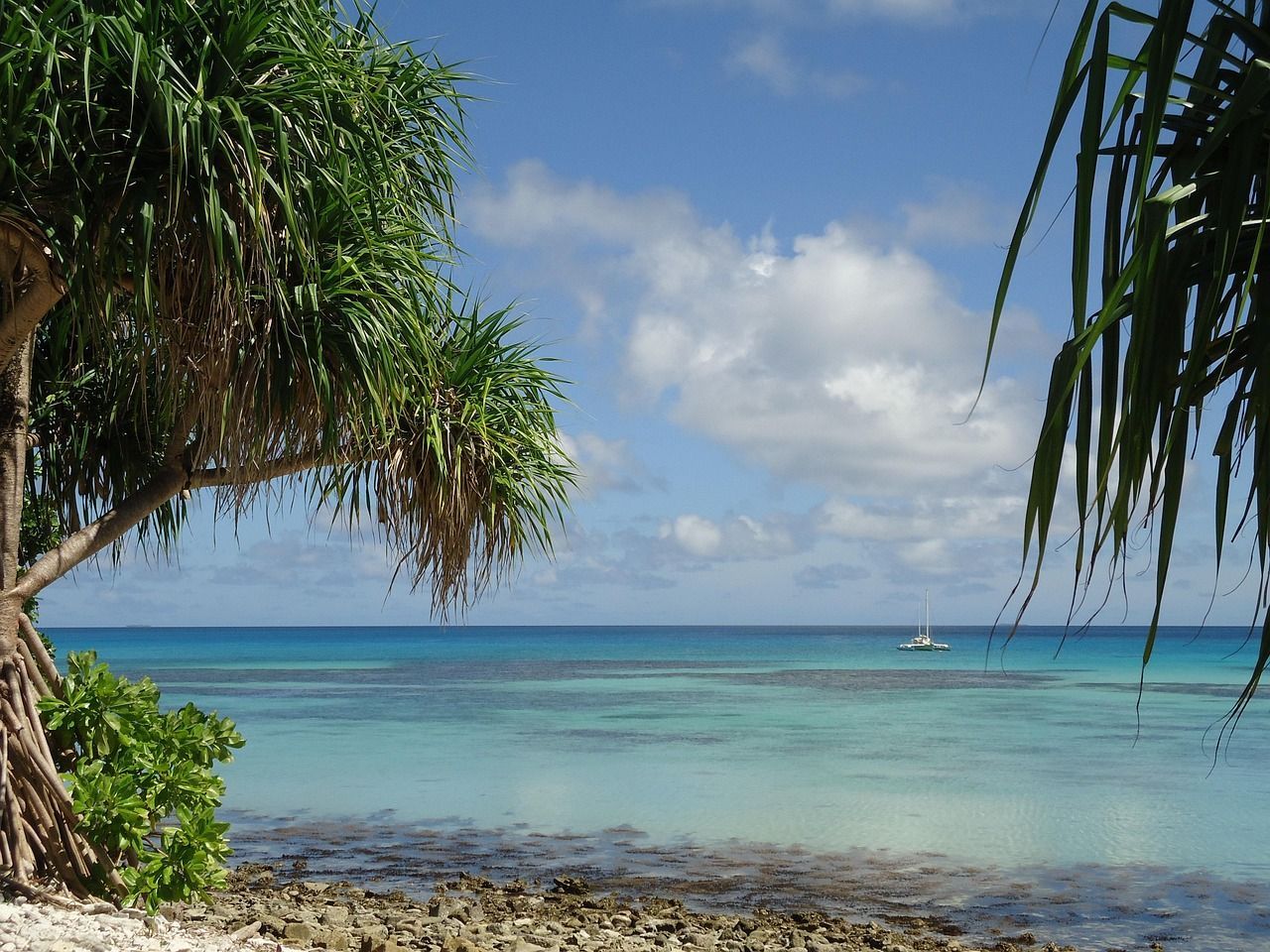
Tuvalu is a tiny nation of nine islands in the South Pacific, totaling just 10 square miles. Its physical existence is precarious due to rising sea levels, but its digital presence is lucrative.
Because Tuvalu was assigned the country code top-level domain ".tv," it hit a digital jackpot. The nation leases the rights to the domain to tech companies and streaming services, bringing in millions of dollars annually. This revenue accounts for about 10% of the country's total GDP, funding everything from scholarships to infrastructure.
Nauru: The country without a capital
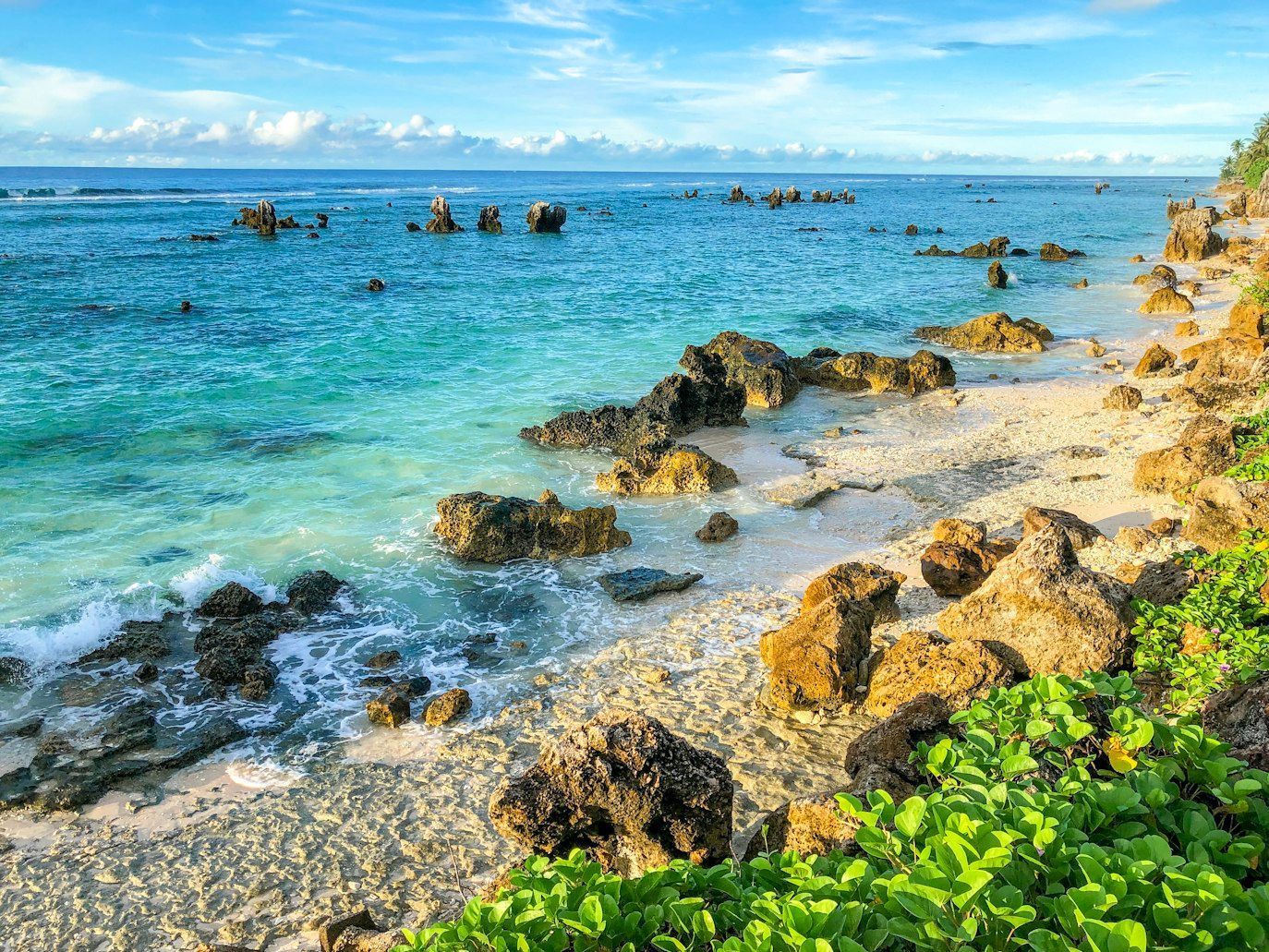
Nauru is an island nation in Micronesia with a land area of only 8 square miles. It is the smallest island nation and the smallest republic in the world.
Nauru is the only country in the world without an official capital city. While Yaren is the largest settlement and the site of most government buildings, the nation technically lacks an official urban center. It also famously went from being the wealthiest nation per capita in the 1970s (thanks to phosphate mining) to one of the poorest after the resources were depleted.
Monaco: The millionaire’s square mile
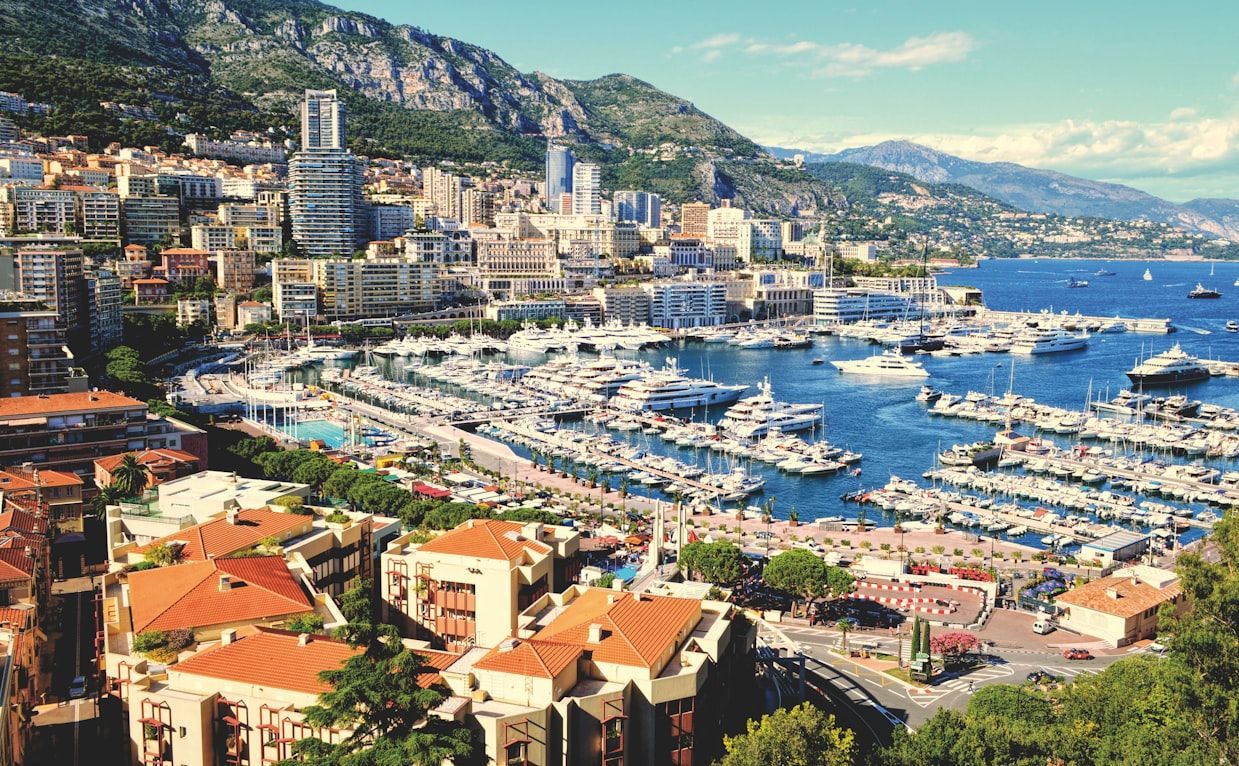
Monaco is the world’s most densely populated country, covering only 0.75 square miles. Despite its size, it is a global icon of luxury and speed. Roughly one in every three people living in Monaco is a millionaire. The country has zero income tax, making it a magnet for the world's ultra-wealthy.
Also, Monaco’s military is actually smaller than its police force. The Compagnie des Carabiniers du Prince consists of roughly 120 soldiers, whereas the police force is over 500 strong. It is one of the few places where you could walk across the entire country in about 60 minutes.
State of the Vatican City: The heart of the church
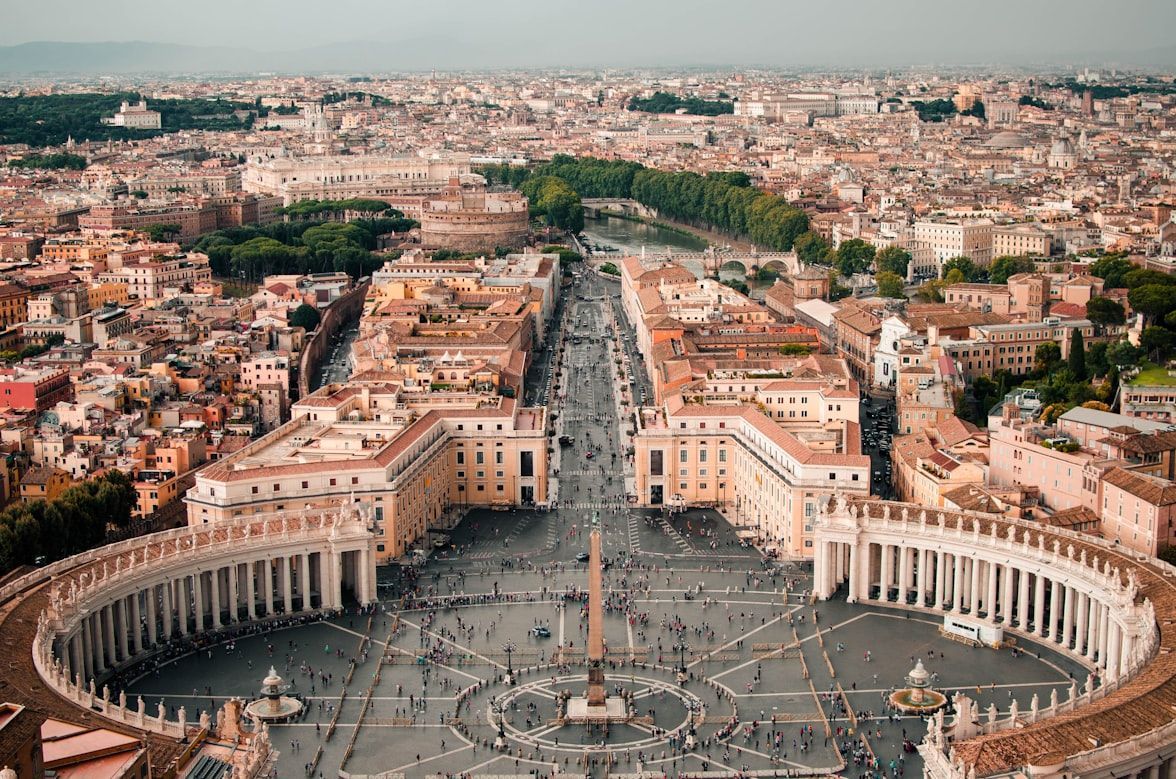
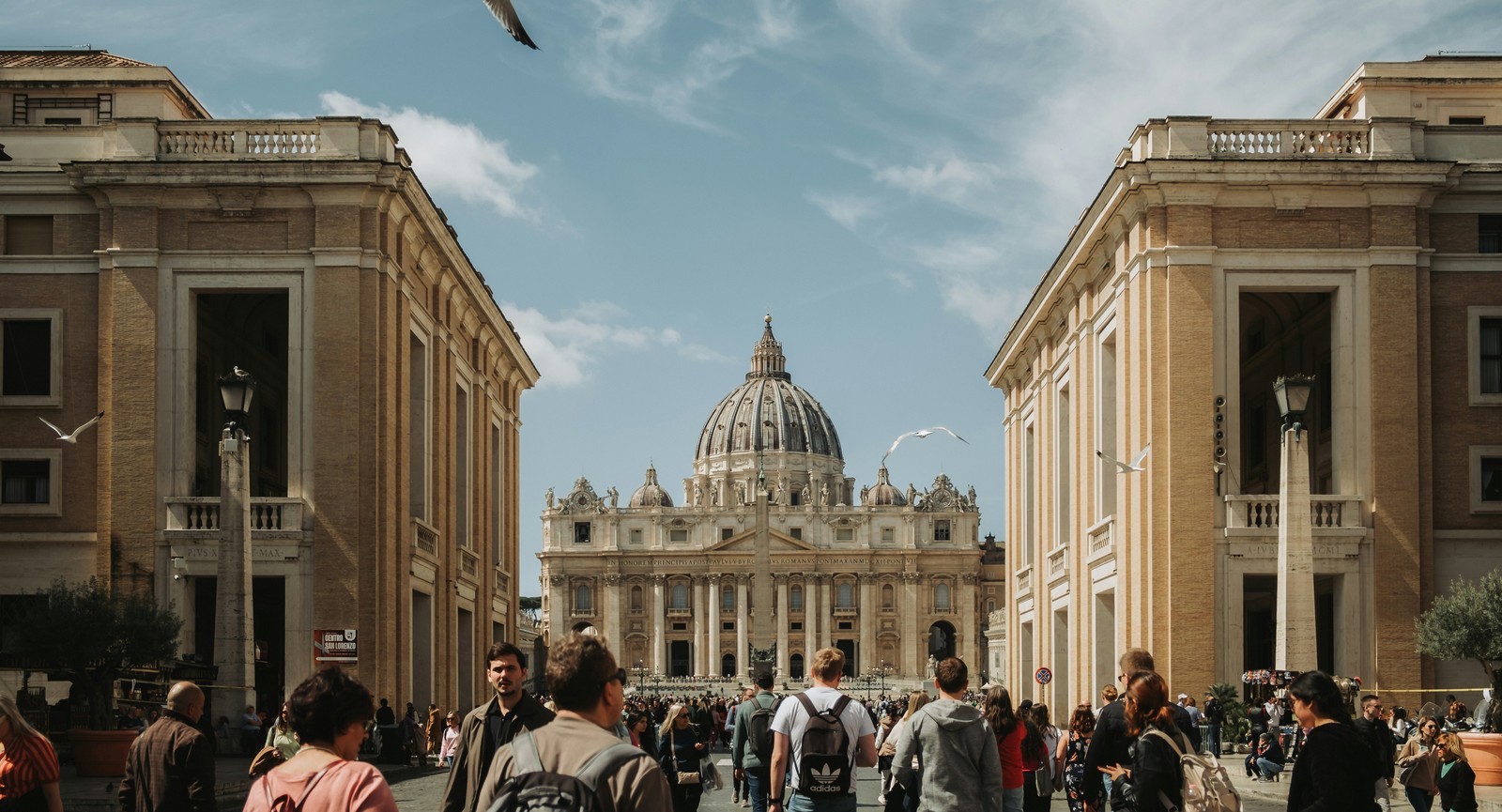
The Vatican City is the smallest country in the world, spanning a mere 0.17 square miles (about 110 acres). It is an absolute monarchy ruled by the Pope. Despite having a population of around 800, nobody is actually born in the Vatican. The country has no hospital or maternity ward. Citizenship is not granted by birth, but rather by jus _officii_—it is given to those who work for the Holy See and is usually revoked once their service ends.
More importantly, the Vatican is the only country in the world that is, in its entirety, a UNESCO World Heritage Site. Every building, from St. Peter's Basilica to the Vatican Museums, is protected under this designation.
Keep wandering
There’s always
more to explore
Are you sure you want to eat that? Keep your best health while traveling
5 min.
Read Now
 Landmarks
Here's why no flight ever goes over Disney World or Mount Vernon
7 min.
Read Now
 Culture
Don't dig into the breadbasket in Spain before checking the menu
5 min.
Read Now

A pod of dolphins protected four humans from a shark attack
5 min.
Read Now