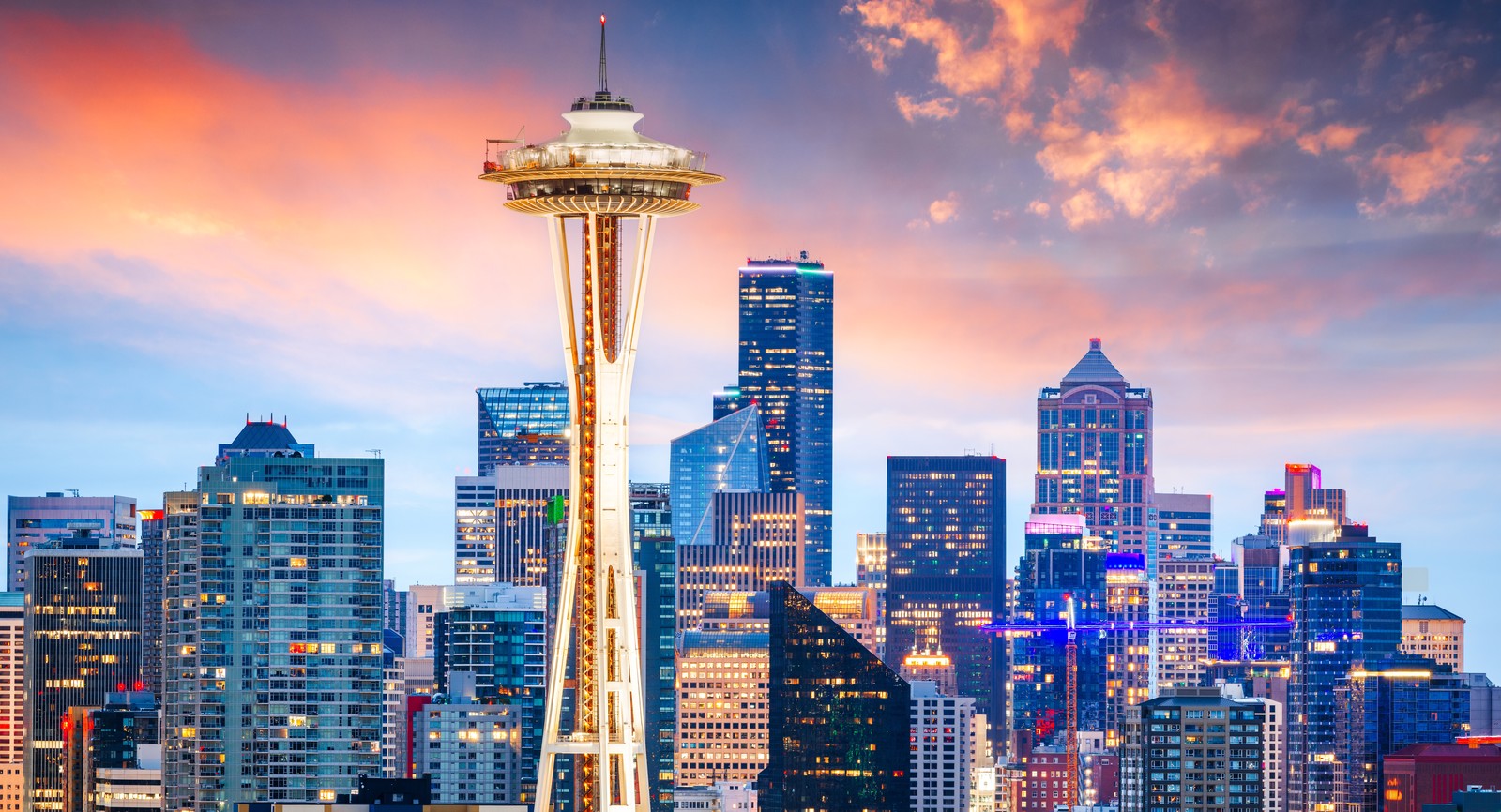
Nashville was nicknamed "Athens of the South." Do you know why?
 General
Architectural wonders
Nashville was nicknamed "Athens of the South." Do you know why?
A World’s Fair was never just another festival. These huge events gave countries and cities a chance to share their cultures and show millions of visitors what the future might look like. However, many of their most attractive structures were meant to last only a few months. In many cases, tearing them down almost seemed like a waste; some buildings needed to stay for future generations. These 10 landmarks escaped the fate of being dismantled and found a whole new purpose after the fairs ended, becoming lasting symbols of their cities.
The Space Needle, Seattle, United States
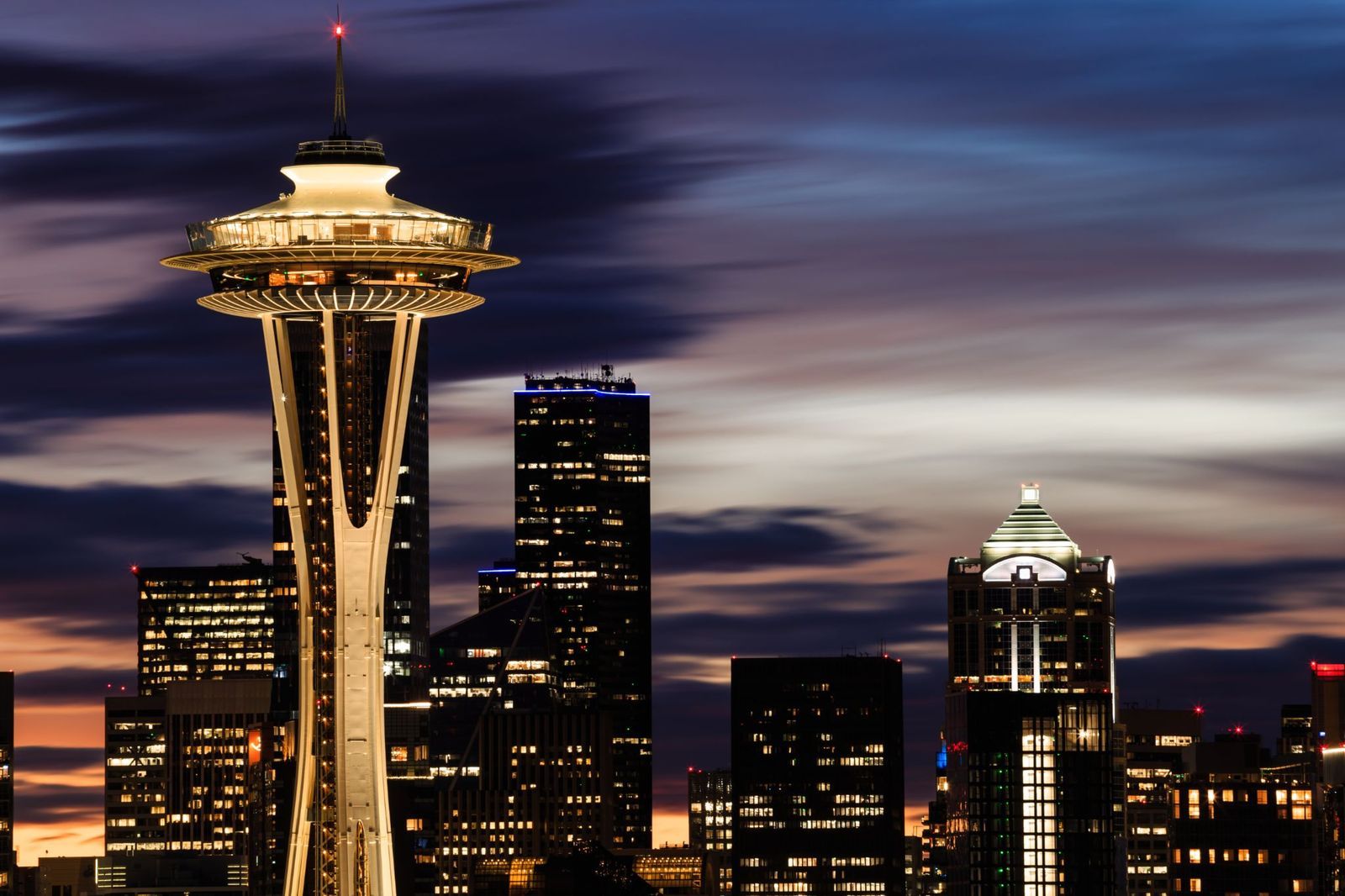
The theme of Seattle’s 1962 World’s Fair was "The Age of Space," which was hardly surprising, since advances in space exploration were all the rage and influenced many aspects of life at the time. Businessman Edward Carlson had seen a broadcast tower with a restaurant in Germany and, inspired by it, sketched what would later become the Space Needle on a napkin.
It was built in just 13 months, faster than many office buildings, and welcomed 2.65 million visitors before the fair ended. Today, the public can ride to the top for panoramic views of Mount Rainier and "The Loupe," the world’s first rotating glass floor that makes the city seem to move beneath your feet, which opened in 2018.
The Parthenon, Nashville, Tennessee
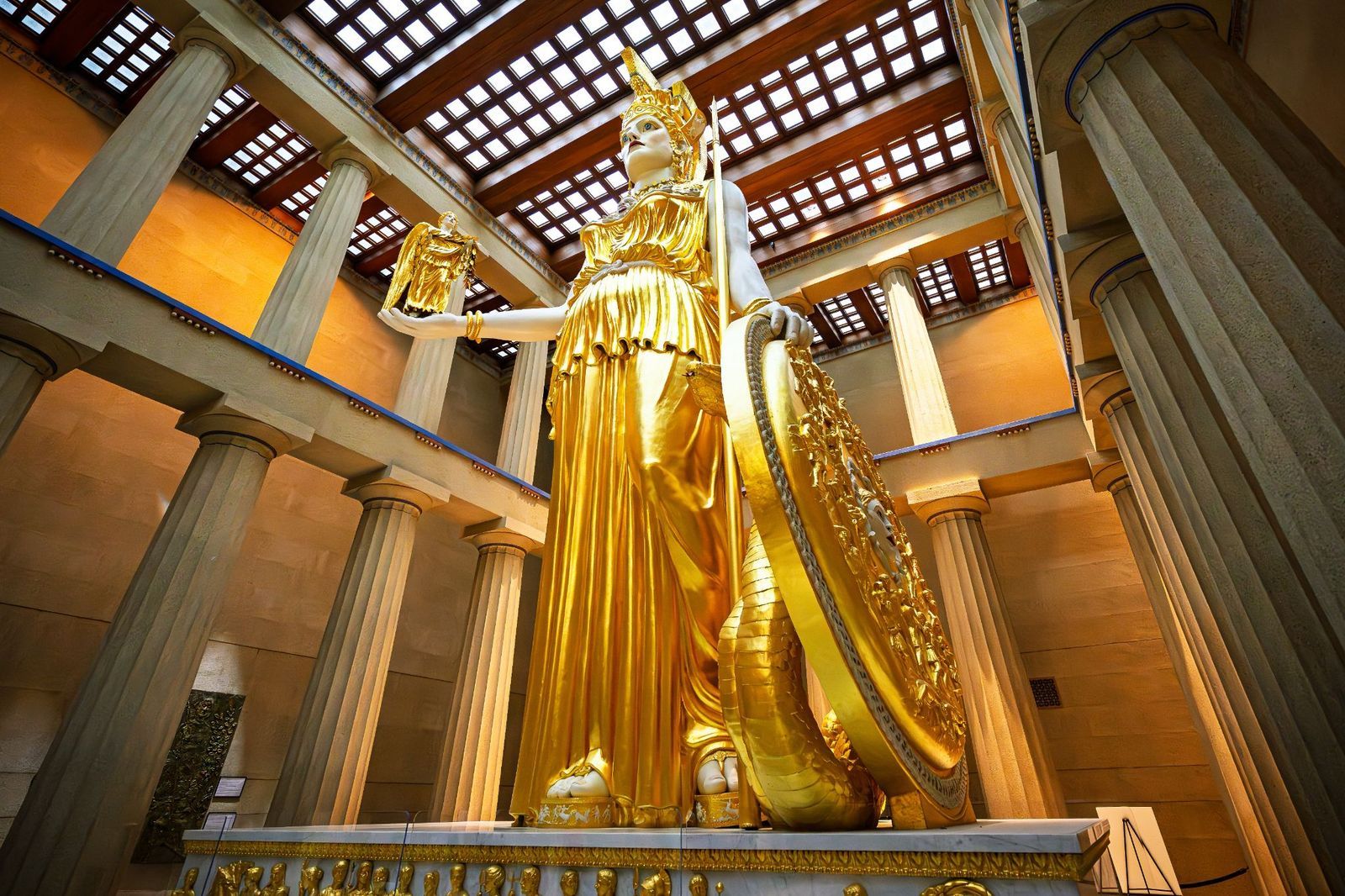
Long before it became known as Music City, Nashville was called the "Athens of the South" because of its strong reputation for education. When the city hosted the Tennessee Centennial Exposition in 1897, organizers decided to take that nickname literally. The fair celebrated 100 years since Tennessee joined the United States in 1796, and its centerpiece was a full-scale replica of the Parthenon in Athens.
Like the other fair buildings, it was made from inexpensive plaster, wood, and brick and was meant to be temporary. But the replica became so popular that Nashville decided to preserve it after the fair ended. As the original materials began to deteriorate, the city rebuilt the structure in permanent concrete during the 1920s. The Parthenon serves as Nashville’s art museum and contains a 42-foot replica of the ancient statue of Athena, completed in 1990.
The Eiffel Tower, Paris, France
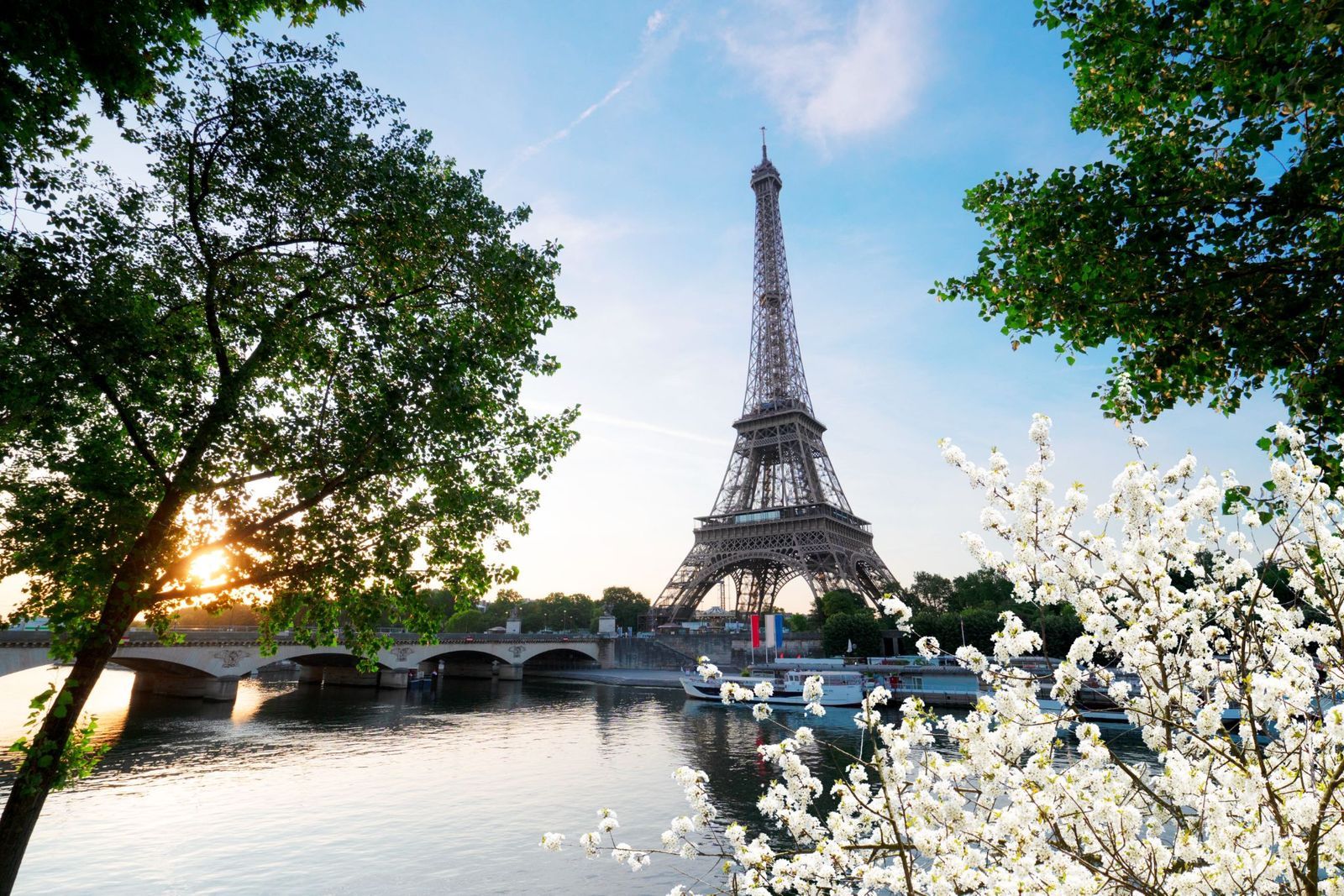
Nobody expected the Eiffel Tower to survive past 1909, since its permit was only for 20 years. It was constructed in 1889 as Paris's entrance to the World's Fair by Gustave Eiffel, whose design actually beat out over 100 others. The tower marked a century since the French Revolution. By 1909, it was set to be demolished, but its usefulness as a radio tower saved it. Now it represents the most recognizable symbol of Paris.
It can be visited in the Champ de Mars park, but the best views are found across the Seine River, in the Place du Trocadéro. Visitors can also ride an elevator or climb straight to the third floor, the top available for the public.
The Unisphere, New York City, United States
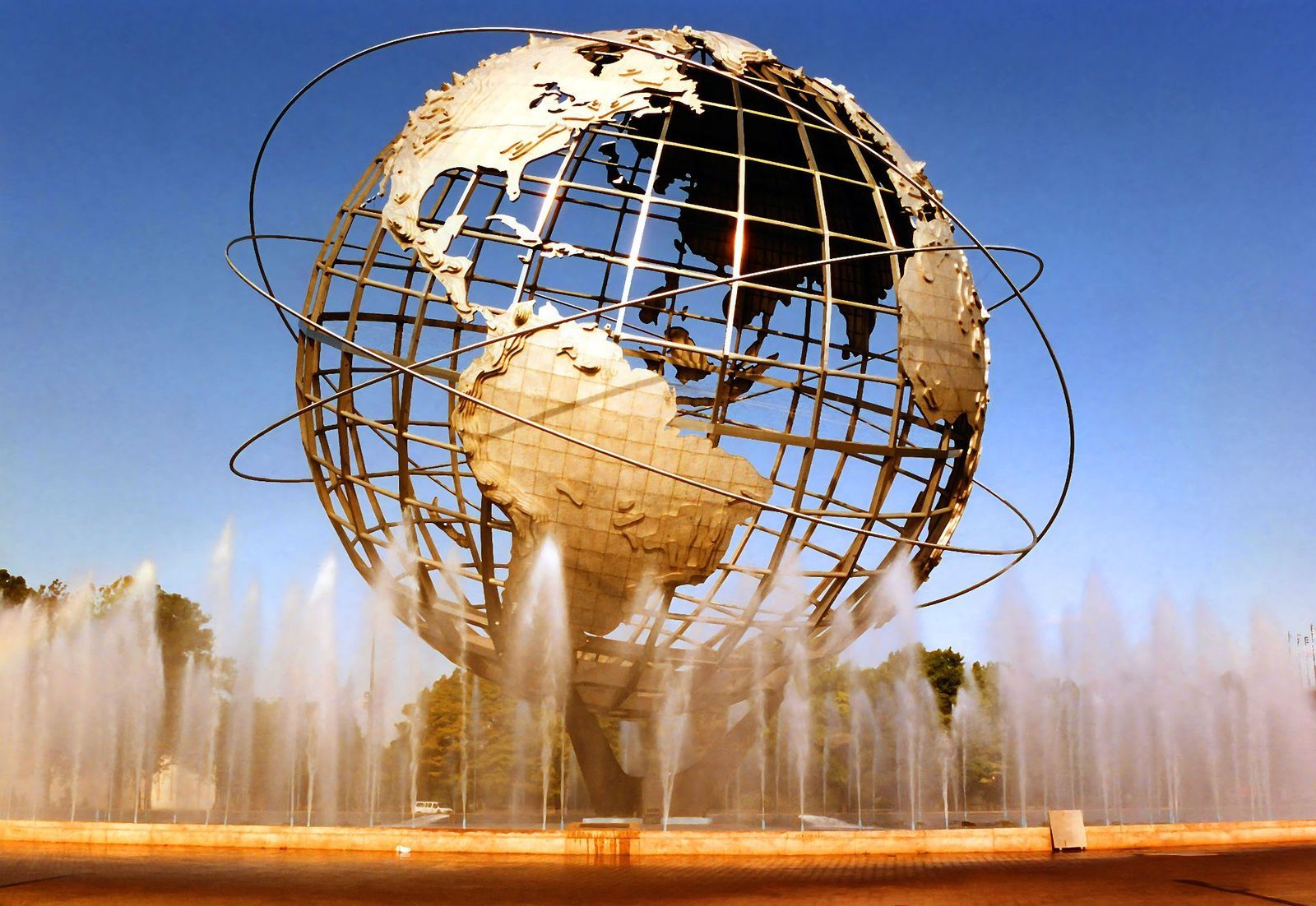
After the Space Needle rose for Seattle’s 1962 World’s Fair, New York held its own fair in Flushing Meadows-Corona Park. It ran for two seasons, from April to October in both 1964 and 1965, and attracted more than 51 million visitors. The main attraction was the Unisphere, a 140-foot stainless-steel globe built by U.S. Steel to represent the theme "Peace Through Understanding." It was given as a permanent gift, and its three rings recall the orbits of Yuri Gagarin, John Glenn, and the Telstar satellite.
The exhibitions introduced guests to new technology, including AT&T’s Picturephone, serving as an early commercial demonstration of video calling. Walt Disney also helped create four attractions for the fair, including "It’s a Small World" and an animatronic Abraham Lincoln.
The Palace of Fine Arts, San Francisco, United States
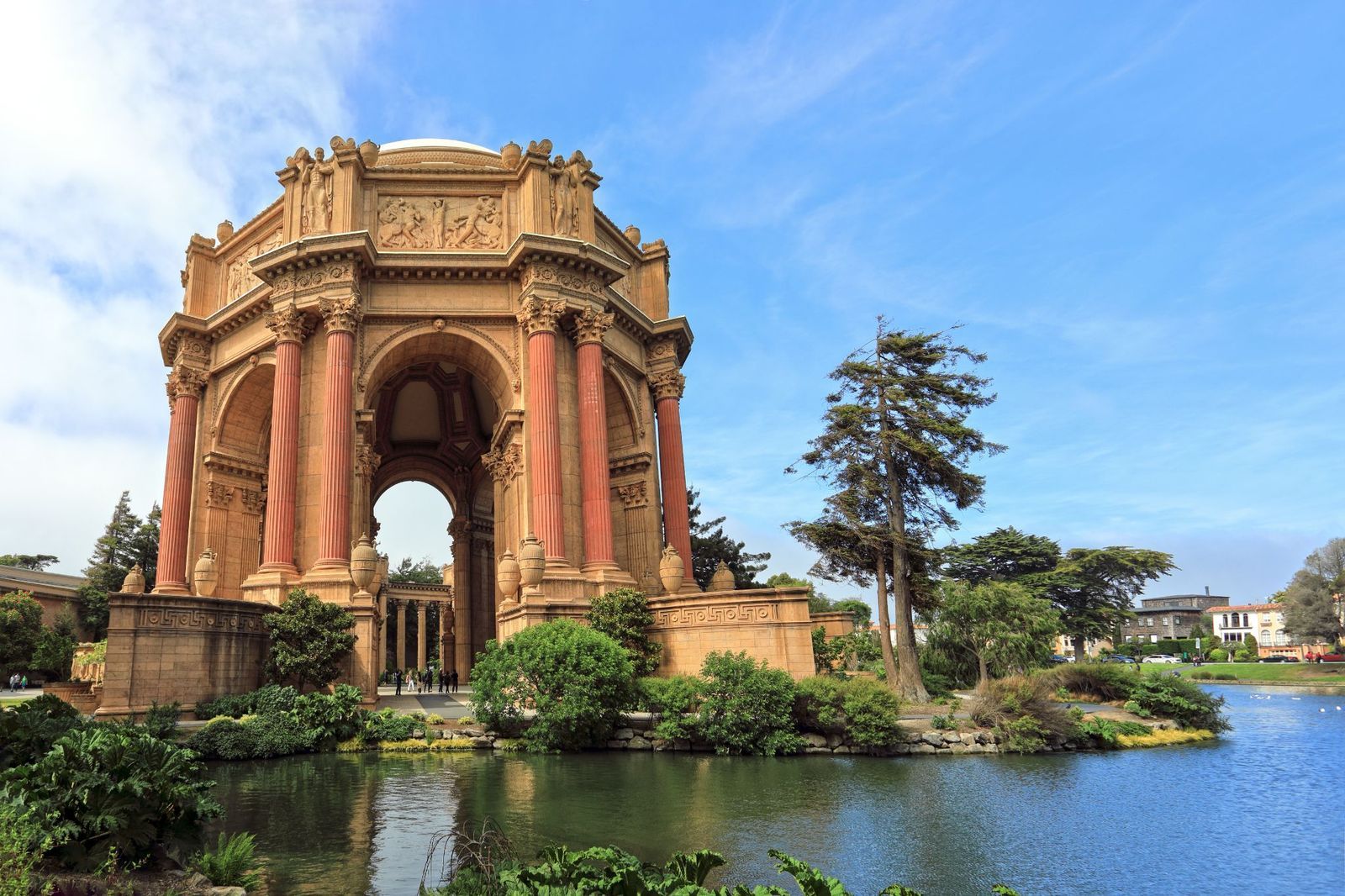
Two major events marked the Panama-Pacific Exposition of 1915: the inauguration of the Panama Canal and the recovery of San Francisco after the 1906 earthquake. The Palace of Fine Arts was meant to honor both events. Designed by architect Bernard Maybeck, it evokes the greatness and reflection of Ancient Roman ruins. It was also intended to offer a quiet, contemplative contrast to the energetic hustle of the World's Fair.
Because the original plaster structure deteriorated over time, it was rebuilt in permanent concrete during the 1960s and 1970s. The site actually serves as an event venue rather than a traditional museum, and visitors can freely explore the rotunda, colonnade, and lagoon.
The Atomium, Brussels, Belgium

When visiting Brussels in Belgium, you may hear that the Atomium is a must-visit national landmark. And, today, it certainly is. But it was originally built for the first World Fair after World War II in 1958. The Atomium was the centerpiece of the exposition, designed by engineer André Waterkeyn, and its nine spheres form an iron crystal magnified 165 billion times. This design reflected the era’s optimism about science and the peaceful use of atomic energy.
When the fair opened in Brussels in April 1958, visitors could explore exhibitions inside the spheres and ride one of Europe’s fastest elevators to the restaurant and observation area at the top. Its popularity actually saved it from demolition. Renovated with a stainless-steel exterior from 2004 to 2006, it now offers exhibitions, panoramic views, and a restaurant at the top.
The Montreal Biosphere, Montreal, Canada
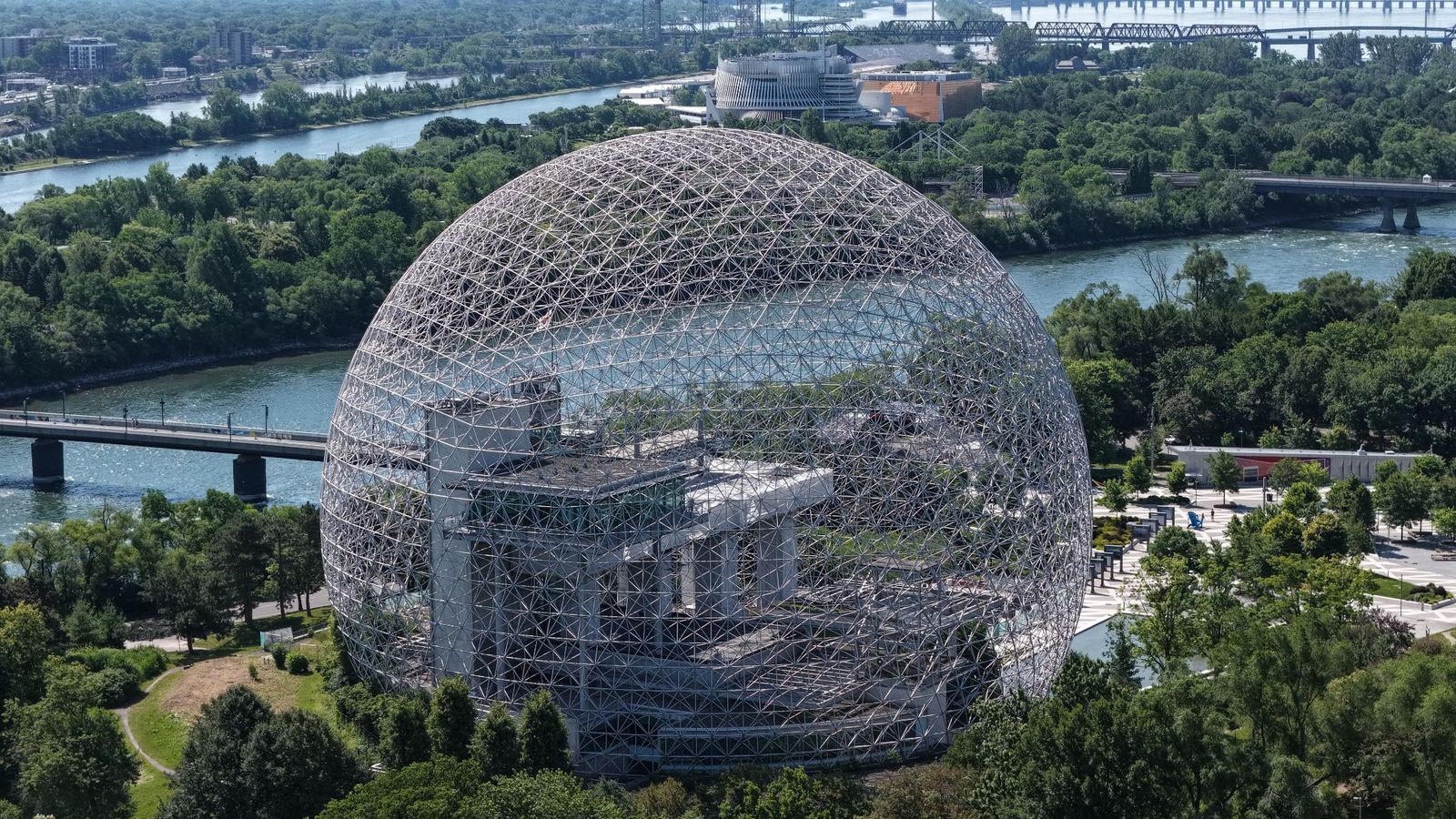
The Montreal Biosphere was built as the United States pavilion for Expo 67, the World’s Fair held in Montreal in 1967. Buckminster Fuller designed its futuristic geodesic dome to showcase American innovation, while the exhibits inside explored the Apollo missions, folk art, film, and popular culture. The structure formed two-thirds of a sphere, with a transparent acrylic shell covering its steel frame.
More than five million visitors stepped inside during the fair, and after Expo 67, the United States donated the pavilion to Montreal. In 1976, a fire sparked during renovation work destroyed the acrylic covering, but the steel frame survived. The structure remained closed for years until it reopened as an environmental museum in 1995. Dozens of exhibitions about nature, climate, and environmental solutions are held inside the dome.
The Tower of the Americas, San Antonio, United States
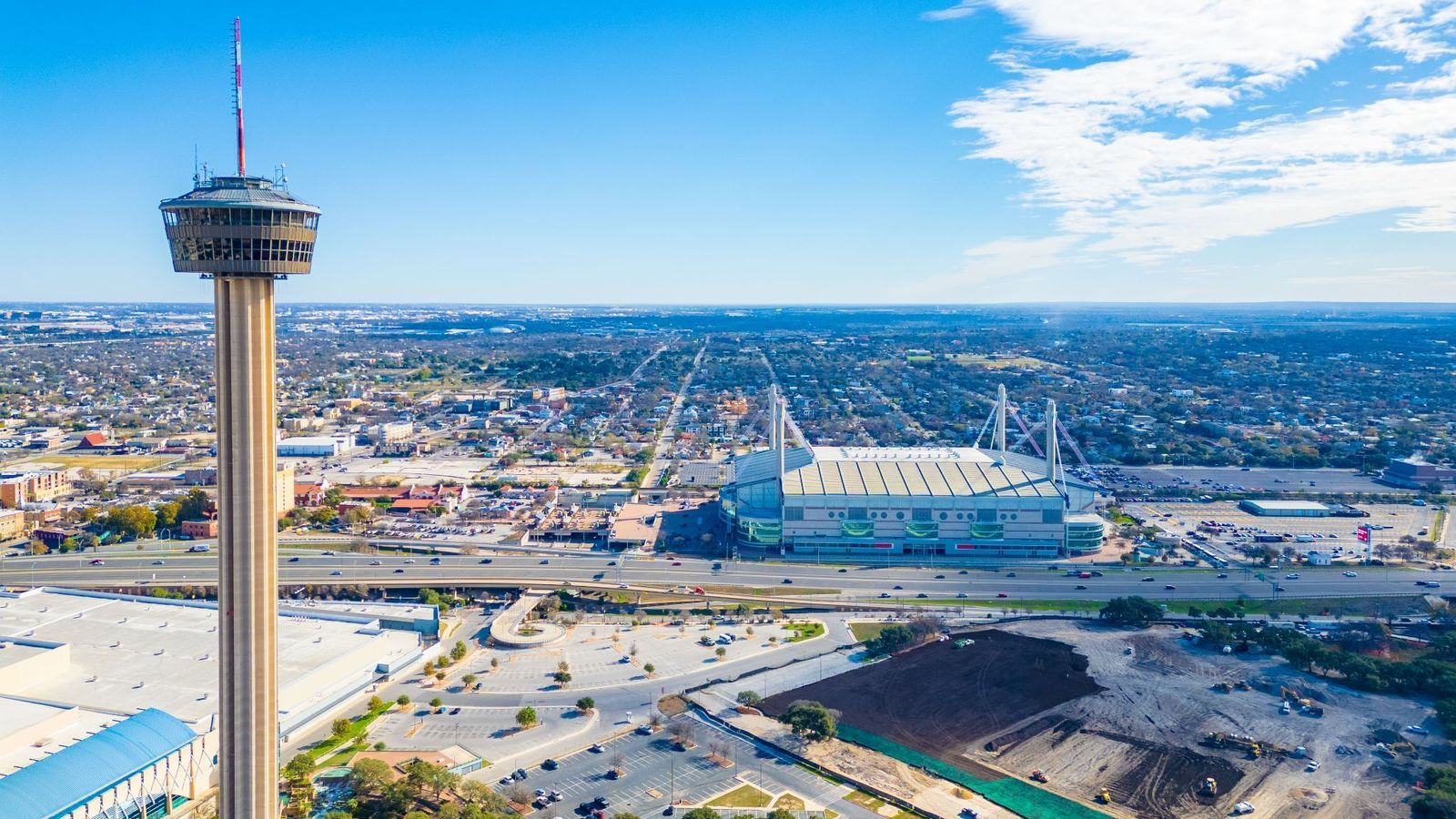
The same year Apollo 8 orbited the Moon, and Stanley Kubrick’s 2001: A Space Odyssey reached theaters, San Antonio unveiled the Tower of the Americas. Built to celebrate the city’s 250th anniversary, it became the centerpiece of HemisFair ’68. Architect O’Neil Ford designed the tower, which was completed in just 18 months. It remained the tallest observation tower in the United States until the Stratosphere Tower opened in Las Vegas in 1996. Today, visitors can dine in a revolving restaurant near the top or experience a 4D theater at ground level.
The Sunsphere, Knoxville, Tennessee
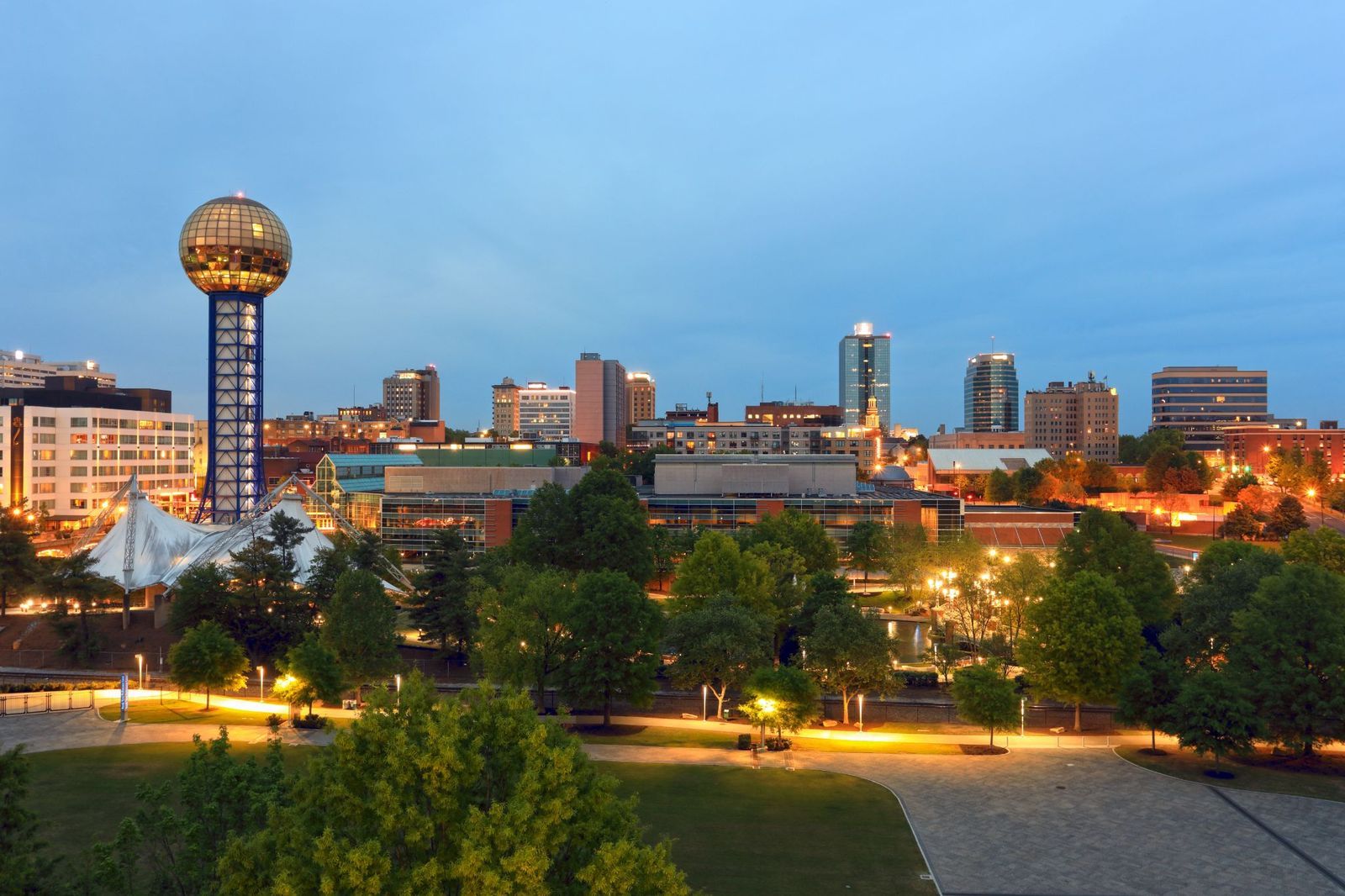
"Energy Turns the World" was the theme of Knoxville’s 1982 World’s Fair, and the Sunsphere brought that idea to life as it was the first spherical building constructed in the United States. A blue steel tower supports its 23-meter golden sphere, creating the illusion of a sun suspended in the sky. After the fair ended, the Sunsphere stood mostly empty for years, apart from a brief reopening in 1999.
The observation deck finally reopened in 2007 and was updated in 2014. It closed again during the pandemic, but welcomed visitors back with new displays in 2022. The building offers panoramic views and allows visitors to explore exhibits and memorabilia from the fair.
Plaza de España, Seville, Spain
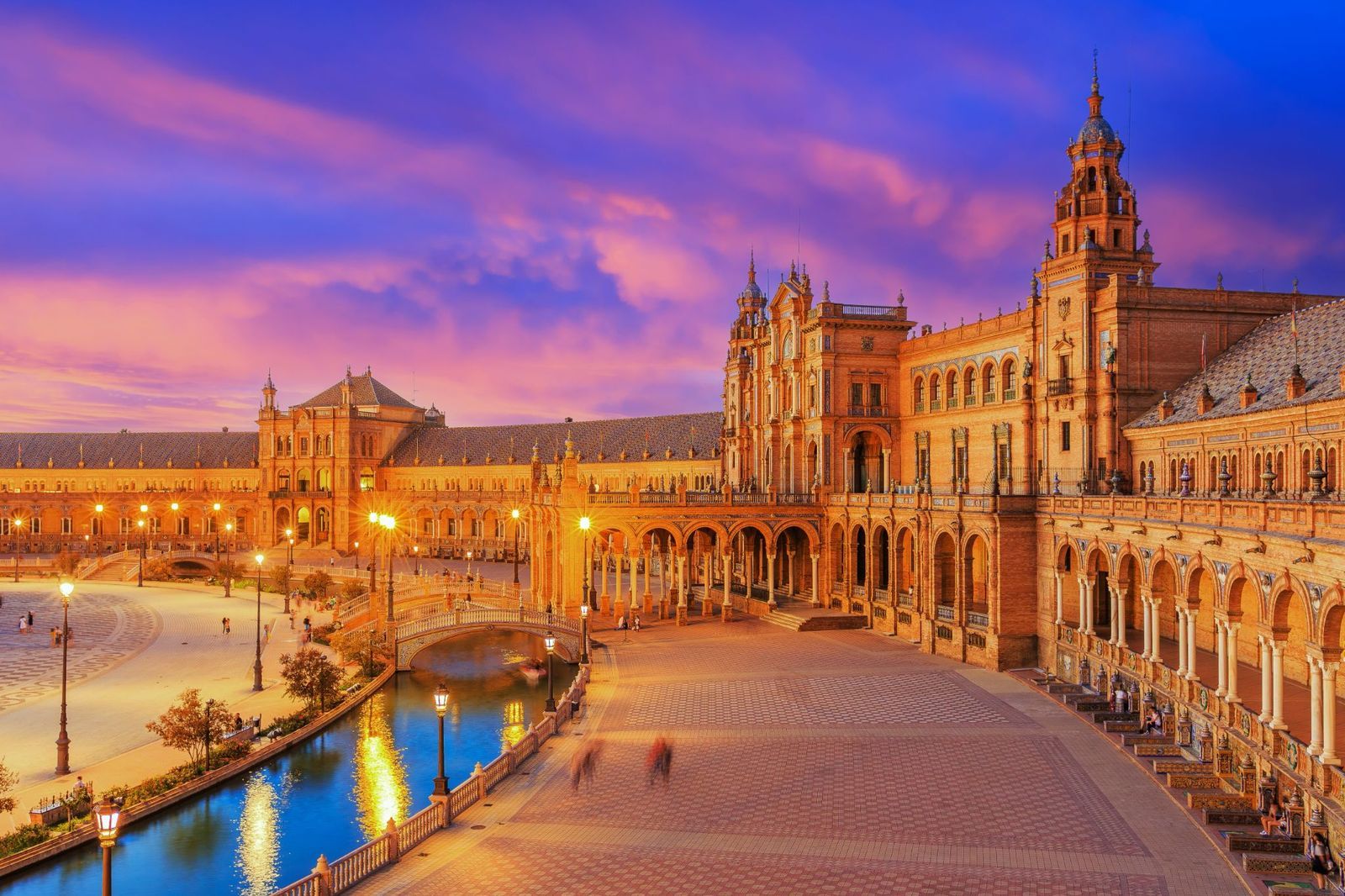
Seville’s Plaza de España was built in María Luisa Park between 1914 and 1928 for the 1929 Ibero-American Exposition. The event aimed to bring Spain closer to its former colonies in the Americas through stronger cultural and commercial ties. Architect Aníbal González even gave the plaza its wide semicircular shape to suggest Spain opening its arms toward America. It was built from brick, stone, and colorful ceramic tiles so it could remain long after the event ended.
A canal follows the curve of the plaza, while four bridges represent the historic kingdoms of Castile, León, Aragón, and Navarre. Hollywood eventually took notice. The plaza stood in for Cairo in David Lean’s Lawrence of Arabia (1962), while George Lucas transformed it into the planet Naboo in Star Wars: Episode II – Attack of the Clones (2002).
How did New York save lives across the country in the '80s?
Behind the wheel
Cruise control was invented by a blind man: 10 car stories you never knew
Did you know cruise control was invented by a man who couldn't see? Or that cars weren’t required to come with seatbelts until 1968? Cars are such a big part of everyday life that we rarely stop to ask how certain features came to be. Some answers are surprising, like the carmaker that handed its best safety design to its rivals for free. Here are the stories behind some of the things we now take for granted on the road.
The blind engineer behind cruise control

When Ralph Teetor was about six years old, he hurt his eyes in a knife accident and lost his sight. But this accident didn’t stop his ingenuity. At 12, he made a car using an engine from his father's machine shop. And in 1912, he graduated in mechanical engineering from the University of Pennsylvania.
Around 1936, he was a passenger riding with his patent lawyer, Harry Lindsey, who had the habit of slowing down when talking and speeding up when listening. Those rough movements annoyed Teetor enough that he decided to fix the problem. After 10 years, he created what’s now known as cruise control. He got the patent in 1950. In 1958, Chrysler put it in its Imperial, New Yorker, and Windsor models, with the name "Auto-Pilot." Cadillac later named it "Cruise Control," and that one stuck.
Why seatbelts weren't required until 1968

Seatbelts weren't very popular at first. Some car companies, such as Nash and Ford, offered them in their 1956 "Lifeguard" safety package, but only about one in five buyers ordered them.
Everything changed when President Lyndon B. Johnson signed the National Traffic and Motor Vehicle Safety Act in 1966. Under this law (starting on January 1, 1968), every new car had to have seatbelts, including lap-and-shoulder belts in the front seats next to the doors.
However, having seatbelts in the car didn't mean people wore them. That came later, in the 1980s. Because too many people were still dying in car accidents, New York stepped up and became the first state to make buckling up the law. It worked: more people started wearing their belts, and other states and countries soon followed.
Why Volvo gave away its seatbelt design for free
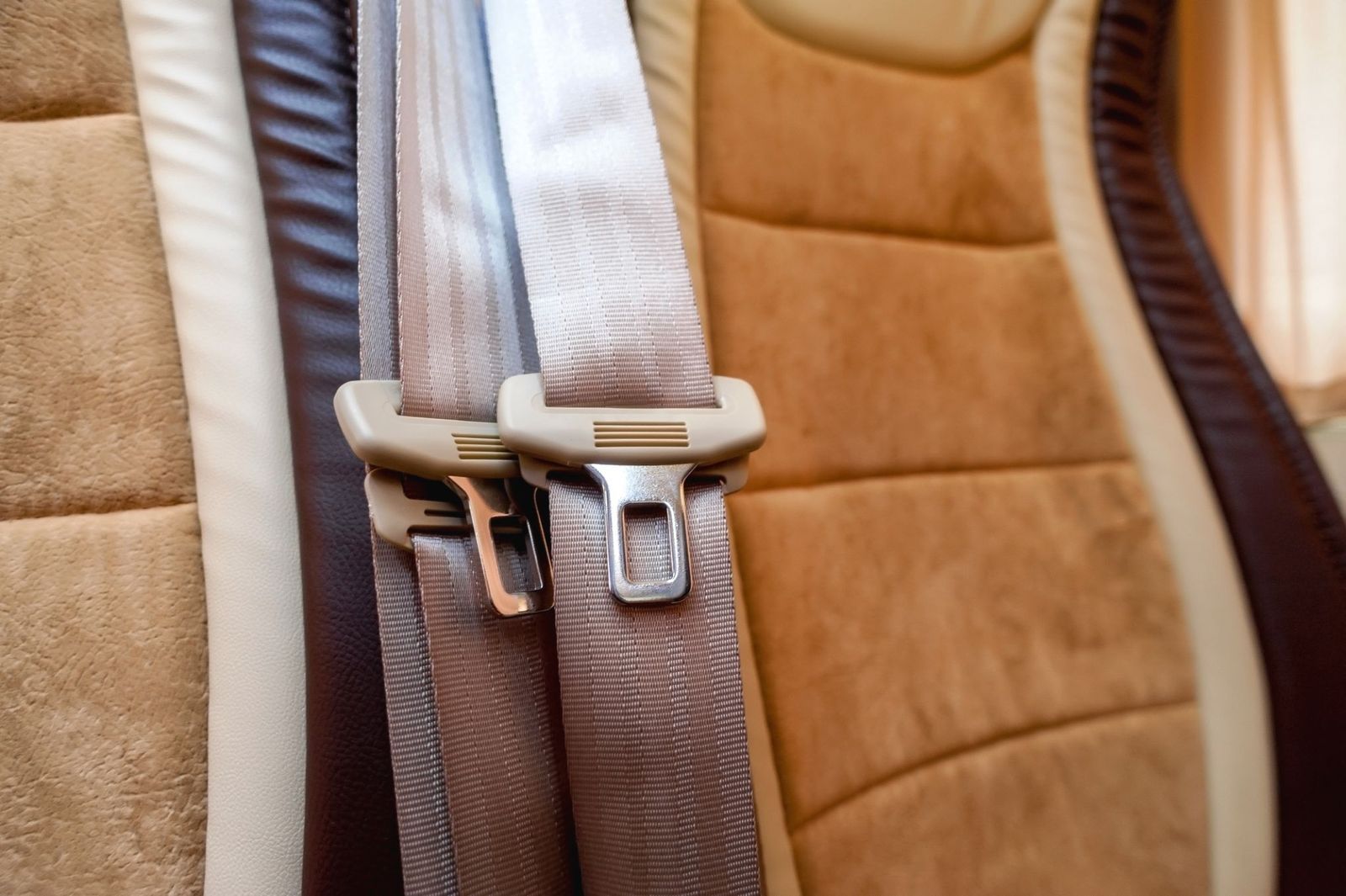
Did you know that the car seatbelts we use every day first appeared in 1959? They were designed by Swedish engineer Nils Bohlin, who, before cars, designed ejection seats for airplanes. In 1958, he joined the Swedish carmaker Volvo and created the three-point belt. It combined a lap belt and a shoulder belt, joined at one low point beside the seat, so it held both the upper and lower body in place during a crash. It was also simple enough to buckle with one hand.
The design was patented; still, Volvo made a surprising choice: it let other car companies use it for free, because it believed safety mattered more than profit. The company now estimates the three-point belt has saved at least one million lives worldwide.
How the first drive-in movie theater started in 1933
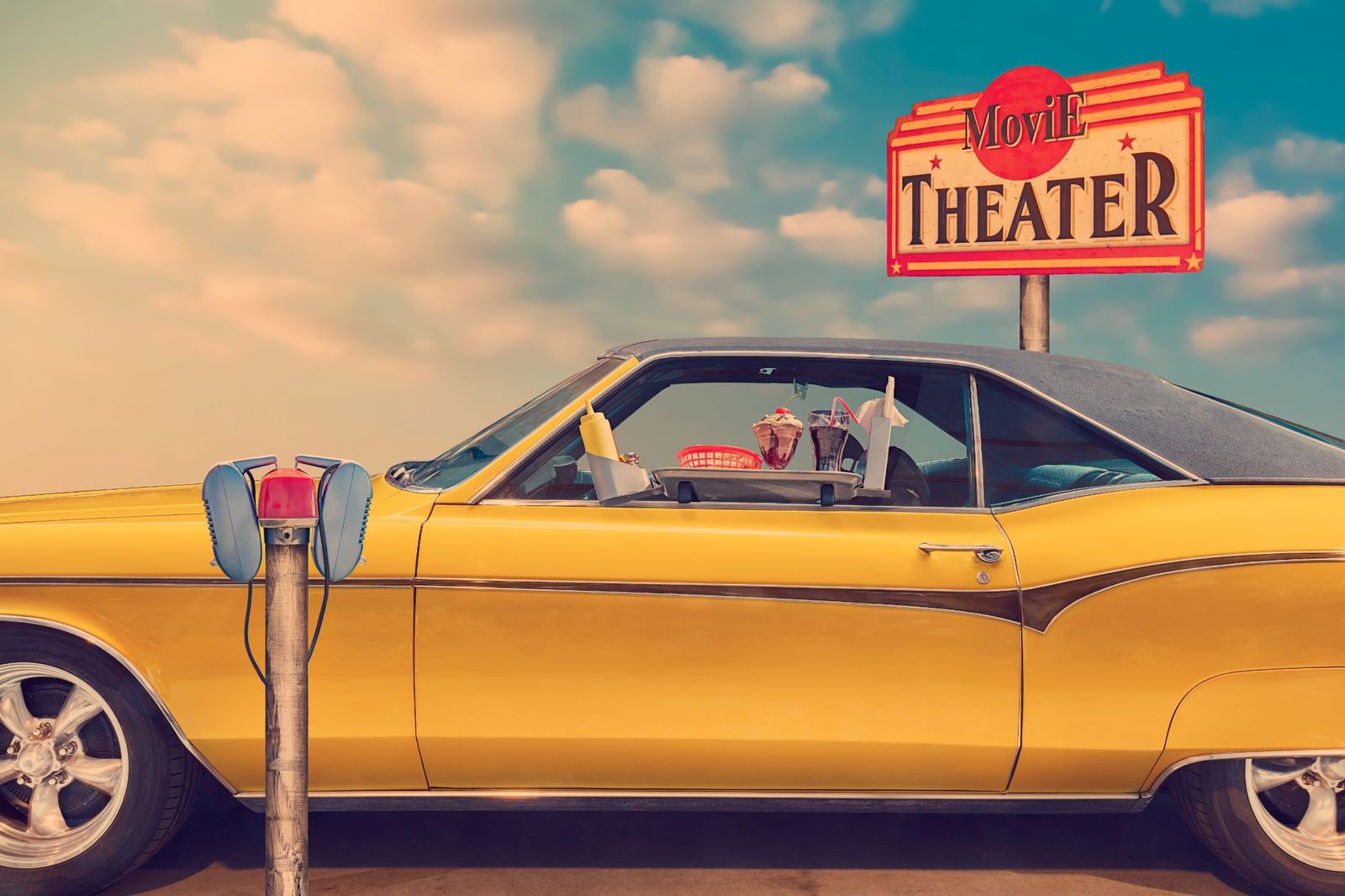
Richard Hollingshead came up with the idea for the first drive-in movie theater because his mother, who was overweight, had trouble fitting into regular theater seats. He was a sales manager at his family's auto parts company in Camden, New Jersey, and he started testing the idea in his driveway. He set a 1928 Kodak projector on the hood of his car, nailed a sheet to some trees for a screen, and put a radio behind it for sound. He even turned on his lawn sprinkler to see how a movie would look in the rain.
Once he had it all figured out, he patented his design in May 1933. A few weeks later, he opened the Park-In Theater in nearby Pennsauken. It cost about $30,000 to build it, and tickets cost 25 cents per car and 25 cents per person. The sound came from large speakers near the screen. Families loved it, and by the late 1950s there were about 4,000 drive-ins across the country.
Why 1950s cars had tailfins
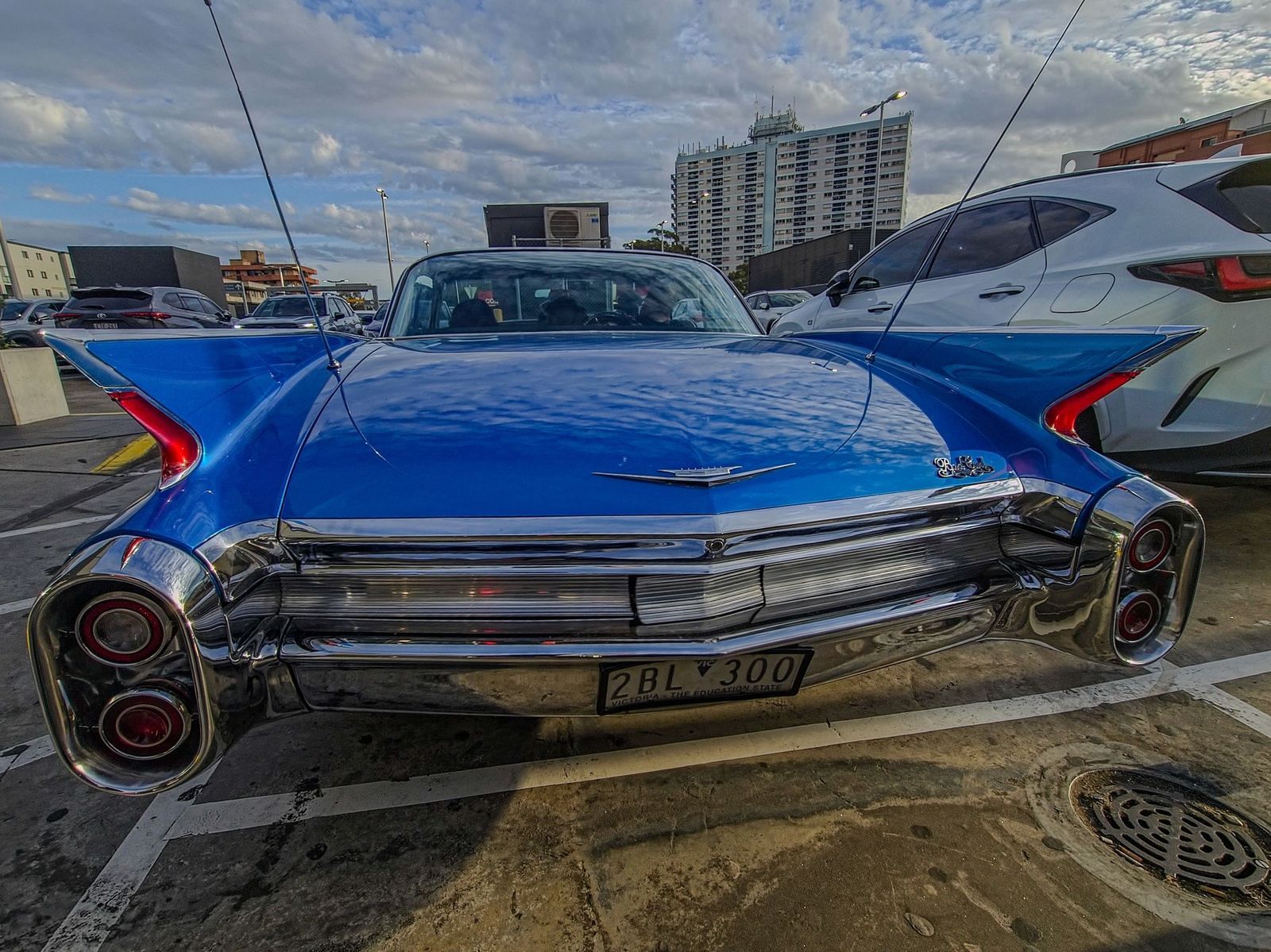
The 1950s were a decade when aviation and space travel were all the rage, so car manufacturers didn't miss the chance to jump on that trend. How? They added tailfins as a decorative feature at the back of their cars. Some companies claimed the fins were aerodynamic and helped keep cars steady on the road, but they were really just for looks.
Cadillac, operated by General Motors, became the most iconic car with this feature. Its sweeping fins stood for speed, futuristic rocket ships, and postwar American prosperity. Soon Chrysler and Ford joined in, and the three companies started a styling "arms race," adding bigger and bigger fins to stand out in the market. Critics later pointed out that the sharp fins could be dangerous for pedestrians and cyclists
Why the steering wheel is on the left in America
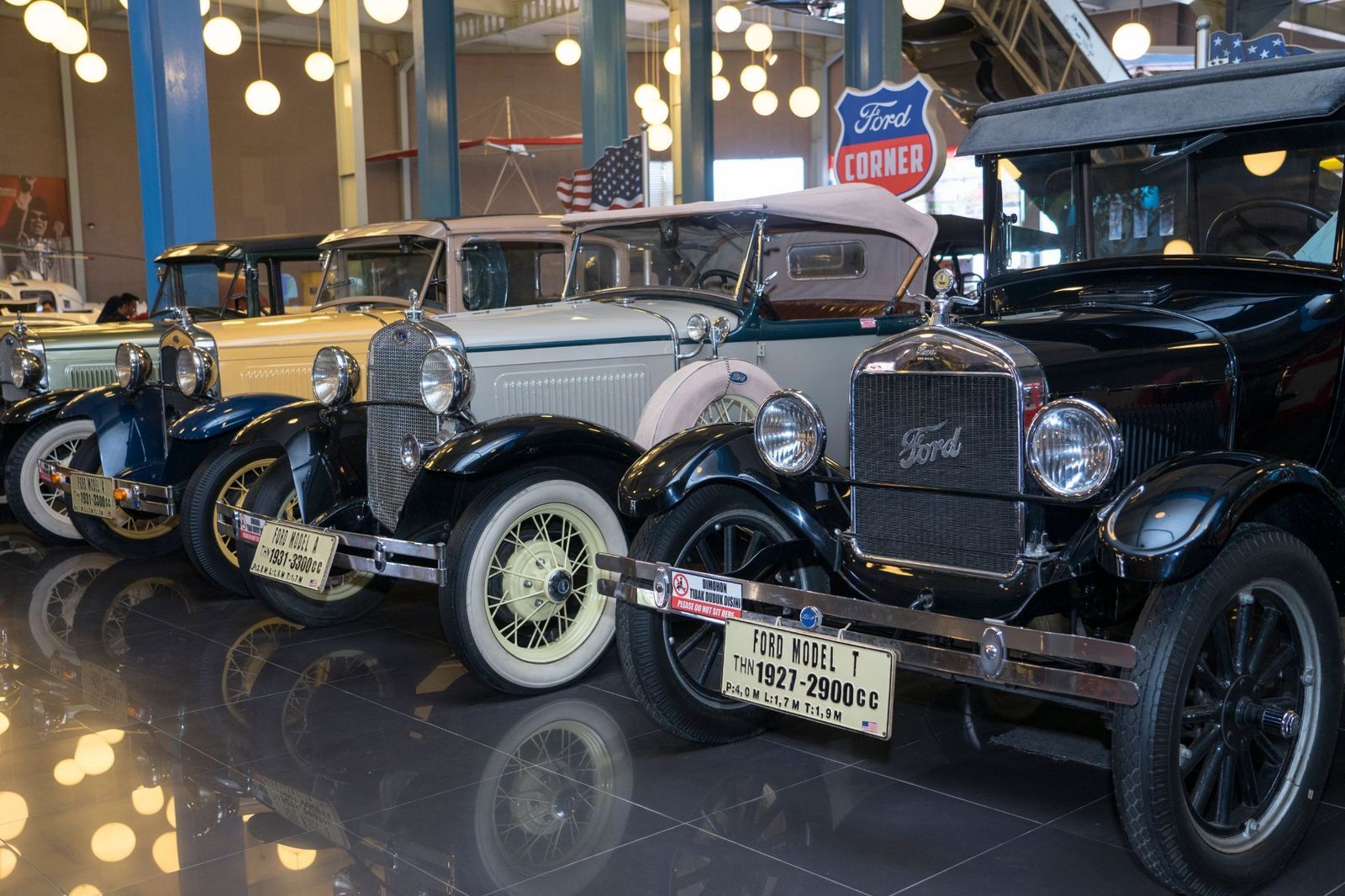
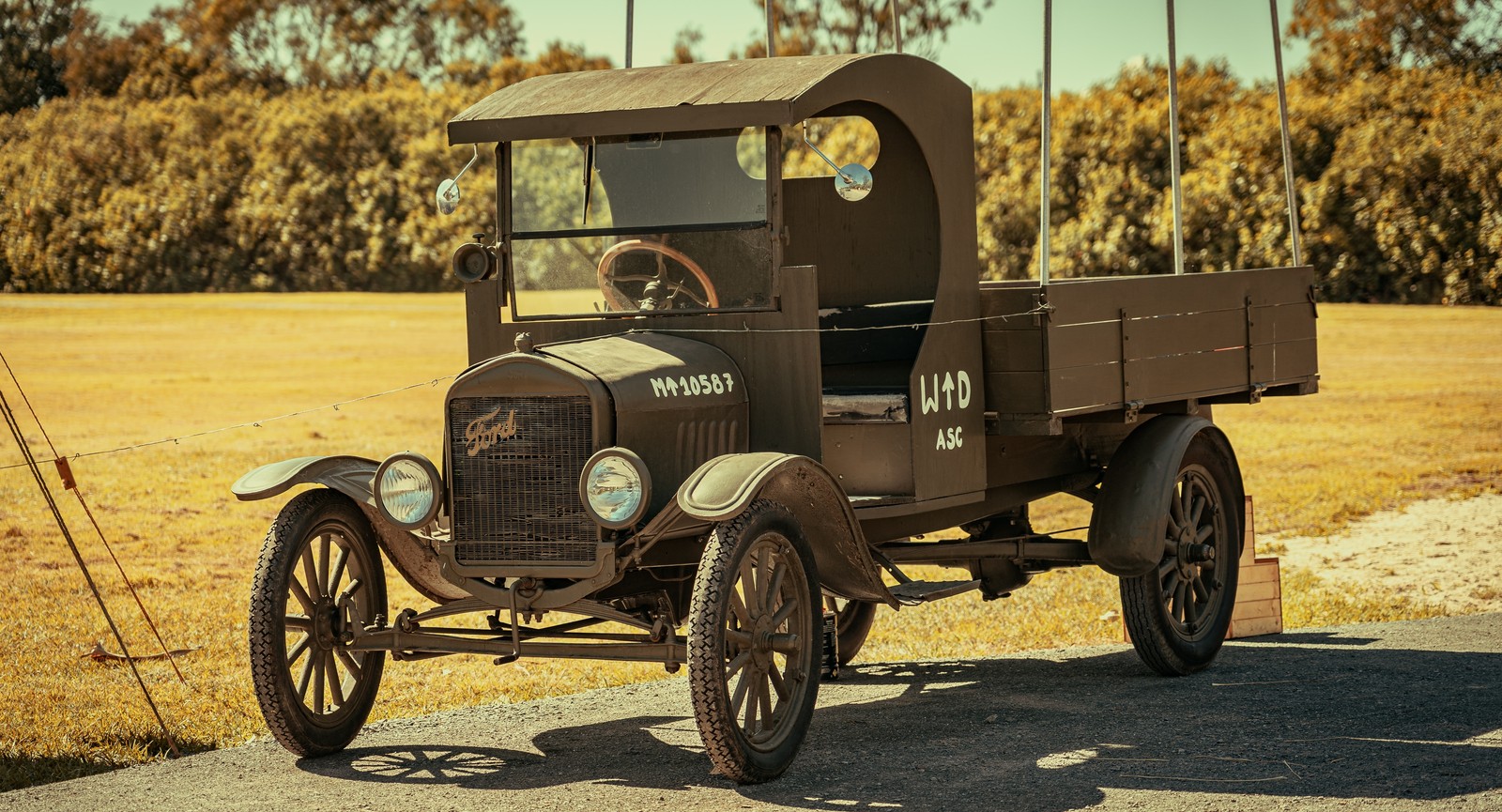
In the United Kingdom, the steering wheel is on the right. In American cars, it's on the left, and the reason is none other than Ford's Model T. Before Henry Ford launched it in 1908, many cars had the steering wheel on the right, even though Americans already drove on the right side of the road.
With the Model T's wheel on the left, the driver could see oncoming traffic better, and passengers could step out onto the sidewalk instead of into the street. It was the same idea drivers of the old Conestoga wagons had followed long before: they sat on the left to get a better view of the road.
How Motorola got its name from the car radio
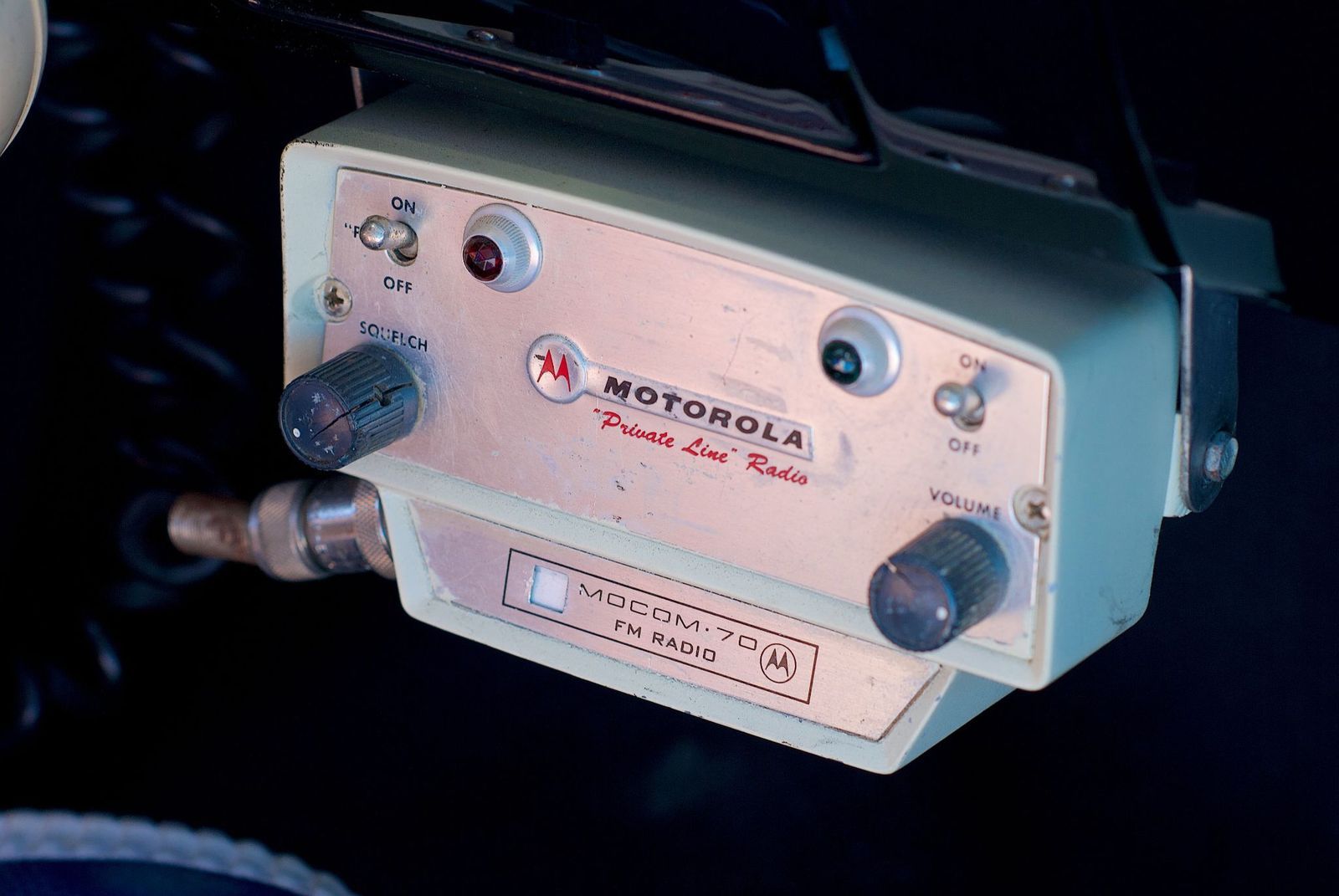
Many of us know Motorola as the company behind the first handheld cell phone, but it first made an impact decades earlier. In the 1930s, radios and cars were both booming, but it wasn’t until brothers Paul and Joseph Galvin stepped in that the two shared the same space. The Galvins ran the Galvin Manufacturing Corporation in Chicago; they made "battery eliminators" that let battery-powered radios run on household electricity. That was their job until their objective changed: to build affordable, sturdy radios for cars.
What would they call it? They took "motor" from motorcar and added "ola," borrowed from popular phonograph brands like Victrola. The result was Motorola, meaning "sound in motion." The radio was such a hit that in 1947 the company officially became Motorola, Inc.
The woman who invented the windshield wiper

Mary Anderson was a real estate developer from Birmingham, Alabama. In the winter of 1902, she was riding a streetcar in New York City and noticed that the driver kept opening the window and stopping the car to clear snow and sleet off the glass. That gave her an idea, and she invented a simple device that worked with a lever inside the streetcar. When the driver moved the lever, a rubber blade swept across the windshield. A counterweight held the blade against the glass, and the whole thing could be taken off in better weather.
In 1903, she received a patent for her "window cleaning device for electric cars and other vehicles." But it expired in 1920, and she never made any money from it. Just two years later, Cadillac became the first carmaker to include windshield wipers as standard equipment, and soon they were part of every car. Anderson died in 1953 and was posthumously inducted into the National Inventors Hall of Fame in 2011.
The little arrow that tells you where your gas tank is

The Moylan Arrow is the small dashboard arrow that shows which side your gas tank is on. It's named after Jim Moylan, a Ford designer who, one rainy day in 1986, pulled into a gas station in a company car. He didn't know which side the tank was on, and he guessed wrong.
He had to get back in, move the car, and step out again into the rain. By the time the tank was full, he was dripping wet. Back at the office, he wrote down his idea: put a small arrow next to the fuel gauge, pointing to the gas door. Ford liked it, and in 1989 the arrow showed up on the Ford Escort and Mercury Tracer. Today, almost every carmaker uses it.
What really causes that "new car smell"

What’s behind that iconic "new car smell" beloved by many? The scent comes from chemicals, volatile organic compounds, released into the air as the new materials inside the car slowly dry out: the plastic and vinyl on the dashboard, the glue and sealants that hold everything together, the carpet, the foam in the seats, and the treatments used on leather. The smell fades in the first few weeks, but hot weather makes it stronger for a while.
Keep wandering
There’s always
more to explore

They left a winning lottery ticket behind at the hotel—What happened next
6 min.
Read Now

10 passenger protections airlines won't tell you about
6 min.
Read Now
 Landmarks
10 mysterious wonders you can only see from the sky
4 min.
Read Now
 Culture
Why toasting with a glass of water could get you into serious trouble
6 min.
Read Now