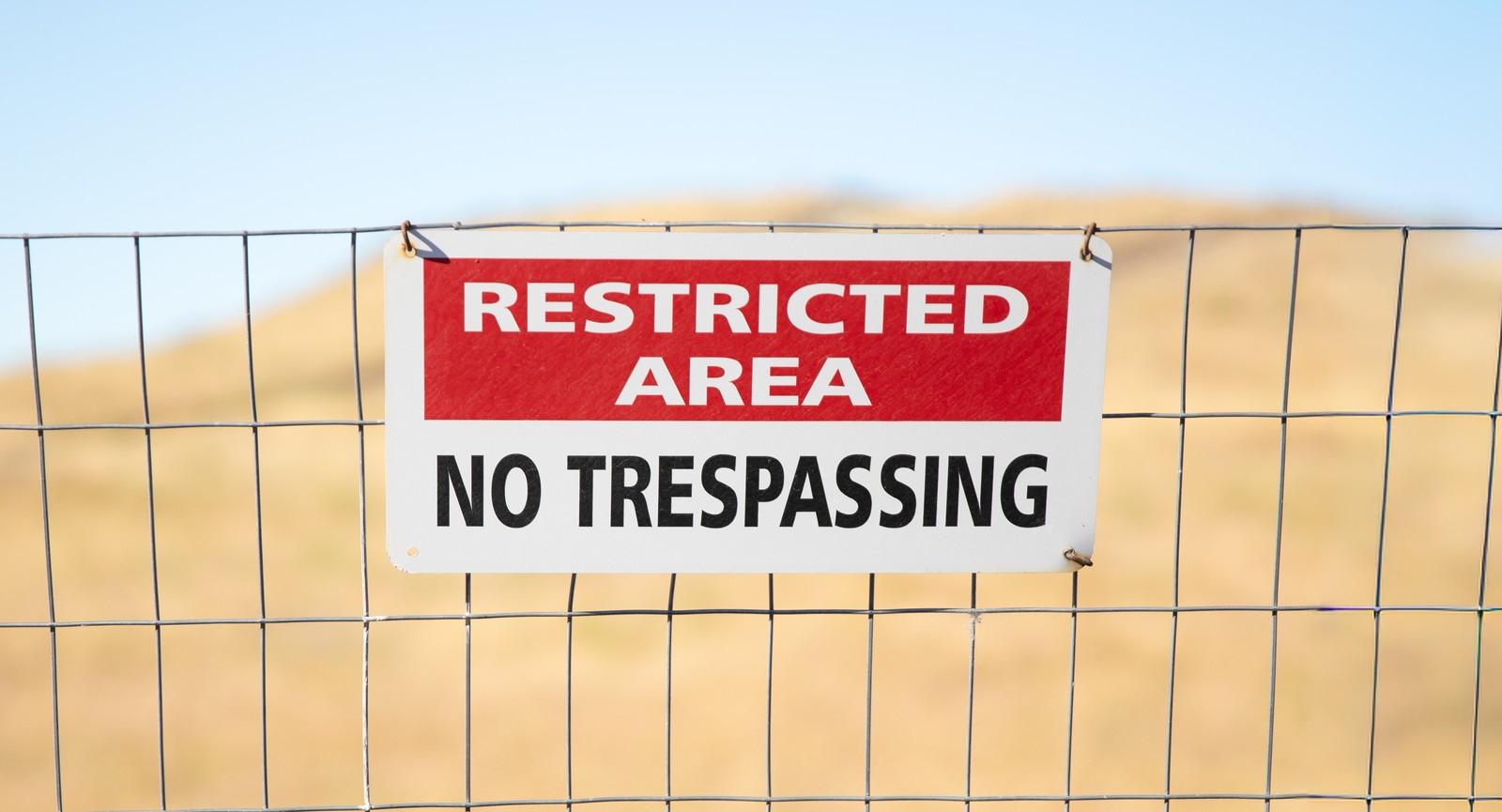
From Fort Knox to Walt Disney's hidden club: America's best-kept secrets
 Landmarks
No ticket will get you inside these places
From Fort Knox to Walt Disney's hidden club: America's best-kept secrets
You love travelling and exploring, but some places are simply off limits. Maybe you've driven past Fort Knox and wondered what’s hiding in there, or dreamt about visiting the secret vault in Atlanta that holds the Coca-Cola recipe. Some sites across America remain almost completely out of reach due to national security, private ownership, or decades of mystery. Here are 10 locations with stories that are far more surprising than the "No Trespassing" signs suggest.
Fort Knox, Kentucky
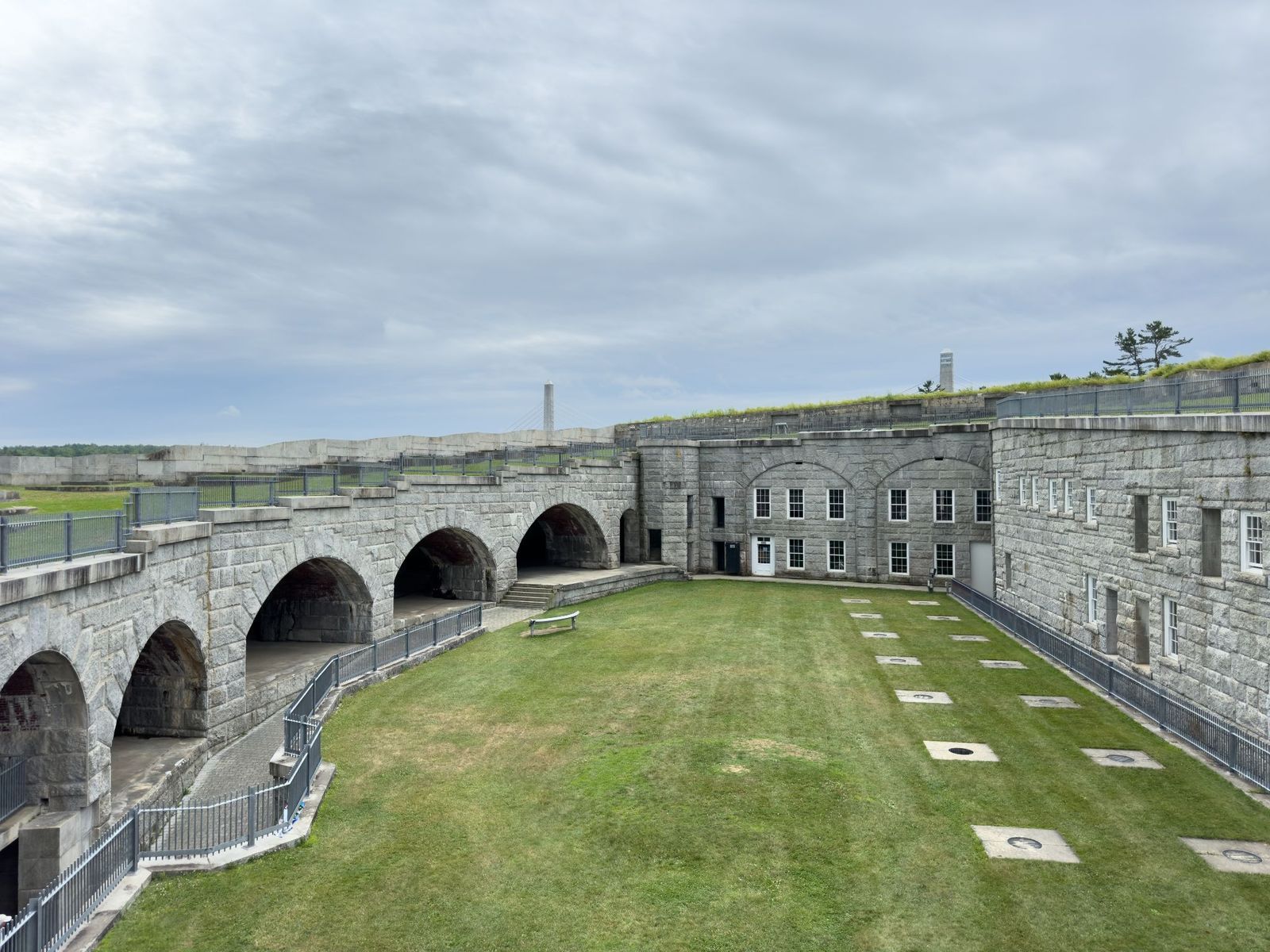
It’s common parlance to describe something as"locked up tighter than Fort Knox" — that’s because the site is a mystery to us all.
Located in Kentucky, Fort Knox is one of the most heavily protected military installations in the United States and the world**.** Completed in 1936, the famous United States Bullion Depository was designed with reinforced granite walls, steel, and concrete to safeguard much of the nation’s gold reserves. During World War II, it also stored priceless historical documents, including the Declaration of Independence and the Constitution, until they could safely return to Washington. Public tours are not offered, and even many military personnel stationed nearby never enter the vault itself. The mystery surrounding what lies behind those massive doors has only strengthened Fort Knox’s legendary reputation.
Coca-Cola Vault, Georgia
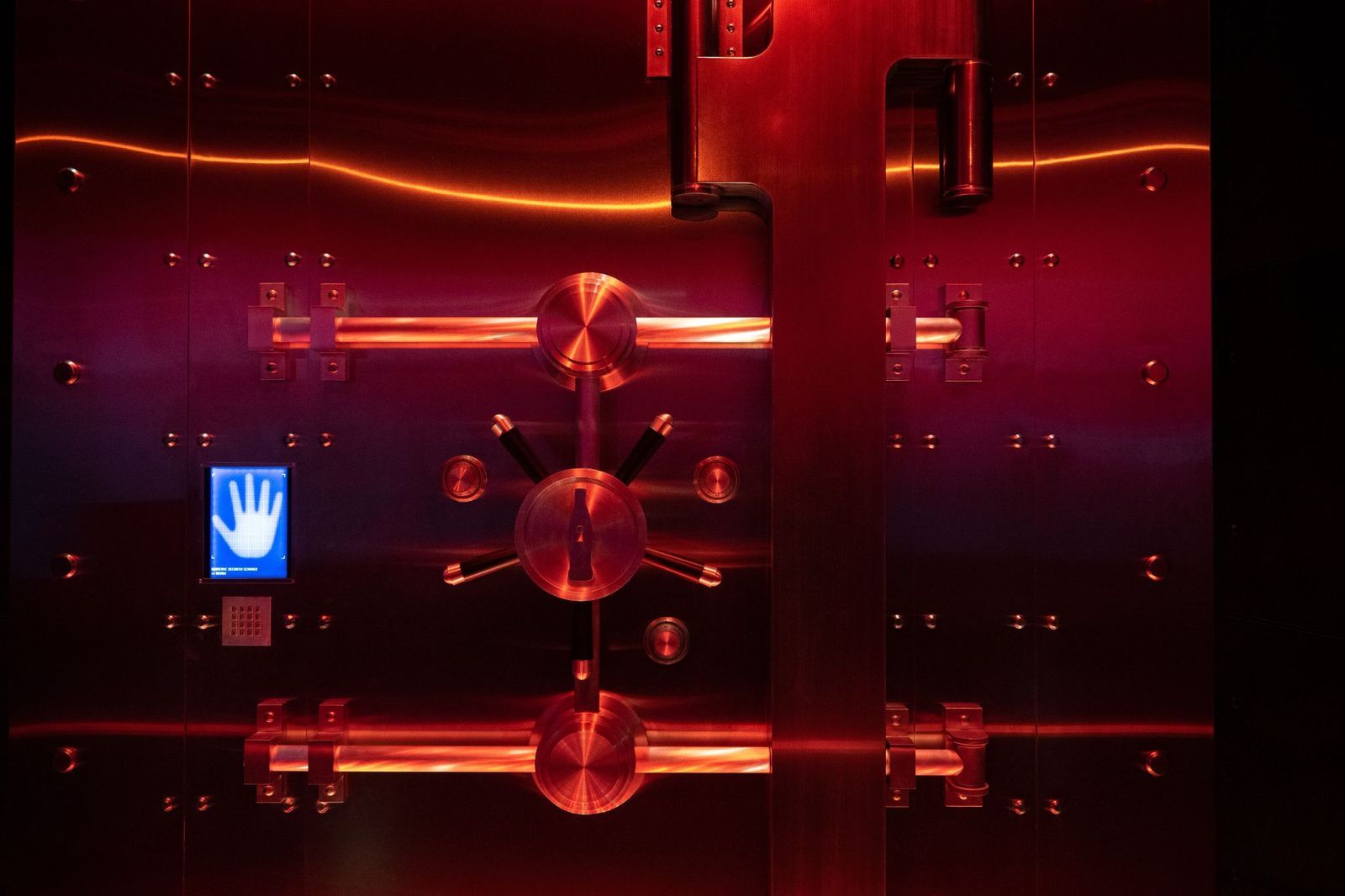
Many people have tried to recreate Coca-Cola in their home kitchens, convinced they could come close with the right ingredients. Yet the original recipe for the soft drink remains one of the world's most famous trade secrets.
Inside the World of Coca-Cola museum in Atlanta, Georgia, sits a heavily protected vault containing the company’s legendary formula. While the exact security measures are kept confidential, Coca-Cola has carefully cultivated the mystery for more than a century. The formula was developed by pharmacist John Pemberton in 1886, and over the years, the company has claimed that only a very small number of people know the complete recipe at any given time. Whether every legend surrounding the vault is true or not, the area is strictly off limits for regular visitors, and even most of the company’s staff.
Tillamook Rock Lighthouse, Oregon
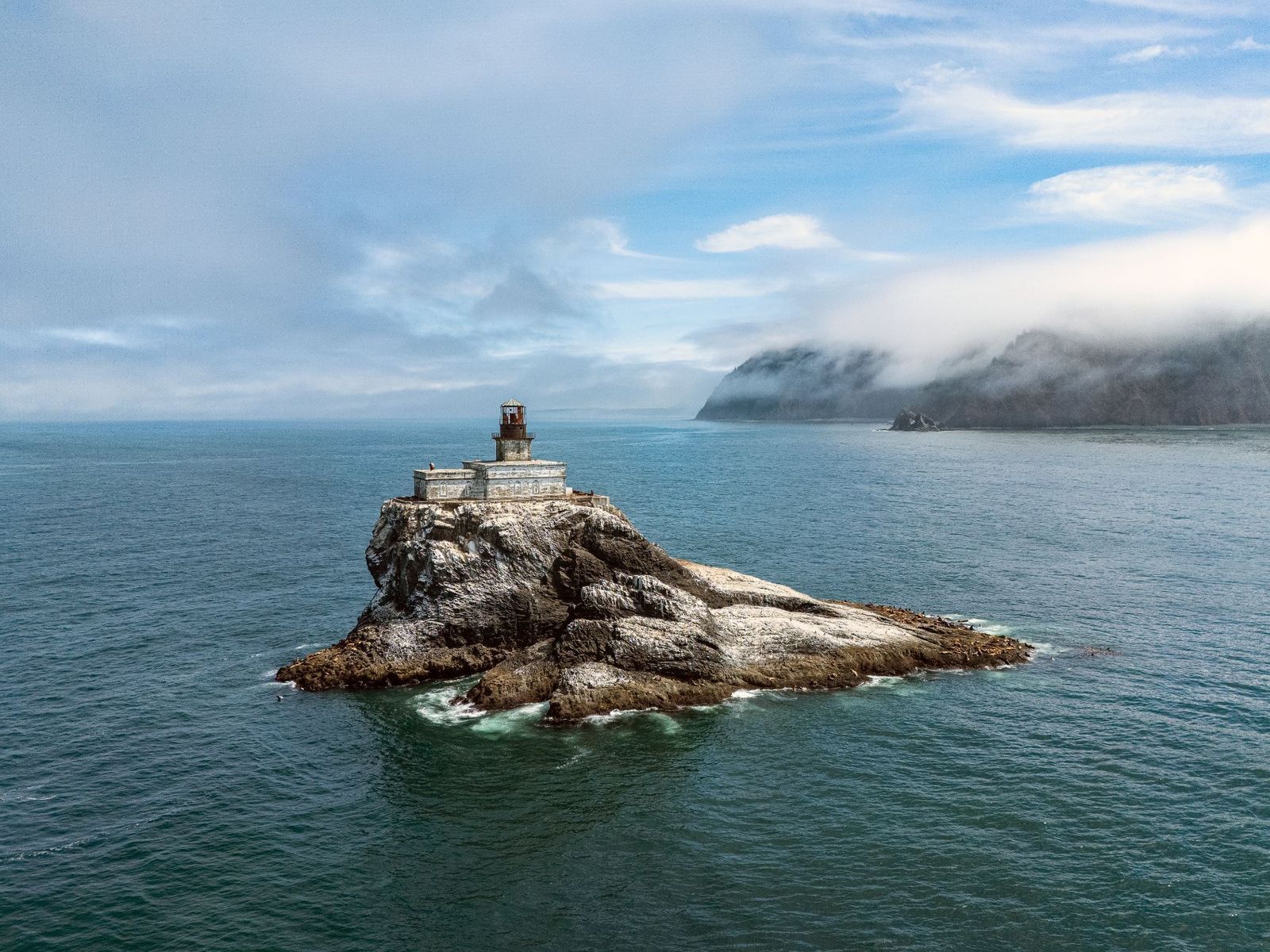
Lighthouses often bring to mind peaceful coastal views and postcard-worthy sunsets. This one, however, earned a far less romantic reputation.
Perched on a basalt rock nearly a mile off the Oregon coast, Tillamook Rock Lighthouse was completed in 1881 after an incredibly difficult construction project. Workers battled violent storms, dangerous seas, and isolation while building it. Even after it opened, lighthouse keepers faced relentless weather that made everyday life exhausting. Over time, shipwrecks, harsh conditions, and repeated damage led to its closure in 1957. Today, the structure remains inaccessible to visitors because of the hazardous ocean surrounding it and the deteriorating condition of the building, and the nickname alone, "Terrible Tilly," is enough to scare visitors away.
North Brother Island, New York
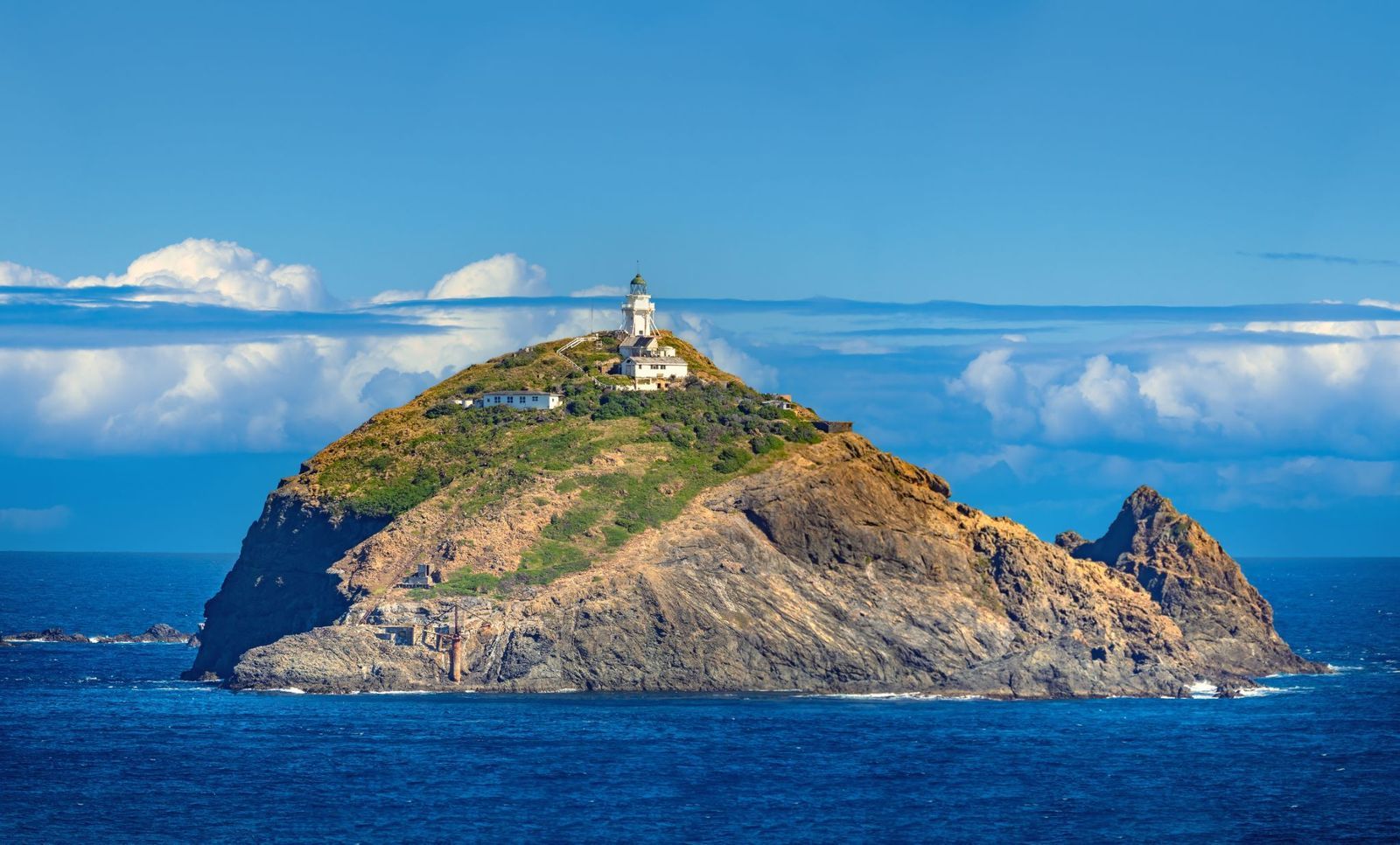
There’s a small island crossing New York City’s waterways where no boats ever seem to stop. They used to, but that stopped after that quiet patch of land witnessed some tragic chapters of American history.
North Brother Island sits in the East River between the Bronx and Rikers Island. In 1885, the island housed Riverside Hospital, where patients with contagious diseases such as smallpox and tuberculosis were isolated from the rest of the city. It is perhaps best remembered as the place where Mary Mallon, better known as "Typhoid Mary," spent many years in forced quarantine from 1907 after unknowingly spreading typhoid fever. After the hospital closed in 1943, nature reclaimed the island. Today, it is a protected bird sanctuary, and public access is almost entirely prohibited to preserve its fragile ecosystem.
Langley, Virginia
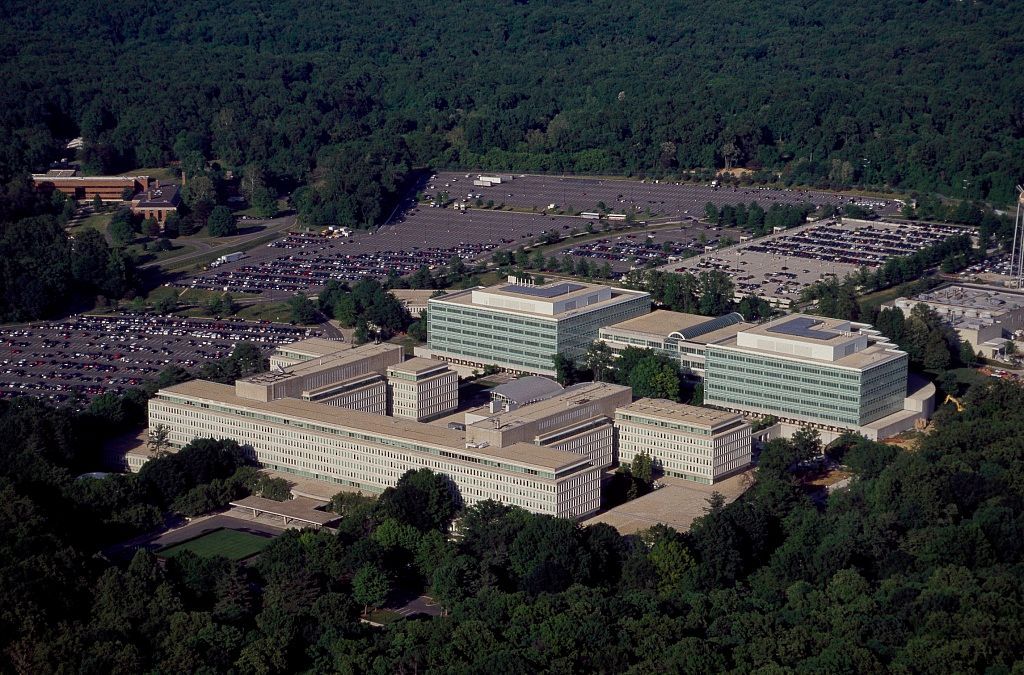
We’ve all seen spy movies where agents disappear behind guarded gates into secret government buildings. While Hollywood takes plenty of liberties, one famous headquarters really does exist.
Langley, Virginia, is home to the CIA headquarters, which officially opened in 1961. From this campus, intelligence officers analyze information, coordinate overseas operations, and advise national leaders on national security matters. Unsurprisingly, access is tightly controlled, requiring security clearances and strict identification procedures. Visitors cannot simply stop by for a tour. The building itself has become a symbol of American intelligence work, even if much of what happens inside remains classified.
Dulce Base, New Mexico
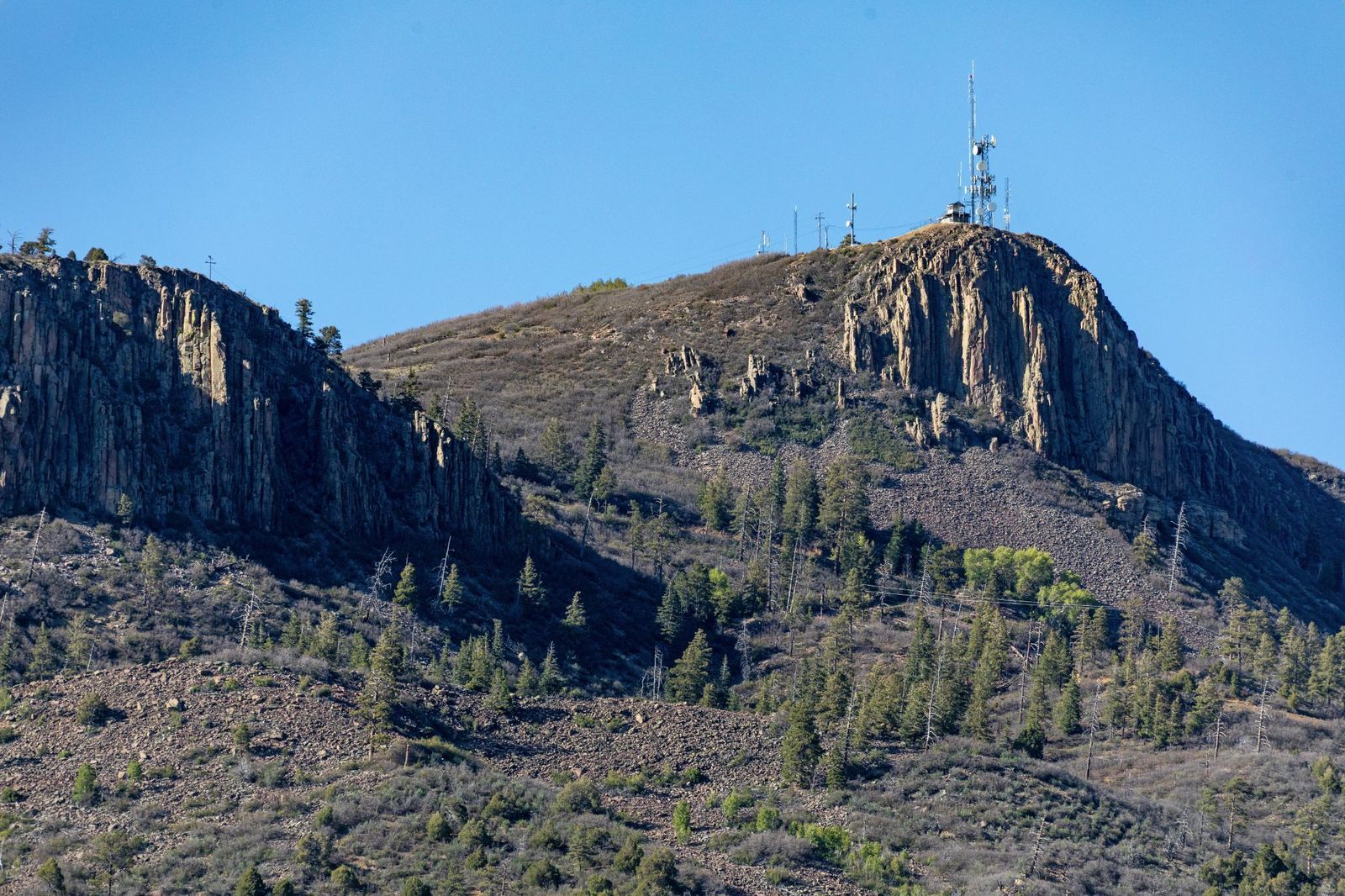
Most communities have local legends that grow bigger every time they’re told. In northern New Mexico, one rumor has captured imaginations for generations.
Stories about the so-called Dulce Base describe a secret underground military installation beneath Archuleta Mesa near the town of Dulce. The story began with Albuquerque businessman Paul Bennewitz, who in 1979 became convinced he was intercepting electronic communications from alien spacecraft and installations, and later believed he had uncovered evidence of a secret base populated by grey aliens and humans. However, no credible evidence has ever confirmed that such a facility exists. So you can’t visit it, simply because it doesn’t exist. Although the surrounding area includes Native American lands and some government facilities elsewhere in New Mexico, the legendary base itself remains firmly in the realm of speculation rather than fact.
Ni'ihau Island, Hawaii
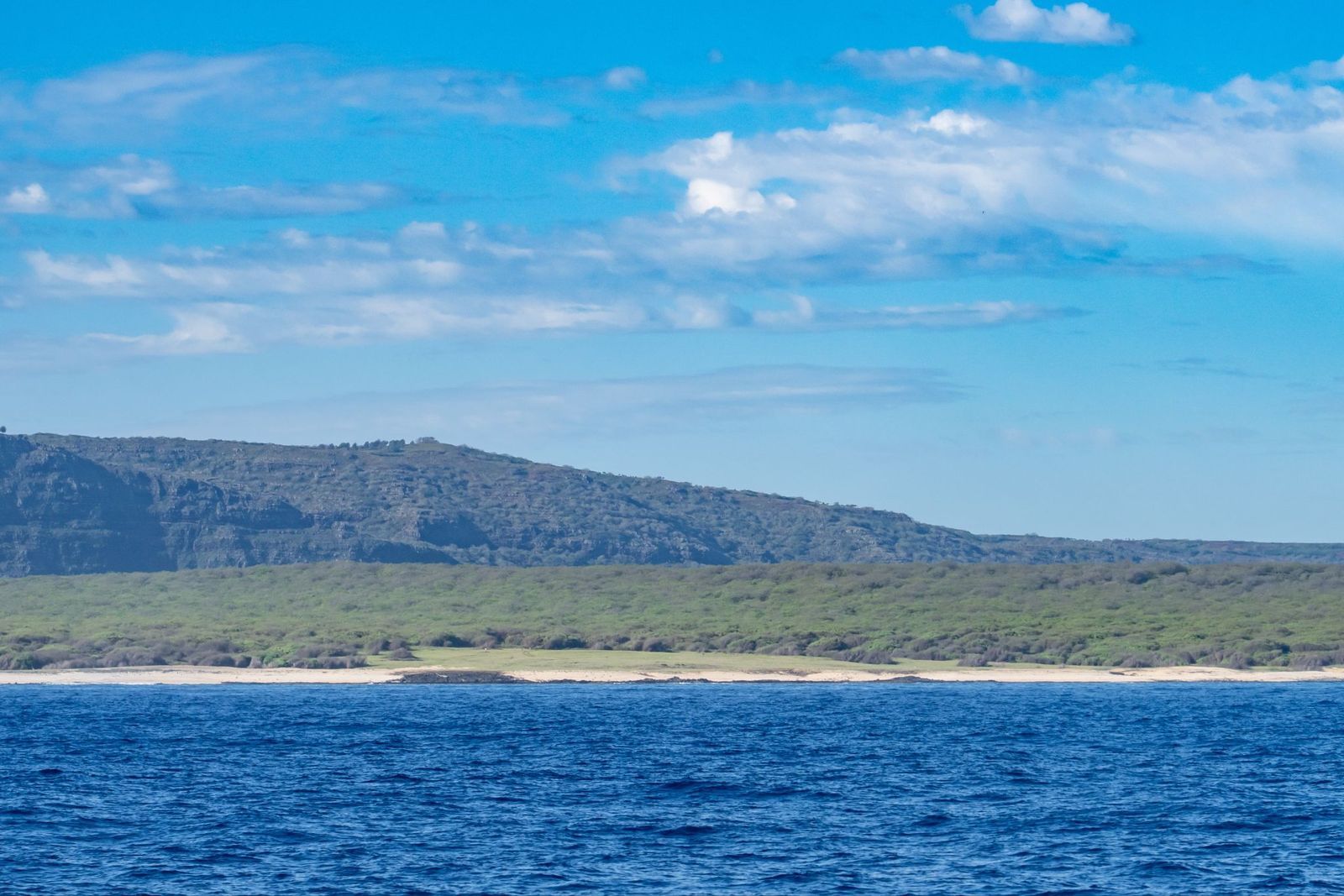
Hawaii attracts millions of visitors each year, yet one island has stayed largely untouched by modern tourism.
Niʻihau, often called the "Forbidden Island," has been privately owned since 1864, when Elizabeth Sinclair, a Scottish farmer and plantation owner, led the migration of her whole family to this land and purchased it from King Kamehameha V. Her descendants continue to own the island today, and for generations, they have limited access to protect the Native Hawaiian community, its language, traditions, and way of life. Fewer than 200 permanent residents live there, and regular tourism is not permitted. Aside from a handful of carefully managed hunting excursions and limited helicopter tours that do not provide general access to the community, Niʻihau remains one of the most isolated inhabited places in the United States.
Abandoned Farmhouse, New York
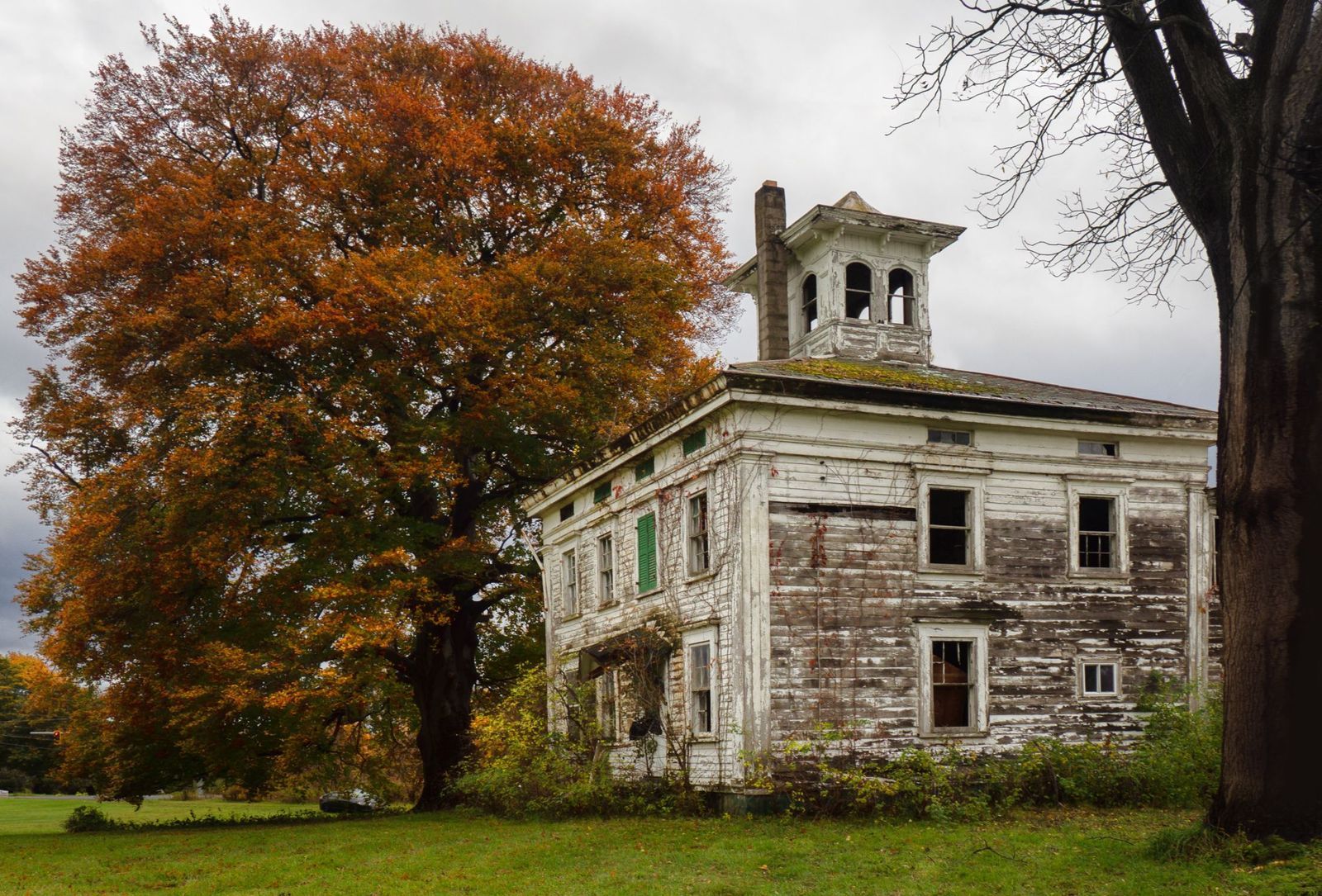
Almost every town has an old house that neighbors whisper about. Overgrown weeds, broken windows, and a lonely front porch seem to invite curiosity and myth-making.
In the town of Hector, near Seneca Lake in New York, sits one abandoned farmhouse from the late 1880s that has attracted photographers and urban explorers over the years. Although its weathered appearance sparks interest, the property is privately owned, making unauthorized entry illegal. The details of who owns it and when or why this building was abandoned remain a mystery, but it poses serious dangers, including collapsing floors, unstable roofs, exposed nails, and weakened staircases. What may look like an intriguing step back in time can quickly become hazardous, which is why property owners strongly discourage visitors from venturing inside.
Club 33, California
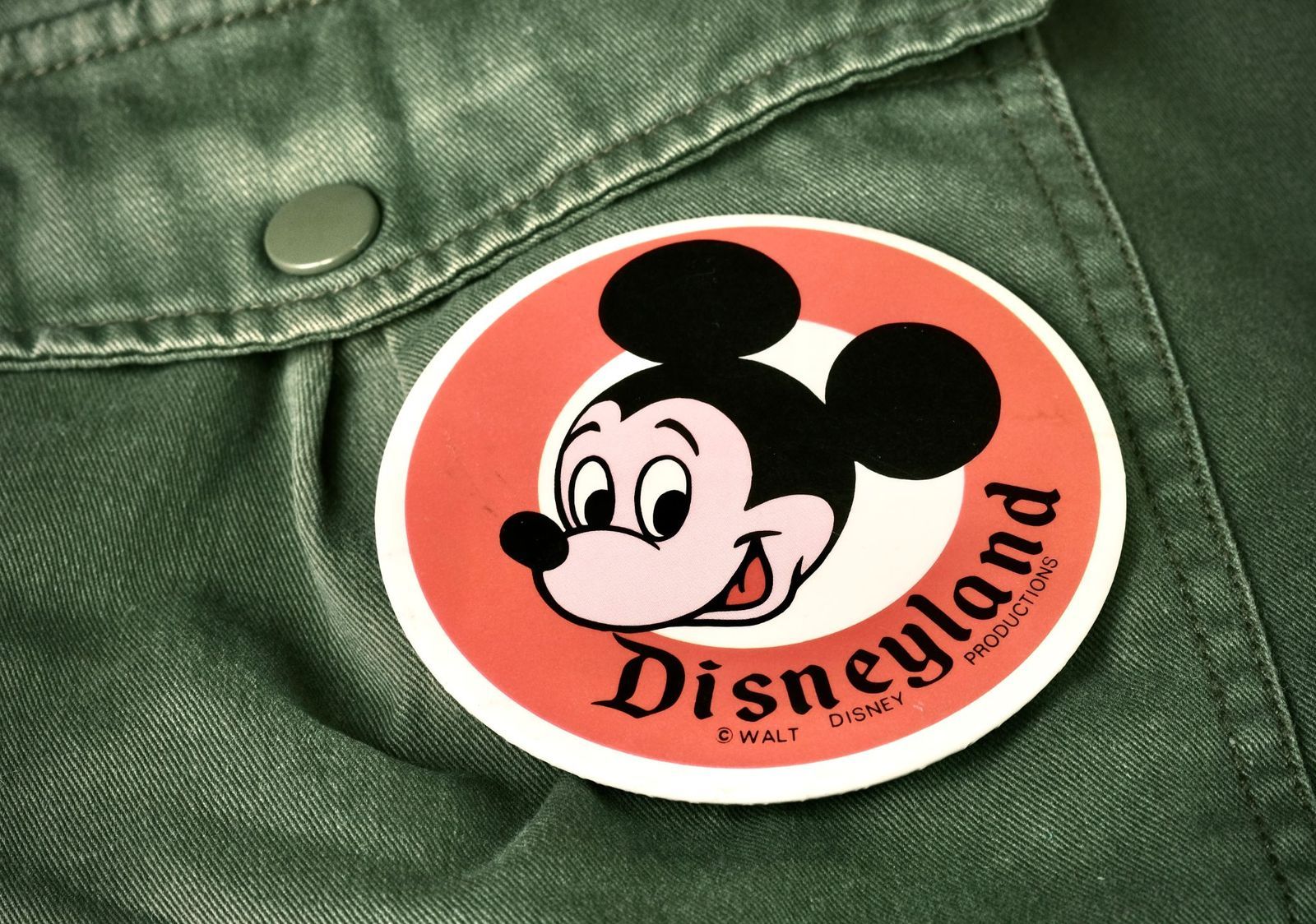
A visit to Disneyland in Anaheim, California, usually means waiting in line for popular attractions and enjoying classic treats. Few guests realize there’s a hidden door leading to one of the park’s most exclusive experiences.
Club 33 was conceived by Walt Disney in the 1960s as a private place where he could entertain corporate sponsors, celebrities, and distinguished guests. Although Disney passed away one year before it officially opened in 1967, the elegant club became exactly that. Hidden in New Orleans Square, it offers fine dining, exclusive artwork, and private lounges unavailable to regular park visitors. Membership costs tens of thousands of dollars, followed by substantial annual dues, and the waiting list has often stretched for years. For most Disneyland guests, Club 33 remains one of the park's greatest mysteries.
Granite Mountain Secret Vault, Utah
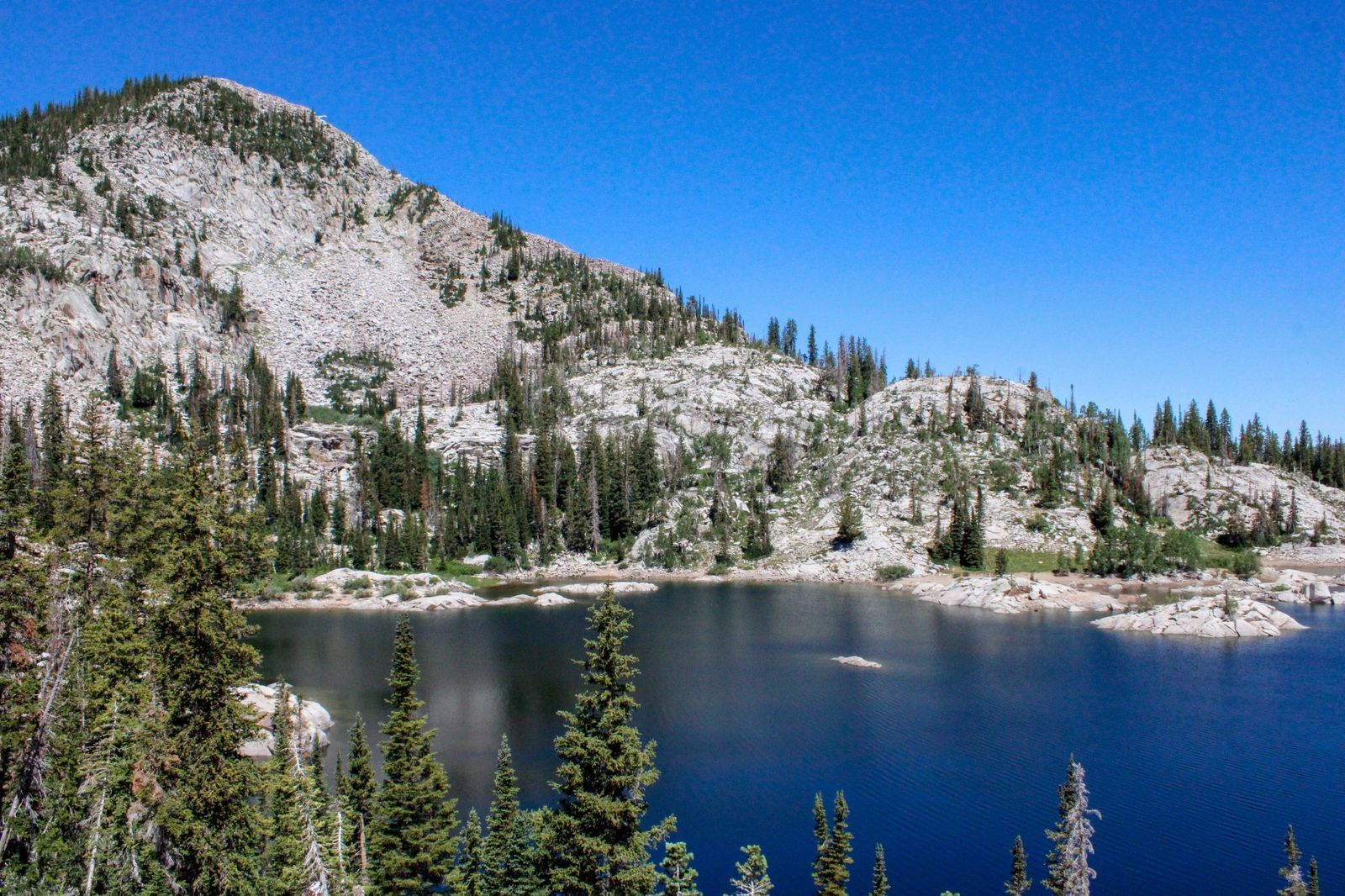
Many families have spent hours digging through old photo albums or building a family tree. Imagine preserving those memories on a global scale inside a mountain.
Near Salt Lake City, the Granite Mountain Records Vault was built by The Church of Jesus Christ of Latter-day Saints 600 feet inside solid granite. Completed in 1965, the climate-controlled facility protects billions of genealogical records, historical documents, photographs, and digital archives collected from around the world. The vault itself is not open to the public because of its security and preservation requirements, but much of the information stored there eventually becomes available through genealogical research centers and online databases, helping millions trace their family histories.
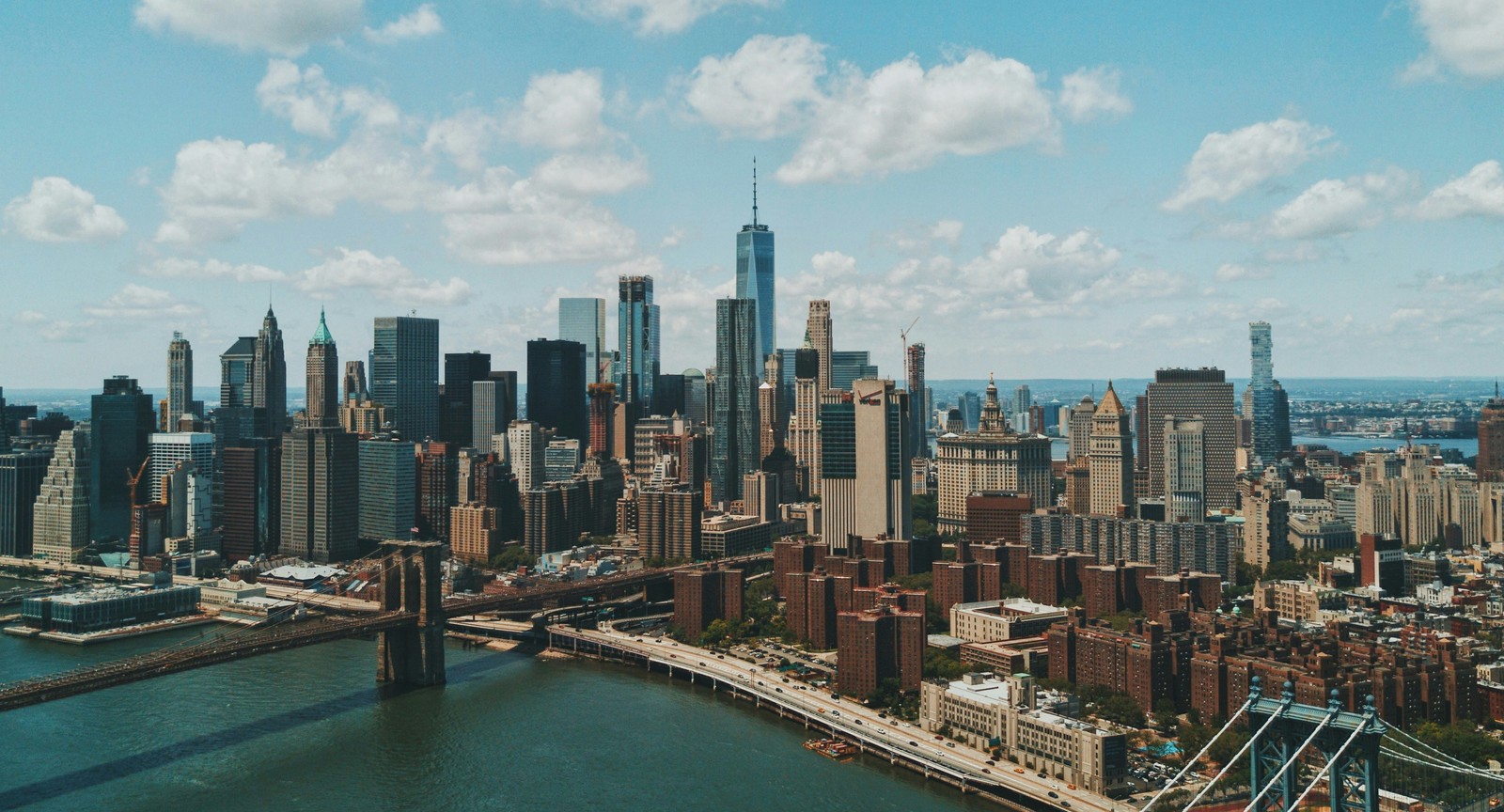
Do you know what John Lennon's home in New York City was like?
 General
Legendary hometowns
How these cities shaped the lives of the world’s most famous people
A house is never just a house. For these people, it’s where ideas were born at 2 a.m. or where big decisions were made over coffee. Walk through the rooms where someone famous once lived, and you’ll get a glimpse of the real person behind the fame. These American cities were home to presidents, inventors, musicians, writers, and more. You'll meet Elvis Presley, whose home in Memphis, Tennessee, is closely tied to his music and legacy, and Muhammad Ali, who grew up in Louisville, Kentucky, before rising to become The Greatest. Let’s hit the road.
Memphis, TN: Elvis Presley
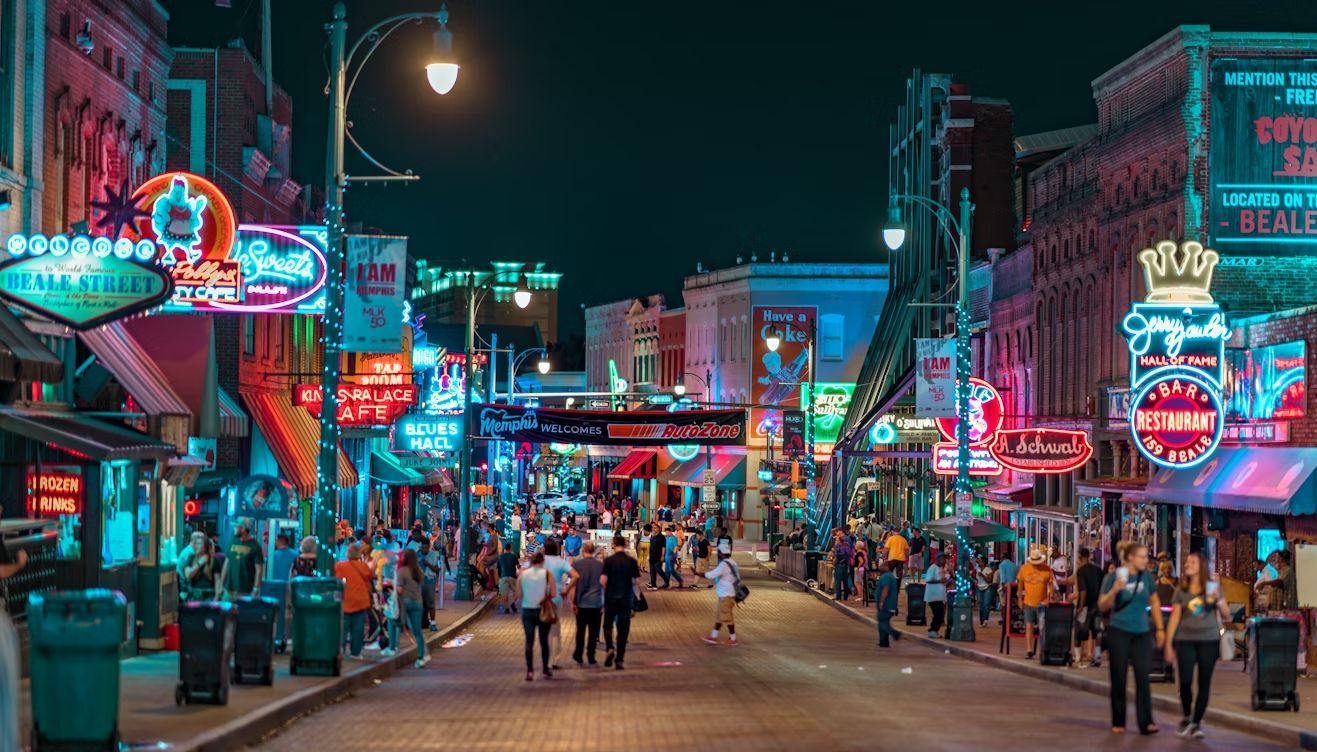
Elvis Presley bought Graceland in 1957 for $102,500 when he was just 22 years old, and he lived there until his death in 1977. Today, it's one of the most visited private homes in America, and you can go inside—tickets start at $85 per adult.
The interior is a glorious time capsule of 1970s excess: shag carpets, mirrored ceilings, a jungle-themed room, and a custom racquetball court. Elvis is even buried on the property. Walking through Graceland feels less like a museum visit and more like stepping into someone's very personal, very colorful life.
Louisville, KY: Muhammad Ali
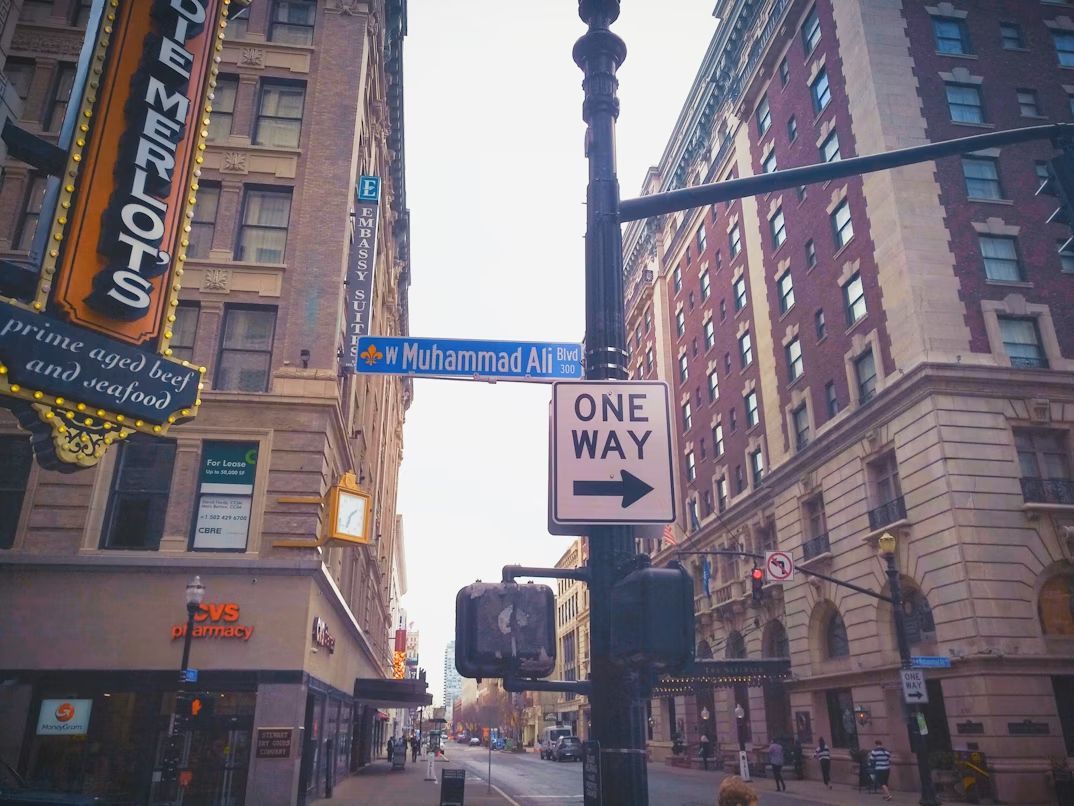
Muhammad Ali was born Cassius Clay in Louisville in 1942, and the city has never forgotten him. The Muhammad Ali Center, a world-class museum and cultural center on the banks of the Ohio River that you can visit for $20, tells his full story from scrappy Louisville kid to global icon.
It's not his childhood home, but it captures the man beautifully. For a glimpse of where he grew up, his birth home at 3302 Grand Avenue is a small, simple house that's been preserved and is open to visitors. Standing in those modest rooms, knowing what that boy went on to achieve, is genuinely moving.
Hyannis Port, MA: John F. Kennedy
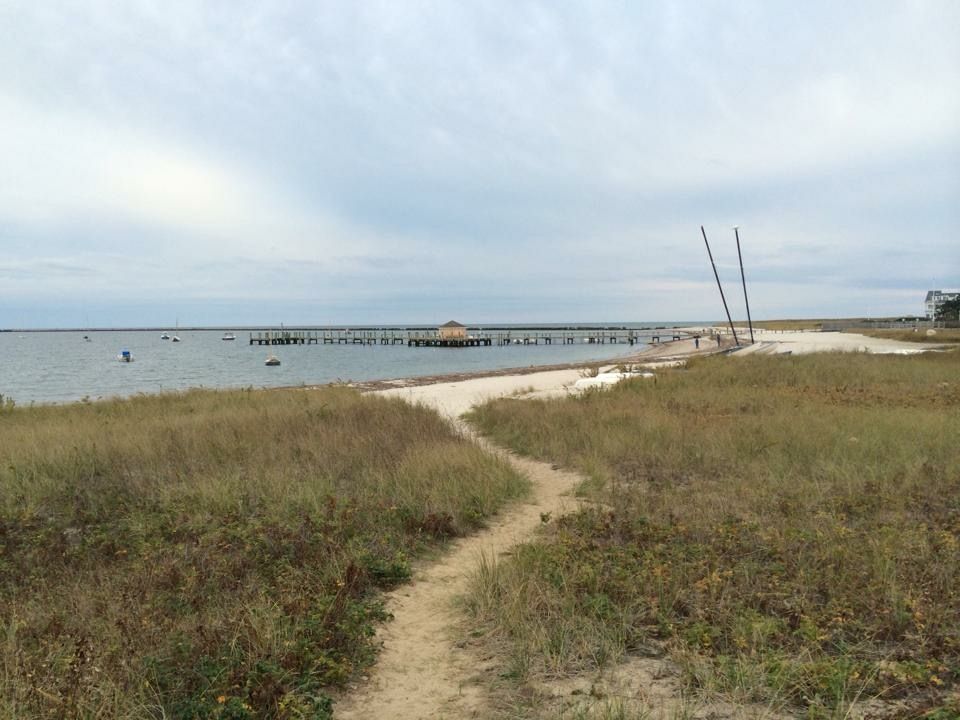
John F. Kennedy had strong ties to many places. The Kennedy Compound, a cluster of homes on six acres of Cape Cod waterfront, was where the Kennedy family gathered for decades, and where JFK retreated to think. He once said, "I always come back to the Cape and walk on the beach when I have a tough decision to make. The Cape is the one place I can think and be alone."
The compound itself is private and not open to visitors, but the JFK Hyannis Museum on Main Street in Hyannis—admission fee is $14—tells the full story with family photos, personal artifacts, and oral histories.
New York City: John Lennon
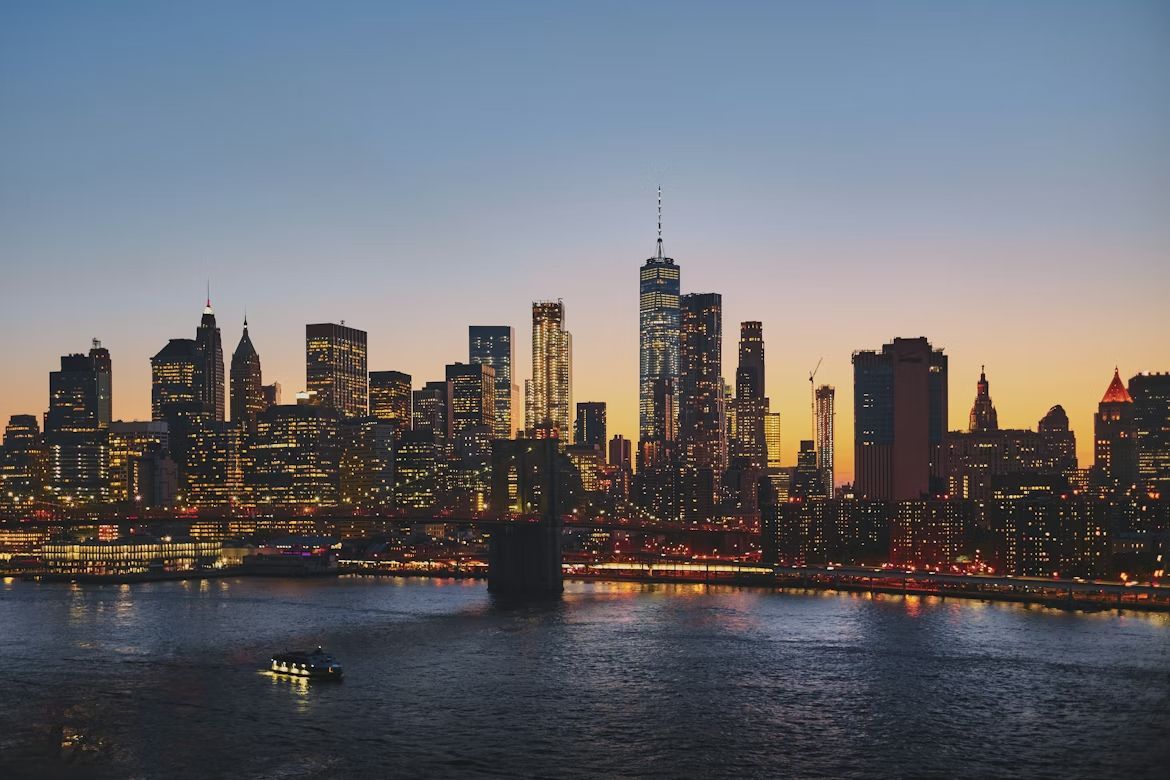
The Dakota, a grand apartment building on the Upper West Side, was John Lennon’s final home, and where the former Beatle was tragically killed in 1980. Lennon and Yoko Ono loved the place so much they reportedly bought multiple units.
You can't go inside The Dakota today without a private invite, but you can visit the nearby Strawberry Fields memorial in Central Park, just steps away. The building itself is a stunning 1884 Gothic-style landmark, as dramatic and unforgettable as the man who once lived there
Dayton, OH: The Wright Brothers
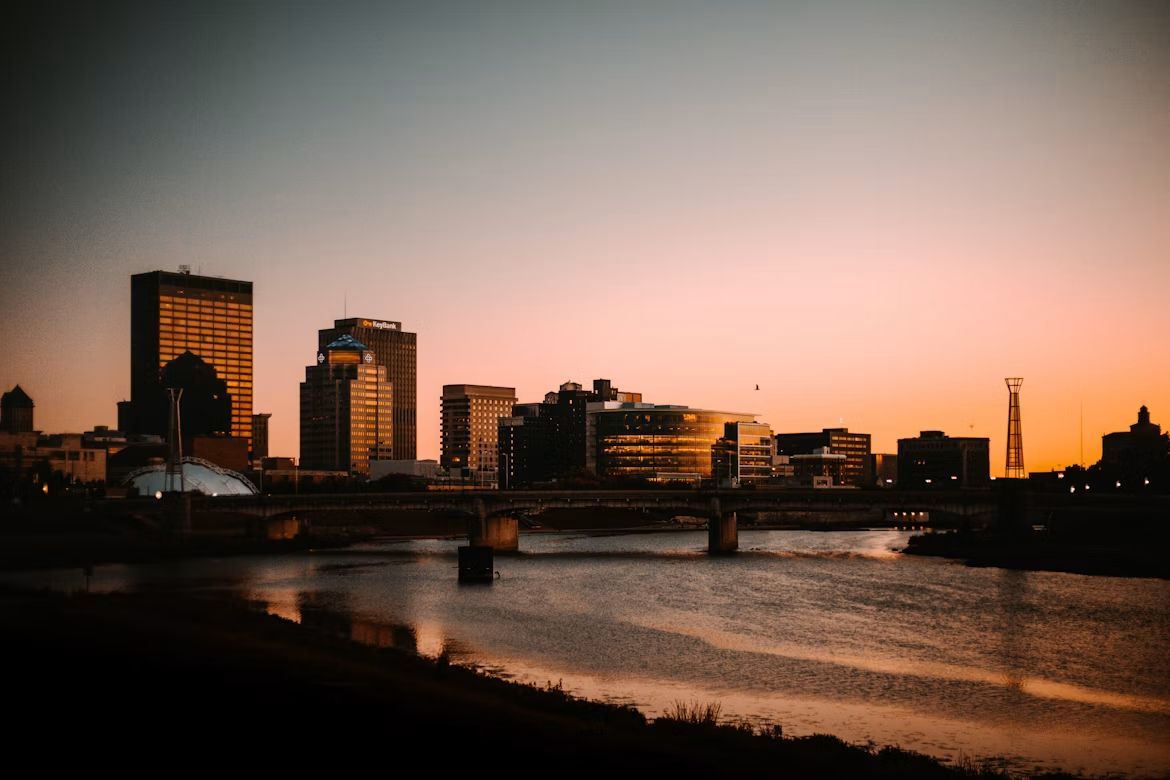
The Wright Brothers—Orville and Wilbur—built and repaired bicycles out of their Dayton shop at 1127 West Third Street before they started tinkering with the idea of human flight. That shop, along with their home, has been preserved as part of the Dayton Aviation Heritage National Historical Park, and both are open to visitors. The National Park Service sites within the park are free to visit, though some nearby partner sites charge a separate fee.
They're quiet, ordinary-looking buildings. But inside that bike shop, two brothers with no college degrees and very little money figured out how to make a machine that flies. Standing there, it's almost impossible not to be impressed.
San Francisco area: Steve Jobs
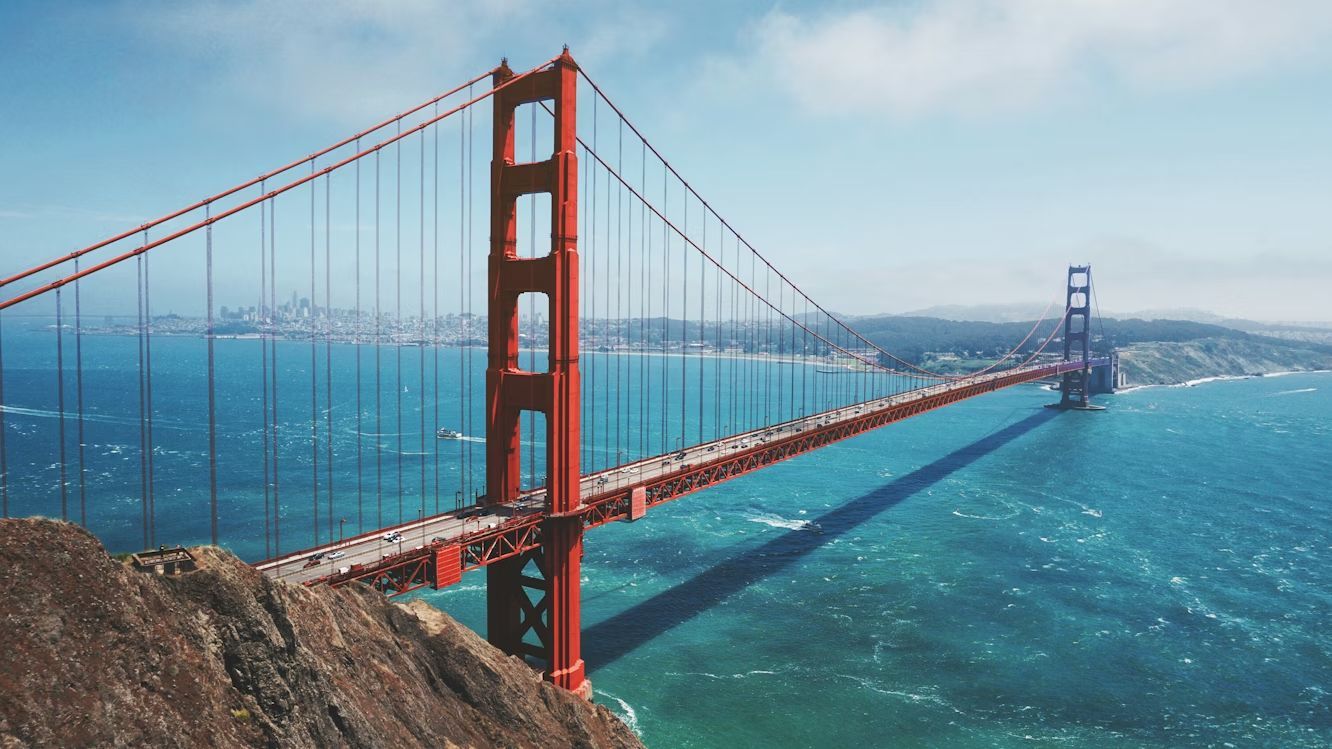
Steve Jobs grew up tinkering in the garage of his family's modest home at 2066 Crist Drive in Los Altos, right in the heart of what would become Silicon Valley. That garage is now legendary: it's where Jobs and Steve Wozniak built the first Apple computers in 1976.
The house is a private residence today, so no tours are available, but the city of Los Altos has honored it as a historic landmark. It's a plain, unassuming suburban home that doesn't look like the birthplace of a trillion-dollar empire.
Chicago: Oprah Winfrey
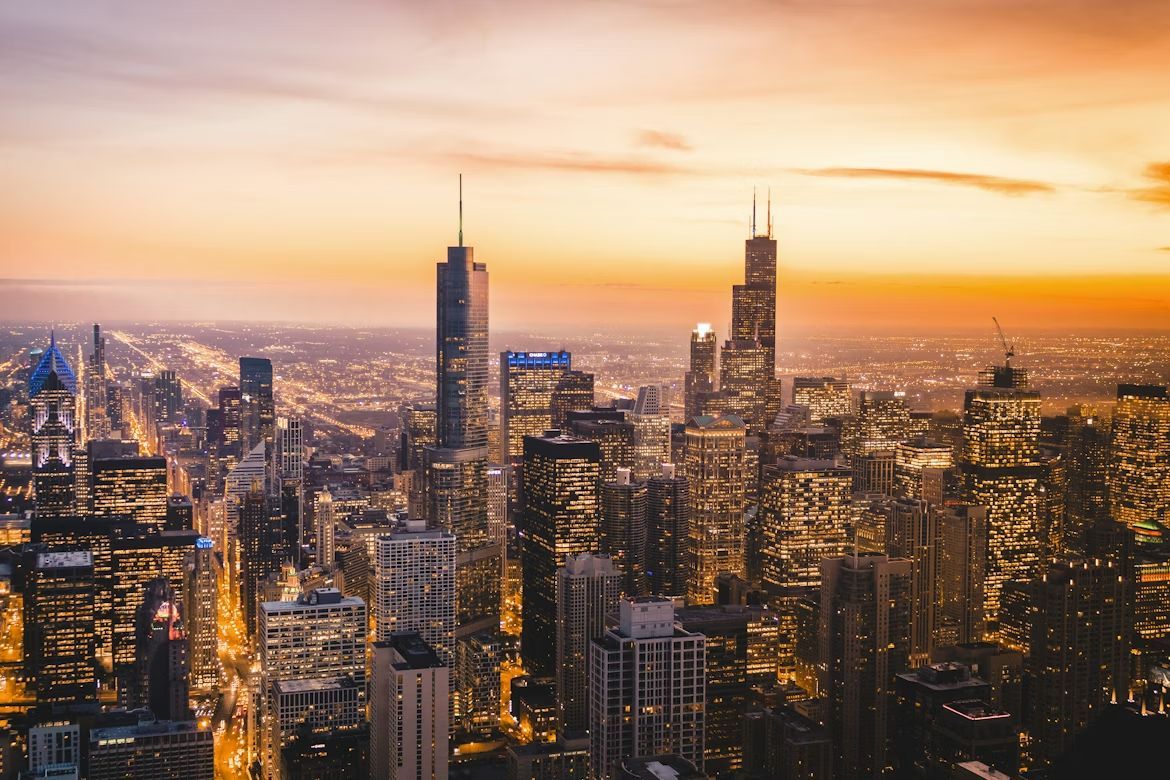
Oprah Winfrey didn't grow up in Chicago, but the city is where the future mogul, raised in rural Mississippi, Milwaukee, and Nashville, became Oprah. She launched her talk show here in 1986, and her production company, Harpo Studios, became a Chicago landmark at 1058 W. Washington Boulevard.
Audiences lined up around the block for decades, hoping to get in. The studio has since been sold, but Chicago still bears Oprah's fingerprints everywhere. She once gave away 276 cars to her audience in a single episode, right there in that building.
New Orleans: Louis Armstrong
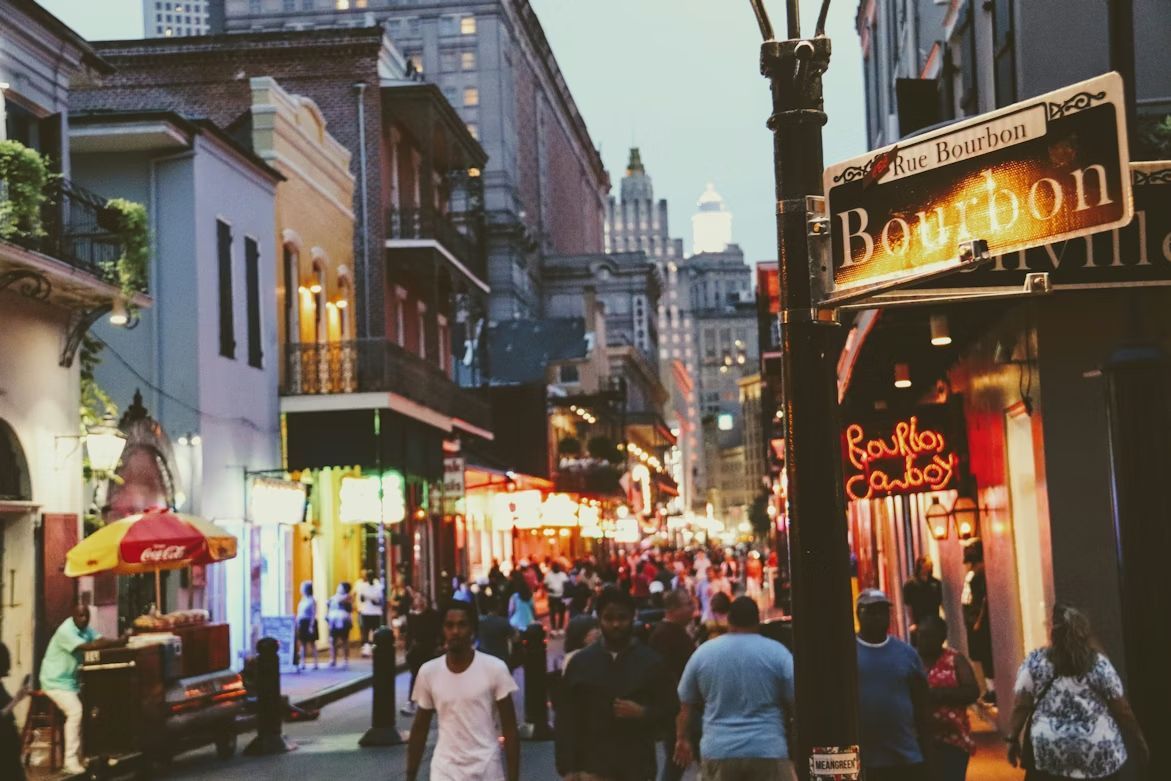
Louis Armstrong was born in a poor neighborhood of New Orleans in 1901 and spent his early years absorbing the music that floated through the city's streets. There's no original childhood home to visit—the old neighborhood was demolished long ago—but his spirit lives everywhere in New Orleans.
The Louis Armstrong Park honors him in the Tremé neighborhood, near where he grew up. Armstrong once said the city gave him everything. It's easy to understand that when you walk those streets today and still hear jazz drifting out of open windows, just like it did when a young Louis was learning to play.
Menlo Park, NJ: Thomas Edison
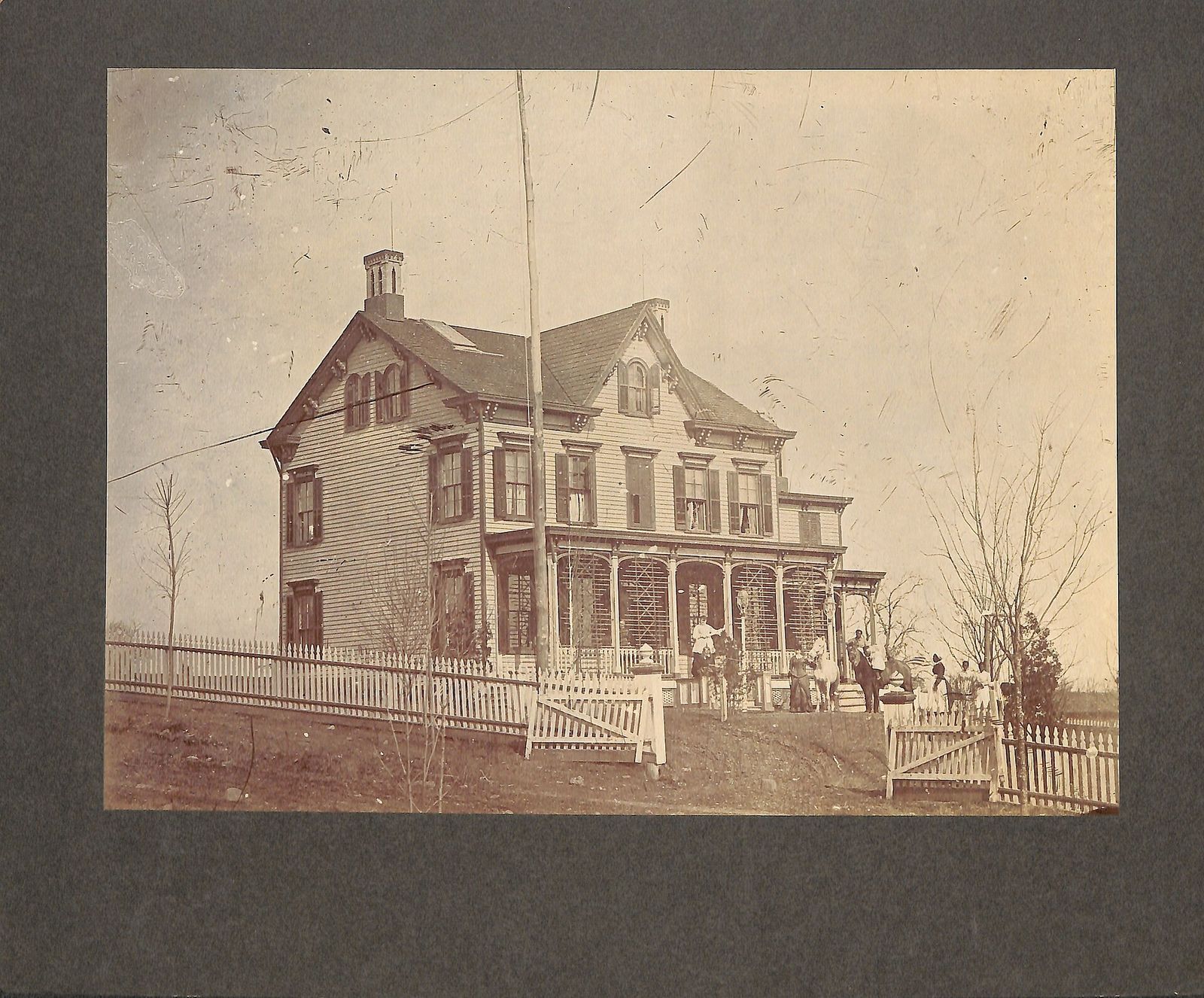
Thomas Edison set up his laboratory in Menlo Park, New Jersey, and it was here that he invented the phonograph and developed the first practical, commercially viable lightbulb in 1879. After Edison relocated to a larger facility in West Orange in 1887, the Menlo Park complex fell into disrepair, was picked apart for building materials, and largely disappeared. However, Henry Ford, a close friend of Edison's, salvaged what remained and reconstructed the lab complex at Greenfield Village in Dearborn, Michigan, where visitors can walk through the actual workspace for an admission fee of $12.
Edison reportedly worked 18-hour days here, sleeping on a cot when he needed rest. The lab is modest and cluttered, full of wires and chemicals and notebooks: the kind of place where a man with a thousand ideas and no patience for sleep could change history.
Hannibal, MO: Mark Twain
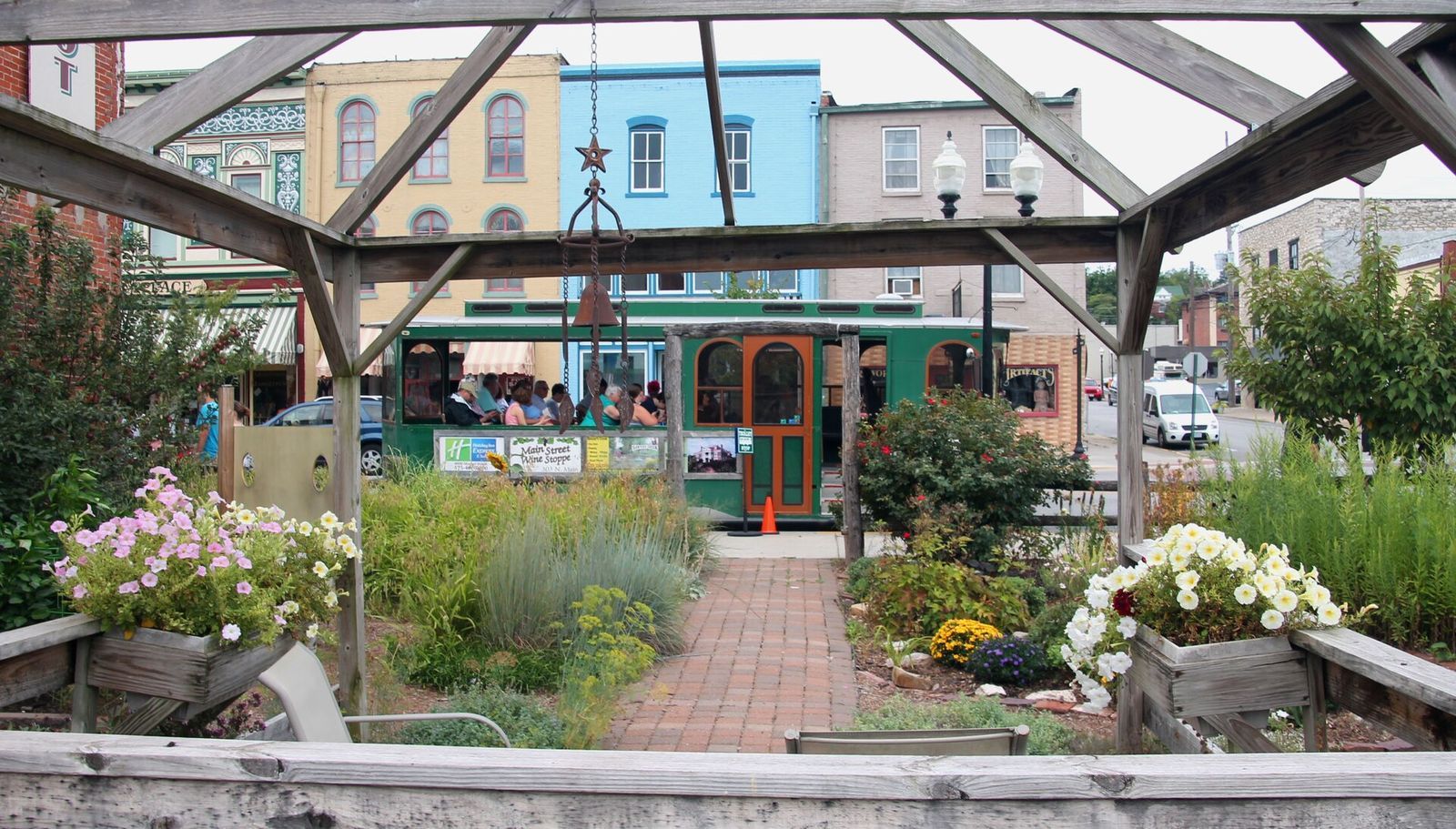
Mark Twain—born Samuel Clemens—grew up in Hannibal, Missouri, in the 1840s, and the small Mississippi River town shaped everything he ever wrote. His boyhood home at 208 Hill Street is now a museum; the entrance fee is $20, and visitors can also tour the home of his childhood friend, Laura Hawkins, who inspired the character of Becky Thatcher.
The famous whitewashed fence from The Adventures of Tom Sawyer is right there on the property. The whole town leans into its Twain connection, but it doesn't feel cheap: it feels like genuine pride.
Keep wandering
There’s always
more to explore
Checked bag vs carry-on: What should go where?
4 min.
Read Now

The American food bucket list: 10 classics to try
6 min.
Read Now
 Geography
Google Earth is so much more than a map: these features are game-changers
6 min.
Read Now
The minibar trick that charges you before you even open it
5 min.
Read Now