These safety tips for traveling abroad are a game-changer
 General
How to prepare for a safer trip abroad
These safety tips for traveling abroad are a game-changer
Traveling abroad at any age is one of life's great pleasures. New food, new faces, new adventures. But a little preparation goes a long way, especially when you're far from home. Here are ten practical safety tips that'll help you travel smarter and worry less.
Register with the U.S. embassy
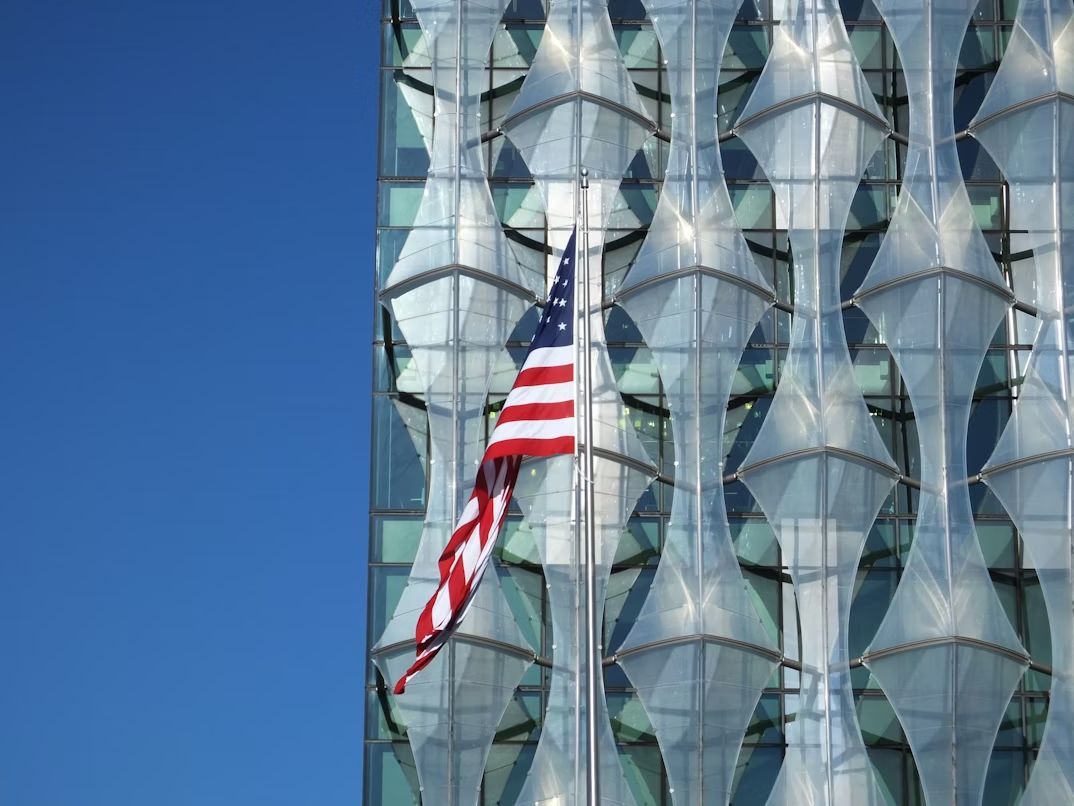
The U.S. State Department offers a free service called STEP — Smart Traveler Enrollment Program. You register your trip online before you leave, and the nearest U.S. embassy will know you're in the country. In the event of a natural disaster, political unrest, or a family emergency back home, they can reach you and offer assistance.
It takes about ten minutes to sign up at travel.state.gov and requires nothing more than your itinerary and contact information. It's one of those things that feels unnecessary until the one time it isn't. Sign up, and then go enjoy your trip.
Be careful with public Wi-Fi
Free Wi-Fi at airports, hotels, and cafés is convenient, but it’s not always secure. Avoid logging into sensitive accounts like online banking when you’re on a public network. If you need to connect, using a VPN adds an extra layer of protection and is easy to set up before your trip.
A VPN app adds an extra layer of protection and is easy to set up before you travel. Most phones make it surprisingly straightforward. Either way, save the online banking for when you're back on a secure connection.
Know the local emergency numbers

911 is a great number — in the United States. Abroad, emergency numbers vary by country. In most of Europe it's 112, in the UK it's 999, in Australia it's 000. A quick internet search before you go will tell you what to dial if you need police, an ambulance, or the fire department in your destination.
Write the number down somewhere physical — your phone might be dead or stolen exactly when you need it most. A small card in your wallet with key numbers, including your country's local embassy, is old-fashioned and absolutely worth it.
Get travel insurance (and actually read it)
Travel insurance isn't just for worst-case scenarios. It covers trip cancellations, lost luggage, and most importantly, medical emergencies abroad. Healthcare in foreign countries can be shockingly expensive, and your regular health insurance often won't cover you once you cross the border. Don't assume. Check.
When you buy a policy, take a few minutes to understand what's actually covered. Some plans exclude certain activities or pre-existing conditions. Know what you're paying for before you need it — not while you're sitting in a foreign hospital trying to translate the paperwork.
Share your itinerary with someone back home
Tell a friend or family member where you're going, where you're staying, and roughly when you'll be where. You don't need to check in every hour, but someone at home should have a general sense of your movements. If something goes wrong, it's a lot easier for people to help you if they know which country you're in.
A quick email with your hotel names and flight numbers is all it takes. Think of it less as being cautious and more as being considerate — your family will sleep better, and so will you.
Keep a simple backup of your important documents
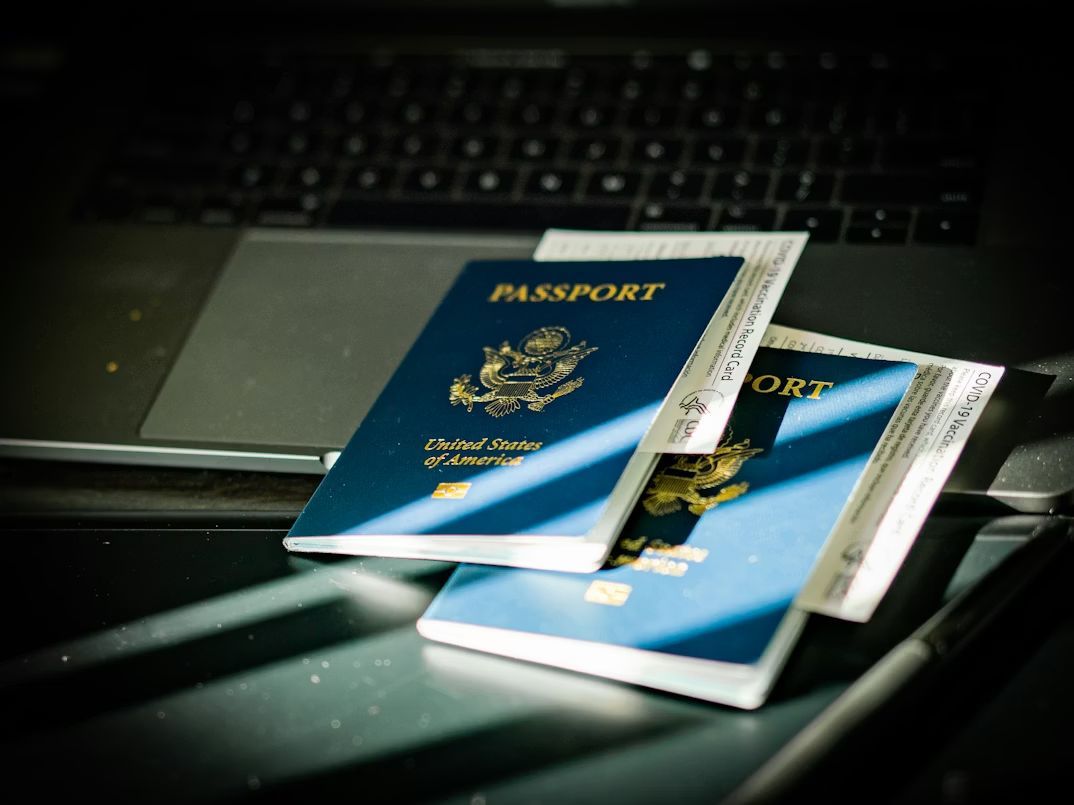
Before you leave, take photos of your passport, travel insurance, hotel reservations, and any other important documents with your phone. Email the photos to yourself or save them somewhere easy to find. If your bag gets stolen or your passport goes missing, having those images handy can save you hours of stress at a foreign embassy.
Spend a few minutes organizing your documents before the trip, and future-you will be very grateful when things don’t go exactly as planned.
Watch out for pickpockets in crowded places
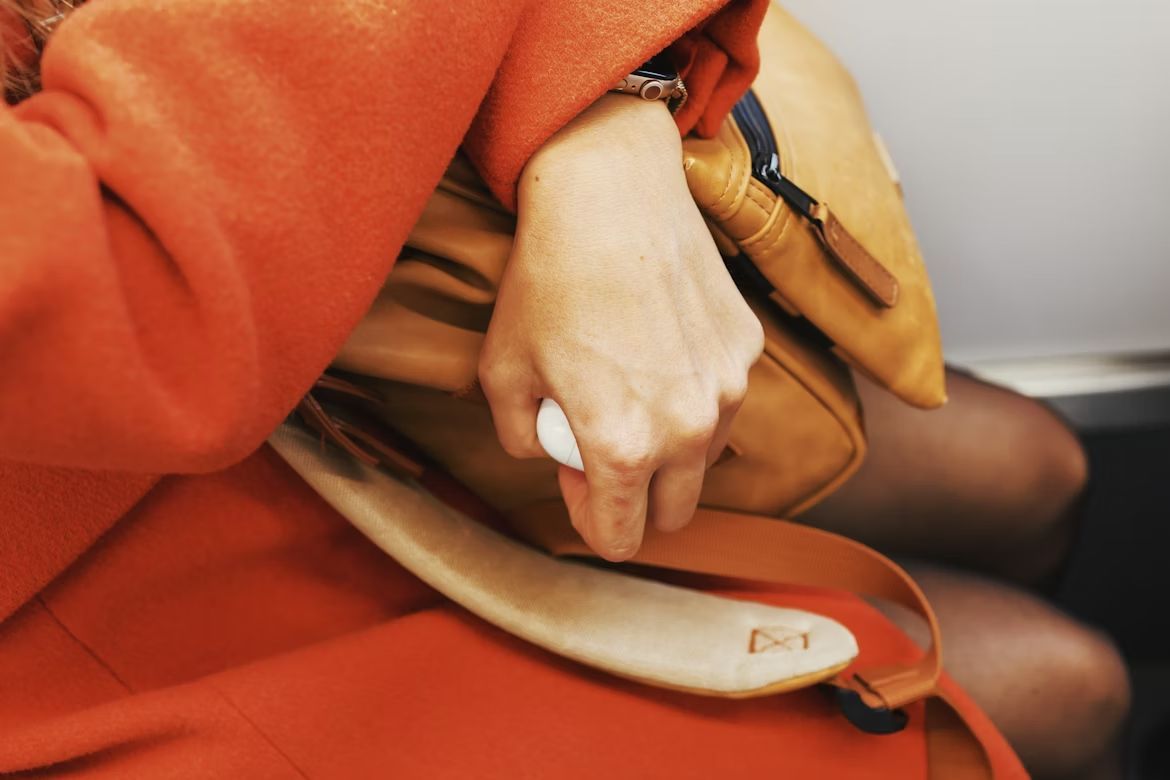
Tourist hotspots are pickpocket paradise. Busy markets, train stations, public transport, and popular landmarks are exactly where thieves like to work. When you're in a crowd, keep your wallet, phone, and passport somewhere secure — ideally in a front pocket or a bag that closes properly — and stay aware of what's happening around you.
The classic move is a distraction — someone bumps into you, asks for directions, or causes a small scene while an accomplice does the work. It happens more often than you’d think. Just keep an eye on your belongings.
Don't flash expensive items
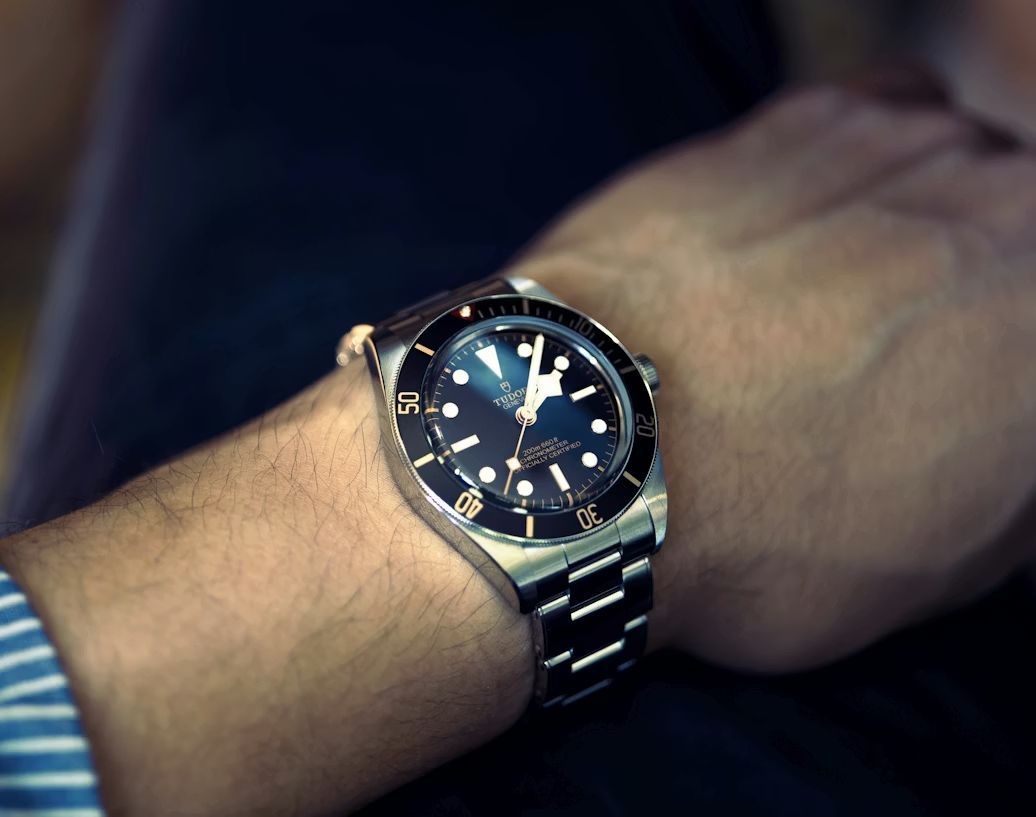
Wearing your nicest watch, carrying a top-of-the-line camera around your neck, or pulling out a thick wallet in public marks you as a target. Thieves in tourist areas are experienced at spotting visitors who look wealthy and distracted.
This isn't about dressing down or being paranoid. It's about being sensible. Leave the flashy jewelry at home, carry just the cash you need for the day, and keep your phone in your pocket when you're not using it. Blend in as much as you can.
Use official taxis and transportation
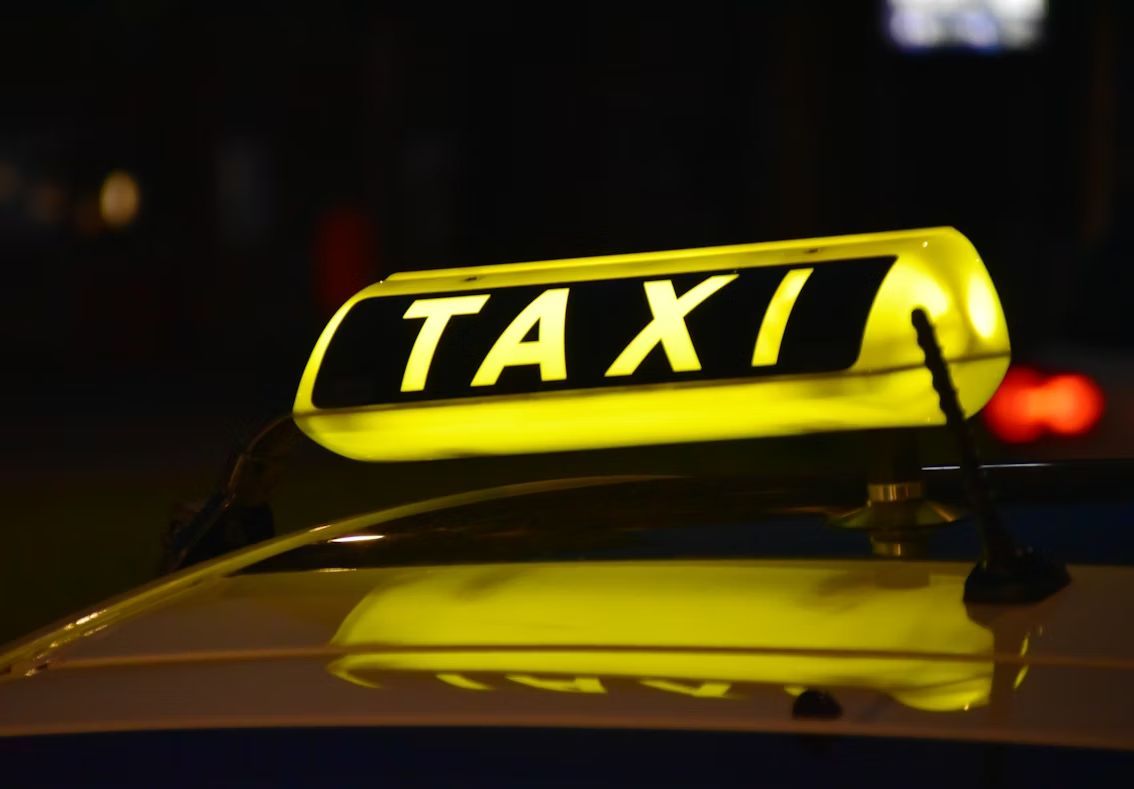
In many cities around the world, unofficial taxis — guys who approach you at the airport offering a great deal — are a classic tourist trap at best and a safety risk at worst. Stick to licensed cabs, official ride-share apps, or transportation arranged through your hotel. It might cost a little more, but it's worth it.
If you do take a taxi, note the driver's name and license number when you get in. A quick text to someone back home with those details takes five seconds and sends a clear message that you're not someone to mess with.
Trust your gut
This one sounds vague, but it might be the most important tip on the list. If a neighborhood feels off, leave. If someone is paying you unusual attention, move on. If a deal sounds too good to be true, it almost certainly is. Your instincts are there for a reason, and ignoring them to avoid seeming rude is never worth it.
Travelers who get into trouble often say afterward that something felt wrong before anything happened. You don't owe anyone your time or your presence. It's perfectly okay to walk away from a situation that makes you uncomfortable, no explanation required.

The staff has spoken: 10 Hotel secrets most guests never notice
Little-known tricks
Don't book a hotel until you know these 10 insider secrets!
If you're reading this, chances are you've stayed in a hotel more than once, right? We have news: no matter where it is in the world or how many stars it has, every hotel shares certain secrets, and today, we’re here to spill them! So, join us as we reveal 10 insider secrets and tips straight from hotel owners and staff.
Book directly

Online hotel booking sites can be really practical and convenient. You can browse photos of the place, read reviews from other guests, and complete your reservation with just a few clicks. However, in many cases, it’s actually better to call the hotel directly if you’re hoping to get a better rate or a special offer. For the best of both worlds, check the hotel’s reputation online first, and then pick up the phone to book your stay.
Don't book in the morning

Did you know you might get a better price depending on what time of day you call to make a reservation? Hotels often start the day with a set price list, but those rates can change as the day goes on. Around 4 p.m., rooms that haven’t been booked or were canceled at the last minute may drop significantly in price. So, now you know: waiting until late afternoon could pay off. Yes, you risk rooms selling out, but you might also get a great deal.
The safest floors
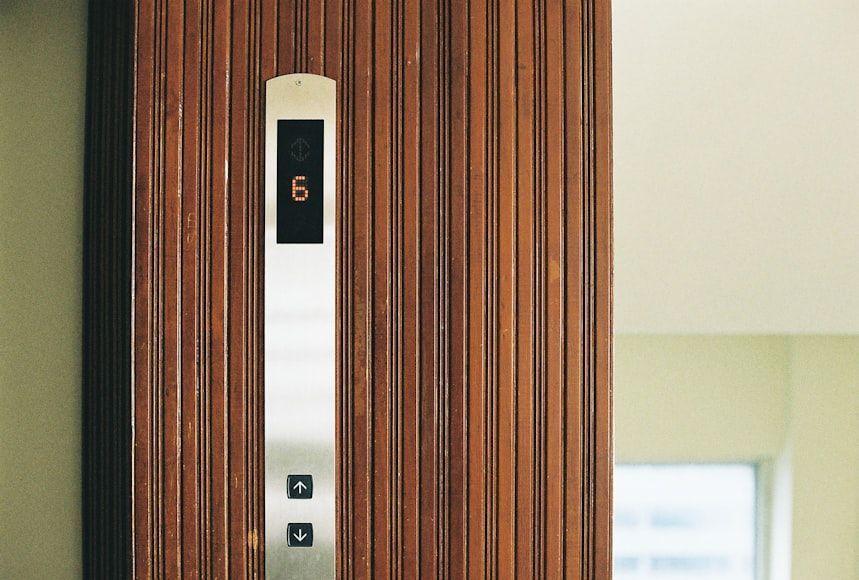
If security is your top priority, there’s something important to consider. According to experts, the safest hotel floors to book are typically between the 2nd and 6th floors. Why? Starting on the 2nd floor, you’re far enough from the street to reduce the risk of break-ins or incidents involving passersby. On the other hand, the 6th floor is high, but not too much, making it easier to reach the ground in case of an emergency or elevator failure.
The higher the room, the less noise

If you’re hoping to truly relax and unplug, especially in a busy city hotel, higher floors are usually a good option. Being farther from street traffic and late-night noise means a quieter stay. And let’s be honest, the views from up there are often far more impressive.
The corner room

When booking a hotel room, we usually focus on the basics: bed size, bathroom, and sometimes amenities. But we often forget that we can also request a room on a specific floor or in a particular location. While it always depends on availability and hotel policy, if they agree to give you a corner room, you’re in luck. These rooms often have the best views, thanks to larger windows, and sometimes even a small balcony.
Bring some sanitizer

Yes, most hotels do a thorough job cleaning the room, changing the sheets, and disinfecting the bathroom before a new guest checks in. However, when time is tight, a few things can get overlooked. Small, frequently handled items like remote controls, light switches, and door handles are touched by countless hands every day. That’s why it’s always a smart idea to pack a small sanitizer or disinfectant and quickly wipe down these high-touch surfaces.
Double-check the minibar
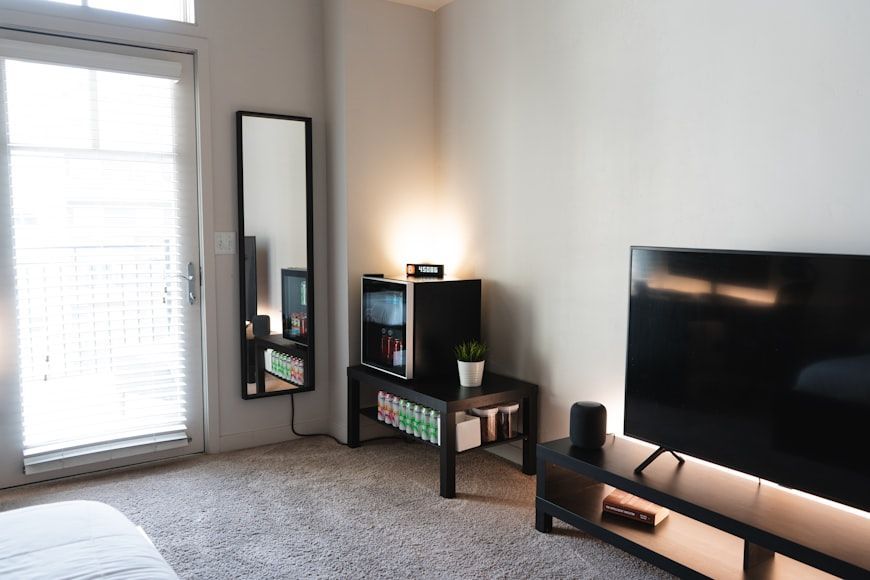
We know the minibar is tempting, but if you’re someone who gives in to its charms, make sure to double-check what’s inside first. With so many guests coming and going, it’s not always easy for hotel staff to inspect every single item. Sometimes snacks or drinks may be past their expiration date, or you might even find an opened bottle. So, before you drink that soda or grab that chocolate bar, take a quick look.
Yes, for free!

If you’re traveling to celebrate a special occasion, don’t keep it a secret! Let the hotel staff know. Not because they’re looking for gossip, but because you might score a small gift, a surprise, or even an upgrade. It never hurts to ask!
Plus, here’s something many guests don’t know: at most hotels, you can request complimentary articles like shampoo, razors, deodorant, toothbrushes, and more.
Get the most out of the amenities
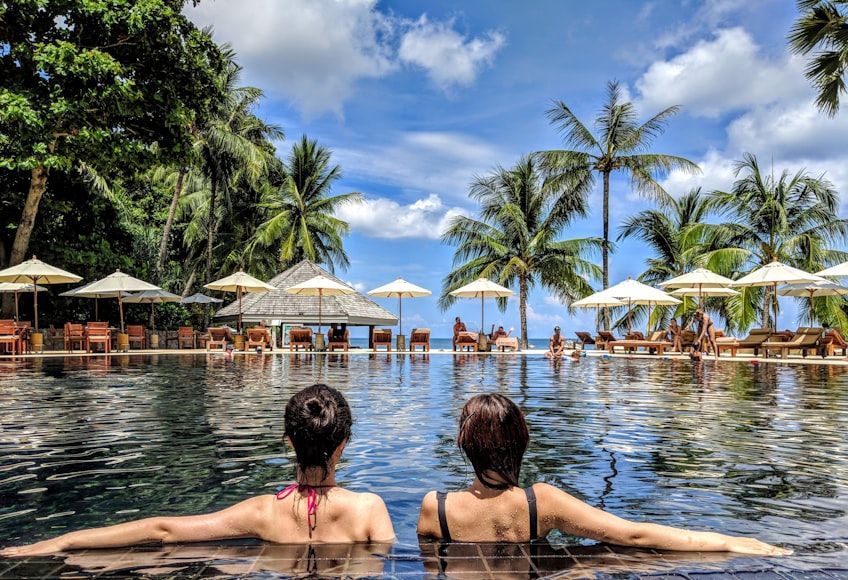
Whether it’s the gym, the pool, the restaurant, or the spa, taking advantage of these perks will make you feel like you’re truly on vacation and help you create even better memories of your stay.
But that’s not all. In many cases—though you should always check first—, your final bill already includes resort or amenity fees, whether you use those facilities or not. So if you’re paying for them anyway, you might as well enjoy them.
Bottled water
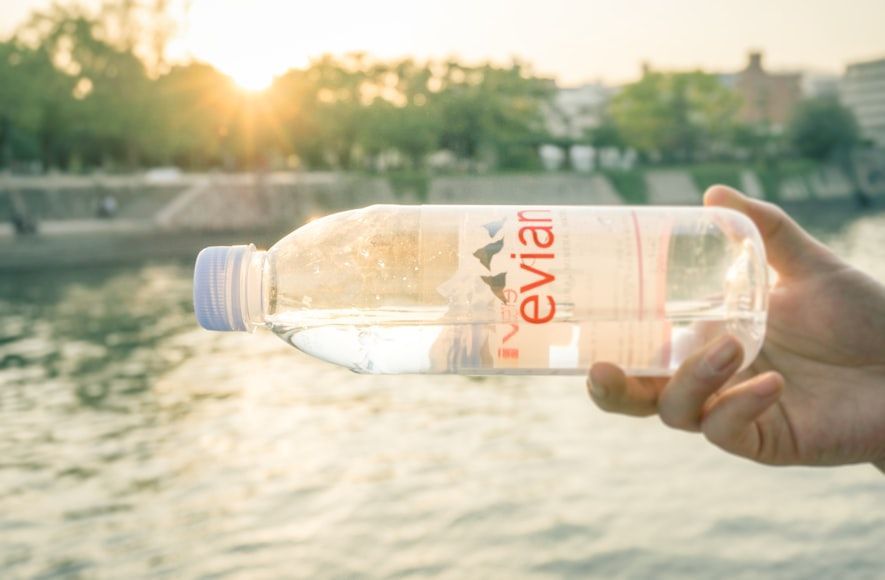
If you’re staying in another country, it’s always smart to ask for drinks without ice and stick to bottled water instead of tap water. Even in great hotels, the water quality and mineral content can be very different from what you’re used to at home. By playing it safe, you reduce the risk of stomach discomfort and avoid unpleasant surprises.
Keep wandering
There’s always
more to explore

10 Incredible, death-defying miracles around the world
5 min.
Read Now
 Landmarks
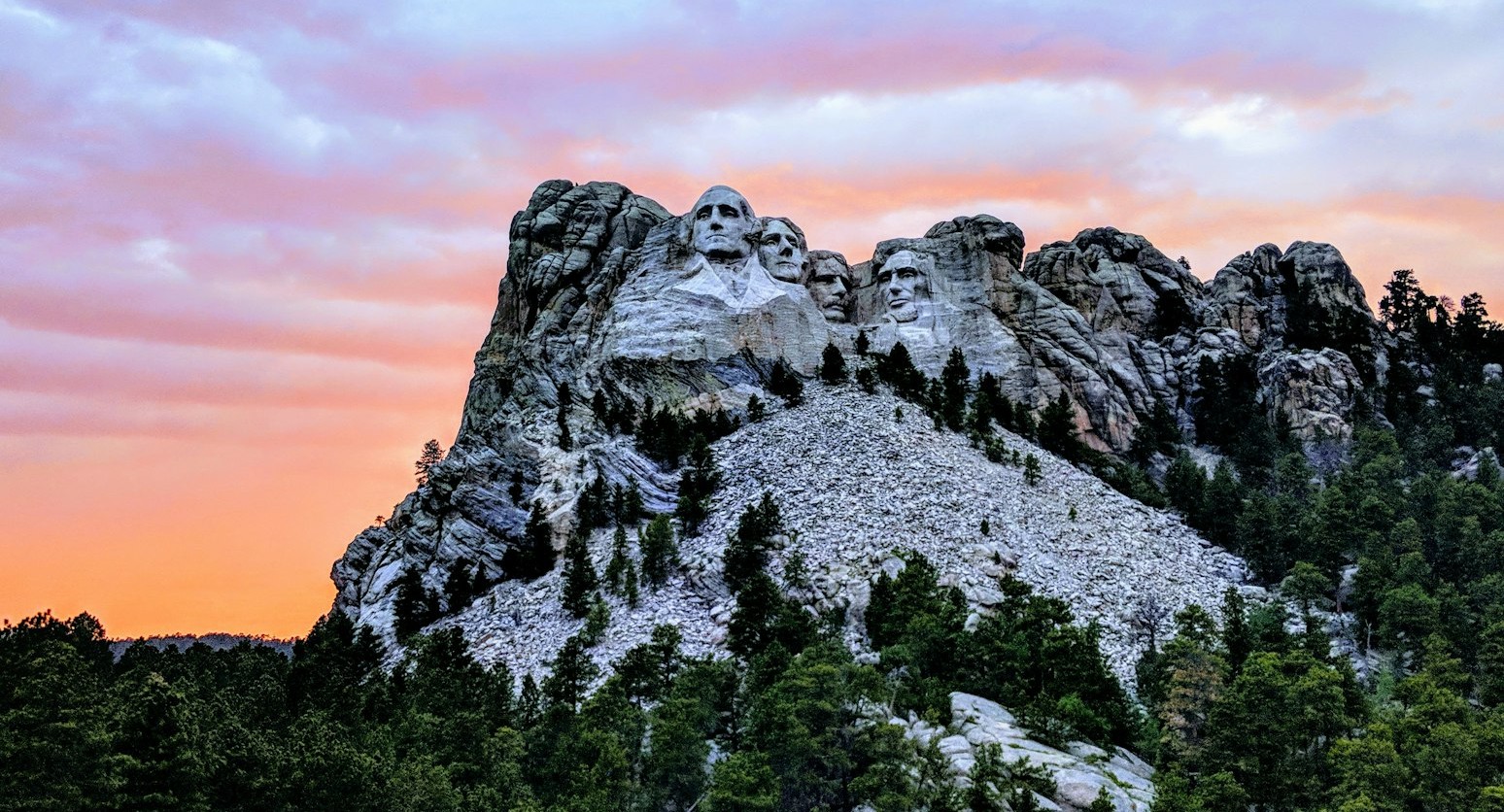
The one thing your National Park pass won't cover: Mount Rushmore
6 min.
Read Now

What is the safest seat on a plane? This study reveals the answer
8 min.
Read Now
These surprises catch the most experienced travelers off guard
4 min.
Read Now