
Who empties airplane toilets? Meet the airport's oddest workers
 General
Hidden in plain sight
Who empties airplane toilets? Meet the airport's oddest workers
Airports are staffed by pilots, flight attendants, clerks, and baggage handlers — but that’s only part of the workforce. Airports run on a smoothly coordinated routine featuring a cast of workers you’ve probably never heard of. There’s a person whose job is to chase birds away from runways, experts who calculate the exact balance of an aircraft, and crews who inspect every inch of pavement for tiny hazards. The next time you’re waiting at the gate, take a look out the window, and you’ll spot one of these surprising airport professionals quietly keeping everything on track.
Lav man
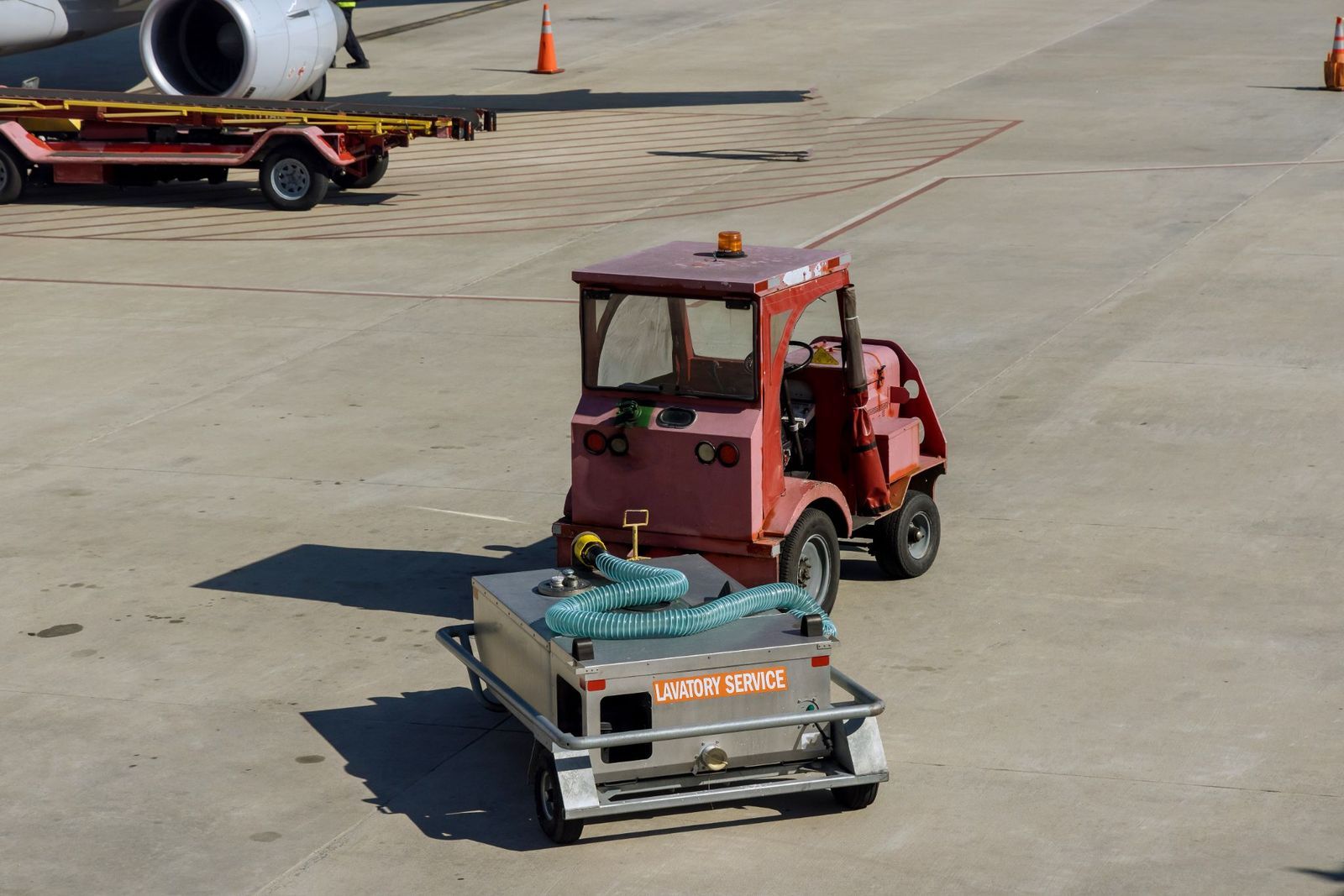
If you've ever used an airplane restroom during a long flight, you’ve probably been grateful it was clean and working properly. Few people stop to think about what happens after hundreds of passengers have used it. That’s where the "lav man" comes in.
A lav man, short for lavatory service man, is a member of the crew in charge of emptying aircraft waste tanks and replenishing the sanitation fluid that keeps the system functioning properly. They use specialized service trucks and, even if it’s not a glamorous job, it certainly is an important one. The process requires protective equipment, careful handling procedures, and attention to detail. In colder climates, crews may even have to deal with frozen components that need to be thawed before servicing can continue. While passengers rarely see these workers, flights couldn’t operate without them.
Birdman
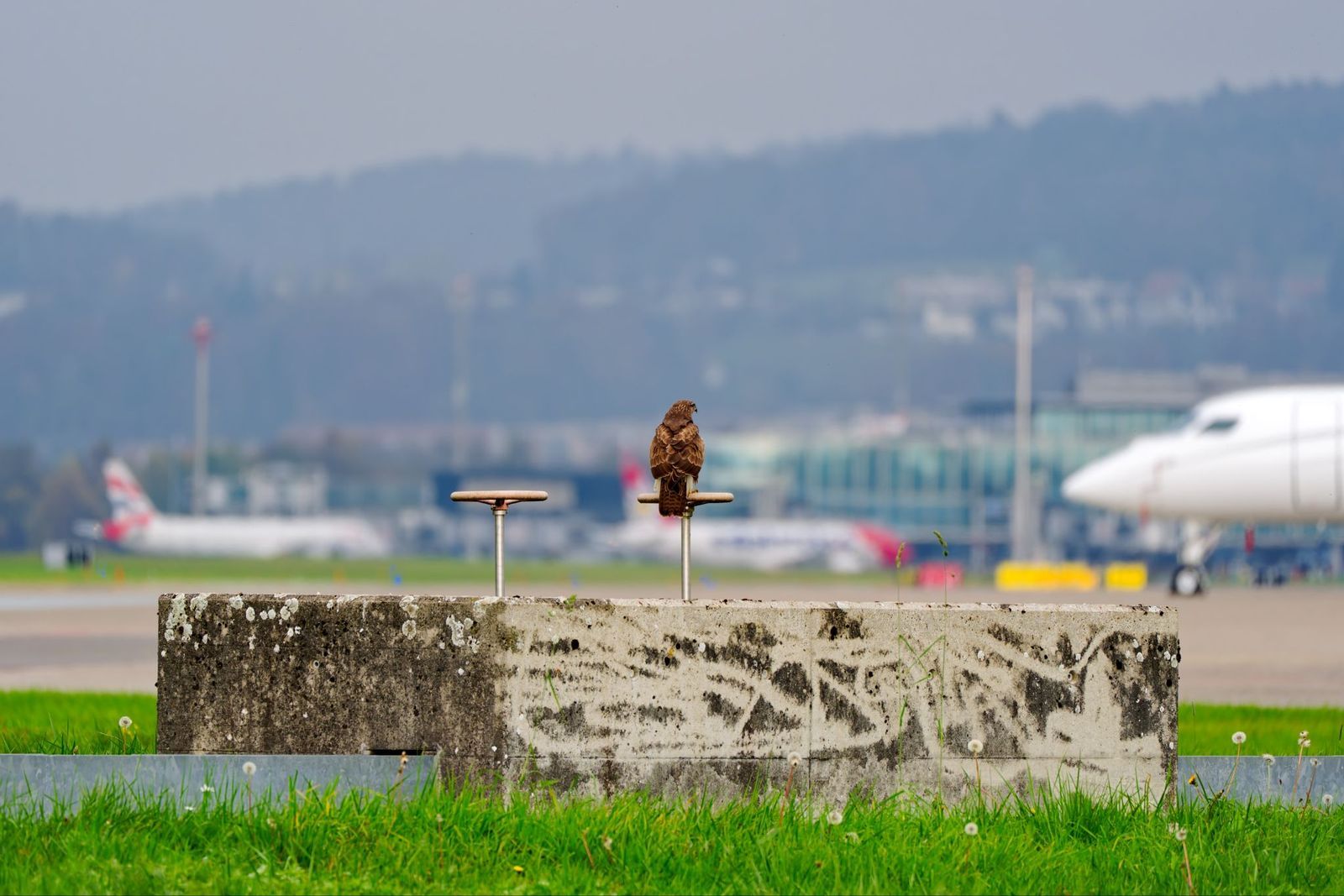
Picture yourself settling into your seat as the plane begins rolling toward the runway, looking out the window and spotting all those birds on the runway, strolling by, nonchalantly. What you probably don’t see is the person who may have spent the last hour making sure birds stay far away from your flight path.
Many airports employ a "birdman," that is, a wildlife specialist whose primary responsibility is reducing the risk of bird strikes. Birds and aircraft are a dangerous combination, particularly during takeoff and landing when planes are flying at lower altitudes. Federal aviation authorities consider wildlife management a critical safety function because bird strikes can damage engines, windshields, and other components. Before your flight even begins rolling toward the runway, a birdman may have already spent hours making sure the area is clear.
De-icer

Anyone who has scraped ice off a car windshield knows how stubborn winter weather can be. Now imagine removing ice from a jetliner.
Aircraft de-icers perform one of the airport’s most critical cold-weather jobs. Before the departure, they inspect the aircraft and, with the help of specialized trucks, spray heated de-icing fluid onto wings, tails, and other surfaces where ice may have accumulated. Even a small amount of ice can alter the aerodynamic shape of a wing and affect how an aircraft flies; that’s why de-icing is taken so seriously throughout the aviation industry.
Aircraft load controller
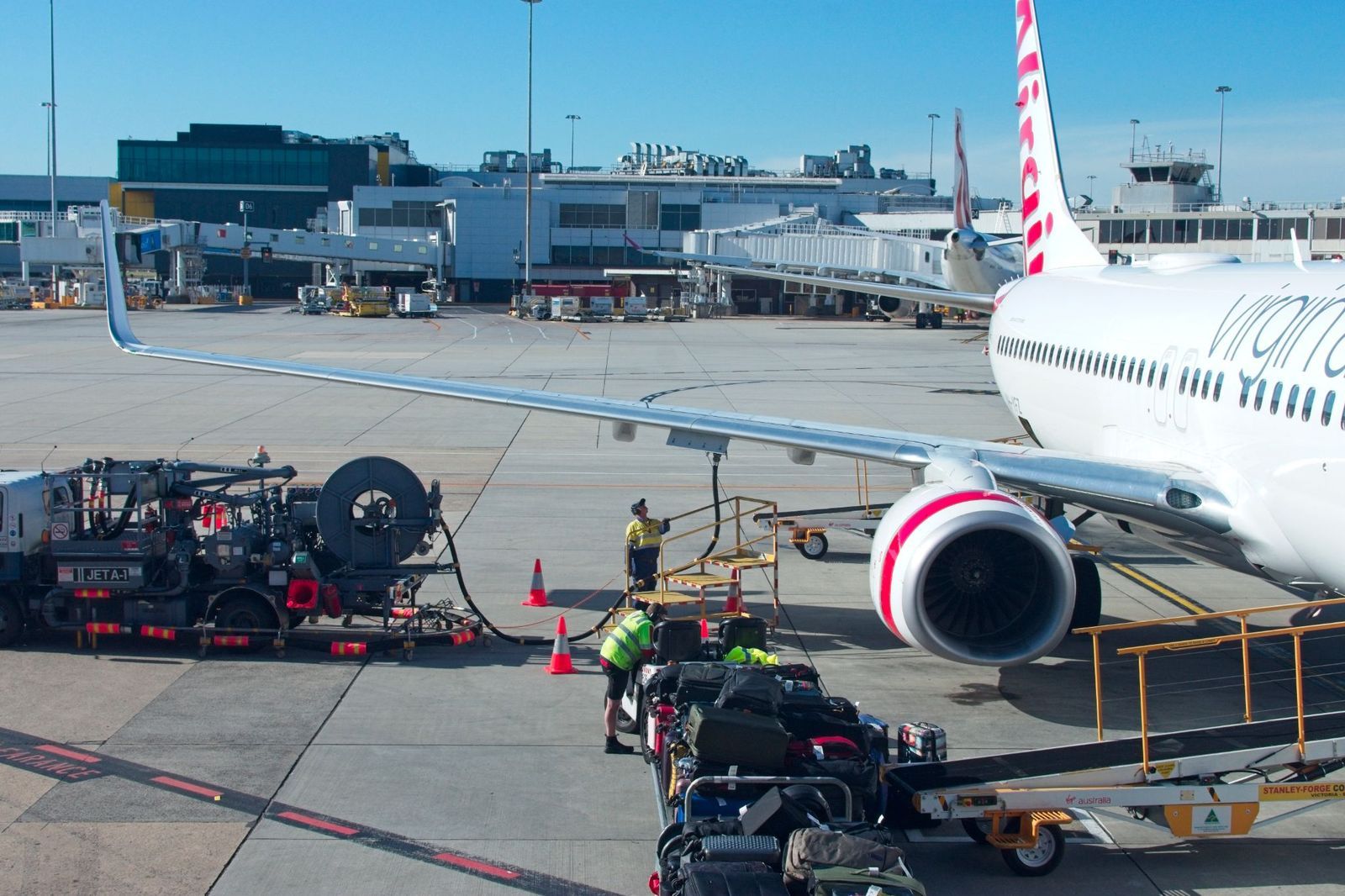
Airlines not only fit hundreds of passengers and their suitcases, but they also carry cargo containers and fuel. Long before a plane leaves the gate, someone has already been doing the math behind the weight of all that it carries. Aircraft load controllers determine exactly how weight should be distributed throughout the aircraft. Passengers, luggage, cargo, fuel, water, and other supplies all have to be carefully balanced.
A plane that is improperly loaded can experience handling problems and reduced performance. That’s why load controllers use sophisticated calculations and specialized software to ensure everything is placed where it belongs. When the plane lands safely, part of the credit belongs to this worker who, behind a computer, made sure the numbers added up.
Foreign object debris inspector

Think about how often you've walked through a parking lot without thinking twice about a small pebble, loose screws, or bits of litter. On a runway, though, that same object can become a serious hazard. That’s why there’s a "foreign object debris inspector."
FOD inspectors spend their days searching for anything that doesn’t belong on airport surfaces. That includes loose bolts, broken pavement, scraps of metal, and other debris that could damage aircraft tires or be sucked into the jet engines. Some airports use radar systems and advanced monitoring technology, while others rely on regular inspections conducted by trained personnel. Finding a single misplaced object may not seem exciting, but removing it could prevent thousands of dollars in damage and avoid delays.
Crew scheduler

Most travelers have experienced a delayed flight because of bad weather, mechanical issues, or congestion somewhere in the airline network. What many don't realize is that a delay often creates challenges far beyond the aircraft itself.
Airline schedules look neat and orderly on paper, but reality is often another story. Crew schedulers coordinate pilots and flight attendants while complying with regulations governing rest periods and duty hours. When weather delays, mechanical issues, or staffing shortages occur, they must quickly adjust plans. A single delayed flight can create a chain reaction affecting crews across an entire airline network. Schedulers spend their days solving these moving puzzles, often under significant pressure. When your flight still departs after a hectic day of disruptions, a crew scheduler may be one of the reasons.
Airfield lighting technician

If you've ever landed after dark, you've benefited from the work of an airfield lighting technician, and you know how reassuring those bright runway lights can be. Airfield lighting technicians maintain the intricate network of runway lights that guide aircraft during nighttime operations and poor visibility conditions.
A major airport can contain thousands of lights, each serving a specific purpose. Technicians inspect equipment, repair failures, and ensure systems meet strict safety standards. When fog rolls in or darkness falls, pilots depend on those lights to navigate safely. One burned-out bulb might seem minor, but in aviation every detail matters.
Water guy
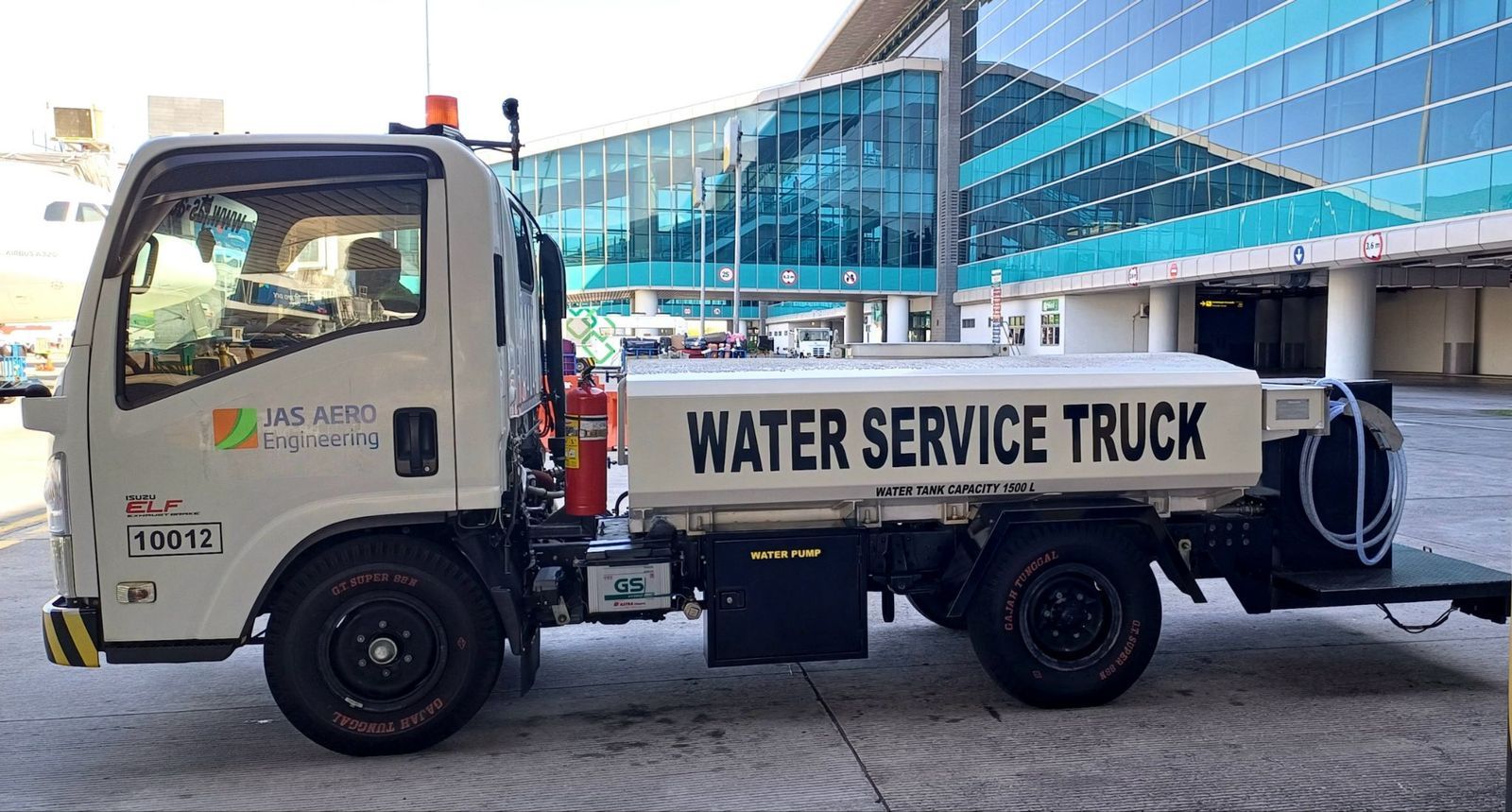
Most travelers expect water to flow when they wash their hands on an airplane, but that water doesn't magically appear.
Airport water service operators make sure every aircraft leaves with an adequate supply. Driving specialized service vehicles around the airfield, they refill onboard water tanks before departure. They connect hoses, monitor tank levels, and verify that enough water is available for passengers and crew throughout the journey. Nobody thinks of this job, yet everyone benefits from it during the flight.
Pillow replacer

If you’re lucky enough, you’ve at least once settled into a premium cabin seat and found a fresh pillow waiting for you. Somebody made sure that the pillow was not only fluffy, but clean, and that’s because, believe it or not, airlines have a person in charge of changing the pillows you typically see in first-class seats.
These workers handle one single, repetitive task: They remove used pillowcases and replace them with fresh ones so the next passengers arrive to a clean and comfortable seat. On a busy travel day, that can mean handling thousands of pillows in a single shift. Even if it’s a bit monotonous, this task is important for maintaining cleanliness and passenger comfort.
Flight permit coordinator

Imagine organizing paperwork for countries scattered across the world, all while flight schedules continue changing. That’s life for a flight permit coordinator.
These professionals secure the permissions airlines need to fly through foreign airspace or land in other countries. International aviation involves a maze of regulations, government agencies, and operating requirements. Coordinators often communicate with authorities in multiple countries and time zones to ensure every necessary approval is obtained before departure. Without these specialists, many flights simply wouldn’t be allowed to leave.

12 beautiful U.S. spots that still feel undiscovered by the masses
America without crowds
12 beautiful U.S. spots that still feel undiscovered by the masses
We are used to it, but travel in the U.S. doesn’t always have to mean crowds, long lines, and packed viewpoints. Across the country, there are still places where nature feels untouched, towns move at a slower pace, and visitors can truly relax. These destinations may not dominate headlines, but that is actually a good thing. From remote islands to overlooked cities, these 12 spots offer scenery, history, and charm, without the overwhelming buzz.
Great Basin National Park, Nevada
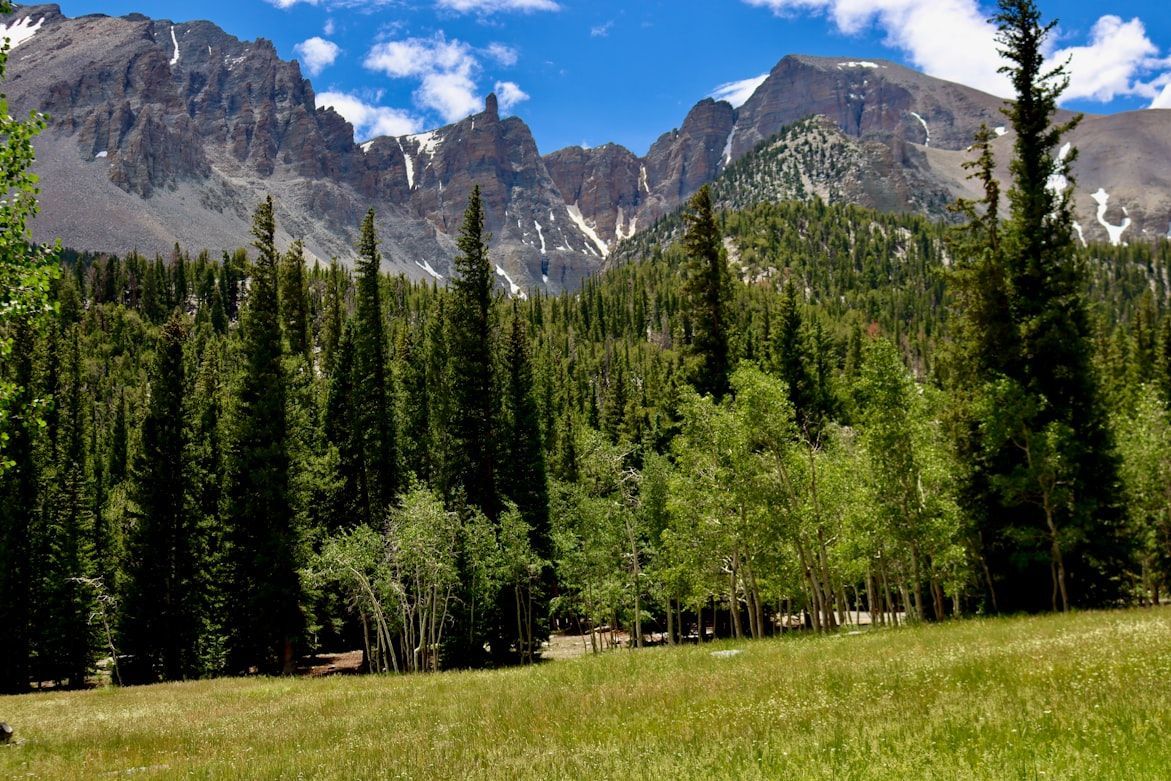
Tucked away in eastern Nevada, Great Basin is one of the least visited national parks in the country. Its remote location keeps crowds low, even though it offers alpine lakes, ancient bristlecone pines, and extensive cave systems.
At night, the park becomes a stargazer’s dream, thanks to minimal light pollution. Visitors can see the Milky Way clearly, making it one of the best dark-sky destinations in the U.S.
Albuquerque, New Mexico

While not unknown, Albuquerque is often overlooked compared to other Southwestern destinations. That means fewer crowds and a more relaxed experience.
The city blends Native American, Spanish, and modern influences. Visitors can explore historic Old Town, ride the Sandia Peak Tramway, or visit during the famous balloon festival during the first full week of October each year.
New River Gorge, West Virginia
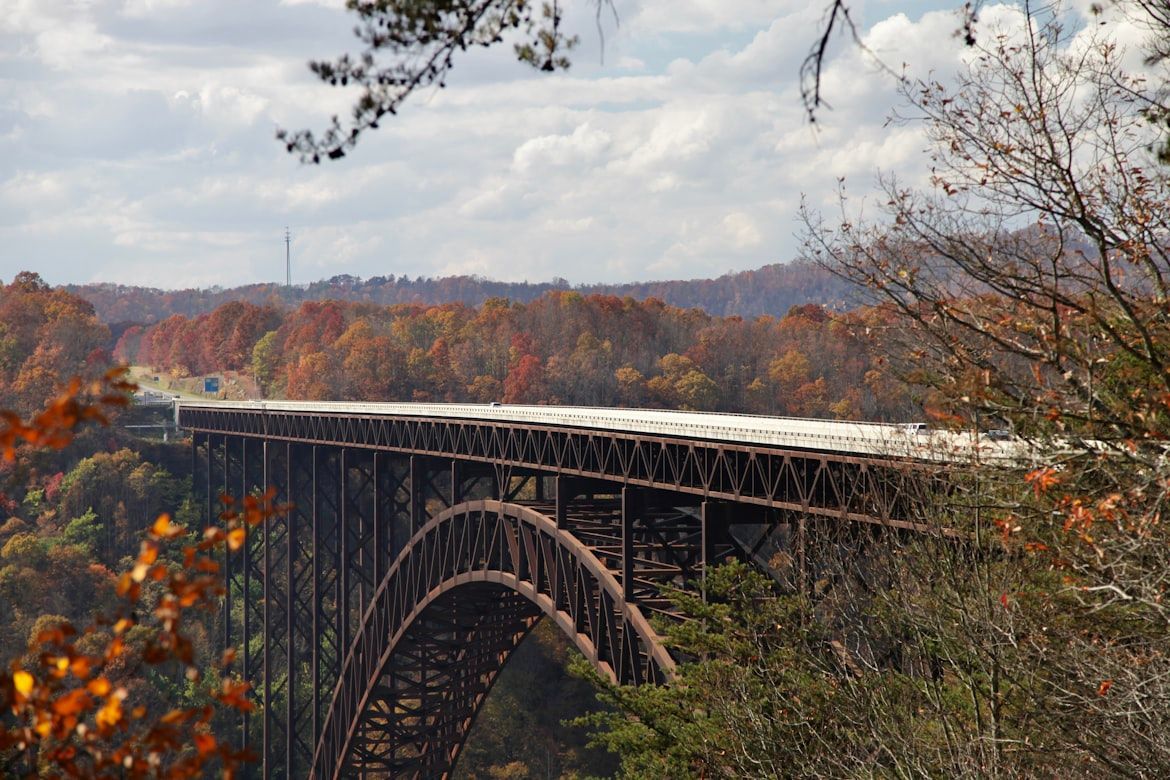
Now a national park, New River Gorge combines dramatic Appalachian scenery with outdoor adventure. Despite its beauty, it remains quieter than most famous parks in the West.
The area is known for whitewater rafting, scenic overlooks, and the iconic steel arch bridge. It’s especially appealing for travelers who enjoy nature with a bit of adrenaline.
Channel Islands National Park, California

Located just off Southern California’s coast, this park feels worlds away from Los Angeles. Accessible only by boat, the islands limit visitor numbers naturally.
Often called "America’s Galapagos," the islands host unique wildlife and rugged coastlines. Hiking, kayaking, and wildlife viewing are the main attractions here.
Headlands International Dark Sky Park, Michigan

Located along Lake Michigan, this park is dedicated to preserving the night sky. It’s one of the best places in the Midwest for stargazing.
With minimal artificial light, visitors can see stars, planets, and even meteor showers clearly. It’s a peaceful, low-key destination that shines after sunset.
Cayo Costa State Park, Florida
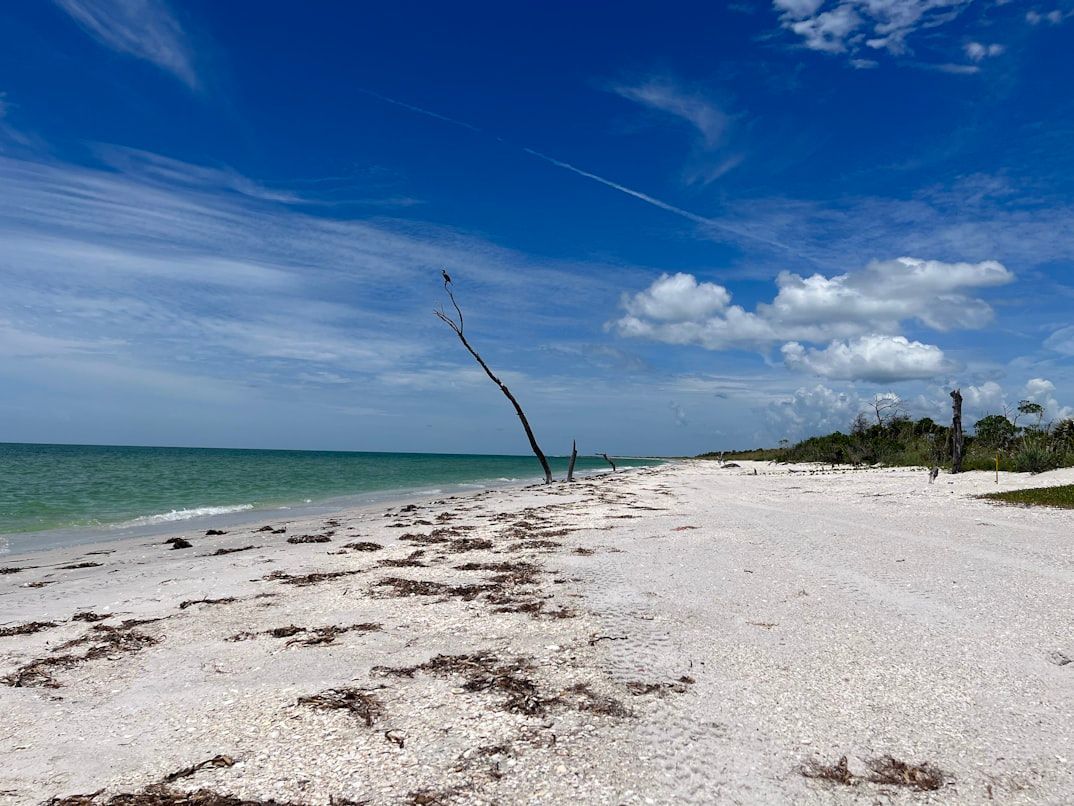
This barrier island park is only reachable by boat or ferry, which helps preserve its peaceful atmosphere. There are no bridges, no cars, and very little development.
Visitors come for unspoiled beaches, shelling, and wildlife like manatees and dolphins. It feels like a step back in time along Florida’s Gulf Coast.
Grand Rapids, Michigan
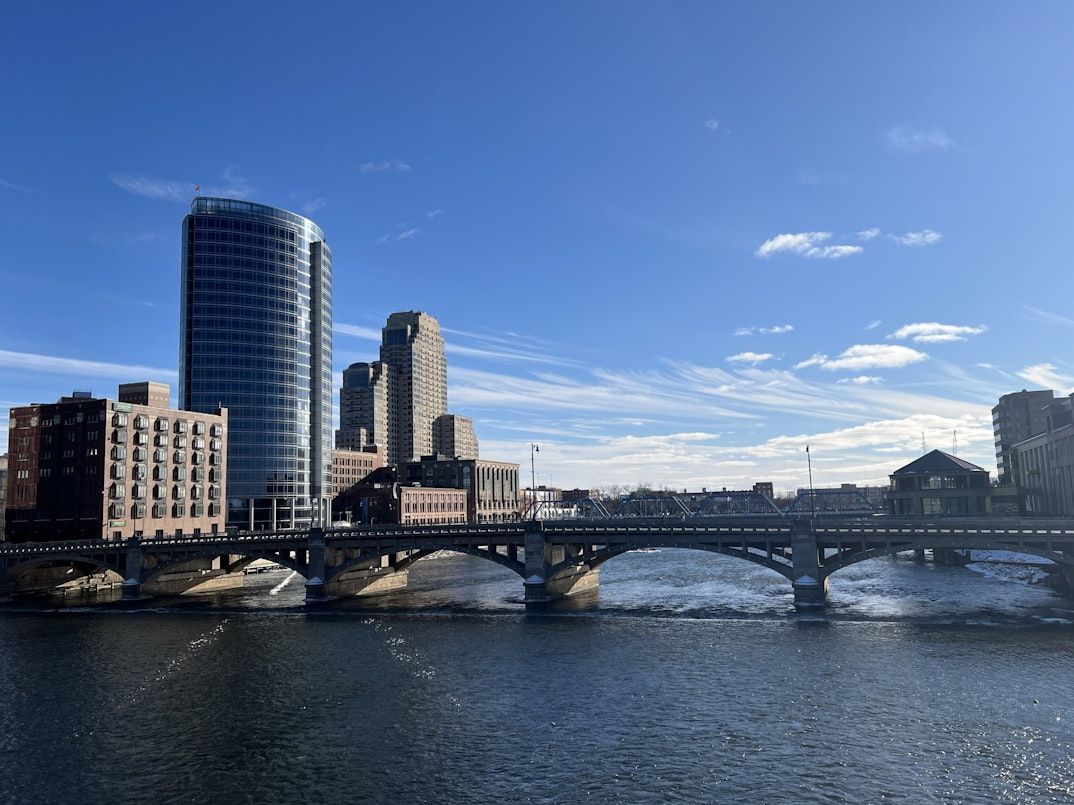
Grand Rapids has quietly built a reputation as a cultural and culinary hub. It offers museums, breweries, and a walkable downtown without big-city congestion.
The city is also known for public art and events like ArtPrize. It’s a great example of a mid-sized city with plenty to explore at an easy pace.
Bandon, Oregon

Bandon is a small coastal town known for its dramatic sea stacks and quiet beaches. While Oregon’s coast is famous, Bandon remains less crowded than bigger stops.
The town also has a charming old-town district and a strong arts scene. It’s ideal for slow travel, scenic walks, and fresh seafood.
Bear Lake, Idaho, and Utah
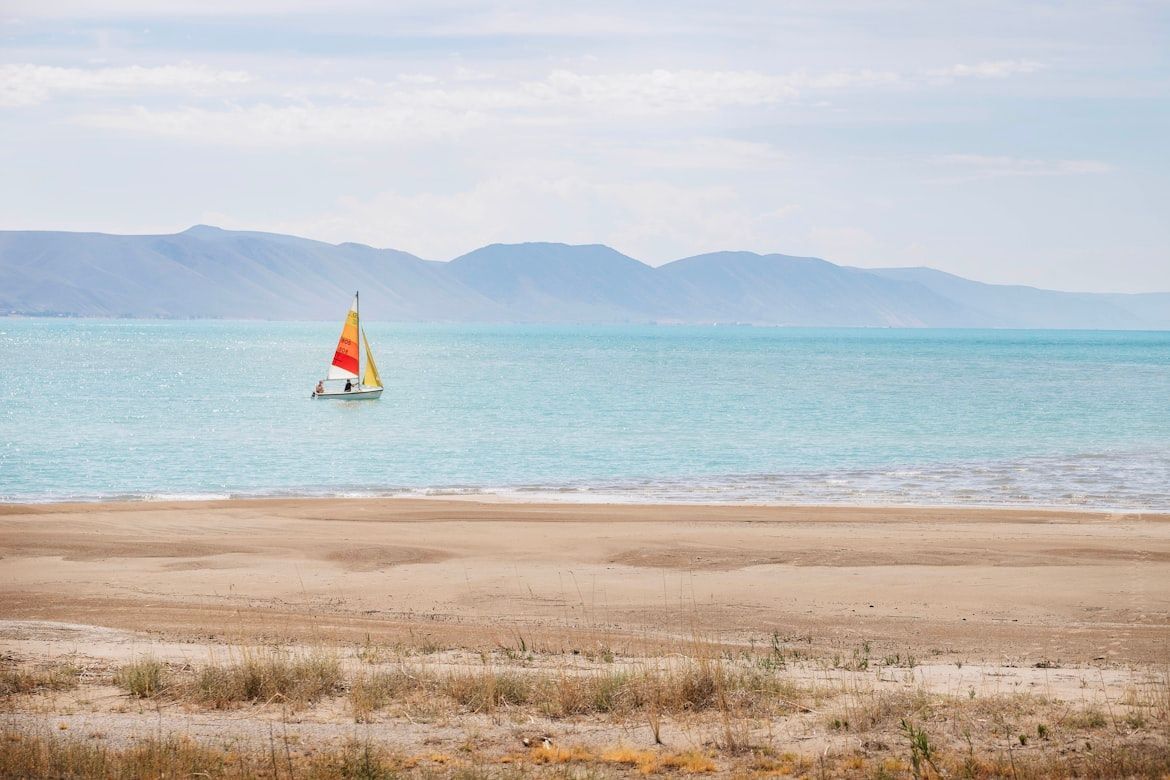
Often called the "Caribbean of the Rockies," Bear Lake is known for its striking turquoise water. Despite its beauty, it’s still relatively under the radar nationally.
The area offers boating, fishing, and relaxed lakeside views. It’s especially popular regionally, but rarely feels overwhelmed.
Dry Tortugas National Park, Florida

Located about 70 miles west of Key West, the Dry Tortugas is one of the most remote national parks in the U.S. Visitors must arrive by boat or seaplane.
The park features crystal-clear waters, coral reefs, and historic Fort Jefferson. Its isolation helps keep visitor numbers relatively low compared to mainland parks.
John Day Fossil Beds, Oregon
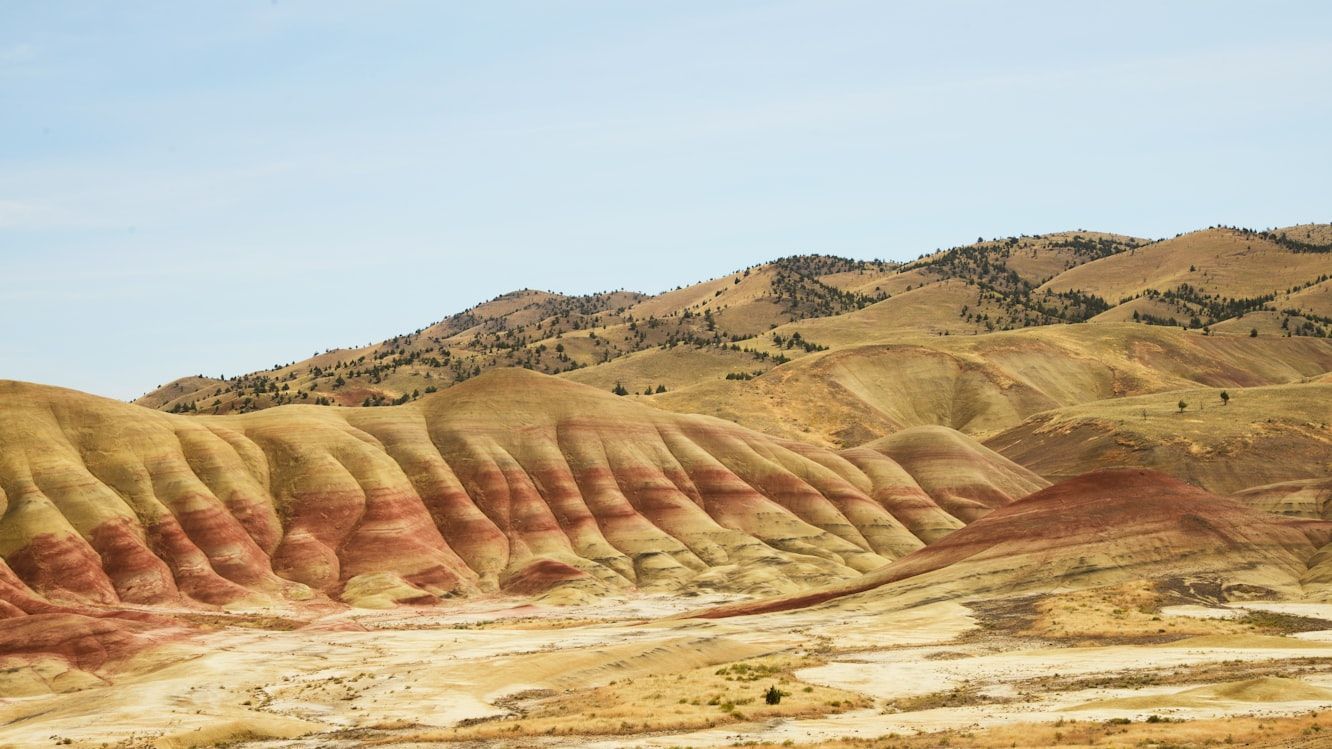
This lesser-known park showcases colorful rock formations and fossil-rich landscapes that tell a story spanning millions of years. It’s visually striking yet rarely crowded.
The painted hills, in particular, are a highlight, with layered colors that change throughout the day. It’s a quiet destination for geology lovers.
Lookout Mountain, Georgia
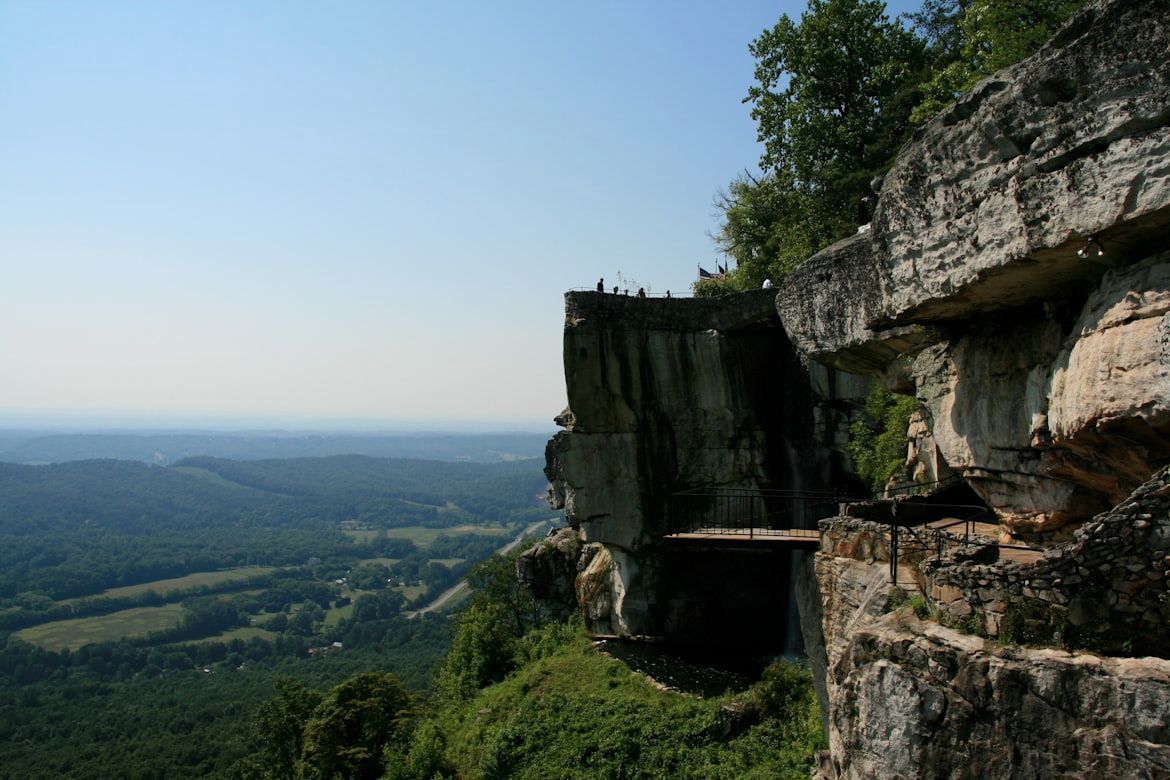
Stretching across state lines dividing Georgia and Tennessee, Lookout Mountain offers scenic views, waterfalls, and historic sites. Despite its accessibility, it often flies under the radar.
Attractions like Rock City and nearby trails provide easy ways to enjoy nature without venturing far from urban areas like Chattanooga.
Keep wandering
There’s always
more to explore
 Landmarks

What's hiding beneath Alcatraz, and why can't anybody visit it?
6 min.
Read Now
10 destinations that are nearly impossible to visit
3 min.
Read Now

Do you still use any of these “old” technologies when travelling?
5 min.
Read Now

Did the three men who escaped Alcatraz in 1962 actually survive?
7 min.
Read Now