Passport secrets: 10 Hidden features inside those little blue books
 Culture
Passport secrets: 10 Hidden features inside those little blue books
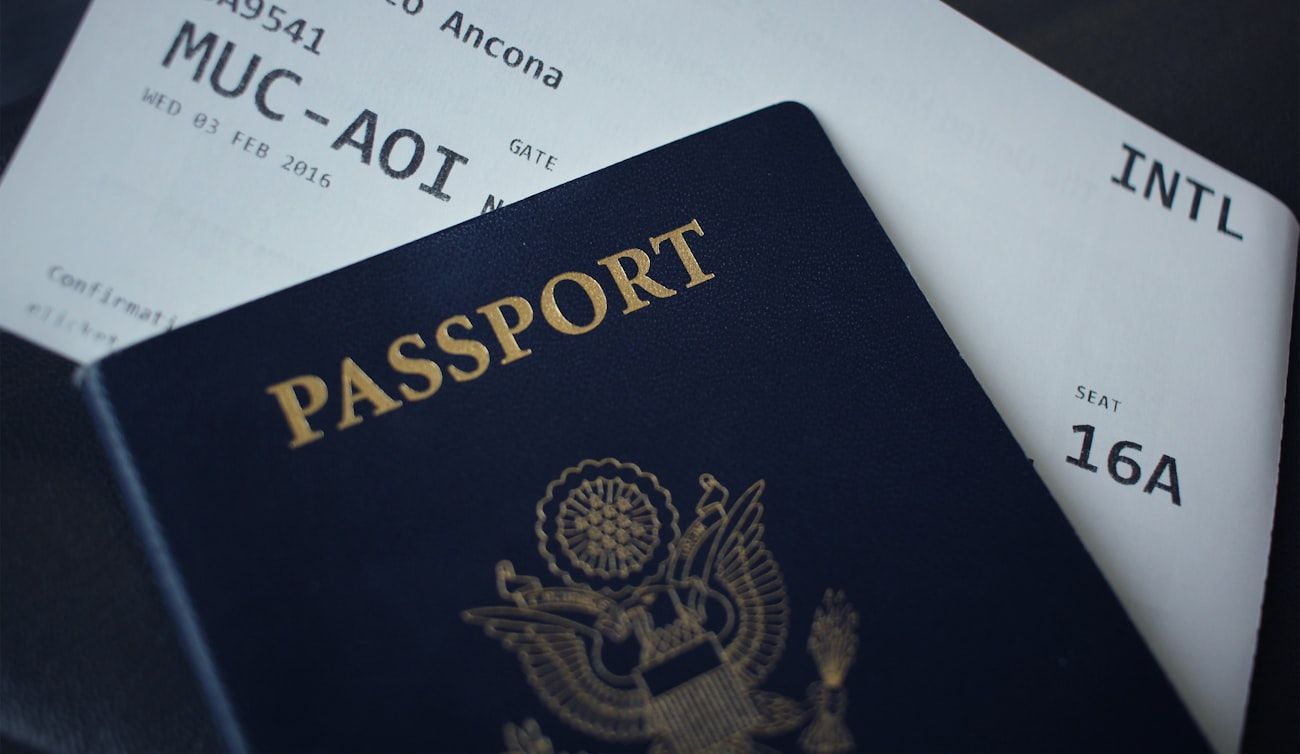
Most of us have that one little blue book tucked away in a "safe place", the spot we swear we’ll remember but always seem to forget up until the last minute before heading to the airport. When we finally find it, we do the same thing every time: flip straight to the first two pages. Those opening pages do far more than just list your name and photo. They’re filled with codes, hidden symbols, and subtle markings that help verify your identity and prevent fraud. Here we’ll decode the secrets behind those official-looking details tucked inside your passport.
The Great Seal's secret numbers
It all begins with the document's inside cover, where the Great Seal of the United States is located. On the reverse side of the seal, there is a pyramid with 13 steps, which represent the original 13 colonies. Moving towards the very base of the structure, there are Roman numerals: MDCCLXXVI. This sequence translates to 1776, marking the historic year of American independence.
Invisible ink and UV light
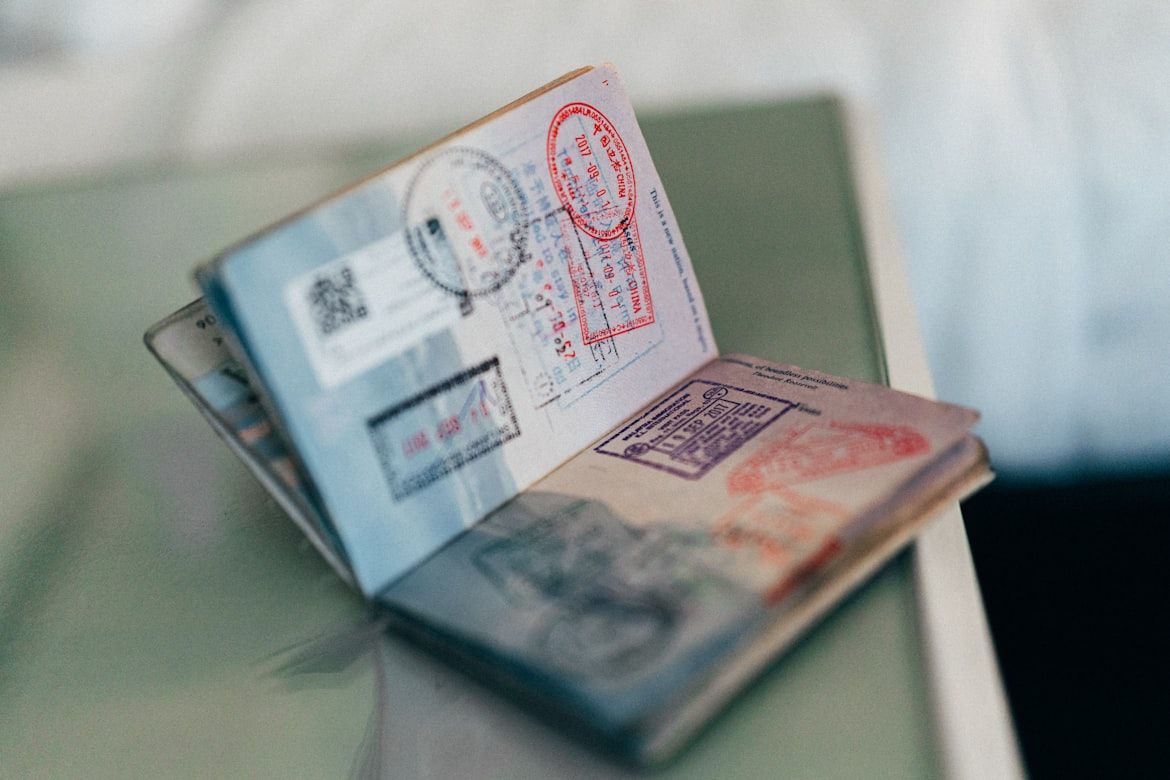
Another aspect you might not know about is the security features that only emerge under specific conditions, for example, the layers that involve ultraviolet (UV) light. Under a UV lamp, hidden images and complex patterns light up across the pages. These include intricate designs, flags, and portions of famous landmarks that remain completely invisible to the naked eye under normal lighting and become incredibly tough for a common copier or a local print shop to replicate.
The page numbers are a security grid
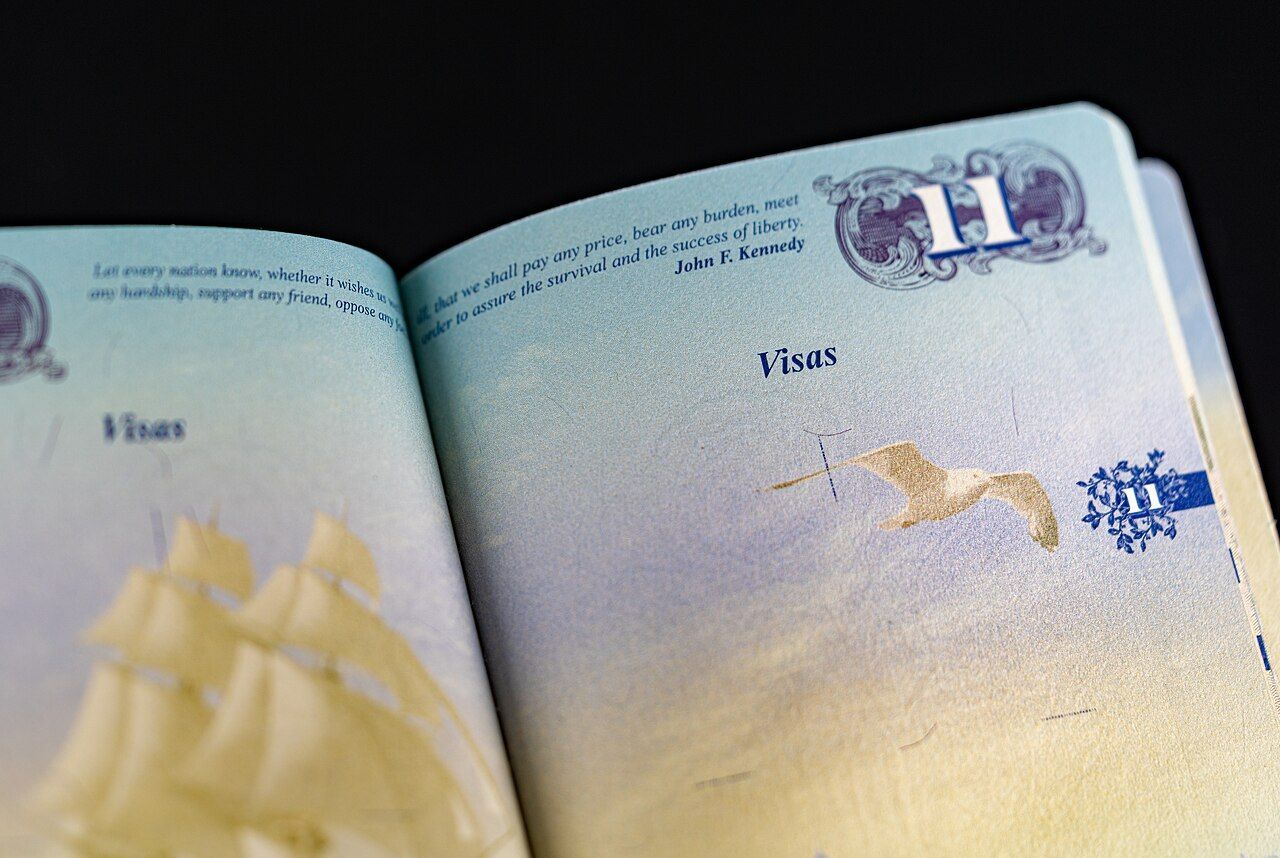
The numbers on the pages are not just for keeping track of how many you have left. In newer passport versions, these numbers are integrated directly into the background artwork of each page. This makes the document harder to alter.
But there’s more. In some sections, there is a subtle change in font or style from one page to the next. This detail ensures that swapping pages or changing the sequence is nearly impossible without making the tampering obvious to an official authority.
Historical quotes and patriotic symbols
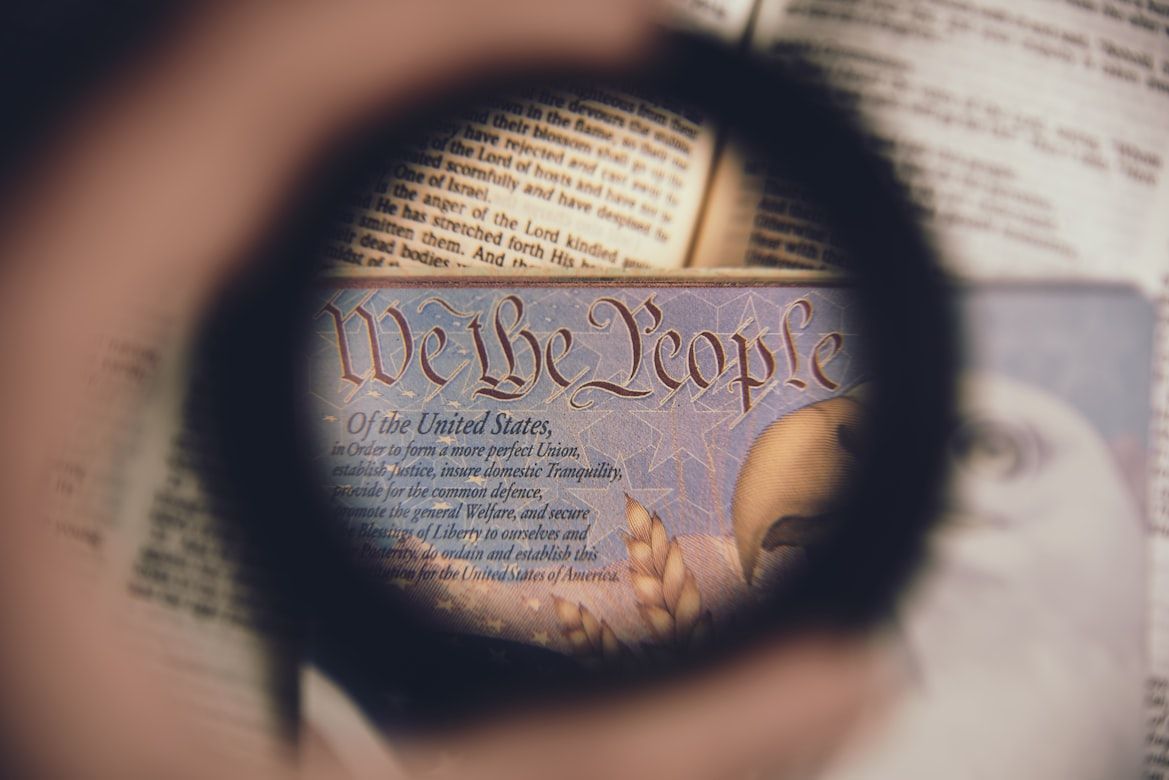
Throughout the pages, there is a collection of inspiring quotes from distinguished American figures such as Martin Luther King Jr., Abraham Lincoln, and George Washington, along with excerpts from historical documents.
There is a specific intention behind each choice to reflect national values and ideals, for example, Abraham Lincoln’s reminder that "government of the people, by the people, for the people, shall not perish from the Earth," and George Washington’s call to "raise a standard to which the wise and honest can repair." It functions like a mini anthology of American philosophy, providing something to read while waiting in a long line at a foreign border.
The evolution of the American Eagle
The eagle’s design on the cover and inside the passport is not always identical. Over the decades, there has been a subtle evolution in how the eagle is depicted, reflecting new artistic styles or more advanced security printing techniques.
Some differences can be found in feather details, posture, or in the surrounding background elements. Although it always represents a clear symbol of strength.
The secret language of microprinting
There is a feature called "microprinting" used on almost every page. This involves lines of text so incredibly tiny that they appear to be simple decorative lines to the naked eye. In reality, there is a repetition of words like "United States of America" and other specific security phrases.
Because it is nearly impossible for counterfeiters to replicate this level of microscopic detail without specialized industrial equipment, it remains one of the most effective ways to verify a genuine document.
Artwork symbolism
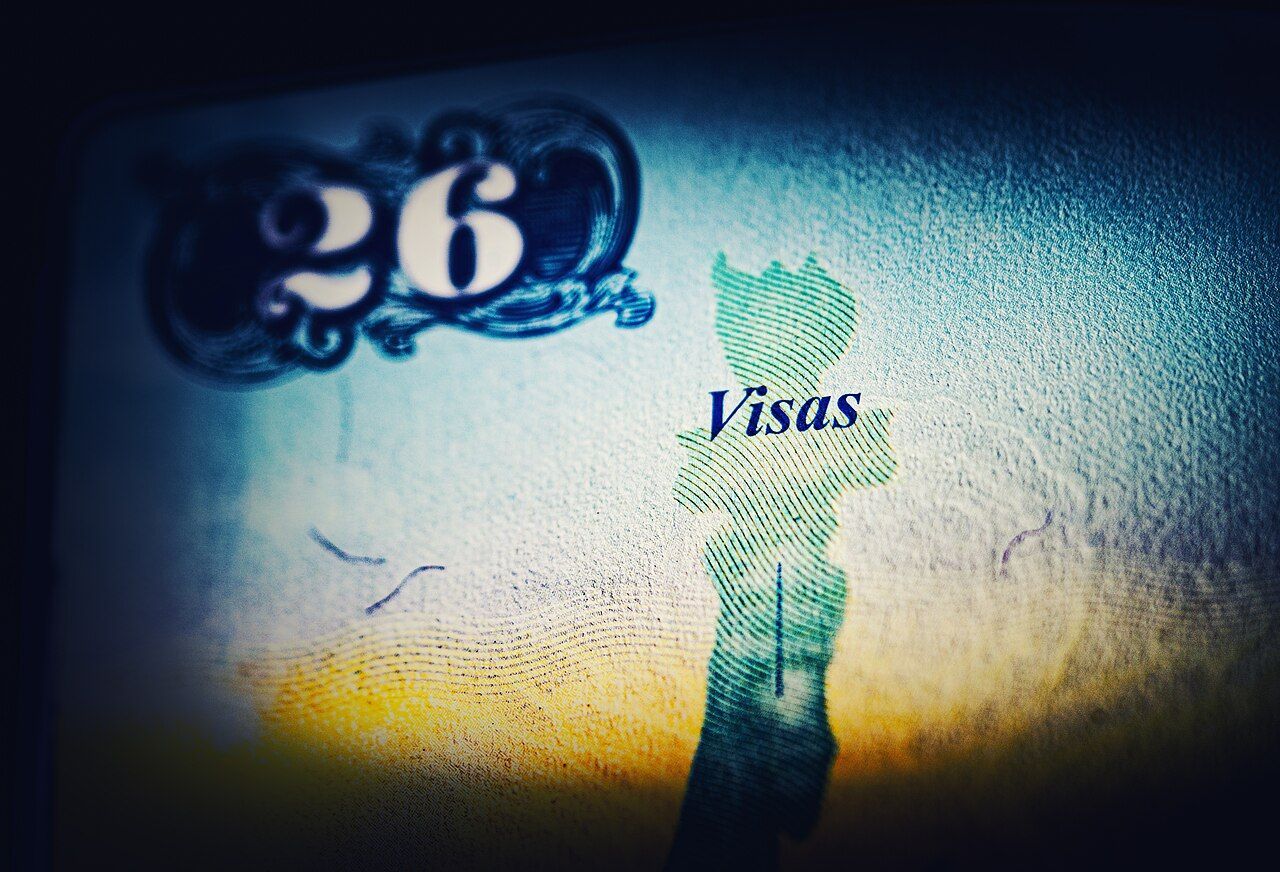
Beyond the text, we can see the US History represented in images. Many pages feature iconic American landscapes, historical monuments, or symbols of American innovation, such as the Liberty Bell and Independence Hall, Mount Rushmore, the Statue of Liberty, or old sailing ships and classic scenes of the West. These images are curated to celebrate different facets of the country's culture and geography.
The NFC chip that keeps the information safe
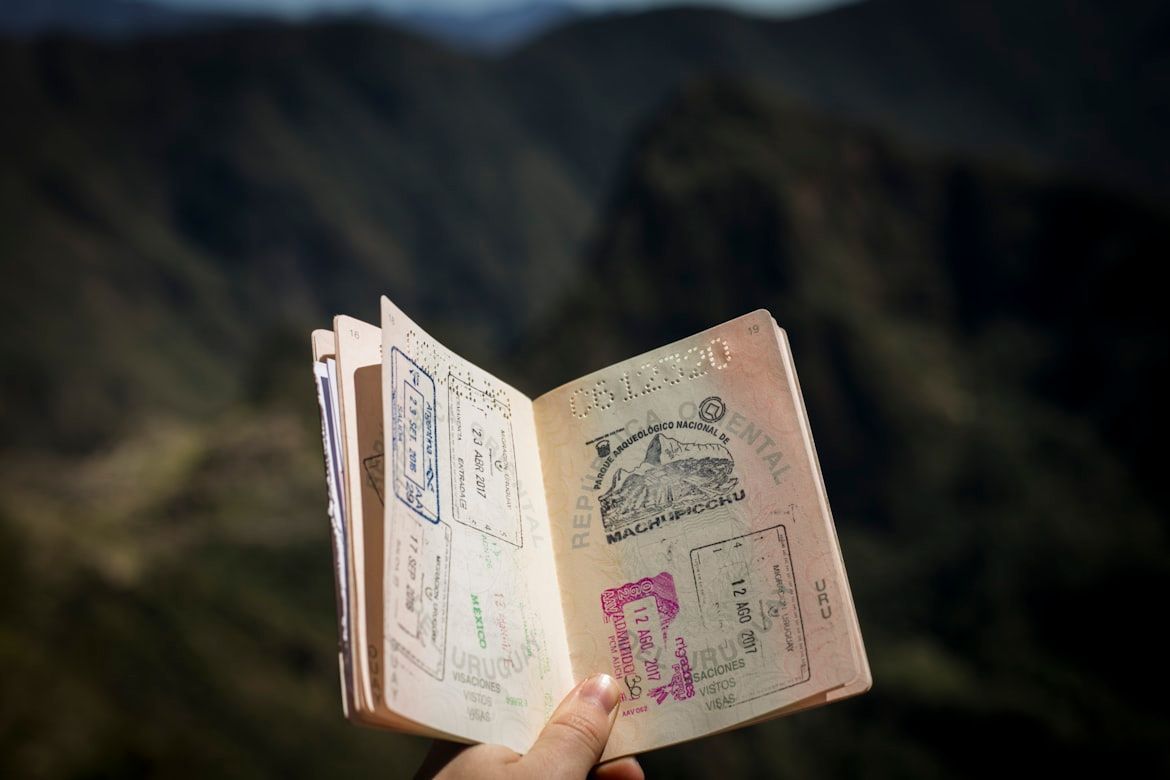
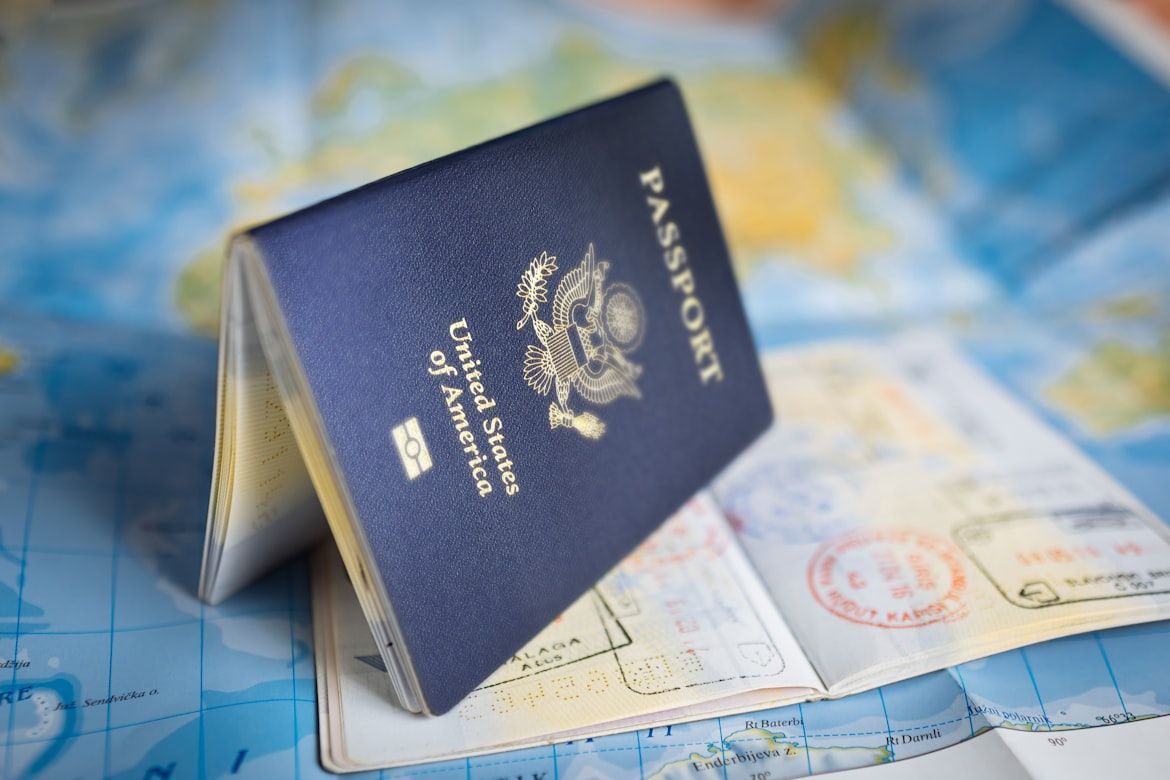
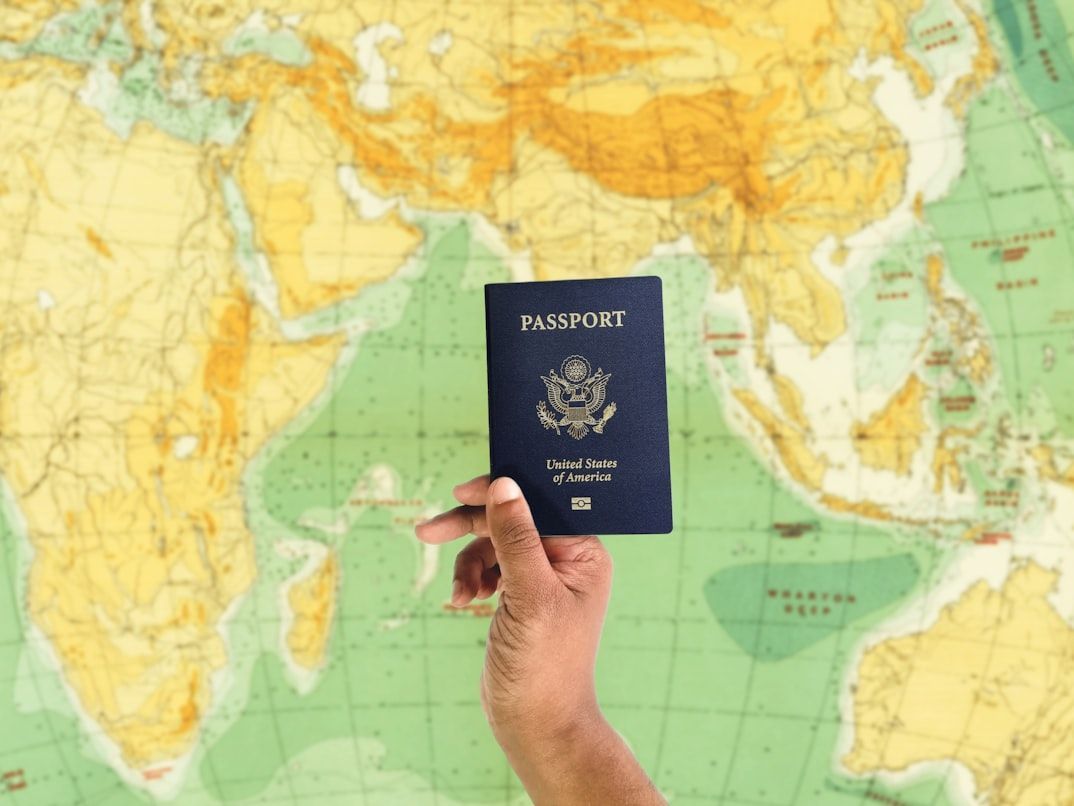
In every passport issued after 2007, there is a small symbol on the front cover that looks like a rectangle with a circle inside. This indicates the presence of an embedded electronic chip, also known as an NFC chip. This technology securely stores biometric data, including a digital version of the photo and personal information. The chip is encrypted and is designed to be read only by authorized scanners, adding a digital layer of protection to the physical book. Have you ever seen that icon before?
Paper security features
If it still wasn’t obvious, everything is calculated in a passport’s design, starting with the paper itself. The paper used for a passport is not a standard commercial product. It is a highly regulated material that acts as a fortress for the owner's identity. Within the fibers of the paper, there are security threads, watermarks, and other specialized fibers that are only visible under certain light.
These features are added during the manufacturing process, making the paper itself an integral part of the security system. It is a material designed to be durable enough for years of travel while remaining difficult to duplicate.
The evolution of color: from red to blue
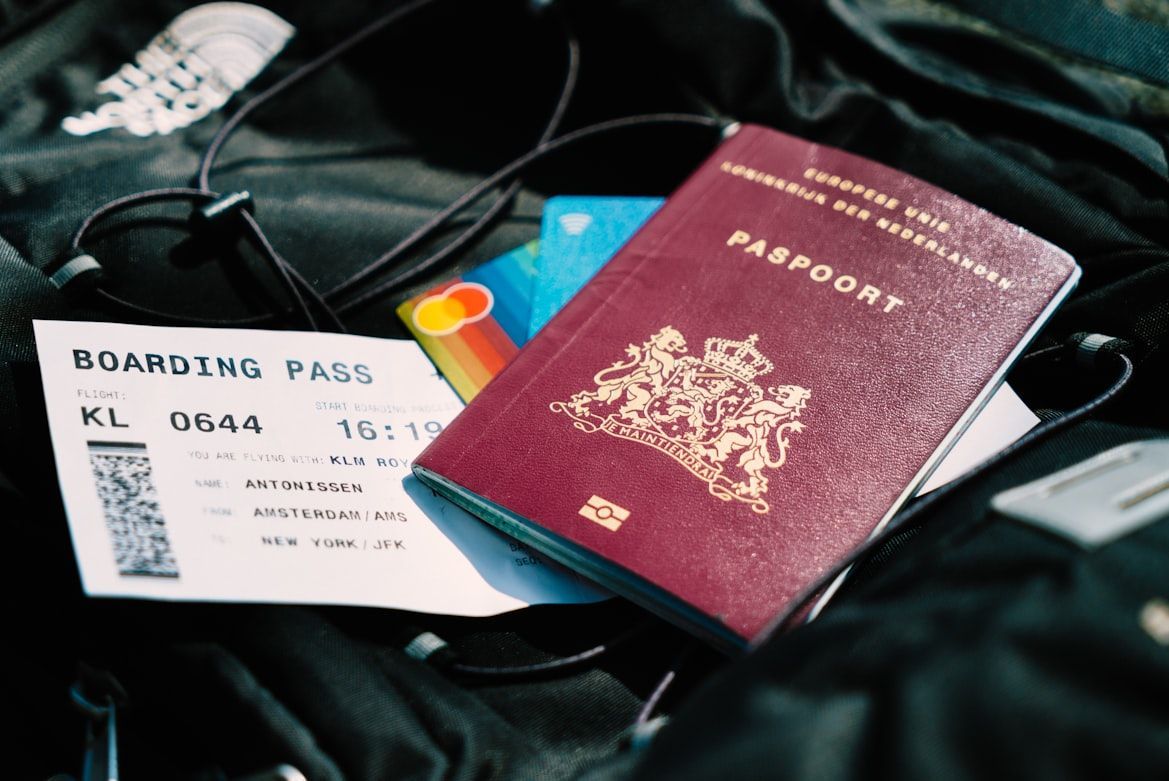
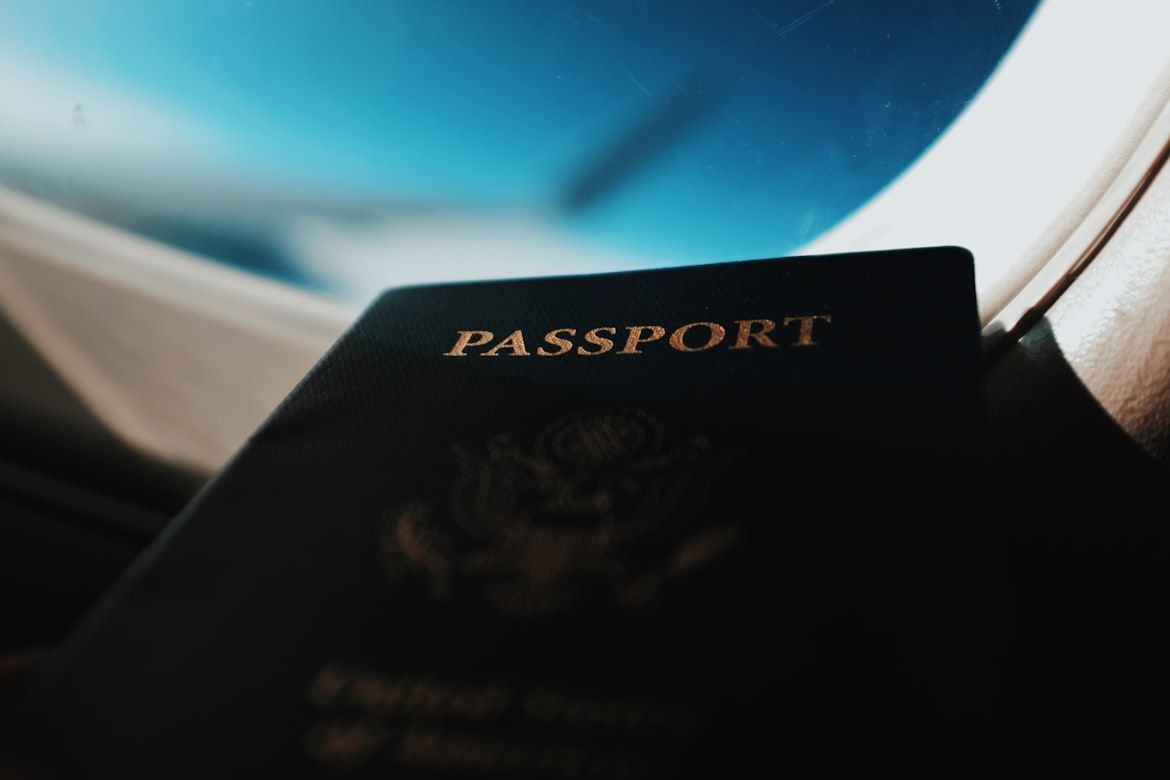
Last but not least: we have to mention the passport‘s color history. Modern U.S. passports are known for their navy blue covers, but that was not always the case. There have been red, green, and even tan versions of the document.
The U.S. passport switched to the blue cover in 1976, tied to the country’s Bicentennial. Passport cover colors aren’t set strictly by global law, so each country can choose its own. When a government changes the color, it often means the passport is getting a refreshed version with newer security features added at the same time.
Cultural capitals: 10 American cities with worldwide claims to fame
 Geography
Capital with a capital C
Cultural capitals: 10 American cities with worldwide claims to fame
America has no shortage of capital cities. After all, besides the national capital, there is a capital city for each state and territory. But what about unofficial capitals? Some cities are so relevant to an industry, concept, or phenomenon that they transcend all political boundaries. Here are 10 American cultural capitals you might not know!
Nashville: The Country Music Capital of the World

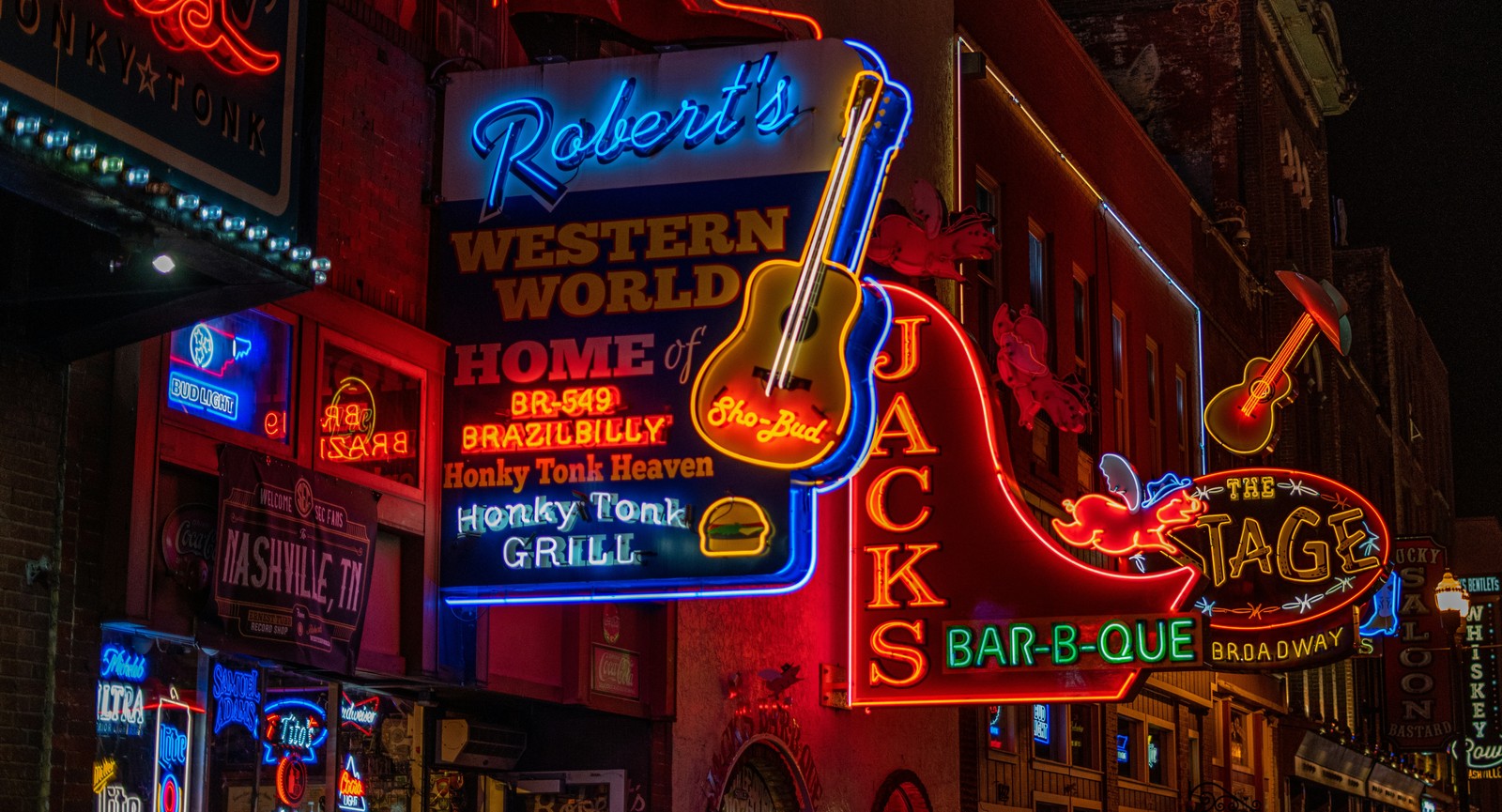
Let’s start with an easy one. If you think country music, you think Nashville. Besides being the capital of Tennessee, Nashville is the epicenter of the country music scene, home to landmarks such as the Grand Ole Opry, the Ryman Auditorium, and Legends Corner.
Scottsboro: The Lost Luggage Capital of the World
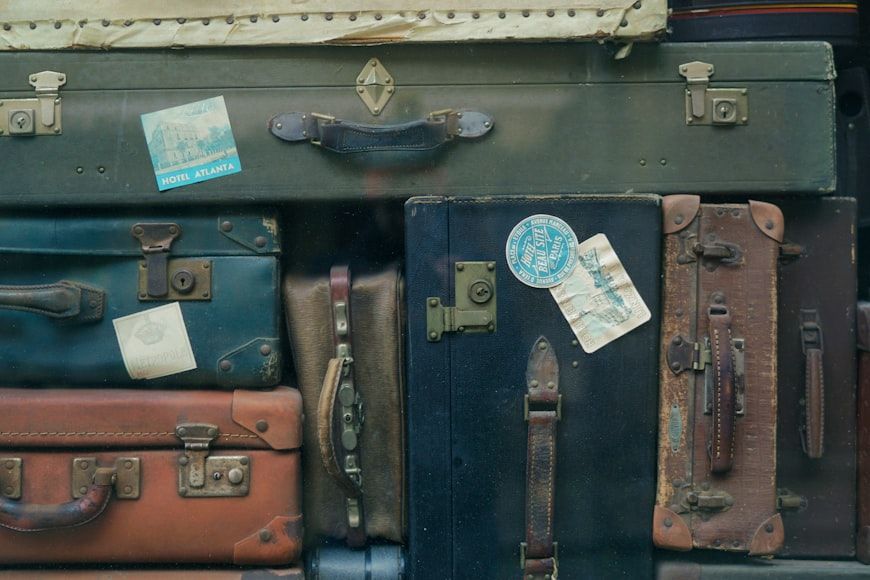
If you’ve lost your luggage, you might want to check Scottsboro, Alabama. The town is home to the Unclaimed Baggage Center, which buys and resells lost and forgotten luggage from across the country at a discounted rate. Among their most famous finds are a suitcase filled with Egyptian artifacts, a two-century-old violin, and a huge diamond ring that was concealed in a sock.
Niagara Falls: The Honeymoon Capital of the World
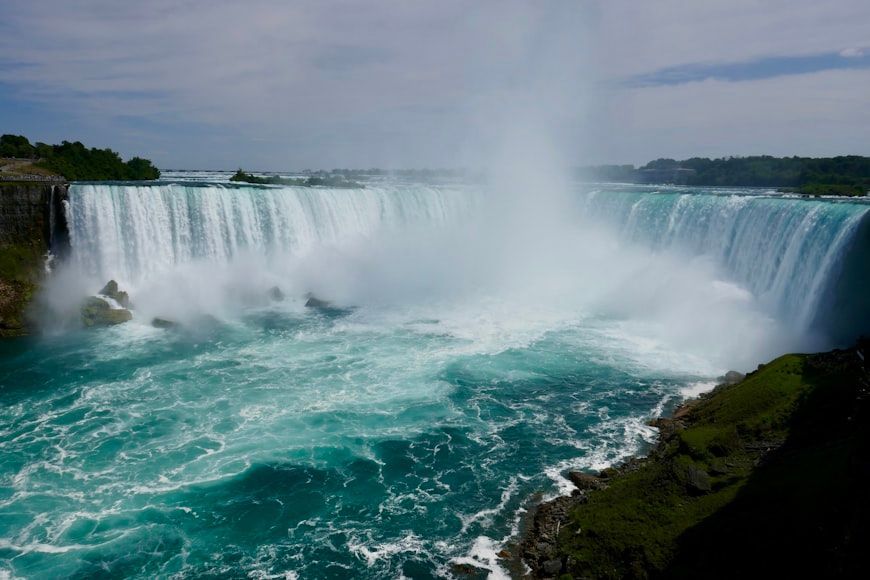
Niagara Falls is known for its beautiful scenery and relaxing nature, which makes it a perfect destination for newlyweds. But who started the trend of choosing Niagara Falls as a honeymoon spot? According to popular legend, Theodosia Burr, the daughter of Vice President Aaron Burr, was one of the first people to visit the place after her wedding.
Barberton: The Fried Chicken Capital of the World
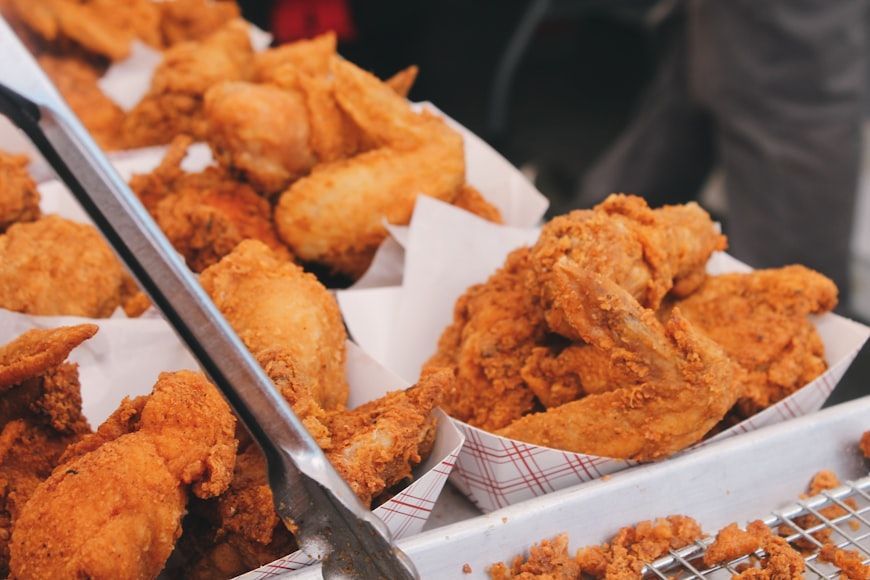
If you were asked to pick a city of utmost importance for fried chicken, would you pick Barberton, Ohio? This choice might seem surprising, but Barberton has been a center for fried chicken since the 1930s. It all stems from two Serbian immigrants who, during the Great Depression, opened a Serbian-style fried chicken business. The dish became the town’s signature, and Barberton restaurants continue to sell thousands of pounds of fried chicken to this day.
Kennett Square: The Mushroom Capital of the World

What began almost by accident has become central to the town’s identity. Pennsylvania is not the obvious choice to grow mushrooms, but this did not stop a group of local Quakers from wanting to take full advantage of their greenhouses. What started as a small venture in the 1880s eventually grew into a place that produces roughly half of the mushrooms consumed in the United States.
Traverse City: The Cherry Capital of the World

If you produce three-fourths of America’s tart cherries, it is only fair that you receive the "Cherry Capital" title. Thanks to its unique climate and soil conditions, this Michigan city leads not only the tart cherry production, but is also a major producer of sweet cherries. Its annual National Cherry Festival attracts around 500,000 visitors per edition.
Hartford: The Insurance Capital of the World
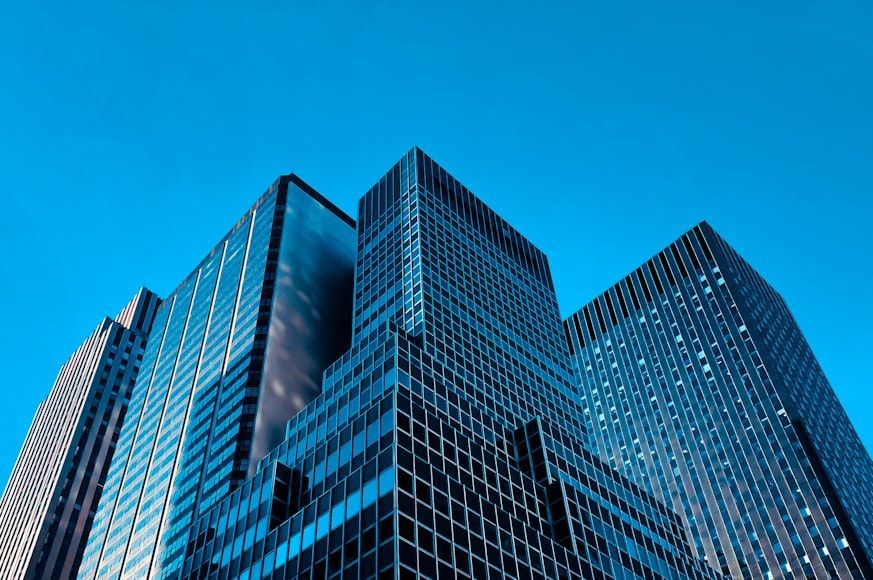
Hosting more than 150 insurance companies, Hartford, Connecticut, sits at the center of the U.S. insurance industry. Compared with the rest of the country, this region has roughly nine times the percentage of insurance workers and is home to the headquarters of major insurance companies.
New York: The Pizza Capital of… the World?
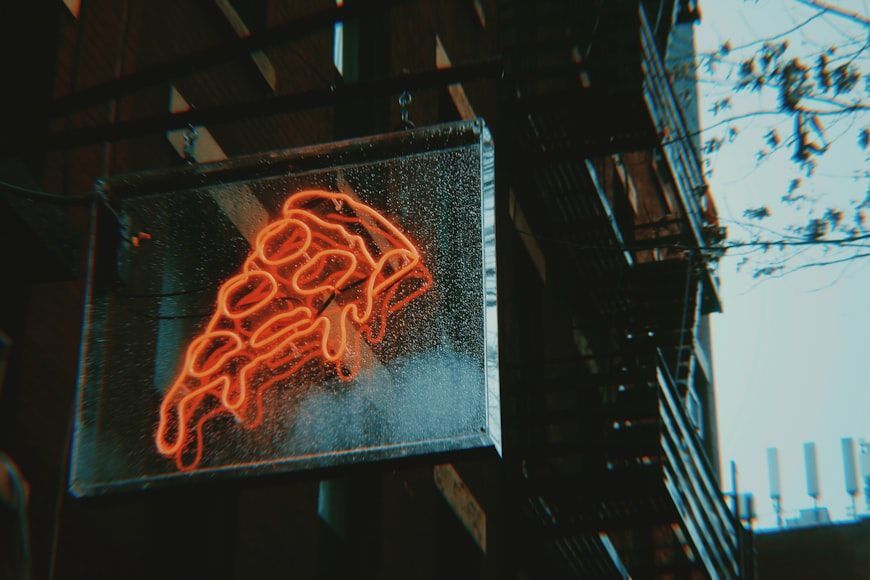
A disclaimer for any angry Italians: we know this is a polemical title, hence the question mark. But setting the rest of the world aside, New York is a strong contender for the Pizza Capital of America for several reasons: the sheer number of pizzerias, the cultural importance of thin-crust pizza, and the many legendary spots, to name just a few. That said, New Haven, Connecticut, has also laid claim to the title, so we’ll leave it to readers to decide.
New Castle: The Hot-Dog Capital of the World
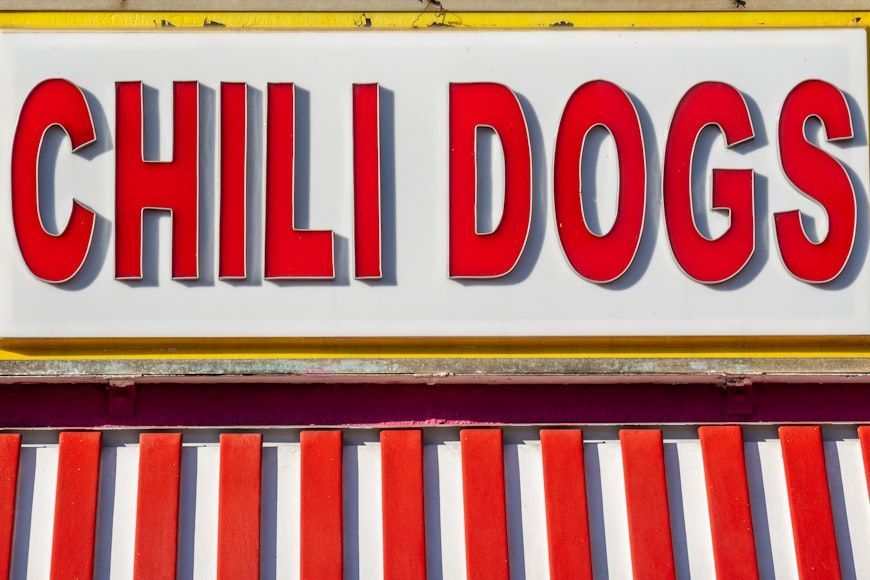
Hot dog styles in America are as diverse as the country itself, so what makes New Castle, Pennsylvania, special? In this case, it is the unusually high number of hot dog restaurants, particularly of Greek origin. These spots are famous for their signature chili-topped, Coney Island-style dogs, and some of them have been operating for nearly a century.
Portland: The Craft Beer Capital of the World
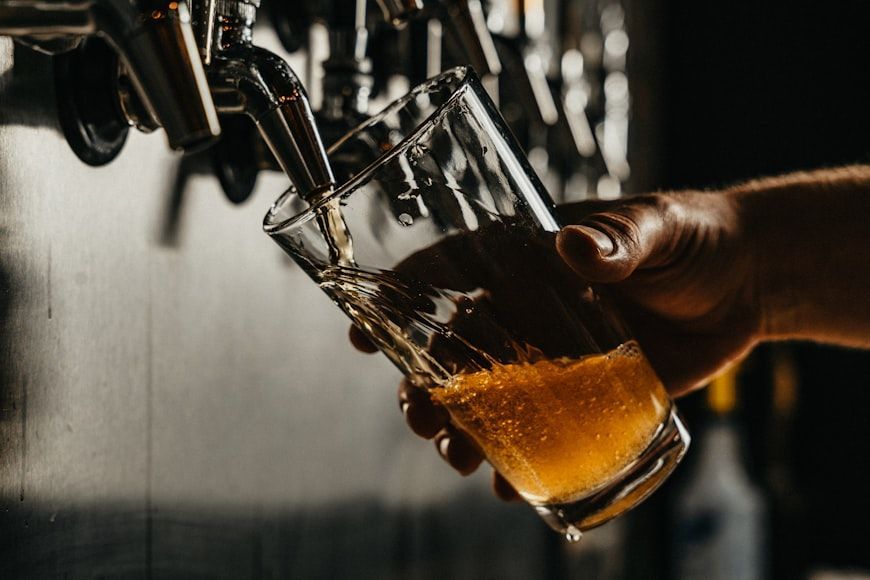
Home to dozens of craft breweries, Portland, Oregon, is a mecca for beer enthusiasts everywhere. Though mainly known for its West Coast IPAs, the city is also renowned for its wide range of beer styles, both specialized and traditional. Besides the high concentration of breweries, Portland is also famous for its vibrant pub culture.
Keep wandering
There’s always
more to explore
 General

10 Incredible, death-defying miracles around the world
5 min.
Read Now
 Landmarks
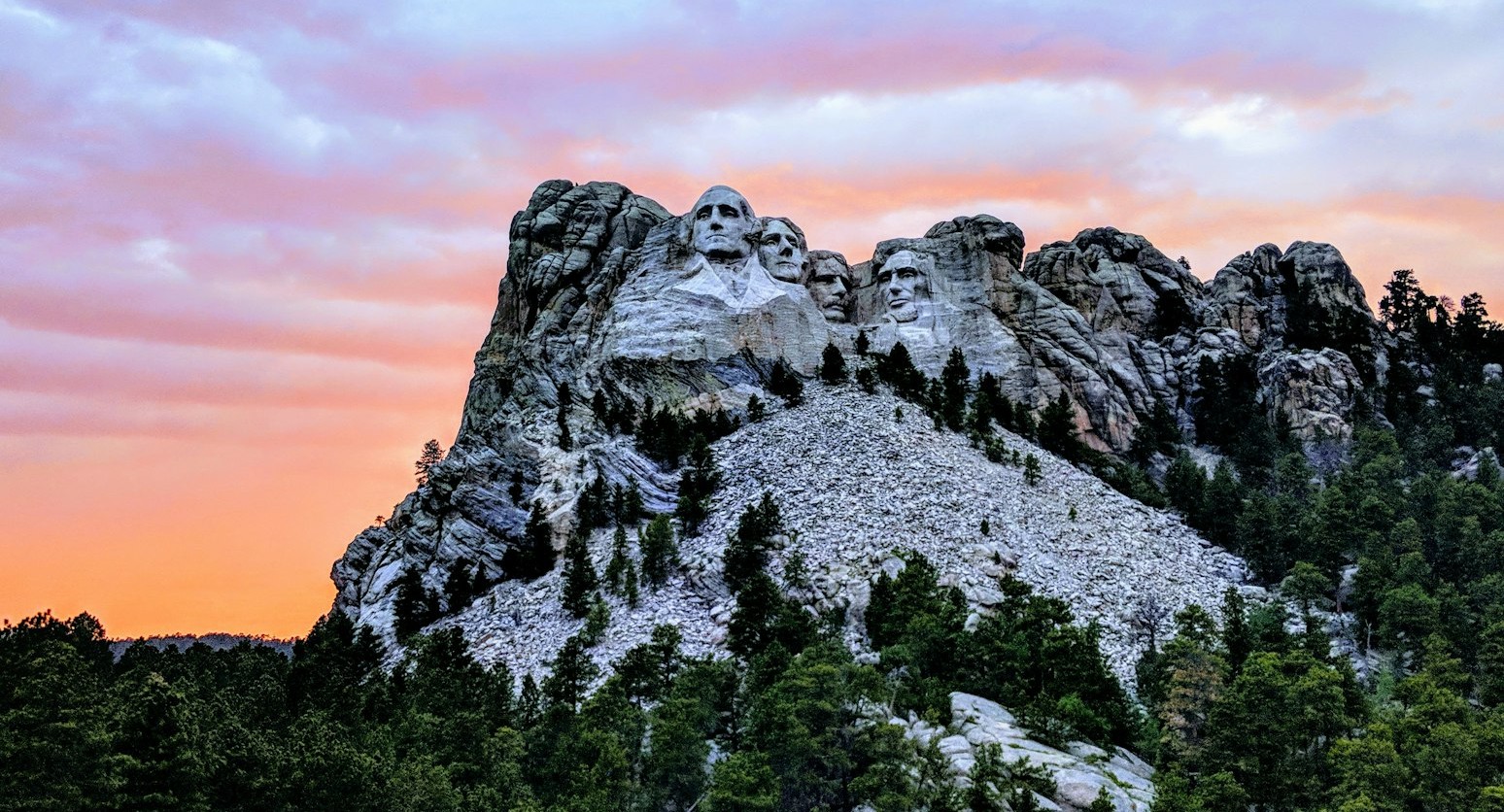
The one thing your National Park pass won't cover: Mount Rushmore
6 min.
Read Now

What is the safest seat on a plane? This study reveals the answer
8 min.
Read Now

These surprises catch the most experienced travelers off guard
4 min.
Read Now