Why people disappear in the Alaska Triangle: What the experts say
 Geography
Earth’s enigmas
Why people disappear in the Alaska Triangle: What the experts say
What would you think if someone told you there are huge rocks in California that move by themselves? Have you ever heard of the Alaskan region with Bermuda Triangle-like disappearances? Earth is full of mysteries that intrigue scientists, and some are right beneath your feet.
The Devil's Kettle (Minnesota, US)
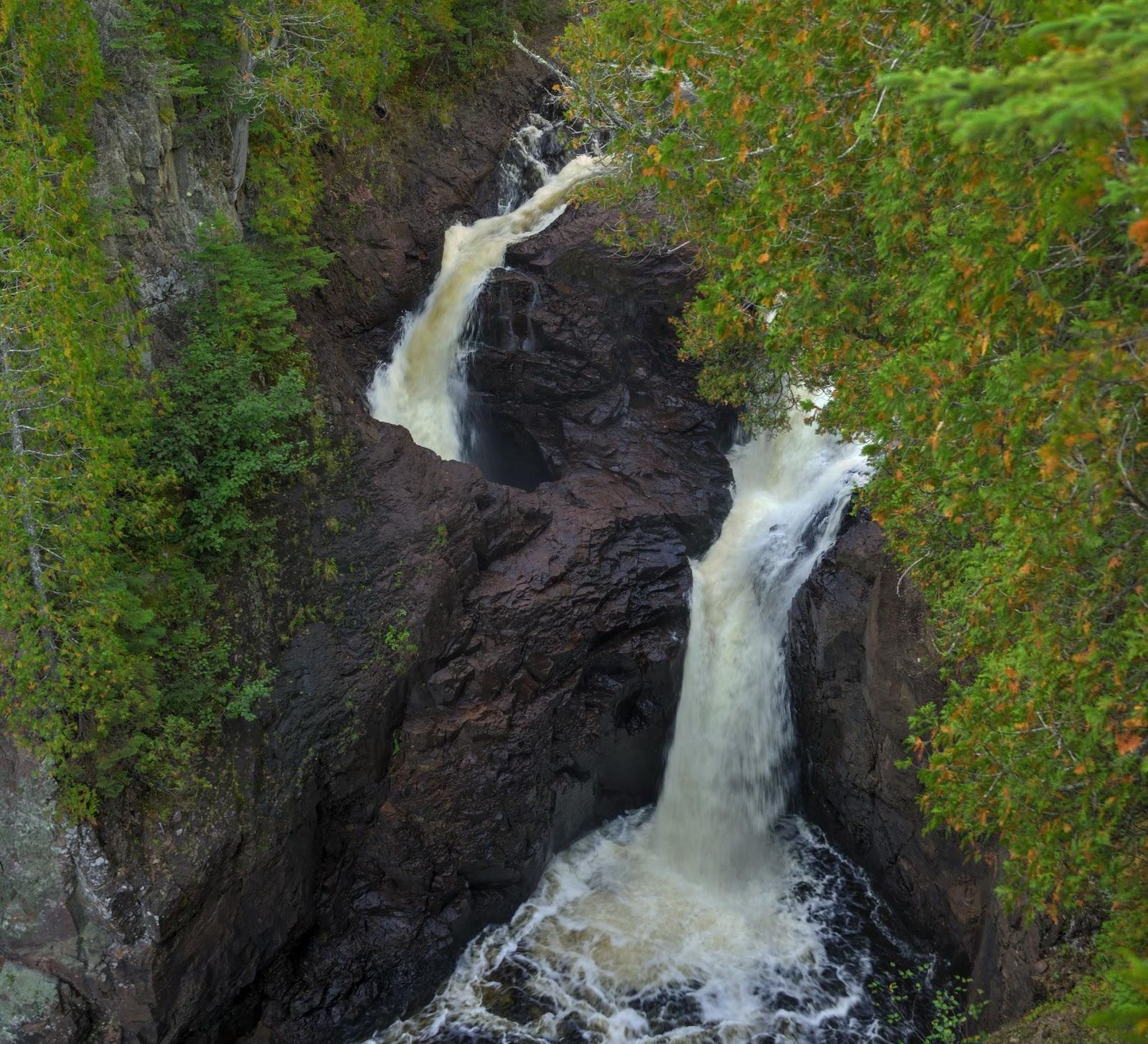
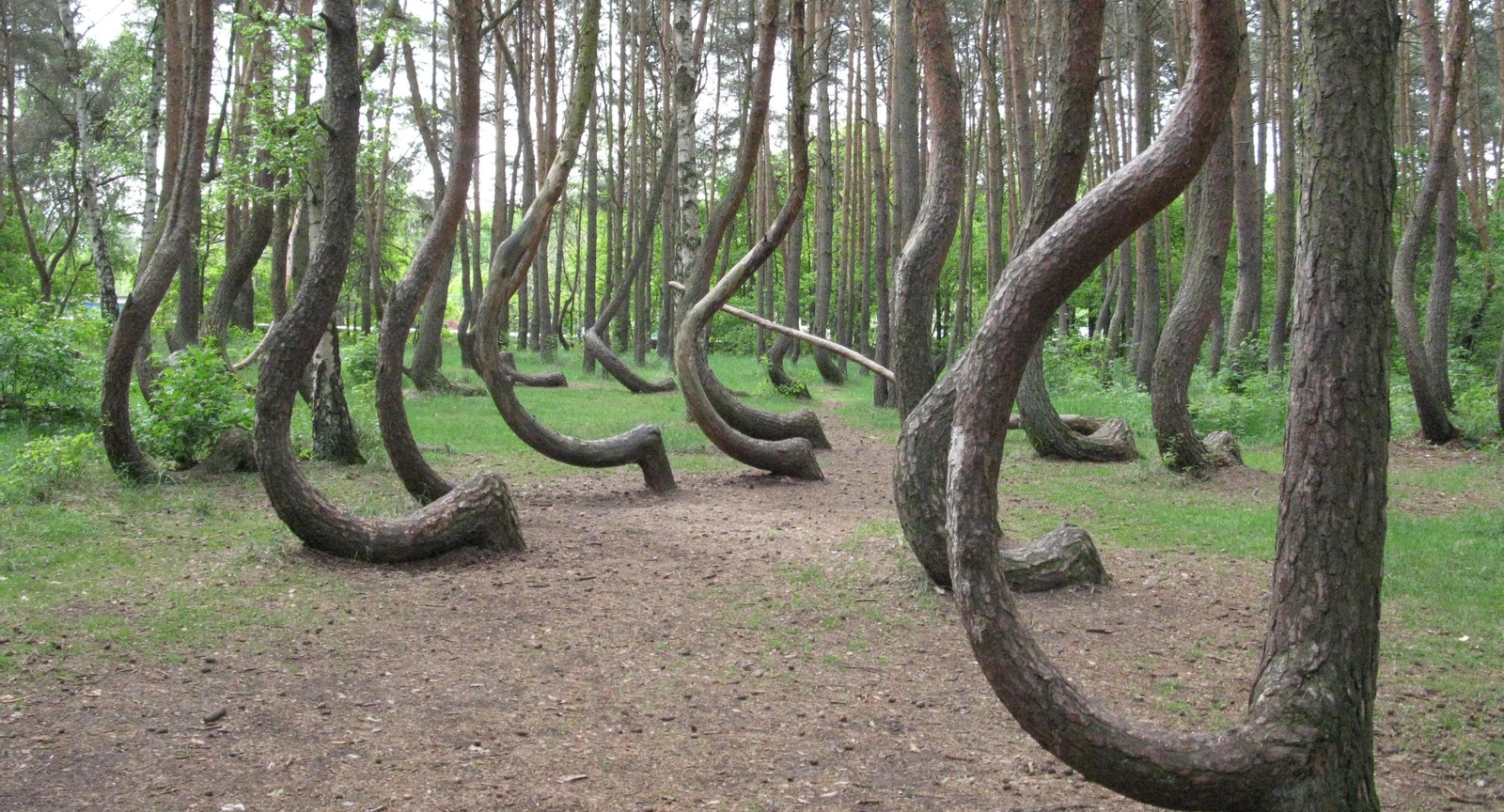
Judge C. R. Magney State Park is home to one of America's most intriguing natural mysteries. Here, the Brule River splits into two, but only one side behaves as expected, flowing over a 50-foot waterfall. The other branch suddenly disappears into a deep hole in the rock known as the "Devil’s Kettle." Over the years, researchers studied the area and even dropped tracked objects into the hole, but none were ever recovered or efficiently followed. Although there is speculation, the water’s exact path remains hidden, keeping this mystery alive.
The Sailing Stones (Death Valley, US)
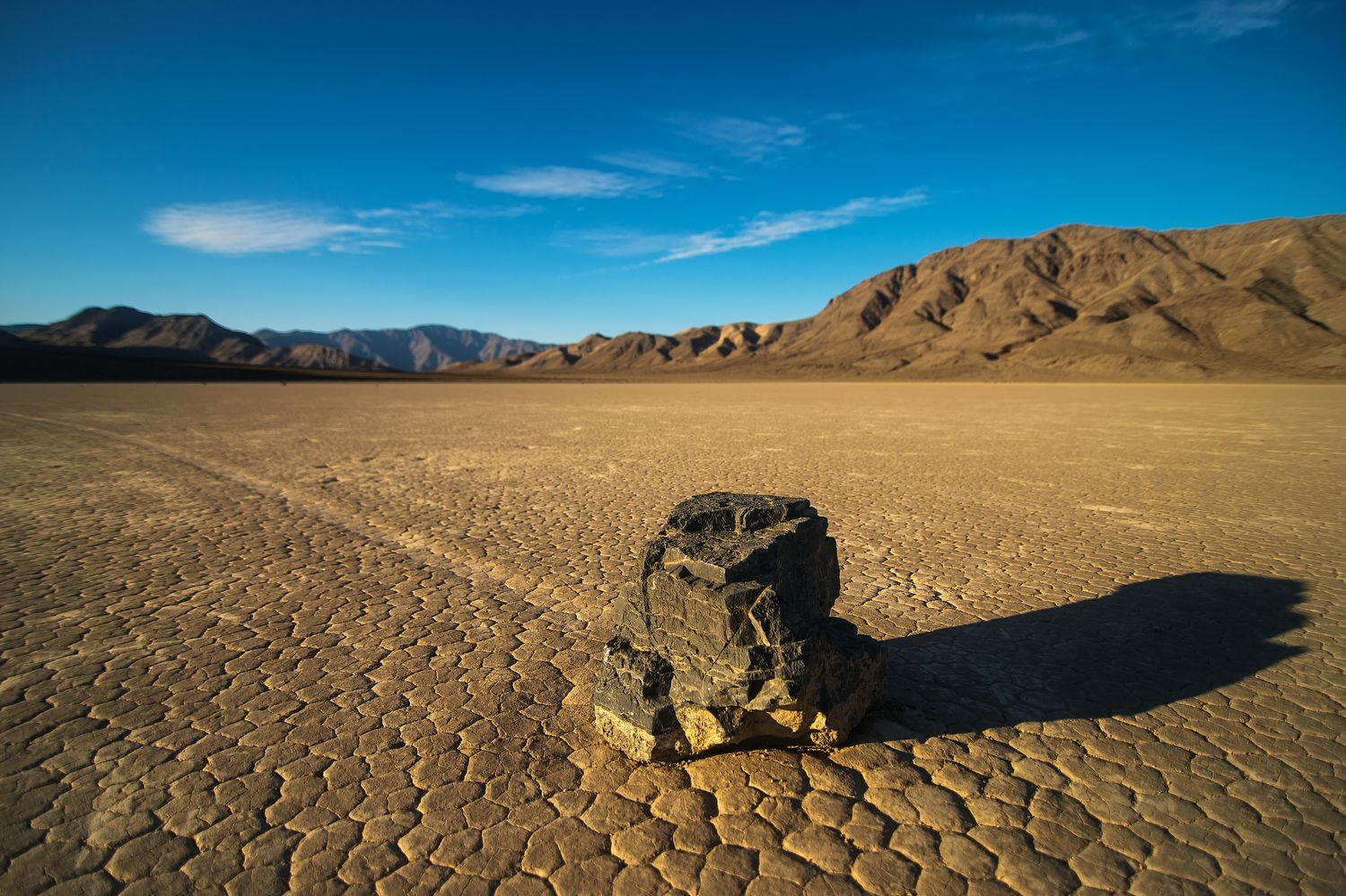
In Death Valley National Park, at a place called Racetrack Playa, something baffling happens: large rocks, some weighing hundreds of pounds, move across the desert on their own.
Without any human or animal pushing them, these stones slowly slide over the flat, dry lakebed, leaving visible tracks behind. In 2014, after decades of uncertainty, scientists discovered that a rare mix of rain, freezing temperatures, thin sheets of ice, and light winds can gently push the rocks along. However, the mystery isn’t completely solved. Not all rocks move, and some even travel in different directions despite sitting right next to each other, which is why many people find the current explanations insufficient.
Eternal Flame Falls (New York, US)
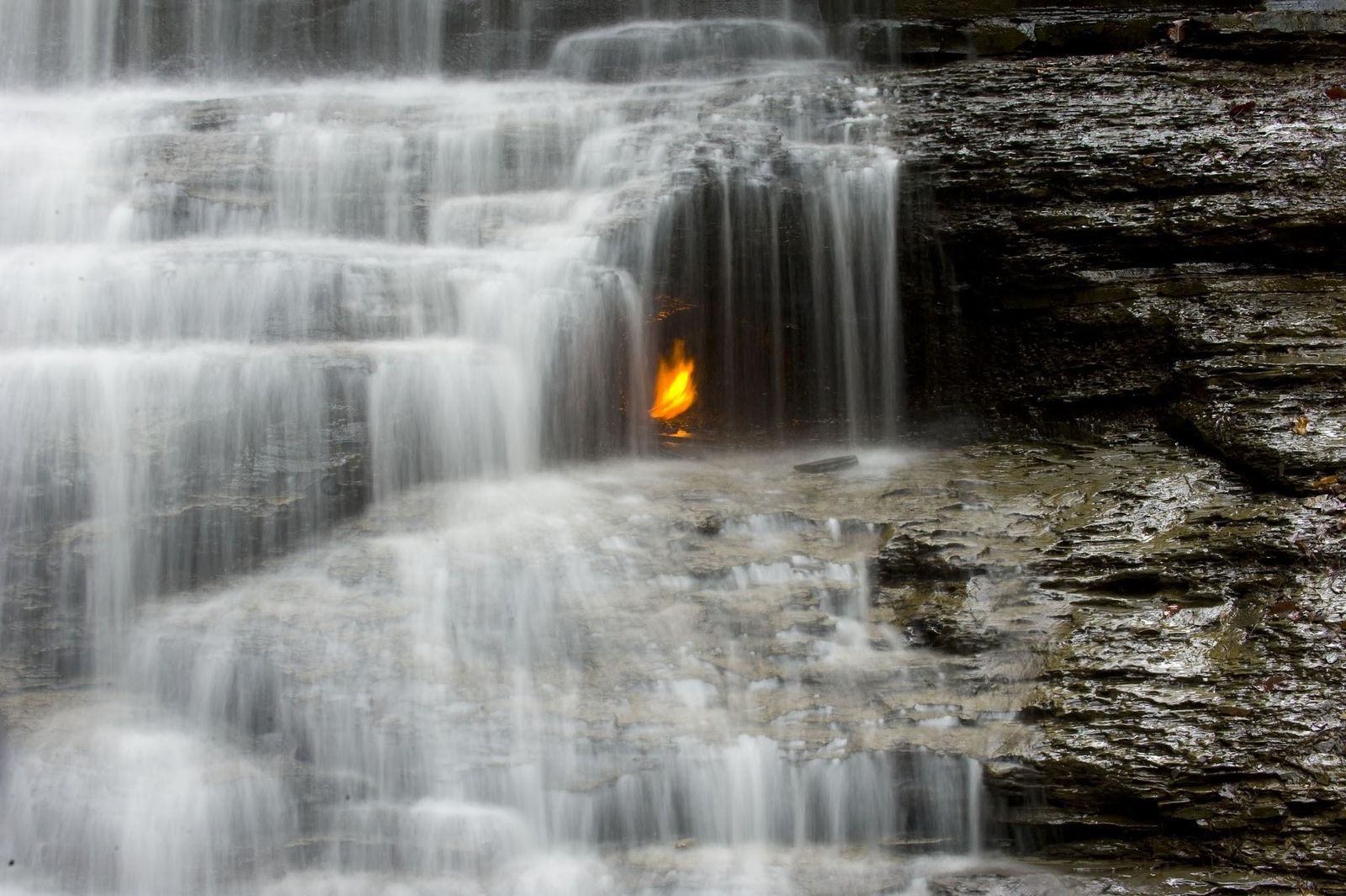
In western New York State, about 20 miles south of Buffalo, lies Chestnut Ridge Park, home to a waterfall unlike any other. Beneath the cascading water, a small flame flickers at the base, a fire that has been burning for years without ever going out. Known as the "Eternal Flame," this unusual fire is fueled by natural gases, primarily methane, along with unusually high concentrations of ethane and propane that seep through a small grotto in the rock behind the waterfall. What makes it especially intriguing is the source of the gas. Scientists believe methane here may be forming at relatively low temperatures and shallow depths, something that doesn’t match typical models of natural gas formation. So, how this flame keeps burning in such conditions remains unexplained.
The Desert of Maine (Maine, US)
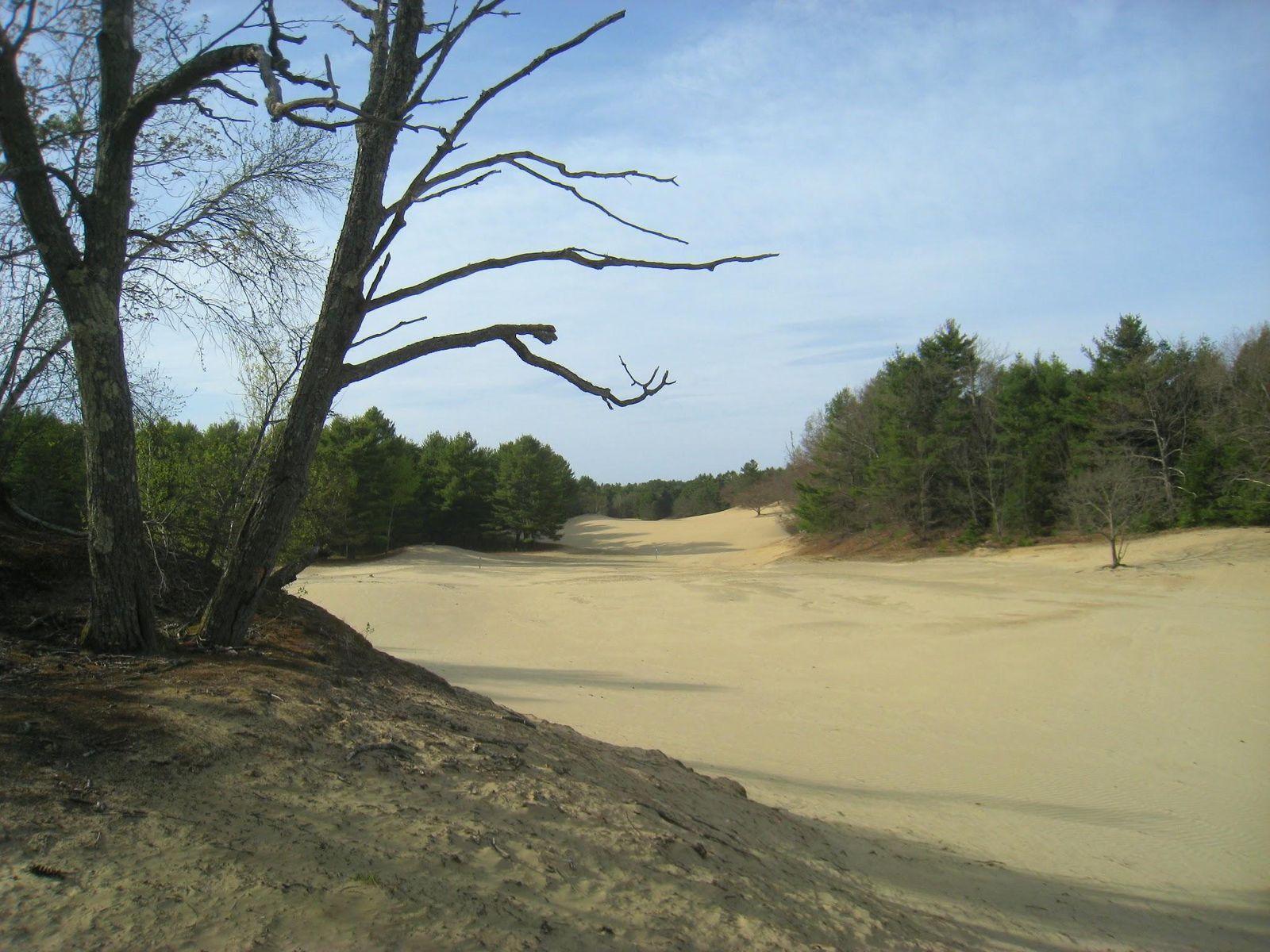
If you think tall trees and dense greenery are the opposite of a desert, Maine might surprise you. In the town of Freeport, you’ll find a strange natural oddity: a desert right in the middle of a forest.
Surrounded by pine trees, the landscape suddenly shifts. The trees stop, and in their place lies a 20 to 40-acre expanse of sand that feels completely out of place. Known as the Desert of Maine, this unusual area is believed to have been formed by poor farming practices in the 19th century that exposed glacial sand deep beneath. However, experts consider it an anomaly, not only because the surrounding forest remains untouched, but also because of how quickly the sand spreads, covering vegetation and even buildings over short periods of time.
The Bermuda Triangle (Florida-Bermuda-Puerto Rico)
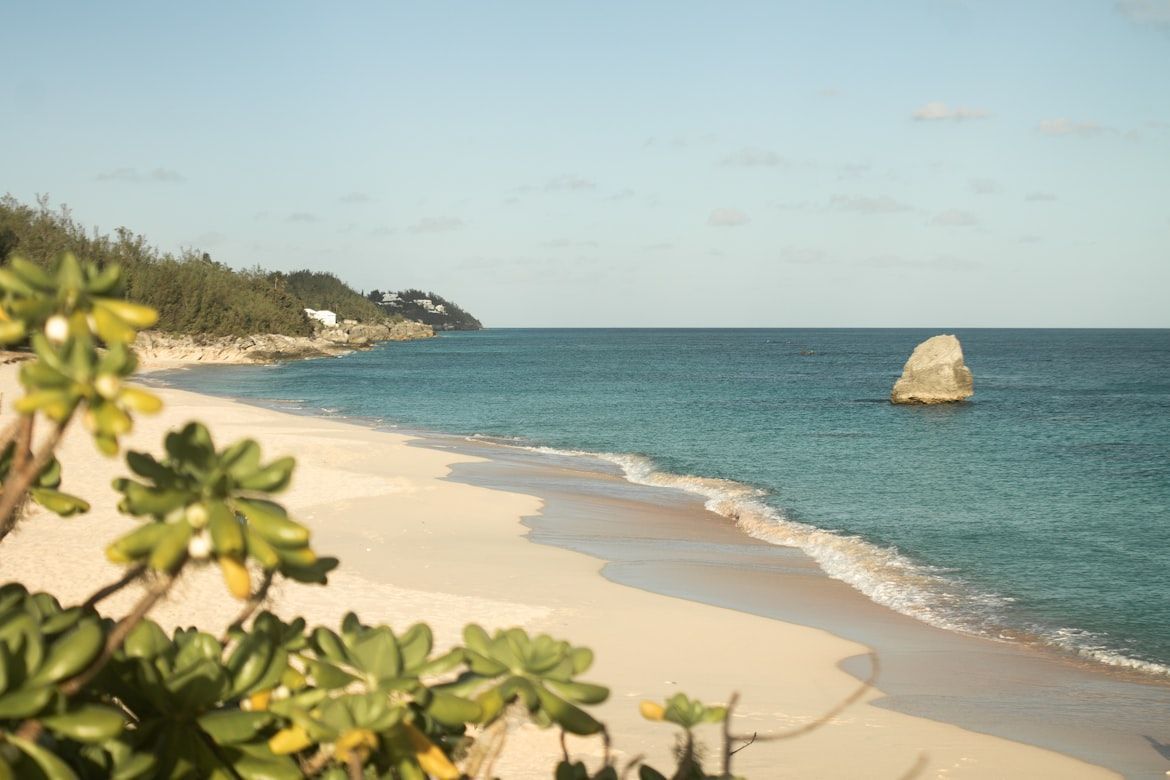
The Bermuda Triangle is a region of the North Atlantic roughly bounded by Florida, Bermuda, and Puerto Rico, and it’s known as "the Devil’s Triangle" for a reason: it’s been strongly linked to stories of ships and planes mysteriously disappearing. One of the most famous cases was Flight 19. In 1945, five US Navy training planes vanished during a routine mission near the coast of Florida, with all 14 crew members missing. After the incident, a rescue seaplane carrying 13 men was sent out... but it also disappeared. Over the years, experts have pointed to explanations like sudden storms, navigation errors, and mechanical failure, but none of them can fully account for what happened.
Alaska Triangle (Alaska, US)
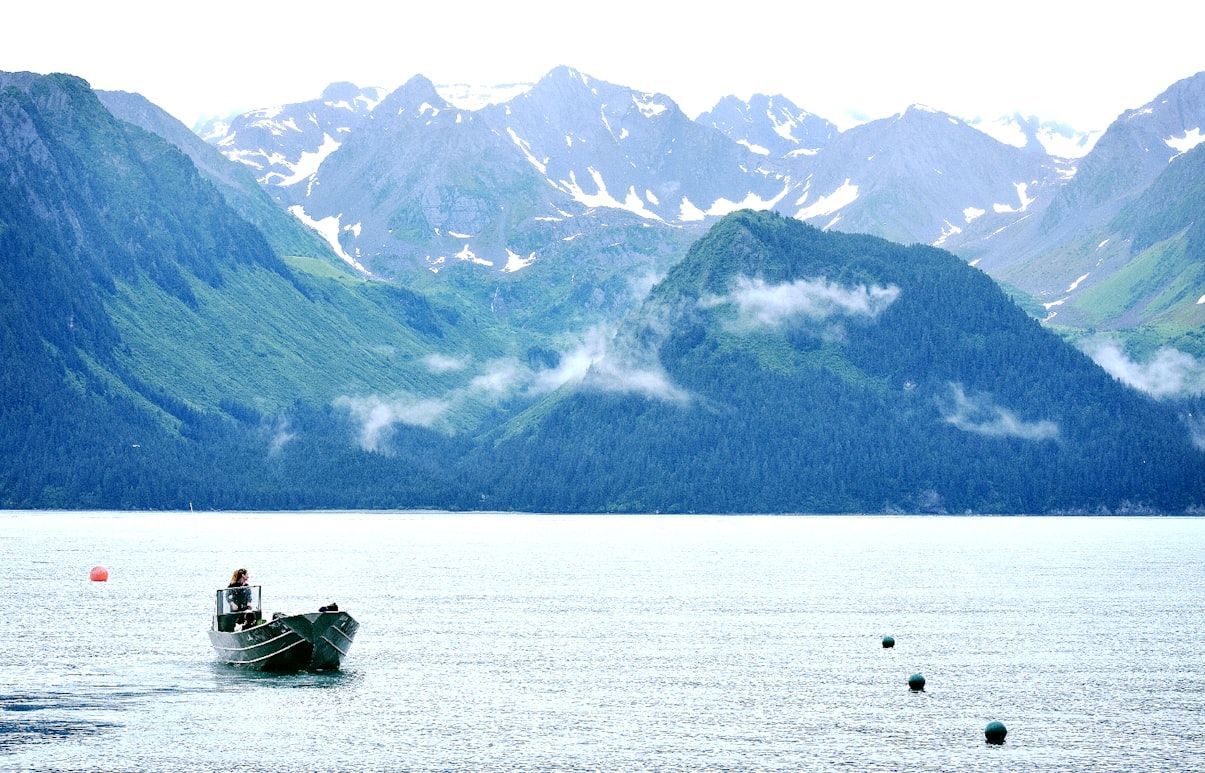
Alaska’s icy waters have something in common with the warm, mysterious Bermuda Triangle, and it’s just as chilling as you’d expect. Forming a triangle between Anchorage, Juneau, and Utqiagvik, this remote region has long been tied to an unusually high number of disappearances since the 1970s. One of the most high-profile cases involved US House Majority Leader Hale Boggs and Alaska Congressman Nick Begich, who disappeared in 1972 along with aide Russell Brown and pilot Don Jonz during a flight from Anchorage to Juneau. Over 40 days, 50 civilian planes and 40 military aircraft searched 32,000 square miles, but no trace of the plane or its passengers was ever found.
Carolina Bays (East Coast, US)
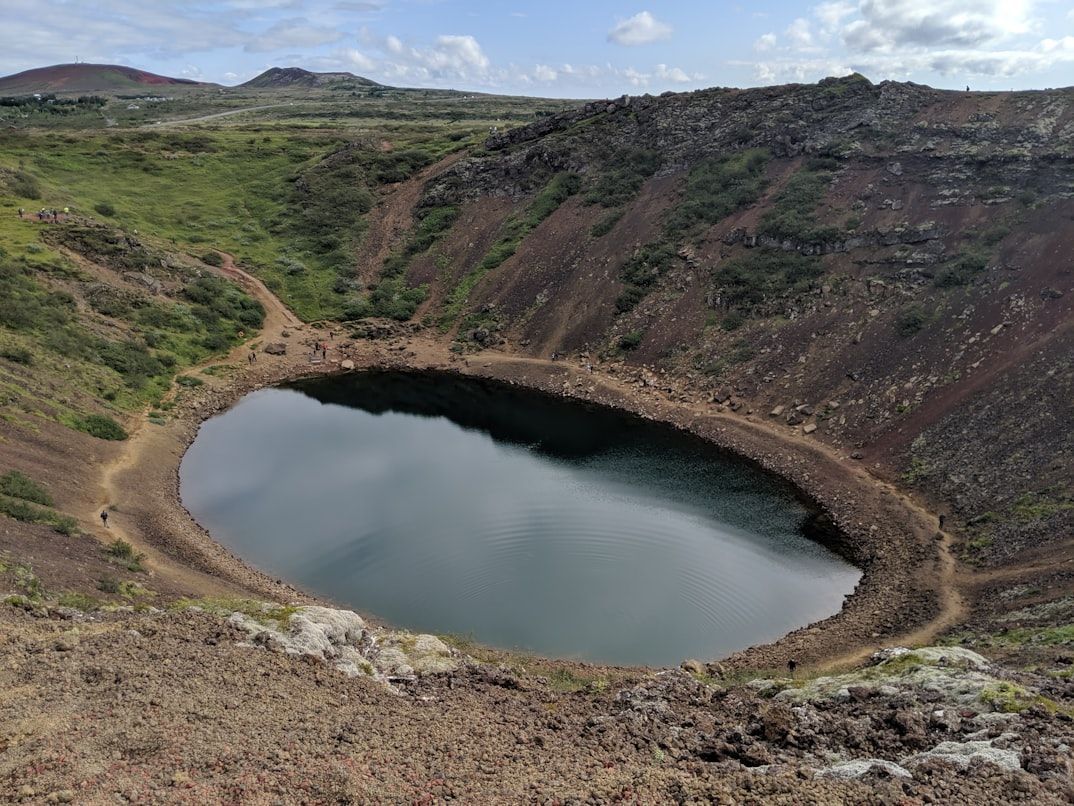
Along the East Coast of the United States, from New Jersey to Florida, lies a long-standing mystery: a chain of shallow, oval-shaped depressions known as the Carolina Bays. These features range from a few dozen feet to several miles across, and they all share a similar, precise shape, aligned in the same northwest-to-southeast direction. Despite decades of study and theories ranging from wind to meteor impacts, their exact origin remains uncertain.
Nazca Lines (Peru)
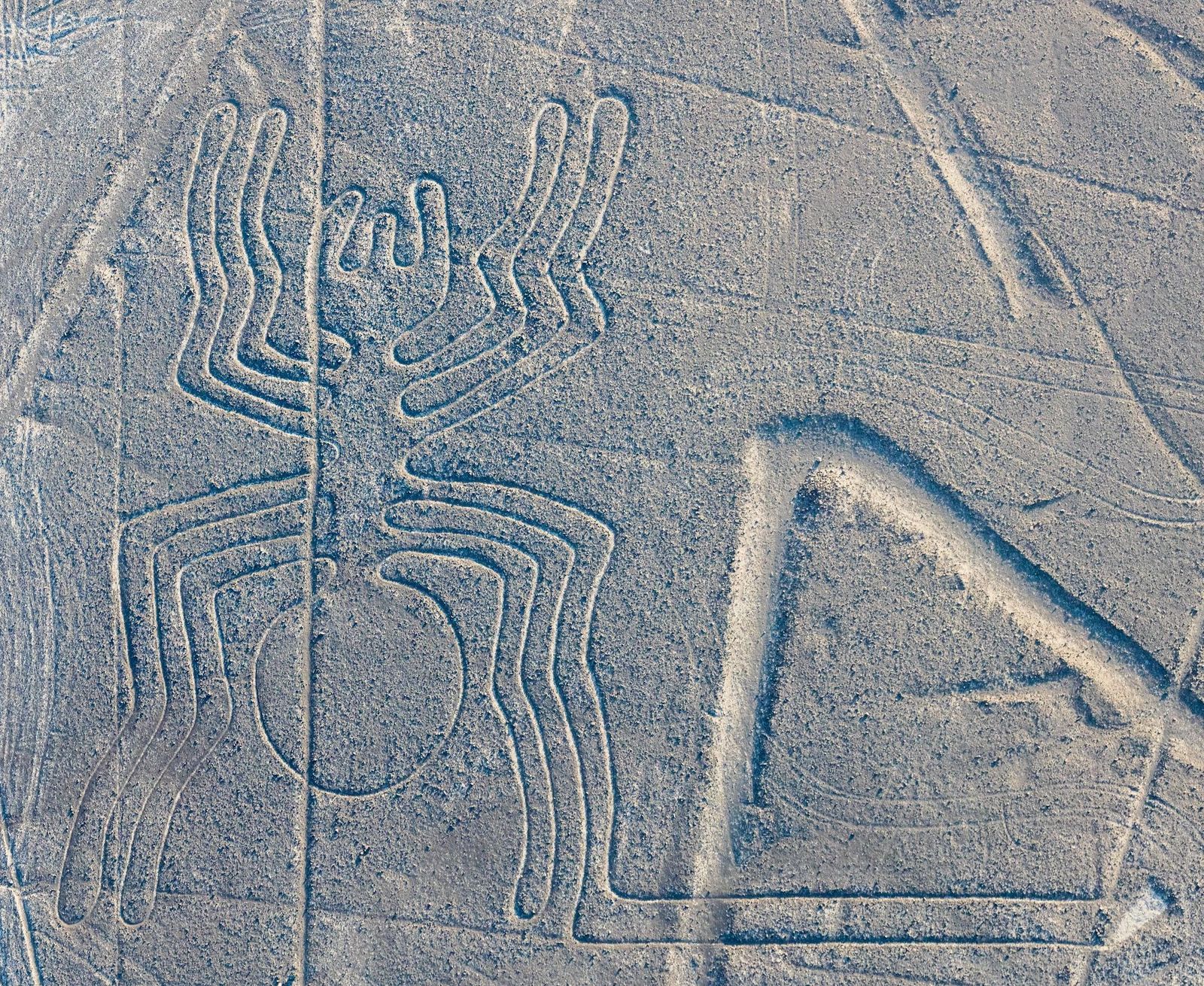
South America is full of natural wonders, but Peru is home to one of the world’s most famous mysteries: the Nazca Lines. Created by the pre-Columbian Nazca civilization, these massive designs, some stretching up to 1,200 feet, depict animals, shapes, and figures etched into the desert floor. They’re so large they can only be fully seen from above, raising questions about how they were planned and created long before modern flight. Even more impressive is their precision and durability. Carved over 2,000 years ago, the lines remain almost intact, leaving one big question: how did they do it?
Crooked Forest (Poland)
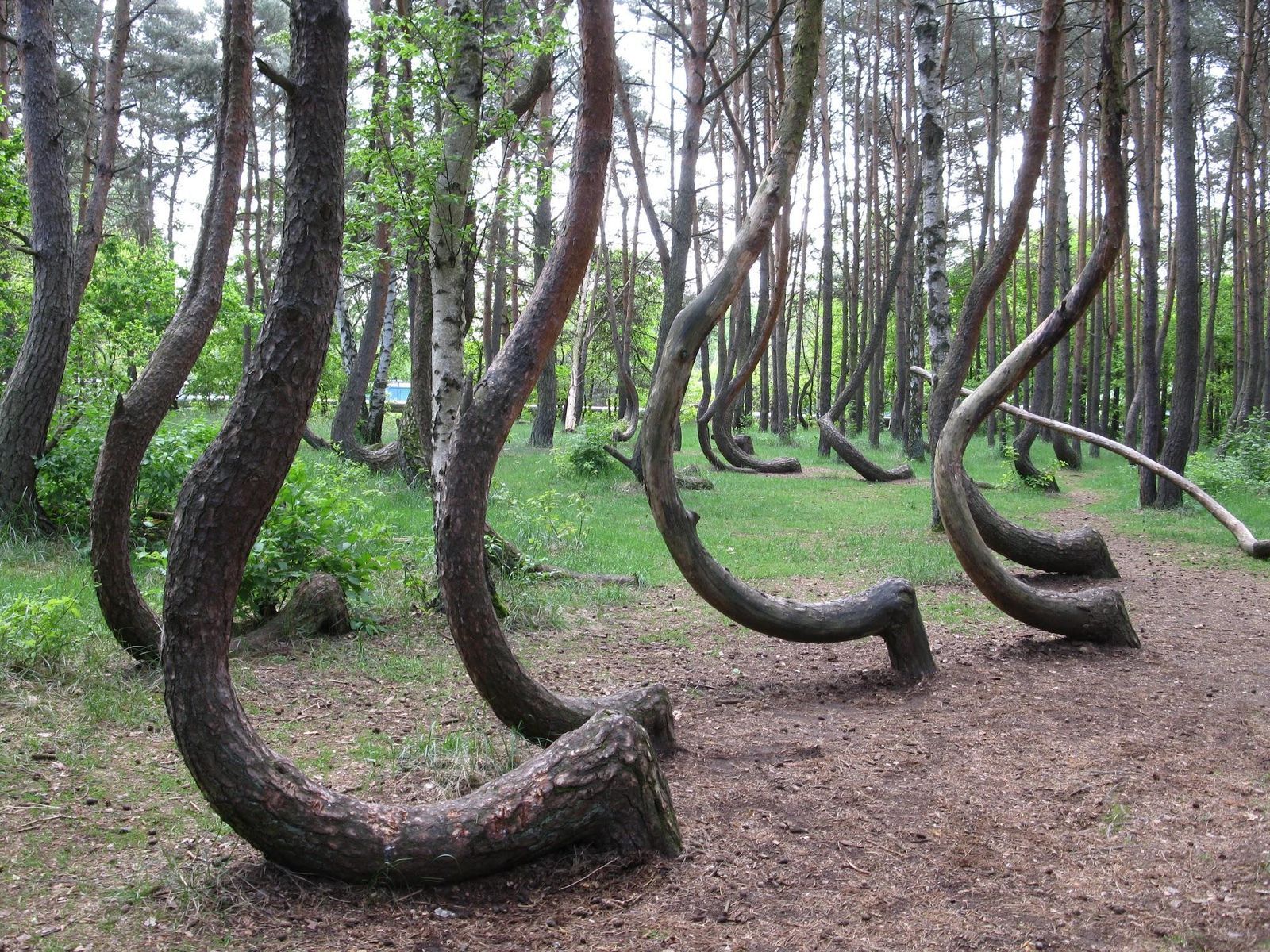
Every forest has trees, but none quite like the ones in the Crooked Forest in Poland. This mysterious forest draws thousands of visitors each year, all eager to see its strangely shaped trunks. At the base, every tree bends sharply, all leaning in the same direction at roughly a 90-degree angle. The sight astonishes anyone who sees it for the first time. What’s even stranger? The trees are perfectly healthy, and the surrounding forests show no sign of similar growth. To this day, scientists and botanists have no definitive explanation for why the Crooked Forest looks the way it does.
Blood Falls (Antarctica)
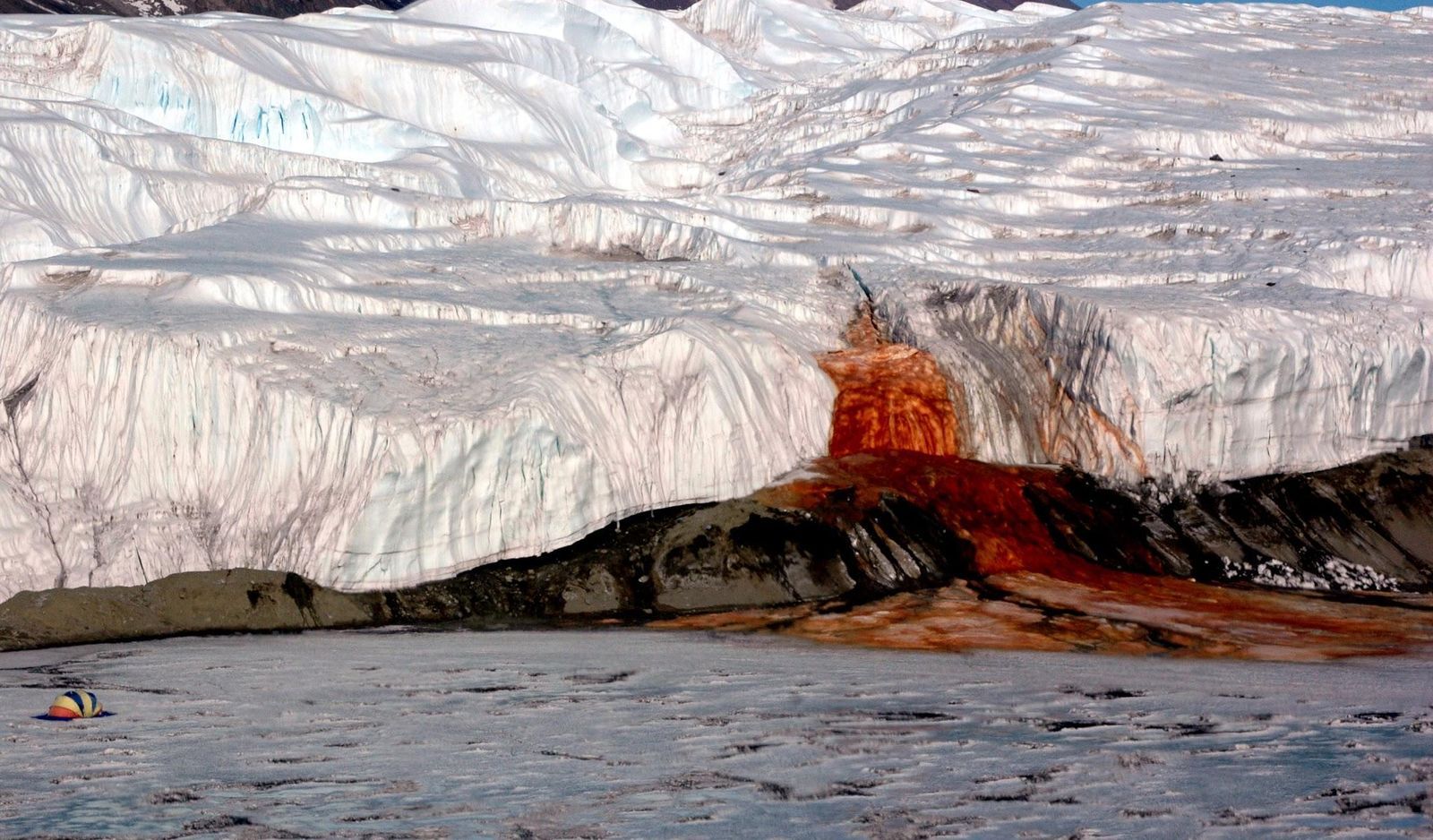
In Antarctica, where everything in sight seems white, one thing stands out: a deep red waterfall flowing from the Taylor Glacier. Known as "Blood Falls," this weird stream looks like something out of a horror movie. But this time, there is a scientific explanation.
The water is rich in iron from beneath the glacier, and when it reaches the surface, it reacts with oxygen and turns a striking red. It may look unsettling (and, for years, it was), but it turned out to be one of nature’s most fascinating chemical displays.
Why are there two different rooms for one restroom in Europe?
 Culture
Cultural differences
10 European quirks and habits that might surprise you
If you are planning a long-awaited trip to Europe, get ready for incredible historic sites, stunning art, and maybe... a few surprises. You might be used to a certain way of doing things, and Europe has its own charming (and sometimes puzzling) quirks. Here are 10 things that might make you say "Wait, what?" – and some that are actually pretty great.
The disappearing dinner hour
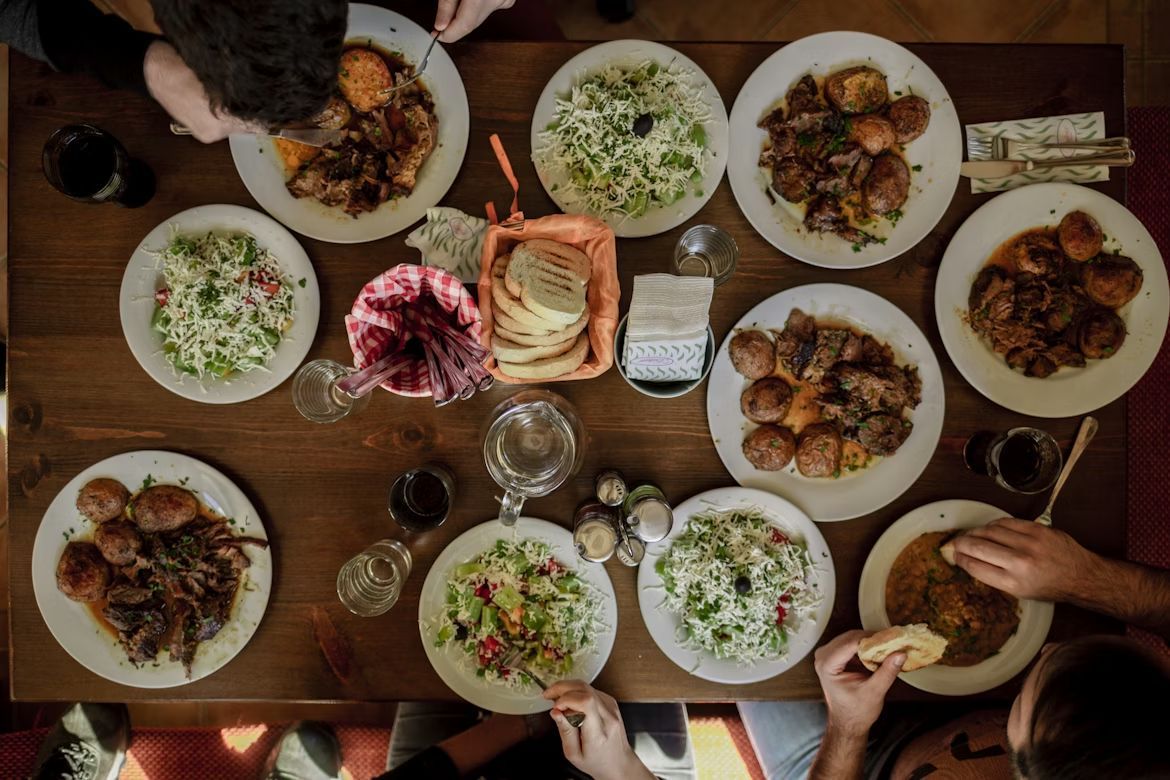
Dinner in Europe usually happens late. You might not see locals eating dinner until 9:00 or 10:00 PM, or even later. "How don't they starve?" you may ask. Well, in many European countries, particularly in Spain, they bridge the gap with a 'merienda' — a light afternoon snack — to tide them over until dinner. While some tourist-oriented restaurants cater to earlier diners, the true local experience involves a later meal.
The wonderful world of public transport
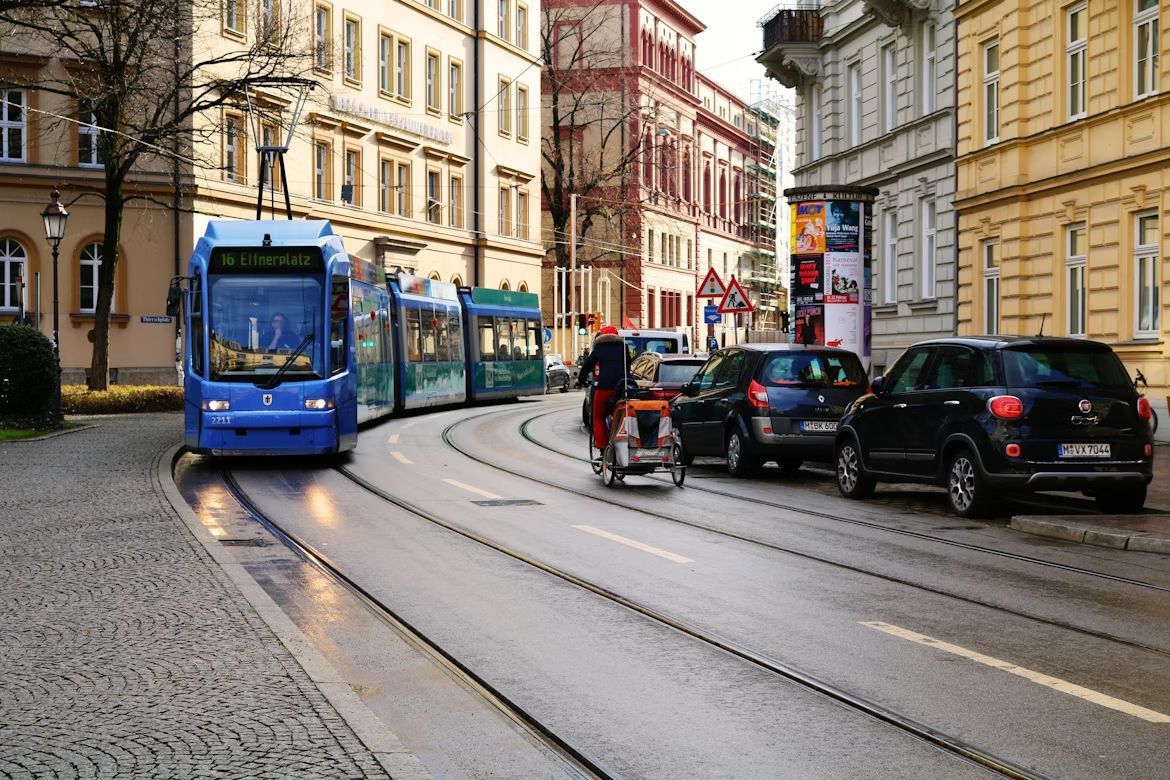
European cities often boast incredible public transportation systems – subways, trams, and buses that are clean, efficient, and affordable. Forget Uber and taxis! Getting around on the métro in Paris or the Tube in London is an adventure in itself. Purchase day passes or use contactless payment and enjoy the ease of navigating like a local.
The tipping tease: Service included?
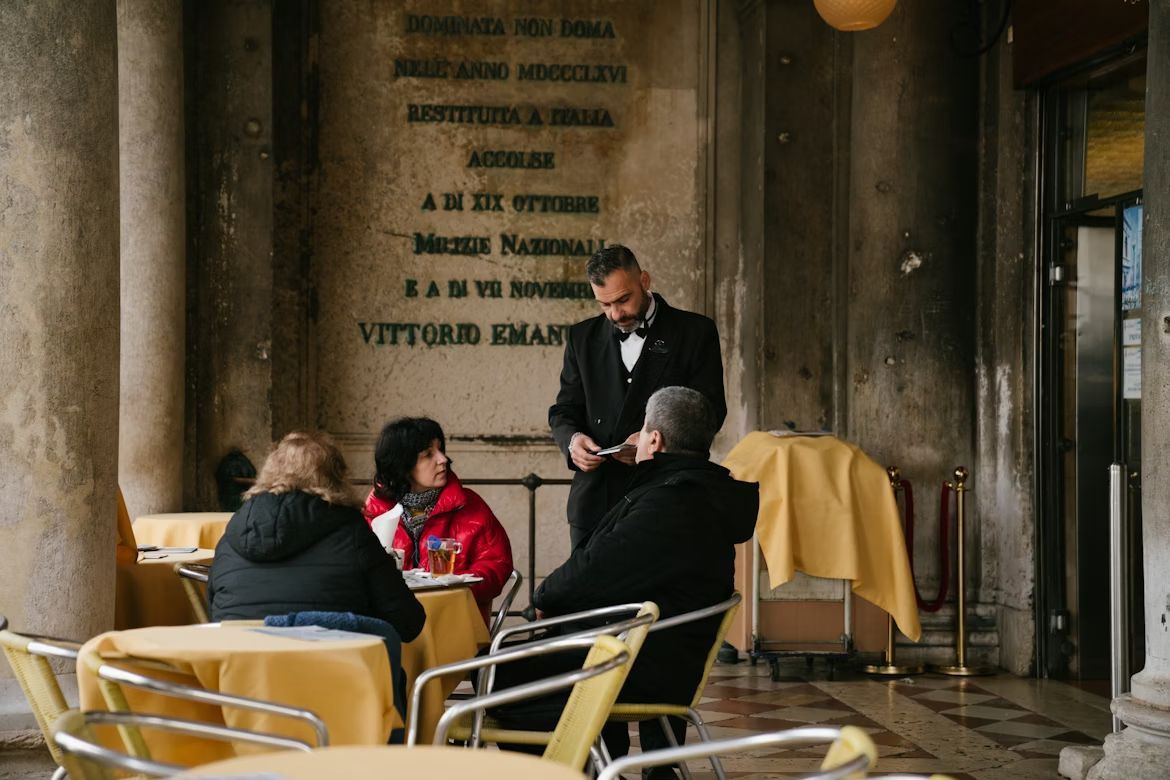
Tipping in Europe is far less common and generous than in the U.S. In many countries, a service charge is already included in your bill. If not, a small tip (maybe 5-10% for exceptional service) is appreciated but rarely expected. Don’t feel obligated to tip 20% like back home.
The "where's the water?" waiter mystery
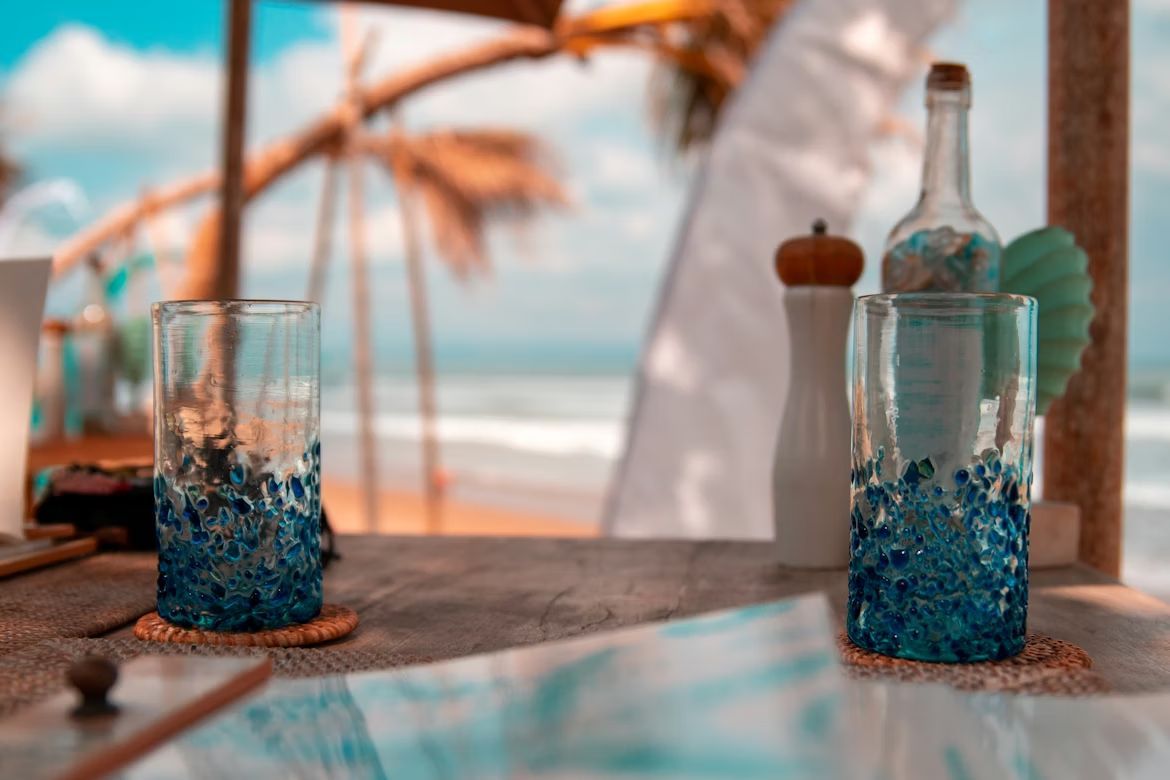
Don't expect that ice-cold glass of water to magically appear on your table the moment you sit down. In most European restaurants, you’ll need to order and pay for bottled water. The waiter will probably ask you to choose between sparkling water (carbonated) or still water (non-carbonated). You can ask for tap water if you want to, and you will be served a courtesy glass, but it is not standard practice.
Small wonders: When bigger isn't better
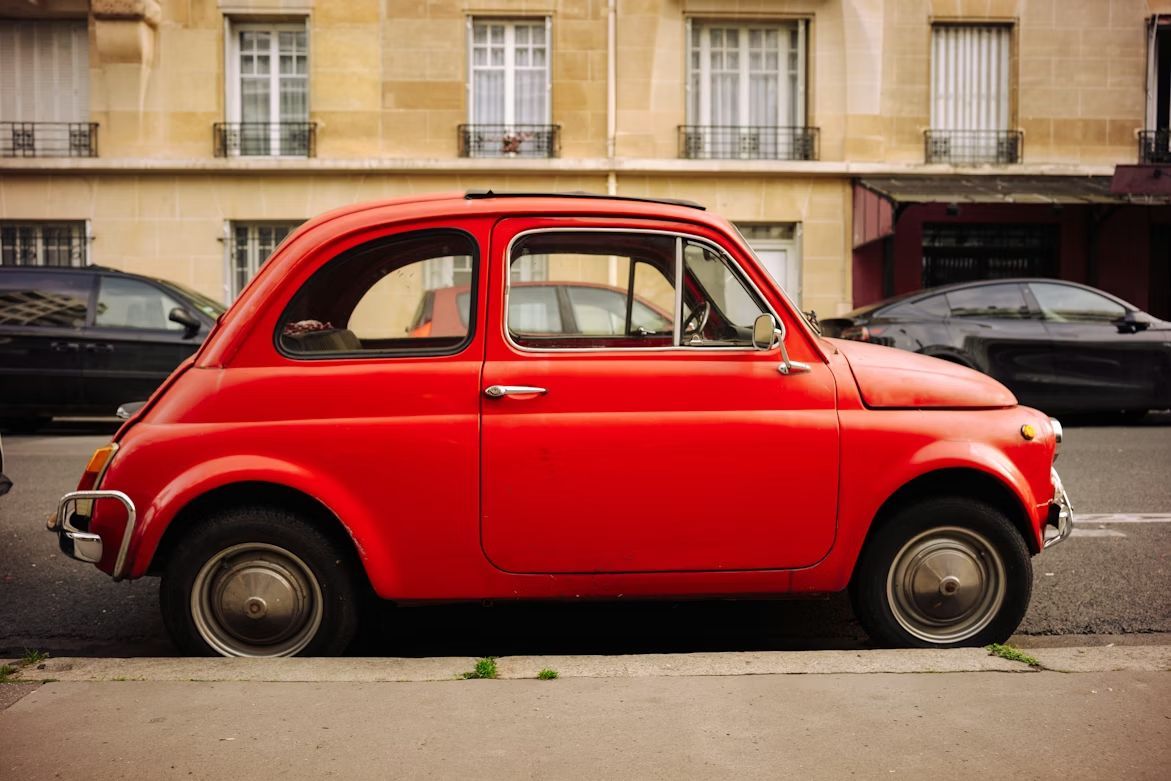
From coffee cups to car sizes, everything in Europe feels just a little bit smaller. Expect smaller portions at restaurants, smaller cars on narrower roads, and yes, smaller hotel rooms and even elevators. Think of it as part of the European charm. You might even find yourself preferring a café noisette (tiny espresso with a dash of milk) to your massive cup of Starbucks.
Those amazing, efficient little bathrooms

Prepare yourself for different bathroom configurations. You might find a pull chain for the toilet, a separate room for the toilet itself, or a combo shower/toilet space in older buildings. They get the job done, often with an ingenuity that might surprise you. Some public restrooms require a small fee for use, so make sure to keep some coins handy.
"Wait, it's 20:00?" Mastering military time

In Europe, the 24-hour clock (military time) is standard. Train schedules, museum hours, and even restaurant reservations will often use this format. Remember: for times after 1:00 PM, just add 12. So, 3:00 PM becomes 15:00. It takes a little getting used to, but it avoids any AM/PM confusion!
The sweet simplicity of "just coffee"

Ordering a "coffee" (or café in Spain) will likely get you an espresso: a small cup of strong, rich coffee. European coffee culture is about taking your time to savor your drink, often standing at a bar.
If you want something closer to what you get back home, look for a "café Americano" or a latte. On the other hand, if you are in the mood for something new, try a local specialty. Just remember not to expect free refills (another US-specific perk).
Sundays: The day the city (partially) sleeps
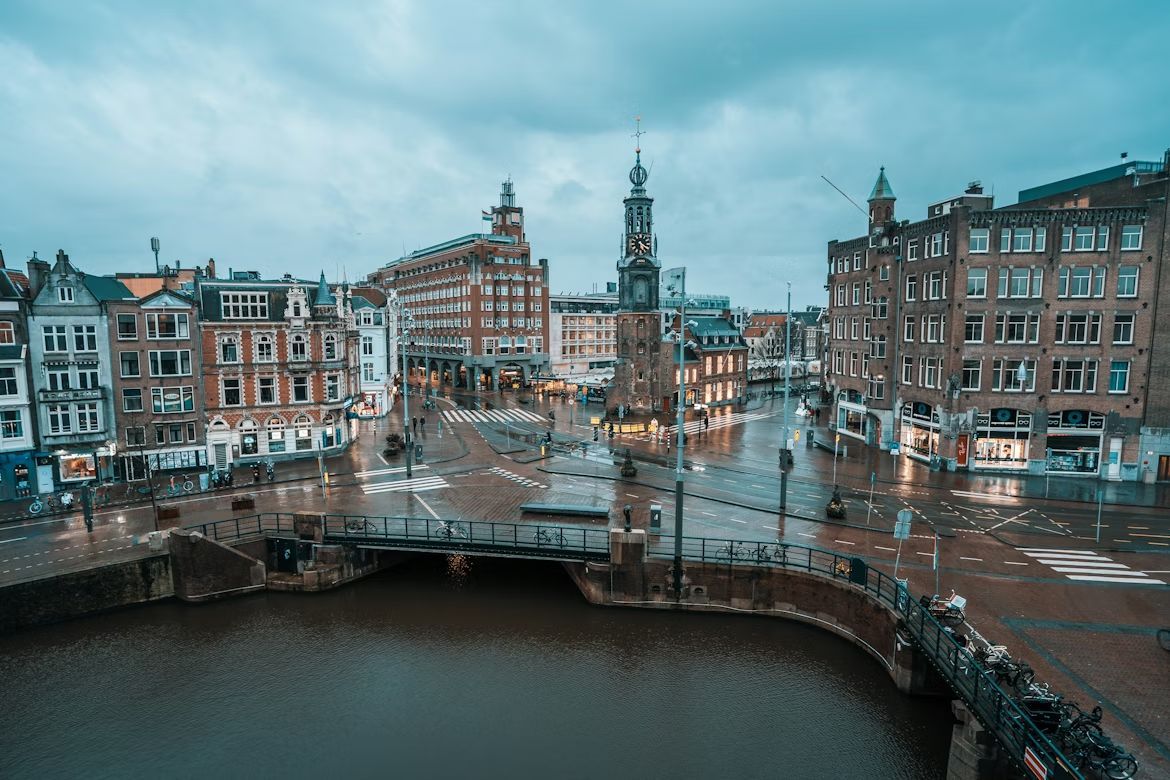
Don’t expect malls to be bustling on Sundays. In many European countries, Sunday is a day of rest, and many shops (especially smaller ones) are closed. Museums and major tourist attractions are usually open, but many smaller boutiques and grocery stores won't be. Plan your shopping accordingly and enjoy a slower-paced Sunday, perhaps with a long lunch or a park visit.
The "walkable city" wonder
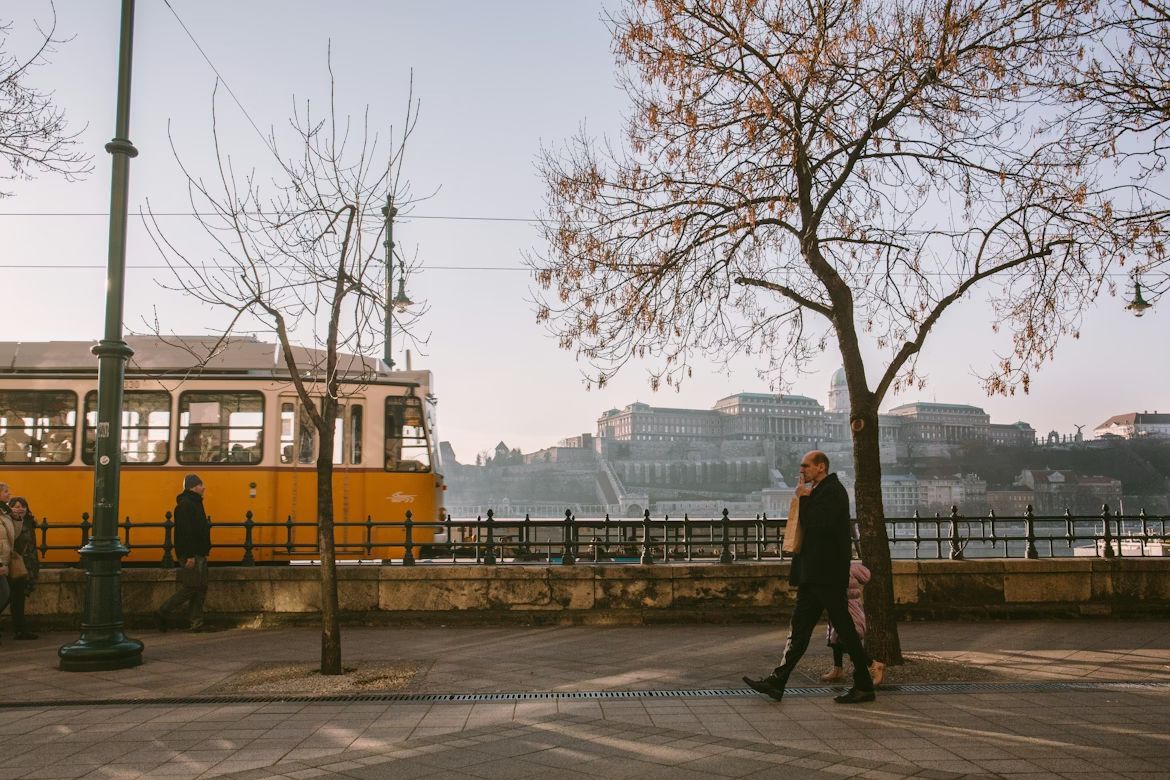
European cities are designed for walking! Ancient cobblestone streets, charming squares, and countless sights are best explored on foot. You’ll find yourselves walking a lot more than you do at home. Leave the high heels and uncomfortable shoes behind – sturdy, comfortable walking shoes are absolutely essential.
Keep wandering
There’s always
more to explore
 Landmarks
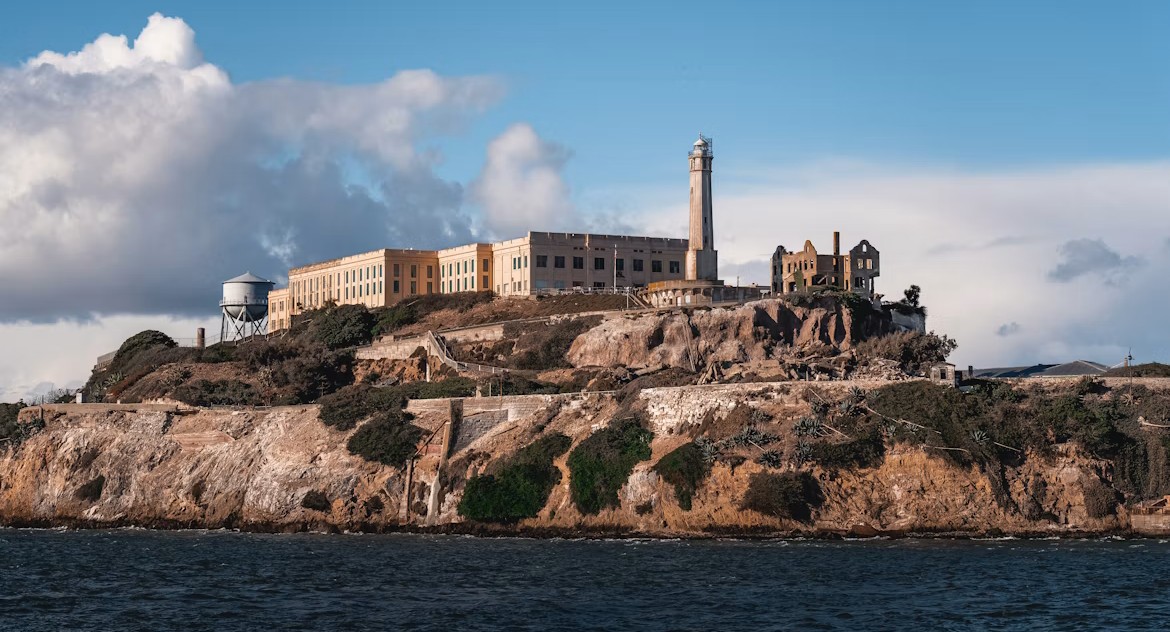
Did the three men who escaped Alcatraz in 1962 actually survive?
7 min.
Read Now
 History
Ancient cities that have stood the test of time
6 min.
Read Now
 General

Hotel staff can tell these 10 things about you almost immediately
6 min.
Read Now
Maps lie: 10 famous cities that love to trick tourists
6 min.
Read Now