Why Jimmy Carter never returned to Poland: A translation scandal
 General
Semantic disasters
Why Jimmy Carter never returned to Poland: A translation scandal
Believe it or not, an airline once nearly left all its passengers shirtless in the ‘80s, all because of a translation mistake. But how? In different languages, the same words can mean completely different things depending on the context: how it’s used, where it’s said, and who’s saying it. But when that context gets lost in translation, things can go absolutely wrong. That’s why it’s good to know the local customs, unless you want to end up like these 10 people and brands whose translation fails led to some embarrassing, costly, and sometimes hilarious moments.
Your lusts for the future
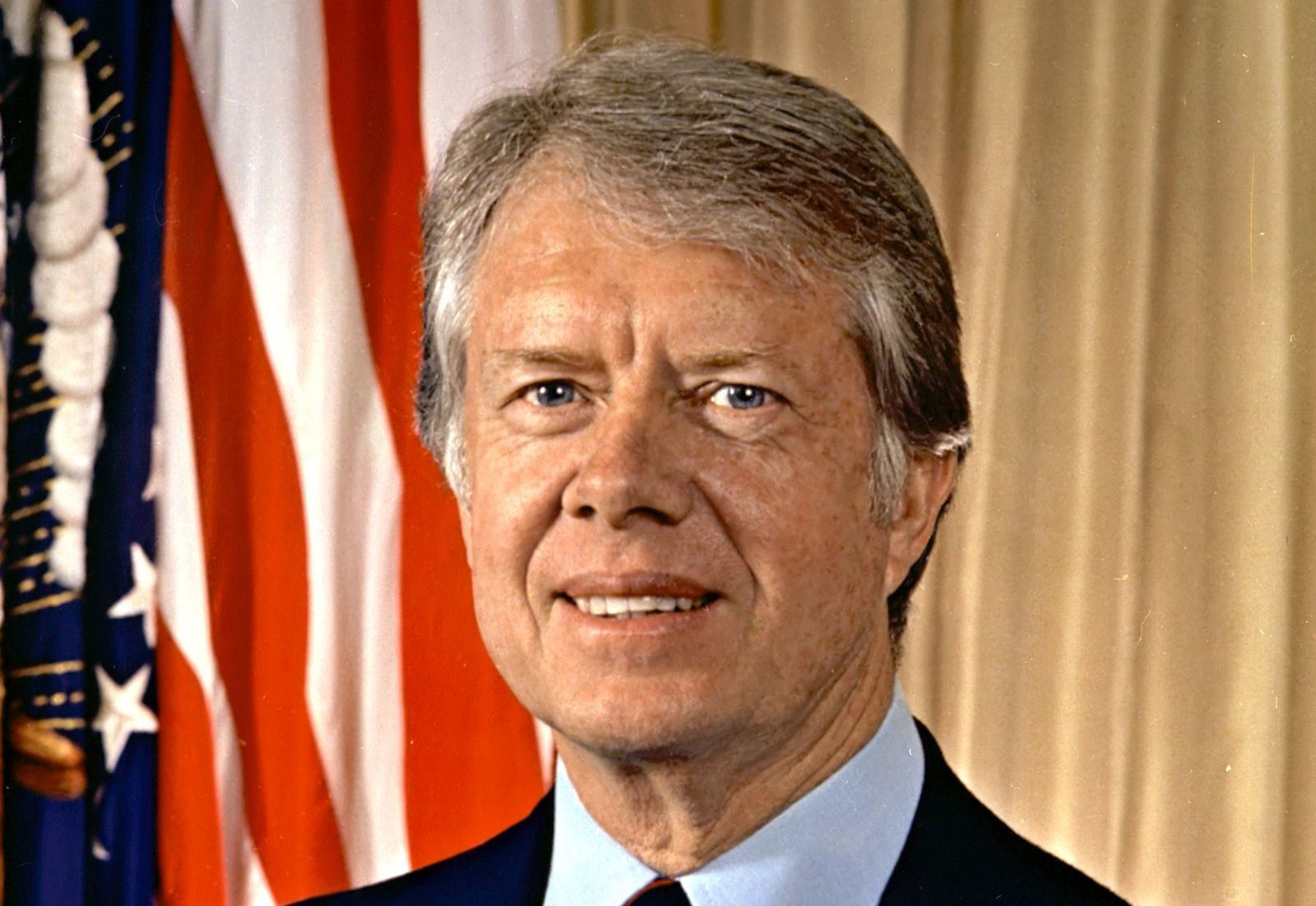
President Jimmy Carter was the protagonist of an awkward moment in December 1977, when a speech he gave in Poland was badly mistranslated. His interpreter, Steven Seymour, was strong in written Polish but struggled with live translation. At one point, the English word "wishes" was rendered as pożądam, a term that can imply intense, even carnal desire. As a result, what was meant as a polite expression of goodwill ended up sounding more like "I desire you." The looks on people’s faces must have been priceless.
Do nothing
For some, words don’t matter much, but HSBC would strongly disagree. In 2009, a major translation error led the bank to spend around $10 million correcting its advertising campaign. The original English slogan, meant to highlight HSBC’s unbiased, customer-focused approach, was "Assume Nothing." While it worked perfectly in English, translations into other languages (where the idiomatic usage of "assume" doesn’t have a direct equivalent) turned it into something like "Do nothing," giving the bank an irresponsible and careless image. Who would have thought that a literal translation could cost so much money?
Silver what?
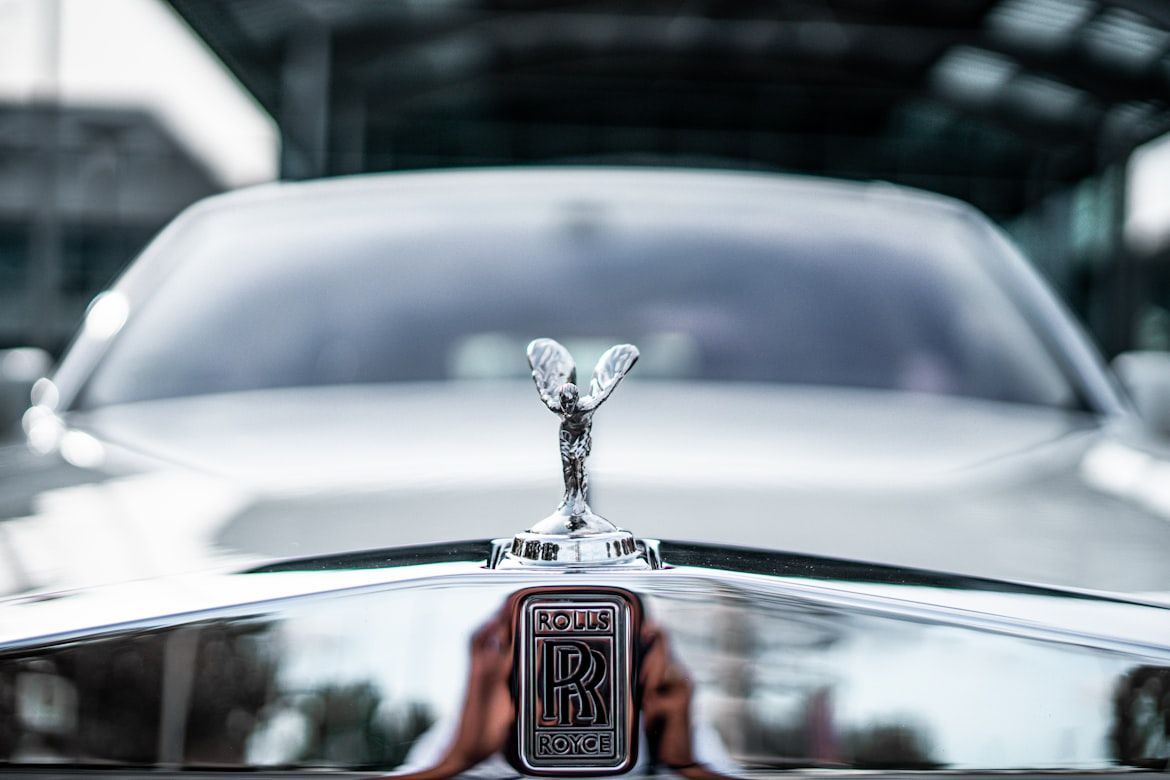
Sometimes the problem isn’t a bad translation, but not translating at all. In 1965, Rolls-Royce almost made a costly mistake with one of its most famous models, the Silver Shadow. The car was originally going to be called "Silver Mist" and launched across Europe under that name, but just in time, someone pointed out that mist means "manure" in German. That could’ve been a disaster, but they caught it just in time. Thanks in part to that catching, the Silver Shadow became the company’s most successful pre-modern model, with more than 30,000 units built between 1965 and 1980.
Life on Mars
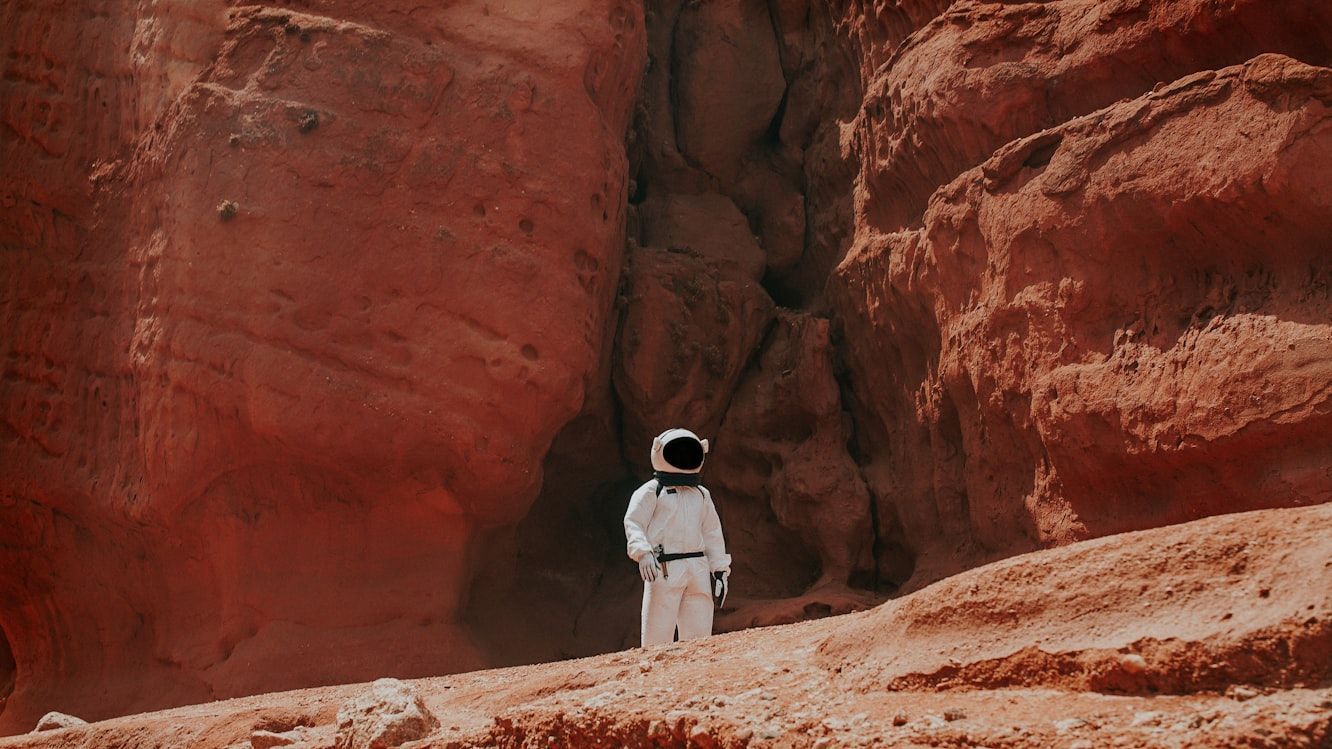
Giovanni Schiaparelli was an Italian astronomer who, in 1877, mapped the surface of Mars and described features he called canali, an Italian word that should have been translated as "channels", natural formations. But in English, it was rendered as "canals," a term that suggests something artificial. That small modification changed everything: suddenly, many people began imagining sophisticated waterways on Mars, evidence of intelligent life. The idea spread quickly and even influenced writers like H. G. Wells, author of The War of the Worlds (1898).
Fly in leather
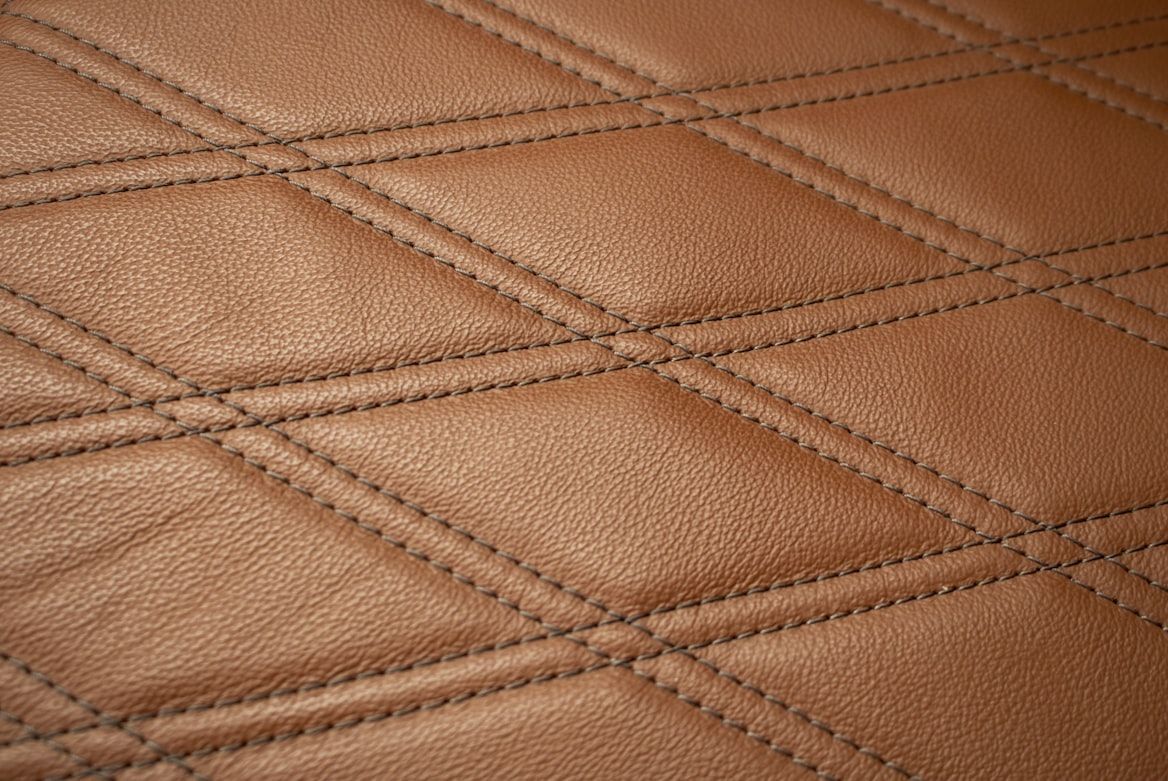
In the early 1980s, an American airline accidentally invited its Spanish-speaking passengers to "travel shirtless." Braniff International Airways was promoting its new all-leather seats with the slogan "Fly in leather!", a sign of luxury at the time. But in Spanish, the message didn’t translate so well, as they ended up with the slogan Viaje en cuero. While the word cuero does mean "leather," the phrase "en cuero/en cueros," applied to a person, can also mean "naked" or "shirtless." It gave everyone a good laugh, even though it was a costly mistake for the company.
Parker pens
"It won’t leak in your pocket and embarrass you" was the straightforward slogan used by The Parker Pen Company to highlight the reliability of its pens. But things got confusing when the line was translated into Spanish around the 1960s. It all comes down to a very common mistake: "embarrass" sounds really close to the Spanish verb embarazar, which means "to get someone pregnant." Because of that mess, the slogan is often said to have been translated as No te va a embarazar, literally "The pen won’t make you pregnant."
Upside-Down Valentine's Day
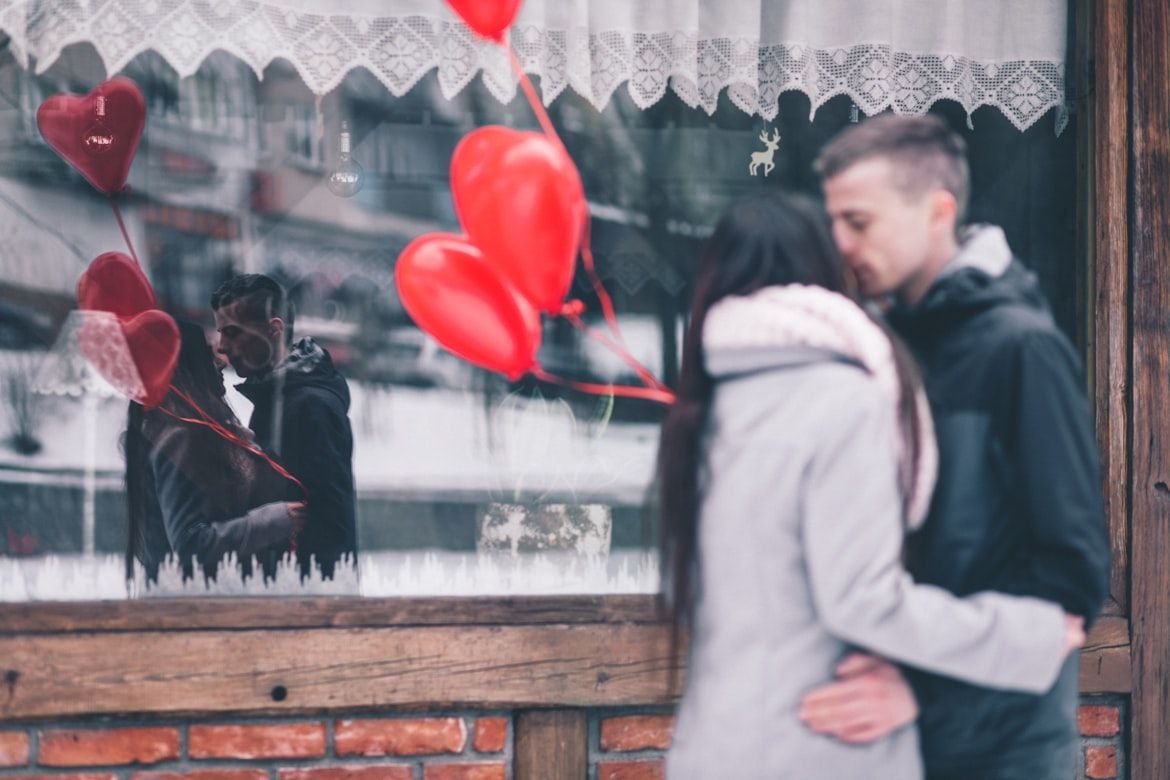
Valentine's Day in Japan works a little differently. There are still chocolates and romance in the air, but on February 14, it’s women who give gifts to men. So how did that happen? In the 1950s, companies like Mary Chocolate Co. helped introduce Valentine’s Day to Japan. But a mistranslation of how Valentine’s Day worked in the US led a Japanese executive to bring the idea back home… with the roles reversed. Surprisingly, the idea caught on, as it gave women a new way to express their feelings at a time when that wasn’t always easy. That’s the power of language.
Hello, Mr. Death
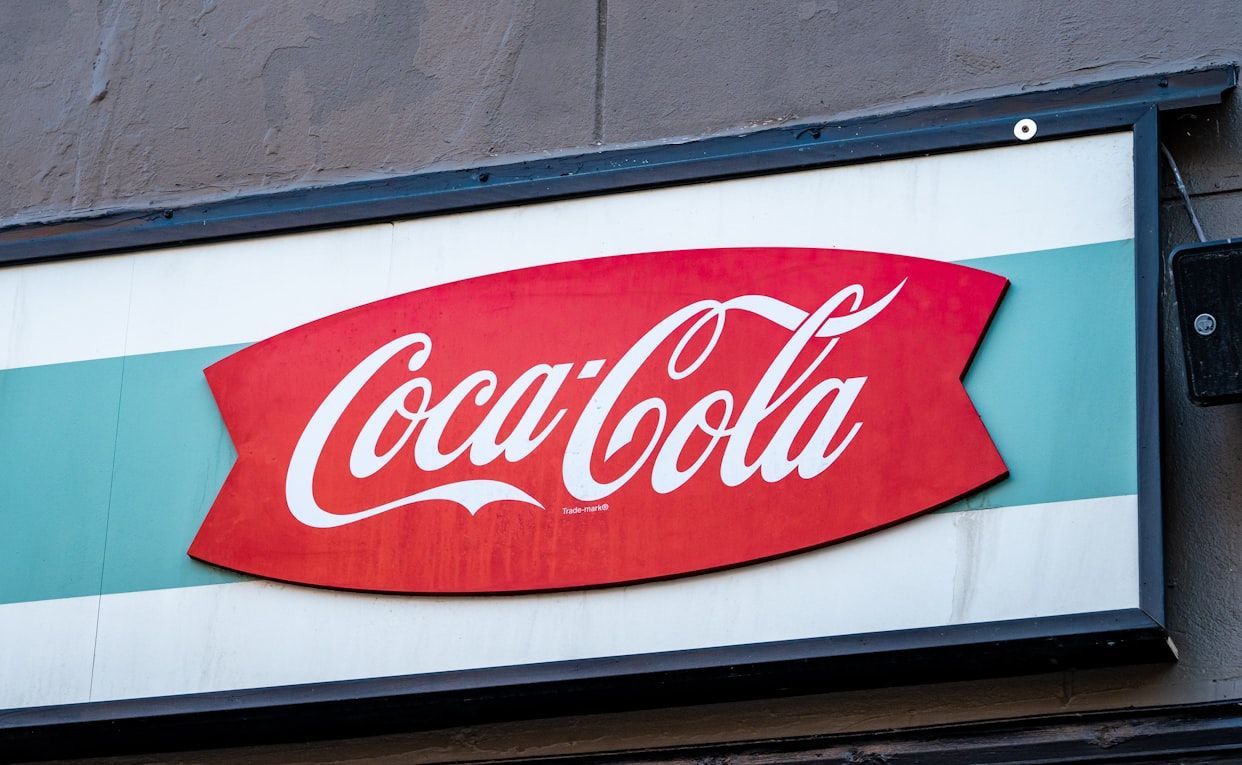
Even giants like Coca-Cola can be behind translation mishaps. In 2018, the company tried to connect with people in New Zealand by mixing English with the Māori language on its vending machines. The idea was simple: "Hello (in Māori), friend (in English)." They used the Māori kia ora ("hello") and paired it with the English term "mate," as in friend or buddy. But there was one problem; the word mate in Māori literally means "death". The campaign was heavily criticized, forcing the company to pull it.
Keep your fingers safe
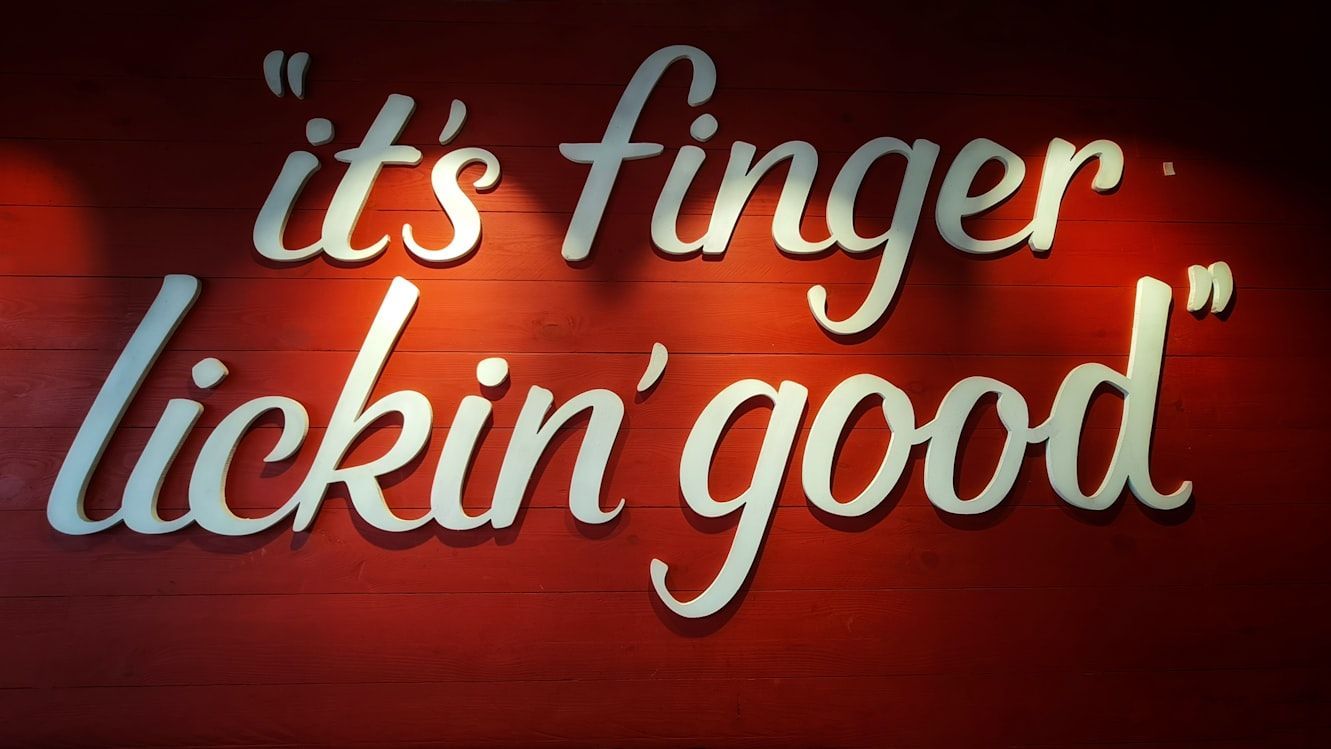
"Finger-Lickin’ Good" has been KFC’s signature slogan since the 1950s. But it wasn't as successful in China. When KFC entered Beijing in the late 1980s, the slogan was widely reported to have been launched as Chī diào nǐ de shǒuzhǐ, which literally translates to something like "Eat your fingers off," a monstrous idea. Even if the translation had been right, licking your fingers isn’t especially appealing in Chinese culture, which just shows how important context is for translation.
Turn it loose, but in English
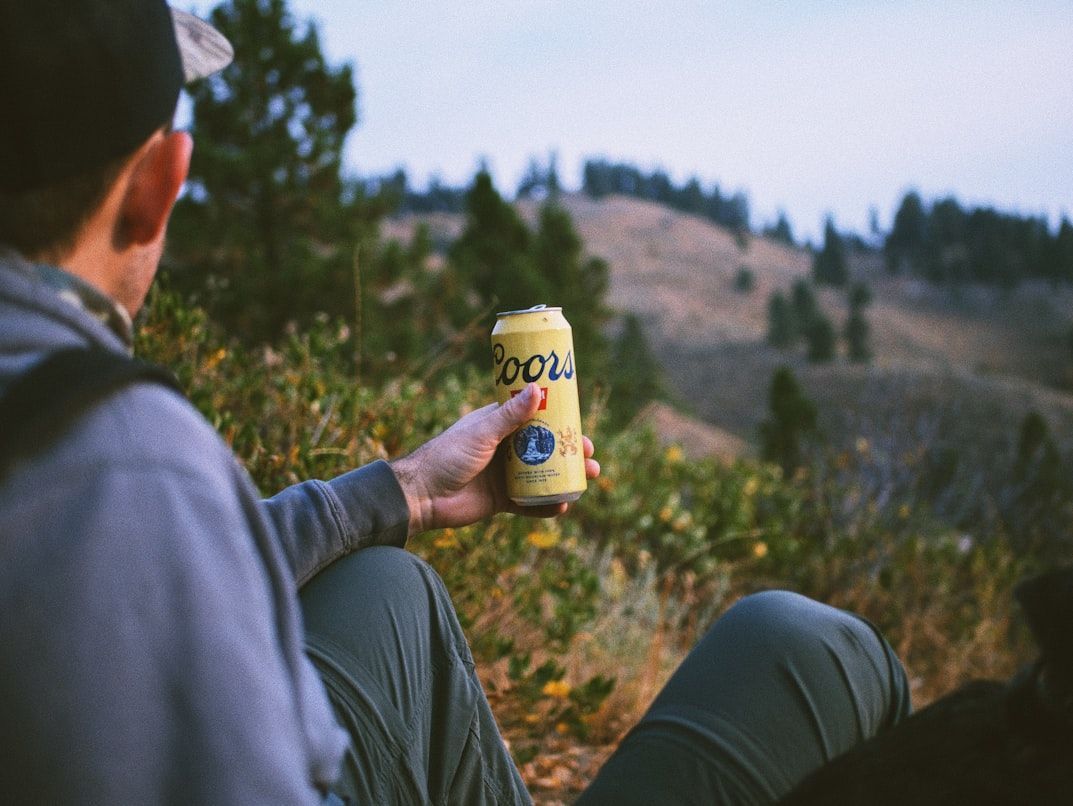
How did a fun, relaxing slogan end up causing stomach problems? When Coors launched its "Turn it Loose" campaign in Spain, things didn’t go as planned. In English, the phrase encouraged customers to relax and let go, but the literal Spanish translation, Ponte suelto, had disastrous results. While suelto does mean "loose", in Spain and other Spanish-speaking countries, it’s also commonly used to describe someone with diarrhea. Awkward, yes, but definitely funny.
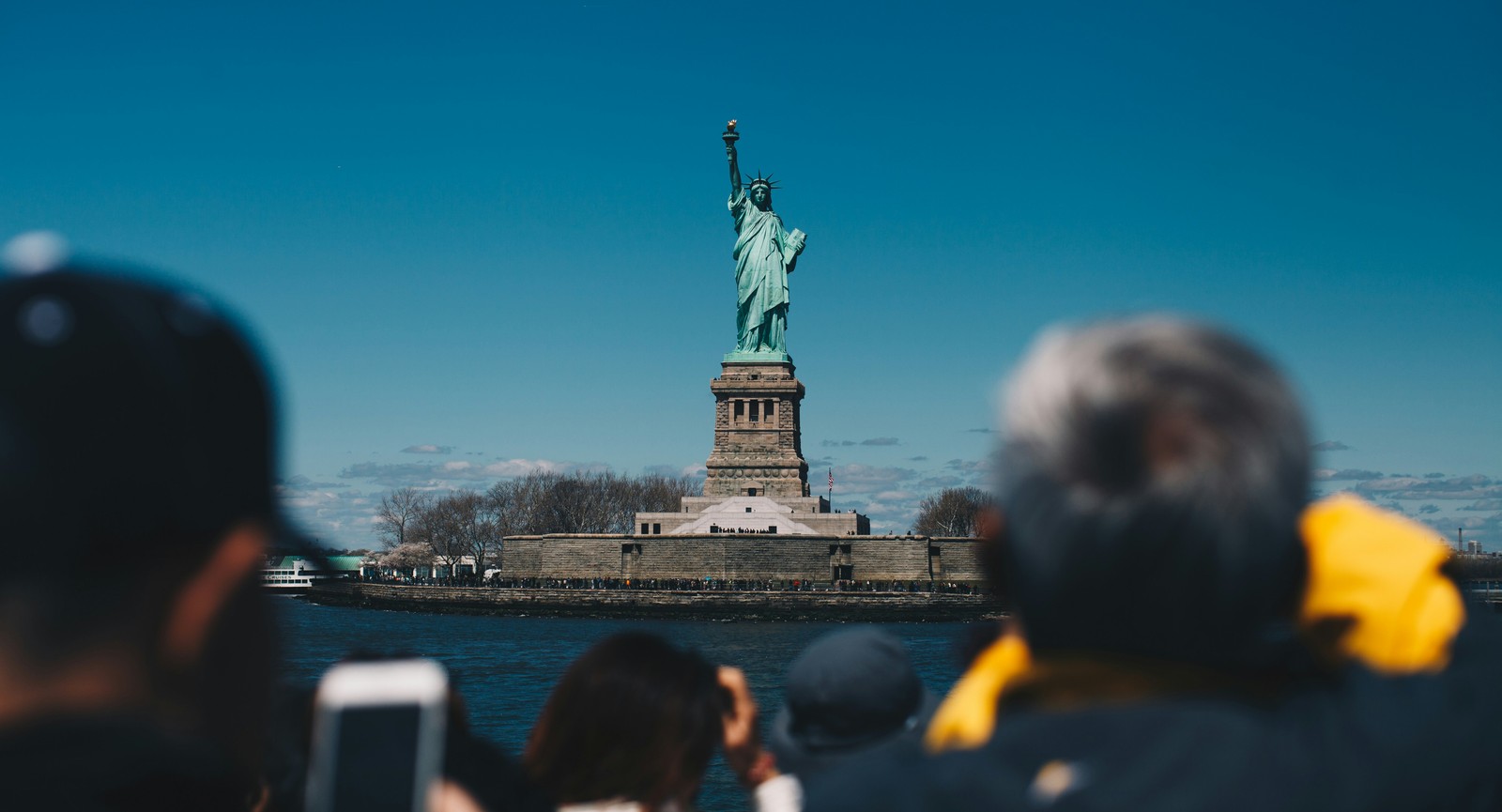
What are the 11 most surprising things for a foreigner visiting the U.S.?
It’s not that obvious to outsiders
11 things that confuse first-time travelers in the U.S.
Traveling to the U.S. can feel familiar, until it suddenly doesn't. Even seasoned travelers can be caught off guard by small cultural differences that affect everyday situations and transactions. From paying at restaurants to how far apart cities really are, many situations that Americans take for granted take first-time visitors by surprise.
Tipping in restaurants
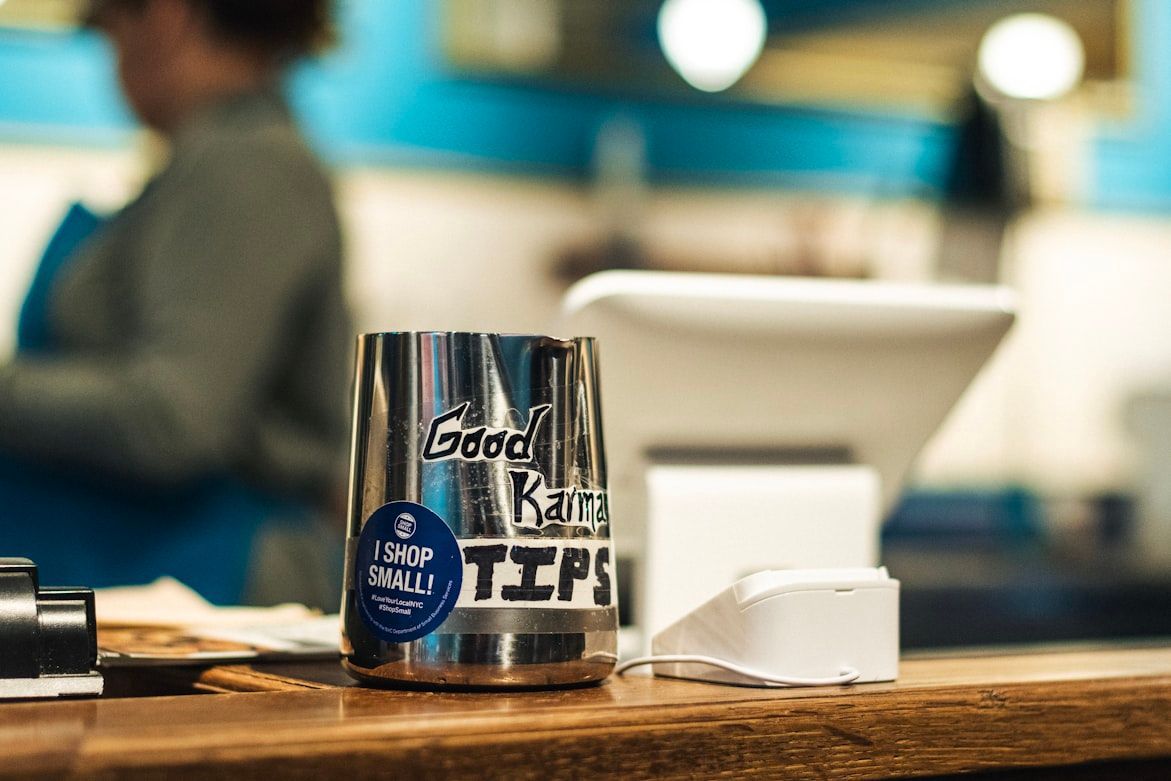
In the U.S., tipping isn’t just polite, it’s expected in many situations. Restaurant servers, taxi drivers, and hotel staff rely heavily on tips as part of their income, unlike many countries where service is included.
At restaurants, leaving around 18-20% of the bill is considered standard. Skipping a tip can be seen as dissatisfaction with the service, even if that wasn’t your intention.
Sales tax is not included in the displayed prices
One of the most confusing moments for non-American visitors happens at checkout. The price seen on the shelf is not the final price, and shoppers. pay more at the register due to sales tax.
This tax varies by state and even by city, so totals can differ depending on location. It’s a small detail, but it often catches travelers off guard when budgeting purchases.
Large portion sizes in restaurants
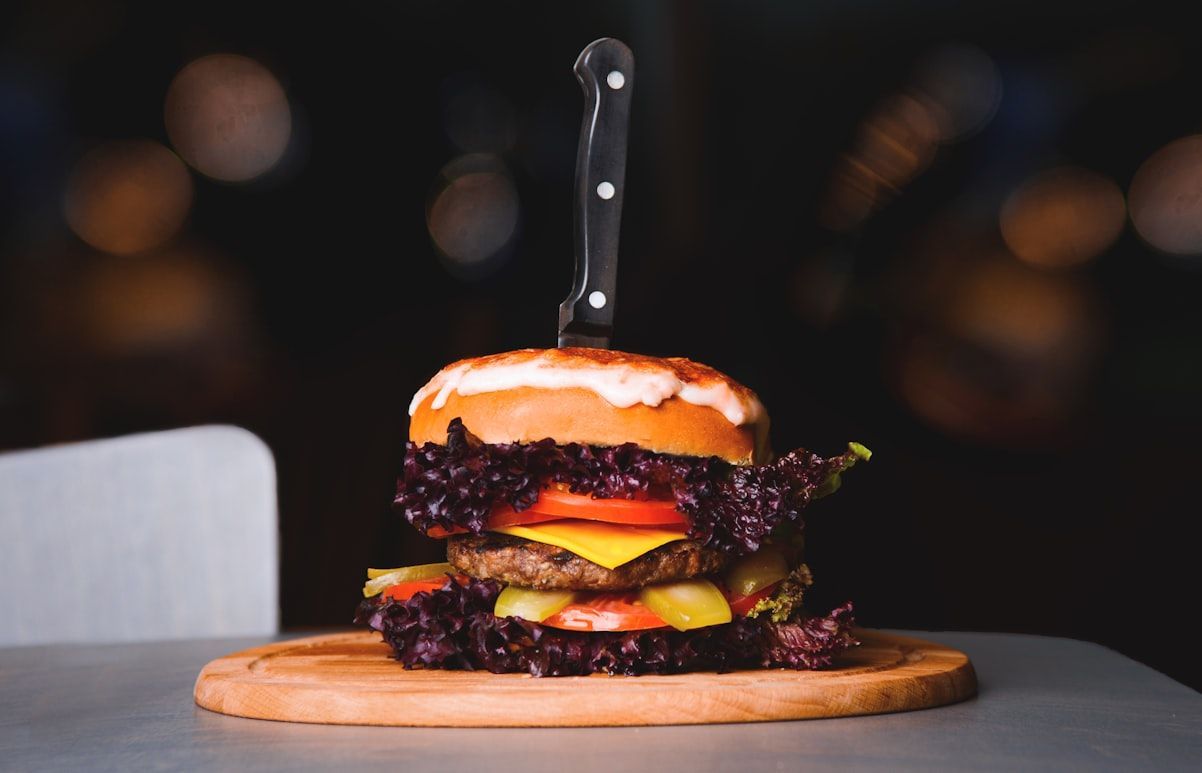
Food portions in the U.S. are famously generous. Meals are often large enough to share, and to-go boxes are common for leftovers.
For many first-time visitors, this can be overwhelming. Ordering multiple courses or sides without realizing portion sizes can quickly lead to oversized meals, wasted food, and higher bills.
Ice in drinks and free refills
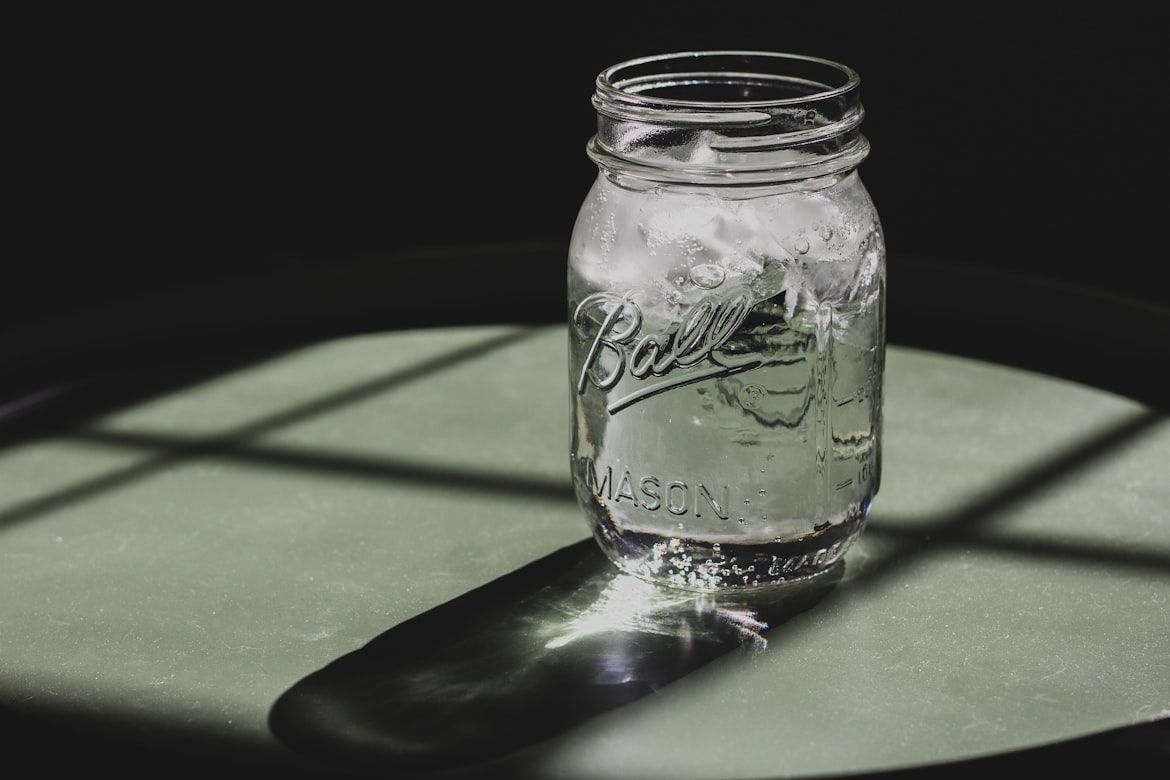
In most American restaurants, drinks come filled with ice, sometimes more than liquid. For visitors from countries where this is uncommon, it can feel excessive.
Another surprise: free refills. Many places will refill soft drinks, coffee, or tea at no extra charge, which is not a standard practice in much of the world.
Differences between states
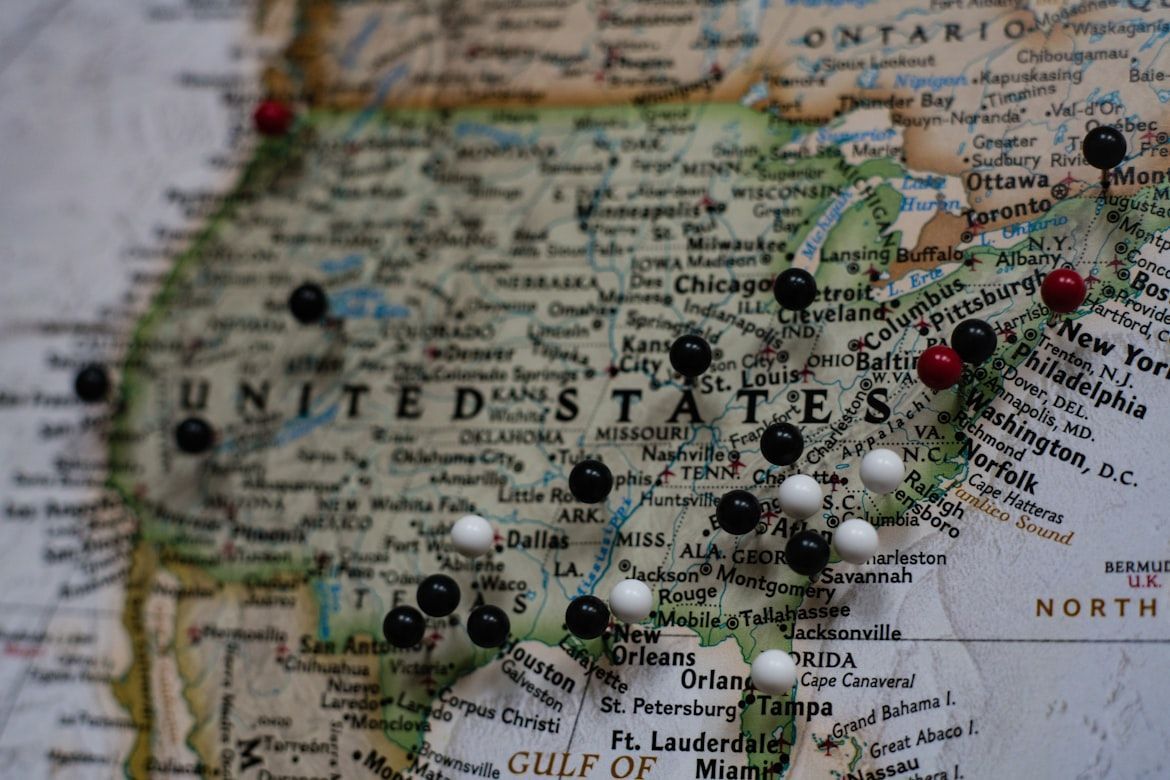
The U.S. is one country, but it often feels like many. (It does stretch across 3.8 million square miles, after all.) Laws, taxes, driving rules, and cultural norms can change significantly from one state to another.
For example, alcohol laws, smoking rules, and tipping expectations may vary. Travelers who assume uniformity across the country can easily run into confusion.
The distance between cities
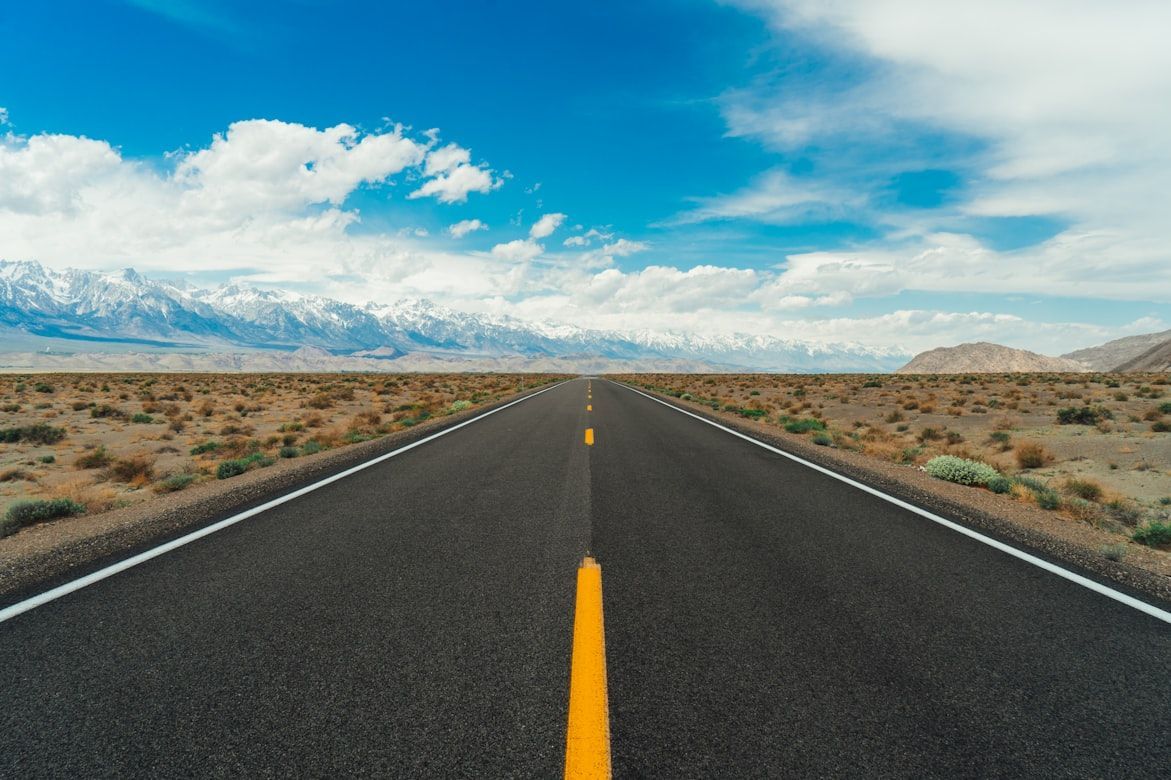
Looking at a map can be misleading. What seems like a short trip between cities can actually take several hours, or even require a flight.
The U.S. is vast, and distances between major destinations are often much greater than in Europe or other regions. Planning travel time carefully is essential.
Car dependency
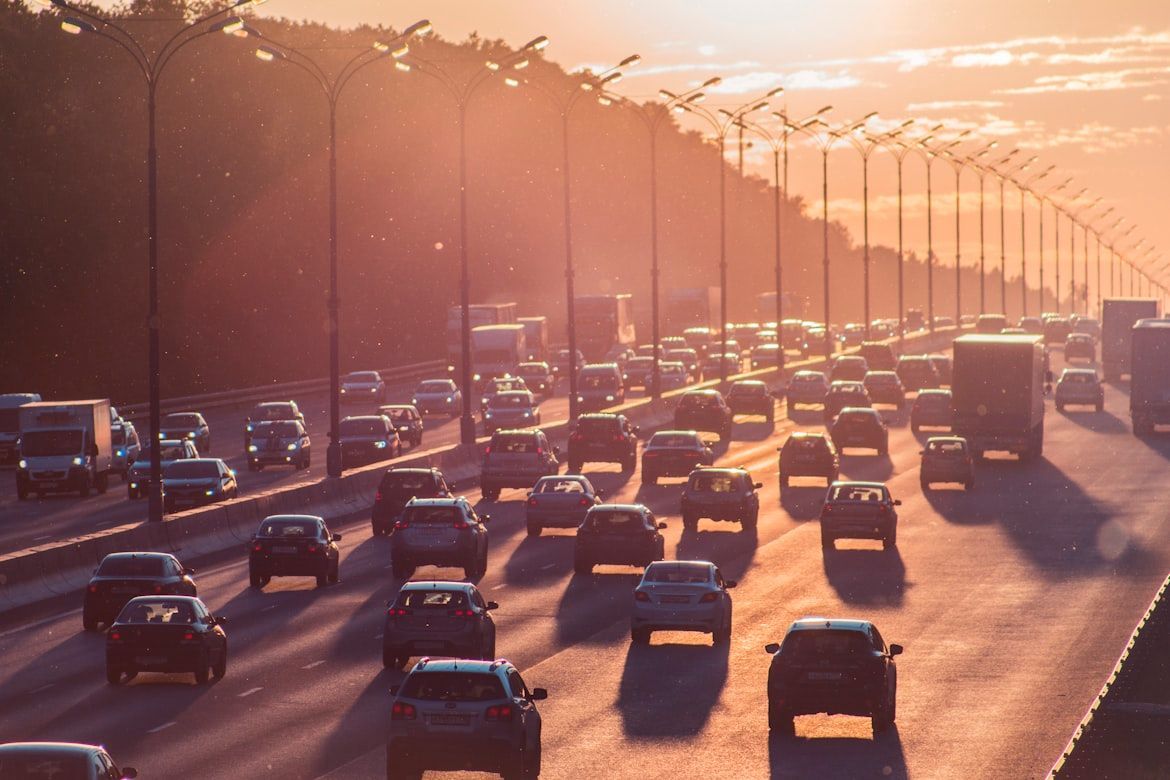
Outside of major cities like New York or Chicago, public transportation can be limited. In many parts of the country, having a car is almost essential.
This surprises travelers used to extensive train or bus systems. Renting a car often becomes necessary to explore beyond urban areas.
Hotel taxes and additional fees
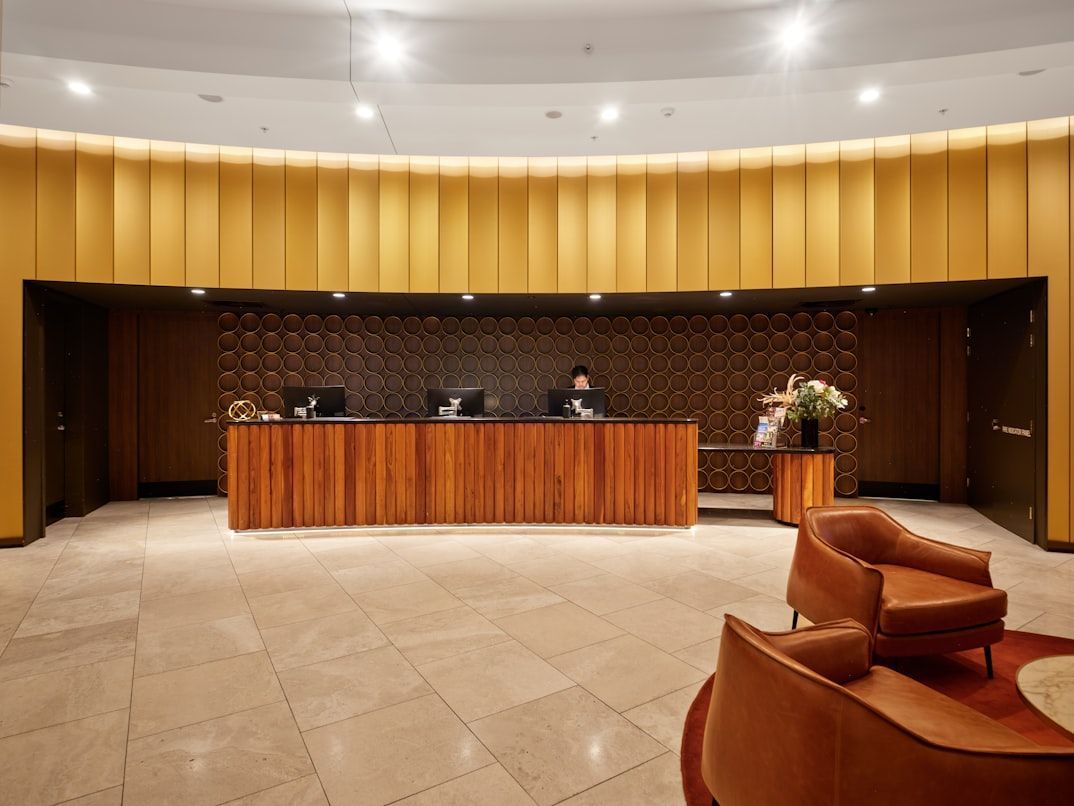
Hotel prices in the U.S. don’t always tell the full story. Extra charges such as local taxes, resort fees, or service fees may be added at checkout.
These additional costs can significantly increase the final price, especially in tourist-heavy destinations. Visitors should always check the full breakdown before booking.
Credit cards are used more than cash
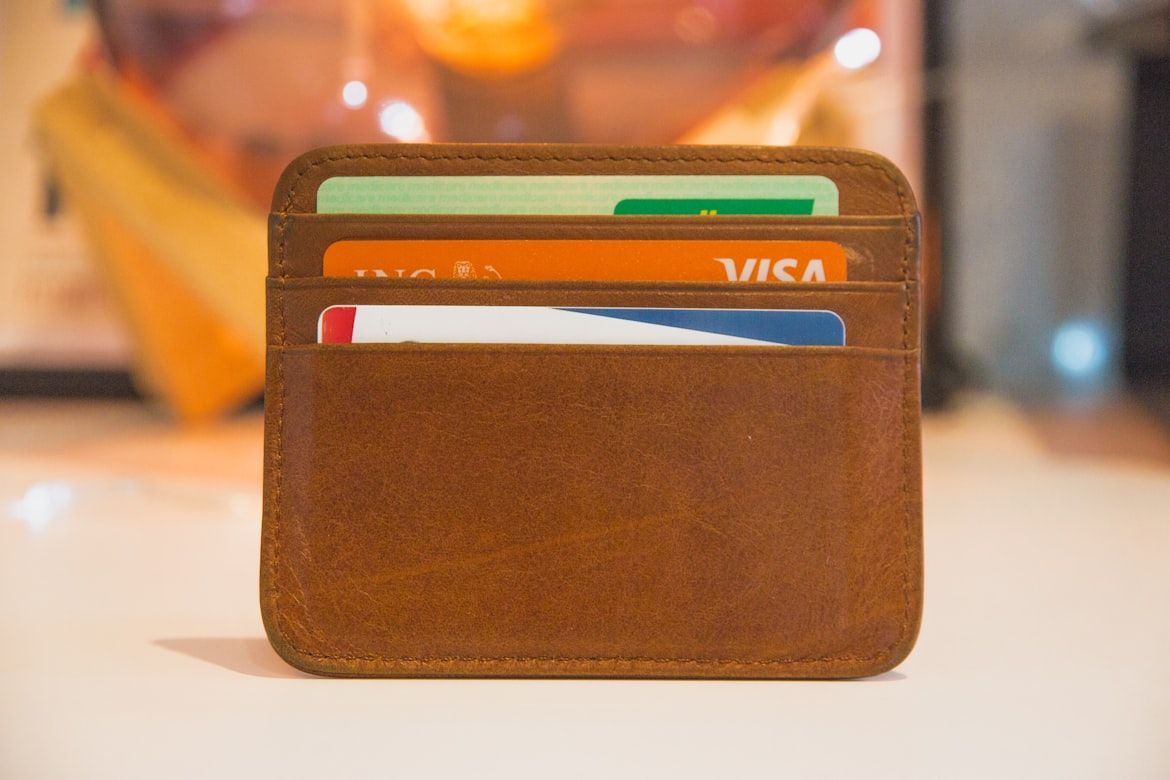
While cash is accepted, credit and debit cards are widely preferred. Many places, even small businesses, expect card payments.
Travelers relying on cash may find it inconvenient, especially in cities when using services like rideshare apps. Having a card is almost essential for smooth travel.
Informal customer service interactions
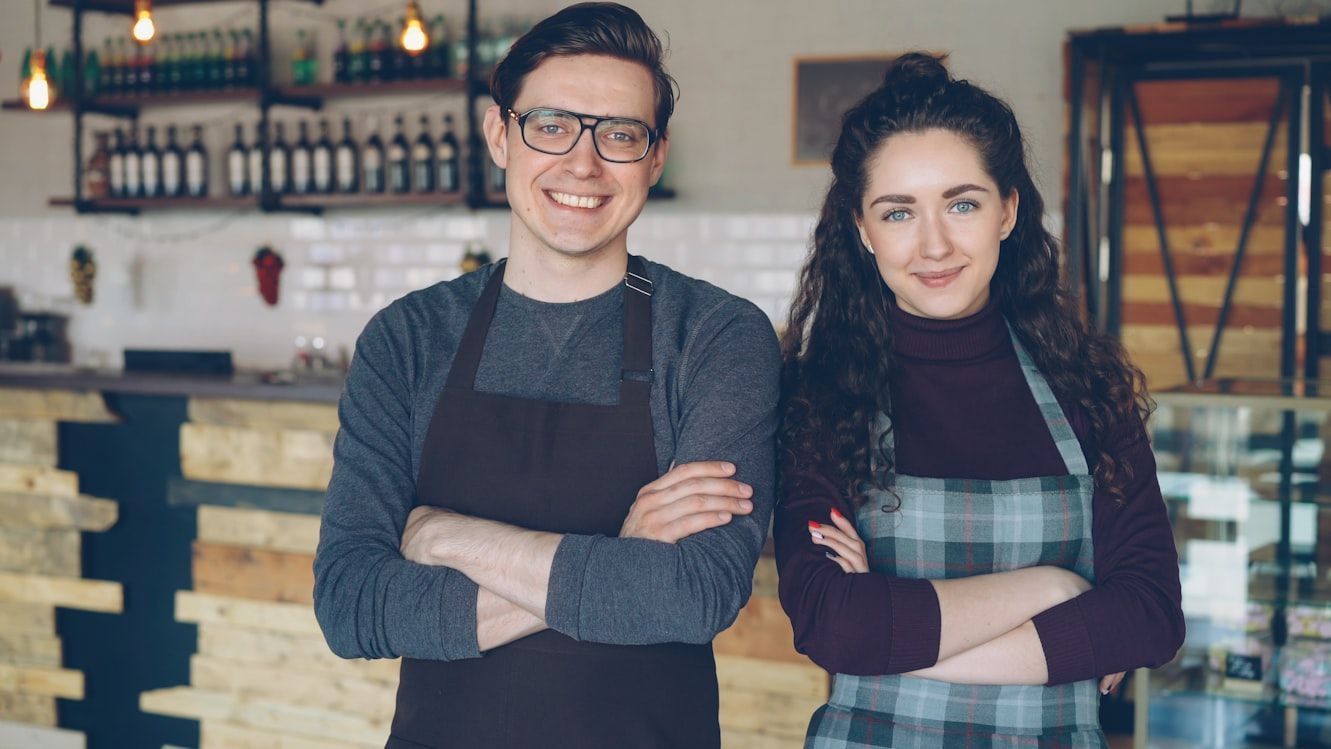
American customer service is often friendly and informal. Staff may introduce themselves, check in frequently, or engage in small talk.
For visitors from more reserved cultures, this can feel unusual or overly familiar. However, it’s simply part of the service style and not meant to be intrusive.
Drive-thru culture
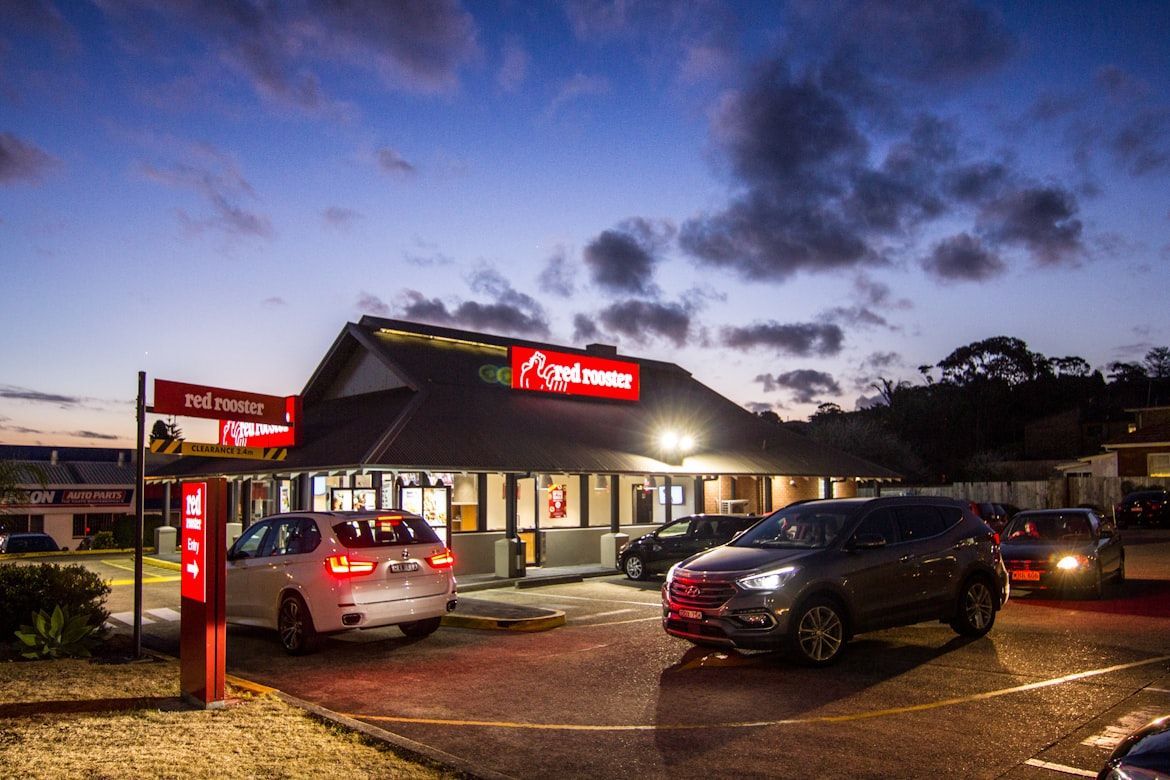
Drive-thrus in the U.S. go far beyond fast food. You’ll find them at pharmacies, coffee shops, banks, and even some dry cleaners.
This car-centered convenience can be surprising for first-time visitors, especially those from places where such services are rare or nonexistent.
Keep wandering
There’s always
more to explore
 Landmarks
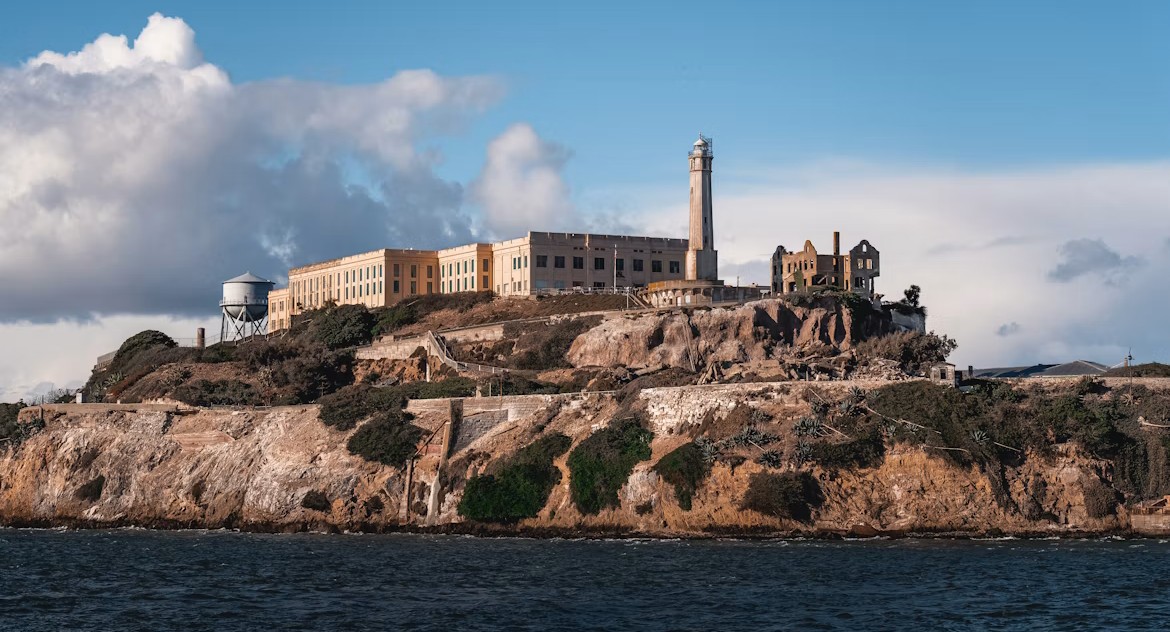
Did the three men who escaped Alcatraz in 1962 actually survive?
7 min.
Read Now
 History
Ancient cities that have stood the test of time
6 min.
Read Now
Hotel staff can tell these 10 things about you almost immediately
6 min.
Read Now
 Culture
Maps lie: 10 famous cities that love to trick tourists
6 min.
Read Now