What happened to the third-largest city in Nevada? 10 US ghost towns
 Landmarks
What happened to the third-largest city in Nevada? 10 US ghost towns
There is a melancholic beauty in spaces that humanity built, cherished, and ultimately left behind. From the remnants of gold rush settlements to bypassed highway oases, thousands of abandoned towns across the United States offer a glimpse into the fleeting nature of American expansion. These 10 abandoned sites represent some of the most fascinating ghost towns and forgotten settlements in the nation.
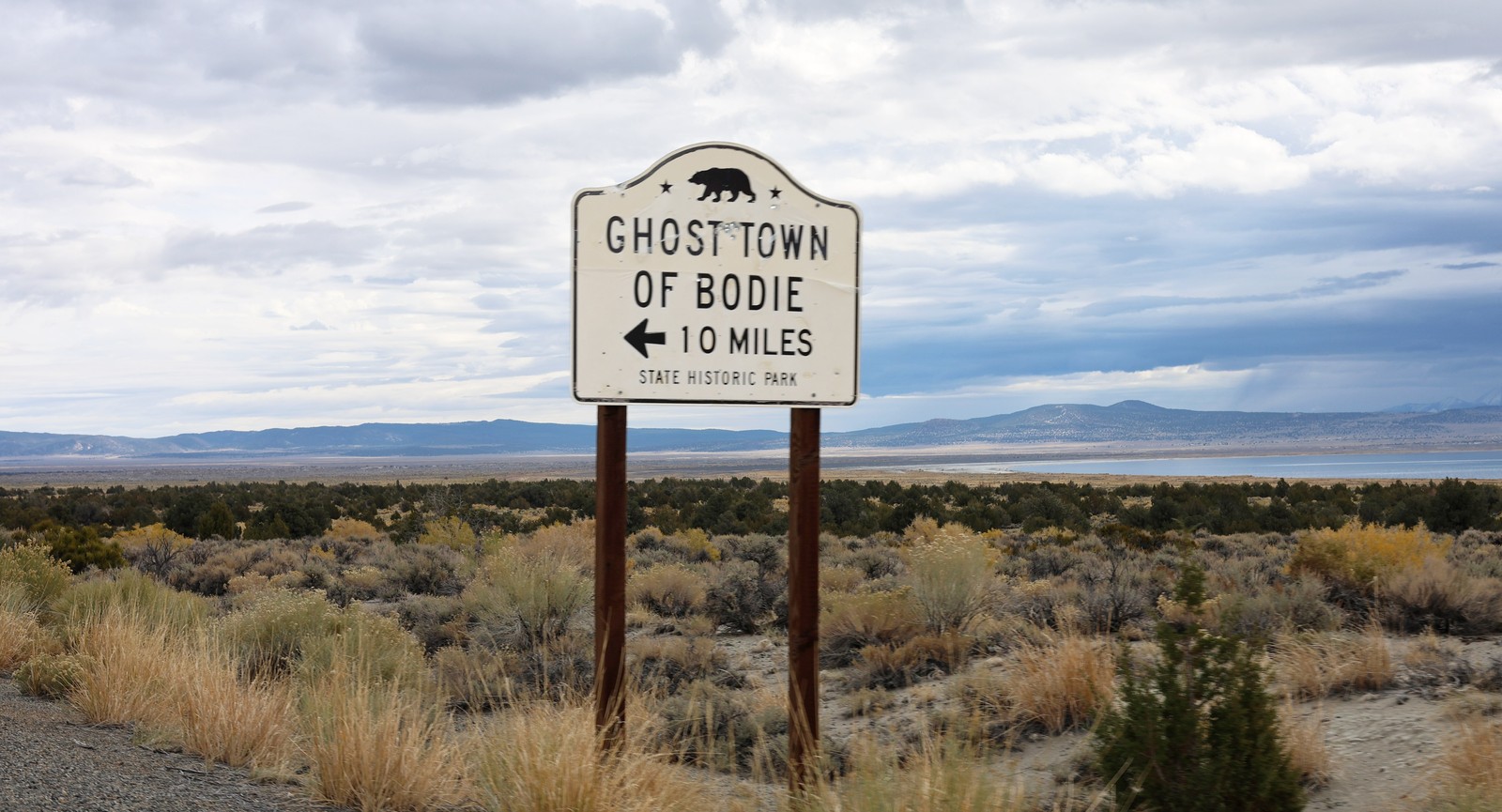
Bodie, California
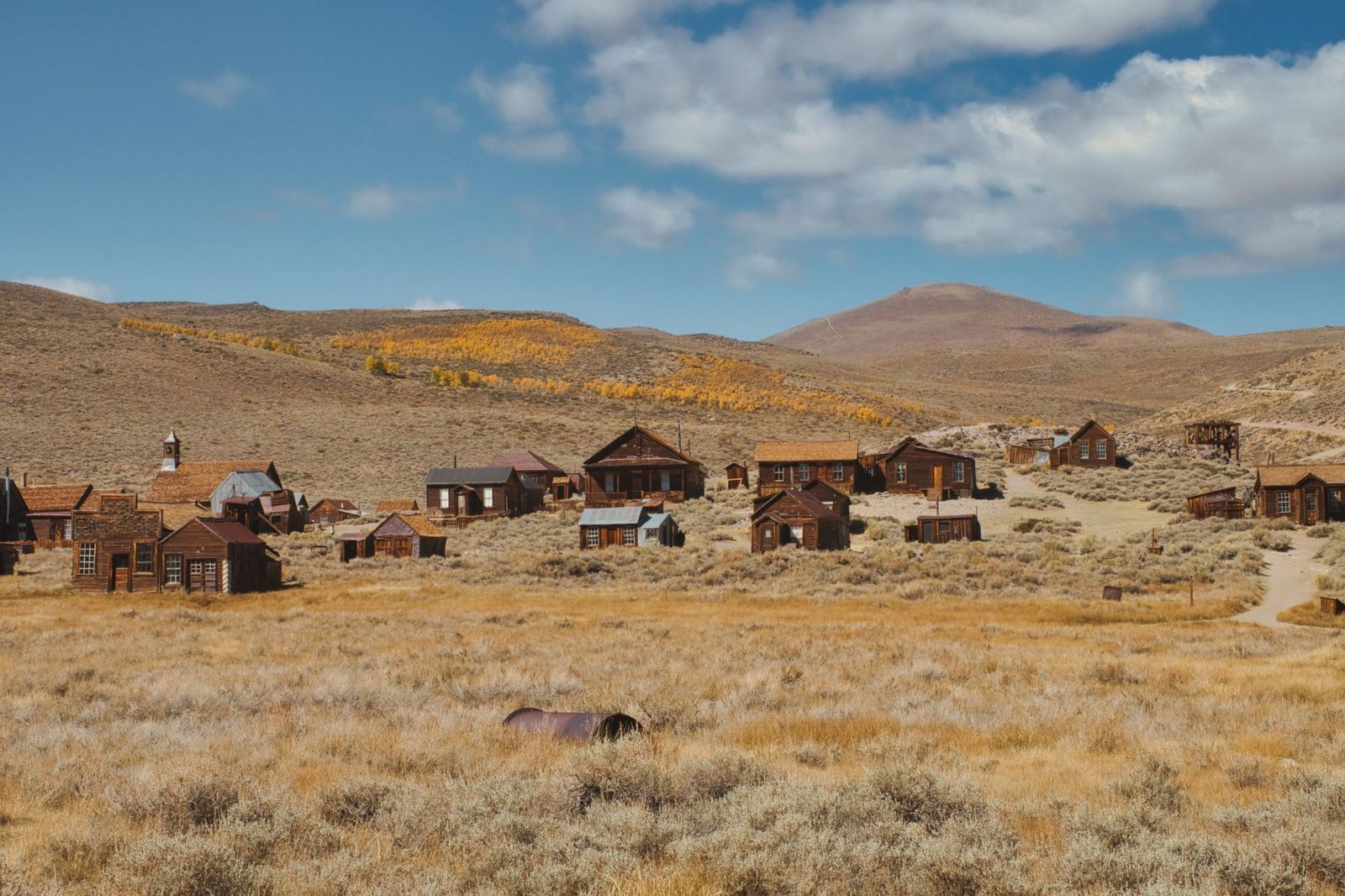
Located in a remote basin of the Sierra Nevada mountains, Bodie is perhaps the quintessential American ghost town. In the late 1870s, it was a booming gold mining hub of nearly 10,000 residents, infamous across the West for its rowdy saloons and lawlessness. When the gold dried up, the population evaporated.
Nowadays, Bodie is maintained by California State Parks. Although the buildings are protected from collapsing, they’re not sanitized or rebuilt. Visitors can walk the dusty streets and peer through the windows to see tables still set with dishes and store shelves stocked with old merchandise, looking exactly as they did a century ago.
Santa Claus, Arizona
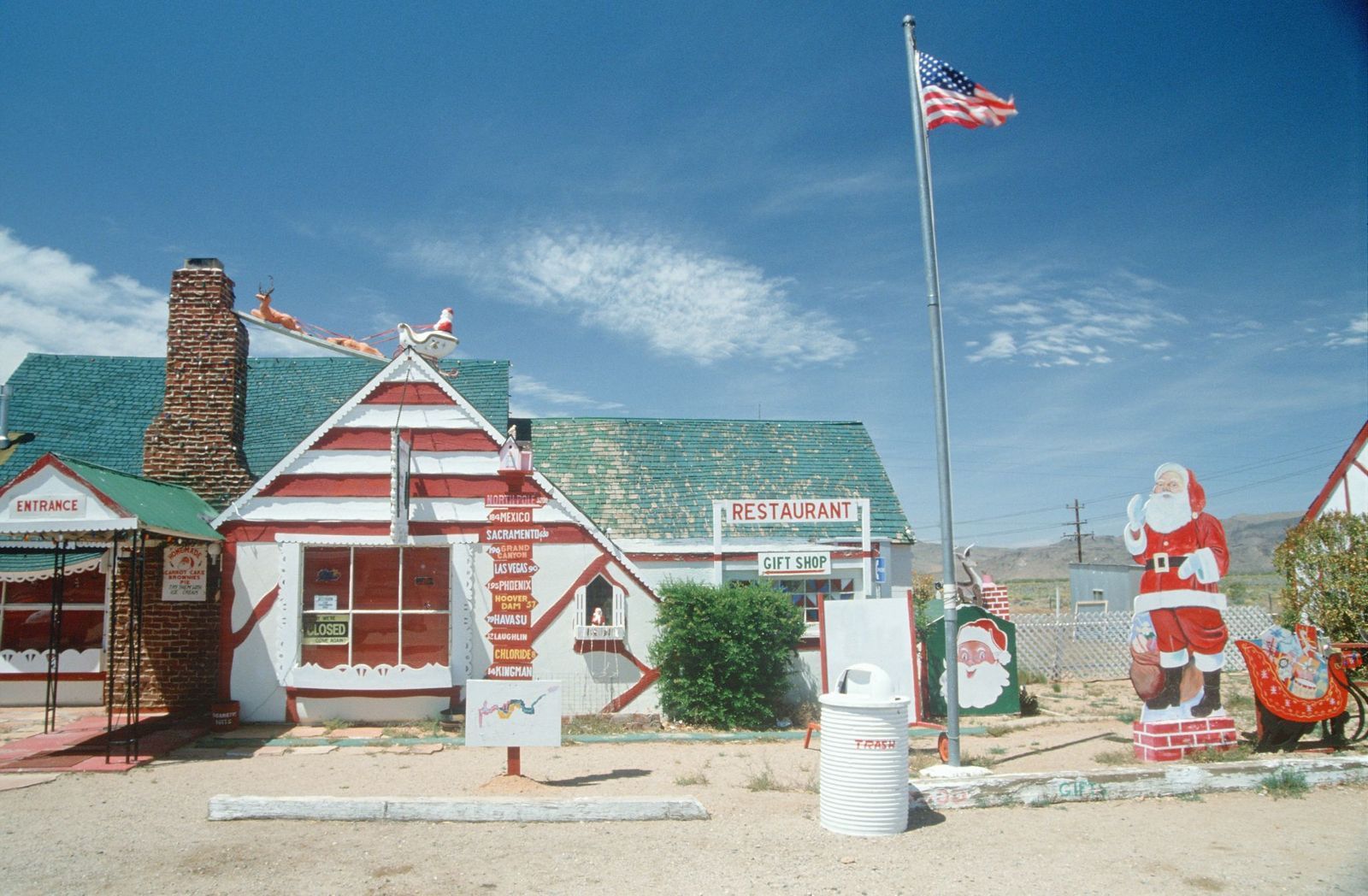
Hidden in the hot Mojave Desert along Route 66, Santa Claus was a bizarre oasis built in the 1930s by a real estate developer called Nina Talbot. The goal was to create a whimsical, Christmas-themed resort town to draw land buyers out to the desert. For a few decades, families stopped to eat at the famous Christmas Tree Inn, and children mailed letters stamped directly from Santa Claus.
By the 1970s, the novelty wore off, the highway traffic shifted, and the town fell into decay. Today, the festive structures are covered in desert grime and graffiti, offering a surreal contrast against the blistering desert sun.
Shaniko, Oregon
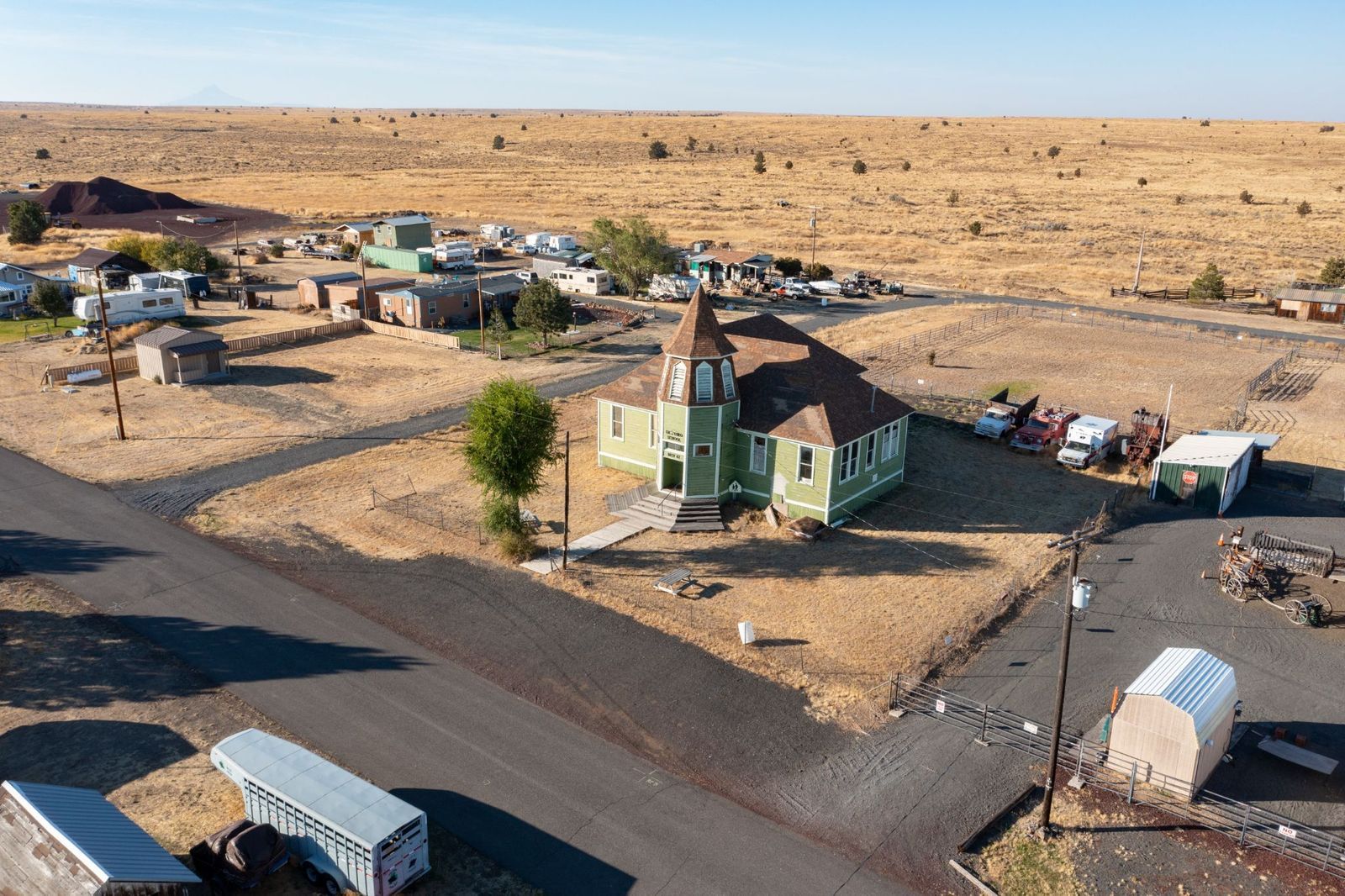
Once proudly known as the "Wool Capital of the World," Shaniko was the bustling epicenter of Oregon’s sheep farming empire at the dawn of the 20th century. Millions of pounds of wool moved through its warehouses every year.
However, when a new railway line bypassed the town in 1911, the local economy took a fatal blow from which it never recovered. While a small handful of residents still live in the surrounding rural area, the historic town center remains a perfect snapshot of the Old West, with its preserved wooden water tower, schoolhouse, old brick jail, and historic hotel.
St. Elmo, Colorado
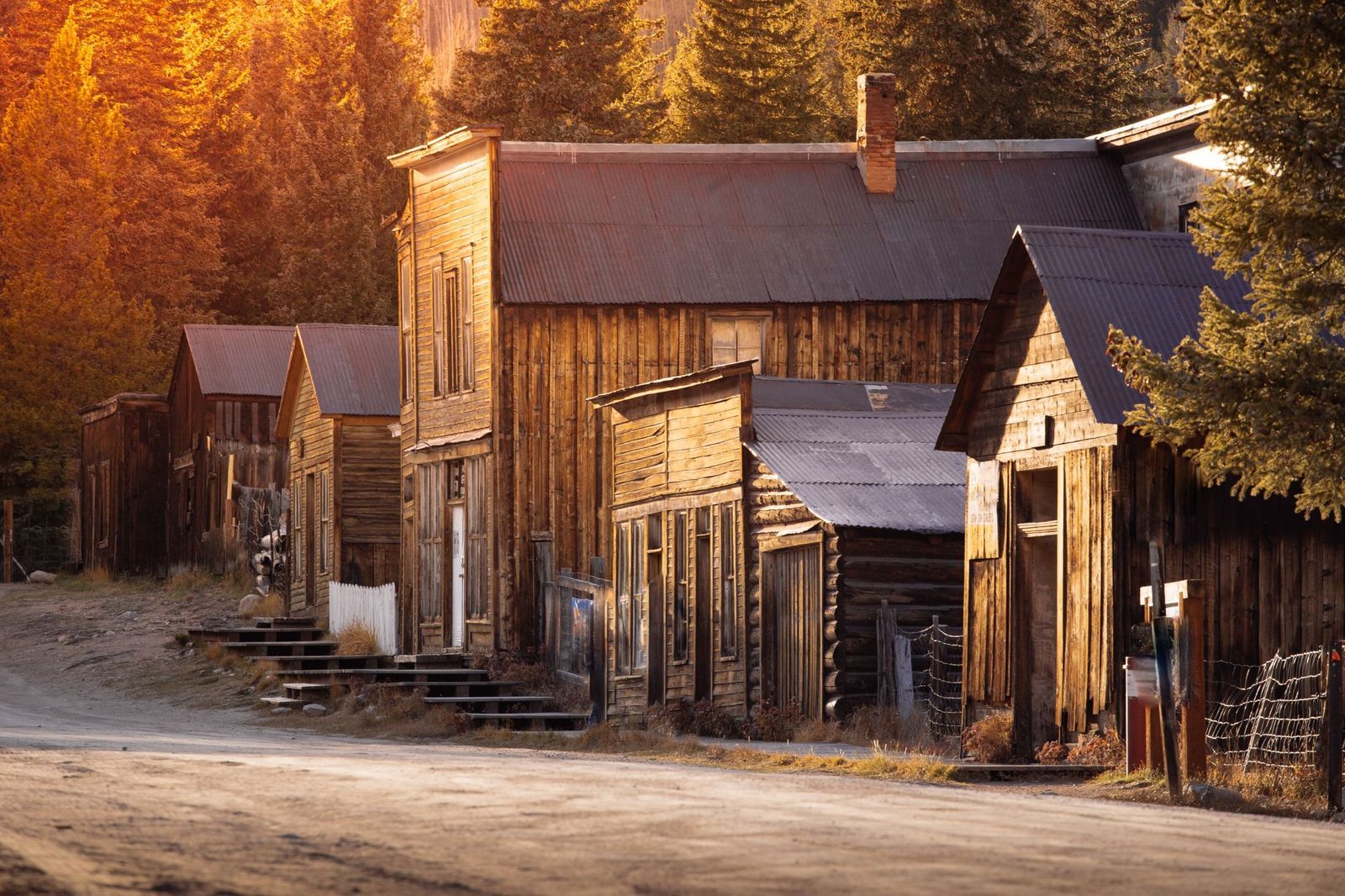
Perched high in the Sawatch Range of the Rocky Mountains at an elevation of nearly 10,000 feet, St. Elmo is one of Colorado’s best-preserved ghost towns. Founded in 1880, it was a vital supply hub for thousands of miners searching for silver and gold in the surrounding hills.
When the mining industry collapsed and the local railroad line closed down in the 1920s, the town emptied out, leaving the structures at the mercy of the alpine elements. St. Elmo’s wood-frame storefronts, dusty main street, and mountain backdrop make it feel like walking directly onto a historical movie set.
Virginia City, Montana
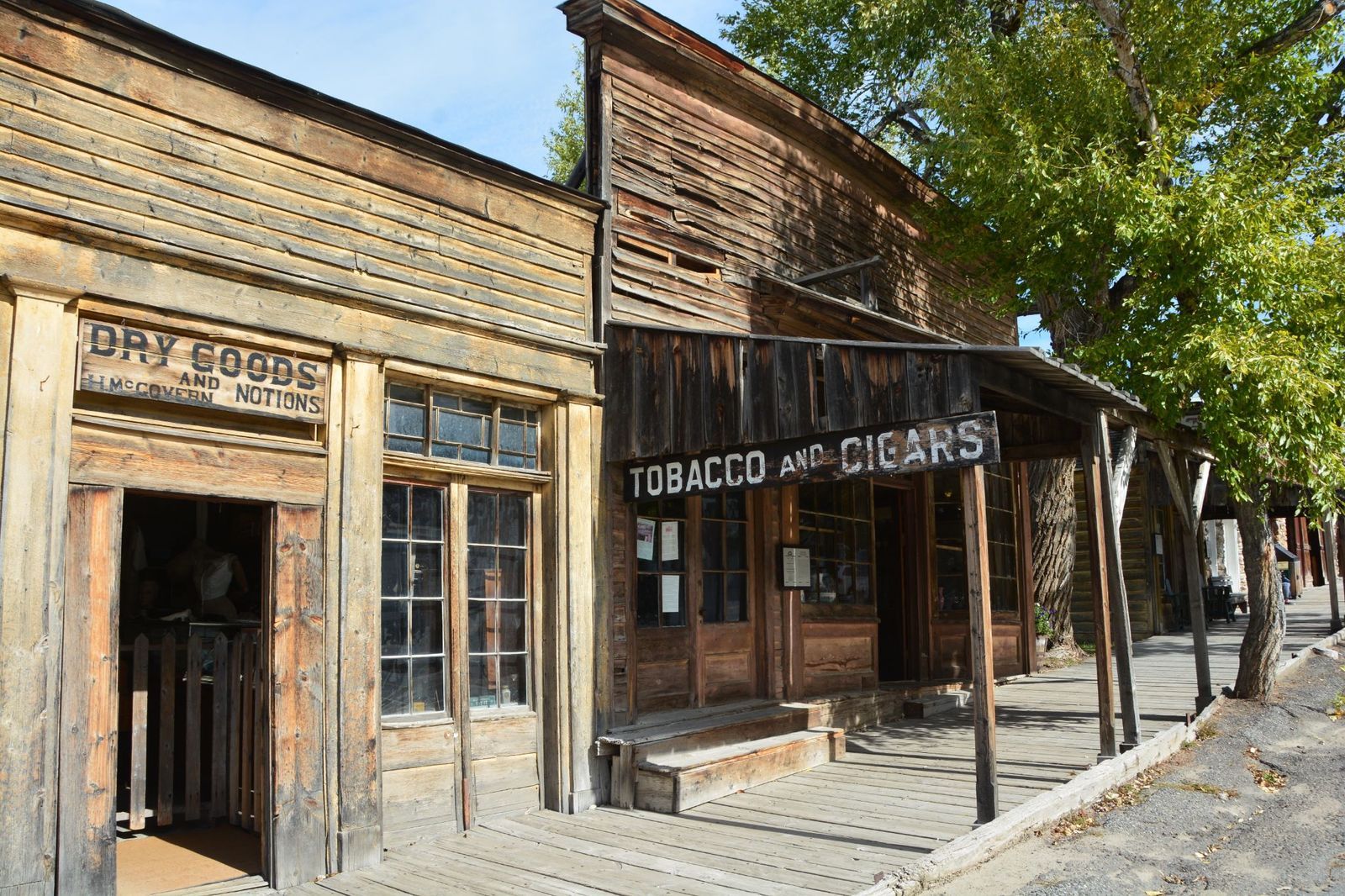
Virginia City was born out of a gold discovery in Alder Gulch in 1863, rapidly growing into a city of 10,000 that served as the capital of the Montana Territory. Unlike many towns that collapsed into ruin, Virginia City’s historical buildings were bought in the mid-20th century by a preservationist couple, Charles and Sue Bovey. Today, it operates as an outdoor living history museum, frozen in the mid-Victorian era, where visitors can walk wooden boardwalks and admire fully furnished shops, bars, and homes.
Batsto Village, New Jersey
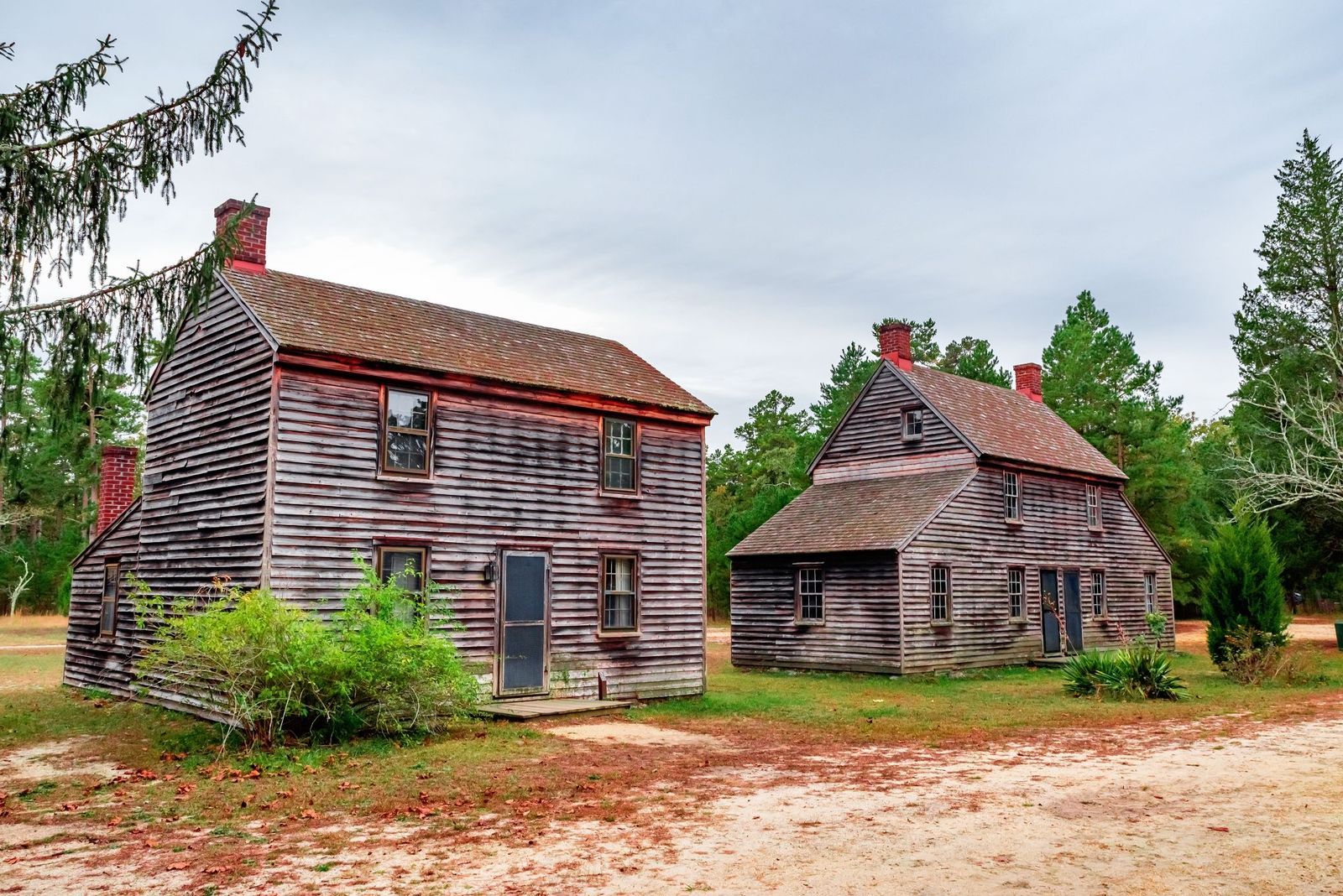
Located within the Pine Barrens, Batsto Village has deep historical roots stretching back to 1766. It was a crucial early American industrial center that manufactured iron products, including cannonballs and camp kettles for the Continental Army during the Revolutionary War.
As coal mining and steel mills advanced elsewhere in the country, Batsto’s iron industry became obsolete. The town was abandoned by its workers in the late 19th century. Today, the state preserves the site, showcasing a stunning 32-room mansion, a working gristmill, a blacksmith, and worker cottages.
Centralia, Pennsylvania
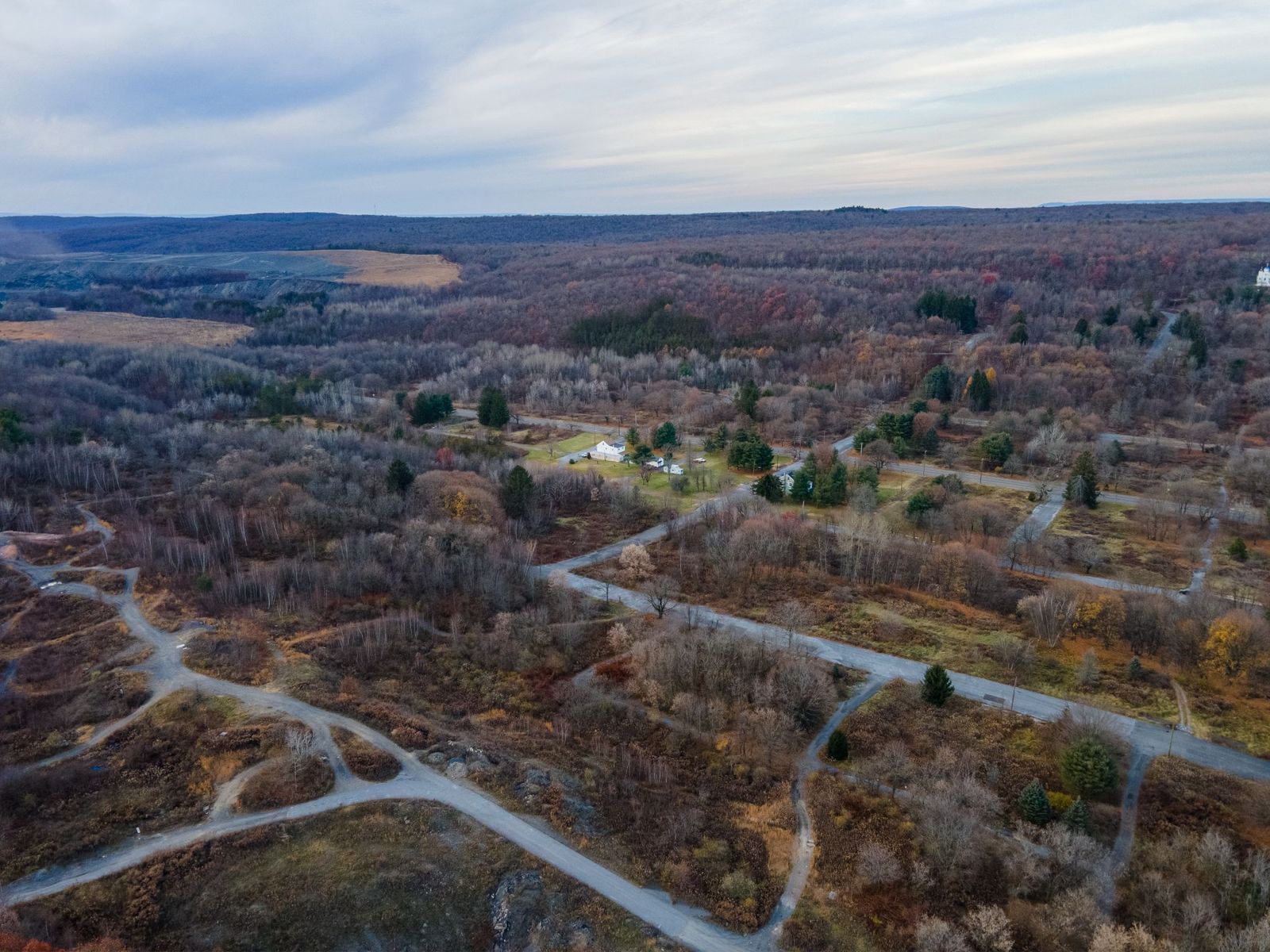
Unlike the resource exhaustion that emptied out most western ghost towns, Centralia was doomed by an ongoing environmental catastrophe. In 1962, a trash fire in an abandoned mine pit accidentally ignited a labyrinth of coal seams running beneath the town.
The subterranean fire has been burning ever since, emitting toxic gases, creating random sinkholes, and cracking highways. Over the decades, the government relocated nearly all residents for safety. Only a handful of homes remain amidst a grid of empty streets.
Glenrio, Texas/New Mexico
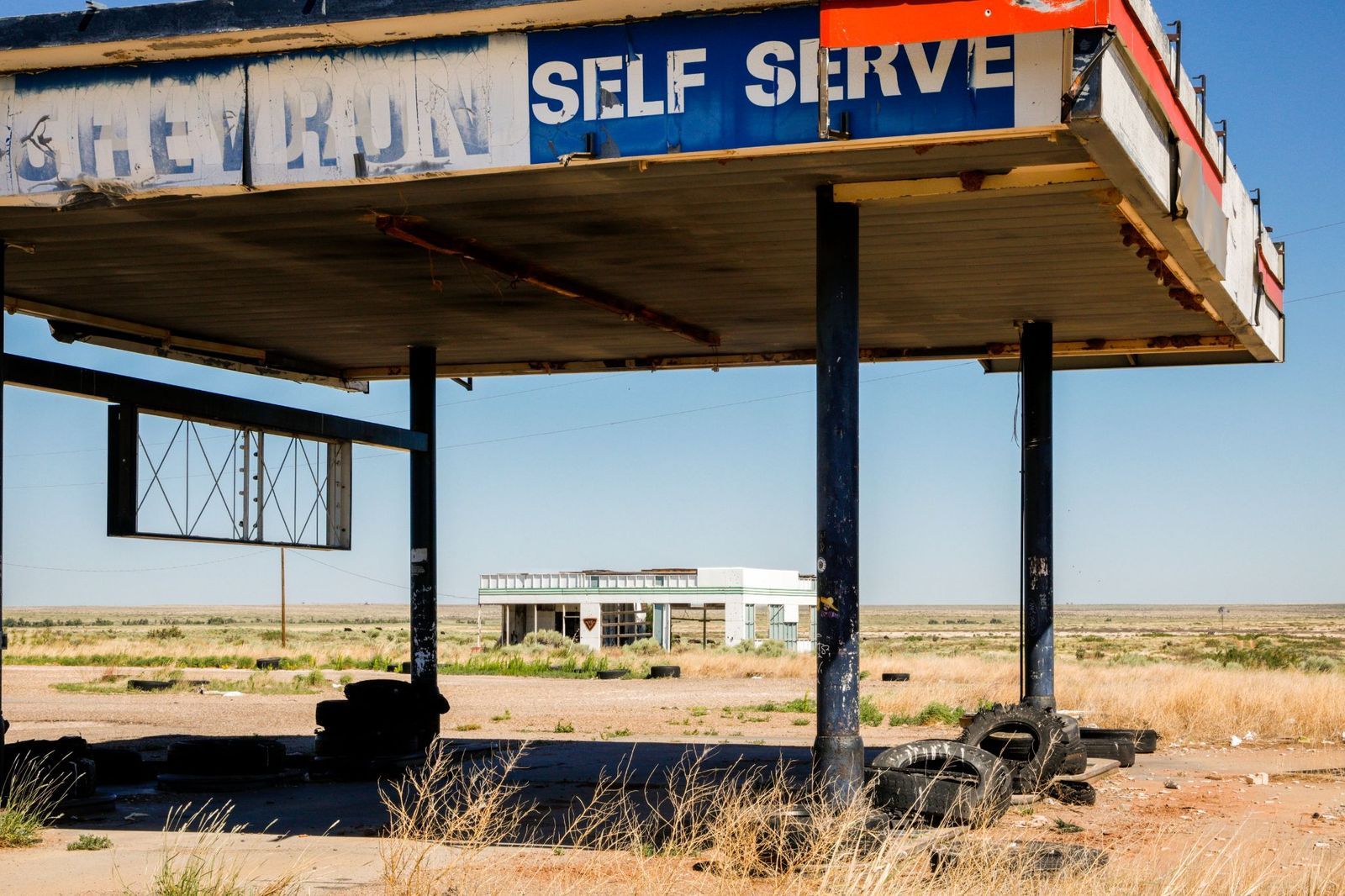
Glenrio was once an oasis for motorists traveling down the historic Route 66, just at the state line of Texas and New Mexico. It featured gas stations, the "First/Last Motel in Texas," and lively diners feeding travelers.
Its death sentence arrived with the construction of Interstate 40 in the 1970s, which bypassed the town. Drivers no longer had reason to exit, and Glenrio was left to the desert elements. Today, travelers can still visit the town’s mid-century modern neon signs, abandoned gas pumps, and decaying diners.
Kennecott, Alaska
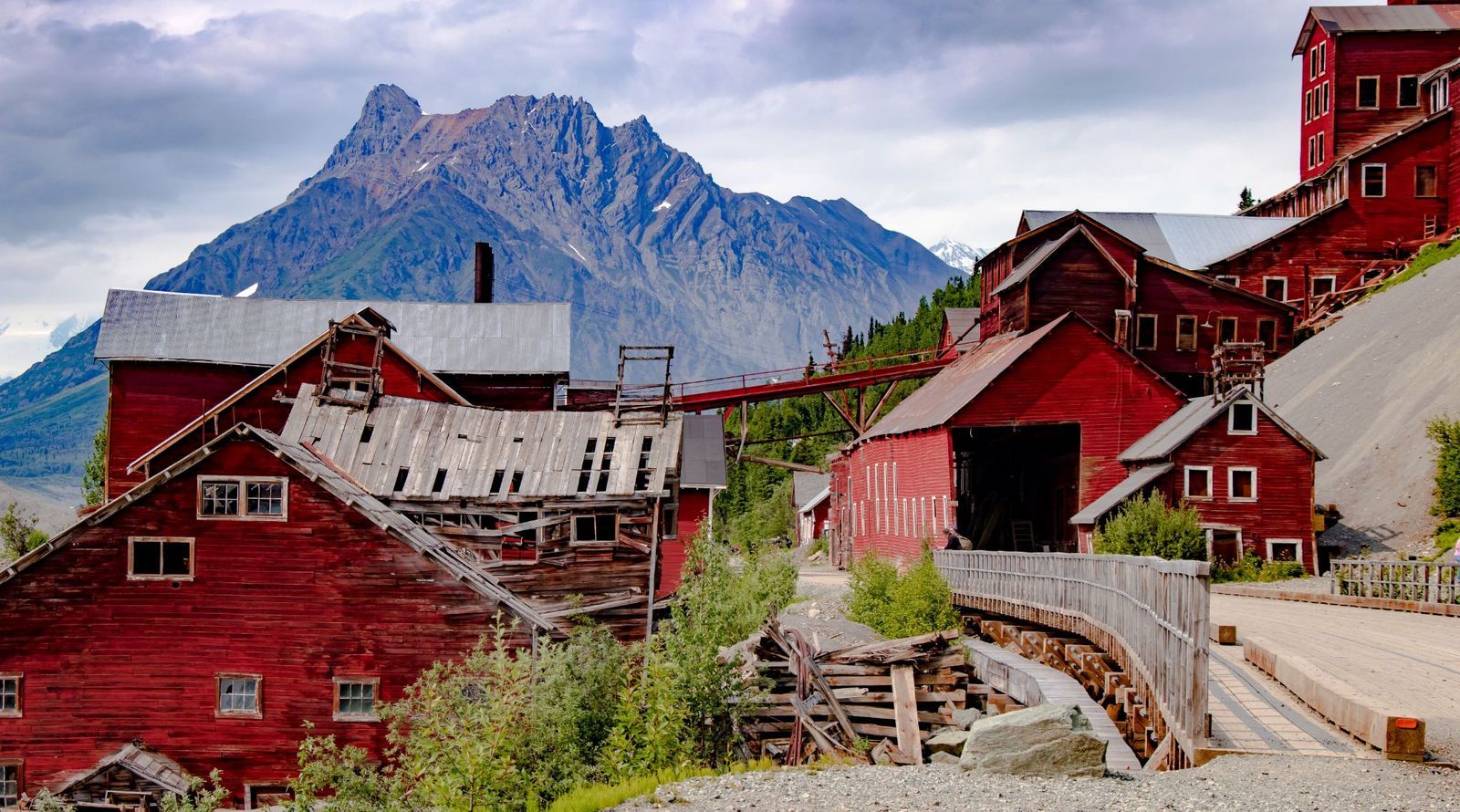
Within the rugged wilderness of Wrangell-St. Elias National Park lies Kennecott, an abandoned copper mining camp. From 1911 to 1938, the Kennecott Copper Corporation processed hundreds of millions of dollars' worth of copper ore here. When the mountain was cleared of its wealth, the company ceased operations and abandoned the town. What remains is a series of towering wooden industrial structures painted a vibrant red, clinging to the side of the mountain adjacent to a glacier.
Rhyolite, Nevada
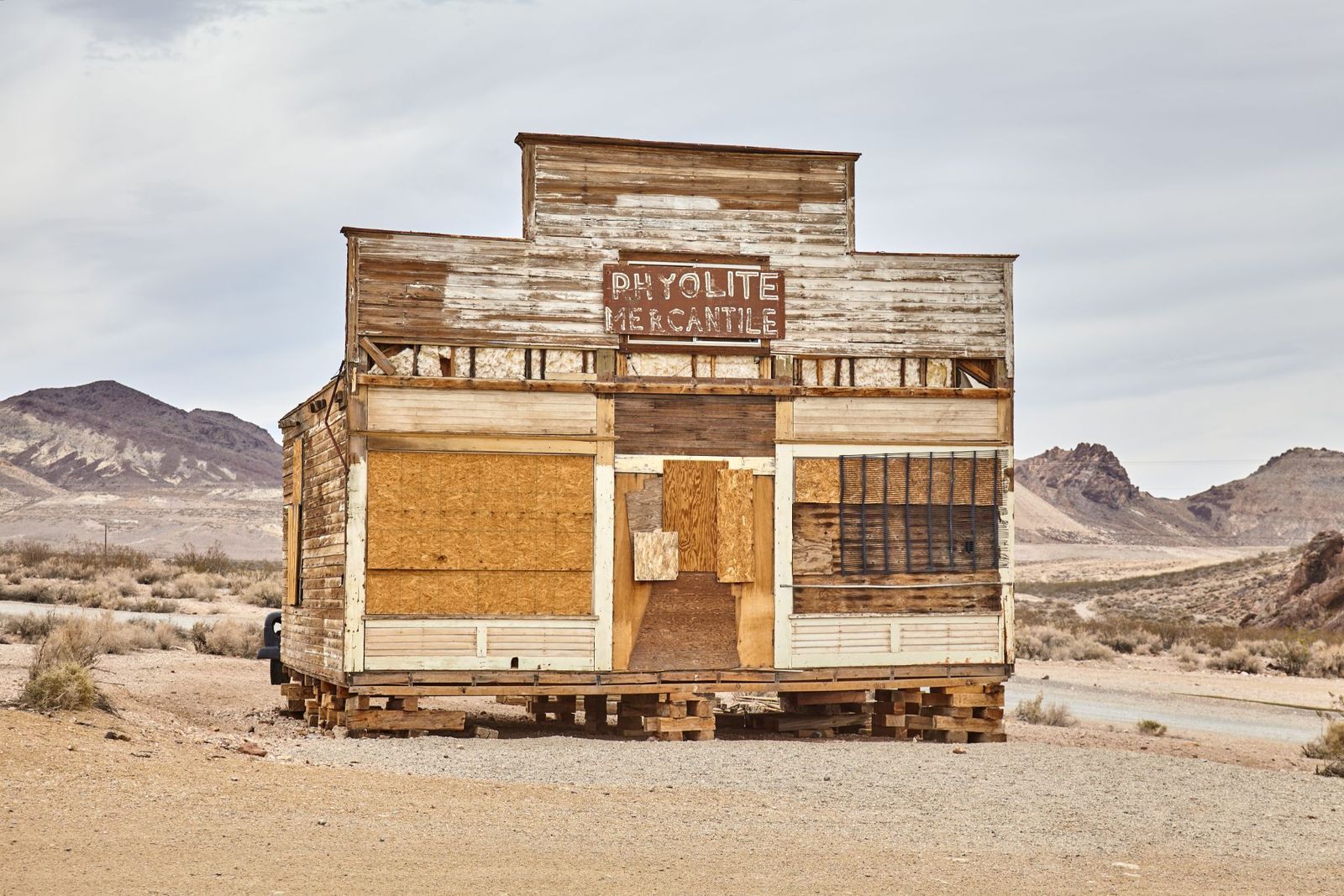
Rhyolite bloomed almost overnight in 1905 during the Bullfrog gold rush, quickly building hotels, an opera house, a school, and electric streetlights. Its decline was just as meteoric; by 1920, the town was empty. Even though it was briefly the third-largest city in Nevada, a major financial crash in 1907 caused banks to go out of business. Its most famous mine stopped running in 1911, and within a few years, the last residents had packed up and left.
If you’d like to visit, Rhyolite still boasts dramatic ruins that look like ancient relics against the rough Mojave Desert backdrop.
Drive-in movies were invented for this surprisingly personal reason
 General
Behind the wheel
Cruise control was invented by a blind man: 10 car stories you never knew
Did you know cruise control was invented by a man who couldn't see? Or that cars weren’t required to come with seatbelts until 1968? Cars are such a big part of everyday life that we rarely stop to ask how certain features came to be. Some answers are surprising, like the carmaker that handed its best safety design to its rivals for free. Here are the stories behind some of the things we now take for granted on the road.
The blind engineer behind cruise control

When Ralph Teetor was about six years old, he hurt his eyes in a knife accident and lost his sight. But this accident didn’t stop his ingenuity. At 12, he made a car using an engine from his father's machine shop. And in 1912, he graduated in mechanical engineering from the University of Pennsylvania.
Around 1936, he was a passenger riding with his patent lawyer, Harry Lindsey, who had the habit of slowing down when talking and speeding up when listening. Those rough movements annoyed Teetor enough that he decided to fix the problem. After 10 years, he created what’s now known as cruise control. He got the patent in 1950. In 1958, Chrysler put it in its Imperial, New Yorker, and Windsor models, with the name "Auto-Pilot." Cadillac later named it "Cruise Control," and that one stuck.
Why seatbelts weren't required until 1968
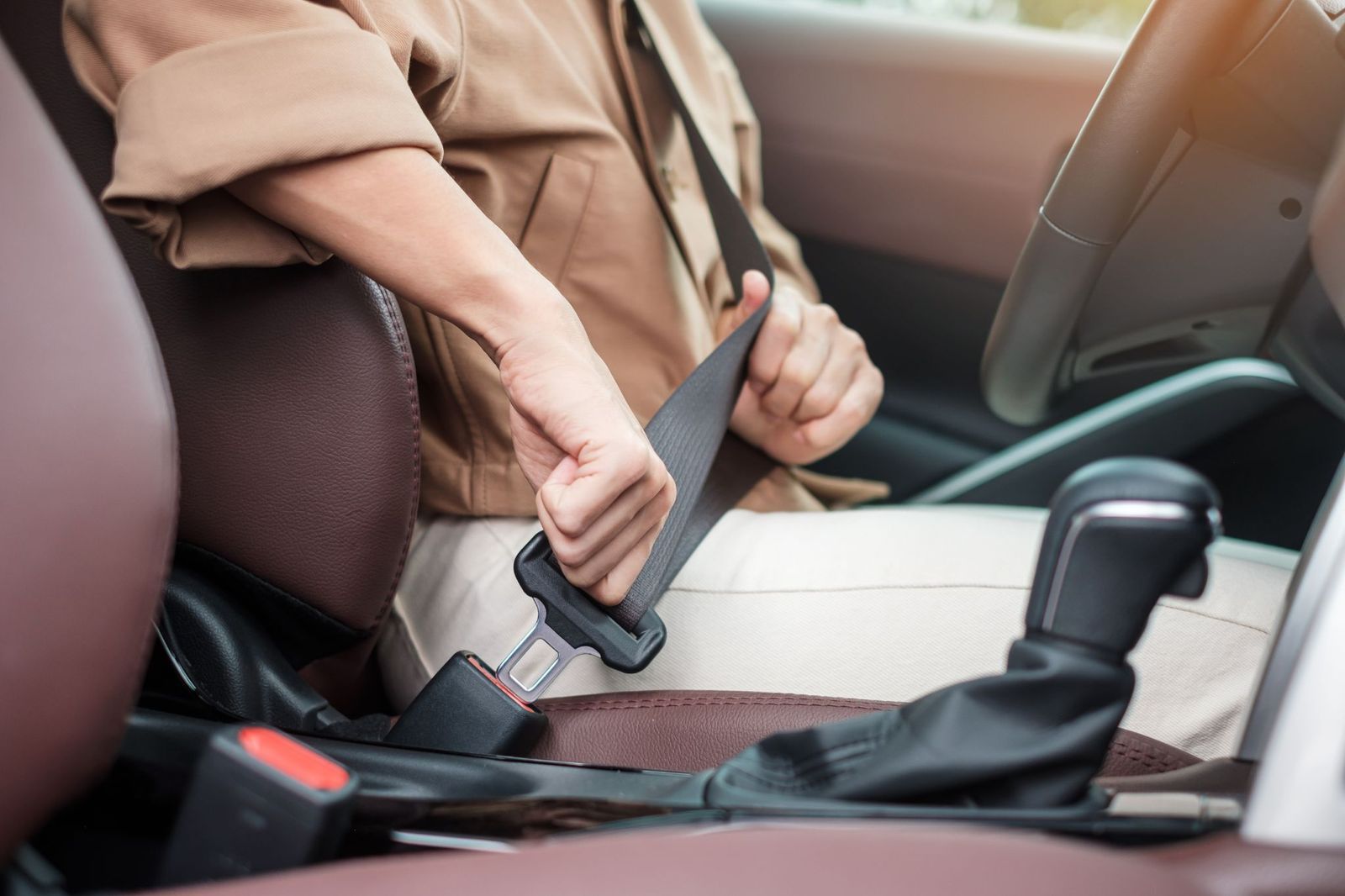
Seatbelts weren't very popular at first. Some car companies, such as Nash and Ford, offered them in their 1956 "Lifeguard" safety package, but only about one in five buyers ordered them.
Everything changed when President Lyndon B. Johnson signed the National Traffic and Motor Vehicle Safety Act in 1966. Under this law (starting on January 1, 1968), every new car had to have seatbelts, including lap-and-shoulder belts in the front seats next to the doors.
However, having seatbelts in the car didn't mean people wore them. That came later, in the 1980s. Because too many people were still dying in car accidents, New York stepped up and became the first state to make buckling up the law. It worked: more people started wearing their belts, and other states and countries soon followed.
Why Volvo gave away its seatbelt design for free
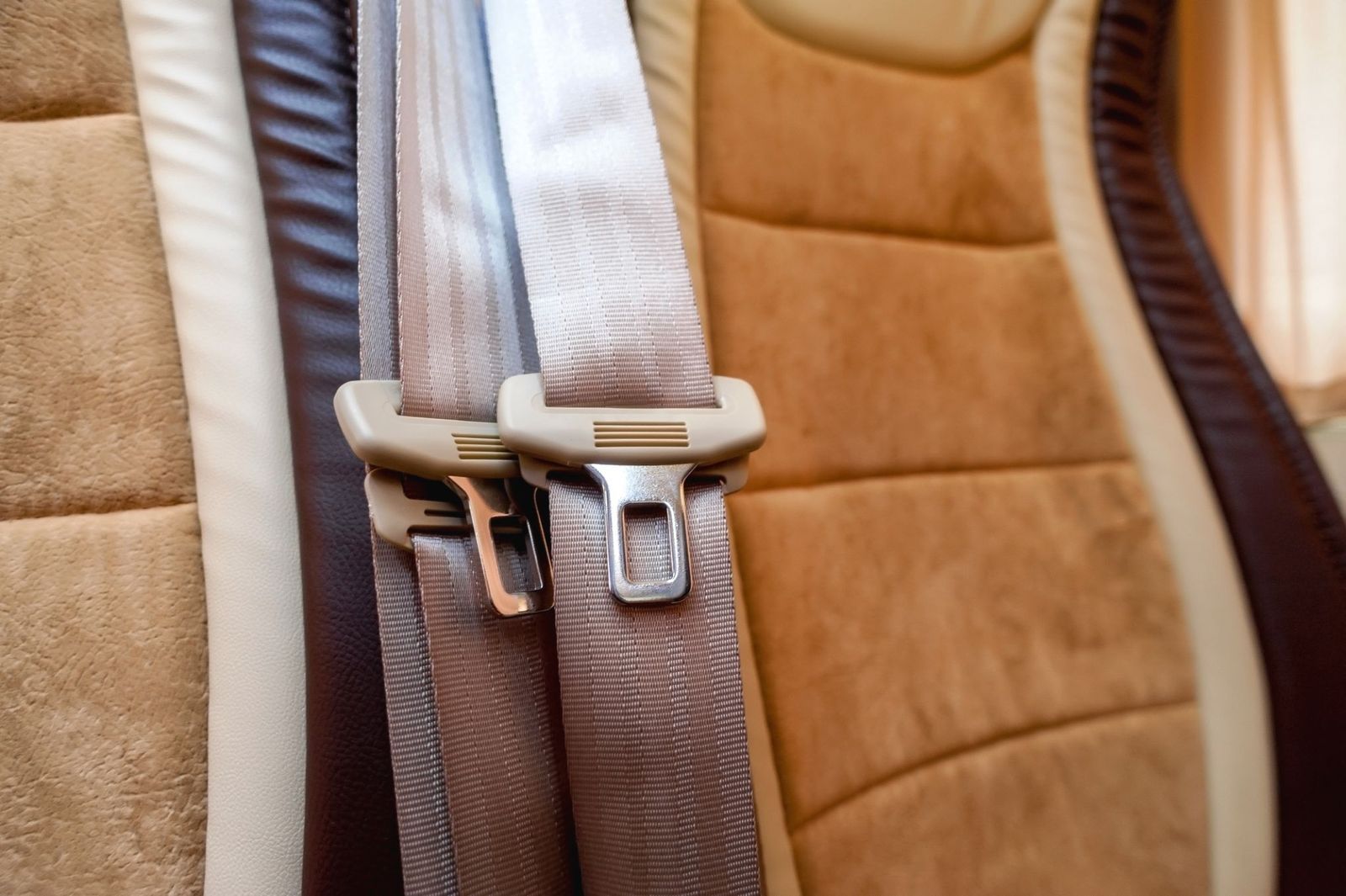
Did you know that the car seatbelts we use every day first appeared in 1959? They were designed by Swedish engineer Nils Bohlin, who, before cars, designed ejection seats for airplanes. In 1958, he joined the Swedish carmaker Volvo and created the three-point belt. It combined a lap belt and a shoulder belt, joined at one low point beside the seat, so it held both the upper and lower body in place during a crash. It was also simple enough to buckle with one hand.
The design was patented; still, Volvo made a surprising choice: it let other car companies use it for free, because it believed safety mattered more than profit. The company now estimates the three-point belt has saved at least one million lives worldwide.
How the first drive-in movie theater started in 1933
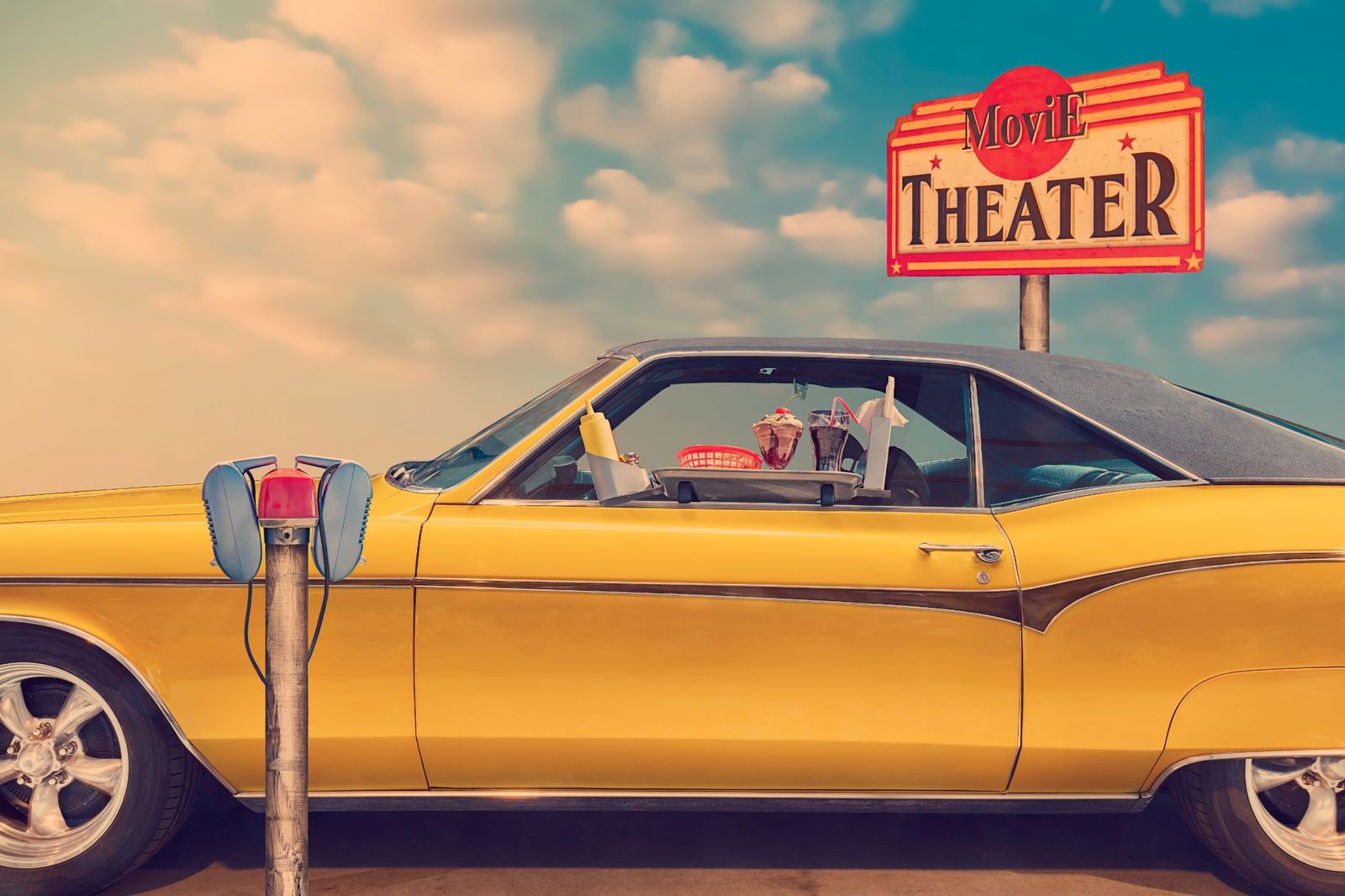
Richard Hollingshead came up with the idea for the first drive-in movie theater because his mother, who was overweight, had trouble fitting into regular theater seats. He was a sales manager at his family's auto parts company in Camden, New Jersey, and he started testing the idea in his driveway. He set a 1928 Kodak projector on the hood of his car, nailed a sheet to some trees for a screen, and put a radio behind it for sound. He even turned on his lawn sprinkler to see how a movie would look in the rain.
Once he had it all figured out, he patented his design in May 1933. A few weeks later, he opened the Park-In Theater in nearby Pennsauken. It cost about $30,000 to build it, and tickets cost 25 cents per car and 25 cents per person. The sound came from large speakers near the screen. Families loved it, and by the late 1950s there were about 4,000 drive-ins across the country.
Why 1950s cars had tailfins
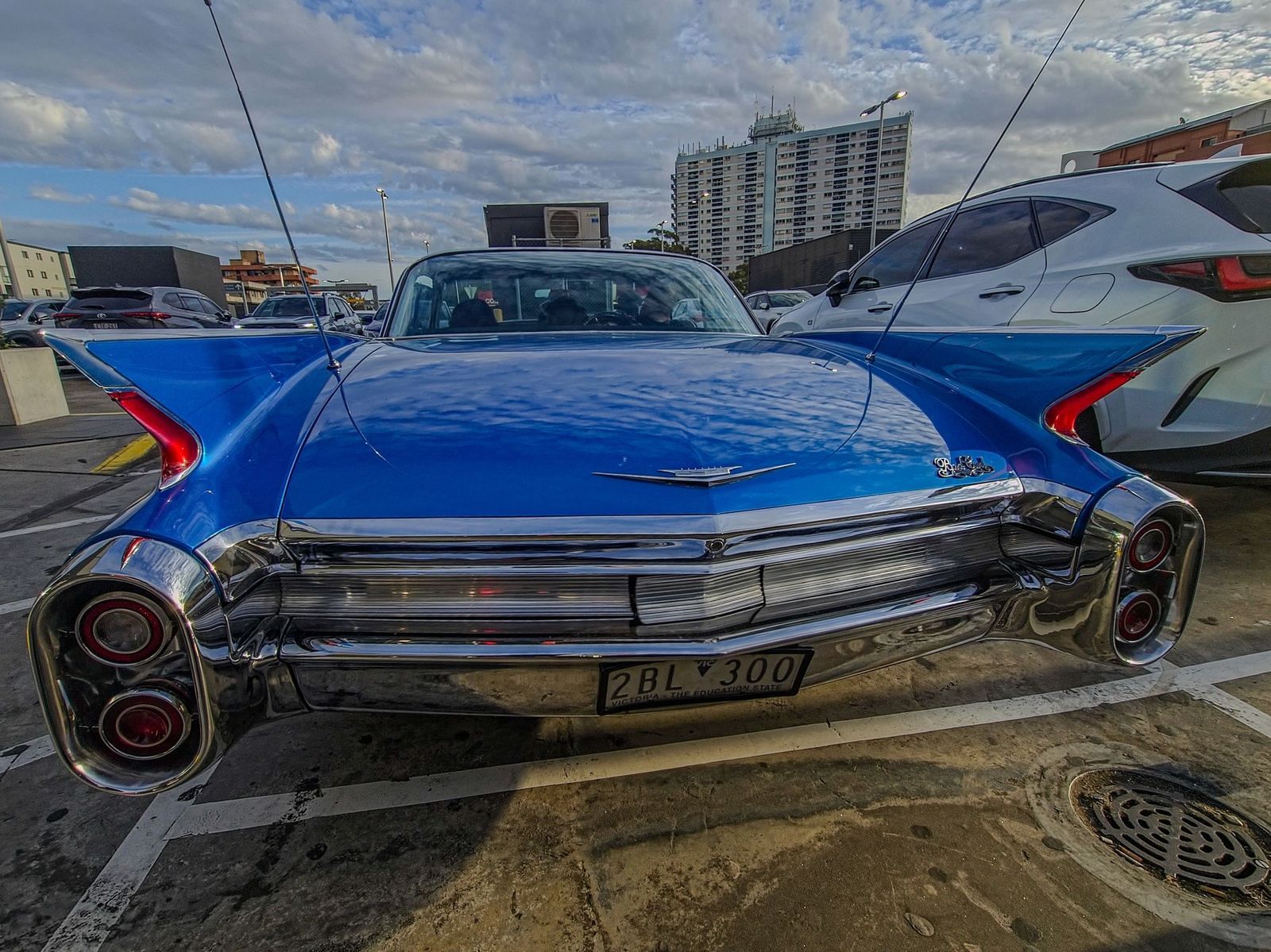
The 1950s were a decade when aviation and space travel were all the rage, so car manufacturers didn't miss the chance to jump on that trend. How? They added tailfins as a decorative feature at the back of their cars. Some companies claimed the fins were aerodynamic and helped keep cars steady on the road, but they were really just for looks.
Cadillac, operated by General Motors, became the most iconic car with this feature. Its sweeping fins stood for speed, futuristic rocket ships, and postwar American prosperity. Soon Chrysler and Ford joined in, and the three companies started a styling "arms race," adding bigger and bigger fins to stand out in the market. Critics later pointed out that the sharp fins could be dangerous for pedestrians and cyclists
Why the steering wheel is on the left in America
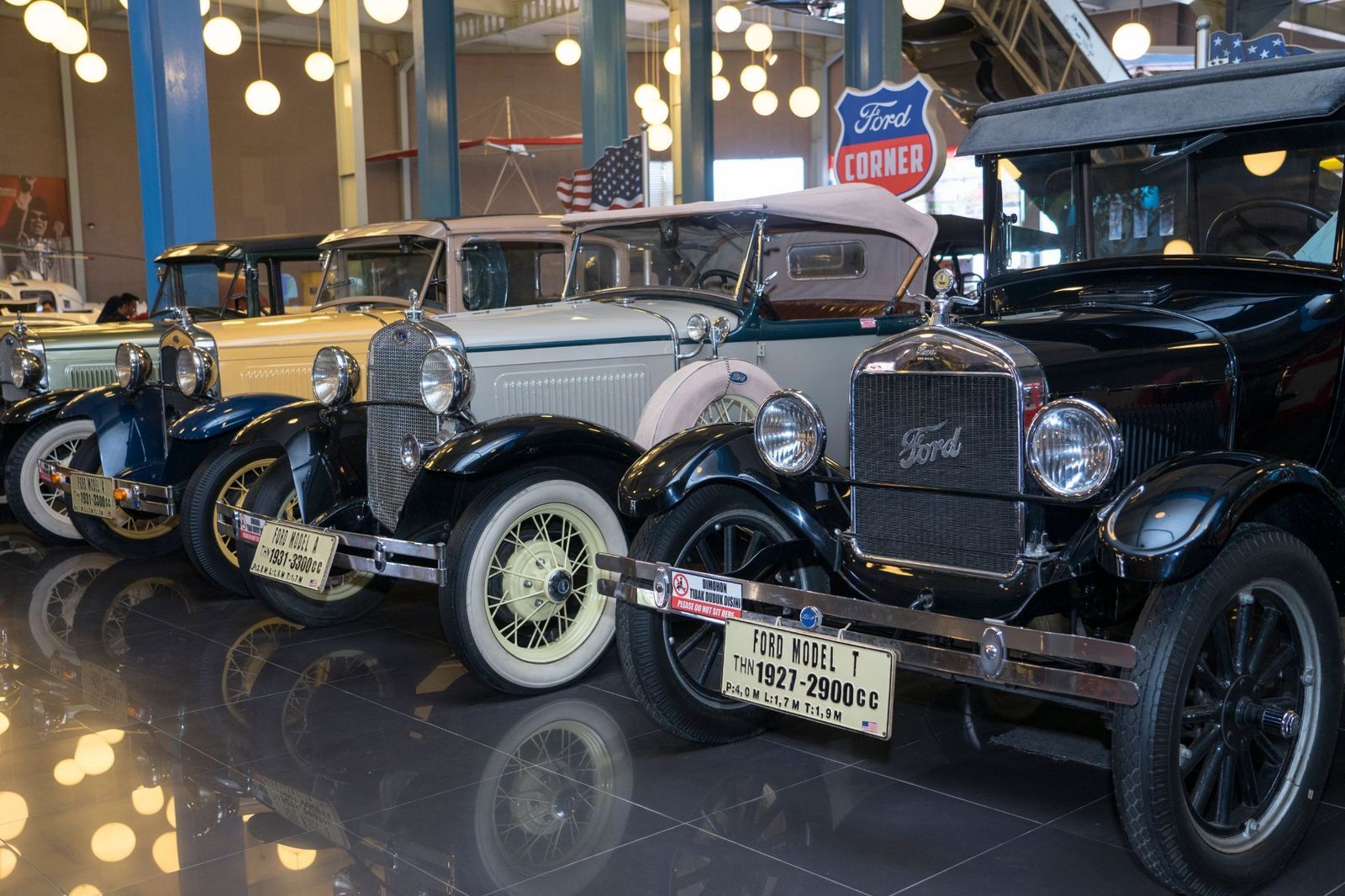
In the United Kingdom, the steering wheel is on the right. In American cars, it's on the left, and the reason is none other than Ford's Model T. Before Henry Ford launched it in 1908, many cars had the steering wheel on the right, even though Americans already drove on the right side of the road.
With the Model T's wheel on the left, the driver could see oncoming traffic better, and passengers could step out onto the sidewalk instead of into the street. It was the same idea drivers of the old Conestoga wagons had followed long before: they sat on the left to get a better view of the road.
How Motorola got its name from the car radio
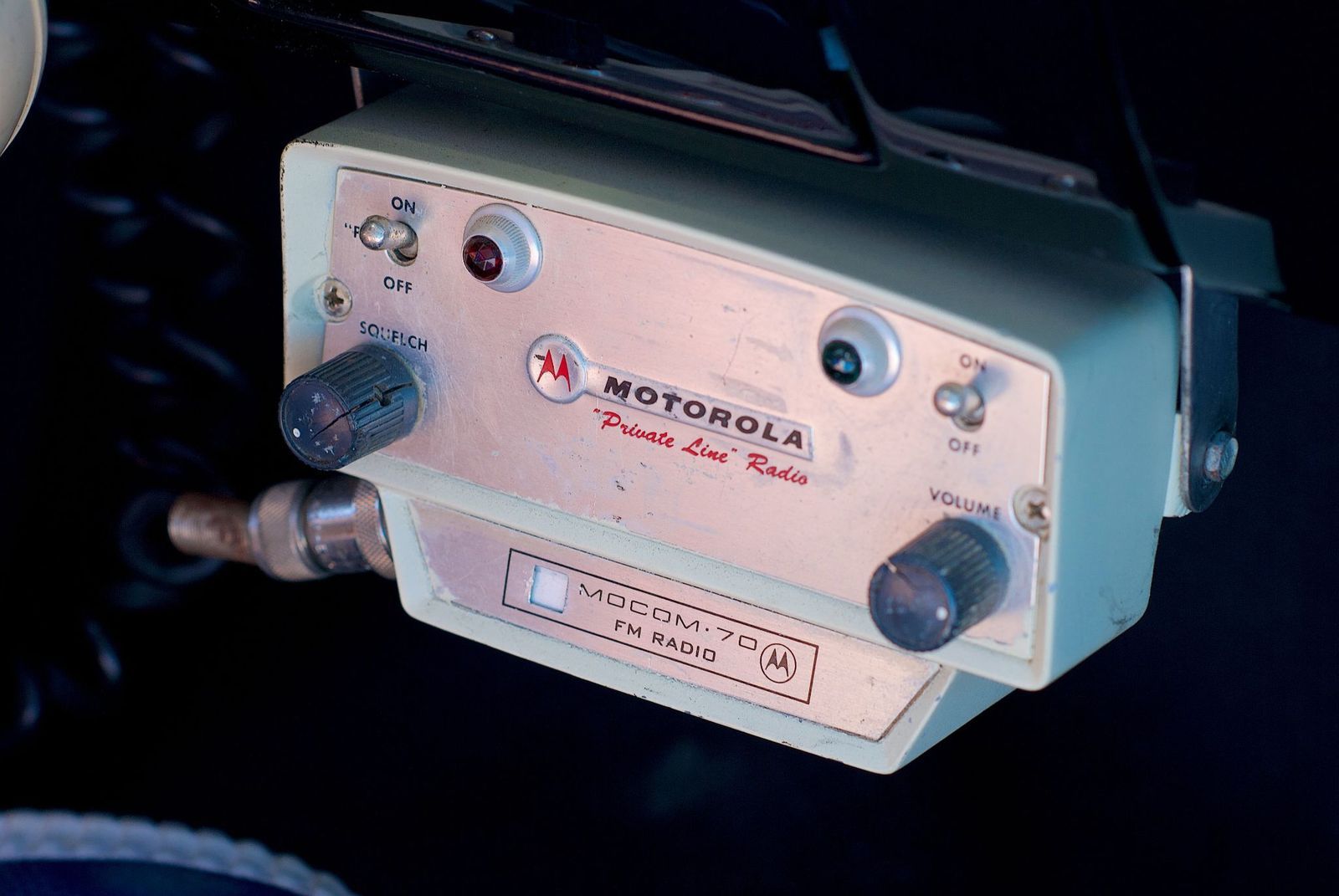
Many of us know Motorola as the company behind the first handheld cell phone, but it first made an impact decades earlier. In the 1930s, radios and cars were both booming, but it wasn’t until brothers Paul and Joseph Galvin stepped in that the two shared the same space. The Galvins ran the Galvin Manufacturing Corporation in Chicago; they made "battery eliminators" that let battery-powered radios run on household electricity. That was their job until their objective changed: to build affordable, sturdy radios for cars.
What would they call it? They took "motor" from motorcar and added "ola," borrowed from popular phonograph brands like Victrola. The result was Motorola, meaning "sound in motion." The radio was such a hit that in 1947 the company officially became Motorola, Inc.
The woman who invented the windshield wiper

Mary Anderson was a real estate developer from Birmingham, Alabama. In the winter of 1902, she was riding a streetcar in New York City and noticed that the driver kept opening the window and stopping the car to clear snow and sleet off the glass. That gave her an idea, and she invented a simple device that worked with a lever inside the streetcar. When the driver moved the lever, a rubber blade swept across the windshield. A counterweight held the blade against the glass, and the whole thing could be taken off in better weather.
In 1903, she received a patent for her "window cleaning device for electric cars and other vehicles." But it expired in 1920, and she never made any money from it. Just two years later, Cadillac became the first carmaker to include windshield wipers as standard equipment, and soon they were part of every car. Anderson died in 1953 and was posthumously inducted into the National Inventors Hall of Fame in 2011.
The little arrow that tells you where your gas tank is

The Moylan Arrow is the small dashboard arrow that shows which side your gas tank is on. It's named after Jim Moylan, a Ford designer who, one rainy day in 1986, pulled into a gas station in a company car. He didn't know which side the tank was on, and he guessed wrong.
He had to get back in, move the car, and step out again into the rain. By the time the tank was full, he was dripping wet. Back at the office, he wrote down his idea: put a small arrow next to the fuel gauge, pointing to the gas door. Ford liked it, and in 1989 the arrow showed up on the Ford Escort and Mercury Tracer. Today, almost every carmaker uses it.
What really causes that "new car smell"

What’s behind that iconic "new car smell" beloved by many? The scent comes from chemicals, volatile organic compounds, released into the air as the new materials inside the car slowly dry out: the plastic and vinyl on the dashboard, the glue and sealants that hold everything together, the carpet, the foam in the seats, and the treatments used on leather. The smell fades in the first few weeks, but hot weather makes it stronger for a while.
Keep wandering
There’s always
more to explore

They left a winning lottery ticket behind at the hotel—What happened next
6 min.
Read Now

10 passenger protections airlines won't tell you about
6 min.
Read Now

10 mysterious wonders you can only see from the sky
4 min.
Read Now
 Culture
Why toasting with a glass of water could get you into serious trouble
6 min.
Read Now