Why your watch should stay at home: 10 tips every traveler needs
 General
The right way to pack
Why your watch should stay at home: 10 tips every traveler needs
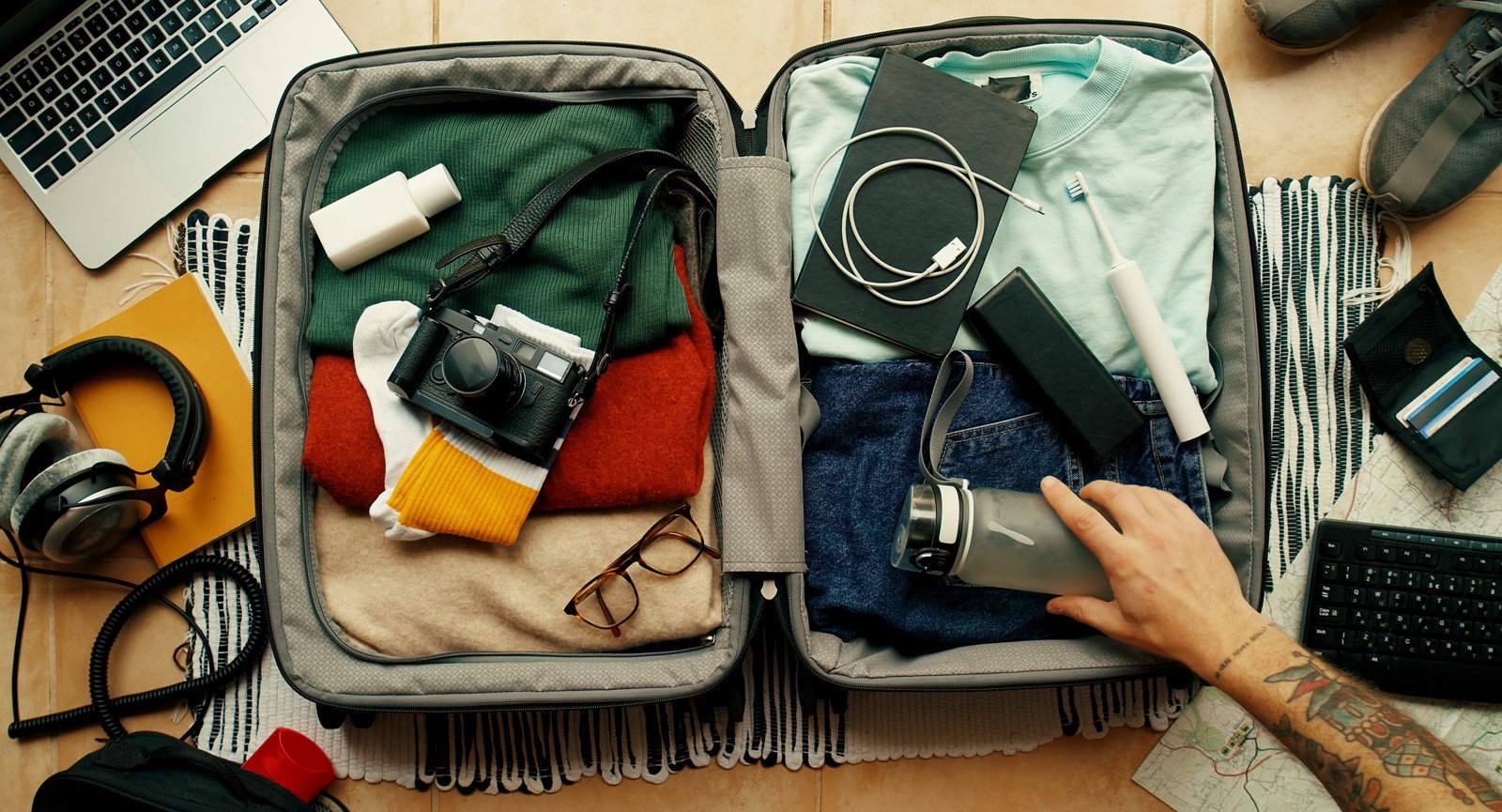
Every time you pack a suitcase, the same question comes up: "Do I have everything I need?" Then comes the familiar "just in case." An extra pair of shoes, another shirt, a pillow, and maybe a few other things you probably won’t use at all. The truth is, we often pack far more than we actually need. From shampoo and towels to those bulky neck pillows we carry through the airport, here are 10 things we always pack that may not deserve a spot in our suitcase.
Too many shoes
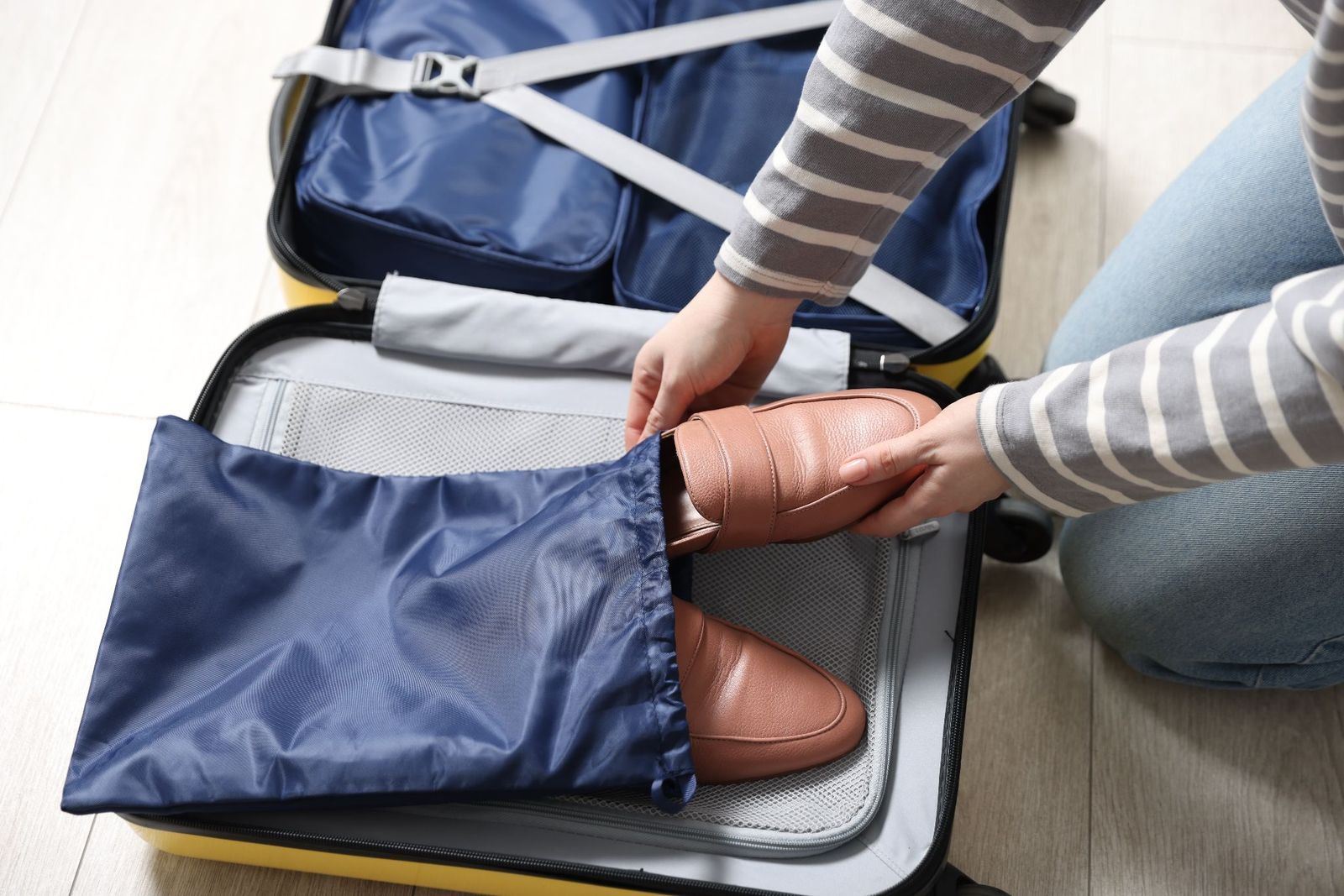
We know that when it’s time to pack, you want to bring your favorite clothes and shoes, and there’s always a "just in case" pair to squeeze in. But leaving one pair behind can make a real difference.
Whether you’re traveling for business or pleasure, it’s unusual to need more than two pairs of shoes. And the reason to skip the extras isn’t just style or practicality. Shoes are among the heaviest items in a suitcase, so leaving even one pair behind can make your bag noticeably lighter. Better yet, wear your heaviest pair on the plane. For most trips, a comfortable pair of sneakers and another pair for dressier occasions are all you really need.
Neck pillows
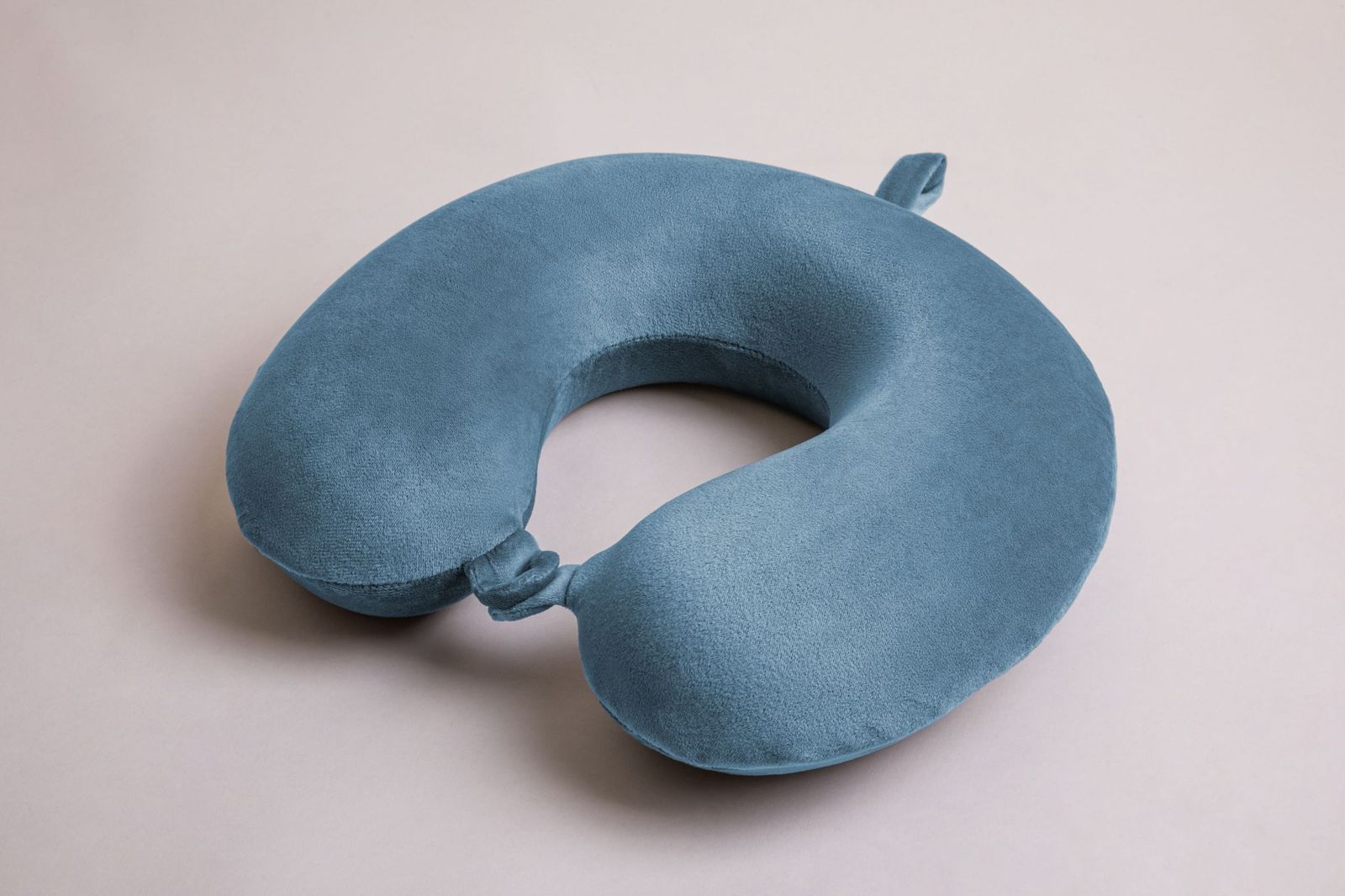
One of the most common sights at airports and touristic cities is people walking around with a neck pillow either in hand or wrapped around their neck. But although they’re incredibly popular, they may not be the most practical thing to pack.
A neck pillow can be comfortable during a flight, but it can also be a pain to carry around once you reach your destination. Most don’t fit neatly into a suitcase, while inflatable ones can be easier to pack but way less comfortable. In fact, on many long-haul flights, you’ll already get a small pillow from the airline. A shirt or scarf can do the same job, without giving you one more bulky item to drag around.
Shampoo and towels

Among the things we almost always pack are shampoo, conditioner, and sometimes even our own towel. But these are items you can often find at your destination.
If you’re staying at a hotel, basic toiletries and towels are typically provided. Even at many Airbnb properties, these basics are available, although it varies from host to host. And if they aren’t, unless you’re camping somewhere remote, there’s usually a supermarket or pharmacy nearby where you can quickly pick up whatever bathroom supplies you need.
Hair dryer

For many travelers, especially those with long hair, a hair dryer is almost as essential as a towel. But it’s also one of the bulkiest and heaviest personal-care items you can pack, making it a questionable use of precious suitcase space. Still, leaving it at home doesn’t mean you have to go with wet hair or without styling it.
After all, most hotels provide one, and many vacation short-term rentals do, too. So unless you’re heading somewhere remote and off the grid, there’s a good chance a hair dryer will already be waiting for you.
Extra tech gadgets
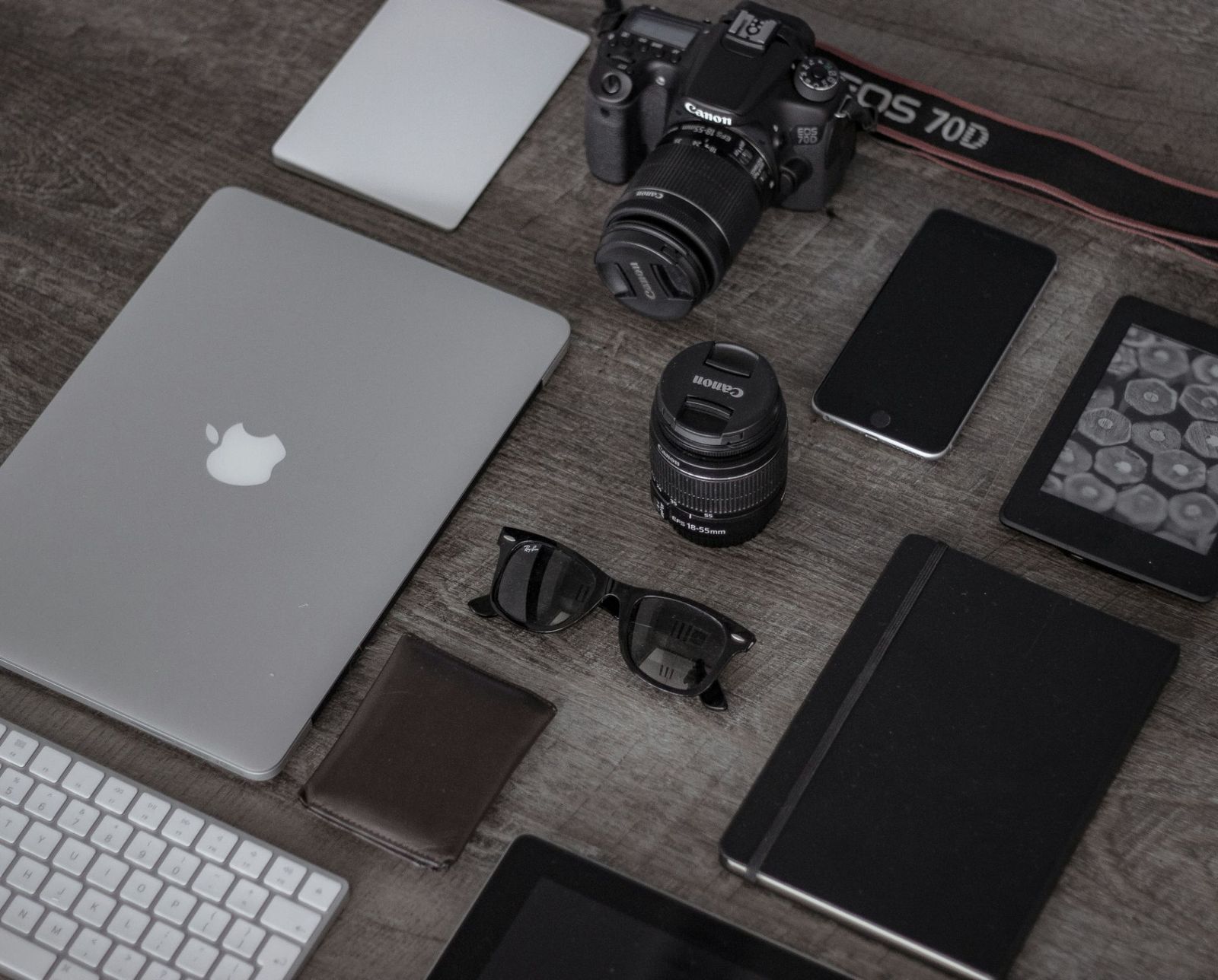
As with clothing, the excitement of traveling to a new place can tempt us to bring along extra tech gadgets such as laptops or tablets. But experience often proves that we don’t need as many as we think.
Unless you’re traveling specifically to record or create content, you’ll likely find that your hotel, sightseeing, excursions, and other activities leave little time to use all those gadgets you packed. For a typical trip, your smartphone can handle almost everything: photos, navigation, boarding passes, and web browsing. Meanwhile, extra devices add considerable weight to your luggage or backpack without getting much use.
Expensive watches or jewelry
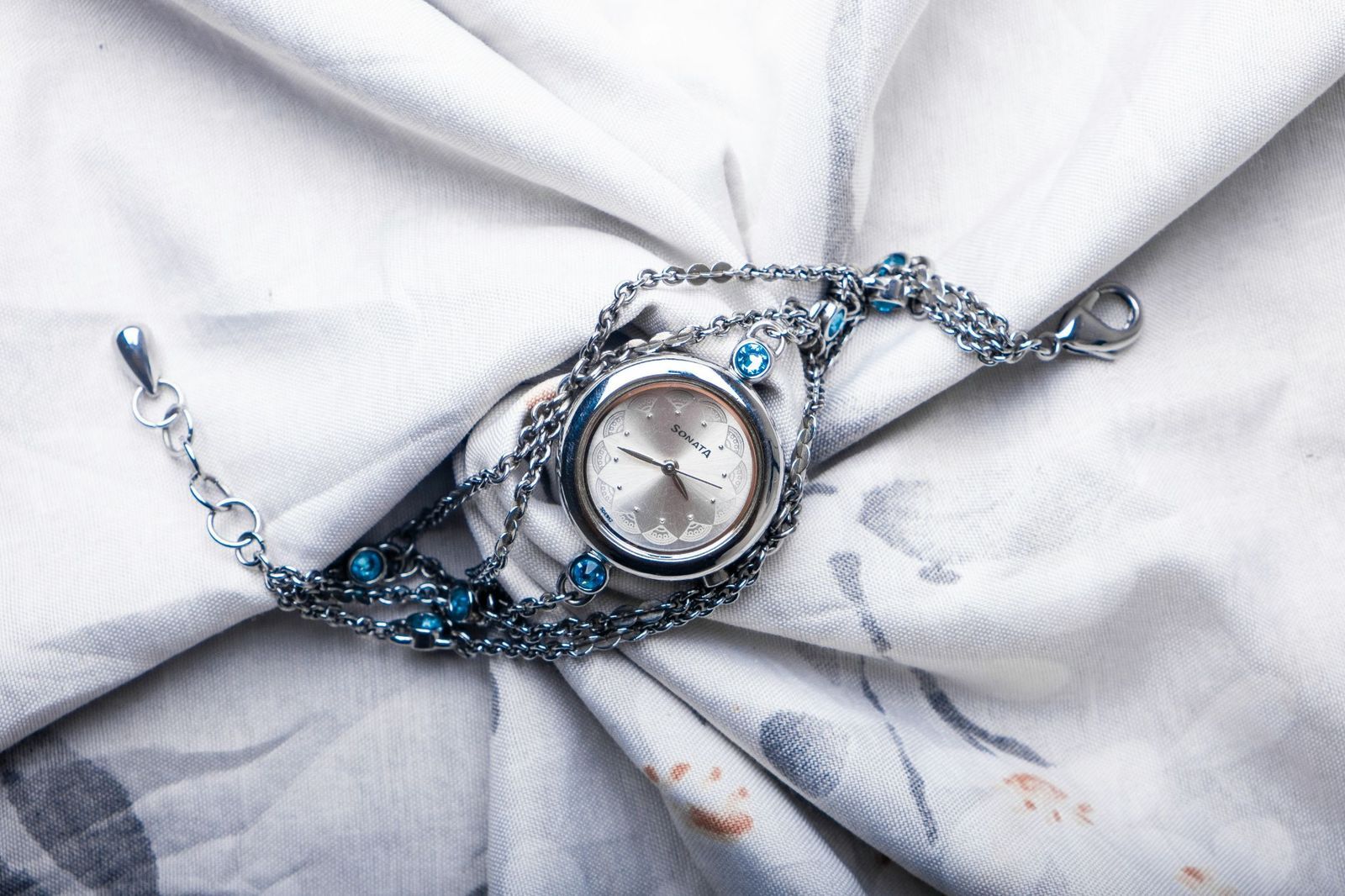
A trip to another country or city might seem like the perfect excuse to finally wear that beautiful watch or pair of earrings sitting in your jewelry box. But most of the time, it’s better to leave them at home.
Many experienced travelers recommend leaving expensive watches and jewelry behind for one simple reason: safety. It’s not just about their weight or how comfortable they are to carry. When you’re visiting somewhere new, you may not know which areas or situations require extra caution, and wearing flashy, expensive items can attract unwanted attention from potential thieves or pickpockets.
Guidebooks

If you used a guidebook to plan your trip, you might think it’s worth packing for some light reading and recommendations along the way. And while guidebooks can offer reliable, well-researched information, they aren’t always the most practical choice when you’re flying or carrying a backpack.
Instead of bringing the book, which takes up space and adds weight, there’s a better option: download an e-book or PDF to your phone. If that’s not an option, you can also take pictures of key pages or print only the information you’ll need. Online search engines, travel blogs, and interactive maps offer another advantage: you can look up attractions, reviews, and directions in real time.
Money belt
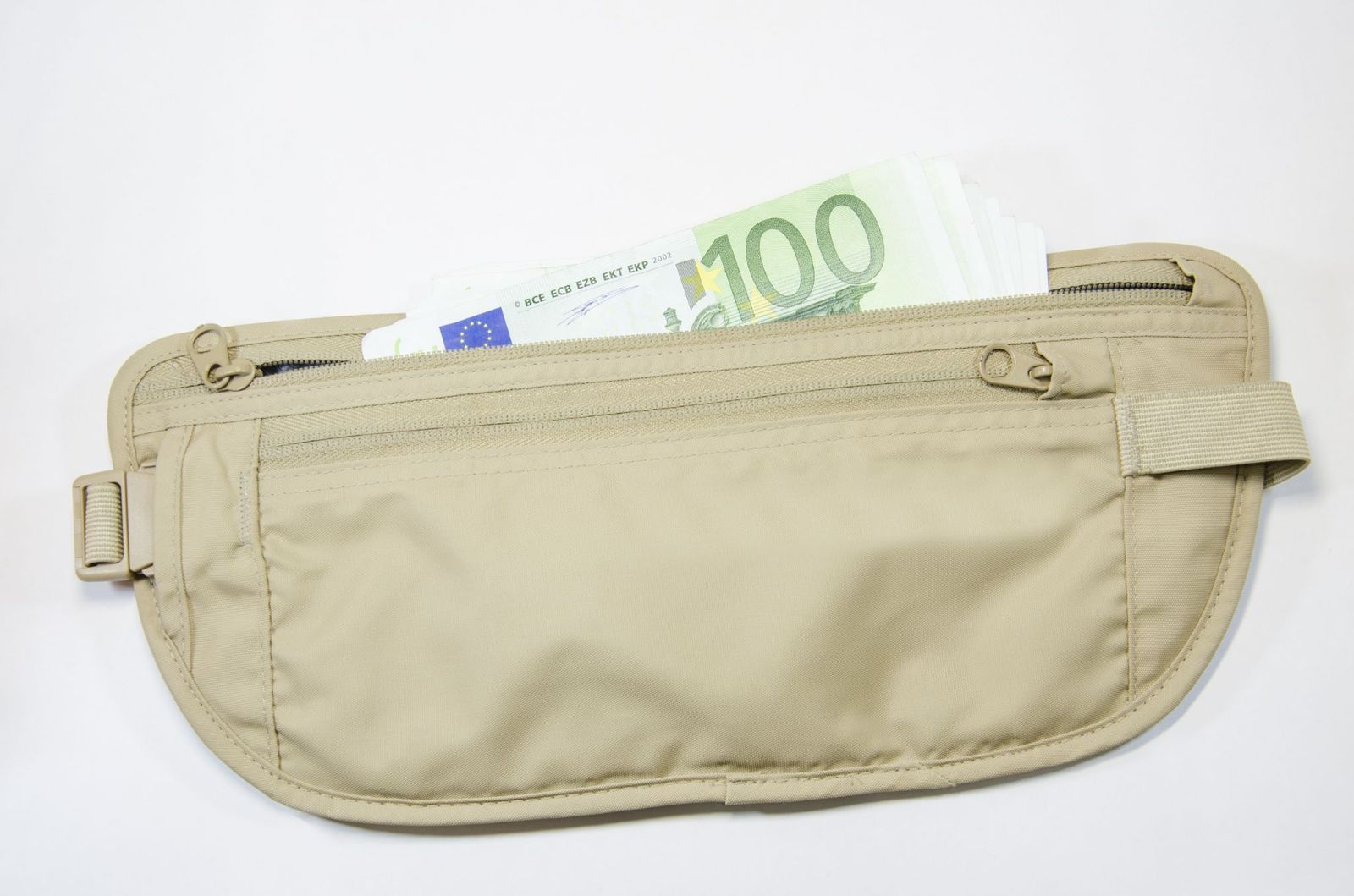
Money belts are famous for their lack of elegance, but it turns out they may also be less necessary than they once were.
There was a time when travelers carried cash and printed documents everywhere, making it common to hide money and credit cards under their clothes. Today, electronic payments are widely accepted in many countries, and many airlines and airports use digital boarding passes. It’s still smart to carry some cash and keep your passport and other important documents secure in your suitcase, but a money belt may not be necessary for most trips when you can carry much of what you need in your phone or digital wallet.
Hats

Maybe you’ve been waiting for that beach getaway to finally wear the big floppy hat you love. But as stylish as it may be, it’s not always the easiest thing to travel with.
Large hats can take up a surprising amount of space in a suitcase, and even if you manage to squeeze one inside, it can get crushed or lose its shape. Fortunately, there are alternatives, including packable caps that fold or roll more easily, and you can also rely on sunglasses and other sun protection instead. But if you’re not willing to leave your favorite hat behind, do what some frequent travelers do: wear it during the journey instead of packing it.
First-aid kits

One thing mothers often recommend is carrying a kit with basic health supplies, such as bandages and common over-the-counter medications. But especially when traveling to urban areas, you may not need to pack a full first-aid kit.
In many cities around the world, pharmacies and stores can provide basic health products, and some hotels and other accommodations may have first-aid supplies of their own, too. However, this is different if you take medication regularly or if you travel to remote areas. If you need a specific prescription or other essential medication, always bring enough for your trip and keep it in its original packaging, since it may not be available at your destination.
The bull that was installed illegally and 9 other tales of iconic statues
 Landmarks
Landmarks with strange stories to tell
Discover the strangest stories behind the world’s most famous statues
Most people could easily picture and/or name these 10 legendary statues. But how many know the strange, half-explained stories behind them? Was the Venus de Milo holding something in her missing arms? What did the Great Sphinx of Egypt once look like? Why was the Wall Street Bull installed if no one had commissioned it or even allowed it? Some facts about these statues are still being investigated, and some, most likely, have been lost to time. Here, we go into the truths and mysteries behind the world’s most famous statues.
Statue of Liberty (New York, USA)
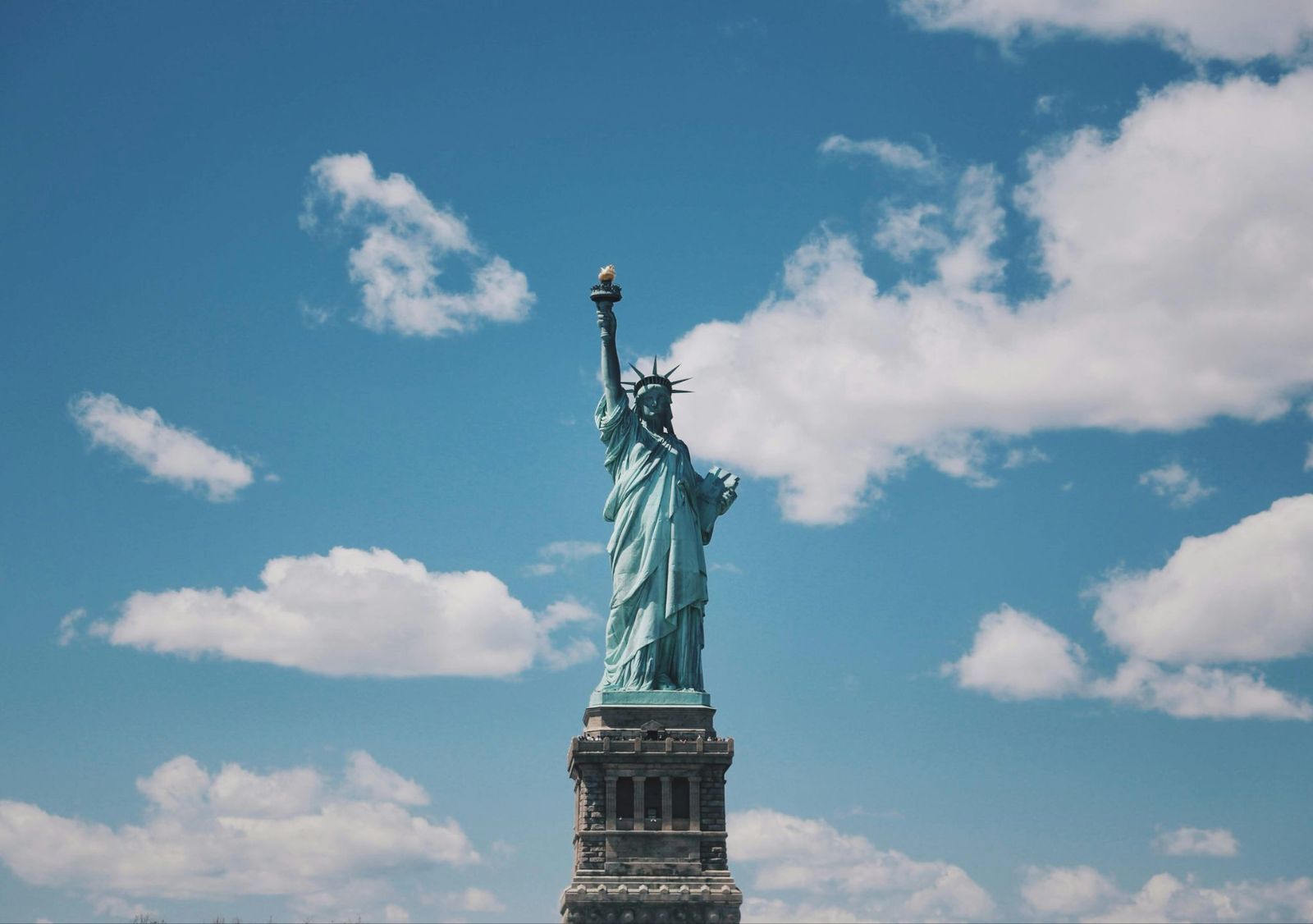
When she was unveiled in 1886, Lady Liberty was reddish-brown. The statue was covered with 300 copper sheets, each only as thick as two stacked pennies. It took just 15 years of exposure to salt air, rain, and pollution from New York Harbor to turn her into a dull, darker brown.
Within 20 years, a green patina had begun to spread across her surface. The US Congress initially allotted funds to repaint her, but the project was abandoned when it faced protests; architects, artists, and citizens insisted that the natural oxidation had some charm and should be respected.
Thirty years after its installation, the statue had acquired the permanent hue of green we know today.
Michelangelo's David (Florence, Italy)
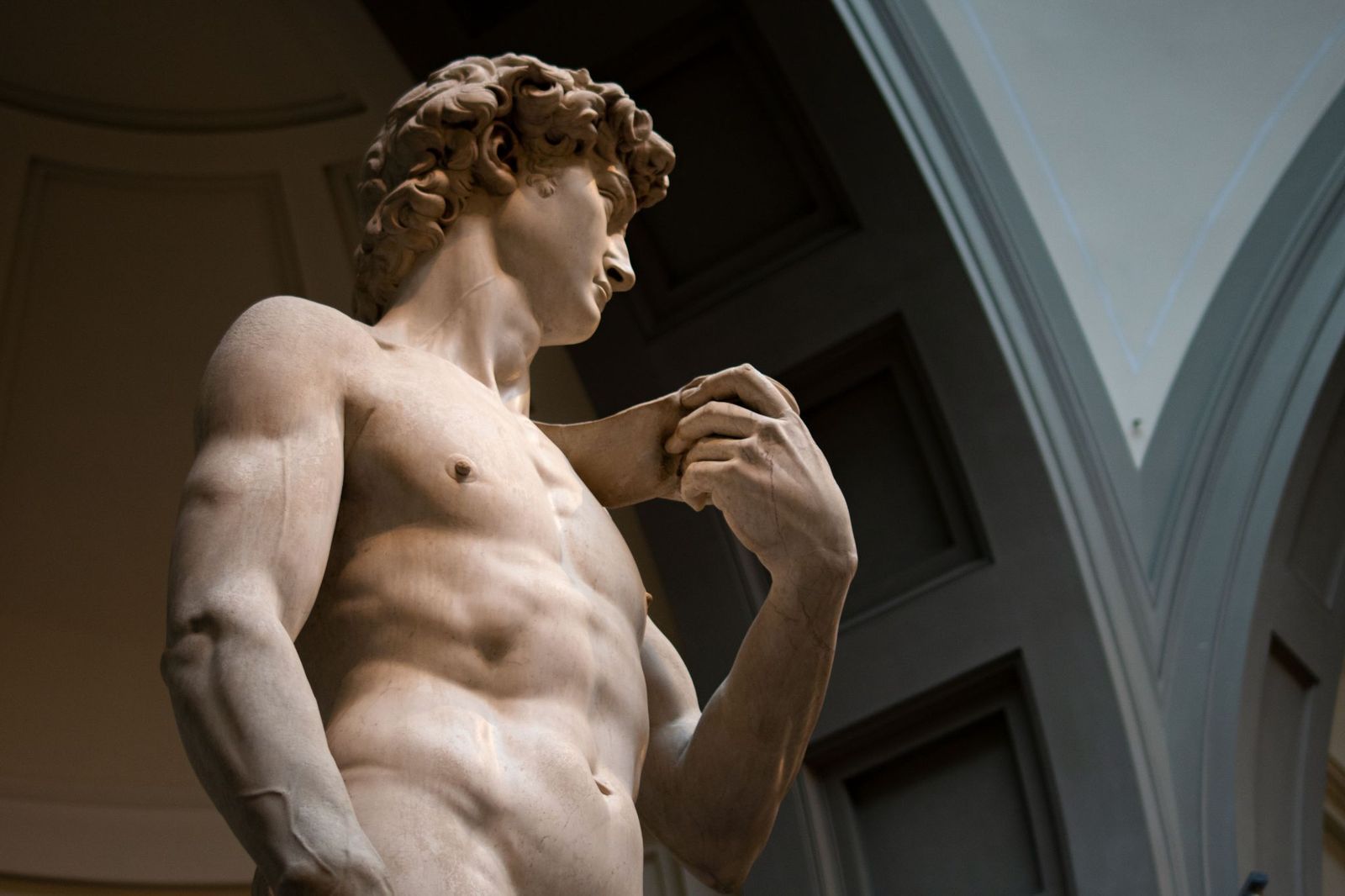
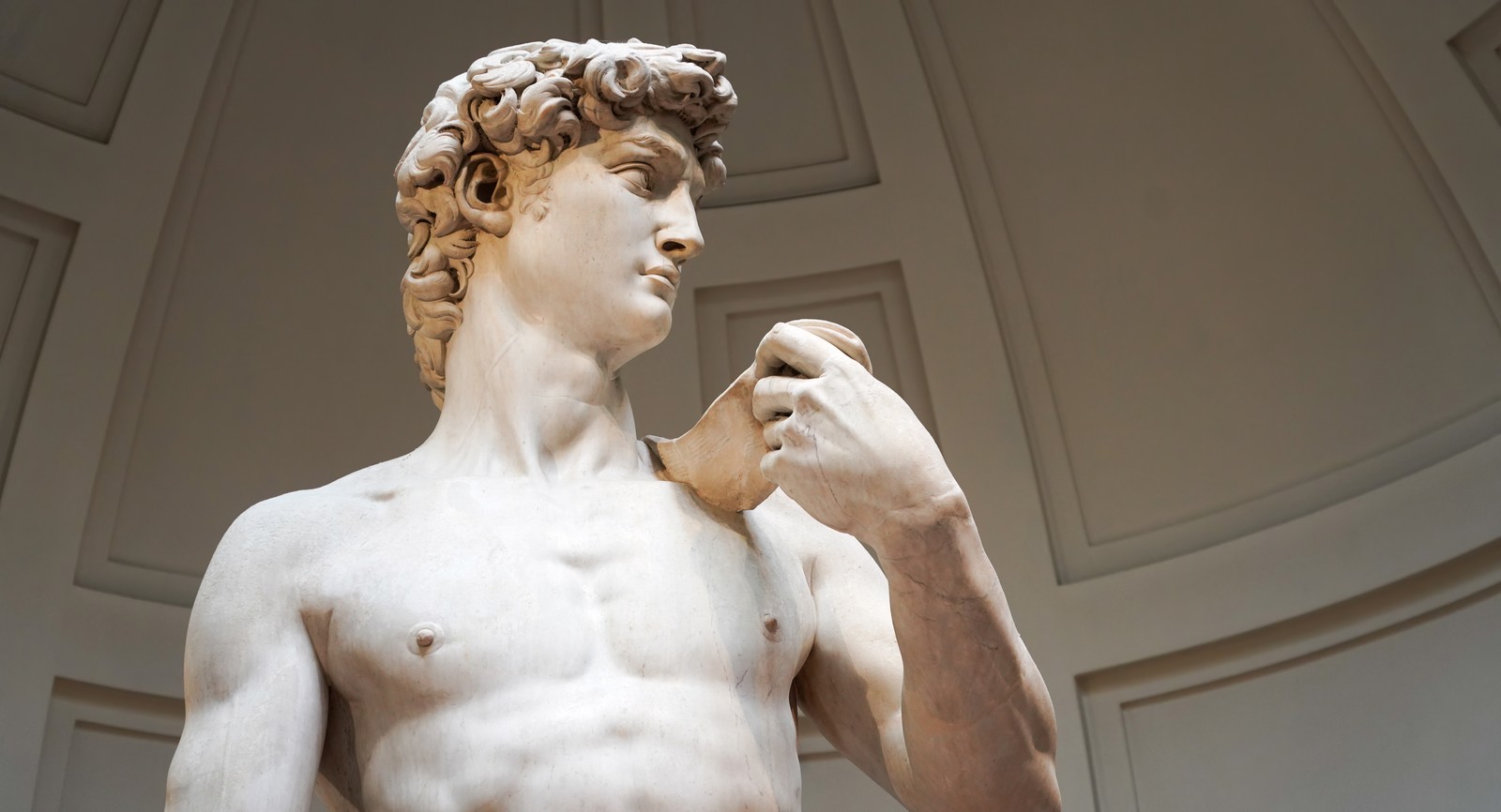
The Statue of David is widely considered the greatest sculpture ever made, but initially it was a derailed, abandoned block of half-worked marble. That was until a 26-year-old genius came to the rescue.
In 1464, the Cathedral of Florence asked sculptor Agostino di Duccio to carve a statue of the biblical figure of David. He started working on a massive, expensive block of marble that would be his legs, but abandoned the project. A decade later, Antonio Rossellino tried to salvage it to no avail; he declared the marble too flawed and difficult to work with. The block sat in a courtyard for the next 25 years.
Eventually, it was offered to Michelangelo, a young, skilled sculptor who had already finished his masterpiece, the Pietà. The marble was too narrow to add the intended sword and head of Goliath, but within less than 3 years, by 1504, he had managed the impeccable figure that still stands today.
Christ the Redeemer (Rio de Janeiro, Brazil)

Built between 1922 and 1931, Christ the Redeemer is the world's most recognizable religious monument. It gets struck by lightning between three and six times every year. Its location on the summit of Corcovado Mountain, rising over 2,000 feet above Rio inside a tropical rainforest, makes it one of the most exposed structures on Earth.
The strikes are not always harmless. For example, in 2008, lightning during a violent thunderstorm damaged its fingers, head, and eyebrows. His right-hand fingers were dislodged again in 2014, just weeks before the opening of that year’s FIFA World Cup in Brazil, which required rushed repairs.
Following that, lightning rods were embedded in the statue’s head and arms to divert the worst of the strikes.
Great Sphinx of Giza (Giza, Egypt)
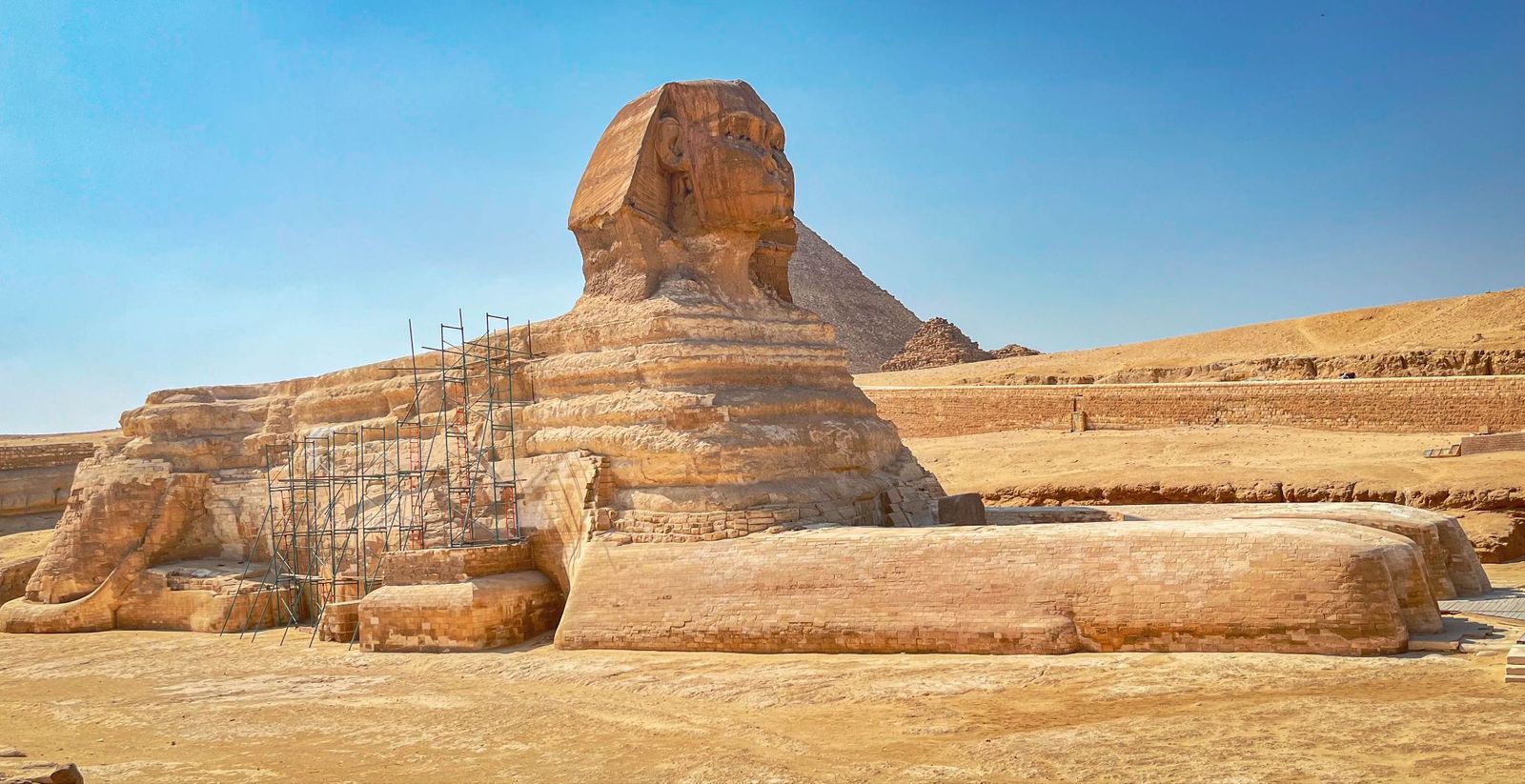
At 240 feet long and 66 feet high, the Great Sphinx is the largest monolithic statue in the world. It was carved entirely from a single piece of limestone approximately 4,500 years ago. But there is a lot about her that remains a mystery.
We know from observing pigment residue on her surface that it was probably fully painted once. What experts haven’t been able to find out is who modeled for the face, exactly when it was built, or by whom.
Its missing nose is a source of endless myths. For some time, a legend spread saying that Napoleon's soldiers had shot it off for target practice, but sketches made decades before Napoleon was in Egypt already show the Sphinx noseless, which meant whatever destroyed it had happened centuries earlier.
Winged Victory of Samothrace (Paris, France)
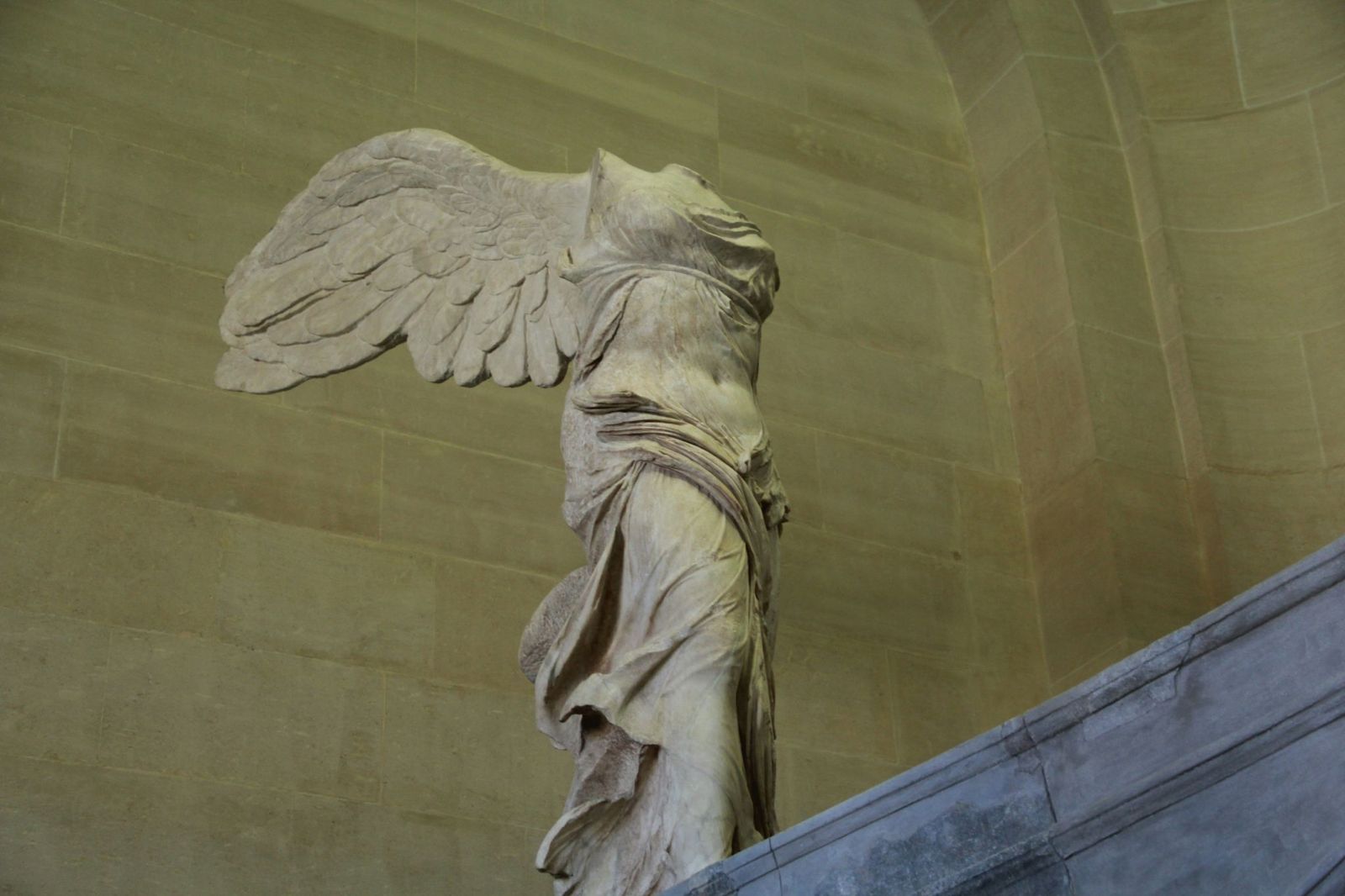
The Winged Victory depicts Nike, the Greek goddess of victory, descending onto the prow of a ship. She was carved roughly 2,200 years ago, around 190 BC, in Ancient Greece. Her robes show the "wet drapery" technique unique to Greek sculptures; thin fabric seemingly pressed against the body by sea wind.
She was unearthed in 1863 by French diplomat Charles Champoiseau on the Greek island of Samothrace. When found, she was broken into 118 fragments. Champoiseau shipped the pieces to the Louvre in Paris, where curators reassembled them. But the head, arms, and feet were not among the fragments.
Expeditions returned to Samothrace several times throughout the following century, hoping to recover what was missing. A right hand was eventually found and is displayed separately in a glass case nearby in the Louvre, but the head has never been found, and after more than 160 years of searching, it is presumed lost forever.
Charging Bull (New York, USA)
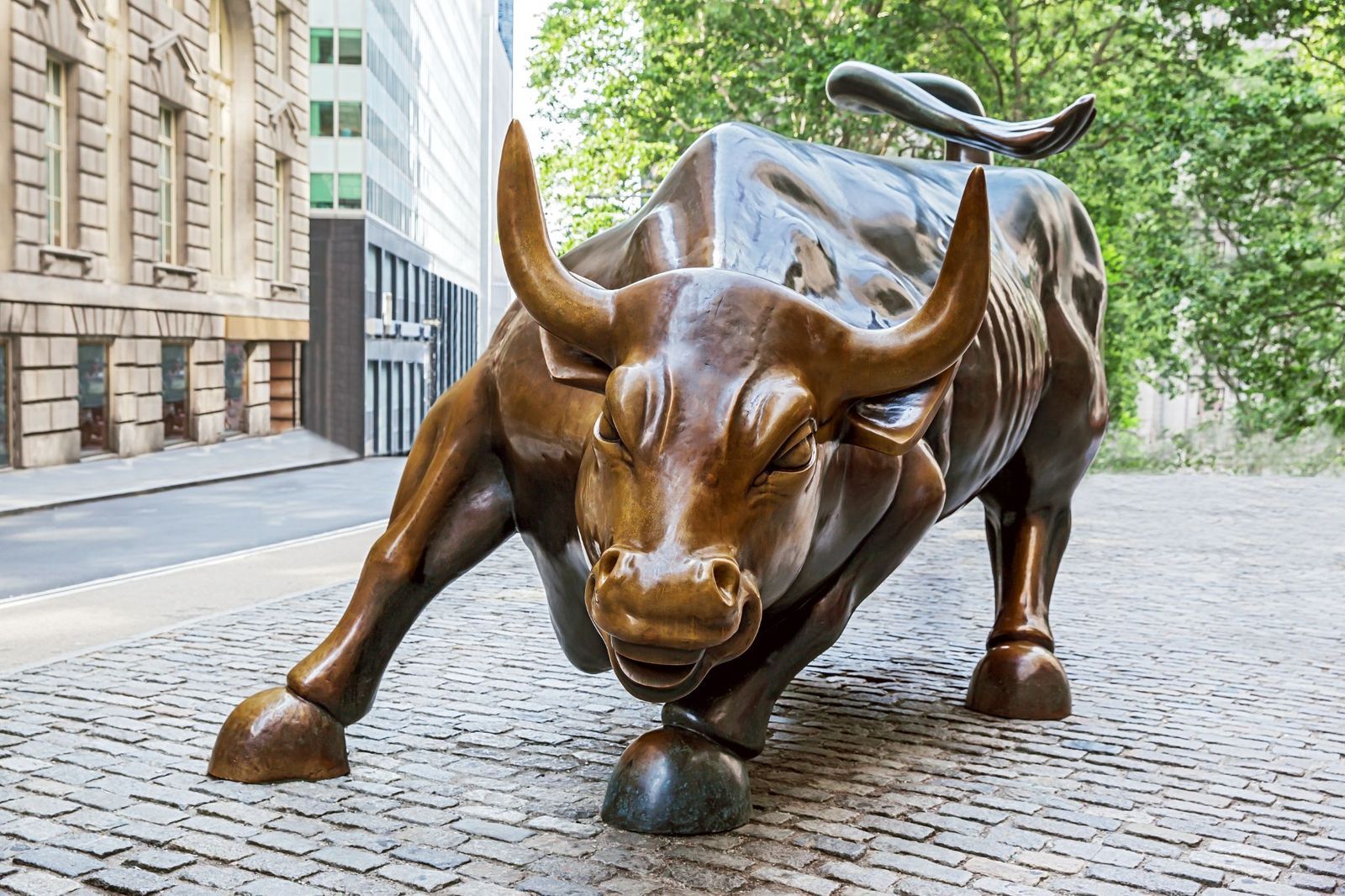
The Charging Bull on Wall Street was never commissioned. In fact, for a few hours after its installation, it was a crime. Arturo Di Modica, a Sicilian-born sculptor who had arrived in New York penniless in 1970 and built a successful career there, felt he owed the city something.
In 1987, he spent $325,000 of his own money and two years of work casting a 3.5-ton bronze bull, then, with a team, drove it to Wall Street on a truck in the middle of the night and dropped it in front of the New York Stock Exchange. This he did without anyone’s permission. It was meant, he said, as a Christmas gift for the city of New York.
Police hauled it away within hours, but civilians protested. Within days, the city relented and installed it permanently at Bowling Green Park, where it has stood ever since on a "temporary permit" that was never revoked.
Venus de Milo (Paris, France)
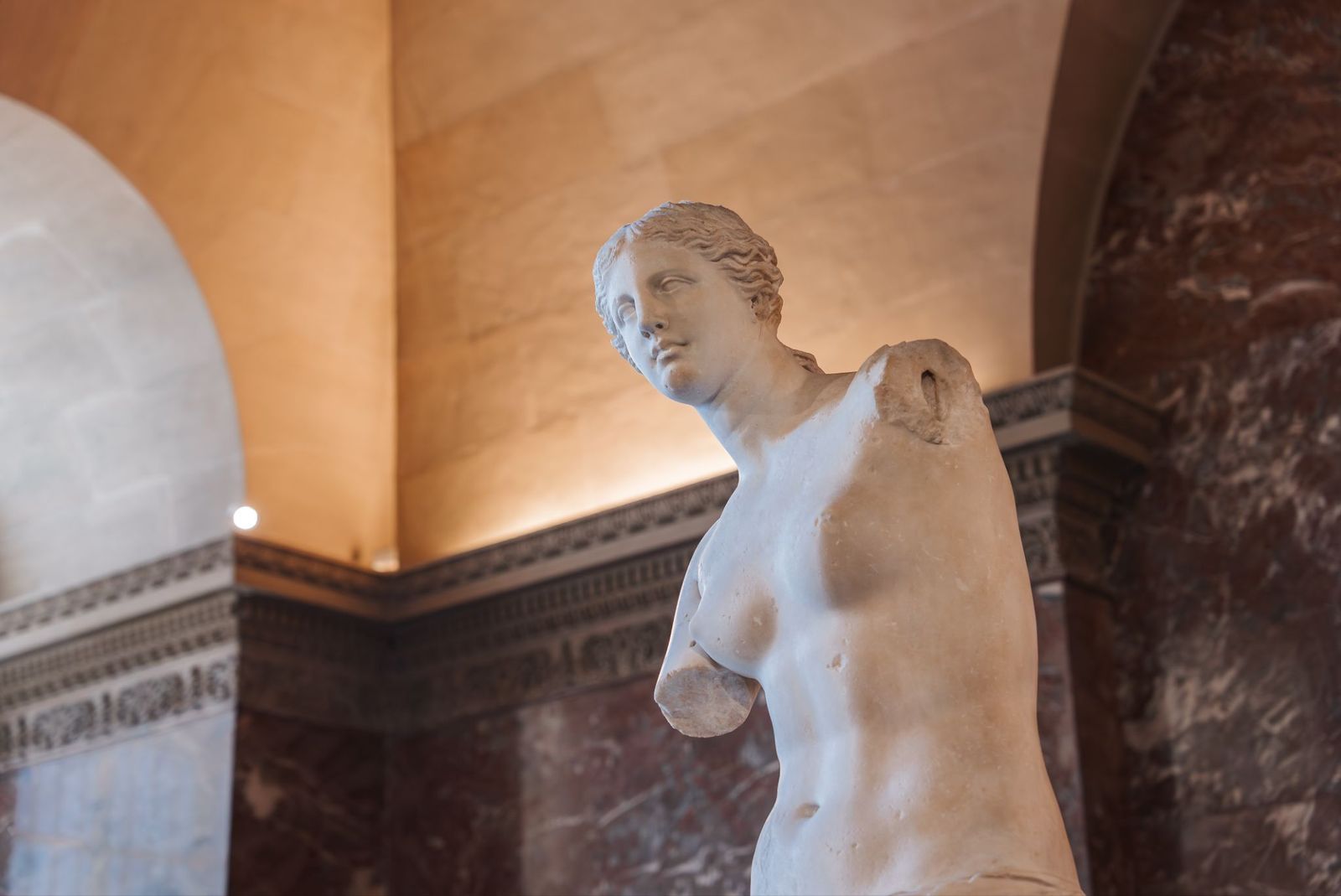
Experts cannot agree on what the arms of the Venus de Milo were doing. This Greek statue, carved around 2,100 years ago, was discovered on the Greek island of Melos in 1820 and has been missing her arms for as long as the modern world has known her.
Scholars have proposed that she was holding an apple, spinning thread, adjusting her robe, or reaching toward a shield held by another figure entirely. We may never know the truth, since no more fragments were found at that site in Greece.
Moai (Easter Island, aka Rapa Nui, Chile)
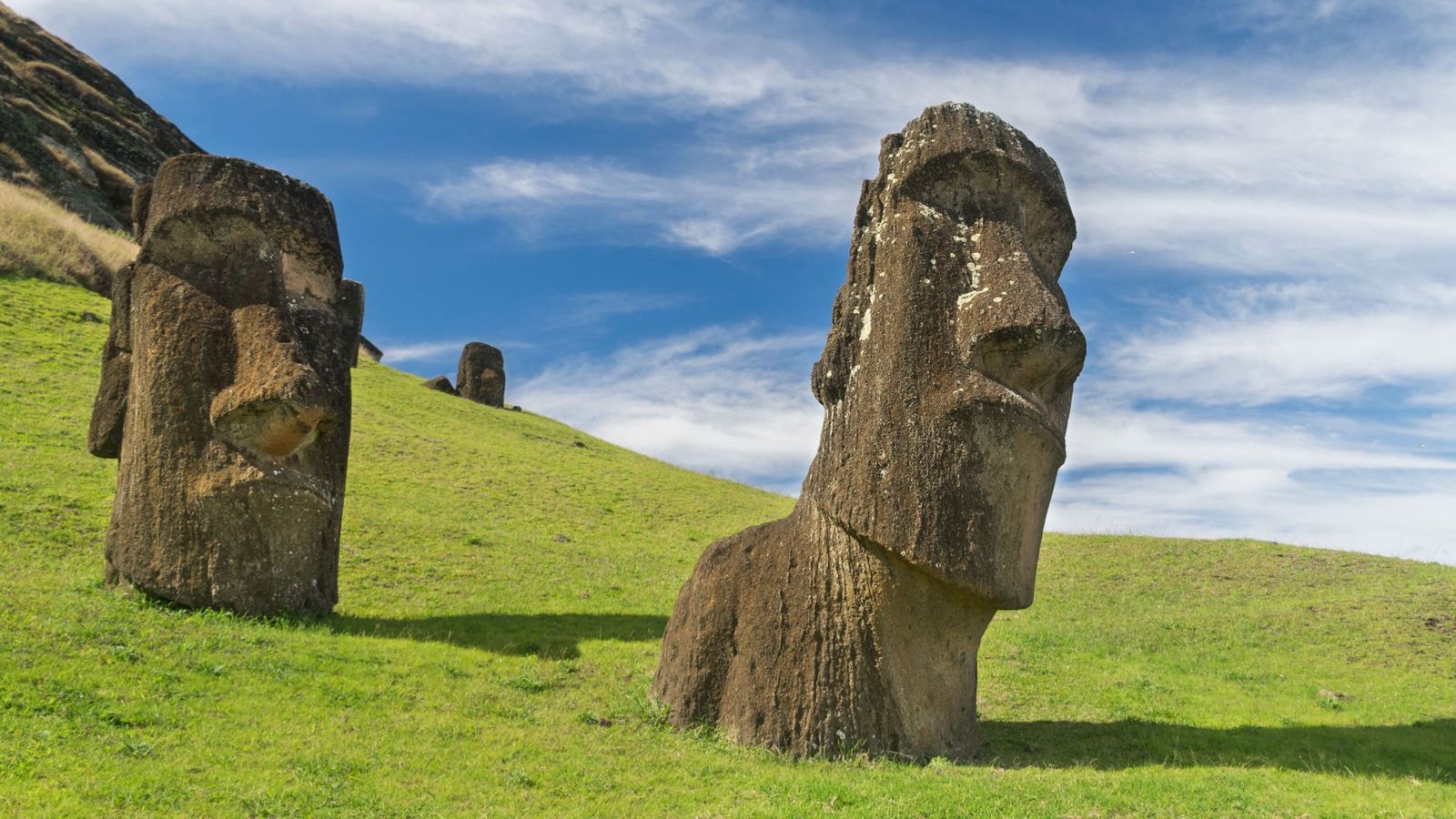
What the world calls the "Easter Island heads" are not heads. They are full-body figures that have been buried for centuries and were carved between the years 1250 and 1600. But nowadays, roughly 150 statues on the slope of the Rano Raraku volcano are buried up to their shoulders.
Beneath the surface, each figure has a complete torso, with arms and hands resting above the abdomen. They even had intricate carvings on their backs. These exposed bodies were only made widely known to the public after 2012, when excavation photos went viral online.
The Rapa Nui carved nearly a thousand of these figures, and then moved some that weighed over 80 tons across miles, without wheels or draft animals.
The Thinker (Paris, France)

The figure the world knows as The Thinker was not originally called that, and it was never meant to stand alone. Rodin conceived it in 1880 as a small element in a much larger commission: a monumental set of bronze doors called The Gates of Hell, based on Dante's book Inferno.
The figure was originally named The Poet, and was positioned above the doors looking down at the suffering figures below. The statue most likely represents Dante himself, contemplating the world of Hell he had imagined. Rodin later renamed it The Thinker and began exhibiting it independently, eventually enlarging it to over 6 feet tall.
There are now approximately 28 full-sized bronze casts of The Thinker in museums and public spaces around the world. French law permits up to twelve authorized posthumous castings from an artist's original molds, and Rodin's estate has continued to produce them under those rules.
Great Buddha of Kamakura (Kamakura, Japan)
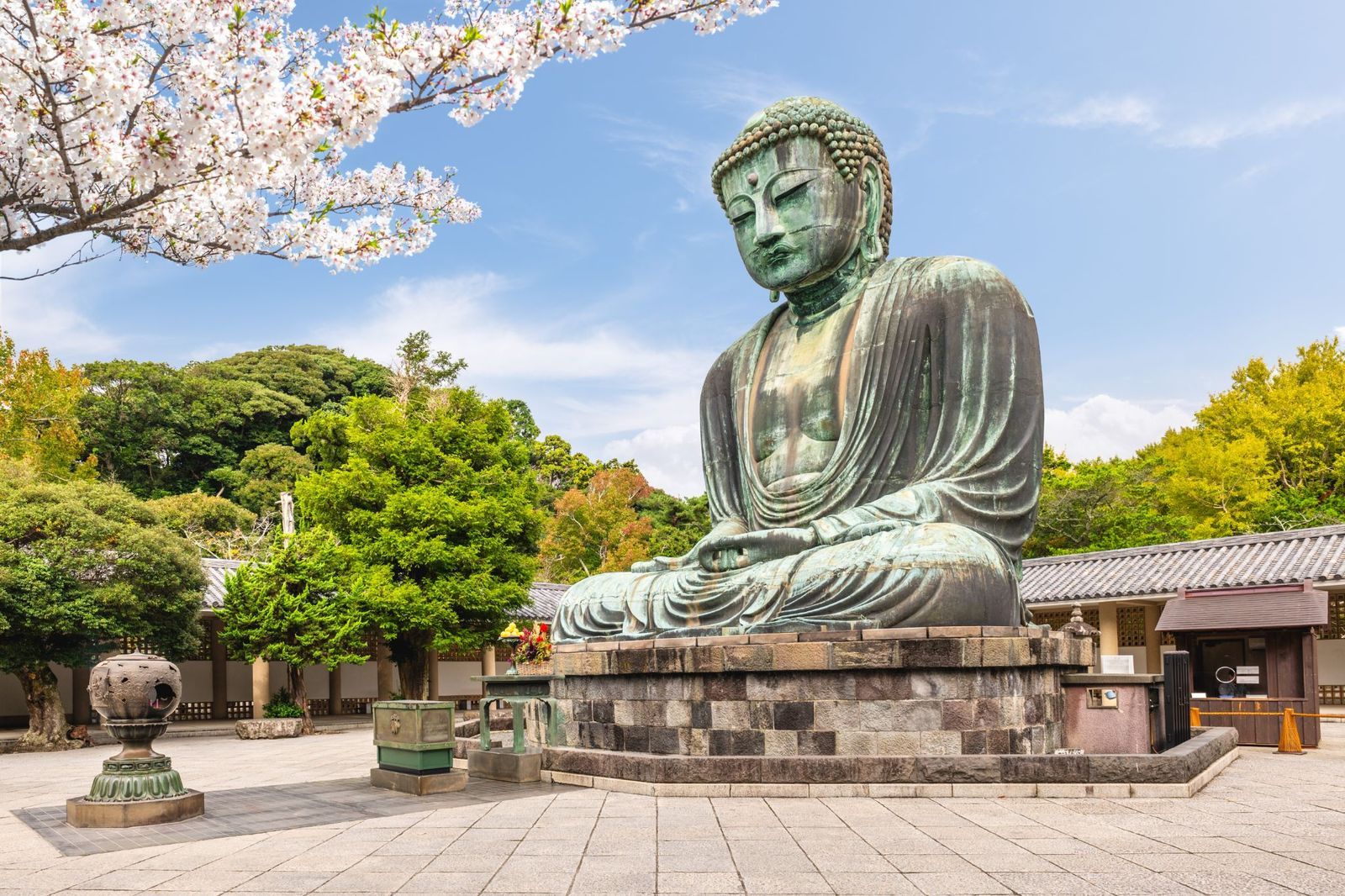
Cast in bronze in 1252, the Great Buddha of Kamakura stands roughly 44 feet tall and weighs about 121 tons. For its first two centuries, it was sheltered inside a large wooden hall. But the hall had a catastrophic relationship with Japanese weather.
A violent storm destroyed it in 1335. The hall was rebuilt. Then an earthquake and tsunami struck in 1498, destroying the structure again. This time, the decision was made not to rebuild it; historians aren’t sure if this was based on practical or spiritual reasons.
Since then, the Buddha has sat in the open air. Unlike the hall that surrounded it, the figure has endured five more centuries of typhoons, earthquakes, and salt wind and remains nearly intact.
Keep wandering
There’s always
more to explore
 Geography

This mountain isn't one volcano, it's actually three
7 min.
Read Now

Why planes are painted white: The real reason
6 min.
Read Now

Why this hotel room stayed locked for 30 years: 10 hotels hiding secrets
7 min.
Read Now

10 full-size liquids you can legally take on a plane
4 min.
Read Now