
Why you should always check for bed bugs and 9 other hotel secrets
 General
Why you should always check for bed bugs and 9 other hotel secrets
When you check into a hotel room, you expect a fresh bed, clean surfaces, and transparent pricing. However, the hospitality industry relies on hidden margins, quick turnarounds, and operational secrets that guests rarely hear about. From cleanliness shortcuts to pricing tricks, knowing what happens behind the scenes can save you money, protect your health, and keep your belongings safe. Here are 10 dirty secrets hotels hope you never discover.
It's easy to find discounts on the web
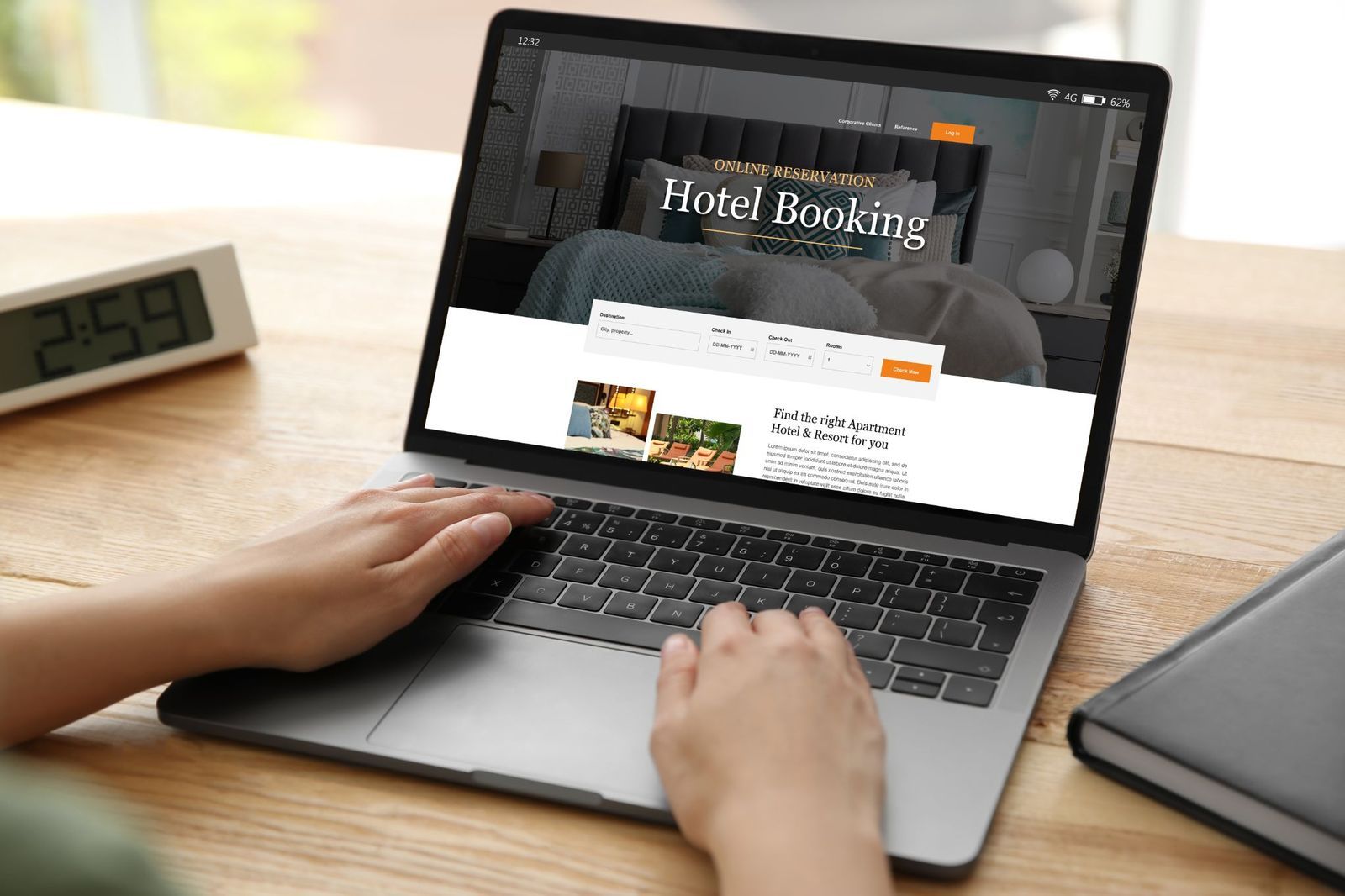
Smart travelers rarely pay full price for hotels. Many online travel agencies, coupon sites, and corporate discount portals offer reduced rates for the exact same rooms.
Furthermore, many hotel chains host private member rates on their own mobile apps that charge less than search engines. Looking for a room in an incognito web browser or signing up for free loyalty programs often unlocks 10% to 20% discounts off the advertised rate.
You might be able to get a better rate by calling directly

Online travel agencies charge hotels steep commissions (often between 15% and 25% per booking). Because hotels lose money on third-party bookings, front desk managers have strong incentives to negotiate.
If you find a low price online, call the hotel’s local front desk directly. Tell the agent the price you found online and ask if they can match or beat it. The manager can often match the rate, include free breakfast, or give you a complimentary room upgrade just because they save on third-party commission fees.
Your room isn't as clean as it looks

Housekeepers are often assigned 15 to 30 rooms per shift, leaving them just 15 to 20 minutes to clean each room. Under this tight schedule, staff focus on making beds and cleaning bathrooms, frequently skipping items people touch a lot, like TV remote controls, lamp switches, door handles, and telephone receivers. Drinking glasses are sometimes wiped with dirty rags rather than washed in a dishwasher, and decorative bedspreads or duvet covers are rarely washed between every guest.
Pro Tip: Always travel with a pack of antibacterial wipes or a bottle of spray cleaner to wipe down the remote, light switches, and bathroom counter when you arrive.
Tip the housekeeper daily

Housekeeping staff who feel appreciated will often provide extra towels, extra coffee packets, the best toiletries, and extra attention when cleaning your room. Tip daily rather than at the end of your stay, as different staff members clean your room on different days.
Guests typically tip bartenders and bellhops, but housekeepers are frequently forgotten despite doing the hardest physical work. Leaving a small cash tip ($3 to $5 per night) with a "Thank You" note on the nightstand might make your stay much better.
Your bed might have bed bugs

Bed bugs don’t care if a hotel costs $50 or $500 per night; they can travel on luggage and clothing into the finest luxury resorts. Before unpacking your bags, place your luggage in the bathroom bathtub or on an elevated rack away from fabric surfaces.
Pull back the bed sheets and inspect the seams and corners of the mattress and box spring for tiny dark spots, shed skins, or reddish stains. If you find signs of pests, notify the manager immediately and request a room at least two floors away, as bugs easily migrate through walls and floor vents.
Your valuables aren't necessarily safe in your room
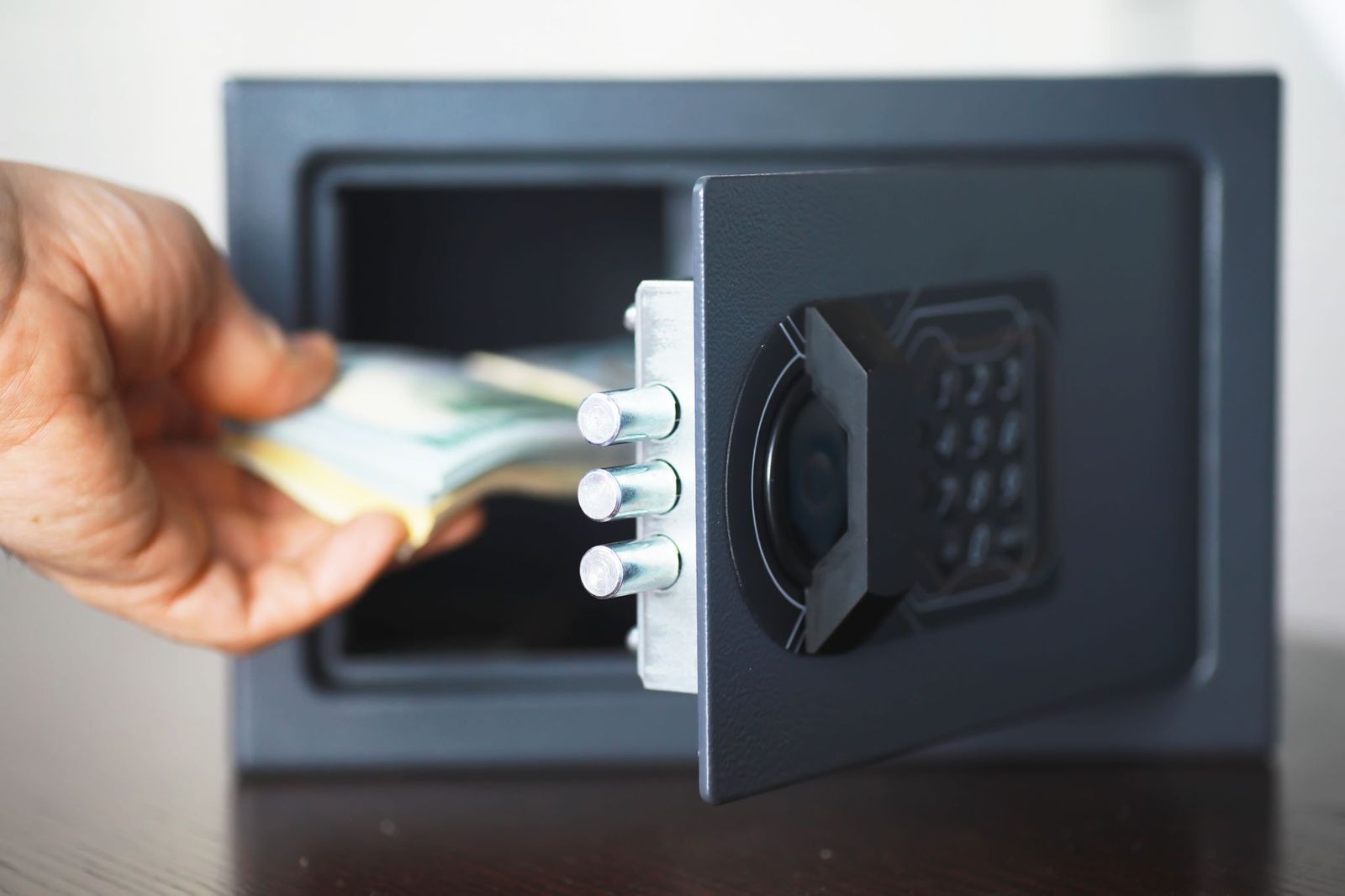
Many guests assume the electronic safe inside the closet is an impenetrable vault. In reality, most hotel safes feature master key overrides or default manufacturer bypass codes so staff can unlock them when guests forget their PINs.
Also, hotel liability laws in many regions limit the hotel’s legal responsibility for stolen room items. If you travel with expensive jewelry, large amounts of cash, or critical legal documents, ask the front desk to lock them inside the hotel’s primary safety deposit box.
Check the minibar as soon as you arrive
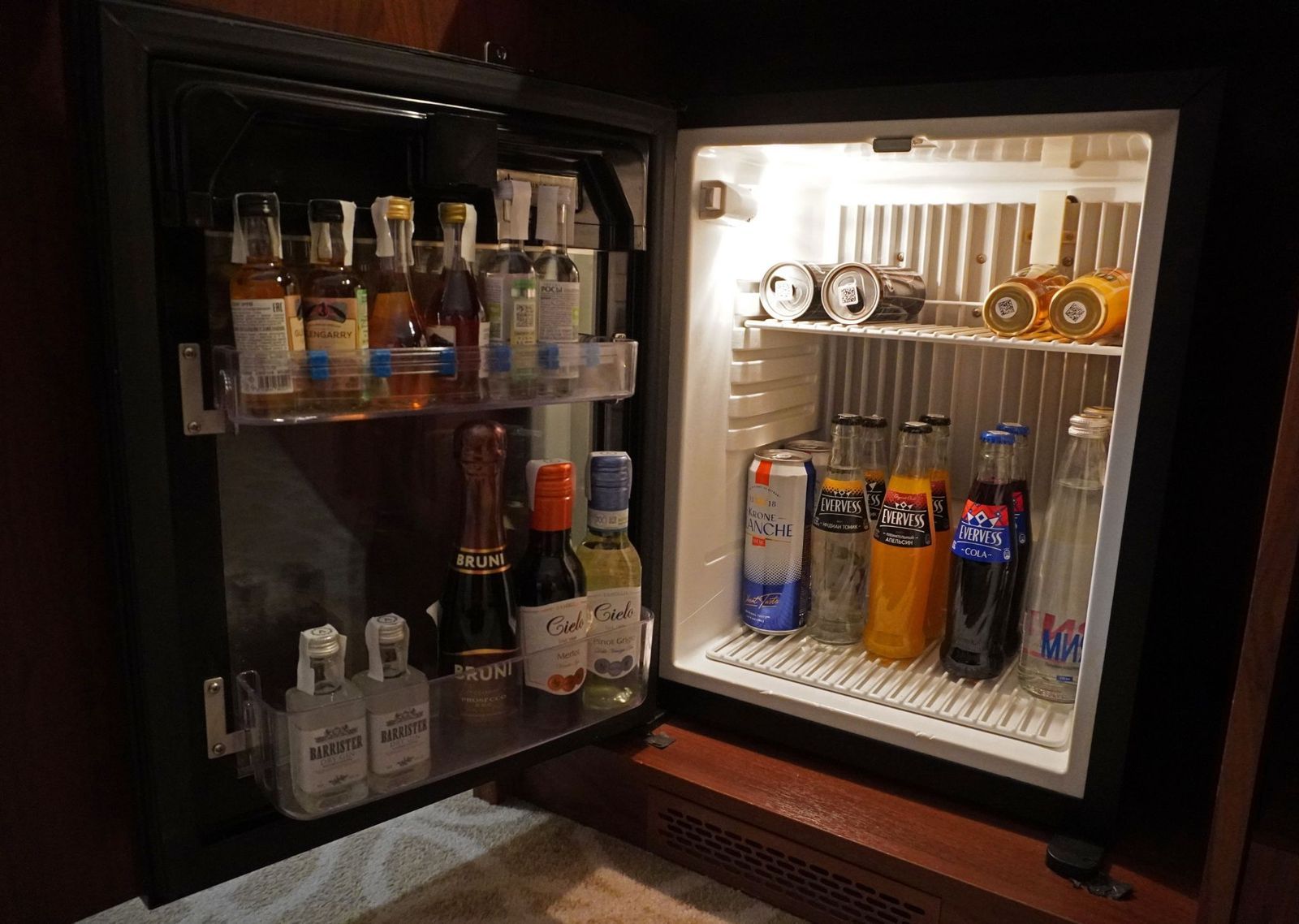
Modern hotel minibars frequently use infrared motion sensors that automatically charge your room account the moment an item is lifted from its shelf. Previous guests may drink alcohol and refill bottles with water or break paper security seals without paying.
Inspect your minibar as soon as you enter your room. If you notice broken seals, missing items, or tampered bottles, report them to the front desk immediately so you are not billed for a previous guest’s consumption at checkout.
There still might be rooms available, even if the sign says "No Vacancy"
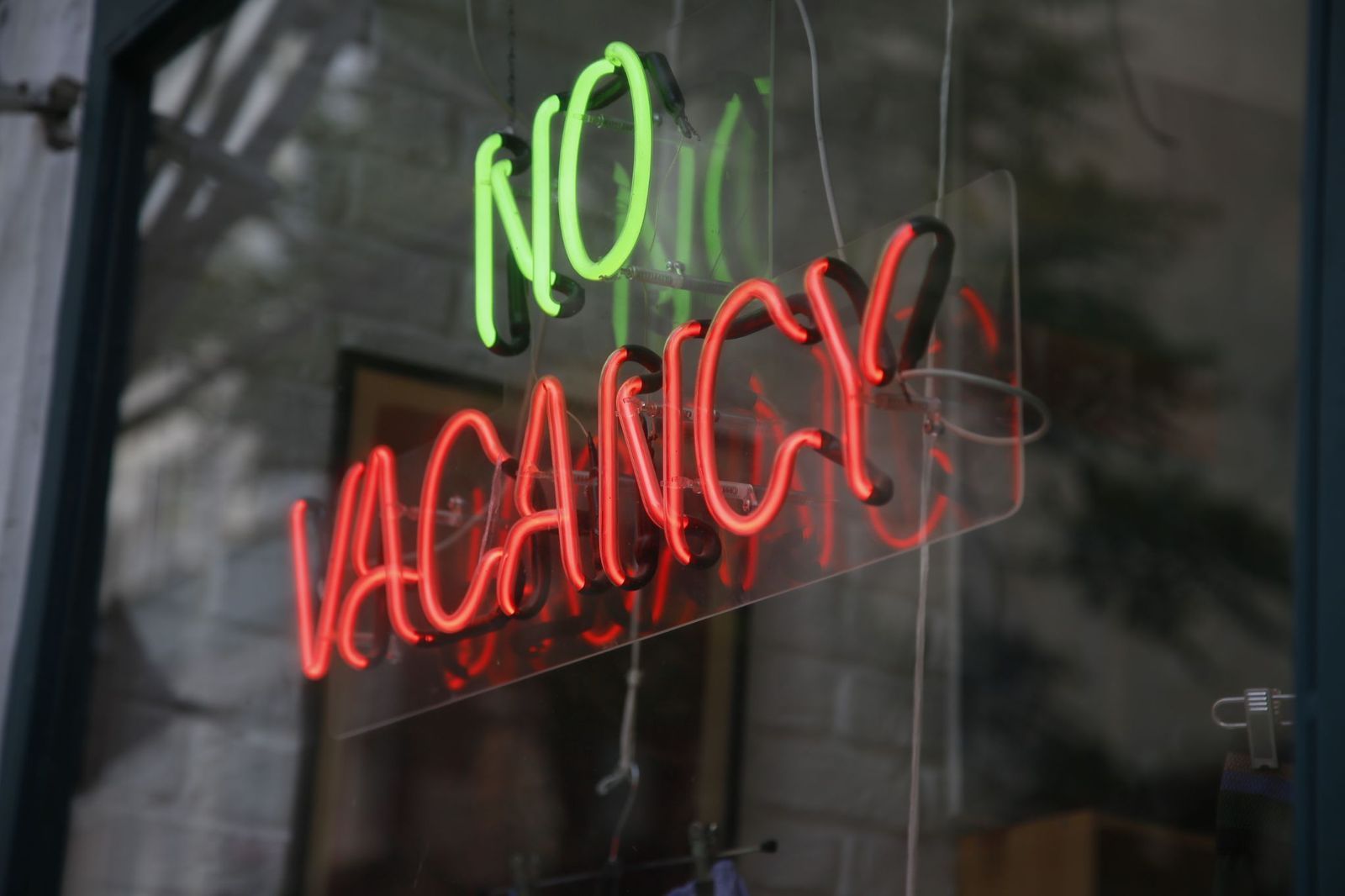
When a hotel website or highway billboard says "No Vacancy", it does not always mean every bed is occupied. Hotels frequently hold back a small percentage of rooms for last-minute maintenance issues, VIP reservations, or late-night emergencies.
Additionally, last-minute cancellations and credit card rejections happen all the time. If you are stuck without a room, call or walk directly up to the front desk late at night and politely ask if any canceled rooms have opened up.
Take advantage of free amenities (and watch out for ones that aren't)
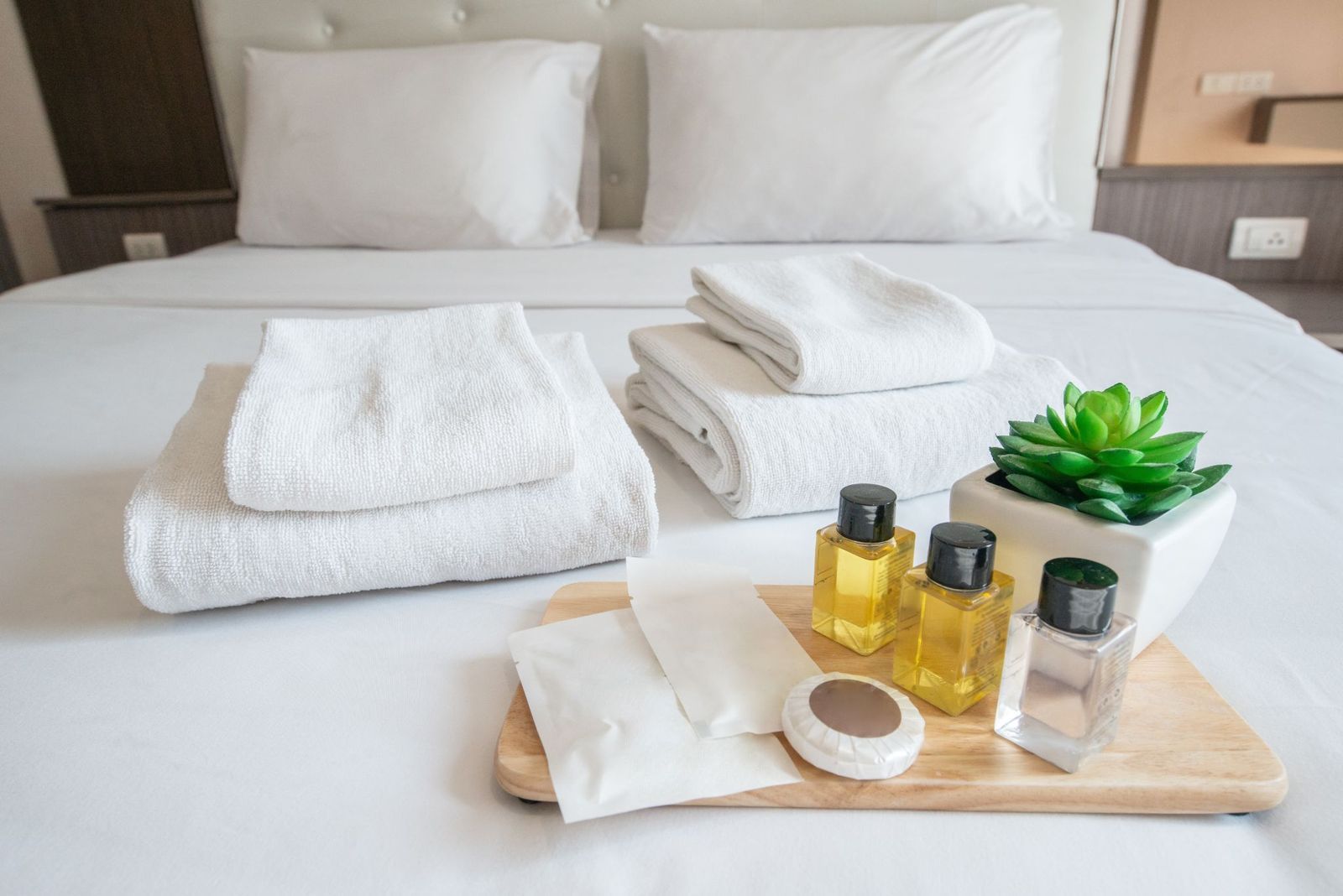
Hotels offer many complimentary items that guests frequently overlook. For example, front desks keep free toothbrush kits, razors, sewing kits, phone chargers, umbrellas, and local transit maps for travelers who ask.
However, you must be careful about amenities that appear free but have hidden costs. Bottled water left on the desk, high-speed WiFi, and fitness center access can carry high daily charges if they are not explicitly marked as complimentary. Always check for price tags before opening items or using certain facilities.
Be mindful of mandatory fees

The price you see on hotel booking engines is rarely the final price you pay. Many hotels use mandatory "resort fees", "destination charges", or "facility fees" to make their base rates appear cheaper in online searches.
These hidden fees, which cover standard amenities like WiFi, pool access, or gym entry, are added during checkout and can increase your total bill by $20 to $80 per day. Always check all of the items on the breakdown before paying.

Are these 10 travel tips facts, or just old myths?
Travel tips
10 travel 'rules' you can finally stop following
When you start planning a trip, it is easy to remember all those travel tips you have heard over the years. Some sound useful, and some probably made sense once. But travel changes, and not every piece of advice stays true forever. In fact, some of those "rules" were probably always more myth than fact. Before letting an old tip shape your plans, here are 10 travel myths that can help you travel smarter and enjoy the trip the way it deserves.
Booking early means paying less
Booking early can feel like the right thing to do, but it doesn't always save you money. Airlines change prices dozens of times a day based on demand, not on how far ahead you buy. The lowest domestic fares usually appear one to three months before departure, while international trips usually have a two- to eight-month window.
If you buy six months or more ahead, you’ll probably pay more than you would closer to the date, because the idea of locking in a fare a year in advance mostly worked when prices didn't move as often. Today, price alerts are the best indicators. The only exception is peak travel, such as Christmas or spring break, when earlier booking still helps.
Tourist traps are always a waste of time
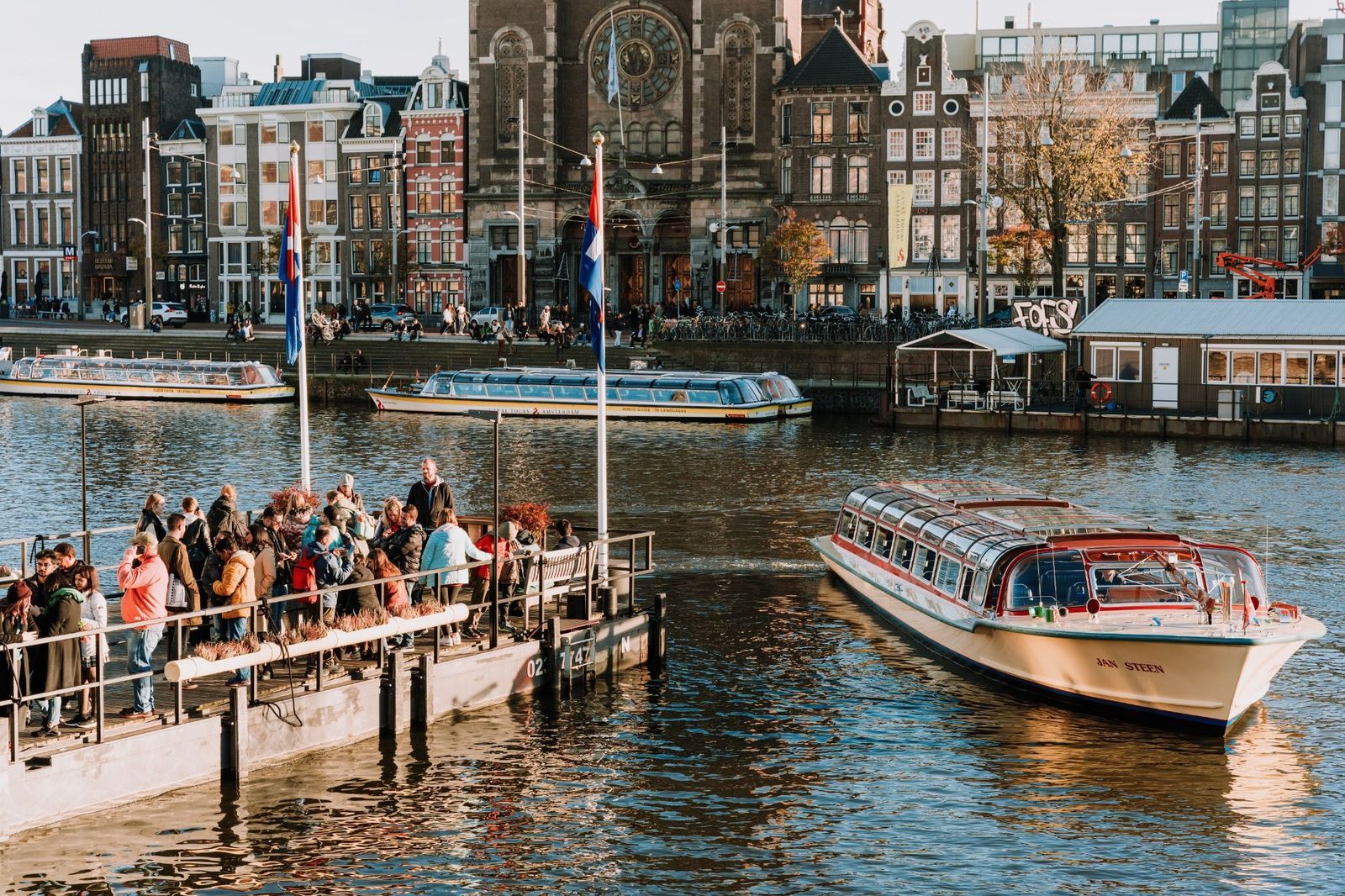
Calling something a tourist trap makes it sound like it's not worth your time, but that label mostly means a place is just very popular. What often ruins the experience isn't the location; it's arriving during peak hours. Going early, going late, or visiting outside high season can partially solve that problem.
However, there are always some attractions, like overpriced souvenir strips, that are really best skipped. But most of the world-famous landmarks have earned their reputation and are worth visiting, although it might not be the most intimate experience. Before crossing a place off your list, the best you can do is check whether it's actually overrated or just busy.
The best restaurants are always near the main sights

Picture yourself after visiting a museum, a famous square, or a landmark, and getting hungrier and hungrier. Eating at the first restaurant you see could feel like the easiest choice: you are already there, you are tired, and there are many restaurants in front of you.
But the busiest areas have higher prices and menus made for tourists. Walking just a few blocks away from the crowd can expand the options and lead to better food and a cheaper bill. When you enter a restaurant with a mix of locals and tourists, it’s usually a good sign.
Direct flights never cause baggage problems
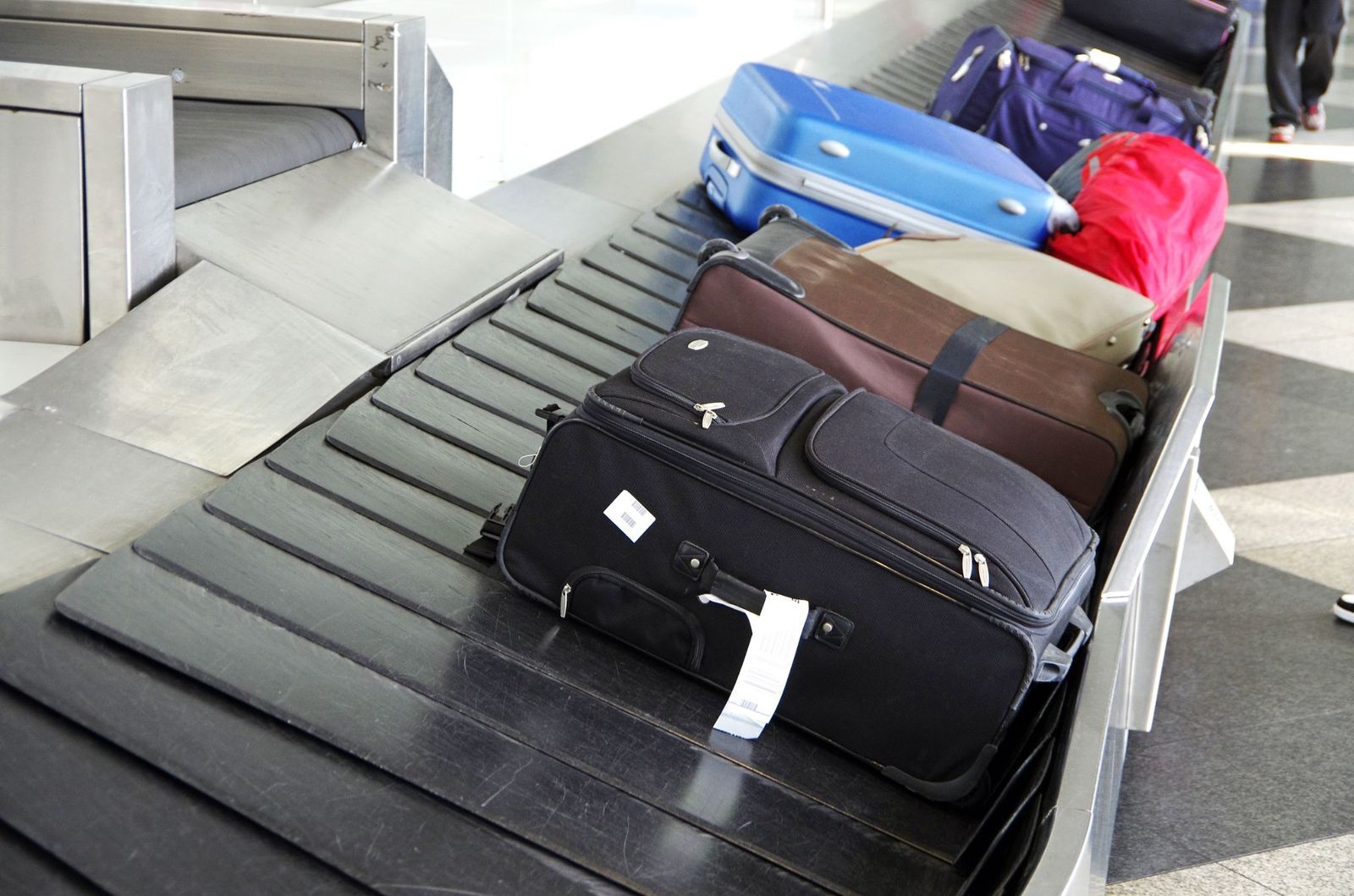
It's easier to assume direct flights mean your bag travels as simply as you do, but that's not always true. "Direct" means you don't change planes, not that the plane skips every stop along the way. And each stop is a new chance for something to go wrong with checked luggage.
The Department of Transportation ranks flight types by baggage risk, and nonstop flights come out safest, with direct and connecting flights ranking below them. A large portion of lost or delayed bags happens specifically during transfers between flights. The safest option is a true nonstop, but if you can’t find one, allowing more time between connections is the better fix.
Hotels are always cheaper than rentals

There's no single answer to whether hotels or vacation rentals cost less, because it depends on your group size and how long you're staying. Solo travelers and couples on short trips usually do better with a hotel, and larger families or groups often save more with a rental, since the cost of the home gets divided among everyone. Rental means fewer restaurant bills and less street food. Hotel resort fees and parking charges can also raise the final budget, as the rental cleaning fee added at checkout does.
So, the best thing to do is to compare the two at the full cost for your entire stay, not just the nightly rate. For a quick weekend alone, a hotel usually wins, while for a week with the whole family, a rental usually does.
Bigger airports are always better

Are bigger airports always a better option? Big airports often have more nonstop flights and more airlines, which can mean lower prices, but they also have more crowds, longer security lines, and more delays when one problem affects many flights. Some smaller airports may actually be faster and less stressful, as they can get you through security with fewer risks. Before choosing, it helps to compare each airport’s delay record, prices, and flight times.
Travel insurance covers everything
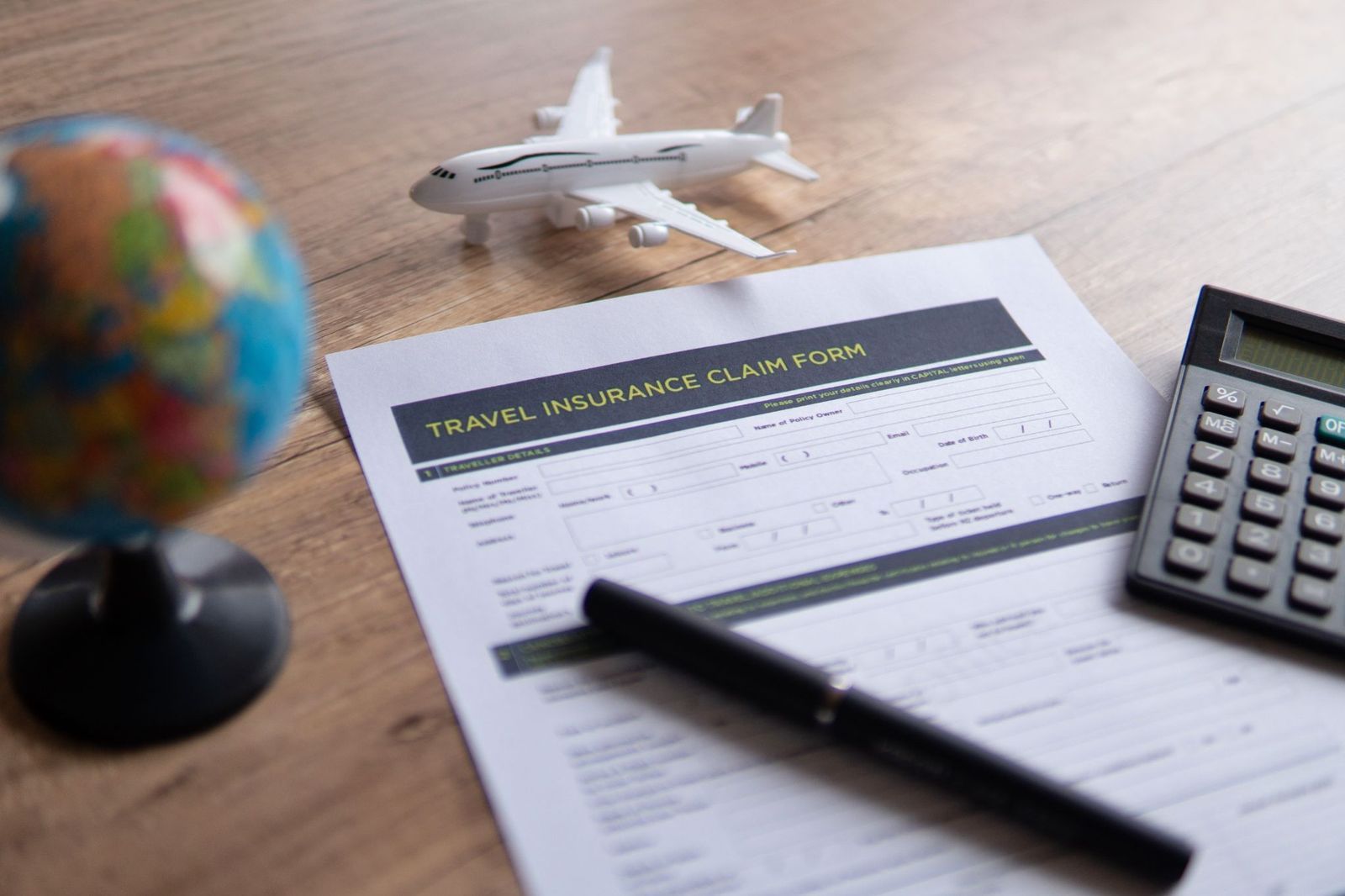
Is travel insurance a protection for anything that might go wrong? That’s not always the case. Some medical issues may not be covered, especially if they are connected to a condition you already had before the trip. Routine prenatal care, elective procedures, and some mental health treatment are often not included either. Risky activities, such as scuba diving or off-trail skiing, may also need extra coverage. And claims can eventually be denied if alcohol or drug use was involved. The safest move is to call the insurance company before your trip and ask exactly what your policy covers.
Weekday flights are always cheaper

For years, Tuesday had a reputation as the cheapest day to fly, and plenty of travelers still plan around it. But pricing now updates dozens of times a day, so there's no longer a predictable weekly pattern the way there was decades ago. Some recent reports point to Friday as the better day for domestic and international fares, while others still favor Tuesday or Wednesday.
Truth is, setting a price alert for your route beats picking a "lucky" day of the week. The differences between days are often small, sometimes just a few dollars on an international ticket. Now, what really moves the price far more is how far ahead you book and how much demand there is for that route.
Packing more means being better prepared
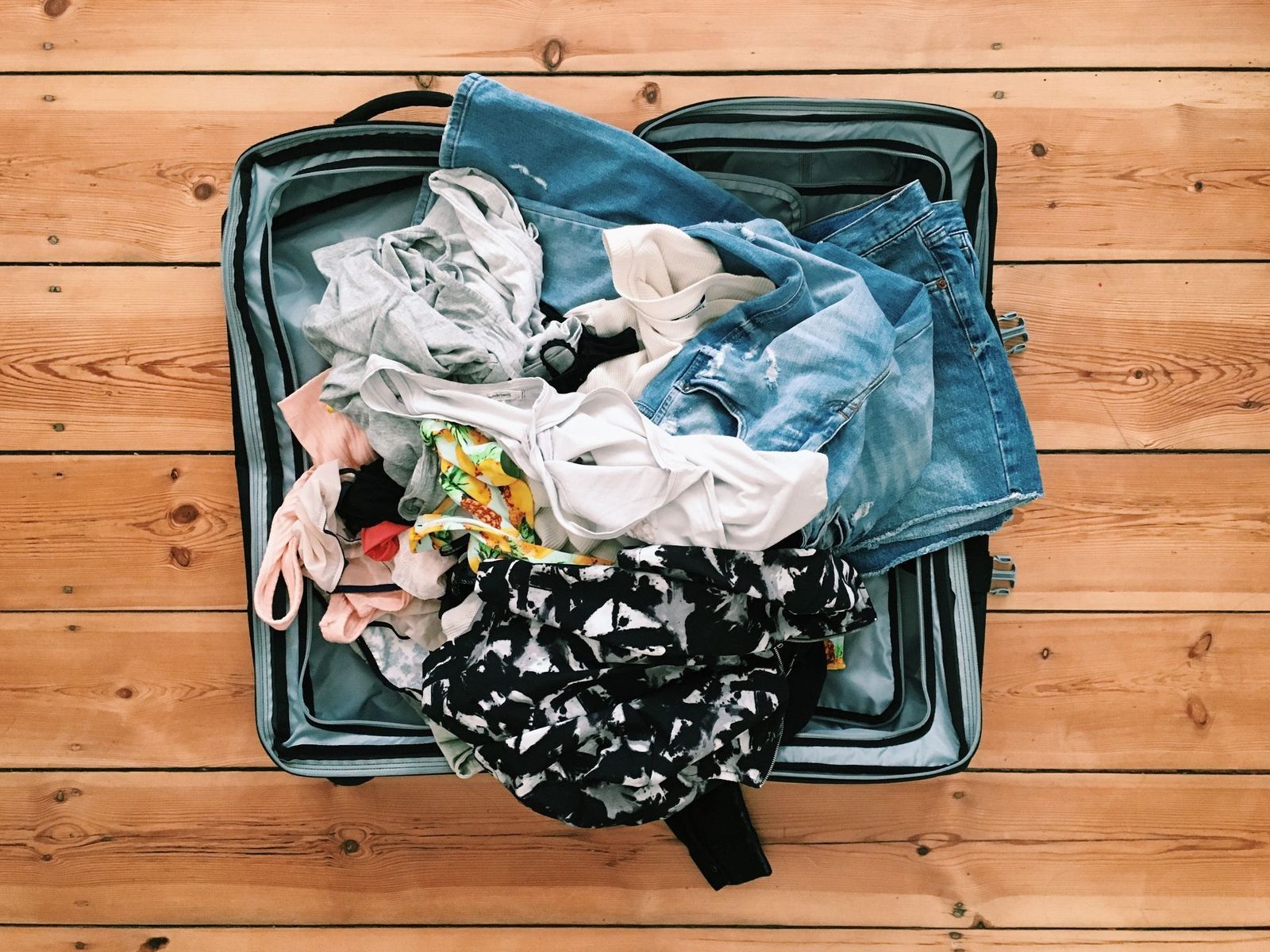
How many times have you reached the end of a trip and realized you only used half of what you packed? It happened to all of us at least once. That’s because packing extra "just in case" may feel smart, but it actually makes travel harder. Many airlines have weight limits, and going over them can lead to expensive fees. Also, a heavy suitcase is harder to lift and fit into a car.
A better plan is to pack a few outfits that can work in different situations. Checking weather conditions before packing and doing laundry during the trip can also be a great idea. Being prepared means choosing the right things, not carrying everything with you.
The best trips need a perfect plan

Finding the balance between enjoying the planning and getting stressed by it can be tricky. It is always smart to secure the important things first, like flights, hotels, and one or two reservations. But some of the best travel days are also the ones that are not fully planned. Leaving room for surprises can lead to experiences you couldn’t have imagined at first, like trying a dish at a restaurant that barely appears online or getting lost in the charming streets of a new city. When every hour is planned, there is less room for unexpected, worth-experiencing moments.
Keep wandering
There’s always
more to explore
 Geography

Meet the world's strangest Christmas traditions and the tales behind them
6 min.
Read Now

You've seen the Eiffel Tower, but you haven't seen this Paris
4 min.
Read Now

This trench could swallow Everest, with room to spare
6 min.
Read Now

The one thing thieves hope you leave in your car
4 min.
Read Now