Are these the 10 most beautiful hiking trails in the U.S.?
 General
Walking through wonder
Are these the 10 most beautiful hiking trails in the U.S.?
The U.S. is a vast tapestry of natural wonders, from jagged peaks and ancient forests to sun-baked canyons and glacial valleys. For those who seek adventure on foot, the country offers an unparalleled array of hiking trails that challenge the body, soothe the soul, and leave an indelible mark on the memory. Lace up your boots, pack your sense of wonder, and prepare to conquer these 10 must-do hikes.
Gorge Trail – Watkins Glen State Park, New York
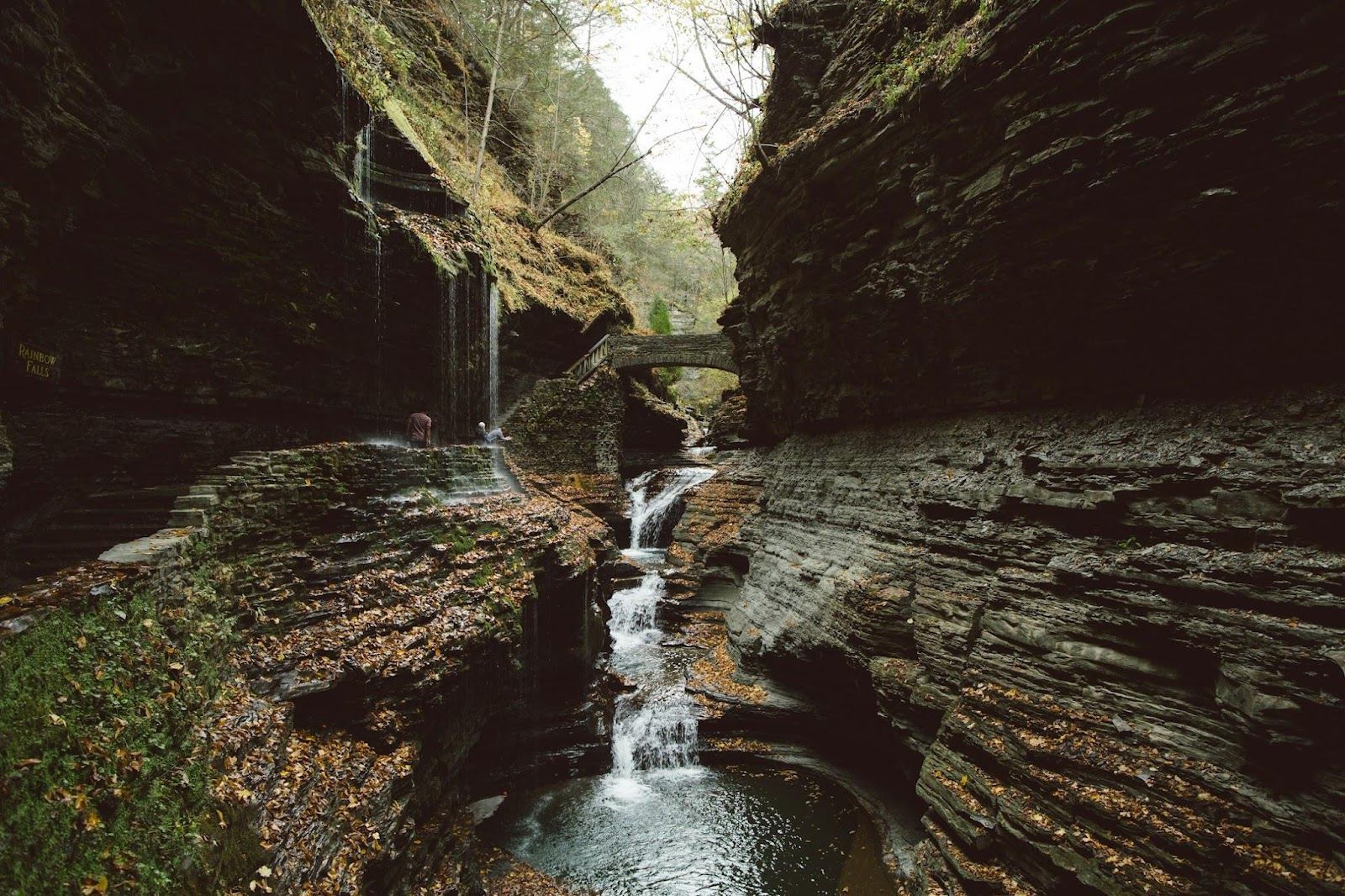
Forget everything you think you know about East Coast hiking. Watkins Glen's Gorge Trail immerses you in a fantasy world carved by eons of flowing water. Over two miles, the trail winds beneath 200-foot cliffs, behind waterfalls, and across 19 stone bridges. Each turn reveals a new cascade, a swirling plunge pool, or a moss-covered grotto. It's a surreal experience that feels more like stepping into a fairy tale than visiting a state park, making it a must-see for anyone seeking unique natural beauty.
Avalanche Lake – Glacier National Park, Montana
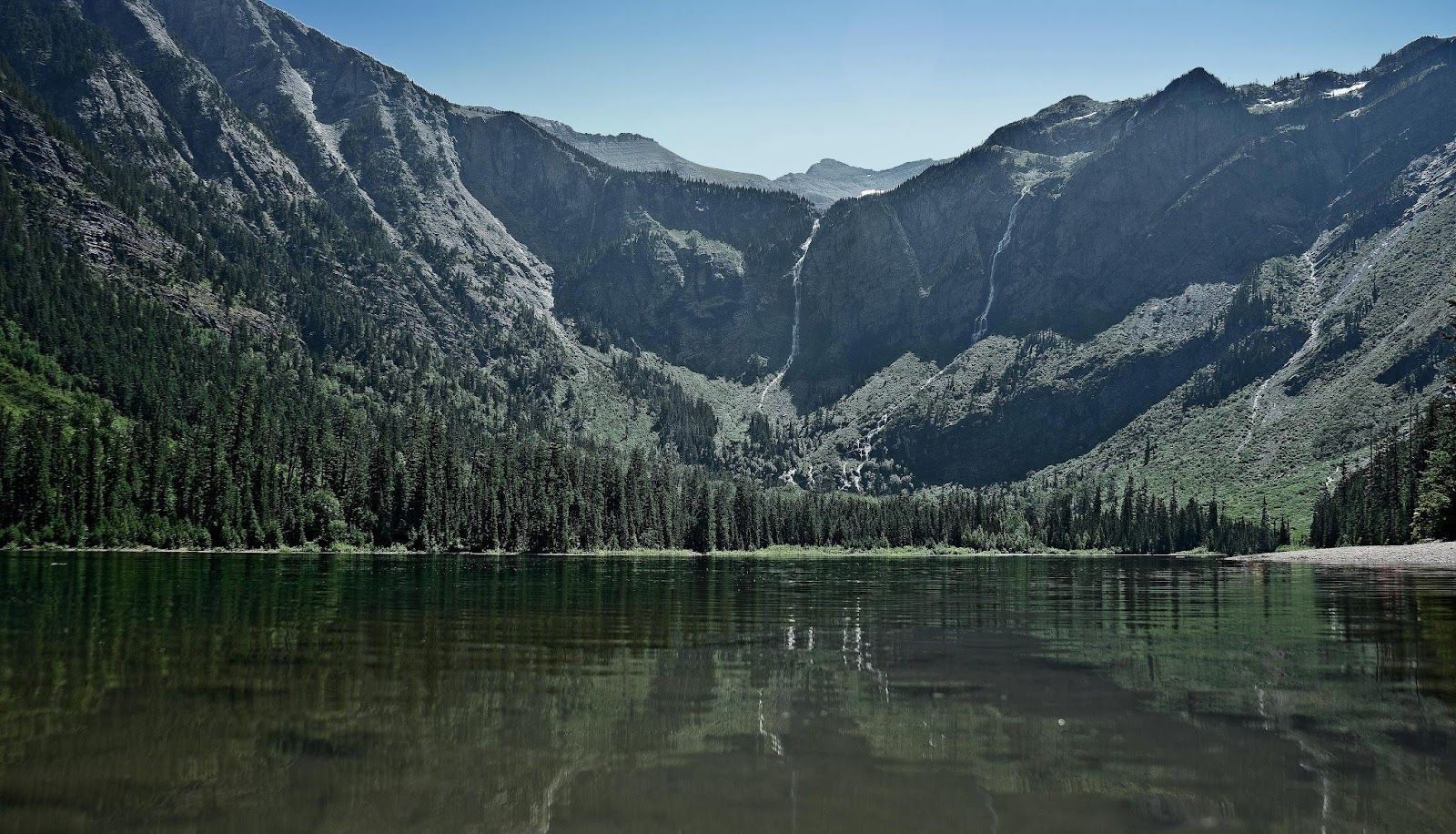
Glacier National Park is renowned for its pristine wilderness, and the hike to Avalanche Lake is a perfect example. This moderate, 5.9-mile round-trip trail starts with a stroll through the Trail of the Cedars, an enchanting old-growth forest. The path then opens up to reveal Avalanche Lake, a dazzling, emerald-green body of water fed by several waterfalls cascading down the surrounding cliffs. The water's vibrant hue comes from "rock flour"—fine glacial silt suspended in the water. It’s a relatively accessible hike that delivers truly spectacular, quintessential Glacier views.
The Enchantments – Leavenworth, Washington
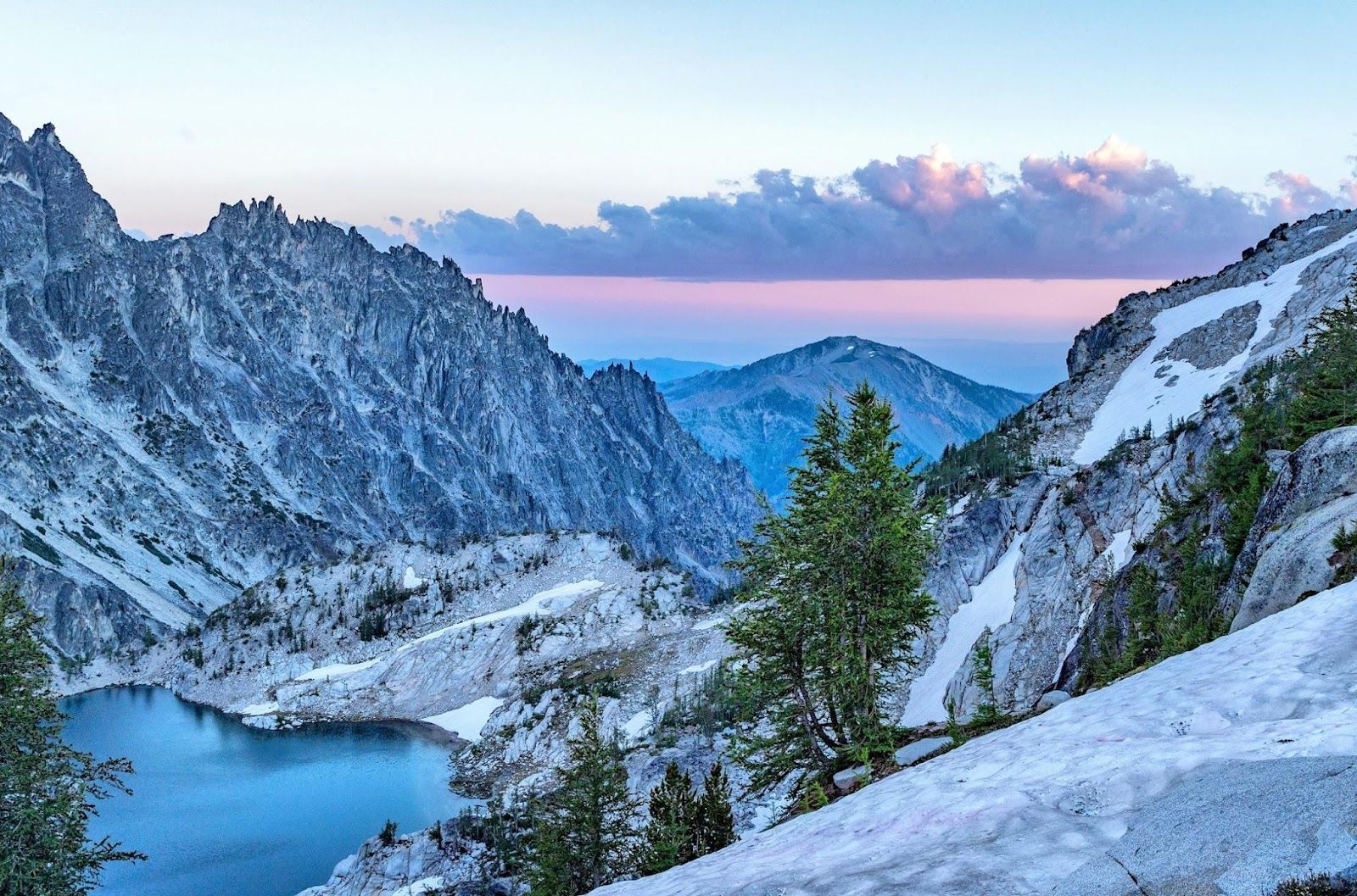
Prepare for a hike that lives up to its name. The Enchantments is a legendary, permit-only thru-hike in Washington's Alpine Lakes Wilderness. This grueling, 18-mile trek (often completed as a multi-day backpacking trip) leads you through a high-alpine wonderland of jagged granite peaks, more than a dozen impossibly turquoise lakes, and ancient larch forests that turn golden in the fall. Along the way, you will encounter mountain goats, pass through boulder fields, and marvel at views that stretch for miles. This is a truly wild and unforgettable journey, reserved for those willing to earn its spectacular rewards.
Harding Icefield Trail – Kenai Fjords National Park, Alaska

Step back in time to the last Ice Age on the Harding Icefield Trail. This challenging, 8.2-mile round-trip hike gains 1,000 feet in elevation per mile, making for a steep ascent. But the reward? A panoramic overlook of the colossal Harding Icefield, a 700-square-mile remnant of the Pleistocene era. Keep an eye out for bears and marmots, and remember that even in summer, conditions can be wintry. Overall, it offers a stark, humbling, and utterly magnificent vista that underscores the sheer power and scale of nature.
Emerald Lake Trail – Rocky Mountain National Park, Colorado
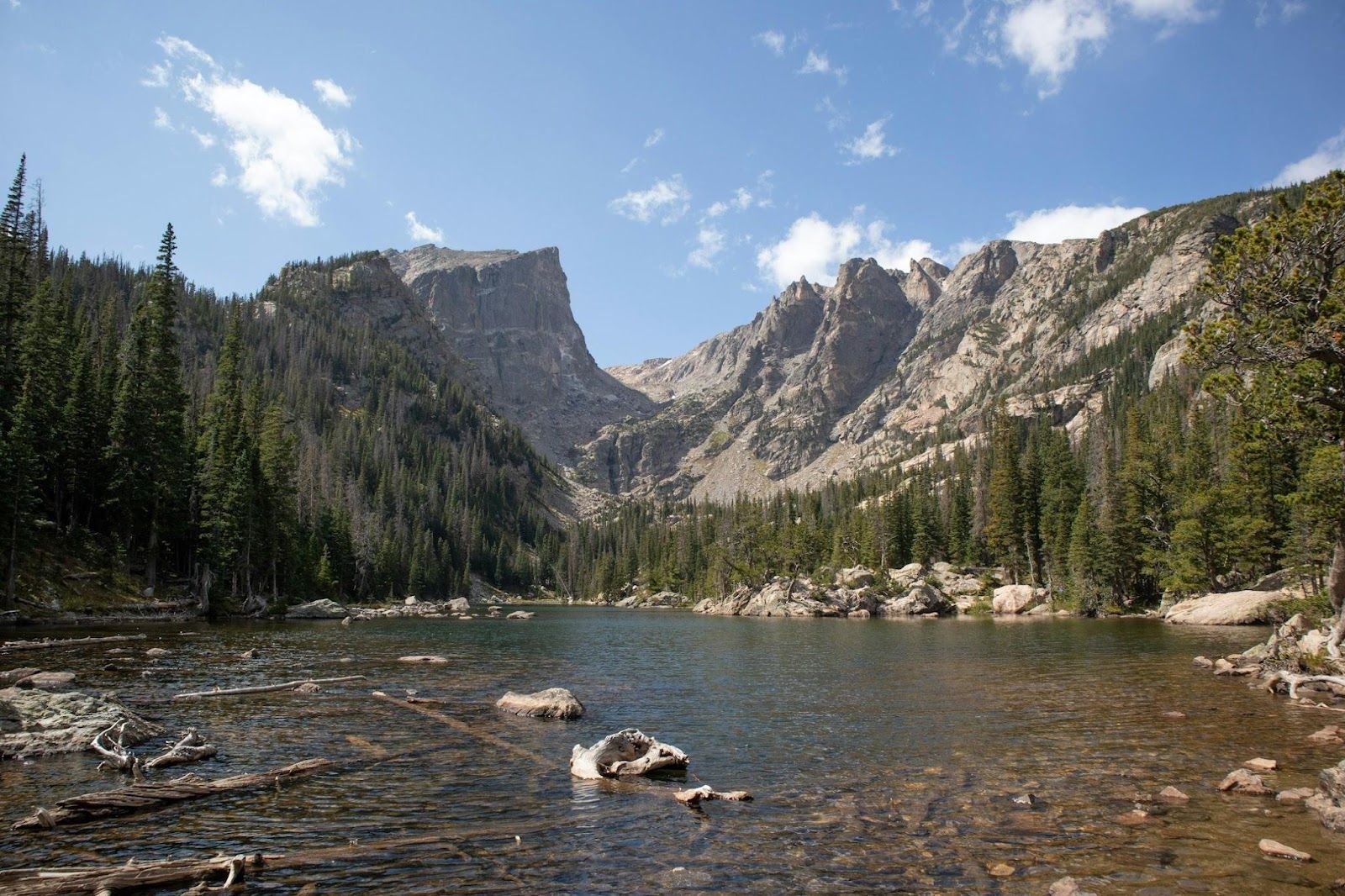
Rocky Mountain National Park is a hiker's paradise, and the Emerald Lake Trail is one of its most beloved gems. This relatively easy, 3.2-mile round-trip hike takes you past three stunning subalpine lakes: Nymph Lake, Dream Lake, and finally, the breathtaking Emerald Lake. The trail is well maintained and offers incredible views at every turn, making it a fantastic option for families or those looking for a high reward-to-effort ratio.
Navajo Loop & Queens Garden Trail – Bryce Canyon National Park, Utah
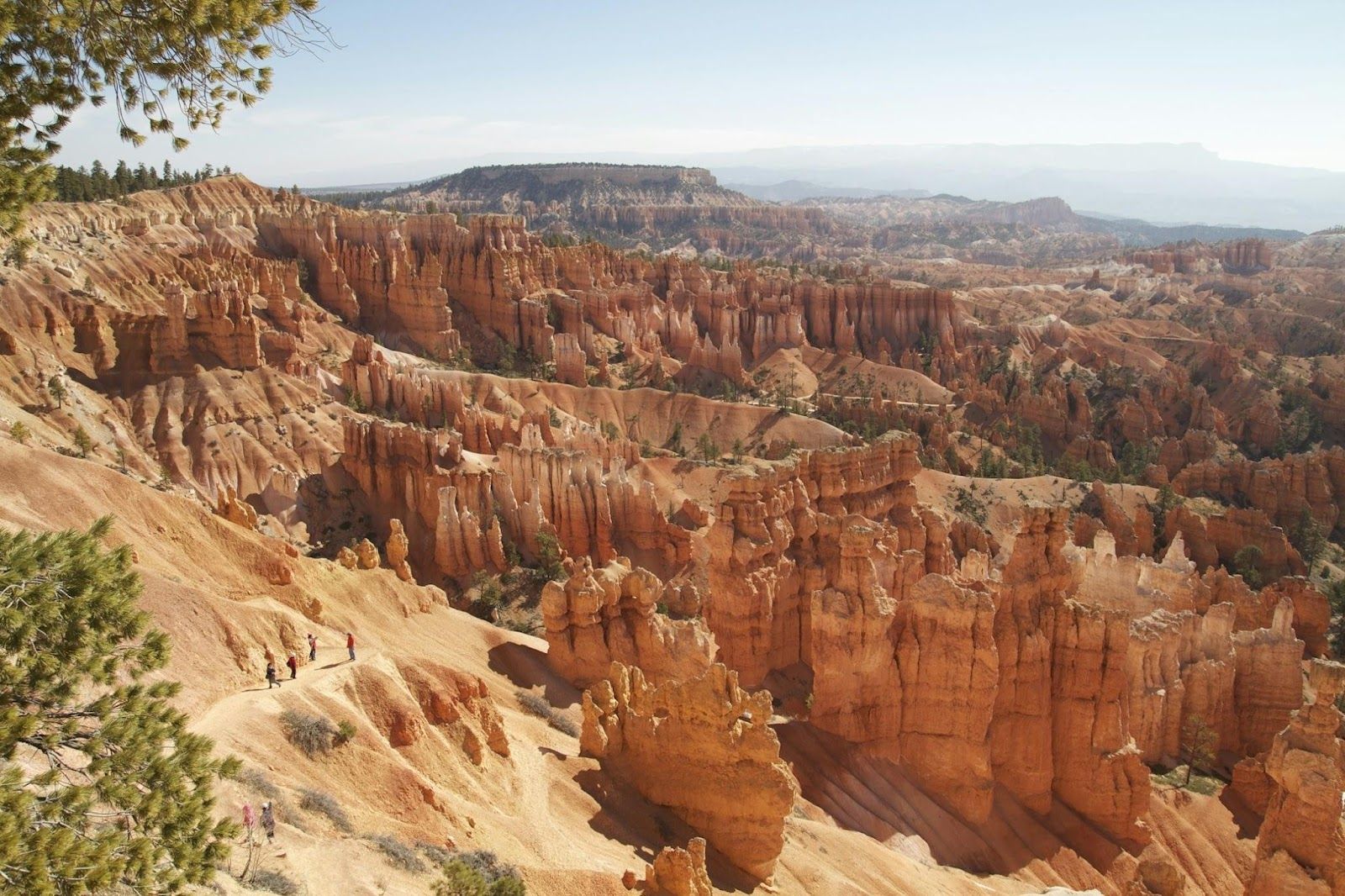
Bryce Canyon's amphitheater of vibrant orange and white hoodoos is unlike anywhere else on Earth. The Navajo Loop & Queens Garden Trail offers the best way to immerse yourself in this surreal landscape. This moderate, 3.1-mile loop descends steeply into the canyon, winding through a maze of towering rock spires, natural bridges, and sandstone walls. You'll pass famous formations like Thor's Hammer and emerge into Queens Garden, a fairytale-like area surrounded by delicate hoodoos. It’s a truly otherworldly experience.
Fire Wave – Valley of Fire State Park, Nevada

Just an hour northeast of Las Vegas, Valley of Fire State Park lives up to its name, with stunning red sandstone formations that seem to glow. The Fire Wave trail is a relatively easy, 1.5-mile round-trip hike that leads to one of the park’s most iconic and photogenic features. The "wave" is a swirling pattern of red, pink, and white sandstone that resembles a frozen ocean swell, formed over millions of years of shifting sand dunes and mineral deposits. The best time to visit is during the cooler months, as the desert sun can be intense.
Congress Trail – Sequoia National Park, California
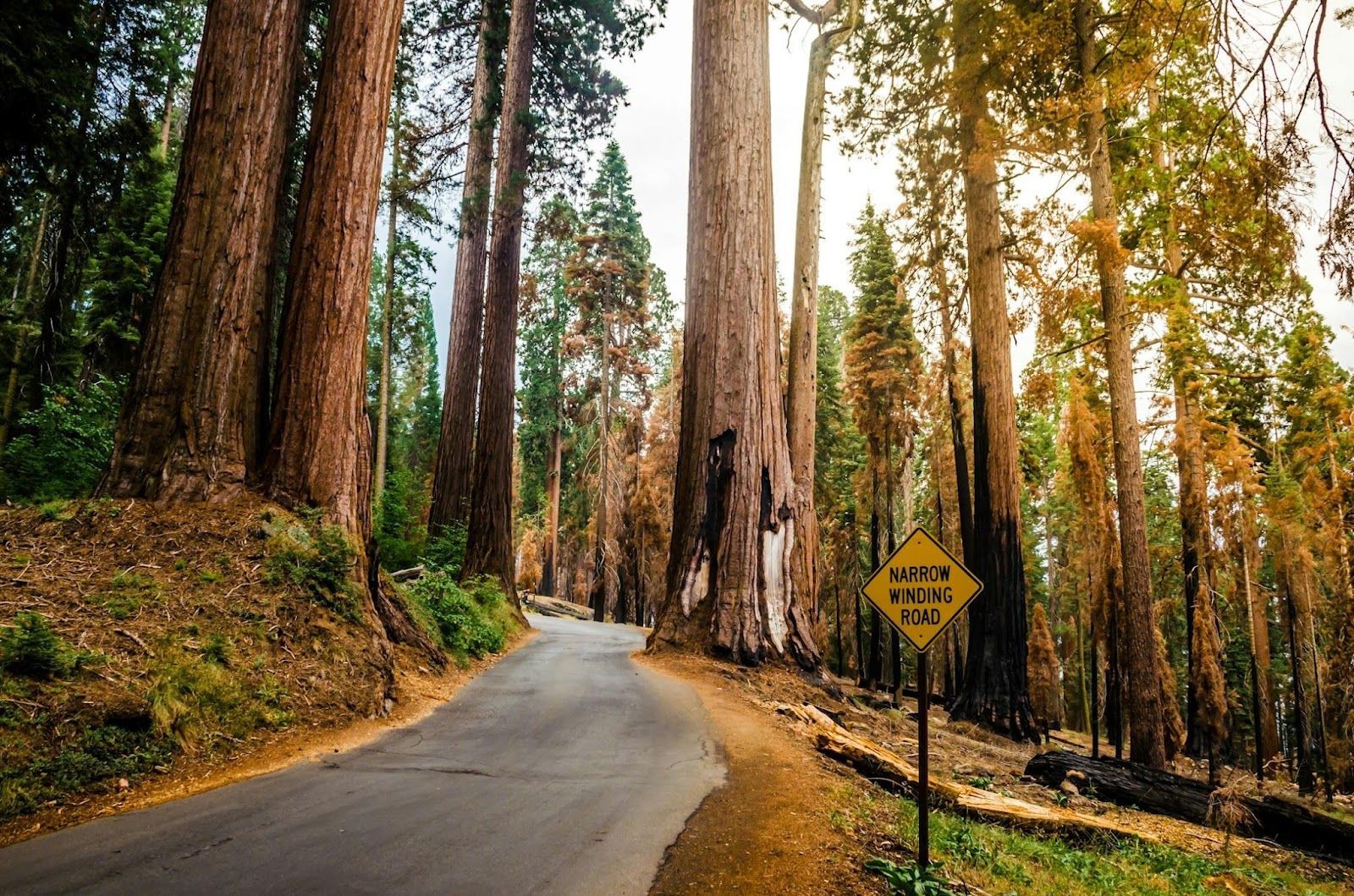
While many hikes focus on grand vistas, the Congress Trail offers a different kind of awe: immersion. This easy, 2.7-mile paved loop trail winds through the heart of Sequoia National Park’s Giant Forest, home to some of the largest trees on Earth. You'll stroll past the General Sherman Tree (the largest living tree by volume), the President Tree, and the Senate and House groups of sequoias. It’s a humbling experience to walk among these ancient giants, some over 2,000 years old, and to feel their immense scale and serene power. It’s a must-do for anyone seeking a connection with nature’s most enduring masterpieces.
Angels Landing – Zion National Park, Utah
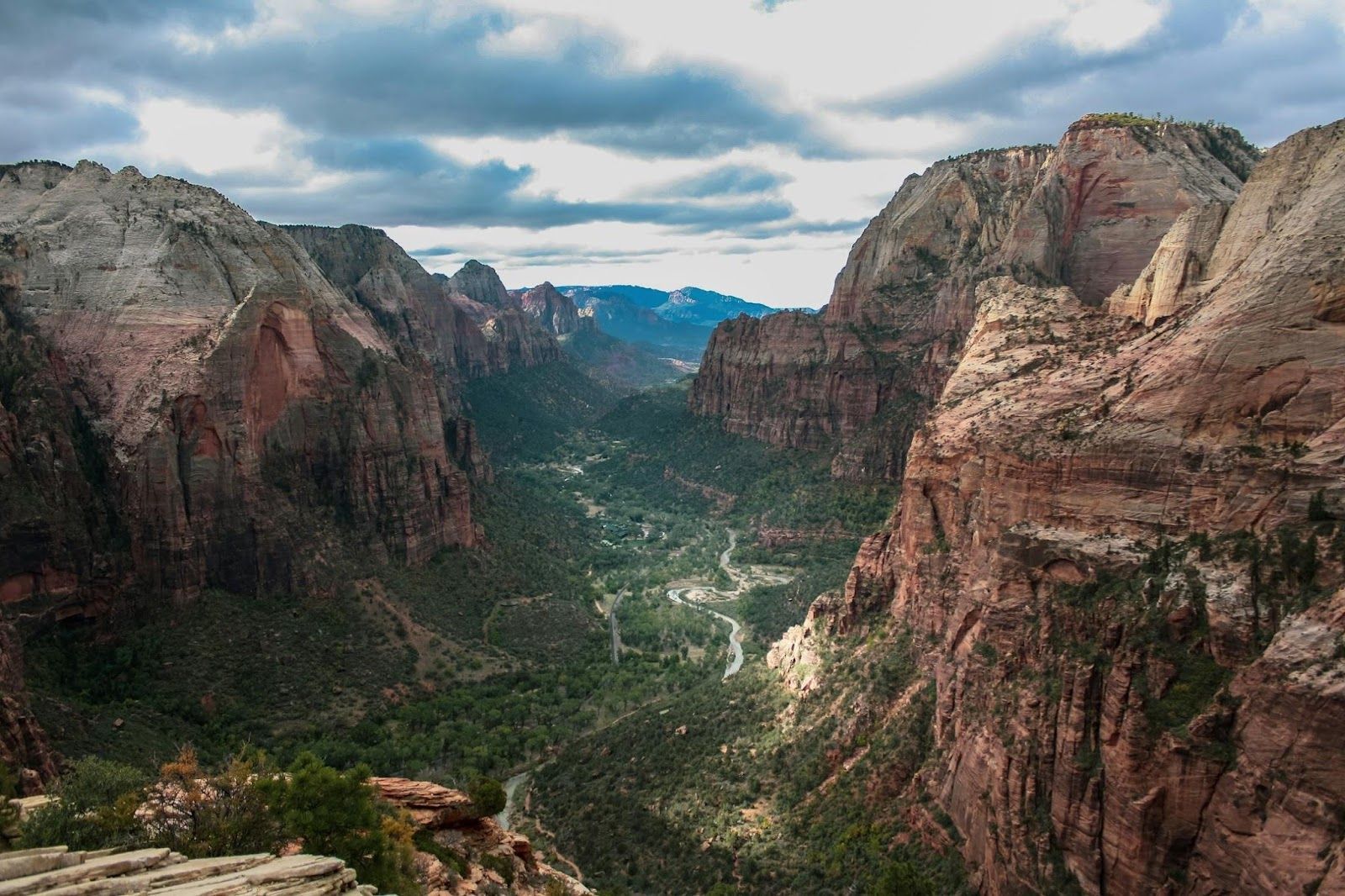
This is not a hike for the faint of heart, but it is one of Zion's most iconic and thrilling adventures. Angels Landing ascends more than 1,500 feet, culminating in a spine-tingling final half-mile, where hikers cling to chains bolted into the sheer sandstone cliff face. With jaw-dropping drop-offs on either side, the exposure is intense, but the 360-degree views of Zion Canyon from the summit are absolutely unparalleled. This hike requires a permit, a steady head, and nerves of steel, but the sense of accomplishment is immeasurable.
Beehive Loop Trail – Acadia National Park, Maine
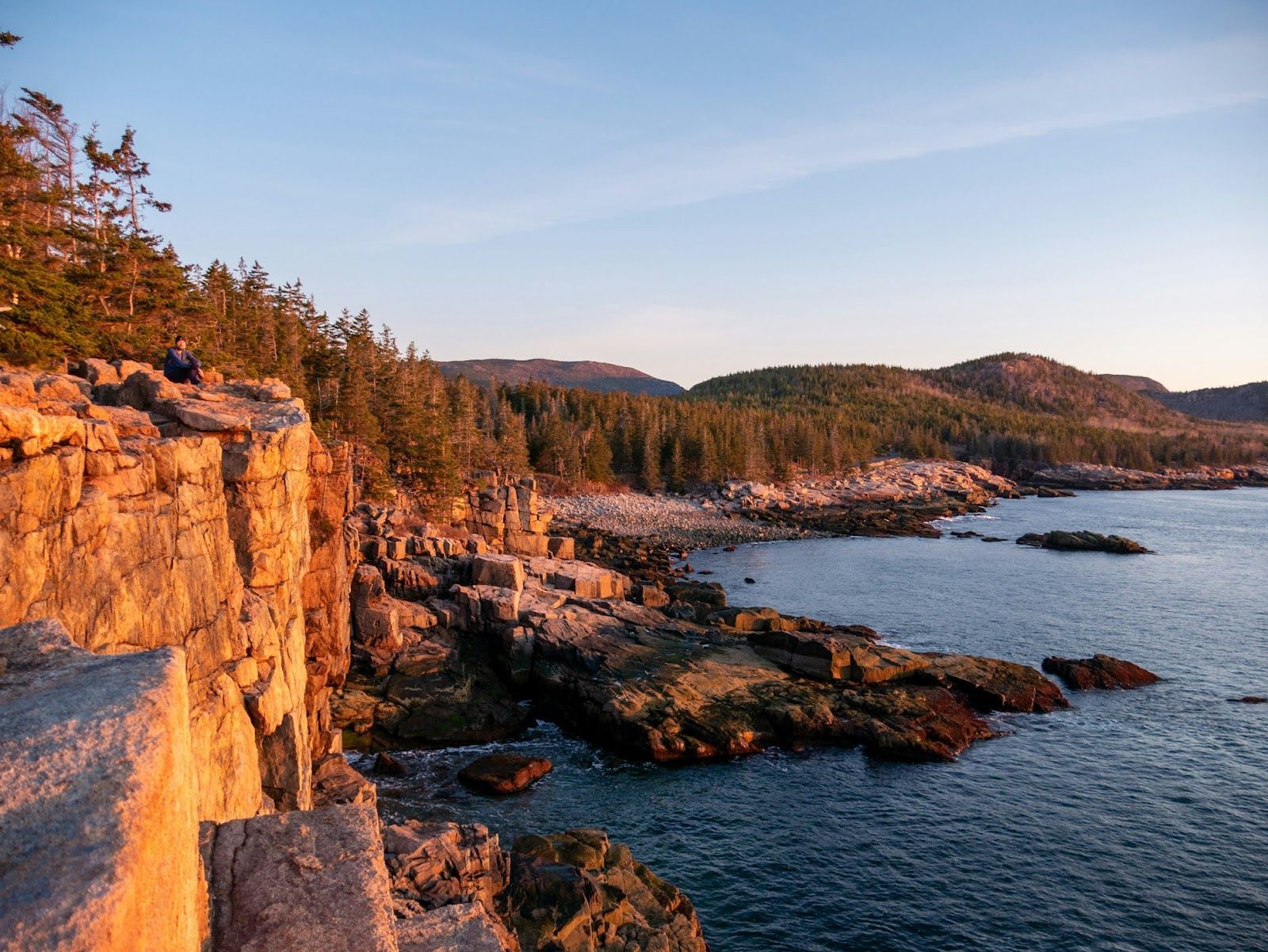
For an East Coast thrill that rivals some Western climbs, head to Acadia National Park and take on the Beehive Loop. This short but exhilarating, 1.4-mile loop is often compared to a mini-Angels Landing, featuring iron rungs and granite steps bolted into the sheer face of a cliff. The climb is exposed and requires focus, but it’s manageable for those with a good head for heights. The summit rewards you with stunning panoramic views of Sand Beach, Frenchman Bay, and the rugged, rocky Maine coastline. It’s a perfect blend of adventure and scenic beauty.

Hungry for adventure? 12 cities where every meal is a masterpiece
The ultimate flavor map: 12 cities every food lover needs to visit
For some travelers, a suitcase is just a vessel for bringing home local spices, and a passport is a ticket to the world’s best dining rooms. While every culture has its flavors, certain cities have transformed eating into an art form, a social ritual, and a historical record. From the narrow, pizza-scented alleys of Naples to the high-altitude innovation of Medellín, these urban centers offer more than just a meal. Whether you are hunting for the perfect $2 street snack or a 12-course Michelin-starred experience, these destinations prove that the best way to know a city is through its stomach. Pack your appetite as we explore the 12 most iconic cities for food lovers.
Naples, Italy
 Image: Anastasiia Chepinska
The birthplace of pizza had to be on this list, no question about it! Modern pizza took shape in Naples in the late 18th and 19th centuries, and that history helps explain the city’s approach to food today. Dough is typically soft and baked quickly, tomatoes are prepared with minimal seasoning, and fresh mozzarella is the key ingredient.
Pizza remains important, but everyday eating in Naples includes much more. Pasta dishes such as ragù Napoletano are part of regular family meals and are served in neighborhood trattorias, not only in tourist spots. Local markets sell produce, cheese, and bread daily, and small bakeries operate throughout the city. So, if you visit this wonderful city, aim for local spots, and you’ll eat like a true Italian!
Lima, Peru
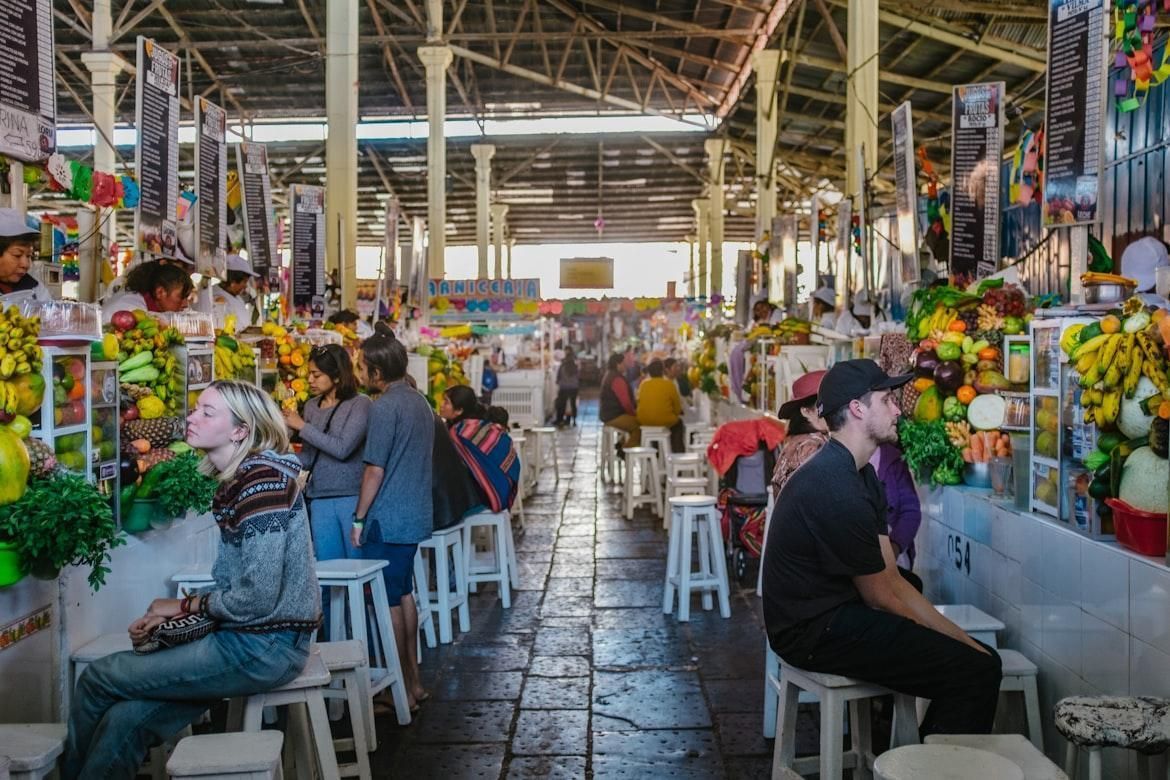 Image: Ashim D’Silva
If you visit the capital of Peru, you must try the national dish. In Lima, ceviche depends on precise timing: fish arrives early in the morning, and lunch follows soon after. It is prepared with fresh seafood, citrus juice, and chili peppers and is usually eaten during the day rather than at night.
Celebrated as the gastronomic capital of South America, ceviche is not all Lima has to offer. Savory beef stir-fry lomo saltado, grilled beef heart skewers anticuchos, and creamy chicken aji de gallina all highlight diverse flavors and textures influenced by Andean food traditions, as well as Chinese and Japanese cuisines introduced decades ago by immigrants. From small lunch counters and open-air markets to Michelin-starred restaurants, if you are a true foodie, then Lima is the place to start!
Mumbai, India
 Image: cc
In Mumbai, eating at home and dining out often blend seamlessly, as many people rely on nearby food stalls and small eateries for daily meals. Street vendors sell snacks such as vada pav throughout the day, while modest restaurants serve full plates of rice, lentils, vegetables, and breads at regular mealtimes.
These traditional dishes utilize spice blends and cooking techniques that have been prevalent in Western India for generations. Because the city is large and busy, food service is constant and efficient, yet eating habits remain consistent. Many residents eat from the same stalls or cafés each day, building routine and trust rather than seeking variety.
Portland, United States
 Image: Austin
Why is this small city in the Pacific Northwest a major foodie destination? Cost and accessibility are key reasons. Portland has many casual restaurants where meals are affordable and portions are generous, making it easy to eat out frequently. Pizza shops, bakeries, and coffee houses are part of daily routines rather than reserved for weekends.
Farmers' markets have been active in the city for many years, giving residents regular access to local fruits, vegetables, fresh seafood, and foraged goods. These factors, fueled by inventive chefs, strong farm-to-table ethos, and a vibrant culture of breweries, wineries, and artisan food producers, support a food culture that is simple, consistent, and easy for visitors to experience without special planning.
San Sebastián, Spain
 Image: takedahrs
Meals in San Sebastián often happen while moving from place to place. Pintxos are typically eaten standing at the counter, served in small portions, and shared among friends as people move between nearby historic bars. Seafood is common due to the city’s coastal location, while meats and cheeses come from farms in the surrounding inland areas.
Yes, San Sebastián is a foodie paradise. Its unmatched concentration of Michelin stars per capita, world-class seafood, and deep-rooted gastronomic traditions, such as cider houses, make eating out a central social event.
Medellín, Colombia
 Image: Rizvi Rahman
Named the Third Best City for Food in the World, Medellín blends traditional Colombian flavors with a dynamic culinary scene. Corn-based foods have long been central to meals in this region, commonly paired with beans, rice, and meats. For example, a simple but delicious arepa with chicharrón is a great start to the day.
Featuring talented young chefs, fresh local ingredients like unique fruits, diverse options from fine dining to amazing street food, and a strong specialty coffee culture, Medellín offers a compelling culinary journey, from rustic local bites to avant-garde gastronomy.
Porto, Portugal
 Image: Matheus De Moraes Gugelmim
A unique blend of historic, hearty traditions, world-class wine from nearby Douro Valley, fresh Atlantic seafood, innovative modern cuisine, and authentic local markets makes Porto a true mecca for food lovers.
What not to miss? The Francesinha, a sandwich made with layers of bread, various meats, melted cheese, and a spicy sauce, is usually served with fries and eaten as a main dish. Cod dishes, tripe stew, and soups are also common, especially in small, traditional taverns that serve everyday meals.
Marrakech, Morocco
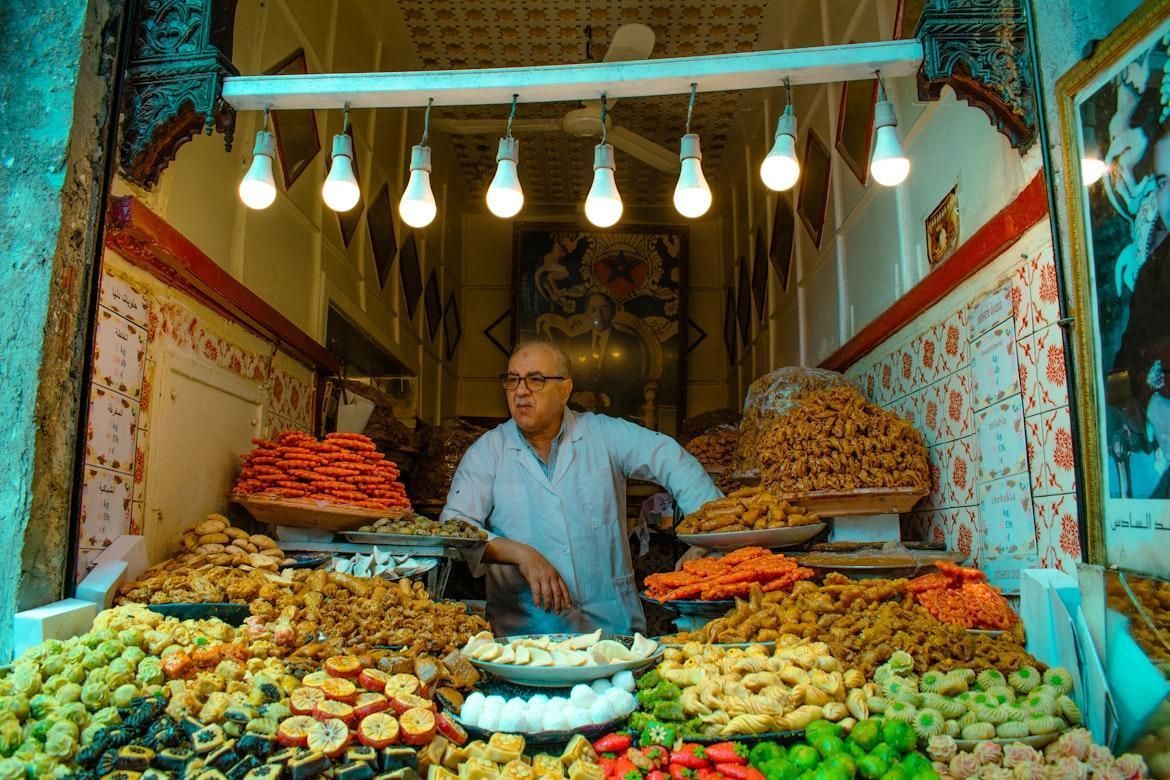 Image: Matthew Stephenson
In Marrakech, bread is baked daily, and ingredients are purchased fresh from vibrant local markets. With a rich and diverse cuisine blending Berber, Arab, French, and Mediterranean influences, this Moroccan city offers everything from iconic tagines and street food in the bustling souks to modern fusion dishes. Visiting Marrakech is a sensory feast, where centuries-old recipes coexist with a modern dining scene that celebrates traditional flavors with contemporary twists.
Lyon, France
 Image: Marine Le Gac
High-end restaurants and everyday cooking coexist in Lyon, making it a perfect destination for all budgets. Strategically located at the confluence of the Rhône and Saône rivers, northwest of the French Alps, it is often called the Food Capital of the World.
Lyon’s prime location provides access to incredible regional ingredients, a rich history shaped by pioneering female chefs, famous markets like Les Halles Paul Bocuse, and iconic rustic eateries called bouchons. All this, paired with its role in nouvelle cuisine, creates a vibrant food scene that balances tradition with world-class dining.
New Orleans, United States
 Image: Stella He
French, African, Caribbean, and American influences all blend together in New Orleans.
This unique melting pot helped create iconic Creole and Cajun dishes like gumbo, jambalaya, and po'boys. This, combined with a deep-rooted food history, innovative modern chefs, legendary spots such as Café du Monde and Commander's Palace, and vibrant food festivals celebrating everything from beignets to crawfish, makes New Orleans a globally recognized culinary hub that honors both tradition and innovation.
Osaka, Japan
 Image: a_doggy
Often called Japan’s Kitchen, Osaka places strong emphasis on everyday eating. Street foods such as okonomiyaki and takoyaki are prepared in front of customers and eaten on the spot. Local markets sell fresh fish, vegetables, and other basic ingredients that supply both home cooks and small restaurants.
Osaka’s history as a merchant hub bringing diverse ingredients, its culture of "kuidaore" (eating until you drop), and its blend of hearty, affordable local eats with high-end dining create a dynamic scene of accessible, fun street eats and sophisticated cuisine.
Copenhagen, Denmark
 Image: Annie Spratt
A city for gastronomy geeks and food nerds deserves center stage on this list. The birthplace of the revolutionary New Nordic Cuisine, which emphasizes local, seasonal, and sustainable ingredients, Copenhagen is home to world-renowned restaurants such as Noma and Geranium. The city also boasts a vibrant street food scene, elevated Danish classics (smørrebrød, hot dogs), and fosters innovation from Michelin chefs to everyday eateries, creating a diverse, high-quality culinary landscape accessible to all budgets.
Keep wandering
There’s always
more to explore

I wish I had known these 12 car tips before embarking on a long road trip
4 min.
Read Now

The smartest travelers avoid flying on these days: 10 US airport facts
6 min.
Read Now
 Geography

No one can explain: 10 geographical mysteries that broke science
6 min.
Read Now
 Landmarks

American connections: 10 bridges that are architectural masterpieces
5 min.
Read Now