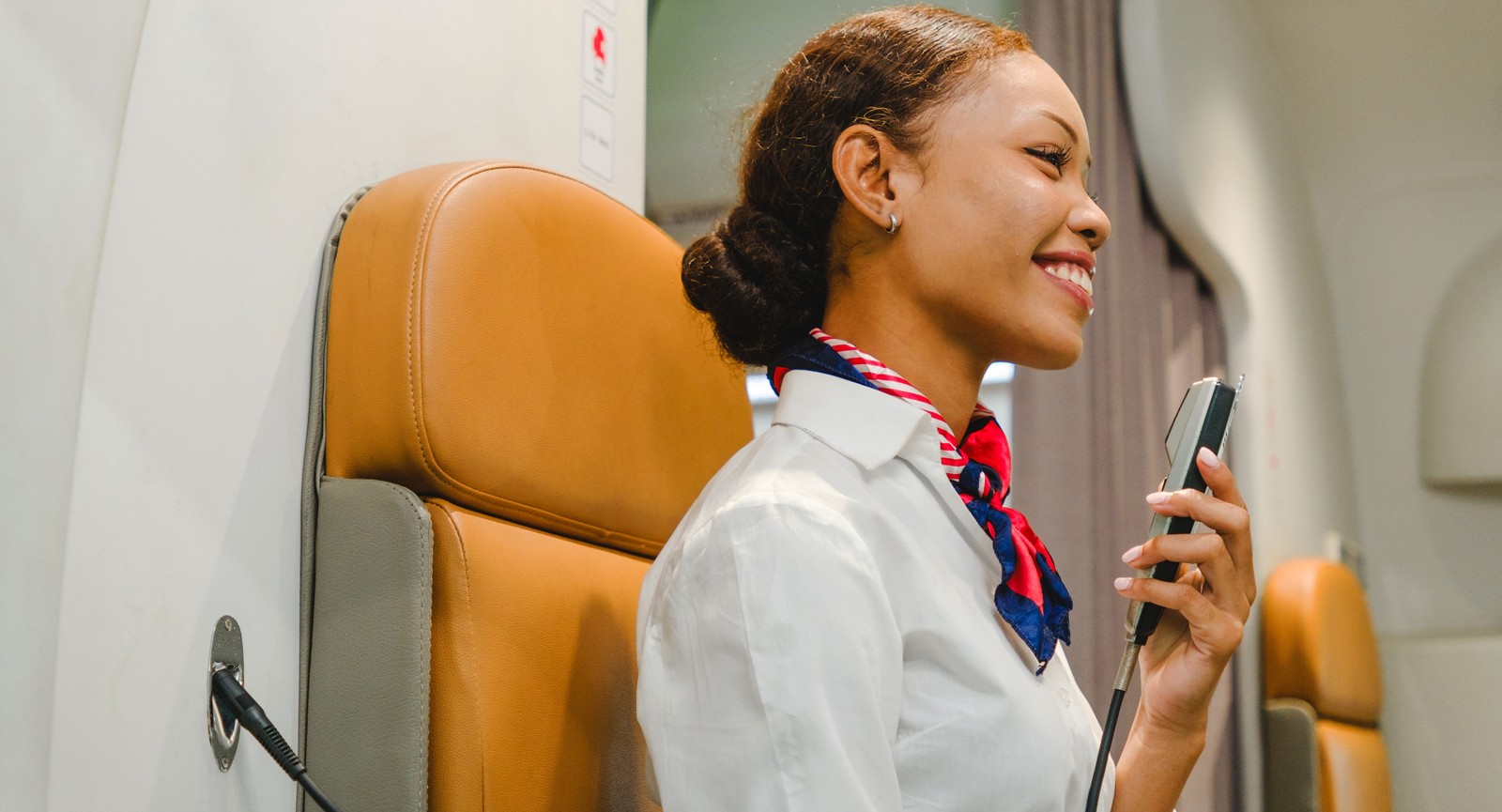
Why do flight attendants seem to sit on their hands during takeoff?
 General
Curious little routines
Why do flight attendants seem to sit on their hands during takeoff?
Most of us know the routine by heart: seat upright, tray table stowed, window shade open, bag under the seat. Meanwhile, flight attendants make one last trip through the cabin before strapping themselves into their unusual little seats. Almost none of these rituals are arbitrary. Many exist because takeoff and landing are moments when the cabin must be ready to go from ordinary flight to emergency response with almost no warning. Here are 12 things that cabin crews are actually doing, and why.
Sitting on their hands during takeoff and landing
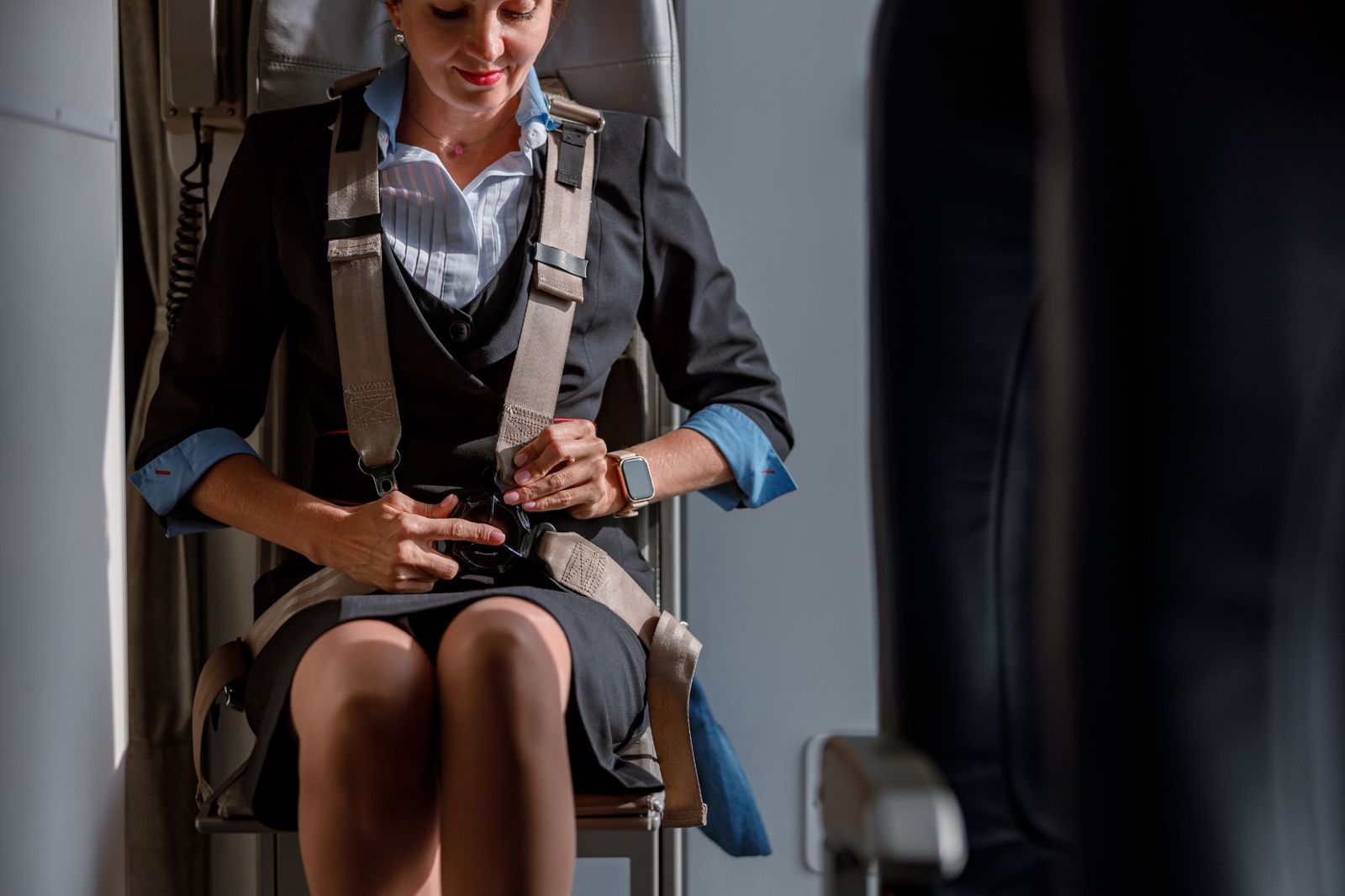
You may have noticed flight attendants sitting remarkably still in their jumpseats, sometimes with their hands tucked or firmly held in their laps. They are adopting a protective position intended to reduce uncontrolled movement and injury if the aircraft suddenly decelerates.
There isn't one universal pose: the exact brace position depends on the jumpseat, its orientation, and the airline's procedures. Feet may be planted flat, the restraint secured tightly, and the head positioned differently depending on whether the seat faces forward or backward.
Cabin lights dimmed
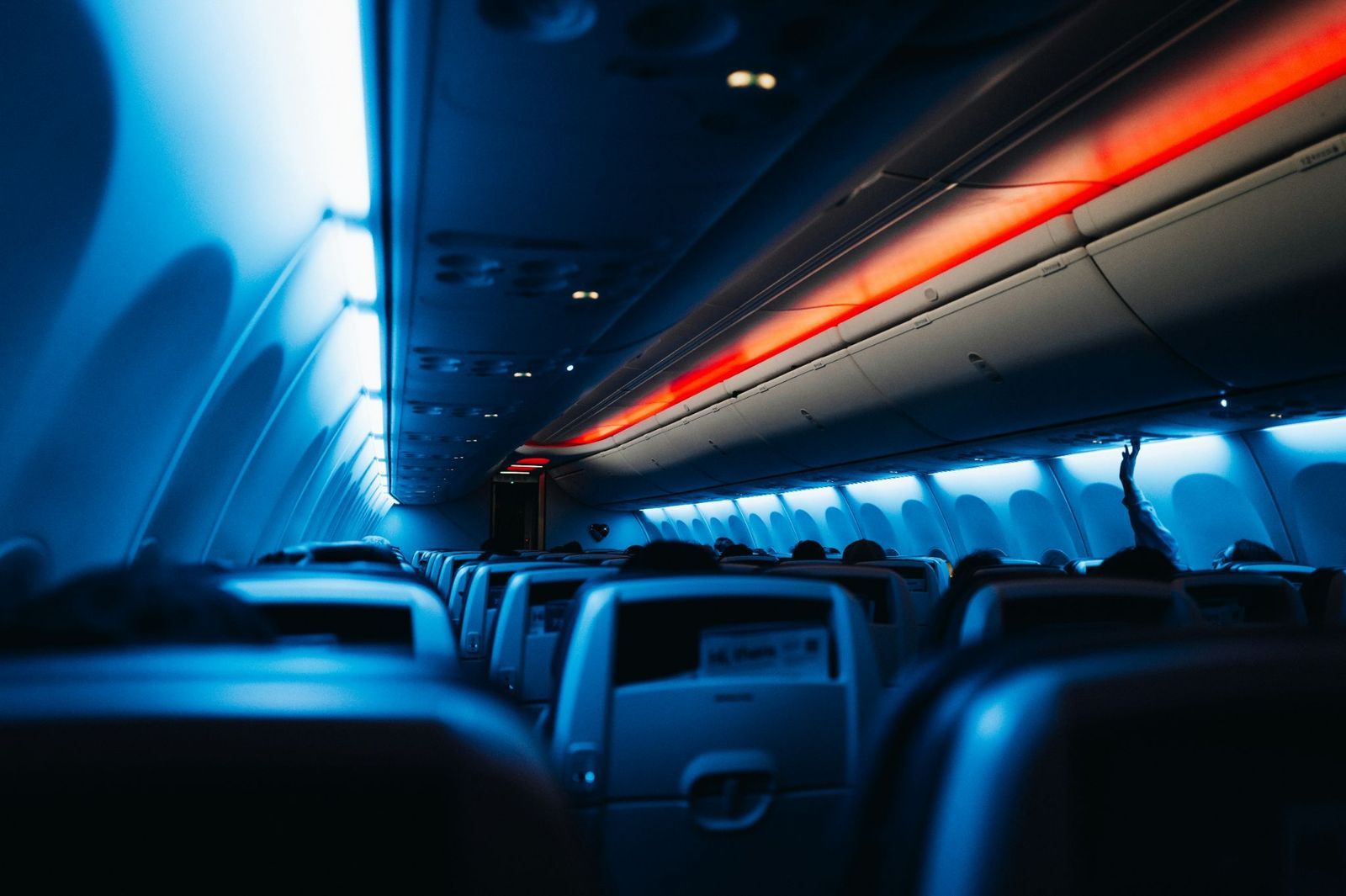
When the lights go down before a nighttime takeoff or landing, the airline isn't trying to create a relaxing atmosphere. The change helps passengers' and crew members' eyes begin adapting to the darkness outside before an emergency could force everyone out of the aircraft.
It also makes illuminated exit signs and floor-level escape-path lighting easier to see. And with fewer bright reflections on the windows, conditions outside are easier to assess. If an evacuation becomes necessary, those seemingly insignificant seconds spent adjusting to darkness can suddenly matter.
Window shades open
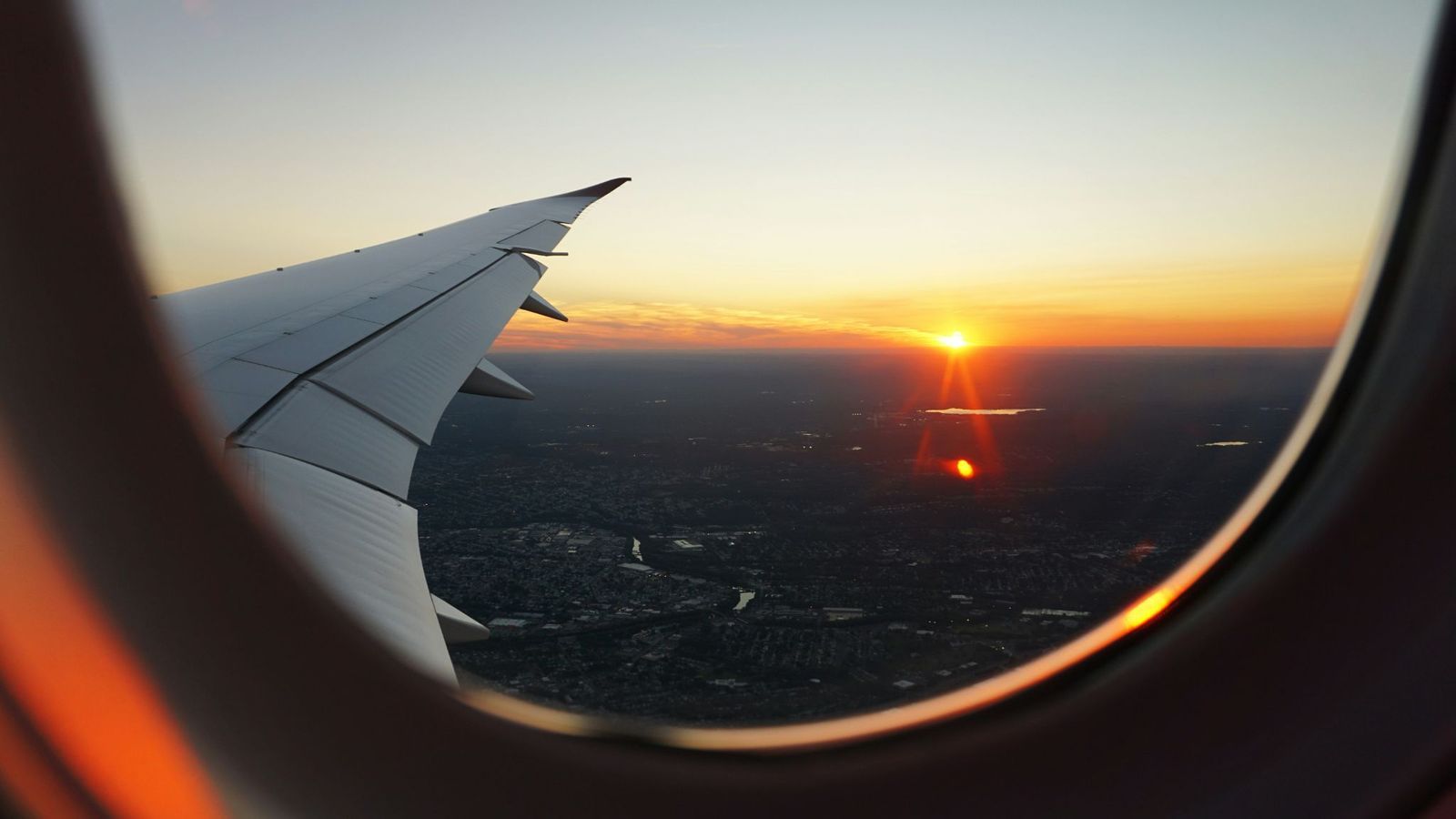
Open shades give flight attendants a quick view of what is happening outside. In an emergency, that can help them spot fire, smoke, debris, or another hazard before deciding whether an exit is safe to use. Emergency personnel outside may also be able to see into the cabin.
That's especially important around takeoff and landing, when crews need to be prepared for a rapid evacuation. Procedures aren't identical on every airline, but where shades must be open, the reason is practical rather than scenic.
Seat completely upright
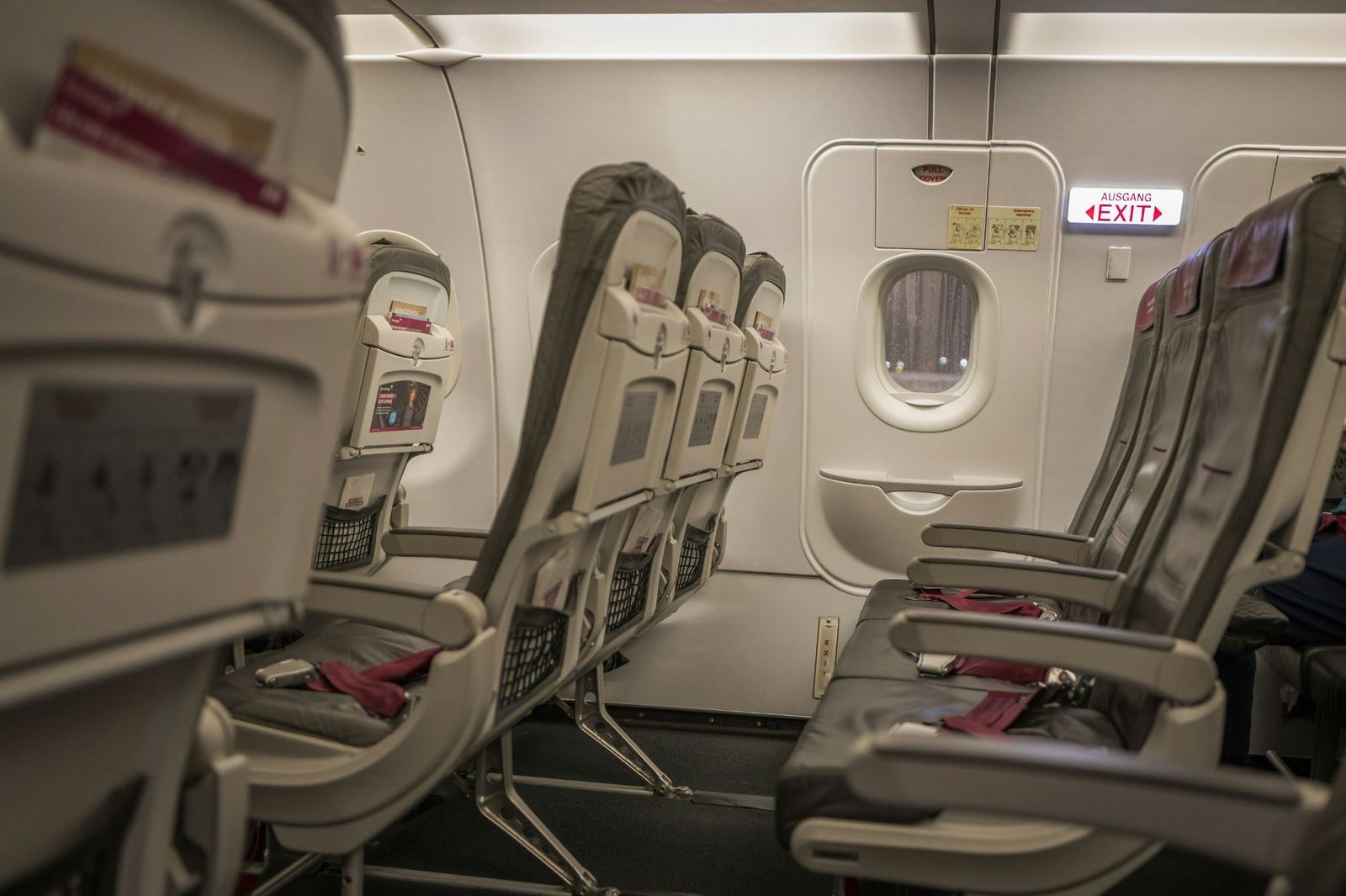
That last inch of recline may seem trivial, but "upright" really does mean fully upright. Aircraft cabins and seats are certified in specific configurations, and the takeoff and landing position is designed with occupant protection and emergency evacuation in mind.
There's another passenger to consider: the one behind you. A reclined seat reduces the space available for that person to move, something that becomes far more important if an entire row suddenly needs to reach the aisle. The rule has been part of U.S. airline safety requirements since 1968.
Empty tray tables stowed
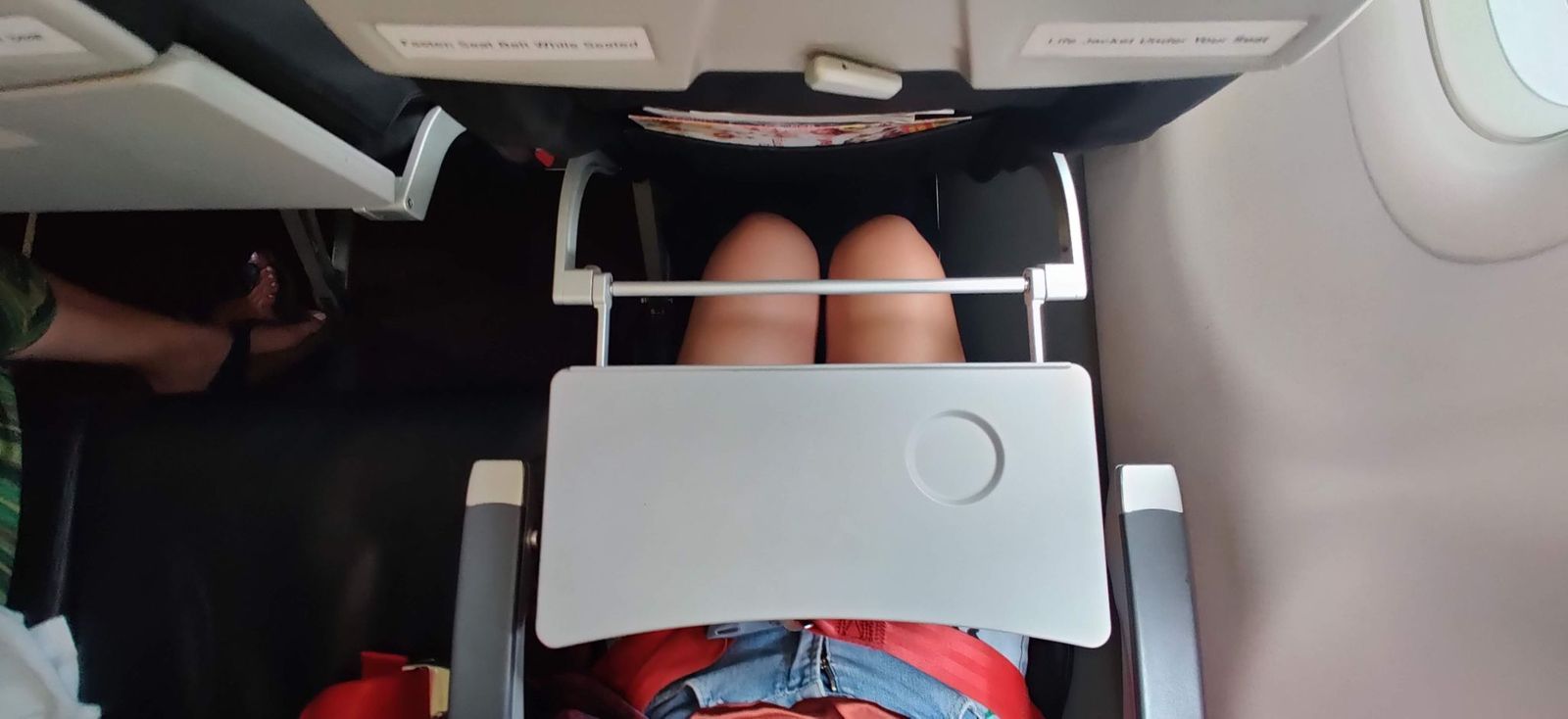
The half-finished coffee isn't the only reason your tray has to disappear. Even completely empty, an open tray is a rigid obstacle directly in front of your body and can interfere with movement when passengers need to get out of a row quickly.
That's why tray tables are among the cabin items secured before takeoff and landing. The objective is to remove unnecessary obstacles and return the passenger area to its proper configuration.
Bags all the way under the seat
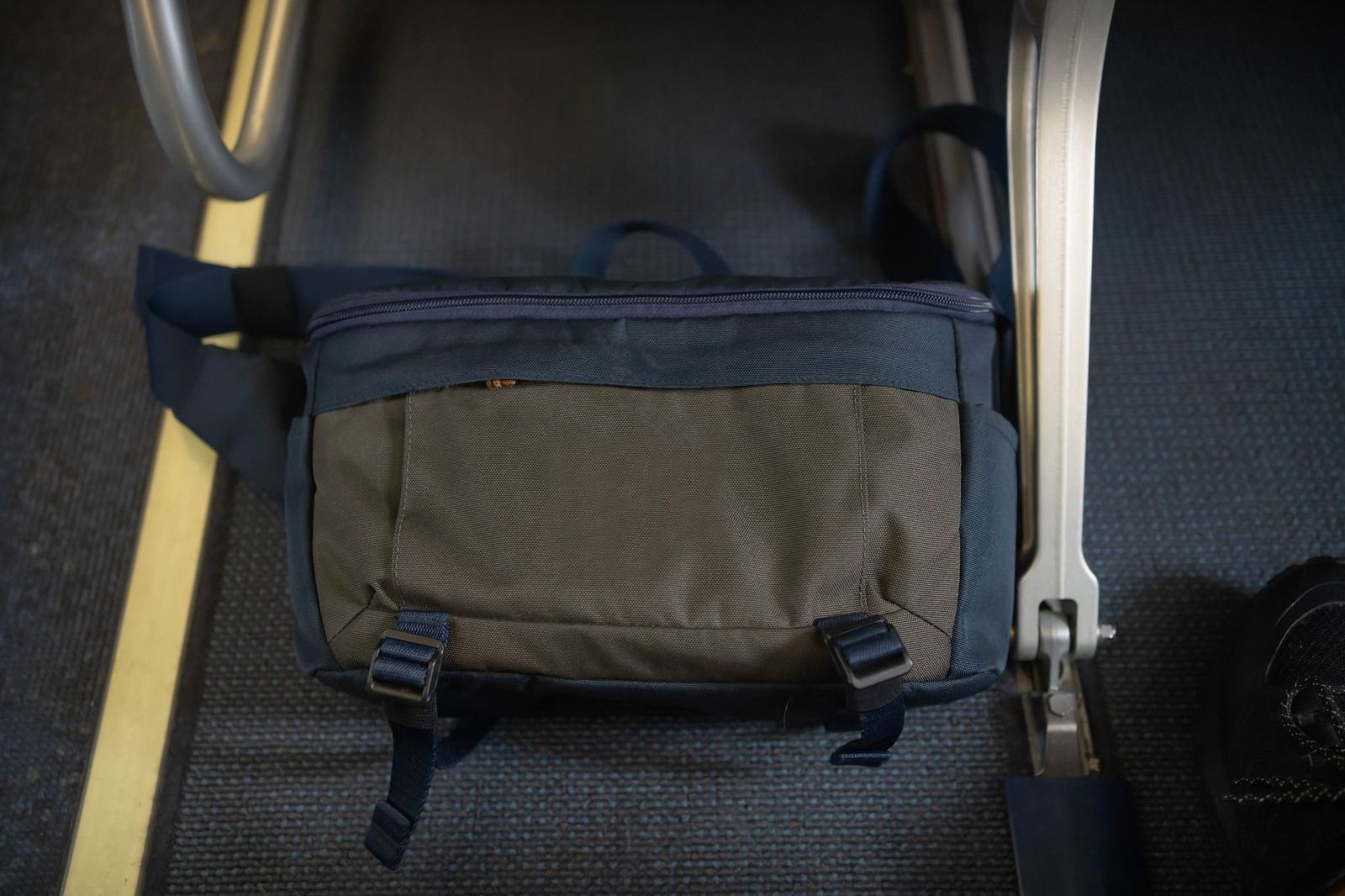
A backpack sticking a few inches into the footwell may not bother you, but it could become a tripping hazard when several frightened people are trying to reach the aisle. Loose straps present the same problem, which is why passengers are advised to tuck them away.
The FAA warns that carry-on baggage can obstruct aisles during an evacuation, injure people, and even damage evacuation slides if passengers try to take it with them. Since January 2023, more than 40 injuries have been reported during aircraft emergency evacuations. Clear escape routes aren't just tidiness.
What does "cross-check" mean
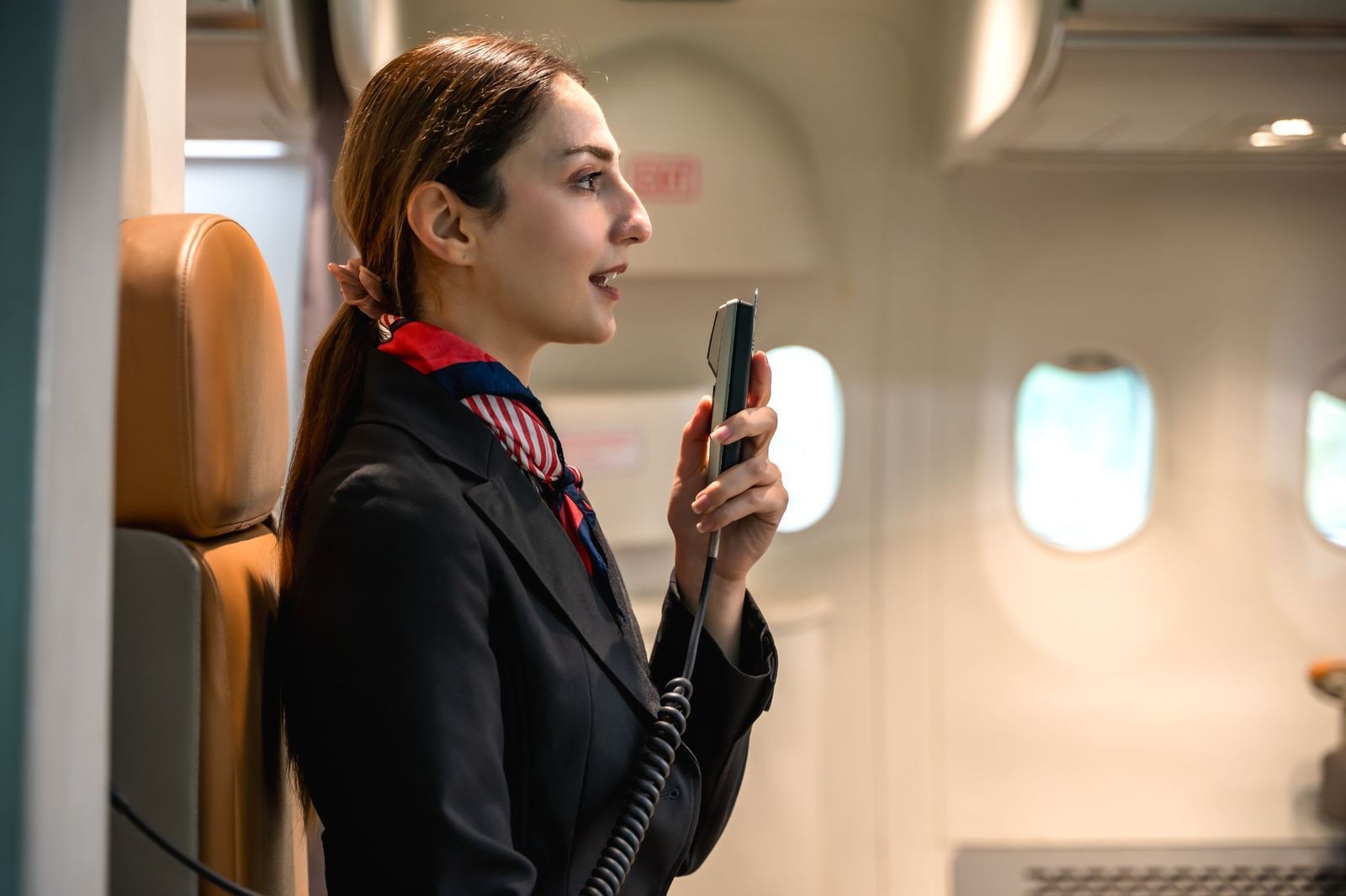
You've probably heard a mysterious announcement involving doors and a "cross-check." Before departure, flight attendants configure aircraft doors so that opening them in an emergency will deploy their evacuation equipment. After landing, the doors must be returned to their normal configuration.
The cross-check is exactly what the name suggests: another crew member verifies that the procedure has been completed correctly. It's a small but important layer of redundancy. One attendant performs the task, and another confirms it instead of assuming everything was done properly.
One last walk through the cabin
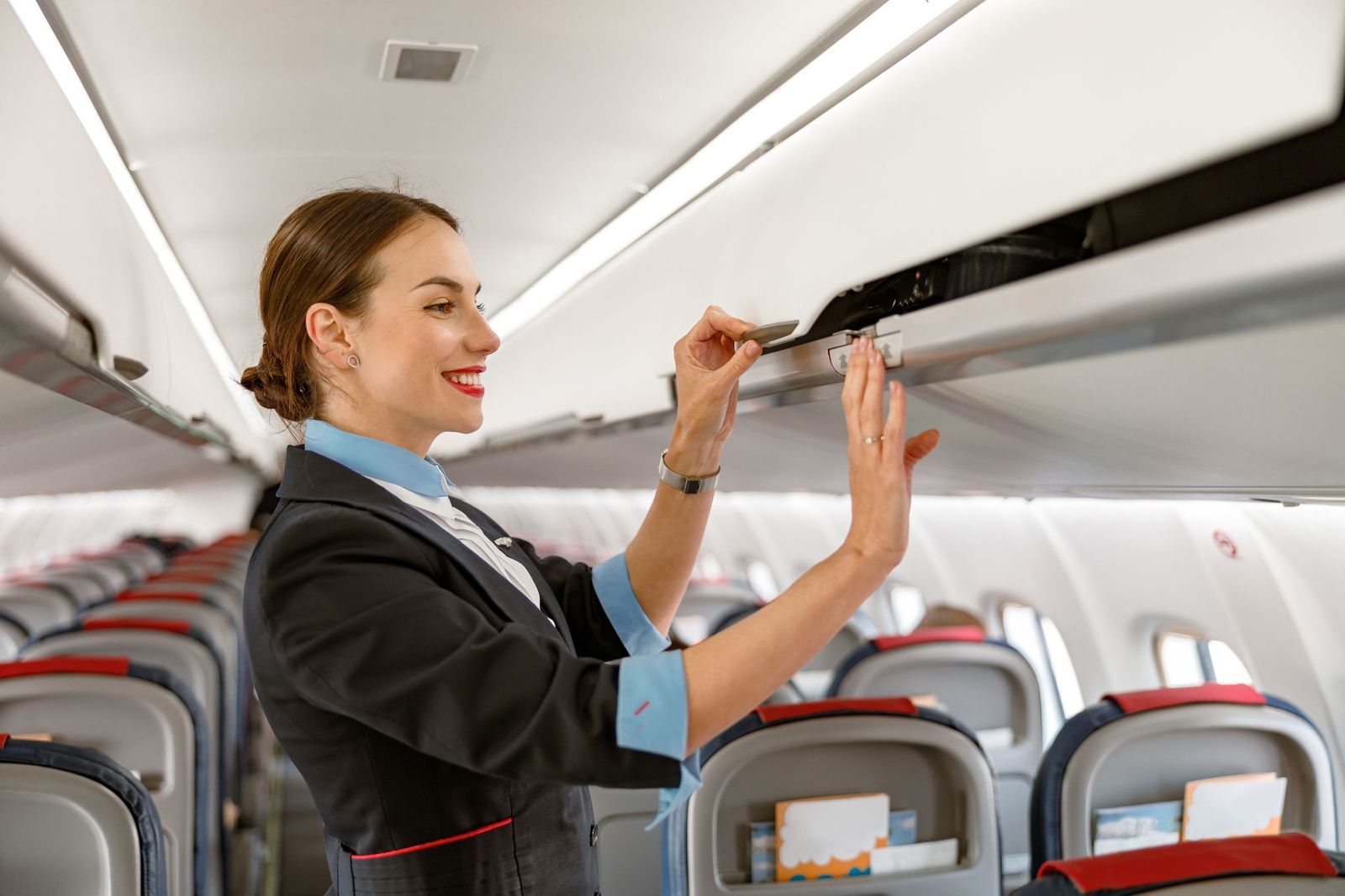
Just before takeoff or landing, flight attendants seem to become extraordinarily interested in everybody's seat. They're actually performing a final cabin safety check, looking for seatbelts, bags, trays, seat backs, and other conditions that must be corrected before the aircraft enters a critical phase.
They are also securing galleys and equipment and dealing with anything that could interfere with safety or an evacuation. Only after those checks are completed can the attendants take their own assigned positions and fasten their restraints. Think of that final walk as the cabin's last inspection before everyone commits to takeoff or landing.
Why do flight attendants’ seats sometimes face backward?
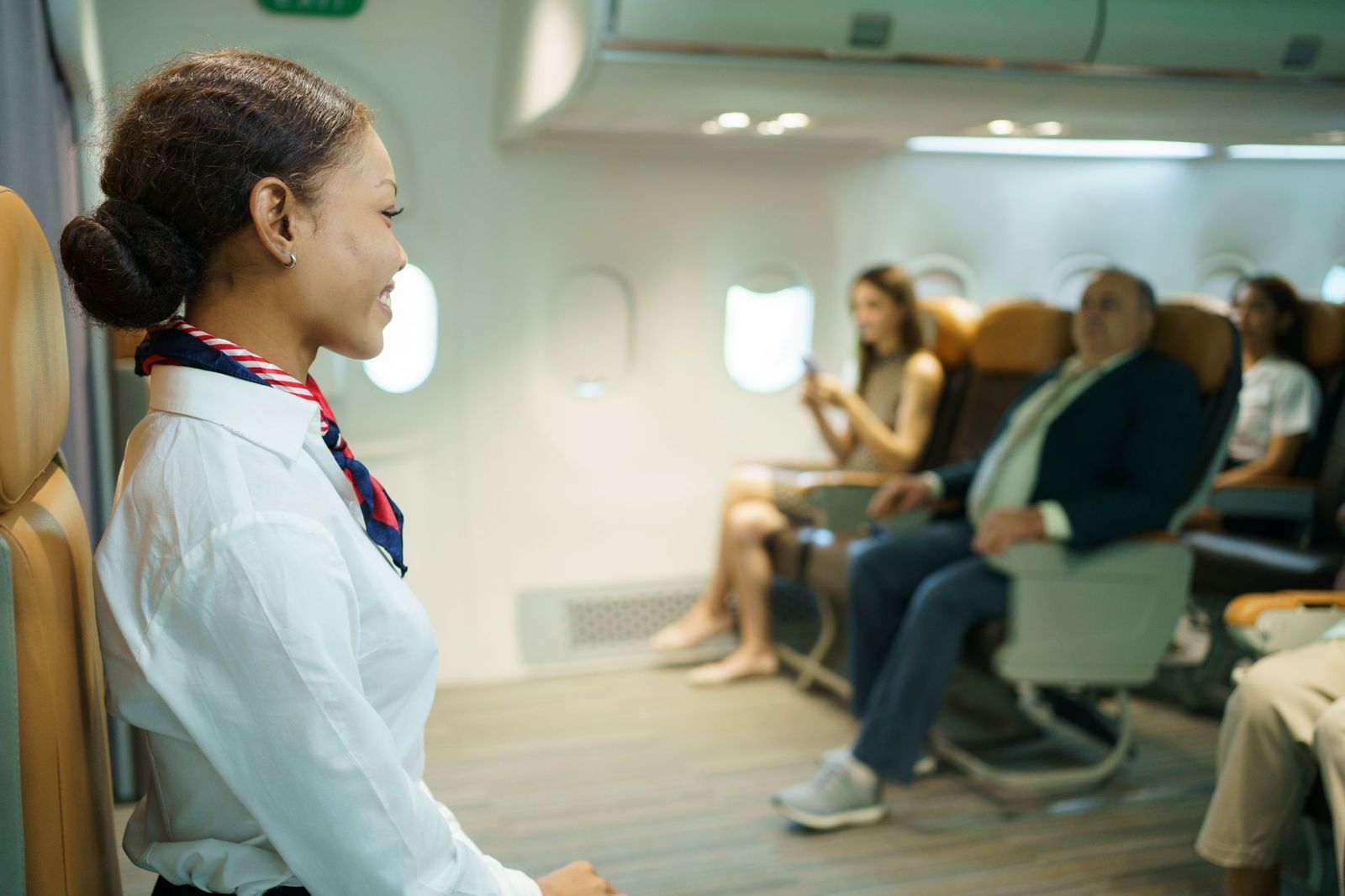
Flight-attendant jumpseats can look bizarre compared with passenger seats. They may face forward or backward, and their placement is closely connected to the crew's emergency duties. Required seats are generally positioned near emergency exits and, where possible, where attendants can observe the cabin they're responsible for.
The seats also have specialized restraint and support requirements intended to protect crew members. So the unusual orientation isn't simply because somebody decided that traveling backward is always safer. A jumpseat is essentially an emergency workstation designed around where that crew member needs to be when something goes wrong.
Why remove your headphones?
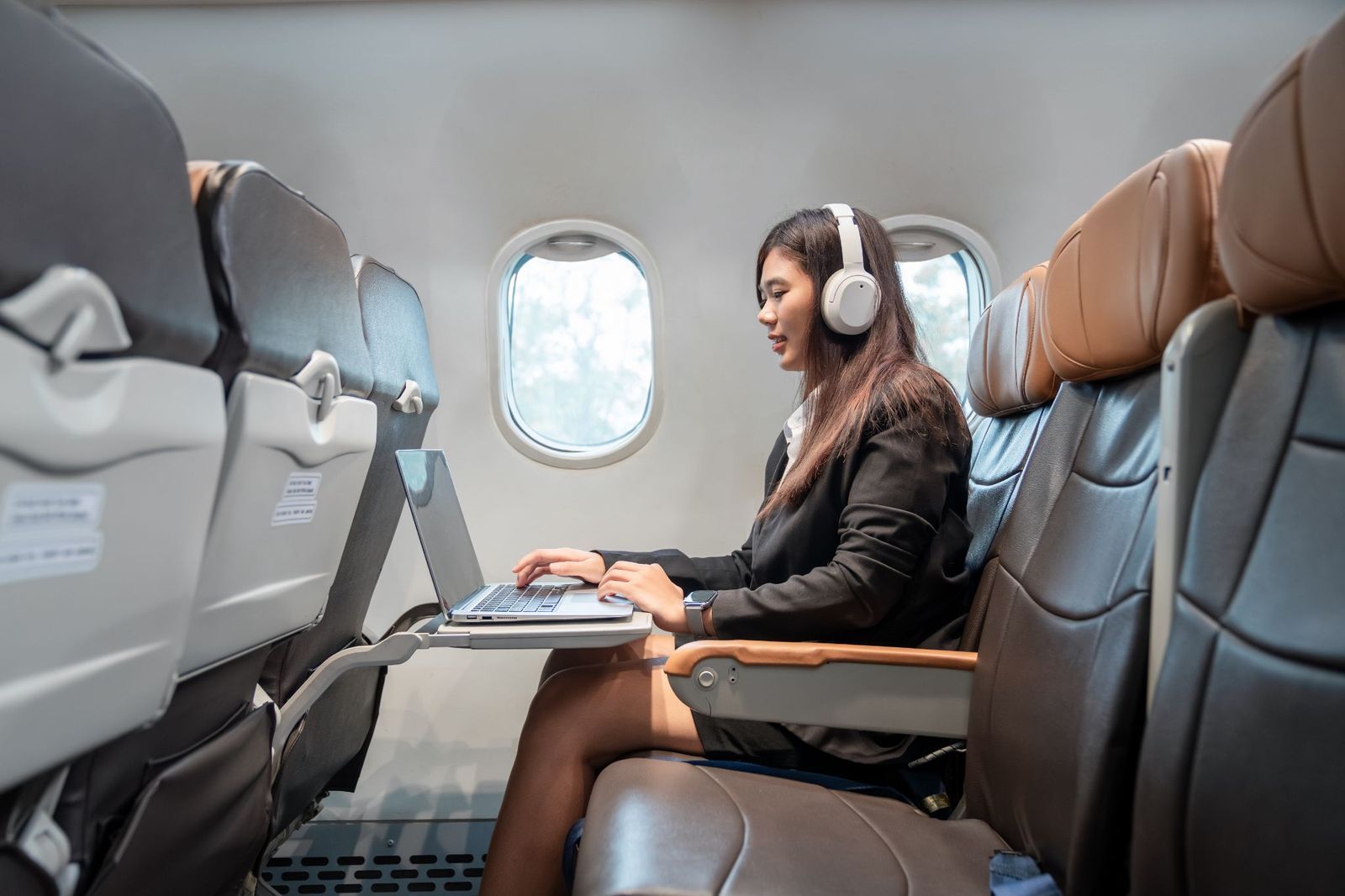
The concern isn't whether you're enjoying music during takeoff. Headphones can reduce your awareness of what's happening around you and make an unexpected crew instruction harder to hear at precisely the moment when passengers may need to react immediately.
Wired headphones can create another potential problem because dangling cords may interfere with movement. Policies vary among airlines, so passengers aren't universally required to remove every type of headphone. But when a crew member asks, the logic is simple: during critical moments, they want your ears available too.
Why count passengers?
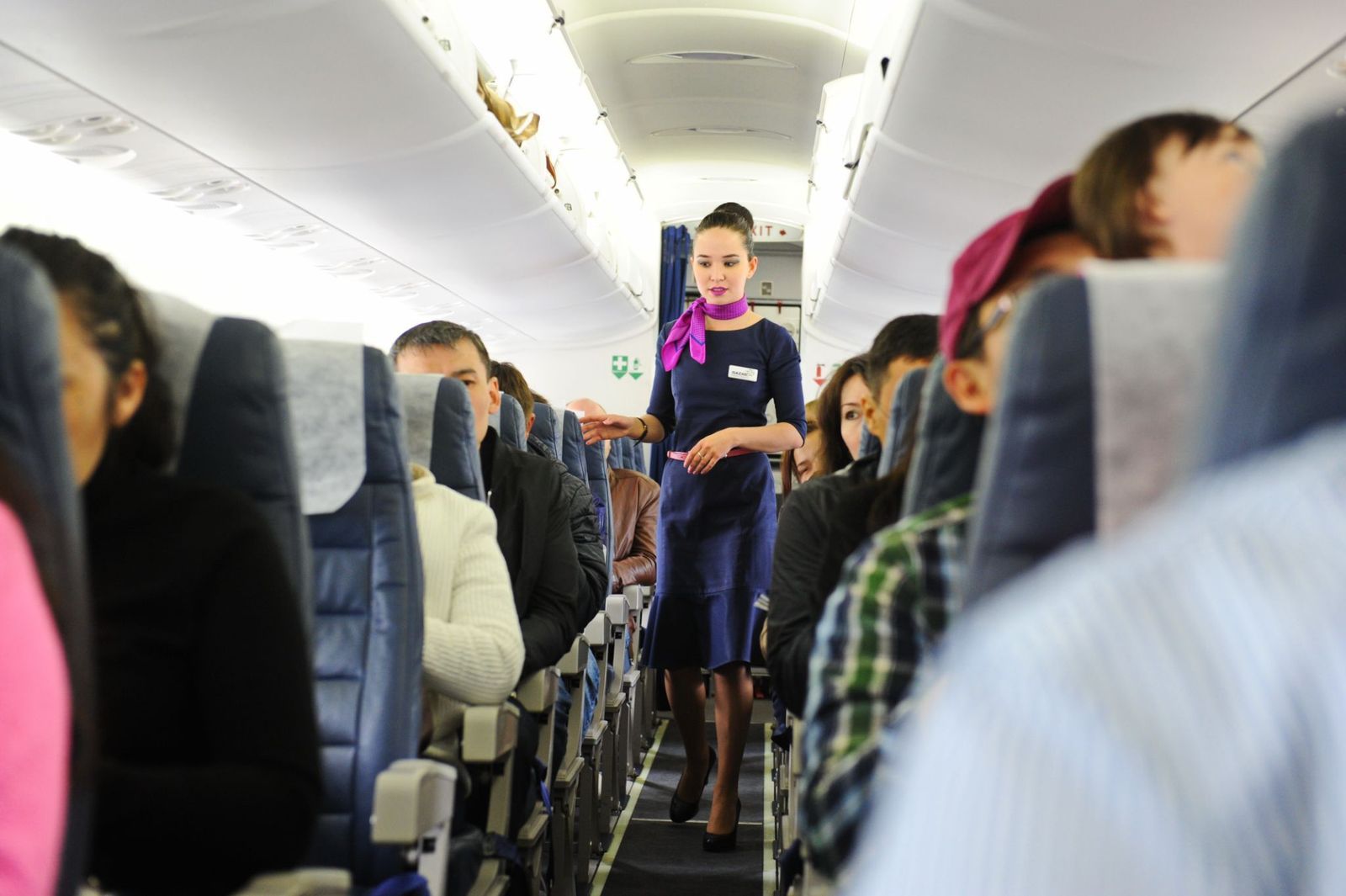
The airline's computer knows how many reservations it has, but crews need to know how many people are actually aboard. No-shows, last-minute changes, and boarding discrepancies can make those two numbers different, and an accurate passenger count can matter for weight, balance, and other operational calculations.
The FAA has documented cases in which physical passenger counts helped resolve discrepancies. Passenger distribution can matter too: after one airline investigated a tail strike, its procedures included a visual inspection and count to confirm that passengers were appropriately distributed before the cabin was declared ready.
Final takeoff preparations
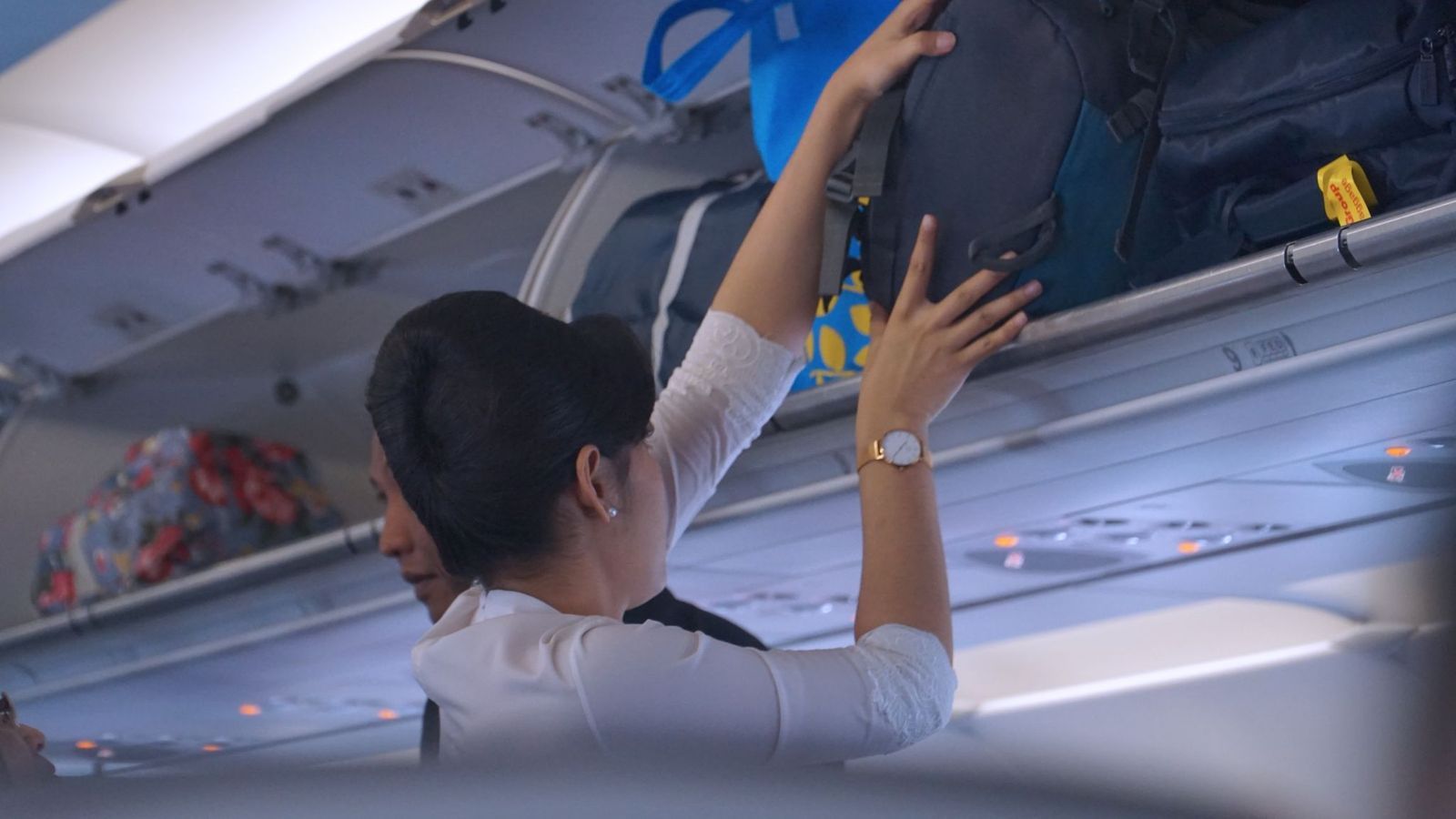
Once the cabin is secure, you may see your flight attendant sitting silently while everyone else waits for takeoff. That quiet moment can include something called a "silent review" or "30-second review": a mental rehearsal of what to do if the routine departure suddenly becomes an emergency.
Depending on procedures, attendants may review their assigned exit, alternative exits, evacuation commands, and other immediate actions. Airbus notes that the technique can help crews remain focused and reduce the startle effect of an emergency. So while you're wondering how long the taxi will take, the person beside the door may already be rehearsing how to get everyone out.
10 things to check if you are planning a camping trip
Happy campers
10 things to check if you are planning a camping trip
Are you a seasoned camper? Or maybe you are new to it and don’t know where to start? No matter your experience level, camping should always be safe and comfortable, but this can mean different things. Location, style of camping, time of the year, personal needs and preferences, these are all things that will determine the success of your camping trip. So, let’s have a look at the best way to plan it.
Choose the camping style that suits you best
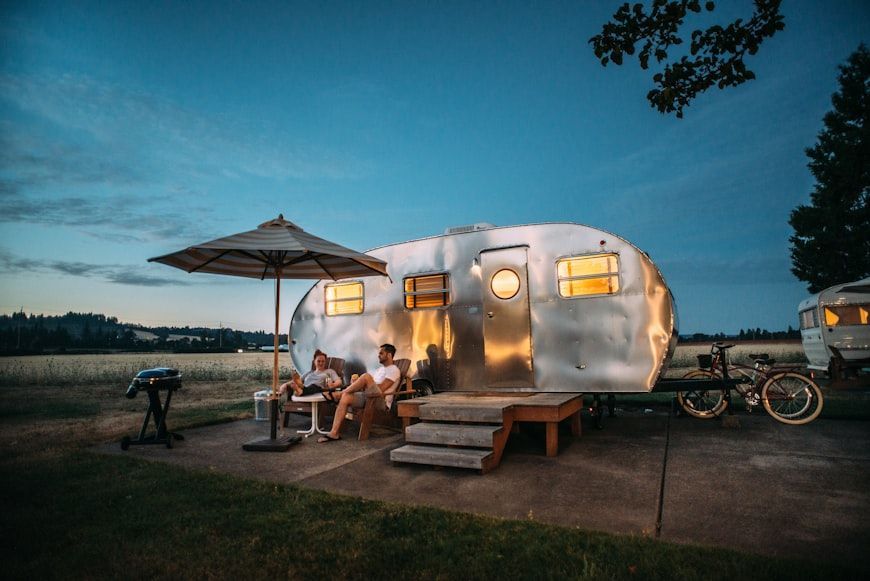
There is not a single way of camping: it can go from a minimalist, backcountry style in a remote location to a luxurious glamping site, including camping sites with amenities, RV camping, and shelters.
Your final pick will not only be dependent on the location and the type of camping style, but also on your personal camping experience. If it’s your first time, prioritize comfort, easy access, and a camping style that plays into your personal strengths and abilities.
Research the camping site
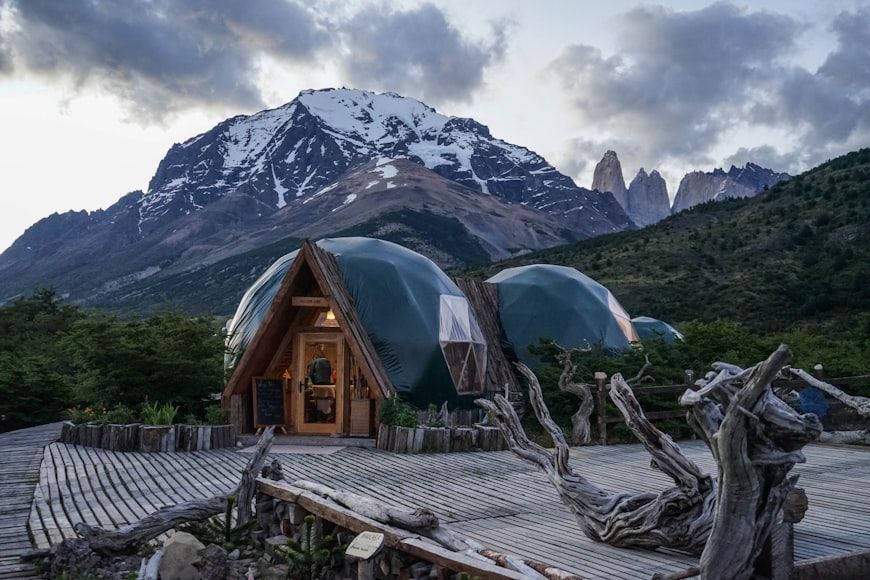
You have decided what camping style you prefer. Now it’s time to choose a location. If you prefer a more developed site, check if it’s suited for the type of camping chosen, the site requirements, the fees, and the amenities offered.
More remote locations will likely have lower or no fees, but they will lack the convenience of a developed campsite. When choosing a remote location, check the closest town, the access to water, and the gear you will need for that specific terrain. It’s also important to check if the area requires a permit or if it has specific safety regulations.
Timing
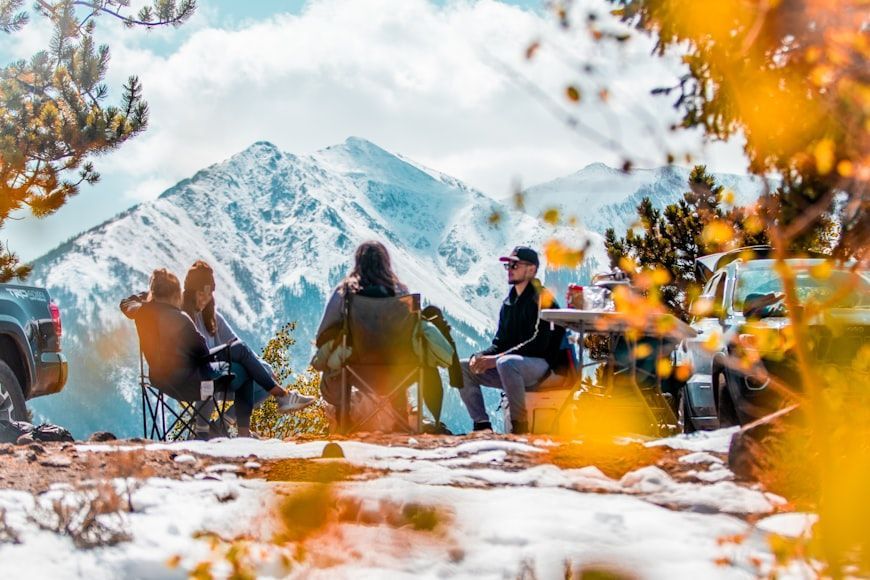
As a rule of thumb, it’s always better and easier to camp during the warmer and drier months, but this can look different for each location. Spring and fall tend to have milder weather, but they can come accompanied by rain. Summer ensures warmth and stable conditions, but extreme heat requires preparation of its own. Winter camping? That’s more advanced, unless you are picking a camping site with ample amenities.
Besides the season, it’s important to pick the best time of the month. Planning your trip around a full moon will give you better night visibility. While this is minor if you are staying at a developed campsite, it can greatly affect the conditions of a more remote location.
Check the weather forecast
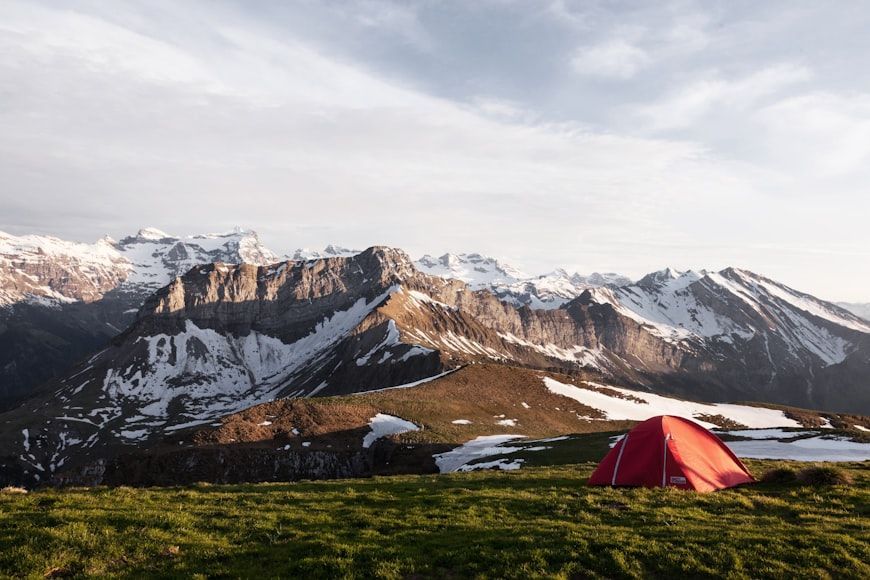
Not all camping sites present the same conditions year-round. When choosing a location, it’s important to research the weather conditions, depending on the season and the environment. A site that seems perfect for tent camping during the summer might be very challenging during the colder months.
It’s also key to check the forecast on the days leading up to the trip. Weather conditions might change rapidly and require new equipment, a change of plans, or suspending the trip altogether.
Food planning
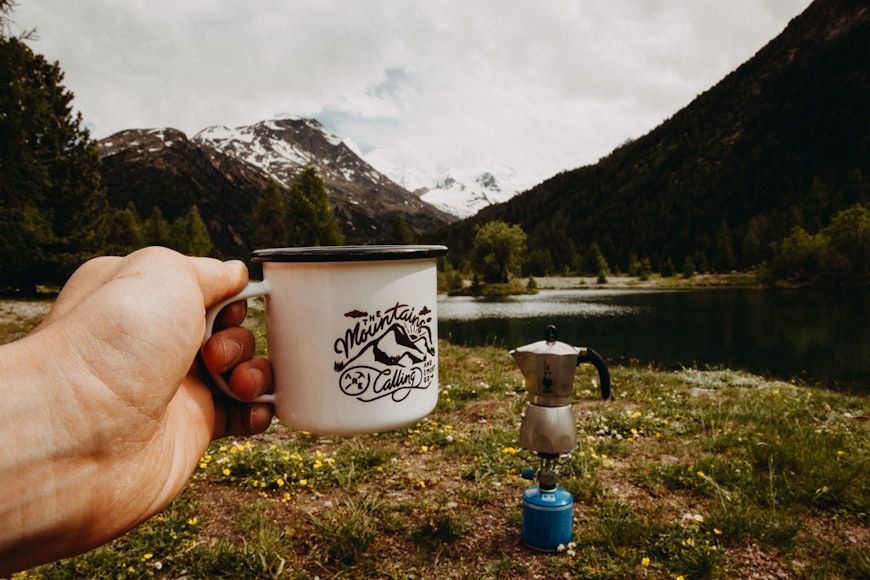
What food you choose for a trip is mainly determined by your personal preferences, but also by the style of camping. If you are staying at a campsite or travelling by RV, you will most likely have better access to stoves, cookware, and storage. If you are backpacking to a remote location, you will be restricted to what you can carry.
In all of these situations, you will benefit from preparing food or ingredients ahead of time and prioritizing quick and easy options. If you are planning to cook by fire or with a portable stove, check the fire regulations for the area.
Camping etiquette
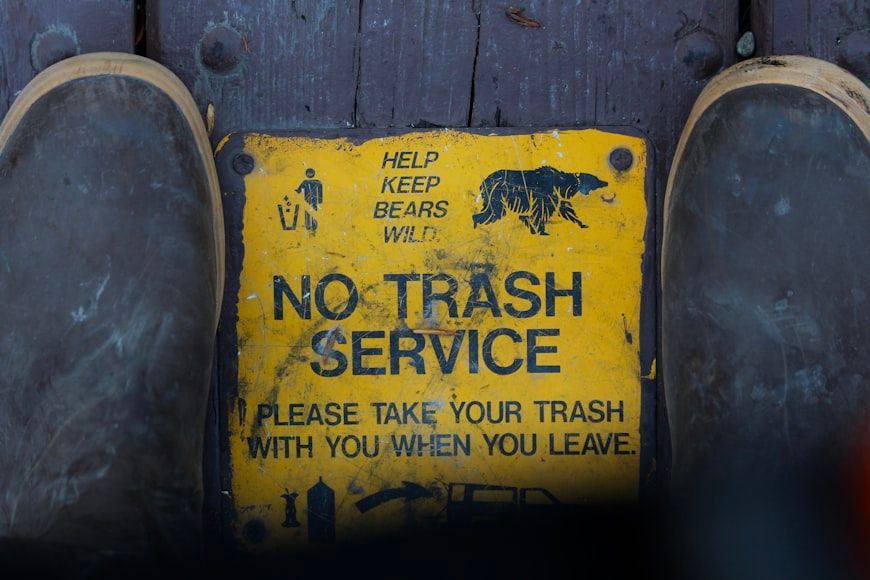
Your behavior during a camping trip will, in some way, be influenced by the location and the style of camping chosen, but there are some ground rules that you can follow. If you are camping at a developed campsite, be mindful of other campers, respecting quiet hours, personal space, and shared facilities.
For all camping styles, but mainly when camping at a remote location, it is essential to follow the ‘Leave no trace’ rules, packing up your trash and food scraps, following fire safety regulations, and minimizing light and noise pollution.
Wildlife
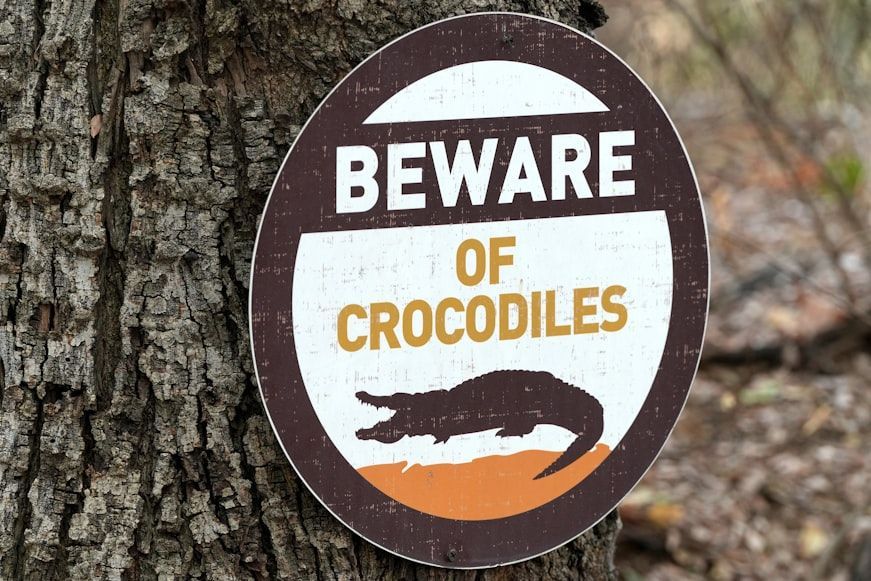
Knowing how to interact (or not) with wildlife is essential to camping. After all, we, as campers, are visitors to the wildlife’s environment. To avoid attracting animals, remember to keep your campsite clean and store your food and leftovers in airtight containers.
When encountering wild animals, maintain the recommended distance—25 yards for small animals, and at least 100 yards for predators and large animals—and never feed them. If you are camping with small children or pets, be mindful of keeping them away from wildlife.
Personal comfort
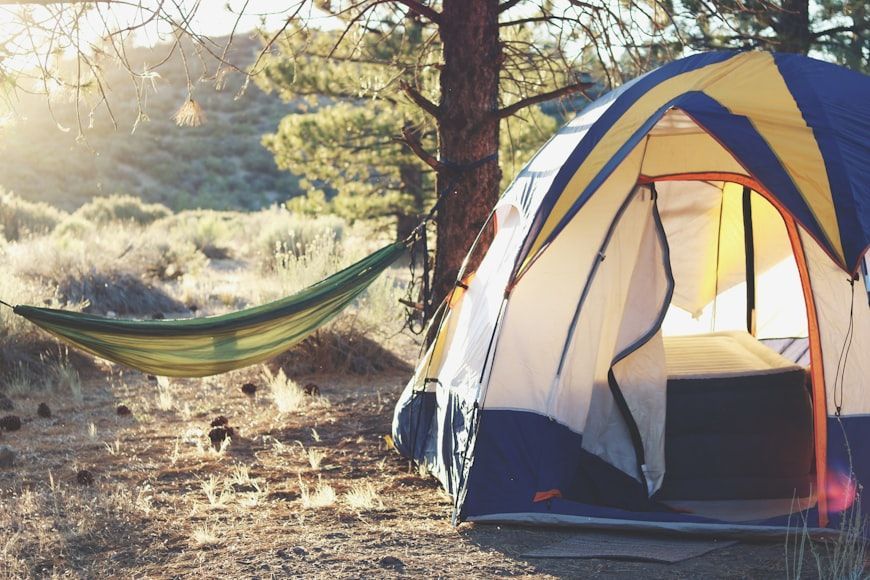
No matter how minimalist your camping experience is, you can ensure it’s a comfortable one by prioritizing the quality of your sleeping system—using an insulated pad and/or an inflatable mattress, an insulated sleep bag, and a spacious tent.
If you are camping during the colder months or at a remote location, make sure you are packing adequate clothes. It is always best to wear several layers: breathable clothes should be worn closer to the body, then an insulating layer, and finally, waterproof clothing.
Safety
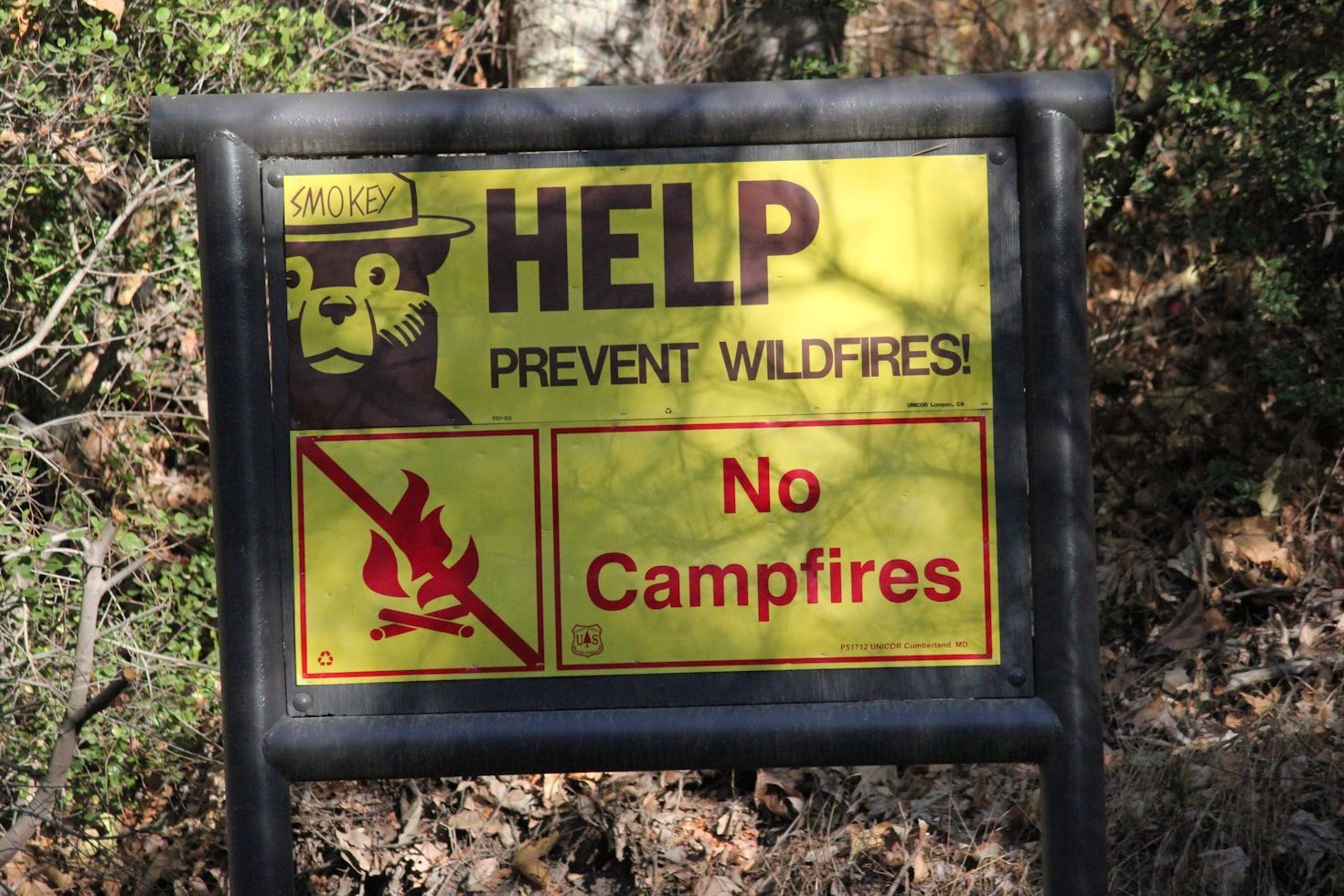
Ensuring you are safe while camping should start before the trip: scout the location and make sure to note the closest town, medical center, and police station. Give your trip information to a friend or relative, so they can check up on you, and pack a power bank to ensure you will not be out of communication.
For personal safety, set up your camp during the daytime to check for potential dangers such as falling branches or areas prone to flooding. Follow official recommendations for fire safety and wildlife encounters, and make sure to utilize portable stoves out in the open.
Make a list
There is nothing worse than starting a carefully planned camping trip and realizing you left your sleeping bag at home or that you forgot to buy snacks. A pleasant camping experience involves many factors, and small things that might seem unimportant can make or break your trip.
As you plan your trip, make a list with all of the things you will absolutely need, all the things you prefer to have, and all the data to research. In the days leading up to the trip, make sure to check which items are pending, so everything goes smoothly.
Keep wandering
There’s always
more to explore
 Geography

This trench could swallow Everest, with room to spare
6 min.
Read Now

You've watched these movies 100 times... Go stand where they were filmed
3 min.
Read Now

10 dirty secrets hotels don't want you to know
4 min.
Read Now
How to cancel your flight and get your money back when sick
4 min.
Read Now