
10 sneaky secrets restaurant staff won't tell you
 General
10 sneaky secrets restaurant staff won't tell you
Dining out is meant to be a special experience, but restaurants are businesses designed to maximize profits. Behind the kitchen doors, eateries rely on quiet tricks, pricing strategies, and operational tactics that guests rarely notice. Knowing how restaurants really operate will help you get better service, save money, and enjoy your next night out more.
Booking over the phone is best

Online reservation platforms are convenient, but calling the restaurant directly gives you a huge advantage. Online booking systems charge restaurants a fee per person and only show a fraction of available tables. When you call directly, staff can access held tables, accommodate special seating requests, and adjust booking times to fit your schedule.
There's way more butter in your food than you think
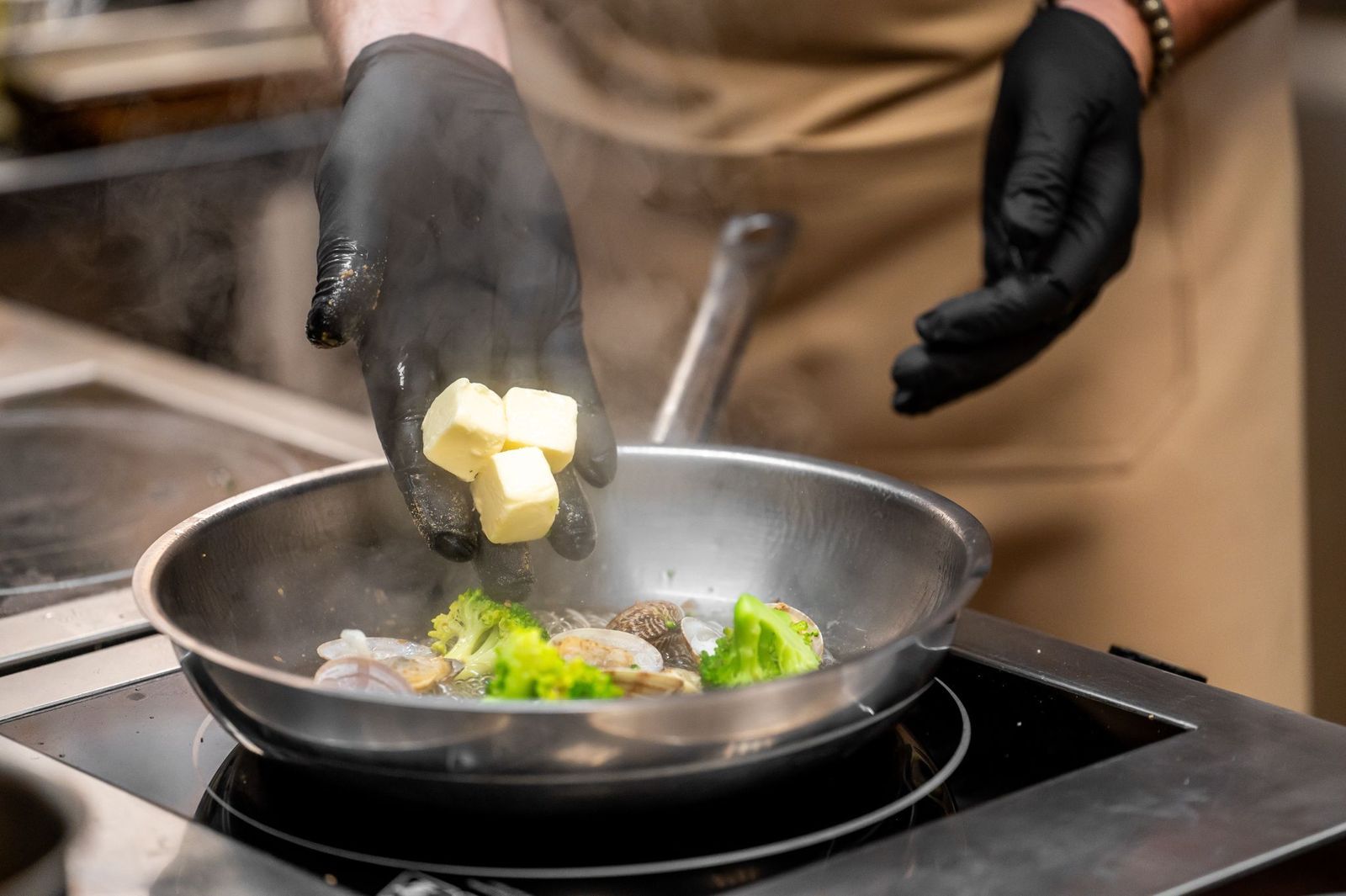
Have you ever wondered why restaurant meals taste richer and more flavorful than food you cook at home? The secret ingredient is almost always an overwhelming amount of butter and salt.
Chefs use butter to sear steaks, sauté vegetables, thicken pasta sauces, and give soups a glossy finish. A single restaurant entree can easily contain half a stick of butter or more. It sounds like a lot, but that unique decadent flavor is exactly why we love to dine out.
Dressing well gets you better service

Restaurant staff make quick judgments the moment you walk through the door. Hosts and floor managers often seat well-dressed guests at window tables or in central dining areas to make the restaurant look attractive to passersby.
Servers also tend to assume that elegant diners will spend more money on appetizers, wine, and desserts, which often leads to more attentive service throughout the meal.
The executive chef is probably not cooking your meal

The famous chef whose name is on the front door or on the menu is rarely behind the stove cooking your dinner. Executive chefs act as managers: they design menus, control food costs, manage staff schedules, and oversee operations. The actual cooking is handled by a team of line cooks and sous chefs who execute every order during busy dinner services.
Cheaper wine has a bigger markup
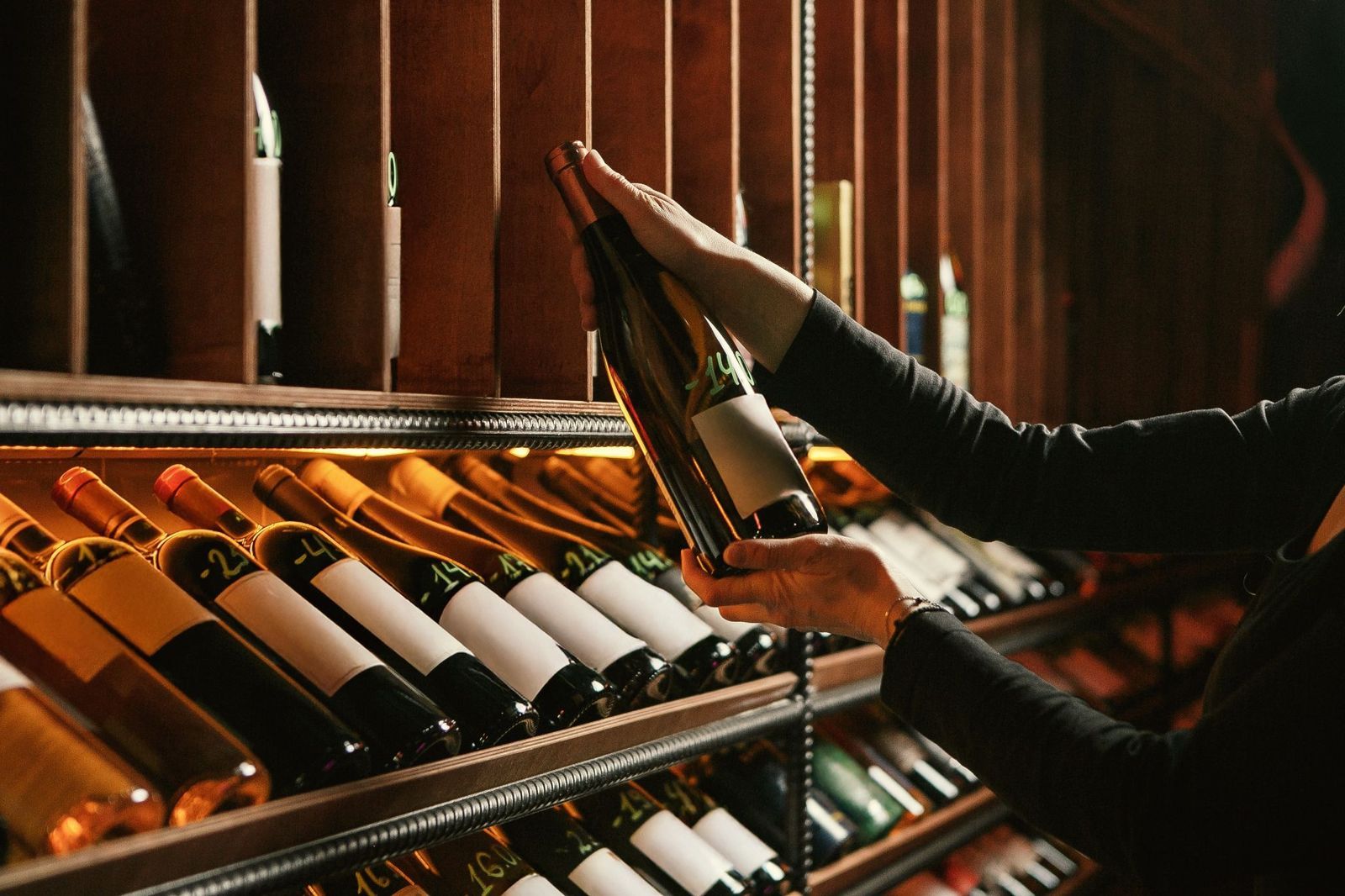
Restaurants know that most diners feel embarrassed ordering the absolute cheapest wine on the menu, so they reach for the second-cheapest bottle. Because of this common habit, managers put the highest percentage markup on that second-cheapest wine.
A bottle that costs the restaurant $6 wholesale might be listed for $35 on the menu. If you want true value, look toward the middle of the wine list, where markups are much more reasonable.
The salad bar isn't always fresh
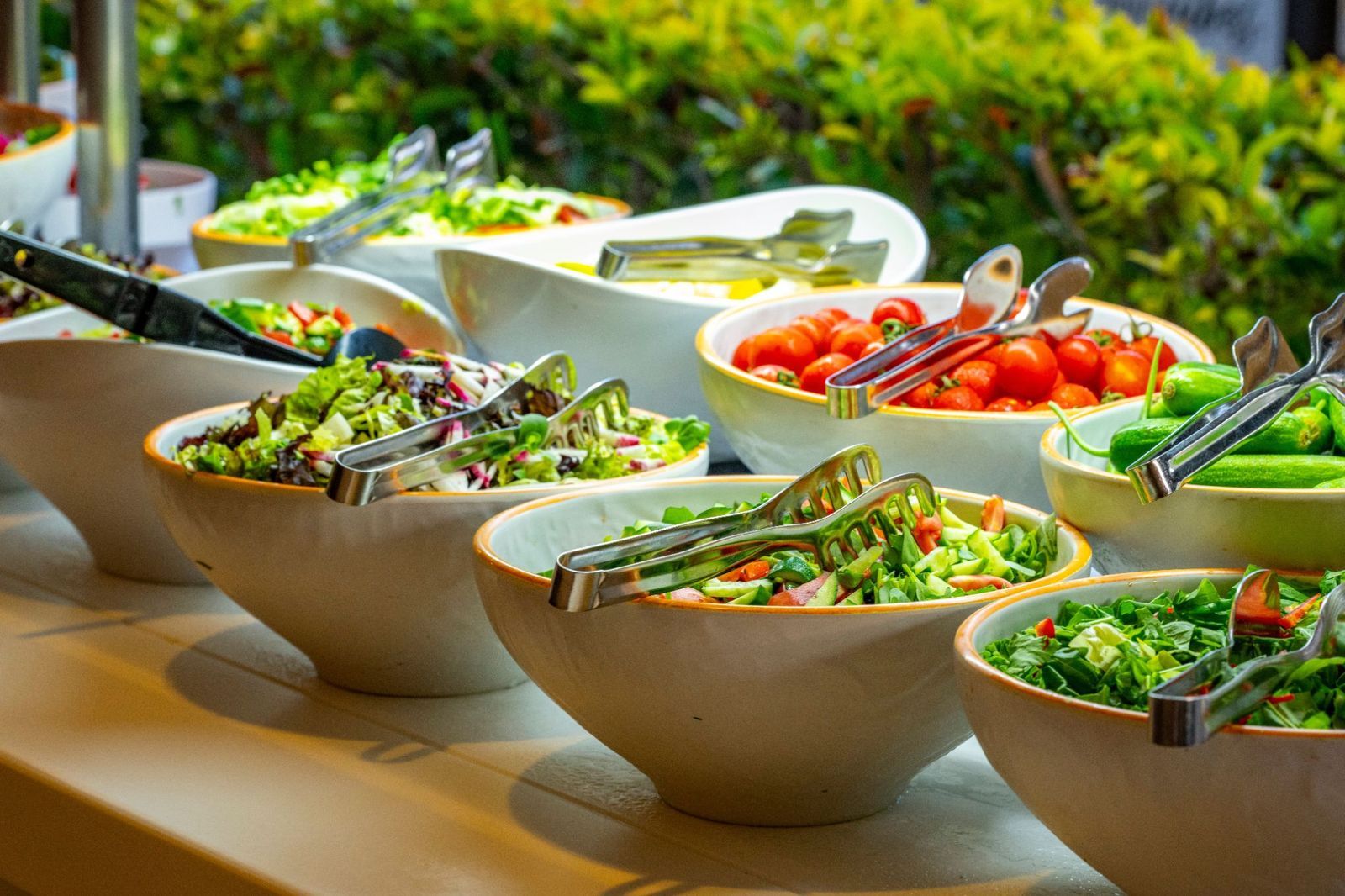
At first glance, salad bars look healthy and convenient, but they are the center of food recycling. Instead of emptying and washing containers when ingredients run low, staff often dump fresh batches of ingredients directly on top of the old ones. This leaves the bottom layer sitting in the display case for hours, or even days. If you use a salad bar, scoop from the middle up or ask for a freshly made salad directly from the kitchen.
Being rude will make you wait longer

If you treat the host or your server with disrespect, your table wait time will almost certainly get longer. While staff will rarely admit it, demanding or rude guests are moved to the back of the seating queue.
Kitchen staff may also take their time firing your order, and your chances of receiving a free dessert or an extra glass of wine on the house drop to zero. Being polite to your server is the easiest way to ensure fast, friendly service.
There are onions in basically everything
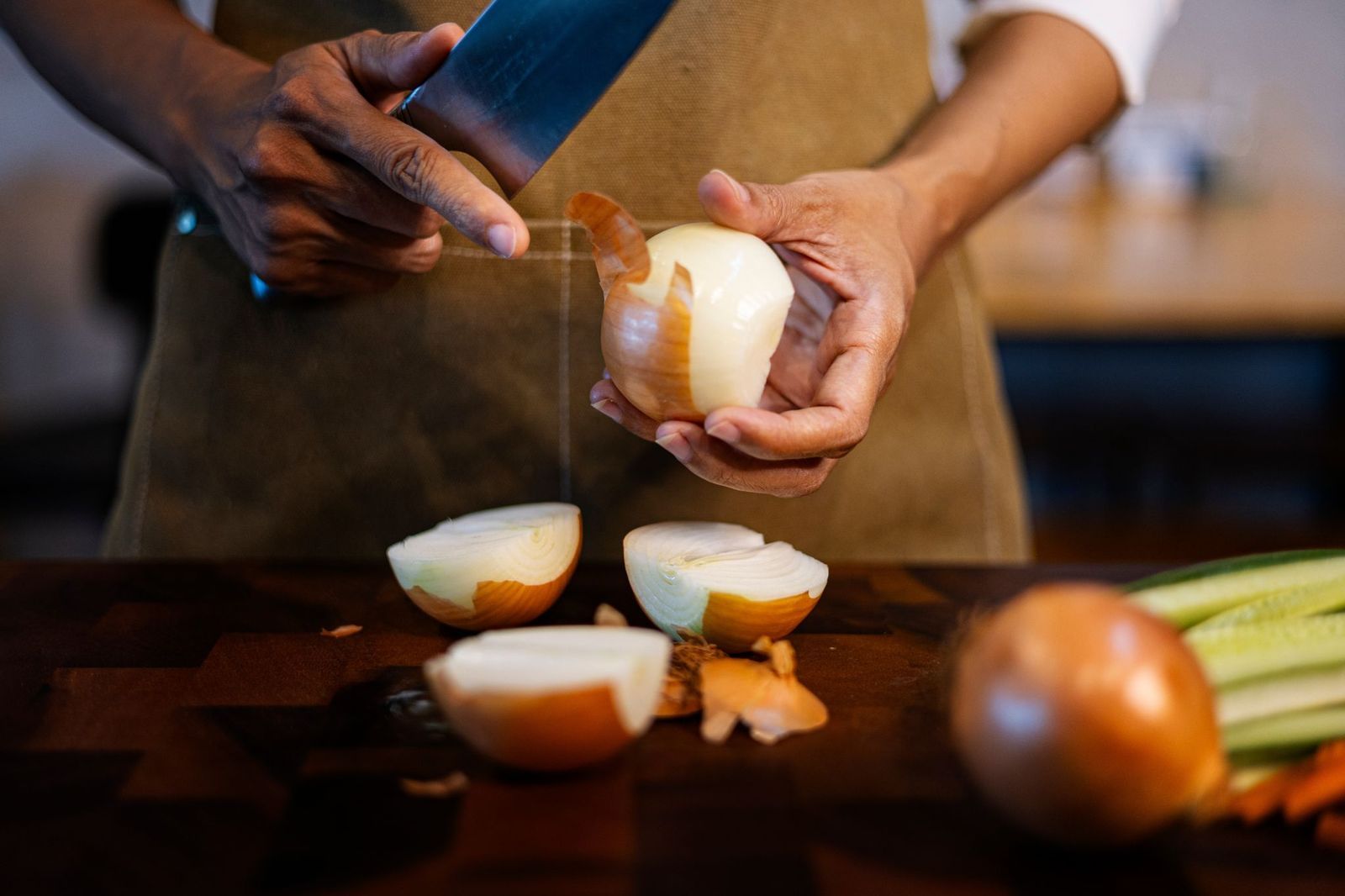
If you dislike or are allergic to onions, dining out requires extra caution. Onions, along with garlic, celery, and carrots, form the essential aromatic base for almost every savory restaurant dish.
Chefs add them to stocks, blend them into tomato sauces, and mix them into gravies. Even if onions are not listed as an ingredient on the menu, they are likely hidden inside your meal.
The wine you don’t drink doesn’t go to waste

If you leave half a glass of house wine behind or return a bottle that was opened by mistake, it rarely goes down the drain. Kitchens frequently save poured or unused wine to use as a base for cooking.
Red and white wines are stored to deglaze pans, simmer down into rich sauces, or flavor soups and stews. And yes, in some cases, remaining wine is enjoyed as a shift drink by kitchen workers after the final table leaves.
Eating at a restaurant can be cheaper than takeout

Ordering food through delivery apps has become very expensive. Delivery services charge you service fees and driver tips; at the same time, restaurants often raise their menu prices by 15% to 20% to cover the app’s commission fees.
By contrast, dining in person allows you to take advantage of special lunch menus, happy hour discounts, and complimentary bread and water, making the meal surprisingly cheaper than getting takeout delivered to your door.

Smart flying secrets that can save you time and money
Airport secrets unlocked
Smart flying secrets that can save you time and money
Nothing beats the thrill of boarding a plane toward a vacation you've been dreaming about for months. That little jolt of excitement is priceless. But let's be honest about the other side: flying can turn into a headache fast, especially when it comes to direct flights vs. layovers and figuring out the best days and times to book. Get those two things right, though, and you're already halfway to a smoother trip.
Direct flights vs. layovers: when it's worth the extra cost

Picture this: you booked the cheaper flight with a layover in Charlotte, and now you're sprinting through the terminal with sore knees and a rolling suitcase that has a mind of its own.
Layovers save money but cost time, energy, and patience. Paying a bit more for a direct flight often means arriving relaxed instead of frazzled. The relief of walking off a plane straight into your vacation, rather than another gate, is worth every extra dollar.
Best days and times to book domestic flights

Ever notice how the same flight costs $150 more on a Friday than a Tuesday? Booking blind feels like gambling, and losing that gamble is annoying. Learning the sweet spots, usually midweek, and booking a few weeks out turns ticket-buying from a guessing game into a strategy. Nailing it feels like winning a small victory before you've even packed your bags.
Airline loyalty programs worth joining after 60
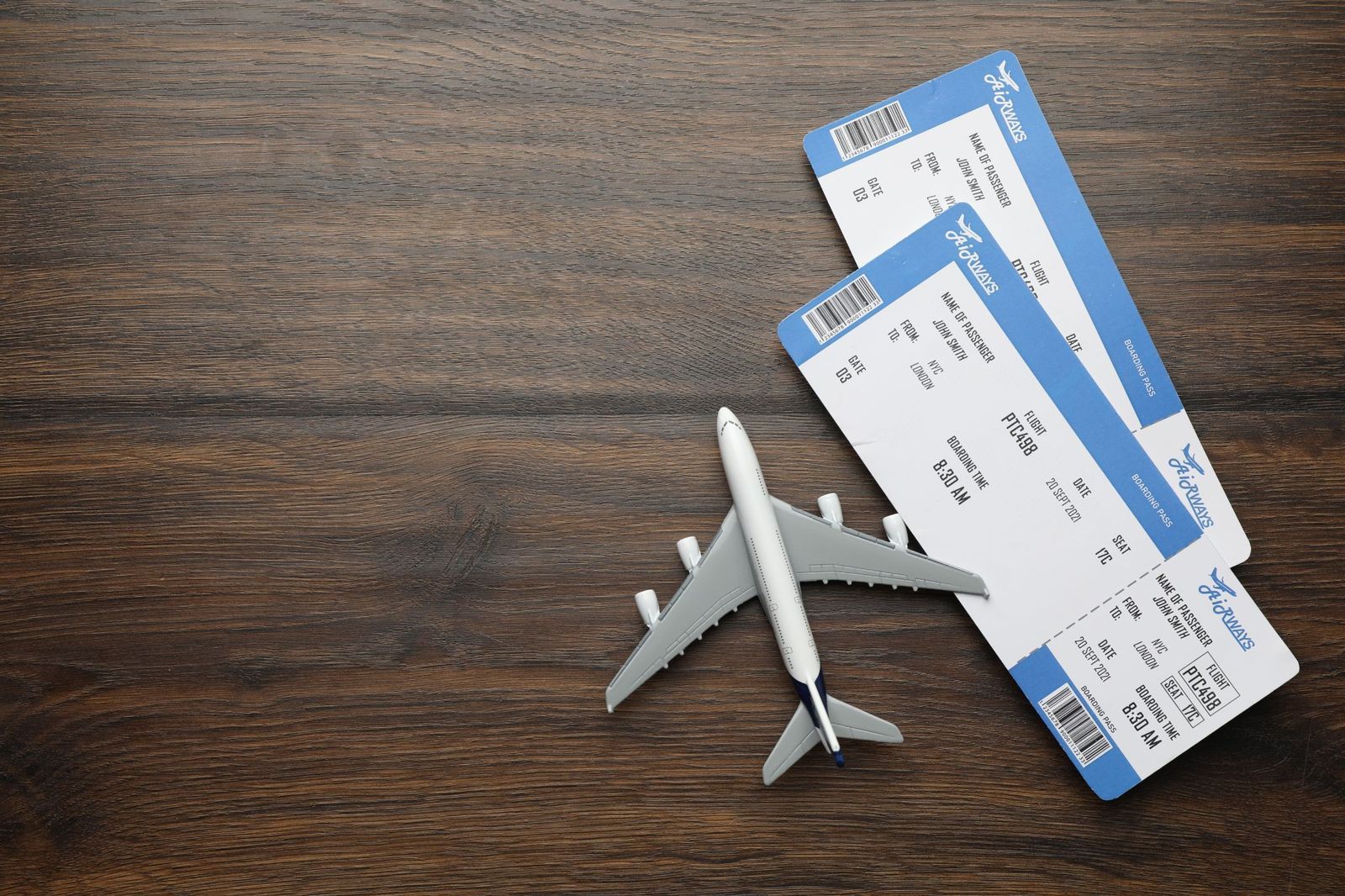
Imagine finding out, after ten loyal years with the same airline, that a friend just joined their rewards program last month and already scored a free upgrade. That stings a little, like you missed out on a perk that was sitting there the whole time.
Joining a loyalty program costs nothing and can mean free bags, priority boarding, or the occasional upgrade. Once those points start working for you, flying finally feels like it's paying you back.
Business vs. economy on long-haul flights

You've done the long overnight flight in economy, waking up with a stiff neck and zero enthusiasm for your first day abroad. It's discouraging when the trip starts out exhausted. Splurging on business class, even once, means arriving rested and ready to enjoy the destination immediately.
That first full night's sleep on a lie-flat seat feels like a luxury you'll want to repeat.
Airport lounges and day passes

You're stuck at the gate for three hours, surrounded by crying babies, blaring gate announcements, and people rushing past, dragging suitcases, wishing you had somewhere quieter to be. A day pass to a lounge, often available even without elite status, gets you comfy seating, free snacks, and Wi-Fi that actually works.
Suddenly, that dreaded layover feels like a mini spa break instead of an endurance test.
Understanding baggage fees across airlines
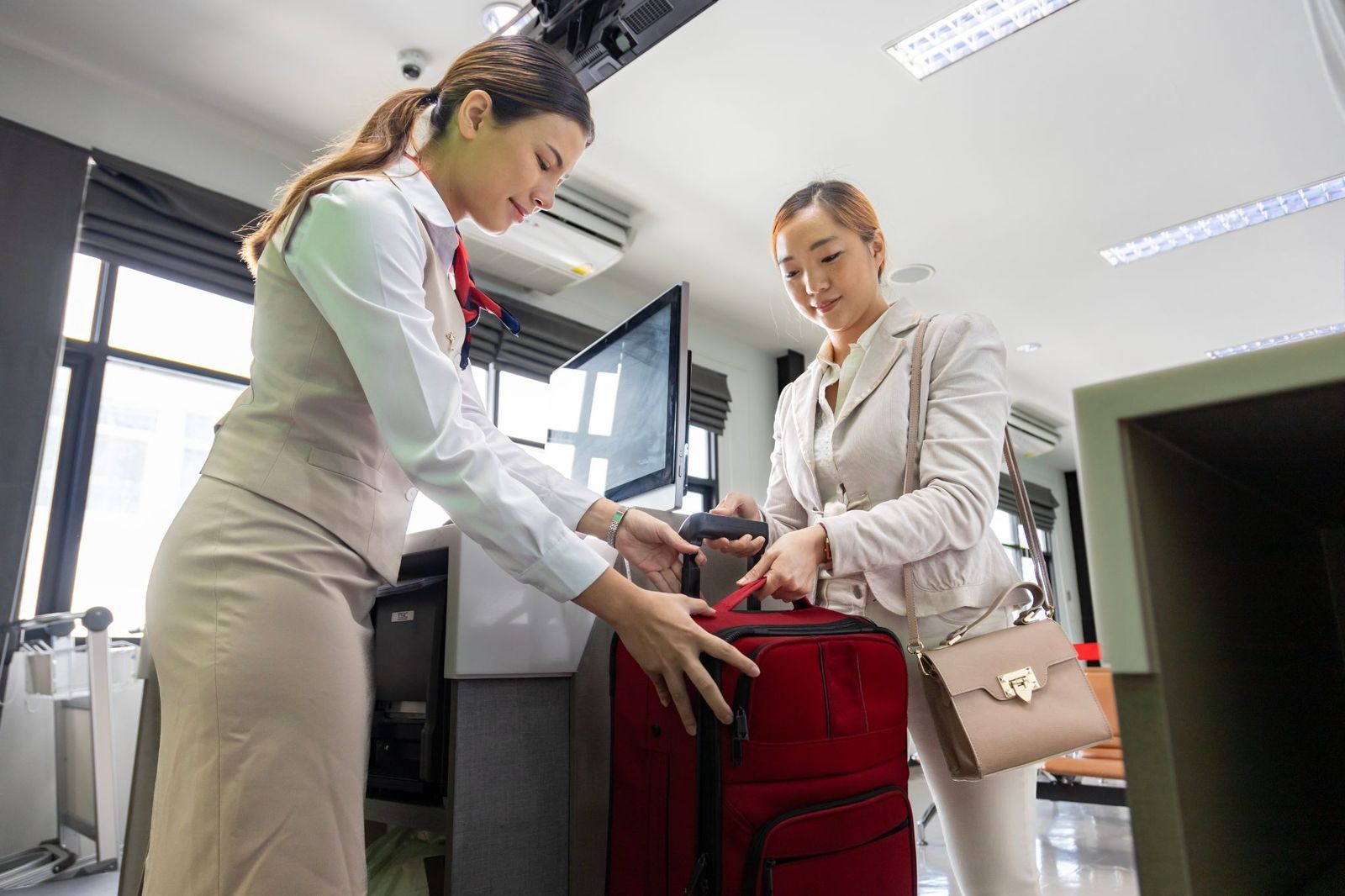
You show up at check-in only to discover your bag is two pounds over, and now you're paying $100 to shuffle items into your carry-on in front of a line of strangers. Knowing each airline's baggage rules ahead of time saves money and dignity. Packing smart means breezing through check-in with confidence instead of dread.
Booking through airlines vs. third-party sites

Websites like Expedia or Kayak often show cheaper flights than booking straight through the airline. But if your flight gets delayed, changed, or cancelled, those discount sites usually can't help you fix it. Booking directly with the airline often costs a little more but gives you real support (and peace of mind) when things go wrong.
Wheelchair and mobility assistance services
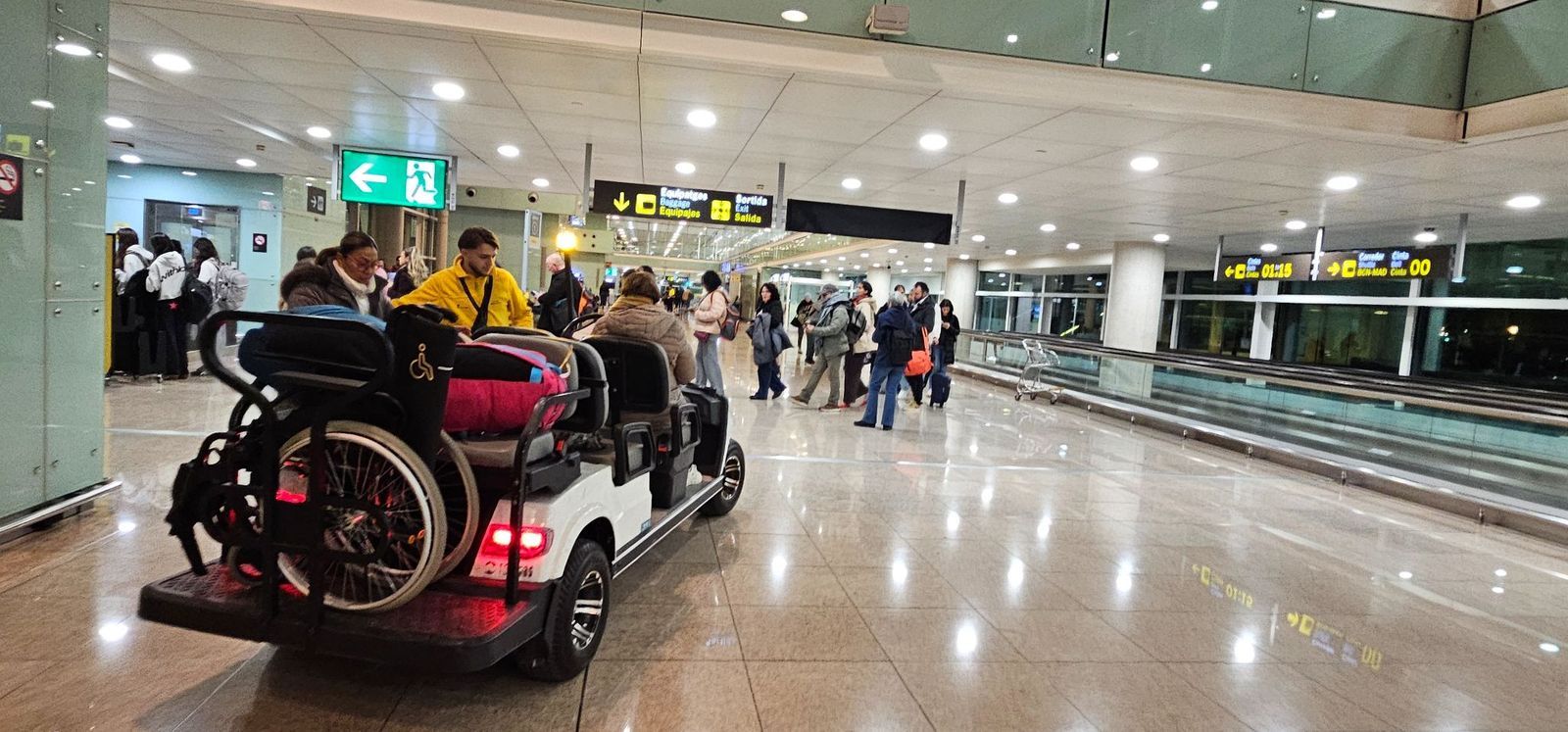
Maybe your knees aren't what they used to be, and those long terminal walks feel daunting. Asking for help can feel awkward at first. But airport wheelchair and mobility services exist for exactly this reason, and using them means less pain and more energy for your trip.
Managing connections with tight layovers

Forty minutes to switch gates in a massive airport is a special kind of panic. Tight connections turn vacations into obstacle courses. Learning which airports handle quick connections well and which don't helps you avoid that heart-pounding sprint. Land calmly instead of frantically, and it’ll set a much better tone for the rest of the trip.
Best US airports for easy connections

Some airports feel designed by someone who's never carried luggage, while others make transfers a breeze. Choosing routes through easier hubs like Charlotte or Minneapolis instead of chaotic ones saves stress and shoe leather. That small planning choice pays off with a calmer, more pleasant travel day.
Travel credit cards and points strategies
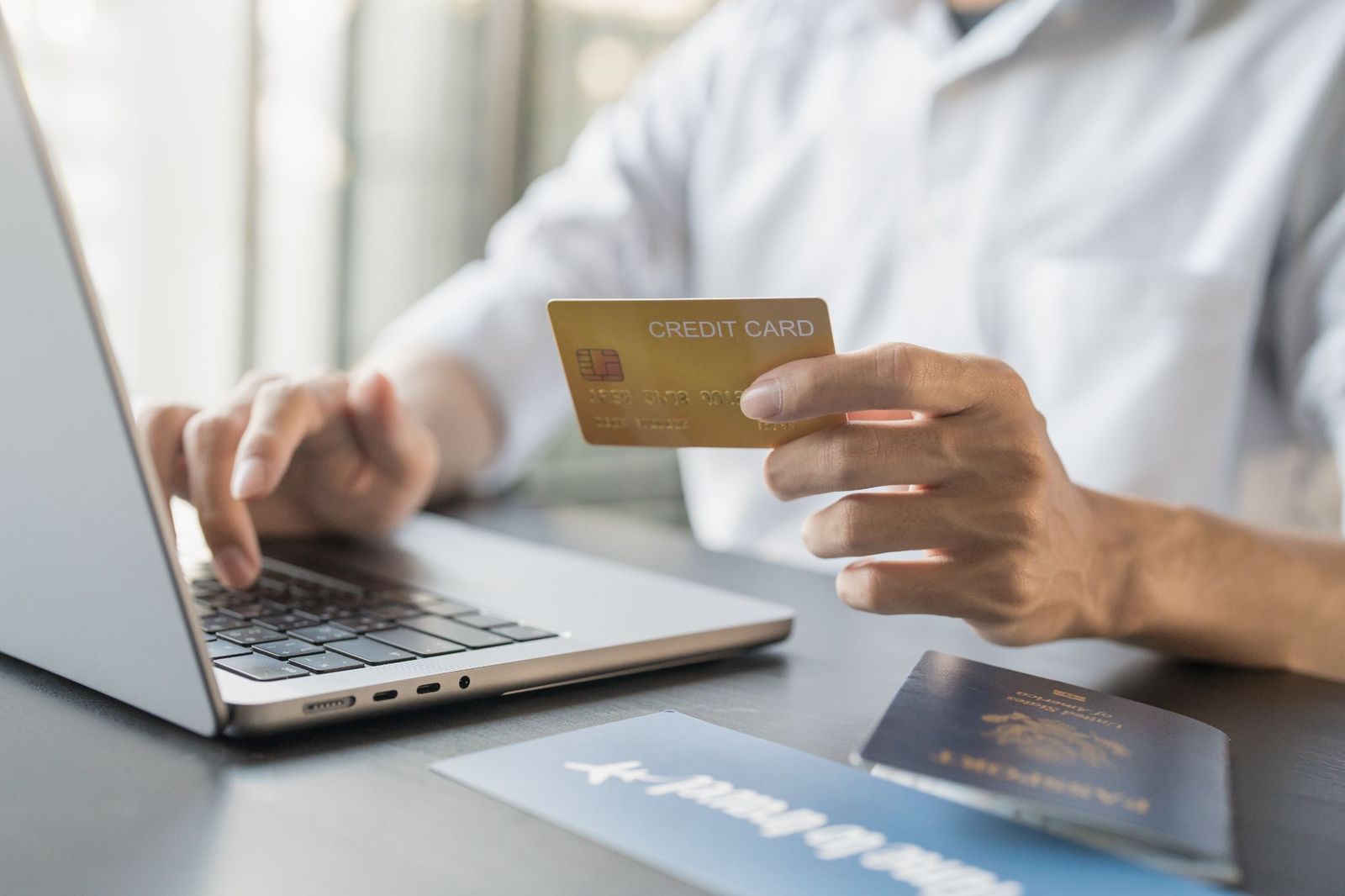
You pay for groceries, gas, and streaming subscriptions every single month without a second thought, and none of it earns you a single mile. That's money quietly slipping through your fingers. The right travel credit card turns those everyday expenses into flights and hotel stays, almost without you noticing.
Once you see your points cover a chunk of your next trip, budgeting for travel suddenly feels a lot more exciting.
What to do when flights get cancelled

Nothing ruins a vacation mood faster than seeing "CANCELLED" flash on the departure board. Knowing your rights, like rebooking options, compensation rules, or hotel vouchers, turns panic into a plan. Handling it calmly instead of helplessly means you stay in control of your trip, even when the airline isn't.
Keep wandering
There’s always
more to explore

The one thing thieves hope you leave in your car
4 min.
Read Now
 Geography

This trench could swallow Everest, with room to spare
6 min.
Read Now
Why do flight attendants seem to sit on their hands during takeoff?
5 min.
Read Now
How to cancel your flight and get your money back when sick
4 min.
Read Now