Why you should never leave the “do not disturb” sign up all day
 General
Hotel secrets they won’t tell you
Why you should never leave the “do not disturb” sign up all day
Most of us picture a hotel as a simple deal: you pay, you get a room, and the staff smiles and hands you a key. Behind the front desk, though, it’s closer to a high-stakes chess match, with computers, quirky superstitions, and plenty of room for a good-natured negotiation. Take something as small as your room number. Plenty of hotels quietly skip room 420, and you’d never notice unless you went looking. Or take those crisp white sheets you’ve always admired. They’re less about luxury and more about a very practical trick. Here are 10 secrets worth knowing before your next stay.
"Do not disturb" isn’t a permanent force field
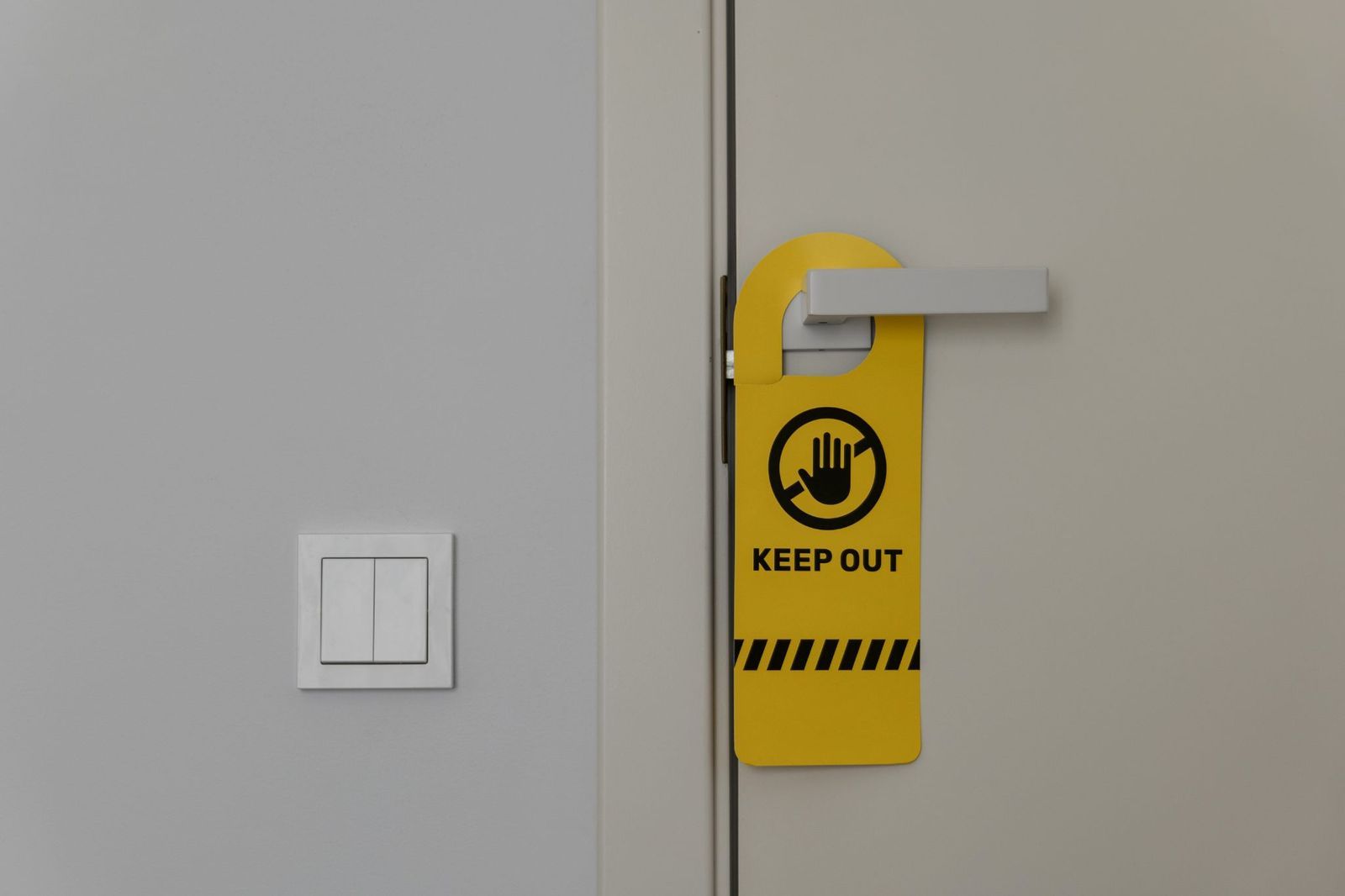
That little door hanger feels powerful, but it has limits. Most hotels have a policy that if the sign stays up for a full day or longer, staff will knock or even check on you. They’re mostly worried about guests who might be sick, hurt, or something worse. It also lets them make sure nothing improper is happening in the room.
If you plan a lazy, privacy-filled stay, call housekeeping and tell them you’re fine. A quick phone call keeps everybody calm and the cleaners away.
Front desk agents can hand out free upgrades
Here’s one worth remembering: the person behind the desk often has the power to move you to a better room without asking a manager. Maybe a bigger room, a higher floor, or a nicer view. The trick? Be pleasant: a smile does more than any coupon. Mention if it’s an anniversary or birthday, and ask politely, "Is there anything nicer available?" Arriving later in the day can help too, since the hotel knows exactly which rooms are still empty. Worst case, they say no, and you’ve lost nothing.
The TV remote is a germ magnet
If a germ-hunting scientist were to swab your hotel room, the remote control would likely win first prize. Studies have repeatedly found it among the dirtiest objects in the room, often more than the toilet handle. Think about it: hundreds of guests have held it, sneezed near it, and eaten snacks while using it. Housekeepers rarely disinfect it.
Pack a few disinfectant wipes and give it a quick once-over. If you want to go the extra mile, slip it into a zip-top bag while you watch.
Room 420 doesn’t always exist
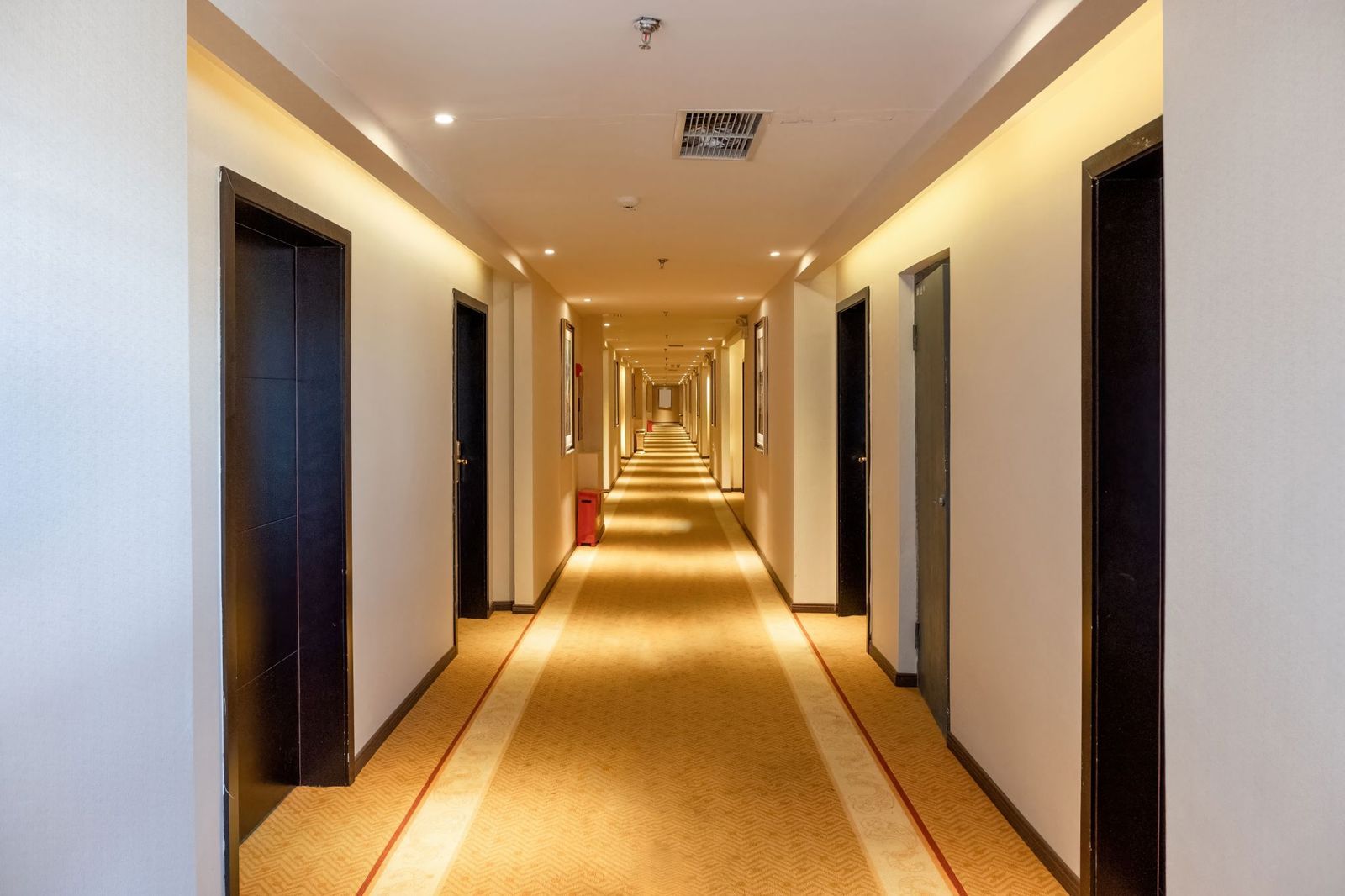
Plenty of hotels skip room 420 entirely, jumping from 419 to 421 as if nothing happened. The reason? Four-twenty is slang tied to marijuana, and some hotels found that signs and door plates with that number kept getting stolen as souvenirs, while the room itself attracted trouble.
Rather than keep replacing hardware, they simply retired the number. You may also find some skip the 13th floor, too. If you’re feeling curious on your next trip, wander the hallway and see which numbers are missing. It’s a fun little scavenger hunt.
White sheets are about cleanliness, not fancy looks
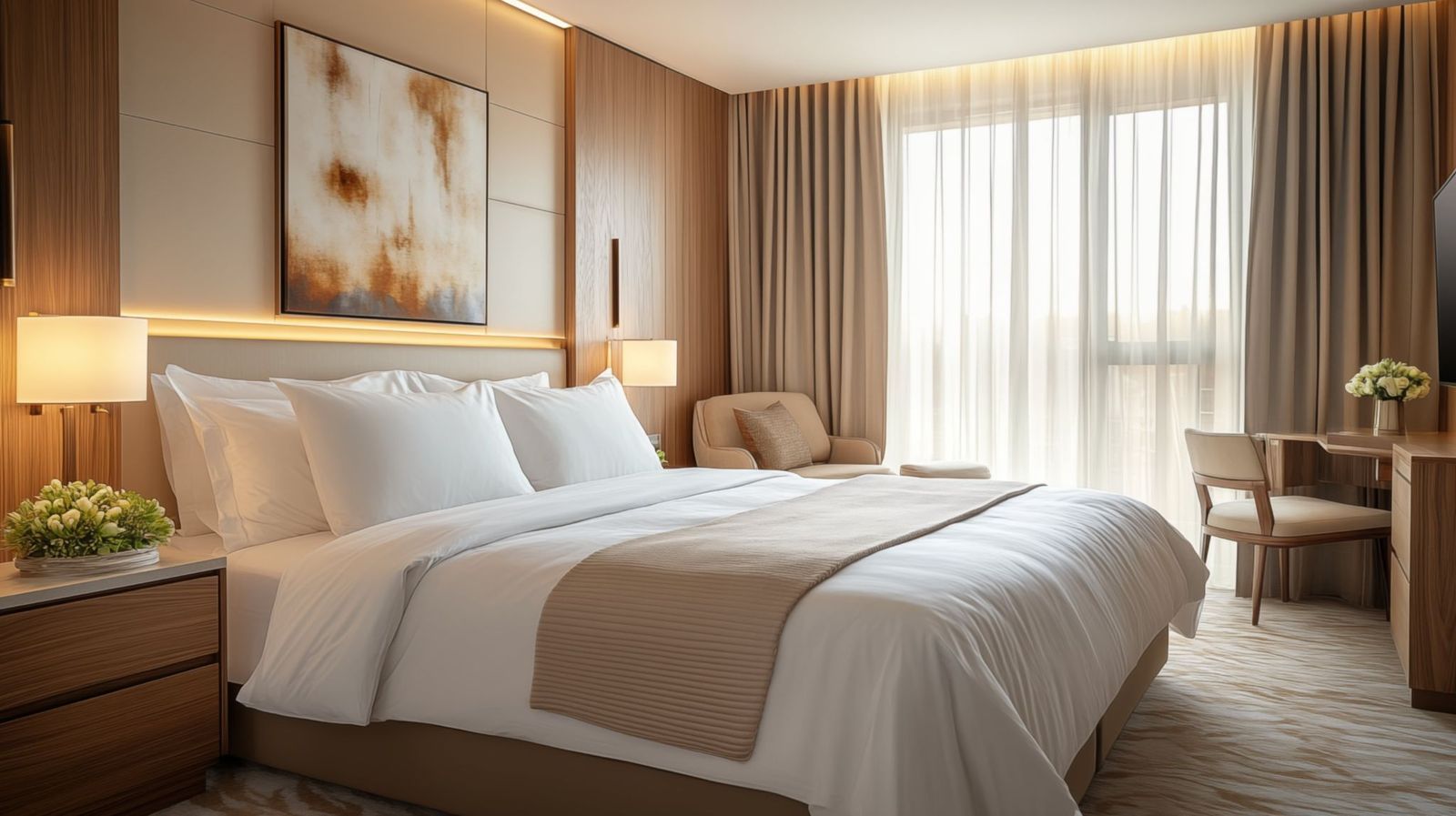
You might assume white sheets are just for that crisp, luxurious feel. Partly true, but the real reason is practical. White fabric can be washed with hot water and bleach over and over without fading, which keeps costs down and kills germs effectively. It also shows stains instantly, so housekeepers can’t miss a problem. So when you slide into those bright white linens, you’re really looking at the hotel’s cheapest, most reliable way of proving the bed is clean.
Overbooking is done on purpose, with a calculator
Ever been told a hotel is "fully booked" even though you had a reservation? That’s overbooking, and it isn’t carelessness. Hotels use predictive software that studies years of data to guess how many guests won’t show up, usually a few percent. They sell that many extra rooms to avoid empty beds. Most nights it works fine, but sometimes everyone arrives.
If you get "walked," the hotel normally pays for a room elsewhere. Arrive earlier in the day, and keep your confirmation number handy, just in case.
The minibar can detect if you take a beverage
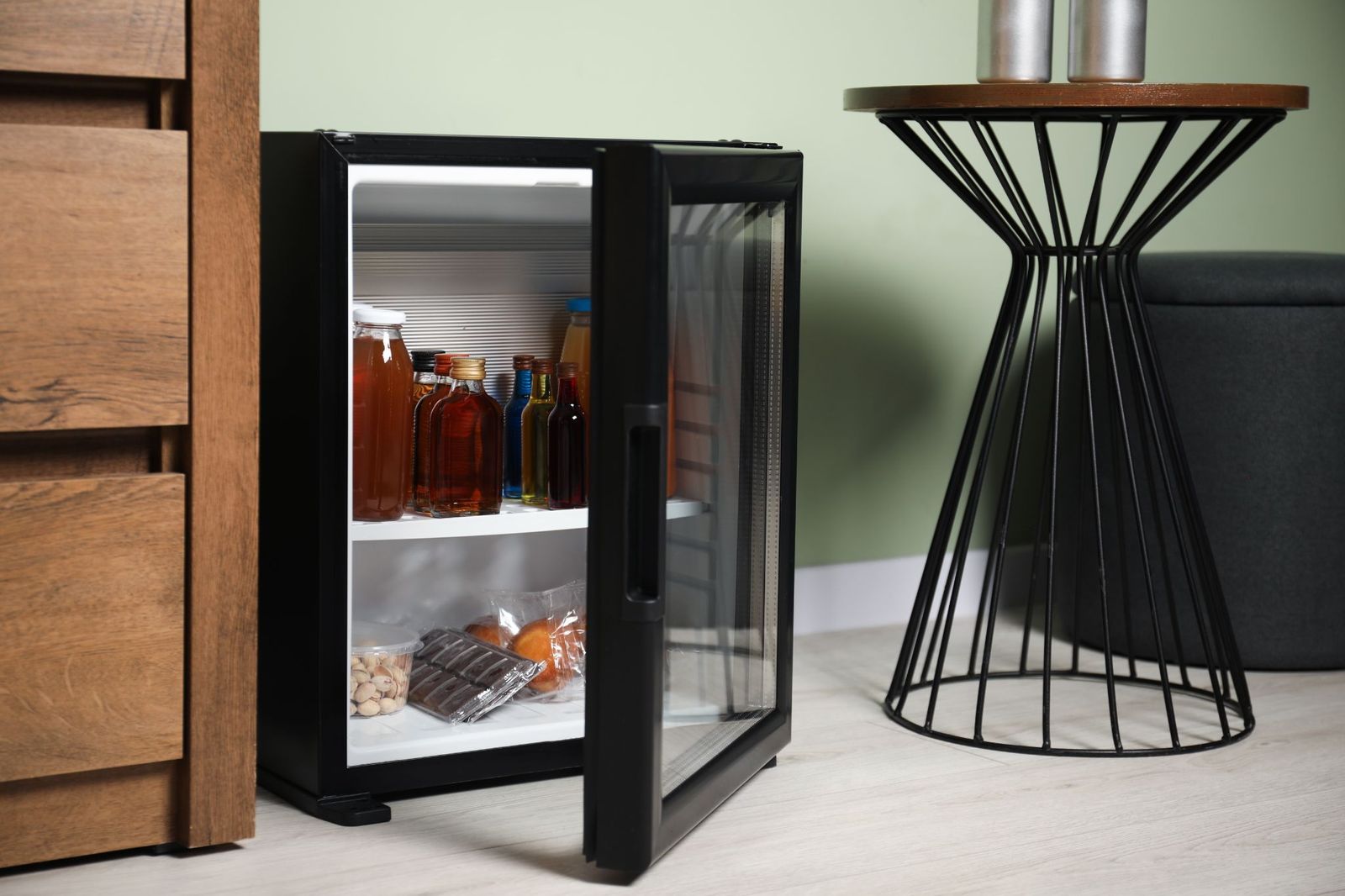
Some modern minibars have built-in sensors, and they charge your room the moment an item is lifted, whether or not you open it. Pick up a $9 bottle of water to make space for your own snacks, and you could see it on your bill. Honestly, a candy bar there can run $6 or more, so it’s pricey anyway.
Your best defense is simple: don’t touch anything. If you need the space, ask the front desk to empty the fridge, and always check your final bill before leaving.
Those glasses by the sink might not be so clean
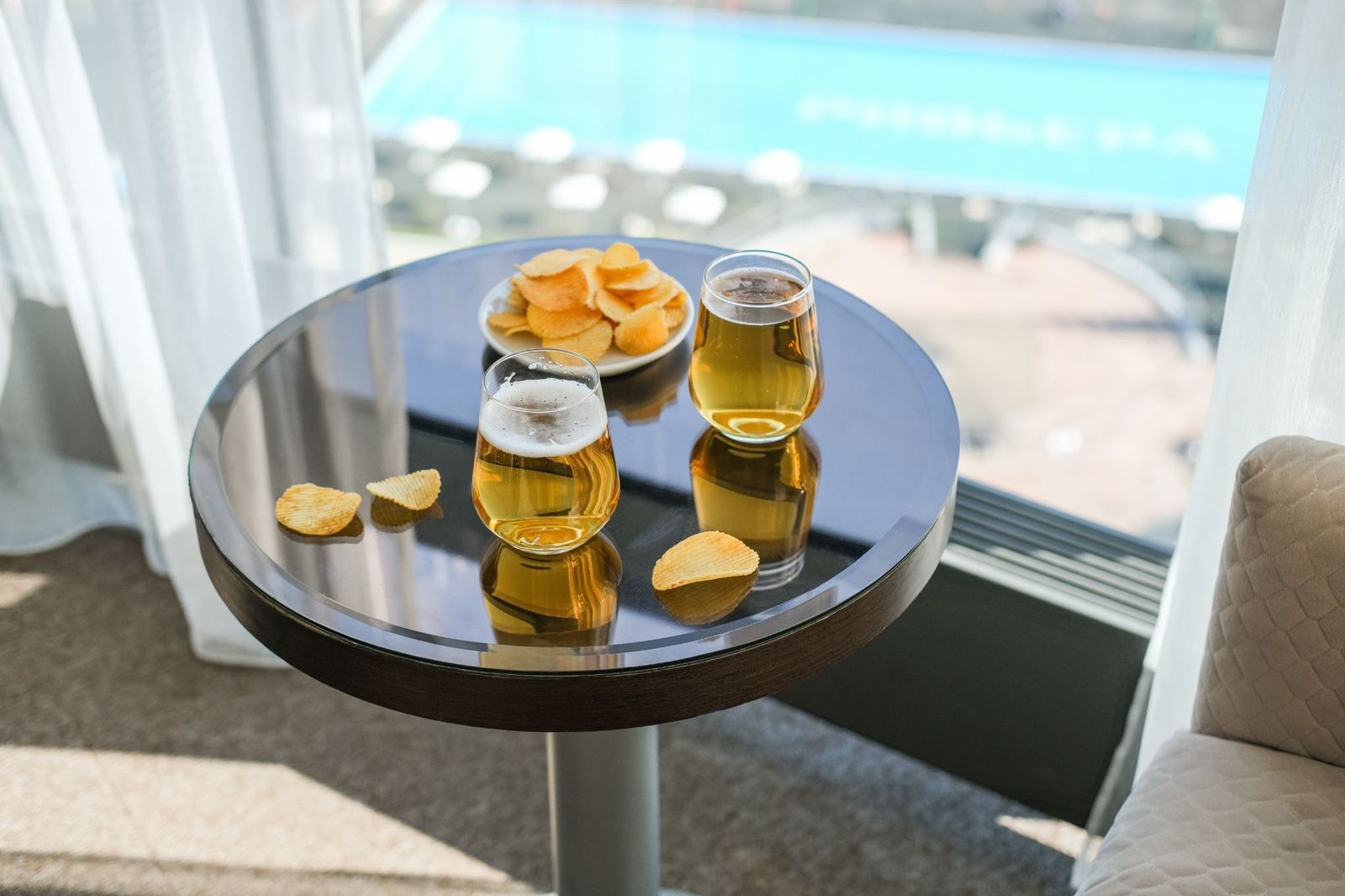
Sorry to be the bearer of bad news, but several undercover investigations have found that some housekeepers, in a hurry, simply wipe the drinking glasses with a hand towel, or even a bathroom rag, instead of properly washing them. It doesn’t happen everywhere, but it happens enough to be worth knowing.
The fix is easy and cheap: wash the glasses yourself with a drop of hand soap and hot water, or use the paper cups when they’re available. Or pack a small plastic cup from home. Better safe than sorry.
Booking through third-party sites can land you the worst room

Those big travel websites promise great deals, and sometimes they deliver. But the hotel pays those sites a commission, often 15 to 25 percent, so guests who book that way are sometimes given the least desirable rooms: next to the elevator, near the ice machine, or facing the parking lot.
Hotels save the best spots for guests who pay them directly. If you do use a booking website, call ahead afterward and politely request a quiet room, a high floor, or a nice view. It costs nothing to ask.
Picking up the phone can save you money
In our online age, it feels odd to call anyone, but calling the hotel directly can really pay off. Front desk staff can often match or beat the online price, since they skip the commission and still keep your business. They may also toss in perks like free breakfast or parking, and this is the moment to ask about senior discounts or AAA rates.
Dial the hotel’s local number, not the national 800 line, because local staff have more freedom to make deals. A friendly chat could easily save you $20 or more per night.
You order dinner, and the menu has no dollar signs. Why?
What restaurants don’t tell you?
You order dinner, and the menu has no dollar signs. Why?
Going out to eat isn’t just about the food: it’s about relaxing and being pampered for a bit. But many restaurants plan small details to shape what you choose and how much you spend. How? Keep reading to discover 10 things most diners never notice.
Why the dollar signs are missing
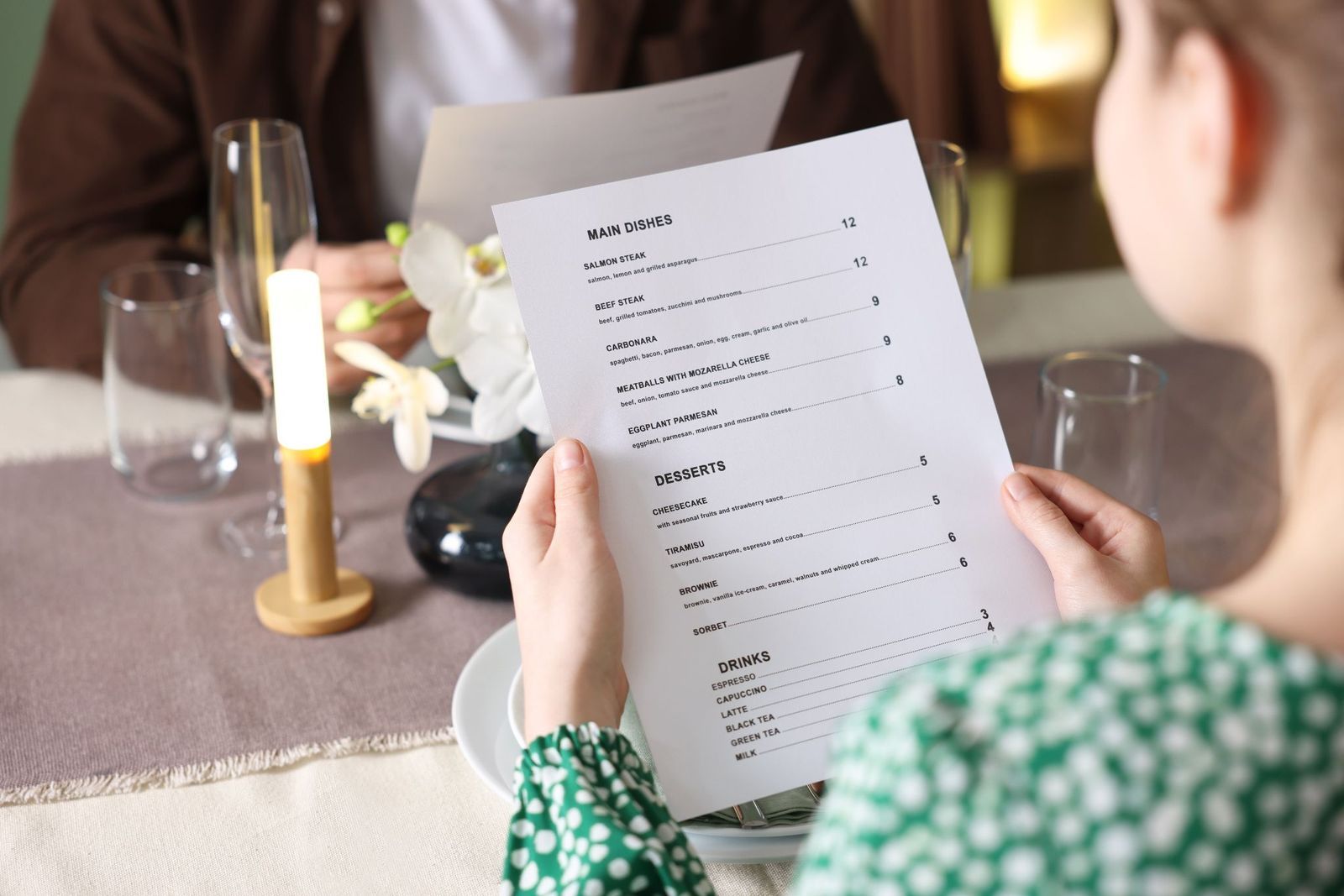
Many restaurant menus deleted the dollar sign next to the price a long time ago. And it isn’t a matter of style. Menus often show plain numbers, like "18" instead of "$18" because they want you to think about food, not your wallet.
Studies say the dollar sign reminds people that they are spending money. Researchers believe this sign triggers what they call the "pain of paying," which makes patrons more careful with their order. People tend to pay more when the dollar sign is absent. Writing out the word "dollars" has the same suppressive effect.
The Caesar salad and Prohibition
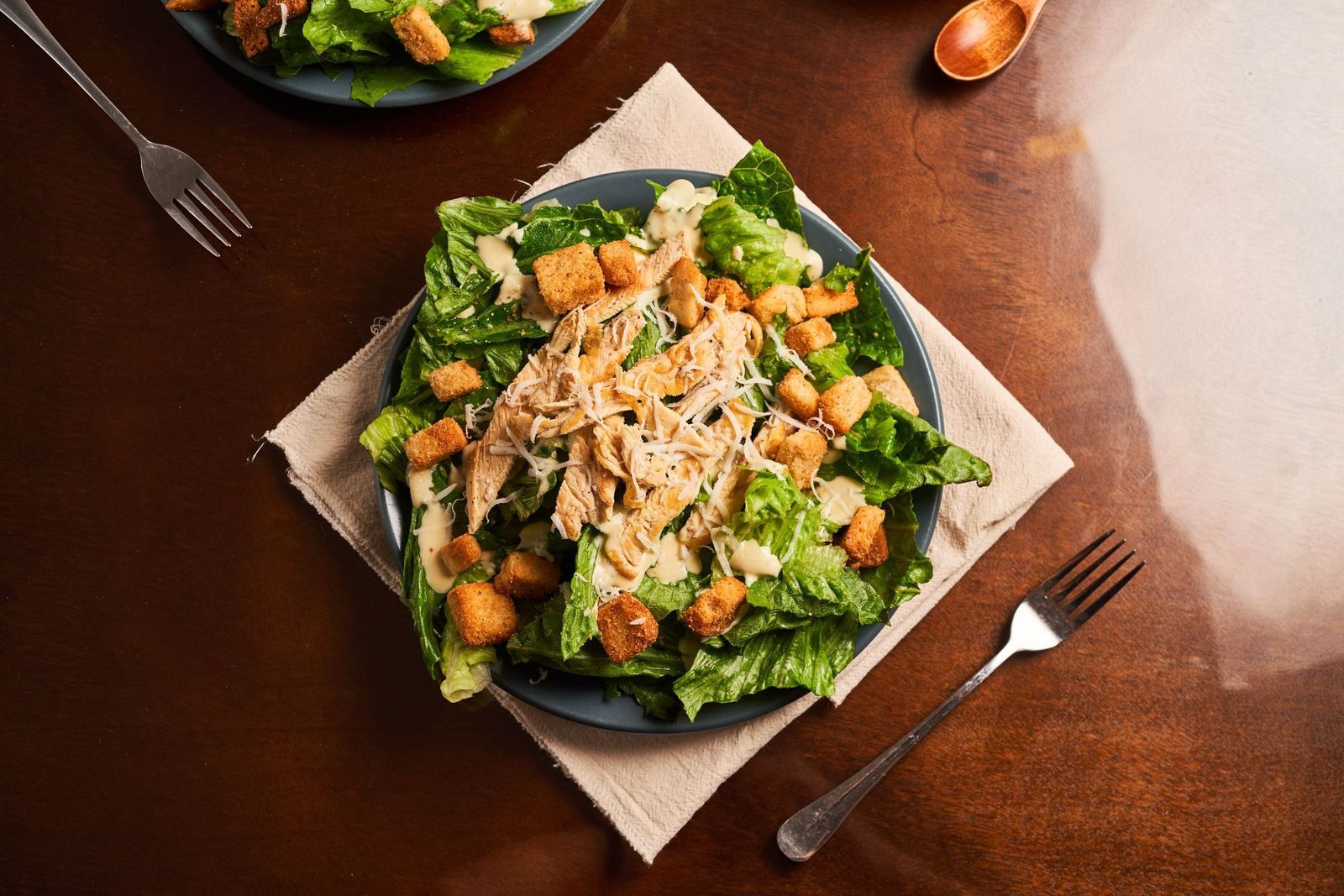
Because of its name, many people think the Caesar salad comes from ancient Rome. But it has no real connection to Julius Caesar. It is named after Caesar Cardini, an Italian immigrant who lived in San Diego. During the Prohibition era, he ran a restaurant across the border in Tijuana, Mexico, where Americans went to drink. His daughter, Rosa, said he invented the salad on July 4, 1924, when a holiday rush left the kitchen low on supplies. That day, Cardini mixed what he had left: romaine lettuce, croutons, Parmesan cheese, garlic, eggs, olive oil, and Worcestershire sauce. Customers loved it, and the recipe quickly spread around the country.
Because the base is so simple, the salad is also very flexible, and many other ingredients can be added (anchovies, chicken, bacon, nuts, mustard). Today, Caesars appear on every menu, from fast-food spots to the most elegant restaurants. The original restaurant in Tijuana is still open and offers the salad.
Diner code for eggs on toast
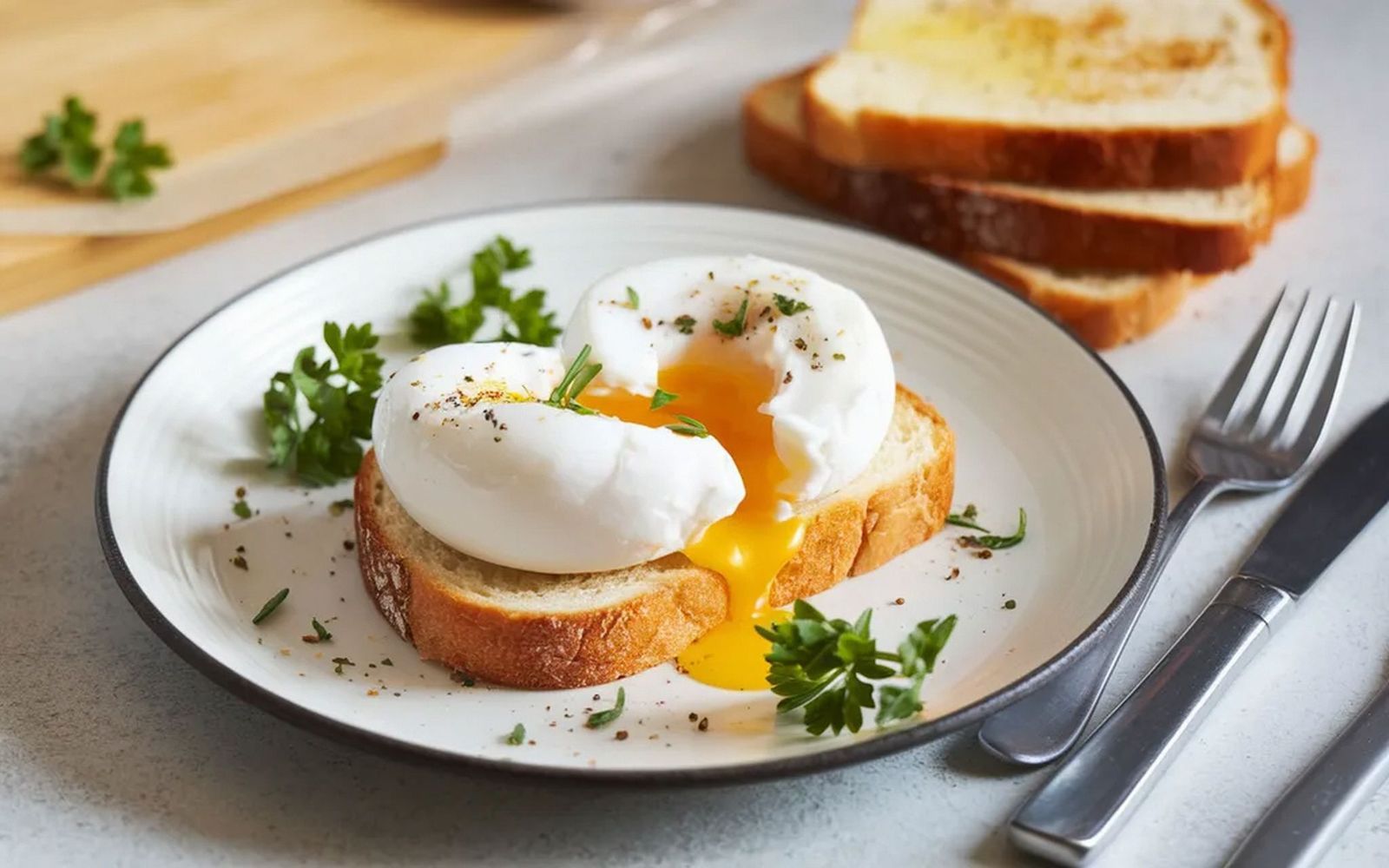
Decades ago, customers used to hear waiters at diners shout strange phrases toward the kitchen. One of the most famous was "Adam and Eve on a raft!" As strange as it sounds, it just meant two poached eggs ("Adam and Eve") on toast ("a raft"). If the eggs were ordered scrambled, the waiter would also say "and wreck ’em."
Waiters use diner lingo to call out orders to the cooks quickly. This phrase has been around since at least 1892, and diner slang peaked from the 1920s to the 1970s. Although it isn’t so common today, some diners still use it.
Why slow songs keep you at the table
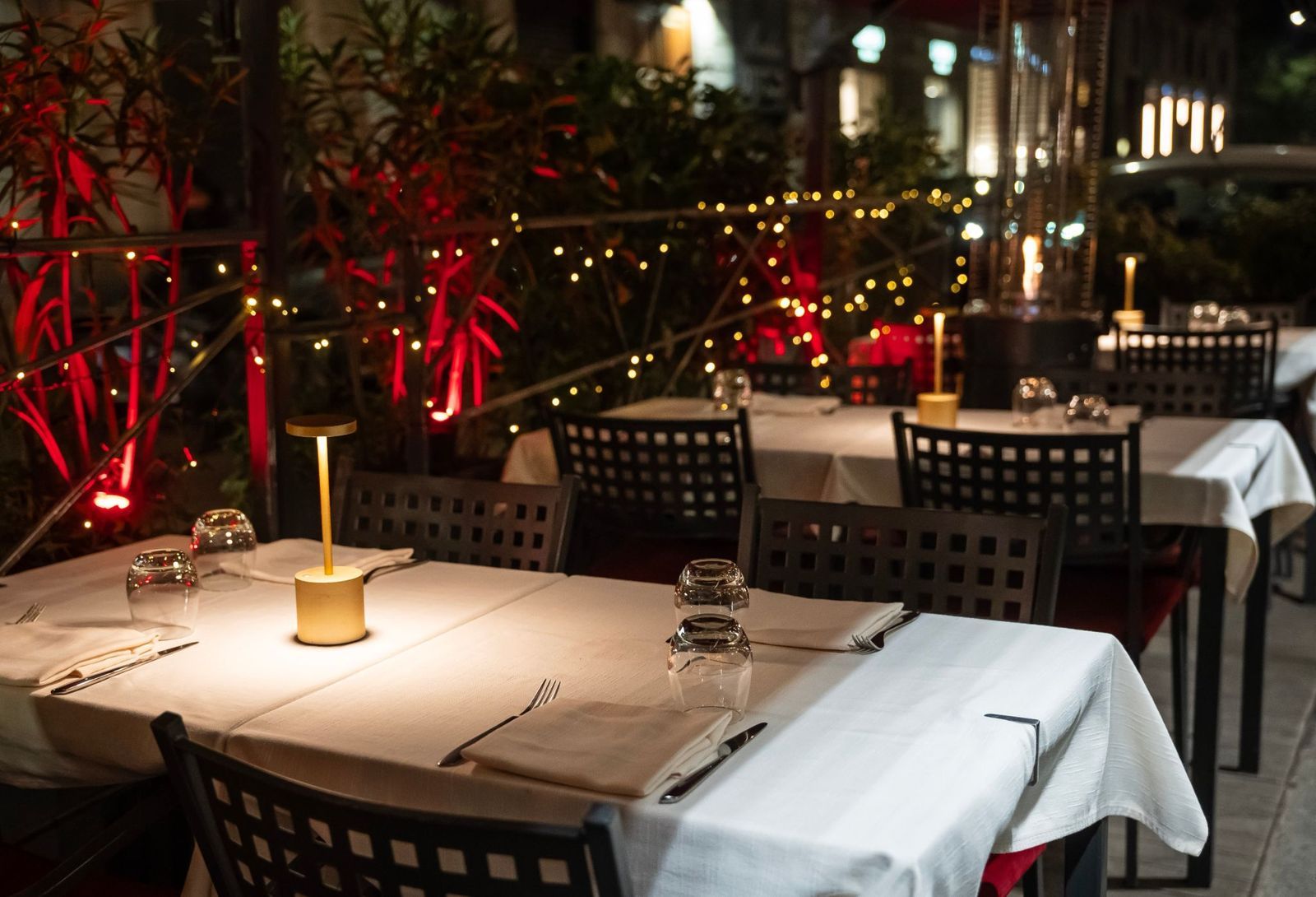
Background music in a restaurant is about setting the perfect mood. But the speed of music can also change how you behave. And restaurants know this very well. When you feel relaxed and want to stay longer, you usually order more, and that means a bigger bill.
Studies say slow music makes people linger at their tables, and they spend more, mostly on drinks. With fast music, customers eat faster, leave sooner, and free up tables. The simple reason is that slow music makes time feel like it is passing more slowly. This can be a double-edged sword. While classy restaurants prefer slow music, fast-food spots that need quick service and more customers per shift choose faster tunes.
The dish that’s there to be skipped
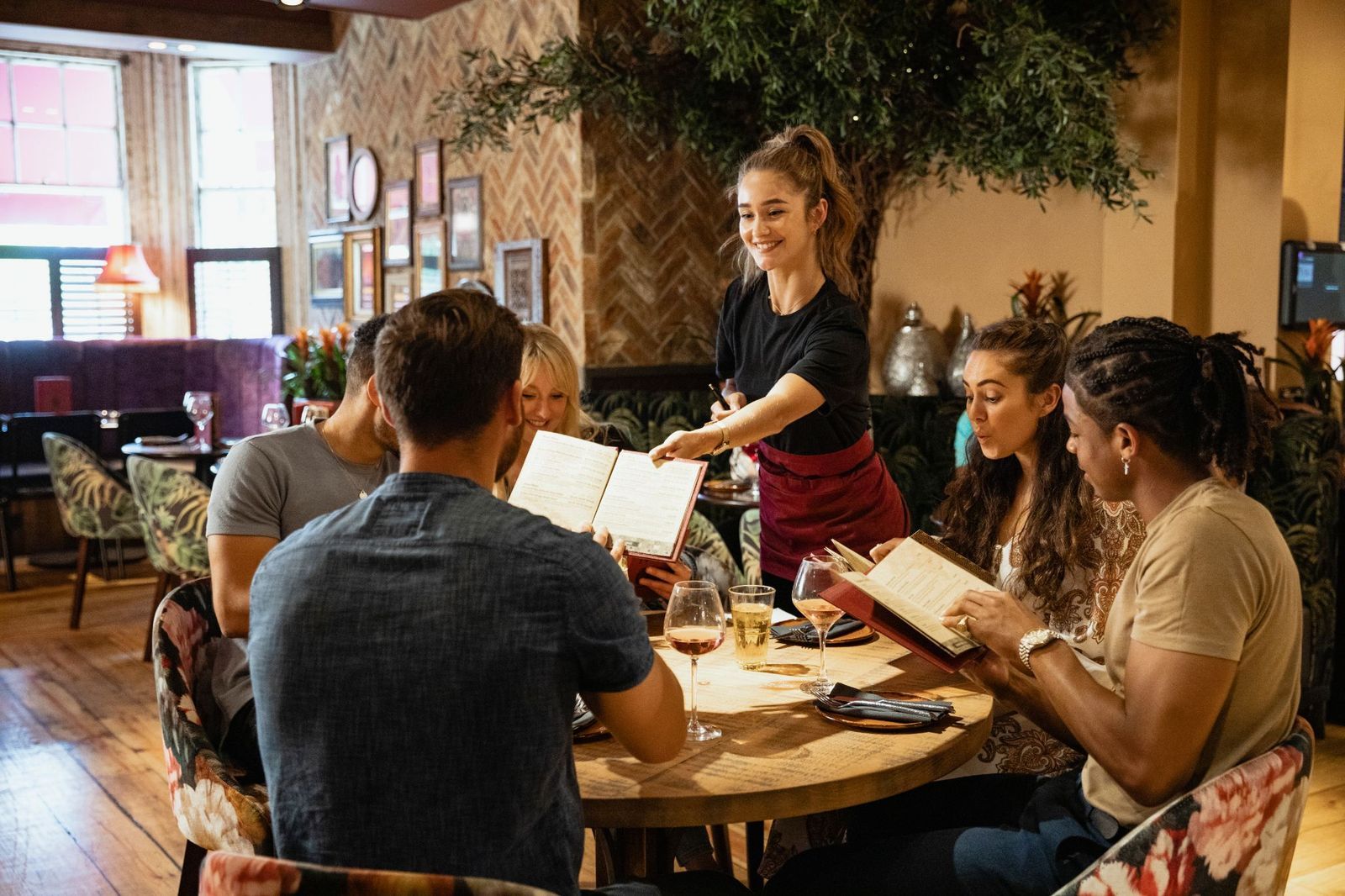
Menus usually have that one dish that is extremely expensive compared to the others. That stands out for the unbelievable contrast. Most customers will think it is the most delicious dish, while others will never order it, and for many restaurants, that is the plan.
This trick is called decoy pricing: the expensive dish isn’t really meant to sell. It’s there to make the other options look like a better deal. For example, a steakhouse might list a $95 seafood platter at the top of the menu. Next to it, a $45 steak suddenly seems reasonable. The same goes for wine. Few diners order the $120 bottle, but the $45 one below it now looks like a smart middle choice. Restaurants often place it near the top of the menu, so everything below seems more reasonable. Studies also say that people tend to skip both the most expensive and the cheapest dishes and pick something in the middle. This helps steer customers toward dishes that bring the restaurant more profit.
In-N-Out’s not-so-secret menu
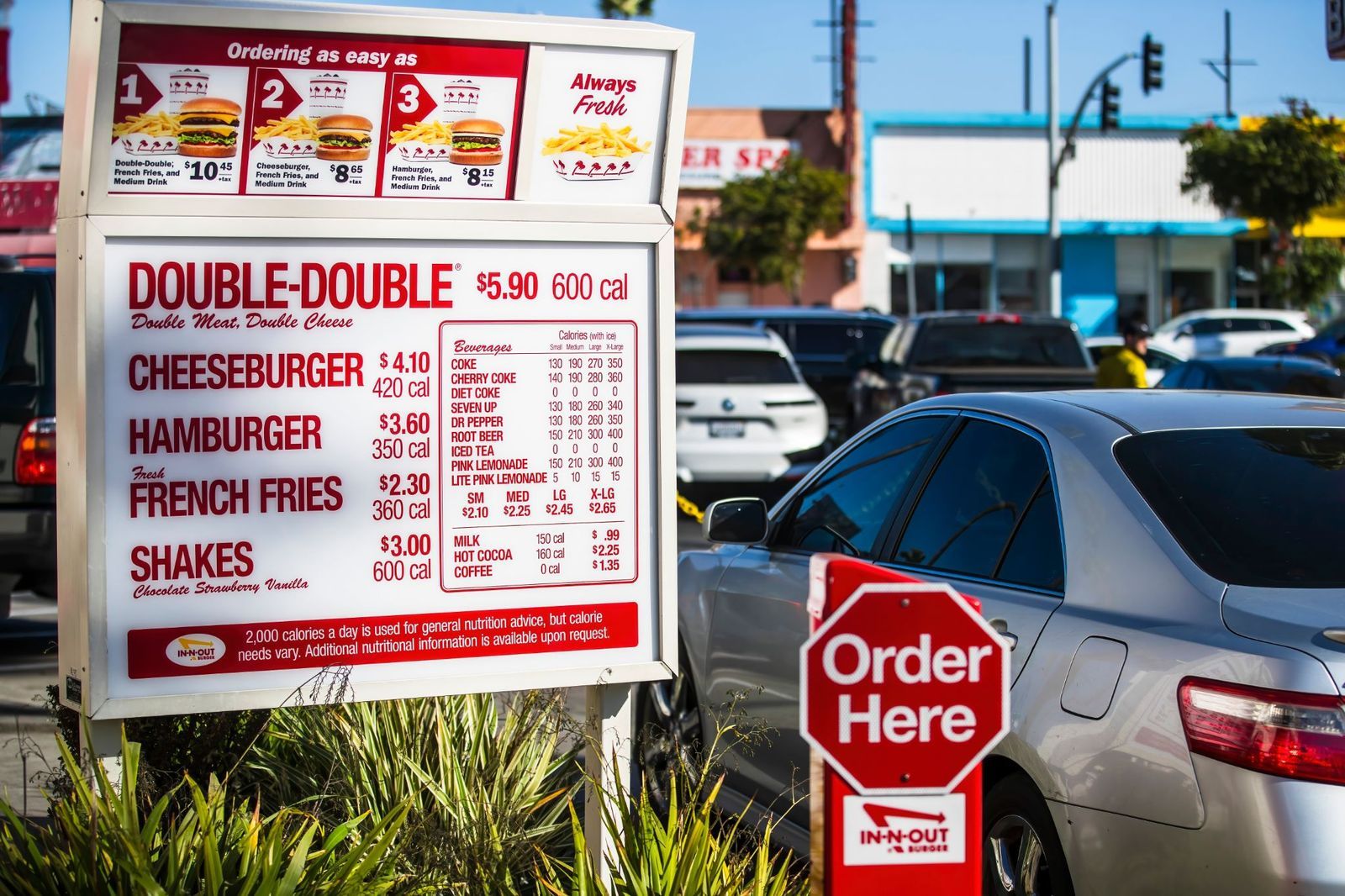
In-N-Out is a Californian burger chain, and its menu is about as simple as it gets: burgers, fries, drinks, and shakes. But everyone knows there’s a lot more you can order.
It all started in the early 1960s. The story goes that a group of teens who hung out outside the restaurant always asked for burgers with extra sauce, grilled onions, extra pickles, and the patty cooked in mustard. The order got the name "Animal Style," and it became In-N-Out's first known secret menu item. After that, more customers started making their own custom requests. The Double-Double, a burger with two patties and two slices of cheese, became so popular that it made it onto the official menu in 1966. Today, the company even lists these orders on its website under the "Not So Secret Menu" list.
Why old diners look like train cars
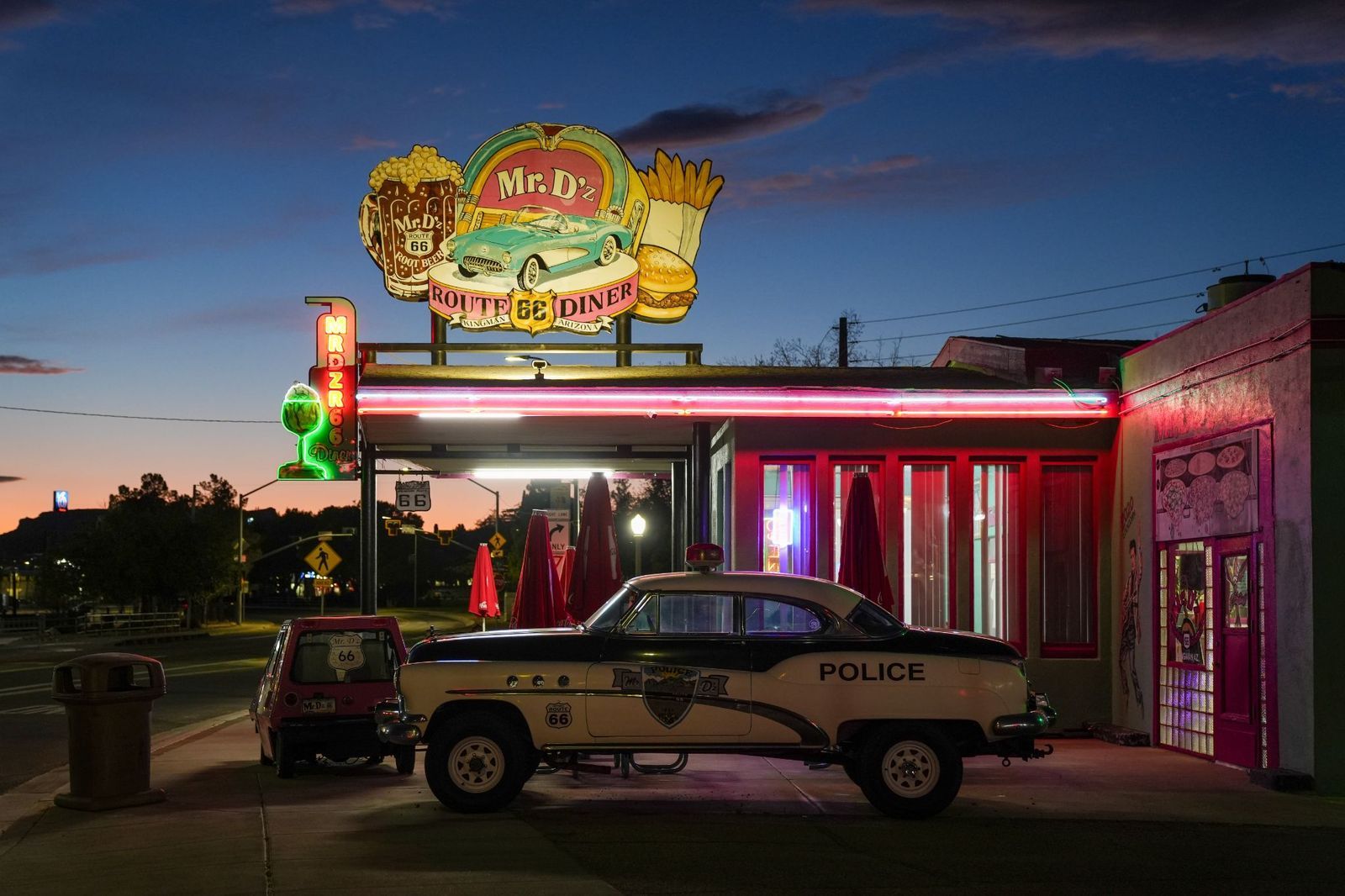
The first diner was actually a horse-drawn wagon. Around 1872, Walter Scott, a street vendor in Providence, Rhode Island, started selling simple meals from it to night-shift workers. The idea caught on fast, and soon companies were building bigger wagons where customers could sit inside. Over the years, those wagons stopped moving and turned into permanent restaurants.
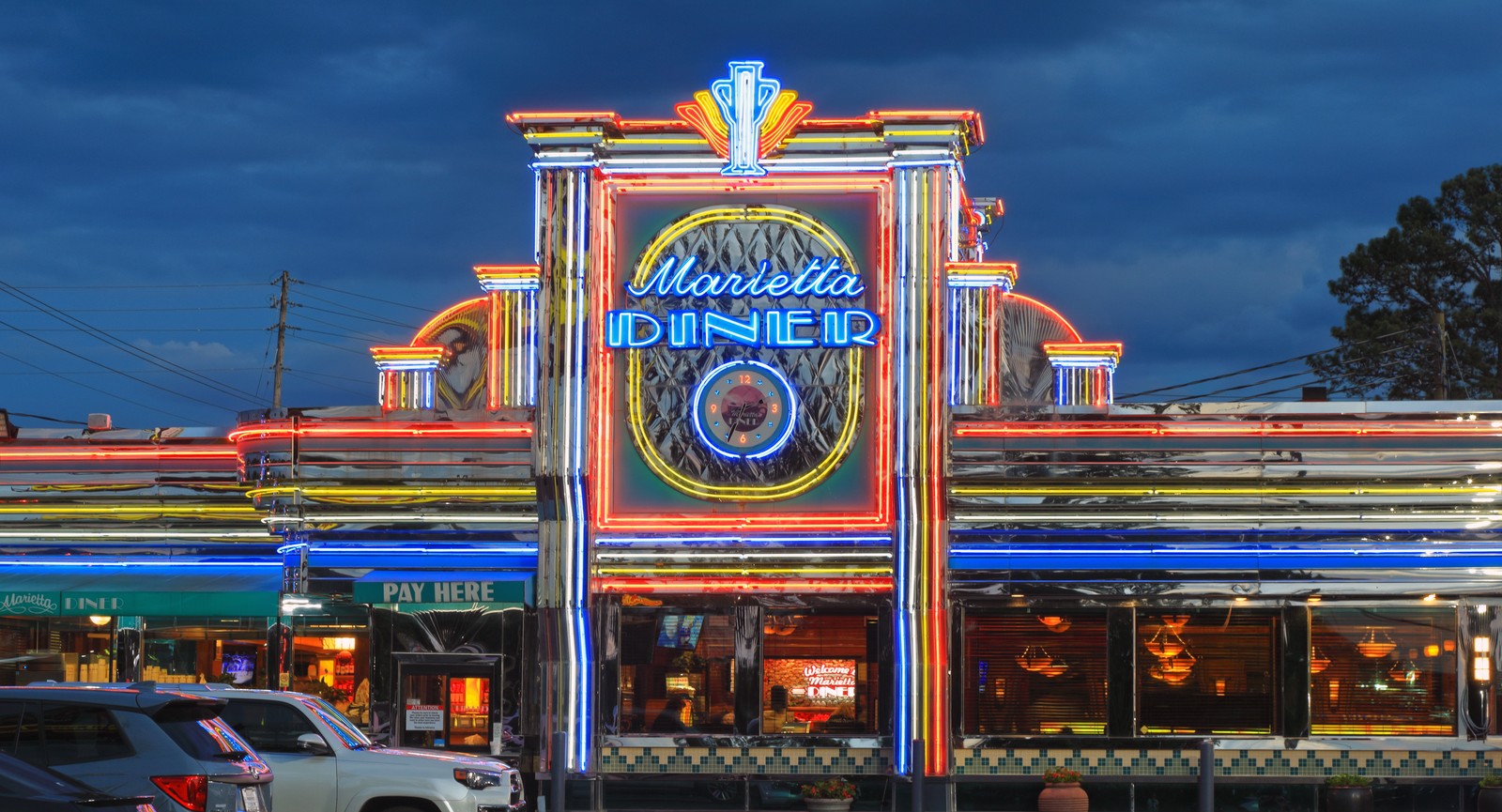
By the early 1900s, companies built these restaurants in factories and shipped them by rail or truck. To make the trip, they had to be long and narrow, so they ended up looking a lot like railroad dining cars. That’s where the name "diner" comes from. It’s also why so many have the same layout: a long counter, a row of stools, and booths by the windows. Then, after World War II, diners added shiny stainless steel, bright neon signs, and extra booths for families.
The real reason fortune cookies aren't Chinese
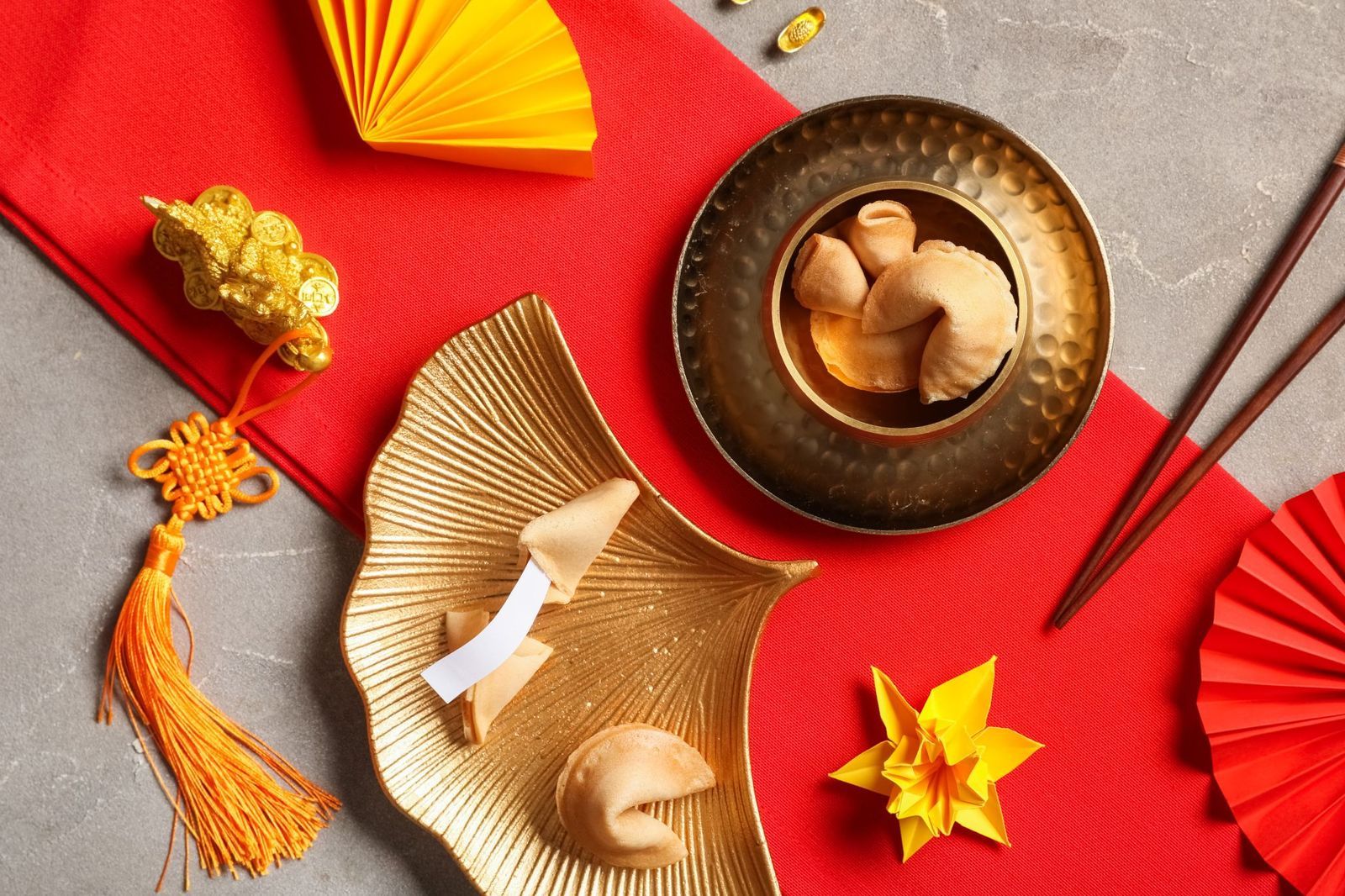
It makes sense to assume that fortune cookies come from China, since they’re given at almost every Chinese restaurant in America. But the idea actually started in Japan.
Back in the late 1800s, shops in Japan sold a folded cracker with a small fortune tucked inside, called tsujiura senbei. In the early 1900s, Japanese immigrants brought the idea to San Francisco. They served a sweeter version at the Japanese Tea Garden in Golden Gate Park. Then, during World War II, the U.S. government forced about 120,000 Japanese Americans to leave their homes and move to camps, and many Japanese bakeries had to close. Chinese American bakers began making the cookies instead. After the war, fortune cookies became a regular part of Chinese restaurants across the country, and they’ve stayed there ever since.
How tipping started in America
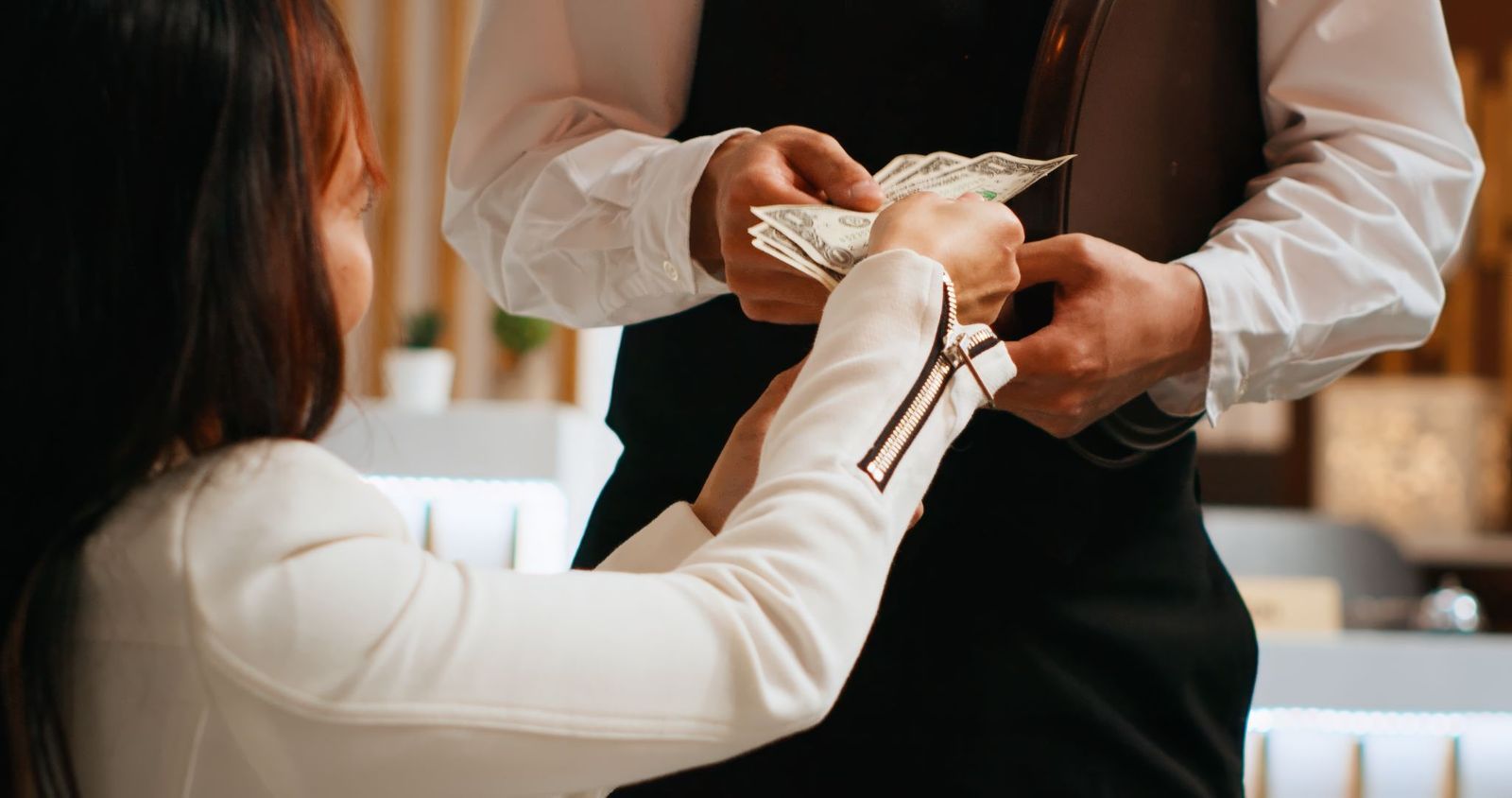
Tipping started in Europe in the Middle Ages, when English aristocrats gave small amounts of money to the people who worked for them. After the Civil War, more Americans started traveling, and some wealthy travelers brought the habit home to show off their wealth and taste. However, many locals didn't like it. Critics even said it went against the country’s democratic values. In 1904, a group called the Anti-Tipping Society of America formed in Georgia, and more than 100,000 people promised not to tip. A few states passed laws against it, but by 1926 all of those laws were gone.
After World War II, Europe moved away from tips and toward service charges, while today, in America, under the Fair Labor Standards Act, restaurants in most states can pay servers as little as $2.13 an hour, a rate that hasn’t changed since 1991. Tips are expected to make up the rest, bringing their pay up to the federal minimum wage of $7.25, which hasn’t changed since 2009.
Heinz just liked the number 57
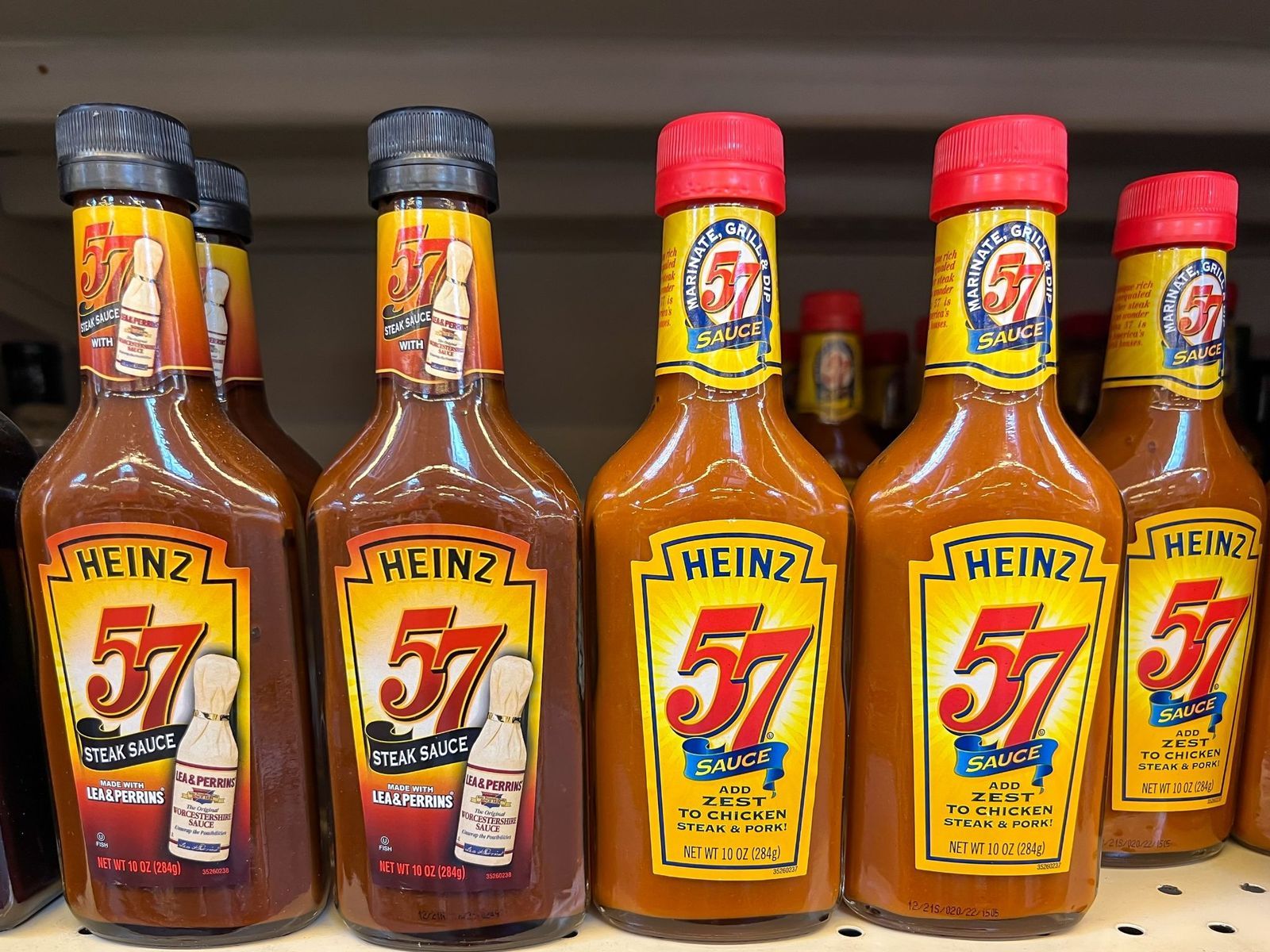
Heinz is closely linked to the number 57. The number was just a marketing choice. The story goes that in 1896, Henry Heinz was riding an elevated train in New York when he saw an ad for a shoe store offering "21 styles." He liked the idea and decided to advertise his own "varieties." His company already made more than 60 products, but he supposedly picked 57 because 5 was his lucky number and 7 was his wife’s. A few days later, the slogan "57 Varieties" was everywhere, and in 1940, Heinz even launched a steak sauce called "57."
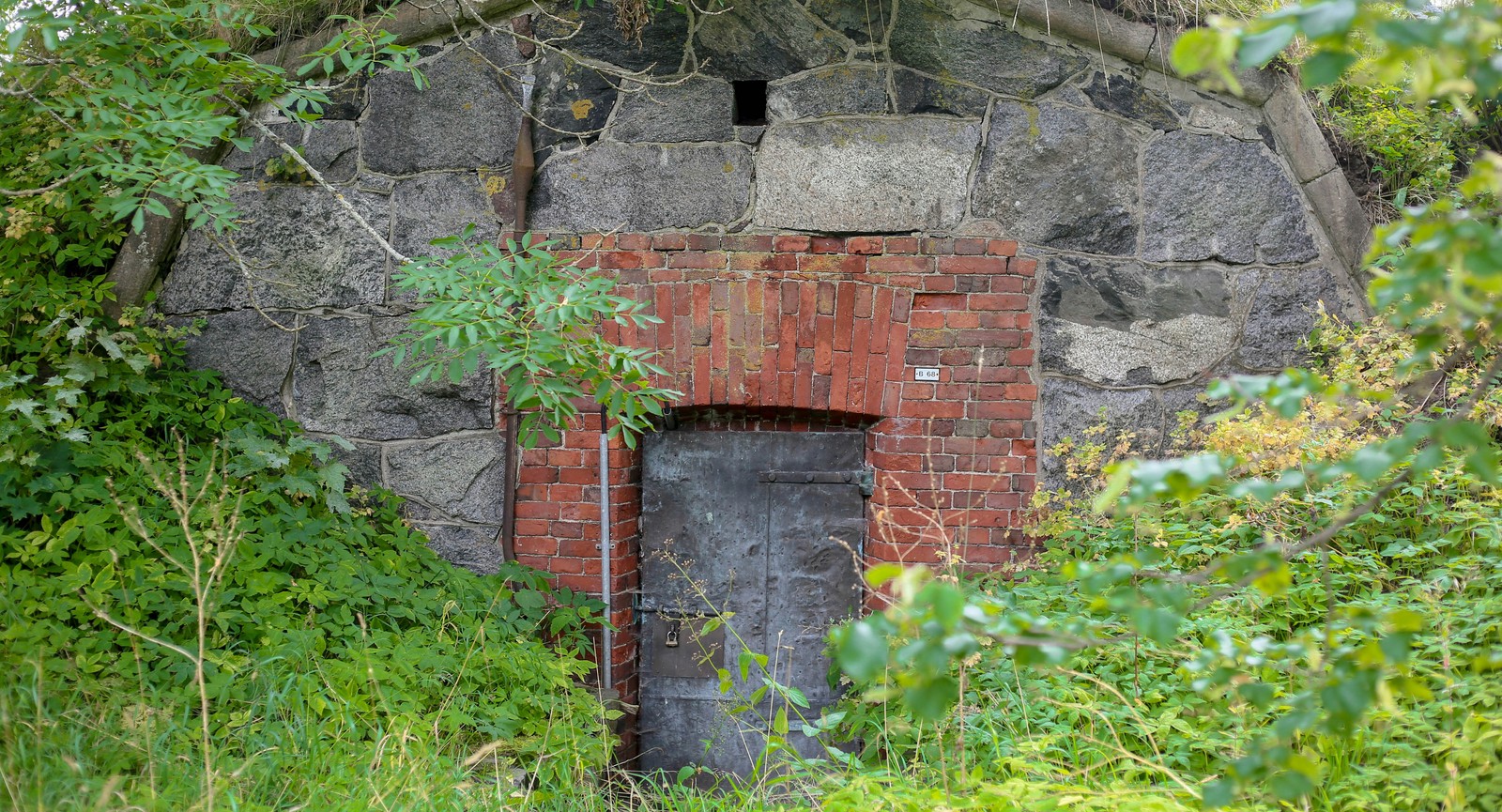
12 amazing underground spaces are in the U.S. and waiting for your visit!
 Landmarks
Are you claustrophobic?
12 mind-blowing underground spaces you can visit in the U.S.
Did you know that some of America’s most interesting places are situated below the surface? You don’t need to be a hobbit to enjoy and explore buried storefronts, abandoned commuter tunnels, basement speakeasies, cavern tours, and countless other underground spots that the US has to offer. Take a look at the following 12 sites and decide which one you would like to visit!
Pioneer Square (Seattle, Washington)
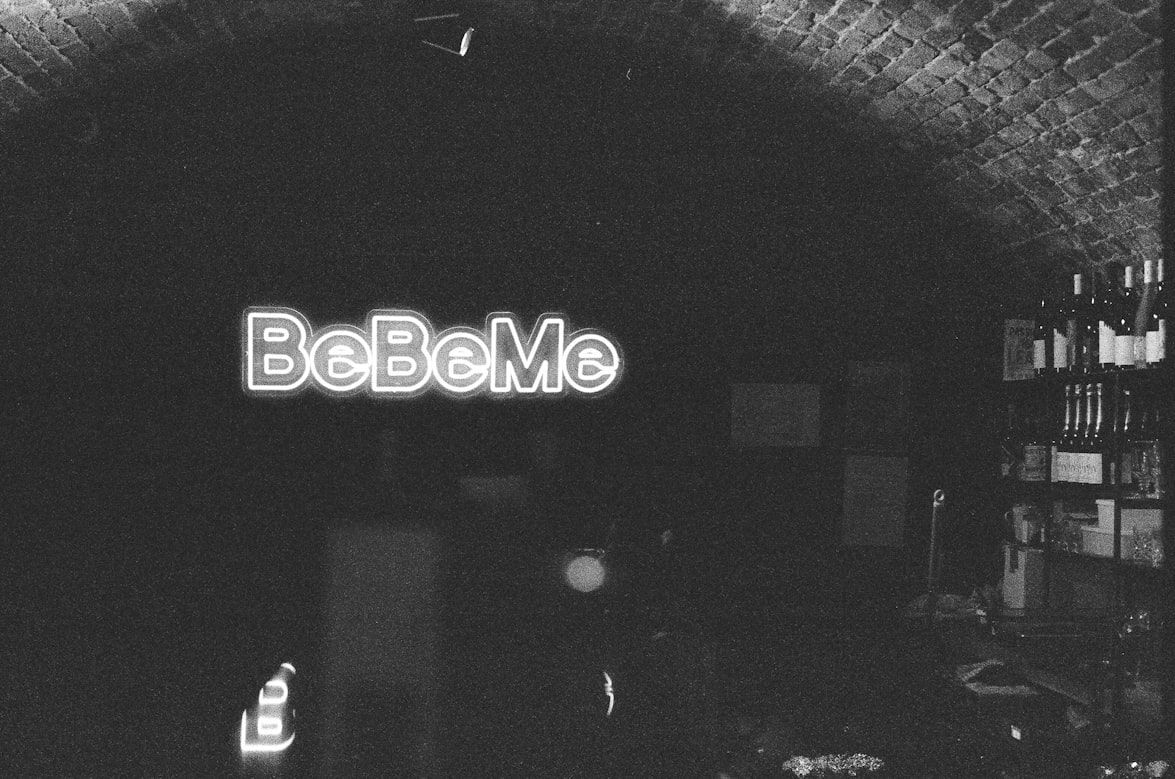 Image: Tanya Barrow
This Seattle neighborhood has a literal "city under the city." After the Great Fire of 1889, parts of downtown were rebuilt at a higher street level, entombing earlier streets and first-floor storefronts below.
Underground tours let you follow corridors beneath the sidewalks, spot glass sidewalk prisms that once lit shops, and hear the stories of how these eerie places came to be.
Shanghai Tunnels (Portland, Oregon)
 Image: realfish
Old Chinatown is said to hide the so-called Shanghai Tunnels, a series of basements and passages linked to waterfront warehouses and long-standing stories from Portland’s past.
Today, the tunnels can be visited only through guided tours, which will lead visitors to mysterious saloons and reveal the legends of the city’s tumultuous past.
The Pedway (Chicago, Illinois)
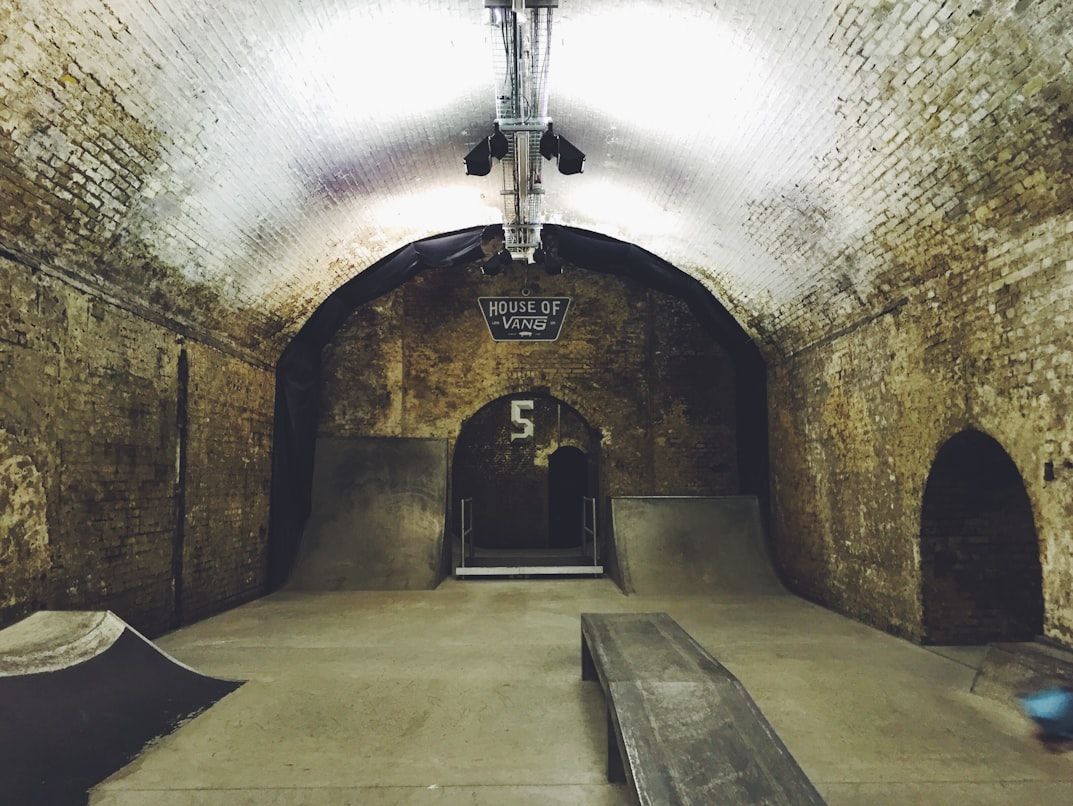 Image: Robert Bye
The Pedway is an underground network of corridors linking downtown buildings, transit stations, and plazas, allowing commuters avoid the fury of the climate in Chicago.
On guided tours, visitors can explore marble lobbies, hidden hallways, works of art, and stained glass, while learning how the system grew piece by piece over the decades.
Tunnel system (Houston, Texas)
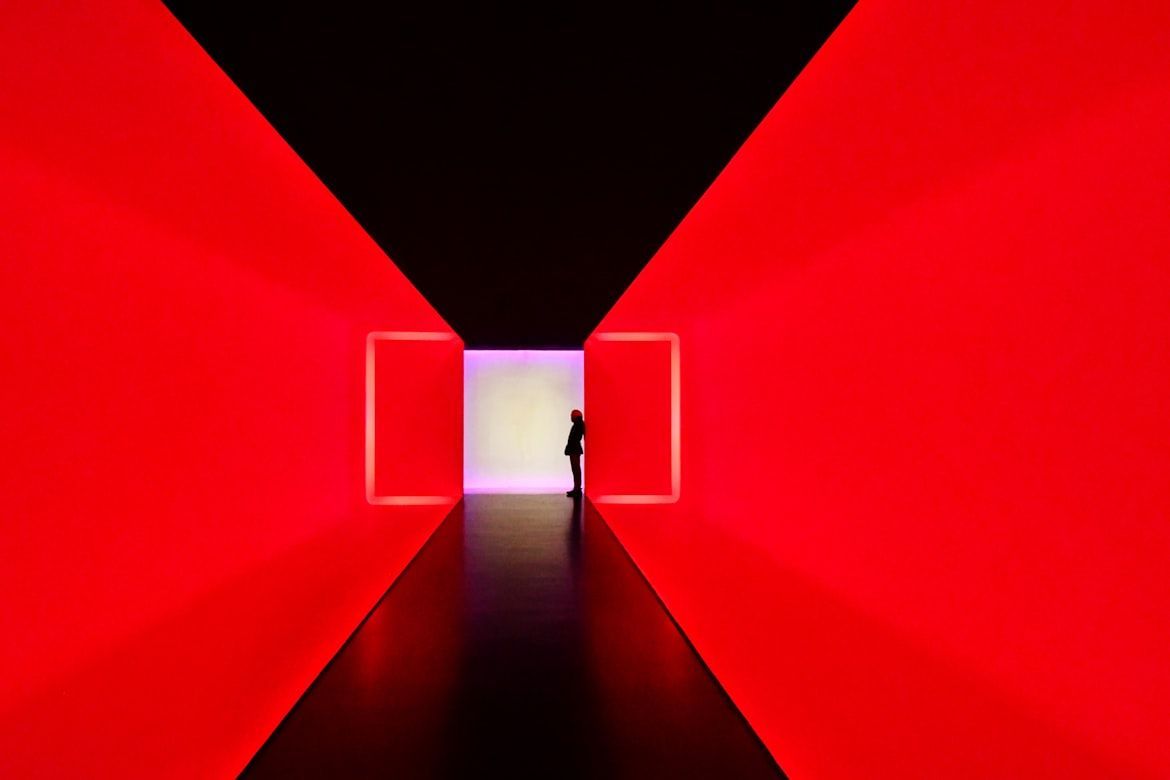 Image: Max Harlynking
Downtown Houston has a climate-controlled tunnel system beneath its office towers, complete with food courts, shops, and corridors that feel like a mini-city.
Guided tunnel tours explain how and why Houston went underground to escape the heat and weather from above ground. Maps describe many miles of passages, most of which are open on weekdays during business hours.
Forgotten tunnels (Los Angeles, California)
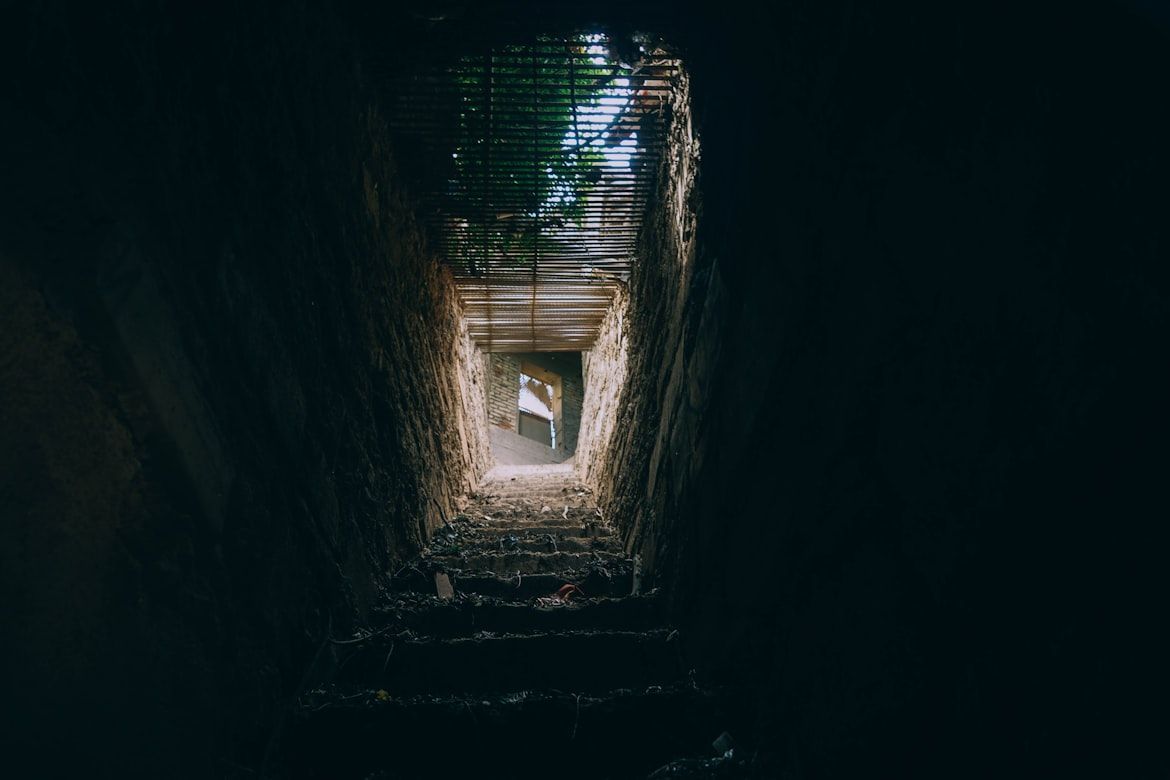 Image: Rosalind Chang
Beneath downtown Los Angeles’s historic center are bits of forgotten infrastructure: service tunnels, basement levels, and old speakeasy spaces tied to Prohibition-era nightlife in the city.
Some small-group walking tours offer access to century-old tunnels and hidden bars. The tours take you through stairways and stories connected to Hollywood-era drinking culture in Los Angeles.
Limestone cavern (Louisville, Kentucky)
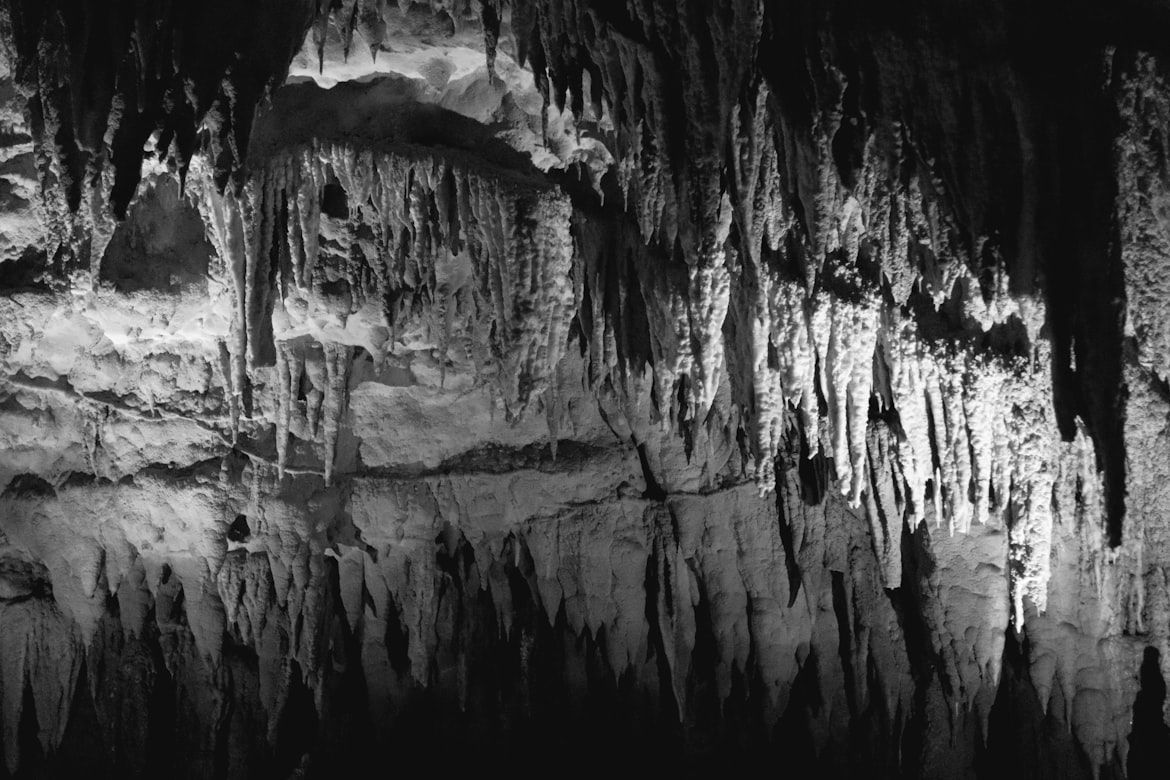 Image: SLNC
A massive limestone cavern can be toured beneath Louisville, Kentucky. Mega Cavern is entirely underground, with paved paths, lighting, and vast chambers that seem unreal.
Tram rides, walking tours, zip lines, and rope courses can be taken to visit this incredible natural space hidden below the city.
SubTropolis (Kansas City, Missouri)
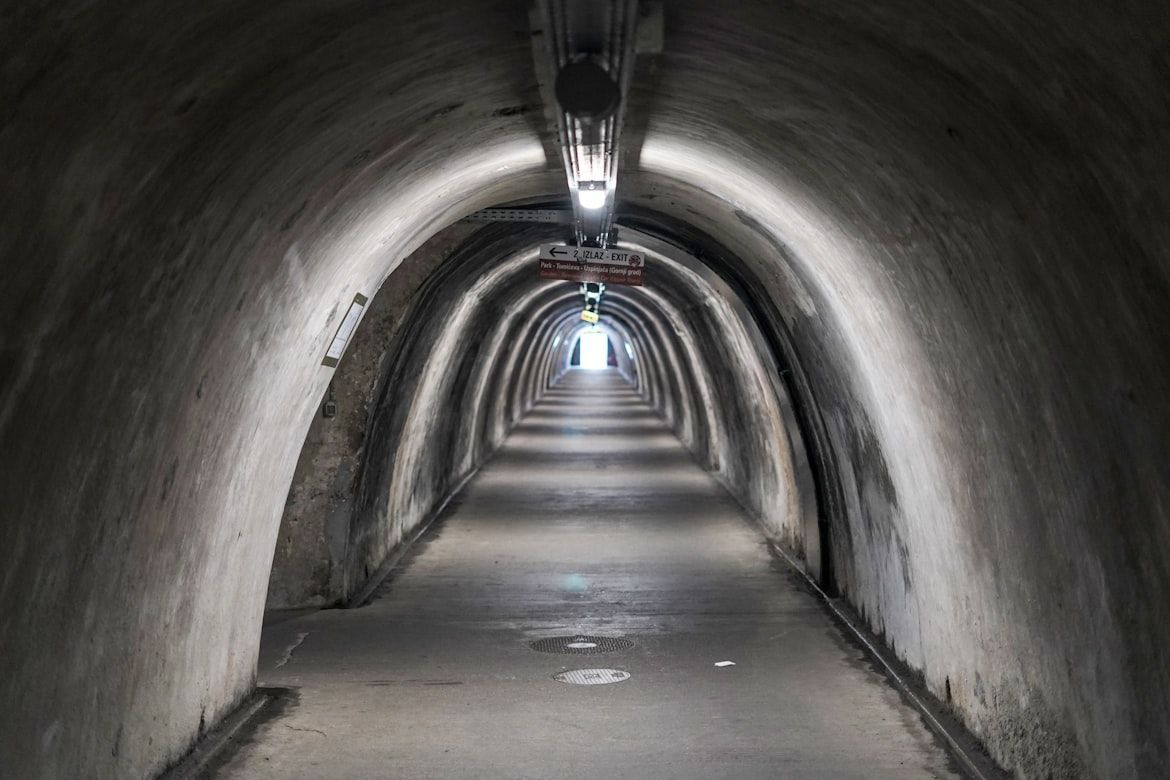 Image: Tom Wheatley
SubTropolis is often described as the world’s largest underground business complex, carved from a former limestone mine, with miles of lit, paved roads with warehouses and offices operating in steady, cave-cool temperatures.
Despite its name, it’s not a theme park, but a genuine "underground city" with occasional guided visits and a small number of public-facing spaces highlighted by the local guides.
Wabasha Street Caves (Saint Paul, Minnesota)
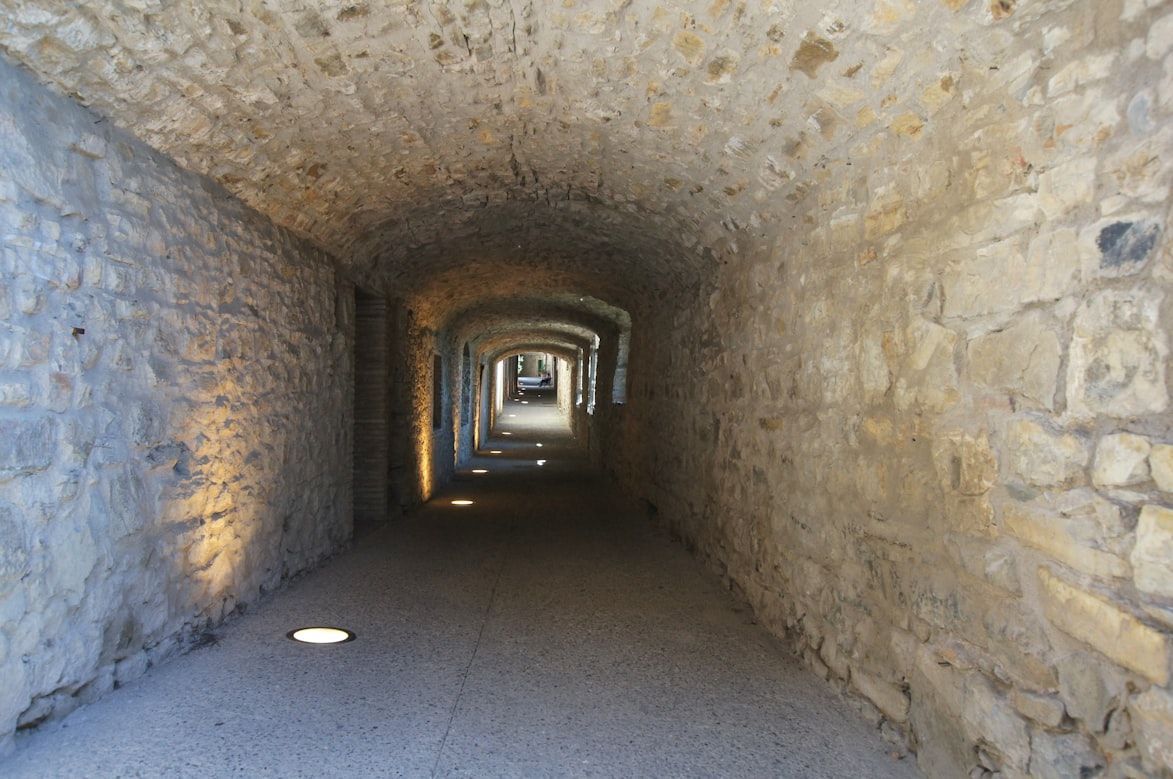 Image: Wolfgang Hasselmann
These hand-carved sandstone chambers have been a mining site, a mushroom farm, and a famous Prohibition-era hangout known for its dance-floor legends.
Today, visitors can take guided tours through large rooms and passageways hidden in the river bluff, learning about one of the best-preserved Gangster Era sites in the city.
Cincinnati tunnels (Cincinnati, Ohio)
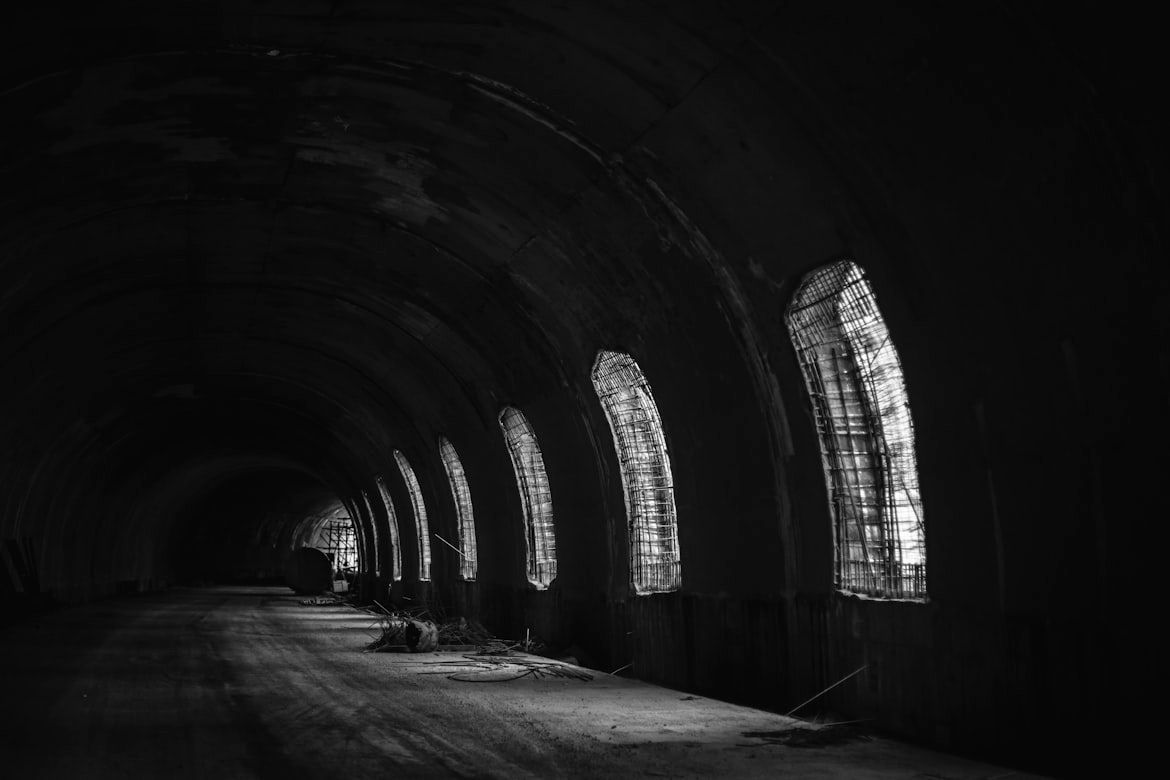 Image: omid roshan
Old lagering tunnels and hidden underground spaces hint at Cincinnati’s beer-boom days, when German brewing traditions shaped neighborhoods block by block.
On guided city tours, visitors can explore subterranean tunnels and a historic crypt connecting breweries, saloons, and the infrastructure that kept the beer cold before modern refrigeration.
The Mob Museum (Las Vegas, Nevada)
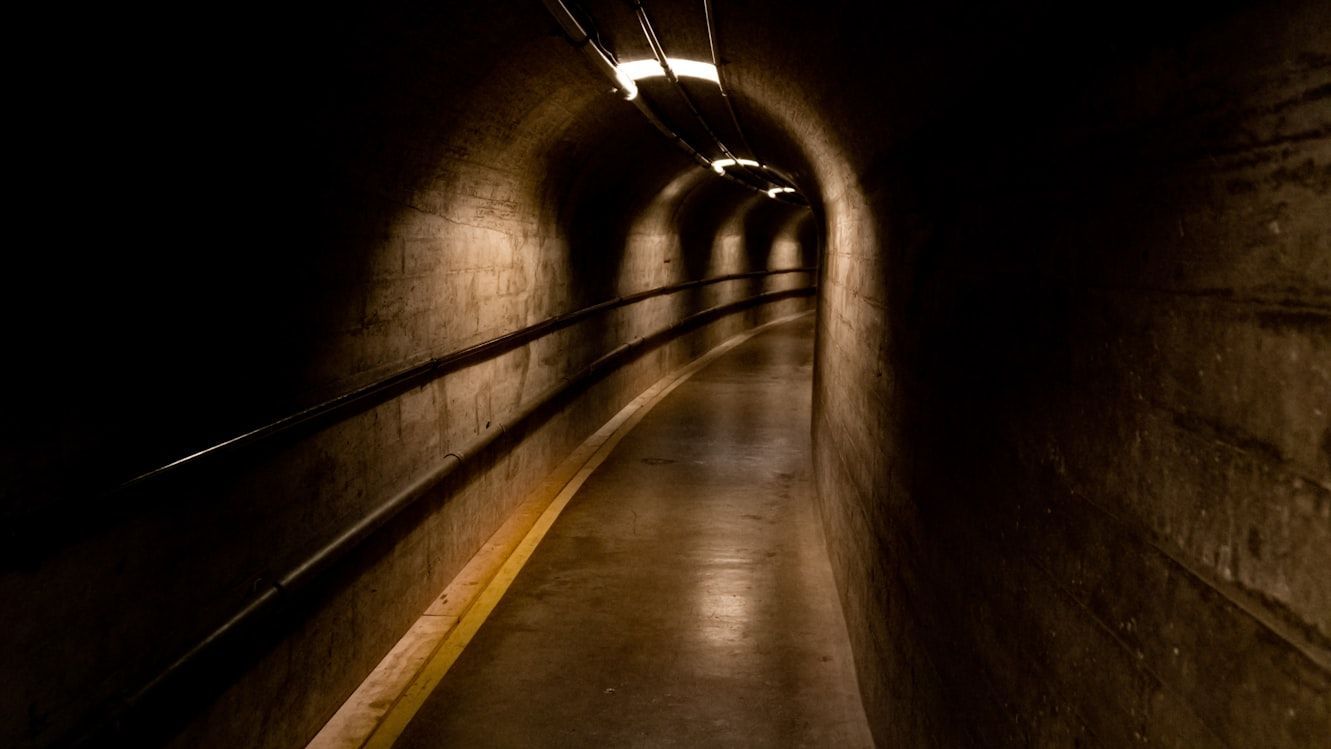 Image: Crystal Tubens
The Mob Museum has a basement time capsule called The Underground: part exhibit space, part working distillery, and part speakeasy-style bar.
Located in the museum’s basement and connected to Prohibition-era history, it is designed to stand the test of time. It has artifacts from the era, as well as cocktails that complement the atmosphere.
Cave of the Winds (Colorado Springs, Colorado)
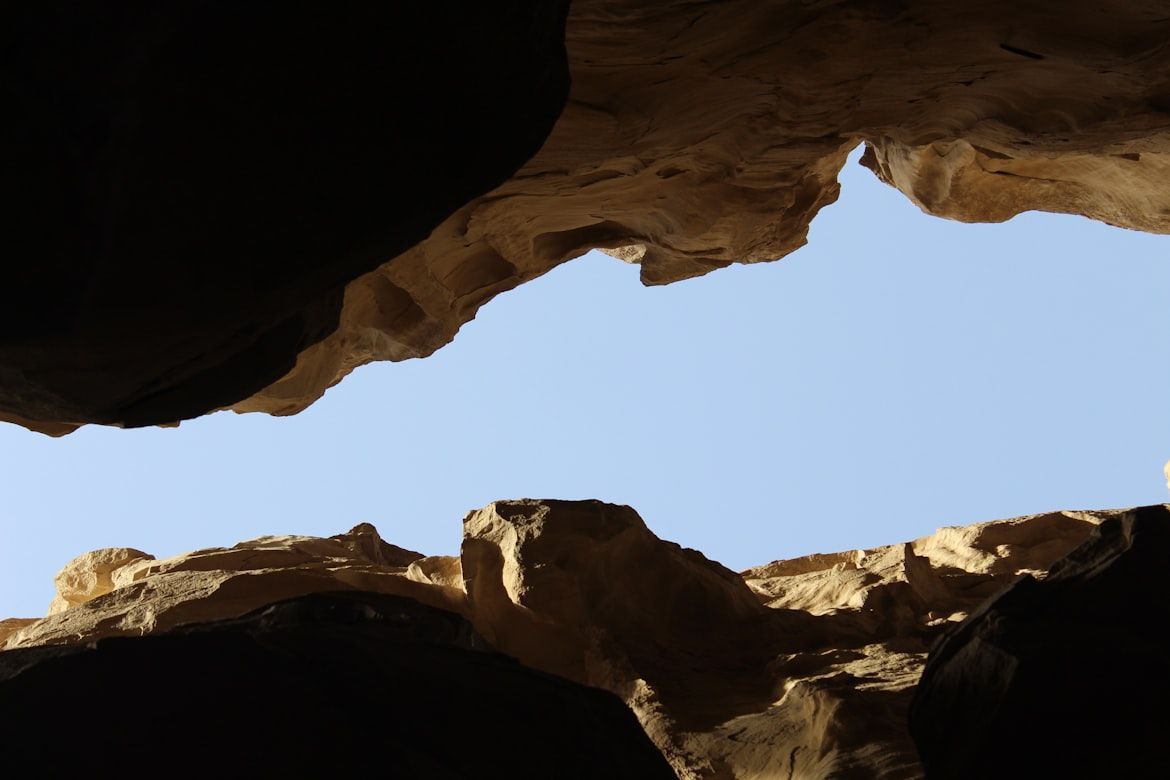 Image: arnoosh Abdollahi
Just outside of the city, Cave of the Winds takes visitors into an electrically lit cave system with rooms, formations, and chambers ready to be explored.
The guided tours move through some 15 rooms, about a half-mile of walkways, and a lot of stairs. It’s a real cave experience that can take a full day to be fully appreciated.
Lemp Brewery Complex (St. Louis, Missouri)
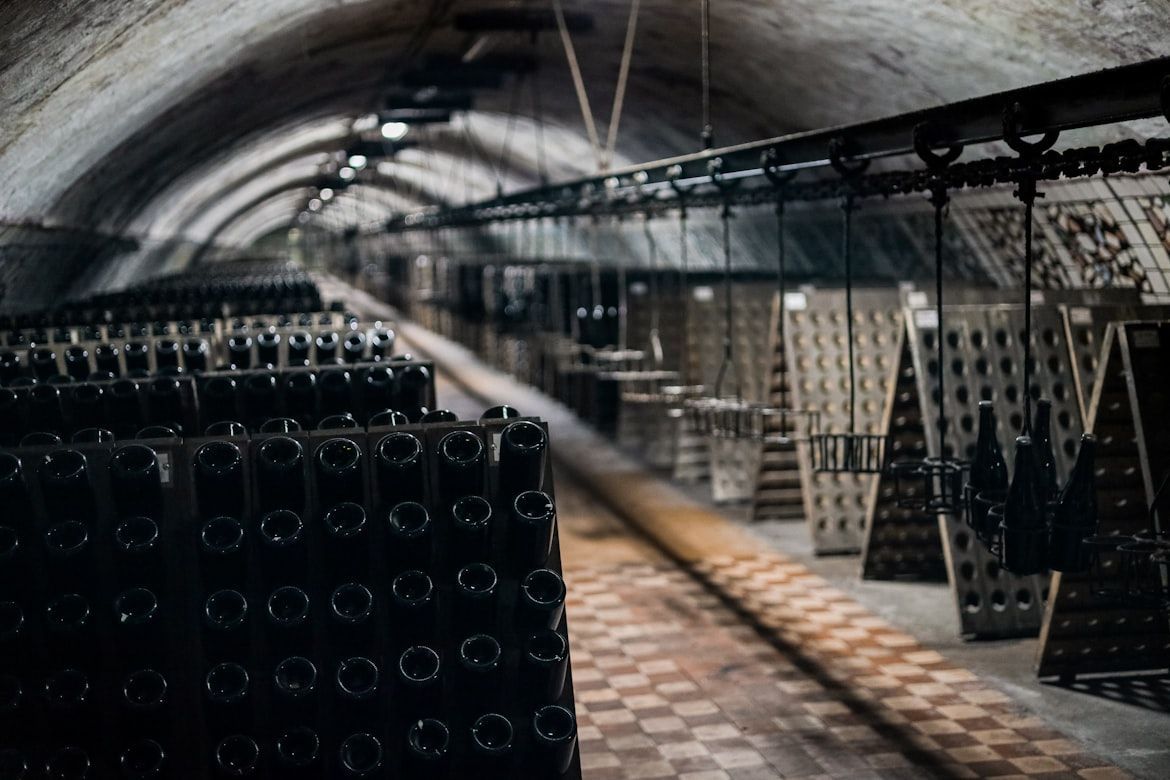 Image: Ksenia Obukhova
The Lemp Brewery complex is famous for its deep, authentic caves and tunnels, remnants of a brewing empire that once relied on cool underground space to keep its product at the right temperature.
Attractions inside the brewery, including haunted experiences, lead visitors through subterranean passages that are dark, seriously atmospheric, and filled with echoes of days gone by.
Keep wandering
There’s always
more to explore
The surprising reason most cruise ships don’t fly the American flag
4 min.
Read Now
10 things to pack that could save your vacation
5 min.
Read Now
 Culture
Can too many visitors change a town forever? The truth about tourism
6 min.
Read Now
A town called Chicken? Why are these 10 U.S. places named after food?
4 min.
Read Now