
Which is the most walkable city in America? Discover 12 strong contenders
 Geography
Step by step
Which is the most walkable city in America? Discover 12 strong contenders
Surely, almost every single city can be walked, as long as it has sidewalks. But that alone does not make a city walkable, at least not in the sense that we will discuss. A city earns that distinction when its most important and meaningful parts are within walking distance of each other. Several cities and towns in the U.S., beyond the most famous and touristy ones, fall within that desired category. Have you ever been to one of the following 12? Or even live in one of these?
Madison, Wisconsin
 Image: ils Huenerfuerst
Madison is remarkably walkable thanks to its compact layout between two lakes. Downtown streets radiate from the Capitol square, connecting cafés, bookstores, and the university district without long gaps or dead zones.
A single walk can easily take you from lakeside paths to busy sidewalks and quiet neighborhoods. The city feels lively but relaxed, making it ideal for slow, curiosity-driven exploration on foot.
Asheville, North Carolina
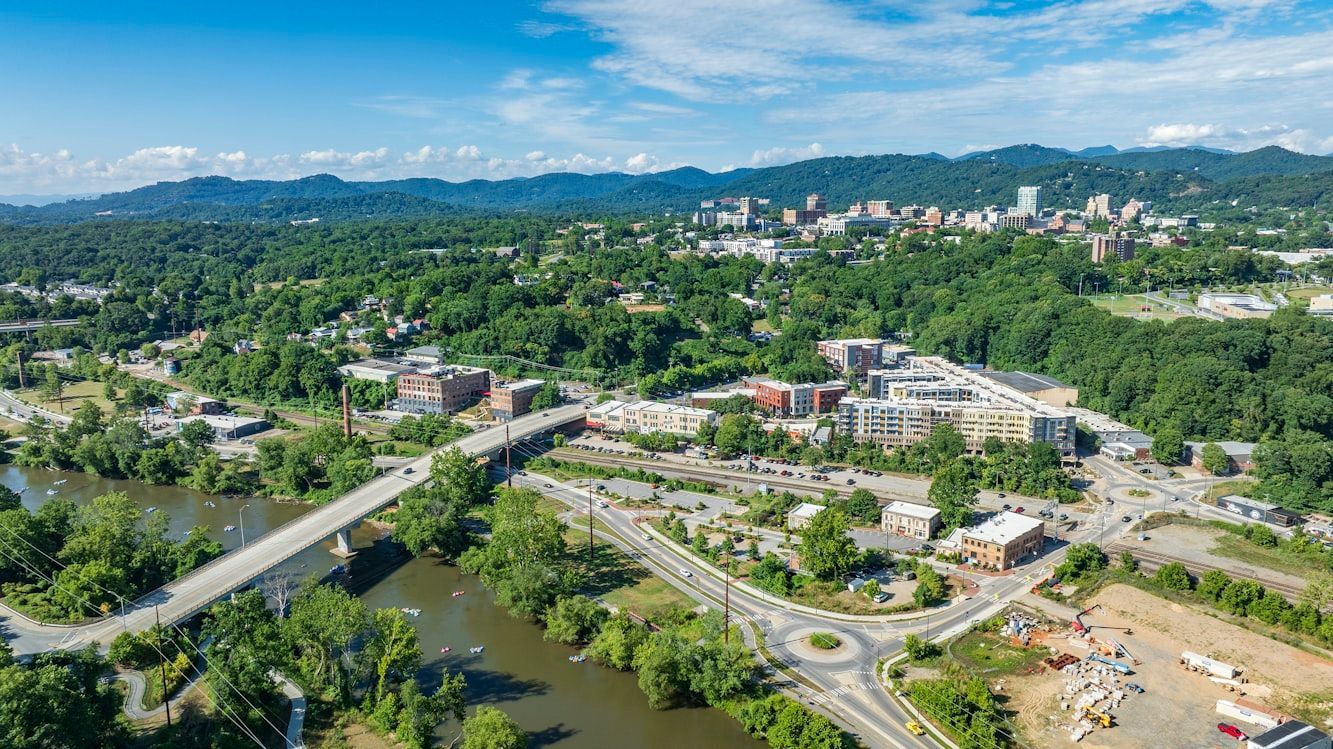 Image: Ricky Beron
Asheville’s downtown packs a lot into a small footprint. Independent shops, historic buildings, galleries, and street musicians cluster tightly, so most highlights sit within a few walkable blocks.
Side streets reveal cozy cafés and local breweries, while gentle slopes keep walks manageable. It’s a place where wandering feels creative and spontaneous rather than planned or rushed.
Ann Arbor, Michigan
 Image: Chris Winchester
Ann Arbor thrives at walking speed, no pun intended. Its flat, compact downtown is filled with bookstores, theaters, cafés, and restaurants, all arranged in a friendly grid that’s easy to navigate.
The nearby University of Michigan keeps the streets lively but not overwhelming. You can cover most of the city center in an afternoon and still feel like you’ve truly experienced it.
Burlington, Vermont
 Image: Stephen Mease
Burlington pairs walkability with lake views, a rare combination, indeed. The pedestrian-only Church Street Marketplace anchors downtown with shops, coffee stores, and public spaces.
A short walk downhill leads to Lake Champlain’s waterfront paths, turning a simple stroll into a scenic loop. The city feels compact, friendly, and thoughtfully designed for walkers.
Santa Fe, New Mexico
 Image: Jenny Sherman
Santa Fe’s historic core is dense and visually cohesive. Adobe buildings, plazas, museums, and galleries are situated close together, encouraging exploration on foot rather than by car.
Walking here feels unhurried and atmospheric. Short distances between landmarks make it easy to wander, pause, and absorb the city’s unique blend of history and culture.
Key West, Florida
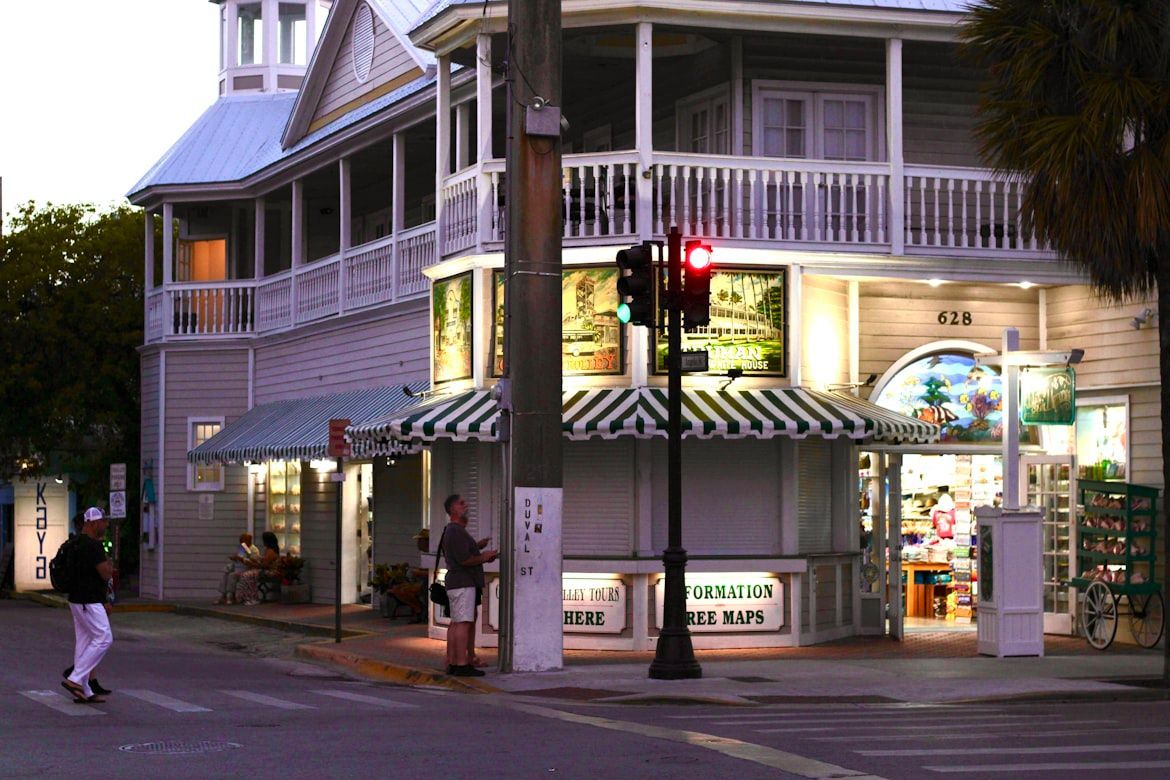 Image: Sina Neshat
Key West is small enough that walking quickly becomes second nature. Old Town’s narrow streets, colorful houses, and shaded sidewalks keep most attractions within easy reach.
From historic homes to waterfront views, everything connects naturally. The island’s compact scale makes wandering intuitive, relaxed, and far more rewarding than driving.
Galena, Illinois
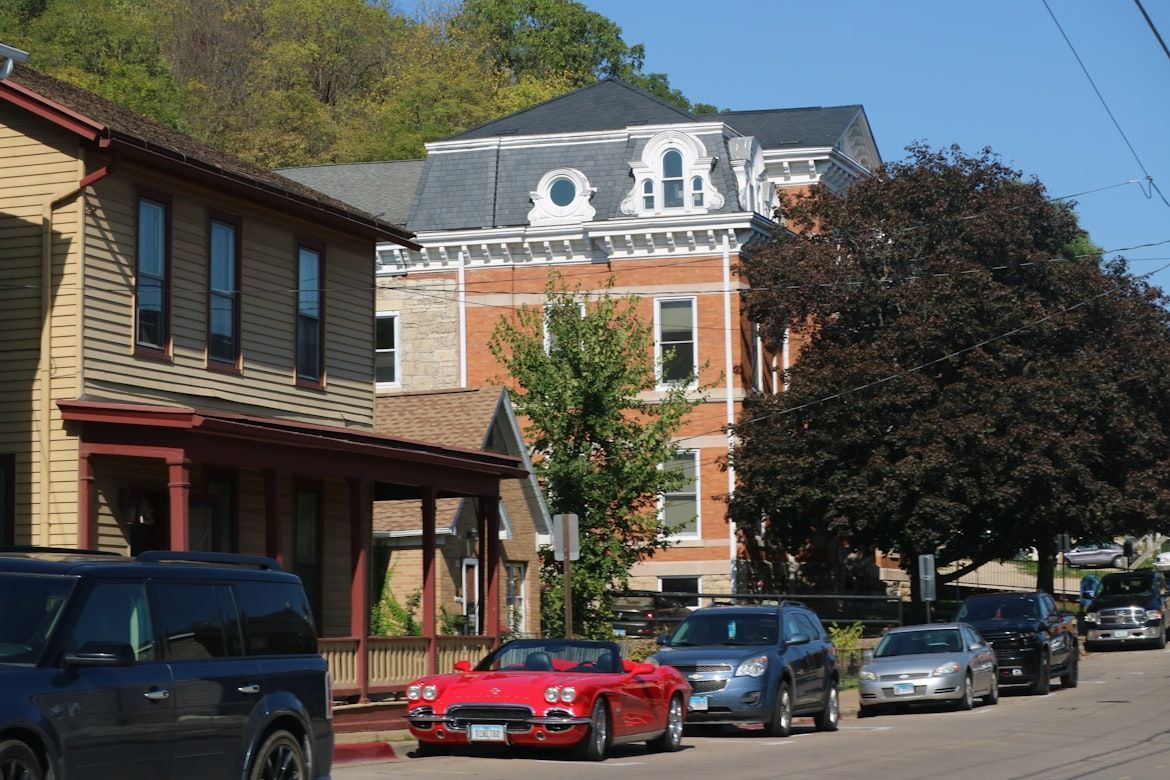 Image: Vincent Yuan @USA
This city’s walkability comes from its well-preserved 19th-century layout. Main Street rises gently along a hillside, lined with historic storefronts, cafés, and scenic viewpoints.
Nearly the entire downtown area can be explored on foot. The pace is unhurried, the streets are compact, and the town feels designed for lingering rather than rushing.
Alexandria, Virginia
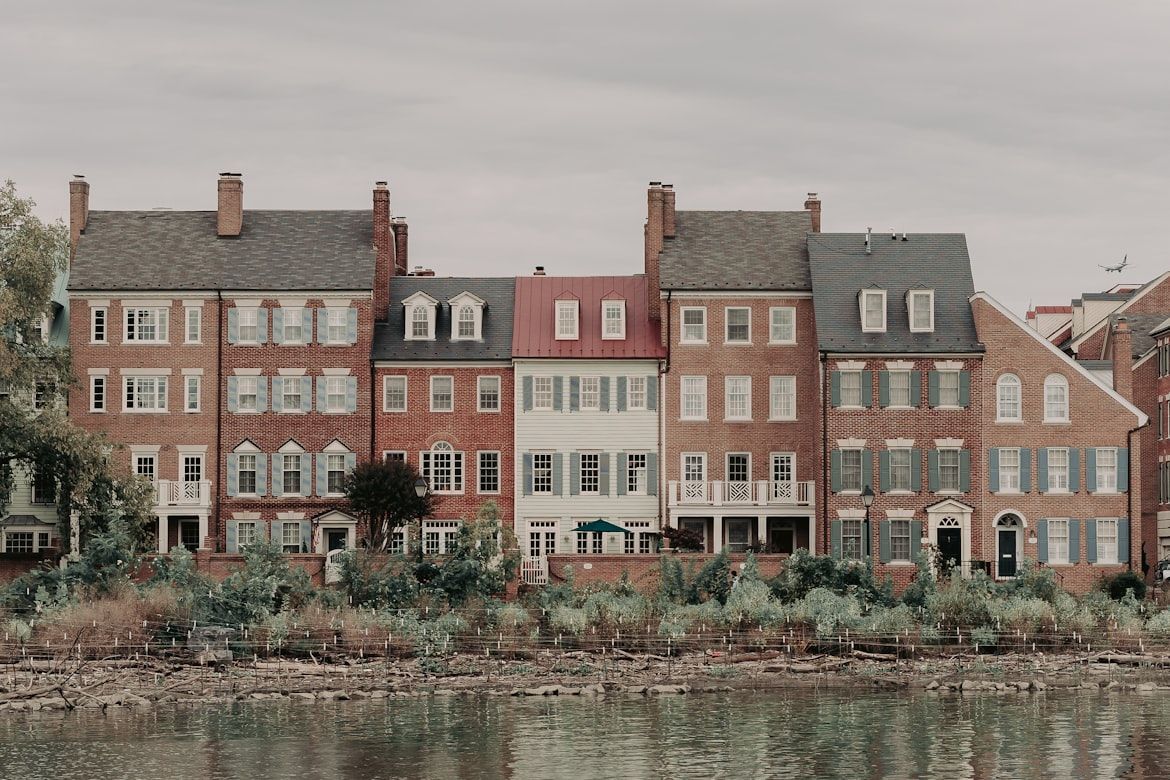 Image: Jack Prommel
Old Town Alexandria is orderly, compact, and, yes, ideal for walking. Brick sidewalks link row houses, small shops, restaurants, and waterfront paths in a tight grid.
Everything flows smoothly from one area to the next. It’s a calm, scenic place where walking feels practical, pleasant, and deeply tied to the city’s character.
Boulder, Colorado
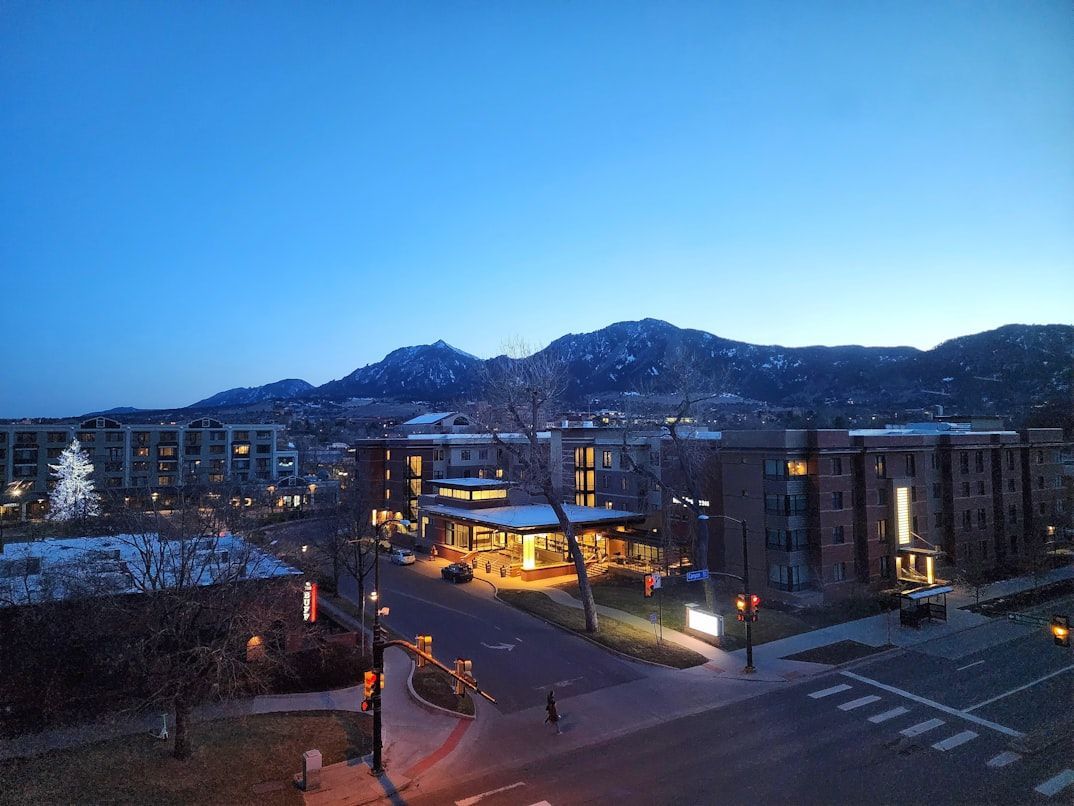 Image: Matthew Williams
Boulder’s walkable heart centers on Pearl Street Mall, a long pedestrian corridor filled with shops, cafés, and street performers. It’s lively without feeling crowded.
Side streets branch toward neighborhoods and nearby trailheads, making it easy to combine urban strolling with light outdoor activities. Walking is definitely the best way to explore the city.
Portsmouth, New Hampshire
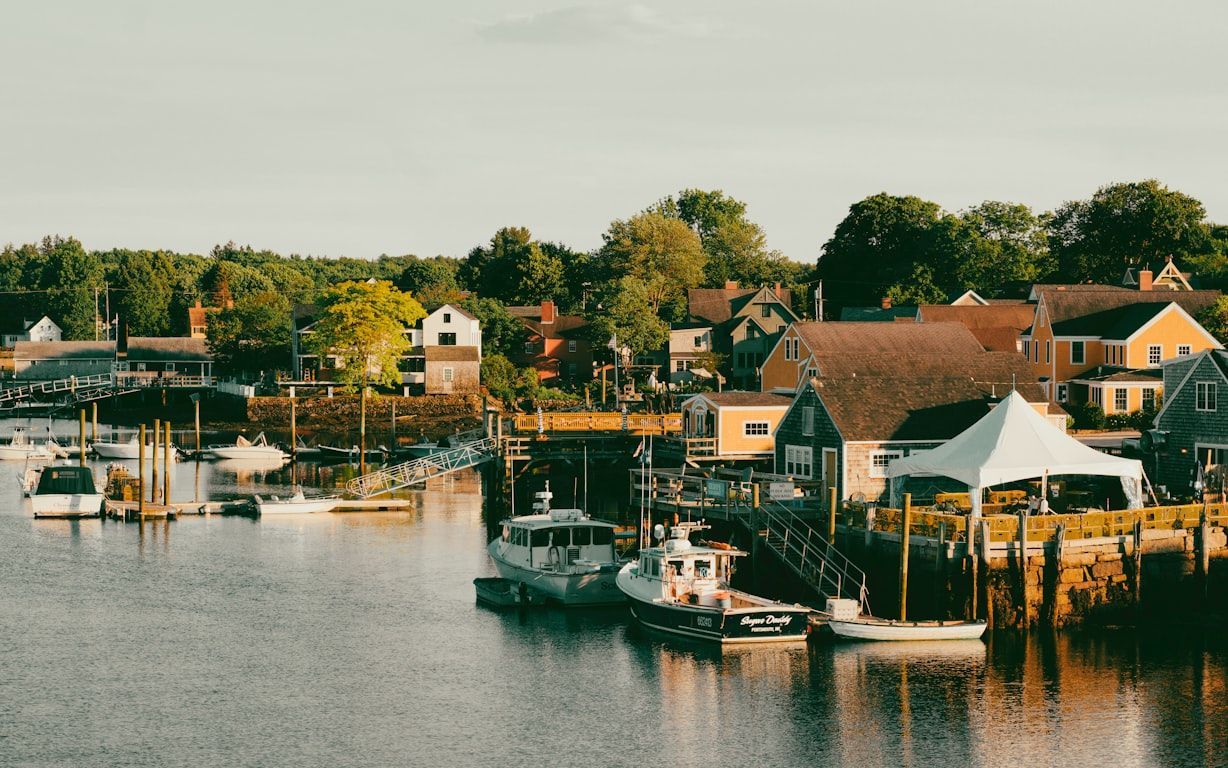 Image: Peregrine Photography
Portsmouth packs history into a compact downtown. Curving streets reveal colonial-era buildings, small shops, restaurants, and harbor views, all within a short walking distance.
You can cross the city center in minutes, yet each block feels distinct. The city is perfectly sized for unplanned wandering and slow discovery on foot.
St. Augustine, Florida
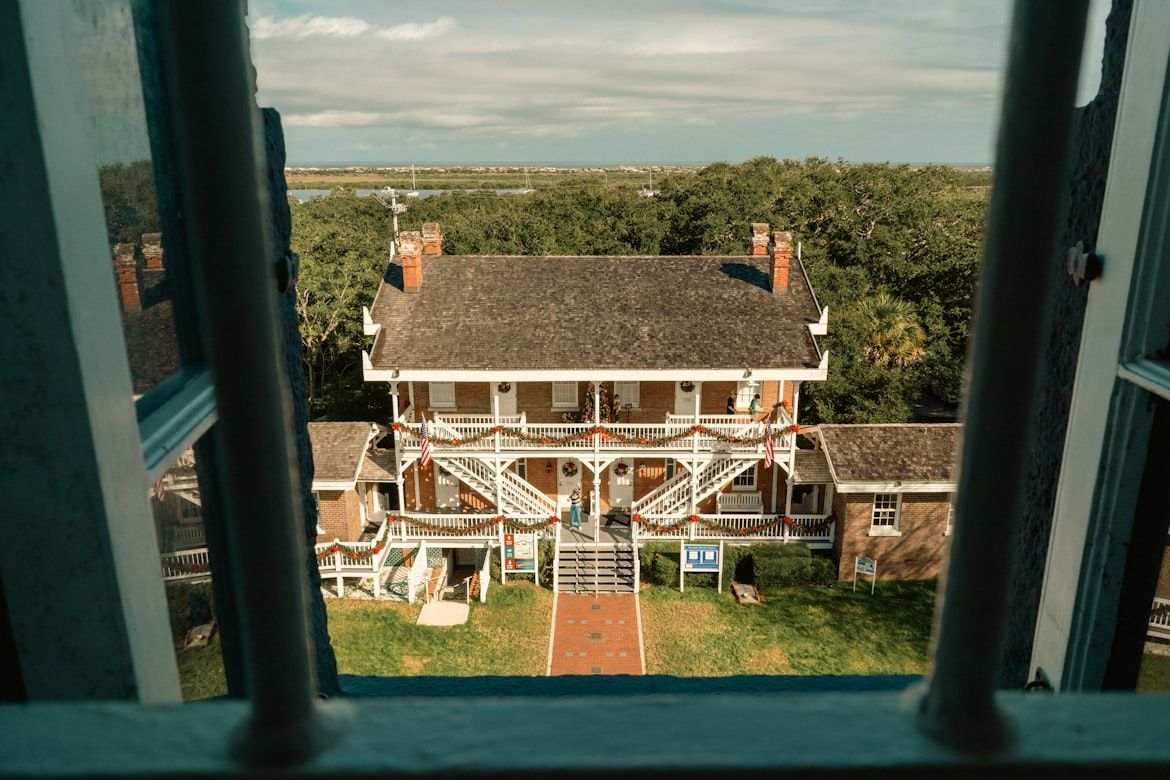 Image: Moses Malik Roldan
This coastal city’s historic district is dense and pedestrian-friendly. Narrow streets connect plazas, forts, museums, and old buildings with very short distances between them.
Walking here feels immersive, as if the city unfolds scene by scene. Its compact layout makes it easy to explore fully without fatigue or confusion.
Missoula, Montana
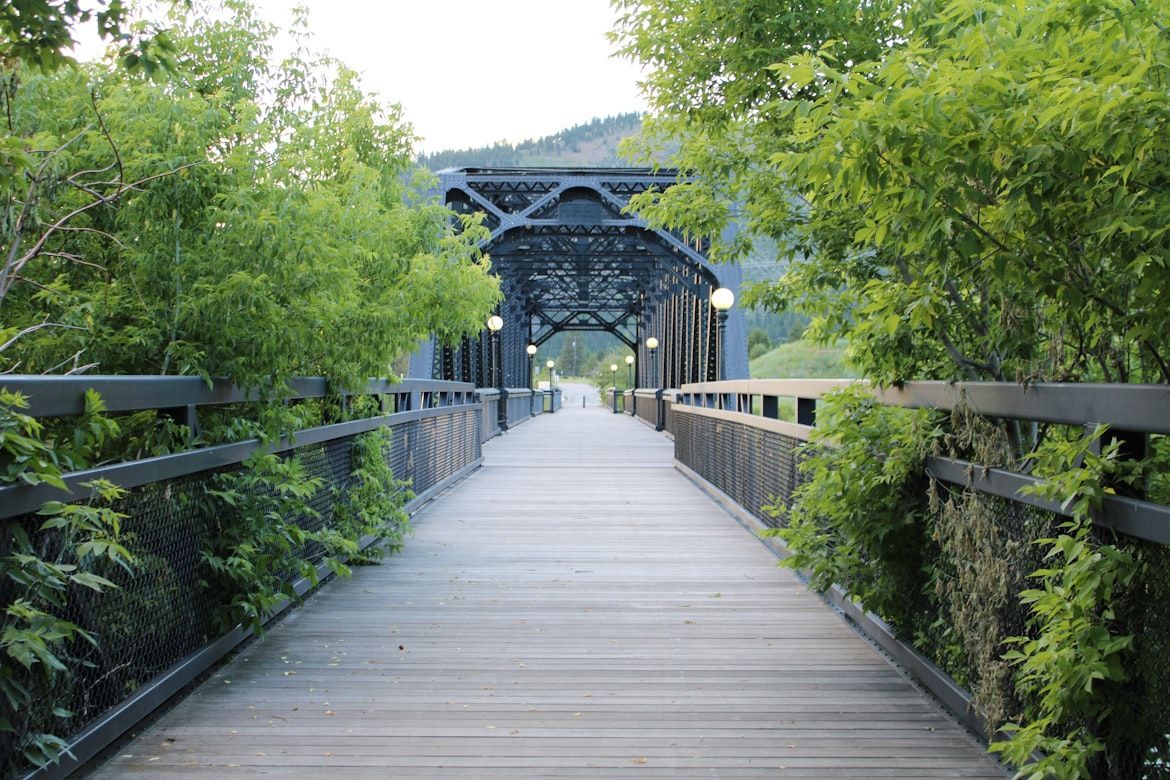 Image: Bryan White
Missoula surprises visitors with just how walking-friendly it is. Downtown streets link directly to riverfront paths, bridges, parks, and local shops, forming natural walking loops.
The city is small but varied, with green spaces and urban life closely mixed together. Exploring on foot reveals its character more fully than any quick drive ever could.
Keep wandering
There’s always
more to explore
 General

How to cancel your flight and get your money back when sick
4 min.
Read Now

This trench could swallow Everest, with room to spare
6 min.
Read Now

The one thing thieves hope you leave in your car
4 min.
Read Now

How many time zones does the United States have?
5 min.
Read Now