These movie locations are real, and even more stunning in person
Like stepping into movies
These movie locations are real, and even more stunning in person
Have you ever watched a movie and wished you could step into its world? Lonely roads stretching into a red rock country, hills that seem made for singing, deserts so vast that they seem unreal… Well, as it turns out, some backdrops of very famous films are real-life places that many people visit every day. Here are some of the world’s most iconic landscapes that quietly became stars of the silver screen!
Forrest Gump
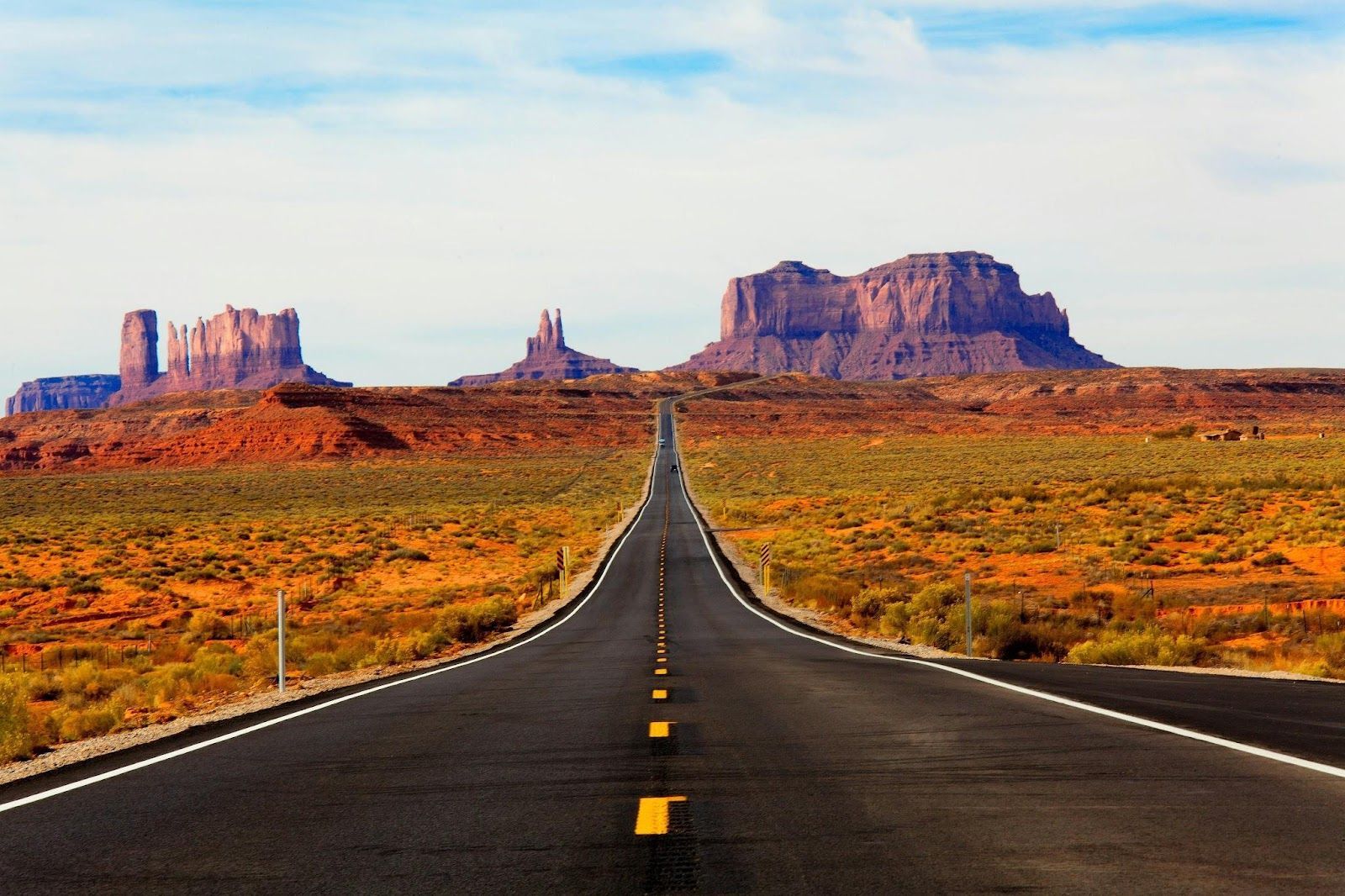 Image: Robert Murray
That famous moment when Forrest stops running occurs on a real stretch of road inside Monument Valley Navajo Tribal Park, between Arizona and Utah. Today, visitors often stand at the same spot.
The towering red buttes behind him had also been used by director John Ford to define what the American West would look like in classic Westerns.
The Sound of Music
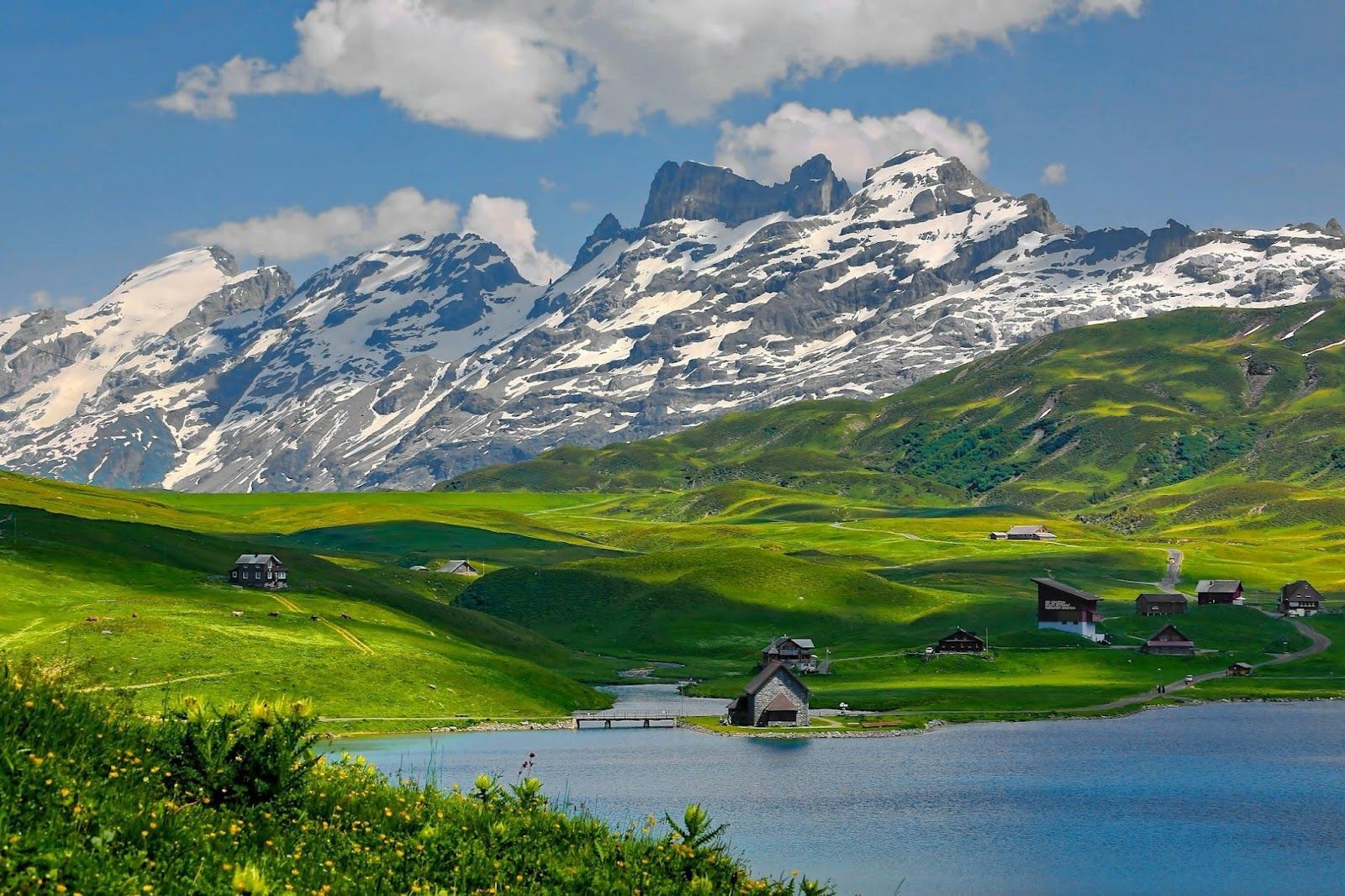 Image: Ricardo Gomez Angel
The opening scene of The Sound of Music, with Maria spinning and singing in a wide alpine meadow, was filmed just outside Salzburg, Austria, and the view hasn’t changed much since 1965.
The hills, lakes, and gardens used throughout the movie are real, scattered across the city and surrounding countryside. Guided tours still bring fans to these spots.
Indiana Jones and the Last Crusade
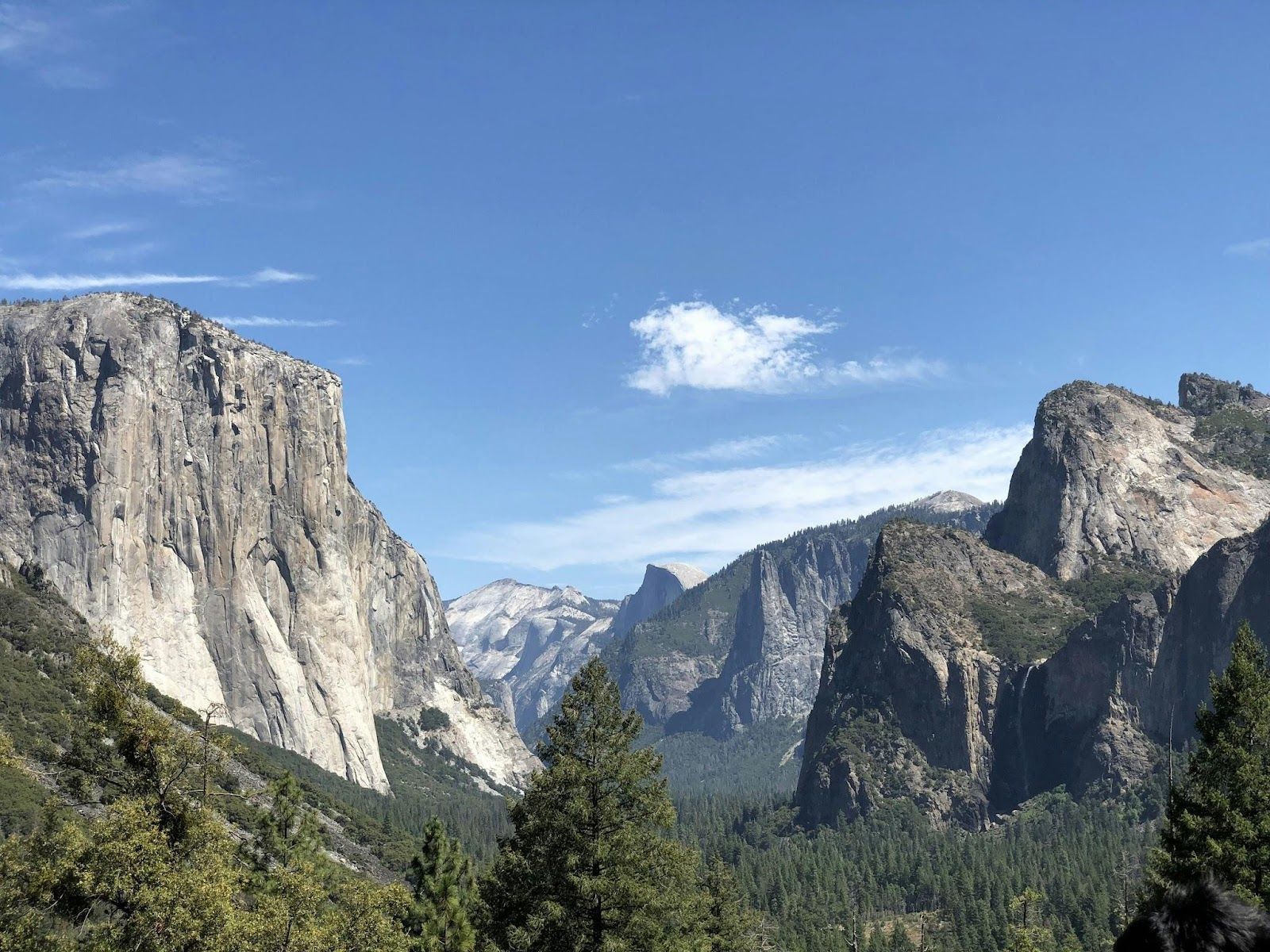 Image: Karan Chawla
Yosemite National Park in California has those towering granite cliffs and wide valleys that appear briefly but memorably in Indiana Jones and the Last Crusade.
But the movie stretches across a variety of spots around the world. For example, the entrance to the Holy Grail’s resting place is none other than the exterior of the Treasury of Petra, in Jordan, a façade carved directly into rose-colored rock over 2,000 years ago.
Harry Potter and the Sorcerer’s Stone
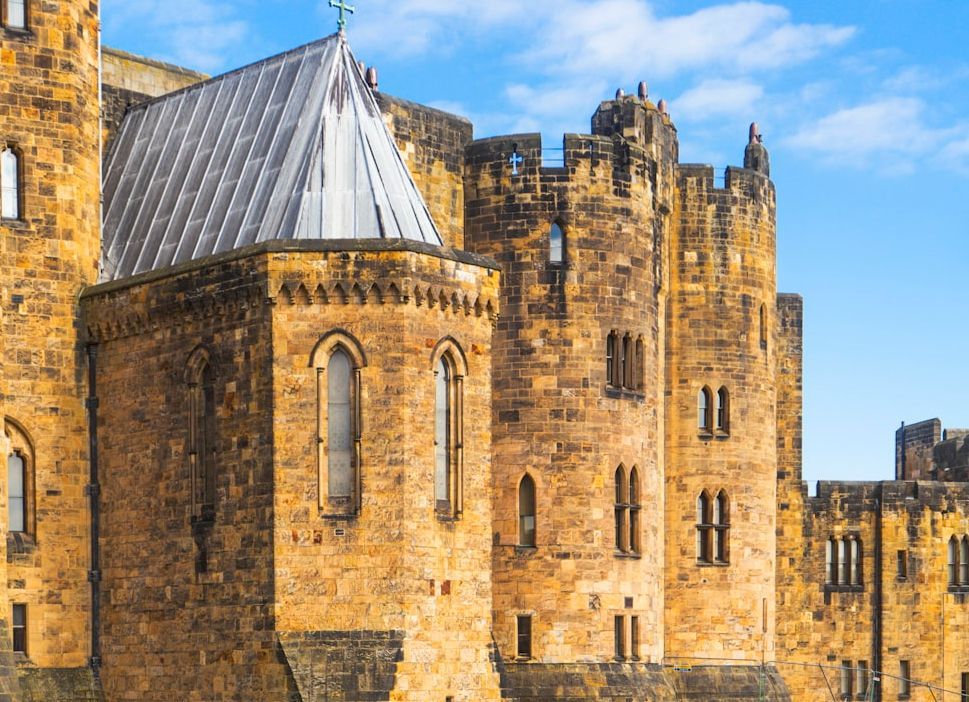 Image: Jeffrey Zhang
Long before it became a school for young wizards, Alnwick Castle, in England, had already been standing for nearly a thousand years. In the first Harry Potter film, the outer courtyard of this building is where Harry and his classmates learn to fly broomsticks for the very first time.
Those scenes were filmed on location, not on a soundstage, and the castle’s medieval atmosphere required very little cinematic dressing.
The Lord of the Rings
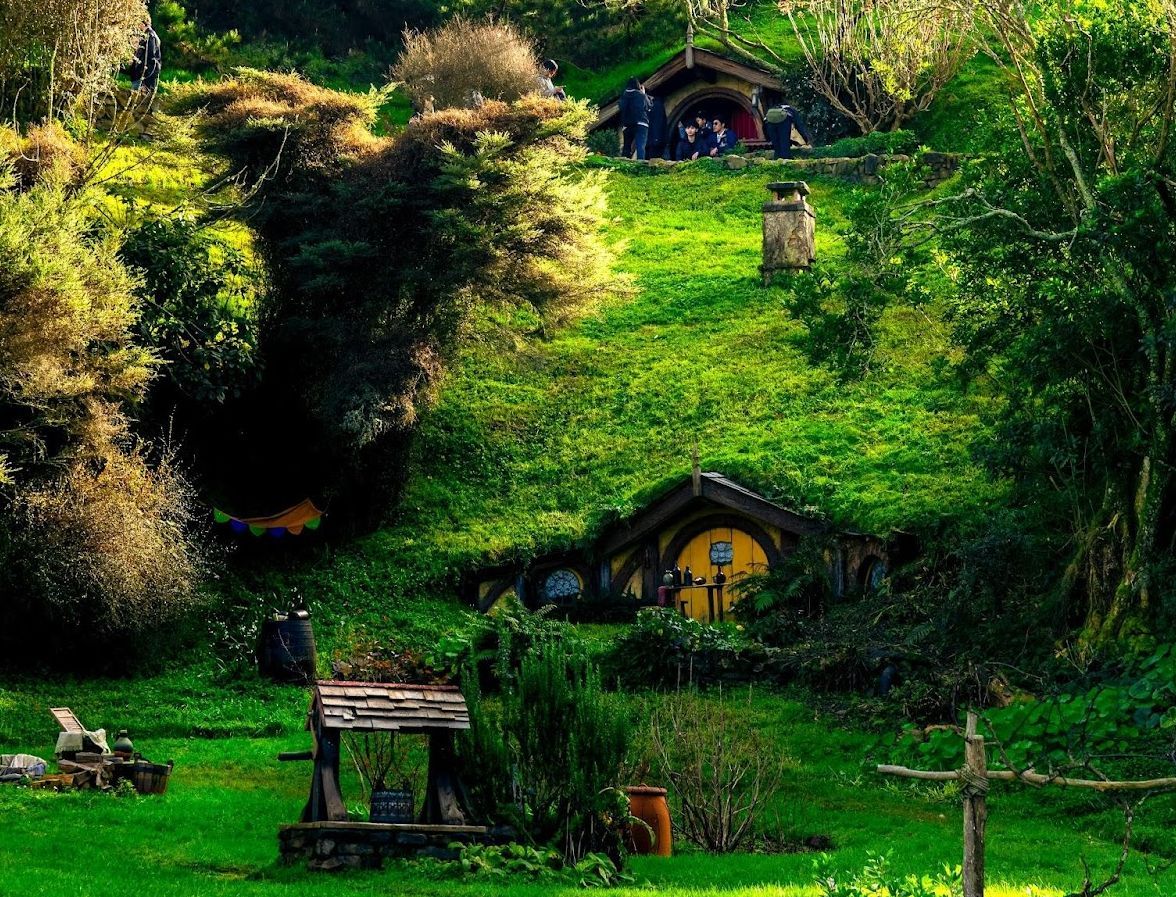 Image: Mario Amé
Hobbiton began as a temporary movie set on a sheep farm in New Zealand, but audiences loved it so much that it became permanent. Director Peter Jackson chose the rolling green hills near Matamata because they looked untouched by modern life, exactly how he imagined the Shire.
After filming wrapped, locals expected the set to be dismantled. Instead, it became one of the most visited movie locations in the world.
Close Encounters of the Third Kind
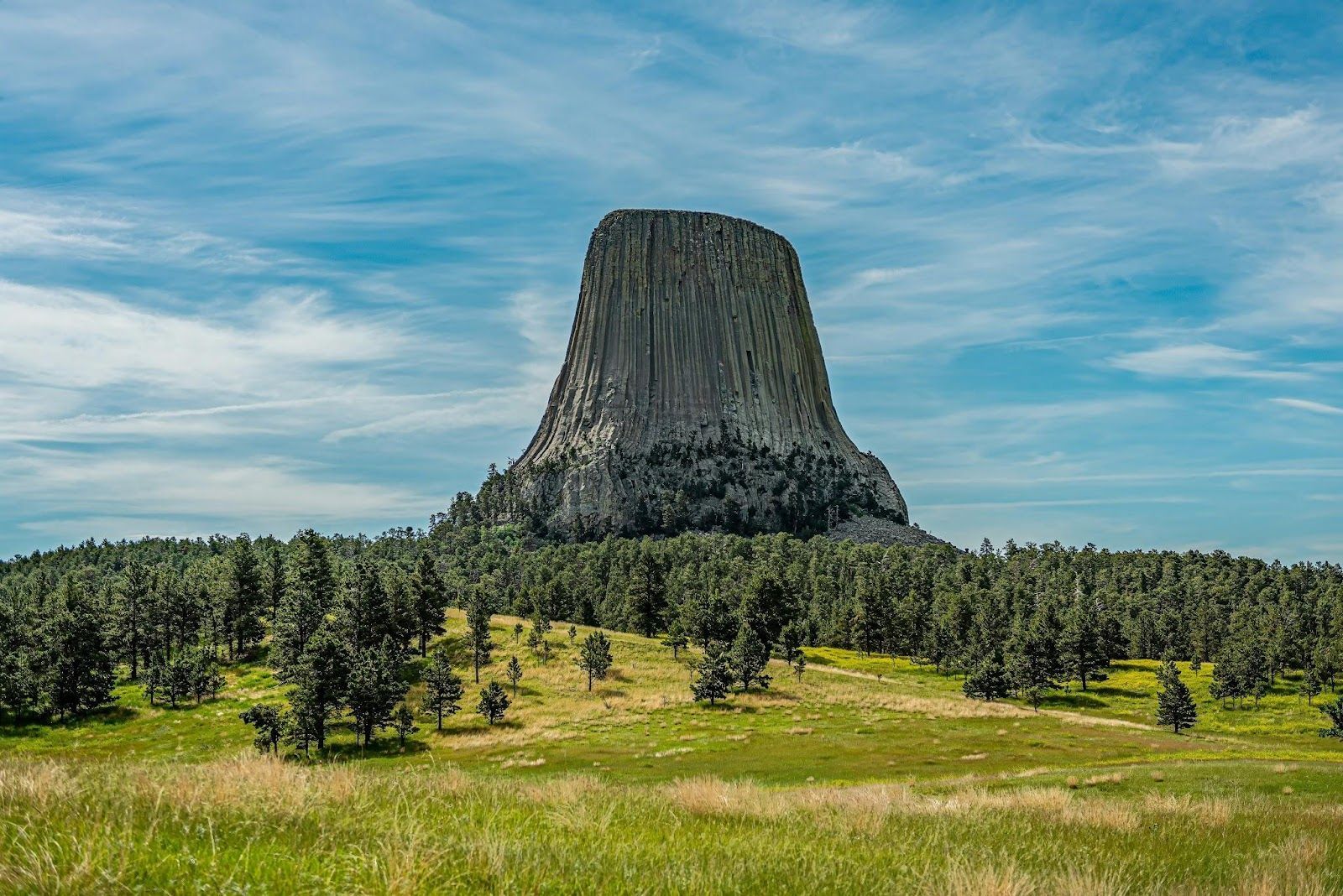 Image: Stephen Walker
Devil’s Tower rises abruptly from the Wyoming plains, a massive column of rock that feels almost otherworldly. That unsettling presence is exactly why Steven Spielberg built his story around it. In Close Encounters of the Third Kind, the formation becomes a kind of magnetic beacon, pulling people toward an unexplained cosmic event.
Star Wars: A New Hope
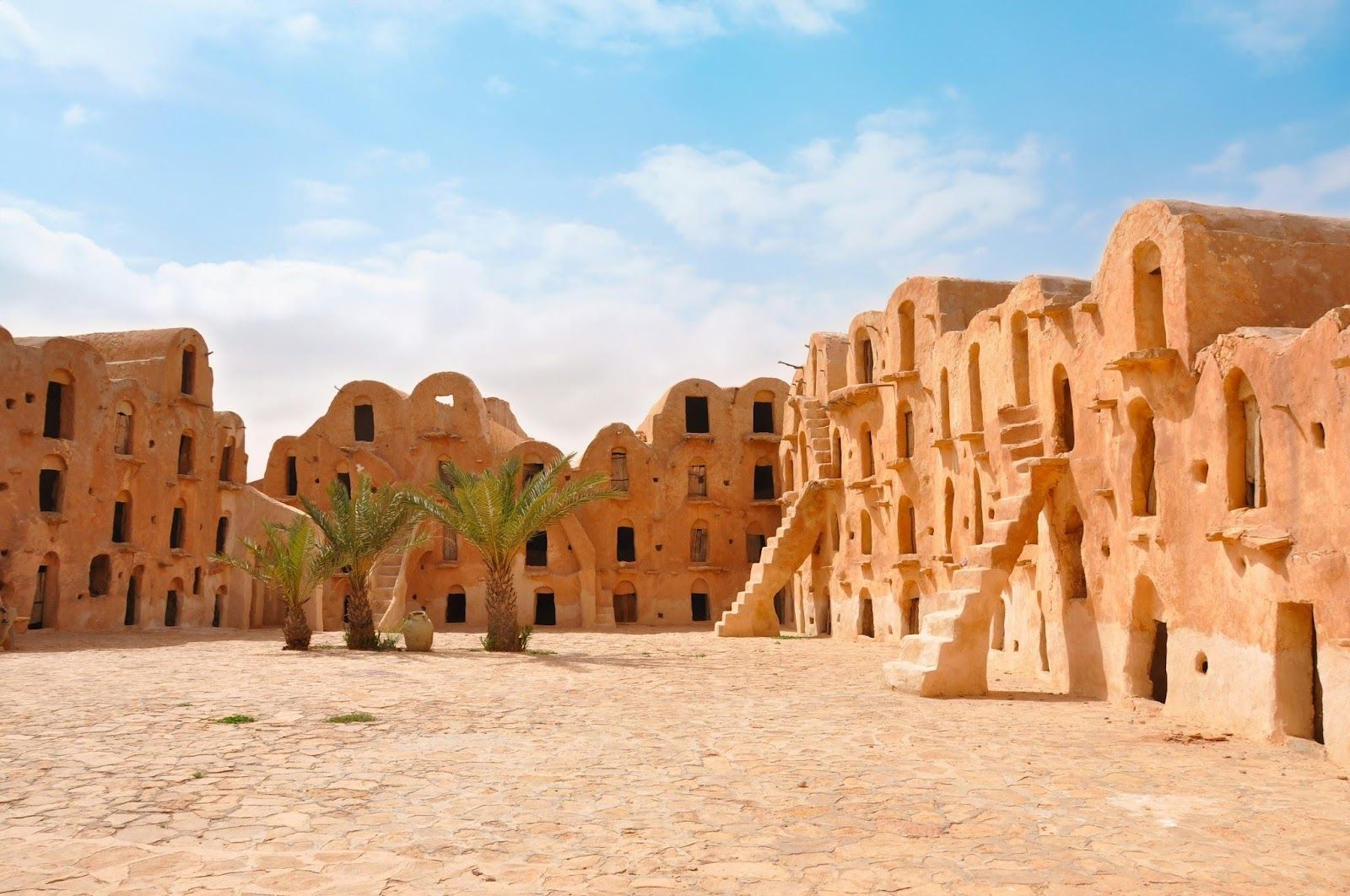 Image: Francesca Noemi Marconi
The desert planet of Tatooine wasn’t created in a studio. It was filmed in southern Tunisia, in and around real desert towns. The name itself comes from the town of Tataouine, a detail many fans discover only years later.
George Lucas chose this location because the desert felt harsh, remote, and unglamorous, a perfect match for Luke Skywalker’s humble beginnings.
The Talented Mr. Ripley
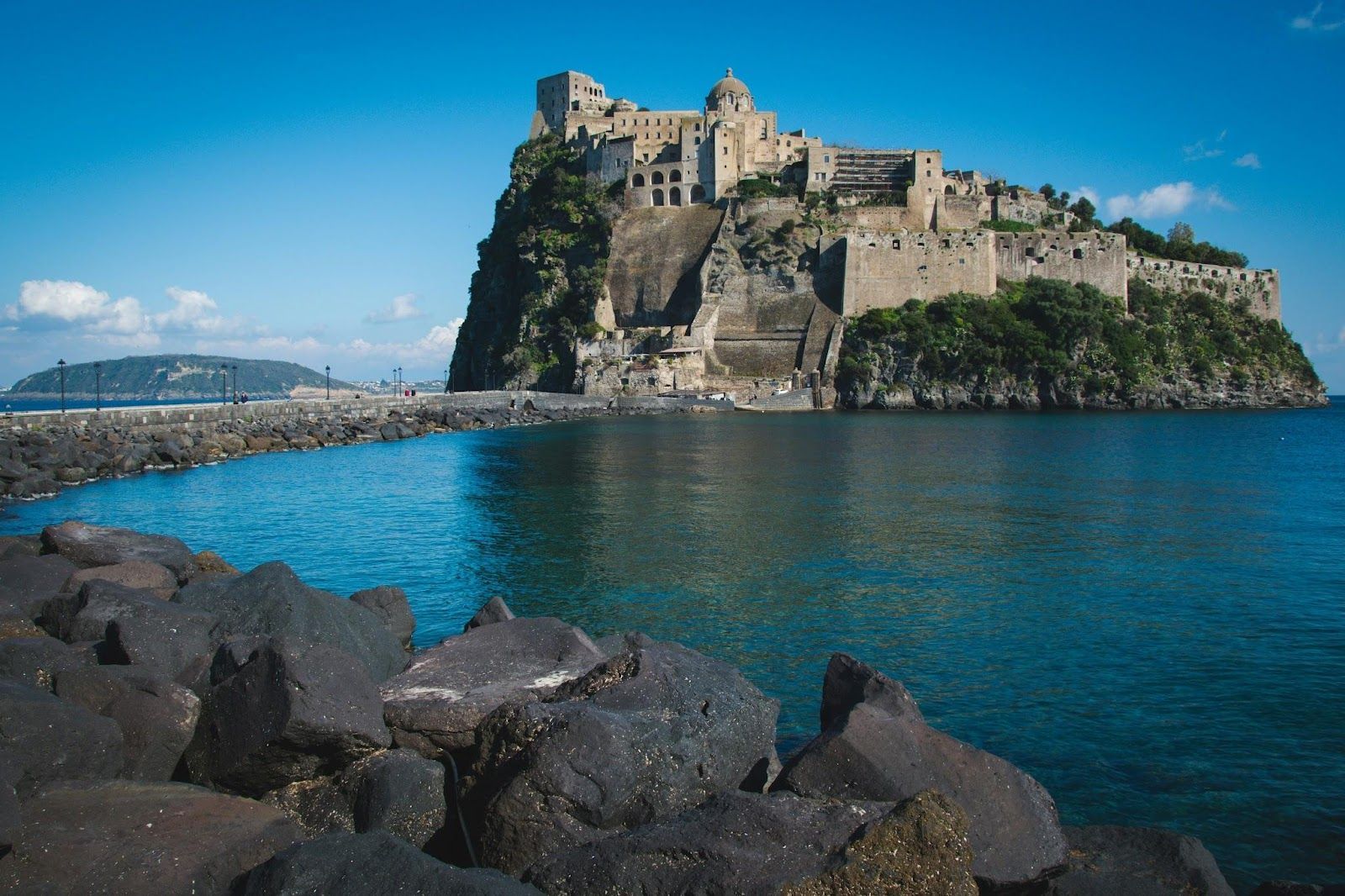 Image: Antonio Vivace
The beauty of the Italian Amalfi Coast plays a subtle but powerful role in the 90’s film The Talented Mr. Ripley. The sunlit cliffs, turquoise water, and elegant seaside towns create a sense of perfection, which makes the film’s darker moments feel even more unsettling.
Much of the movie was filmed on location, allowing the natural light and scenery to do the emotional work.
Butch Cassidy and the Sundance Kid
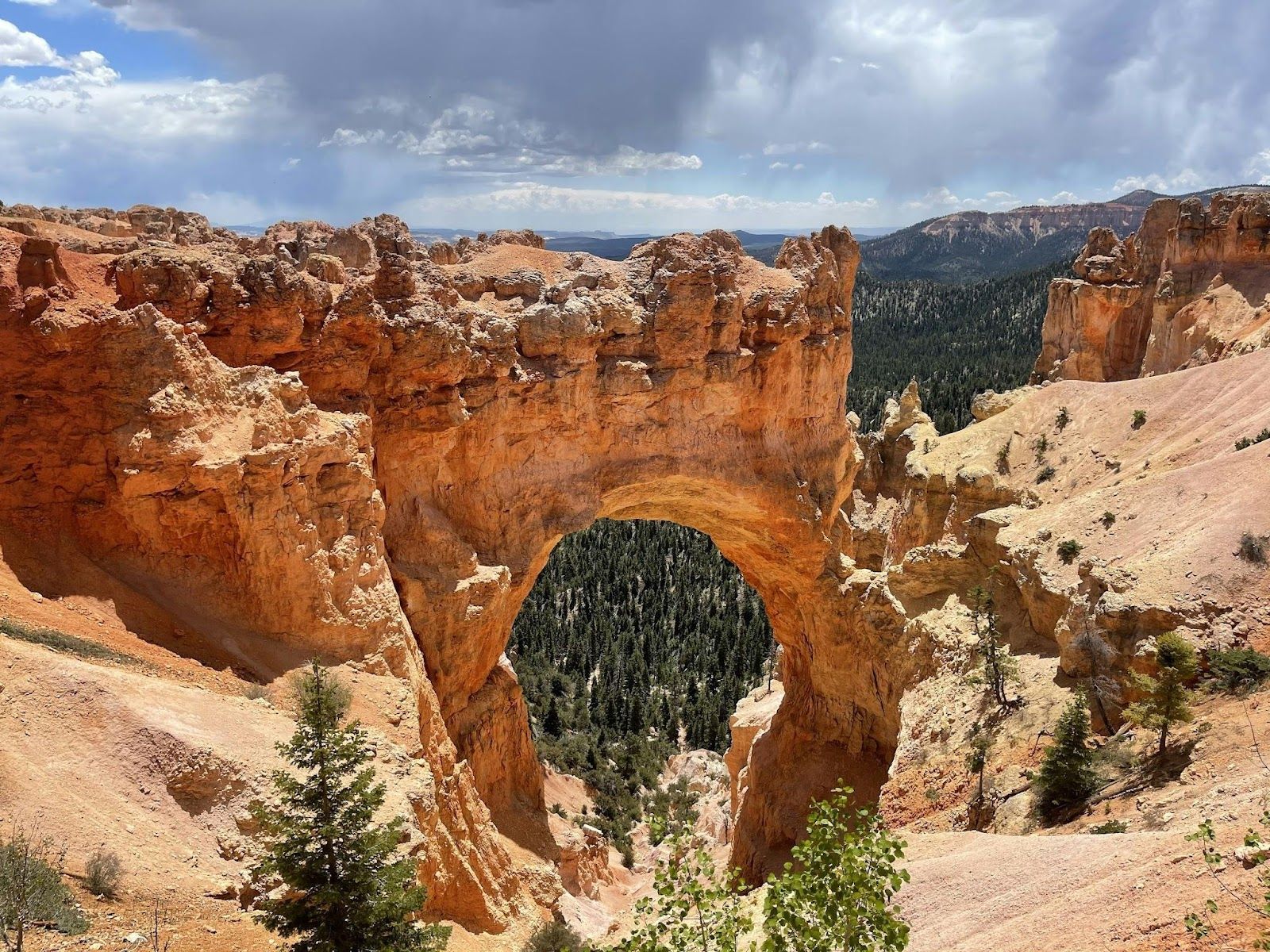 Image: Matt Thomason
The strange rock formations (hoodoos) of Bryce Canyon, in Utah, look almost sculpted by hand. The filmmakers of Butch Cassidy and the Sundance Kid chose Bryce Canyon because it didn’t look like the typical Western landscape audiences expected. Instead, it felt distinctive and slightly surreal, a bit like the film’s tone.
Lawrence of Arabia
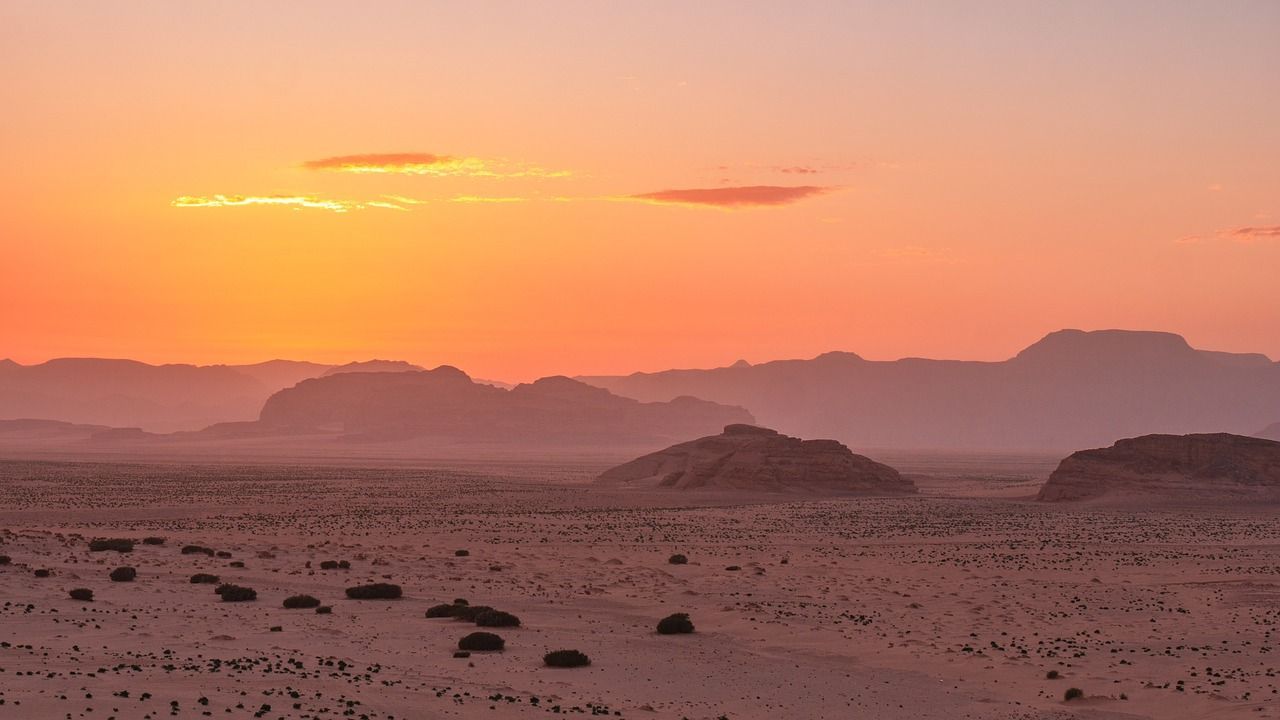 Image: ChiemSeherin
Few films have used landscape as powerfully as Lawrence of Arabia. The sweeping desert scenes were filmed in Wadi Rum, in Jordan, a vast, echoing wilderness of sandstone mountains and open plains.
Director David Lean insisted on shooting in real desert conditions, enduring extreme heat and logistical challenges to capture the scale he wanted. The result is one of the most visually celebrated films of all time.
More to explore
3 min read
Cultural capitals: 10 American cities with worldwide claims to fame
Read Now
3 min read
From coast to coast: 10 US cities that transport you to past centuries
Read Now
4 min read
These lost cities around the world look like scenes from adventure films
Read Now
4 min read
10 Tourist traps to Avoid at all costs!
Read Now