These lost cities around the world look like scenes from adventure films
 Geography
Trails to the past
These lost cities around the world look like scenes from adventure films
Some say it is just like being in a movie: You advance slowly in the middle of a jungle, sand, or cliffs, only to find the sight of a legendary city telling tales of the past in plain sight. For centuries, these places existed only in memory until explorers, archaeologists, or curious locals stumbled upon them again. Today, reaching many of these lost cities still requires effort: long hikes, steep staircases, and winding paths through forests or deserts. But that journey is part of the magic. Let’s look at the ruins of 10 ancient sites that attract people from all over the world.
Machu Picchu in Peru
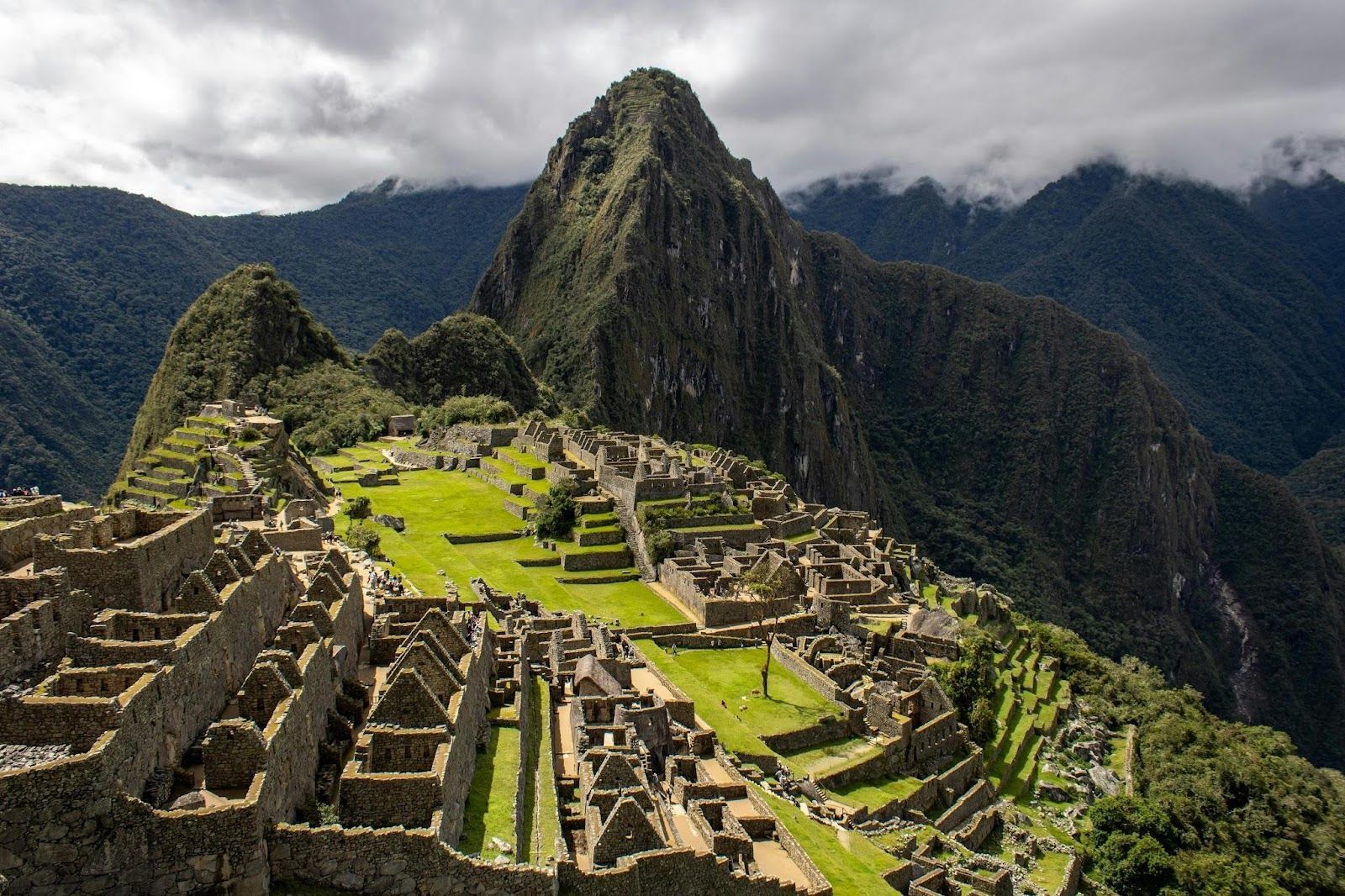 Image: Anyela Málaga
High in the Andes, Machu Picchu no longer feels like a secret the mountains kept. Built by the Incas in the 15th century and abandoned not long after, the city remained unknown to the outside world for centuries, protected by clouds and steep terrain.
Visitors usually reach it after days of hiking along ancient stone paths, or by train, followed by a final ascent. Early in the morning, when mist drifts through the ruins, Machu Picchu feels truly magical.
Petra in Jordan
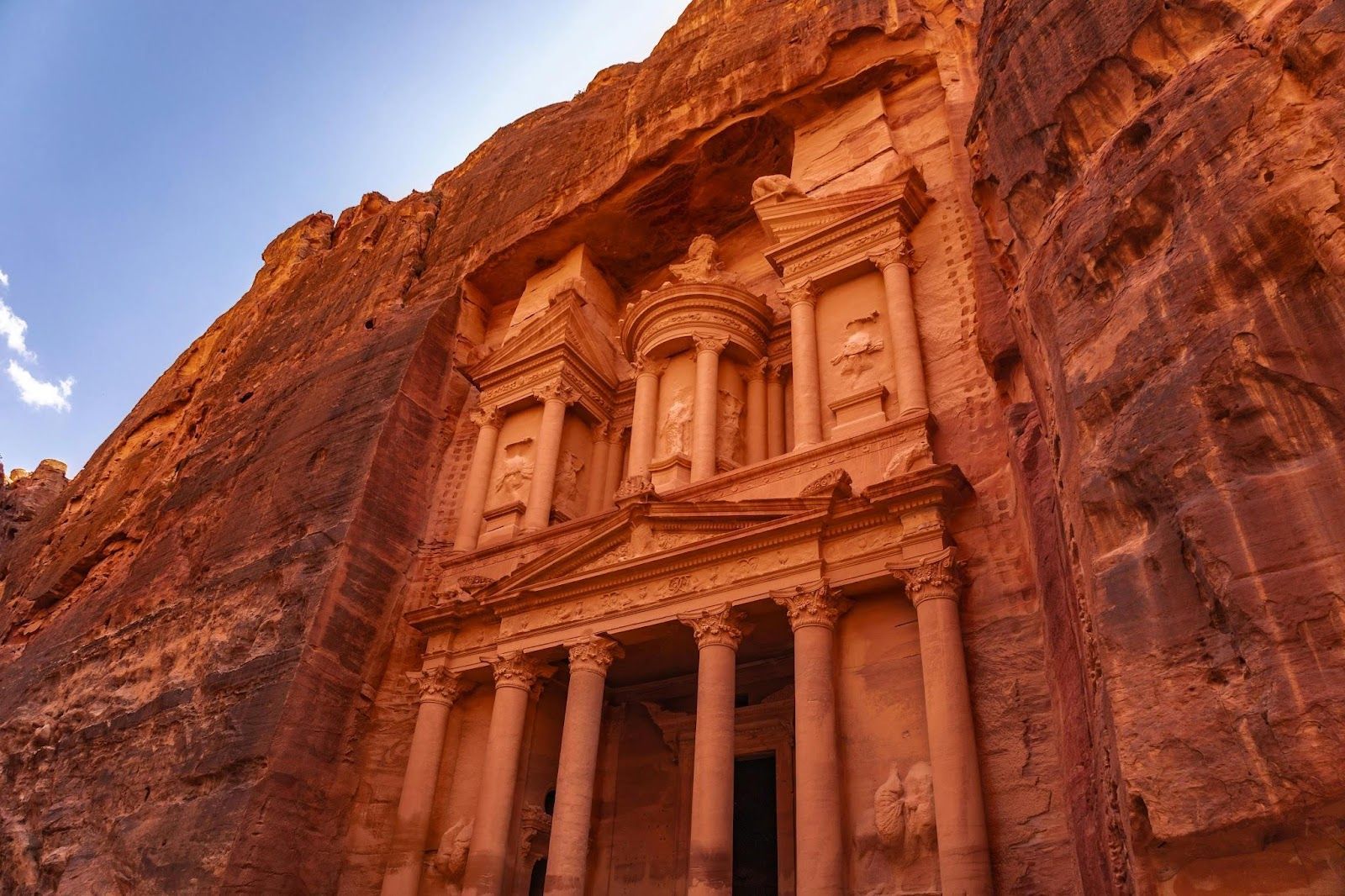 Image: Andrea Imre
Petra doesn’t reveal itself all at once. Visitors walk through a narrow sandstone canyon called the Siq, its walls towering overhead, before suddenly emerging in front of the Treasury, carved directly into rose-colored rock.
Once the capital of the Nabataean Kingdom, Petra was a major trading hub before being abandoned and forgotten for hundreds of years. Exploring the site means walking miles of trails past tombs, temples, and hidden stairways.
Mesa Verde National Park in the United States
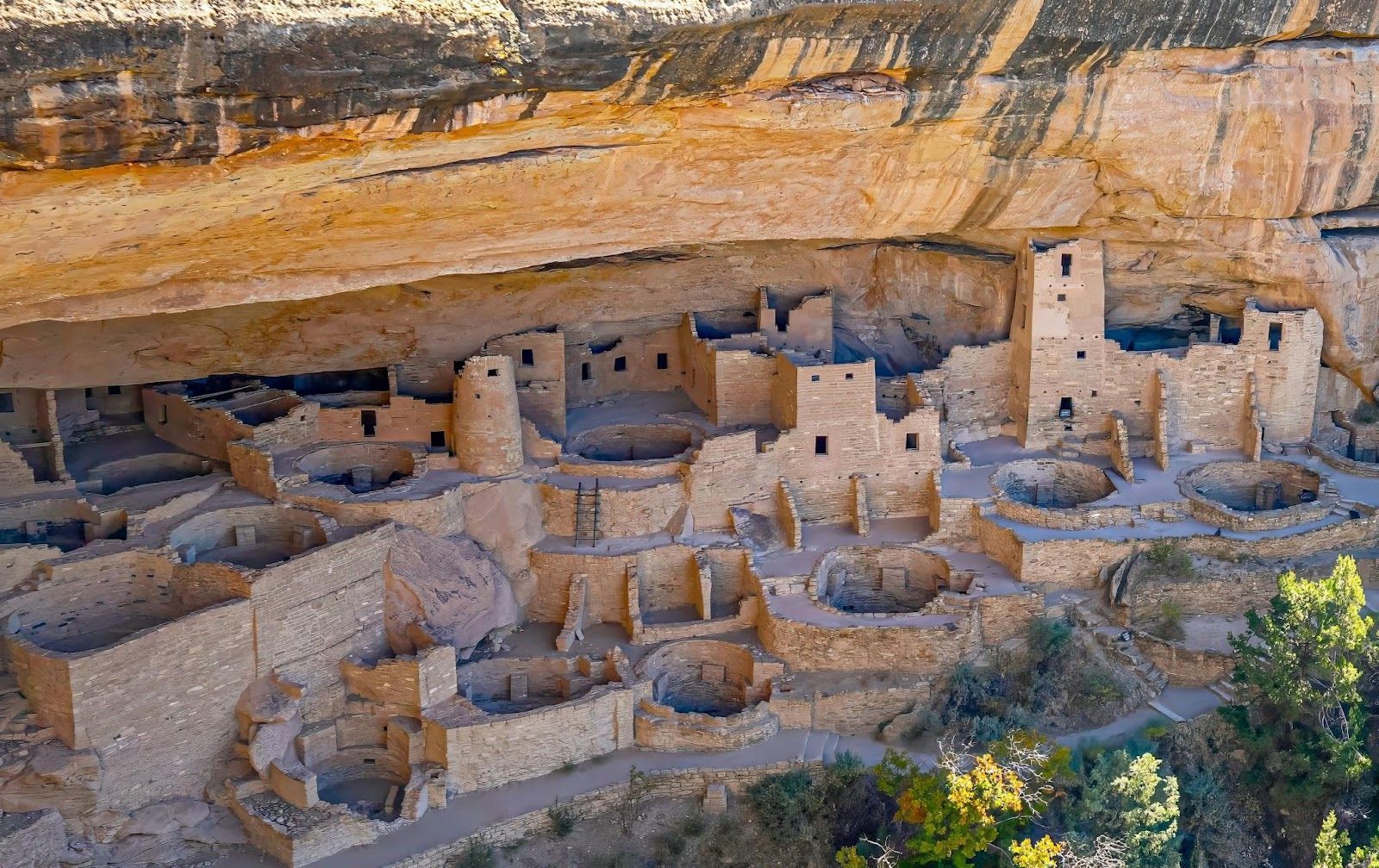 Image: mana5280
Mesa Verde offers one of the most striking "lost city" experiences in the United States. Built by the Ancestral Pueblo people over 700 years ago, its famous cliff dwellings are tucked high into canyon walls, protected by rocky overhangs.
Unlike many ruins, these structures still look and feel human, with rooms, ladders, and plazas clearly visible.
Ciudad Perdida in Colombia
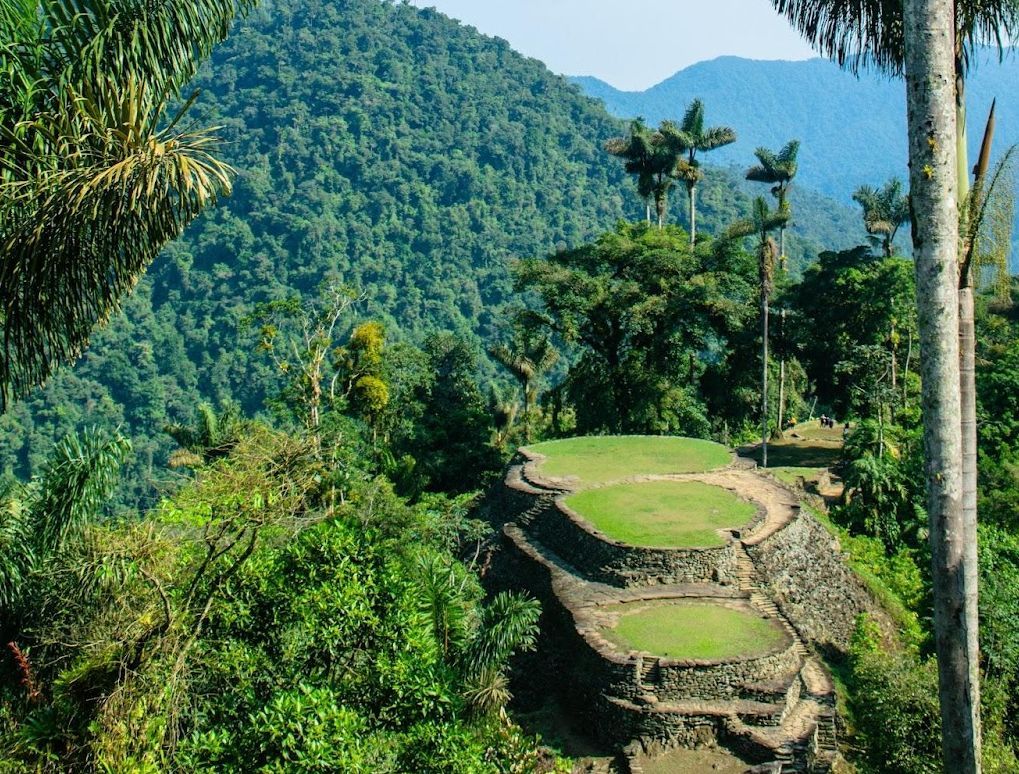 Image: Ákos Helgert
Ciudad Perdida, or "The Lost City," lives up to its name. Hidden deep in Colombia’s Sierra Nevada mountains, it was built around 800 AD, which means it is older than Machu Picchu.
Reaching it isn’t easy: visitors must complete a multi-day trek through dense jungle, crossing rivers and climbing steep paths. But those who make the journey are rewarded with stone terraces and staircases that emerge quietly from the forest.
Angkor in Cambodia
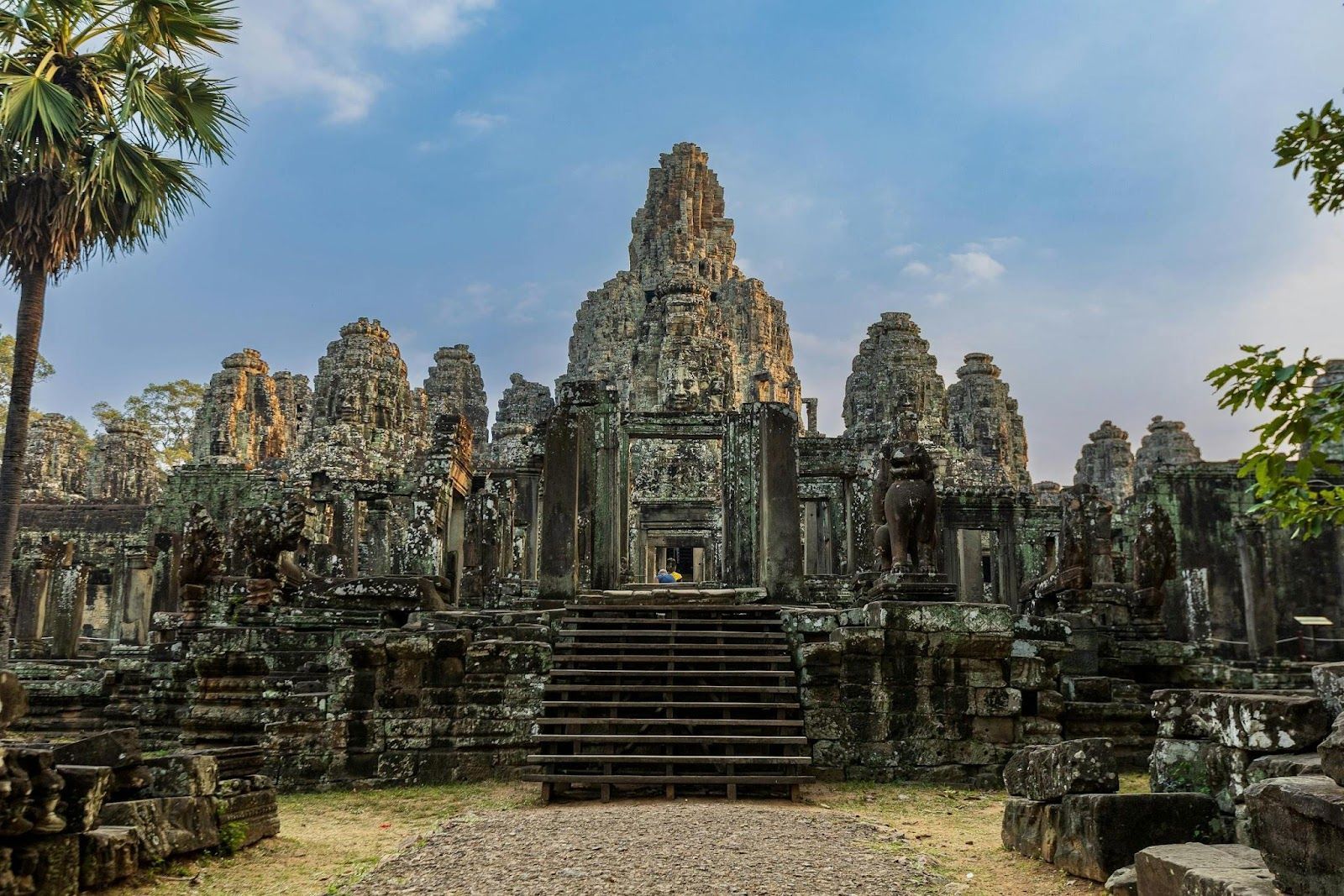 Image: Serg Alesenko
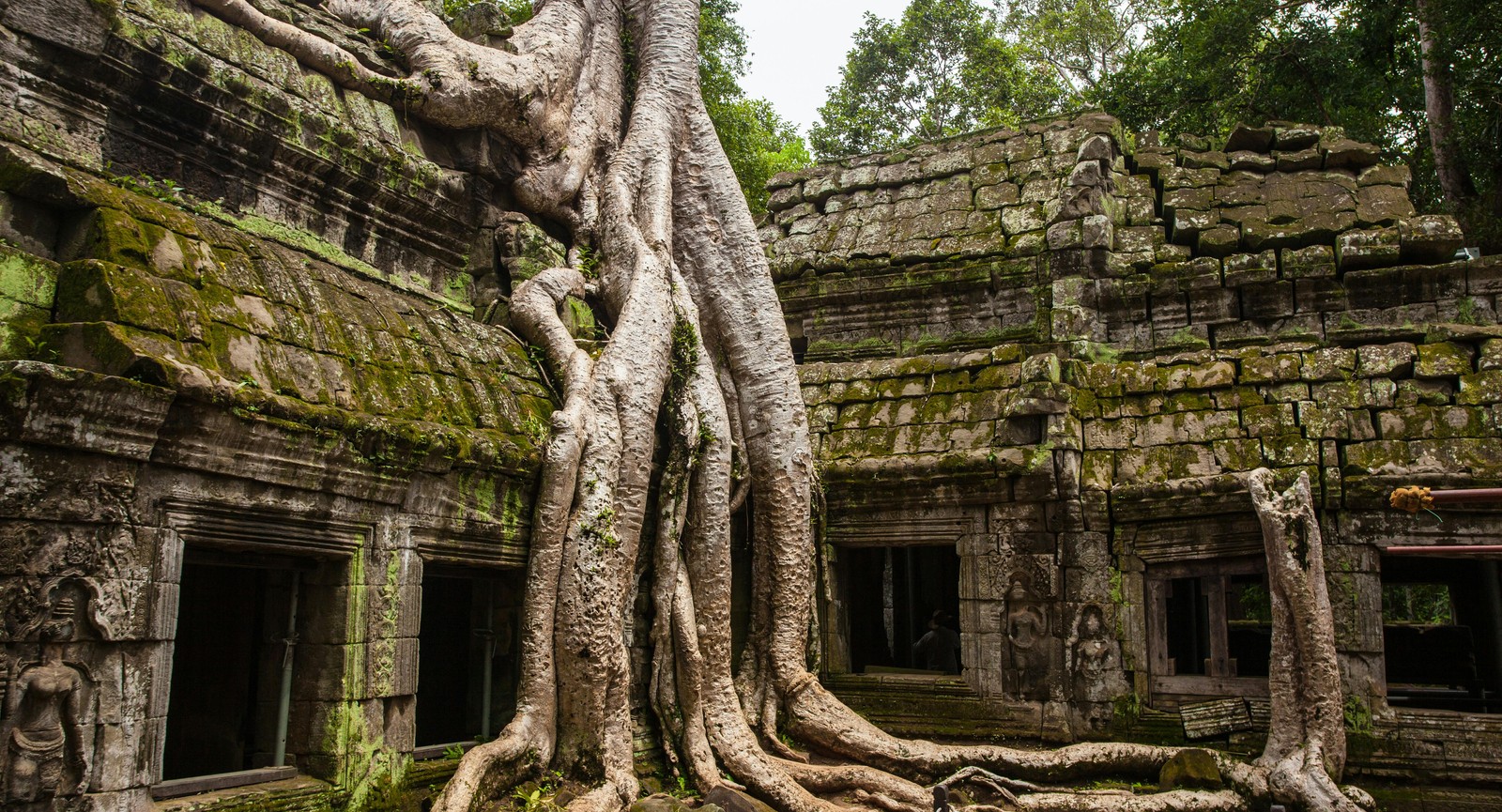
Angkor is not just a lost city, but an entire ancient world. At its height, this was one of the largest urban centers on Earth, home to temples, reservoirs, and ceremonial roads stretching for miles. After the Khmer Empire declined, the jungle slowly reclaimed it.
Today, visitors wander along forest paths where massive stone towers rise suddenly from the trees, roots wrapped around walls like living sculptures.
Tikal in Guatemala
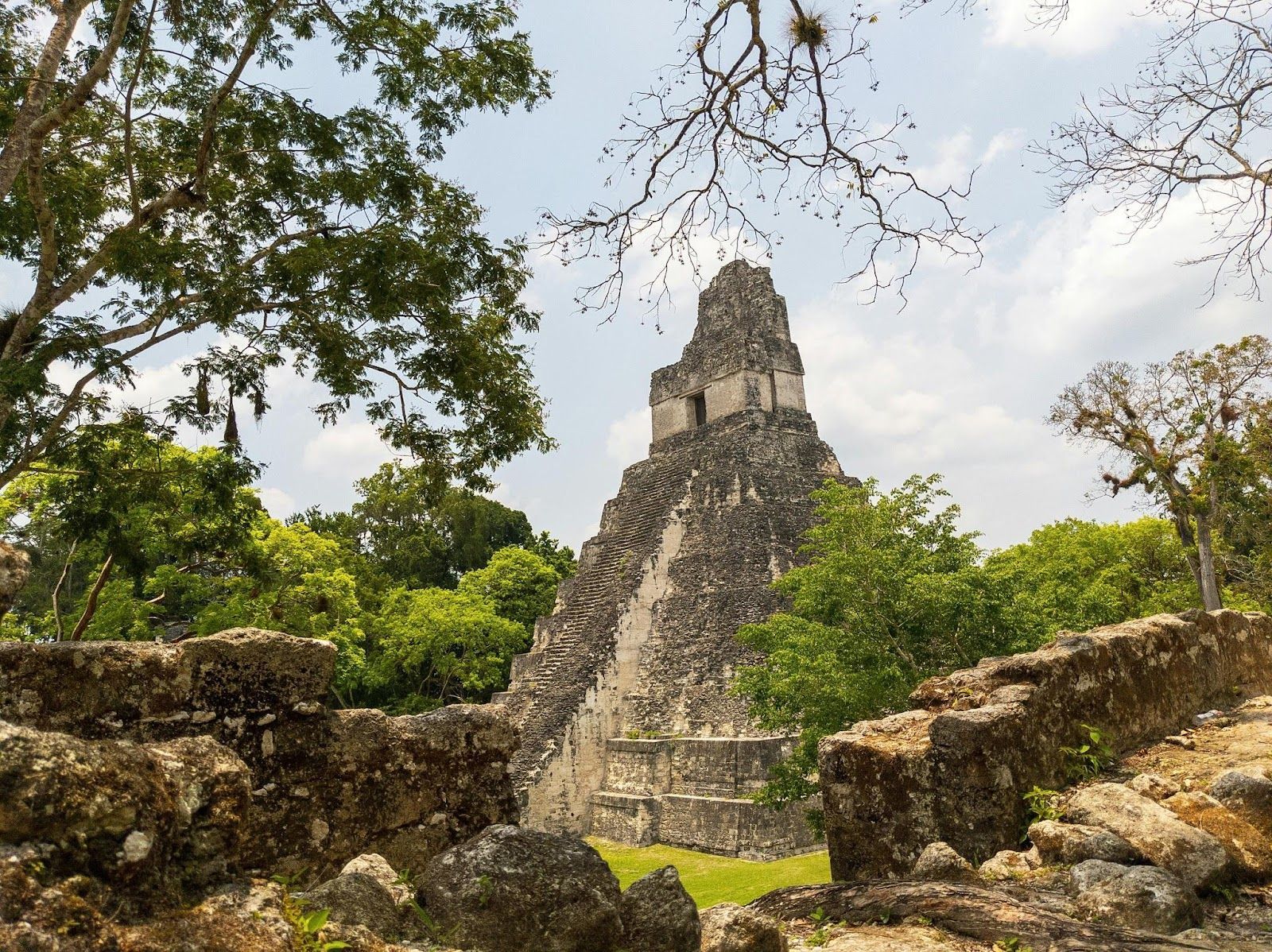 Image: Matthias Stutzman
Deep in the Guatemalan rainforest, howler monkeys roar from the treetops as ancient Maya temples slowly come into view. Once a powerful city-state, Tikal was abandoned around the 10th century and swallowed by the jungle for centuries.
Climbing Temple IV offers a rare moment: looking out over endless green, with stone spires breaking through like islands.
Choquequirao in Peru
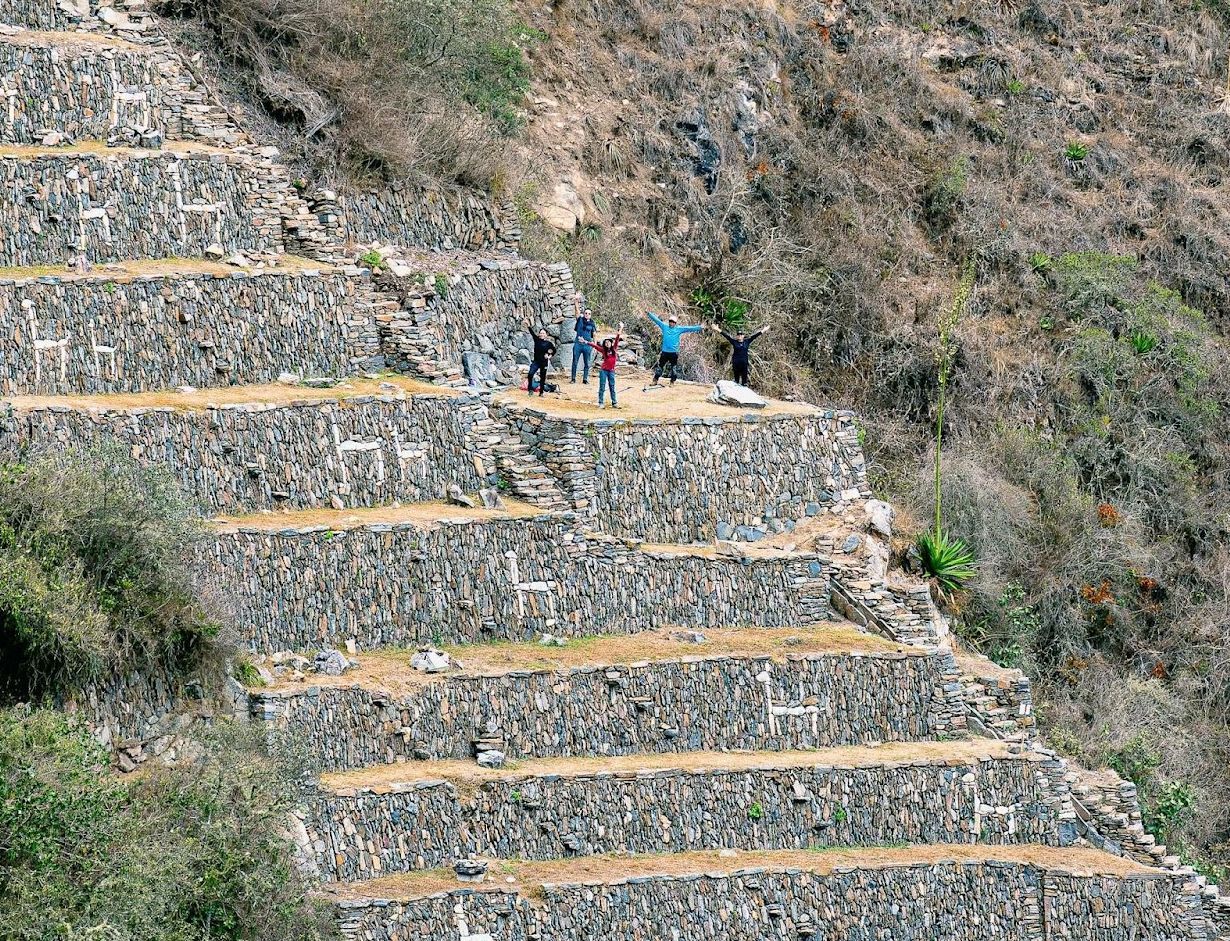 Image: Jose Galarza
Larger in size than Machu Picchu but far harder to reach, this Incan city sits high above a dramatic canyon and can only be accessed by a demanding multi-day trek. That effort is exactly what makes it special.
You arrive there and find yourself nearly alone among terraces, temples, and ceremonial platforms still being reclaimed by nature. Llamas sometimes graze where priests once walked. The most striking thing about Choquequirao is the silence.
Sigiriya in Sri Lanka
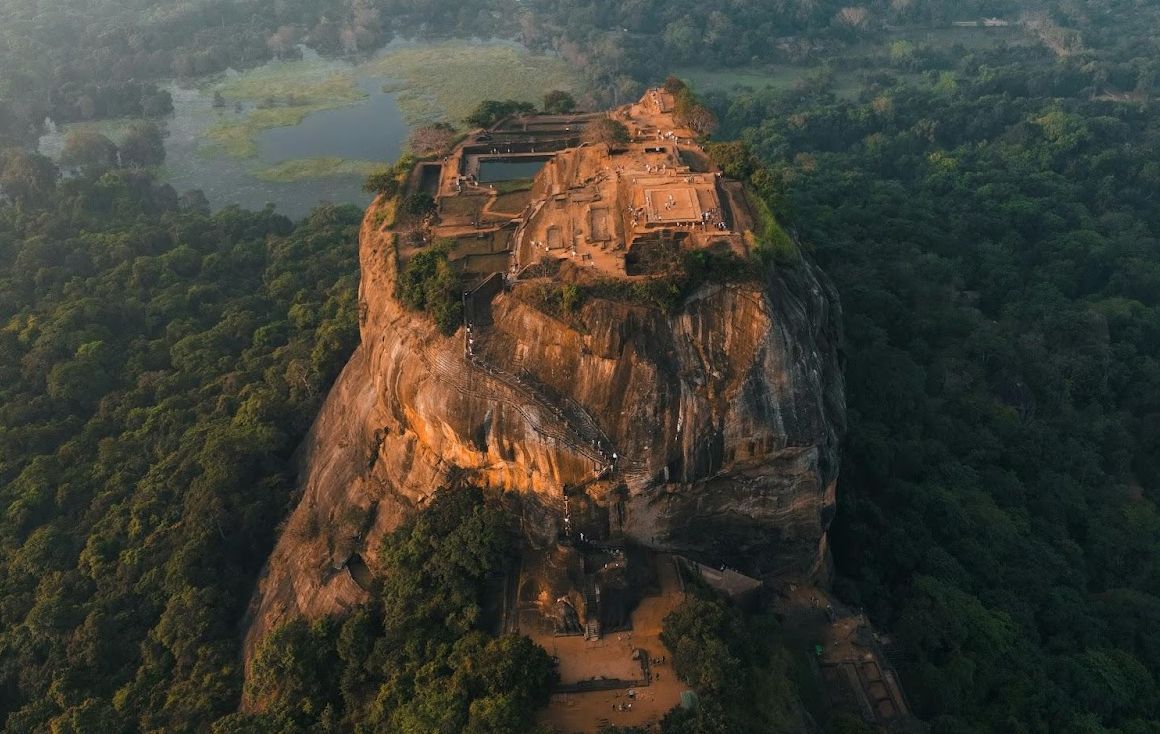 Image: sander traa
This massive rock fortress was once the center of a royal city in the 5th century, complete with gardens, pools, and palaces.
Along the way are ancient frescoes and enormous carved lion paws that once guarded the entrance. The climb is steep but manageable, and the reward at the top is sweeping jungle views in every direction.
Hampi in India
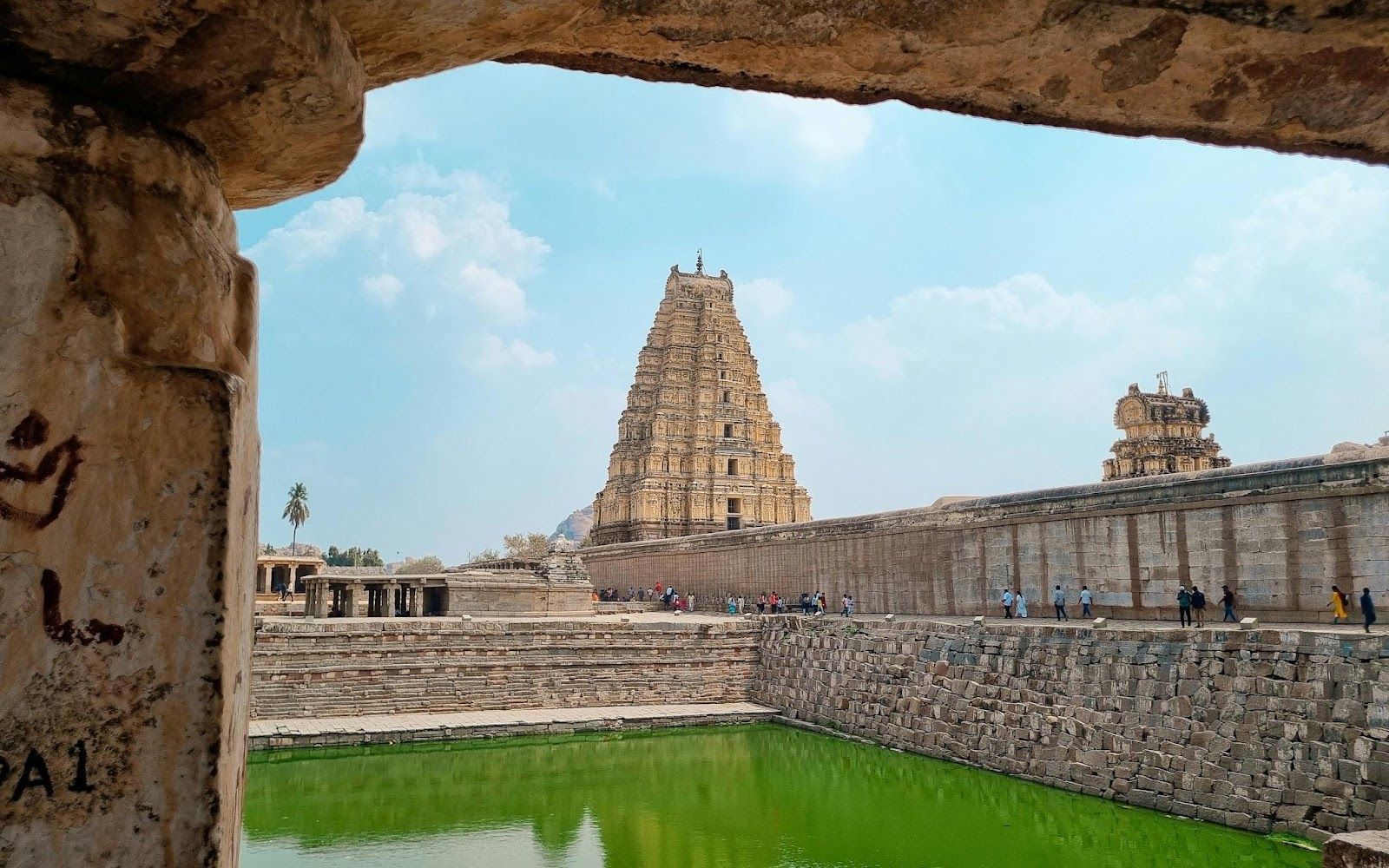 Image: Rushikesh Patil
Once the capital of the powerful Vijayanagara Empire, it was abandoned after an invasion in the 16th century. Today, one can walk dusty paths between ruined temples, stone markets, and giant boulders piled improbably across the land.
Leptis Magna in Libya
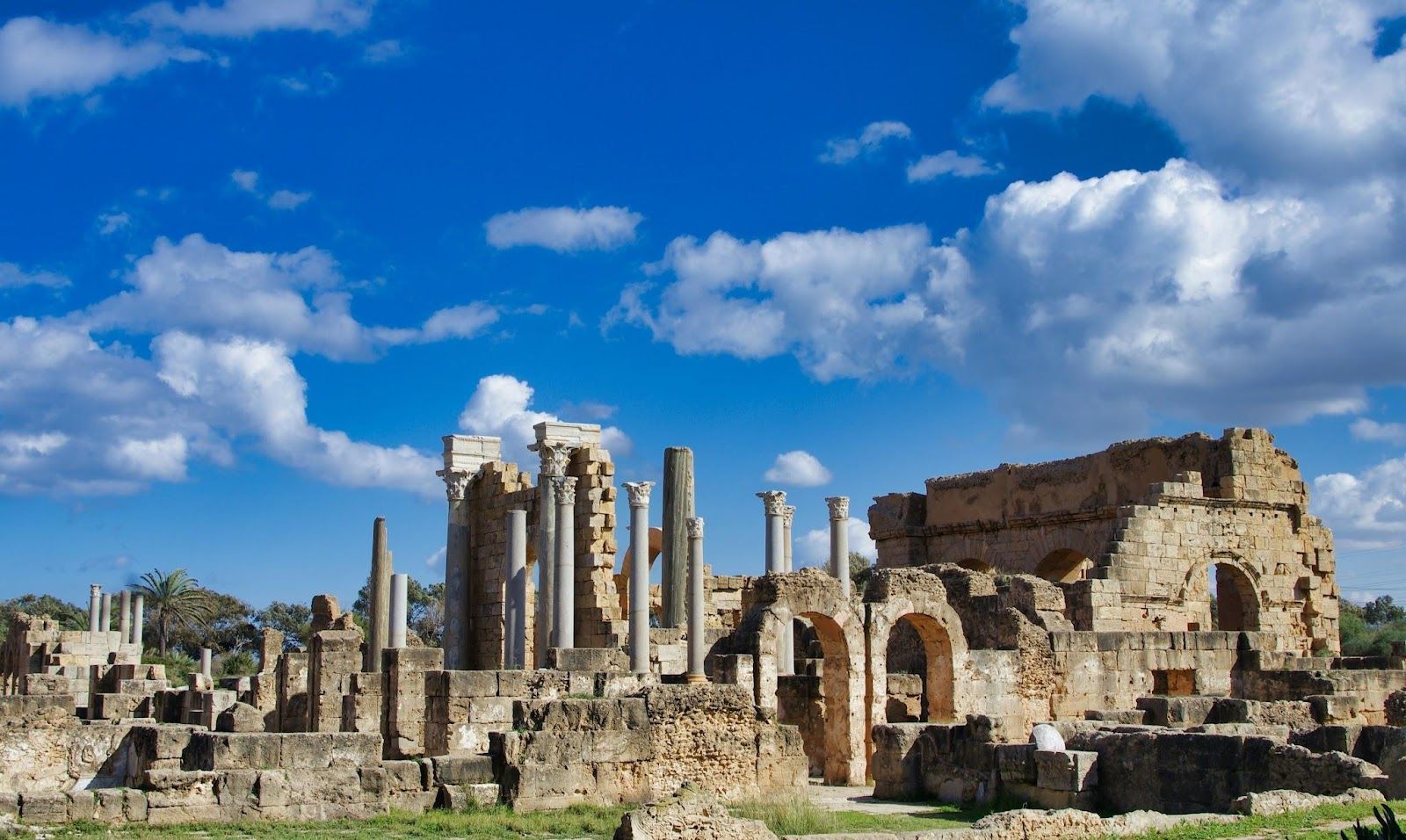 Image: Ahmed Almakhzanji
Leptis Magna is one of the most astonishing Roman cities you’ve probably never heard of. Once a major Mediterranean port, it was gradually abandoned and eventually buried under sand, which helped preserve it remarkably well.
Walking its stone streets today feels like stepping into a paused moment of Roman life, complete with theaters, markets, baths, and triumphal arches.
Palenque in Mexico
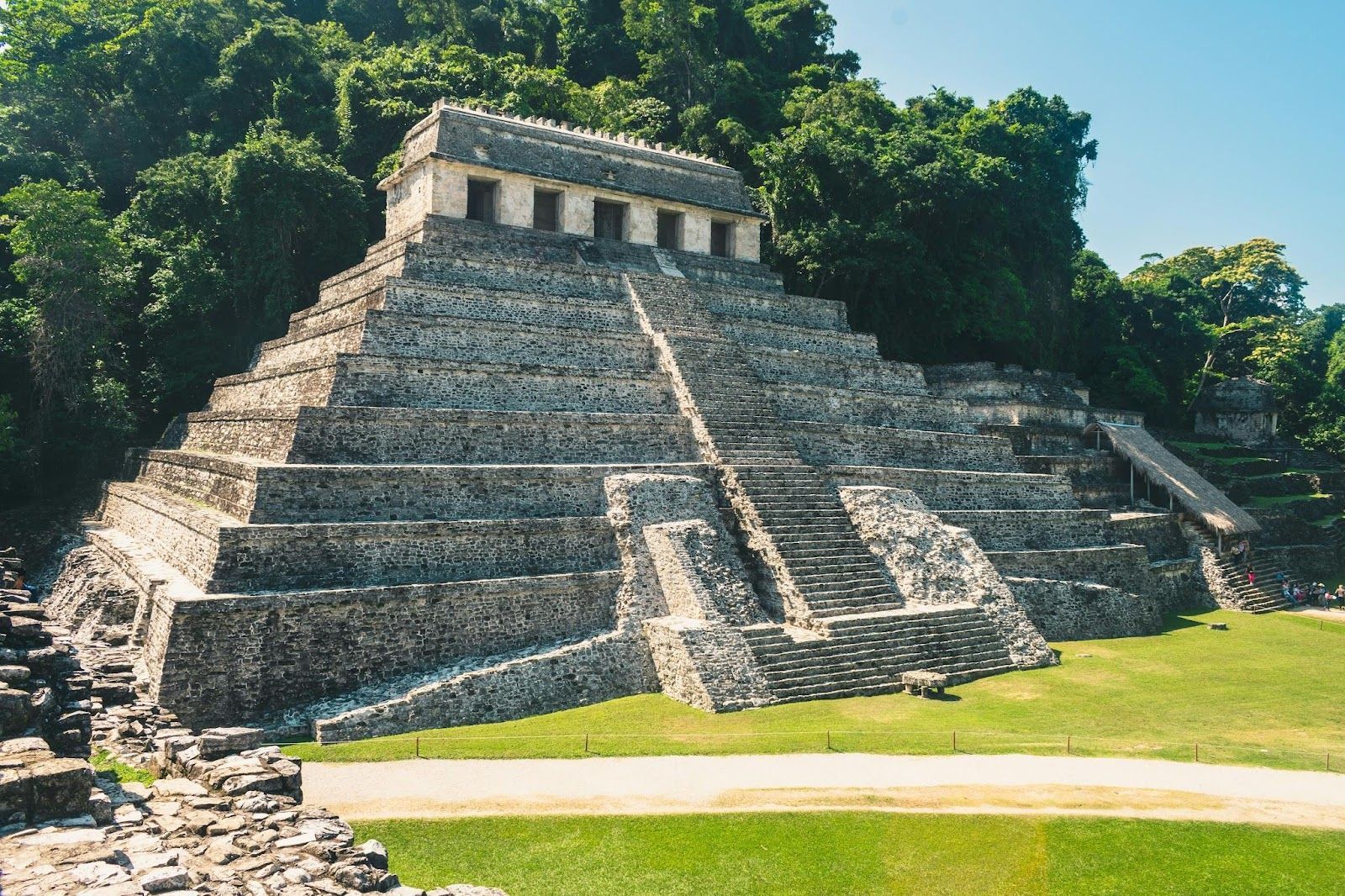 Image: Elias Almaguer
Hidden in the lush jungles of southern Mexico, this Maya city is smaller than Tikal but rich in detail and atmosphere. Temples and palaces rise out of dense greenery, often accompanied by mist, birdsong, and the sound of flowing water.
Palenque was a center of art and learning, and many of its carvings and inscriptions are remarkably detailed.
Keep wandering
There’s always
more to explore
 Culture
What do these 10 American cities really celebrate every year?
6 min.
Read Now
 General

Curious visitors only: Secrets hidden beneath famous cities
6 min.
Read Now
 History
Ancient cities that have stood the test of time
6 min.
Read Now
The parking trick that could save you $40 a night in California
3 min.
Read Now