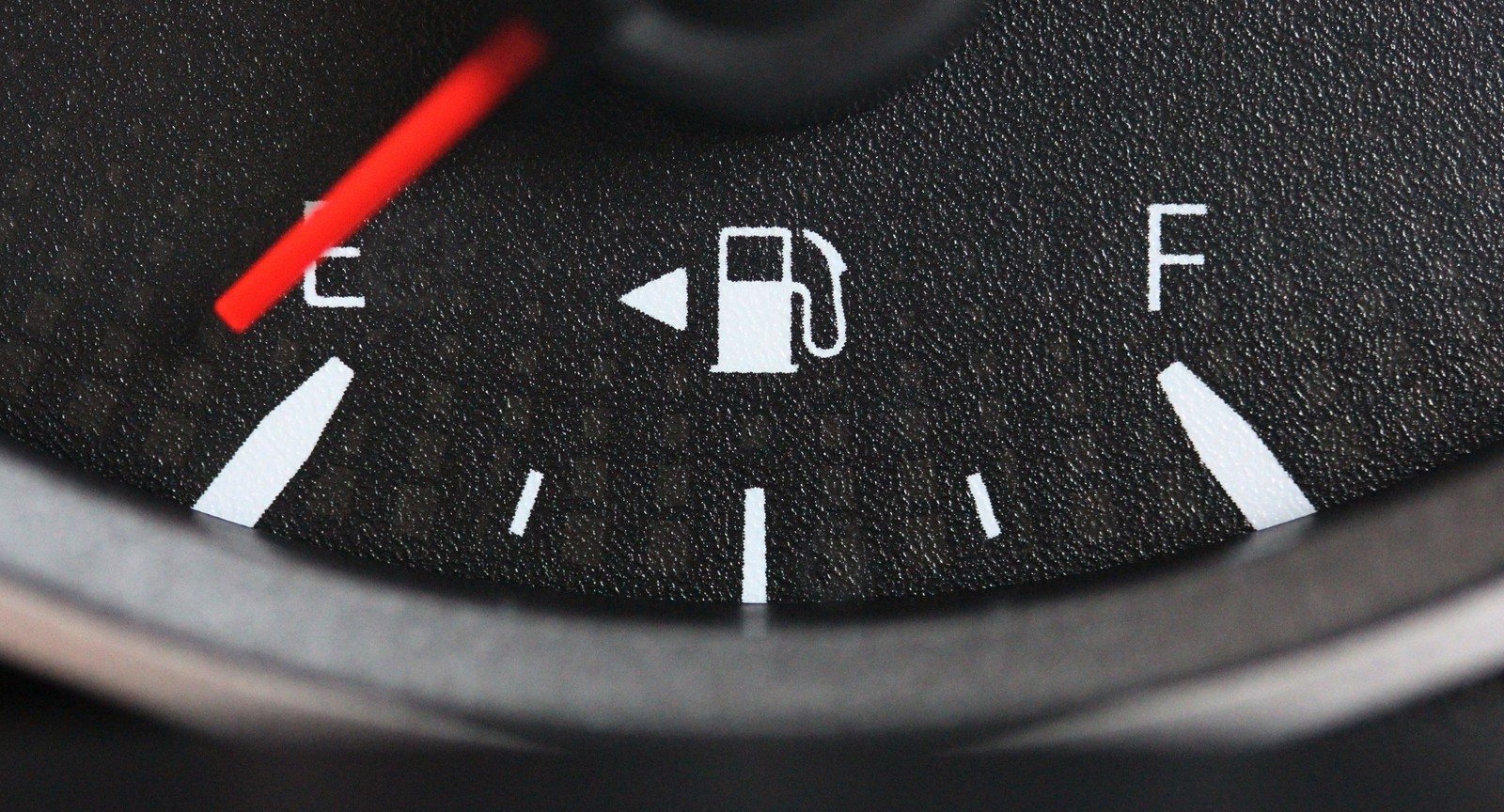
Which driving habits waste the most fuel? 12 fuel-saving tips explained
 General
Goodbye, pedal to the metal
Which driving habits waste the most fuel? 12 fuel-saving tips explained
Every driver has a small collection of fuel-saving tips in the back of their mind. Some are inherited from our parents, some are picked from different sources, some are proven, and some are myths. But, beyond all the hoopla, there are a few solid rules that will definitely save you a few bucks. Modern vehicles are more efficient than ever, yet countless drivers unknowingly waste fuel every day through habits that are easy to change. From speeding and carrying unnecessary weight to checking tire pressure and using cruise control wisely, these expert-backed tips from organizations like the U.S. Environmental Protection Agency can help you save money, reduce emissions, and make every trip a little more efficient.
Aggressive driving is a huge fuel waster

To this day, many people still think flooring the accelerator and braking hard will just save them a few seconds, but it can cost far more at the gas pump. According to the U.S. Environmental Protection Agency (EPA), aggressive driving, including rapid acceleration, speeding, and hard braking, is one of the biggest controllable causes of poor fuel economy. Those bursts of power require much more fuel than smooth, gradual driving.
The numbers are surprisingly dramatic. The EPA estimates that aggressive driving can reduce fuel economy by roughly 5% in city traffic and by as much as 33% on highways. Constantly racing toward red lights or weaving through traffic also wears out brakes and tires much faster, meaning the habit can end up costing drivers in several different ways—not just at the fuel station.
Tire pressure matters
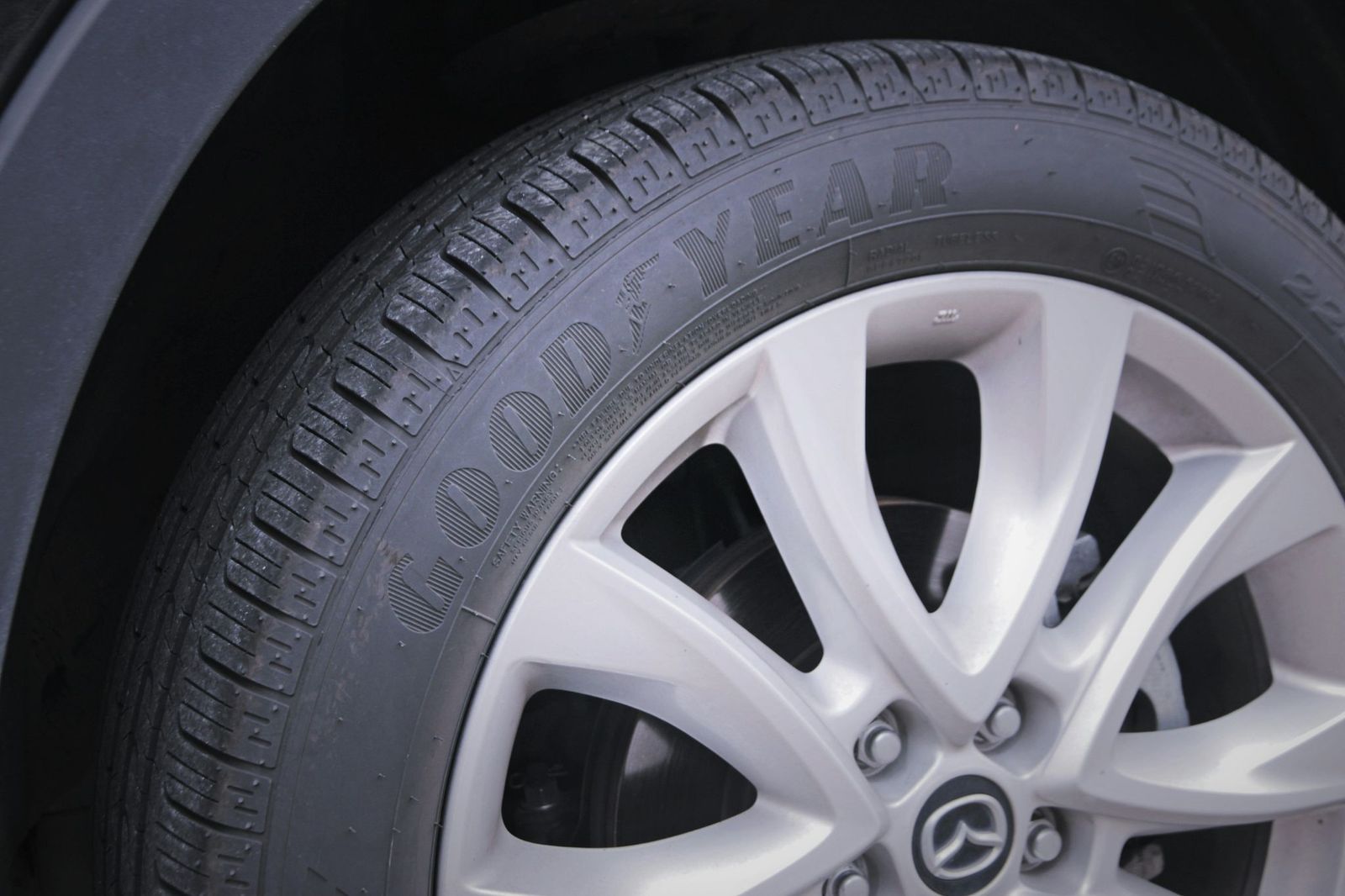
Your tires are the only part of the vehicle that actually touches the road, so their condition has a direct impact on efficiency. When tires are underinflated, they flatten slightly against the pavement, increasing rolling resistance. That extra friction forces the engine to work harder to keep the vehicle moving, quietly wasting fuel mile after mile.
The U.S. Department of Energy recommends checking tire pressure at least once a month because tires naturally lose air over time, even without a puncture. Proper inflation not only improves fuel economy but also extends tire life, improves handling, and shortens braking distances. And remember: the correct pressure is listed on the driver's door jamb, not on the tire's sidewall, which indicates the tire's maximum pressure.
Idling gets zero miles per gallon

It may sound obvious, but an idling vehicle achieves exactly zero miles per gallon. While older cars often needed several minutes to warm up, modern fuel-injected engines are designed to be driven shortly after starting. In most weather conditions, gentle driving warms the engine faster and more efficiently than sitting still with it running.
Depending on engine size, an idling vehicle can burn roughly a quarter to half a gallon of fuel every hour without going anywhere. That's one reason why many newer vehicles include automatic start-stop technology, which shuts the engine off briefly at traffic lights and restarts it instantly when the driver lifts the brake pedal. It's a simple feature that can save surprising amounts of fuel in urban traffic.
Speed is the enemy of fuel economy

Most engines are designed to operate efficiently at moderate highway speeds, but fuel economy begins to fall as speed increases. The culprit is aerodynamic drag. As a vehicle moves faster, air resistance rises dramatically, forcing the engine to produce much more power just to maintain the higher speed.
According to the EPA and the Department of Energy, every 5 mph driven above roughly 50 to 60 mph can noticeably reduce fuel economy. While arriving a few minutes earlier may feel worthwhile, driving at 80 mph instead of 65 mph often requires significantly more fuel over a long trip. In many cases, slowing down slightly saves money while making the drive safer and less stressful.
Air conditioning can have a real cost
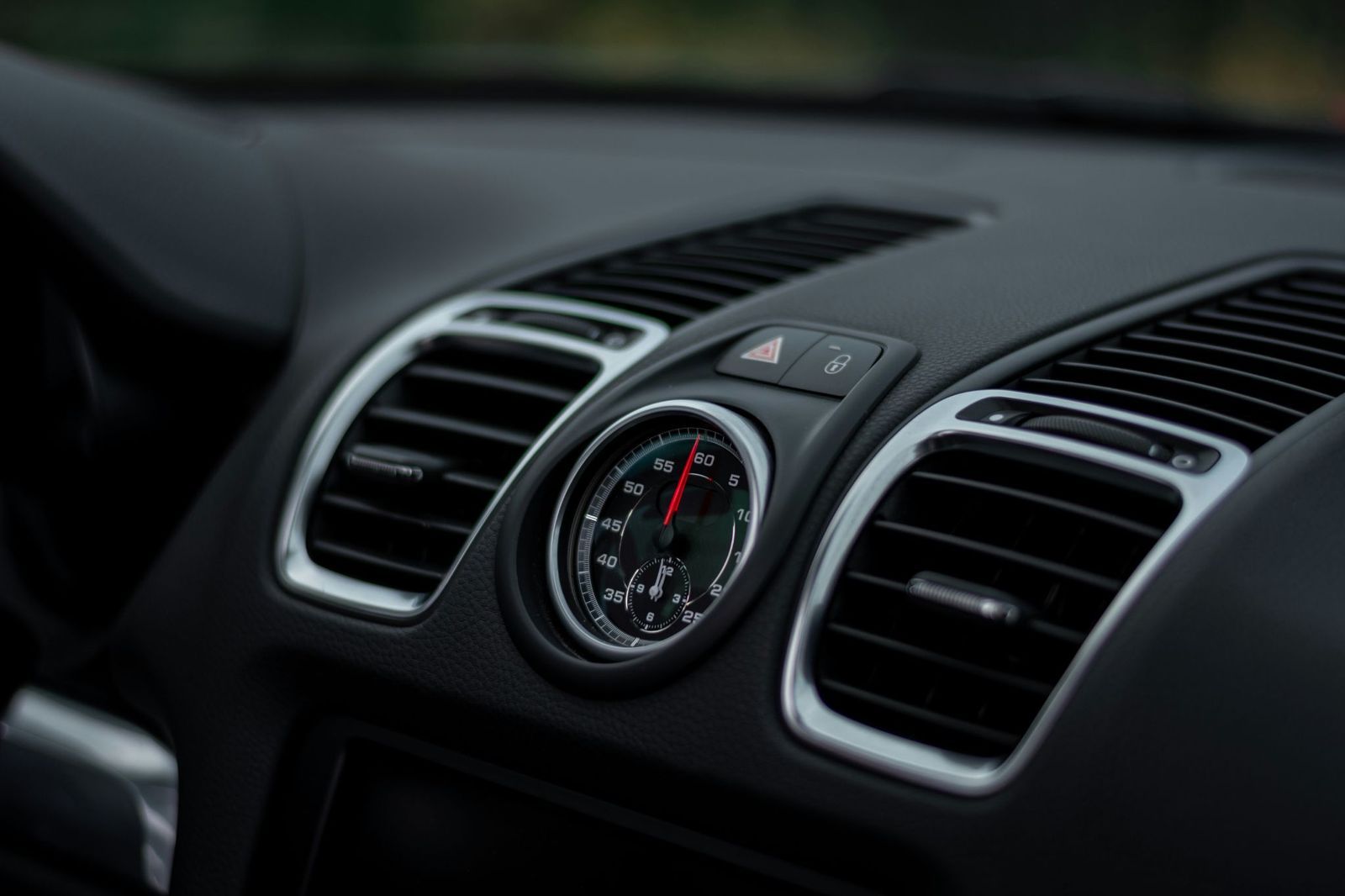
Yes, on a scorching summer day, turning on the air conditioner can make a drive far more comfortable, but it also makes the engine work harder. The A/C compressor requires power, and in gasoline-powered vehicles, that extra demand usually comes from burning more fuel. The impact is often most noticeable in slow-moving traffic, where the engine is already operating less efficiently.
Exactly how much fuel is affected depends on the outside temperature, the vehicle's design, and how hard the climate-control system has to work. Newer cars are generally more efficient than older models, and hybrids often manage air conditioning differently. Even so, the EPA still lists heavy A/C use as one of the many factors that can noticeably reduce real-world fuel economy, especially during hot weather.
Driving with all the windows open isn’t very cost-effective
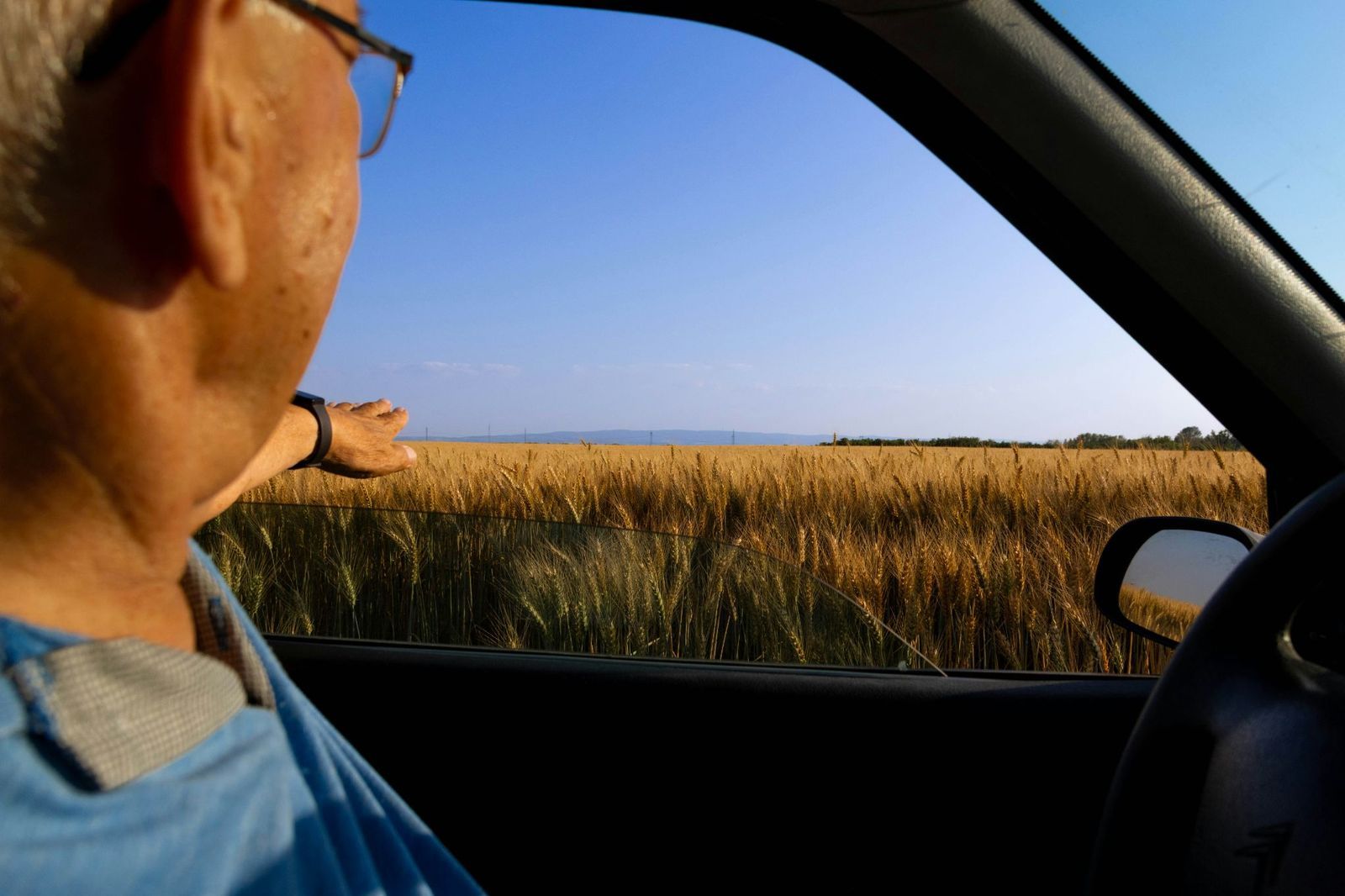
Many drivers believe that turning off the air conditioner and rolling down the windows always saves fuel. While that can be true at lower city speeds, the story changes once you reach the highway. Open windows disturb the smooth flow of air around the vehicle, increasing aerodynamic drag and forcing the engine to work harder.
That's why experts often recommend different strategies depending on where you're driving. Around town, open windows may consume less energy than using the air conditioner. On faster roads, however, keeping the windows closed and using the A/C moderately may actually be the more fuel-efficient option. It's a reminder that fuel economy isn't always as straightforward as it seems.
Extra weight really does hurt mileage
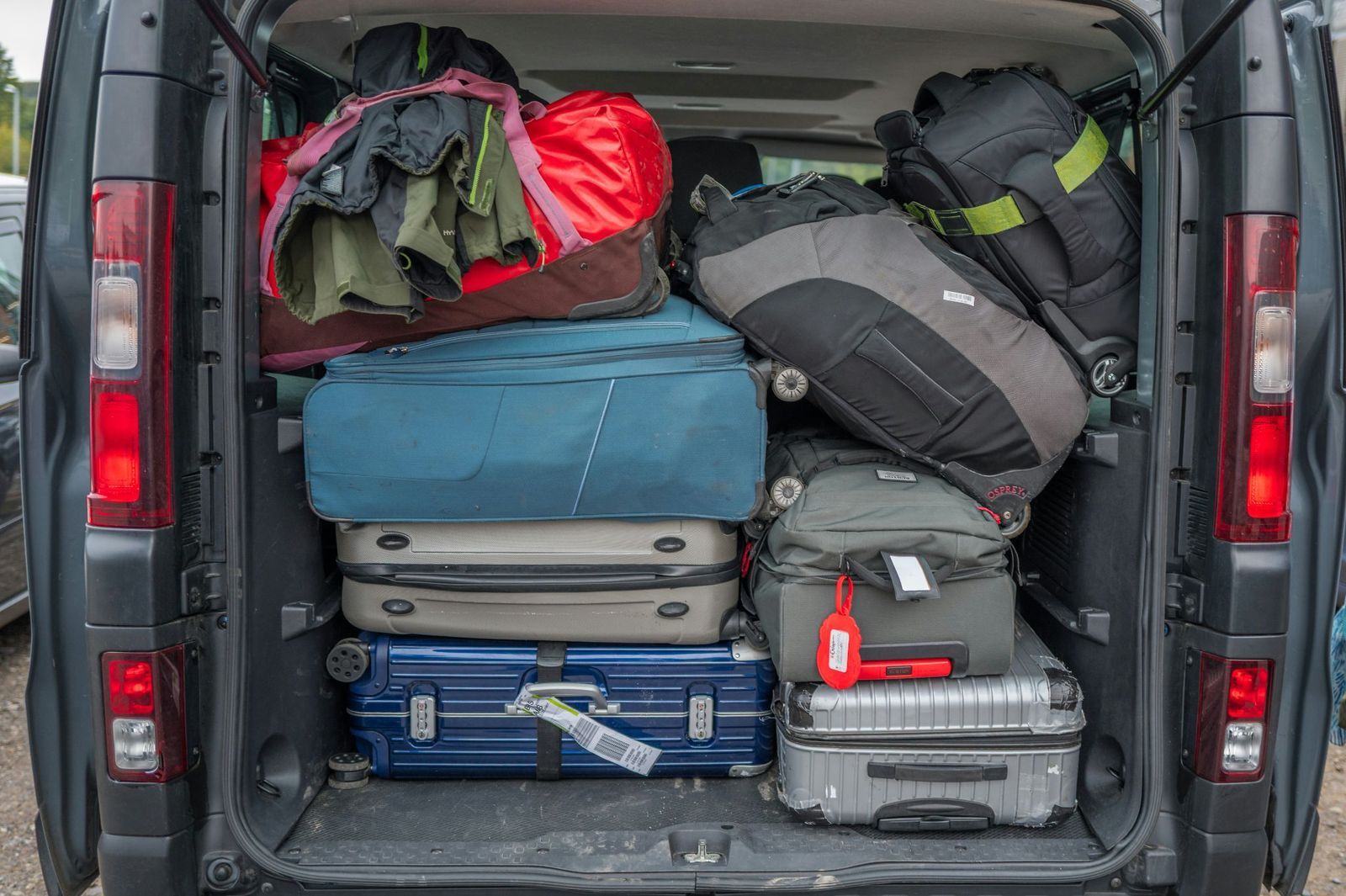
Every vehicle is engineered with a certain weight in mind, and carrying unnecessary cargo means the engine has to work harder every time you accelerate, climb a hill, or even maintain speed. Many people unknowingly drive around with toolboxes, sports gear, boxes, or other heavy items in the trunk that stay there for months without being used.
According to the U.S. Department of Energy, an extra 100 pounds of cargo can reduce fuel economy by roughly 1–2%, depending on the size of the vehicle. Smaller cars and hybrids usually feel the impact more than larger SUVs or trucks. Cleaning out the trunk may not seem exciting, but it's one of the easiest and completely free ways to improve efficiency before your next road trip.
Roof boxes and racks are fuel vampires

Roof racks, bike carriers, and rooftop cargo boxes make vacations and outdoor adventures much easier, but they come with a hidden price. While the added weight plays a role, the bigger issue is aerodynamics. Anything mounted on the roof disrupts airflow, creating turbulence that forces the engine to burn more fuel to overcome the additional drag.
The effect becomes even greater at highway speeds, where air resistance is already the largest force working against the vehicle. That's why the Department of Energy recommends removing empty roof racks or cargo boxes whenever they aren't needed. If extra storage is necessary, a rear-mounted cargo carrier often creates less aerodynamic drag than one sitting on top of the roof.
Smooth and steady wins the race

Professional drivers and fuel-efficiency experts have something in common: they rarely make sudden moves. Instead of accelerating hard and braking at the last second, they look farther down the road, anticipate traffic, and keep the vehicle moving as smoothly as possible. Maintaining momentum requires far less energy than repeatedly speeding up after every unnecessary stop.
This approach, often called eco-driving, can noticeably improve fuel economy while making every journey more comfortable. Gentle acceleration, gradual braking, and leaving enough following distance to react calmly all help reduce fuel consumption. As a bonus, smooth driving also puts less stress on tires, brakes, and suspension components, reducing maintenance costs over the life of the vehicle.
Cruise control can save fuel on long trips
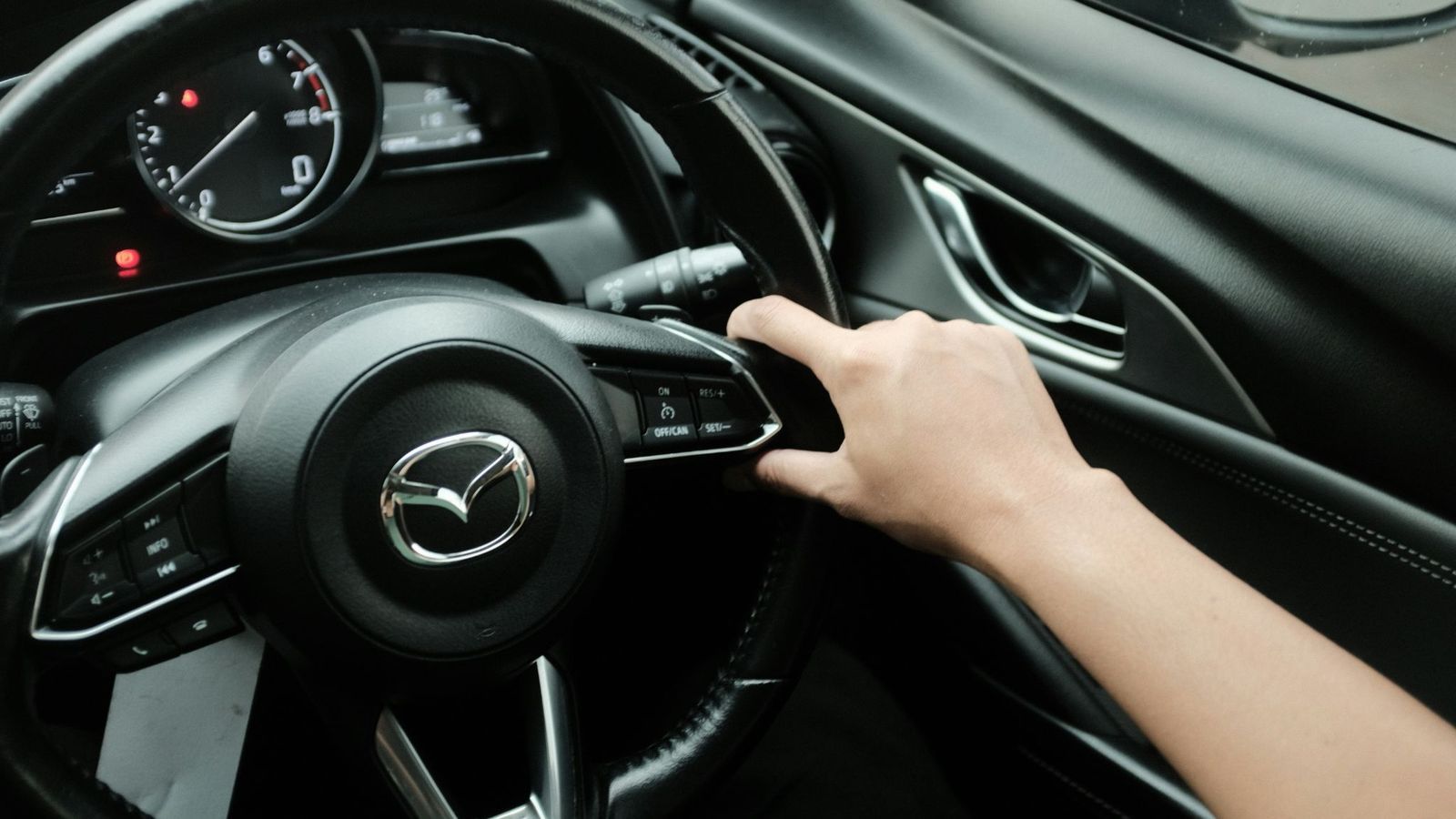
Cruise control isn't just about giving your right foot a break; it can also help improve fuel economy. Most drivers unintentionally speed up and slow down by a few miles per hour throughout a trip, even on straight highways. Cruise control eliminates those small fluctuations, allowing the engine to operate at a steadier and often more efficient pace.
The biggest benefits usually come on long stretches of relatively flat highway. On steep or mountainous roads, however, maintaining a perfectly constant speed may cause the transmission to downshift more frequently, reducing efficiency. Even so, for many road trips, cruise control remains one of the easiest tools drivers can use to save fuel while enjoying a more relaxed drive.
Maintenance is a fuel-saving tool
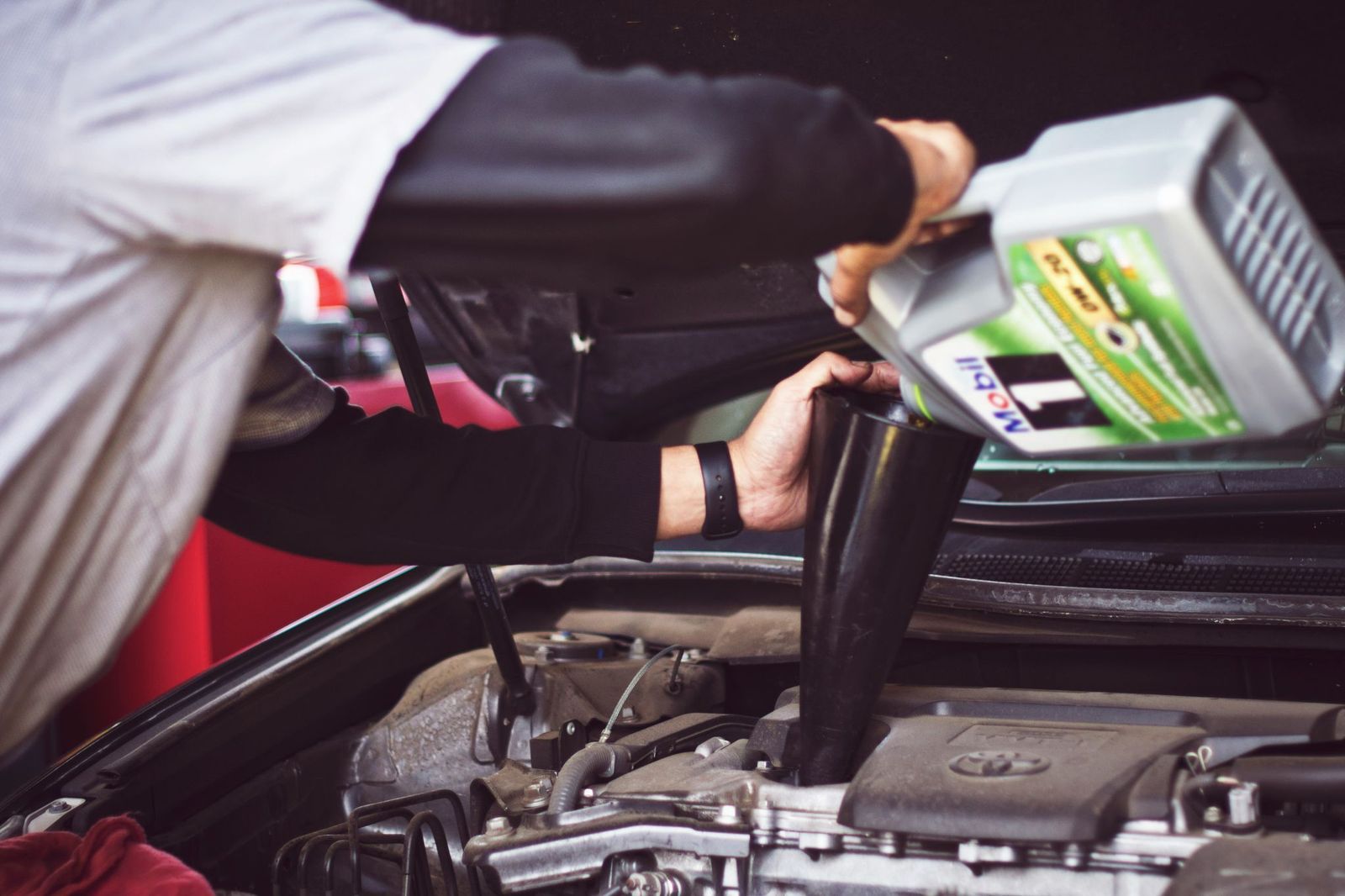
A well-maintained vehicle doesn't just last longer, it usually uses less fuel, too. Dirty air filters, worn spark plugs on older engines, incorrect motor oil, poor wheel alignment, underinflated tires, and malfunctioning sensors can all reduce efficiency, sometimes so gradually that drivers never notice the change until they're filling up more often.
Modern vehicles rely on dozens of electronic sensors to calculate the ideal air-fuel mixture thousands of times every minute. When components such as oxygen sensors begin to fail, the engine may burn more fuel than necessary, even if it still feels normal to drive. Keeping up with scheduled maintenance helps ensure the vehicle performs as efficiently as its engineers intended.
EPA ratings are estimates, not guarantees
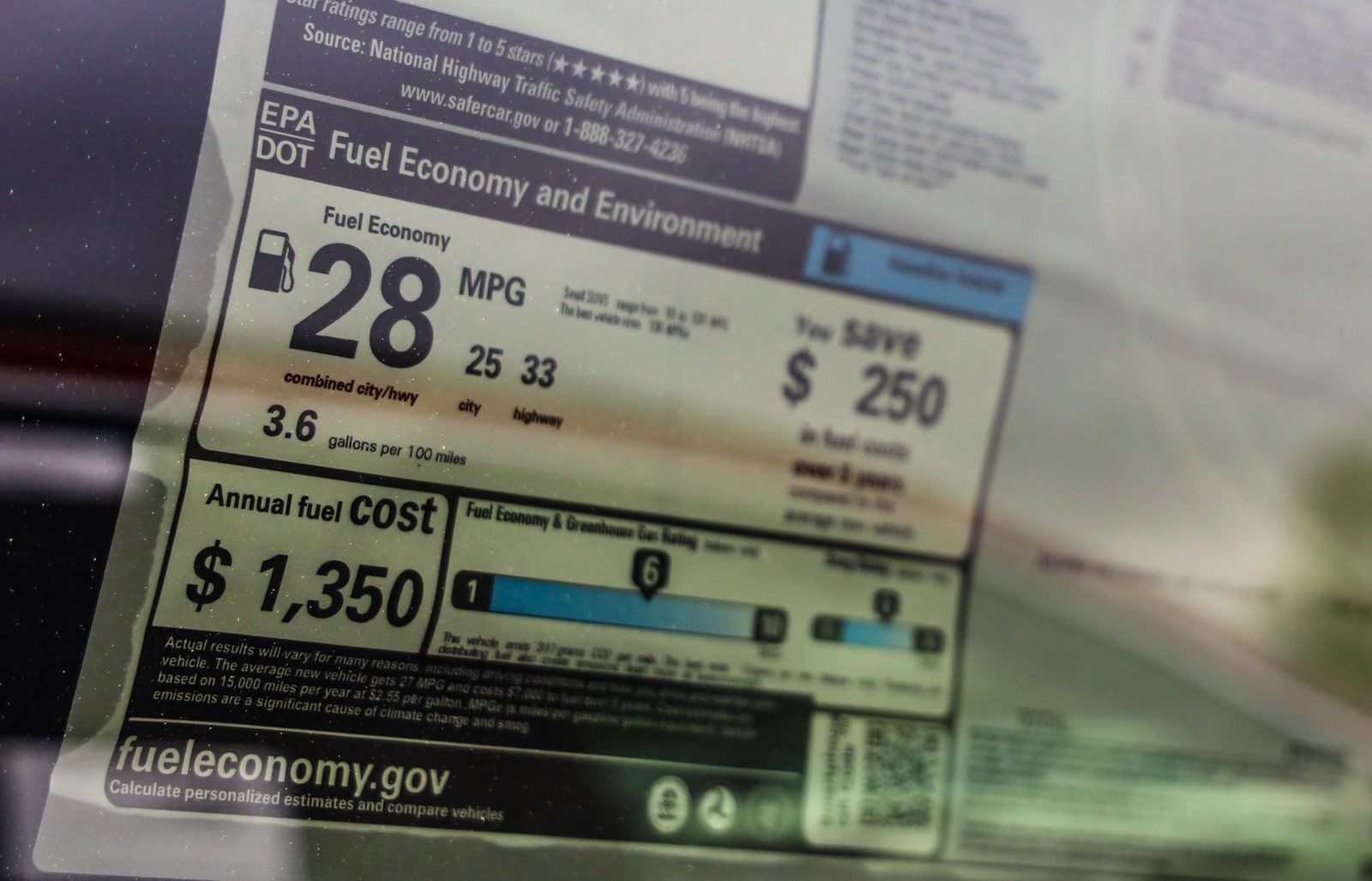
Many shoppers compare vehicles using the fuel economy numbers displayed on the window sticker, but those figures aren't promises. The EPA calculates its ratings through standardized laboratory tests designed to provide fair comparisons between different models. They offer an excellent benchmark, but they can't account for every real-world driving condition.
That's why two people driving identical cars can report very different fuel economy. Traffic, weather, hills, cargo, tire pressure, driving habits, air conditioning use, and maintenance all influence the final result. The EPA even reminds consumers that "Your mileage will vary." In the end, the official rating tells you what a vehicle is capable of under controlled testing, but your own habits will often determine how close you come to achieving it.
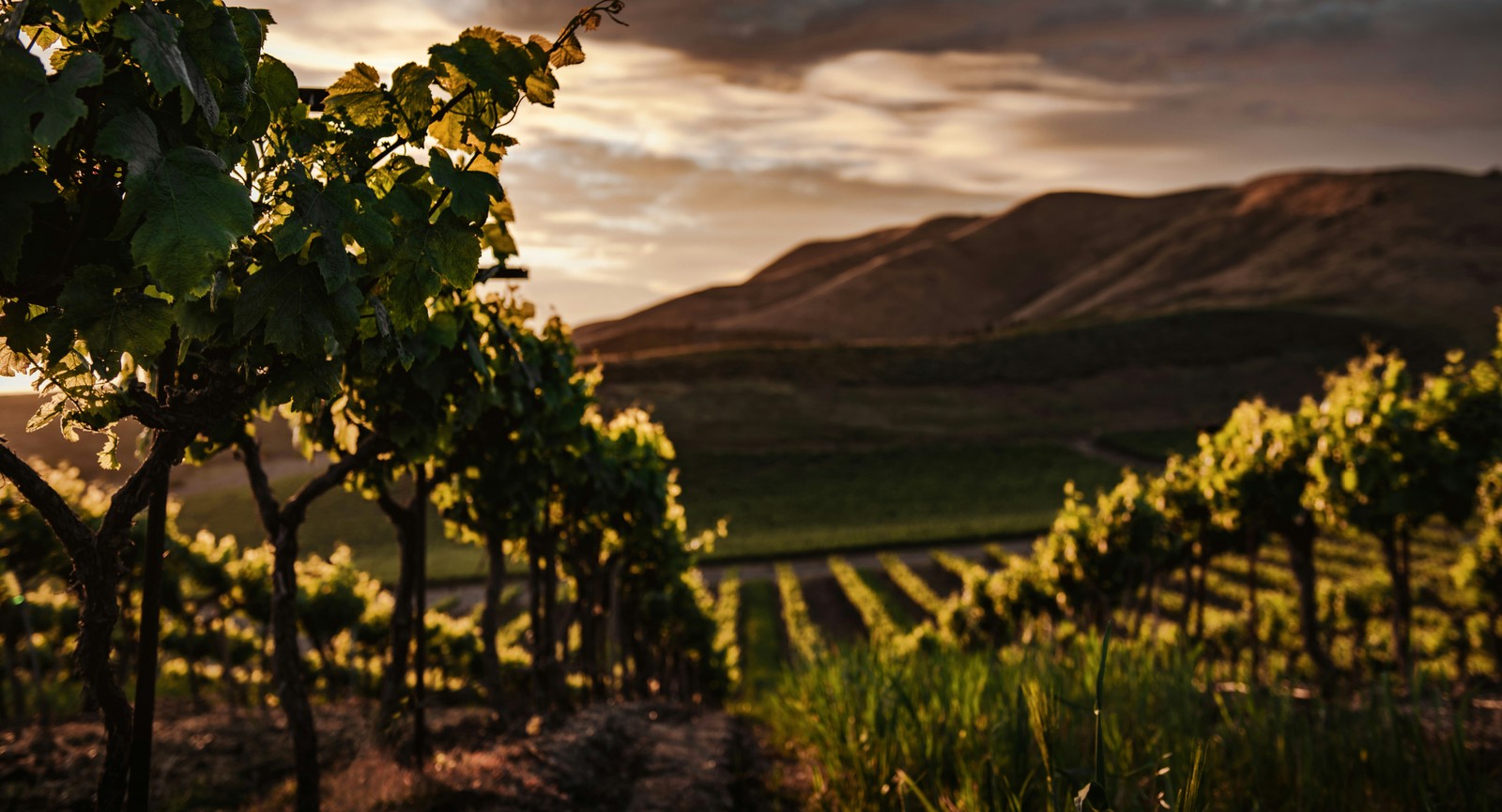
12 U.S. regions that prove that there is wine beyond Napa and Sonoma
 Culture
Wine is fine!
12 best places to enjoy and discover wine in the U.S. beyond Napa Valley
It goes without saying that Napa Valley may get most of the spotlight, but the U.S. wine scene stretches far beyond Northern California. With over 270 officially recognized wine regions across 30+ states, American wine is incredibly diverse in climate, grapes, and style. From cool-climate vineyards to sun-drenched valleys and everything in between, these 12 destinations, most of which are open all year round, offer world-class wines without Napa’s crowds or prices.
Willamette Valley, Oregon
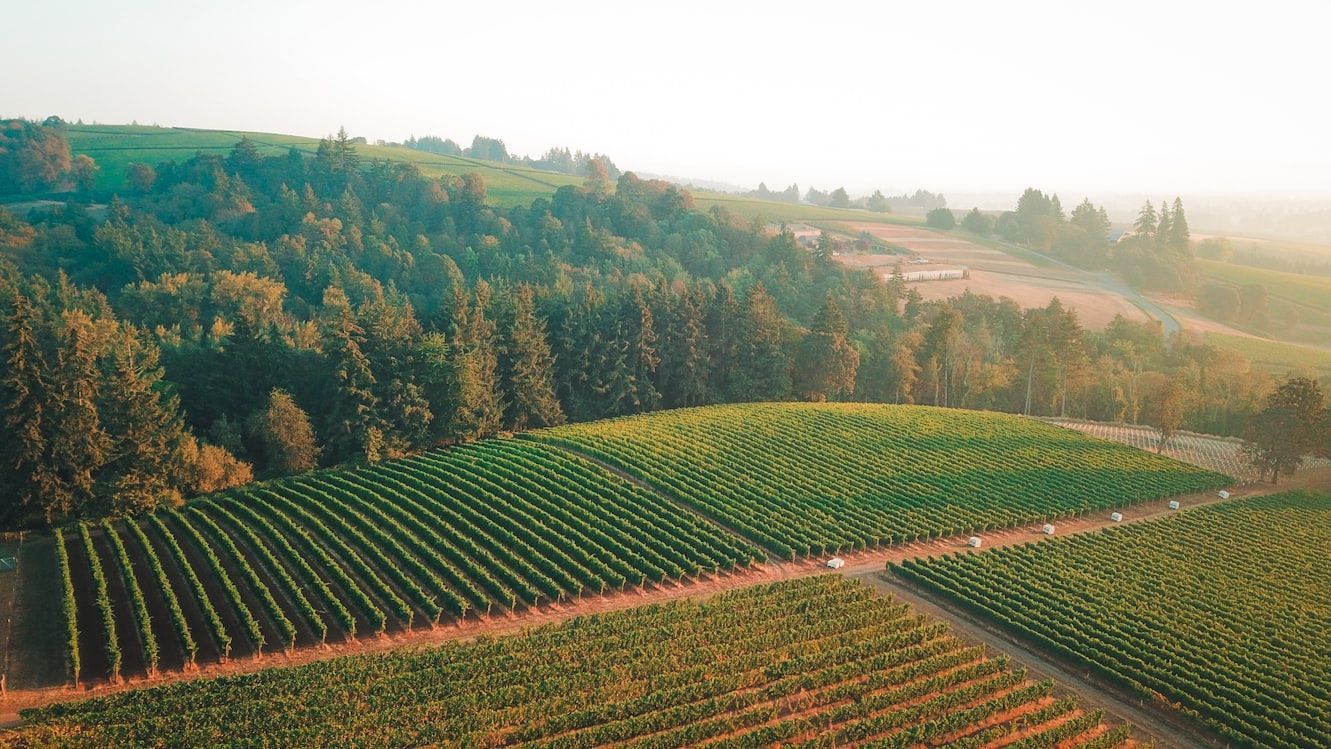
Located at a similar latitude to France’s Burgundy region, the Willamette Valley has built a global reputation for elegant Pinot Noir. Its cool climate allows grapes to ripen slowly, producing balanced wines with bright acidity and subtle complexity.
The region is also known for scenic rolling hills and small, family-run wineries. Tastings here often feel more relaxed and personal compared to larger, more commercial wine destinations.
Walla Walla Valley, Washington

This Eastern Washington region has become one of the country’s standout wine destinations, especially for bold reds like Cabernet Sauvignon and Syrah.
Despite its growing reputation, Walla Walla offers a laid-back atmosphere, with tasting rooms clustered around a charming downtown and vineyards spread across wide open landscapes.
Finger Lakes, New York
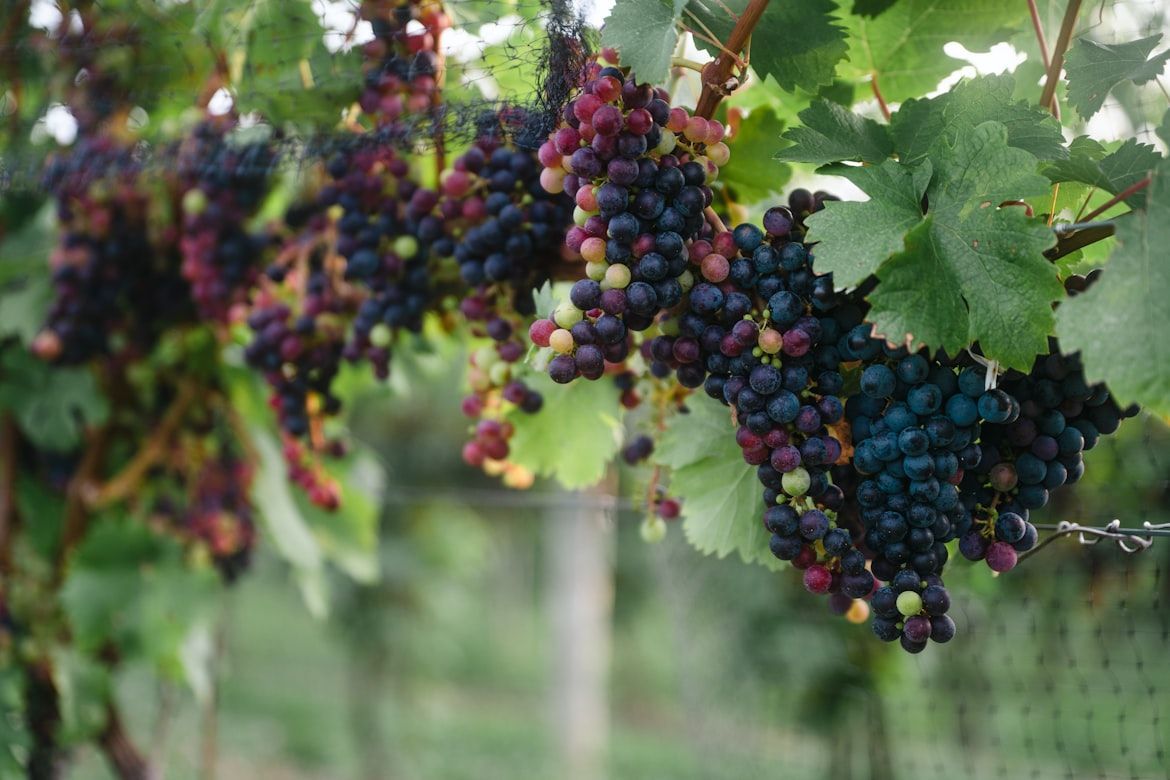
One of the oldest wine-producing areas in the U.S., the Finger Lakes region dates back to the 1800s and remains central to New York’s wine industry today.
Its deep lakes help moderate temperatures, making it ideal for Riesling and other cool-climate varieties. The lake views add a unique scenic appeal to every tasting stop.
Paso Robles, California
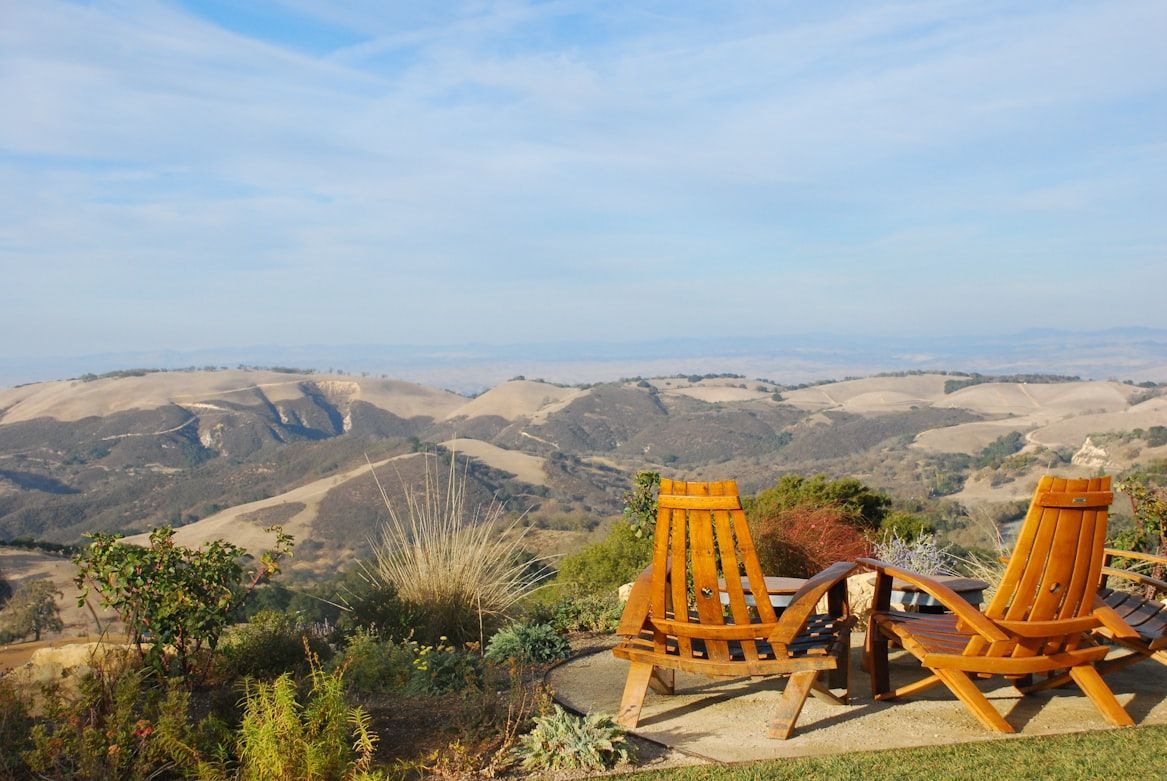
Located on California’s Central Coast, Paso Robles is known for its warm days, cool nights, and diverse soils: perfect conditions for bold, yet balanced wines.
The region excels in Rhone-style blends, Zinfandel, and Cabernet Sauvignon, offering a more relaxed and affordable alternative to Napa with over 200 wineries to explore.
Santa Barbara County, California
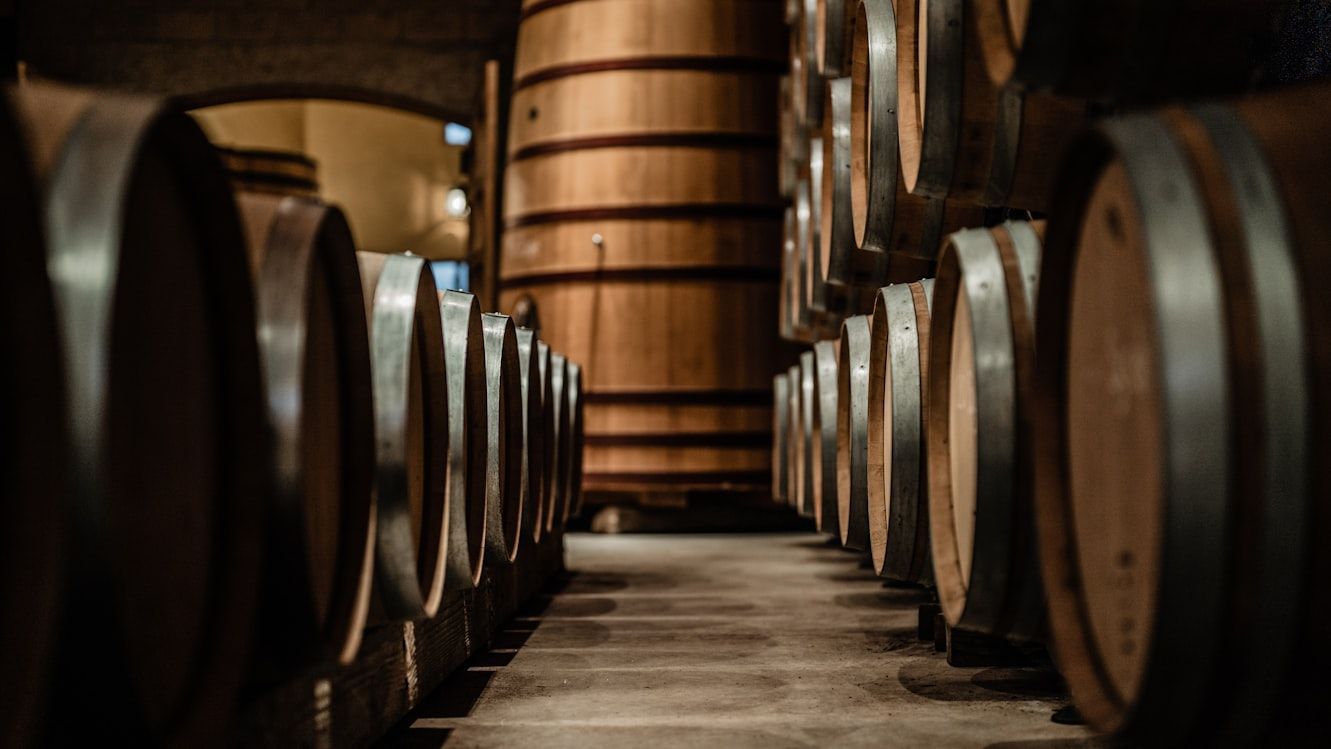
This region’s unusual east-west mountain ranges create a range of microclimates, allowing winemakers to grow everything from Pinot Noir to Syrah in proximity.
It’s also one of California’s more scenic wine areas, combining coastal breezes, vineyard landscapes, and a quieter, less crowded tasting experience.
Columbia Gorge, Oregon

Straddling two states, the Columbia Gorge offers dramatic scenery and a wide range of wine styles thanks to its varied elevations and climates.
Within a short drive, you can find cool-climate whites like Riesling alongside richer reds, making it one of the most diverse wine regions in the country.
Texas Hill Country, Texas
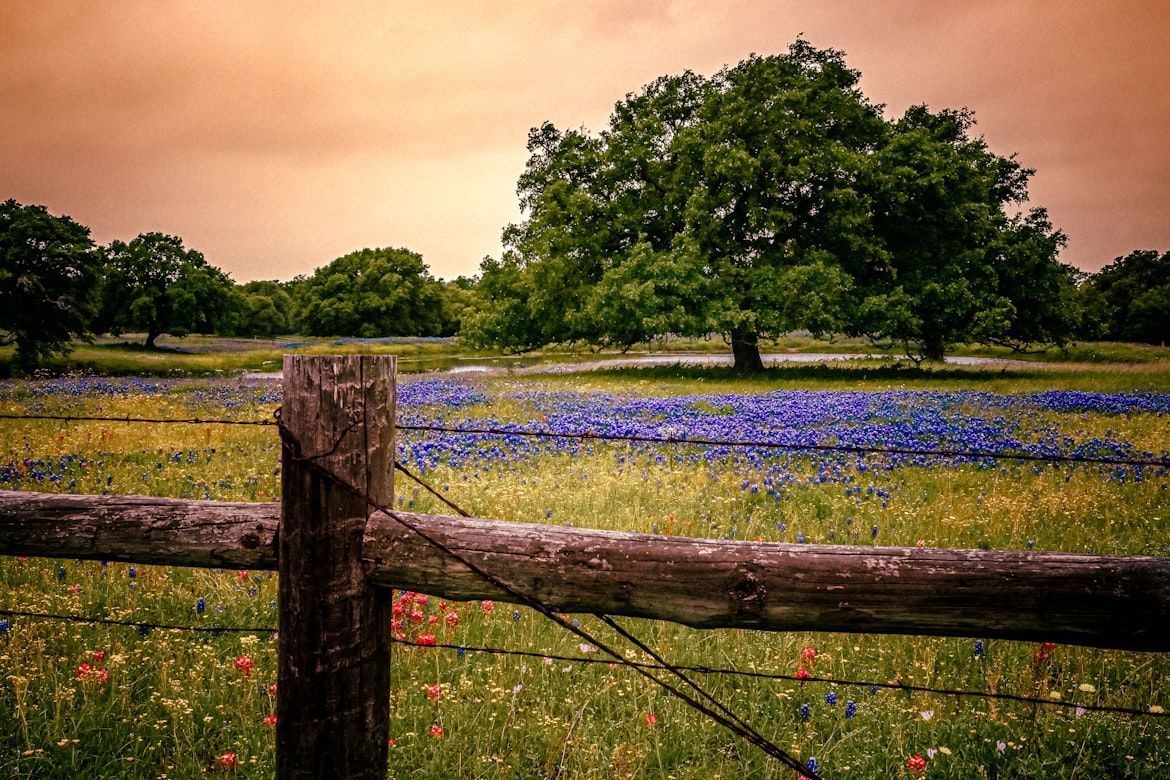
One of the fastest-growing wine regions in the U.S., Texas Hill Country boasts hundreds of wineries spread across rolling landscapes.
Its warm climate favors bold reds and Mediterranean-style grapes, and the region’s relaxed vibe makes it especially popular for road trips and weekend getaways.
Traverse Wine Coast, Michigan

Along Lake Michigan, this cool-climate region produces crisp whites and increasingly respected sparkling wines.
The surrounding water helps regulate temperatures, extending the growing season and creating ideal conditions for grapes like Riesling and Chardonnay.
Temecula Valley, California
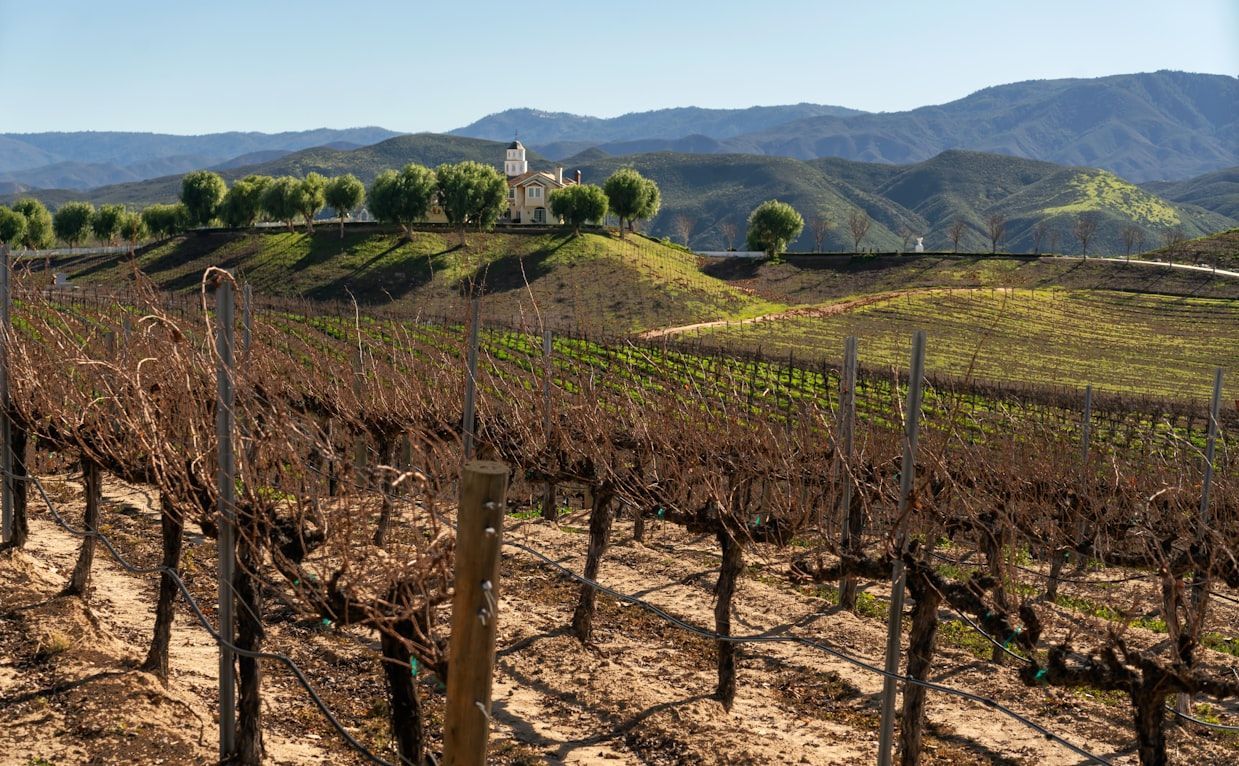
Just a short drive from Los Angeles and San Diego, Temecula offers an accessible wine country experience with over 40 wineries.
Its sunny climate supports a wide variety of grapes, while its proximity to major cities makes it one of the easiest wine regions to visit in Southern California.
Yakima Valley, Washington
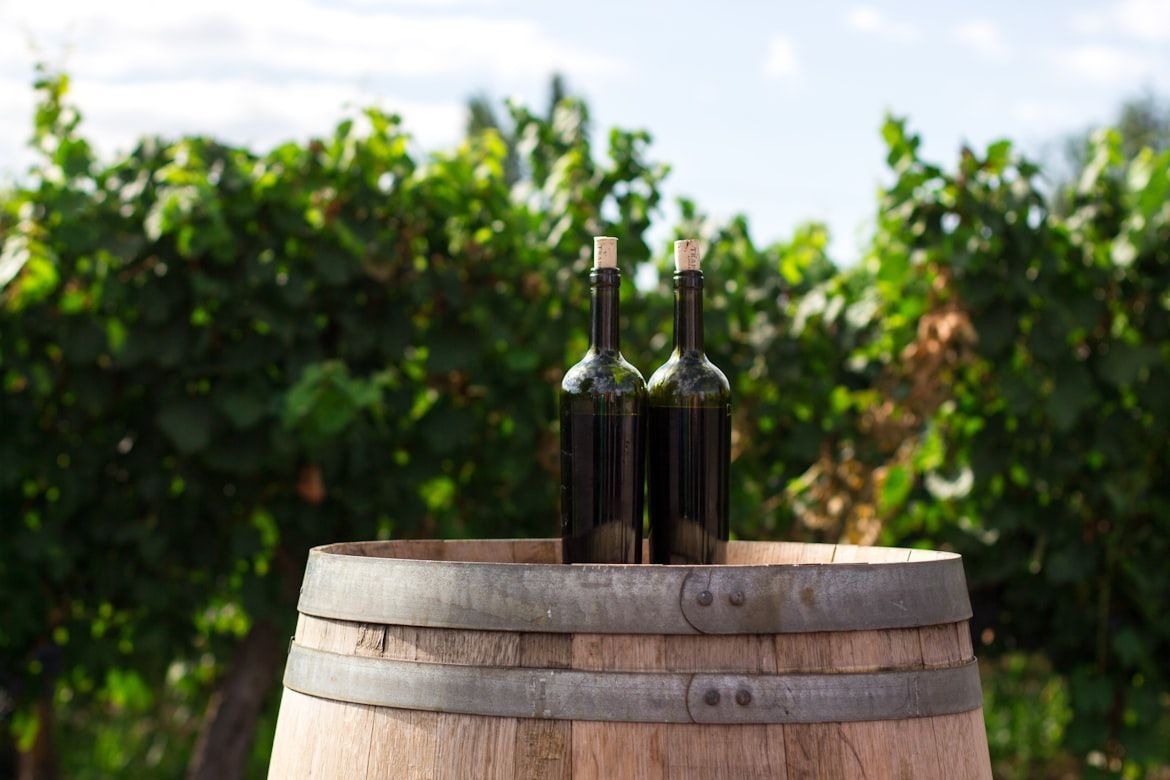
As Washington State’s oldest wine region, Yakima Valley plays a key role in the state’s thriving wine industry.
The area’s dry climate and irrigation from the Yakima River create ideal growing conditions for both red and white varieties, from Merlot to Chardonnay.
Monticello Wine Region, Virginia
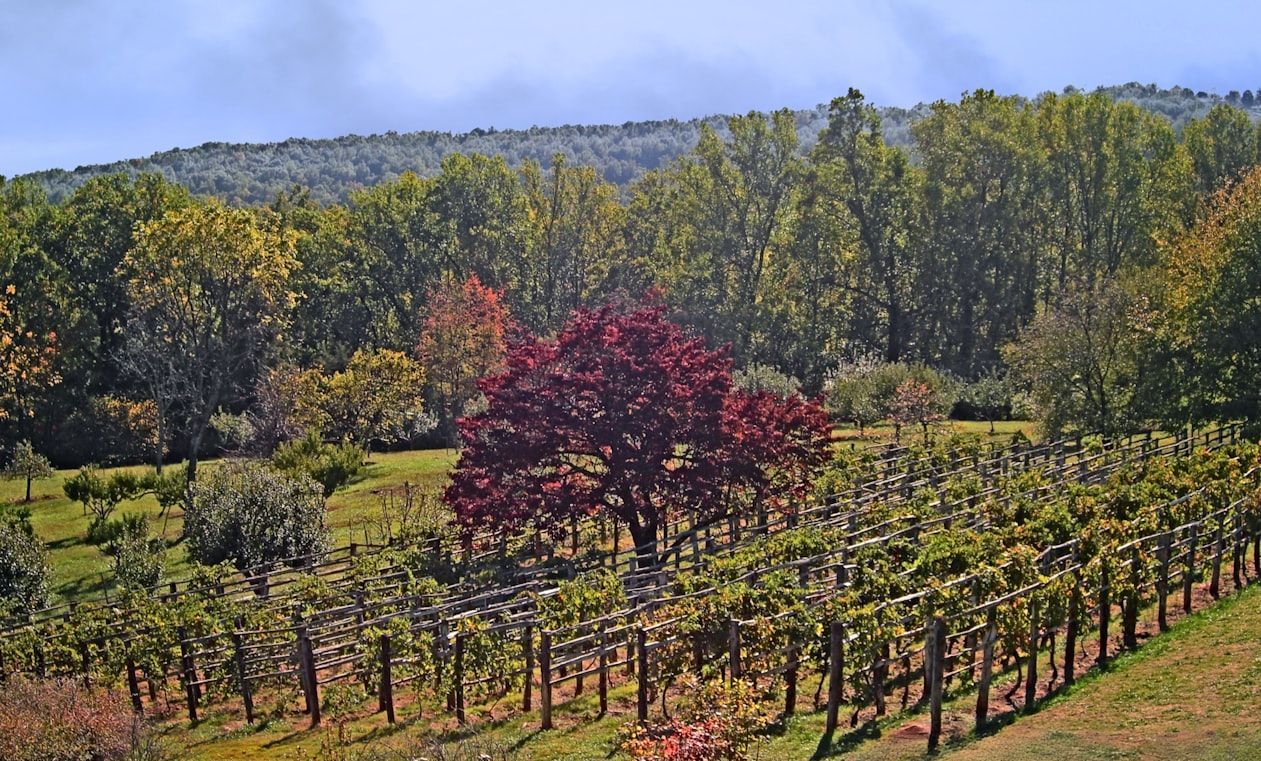
Located near Charlottesville, this historic region traces its wine roots back to Thomas Jefferson, one of America’s earliest wine enthusiasts.
Today, it’s known for refined wines like Viognier and Cabernet Franc, along with scenic vineyards set against the Blue Ridge Mountains.
North Georgia Mountains, Georgia
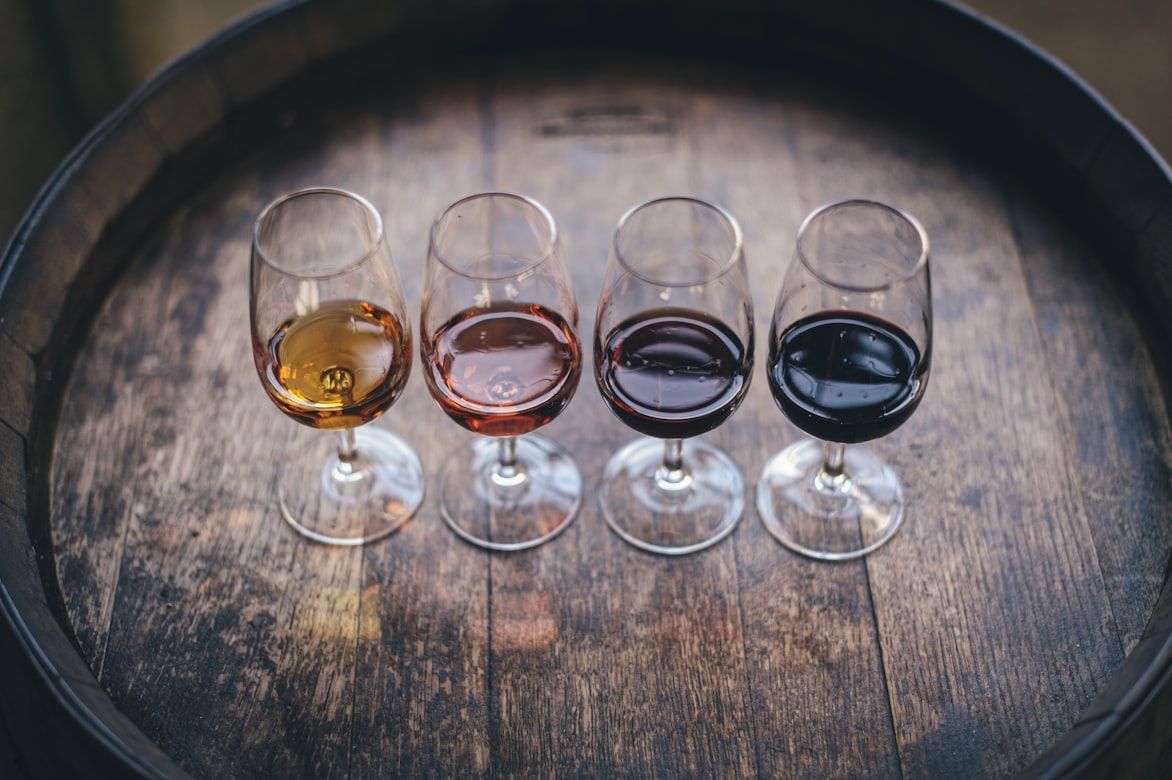
This emerging Southern wine region offers high-elevation vineyards and cooler temperatures than much of the surrounding Southeast.
It’s gaining attention for European-style wines and picturesque mountain views, providing a surprising and charming wine destination in an unexpected location.
Keep wandering
There’s always
more to explore
 History

10 incredible times when humanity chose peace
5 min.
Read Now
 Landmarks

Secrets about New York City most Americans don't know
4 min.
Read Now

What is a "skillcation", and why is it the hottest travel trend right now
5 min.
Read Now

Which US city has the most beautiful skyline? 12 strong contenders listed
6 min.
Read Now