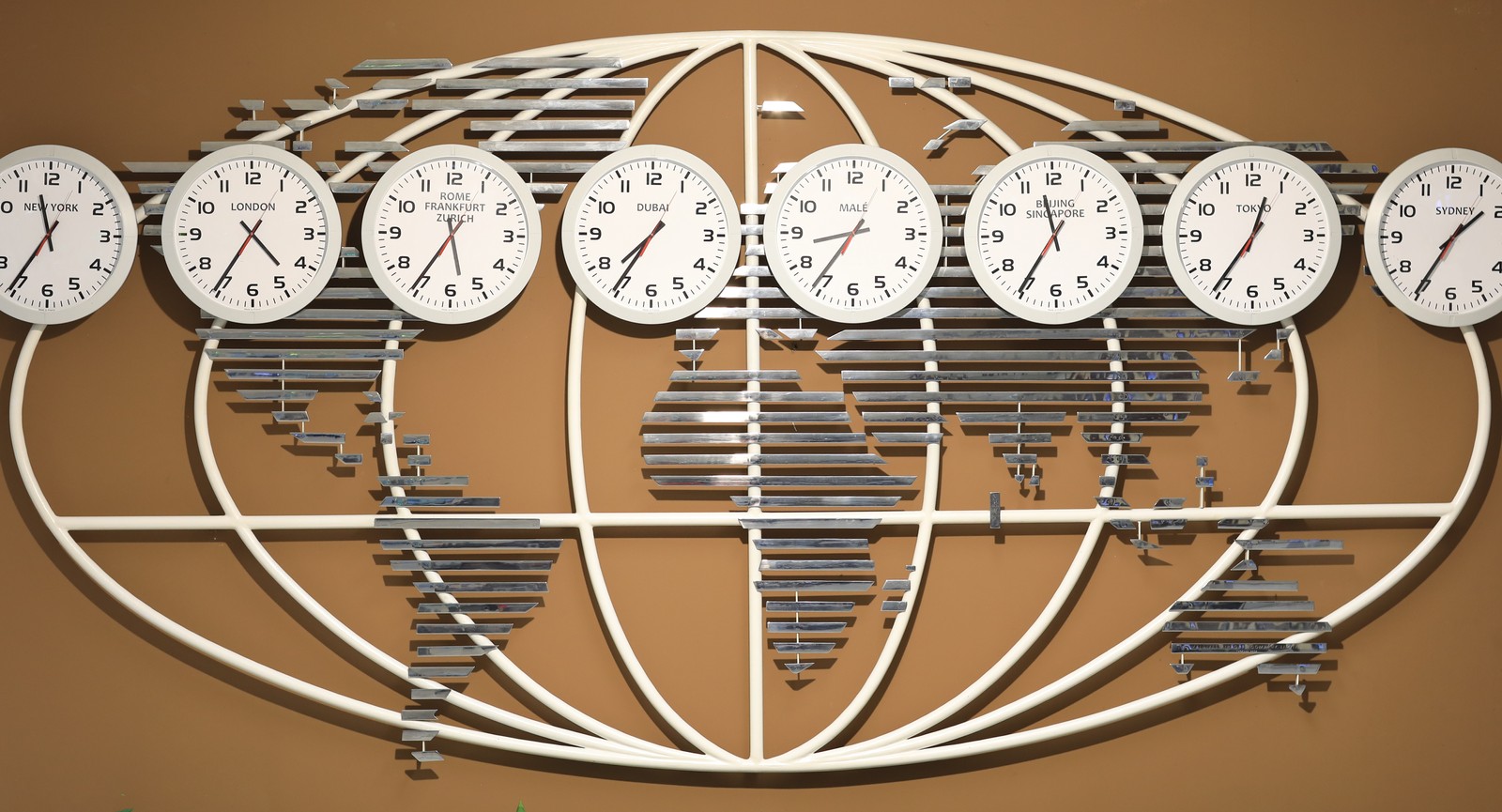
Which country has the most time zones in the world?
 Geography
Which country has the most time zones in the world?
It’s natural to assume that any country with a lot of time zones takes up a vast geographical landmass—but it’s more complicated than that. In fact, a country's time zone count often depends on its colonial history and overseas territories. While nations like Russia span contiguous continents, smaller European powers like the United Kingdom accumulate time zones across islands scattered around the globe. Keep reading to find out which country has the most time zones in the world.
Mexico
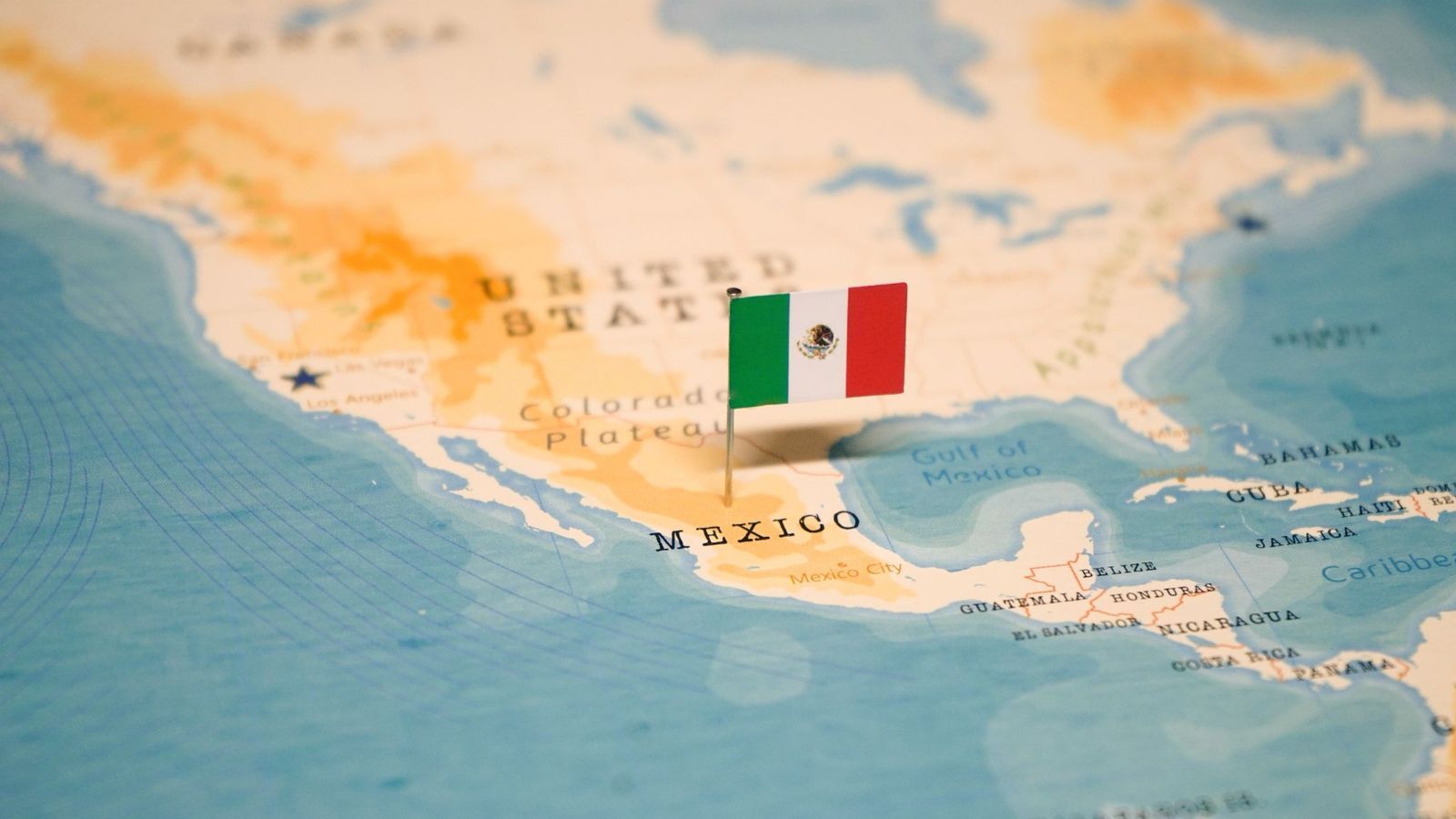
Stretching from the Caribbean Sea across the Sierra Madre mountain ranges to the Pacific Ocean and the Baja California peninsula, Mexico spans four official standard time zones tailored to its economic geography. The division aims to align tourist destinations with the time zones along the U.S. coasts and also groups the major cities into a single time zone.
Formally created in 2015, the Southeast Zone (UTC-5) applies exclusively to the state of Quintana Roo on the Yucatán Peninsula, home to major resort destinations like Cancún, Cozumel, and the Riviera Maya. The Central Zone (UTC-6) contains central, eastern, and southern Mexico, including Mexico City. Lastly, the Pacific Zone (UTC-7) covers the Gulf of California, while the Northwest Zone (UTC-8) is observed in the northernmost Pacific peninsula state of Baja California.
Brazil
Spanning over 2,670 miles from east to west across South America, Brazil covers nearly half of the continent’s landmass. Yet, this vast geographic range is organized into just four official standard time zones.
Brazil’s easternmost zone, covered by Fernando de Noronha Time (UTC-2), applies strictly to its offshore Atlantic island archipelagos, including the tourism haven of Fernando de Noronha. As the nation’s official standard time, UTC-3 is the financial and political heartbeat of Brazil. Moving westward into the interior, the Amazon Time (UTC-4) covers much of the southern and central Amazon basin. Finally, the westernmost time zone, Acre Time (UTC-5), covers the state of Acre and 13 neighboring municipalities.
New Zealand
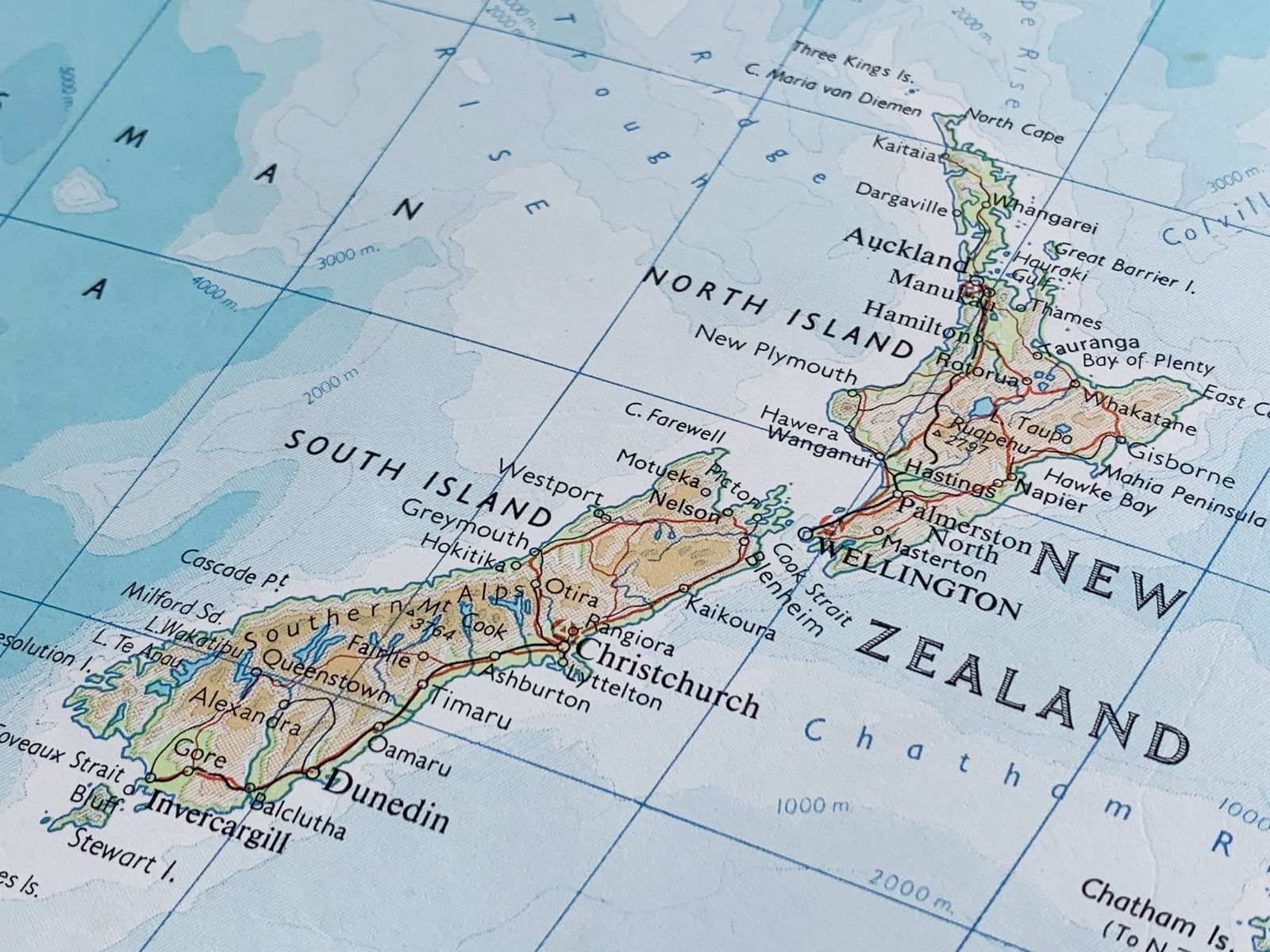
At a glance, New Zealand seems to consist of two small islands. However, the nation is divided into more time zones than you’d imagine. Mainland New Zealand sits in the southwestern Pacific and is covered by the New Zealand Standard Time (UTC+12). The Chatham Islands, located about 500 miles east of the mainland, use a unique 45-minute offset time zone (UTC+12:45).
But New Zealand also contains self-governing associated states and territories across the Pacific: Tokelau (UTC+13), Niue (UTC-11), and the Cook Islands (UTC-10). Crossing between these island territories involves jumping back and forth across the International Date Line, bringing New Zealand’s total count to five time zones.
Denmark
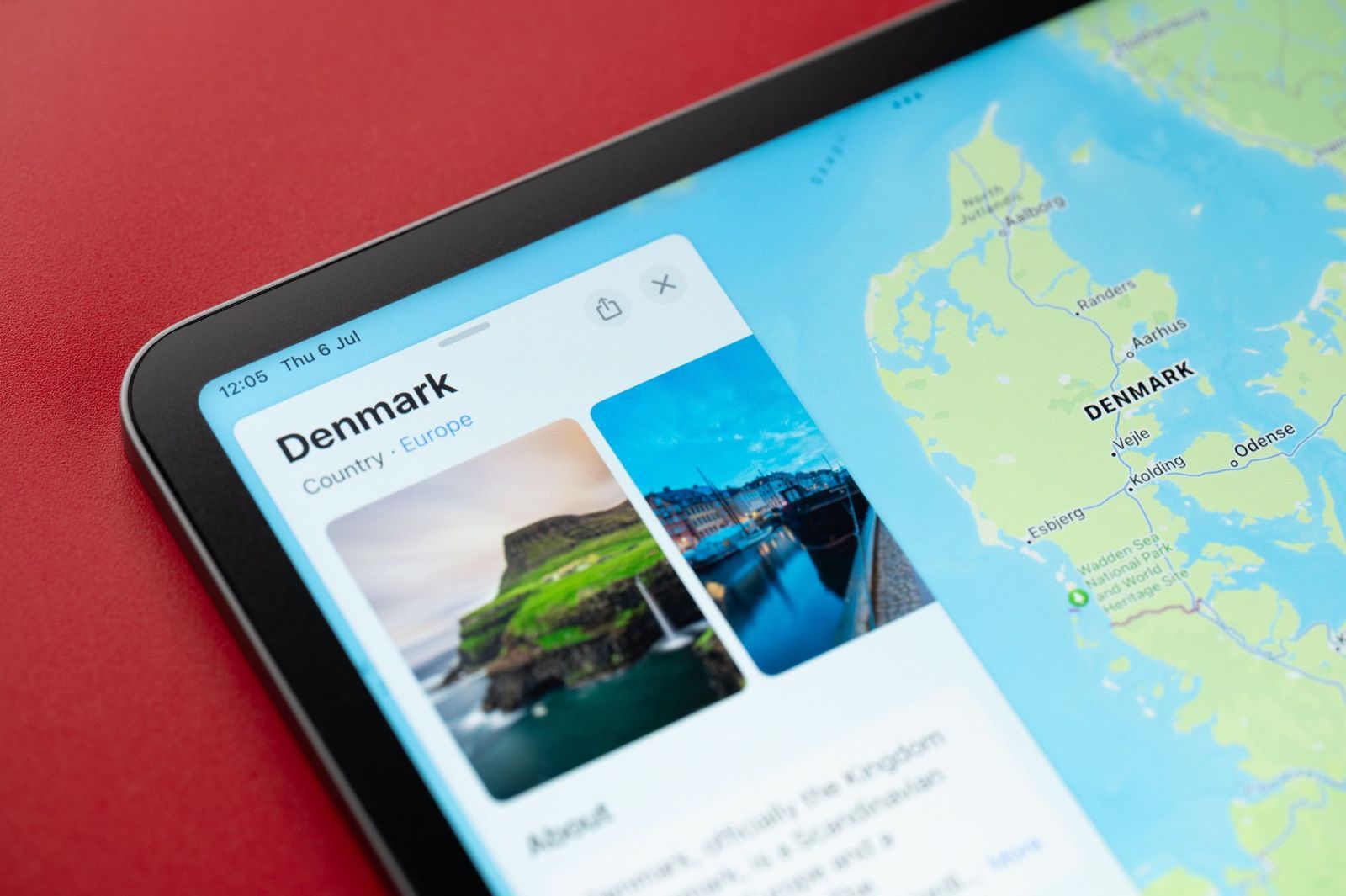
The Kingdom of Denmark consists of metropolitan Denmark in Northern Europe alongside two autonomous territories: Greenland and the Faroe Islands.
Continental Denmark sits in the Central European time zone (UTC+1) and the Faroe Islands run on Western European Time (UTC+0). Greenland, the world’s largest non-continental island, spans four different time zones on its own, ranging from UTC-4 in the far west to UTC+0 at the Danmarkshavn weather station on the northeast coast. Combine metropolitan Denmark with Greenland’s internal zones and the Faroe Islands, and the realm accounts for five total time zones.
Canada
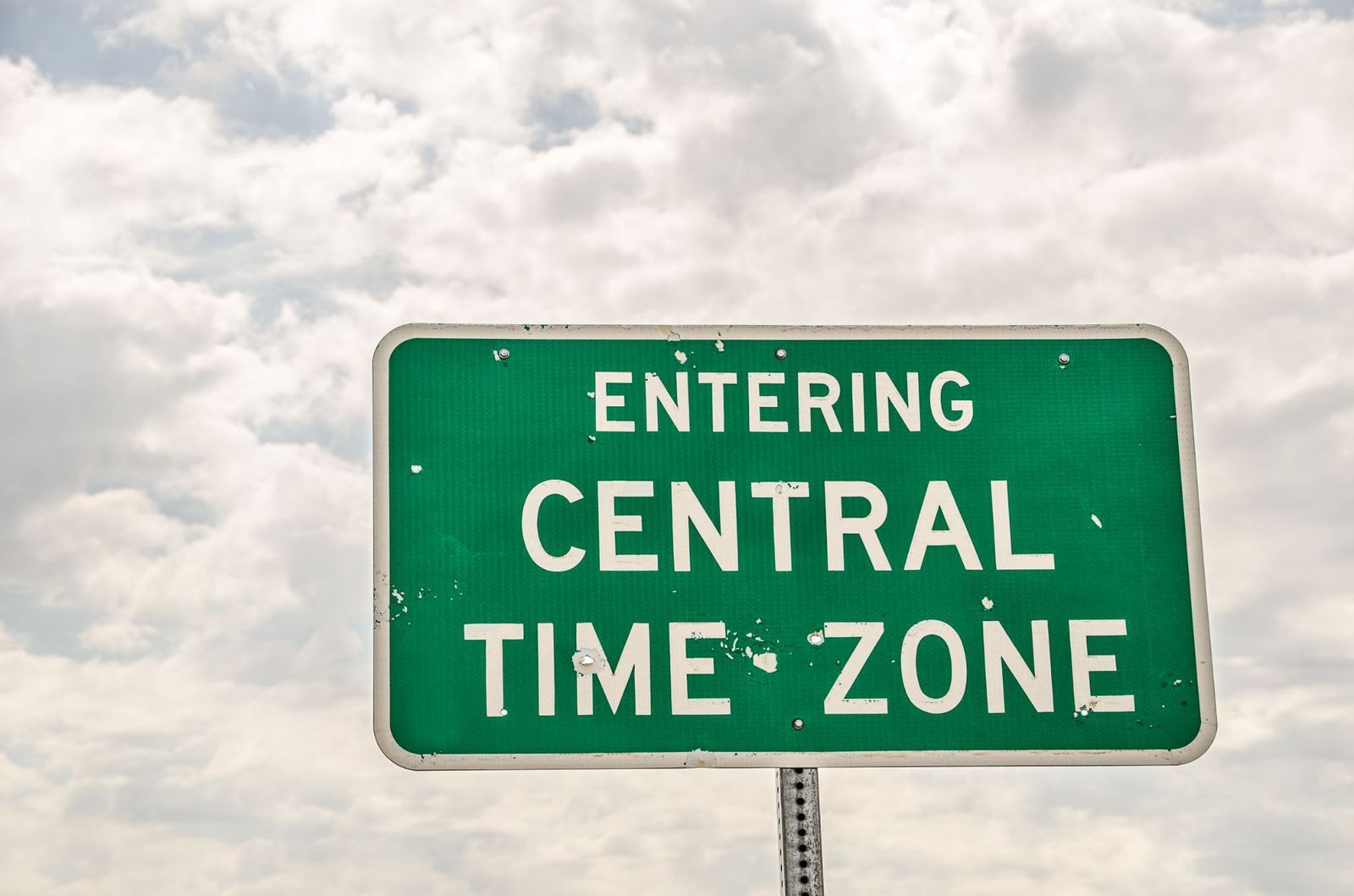
Canada is the second-largest country by landmass in the world, spanning almost 90 degrees of longitude across North America. This vast east-to-west distance translates into six standard time zones: British Columbia (Pacific Time UTC-8); Alberta, Northwest Territories (Mountain Time UTC-7); Saskatchewan, Manitoba (Central Time UTC-6); Ontario, Quebec (Eastern Time UTC-5); Nova Scotia, New Brunswick (Atlantic Time UTC-4); Newfoundland Island (Newfoundland Time UTC-3:30).
The half-hour offset in Newfoundland was created in 1935 to reflect its unique geographical position far out into the Atlantic Ocean.
Australia
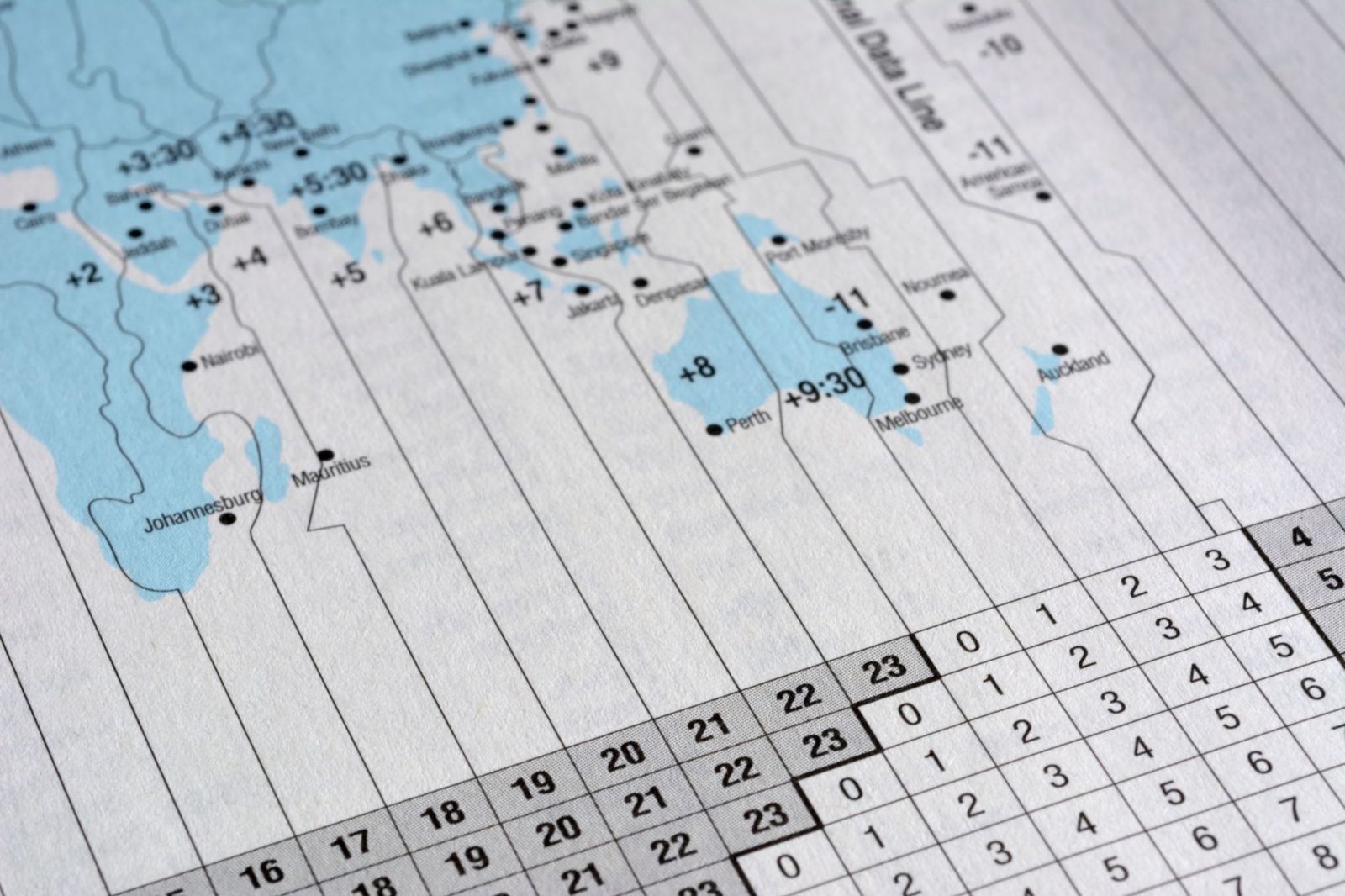
The Australian continent is divided into three main standard time zones: Australian Western Standard Time (UTC+8), Australian Central Standard Time (UTC+9:30), and Australian Eastern Standard Time (UTC+10). During daylight saving time, regional variations create additional half-hour offset zones on the mainland.
When counting all external territories, Australia’s time zone total rises to nine. These include Cocos (Keeling) Islands (UTC+6:30), Christmas Island (UTC+7), Lord Howe Island (UTC+10:30 with a unique 30-minute daylight saving shift), Norfolk Island (UTC+11), Heard and McDonald Islands (UTC+5), and the Australian Antarctic Territory (spanning zones from UTC+5 to UTC+8).
United Kingdom
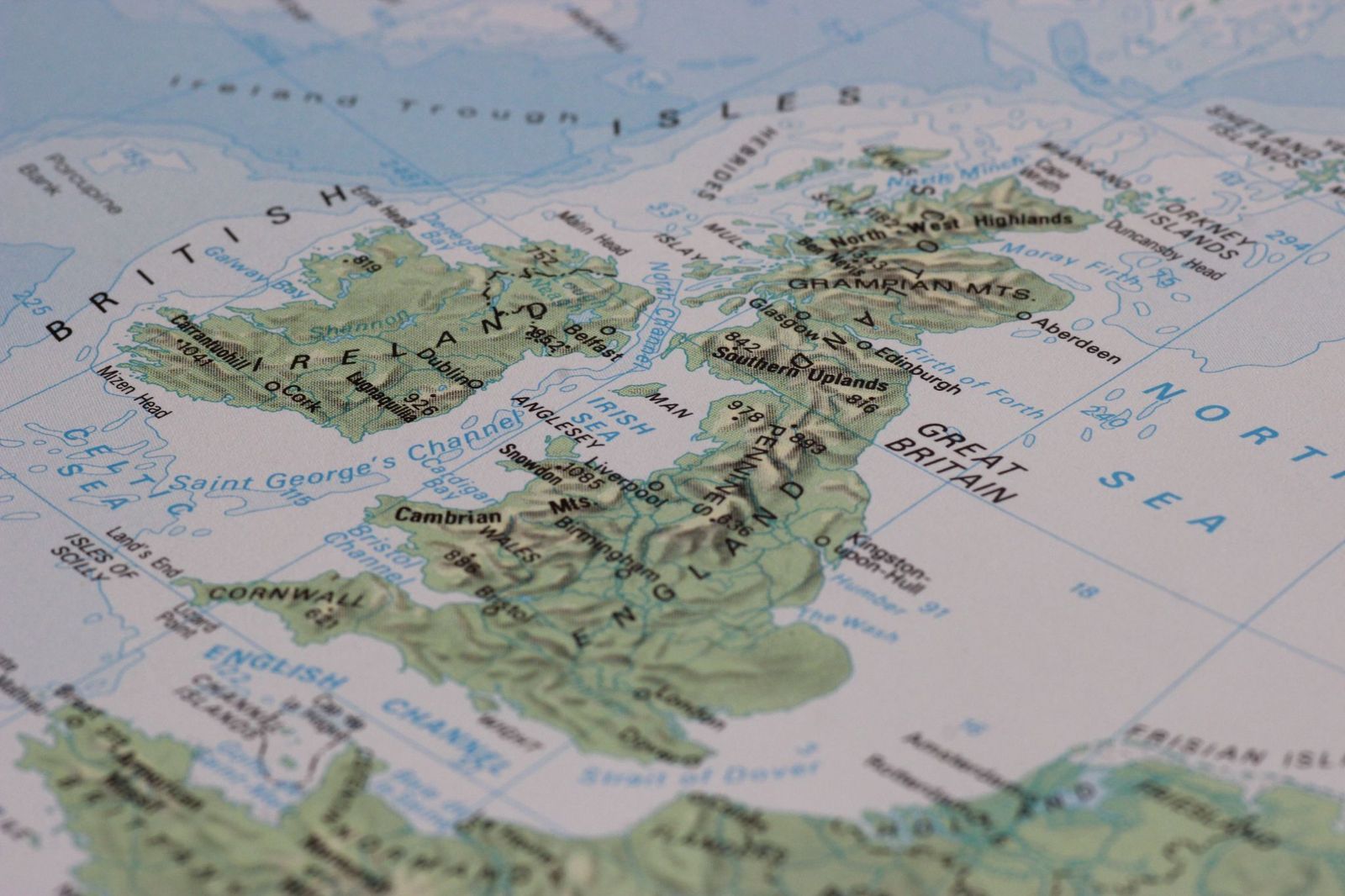
The British Isles occupy a single time zone (Greenwich Mean Time, UTC+0, which changes to British Summer Time, UTC+1, during warmer months). However, the legacy of the British Empire leaves the United Kingdom with nine time zones worldwide.
These additional zones belong to 14 British Overseas Territories scattered around the world. Examples include Bermuda (UTC-4), the Cayman Islands (UTC-5), Pitcairn Islands in the South Pacific (UTC-8), Gibraltar in southern Europe (UTC+1), Akrotiri and Dhekelia in Cyprus (UTC+2), and the British Indian Ocean Territory (UTC+6).
Russia
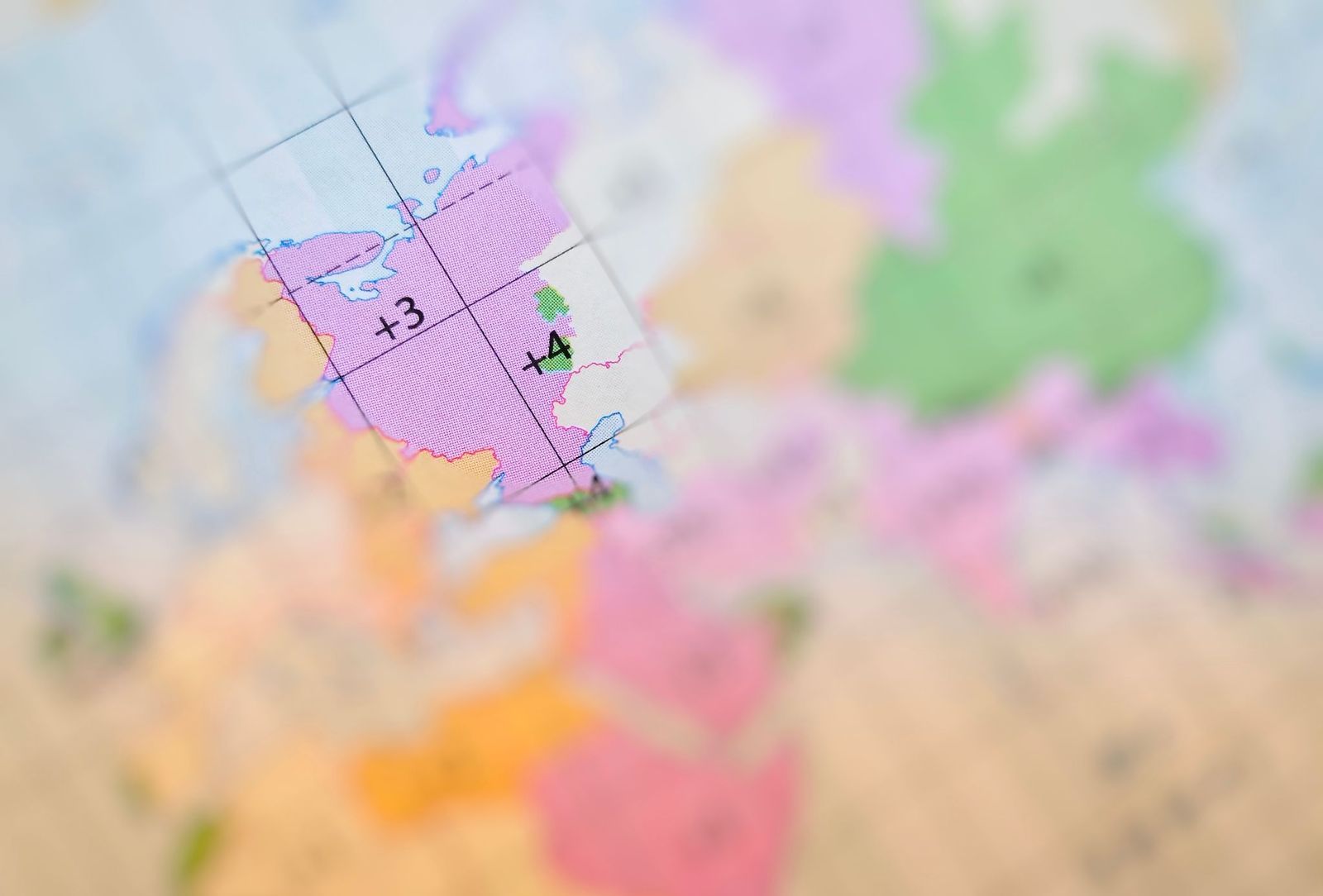
Unlike many of the countries on this list, Russia’s 11 time zones run across a single, contiguous landmass. Stretching across northern Eurasia from Eastern Europe all the way to the Bering Strait opposite Alaska, Russia covers roughly 10% of the world’s total land area.
Russia’s time zones run continuously from Kaliningrad on the Baltic Sea (UTC+2) to Kamchatka and Chukotka in the far east (UTC+12). Travelling by train on the famous Trans-Siberian Railway involves crossing seven time zones over a multi-day journey.
United States
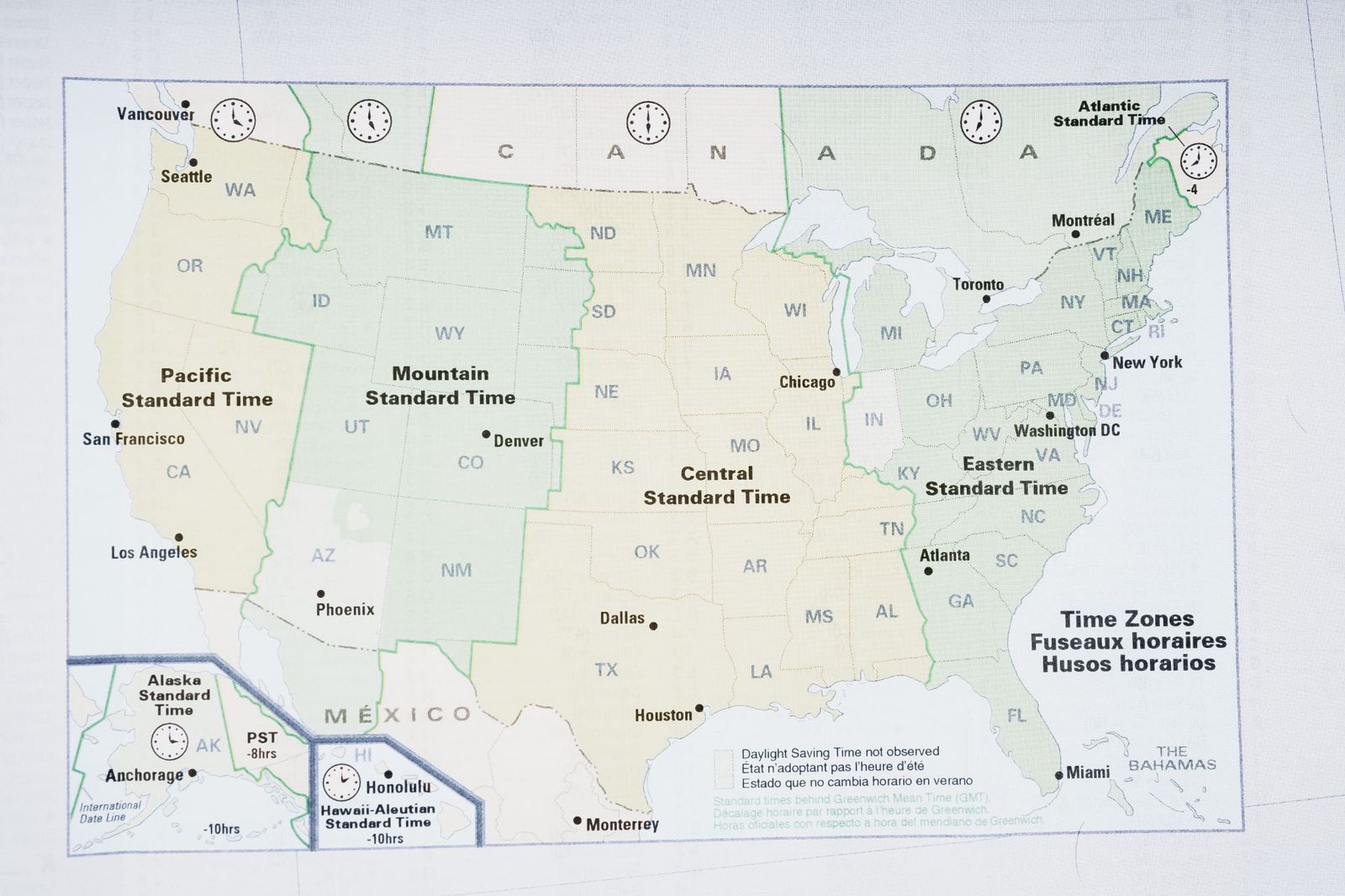
The United States ties Russia with 11 total time zones, though its distribution is split between continental states and overseas island territories. The 48 contiguous states span four standard time zones: Eastern (UTC-5), Central (UTC-6), Mountain (UTC-7), and Pacific (UTC-8).
Adding the non-contiguous states of Alaska (UTC-9) and Hawaii (UTC-10, along with the Aleutian Islands) brings the state total to six time zones. The remaining five time zones come from US territories in the Caribbean and Pacific: Puerto Rico and the US Virgin Islands (Atlantic Time, UTC-4), American Samoa (UTC-11), Guam and the Northern Mariana Islands (Chamorro Time, UTC+10), and uninhabited Pacific outposts like Howland and Baker Islands (UTC-12).
France
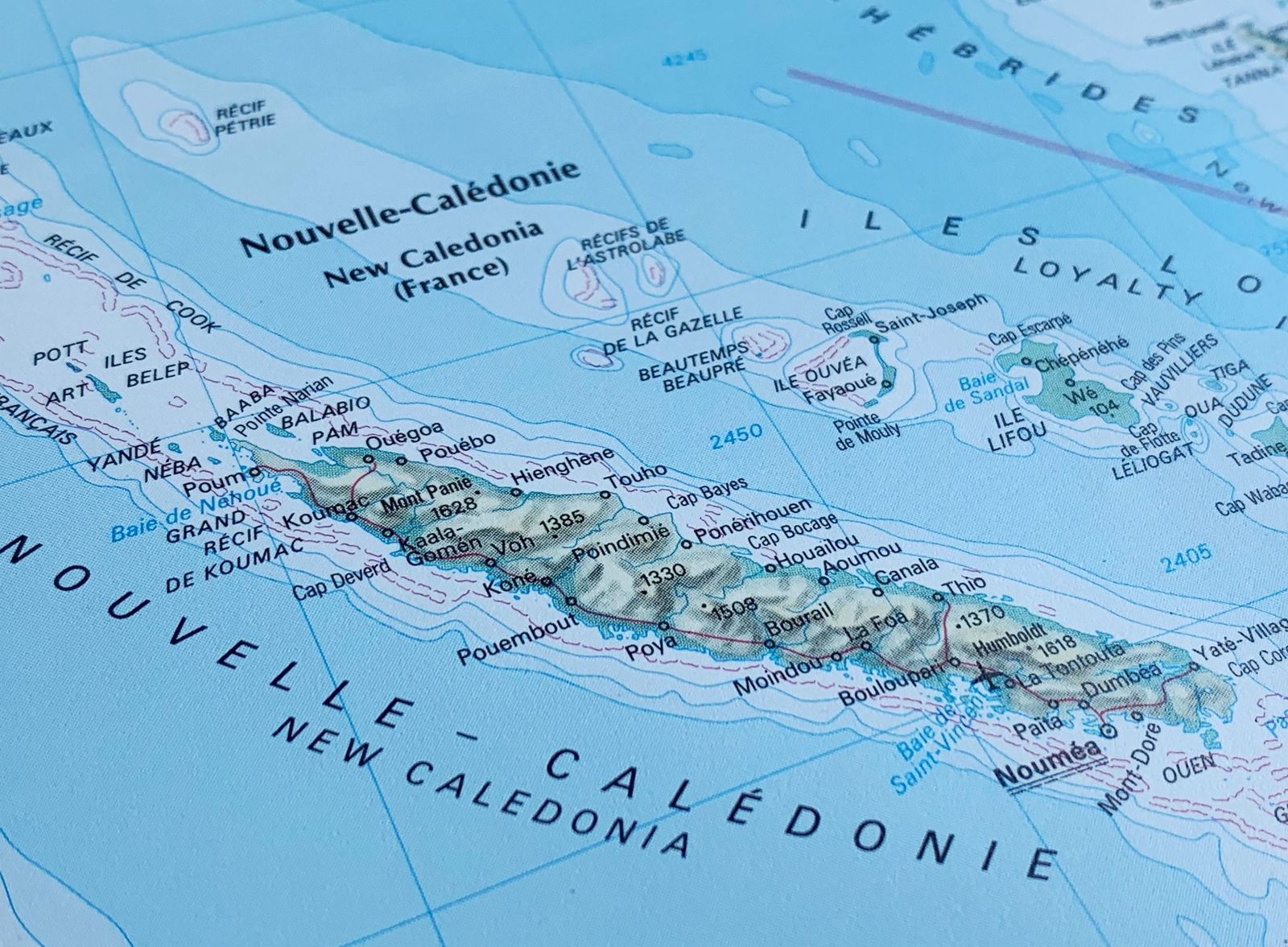
Although mainland France has a single time zone (Central European Time, UTC+1), this small European country holds the world record for the highest number of time zones at 12 (or 13 if its claimed territory in Antarctica, Adélie Land, is included).
This large number of time zones is the result of its remaining overseas departments, collectivities, and territories. French territories range across the Atlantic, Pacific, and Indian Oceans, including French Guiana in South America (UTC-3), Guadeloupe and Martinique in the Caribbean (UTC-4), Saint Pierre and Miquelon off Canada (UTC-3), Mayotte (UTC+3) and Réunion (UTC+4) near Africa, French Polynesia in the South Pacific (spanning UTC-10, UTC-9:30, and UTC-9), New Caledonia (UTC+11), and Wallis and Futuna (UTC+12). Because these regions span the entire circumference of the globe, the sun never sets on modern France.
The bull that was installed illegally and 9 other tales of iconic statues
 Landmarks
Landmarks with strange stories to tell
Discover the strangest stories behind the world’s most famous statues
Most people could easily picture and/or name these 10 legendary statues. But how many know the strange, half-explained stories behind them? Was the Venus de Milo holding something in her missing arms? What did the Great Sphinx of Egypt once look like? Why was the Wall Street Bull installed if no one had commissioned it or even allowed it? Some facts about these statues are still being investigated, and some, most likely, have been lost to time. Here, we go into the truths and mysteries behind the world’s most famous statues.
Statue of Liberty (New York, USA)
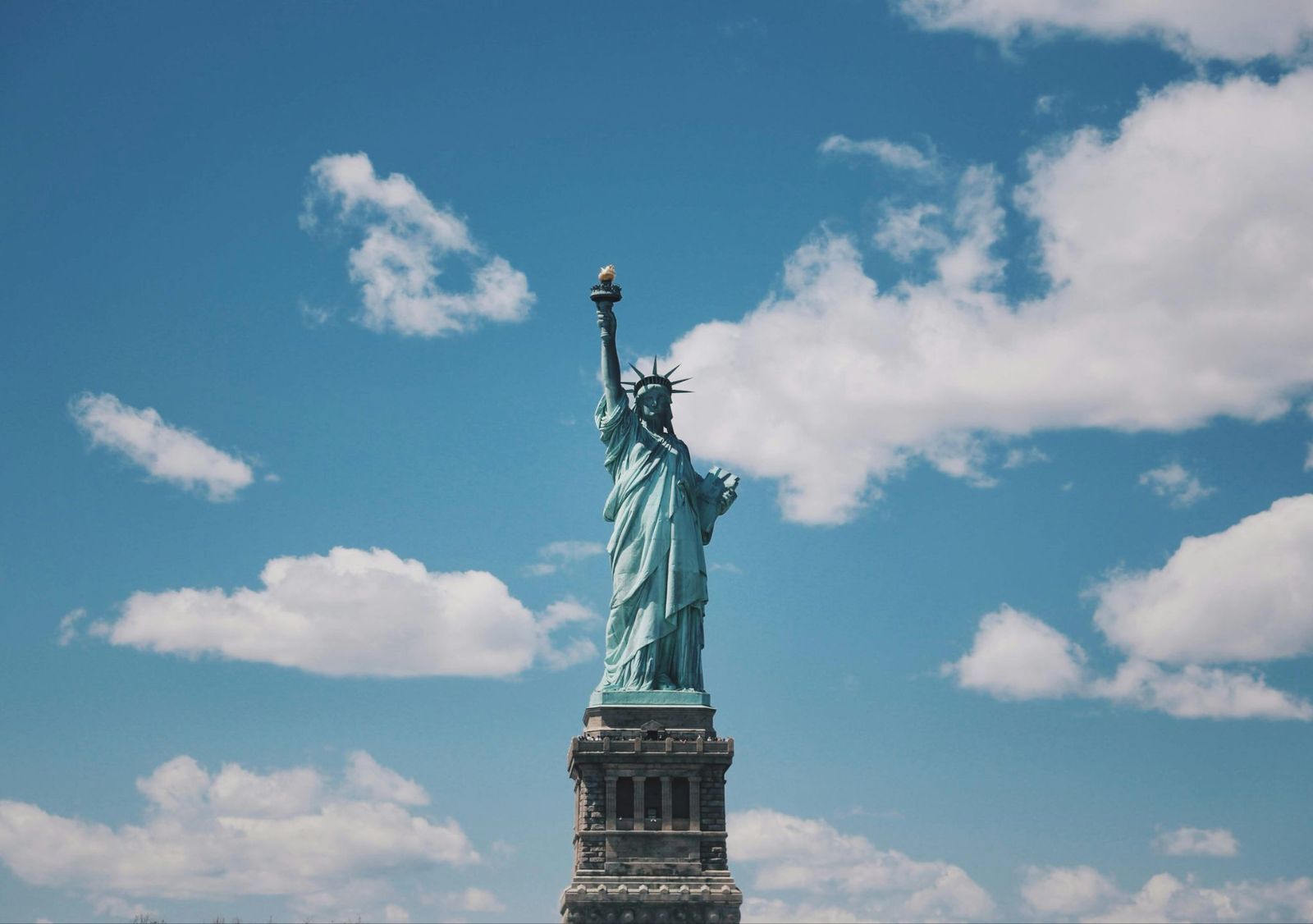
When she was unveiled in 1886, Lady Liberty was reddish-brown. The statue was covered with 300 copper sheets, each only as thick as two stacked pennies. It took just 15 years of exposure to salt air, rain, and pollution from New York Harbor to turn her into a dull, darker brown.
Within 20 years, a green patina had begun to spread across her surface. The US Congress initially allotted funds to repaint her, but the project was abandoned when it faced protests; architects, artists, and citizens insisted that the natural oxidation had some charm and should be respected.
Thirty years after its installation, the statue had acquired the permanent hue of green we know today.
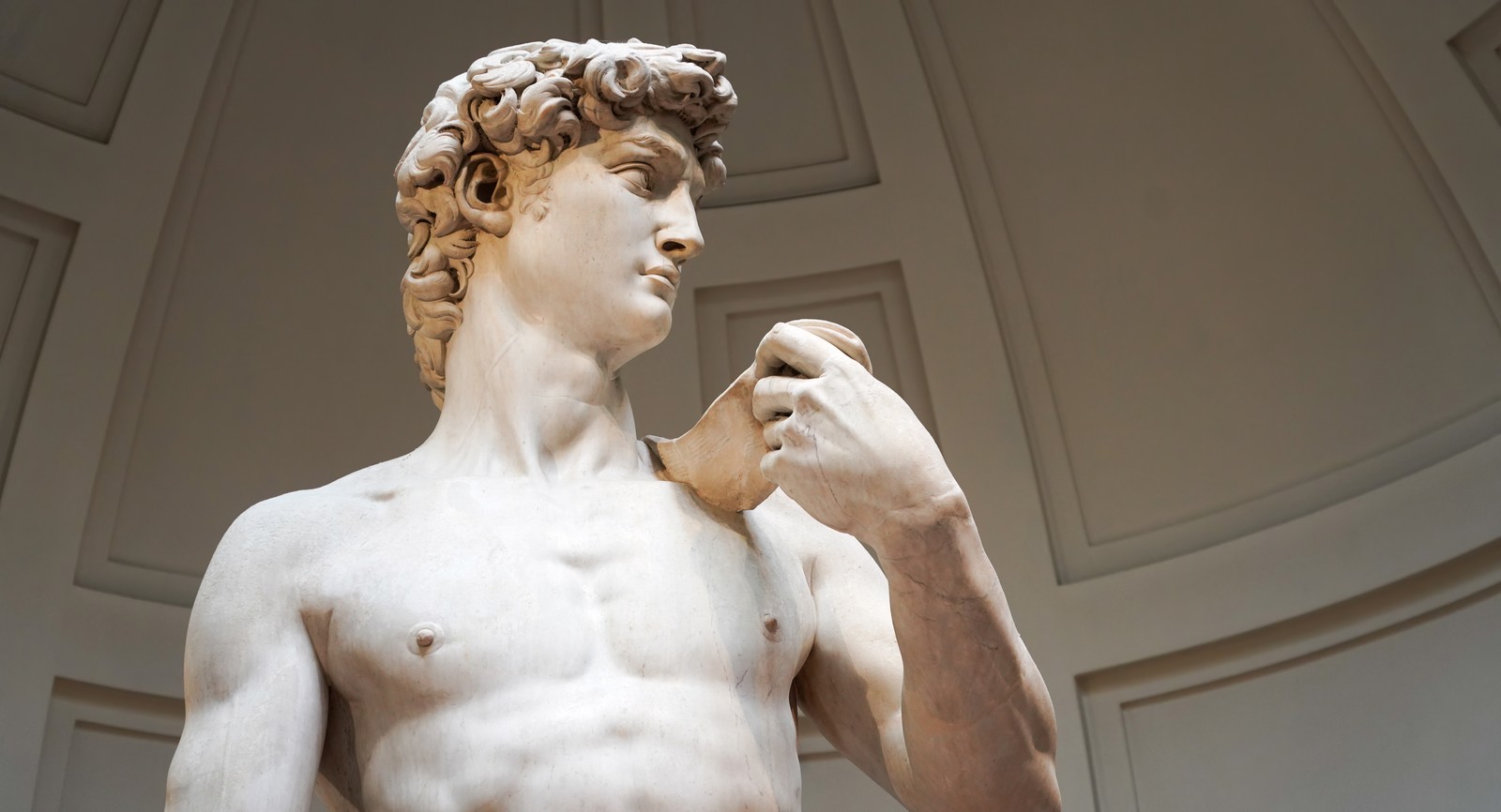
Michelangelo's David (Florence, Italy)
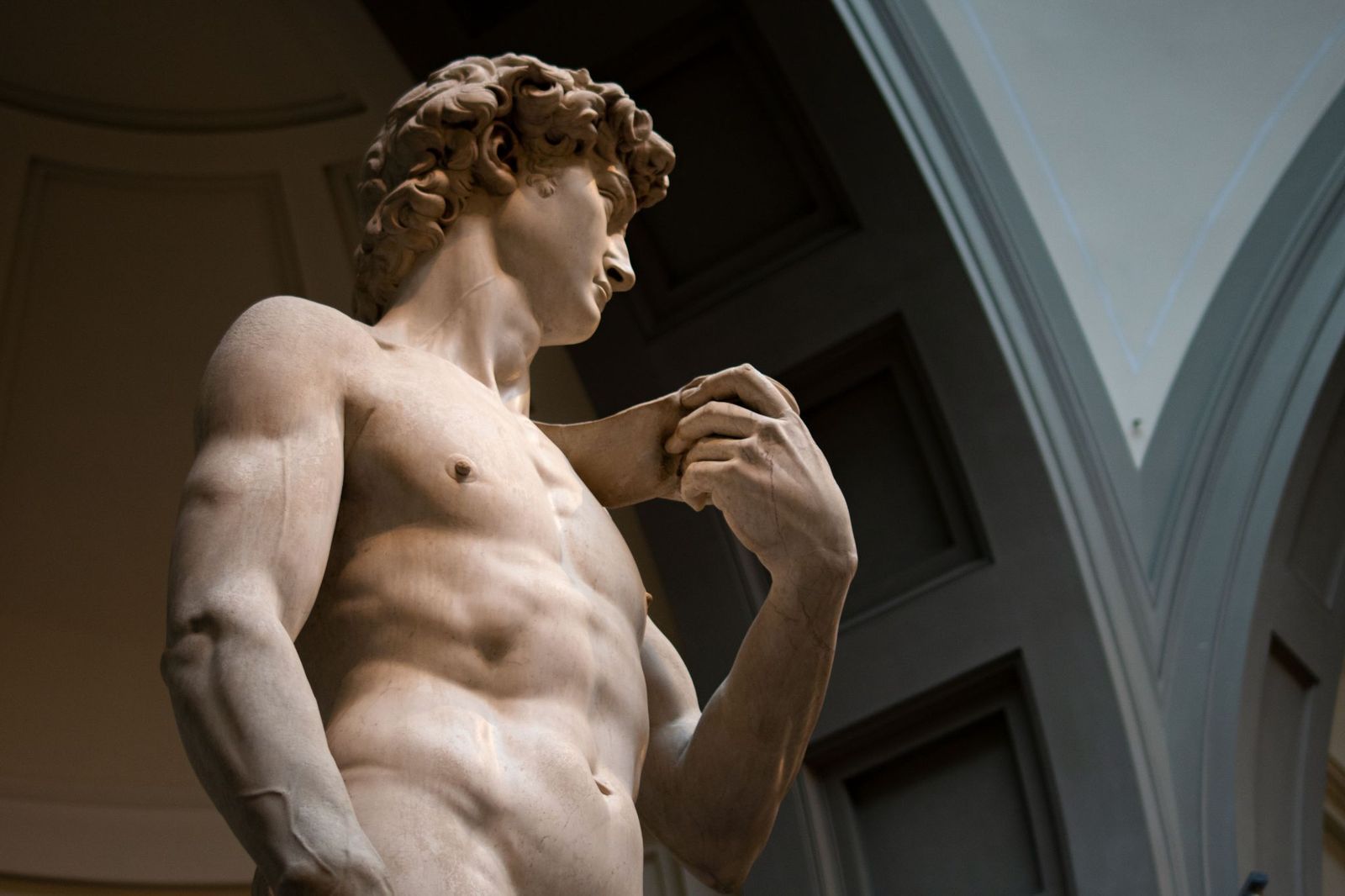
The Statue of David is widely considered the greatest sculpture ever made, but initially it was a derailed, abandoned block of half-worked marble. That was until a 26-year-old genius came to the rescue.
In 1464, the Cathedral of Florence asked sculptor Agostino di Duccio to carve a statue of the biblical figure of David. He started working on a massive, expensive block of marble that would be his legs, but abandoned the project. A decade later, Antonio Rossellino tried to salvage it to no avail; he declared the marble too flawed and difficult to work with. The block sat in a courtyard for the next 25 years.
Eventually, it was offered to Michelangelo, a young, skilled sculptor who had already finished his masterpiece, the Pietà. The marble was too narrow to add the intended sword and head of Goliath, but within less than 3 years, by 1504, he had managed the impeccable figure that still stands today.
Christ the Redeemer (Rio de Janeiro, Brazil)
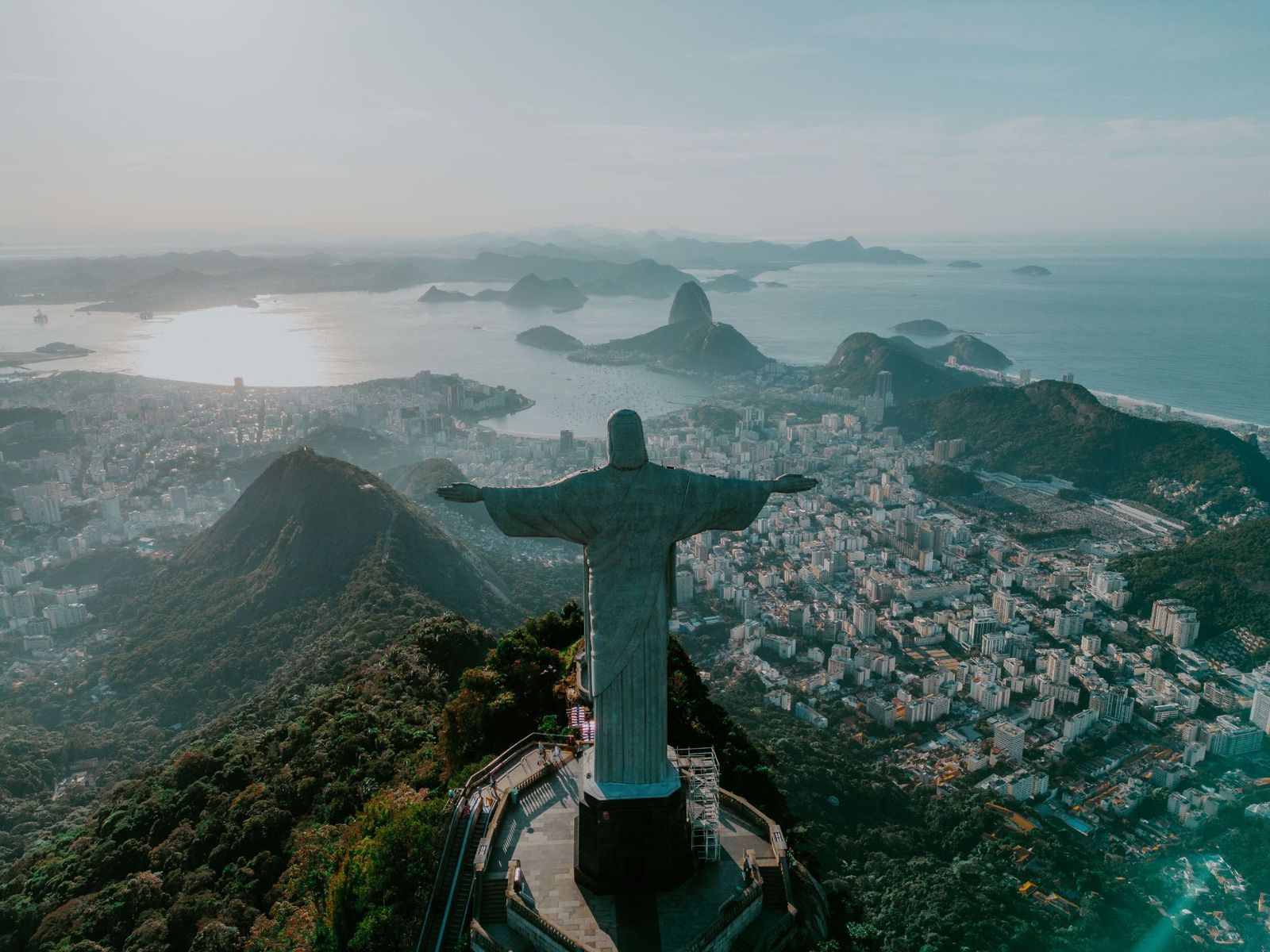
Built between 1922 and 1931, Christ the Redeemer is the world's most recognizable religious monument. It gets struck by lightning between three and six times every year. Its location on the summit of Corcovado Mountain, rising over 2,000 feet above Rio inside a tropical rainforest, makes it one of the most exposed structures on Earth.
The strikes are not always harmless. For example, in 2008, lightning during a violent thunderstorm damaged its fingers, head, and eyebrows. His right-hand fingers were dislodged again in 2014, just weeks before the opening of that year’s FIFA World Cup in Brazil, which required rushed repairs.
Following that, lightning rods were embedded in the statue’s head and arms to divert the worst of the strikes.
Great Sphinx of Giza (Giza, Egypt)
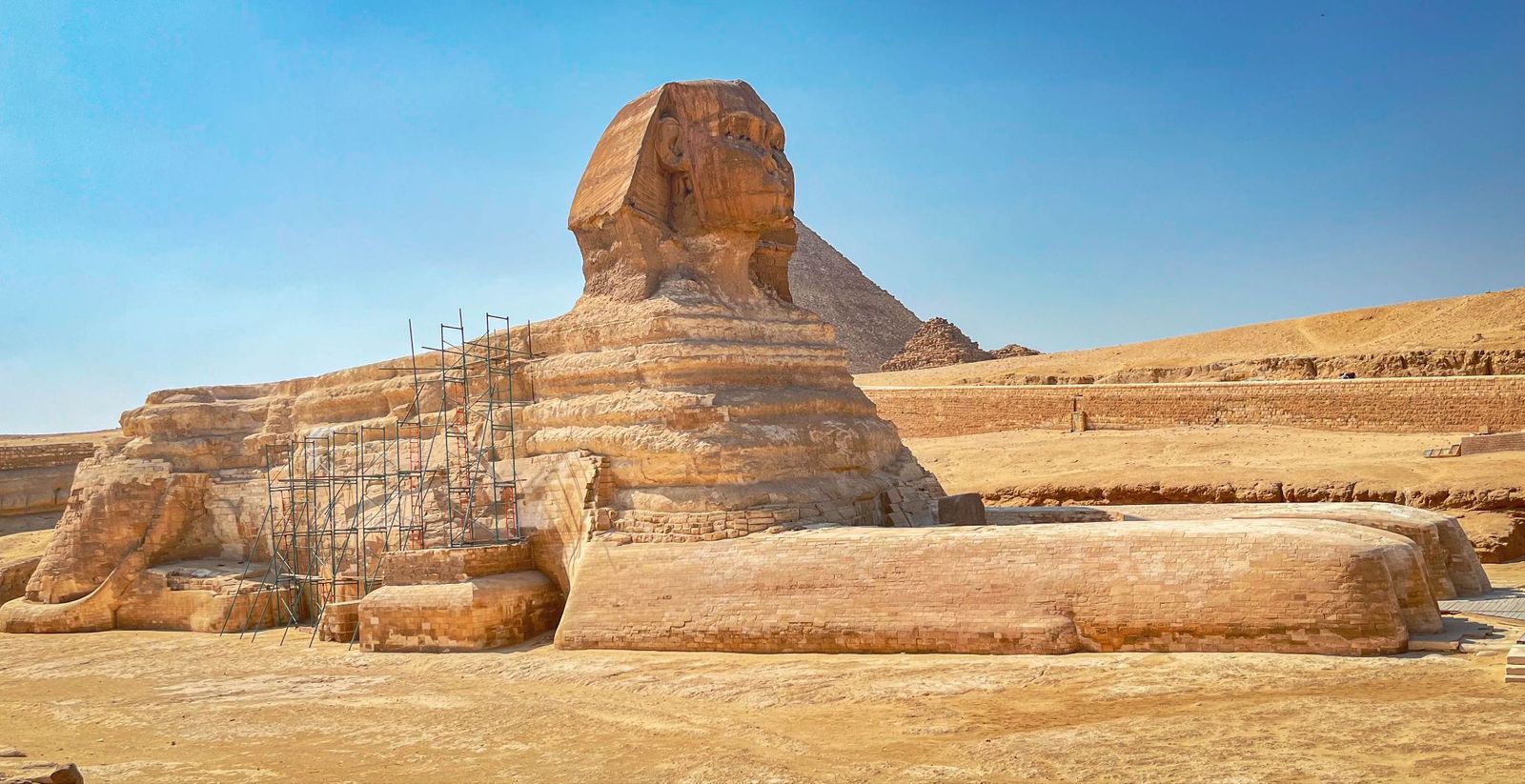
At 240 feet long and 66 feet high, the Great Sphinx is the largest monolithic statue in the world. It was carved entirely from a single piece of limestone approximately 4,500 years ago. But there is a lot about her that remains a mystery.
We know from observing pigment residue on her surface that it was probably fully painted once. What experts haven’t been able to find out is who modeled for the face, exactly when it was built, or by whom.
Its missing nose is a source of endless myths. For some time, a legend spread saying that Napoleon's soldiers had shot it off for target practice, but sketches made decades before Napoleon was in Egypt already show the Sphinx noseless, which meant whatever destroyed it had happened centuries earlier.
Winged Victory of Samothrace (Paris, France)
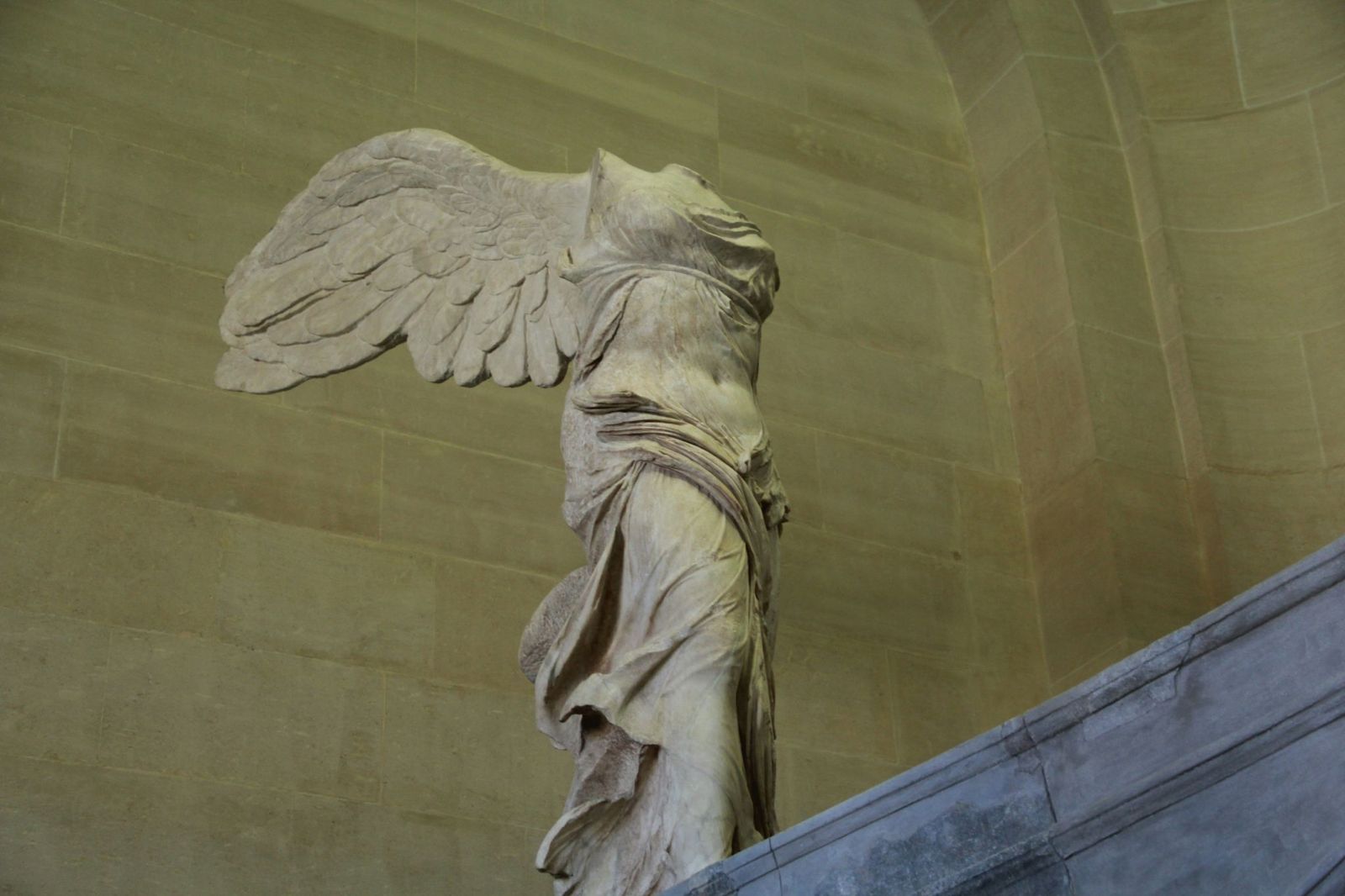
The Winged Victory depicts Nike, the Greek goddess of victory, descending onto the prow of a ship. She was carved roughly 2,200 years ago, around 190 BC, in Ancient Greece. Her robes show the "wet drapery" technique unique to Greek sculptures; thin fabric seemingly pressed against the body by sea wind.
She was unearthed in 1863 by French diplomat Charles Champoiseau on the Greek island of Samothrace. When found, she was broken into 118 fragments. Champoiseau shipped the pieces to the Louvre in Paris, where curators reassembled them. But the head, arms, and feet were not among the fragments.
Expeditions returned to Samothrace several times throughout the following century, hoping to recover what was missing. A right hand was eventually found and is displayed separately in a glass case nearby in the Louvre, but the head has never been found, and after more than 160 years of searching, it is presumed lost forever.
Charging Bull (New York, USA)
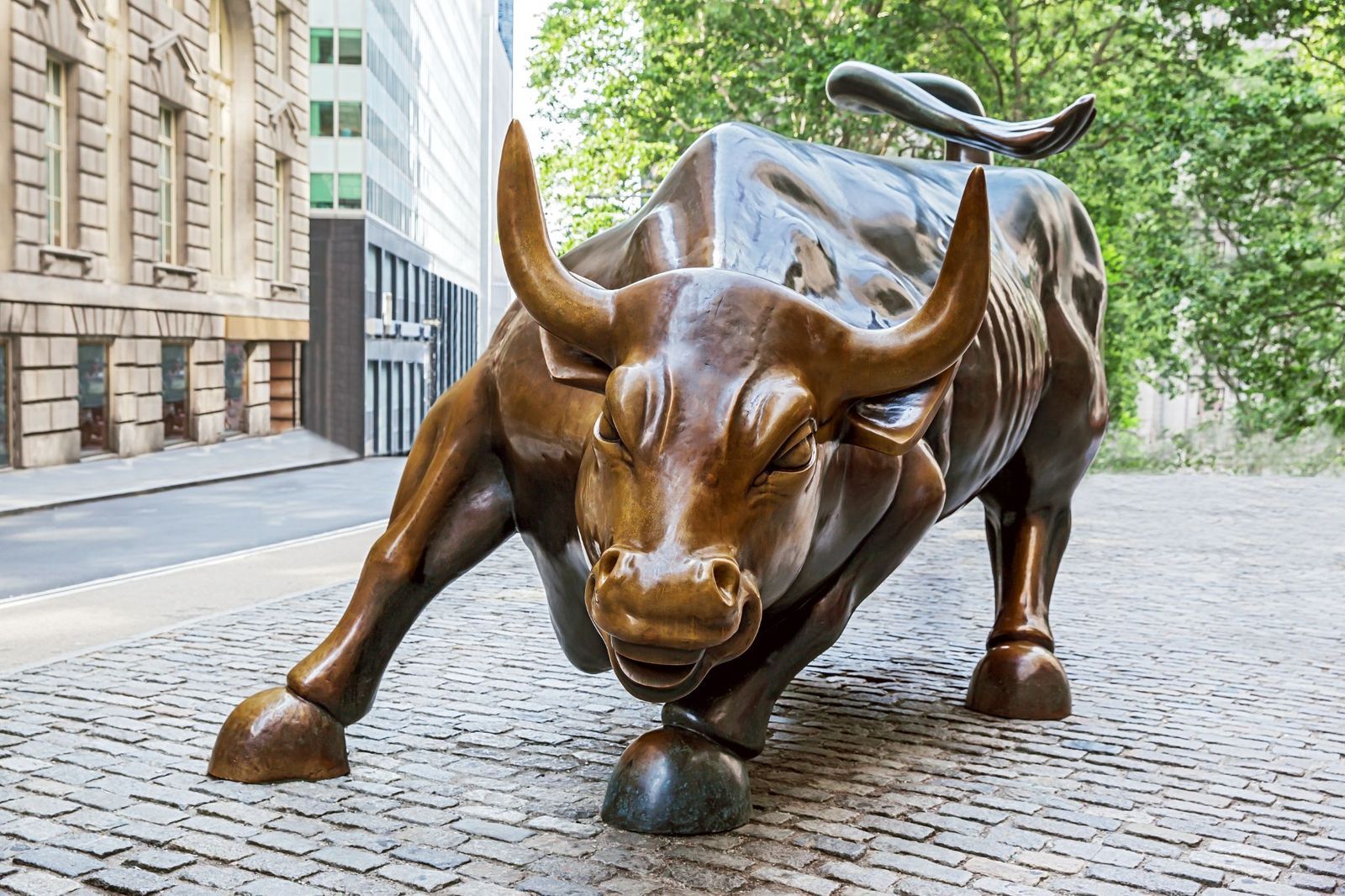
The Charging Bull on Wall Street was never commissioned. In fact, for a few hours after its installation, it was a crime. Arturo Di Modica, a Sicilian-born sculptor who had arrived in New York penniless in 1970 and built a successful career there, felt he owed the city something.
In 1987, he spent $325,000 of his own money and two years of work casting a 3.5-ton bronze bull, then, with a team, drove it to Wall Street on a truck in the middle of the night and dropped it in front of the New York Stock Exchange. This he did without anyone’s permission. It was meant, he said, as a Christmas gift for the city of New York.
Police hauled it away within hours, but civilians protested. Within days, the city relented and installed it permanently at Bowling Green Park, where it has stood ever since on a "temporary permit" that was never revoked.
Venus de Milo (Paris, France)
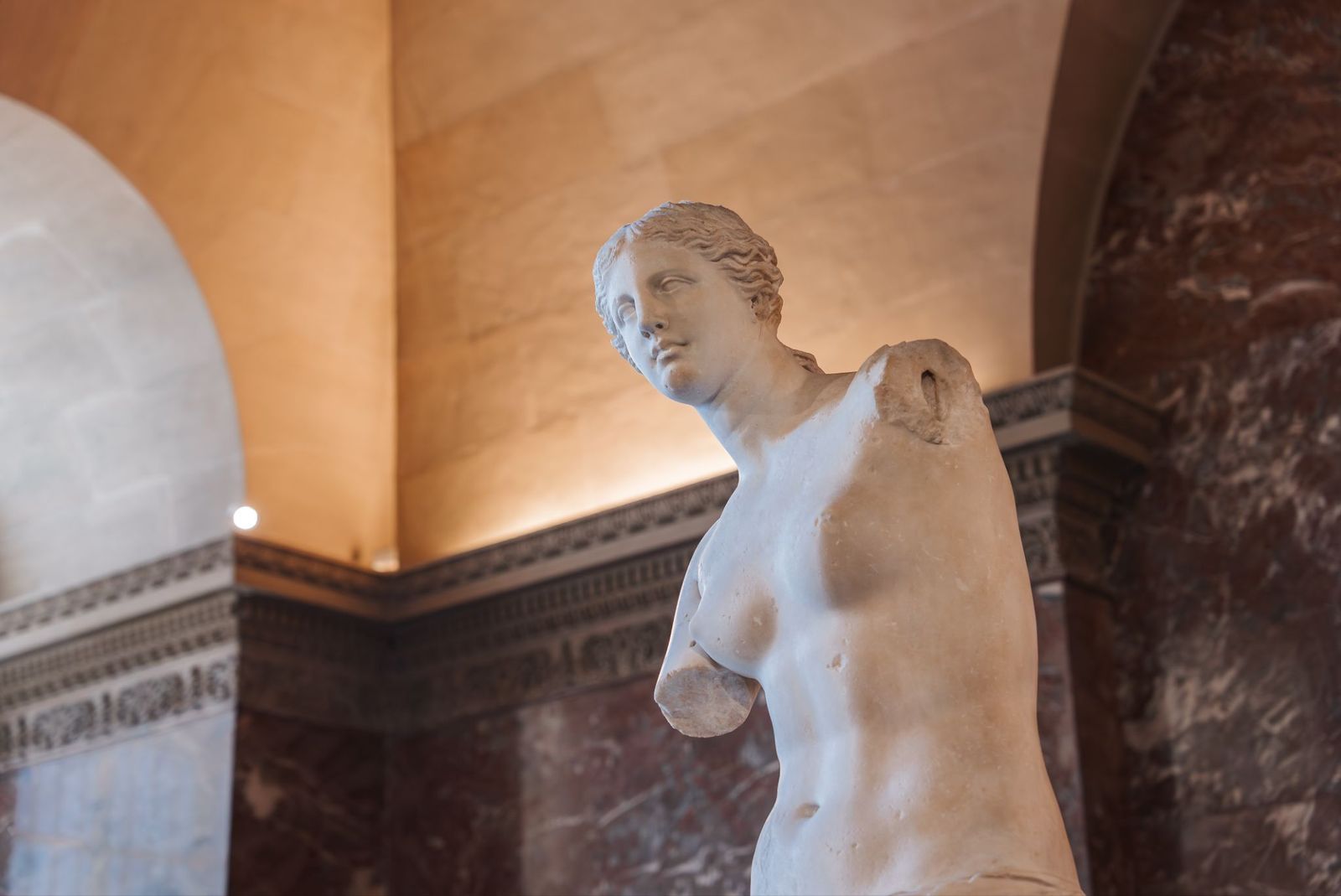
Experts cannot agree on what the arms of the Venus de Milo were doing. This Greek statue, carved around 2,100 years ago, was discovered on the Greek island of Melos in 1820 and has been missing her arms for as long as the modern world has known her.
Scholars have proposed that she was holding an apple, spinning thread, adjusting her robe, or reaching toward a shield held by another figure entirely. We may never know the truth, since no more fragments were found at that site in Greece.
Moai (Easter Island, aka Rapa Nui, Chile)
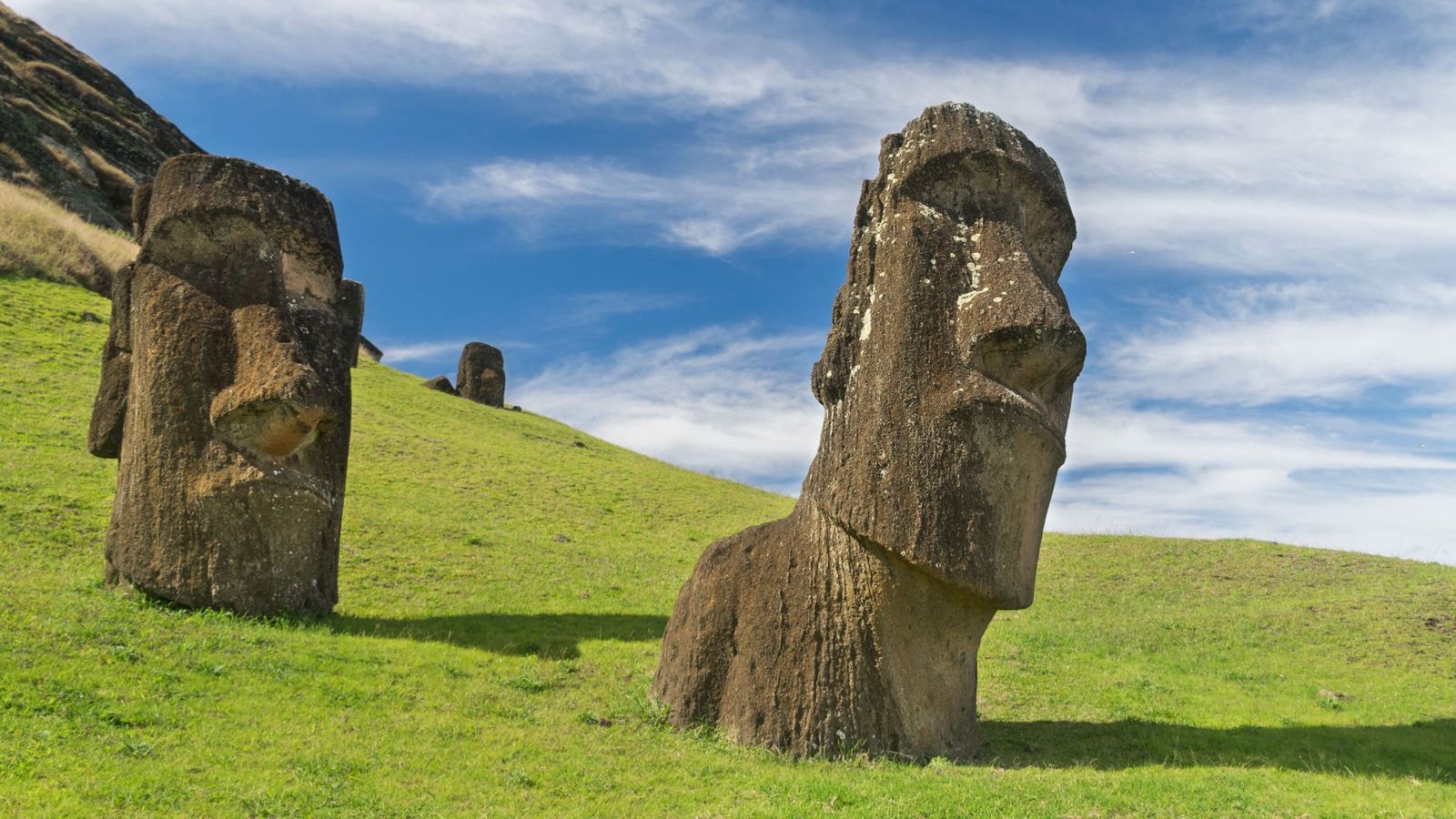
What the world calls the "Easter Island heads" are not heads. They are full-body figures that have been buried for centuries and were carved between the years 1250 and 1600. But nowadays, roughly 150 statues on the slope of the Rano Raraku volcano are buried up to their shoulders.
Beneath the surface, each figure has a complete torso, with arms and hands resting above the abdomen. They even had intricate carvings on their backs. These exposed bodies were only made widely known to the public after 2012, when excavation photos went viral online.
The Rapa Nui carved nearly a thousand of these figures, and then moved some that weighed over 80 tons across miles, without wheels or draft animals.
The Thinker (Paris, France)
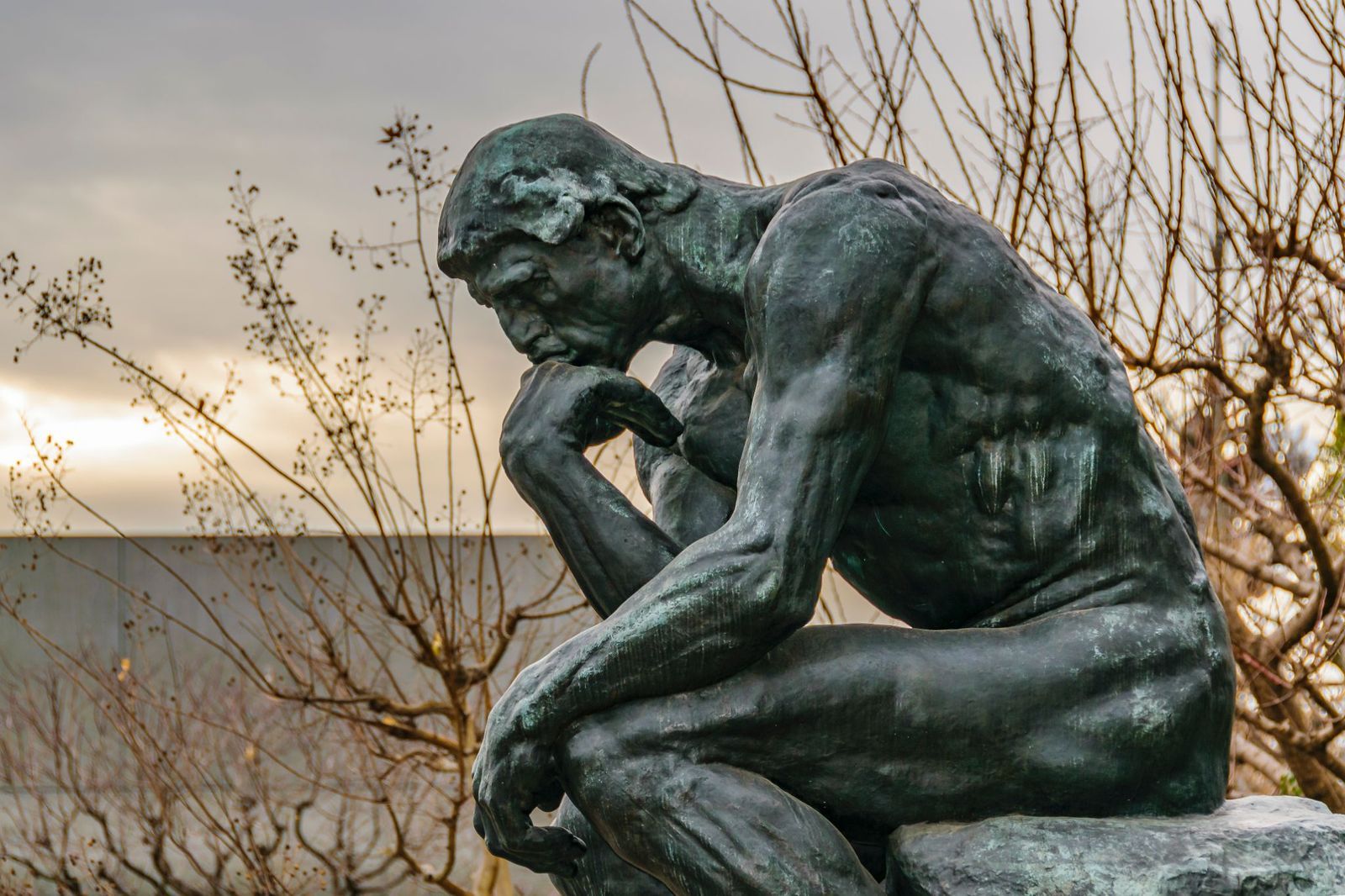
The figure the world knows as The Thinker was not originally called that, and it was never meant to stand alone. Rodin conceived it in 1880 as a small element in a much larger commission: a monumental set of bronze doors called The Gates of Hell, based on Dante's book Inferno.
The figure was originally named The Poet, and was positioned above the doors looking down at the suffering figures below. The statue most likely represents Dante himself, contemplating the world of Hell he had imagined. Rodin later renamed it The Thinker and began exhibiting it independently, eventually enlarging it to over 6 feet tall.
There are now approximately 28 full-sized bronze casts of The Thinker in museums and public spaces around the world. French law permits up to twelve authorized posthumous castings from an artist's original molds, and Rodin's estate has continued to produce them under those rules.
Great Buddha of Kamakura (Kamakura, Japan)
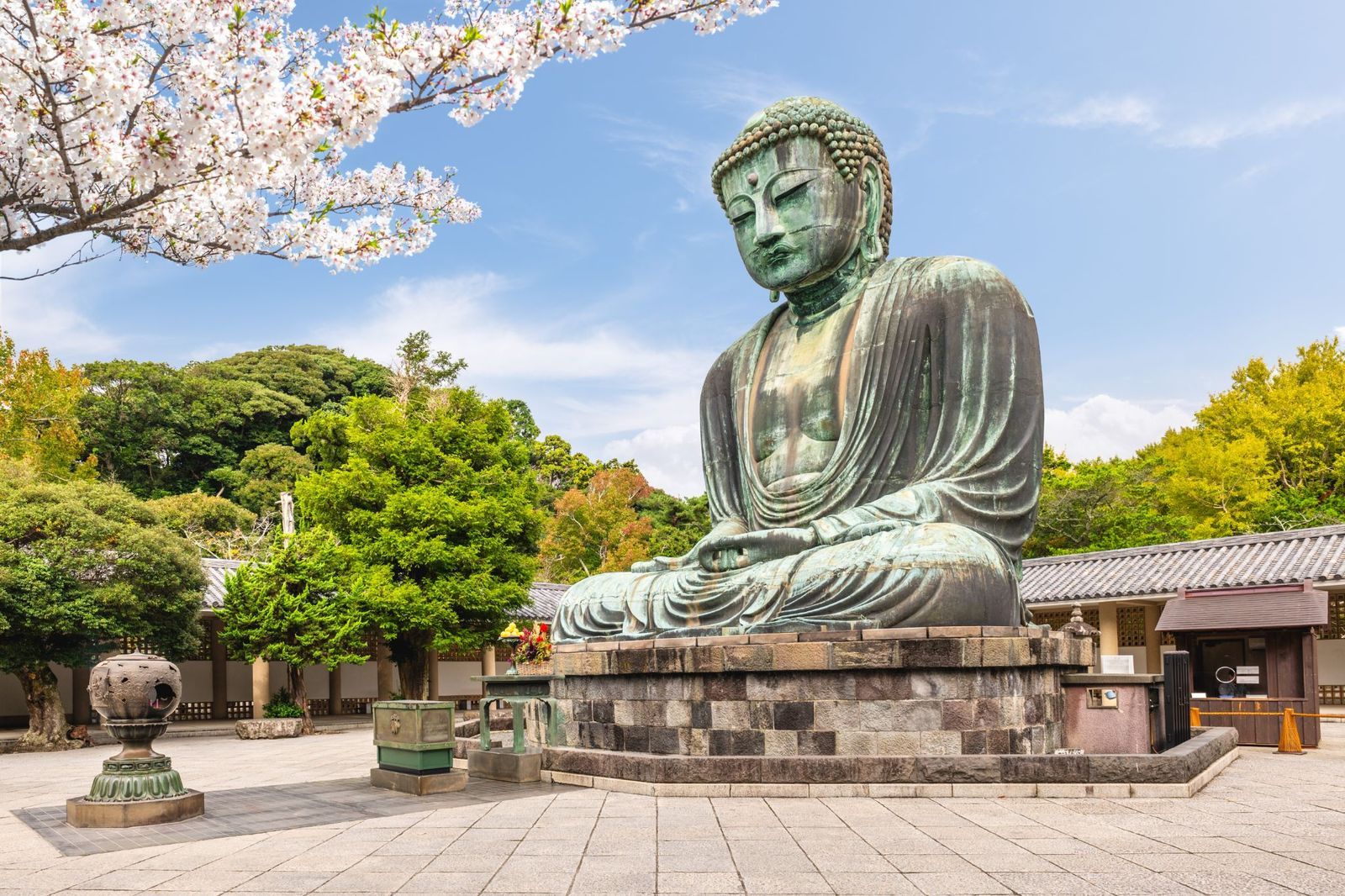
Cast in bronze in 1252, the Great Buddha of Kamakura stands roughly 44 feet tall and weighs about 121 tons. For its first two centuries, it was sheltered inside a large wooden hall. But the hall had a catastrophic relationship with Japanese weather.
A violent storm destroyed it in 1335. The hall was rebuilt. Then an earthquake and tsunami struck in 1498, destroying the structure again. This time, the decision was made not to rebuild it; historians aren’t sure if this was based on practical or spiritual reasons.
Since then, the Buddha has sat in the open air. Unlike the hall that surrounded it, the figure has endured five more centuries of typhoons, earthquakes, and salt wind and remains nearly intact.
Keep wandering
There’s always
more to explore

This mountain isn't one volcano, it's actually three
7 min.
Read Now
 General

Why planes are painted white: The real reason
6 min.
Read Now
Why this hotel room stayed locked for 30 years: 10 hotels hiding secrets
7 min.
Read Now

10 full-size liquids you can legally take on a plane
4 min.
Read Now