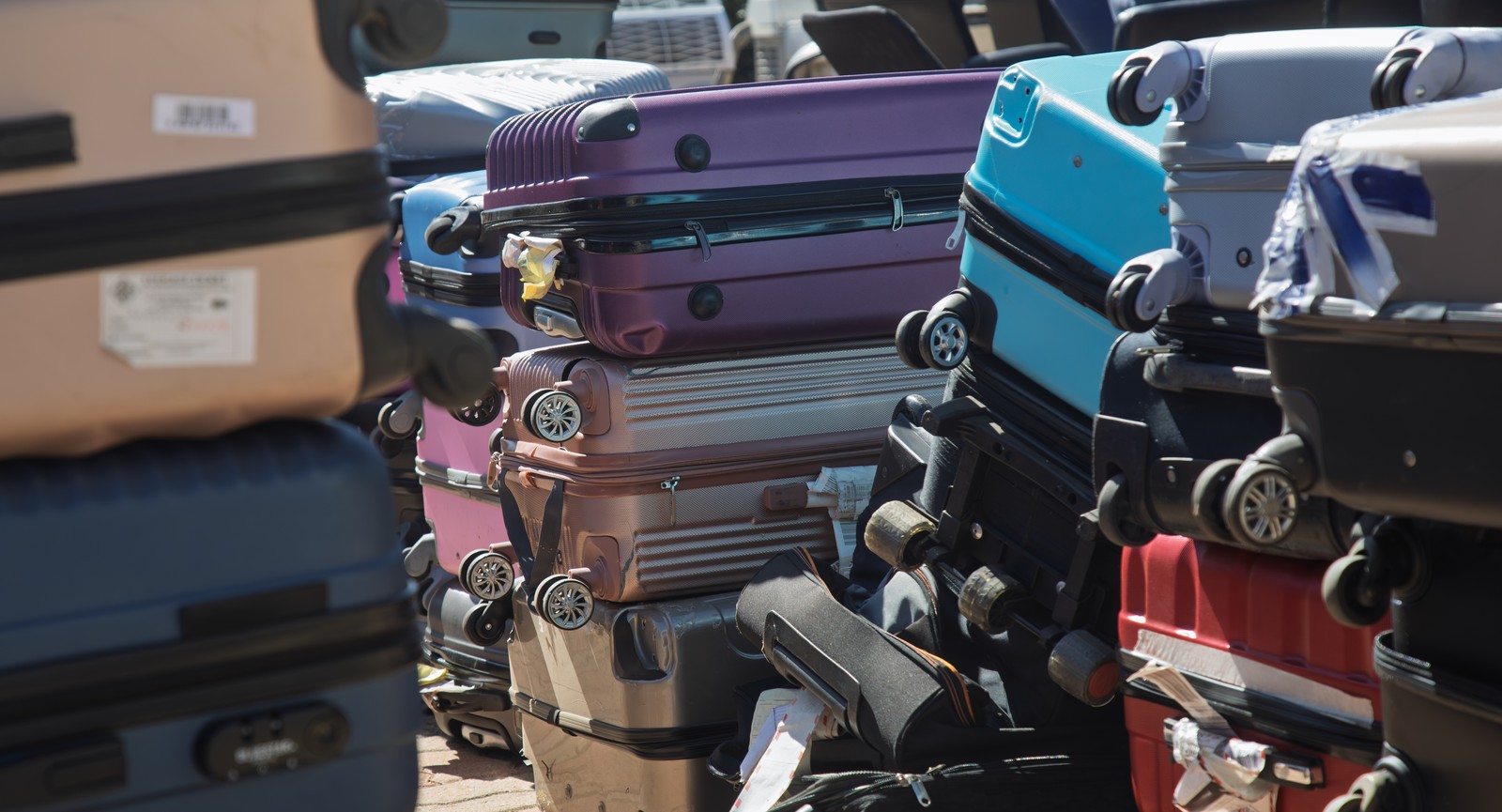
Where does lost luggage actually go? Finally, the real answer
 General
What passengers don't notice
Where does lost luggage actually go? Finally, the real answer
What really happens to lost luggage? Where do unclaimed bags end up? What hidden rooms exist inside US airports, and who actually uses them? Why is Los Angeles Airport called "LAX" instead of just "LA"? You’ve probably wondered about at least one of these things while traveling. Here are 10 surprising facts about US airports that most passengers didn’t know.
Where does lost luggage go?
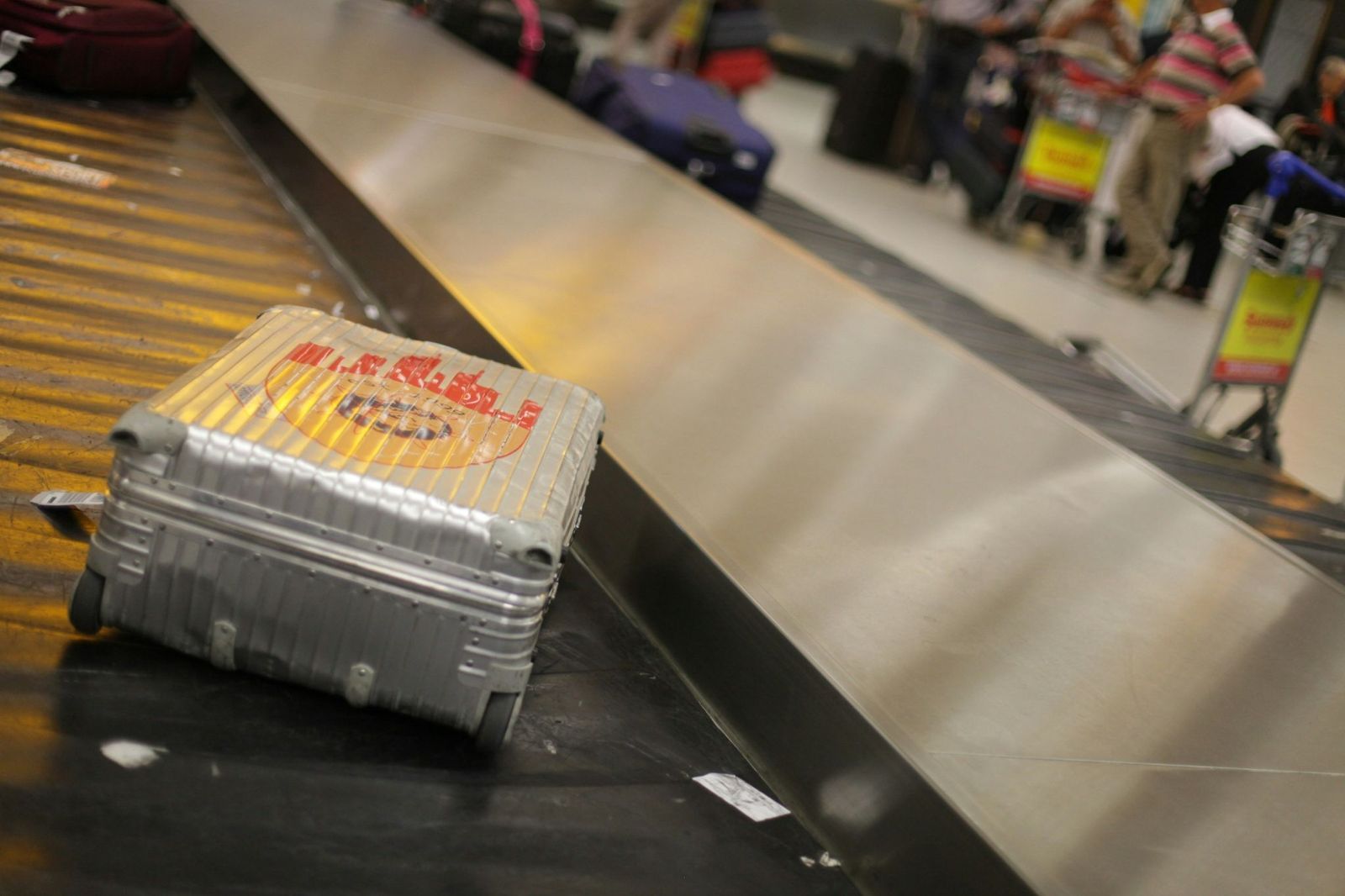
Few travel worries are as universal or as stressful as a lost suitcase.
In the US, airlines are required to actively search for lost or delayed baggage for up to 14 days. If it can’t be located, passengers may be compensated up to about $4,700 on domestic flights under current rules. But what happens when luggage is never claimed? After about 90 days, unclaimed bags can be sold at the Unclaimed Baggage Center in Scottsboro, Alabama, a 50,000-square-foot retail store that receives over 7,000 new items daily that have been left behind.
Secret rooms you’ll never see
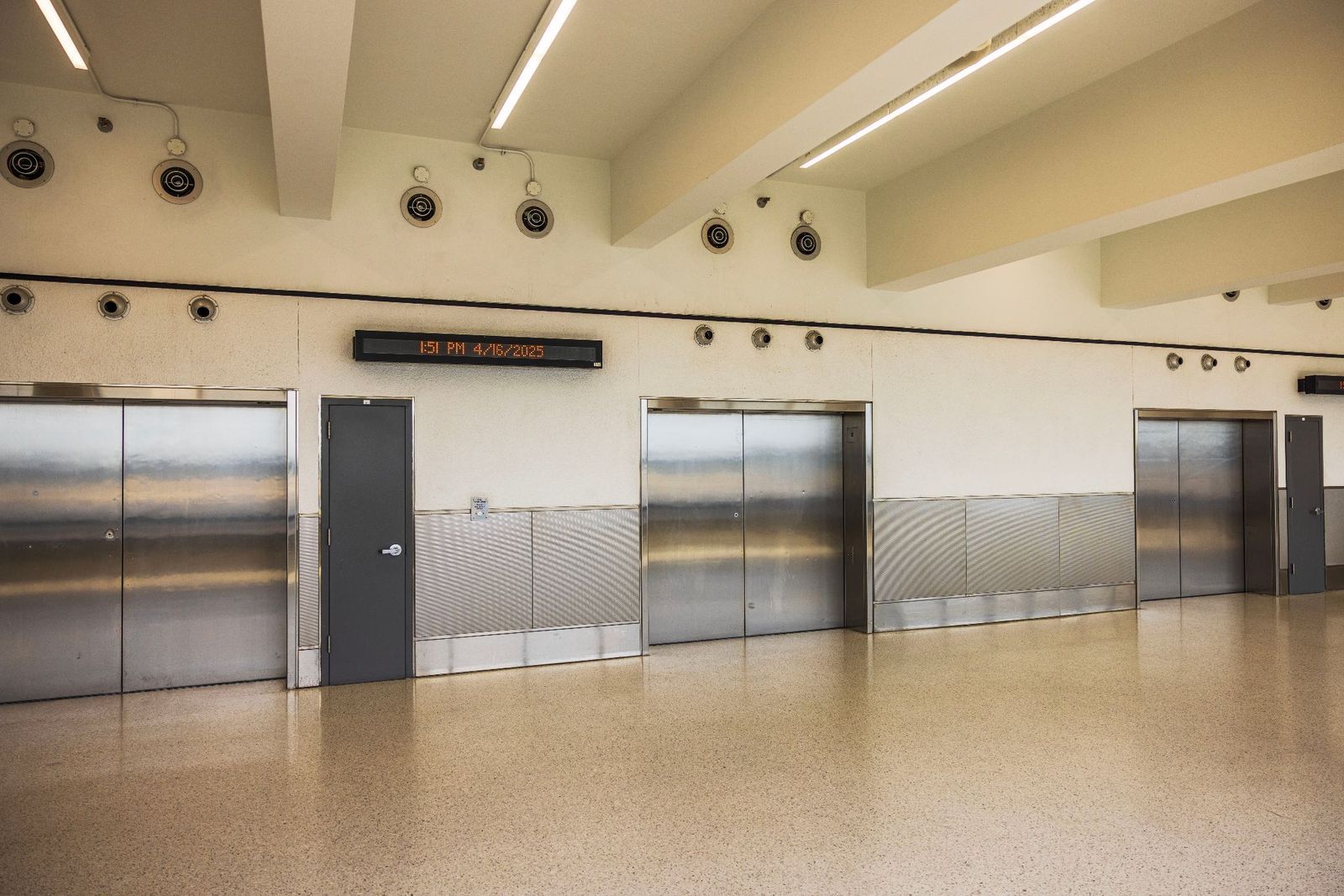
Most travelers only see a small part of the airports they pass through. Behind the gates, restaurants, and crowded terminals lies an entire hidden world that regular passengers never access.
Many major airports have private crew lounges with dark sleeping rooms, showers, and quiet areas where pilots and flight attendants rest between flights. But that’s only a part of it. Large airports such as Los Angeles International Airport and Hartsfield–Jackson Atlanta International Airport also use restricted corridors and private entrances that allow celebrities, diplomats, and other high-profile travelers to move through the airport away from the crowds.
Families could walk all the way to the gate
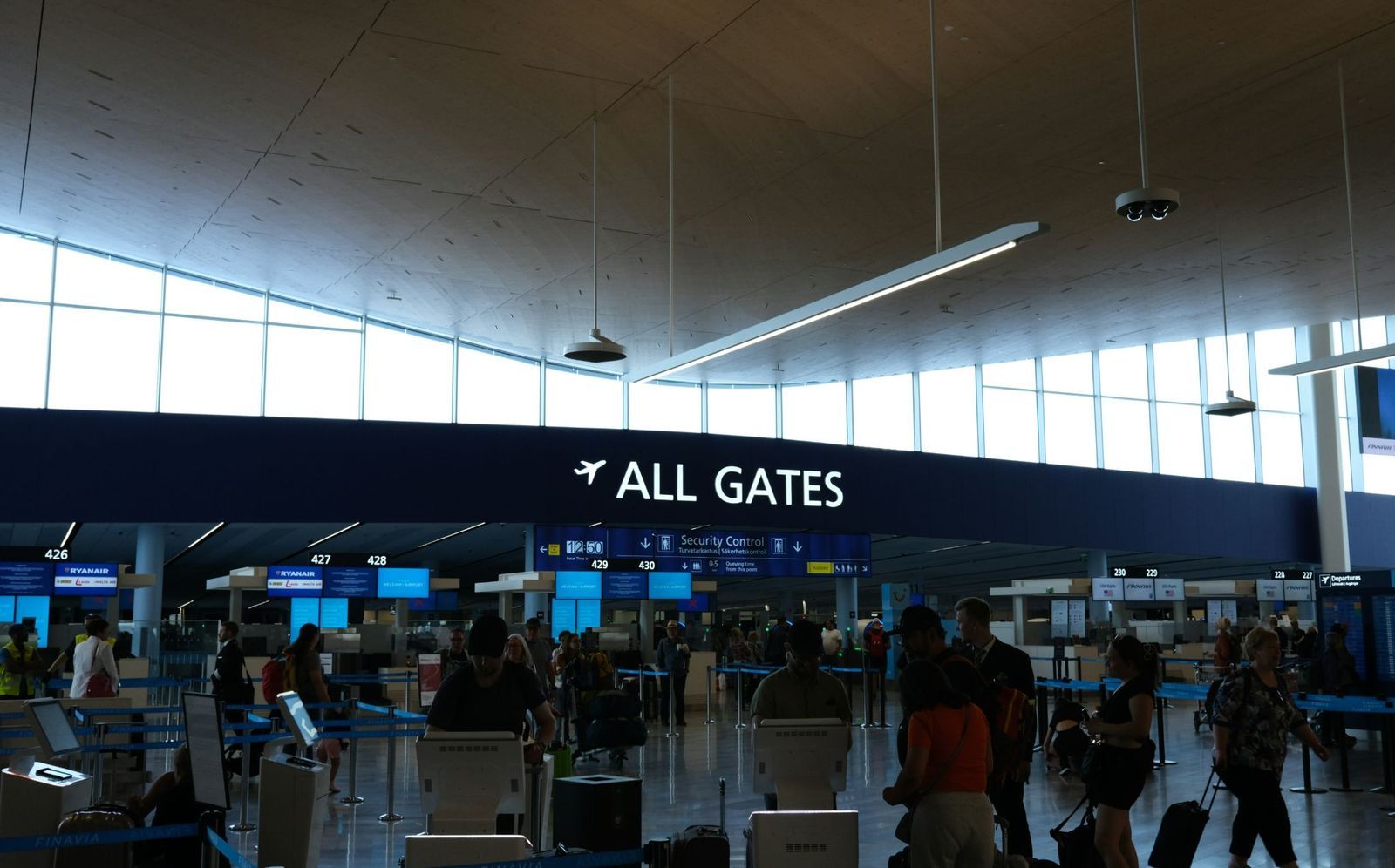
Remember how different airports felt before the 2000s? Back then, you didn’t need a ticket or even an ID to walk all the way to the boarding gate. Families could greet loved ones as they stepped off the plane or stay until takeoff, waving goodbye through the windows.
That changed after the tragic events of September 11, 2001, when strict federal security rules permanently limited gate access to ticketed passengers only. Today, the TSA screens more than 2 million travelers a day, and airports operate under security measures that would have seemed unimaginable decades ago. Of course, those changes were necessary, but many still miss those emotional goodbyes and reunions.
The busiest day of the year
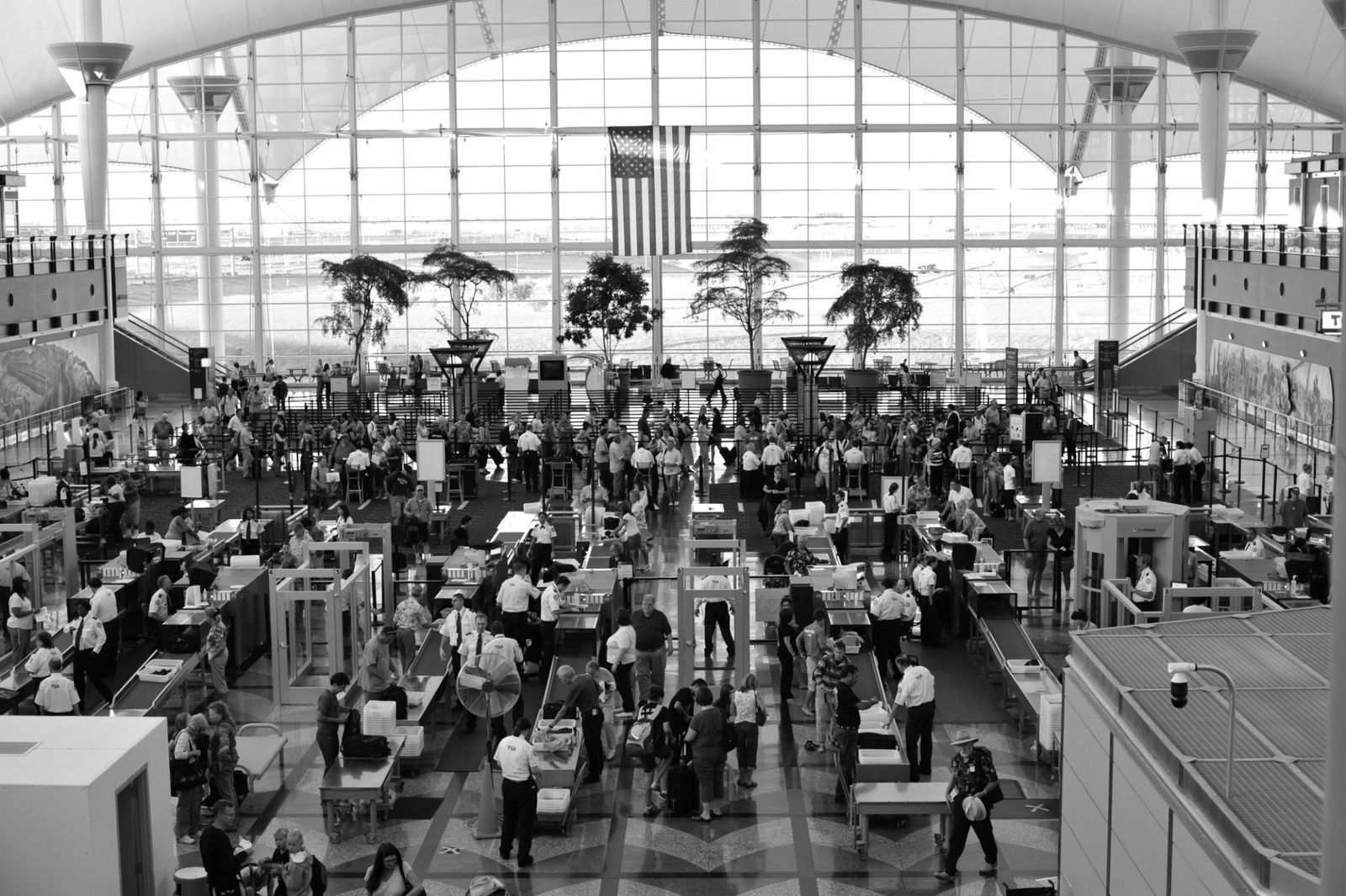
Let’s be honest: nobody enjoys arriving at a packed airport filled with long security and boarding lines. That’s why it helps to know which travel days are the busiest before booking a flight.
Year after year, the Thanksgiving travel period brings the heaviest airport crowds in the country. In fact, the Sunday after Thanksgiving has repeatedly set records for the highest single-day passenger volume in US history, with the TSA screening more than 3 million travelers in a single day. The Wednesday and Thursday before Thanksgiving are also notoriously crowded as millions of people head to their holiday destinations. The days just before Christmas and the weekend after New Year’s are another major rush period. If you’re hoping to avoid the worst congestion, consider flying several days before the holiday and returning after the weekend crowds clear out.
Times and days to avoid
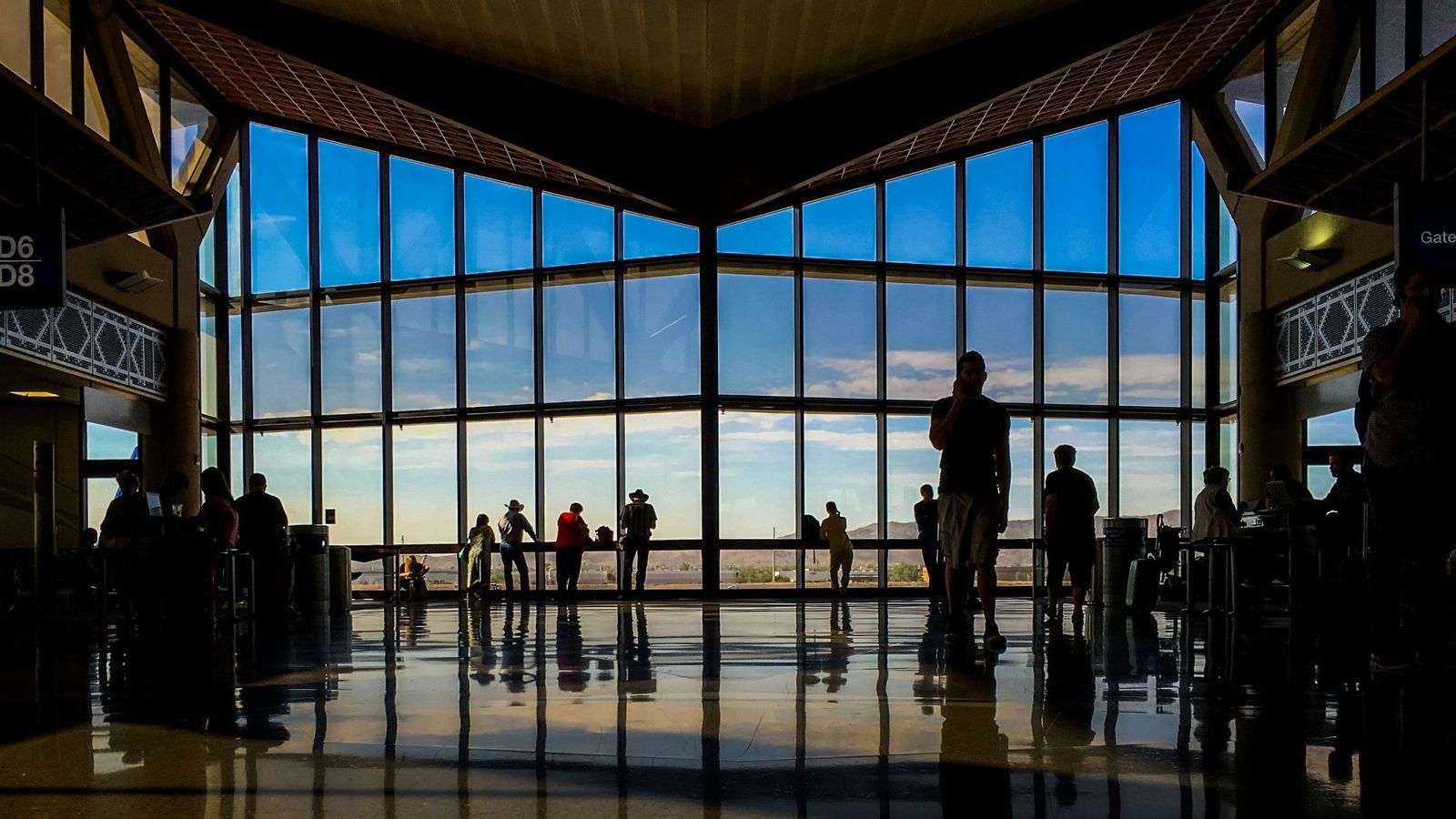
Outside of the holiday season, certain days of the week are consistently more crowded at airports across the country. And chances are you’ve already guessed which ones.
Fridays and Sundays are usually the busiest travel days of the week, naturally, because that’s when millions of folks begin or end weekend trips. Fridays are especially tough, with congested terminals, longer security lines, and heavy afternoon flight schedules as travelers rush out of town. Sundays can be just as chaotic, as people return home at the same time, often creating some of the highest TSA checkpoint volumes of the week. And if a major holiday is approaching, the crowds only get worse.
The busiest on Earth
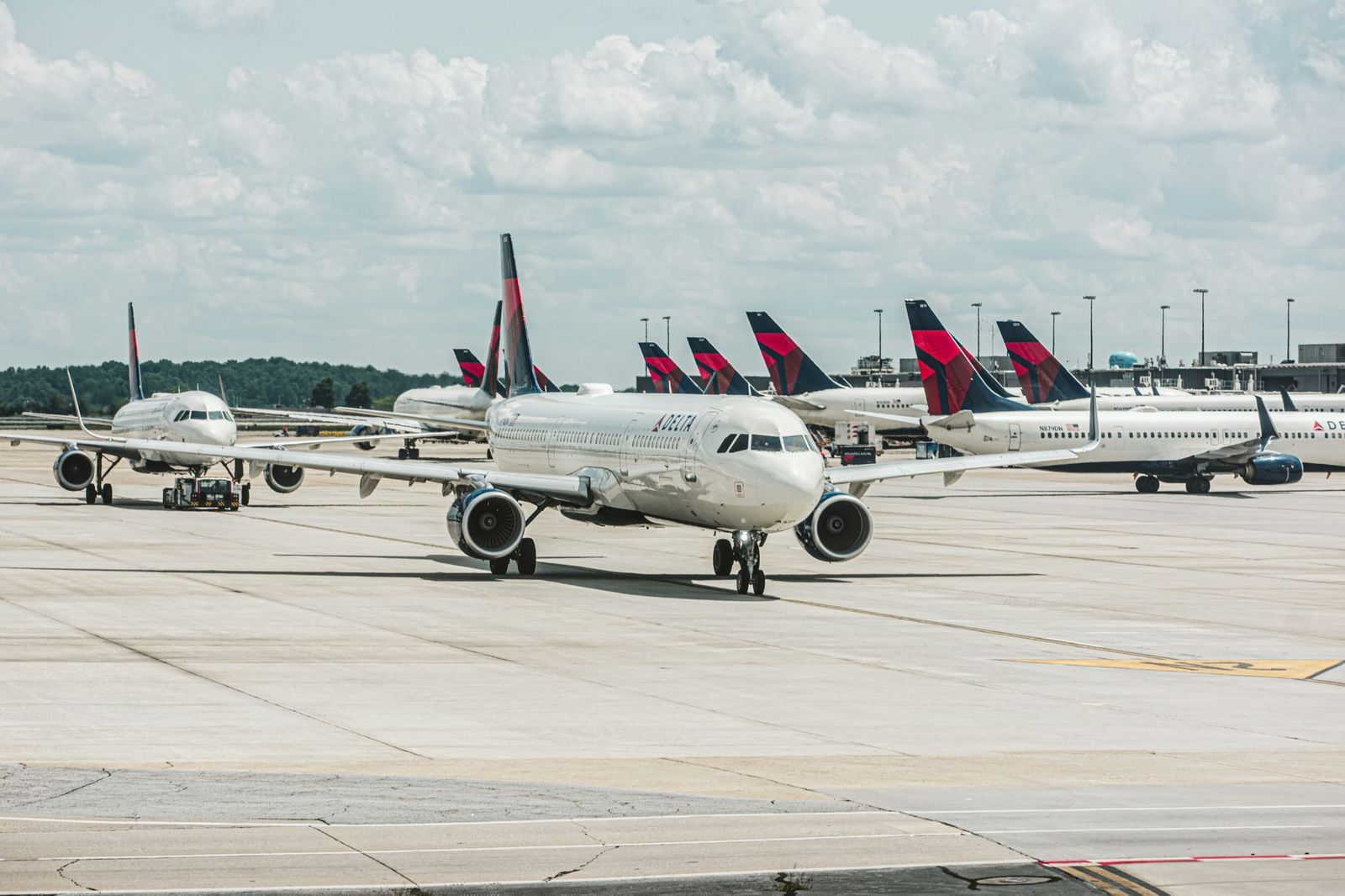
Airports across America are constantly busy, but the busiest airport in the entire world is also in the United States.
That title belongs to Hartsfield–Jackson Atlanta International Airport, in Atlanta, Georgia (ATL). Year after year, it ranks as the world’s busiest airport for total passenger traffic, handling more travelers than massive international hubs in places like Dubai, London, or Tokyo. Roughly 100 million passengers pass through ATL every year. One major reason is its location: approximately 80% of the US population lives within a direct two-hour flight of Atlanta, which makes ATL one of the country’s biggest connecting hubs.
Why "LAX"?
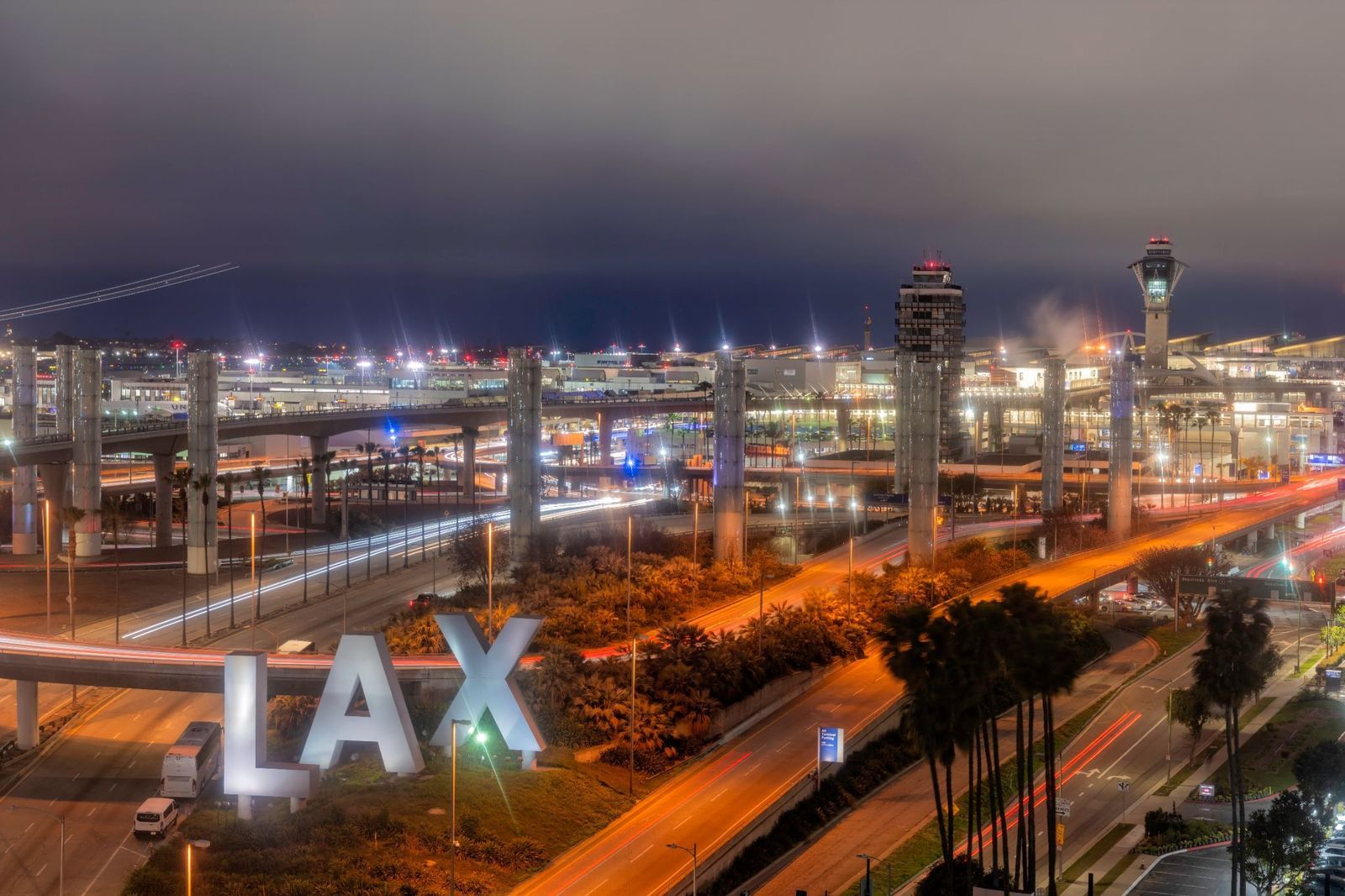
When we see "LAX," we instantly recognize it as the airport code for Los Angeles International Airport in California. The "L" and "A" are self-explanatory, but what about the "X"?
Surprisingly, it doesn’t actually stand for anything. Before the 1930s, most American airports used simple two-letter codes, and Los Angeles was originally just "LA." But as air travel expanded after World War II, they switched to three-letter identifiers to handle the growing number of airports. Rather than changing the code completely, Los Angeles simply added an "X" at the end. A few other airports did the same thing, which is why Portland International Airport became "PDX," and Phoenix Harbor International Airport became "PHX."
The largest
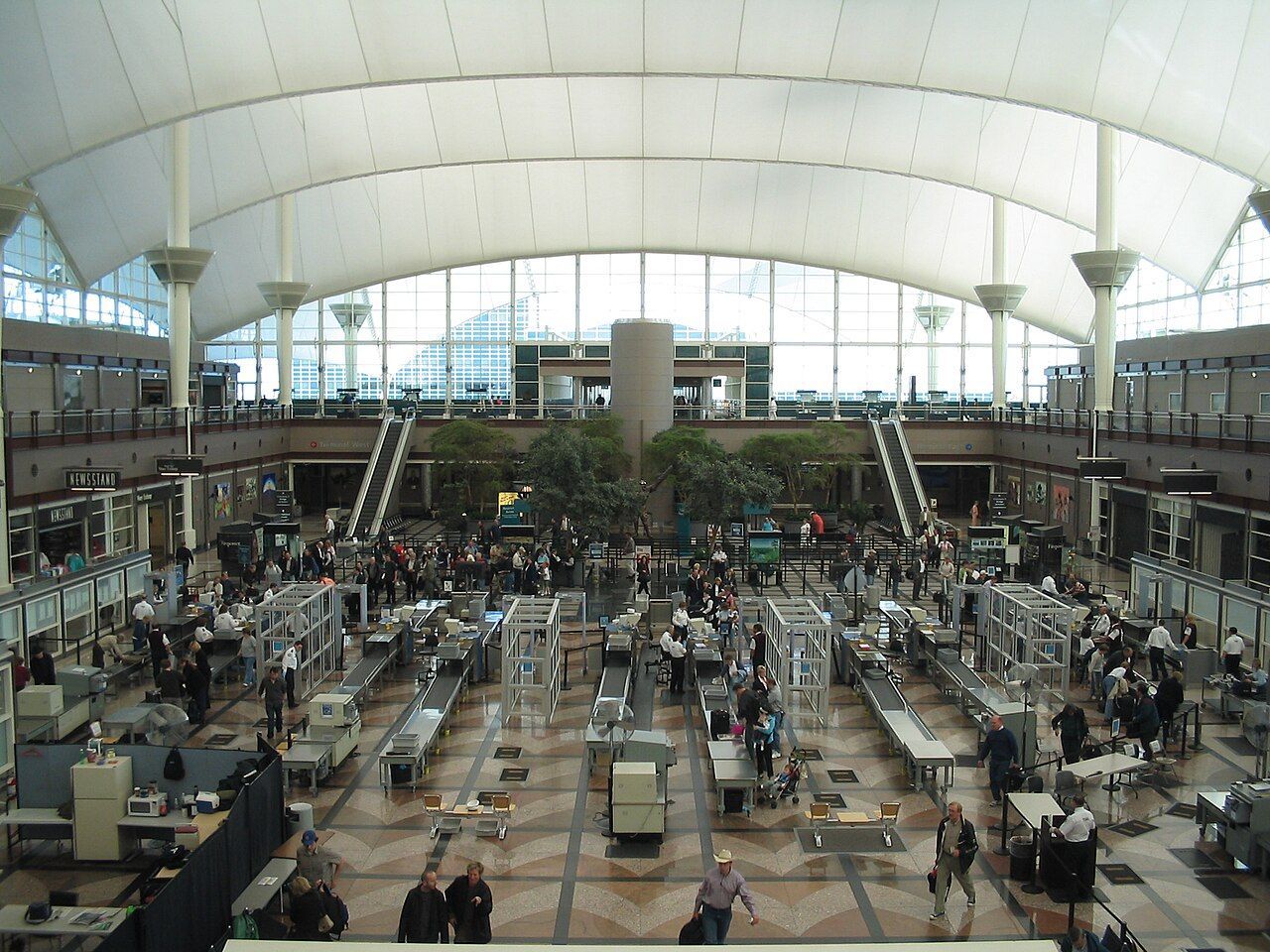
Airports are usually huge, but one airport in the United States stands far above the rest in sheer size.
That airport is Denver International Airport (DEN) in Colorado. Covering an astonishing 52 square miles, it is the largest airport in the United States by land area and one of the largest in the world, second only to King Fahd International Airport in Saudi Arabia (with approximately 300 square miles). Unlike many airports built near crowded cities or coastlines, Denver was constructed on a vast space of open land far from dense neighborhoods, and that extra area allows the airport to maintain massive runway systems. In fact, DEN is so large that the airport alone covers more land than the entire island of Manhattan, which is about 22.8 square miles.
The state with the most airports
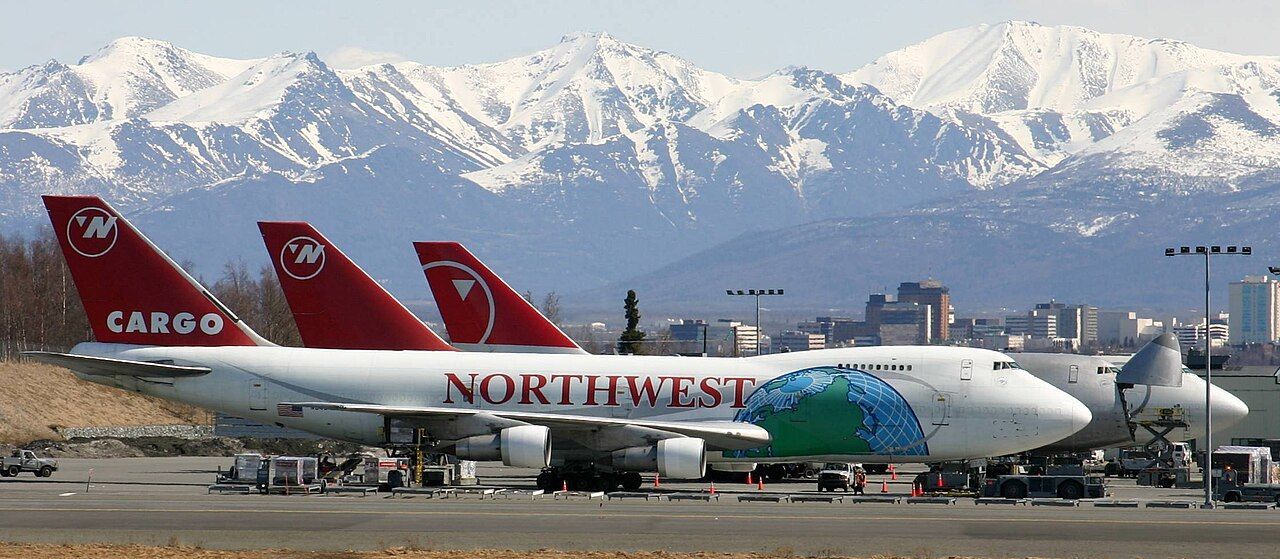
We already know which airport is the busiest and which is the largest. But do you know which state has the most airports per person? The answer may sound surprising at first, but it actually makes perfect sense.
Although Texas has the highest total number of airports overall (over 2000), the state with the most airports per capita is Alaska. And considering its geography, that’s not shocking. Covering about 665,384 square miles but home to only around 740,000 residents, Alaska depends on air travel to connect remote communities spread across vast distances and rough terrain. As a result, Alaska has around 63 public airports for every 100,000 residents, or about one airport for every 1,500 people, by far the highest rate in the country.
The quietest, least crowded days
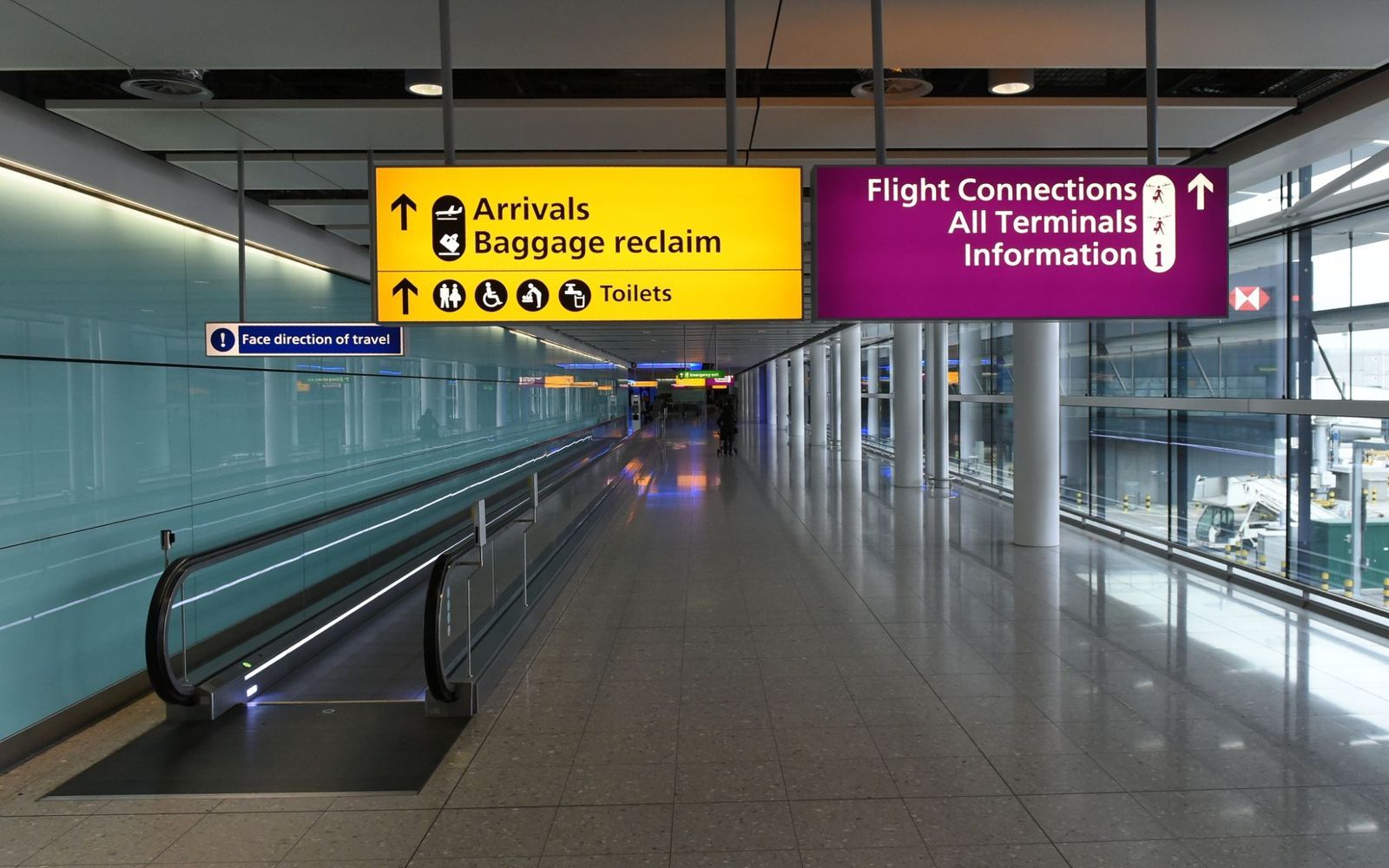
Flying on quieter days usually means shorter lines, less stress, and a much smoother airport experience overall.
According to OAG (the Official Airline Guide), Tuesdays and Wednesdays are consistently the least crowded days of the week to fly, largely because business travel slows down and most vacation travelers fly closer to the weekend. But when it comes to holidays, Thanksgiving stands out once again. While the days before and after the holiday are among the busiest travel periods of the year, Thanksgiving Day itself is surprisingly calm at most airports. By then, most Americans are already gathered with family, which leaves terminals far less crowded than usual.
Keep wandering
There’s always
more to explore

Beyond the zoo: 10 incredible travel experiences for animal lovers
4 min.
Read Now
Do you know what John Lennon's home in New York City was like?
6 min.
Read Now
 Geography

No one can explain: 10 geographical mysteries that broke science
6 min.
Read Now
 Landmarks
10 American place names you’ve been mispronouncing your entire life
5 min.
Read Now