Every pet owner should read these 12 tips before hitting the road
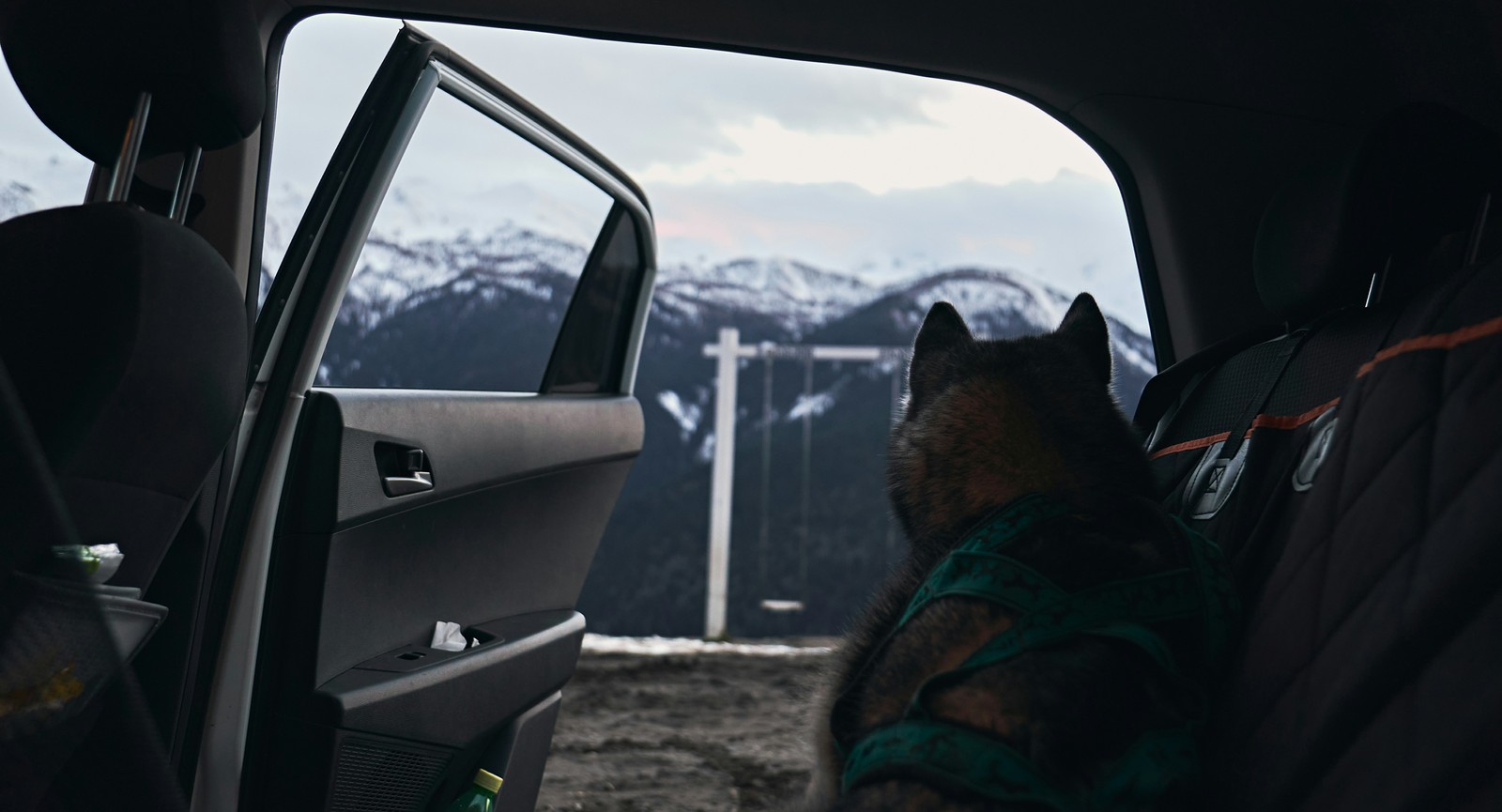
Fido approves of this article
Every pet owner should read these 12 tips before hitting the road
Bringing your pet along on a trip can turn an ordinary getaway into a shared adventure. Across the U.S., more hotels, airlines, and attractions are welcoming four-legged guests than ever before. Still, a little preparation goes a long way. These practical tips will help keep your journey smooth, safe, and enjoyable for both you and your furry companion.
Schedule a pre-trip vet visit
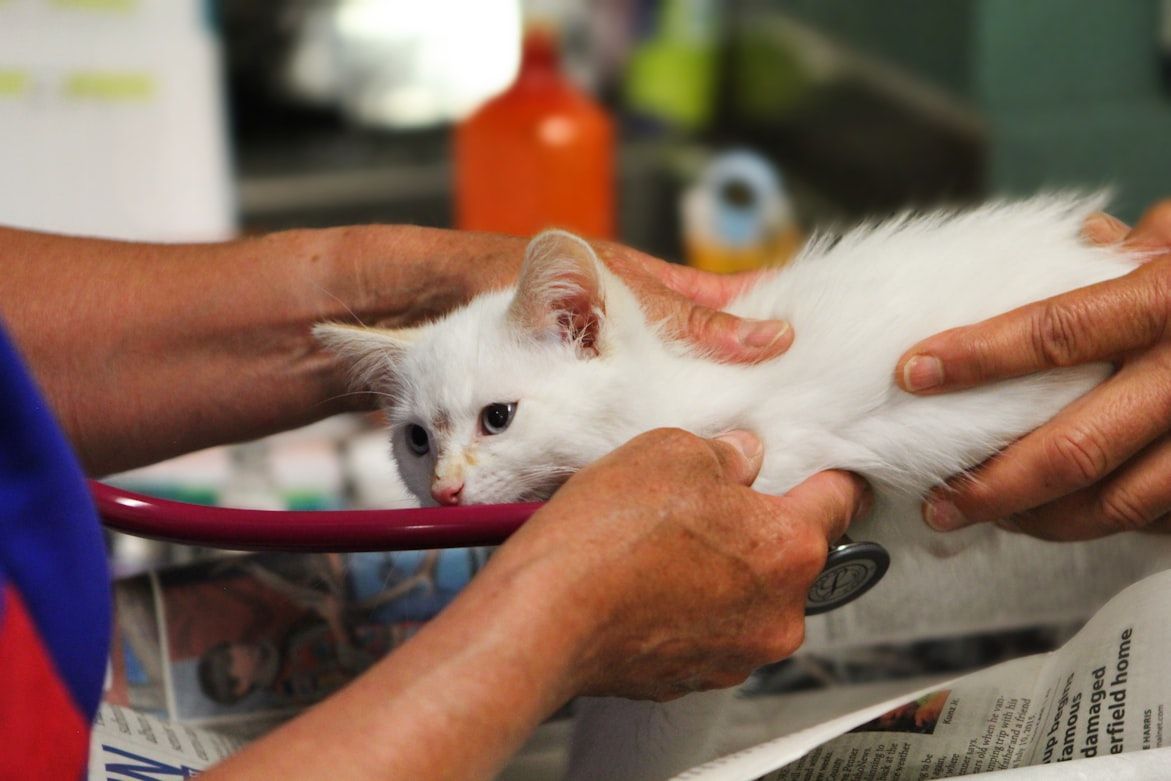
Before hitting the road, book a quick checkup with your vet. Make sure vaccinations are up to date, and ask whether your pet needs a health certificate, especially for air travel or when crossing state lines.
This is also a good time to refill medications and discuss motion sickness or anxiety. A clean bill of health offers peace of mind, particularly for longer trips.
Take practice drives
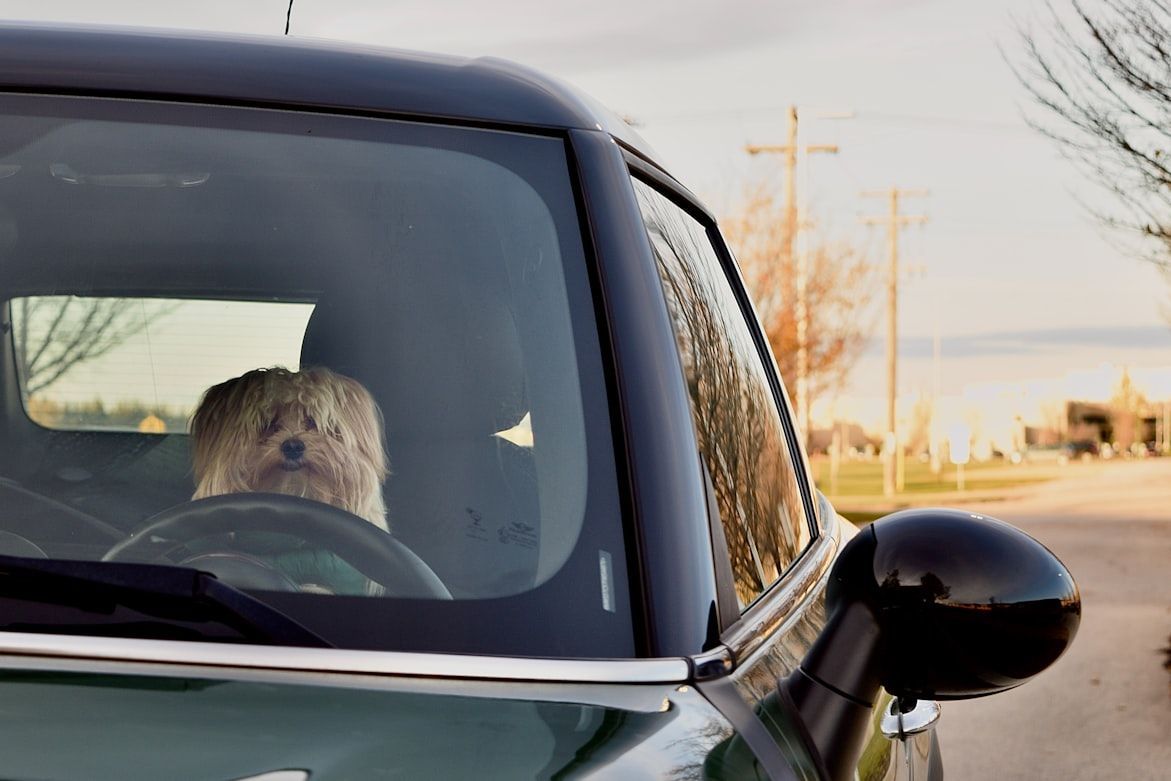
If your pet isn’t used to traveling, start with short car rides around town. Gradually increase the duration so the experience feels routine rather than overwhelming. In a moving vehicle, pets should be secured just like people. A sturdy crate or a pet seat belt harness can help prevent injury during sudden stops or sharp turns.
Also, it might look joyful when a dog sticks its head out of the window, but it’s risky. Flying debris, dust, and unexpected objects can cause eye or ear injuries.
Pack a pet travel kit
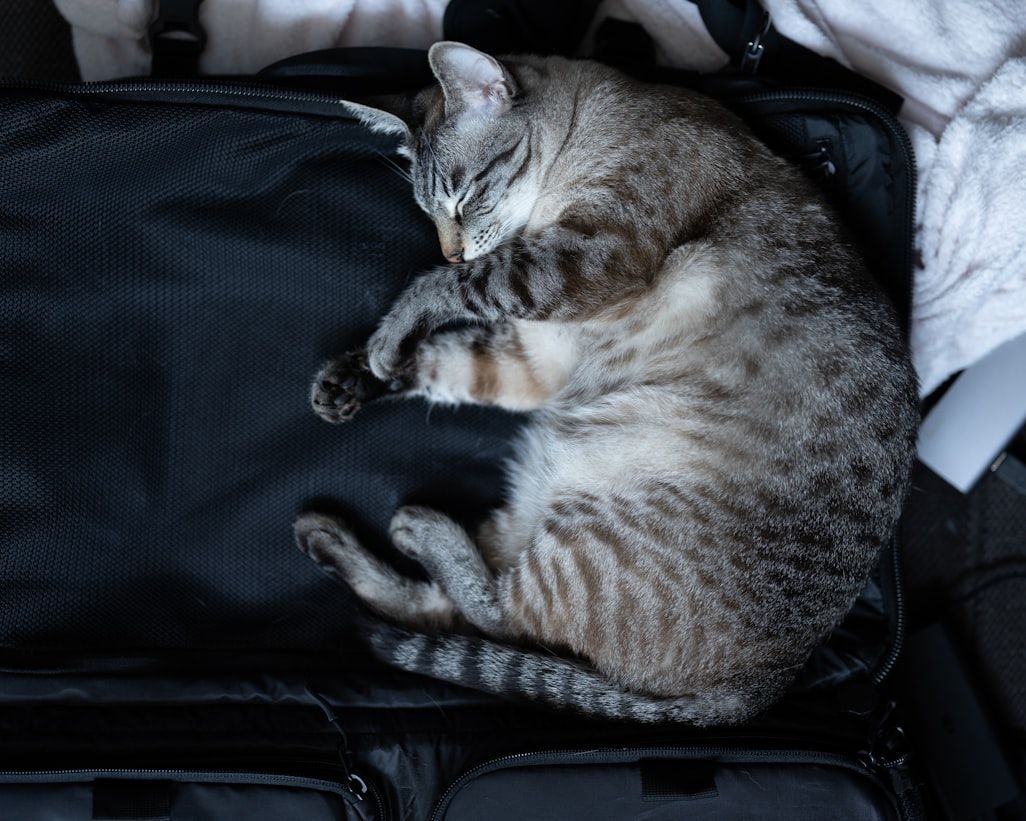
Prepare a small bag just for your pet. Include food, bottled water, bowls, medications, waste bags, and a favorite toy or blanket. Having everything in one place saves time and reduces stress. Familiar items can also make hotel rooms feel more like home.
Carry copies of vaccination records, especially rabies documentation. Some states, campgrounds, and airlines may request proof. Store these papers in an easy-to-reach folder.
Update ID tags and microchips

Before departure, double-check that your pet’s ID tag lists your current phone number. If your pet has a microchip, confirm that the registration details are correct.
Travel increases the chance of separation in unfamiliar places. Proper identification greatly improves the odds of a happy reunion.
Maintain a light feeding schedule

Feed your pet a light meal several hours before leaving. Traveling on a full stomach can increase the likelihood of motion sickness.
During long drives, offer small amounts of water at regular breaks. Keeping meals simple and timing them carefully helps avoid messy surprises.
Plan frequent breaks
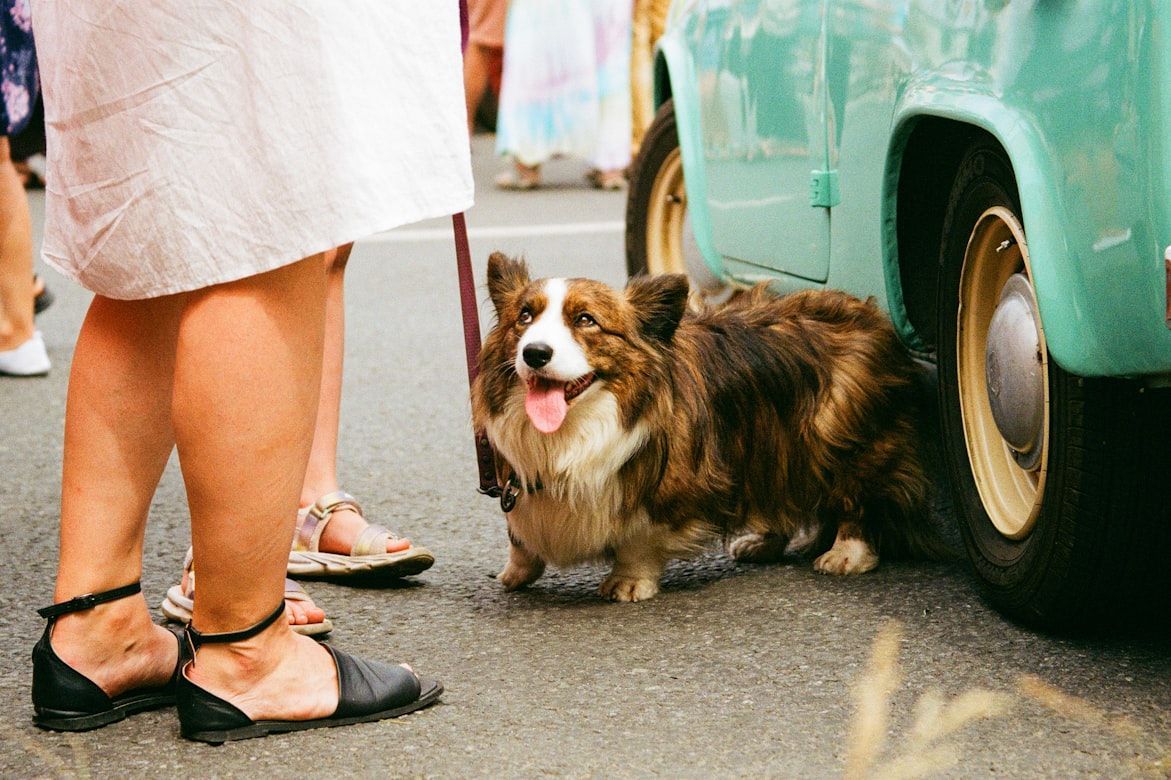
On road trips, stop every two to three hours so your pet can stretch, relieve itself, and hydrate. Even calm animals need regular movement.
Frequent breaks help reduce anxiety and stiffness, especially in older pets. A short walk can make the next leg of the journey far more comfortable.
Confirm pet-friendly lodging
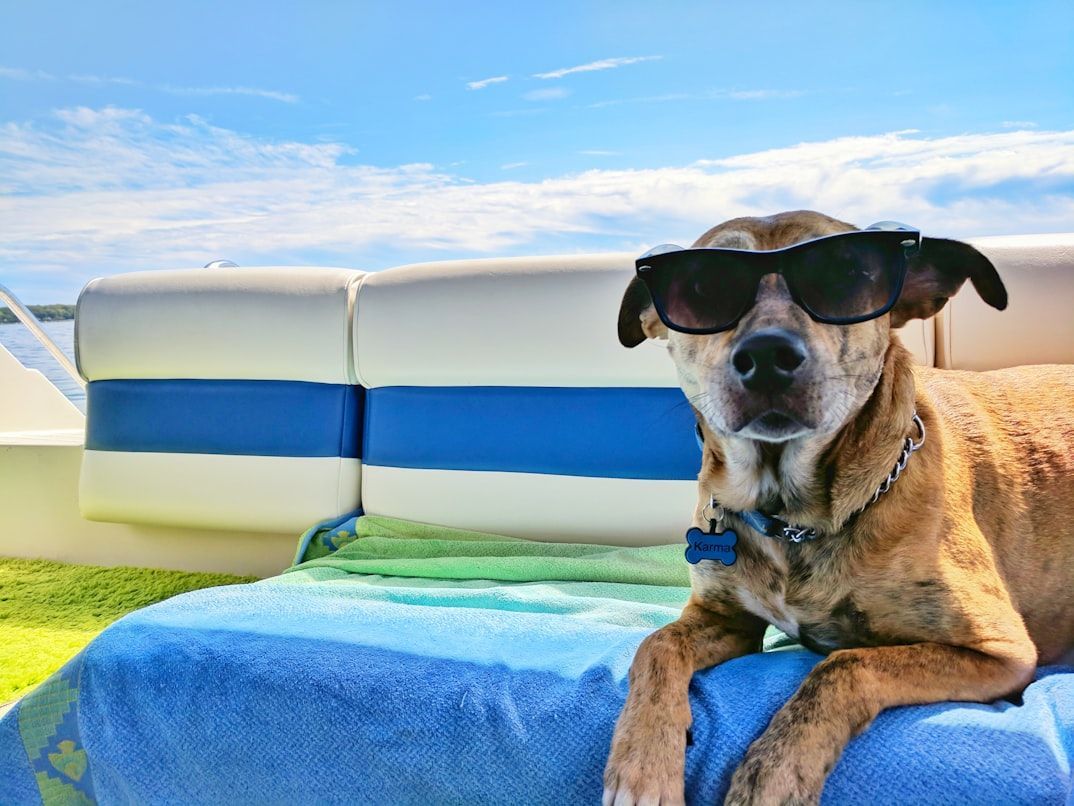
Not all accommodations welcome animals, and some have size or breed restrictions. Call ahead or check official policies before booking.
Ask about pet fees and designated walking areas. Knowing the rules in advance helps prevent awkward surprises at check-in.
Practice crate training

If your pet will travel in a carrier, introduce it several weeks in advance. Leave the crate open at home with a blanket or treat inside.
When the carrier feels like a safe space rather than a form of confinement, travel day becomes much less stressful for both pet and owner.
Understand airline policies
Airlines have specific rules regarding carrier size, pet weight limits, and cabin versus cargo travel. Reservations for pets are often limited.
Review requirements carefully and book early. Thorough preparation helps avoid last-minute complications at the airport.
Never leave pets in a parked car
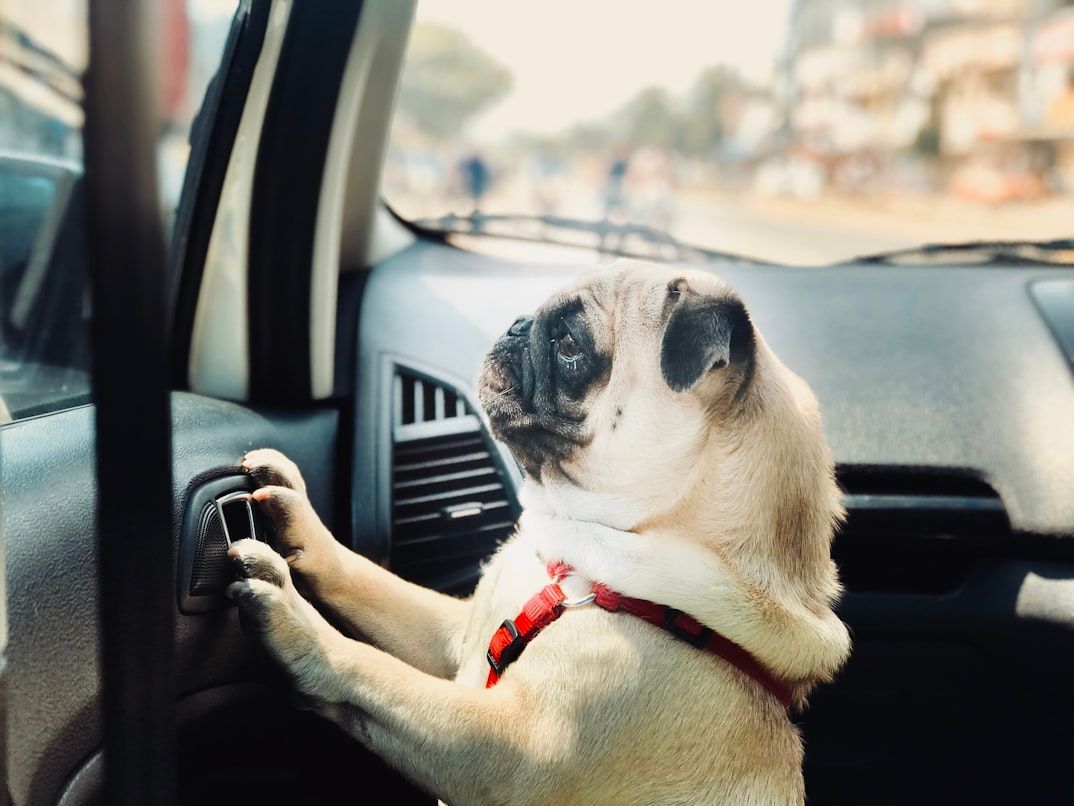
Temperatures inside vehicles can rise or fall rapidly, even on mild days. Leaving a pet unattended in a car can quickly become dangerous and is illegal in some jurisdictions.
If you need to stop somewhere pets aren’t allowed, make alternative arrangements. Safety should always come first.
Research pet-friendly activities

Many parks, beaches, and small towns welcome well-behaved pets, but rules vary. Look up leash laws and restricted areas before you go.
Planning ahead ensures your companion can join in the fun instead of waiting behind. Shared experiences make trips more memorable.
Watch for signs of stress

Travel can be exciting but also overwhelming. Monitor your pet for signs such as heavy panting, pacing, or unusual quietness.
If something seems off, take a break or adjust your plans. Paying attention to your pet’s comfort keeps the adventure enjoyable for everyone.
More to explore

4 min read
This lighthouse greets the dawn before anywhere else in the U.S.
Read Now

3 min read
These airport secrets will save you time and money!
Read Now

4 min read
10 essential items that you should bring from home on your next travel
Read Now

3 min read
A lot more than fuel: 12 tips to make the most of your gas station stop
Read Now