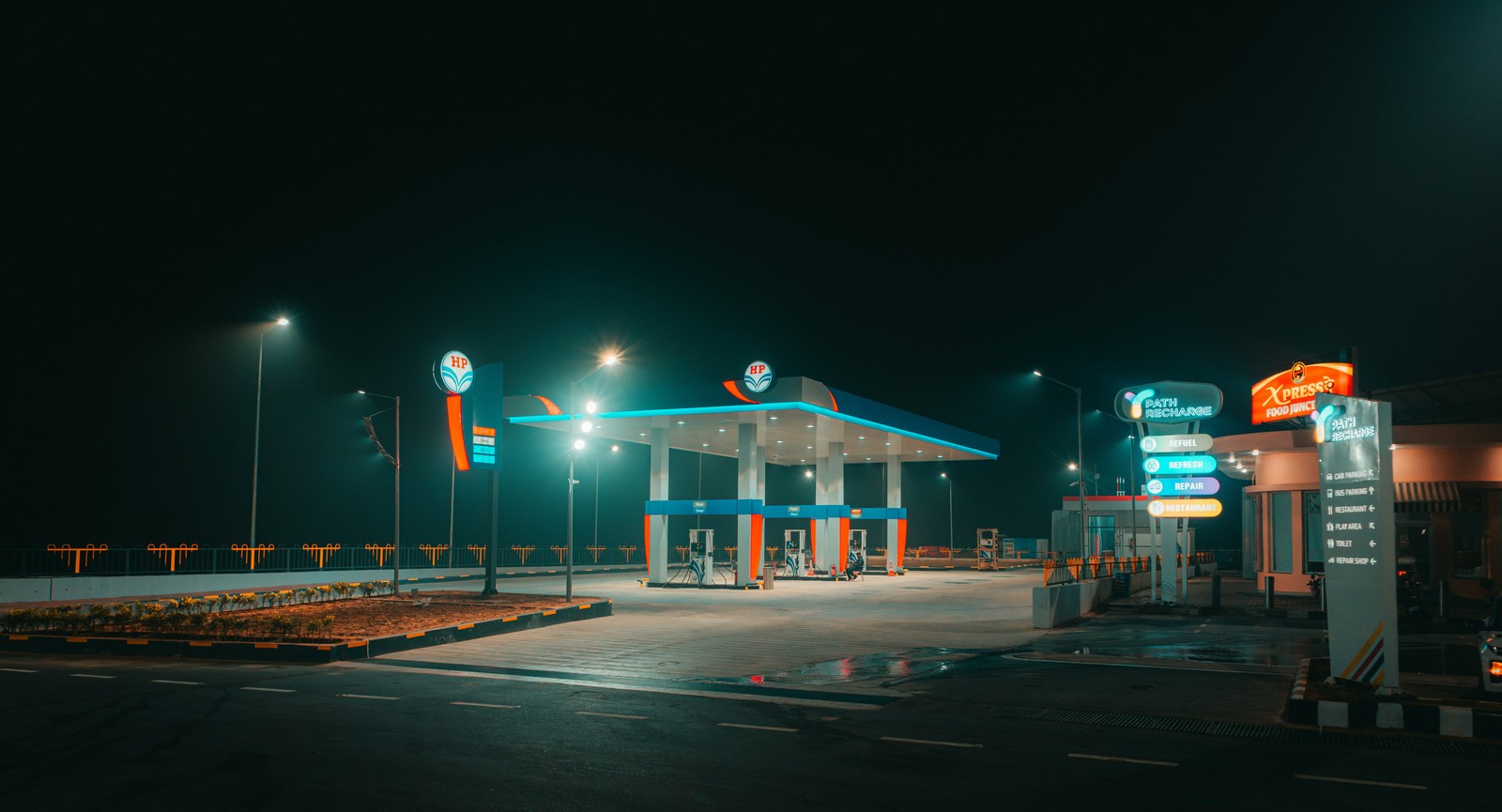
A lot more than fuel: 12 tips to make the most of your gas station stop
 General
Everybody loves a road trip
A lot more than fuel: 12 tips to make the most of your gas station stop
On every long road trip, a gas station is more than a quick refill: it’s a sort of reset button. The right stop can save money, stretch stiff legs, prevent headaches, and even become a memorable part of the journey. Take note of the 12 practical ways to make every fuel break count!
Know your real highway range
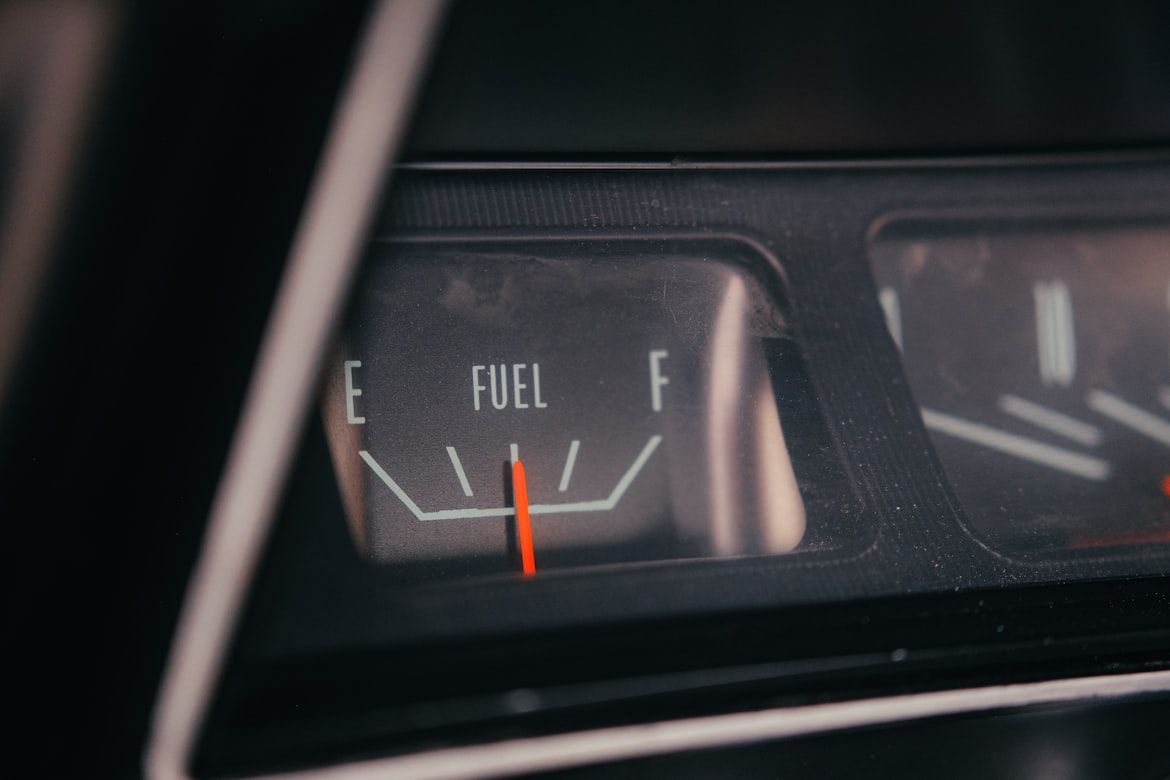
Before leaving, calculate how many miles you actually get per tank on highways (Not the optimistic number listed in the car brochure). Speed, wind, hills, air conditioning, and luggage weight all affect fuel economy more than most drivers realize.
Planning around realistic mileage prevents stressful moments in remote stretches of the West or Midwest, where exits and services can be dozens of miles apart from each other.
Refill at a quarter tank
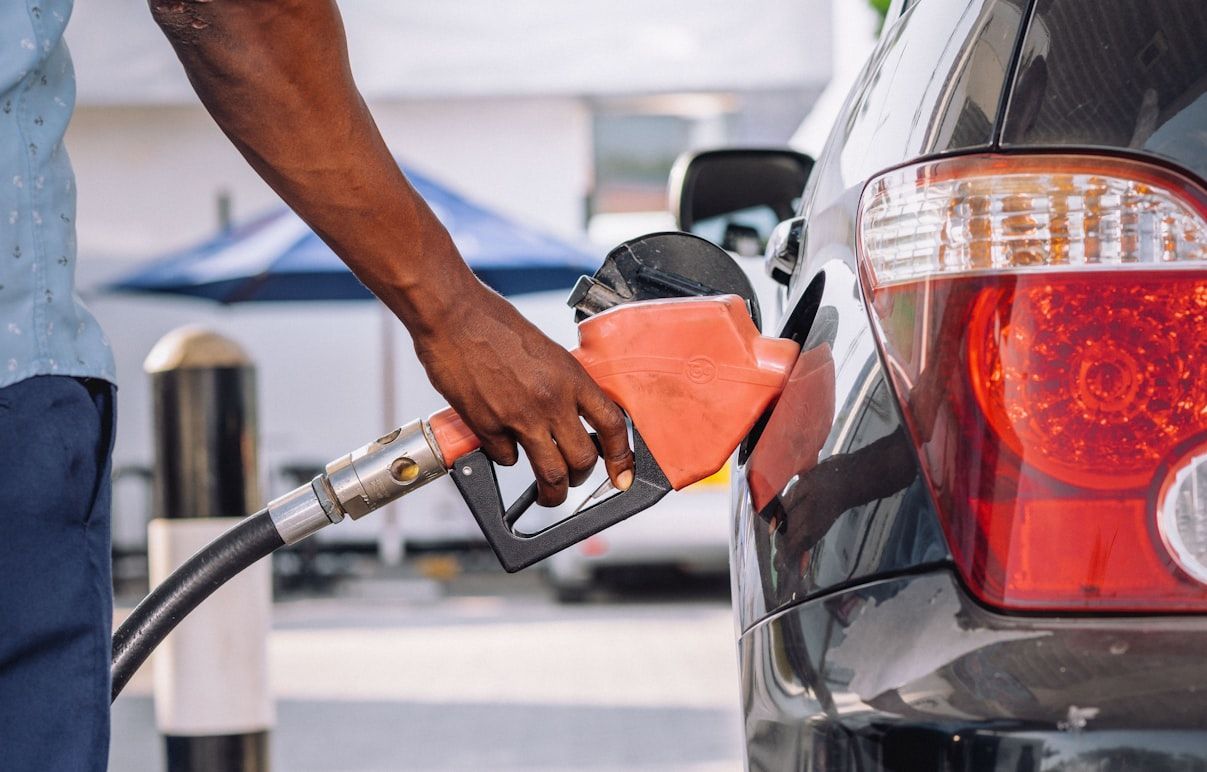
Experienced road trippers rarely wait for the warning light. Refilling when the tank reaches one-quarter full gives you flexibility and more station choices, especially in rural areas where options may be limited.
Waiting too long forces you into the next available exit, which is often more expensive or less convenient than stations a few miles ahead. And always remember to fuel up before long stretches.
Check prices before exit
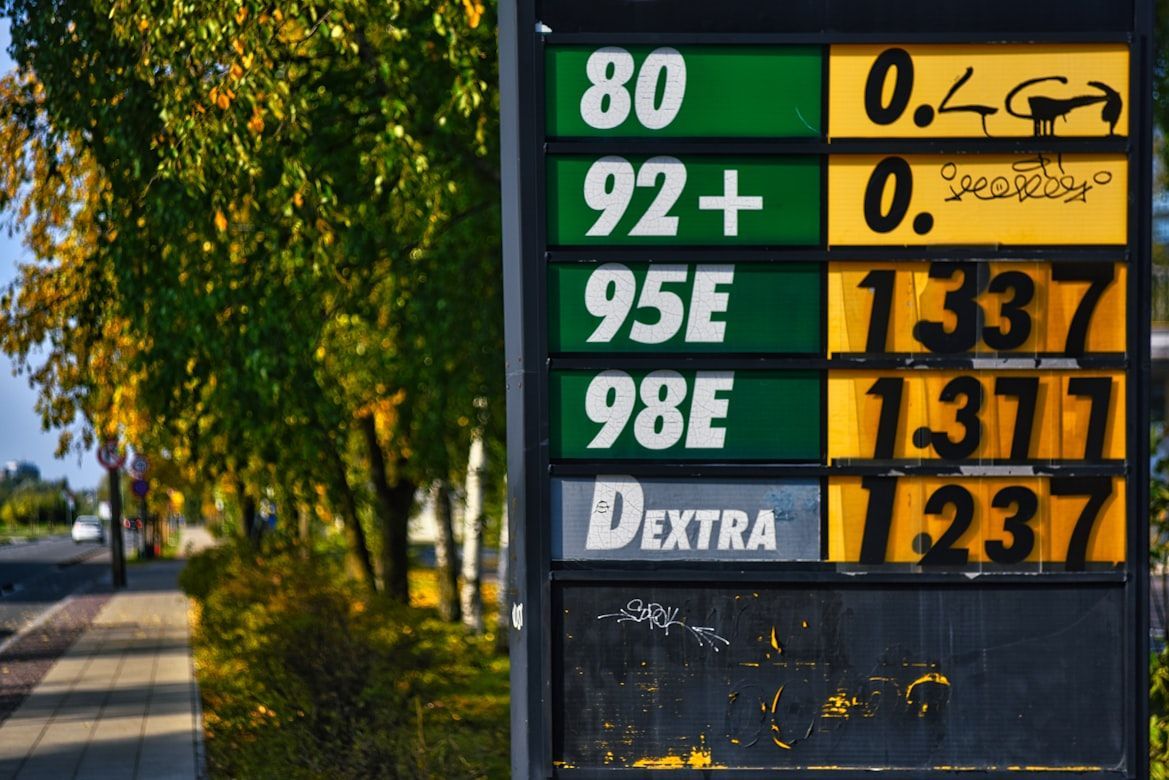
Fuel prices can vary dramatically between exits just a mile apart. Using a price comparison app before pulling off the interstate helps you avoid paying premium rates at high-visibility stations.
A quick check can save several dollars per fill-up, and over a multi-state road trip, those small savings add up surprisingly fast.
Combine all tasks into one stop
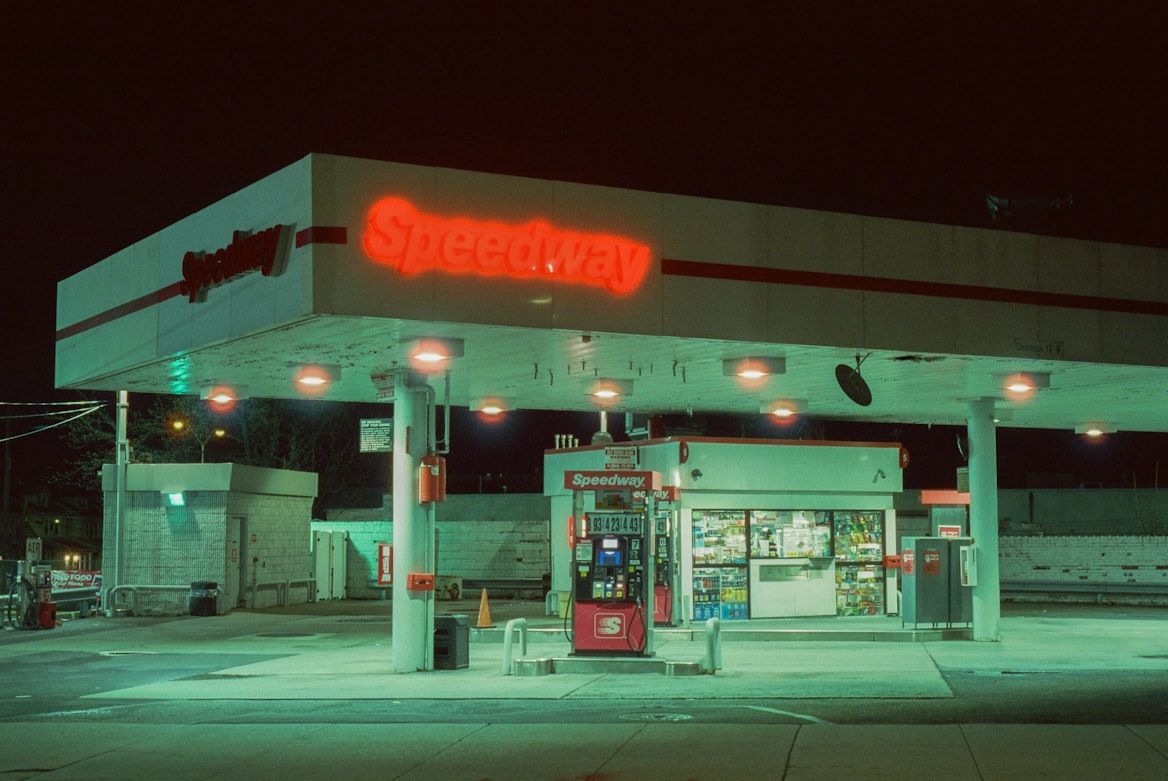
Make each fuel stop efficient by doing everything at once: restroom break, snack purchase, windshield cleaning, trash disposal, and a short stretch. Grouping tasks keeps your travel rhythm smooth.
Fewer total stops means less merging on and off highways, saving time and reducing the fatigue that comes from repeated interruptions.
Choose busy, well-lit locations at night
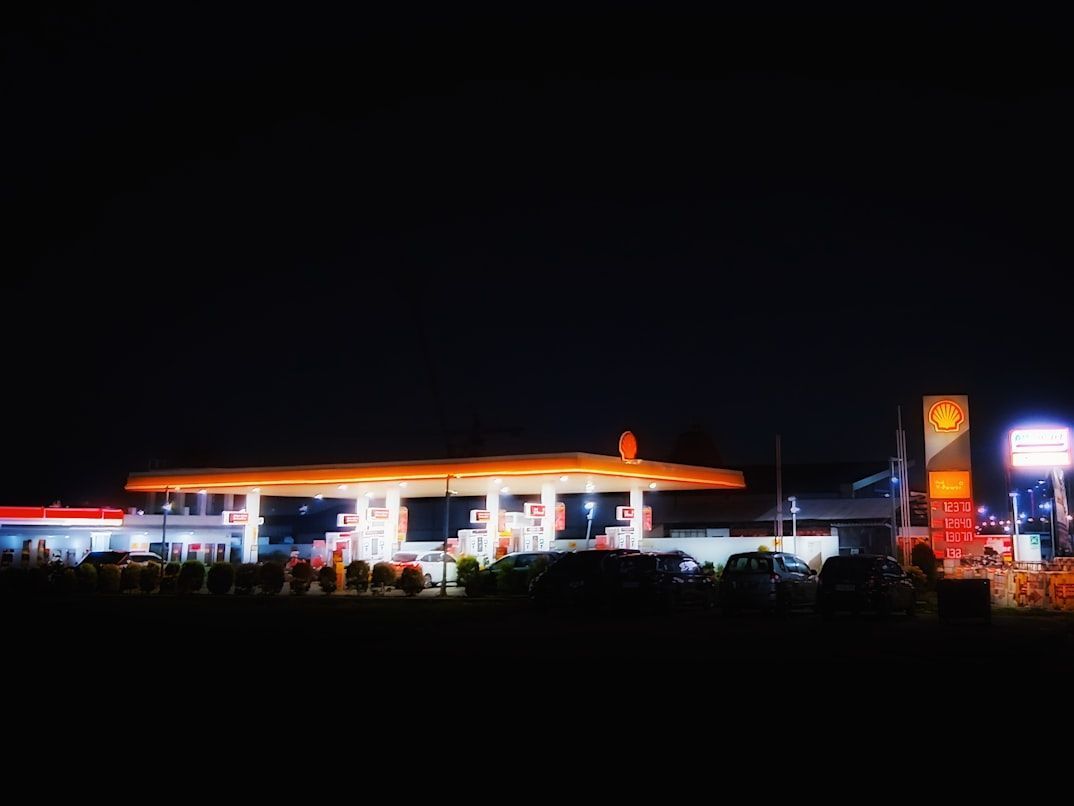
After dark, larger travel centers are generally safer and cleaner than isolated roadside pumps. Look for strong lighting, steady traffic, and visible staff presence before committing to a stop.
A busy location usually signals regular maintenance and security, offering greater peace of mind during late-evening or early-morning refueling.
Turn breaks into movement moments

Long hours behind the wheel tighten hips, calves, and shoulders. Use gas stops as built-in reminders to walk briskly for a few minutes and gently stretch major muscle groups.
Even five minutes of movement improves circulation, boosts alertness, and helps prevent the stiffness that can linger long after the trip ends.
Avoid peak crowds
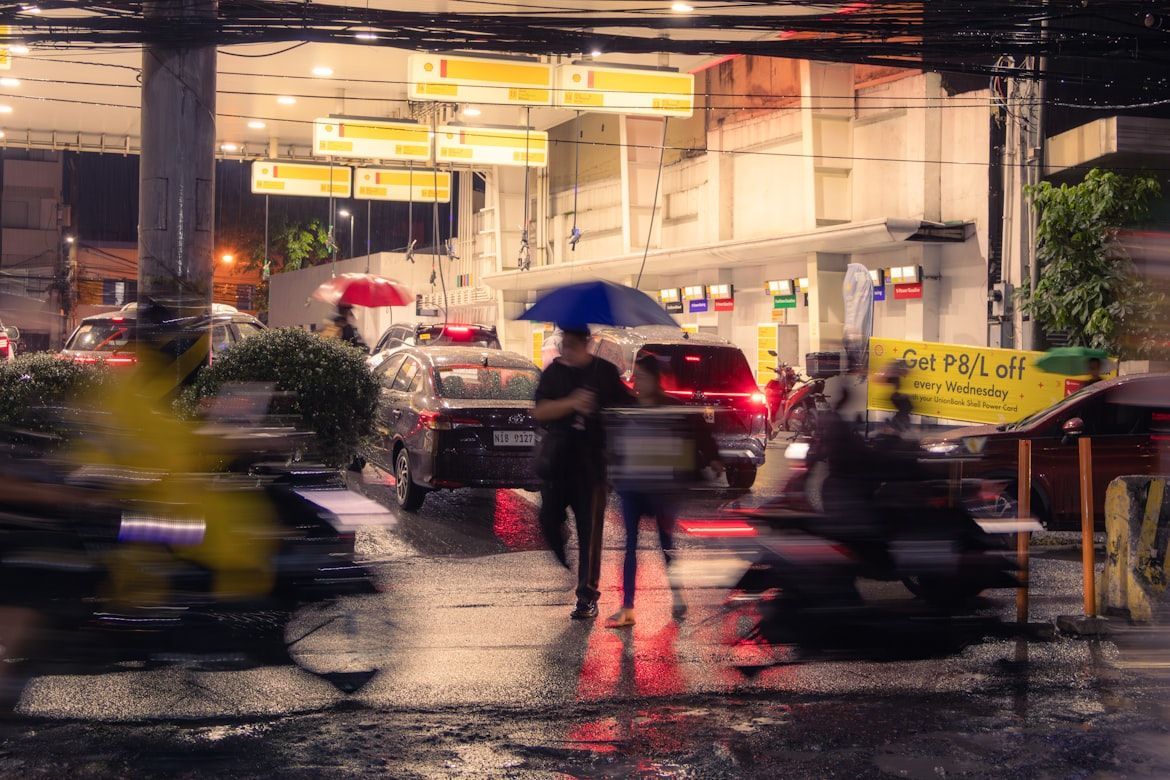
Timing matters. Late morning, early afternoon, and post-dinner hours are often calmer than the busy lunch rush or early evening commuter window. Fewer cars at the pumps mean faster service.
Shorter restroom lines and quicker checkout times reduce stress, especially during the summer travel season or holiday weekends.
Bring your own water bottle
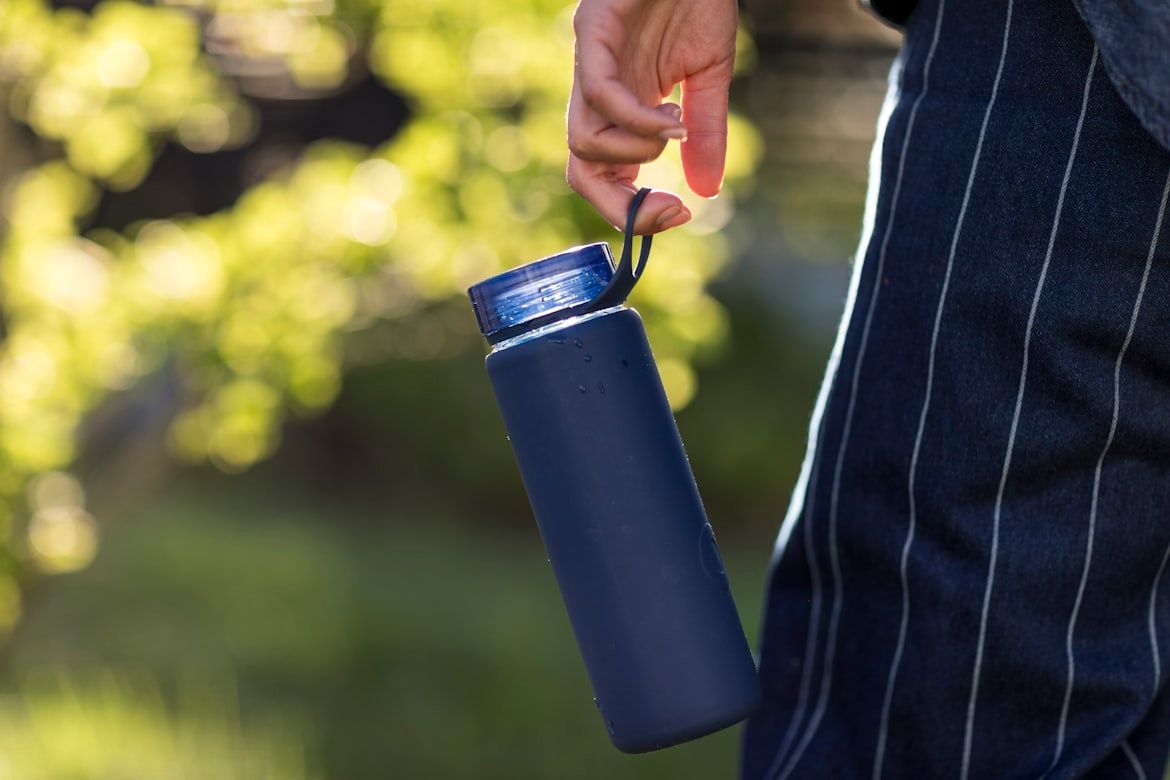
Instead of buying multiple single-use drinks, carry a refillable water bottle and top it off during stops. Staying hydrated improves focus and reduces fatigue on long highway drives.
You’ll also save money and cut down on waste, which keeps both your budget and your vehicle’s trash situation under control.
Do a quick vehicle check
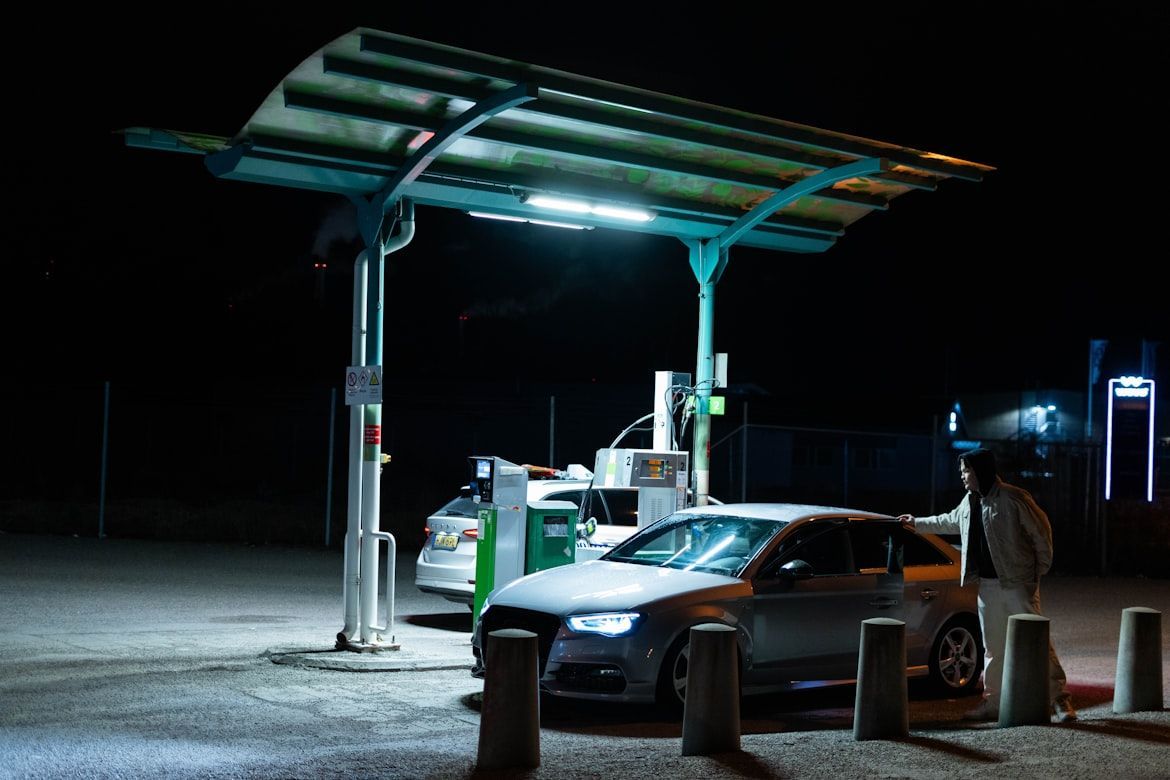
While the tank fills, take a moment to inspect your vehicle. Check tire appearance, glance at headlights, and clear dirt from mirrors and windows for better visibility.
Catching small issues early, like low tire pressure or a dim bulb, can prevent inconvenient breakdowns miles away from the nearest service center.
Keep a backup station in mind
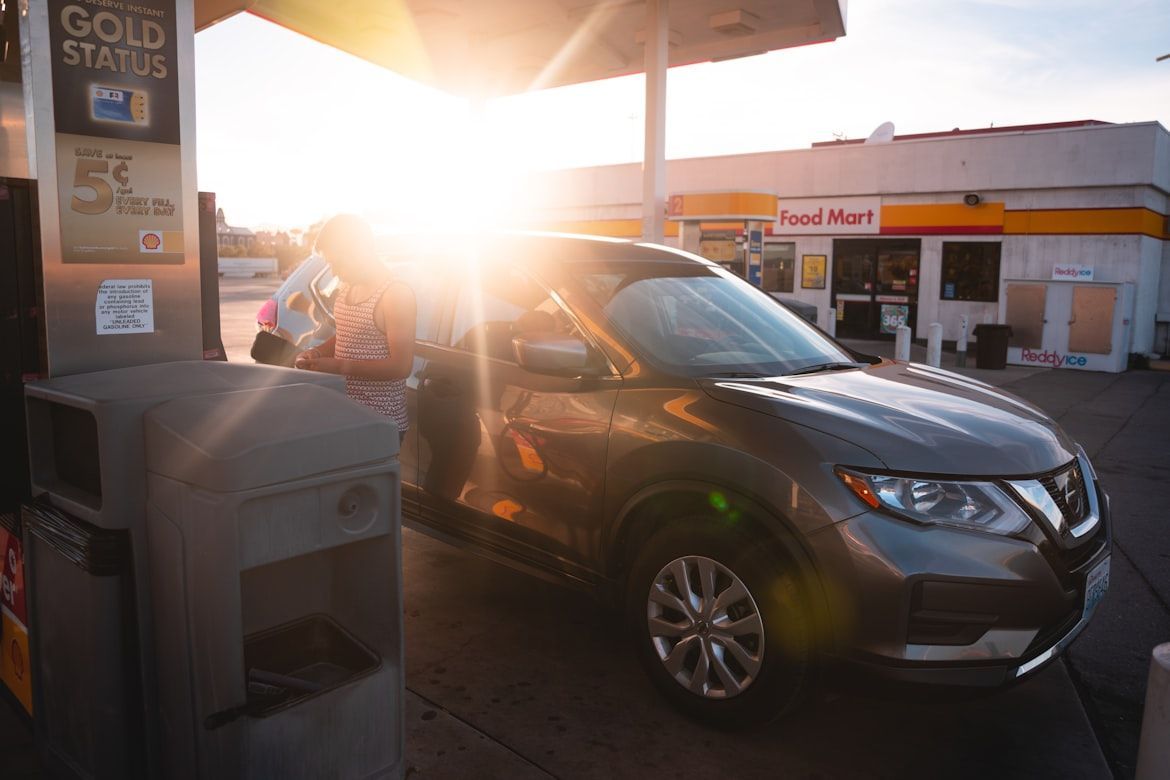
Navigation apps make it easy to see nearby alternatives. Before committing to a stop, quickly note the next station down the road in case pumps are closed or crowded.
Having a Plan B avoids unnecessary detours and keeps you from feeling rushed if your first choice doesn’t work out.
Make the stop part of the experience
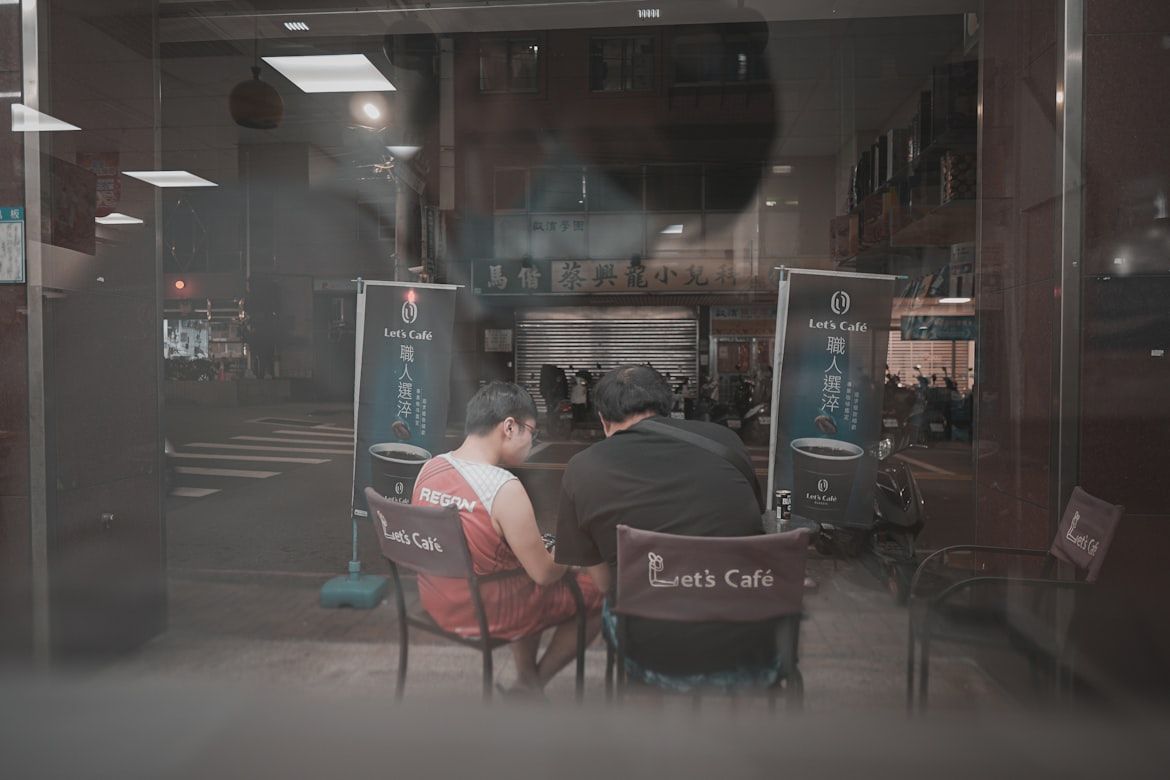
Not every gas station visit has to be purely practical. Some travel centers offer regional snacks, local souvenirs, or quirky roadside charm worth a few extra minutes.
Treating stops as small discoveries, rather than practical interruptions, turns routine refueling into another memorable part of the journey.
Use the restrooms
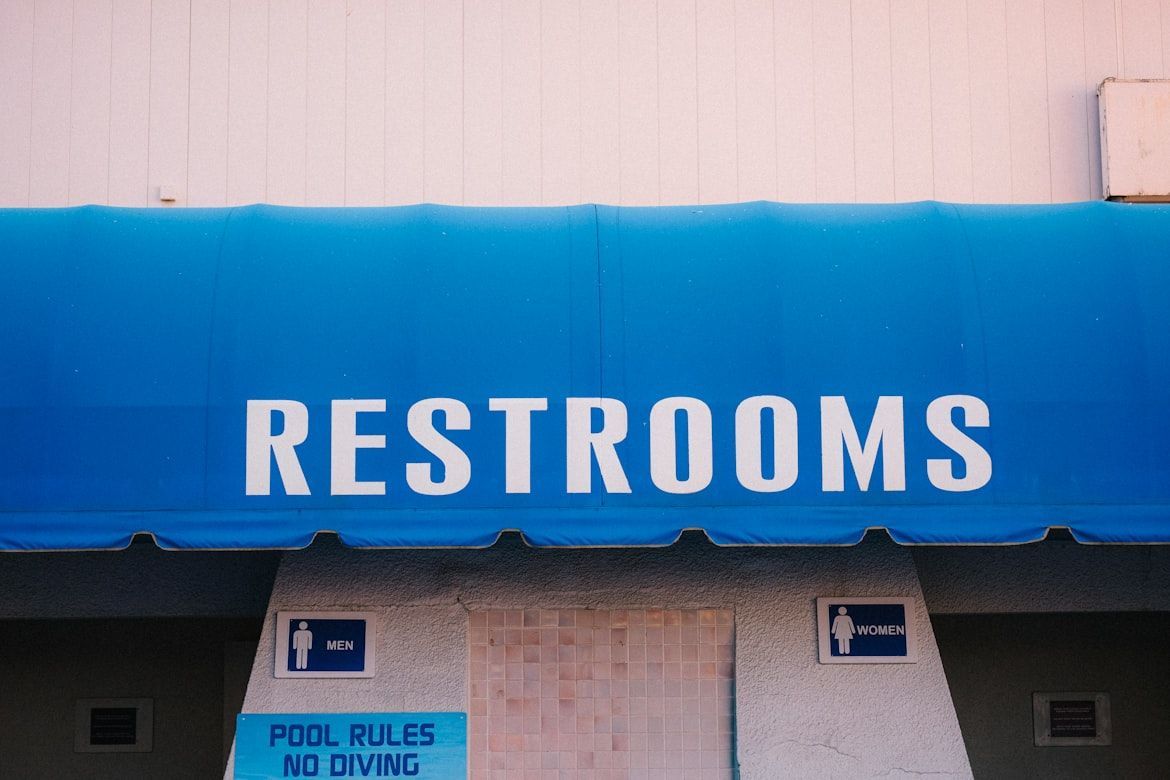
Even if you don’t really need to, a quick visit to the restroom can save future discomfort and unnecessary stops along the way.
Think of it this way: you are already there. So, why not go now and avoid having to pull over one more time?

The real reason you can't use your phone on an airplane: 10 Flying facts
Behind the boarding pass
The real reason you can't use your phone on an airplane: 10 Flying facts
There’s nothing better than traveling. And if you’re flying, enjoying the altitude and the views, even better! Most of us have been to an airport or bought plane tickets at some point, but even experienced travelers may not realize how many little-known details and hidden secrets airports and airlines have. If you’d like to uncover a few fun facts or learn something useful for your next trip, this article is for you.
Electronic devices
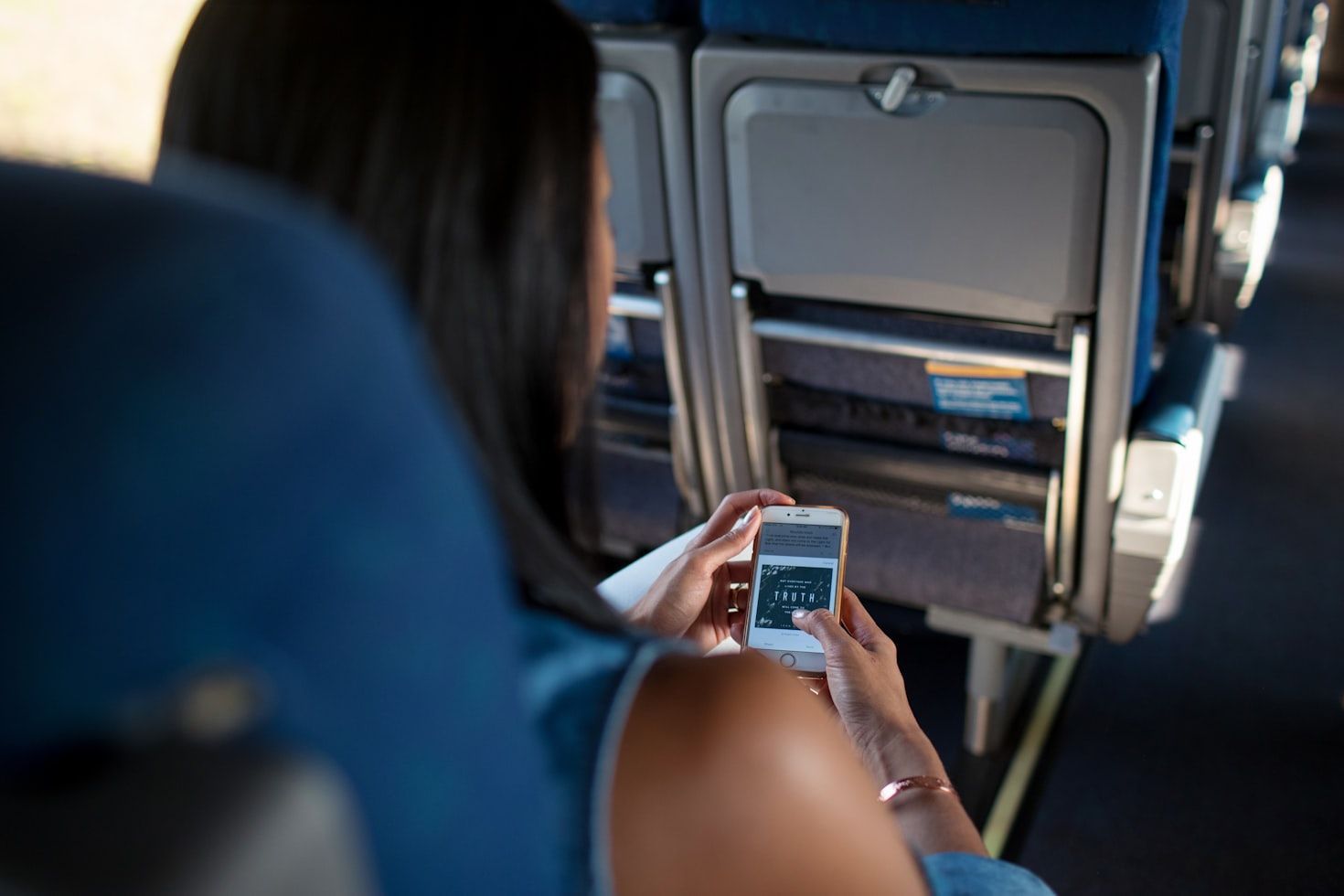 Image: YouVersion
Although it is partly true that using your cell phone or tablet on an airplane can cause electromagnetic interference with the aircraft’s equipment, this risk is mostly associated with older aircraft and is not the main reason these devices are restricted today. Actually, the main concern is passenger safety: in case of sudden deceleration or turbulence, unsecured devices can become fast and dangerous projectiles inside the cabin.
Door secret
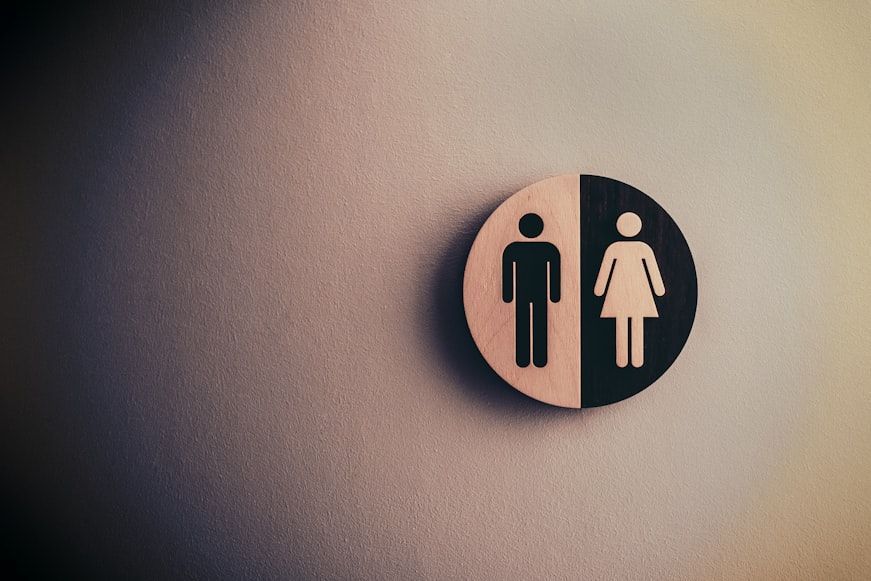 Image: Tim Mossholder
Did you know that airplane bathroom doors can be opened from the outside? Like many of us, you probably said "no" since the latch is usually hidden behind the "Occupied/Vacant" sign. Although it may seem like a violation of privacy, it’s actually a safety measure airlines include so the crew can assist passengers who have a medical emergency or become stuck inside the small space.
Rounded windows
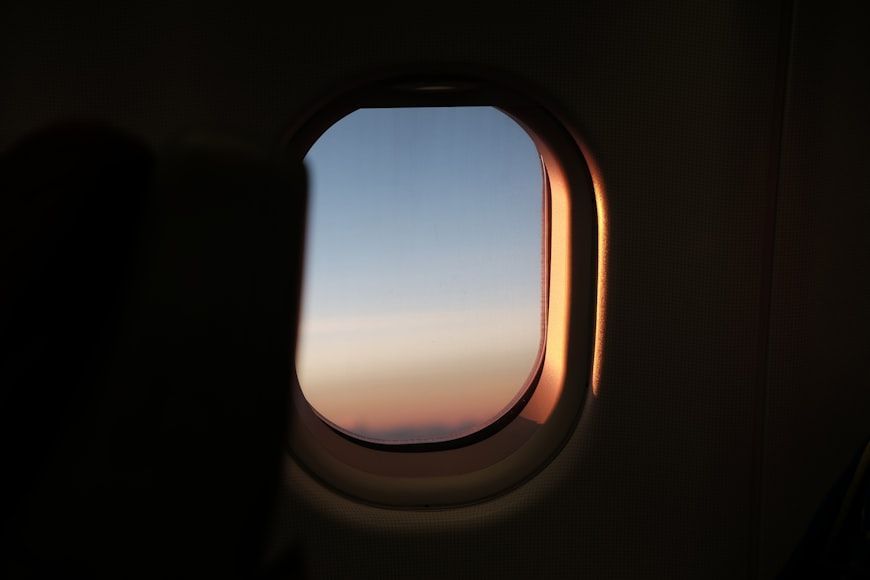 Image: Lex Sirikiat
Airplane windows' typical rounded shape is not a random aesthetic choice, but a crucial safety feature. If windows were square, pressure would concentrate at the corners, increasing the risk of cracks or structural failure. On the other hand, rounded edges help distribute cabin pressure more evenly, making the aircraft safer.
Food tastes different
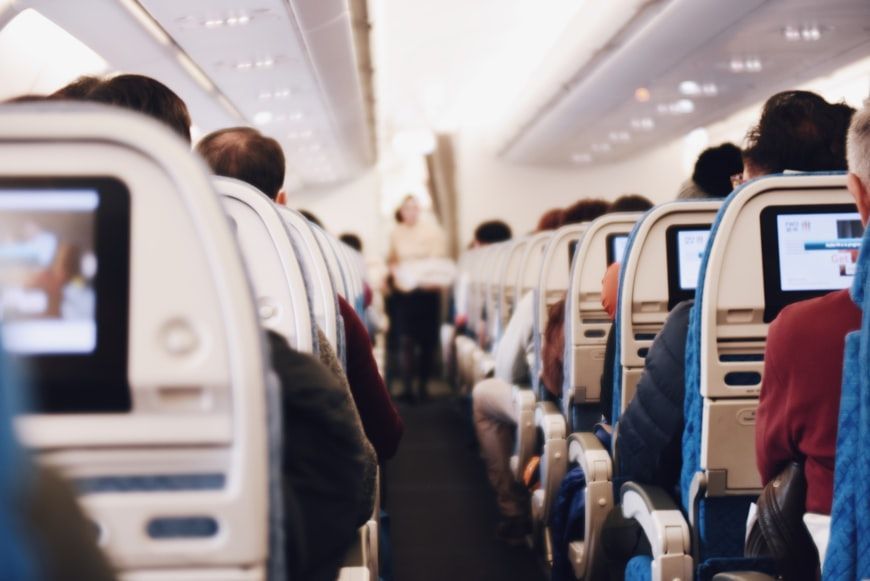 Image: Suhyeon Choi
If you’ve ever flown on an airplane, you’ve probably tried the food on board. Many people don’t realize it, but food actually tastes different at high altitudes. That’s because our sense of taste and smell is altered in flight, as airplane cabins have lower air pressure and very low humidity. According to studies, sensitivity to sweet and salty flavors can drop by around 20–30% during a flight.
Pilots can not share their meals
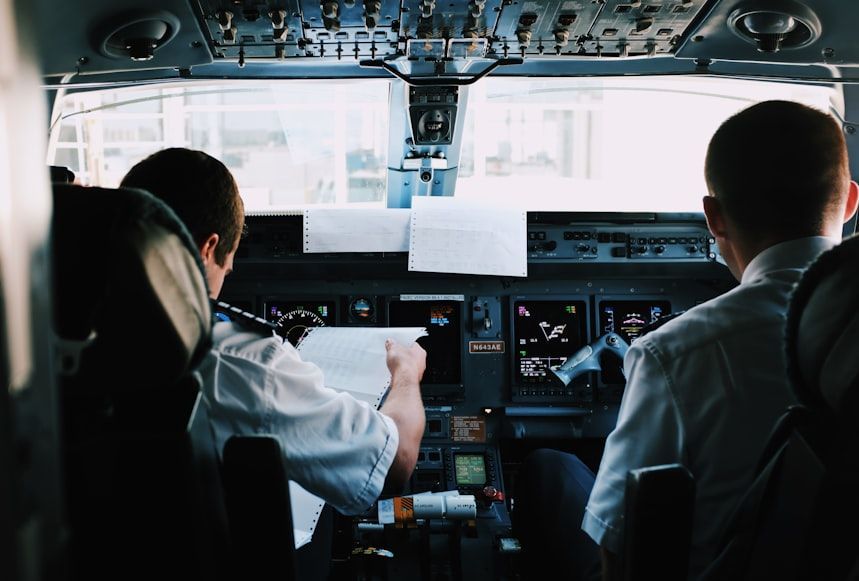 Image: Blake Guidry
Although it doesn’t happen on all airlines, many have a rule that catches your attention at first glance: pilots on the same flight can’t share their meals. That’s right! Each pilot eats a different meal, and there’s a good reason for it. If one were to suffer indigestion or food poisoning, the other would still be fit to fly.
Wildlife management teams
 Image: Julia Craice
Did you know that airports, especially large ones, hire wildlife management teams? You might wonder what animals have to do with airports, right? Well, it’s not just planes flying near airports; birds are there too, and they can be a real problem for aircraft engines. That’s why these teams are responsible for monitoring bird activity and animal movement on and around runways.
Why white?
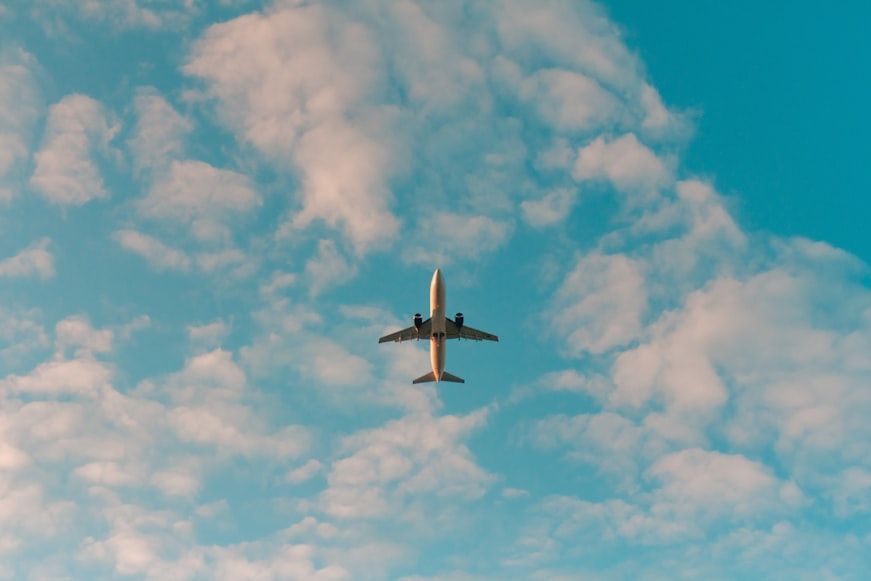 Image: Philip Myrtorp
It is no coincidence that most of the world’s aircraft are white. This color was chosen for several important reasons, related to safety and efficiency. In the first place, white reflects sunlight better, helping keep the aircraft cooler. It also makes planes more visible in the sky and from the ground, reducing the risk of collisions. In addition, cracks, oil leaks, and corrosion are easier to spot on a white surface. And finally, white paint is cheaper and adds less weight to the aircraft.
11,5%
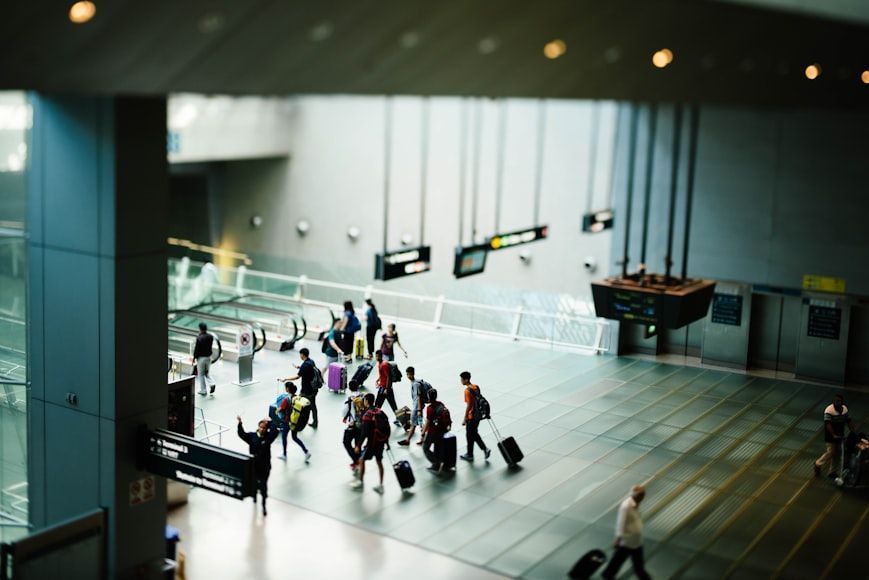 Image: CHUTTERSNAP
On average, passengers and all their luggage account for 11.5% of the total weight of a commercial flight. Among the heaviest items are fuel, which accounts for between 20 and 40% of the total weight, and, of course, the structure and fuselage, which account for between 40 and 50%.
The largest airline in the world
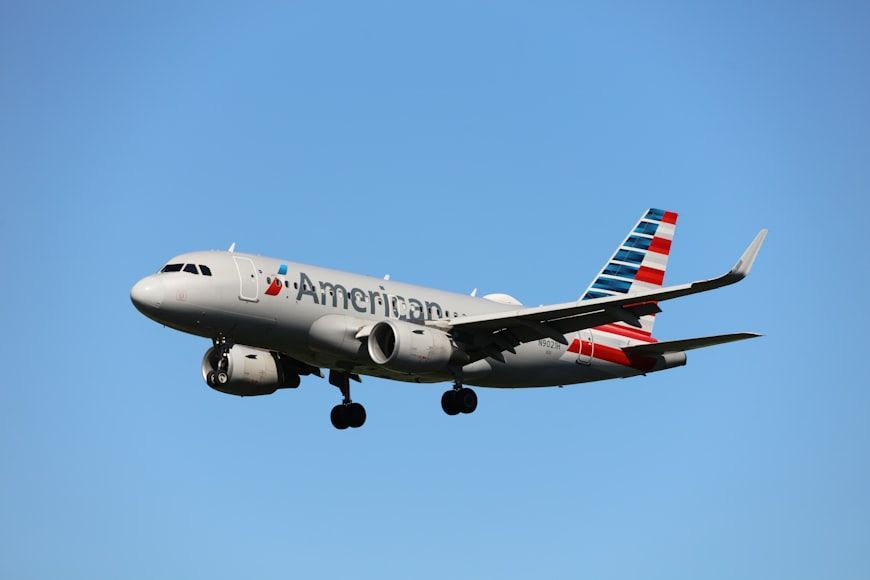 Image: Forsaken Films
The airline considered to be the largest in the world comes from our country! We’re talking about American Airlines, which ranks number one based on fleet size, total seats, number of flights, and passengers carried. To give you an idea of its scale, the airline operates about 6,800 flights every day, transporting more than 500,000 passengers daily.
Lightning
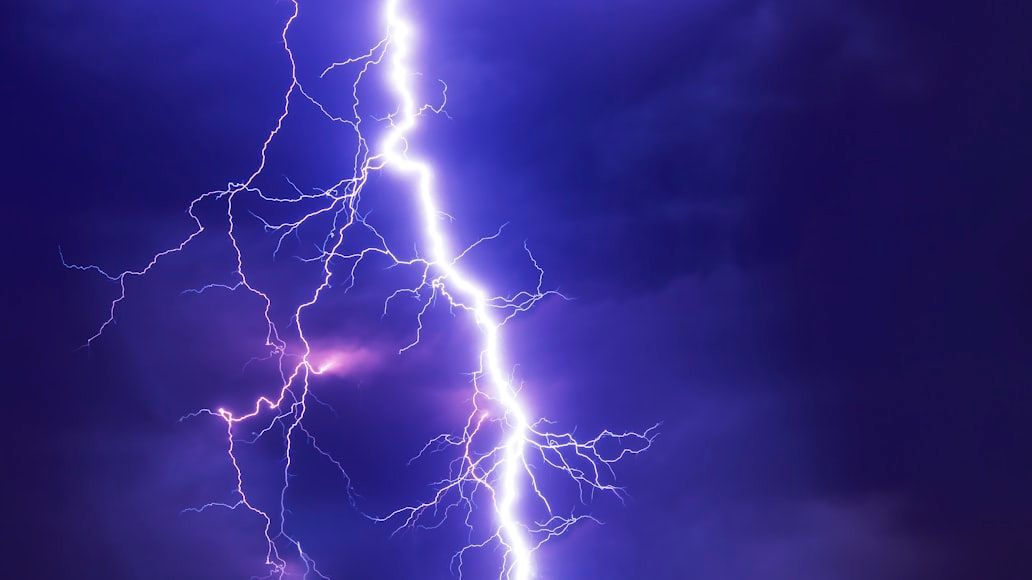 Image: Felix Mittermeier
Although it's best not to think about it, airplanes are struck by lightning much more often than you might imagine. In fact, a typical commercial jet is struck by lightning once or twice a year. Fortunately, airplanes are designed to handle this situation, diverting the electricity and keeping passengers, crew, and the entire aircraft safe.
Keep wandering
There’s always
more to explore
Why are hard landings sometimes the perfect landings?
6 min.
Read Now
 History

Was Moby-Dick a real whale? These marine stories have real backgrounds
6 min.
Read Now
What passengers never see after midnight on a cruise ship
4 min.
Read Now

These 10 mysteries were solved. So why do we still believe them?
6 min.
Read Now