These 11 U.S. airports and train stations are worth a visit
 Landmarks
Even if you are not travelling
These 11 U.S. airports and train stations are worth a visit
Some American train stations and airports are much more than transit points. They are architectural landmarks and pieces of history that are very much worth a visit, even if you are not traveling anywhere. From magnificent halls to mid-century modern terminals, these places are a reward in themselves for passengers who take a moment to slow down and look around. If you live anywhere near one of these places, you have probably already experienced what we are talking about.
Grand Central Terminal (New York, NY)
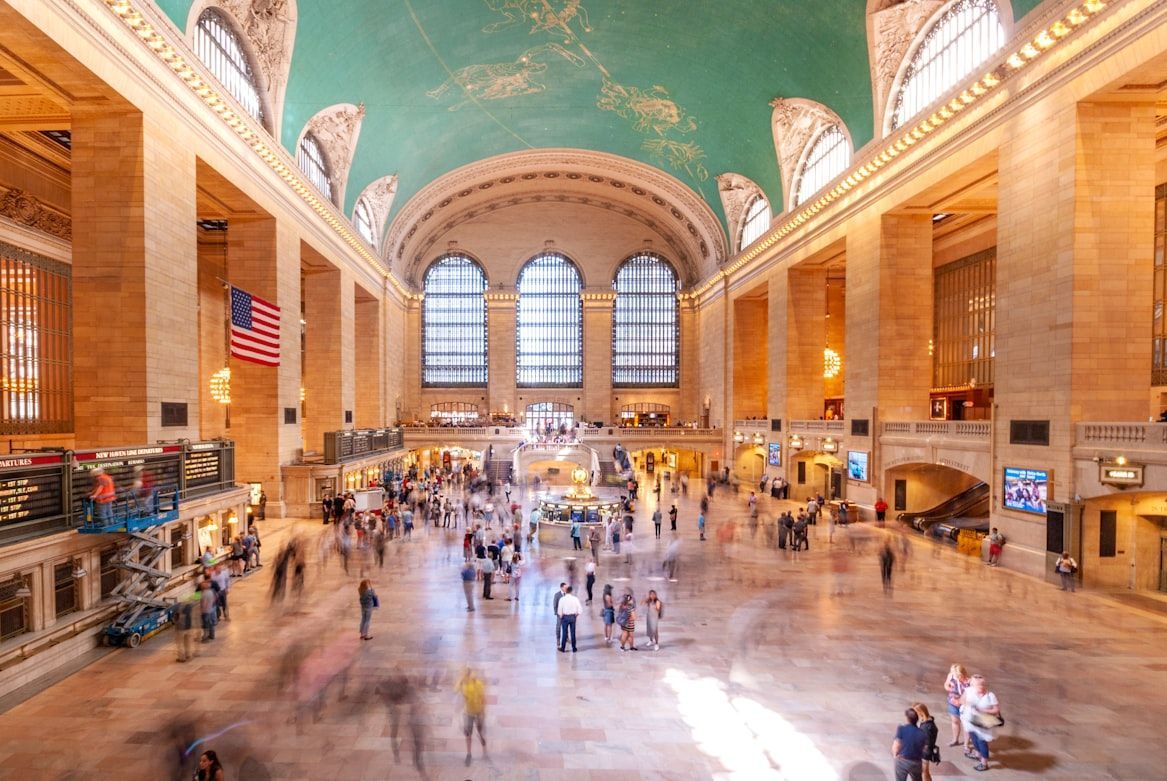 Image: David Vives
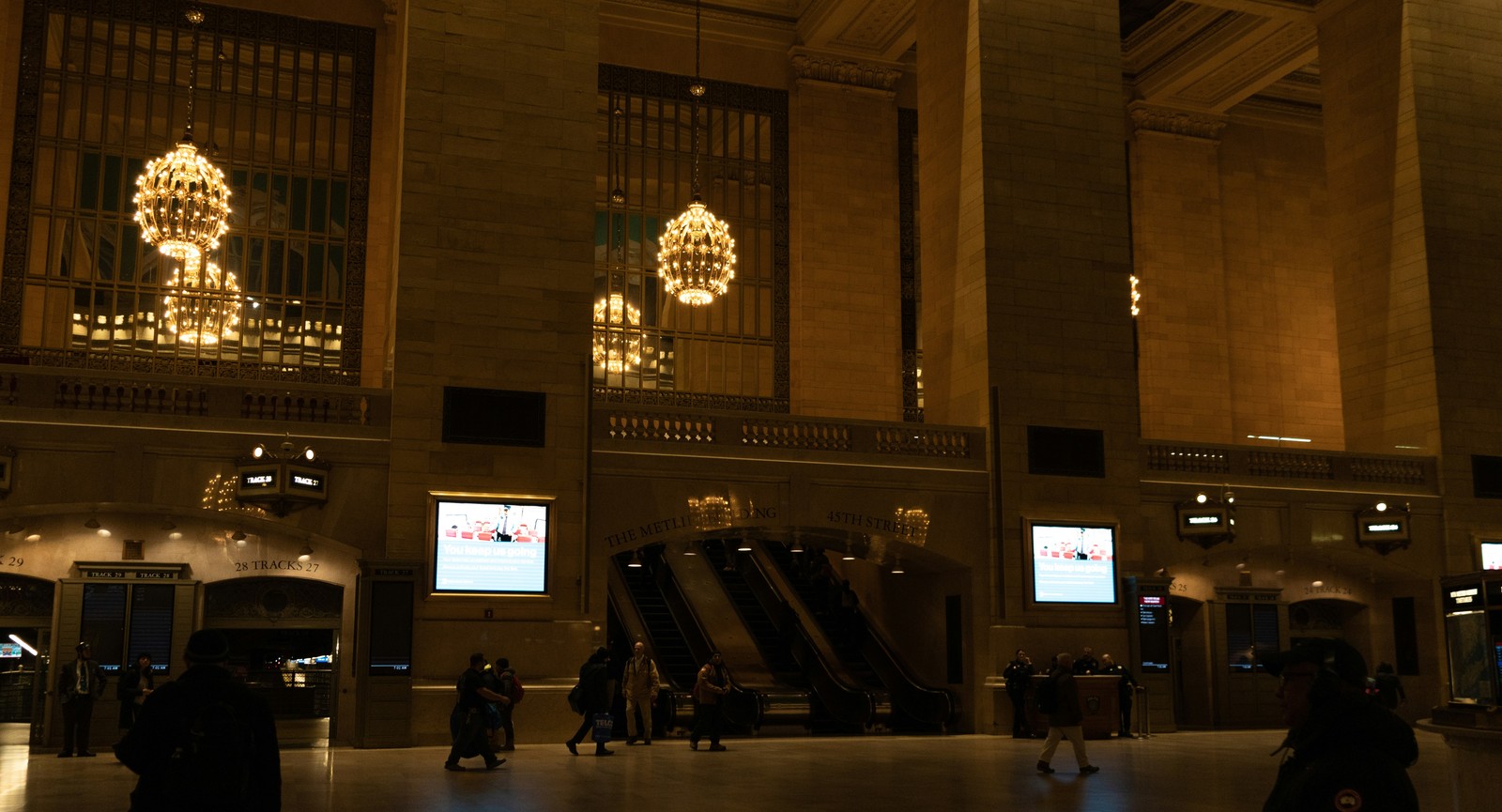
Opened in 1913, Grand Central is as much a civic monument as it is a train station. Its vast Main Concourse, crowned by a celestial ceiling painted with constellations, has become one of America’s most recognizable interior spaces.
Beyond the trains, visitors can admire the marble staircases, the iconic four-faced historic clock, and hidden details like the Whispering Gallery.
Daniel K. Inouye International Airport (Honolulu, Hawaii)
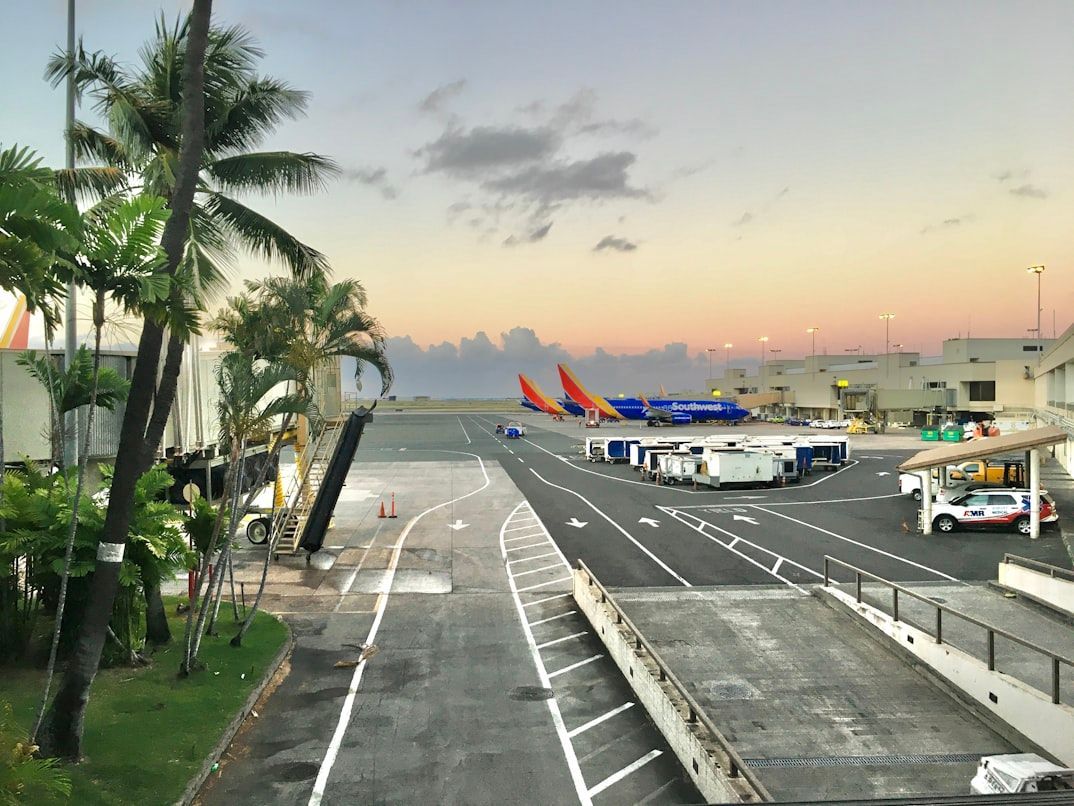 Image: Charlie Schroeder
Daniel K. Inouye International Airport, also known as the Honolulu International Airport, offers an open-air design uncommon in mainland US airports. Tropical gardens, breezeways, and Hawaiian art create a relaxed atmosphere that reflects island life.
For many visitors, it feels like the vacation begins the moment they arrive. The airport’s layout embraces the local climate and culture rather than shutting them out.
Union Station (Washington, D.C.)
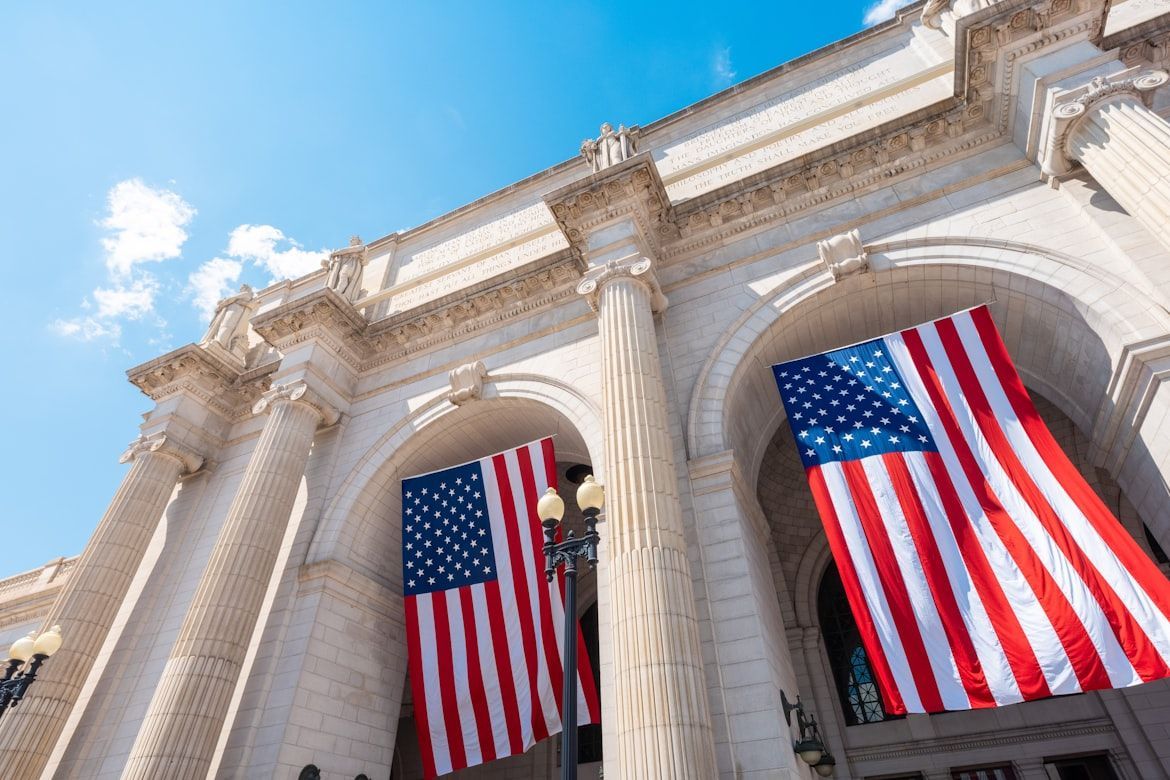 Image: Andy Feliciotti
Union Station opened in 1907 as a monumental gateway to the nation’s capital. Its massive Great Hall, with gold-leaf ceilings and classical arches, was designed to impress visitors arriving by rail. For decades, it symbolized Washington’s role as a crossroads of American travel.
Today, the station blends history with modern life, housing shops, exhibitions, and restaurants beneath its grand vaults. Many visitors stop by simply to admire the architecture, even if they don’t have a train to catch.
Jackson Hole Airport (Jackson Hole, Wyoming)
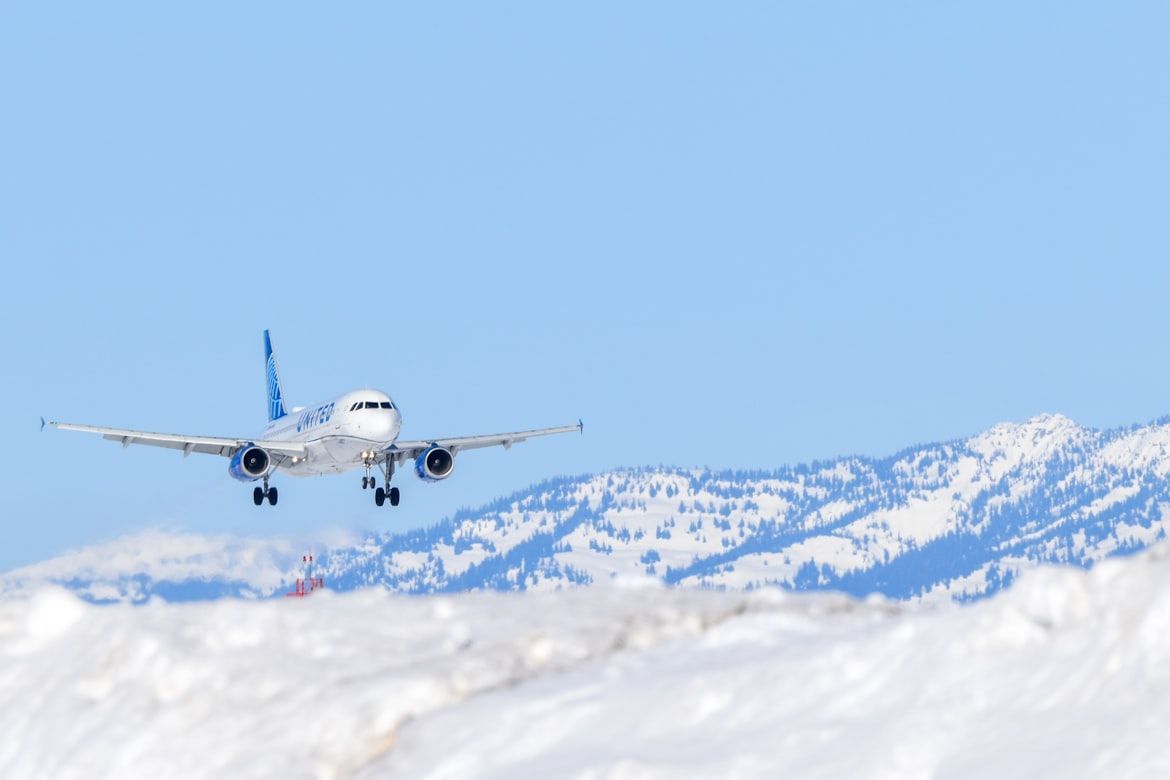 Image: David Syphers
Jackson Hole Airport is unique for its location within Grand Teton National Park. The small terminal uses rustic materials like wood and stone, echoing the surrounding mountains.
With sweeping views of the Tetons visible from the runway, arrivals and departures feel like part of a scenic experience. It’s often cited as one of America’s most beautiful airports.
Chicago Union Station (Chicago, Illinois)
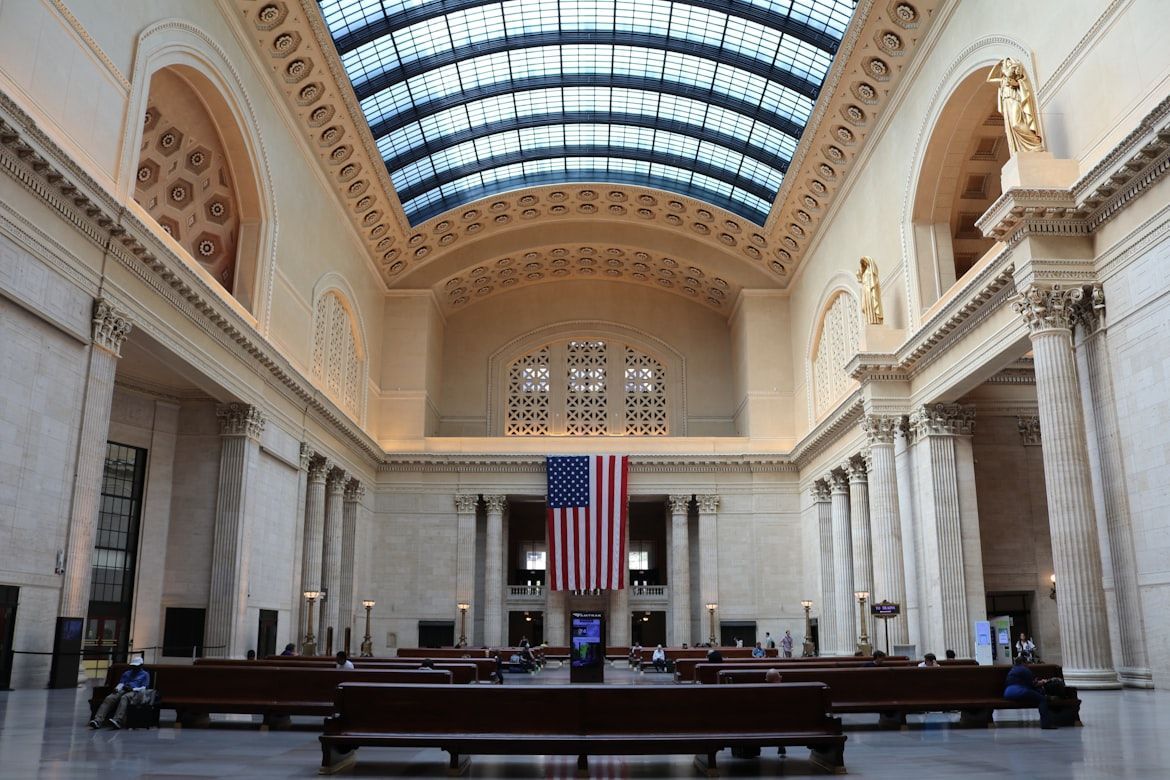 Image: Hudson Thomas
Chicago Union Station’s Great Hall is one of the finest examples of Beaux-Arts design in the Midwest. Completed in 1925, its massive skylight floods the room with natural light, drawing attention to its marble columns and elegant proportions.
The station remains a busy transportation hub while also serving as a quiet architectural escape from the surrounding city. For visitors, it offers a chance to experience the classic American railroad greatness that is still in use.
Salt Lake City International Airport (Salt Lake City, Utah)
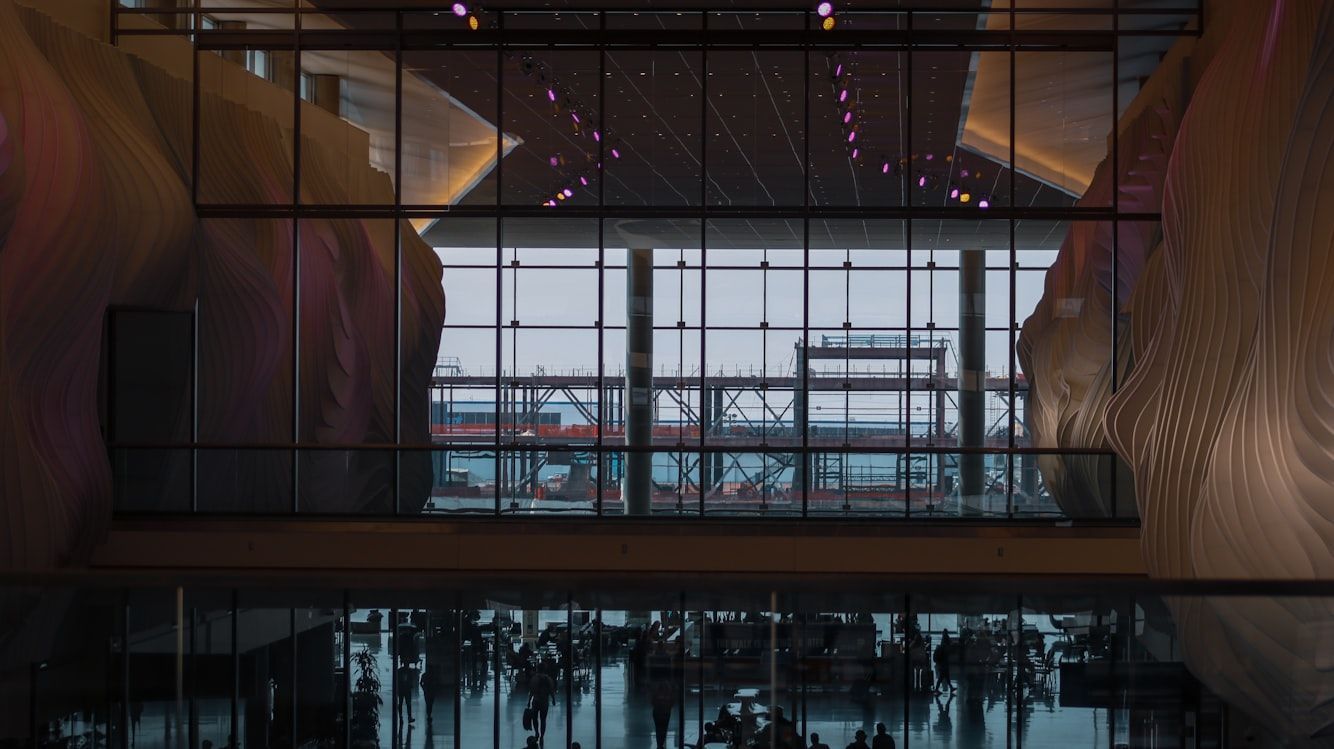 Image: Heber Davis
Salt Lake City’s rebuilt airport blends modern design with references to Utah’s dramatic landscapes. Clean lines, natural light, and public art create a sense of openness rarely found in large airports.
For travelers passing through, the airport provides a calm and visually pleasing environment. Its thoughtful layout and contemporary design make it a surprisingly enjoyable place to spend time.
Cincinnati Union Terminal (Cincinnati, Ohio)
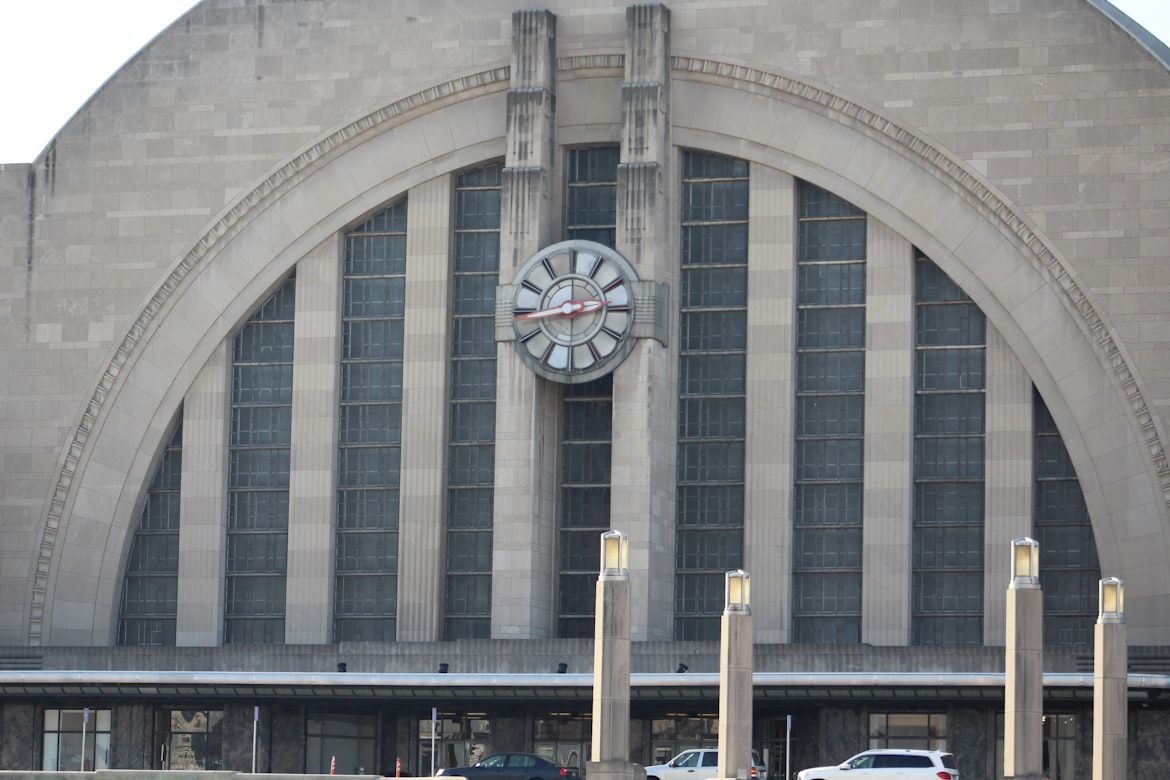 Image: Yaw Afari
This striking Art Deco landmark opened in 1933 and looks more like a museum than a train station. Its sweeping semi-dome, colorful mosaics, and bold geometric lines reflect the optimism of early-20th-century American design.
Although rail service today is limited, the building remains a cultural center, housing museums and rotating exhibits. Visitors can explore its incredible interiors and experience one of the finest Art Deco spaces in the country.
Portland International Airport (Portland, Oregon)
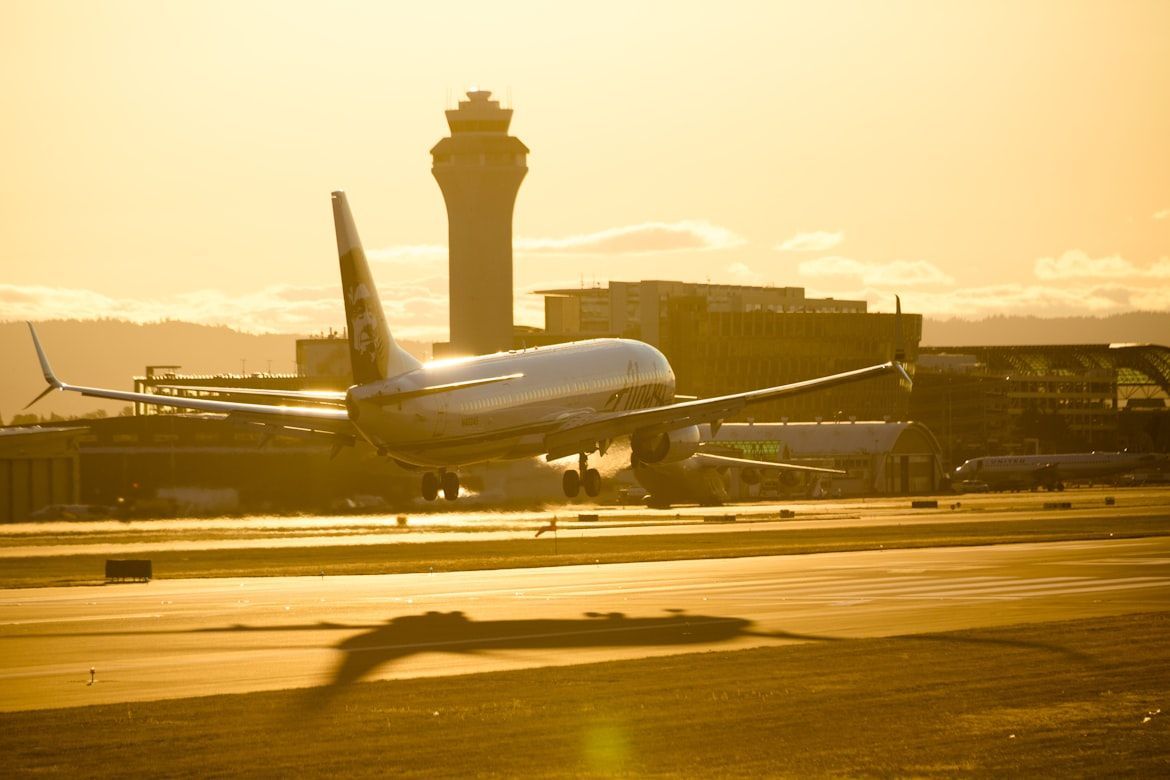 Image: Avel Chuklanov
Portland International Airport is frequently praised for its relaxed atmosphere and strong regional character. Recent renovations emphasize natural wood, open spaces, and artwork inspired by the Pacific Northwest.
Known for its friendliness and easy navigation, PDX feels more like a community space than a stressful transit point.
30th Street Station (Philadelphia, Pennsylvania)
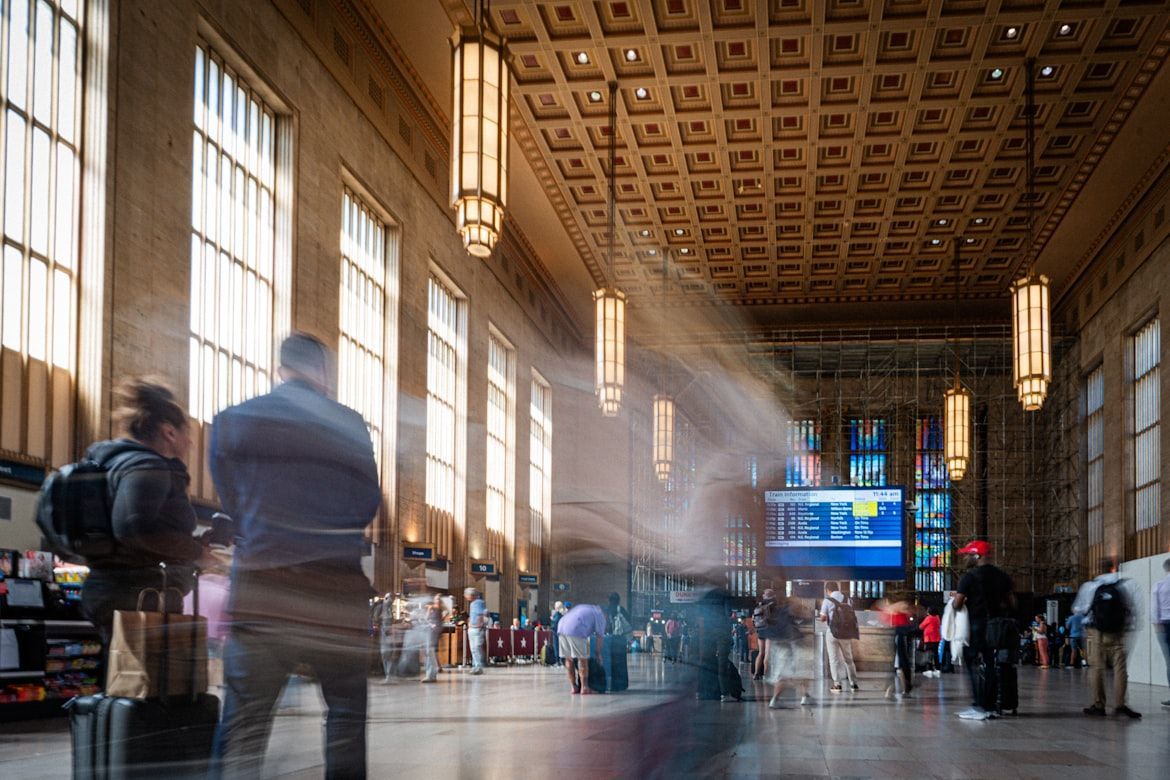 Image: Nils Huenerfuerst
Philadelphia’s 30th Street Station is a monumental blend of Beaux-Arts and Art Deco architecture. Completed in 1933, it features massive columns and a cavernous waiting room that makes the place almost seem like a cathedral.
Still serving Amtrak and regional rail, the station rewards visitors who pause to look upward and take in its details. Its scale and symmetry make it one of the most impressive train stations in the United States.
Dulles International Airport Main Terminal (Dulles, Virginia)
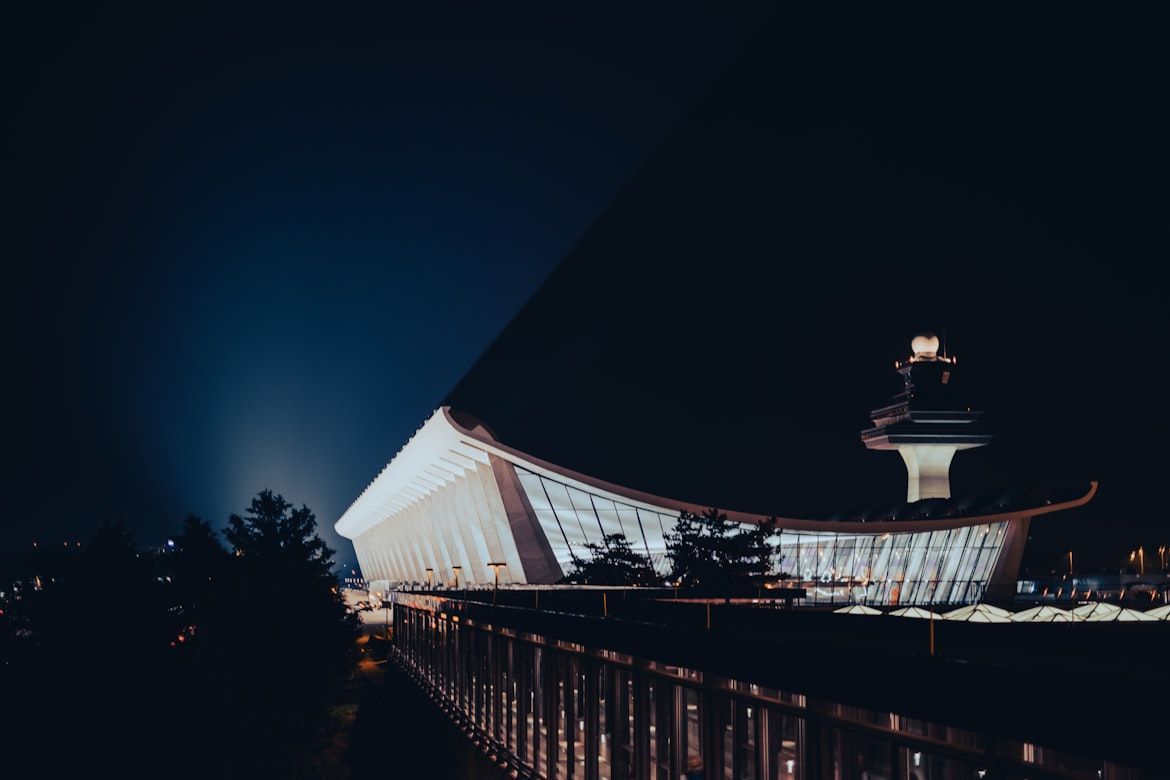 Image: Cyrus Crossan
The main terminal at Dulles International Airport is a creation of Eero Saarinen, known for its elegant roofline that appears to float above the building. Opened in 1962, it redefined how airports could look and feel.
Its airy interior and dramatic angles make it a favorite among architecture enthusiasts. For travelers, Dulles offers a reminder that even modern transportation spaces can be beautifully designed.
College Park Airport (College Park, Maryland)
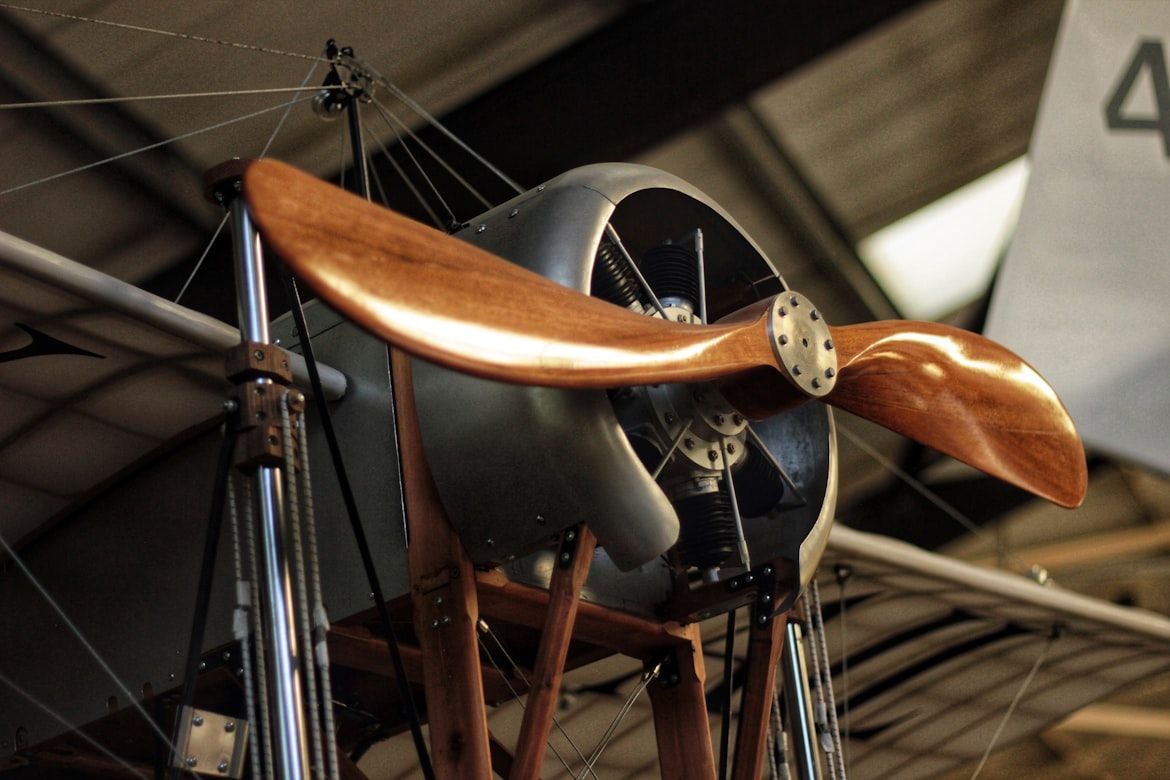 Image: Metin Ozer
Established in 1909, College Park Airport is recognized as the oldest continually operating airport in the world. Early aviation pioneers trained here, and the site played a significant role in the beginnings of powered flight in the US.
Today, a small museum on the grounds tells the story of those early pioneers. Visitors can stand where aviation history was made.
Airplane air is cleaner than you think - and other comforting facts
 General
You'd love to know these facts about air travel before your next flight
These facts will help you feel more comfortable on a plane
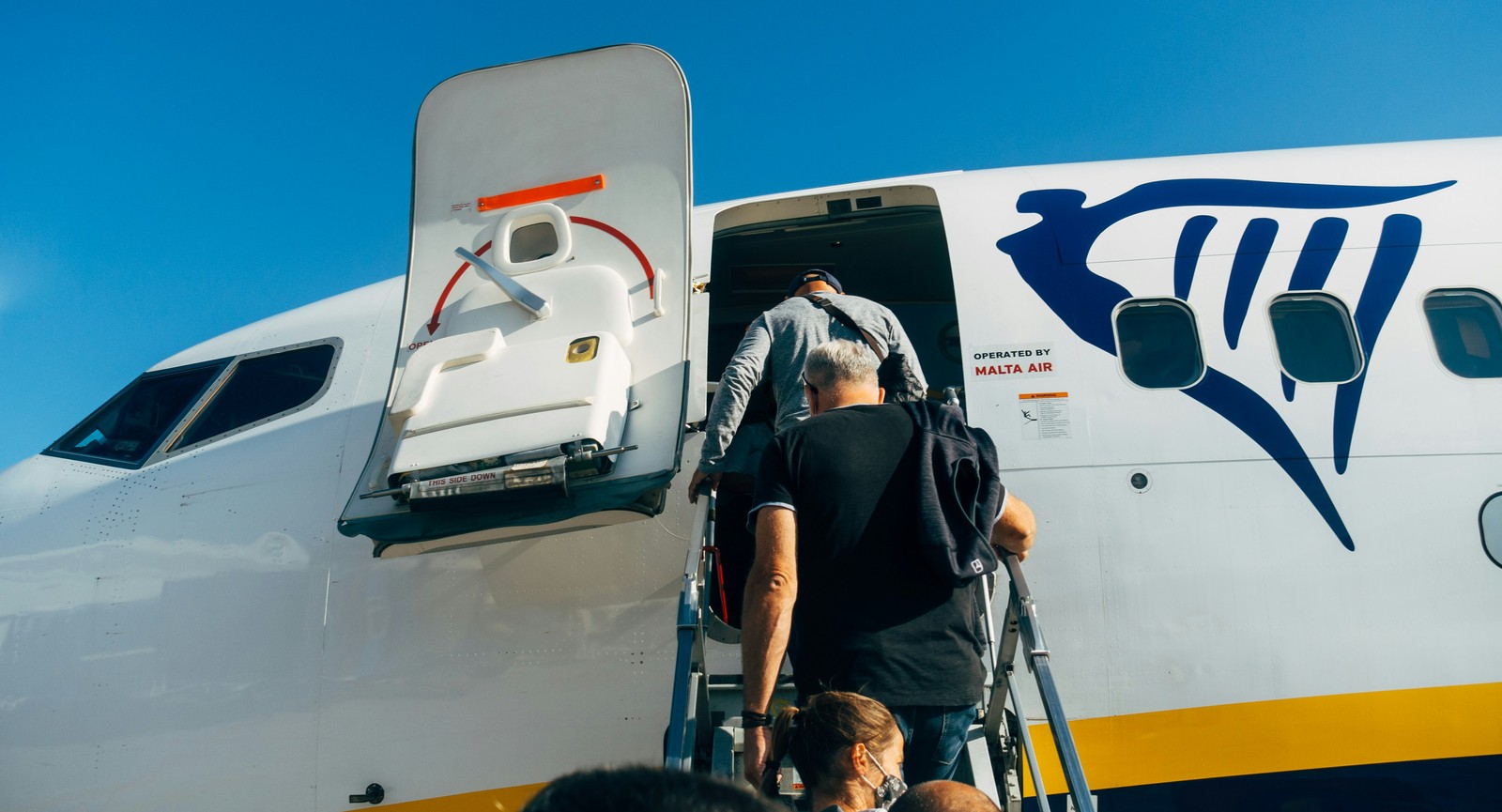
If stepping onto an airplane still gives you a flutter in your stomach, you’re not alone. Even seasoned travelers sometimes grip the armrest during takeoff. The good news? A little knowledge goes a long way. Here are ten friendly, down-to-earth facts about flying that can help you relax, sit back, and maybe even enjoy the ride.
Airplanes are built to handle far more than you’ll ever experience

Commercial airplanes are designed to withstand extreme stress, far beyond normal flight conditions. Their wings are tested to bend dramatically without breaking. Engineers literally push them to their limits on the ground before the plane ever carries passengers.
So when you feel a little shaking in the air, remember: the aircraft has already endured much tougher tests. That small bounce is well within what it was built to handle.
Turbulence is normal and rarely dangerous
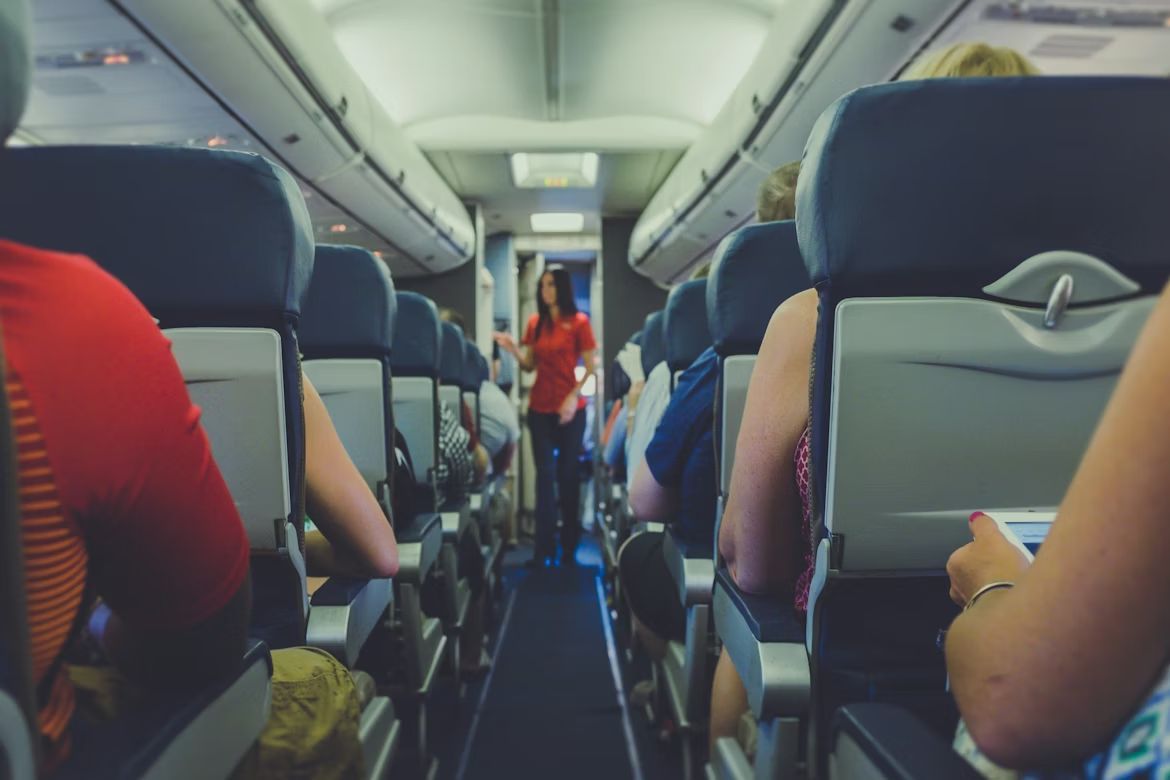
Turbulence can feel unsettling because we’re not used to moving through invisible air currents. But to pilots, it’s routine, like driving over a slightly bumpy road.
Planes are built specifically to handle turbulence. In fact, serious damage from turbulence is extremely rare. It may spill your ginger ale, but it’s not going to bring the plane down.
Pilots train for years (and then keep training)
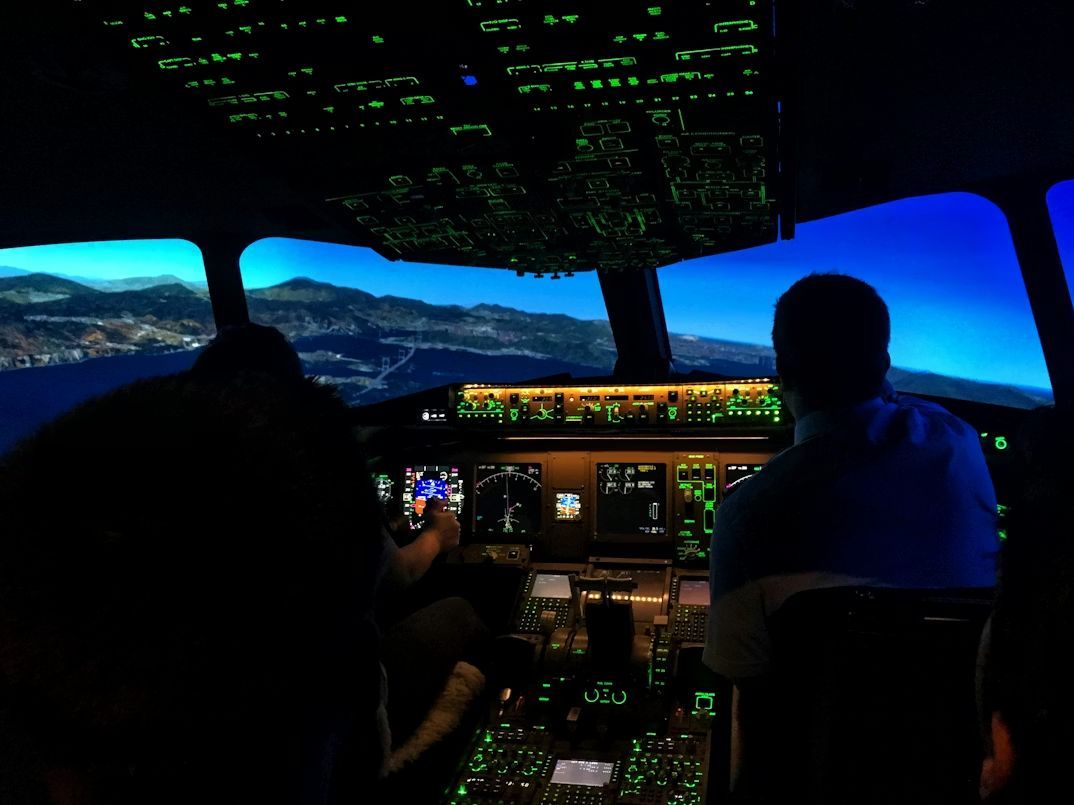
Airline pilots don’t just earn a license and call it a day. They train for years and log thousands of hours in the air before flying passengers.
Even after being hired, pilots return regularly to simulators to practice emergency scenarios—including situations they may never actually face. So if something unexpected happens, they’ve likely practiced it many times already.
Planes can fly on one engine
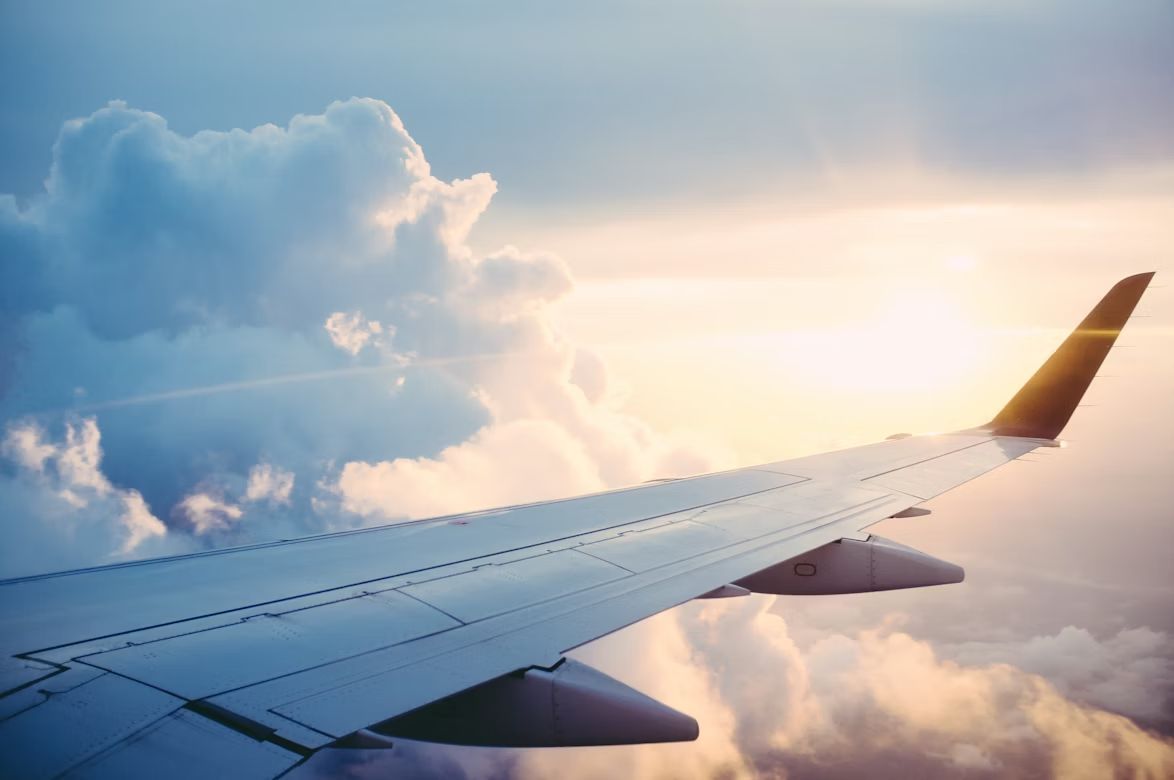
This fact surprises a lot of people: commercial jets are designed to fly safely even if one engine stops working.
In fact, pilots train specifically for that scenario. If an engine fails, the plane can continue flying and land safely. It’s not a crisis—it’s a situation they’re fully prepared for.
The air in the cabin is cleaner than you think
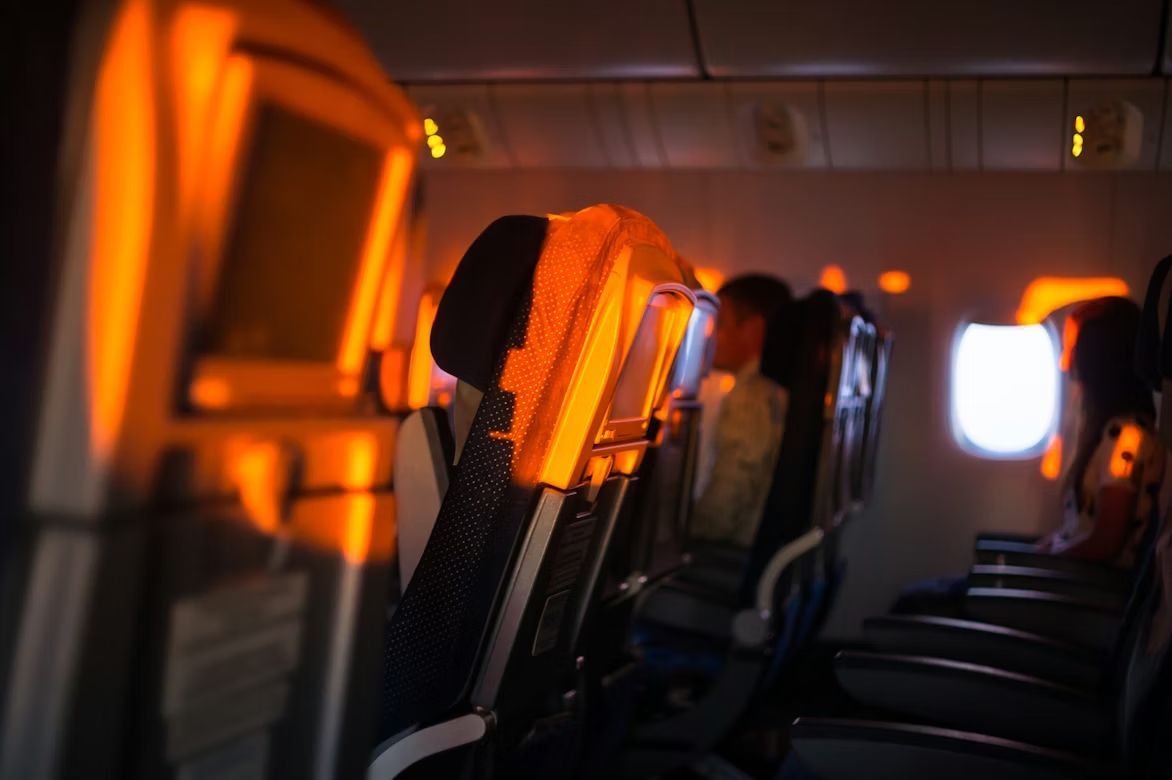
Many people assume airplane air is stale or endlessly recycled. In reality, cabin air is refreshed frequently during flight.
Most modern aircraft use high-efficiency filters similar to those found in hospitals. The air is a mix of fresh outside air and filtered cabin air, and it’s circulated regularly. You’re not just breathing the same air all the way from Dallas to Denver.
Takeoff feels dramatic, but it’s routine

That rush of acceleration during takeoff can feel intense. Your body senses speed and change, which can trigger nerves.
But takeoff is one of the most carefully calculated parts of flight. Pilots know exactly how much runway they need and how the aircraft will perform. What feels dramatic to passengers is simply physics doing its job.
Air travel is one of the safest ways to travel
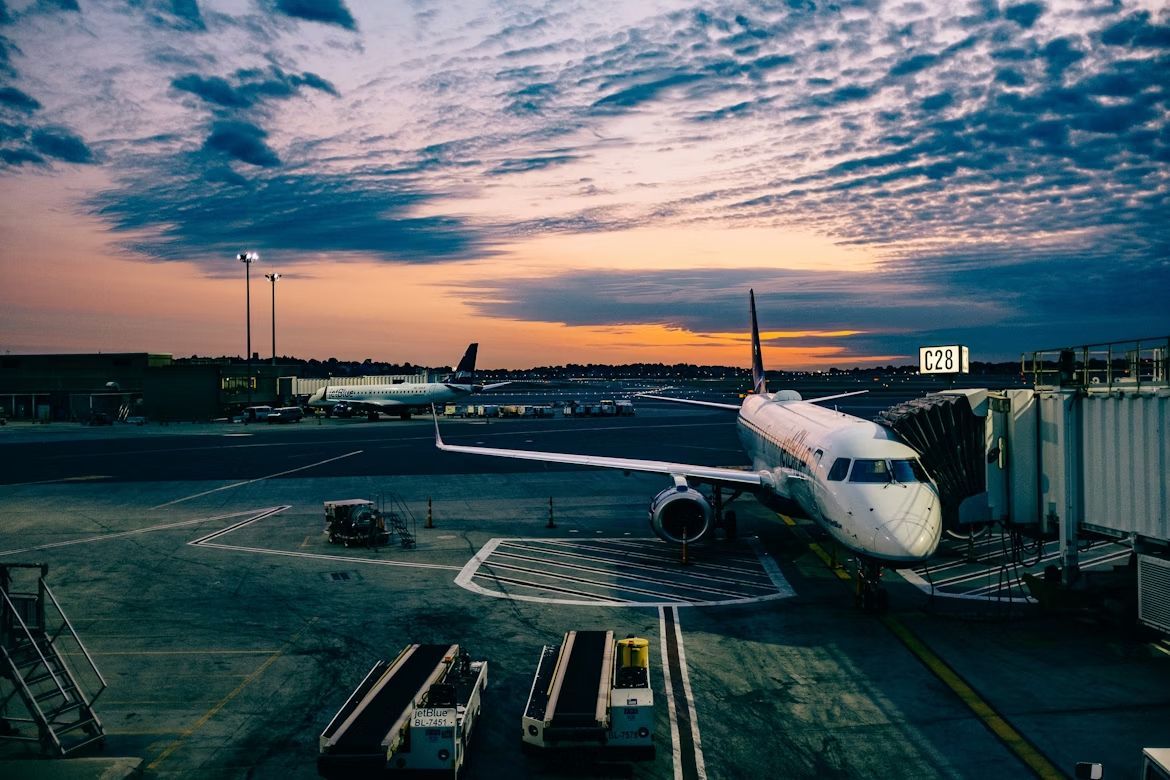
Statistically speaking, flying is extraordinarily safe, much safer than driving to the airport.
Aviation is heavily regulated, constantly monitored, and continuously improved. Every incident is studied in detail so the industry can learn and refine procedures. The system is designed with multiple layers of backup and oversight.
That "drop" feeling isn’t what it seems
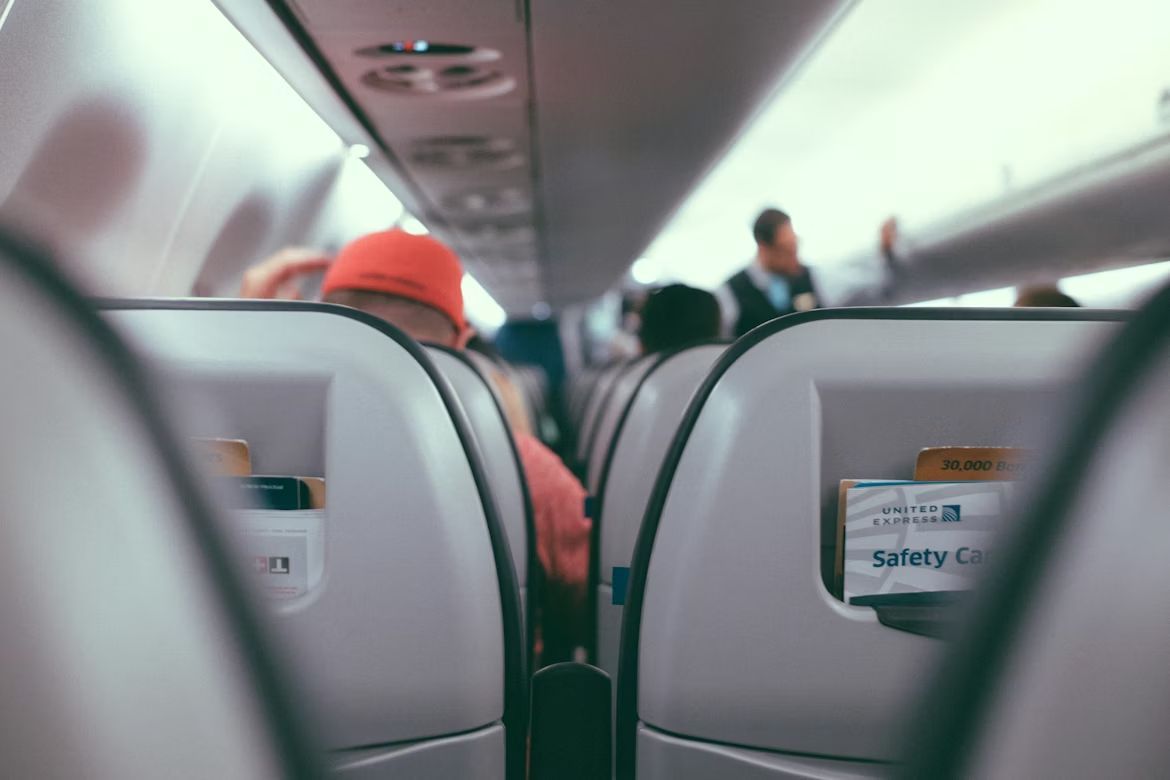
Sometimes during turbulence, it feels like the plane has suddenly dropped dozens of feet.
In reality, the change in altitude is usually small, often just a brief shift in airflow. Your inner ear exaggerates the sensation, making it feel bigger than it actually is.
Those noises you hear are normal

Airplanes make a lot of unfamiliar sounds—whirring, humming, clunking. If you don’t fly often, it can be unsettling.
But many of those noises are simply the landing gear moving, flaps adjusting, or engines changing power. Pilots and flight crews expect these sounds. They’re part of the choreography of flight.
The crew wants a smooth flight as much as you do
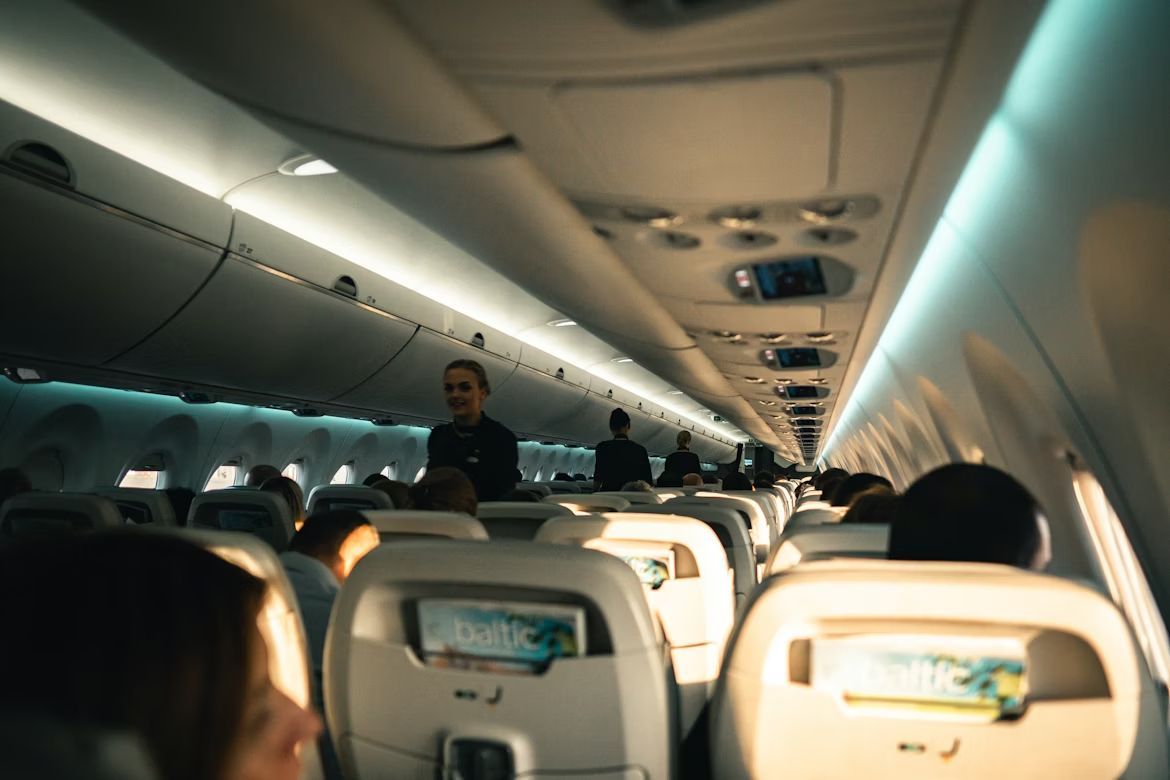
Flight attendants and pilots fly all the time. This isn’t a thrill ride for them—it’s their workplace.
If there were any genuine danger, they would act immediately. When you see them calmly chatting or continuing service during turbulence, that’s often the best reassurance you can get. They know what’s normal, and they’re comfortable with it.
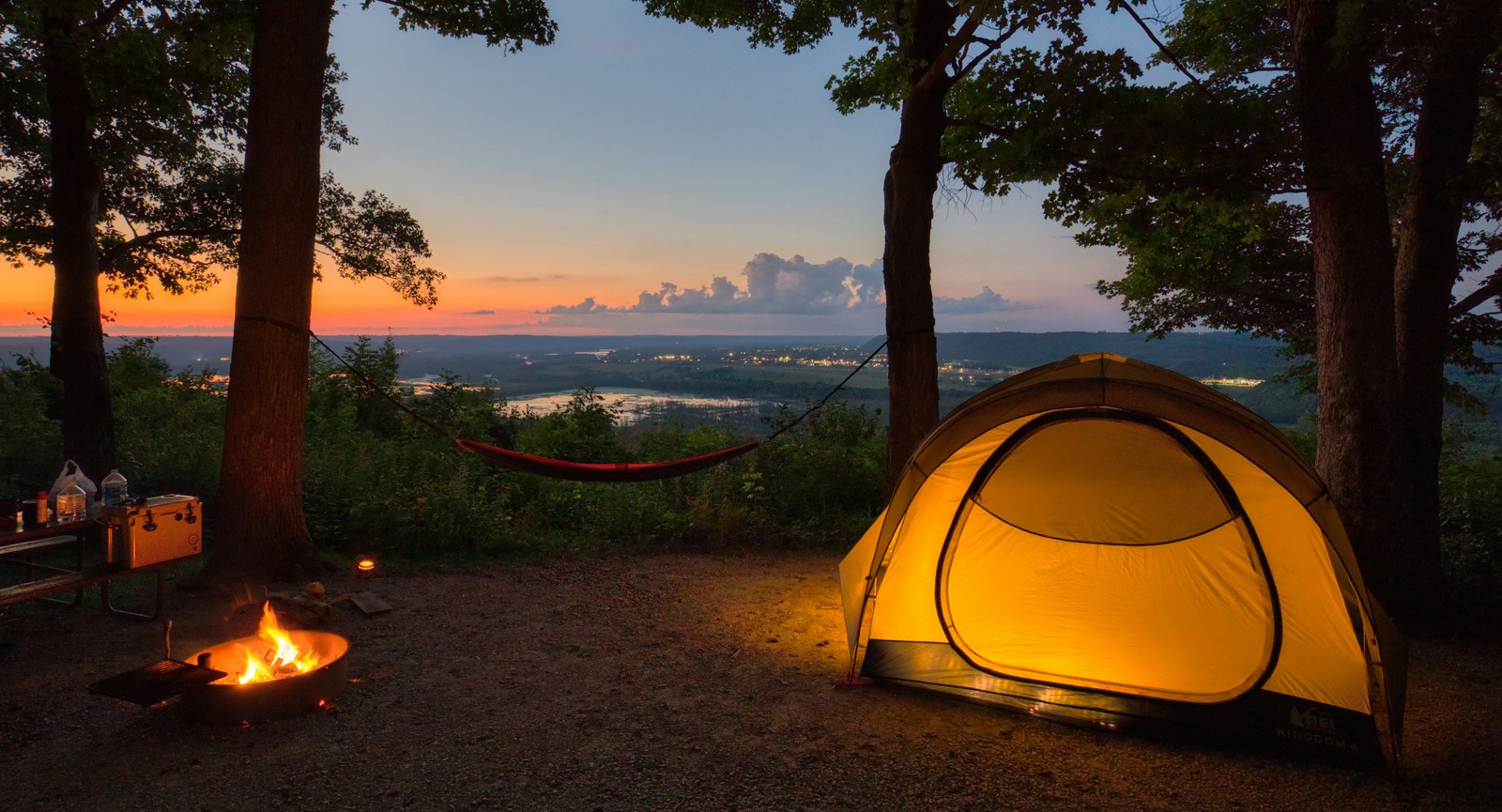
These old camping habits would be unthinkable today
The old ways of camping
These old camping habits would be unthinkable today
There was a time when camping meant a little less planning and a lot more improvising. No apps, no checklists, no ten-minute gear reviews before leaving the driveway. You packed what you thought you’d need, crossed your fingers, and hoped the weather cooperated. Were we fearless, or just wildly optimistic? Either way, these old camping habits would raise more than a few eyebrows today.
Leaving food out in the open

Raccoons and other animals considered it a buffet. The midnight clatter of something investigating your snacks was enough to make the hairs on your neck stand. Nowadays we double-lock and suspend food from trees. Back then? "It’ll probably be fine."
Sleeping directly on the ground

You were lucky if you had a thin foam mat. Otherwise, it was you, a sleeping bag, and whatever roots or rocks happened to be underneath. You woke up feeling every inch of the forest floor imprinted on your spine. Yet somehow, it was easy to feel that you’d slept "pretty well."
Drinking straight from streams

Crystal-clear mountain water looked pure enough, so you cupped your hands and drank. Right? Filters and UV purifiers are a very modern thing. It was risky, sure, but it felt natural and adventurous.
Only one flashlight per group
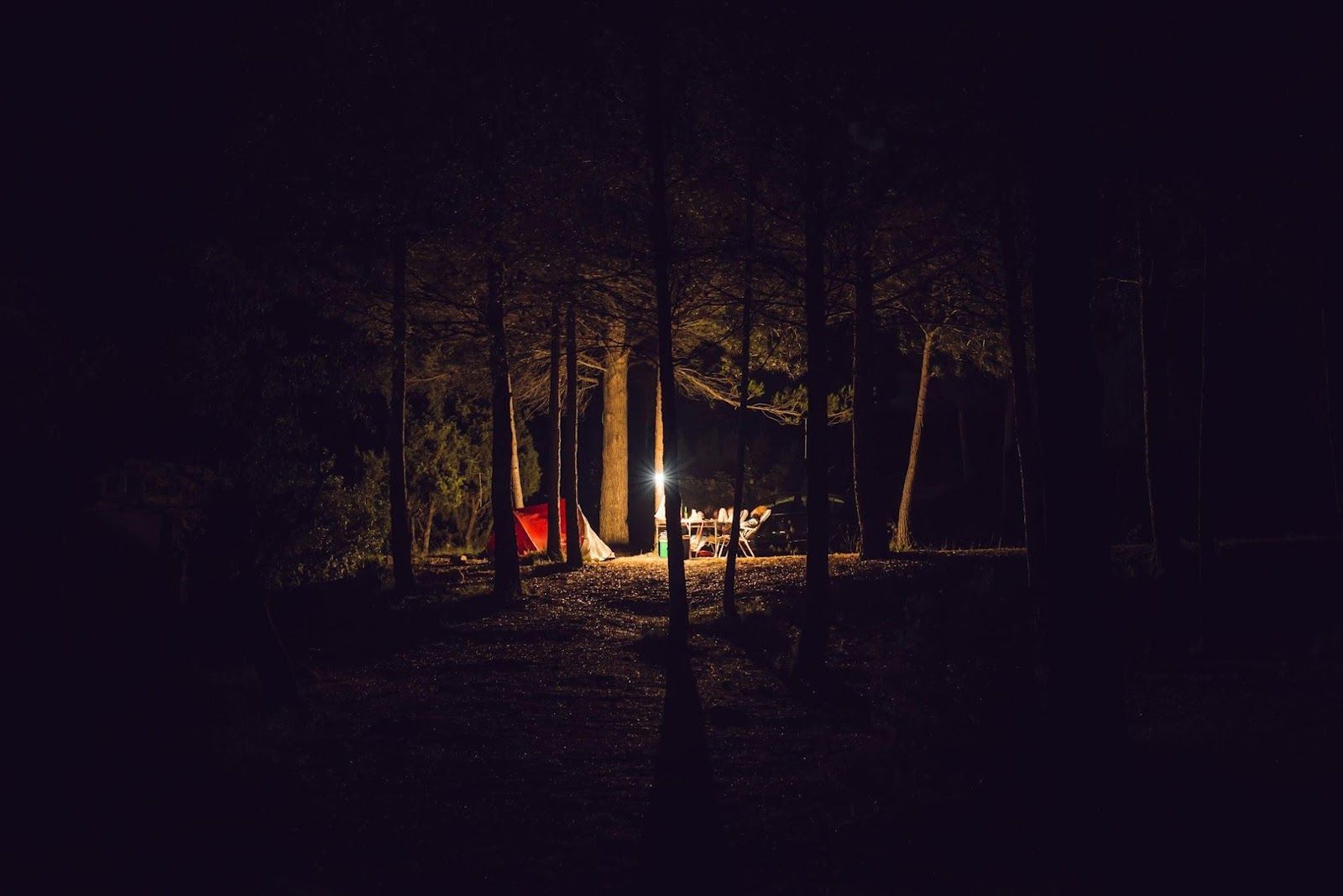
There was a time when there was only one flashlight, and it was everyone’s responsibility to not lose it. Night walks to the restroom were necessarily group expeditions. Modern phones with flashlights have really dissolved those funny issues.
Letting kids roam unsupervised

"Be back before dark!" That was the entire safety briefing. Kids disappeared into woods, built questionable forts, and returned muddy, hungry, and proud of it. Looking back, it feels equal parts wholesome and slightly terrifying.
Being unaware of weather forecasts

You packed based on vibes. If a storm rolled in, you dealt with it in real time, scrambling to secure tents and rescue damp sleeping bags. Weather apps didn’t ping you with alerts. The sky was your forecast, and sometimes it lied.
No ice or preservatives

Before high-tech coolers, there were heavy ice blocks wrapped in newspaper. Everything inside became slightly damp. Sandwiches tasted faintly of melted ice water. But keeping food cold felt like an achievement! Of course, it’s a lot easier these days.
Pitching a tent without instructions
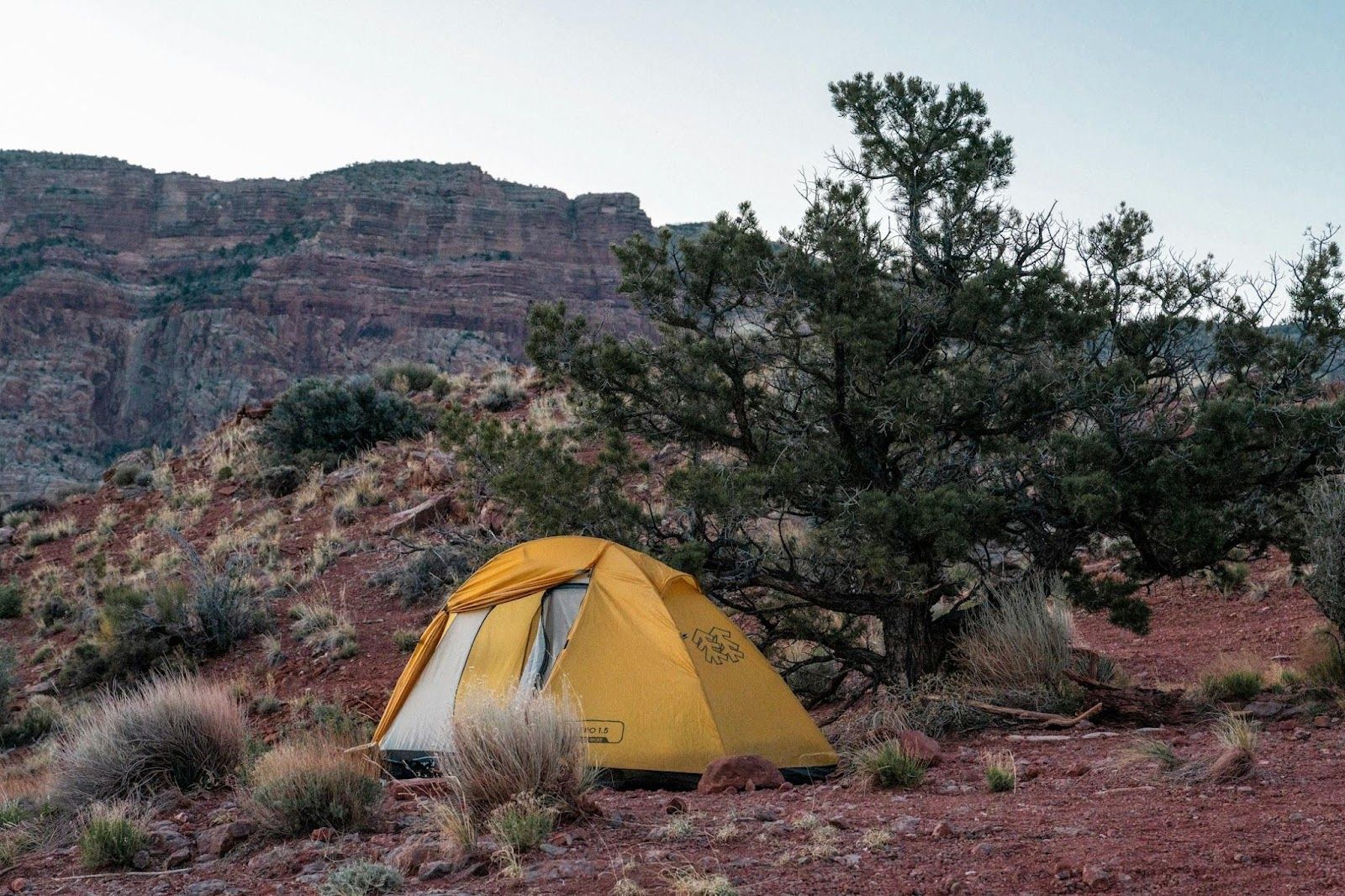
You pulled a thick canvas bundle out of the trunk and just… started guessing. Poles everywhere, stakes missing, someone holding one corner while someone else shouted directions that made no sense. If it stood upright by sunset, you considered it a triumph. But in the end, it did come with more pride, didn’t it?
Swimming at night
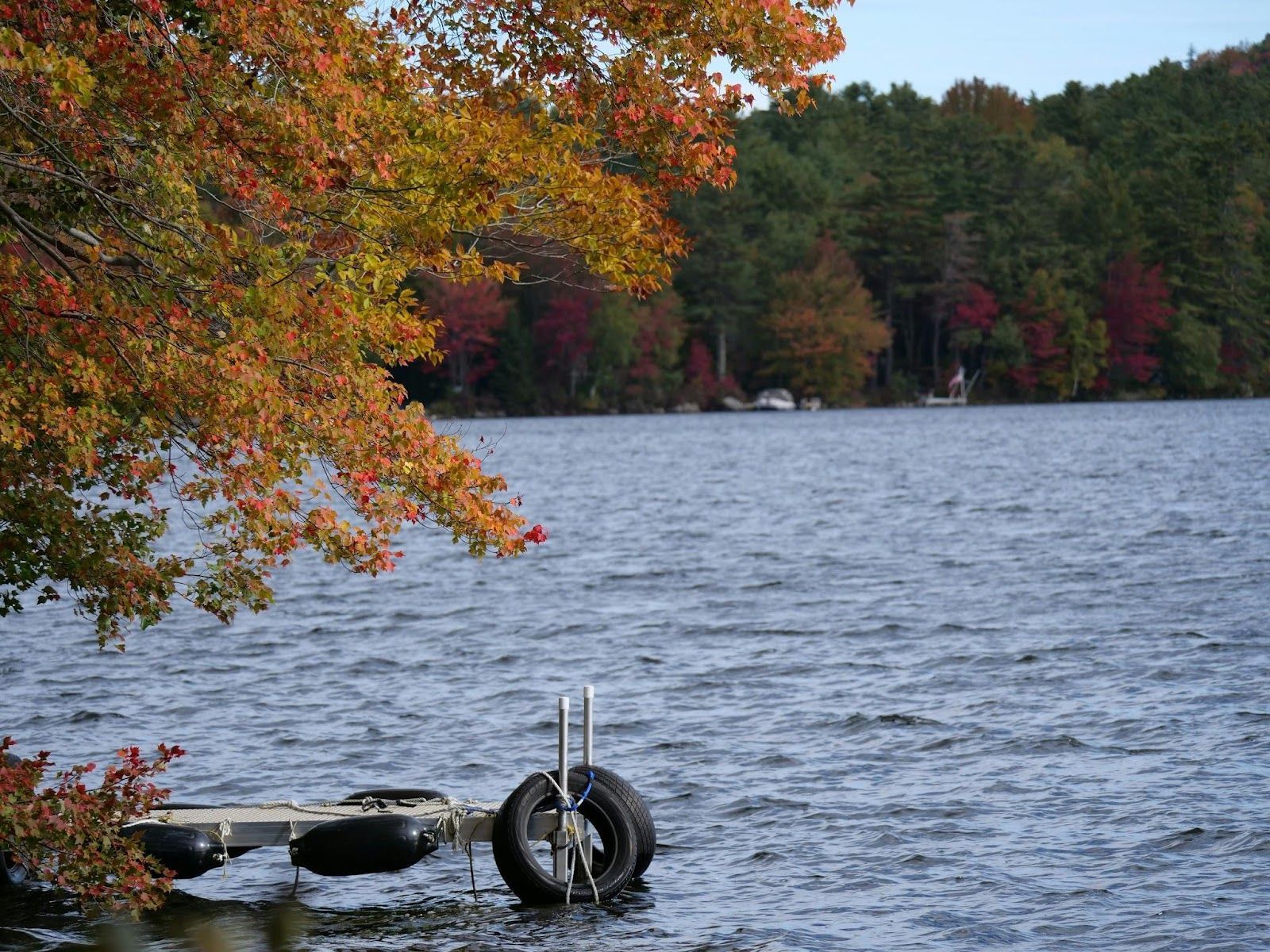
Once the sun went down, someone inevitably said, "Let’s jump in." Just dark water, moonlight, and the thrill. Today we’d ask about safety, temperature, wildlife, and visibility. And it would probably be wiser.
Using harmful soap directly in lakes and rivers
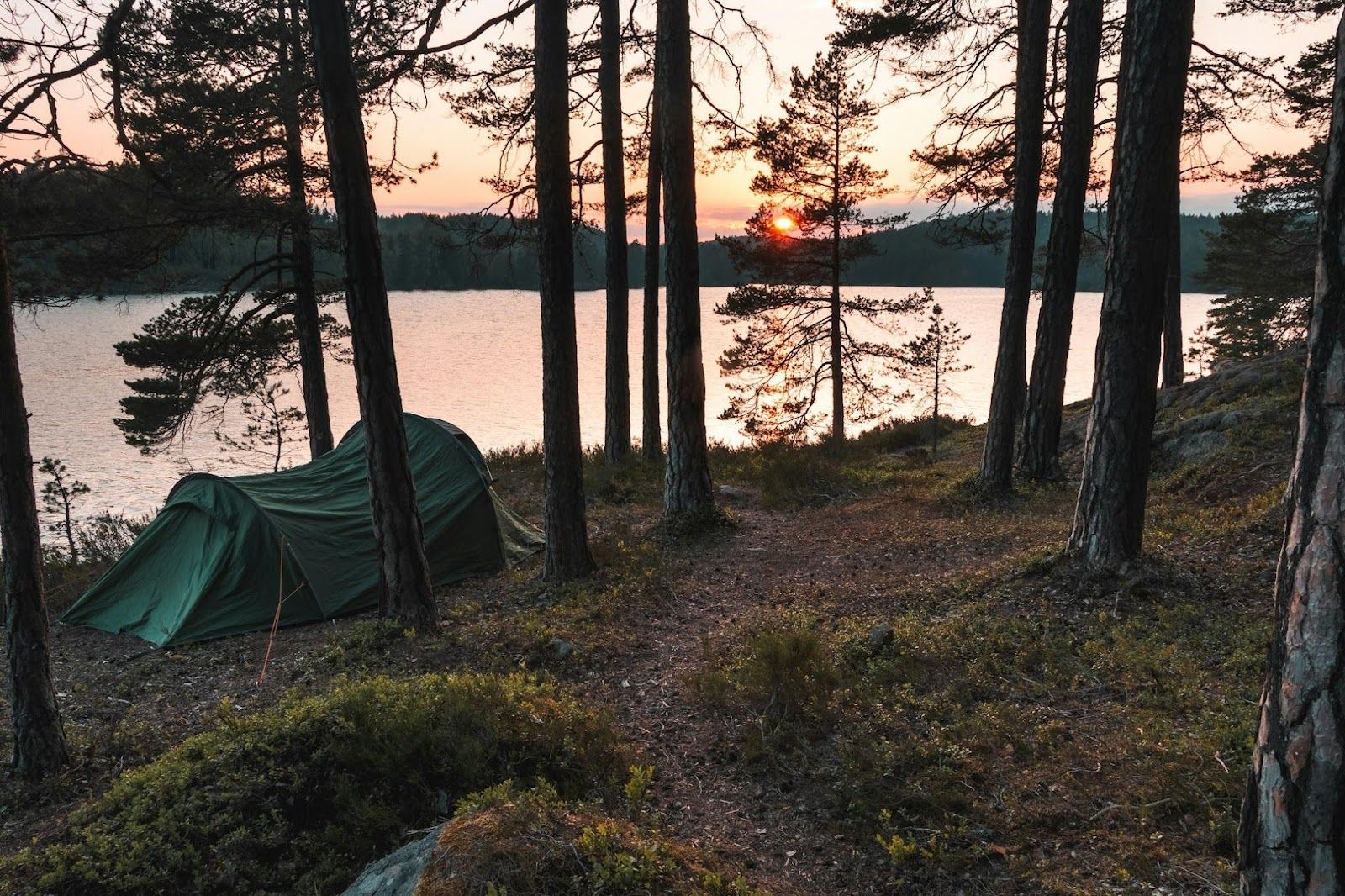
Washing dishes right at the shoreline seemed practical and harmless. Environmental awareness wasn’t part of the camping checklist yet. Today, we know better and pack biodegradable options.
Keep wandering
There’s always
more to explore

Why do pros take amazing photos even with a smartphone? 12 tips explained
4 min.
Read Now

Board the plane, do this right away, and land comfortably
6 min.
Read Now
Next must-see stop? Where the Treaty of Versailles was signed
5 min.
Read Now

Did you know that you can see another galaxy without a telescope?
5 min.
Read Now