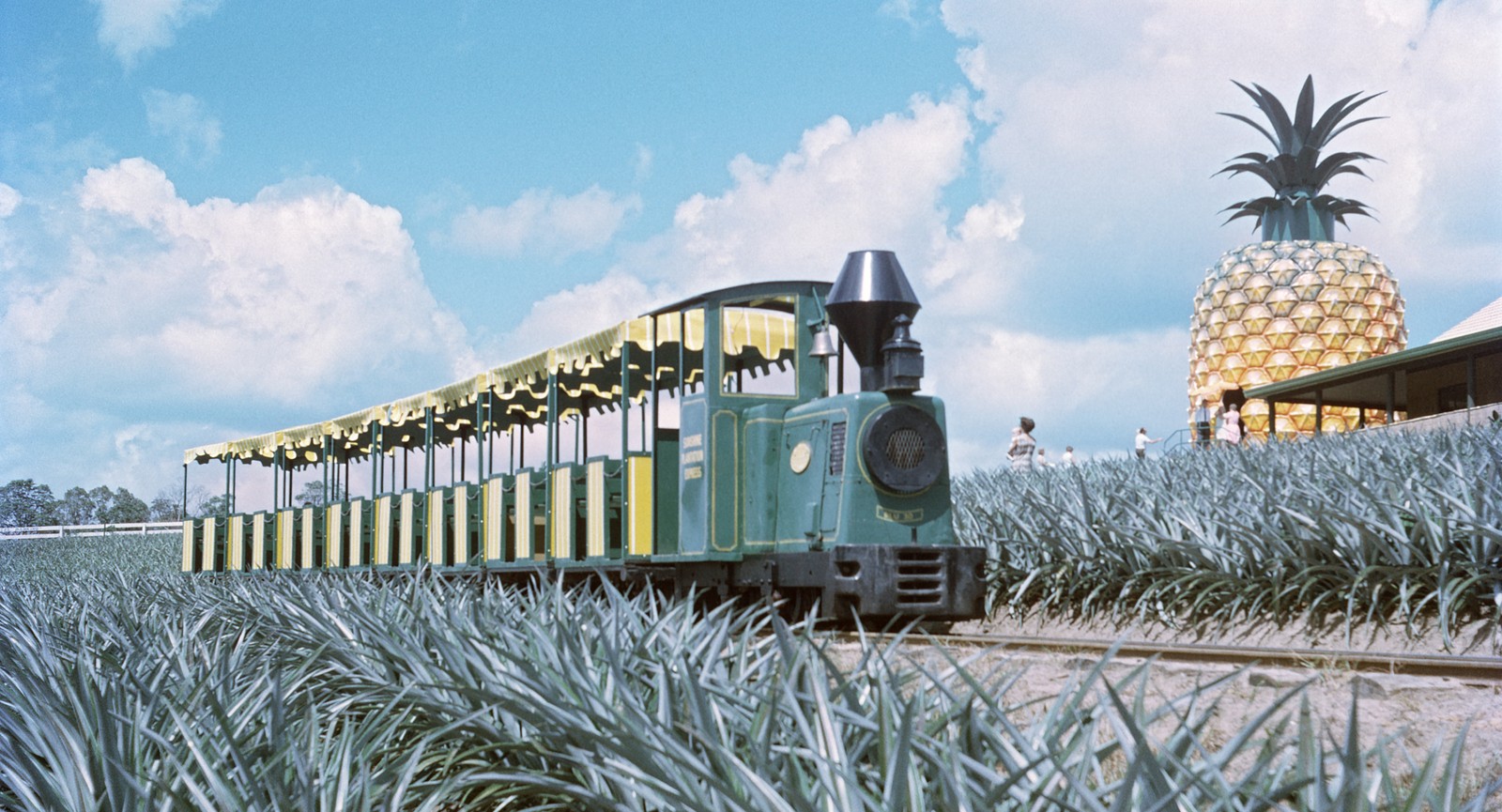
The world's tallest filing cabinet and 9 other bizarre attractions
 Landmarks
Bold choices
The world's tallest filing cabinet and 9 other bizarre attractions
You’ve seen countless noble, serious statues of presidents and war heroes —but if you know where to look, you’ll discover monuments made in tribute to inanimate, everyday objects. Think giant paper cups, pierogies, carrots, and more. Here are 10 of the strangest monuments to add to your bucket list.
Giant wool wagon, Australia
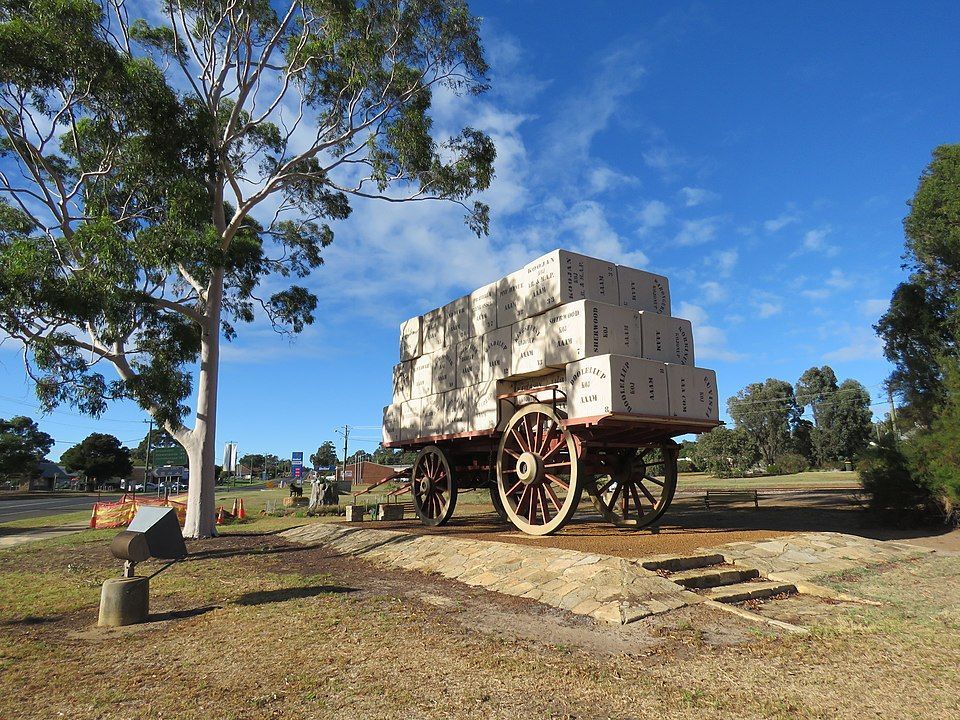
In the town of Kojonup, residents wanted to honor the industry that built their town, so a massive wool wagon sits proudly as a tribute to the sheep farming that once fueled the local economy. It’s a full-scale monument that commemorates the days when wool was king.
World’s largest watermelon slice, Iowa

The city of Muscatine decided that a standard fruit display simply wouldn't do. Living by the "go big or go home" mantra, they installed the world’s largest watermelon slice in Riverside Park. This vibrant, 40-foot-long monument celebrates the town’s rich agricultural heritage in the brightest way possible, serving as a giant tribute to the local melon industry.
Huge paper cup, California

You know how people say everything is bigger in Texas? That may be true, but other states are certainly giving the Lone Star State a run for its money. Take Riverside in California, for example, where you can find a 68-foot "paper cup" monument. The towering tribute stands to honor the local disposable cup industry, which was once a powerhouse of the city's economy.
Chest of drawers, North Carolina
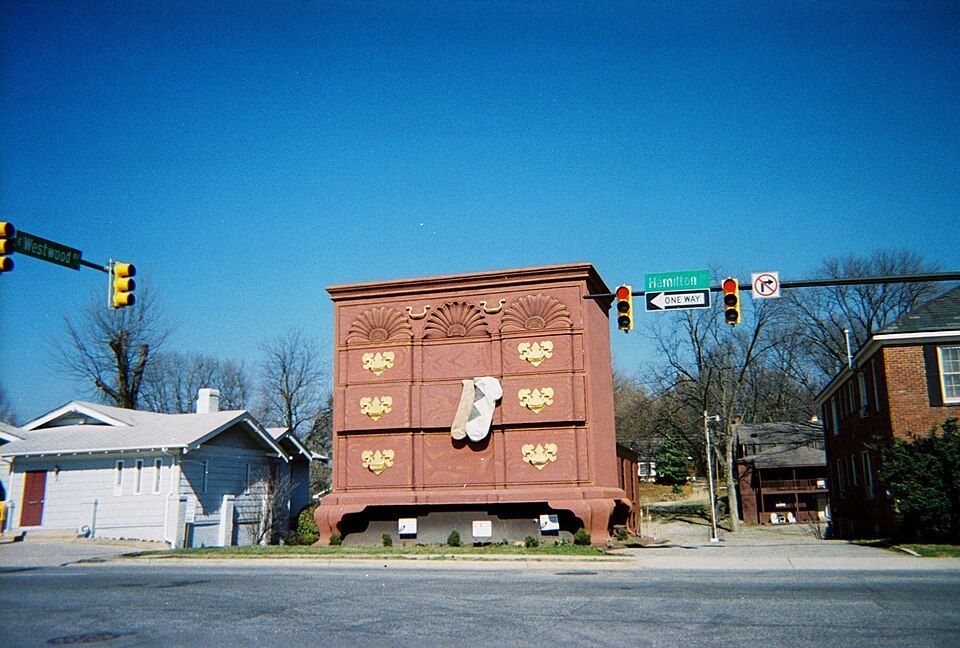
High Point in North Carolina shows off with the world’s largest chest of drawers. Standing nearly 40 feet tall, the dresser even features a giant pair of socks dangling from one of its drawers, a whimsical nod to the city’s hosiery industry. Only natural to have a monument of this kind in the city that is the "Furniture Capital of the World," right?
World’s largest ball of paint, Indiana
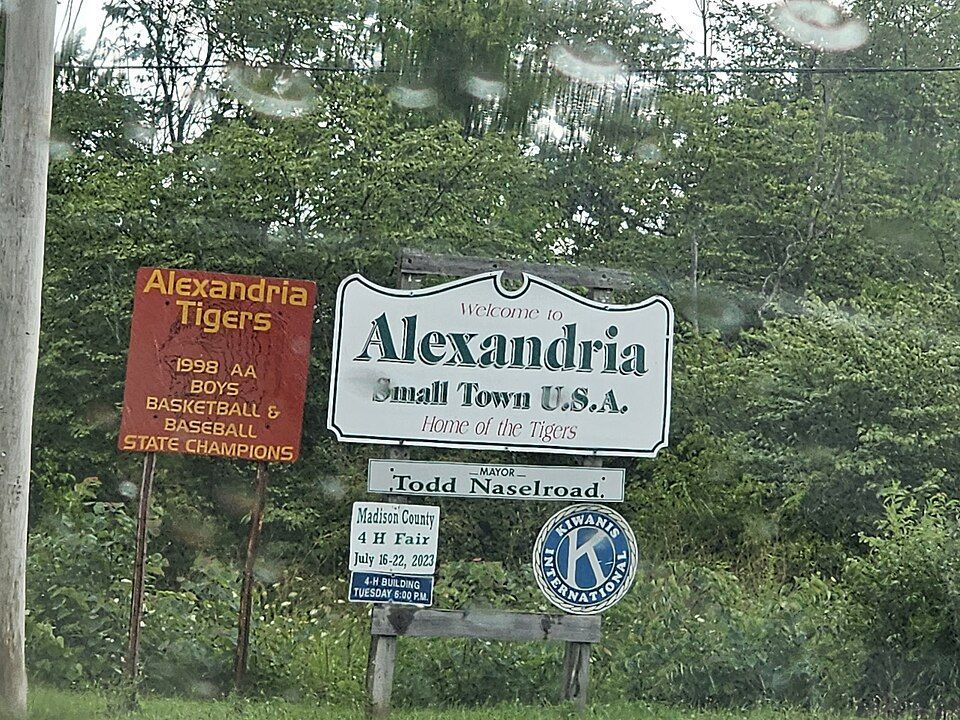
In Alexandria, Indiana, what began as a standard baseball has been covered in tens of thousands of coats of paint over the years. Visitors can even add their own layers to the ever-expanding sphere. Today, the ball weighs over 11,600 pounds and has over 30,000 coats of different colors. It holds an official Guinness World Record and continues to grow daily, one colorful coat at a time.
Giant pierogi, Canada

If you’re a pierogi lover, you need to put this on your bucket list. In Glendon, Alberta, there’s a massive tribute to the Polish dumpling, a 27-foot-tall fiberglass sculpture that weighs approximately 6,000 pounds. The roadside landmark honors the region’s deep Eastern European roots and proves that even comfort food deserves its own monument.
World’s largest spool of thread, Missouri

Outside the Missouri Quilt Museum in Hamilton, there’s a spool of thread with more than a million yards wrapped around it. That’s enough thread to circle a few small towns, and it’s a nod to the quilters everywhere who know that big projects must start with one small stitch.
17,400-pound ball of twine, Minnesota
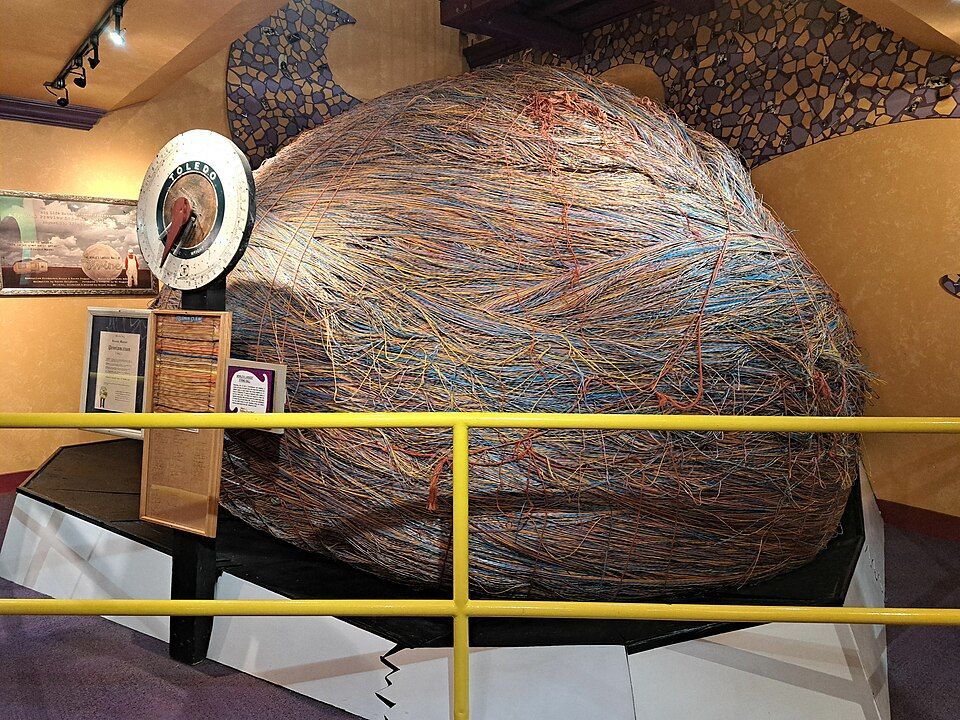
The town of Darwin takes the twine very seriously. One local man spent 29 years rolling it into a 12-foot-wide, 17,400-pound giant ball. While it’s hard to imagine the dedication required for such a feat, you don't have to; pay a visit and see for yourself!
Filing cabinet, Vermont

Anyone who has spent their career in an office knows how useful filing cabinets are. Denizens of Burlington, Vermont, consider them so useful that this office staple has been elevated to an art form. And so they’ve installed a 38-drawer filing cabinet that claims to be the tallest on Earth.
Carrot monument, New Zealand

As we’ve seen, some food items are so special that they must be honored. Ohakune in New Zealand felt that way about carrots, given that they have a long and proud history of farming the vegetable. As a result, now you can visit the largest carrot model in the world.
From coast to coast: 10 US cities that transport you to past centuries
 Geography
Portals to the past
From coast to coast: 10 US cities that transport you to past centuries
Many major American cities are defined by towering skyscrapers and sleek modern buildings, symbols of the contemporary world. But across the United States, there are places that have preserved their history so well they feel as if they belong to another time or continent. From castles and cobblestones to gas-lit streets and historic squares, join us as we explore 10 US cities that will transport you far from home.
Boston, Massachusetts
 Image: Aman Nagpal
On the Atlantic coast of Massachusetts, you’ll find Boston, the largest city in New England. Founded in 1630 by English Puritans, it played a central role in the American Revolution, and its architecture still reflects layers of English, Irish, and Italian influence. Neighborhoods like Beacon Hill preserve early street patterns, with narrow lanes and brick sidewalks, while landmarks such as King’s Chapel (1754) showcase the British colonial architecture.
St. Augustine, Florida
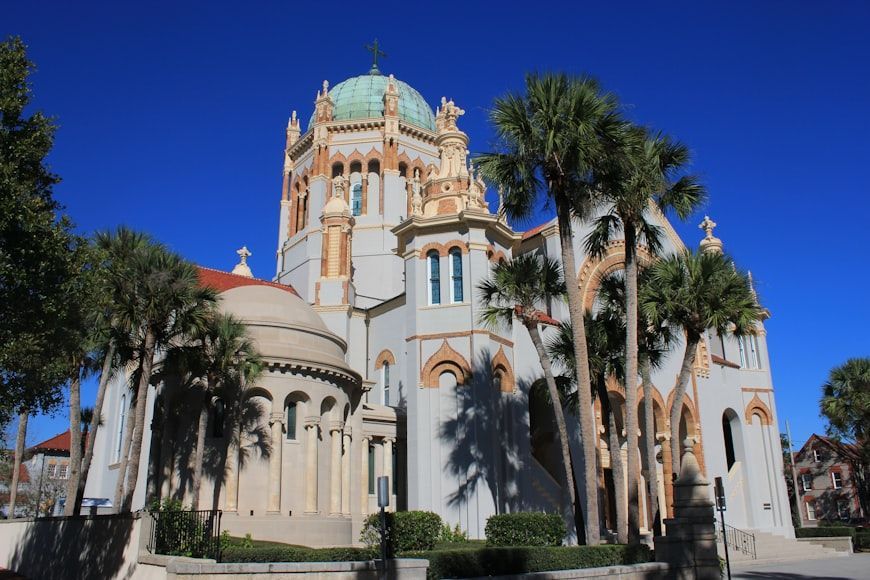 Image: Mr. Great Heart
On Florida’s northeast coast, along the Atlantic Ocean, about 40 miles south of Jacksonville and 100 miles north of Orlando, you’ll find the charming town of St. Augustine. Founded by the Spanish in 1565, it is the oldest continuously inhabited European-founded city in the continental United States. Spanish forts and castles, narrow lanes, and cobblestone streets make it feel like a portal to the colonial era, enriched by layers of Spanish, British, and early American history.
New Orleans, Louisiana
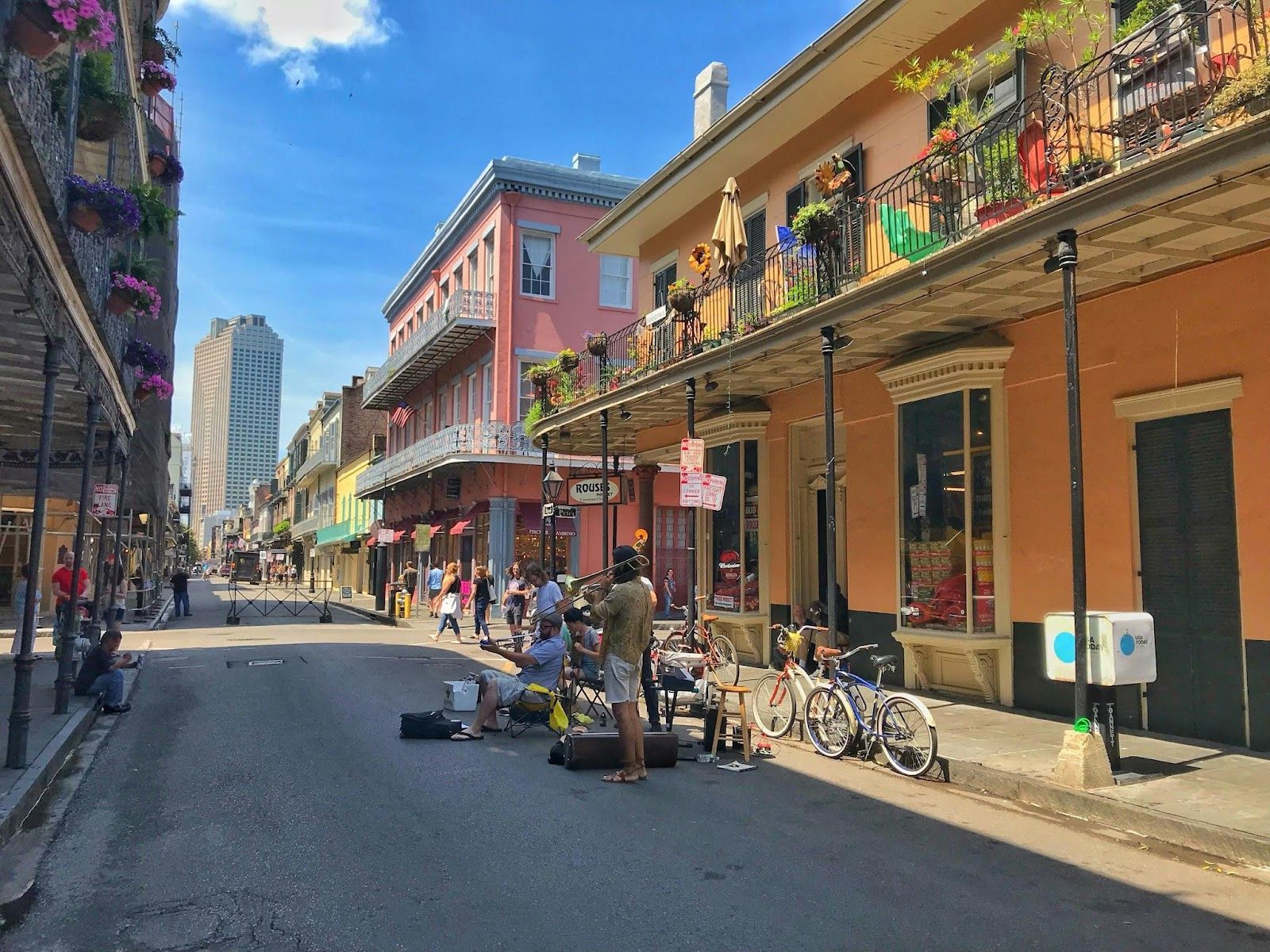 Image: João Francisco
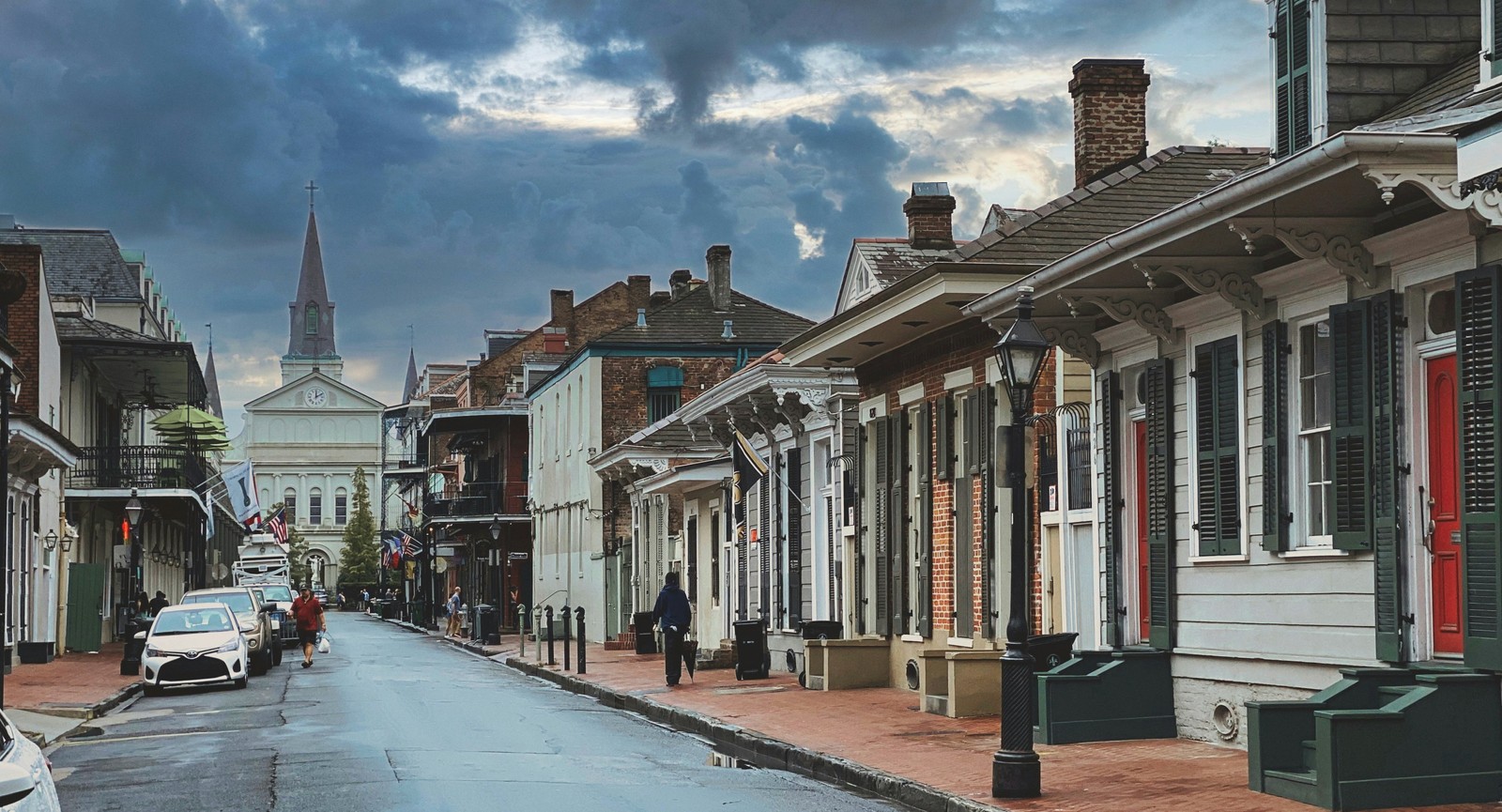
The vibrant city of New Orleans was founded in southeastern Louisiana in 1718 by the French Mississippi Company. And that’s why today, its architecture reflects a unique blend of French, Spanish, and Creole culture, influencing much of city life. European influences are visible in its historic churches, plazas, and fountains, but nowhere more so than in the French Quarter, with its winding streets and iconic cast-iron balconies.
Williamsburg, Virginia
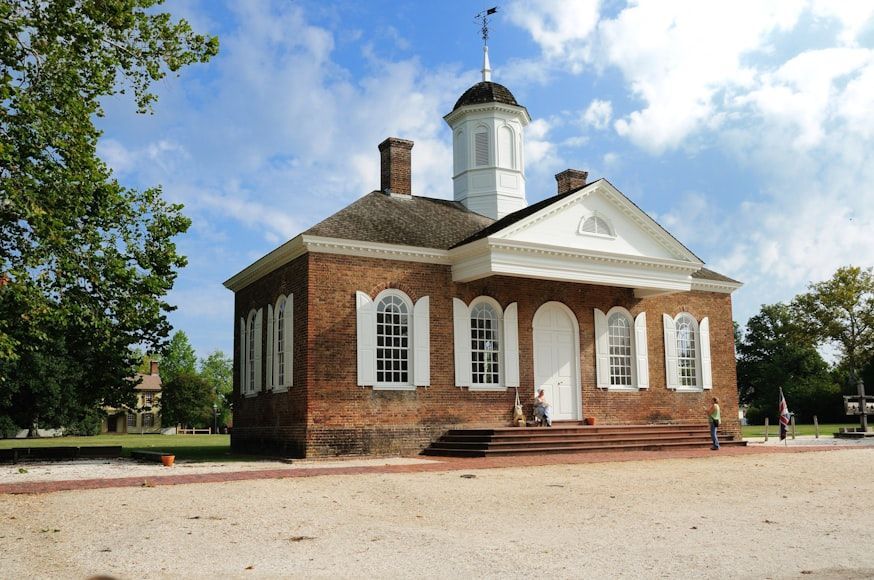 Image: Anthony DeWitt
Williamsburg, a city in southeastern Virginia about 50 miles east of Richmond, feels like a trip back in time. Founded in 1632, it served as the capital of colonial Virginia from 1699 to 1780. Its Georgian-style buildings, with symmetrical designs, brick façades, and steep roofs, showcase its British colonial heritage and make strolling through the town feel like walking through the 18th century.
Savannah, Georgia
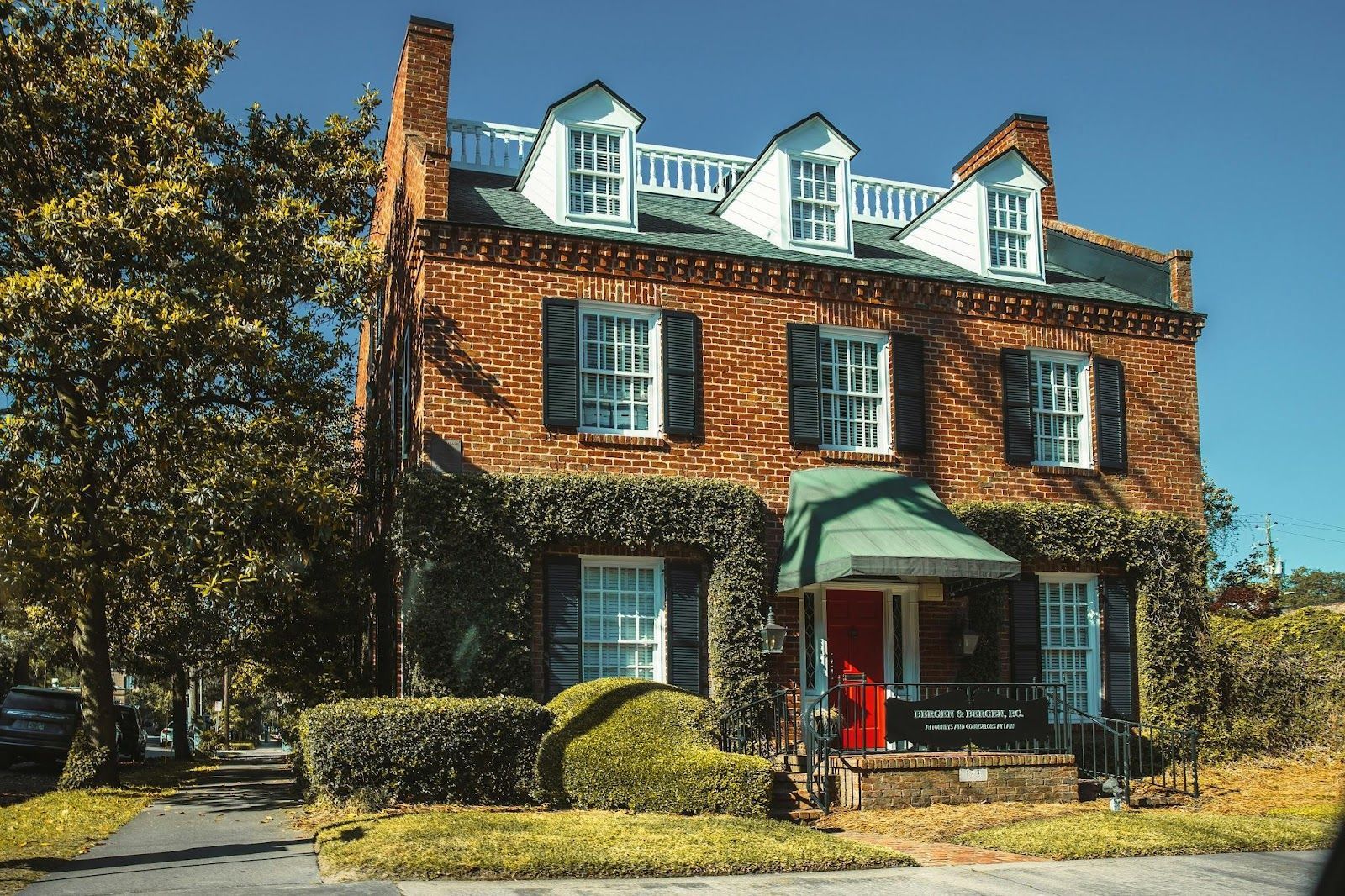 Image: Diane Picchiottino
Along the Savannah River, on the southeastern coast of Georgia, lies the city of Savannah. Founded in 1733 by General James Oglethorpe, it became one of the earliest planned cities in the United States. With a current population of roughly 150,000, its historic squares arranged in a grid show reminiscences of European town planning. The Colonial and Federal styles can be seen in its typical houses with wrought-iron balconies and its brick sidewalks.
Newport, Rhode Island
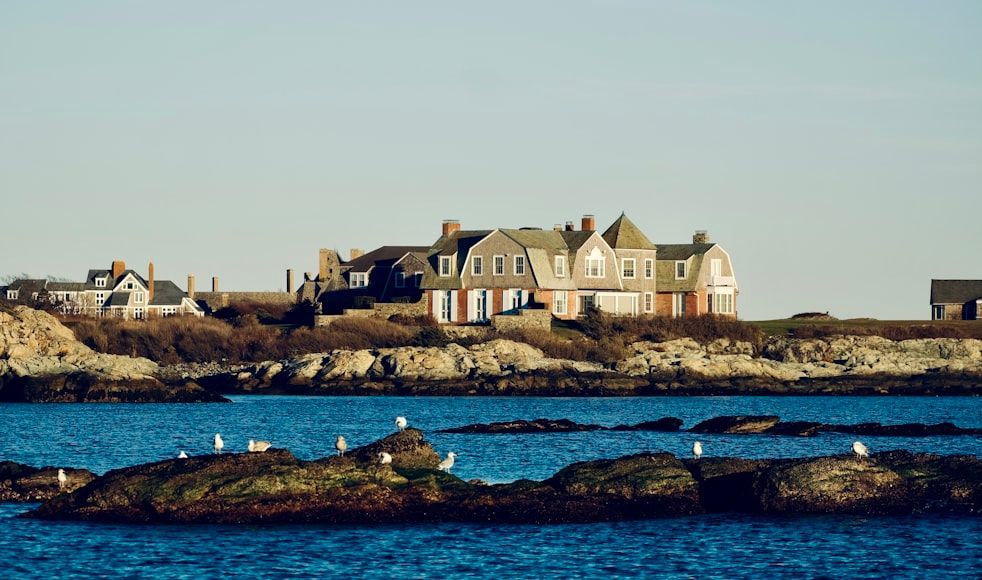 Image: Radu Lin
Founded in 1639, Newport, Rhode Island, is renowned for its maritime history, sailing culture, and Gilded Age mansions. Originally a colonial port, the city later became a favored summer retreat. Today, its brick streets and waterfront are filled with impressive European-inspired mansions that preserve centuries of architectural heritage and design.
Santa Fe, New Mexico
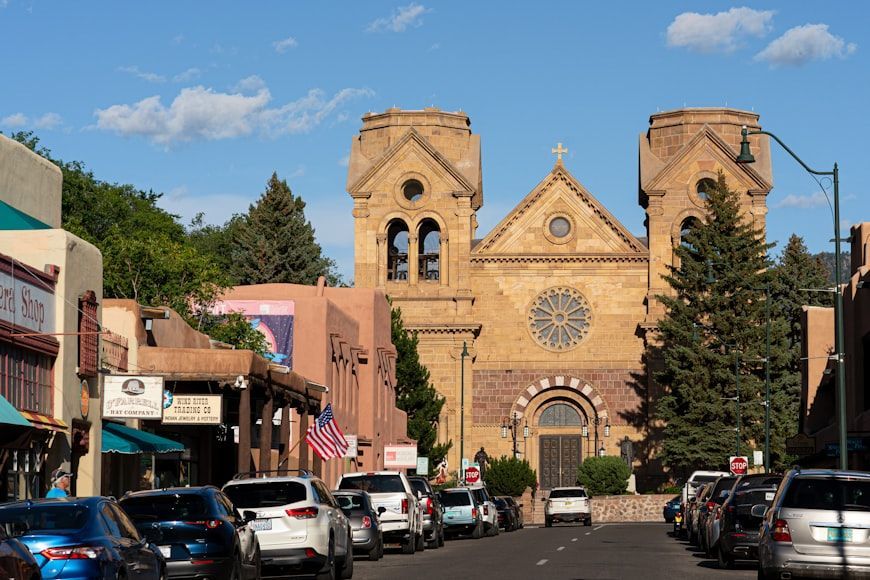 Image: Nick Castelli
At the base of the Rocky Mountains lies the beautiful city of Santa Fe, in north-central New Mexico. Founded in 1610 by Spanish colonists on the site of earlier Pueblo Native American settlements, the city has a current population of about 85,000. Its adobe buildings give Santa Fe a unified style, with the heart of its historic center, the Plaza, as a hallmark of Spanish colonial town planning.
Helen, Georgia
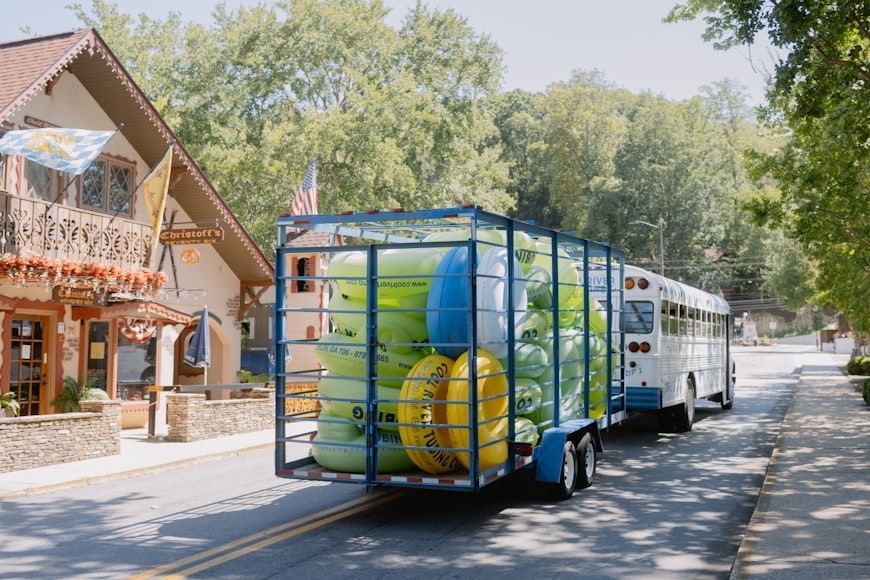 Image: Tolga Ahmetler
Much newer than the other mentioned cities, Helen, Georgia, was founded in 1913 as a lumber mill town. But in the late 1960s, it took a completely new direction: the town was redesigned as a Bavarian-style Alpine village to attract tourism. Today, Helen feels old-world, but it’s entirely modern, inspired by the charm of European mountain towns.
Charleston, South Carolina
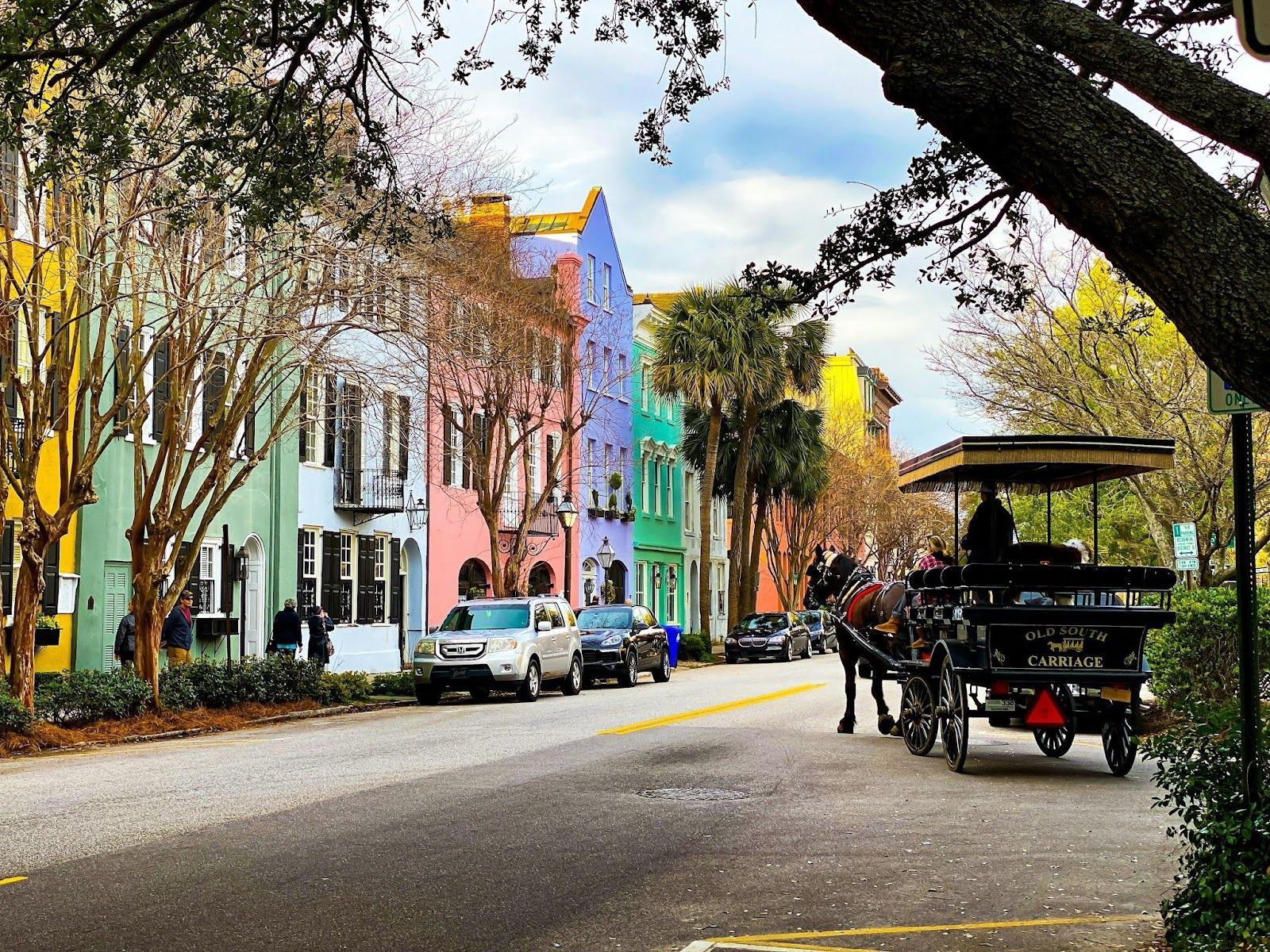 Image: Leo Heisenberg
South Carolina is home to the beautiful city of Charleston, founded in 1670 as "Charles Town" after King Charles II of England. Its picturesque cobblestone streets, illuminated by romantic gas-lit lanterns, run between historic homes in Georgian, Federal, and Colonial Revival styles, alongside plantation-style mansions and pastel-colored row houses. As a result, the city feels distinctly old-world, with the unique charm of the American South.
Annapolis, Maryland
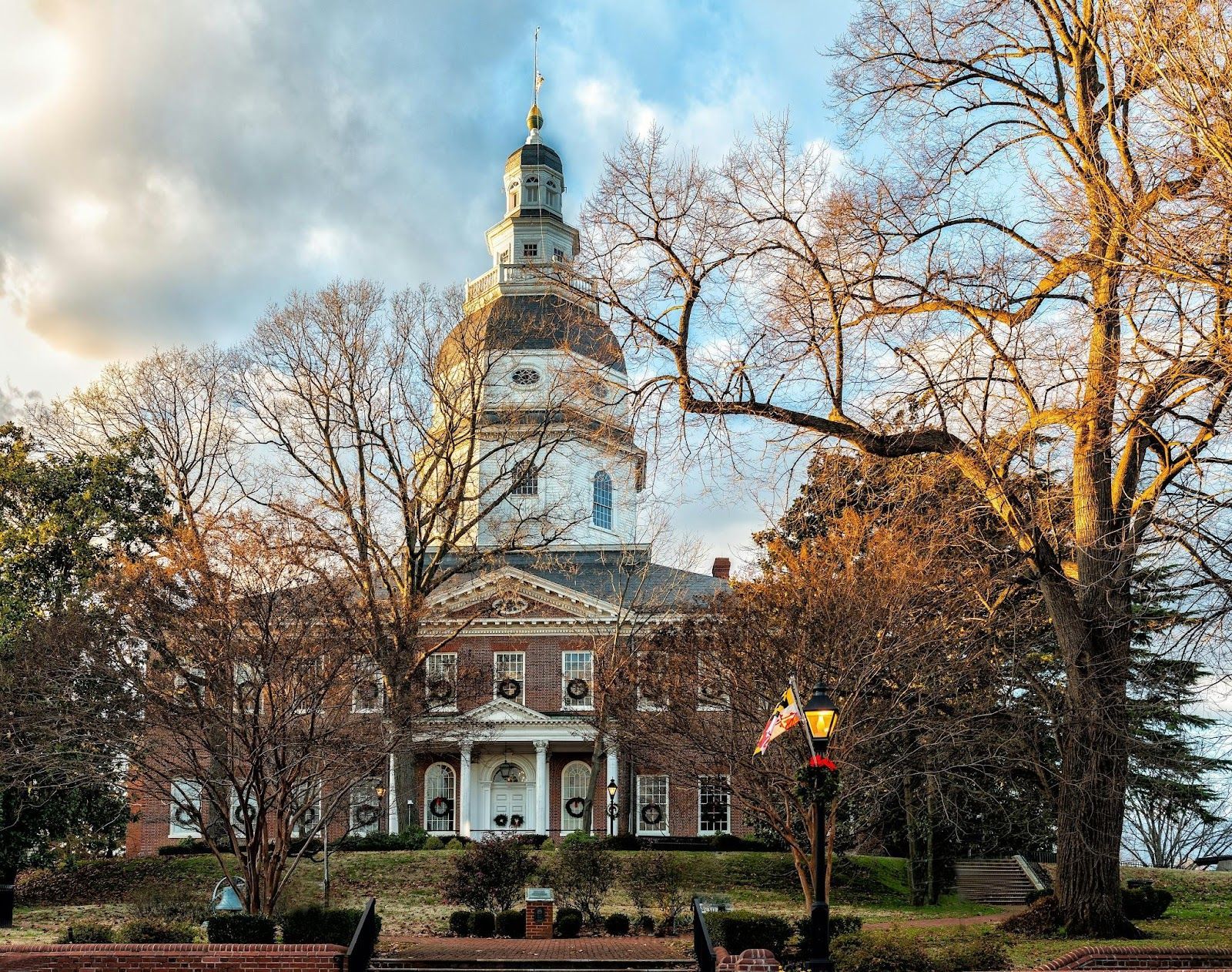 Image: Terry Granger
Annapolis sits on the western shore of the Chesapeake Bay in Maryland, at the mouth of the Severn River. Founded as Providence in 1649 by Puritan exiles from Virginia and renamed in 1694 after Princess Anne of England, the city’s downtown preserves its history very well. In Annapolis, we can enjoy 17th- and 18th-century European-influenced architecture and urban design, with the Maryland State House, built in 1772 in Colonial/Georgian style, standing as a prime example.
Keep wandering
There’s always
more to explore
 General

How do you leave your pet at home without the guilt? A complete guide
4 min.
Read Now

10 travel 'rules' you can finally stop following
5 min.
Read Now

Ten tips for a trip to Washington, D.C., you'll wish you'd known sooner
5 min.
Read Now

Never go camping without checking these safety measures
5 min.
Read Now