The small action that prevents hundreds of aviation disasters
 General
Sky-high mysteries
The small action that prevents hundreds of aviation disasters
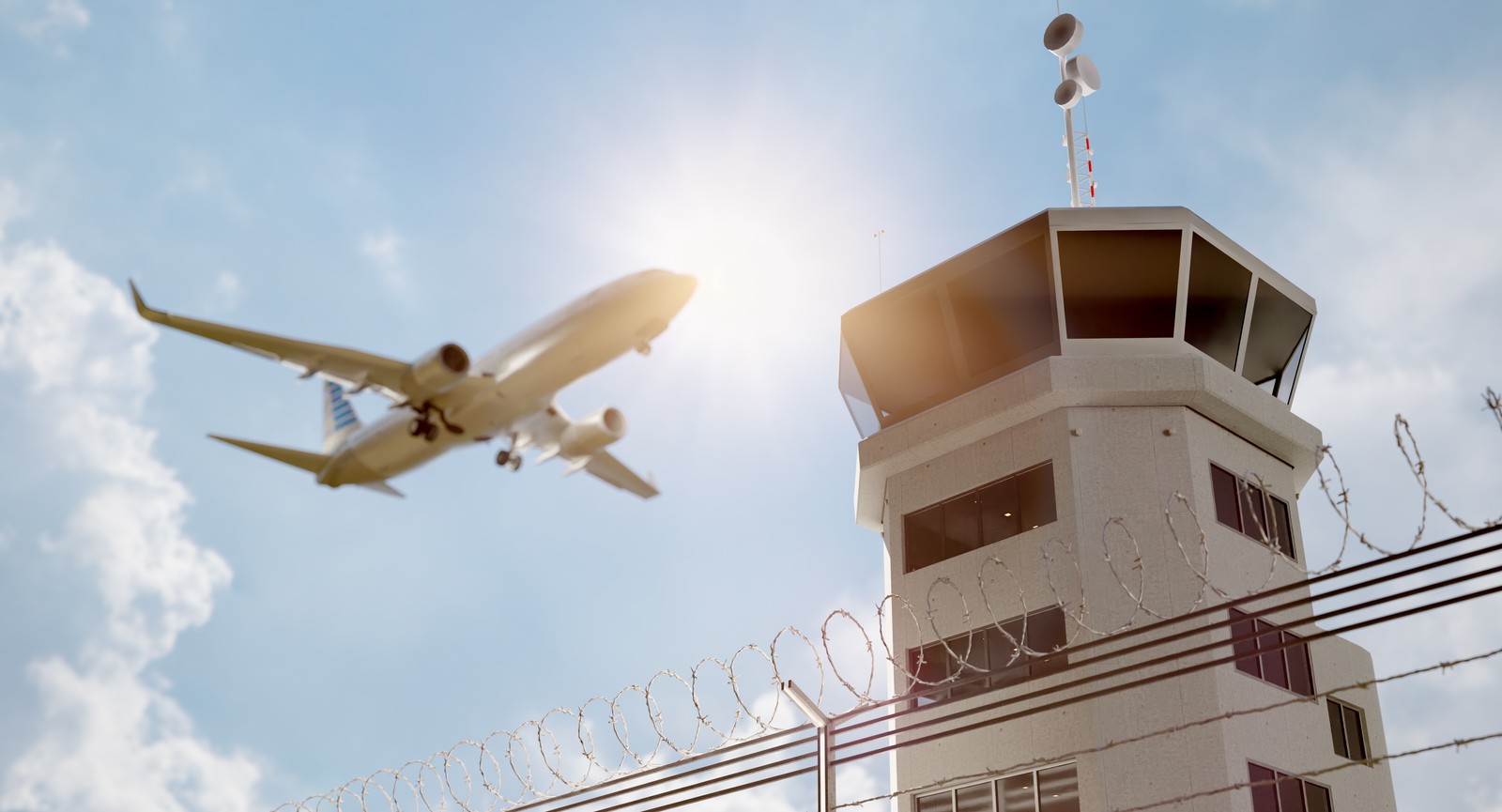
There’s an entirely different world going on at 35,000 feet. The sky is full of highways, a single universal clock, and a language every pilot understands, no matter where they took off from. Your pilot isn't flying solo either. Air traffic controllers, the quiet masters of that hidden world, are working behind the scenes on every leg of your trip, long before you even board. If you’re curious to know what’s happening up there while you’re watching a movie and sipping some coffee, here are 10 things about air traffic control you’ve probably never heard.
A few minutes’ delay might prevent a disaster
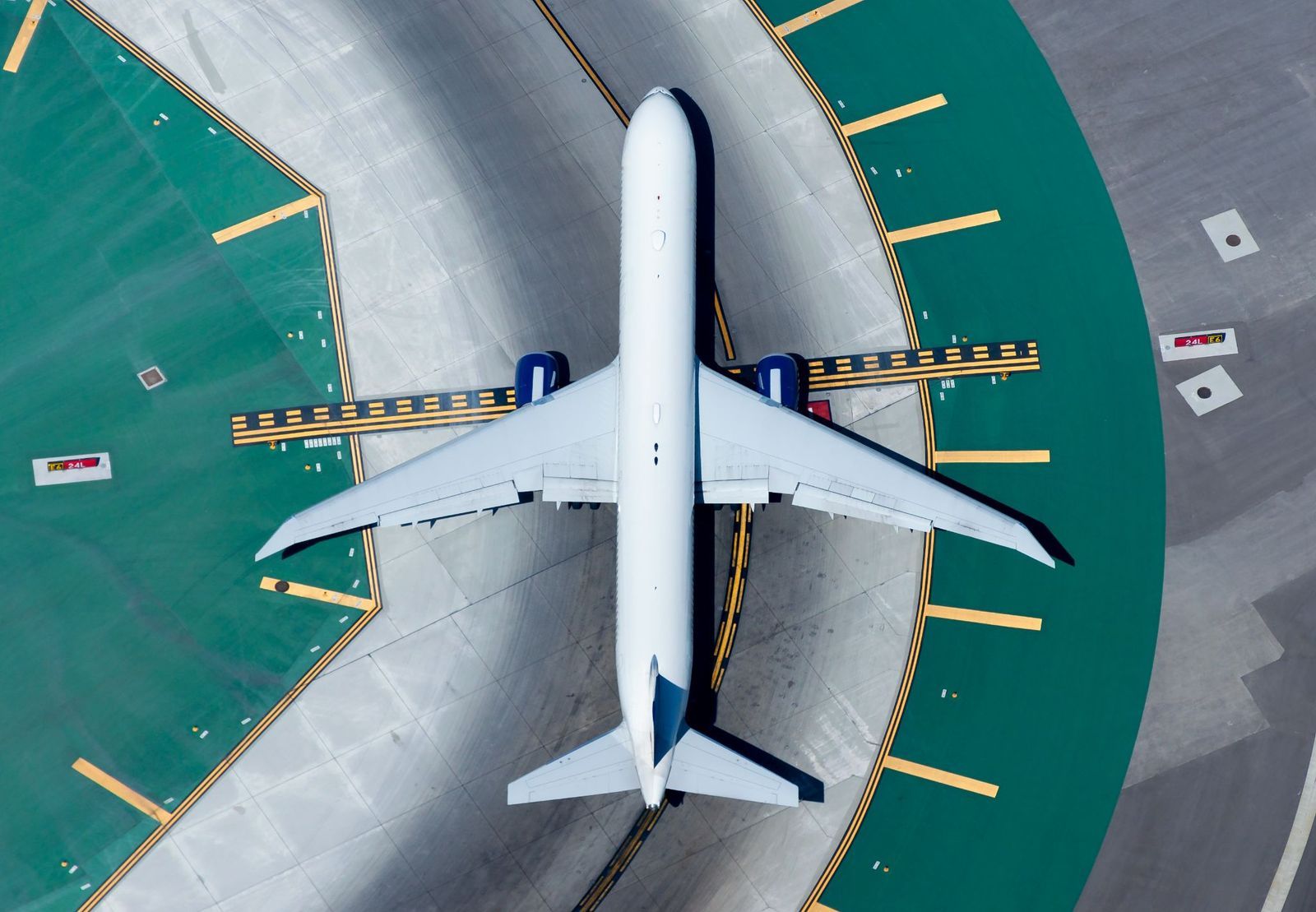
Almost everyone has experienced circling above an airport and wondering why the plane is not landing. While it may feel frustrating for you, those extra minutes are often part of a carefully planned safety procedure: The holding pattern.
A holding pattern is a racetrack-shaped flight path assigned by air traffic control when an airport becomes temporarily unavailable. Heavy traffic, thunderstorms, poor visibility, or an aircraft still occupying the runway can all trigger one. Controllers carefully space airplanes at different altitudes while they wait for conditions to improve. Instead of rushing several aircraft toward the same runway, the system creates an orderly queue in the sky until landing can resume safely.
The absolute age limit for controllers is mathematically locked
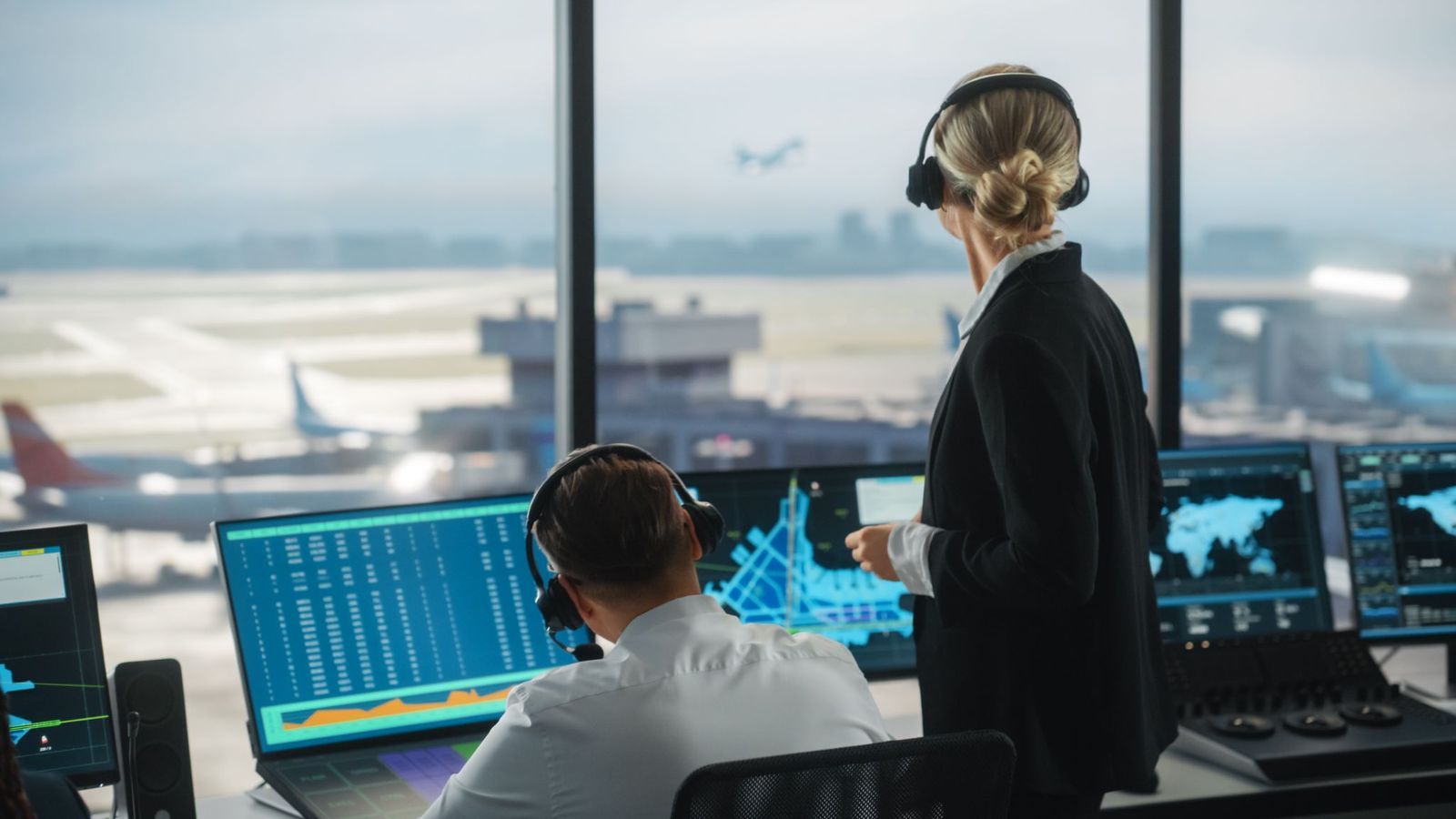
Many professions allow people to work well into their sixties or beyond, but air traffic control follows a different philosophy. The job demands constant concentration, quick calculations, and split-second decision-making abilities, so the Federal Aviation Administration established unusually strict age requirements.
Applicants generally must be hired before turning 31, with a few exceptions for certain experienced candidates, and most controllers working for the FAA must retire at age 56. The rule exists because research has shown that maintaining peak cognitive performance is especially important in this kind of high-pressure environment. Controllers also undergo regular medical examinations and ongoing training throughout their careers to ensure they remain fit for their job.
Sky intersections are named after pop culture and cartoon characters
Aviation is all about numbers and calculations, and there’s no place for mistakes. But there is humor in the least expected places. Inside flight management computers, there are thousands of five-letter waypoint names, and many have become favorites among pilots and controllers.
Around Orlando, where countless flights arrive every day, several waypoints pay tribute to Disney characters. Aircraft may pass through fixes named PIGLT, HKUNA, MTATA, and other playful references before lining up for landing. These names comply with the international requirement that GPS waypoints contain five letters, but the pop culture references also make them easier to remember.
There’s a special controller for each phase of flight

While being the safest mode of transportation, planes are an engineering wonder, and it takes a lot of steps to be performed safely. Nobody expects one person to do it all. Your flight was handed from one specialist to another, each one focused on a specific part of the journey.
A ground controller guides the plane from the gate to the runway. A tower controller takes over for takeoff and the climb out of the airport’s immediate airspace. From there, an approach or departure controller manages the plane as it climbs higher, before handing it off to an en route, or center, controller who tracks it across long stretches of the sky. As the plane nears its destination, the sequence runs in reverse. Each controller is trained for that specific task, which means your flight is never watched by just one person from gate to gate.
Everybody speaks the same language
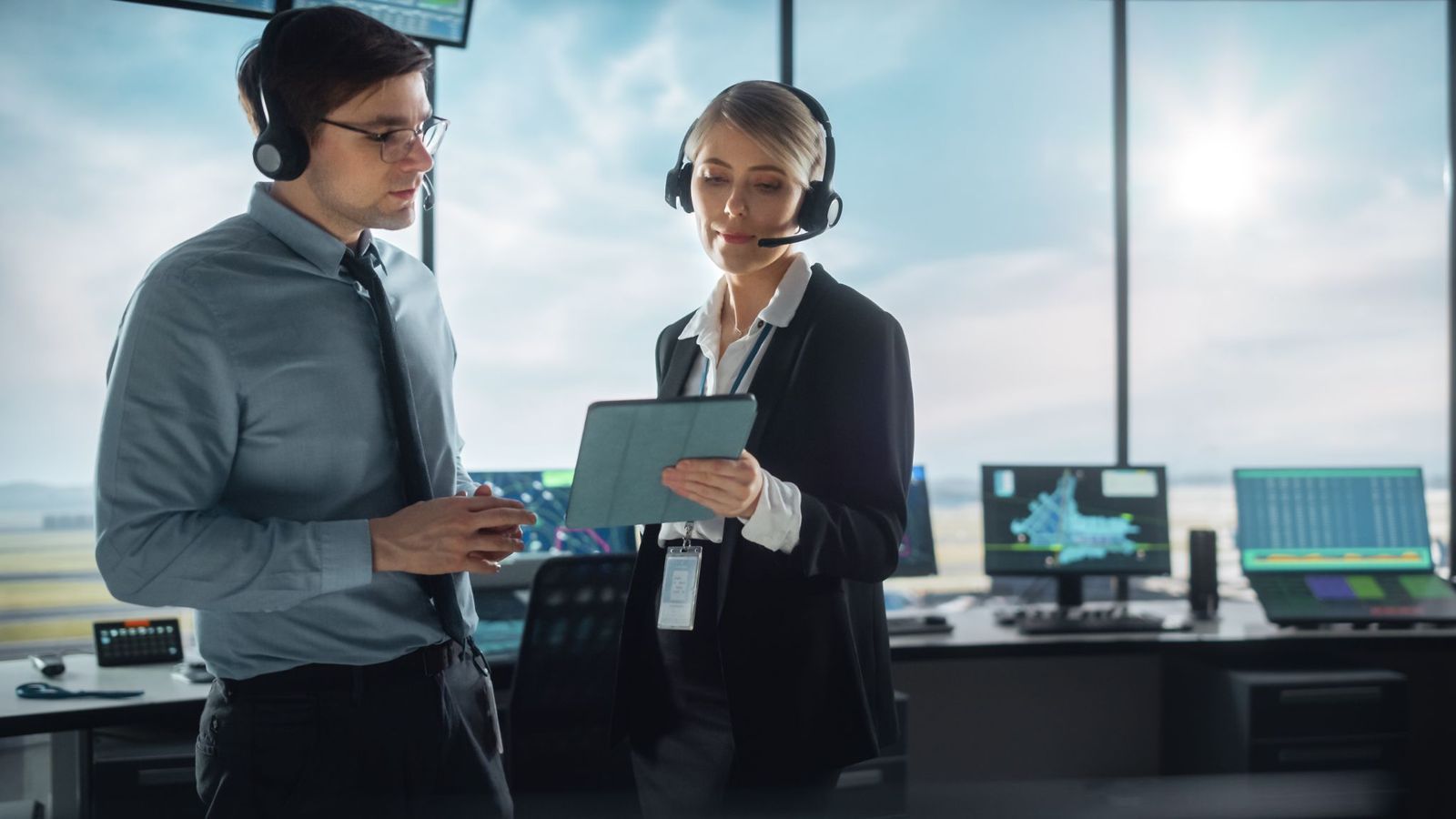
Picture a German pilot landing in Tokyo, or a Brazilian pilot flying into Paris. Different countries, different native languages, and yet somehow, they all manage to understand each other instantly on the radio frequency. That’s not sheer luck.
The International Civil Aviation Organization requires English as the standard language for international aviation communication, paired with a strict set of standardized phrases known as radiotelephony phraseology. Numbers are spoken digit by digit, letters use the familiar alphabet of Alpha, Bravo, Charlie, and instructions follow set patterns so nothing gets lost in translation or garbled over a noisy radio. This phraseology was developed specifically in 1951 to avoid the kind of ambiguity that plain conversational English can create, especially in life-or-death situations.
There are invisible highways in the sky
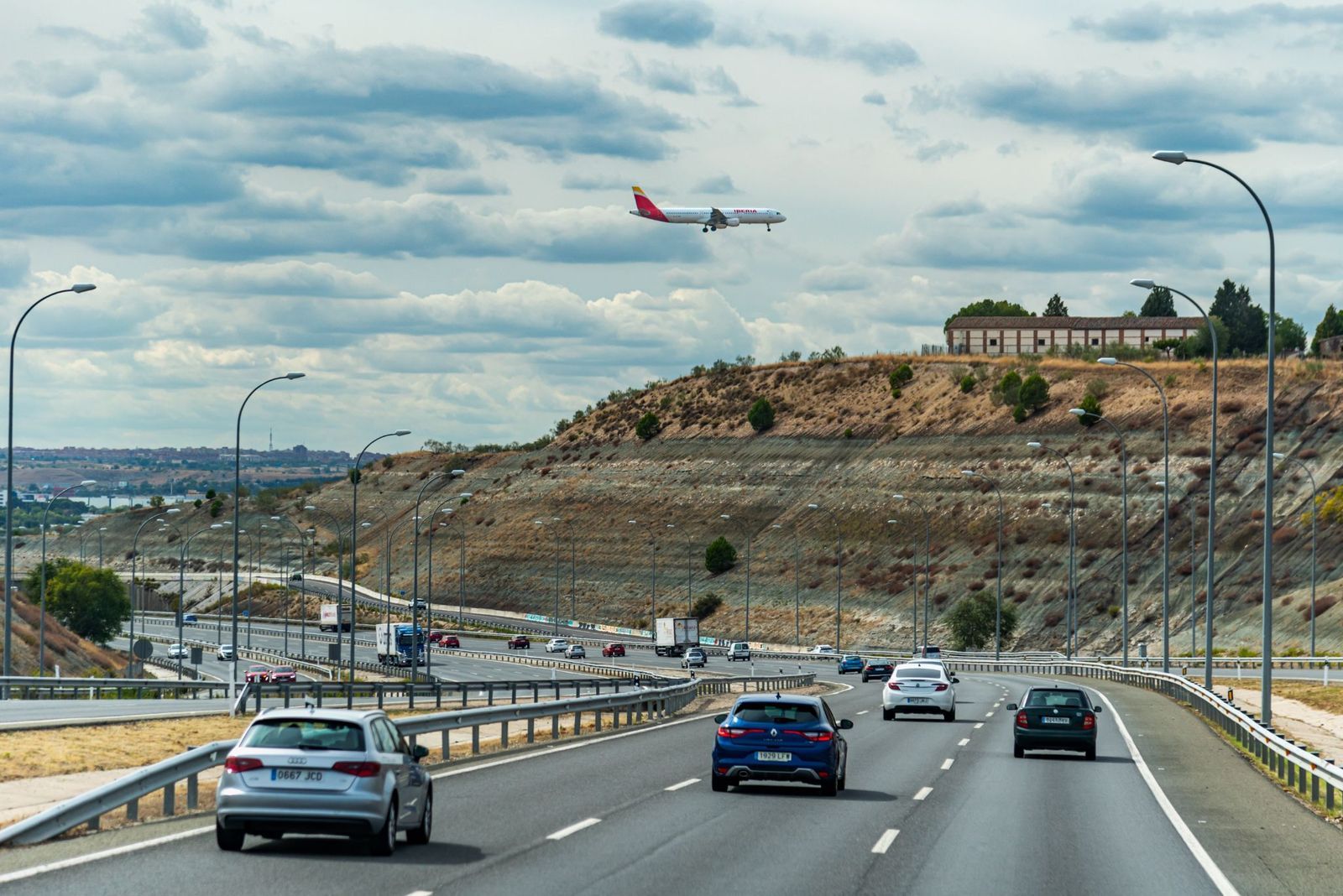
You probably think that, when a plane leaves the airport, the pilots simply point the nose toward the destination and fly in a straight line. But reality is far from that. Commercial aircraft travel along an enormous network of invisible airways across the globe, like the highways you drive across the country.
These routes are built from carefully mapped navigation points and geographic coordinates. In the U.S., they are managed by the Federal Aviation Administration, while similar systems exist worldwide. Modern aircraft rely on GPS and advanced navigation computers, but they still follow the designated highways to keep thousands of flights safely separated. Instead of wandering freely through the sky, every aircraft follows a carefully planned path that controllers monitor from takeoff to landing.
There's one critical document that pilots must send to ATCs before each flight

Before a family road trip, someone usually checks the map, the weather, and where to stop for gas. Airlines go through a much more detailed version of that process before every departure.
Long before passengers settle into their seats, pilots and airline dispatchers submit an official flight plan to air traffic control. This document outlines the intended route, cruising altitude, estimated flight time, fuel calculation, alternate airports, and important information about the aircraft and emergency equipment. Controllers use it to coordinate traffic and anticipate potential conflicts well before the airplane ever reaches the runway.
Cardinal direction matters for more than just pointing the aircraft the right way
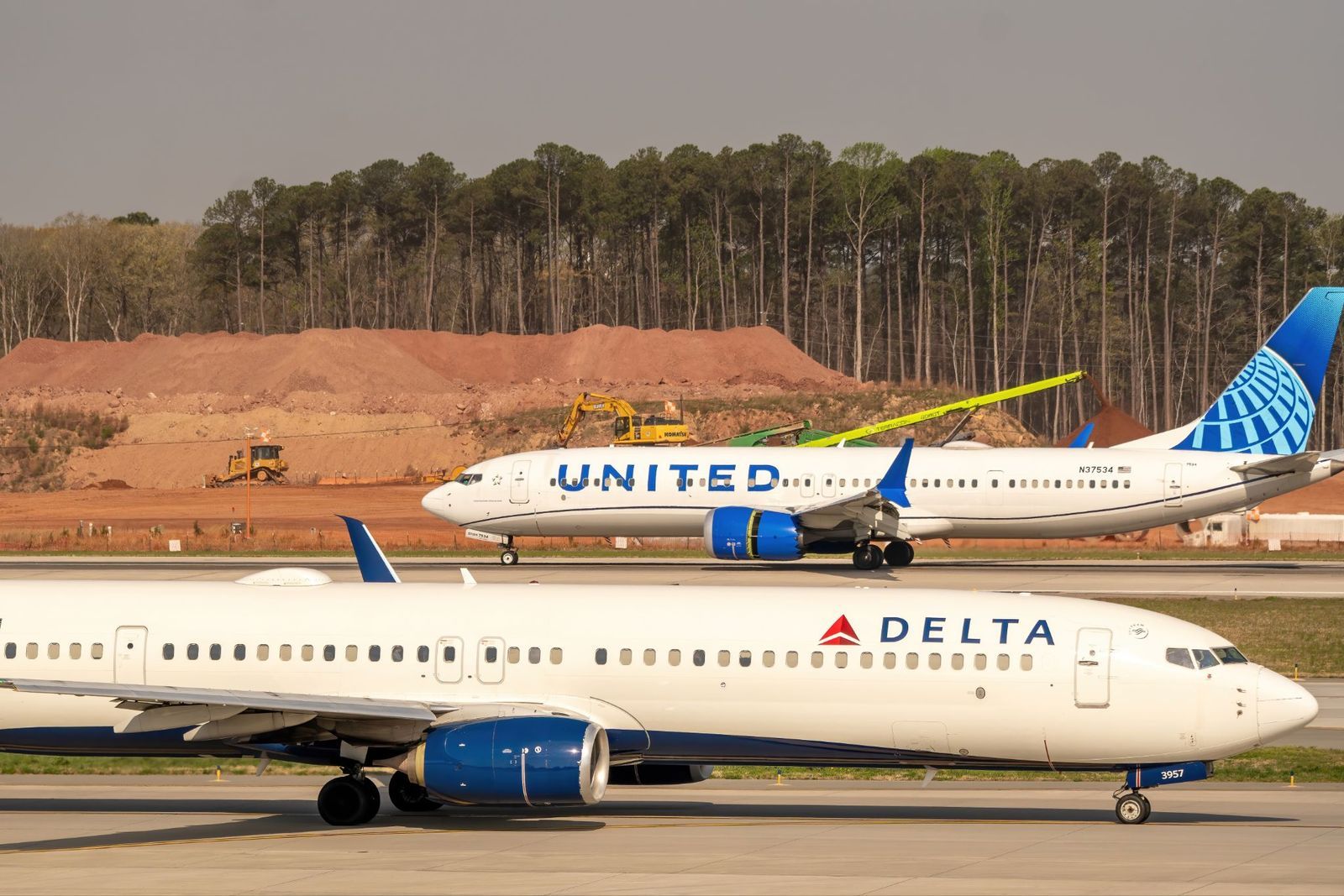
If you’ve ever wondered how two airplanes flying toward each other at 35,000 feet manage not to collide head-on, you’re not alone, and it has nothing to do with pilots having extraordinary sight. It comes down to a very simple rule.
Aircraft flying in an easterly direction cruise at odd-numbered flight levels, such as 35,000 or 37,000 ft. Westbound flights, instead, use even-numbered levels like 36,000 or 38,000 feet. The system follows the semicircular rule, adopted internationally to reduce the chance of opposing aircraft meeting at the same altitude. Controllers still monitor every flight, but this built-in separation provides another layer of protection.
All of global aviation runs on a single, universal time zone
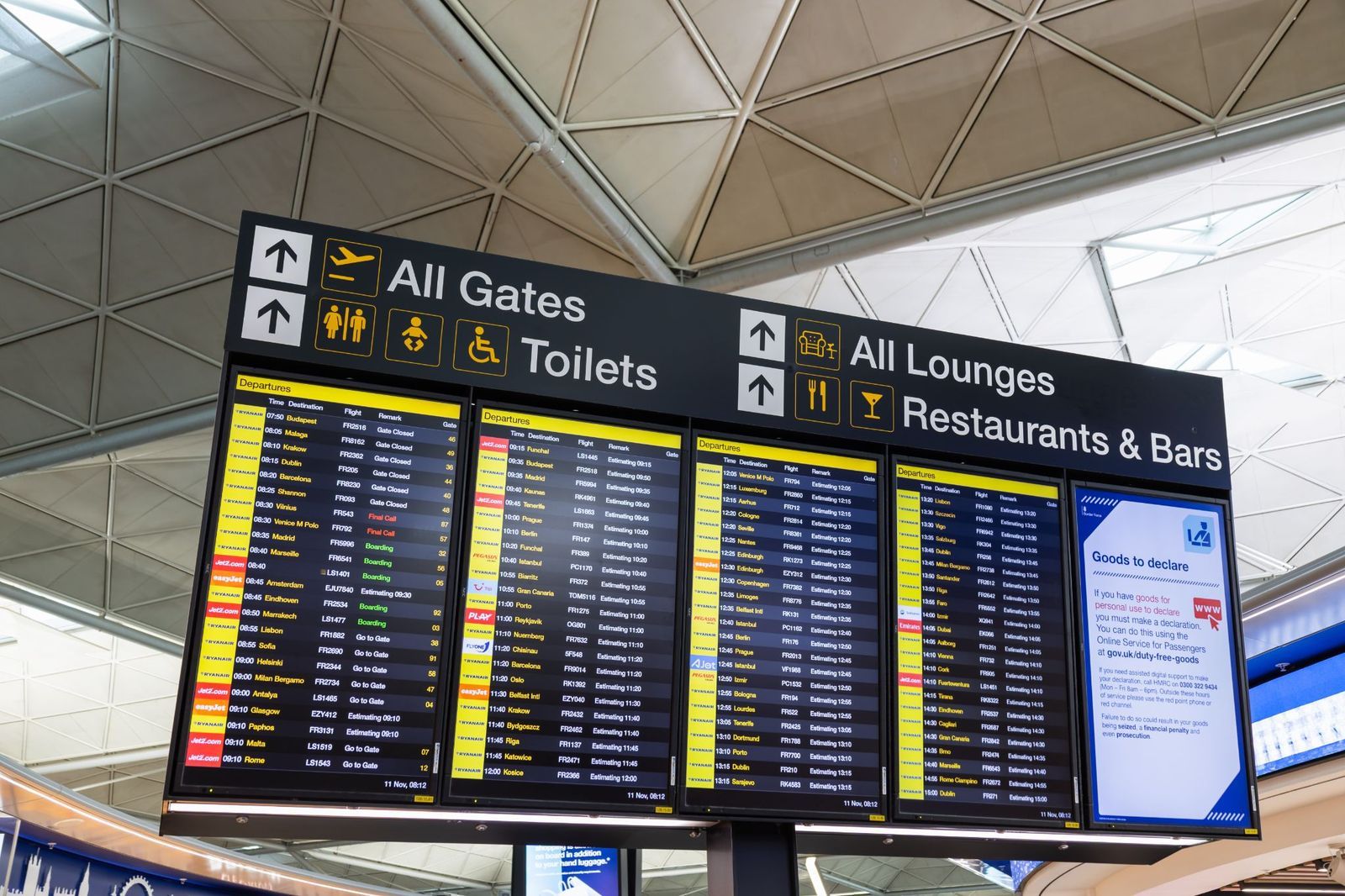
Trying to coordinate a family phone call across three time zones can be confusing enough. Now imagine thousands of aircraft crossing oceans, continents, and the International Date Line every day. Aviation solved that challenge by putting the entire industry on the same clock.
Pilots and controllers use Coordinated Universal Time, better known in aviation as Zulu Time. Whether an aircraft is departing Tokyo, crossing the Atlantic, or landing in Chicago, every flight plan, weather report, and controller instruction refers to the same time standard. Using one universal clock eliminates confusion caused by daylight saving time and local time zones, allowing precise coordination as flights move from one country's airspace to another.
A simple, low-tech light gun is the ultimate backup during a total blackout

With today’s sophisticated radar and digital communications, it’s easy to assume airports rely entirely on electronics. Surprisingly, one of aviation’s oldest tools is still ready for emergencies when radios stop working.
Air traffic control towers keep a specialized signal light gun that projects bright beams of colored light directly toward an aircraft. If a pilot loses radio communication, controllers can issue instructions using green, red, or flashing white signals. A steady green, for example, clears an aircraft to land or take off depending on the situation. A red, instead, means continue circling or the more traditional stop.

10 weird ways cities quietly "manipulate" tourists
What you can't see at first glance
Are they telling us what to do? 10 tricks that travelers don't notice
Have you ever wondered why tourists always seem to follow the same paths? Or why do some hotels smell like fresh coffee even outside breakfast hours? Maybe you've found yourself wandering into a shopping district without ever planning to go there. We've got news: you're not imagining it. Cities, hotels, airports, and tourist attractions are often designed to subtly influence where visitors go, what they notice, and even how they feel. From carefully planned walking routes to "fake" scents and spaces designed to keep you lingering a little longer, here are 10 surprising ways cities around the world quietly shape the tourist experience—sometimes to boost business, and sometimes to make your trip smoother.
Scent marketing in hotels
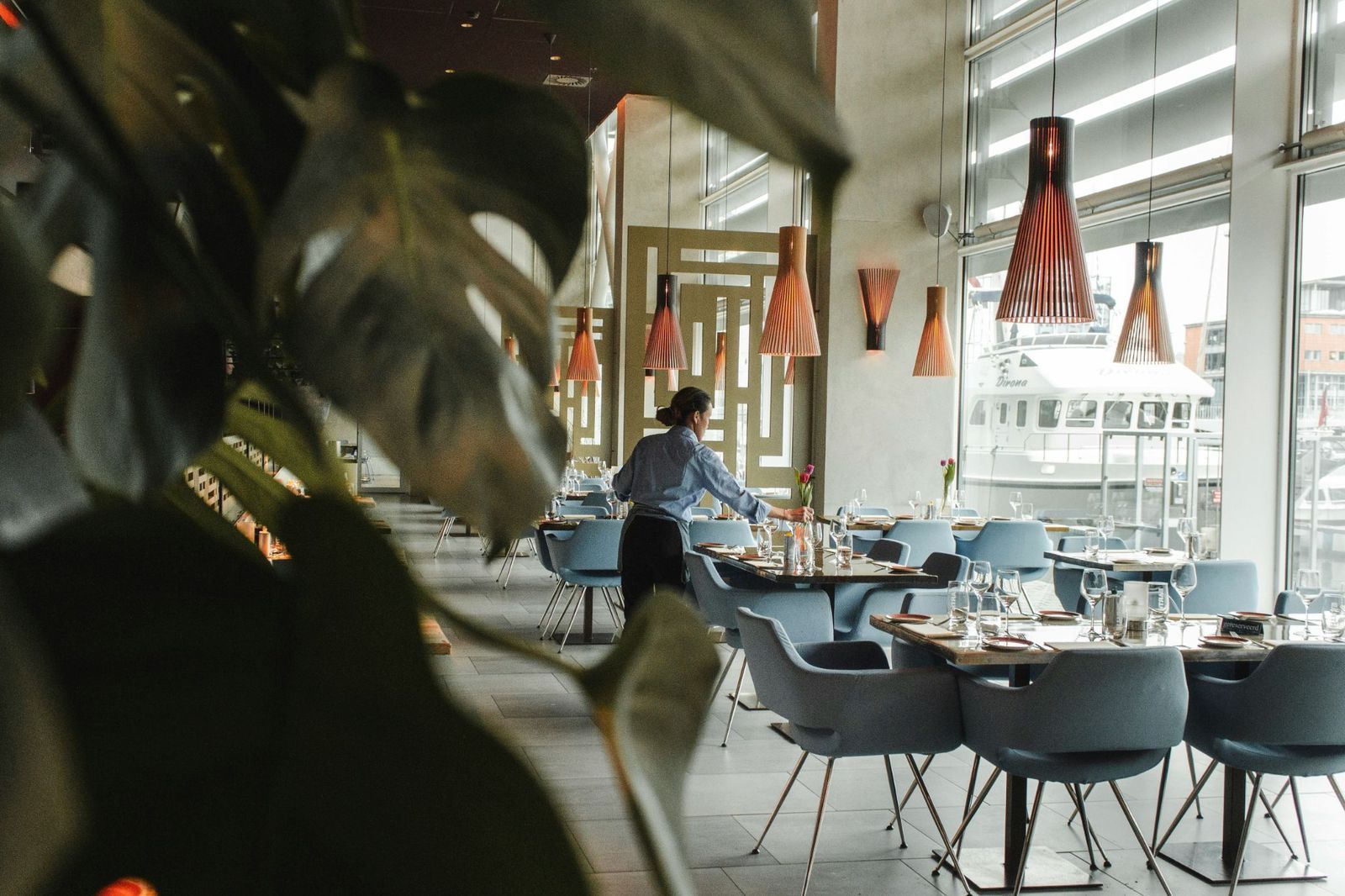
Have you ever walked into a hotel lobby and instantly thought, "Wow, this place smells amazing"? Or noticed that the aroma of fresh coffee seems to linger long after breakfast is over? There’s a reason for that.
Hotels have discovered that scent is one of the most powerful ways to shape how guests feel. Through a practice known as "olfactory marketing," they use carefully chosen fragrances to create comfort, trigger positive memories, or even make you spend more. Some even pump the smell of fresh coffee into common areas because studies have found that the aroma alone can make people feel more alert and energized, even before they've taken a sip, helping create a positive impression of the hotel.
The structure of casinos

Casinos are a key part of tourism in many cities around the world, but even though they may be thousands of miles apart, most casinos share some common features.
Whether you're in Las Vegas, Nevada, or Monte Carlo, Monaco, many casinos are designed to make you lose track of time. Look around, and you'll notice something missing: clocks. In many cases, you'll also struggle to find windows. These aren't architectural oversights or attempts to save money; they're deliberate choices. Without clear reminders of the time of day or changing weather outside, visitors are more likely to stay longer, keep playing, and, ultimately, spend more money.
Casino layouts
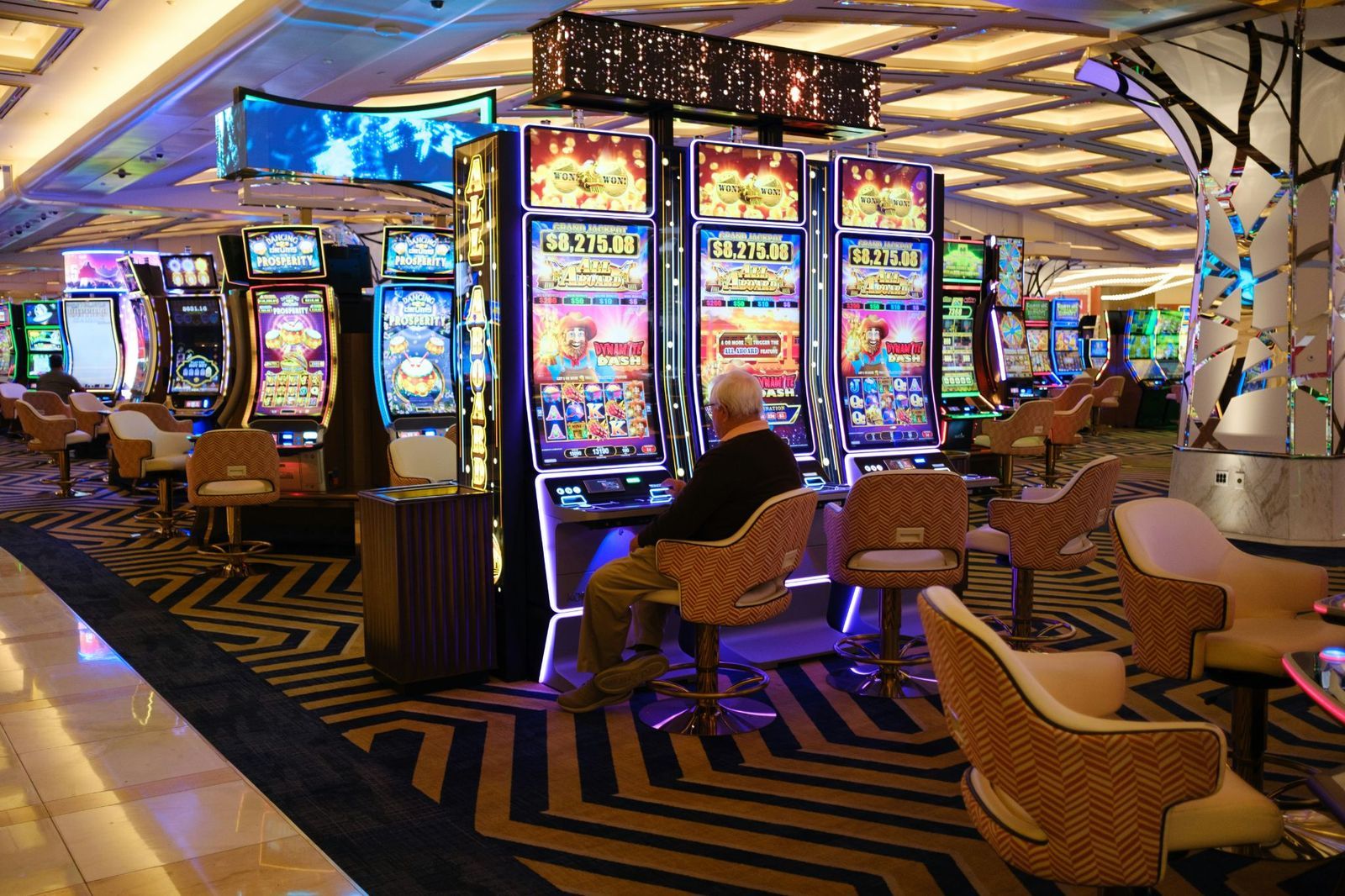
It's not just the missing clocks and windows. Casinos use plenty of other design tricks as well.
One of the most noticeable is the carpet. Those loud, colorful, often chaotic patterns aren't just a decorating choice that for some reason most casinos share. While designers cite durability and visual identity as reasons, the busy designs also tend to draw attention away from the floor and toward the brightly lit games and displays. Combined with sprawling layouts, winding paths, and rows of machines, they can make casinos feel incredibly easy to get lost in… and surprisingly hard to leave.
Forced walking routes
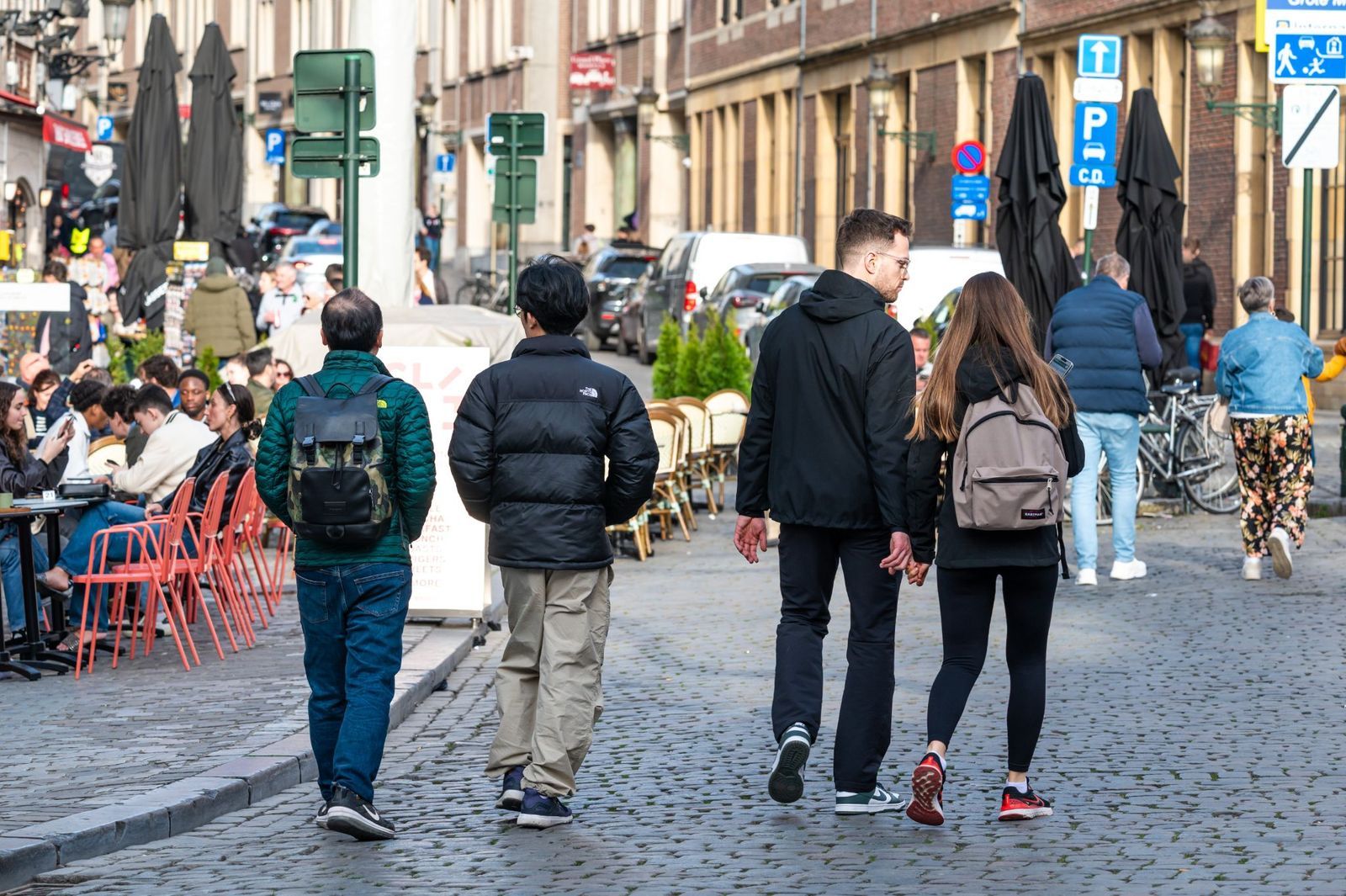
You may think tourists choose every step of their journey on their own. And for the most part, they do, but in many cities, the experience is subtly shaped long before visitors arrive.
To protect historic sites, reduce overcrowding, and spread tourism beyond the most famous spots, many cities use carefully planned walking routes. Signs, pedestrian paths, maps, and even the placement of benches can gently guide visitors past specific attractions, restaurants, shops, and viewpoints. Some destinations take it a step further. Cities such as Amsterdam in the Netherlands and Barcelona in Spain use tourist apps, digital signs, and suggested "alternative routes" to steer visitors away from some areas during peak hours. The goal isn't to control where people go, but to make the experience smoother for both tourists and residents.
"Authentic" performances created for tourists
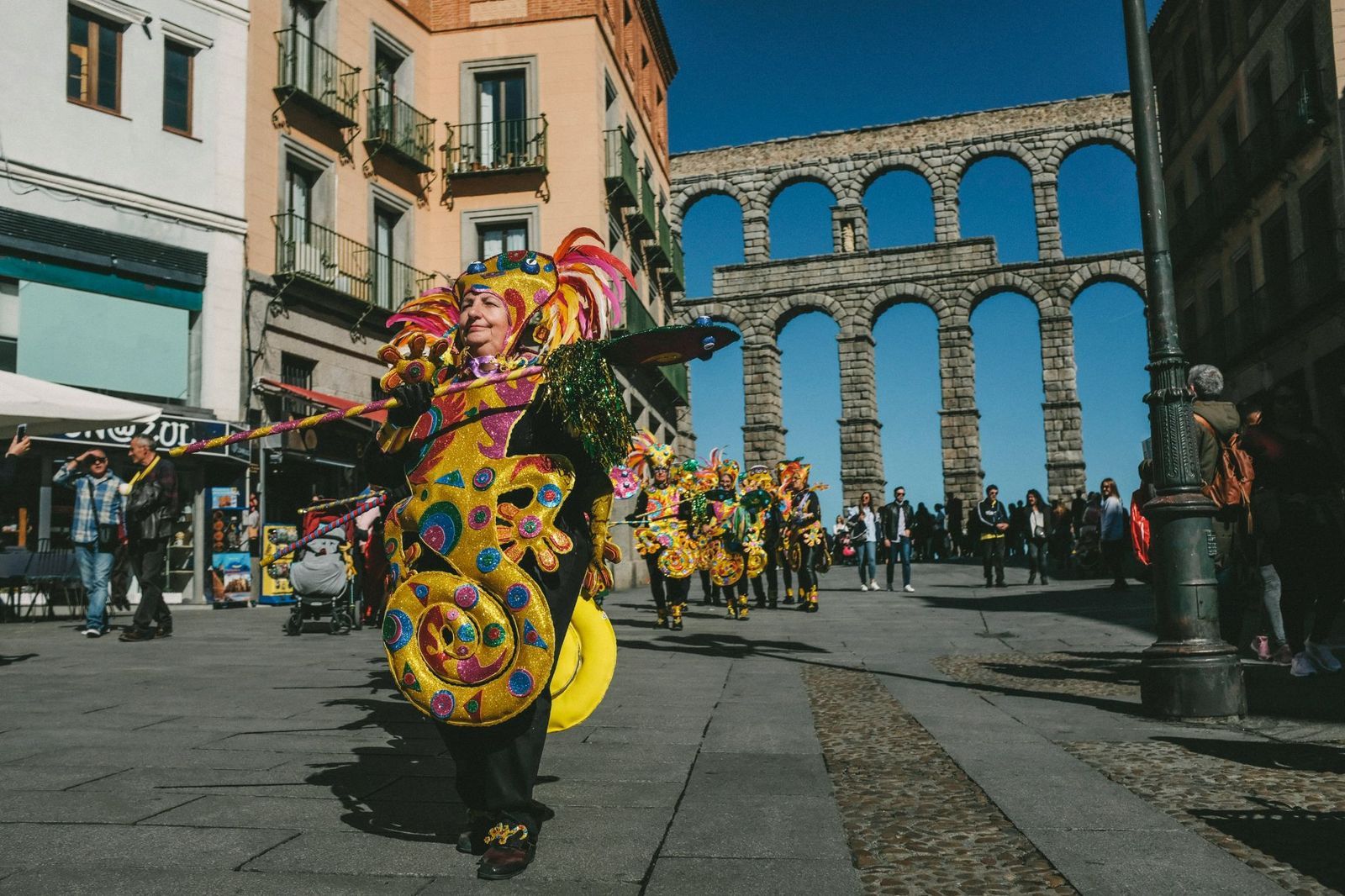
There's nothing quite like visiting a great city and experiencing its culture firsthand, and city tourism officials know that. In many places, they work hard to meet visitors' expectations while also protecting the city's heritage.
Some of the world's most popular destinations carefully shape what tourists see and hear. Traditional music performers, cultural demonstrations, and public events may be organized or supported by local governments to help showcase local traditions. Likewise, many historic districts place strict limits on modern storefronts, oversized advertisements, and bright electronic signs; that's why areas in cities such as Paris or Mexico City can feel like stepping back in time. The goal isn't necessarily to trick people, but to preserve the character and atmosphere that make those places special.
Strategic viewpoints
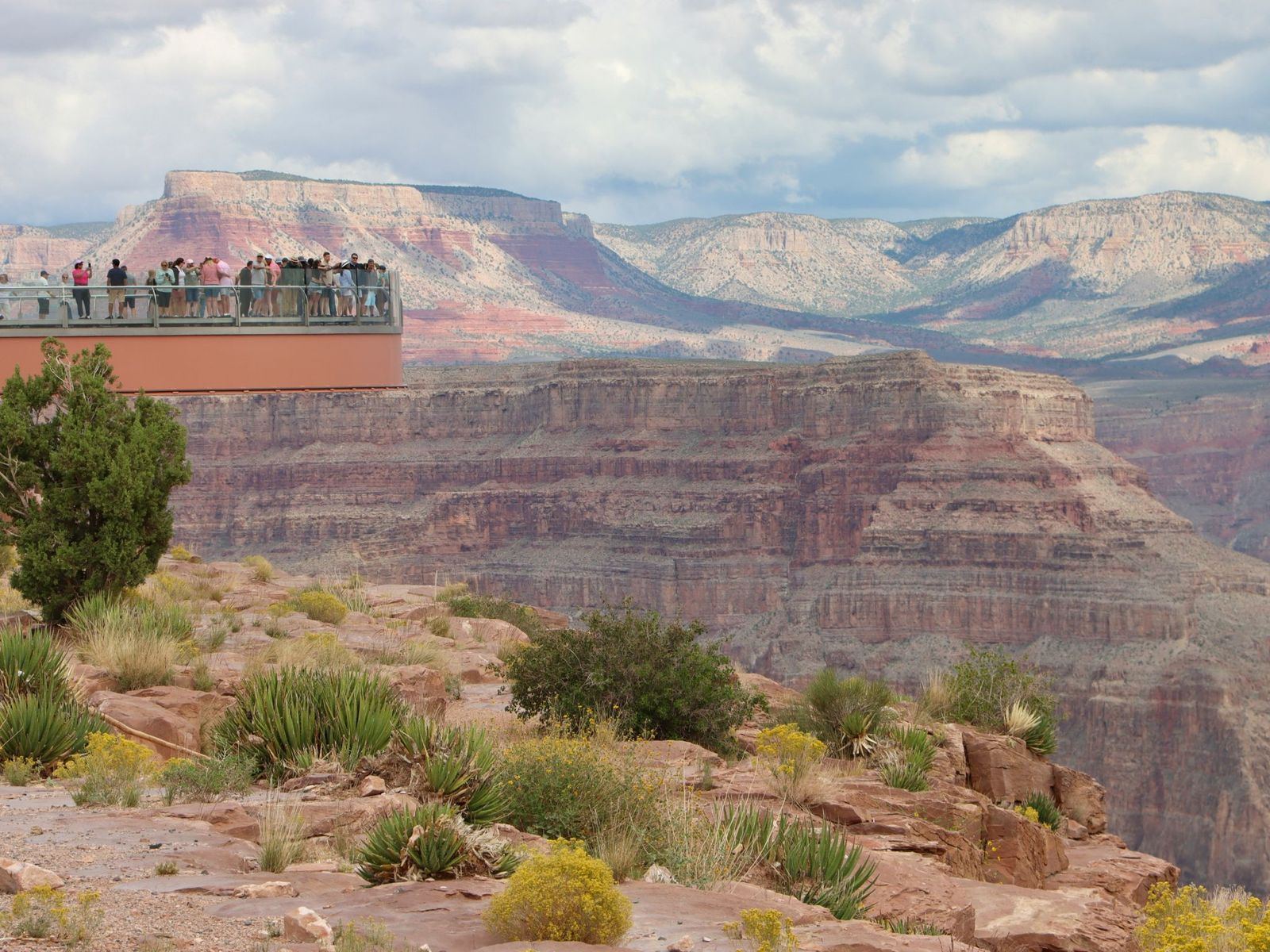
That stunning photo you took of the Grand Canyon probably wasn't just luck. Tourist destinations want visitors to leave with unforgettable memories, and hopefully a desire to come back.
That's why observation decks and scenic overlooks aren’t just randomly placed. Many are positioned to deliver the most dramatic view possible the moment you get there. Landscape architects and planners study viewing angles to determine exactly what visitors will see and from where. Features such as cantilevered platforms, glass floors, carefully placed railings, and unobstructed viewing areas are often designed to direct your attention toward the most spectacular part of the landscape while minimizing visual distractions. The view is real, but the experience of seeing it probably has been carefully choreographed.
Theme parks use forced perspective
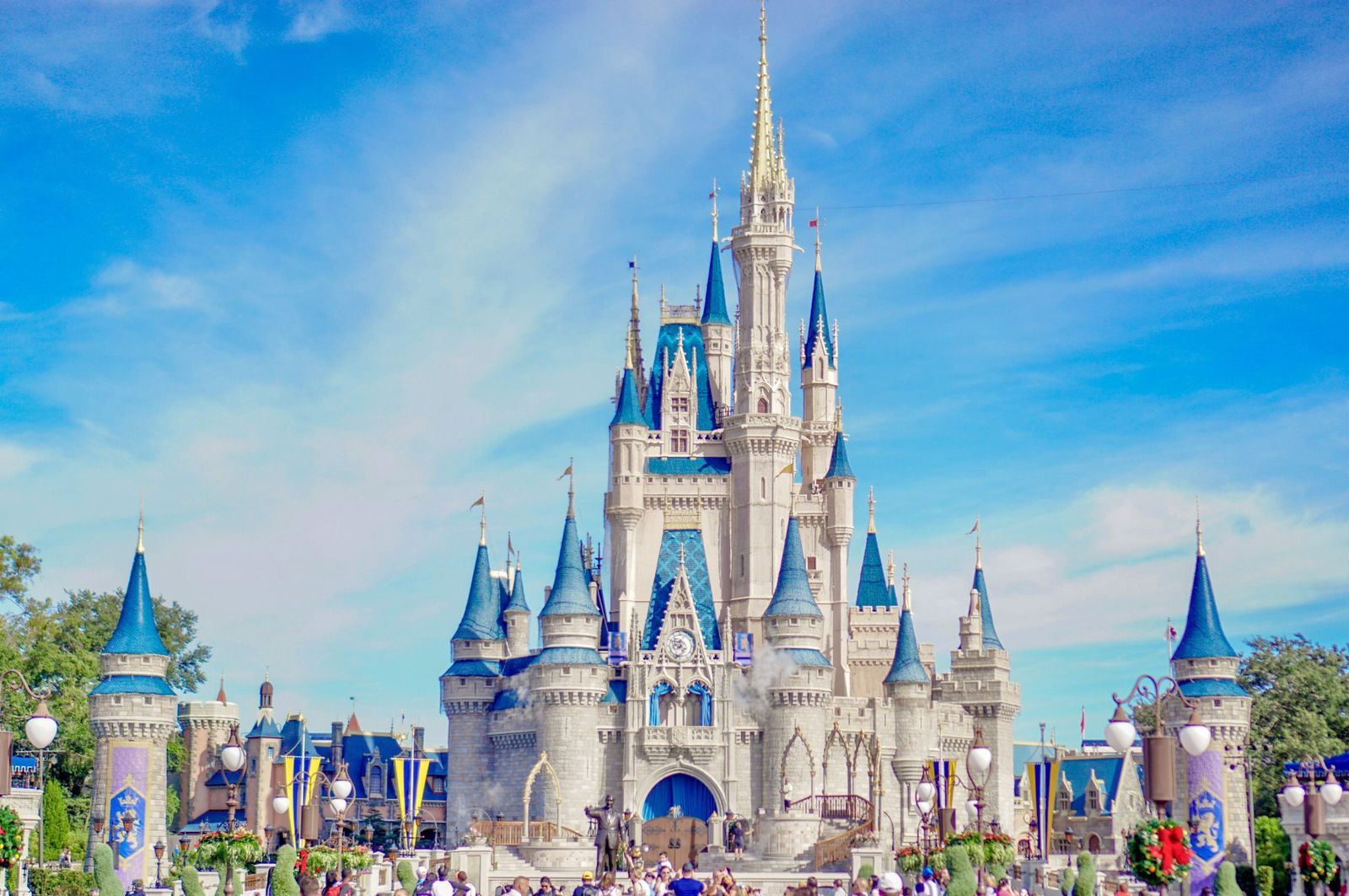
There's a feeling almost everyone experiences when walking through a theme park: wonder. And that's no coincidence; these places are carefully designed to make everything feel bigger and more "magical" than it really is.
One of the most effective tricks is a technique called forced perspective. At many Disney parks, buildings are constructed so that each level above the ground floor is slightly smaller than the one below it. From a distance, it makes your brain interpret the structure as much taller than it actually is. A perfect example is Cinderella Castle: its windows, bricks, and spires gradually shrink in size toward the top, creating the illusion of a huge castle. The castle is impressive in real life, but clever design makes it appear even bigger.
Airport architecture psychology
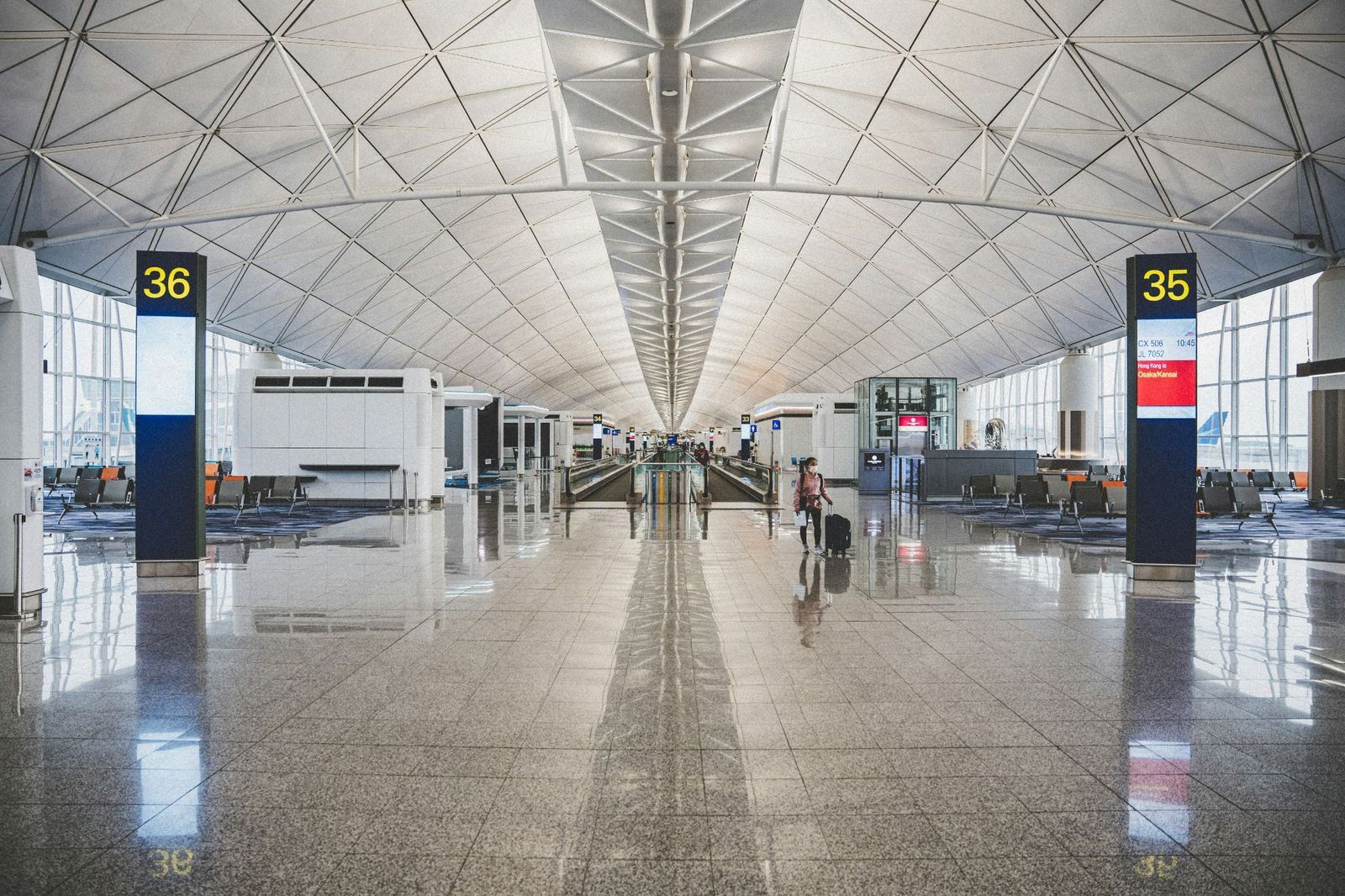
Have you ever noticed that no matter which airport you're in, you always seem to walk past the duty-free shops?
That's a design decision. In airports around the world, retail areas are often placed immediately after the security checkpoint, ensuring that nearly every passenger passes through them. Even if you have no intention of shopping, it's hard to avoid at least taking a look. There's a reason for the timing, too: once you've made it through security, one of the most stressful parts of the travel experience is behind you. With extra time before boarding and fewer concerns, travelers are often more relaxed and more likely to spend.
Duty-free pricing illusions
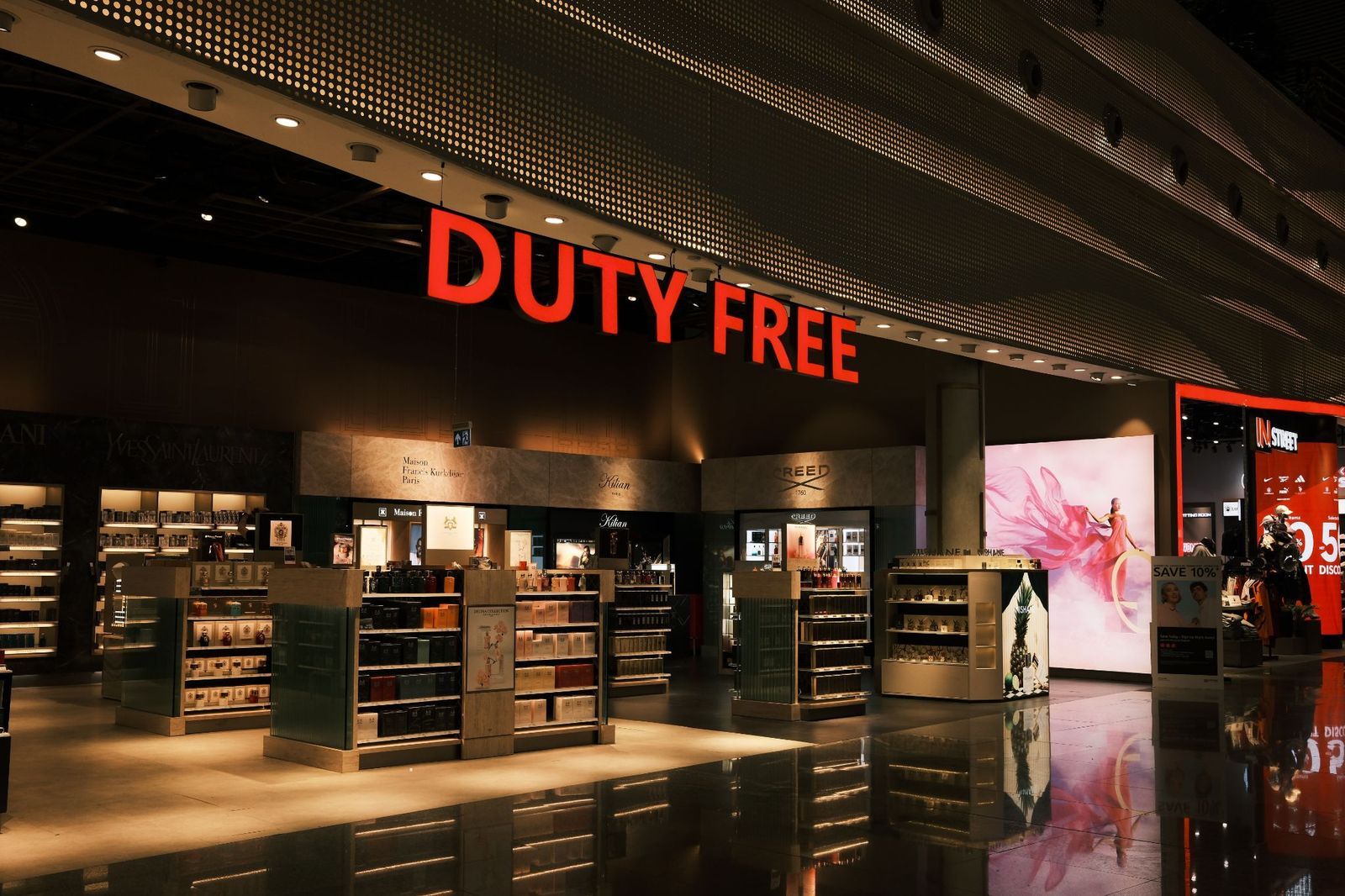
Not only are you likely to find yourself browsing the duty-free shop when you never planned to, but there's another trick: duty-free doesn't always mean cheaper.
While it's true that duty-free stores are exempt from certain taxes and duties, that alone doesn't guarantee a bargain. Airport retailers often face high rents and operating costs, which can push prices above what you'd pay elsewhere. In some cases, the "tax-free" label creates the impression of a deal even when the savings are not real. But wait; some purchases can still be worthwhile. Items that are heavily taxed, such as alcohol, tobacco, and certain luxury goods, often offer genuine savings because the tax reduction can outweigh the airport retailer's markup.
Why attractions all end up in the same place

If you're a frequent traveler, you've probably noticed that many museums, attractions, and tourist sites around the world seem to have one thing in common: the exit leads straight into a gift shop.
Much like supermarkets place impulse purchases near the checkout, attractions often wait until the very end of your visit to present souvenirs. After spending time enjoying an experience, visitors are naturally more receptive to buying a small reminder of it. In the tourism industry, this is often called "secondary spending"; revenue generated beyond the price of admission. That's why you'll find shelves filled with reasonably priced magnets, mugs, postcards, and other keepsakes positioned right before the exit. And let's be honest: after a nice day, it's hard to resist taking a little piece of it home.
Keep wandering
There’s always
more to explore
10 air passenger rights airlines hope you never find out about
5 min.
Read Now

10 Incredible, death-defying miracles around the world
5 min.
Read Now

The 10 happiest cities in America in 2026
3 min.
Read Now

The secret behind 10 real places people are too afraid to visit
4 min.
Read Now