The reason why pilots can’t sport a beard and more mysteries uncovered
 General
Pilot’s dos and don’ts
The reason why pilots can’t sport a beard and more mysteries uncovered
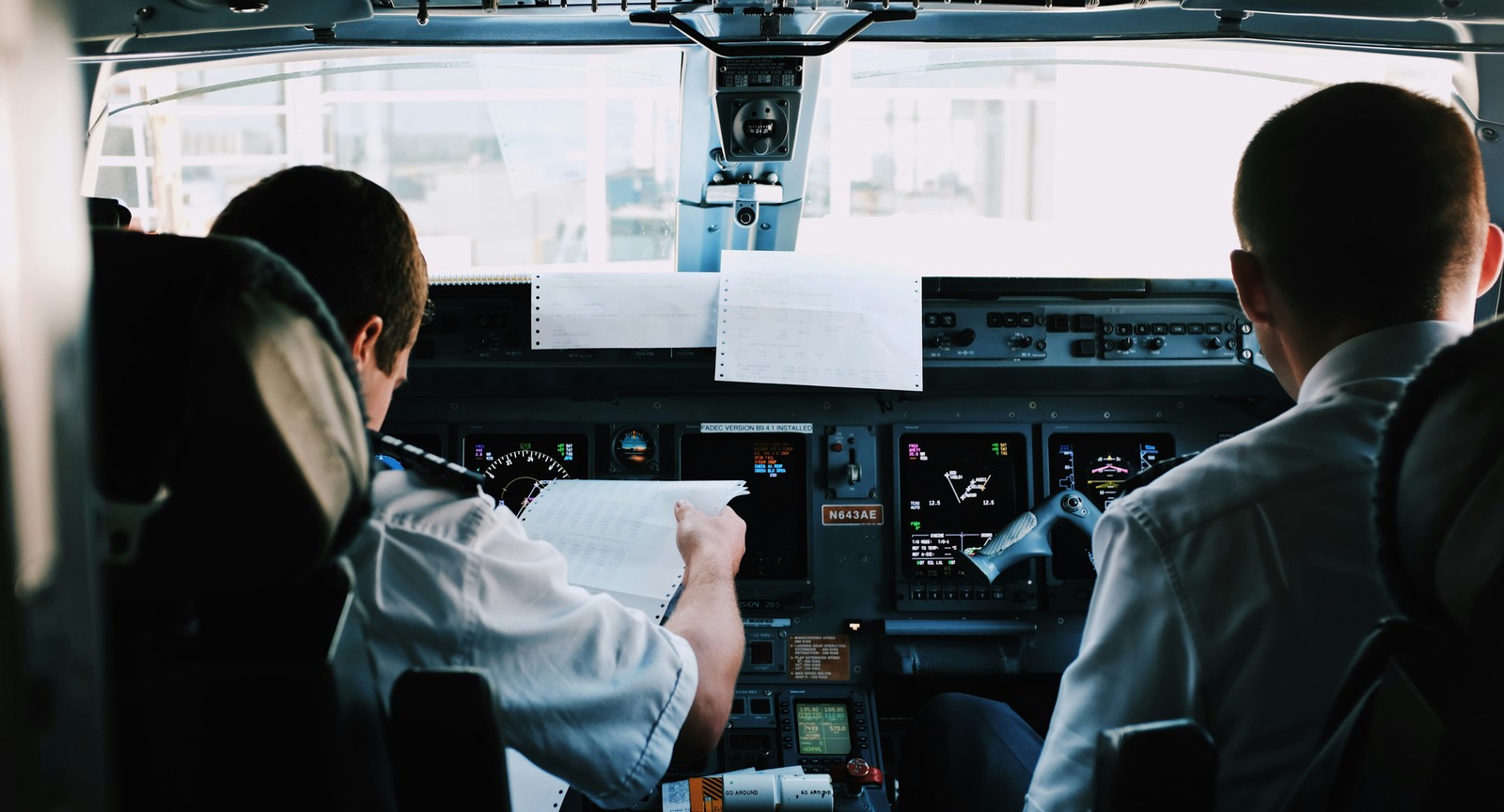
Pilots and co-pilots aren’t allowed to have the same meal, but you probably don’t know why. For most travellers, flying means settling in, ordering a drink, and hoping for a smooth ride. But what happens behind the cockpit doors? We trust pilots with our lives, yet few travellers know the intricate details of their job. From why they are clean-shaven to where they sleep, these details make every flight safer. Here’s all you need to know.
Different meals

In August 1982, a flight from Lisbon to Boston took a frightening turn when most of the crew fell ill midair with food poisoning. Eight out of the 10 crew members were unavailable because they had all eaten the same tainted meal. The life-saving detail: The co-pilot hadn’t.
These kinds of incidents made airlines take a stand: Pilots and co-pilots often eat different meals to ensure that if one gets food poisoning, the other remains healthy to fly the plane. Even though the FAA hasn’t enacted a regulation concerning this, it’s standard airline industry practice.
No facial hair
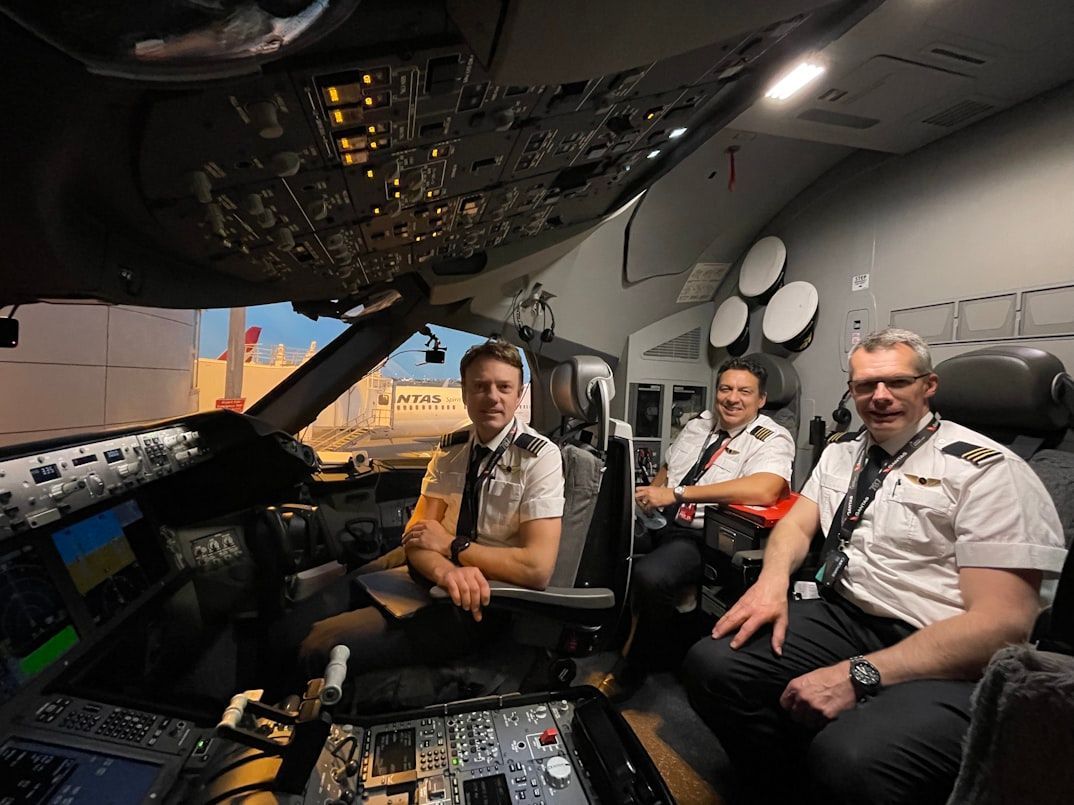
You’ve probably noticed that most male pilots look like they just stepped out of a barbershop. But it’s not about looking professional for the passengers. The reason why pilots don’t sport a beard is a life-saving one.
In the event of an emergency where the cabin loses pressure, pilots must be able to don an oxygen mask in mere seconds. A clean face ensures a sealed mask. There’s no Federal Aviation Administration regulation against it, but most airlines, like Delta, Southwest, United, American Airlines, and JetBlue, do not allow cockpit crew to wear beards or even goatees, inspired by the U.S. Army regulation 670-1 that states that pilots are required to maintain a clean-shaven face.
Sterile Cockpit Rule
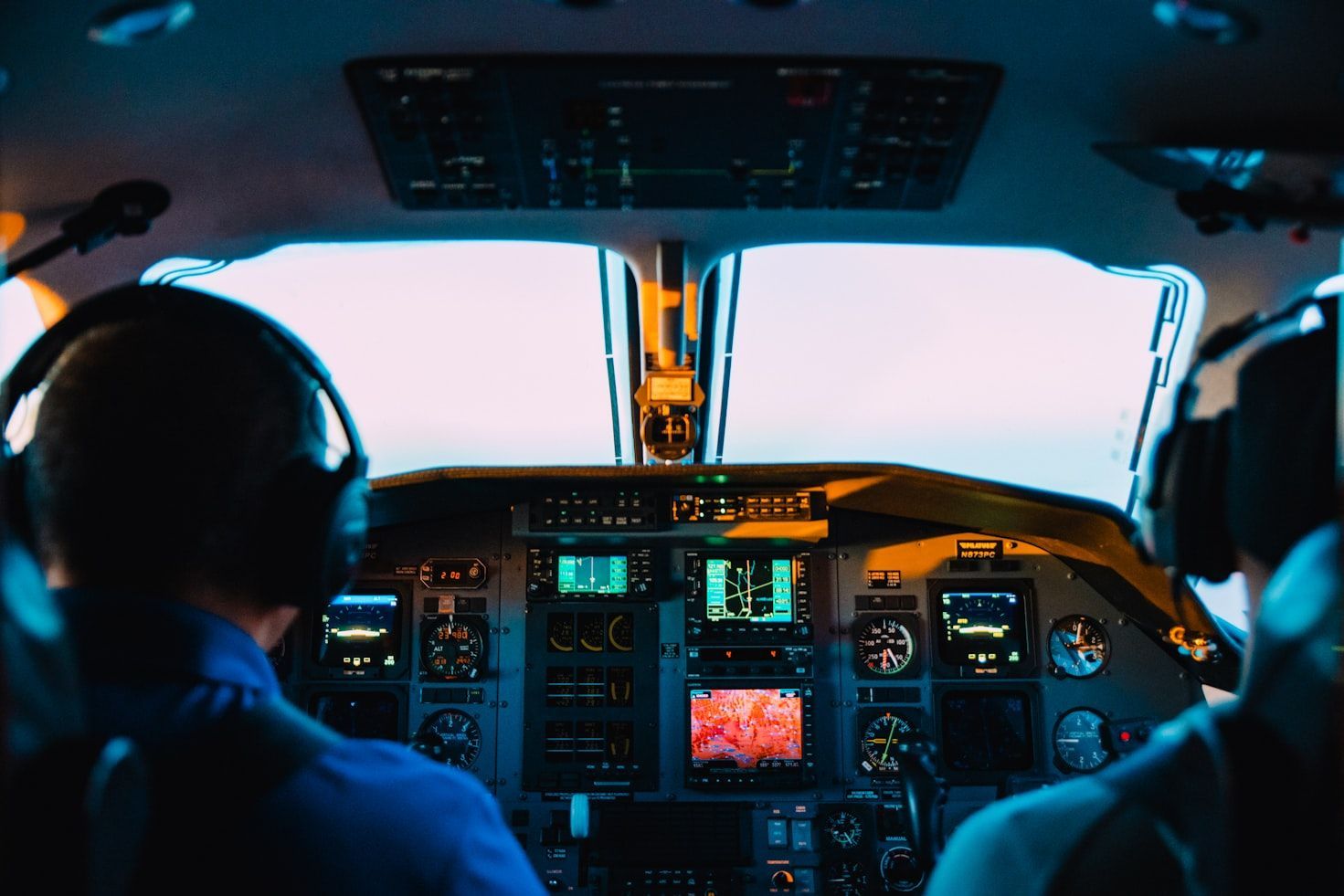
You’ve settled in, the plane started moving, and you’re chatting with your seatmate during takeoff. But not the pilots who are following the Sterile Cockpit Rule.
According to a regulation enacted by the FAA in 1981, pilots are prohibited from casual conversation or reading to maintain total focus during critical phases of flight, which include taxiing, takeoff, landing, and flying below 10,000 feet. And that’s not all; the regulation actually states they are prohibited from engaging in any leisure activity that might interfere with their job.
Autopilot dominance
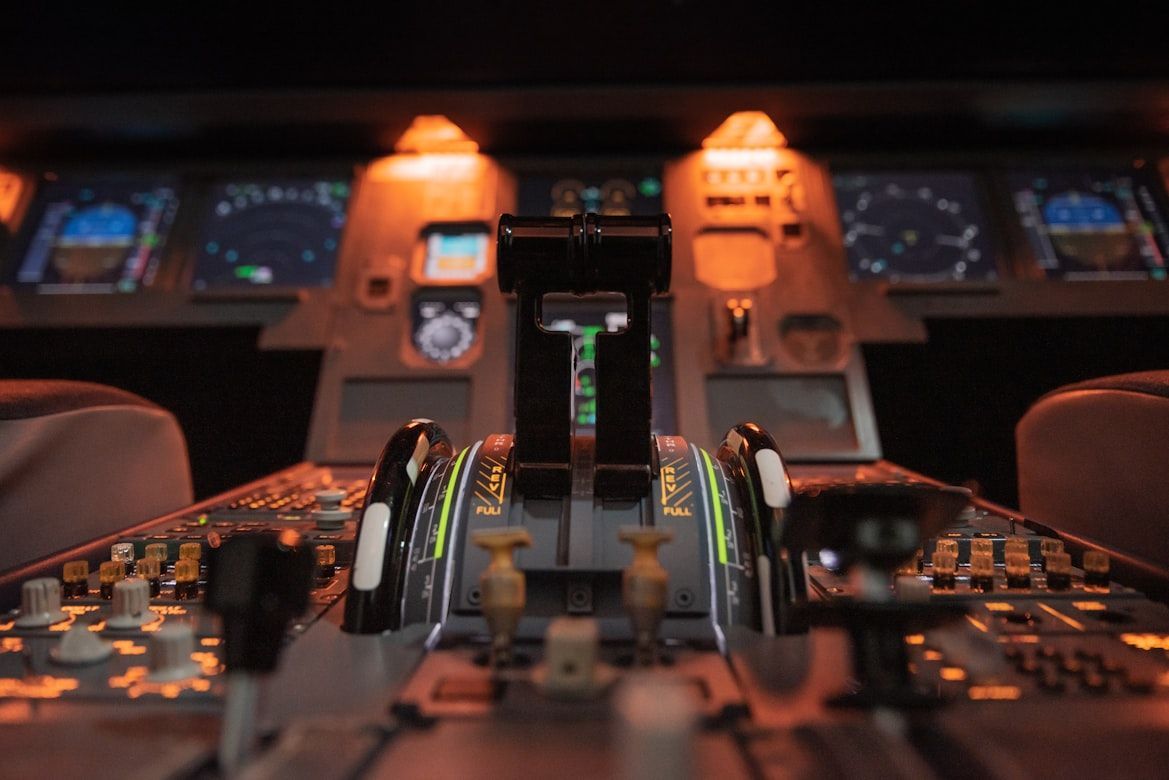
You might assume that, once the plane has reached an appropriate altitude, pilots are chilling in the cockpit with the autopilot on. But that’s not the case. Yes, autopilot is indeed on for 90% of the time, but that doesn’t mean the crew is slacking off.
Actually, autopilot works more like a cruise control on a car; it needs constant supervision. And, still, during critical times like takeoff, landing, and occasional turbulence, the pilot is right there to work the plane manually.
Strict alcohol consumption regulations

If you’ve ever heard the phrase "eight hours from bottle to throttle," that’s the rule pilots follow when it comes to alcohol. Flying is a precise, demanding, and unforgiving job. That’s why there is zero tolerance for alcohol consumption.
According to guidelines, pilots are not permitted to have even a sip of alcohol within eight hours of flying. Regular tests are carried out to check for alcohol intake, and penalties for positive concentration over 0.04 are immediately removed from duty and referred for education and/or treatment. Alcohol regulations are also strict on passengers, which means the crew could actually prevent a passenger from boarding if they appear to be intoxicated.
Partial fueling
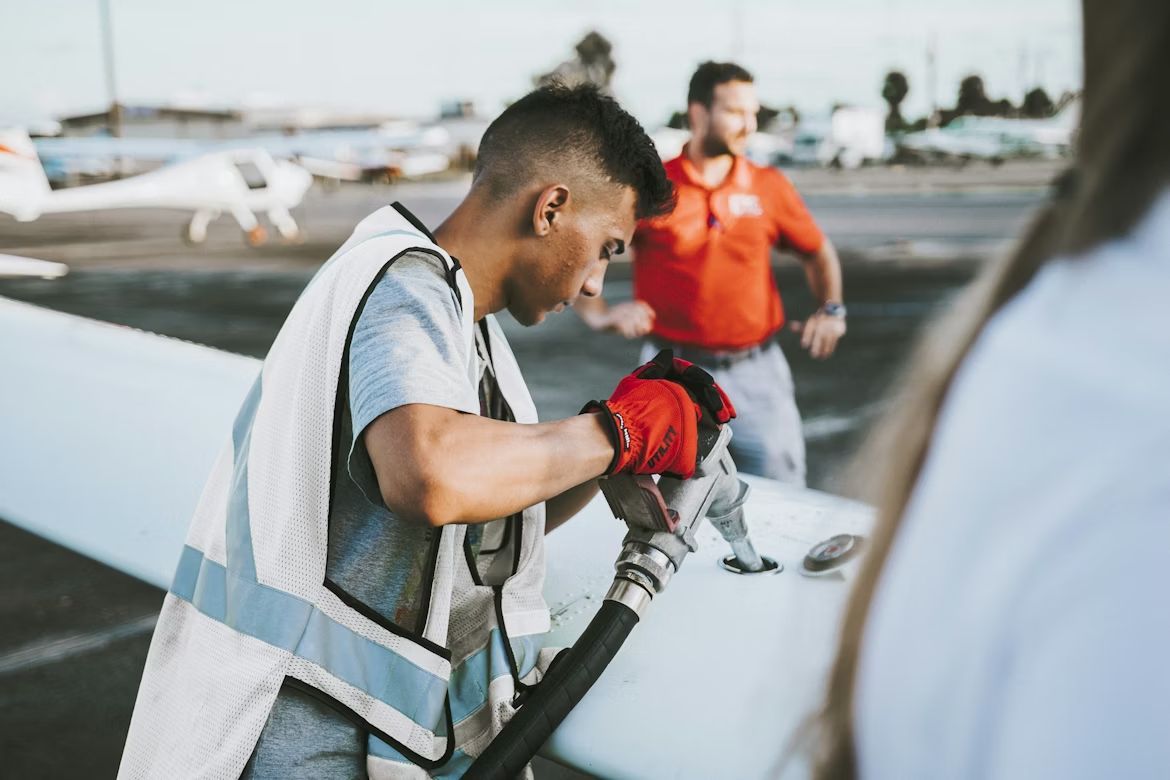
Here’s a mind-boggling fact: Planes rarely fly with a full tank. This is not as troubling as it sounds. Fuel is incredibly heavy, and carrying more than necessary makes the plane less efficient and more expensive to fly.
Instead, the experts calculate the exact amount of fuel needed for the specific route, plus a healthy safety reserve. That way, they reduce weight and save on costs while making sure the plane will land safely.
Flight time and rest regulations
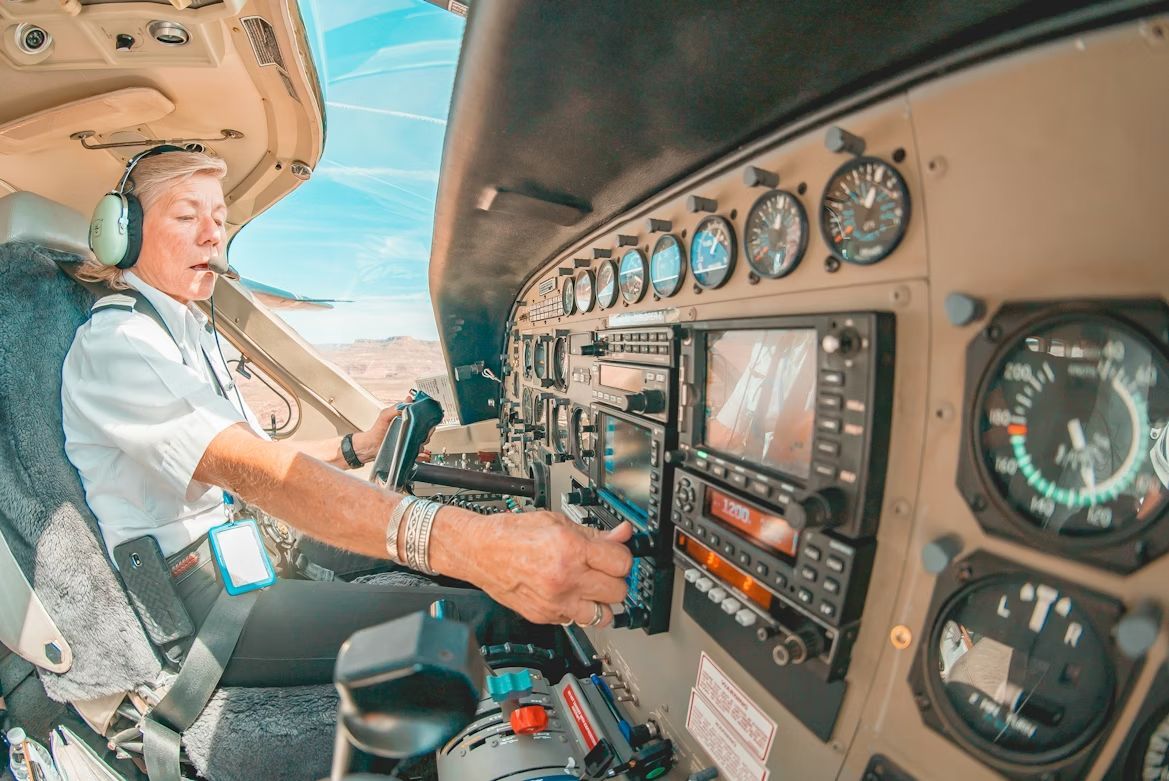
We all get tired after an 8 or 9-hour workday, and pilots are no exception. What is different is that they are responsible for the lives of hundreds of people at a time. So to prevent exhaustion from clouding a pilot’s judgment, the FAA has very strict flight time limitations and rest requirements.
The statute allows pilots to fly for 8 hours within a 24-hour window if they are the sole crew. If there’s a second pilot, that can be extended to 10 hours. Moreover, there is a mandatory rest period that follows the duty time, which usually involves a quiet hotel room and a chance to recharge. We all need a power nap.
Hidden bunks
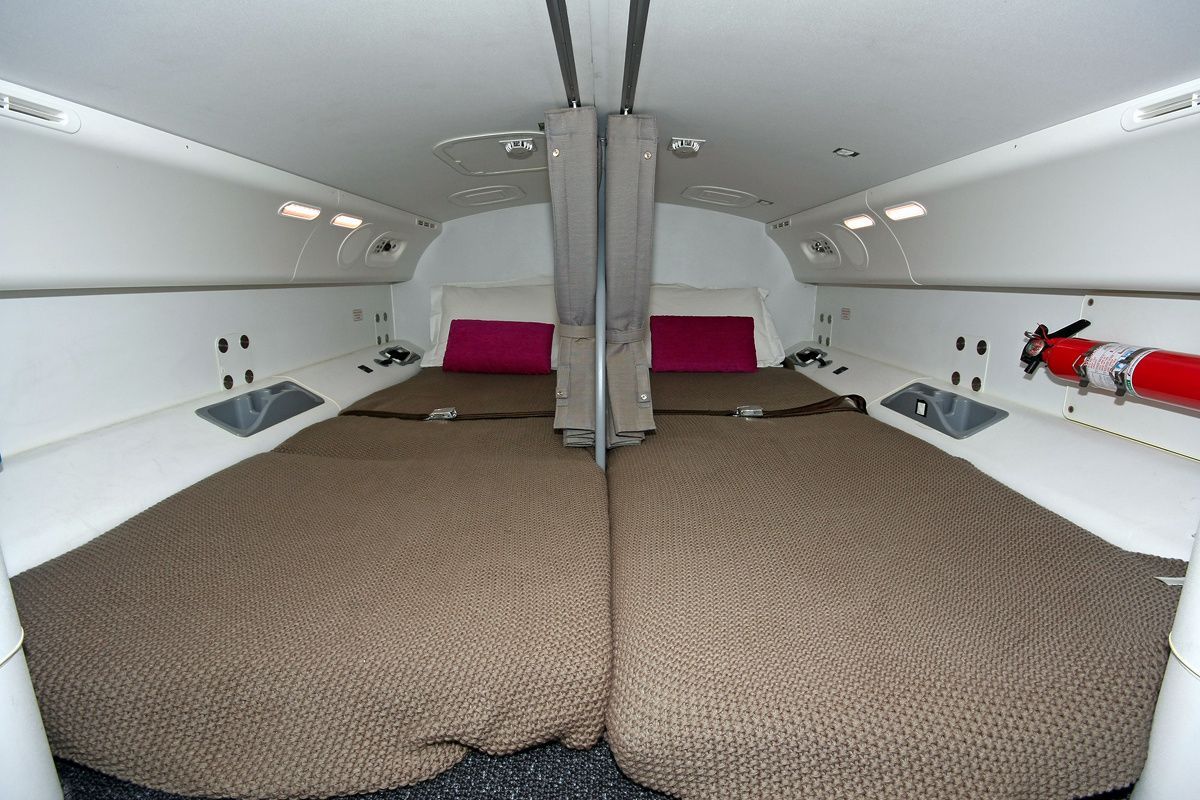
Pilots are extraordinary; they make a machine fly over 35,000 feet for hours. But they are still human and, on long flights —say New York to Tokyo— they need to sleep. But where?
Long-haul aircraft have secret crew rest areas, often located above or below the main cabin, where pilots and crew can sleep during their off-duty shifts. Of course, they take turns, and the cockpit is always occupied by at least one of them.
They send wing signals
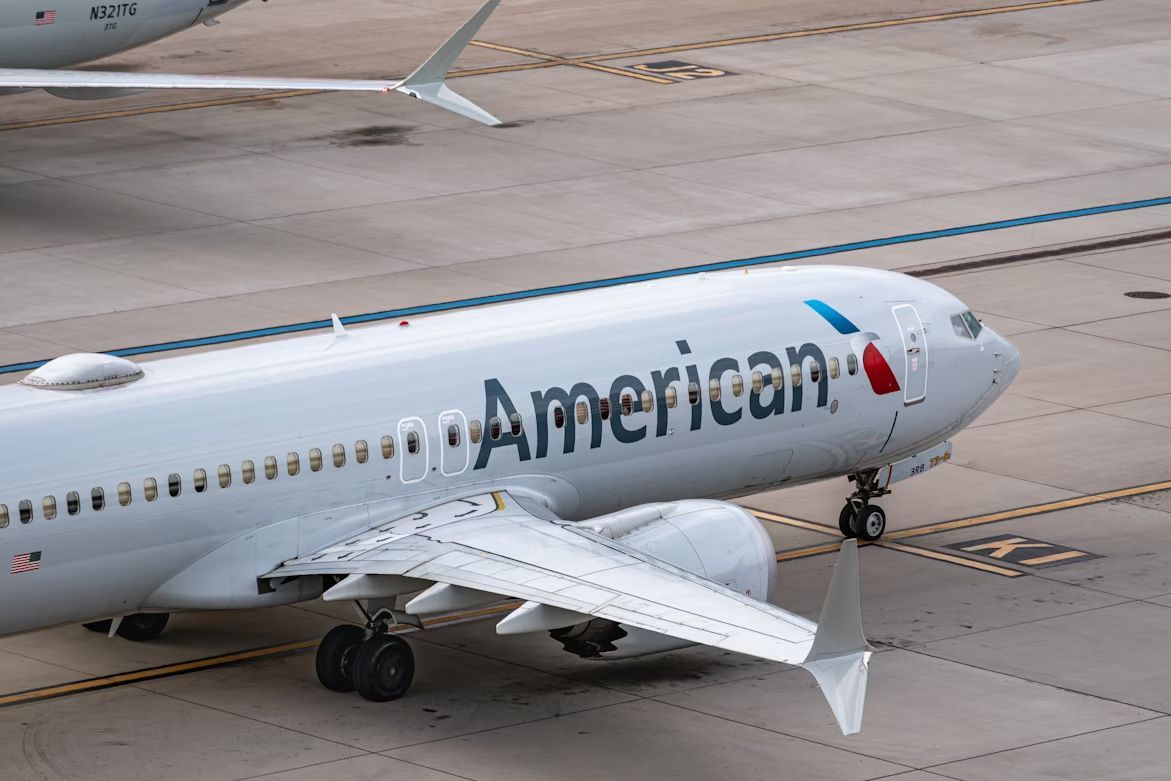
Next time you get off a plane, look at the left wing. If it’s upturned, you’re looking at a secret code between the pilots and the technicians.
After landing, they may leave the left wing upturned. It’s how they indicate to the technicians that they noticed something was not quite right with the wings during the flight. It’s a visual cue that ensures the maintenance team knows exactly where to start their inspection the moment the engines shut down.
They greet each other by flashing lights
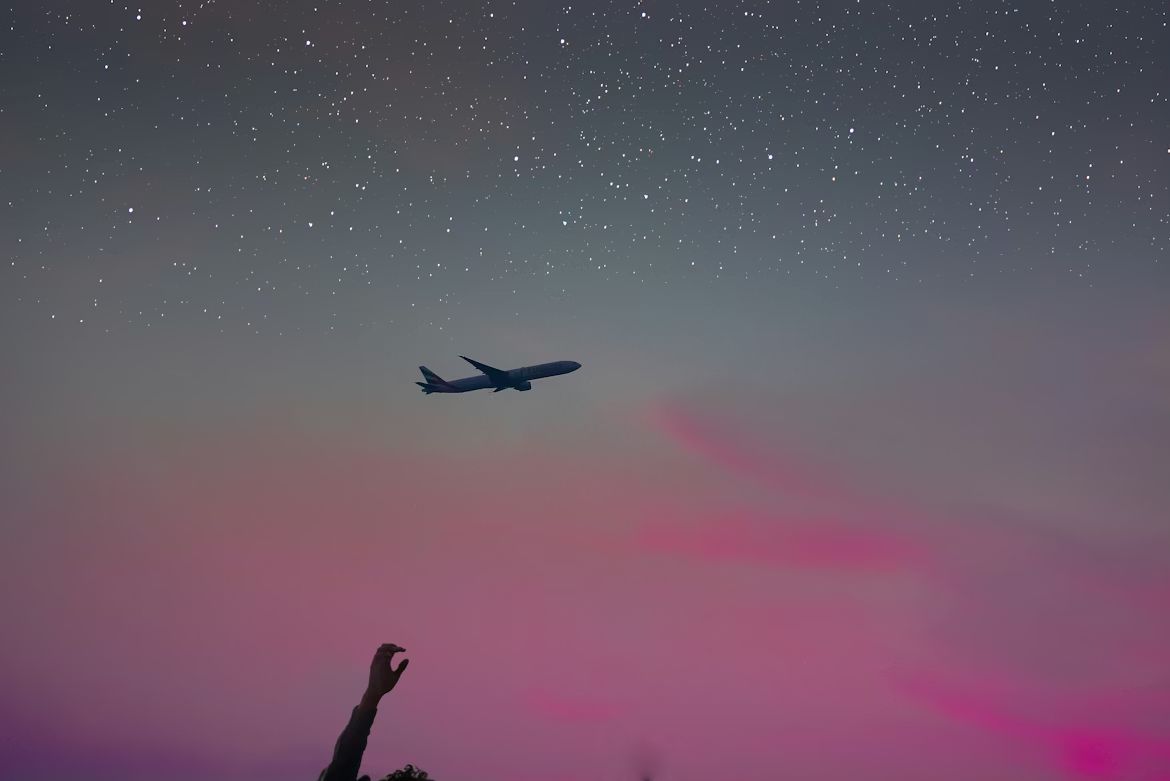
If you’re lucky to get a window seat by the wing, don’t just snap a picture of the view; pay attention. You may catch some light flashes, and that’s the pilot’s way of saying "Hello, I’m here" to another plane.
When two aircraft flying in opposite directions pass each other at night, it is quite common for one or both to briefly turn on their landing lights. This is done partially to say hello and also to increase situational awareness.
Pilots must hold a current medical certificate

Pilots don’t just train once and call it a day. Being a pilot requires constant health check-ups. Pilots are required to hold a current medical certificate that is renewed every year.
Considering there are different types of flights, certificates are classed —1st is for airline flights, 2nd for commercial flights, or 3rd, for private flights. Airline pilots are required to present medical certificates every 12 months if they are under 40, and every 6 months if they are over 40. This rigorous process ensures the crew is in top-notch shape, year after year.
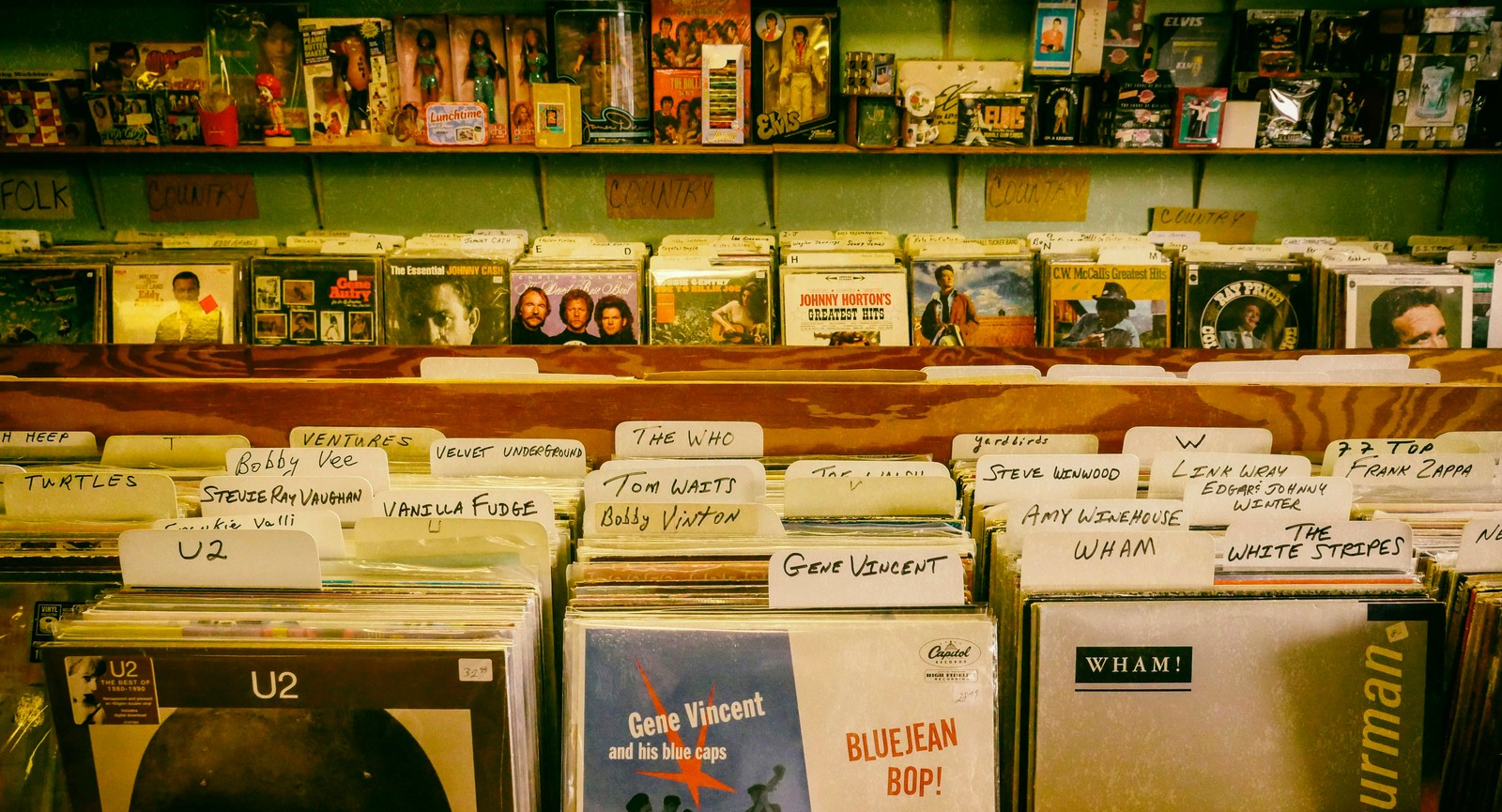
What were they California Dreamin’ about? 12 places that inspired 12 hits
 Culture
Places with rhythm
What places inspired these 12 famous American songs?
Some songs do more than climb the charts; they put real places on the map. From dusty highways to bright city skylines, America’s landscapes have shaped lyrics we still hum decades later. For many listeners, especially those who grew up with these classics, the places feel as familiar as the melodies. Take a look at 12 places that helped inspire immortal hits!
New York, New York (New York, New York)
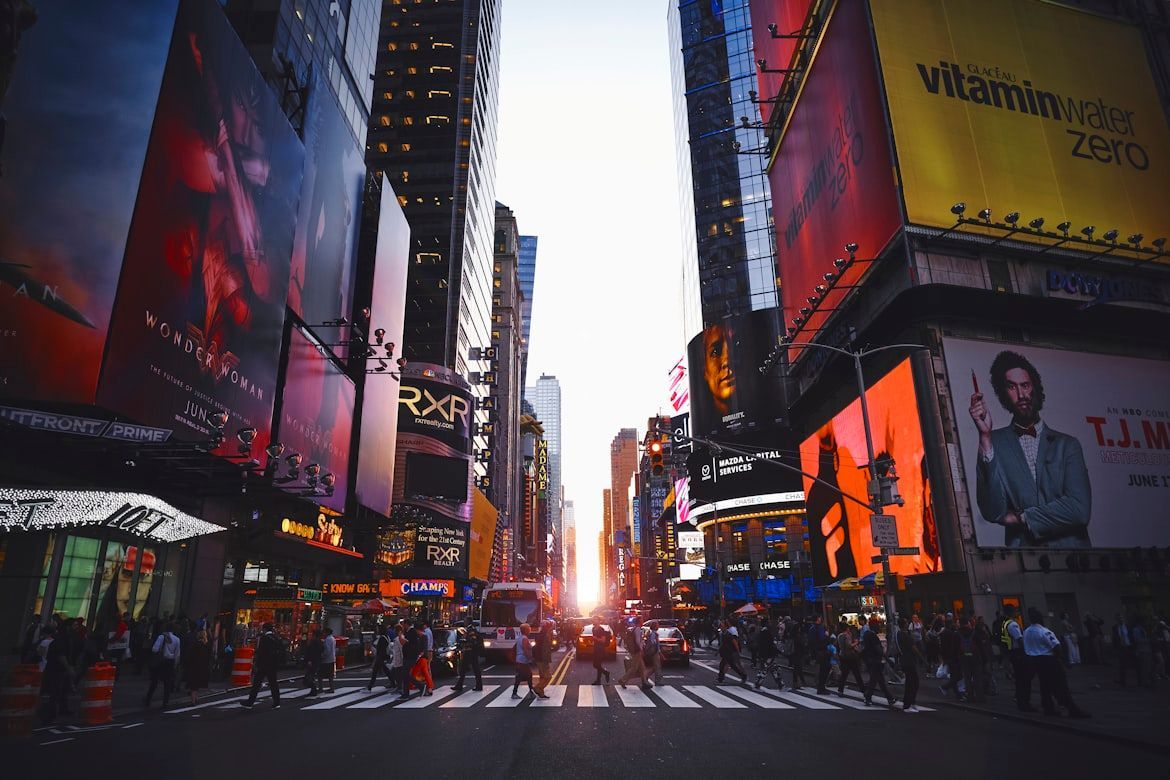
Frank Sinatra’s signature anthem turned New York City into a musical symbol of ambition and bright lights. Though written for a 1977 film, Sinatra’s bold rendition made it the unofficial soundtrack of Broadway, Times Square, and towering Manhattan dreams
Visitors still feel that electric energy when walking Fifth Avenue or watching the skyline glow at night. The city’s spirit of reinvention mirrors the song’s promise: if you can make it here, you can make it anywhere.
Walking in Memphis (Memphis, Tennessee)
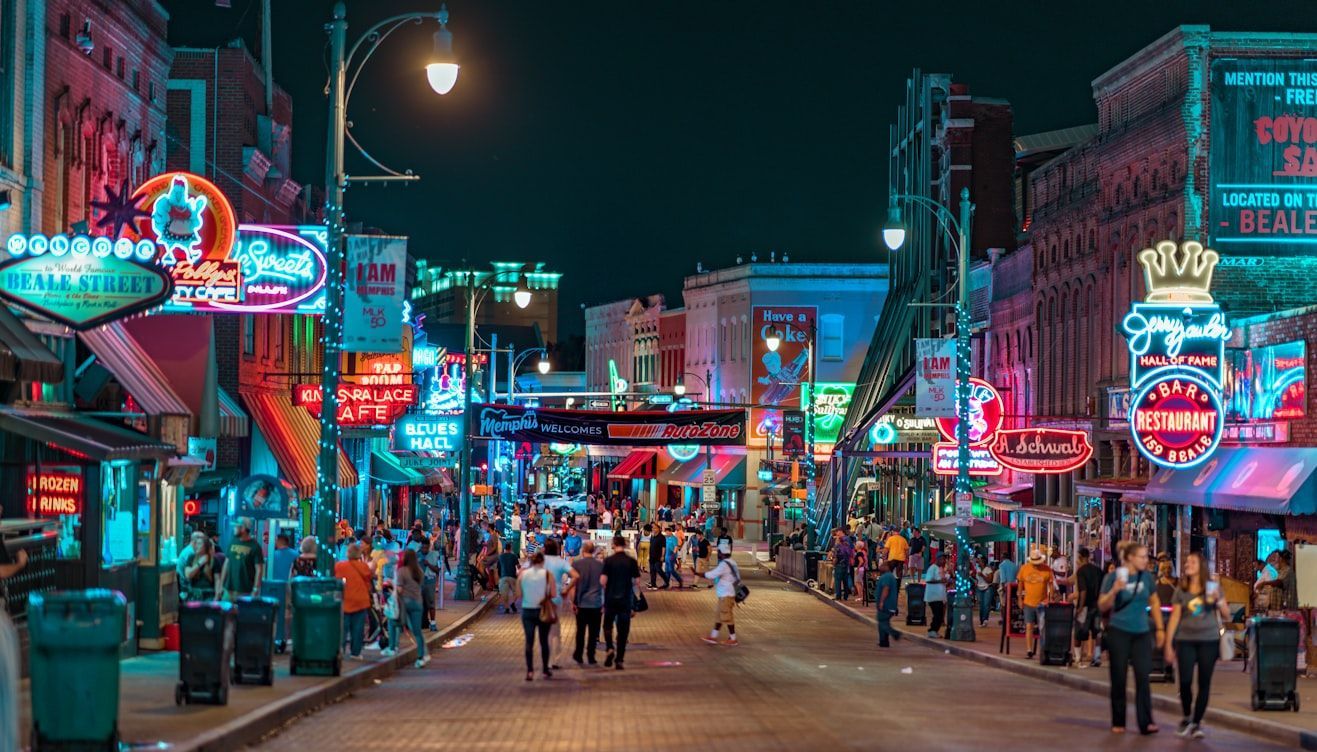
Marc Cohn’s 1991 hit captures the soul of Memphis, name-checking Beale Street and honoring the city’s blues tradition. Inspired by his own visit, Cohn described a spiritual awakening among the rhythms that shaped American music.
Today, travelers tour Sun Studio, stroll Beale Street, and visit Graceland. The city’s blend of gospel, blues, and rock still echoes through its streets.
Atlantic City (Atlantic City, New Jersey)

Bruce Springsteen’s ballad paints a gritty portrait of Atlantic City during its casino-era revival. Beneath the boardwalk lights, the lyrics tell a story of struggle, risk, and hope.
Modern visitors find sandy beaches, historic piers, and neon-lit casinos. Yet the song adds another layer that is rarely seen by tourists.
Folsom Prison Blues (Folsom, California)
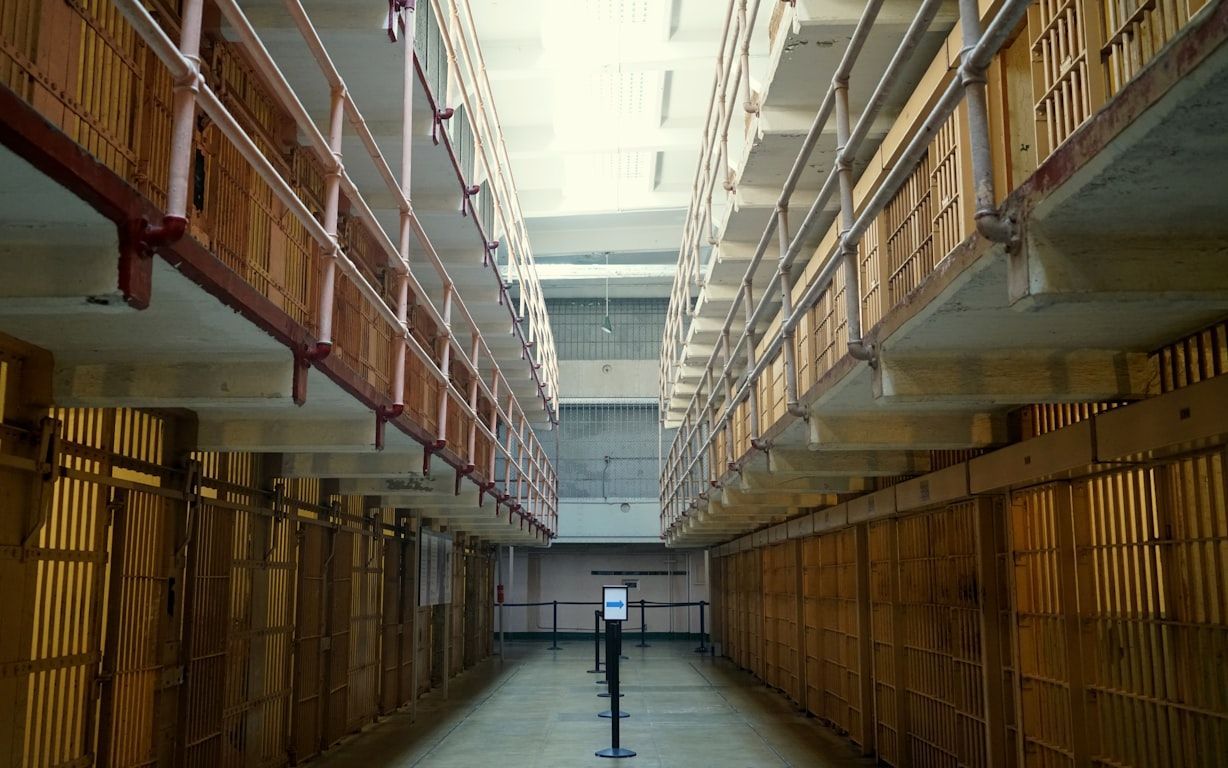
Johnny Cash was inspired by Folsom Prison long before he performed there in 1968. That live concert turned the song into a legend and made the penitentiary world-famous.
The town of Folsom still honors Cash’s visit with numerous signs and legends of the Man in Black’s time spent there.
El Paso (El Paso, Texas)
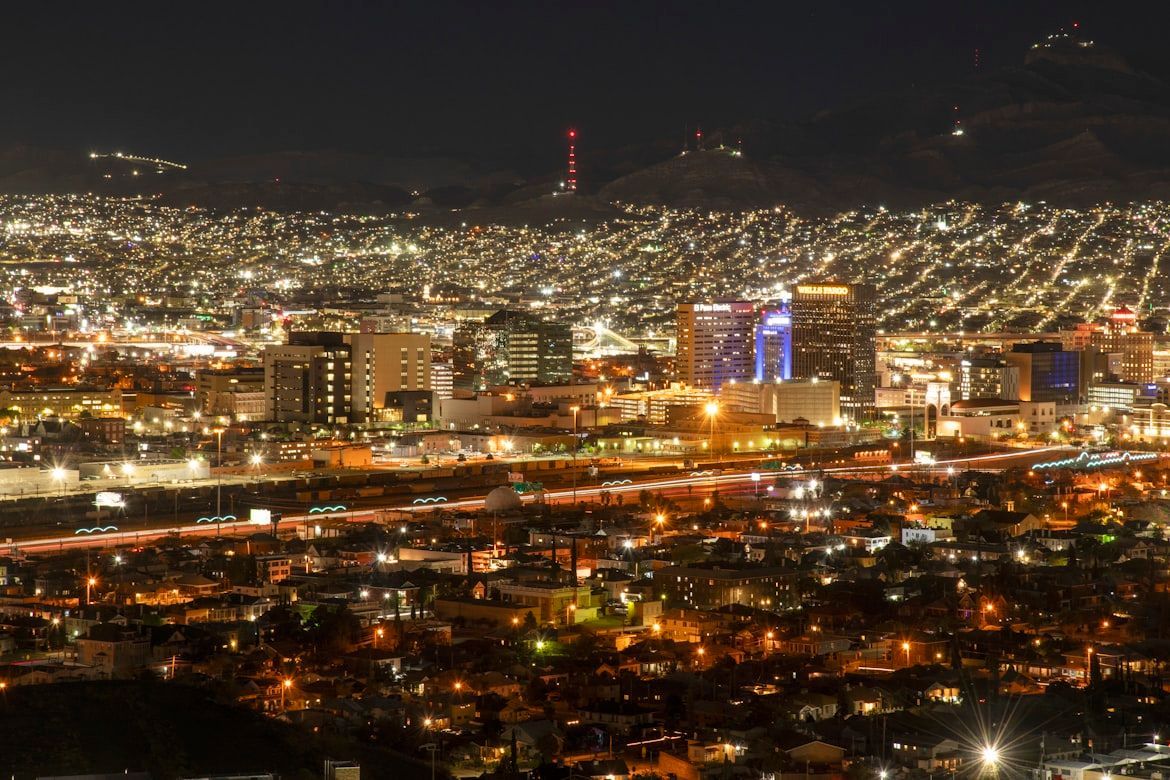
Marty Robbins’ 1959 classic tells a tale of love and tragedy set in El Paso’s dusty borderland realm. The city’s desert backdrop gives the song its vivid Western feel.
With sunsets over the Franklin Mountains and a rich Tex-Mex culture, El Paso still carries the frontier spirit that made Robbins’ ballad unforgettable.
Wichita Lineman (Wichita, Kansas)
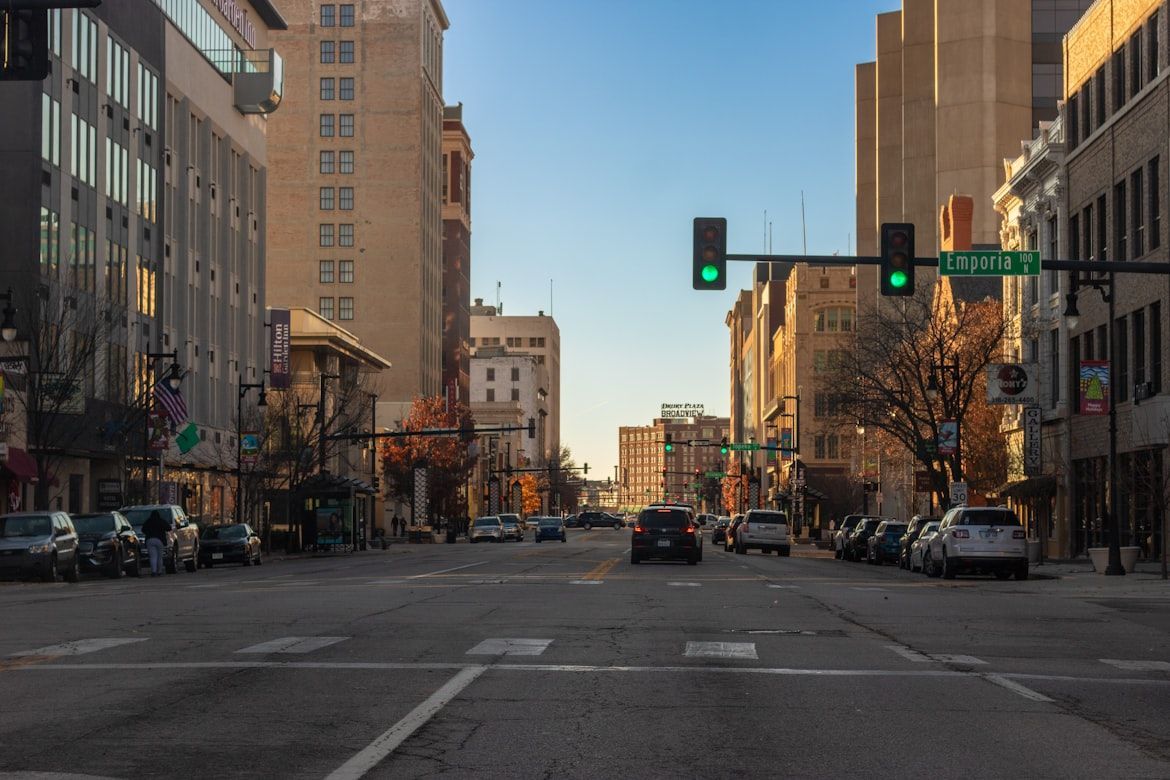
Glen Campbell’s hit spotlights a lonely lineman working the plains near Wichita. Songwriter Jimmy Webb imagined the endless Kansas horizon stretching beneath telephone lines.
Wichita today blends aviation history with Midwestern calm. The wide-open skies and rolling farmland still match the song’s mood of quiet dedication and longing.
Midnight Train to Georgia (Georgia)
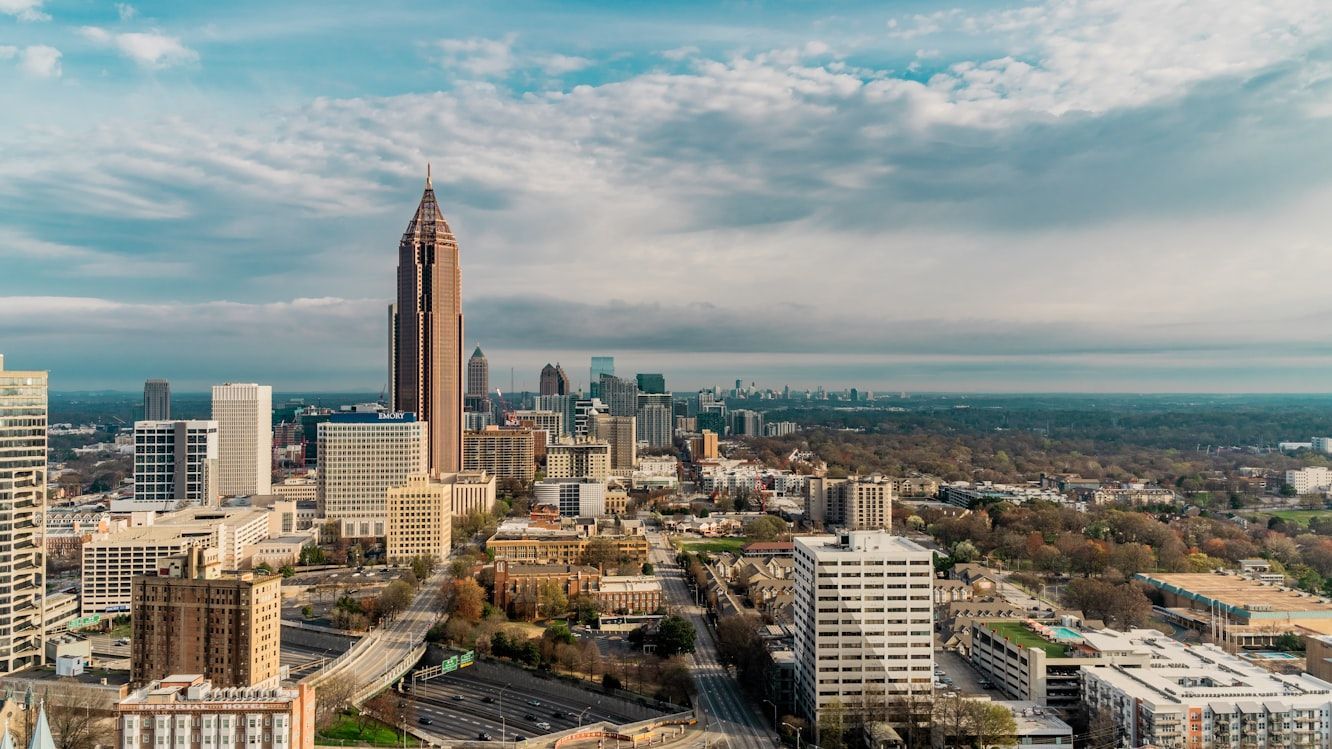
Gladys Knight & the Pips turned Georgia into a symbol of homecoming and second chances. The song tells of returning south after dreams fade elsewhere.
From Atlanta’s busy streets to small-town rail stops, Georgia’s warmth and musical heritage reinforce the song’s emotional pull toward home.
Chicago (Chicago, Illinois)
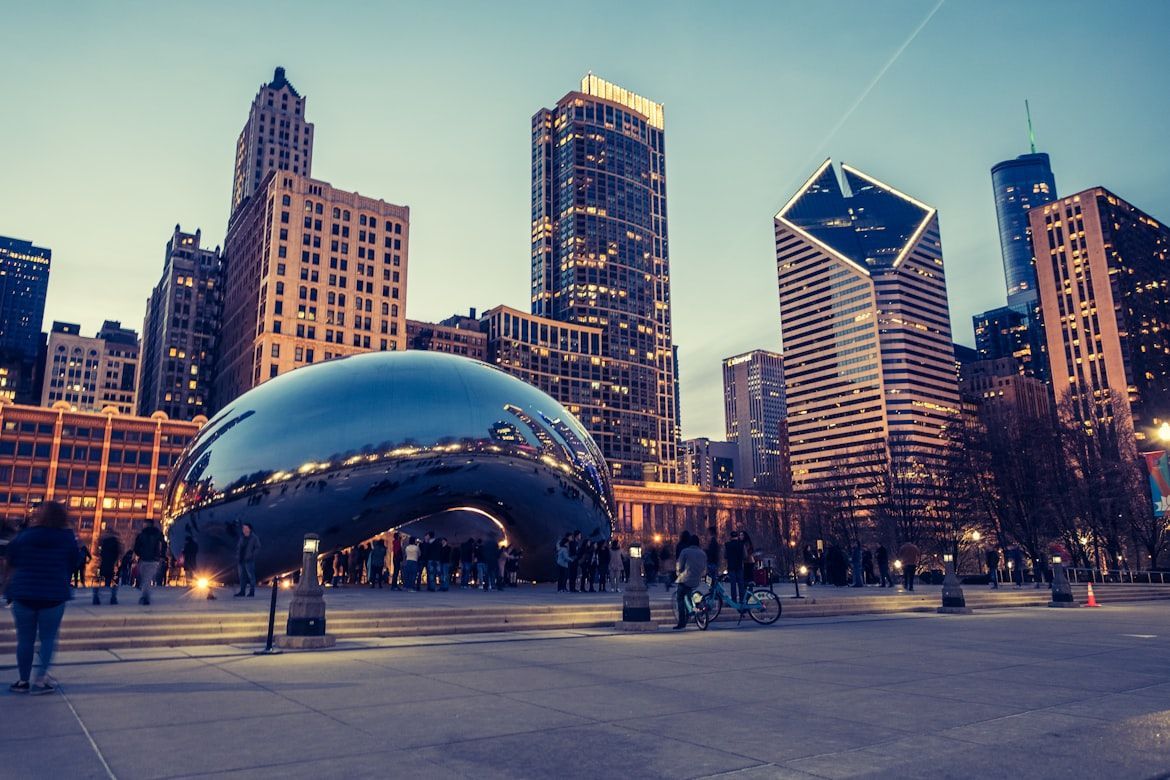
First popularized in the 1920s and revived by Sinatra decades later, this song captures Chicago’s jazz-age identity and big-city pride.
Walking along Lake Michigan or through the Loop, visitors can sense the rhythm that made Chicago a musical powerhouse.
Sweet Home, Alabama (Muscle Shoals, Alabama)
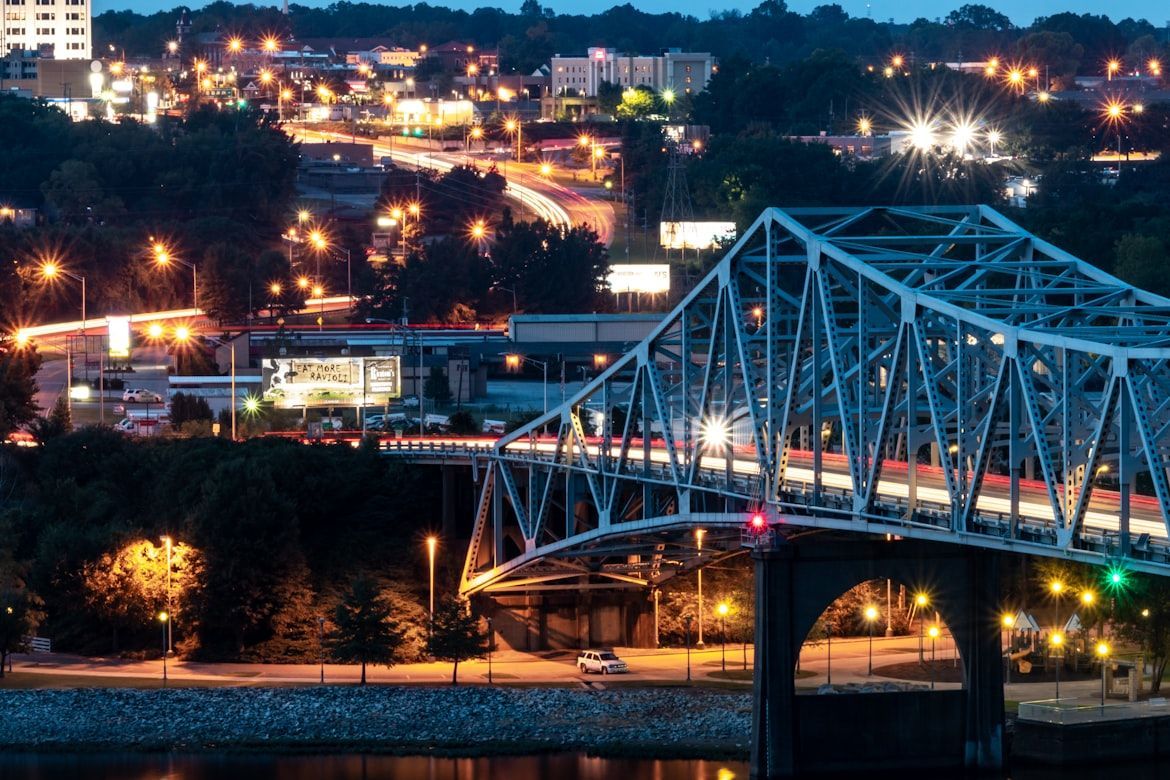
While Lynyrd Skynyrd’s hit references several Southern themes, it famously mentions Muscle Shoals, home to legendary recording studios that shaped American rock and roll music.
Music lovers will visit the studios where countless classics were recorded. The town’s quiet streets hide an outsized musical legacy.
Carefree Highway (Carefree, Arizona)
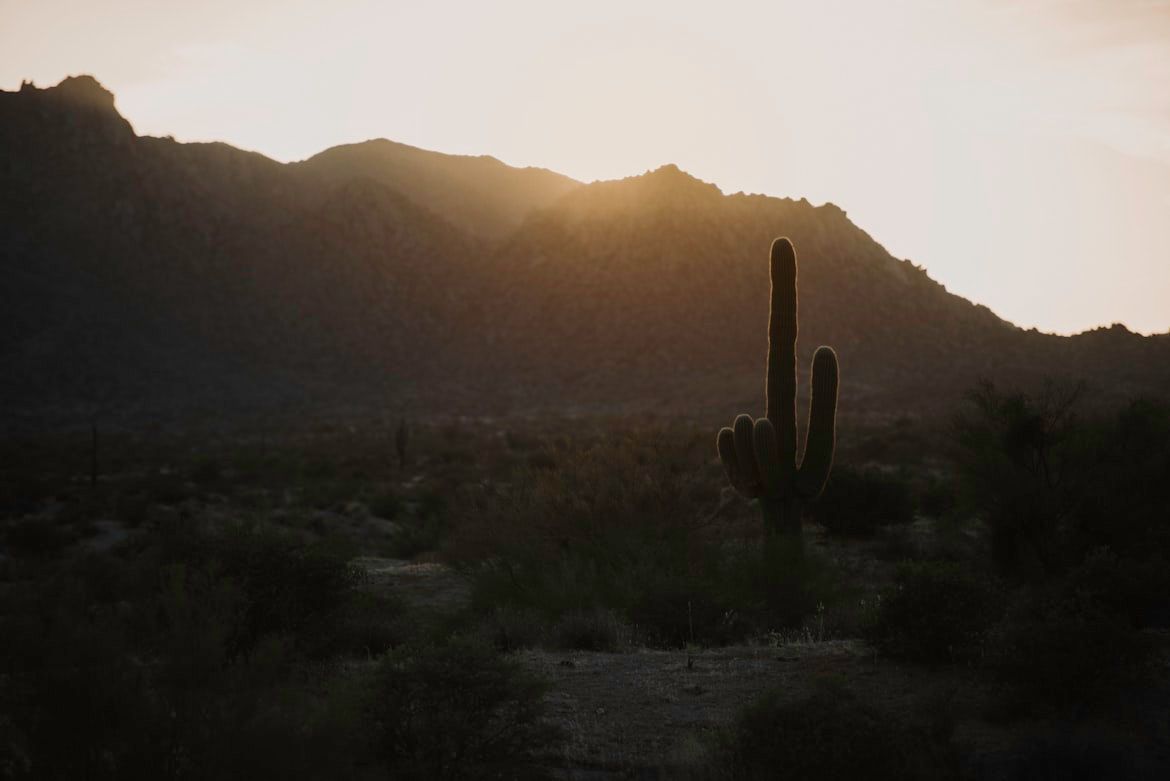
Gordon Lightfoot’s reflective song takes its name from a real highway near the small town of Carefree. The desert scenery inspired thoughts of freedom and escape.
Driving that stretch today, travelers see golden light over cacti and open sky, evoking the exact same feeling the song transmits.
California Dreamin’ (Los Angeles, California)
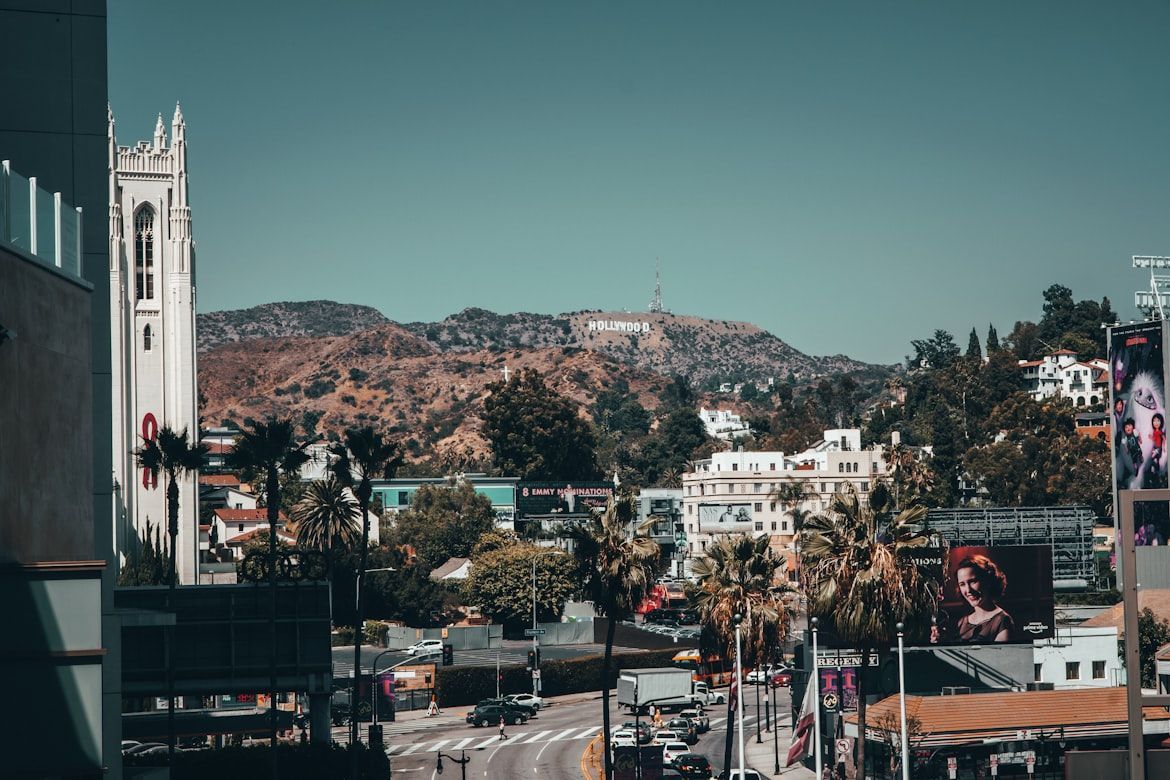
Written during a cold New York winter, this 1965 hit longed for sunny California skies. Los Angeles became a symbol of warmth and possibility.
From palm-lined boulevards to Pacific beaches, Southern California still embodies the dream that fueled the song’s wistful harmonies.
Take me home, Country Roads (West Virginia)
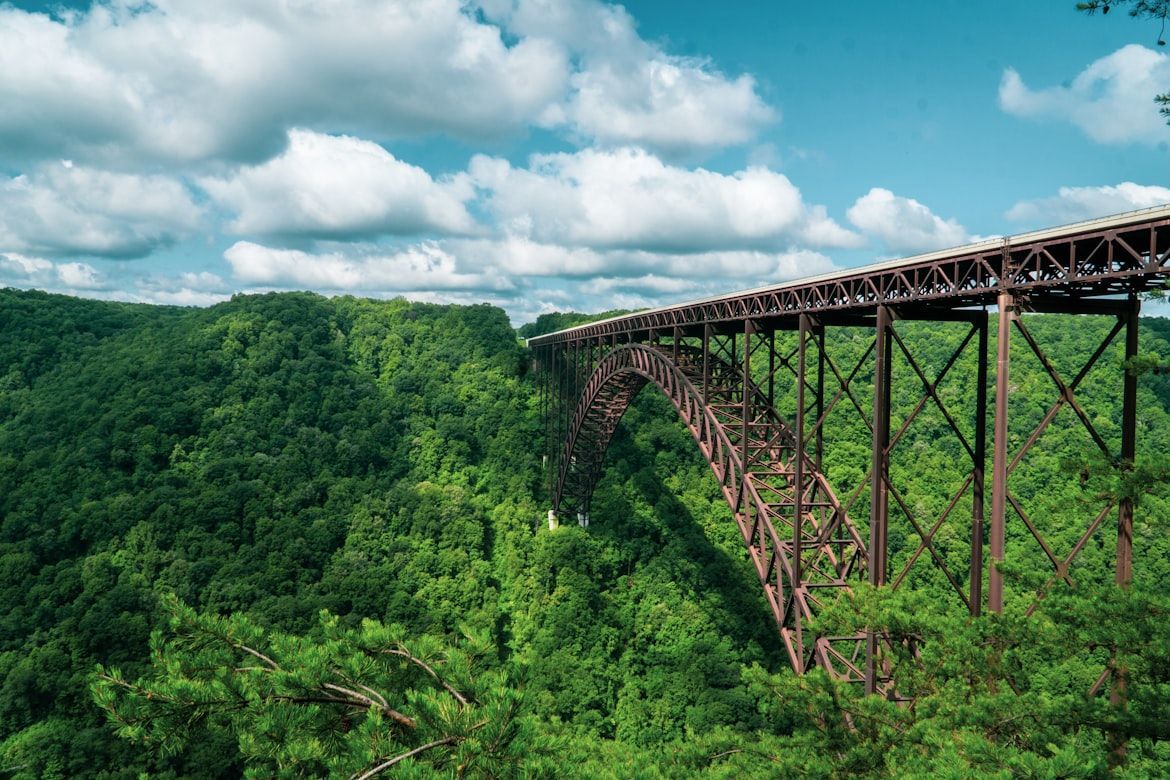
John Denver’s beloved anthem paints a heartfelt picture of West Virginia’s mountains and winding roads, even though the songwriter first imagined the region from afar.
The state’s Appalachian scenery, with its rolling hills, rivers, and small towns, still makes listeners feel the pull of country roads leading home.
Keep wandering
There’s always
more to explore

Why do hotels have bed scarves, two peepholes, and bathroom phones?
6 min.
Read Now

Your feet do what!? No one tells you what outer space does to your body
6 min.
Read Now
 History
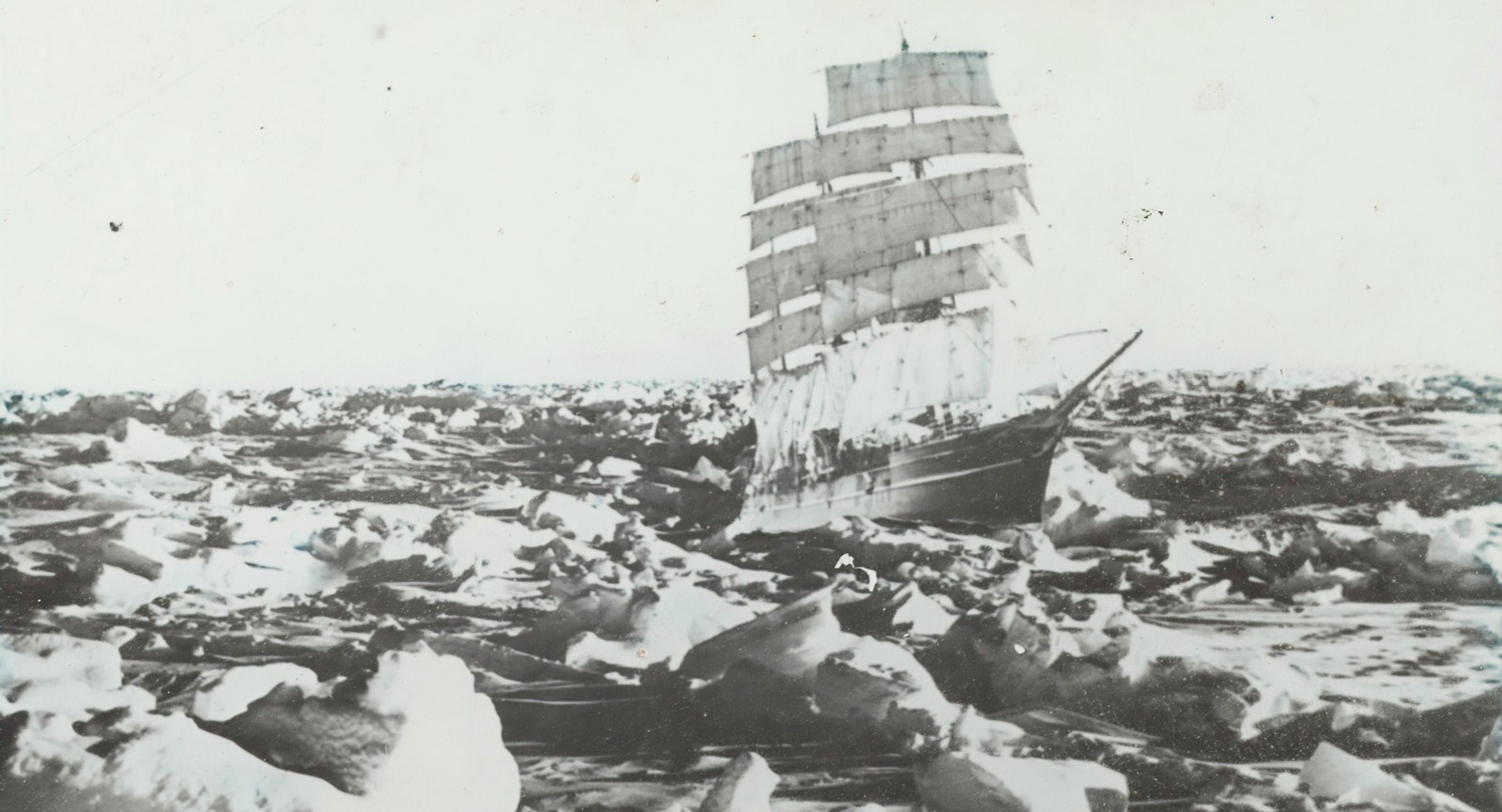
Man vs. Ice: Did you know about the Franklin and Shackleton expeditions?
6 min.
Read Now
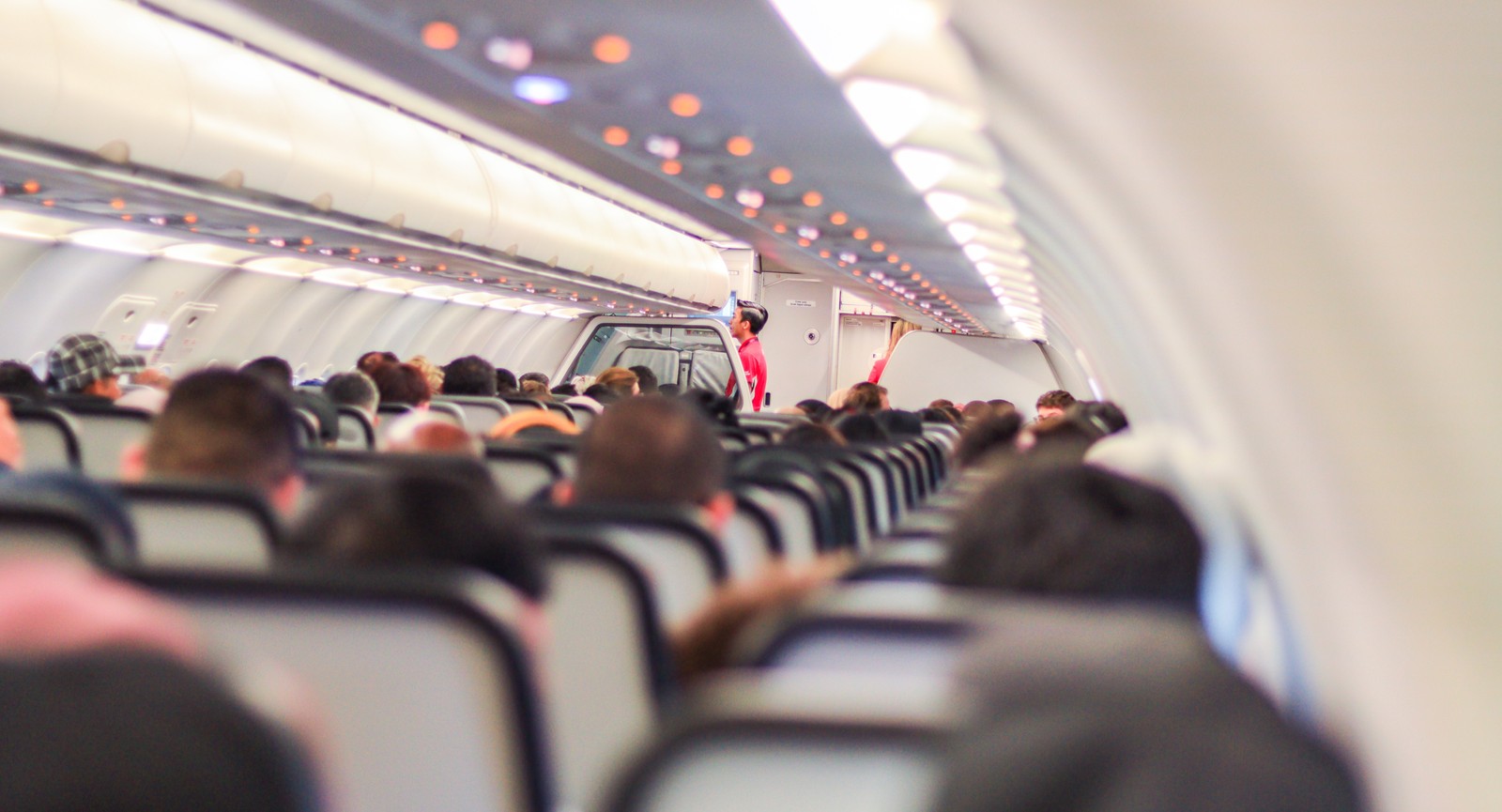
The dirtiest spot on your plane isn't the bathroom
6 min.
Read Now