The best desserts to try in these cities, according to tourists
For sweet-toothed travelers
The best desserts to try in these cities, according to tourists
When in Rome, do as the Romans do: you must have some gelato! The same applies to Turkish baklava, Parisian macarons, and Austrian sachertorte. If you’ve never heard of these delicious desserts, don’t worry, that’s exactly what this article is here to fix. Let’s dive into the desserts you absolutely shouldn’t miss when visiting these 14 cities.
Gelato
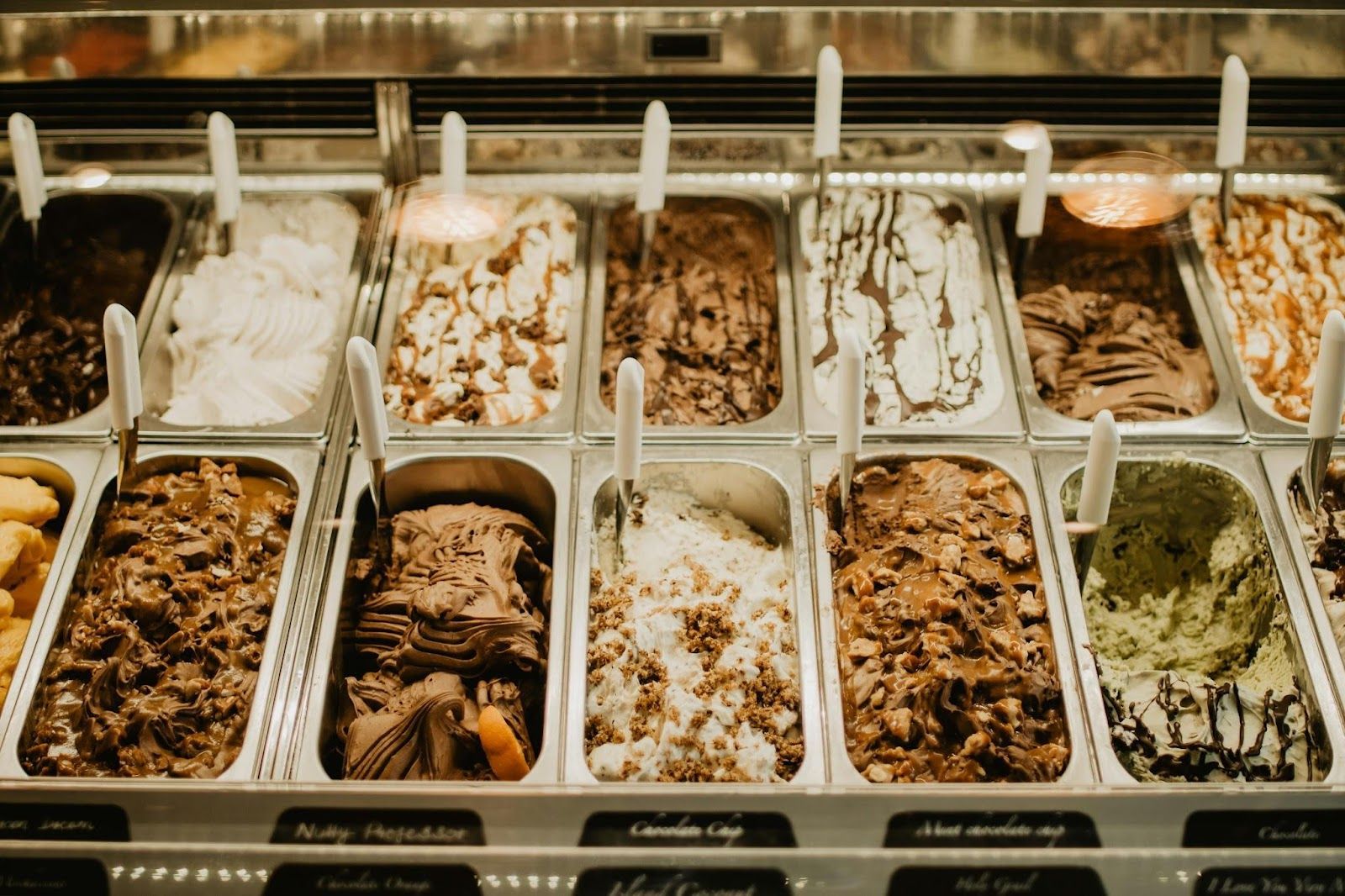 Image: ROMAN ODINTSOV
Gelato has been part of Italian culture for centuries, but Rome has elevated it to an everyday ritual. Made with less fat and churned more slowly than American ice cream, gelato has a denser texture and a more intense flavor.
It’s not just a summer treat, either! Italians enjoy it year-round, often in the evening while strolling through piazzas. What makes Roman gelato special is its freshness: many shops make small batches daily using seasonal ingredients.
Baklava
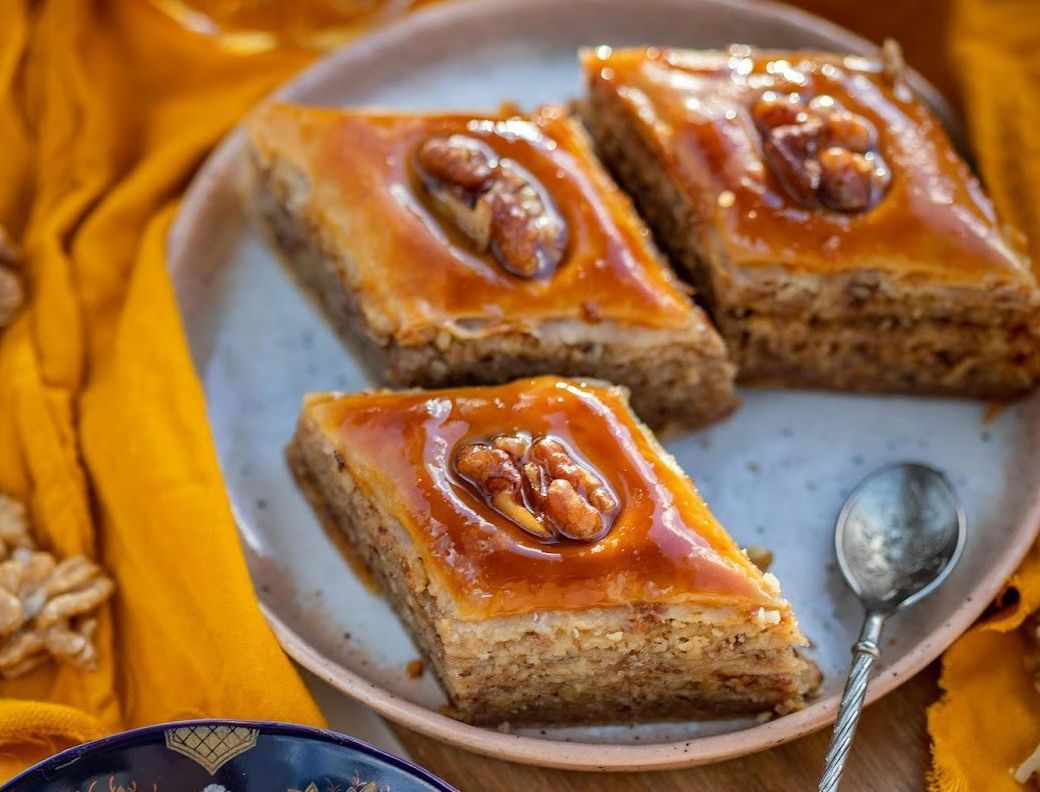 Image: Valeria Boltneva
When in Istanbul, one should definitely try baklava! It’s a layered pastry made with ultra-thin sheets of dough, finely chopped nuts, and fragrant syrup or honey.
It has been enjoyed in the region for centuries and was especially prized in the kitchens of the Ottoman Empire. In Istanbul, baklava is often eaten after lunch or dinner, paired with strong tea to balance the sweetness.
Mochi
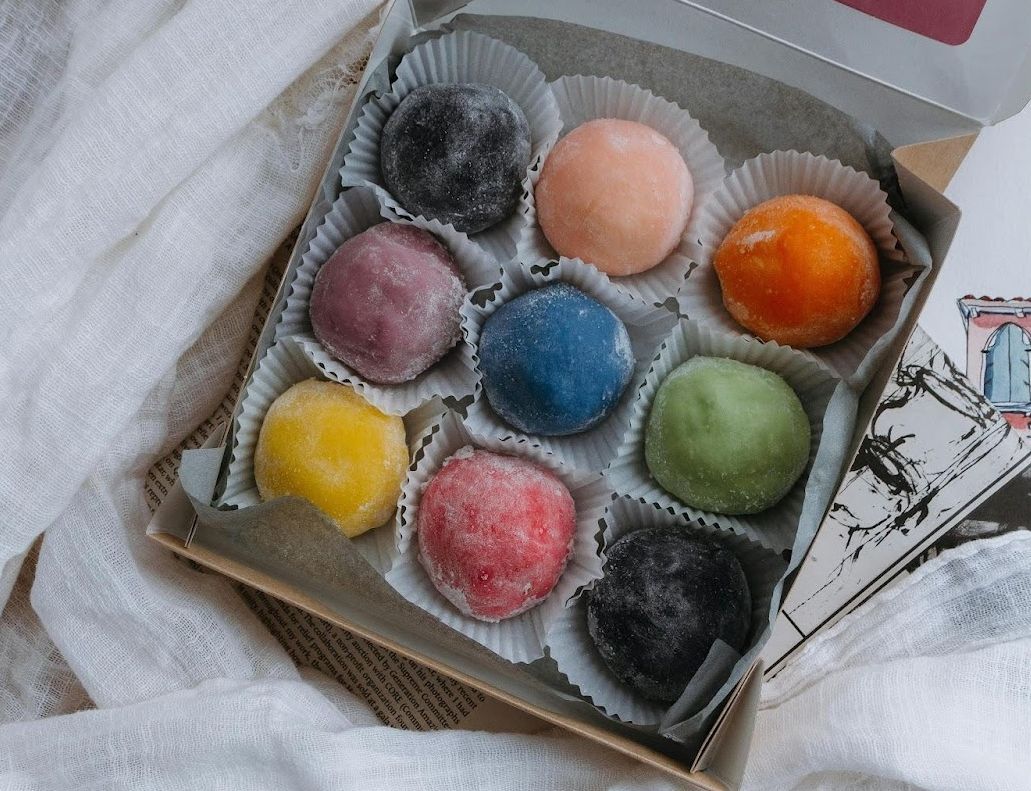 Image: Alina Matveycheva
What is it, you may be wondering? Mochi is a soft, chewy rice cake made from glutinous rice that has been pounded into a smooth, elastic dough. It’s unlike anything found in Western desserts!
Mochi has been part of Japanese culture for over a thousand years and is deeply tied to tradition and seasonal celebrations. In Tokyo, it is enjoyed year-round, though certain varieties appear specifically during festivals and New Year’s celebrations.
Apfelstrudel
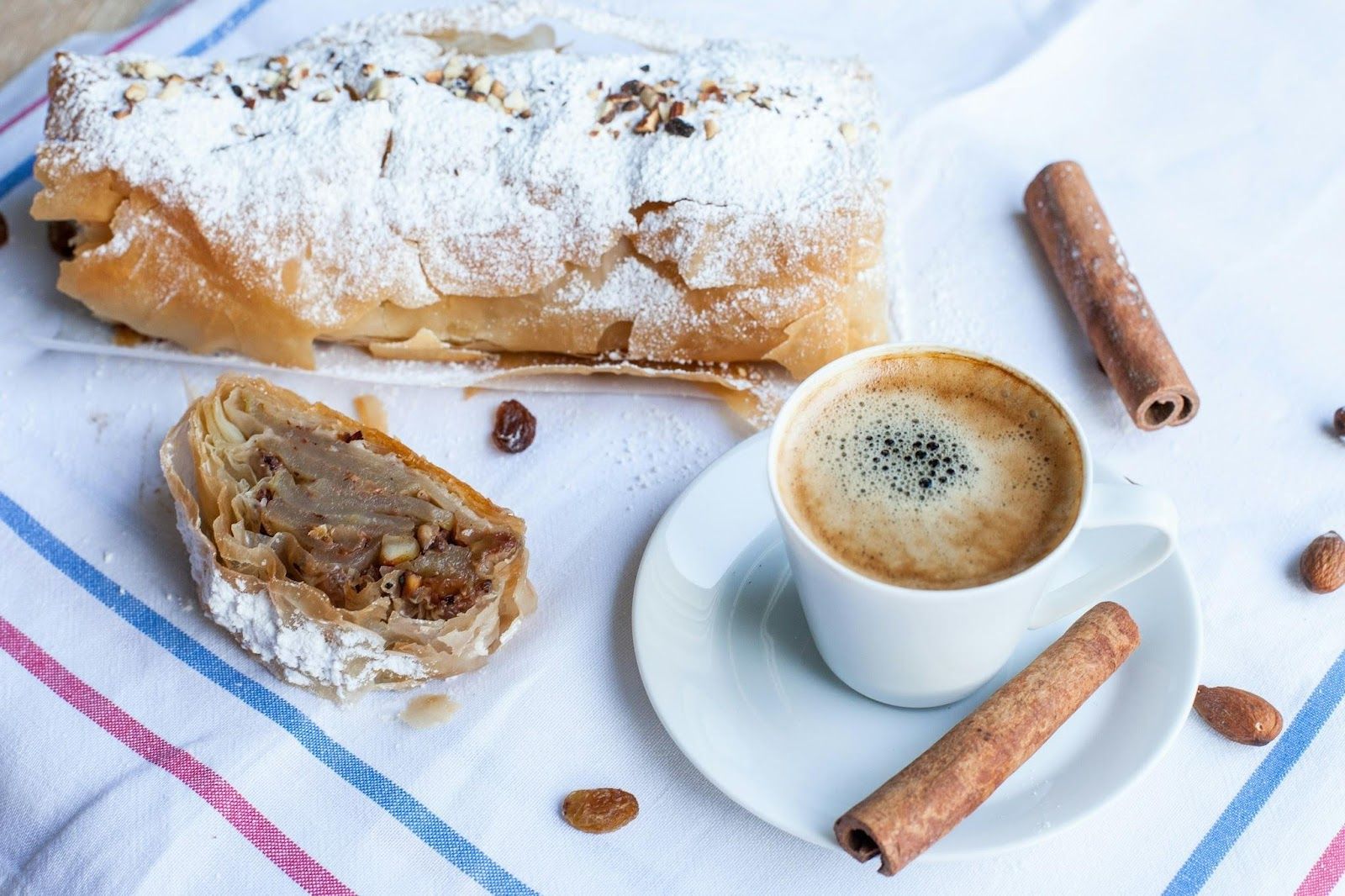 Image: ALEXANDRA TORRO
Apfelstrudel is a thin, flaky pastry wrapped around spiced apples, raisins, and sometimes nuts. It has been popular in Vienna since at least the 18th century and remains a cornerstone of Austrian café culture.
It’s traditionally served warm. What makes it truly special is the paper-thin dough, stretched so finely that legend says you should be able to read a newspaper through it.
Macarons
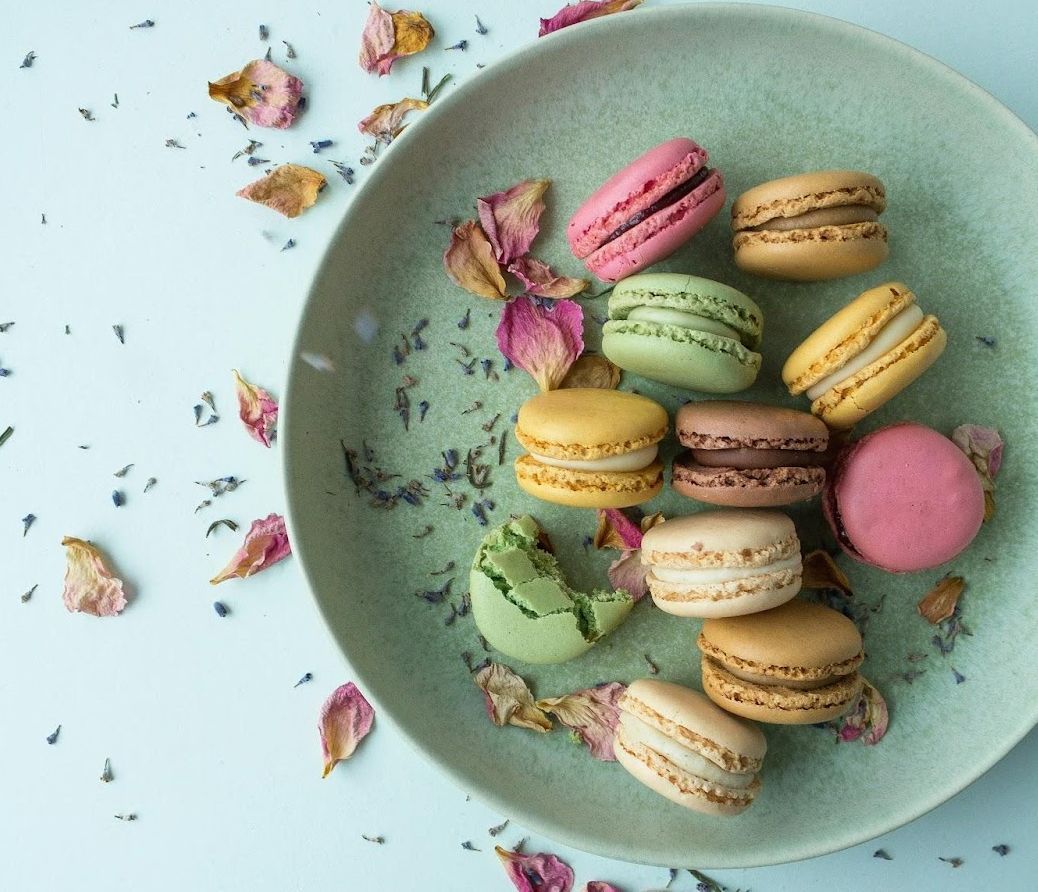 Image: Keila Hötzel
Macarons are delicate sandwich cookies made with almond flour, egg whites, and sugar, filled with ganache, buttercream, or jam.
While they trace their roots back several centuries, they became a Parisian icon in the early 1900s, when famous pastry houses began perfecting their modern form. Parisians usually enjoy them in the afternoon, often with coffee or tea. They’re a refined break rather than a heavy dessert.
Beignets
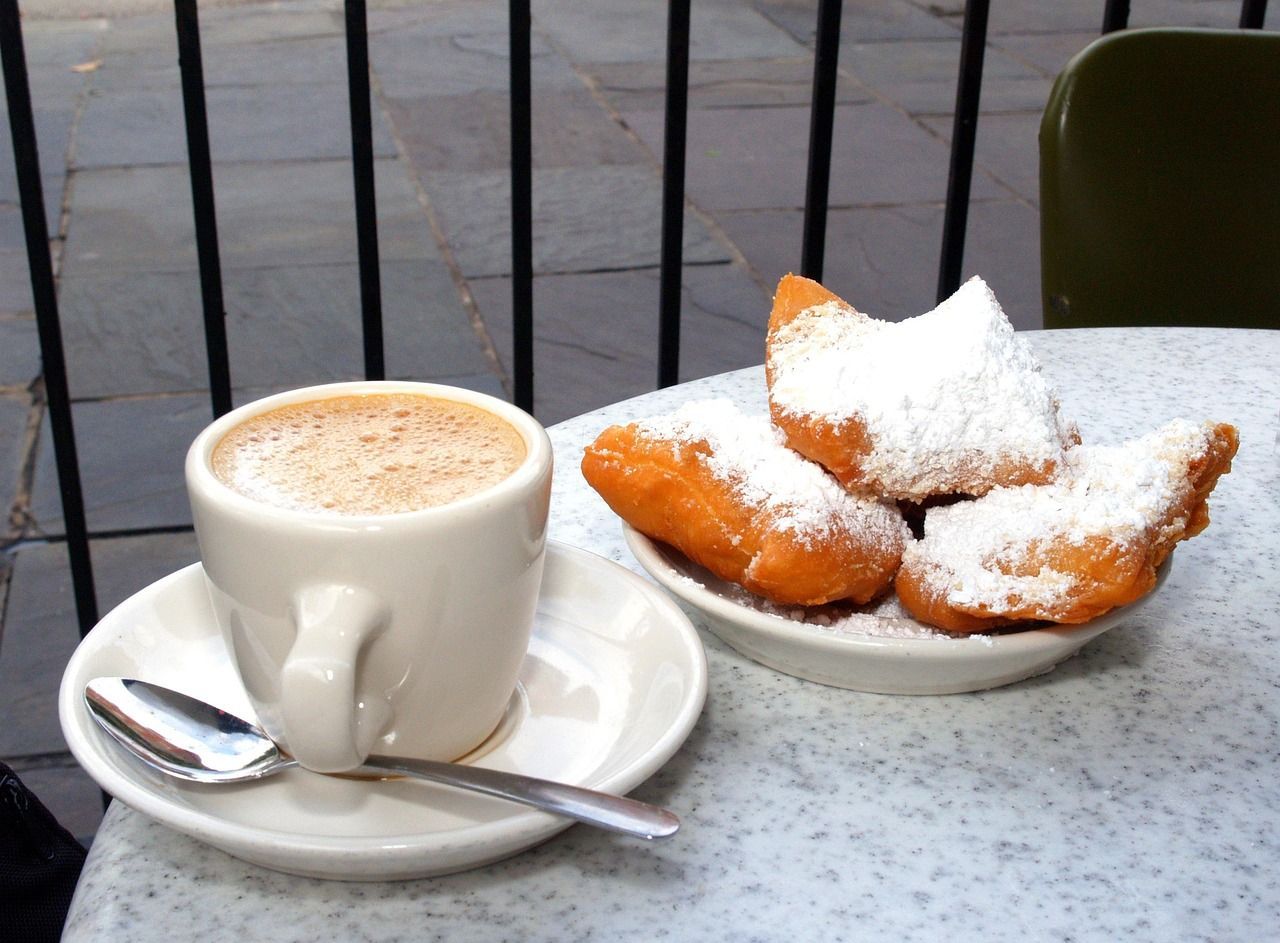 Image: raggio5
Do not leave New Orleans without trying the classic beignets! These square pieces of fried dough are served hot and buried under powdered sugar.
Introduced by French settlers, they became a beloved staple in the city. What makes beignets unforgettable is the experience: sticky fingers, clouds of sugar, and shared laughter at the table.
Belgian waffles
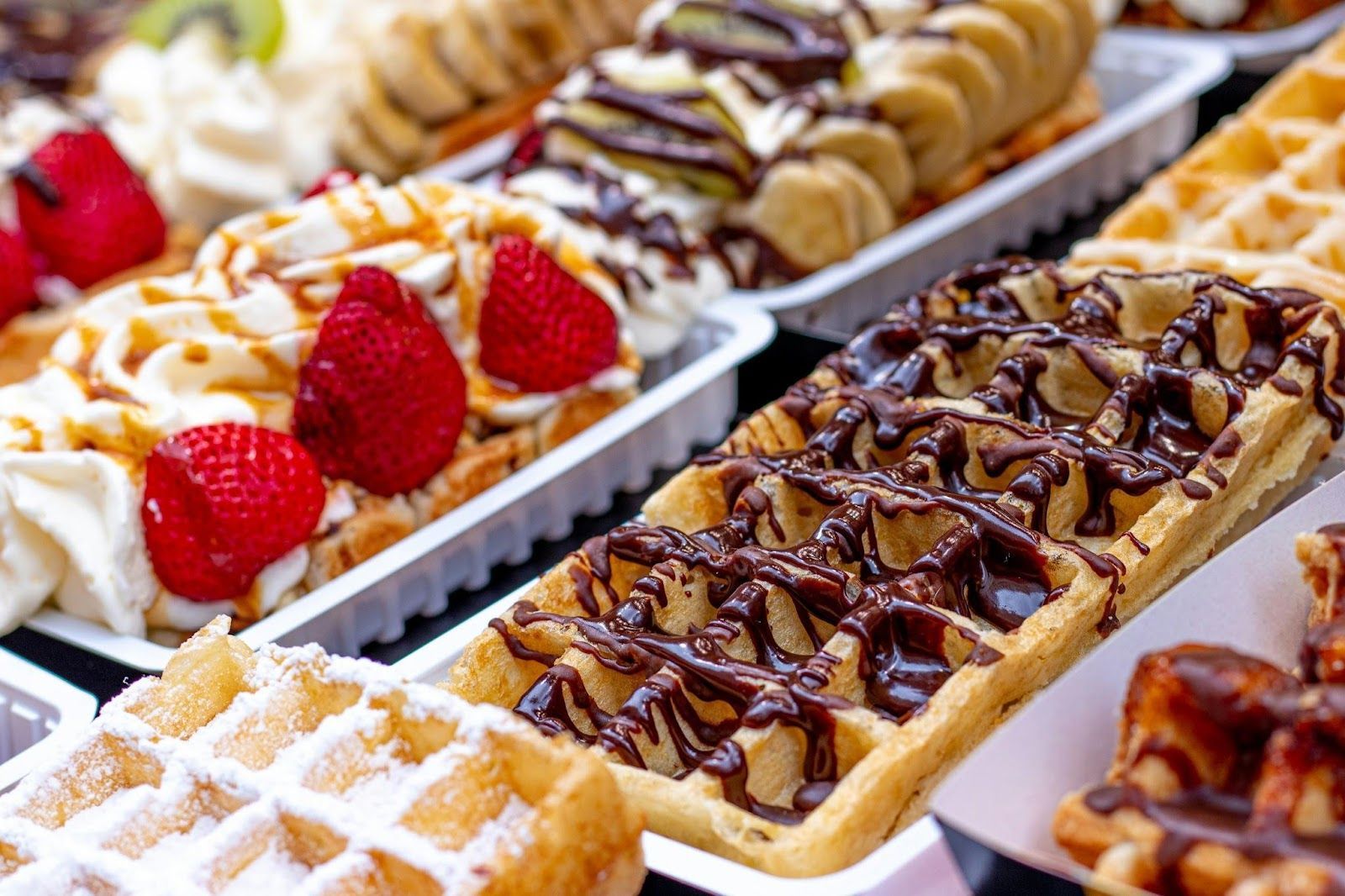 Image: Robby McCullough
Belgian waffles are thick, airy, and crisp on the outside, designed to be eaten fresh and hot. They became famous worldwide in the mid-20th century, but in Brussels, they’re treated as an anytime street food.
Locals and visitors enjoy them mid-morning or as an afternoon snack, often topped with powdered sugar, chocolate, or fresh fruit.
Alfajores
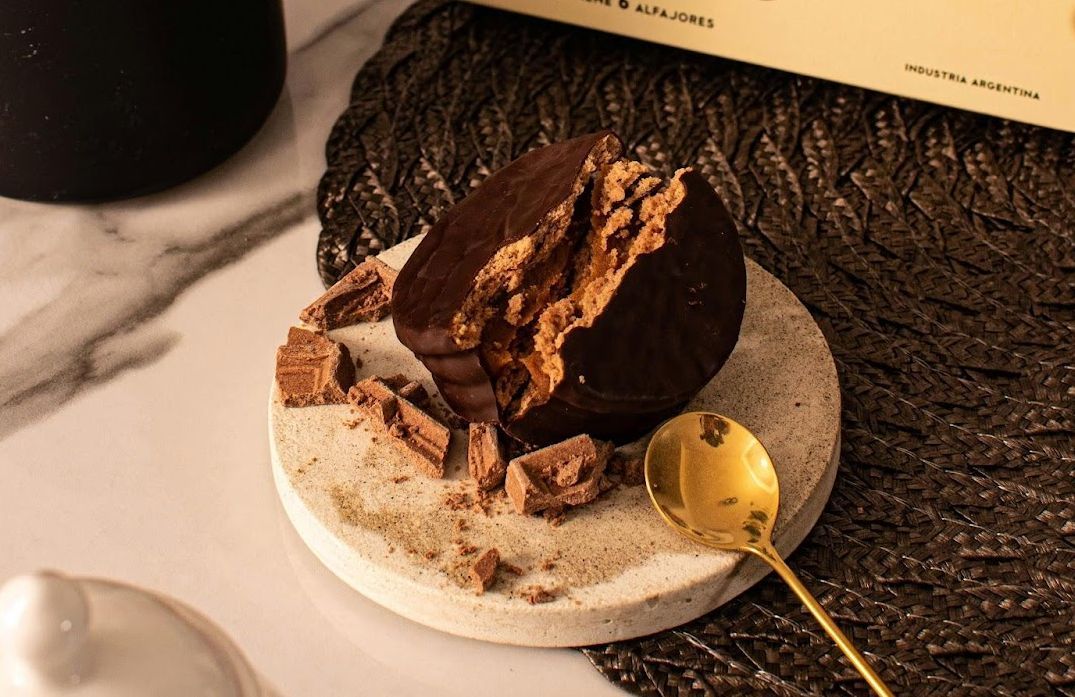 Image: Agustina R Street
Alfajores are soft cookie sandwiches filled generously with dulce de leche and sometimes coated in chocolate or dusted with powdered sugar. While their origins trace back to Spain, they became deeply rooted in Argentine culture in the 19th century.
In Argentina, alfajores are more than a dessert; they are nostalgia, comfort, and a national favorite.
Cheesecake
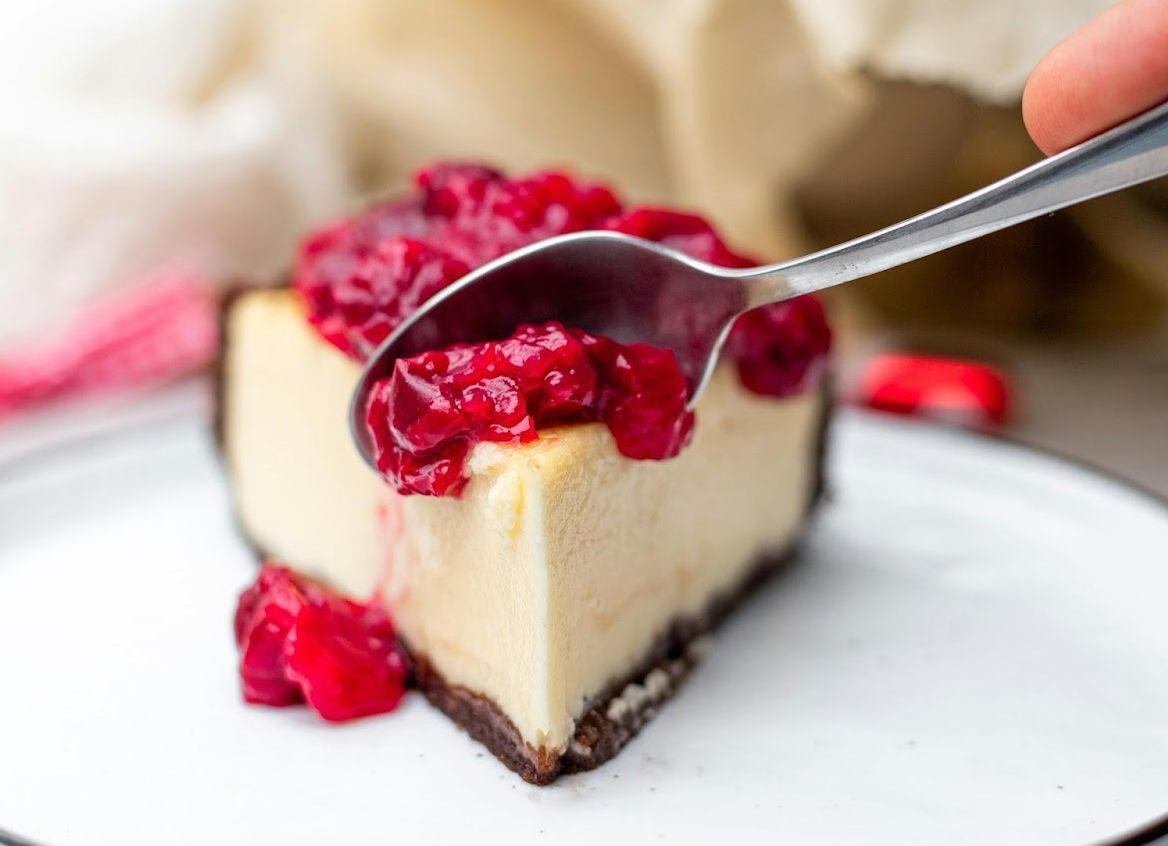 Image: Yulia Khlebnikova
New York cheesecake is known for its dense, creamy texture and rich flavor, made with cream cheese, eggs, and a simple crust. It rose to fame in the early 20th century and quickly became a defining dessert of New York City.
Black Forest cake
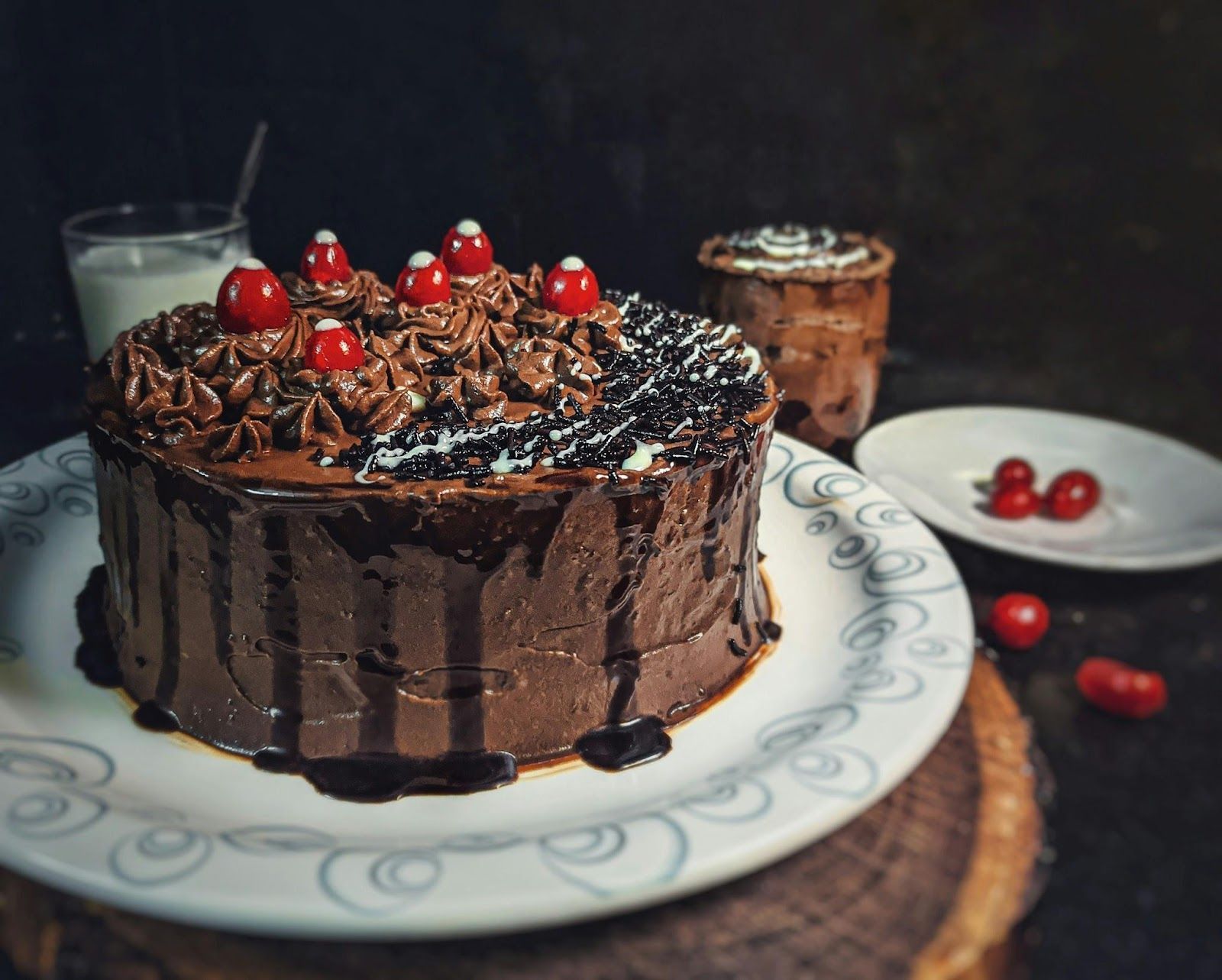 Image: Umesh Soni
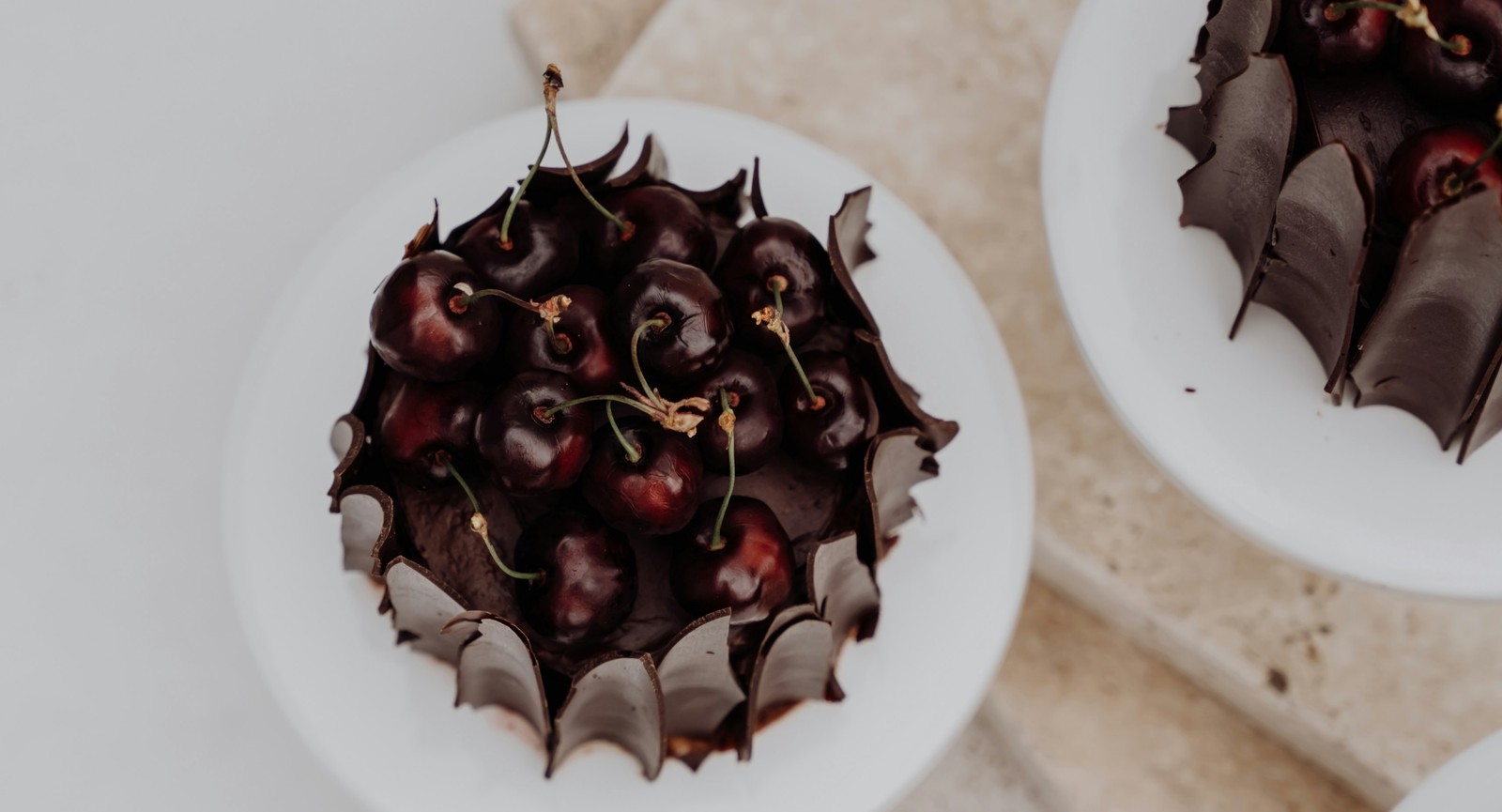
Black Forest cake is a rich combination of chocolate sponge, whipped cream, cherries, and a splash of cherry liqueur. While it takes its name from Germany’s Black Forest region, Munich bakeries helped popularize it as a classic café dessert throughout the 20th century.
It’s typically enjoyed in the afternoon with coffee, when Germans pause for Kaffee und Kuchen (coffee and cake).
Churros
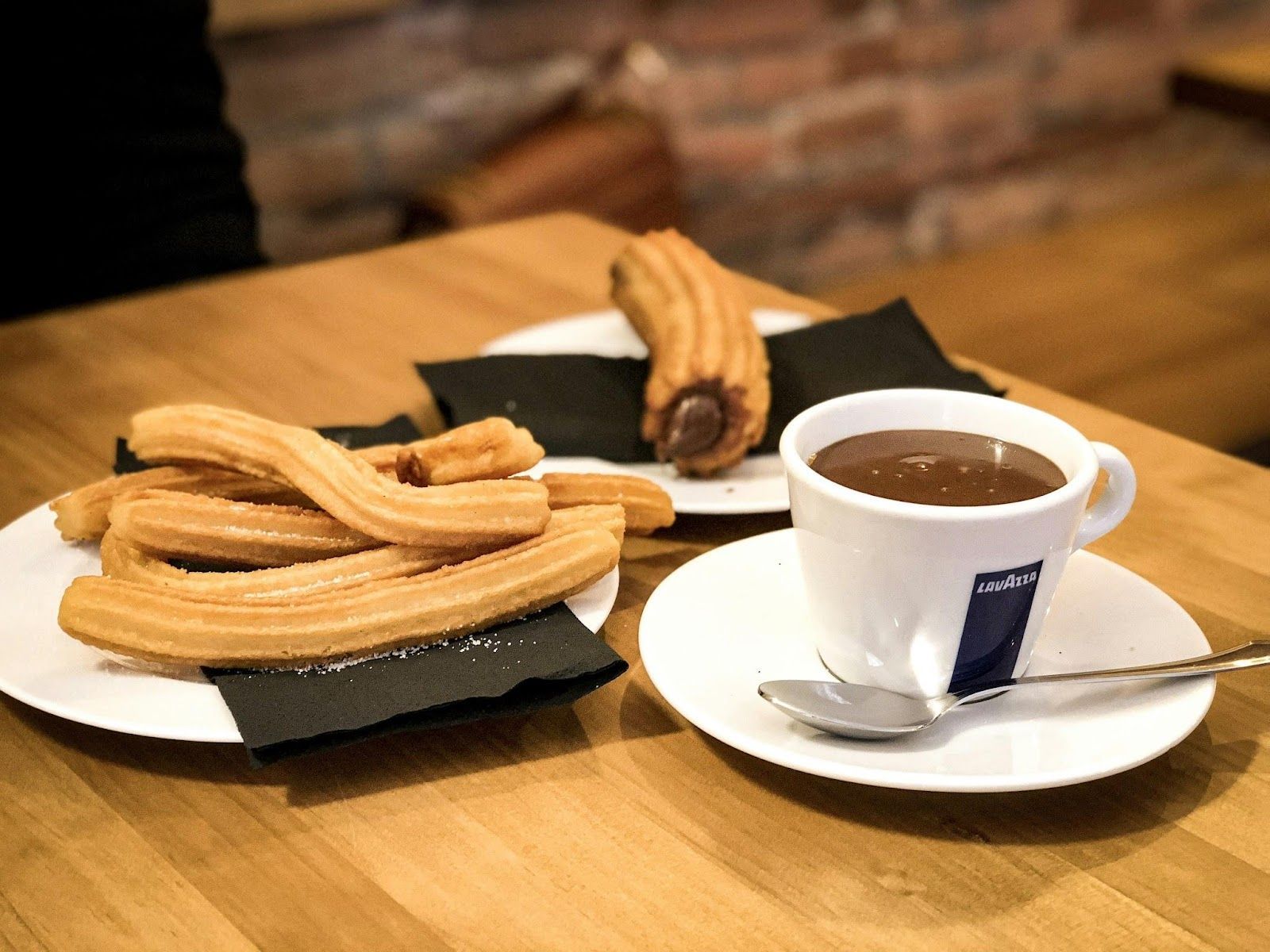 Image: Rosy Ko
You may have tried churros, but have you ever paired them with thick, hot chocolate? In Mexico City, churros are long, ridged sticks of fried dough, crisp on the outside and soft inside, often sprinkled with sugar. A tradition derived from Spanish heritage, the ritual of dipping churros in hot chocolate has been enjoyed for generations.
Sfogliatella
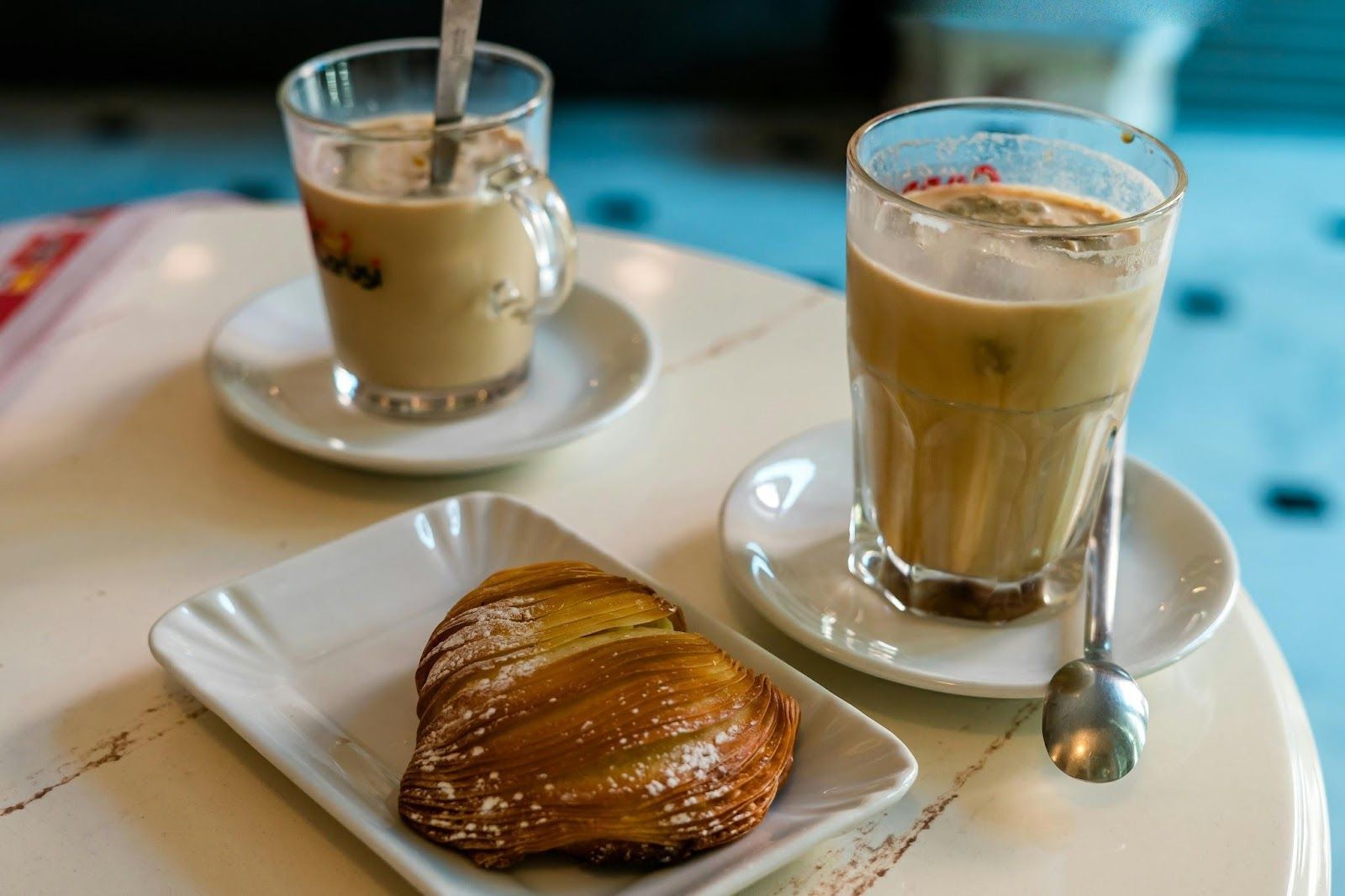 Image: Gabriella Clare Marino
Sfogliatella is a shell-shaped pastry made of many crisp layers, filled with sweet ricotta, citrus, and semolina. It dates back to the 17th century and is closely associated with Naples’ rich pastry tradition.
Locals typically enjoy it in the morning with espresso, though visitors happily savor it any time of day. What makes it unforgettable is the initial crunch followed by a creamy, fragrant filling.
Sachertorte
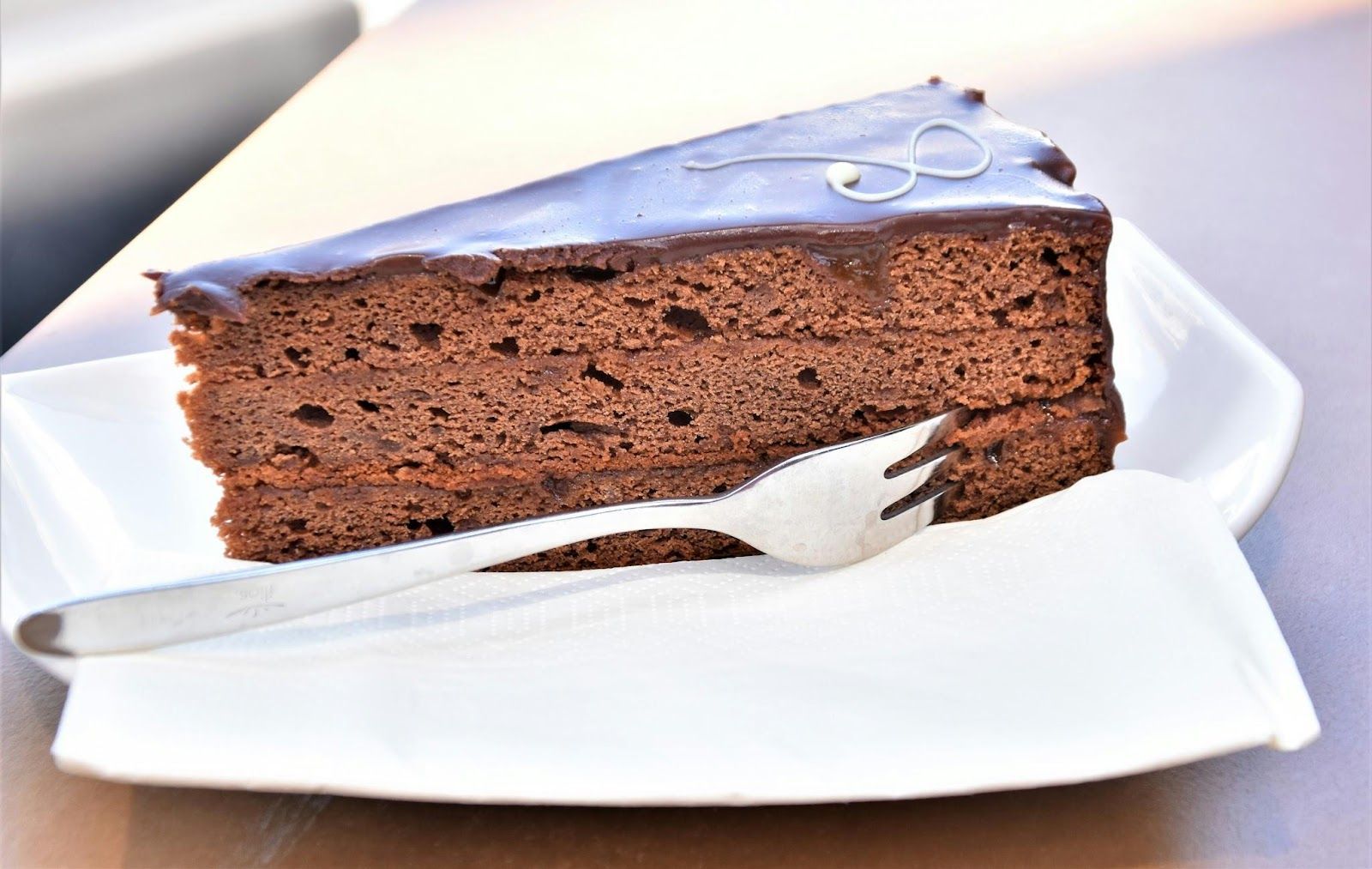 Image: Waldemar Brandt
This is a rich chocolate cake layered with apricot jam and coated in a glossy chocolate glaze. It was created in 1832 for an Austrian prince and has remained a symbol of Viennese café culture ever since. Traditionally, it is served with a dollop of unsweetened whipped cream.
Pastel de nata
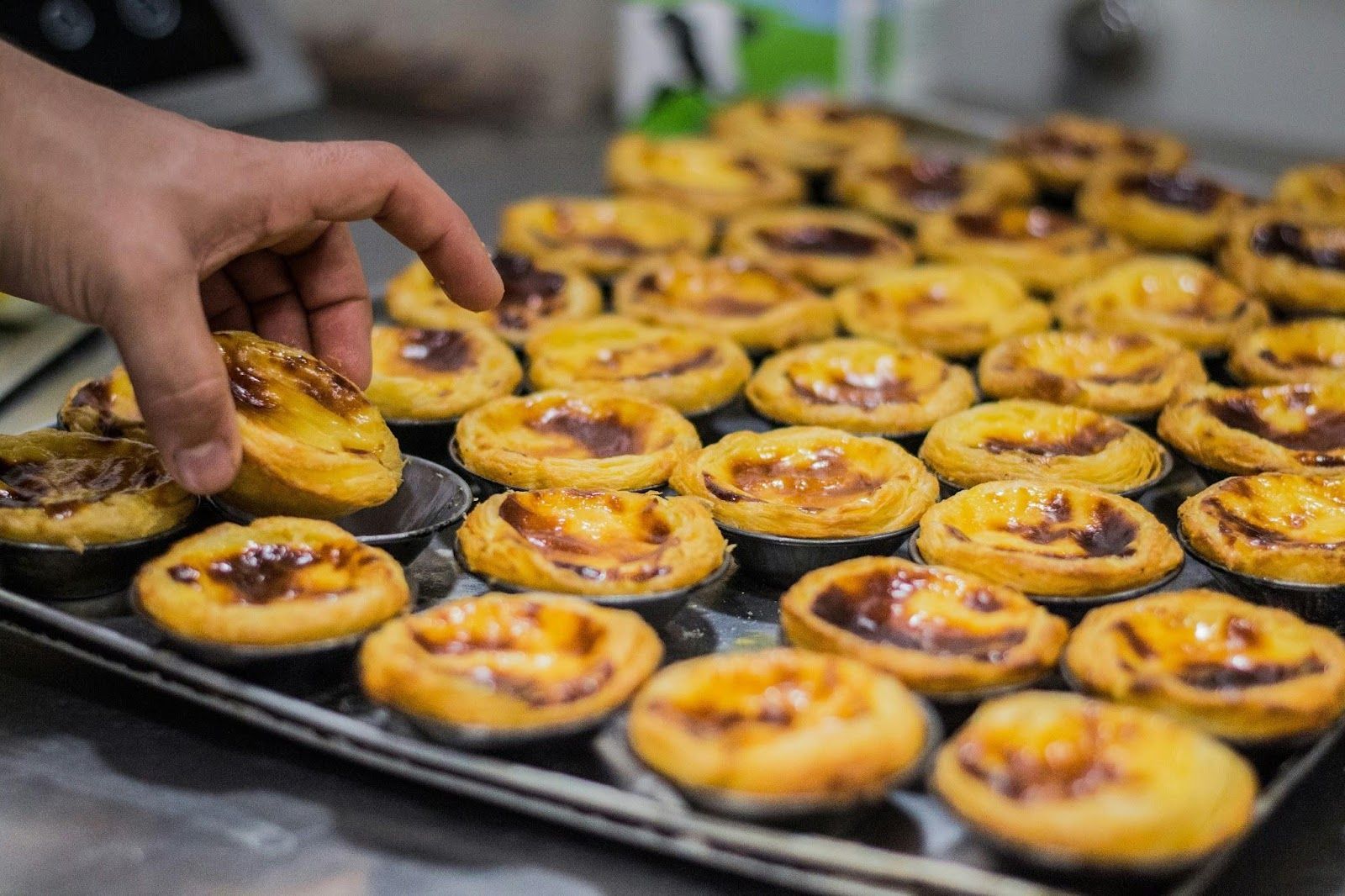 Image: Felix Kolthoff
Pastéis de nata are small custard tarts with flaky pastry shells and lightly caramelized tops. They were created in the 18th century by monks near Lisbon, who used leftover egg yolks from starching clothes. Today, they’re one of Portugal’s most beloved treats.
More to explore
3 min read
Travelers still dream about these 15 local dishes
Read Now
3 min read
Is this Europe or America? 11 U.S. spots that look like the Old World
Read Now
6 min read
Where is the world’s best meal? The ultimate foodie's bucket list
Read Now

3 min read
The world’s flags have secrets: Here are the most fascinating ones
Read Now