The World’s Most Important Astronomy Destinations for Stargazers
 Landmarks
The World’s Most Important Astronomy Destinations for Stargazers
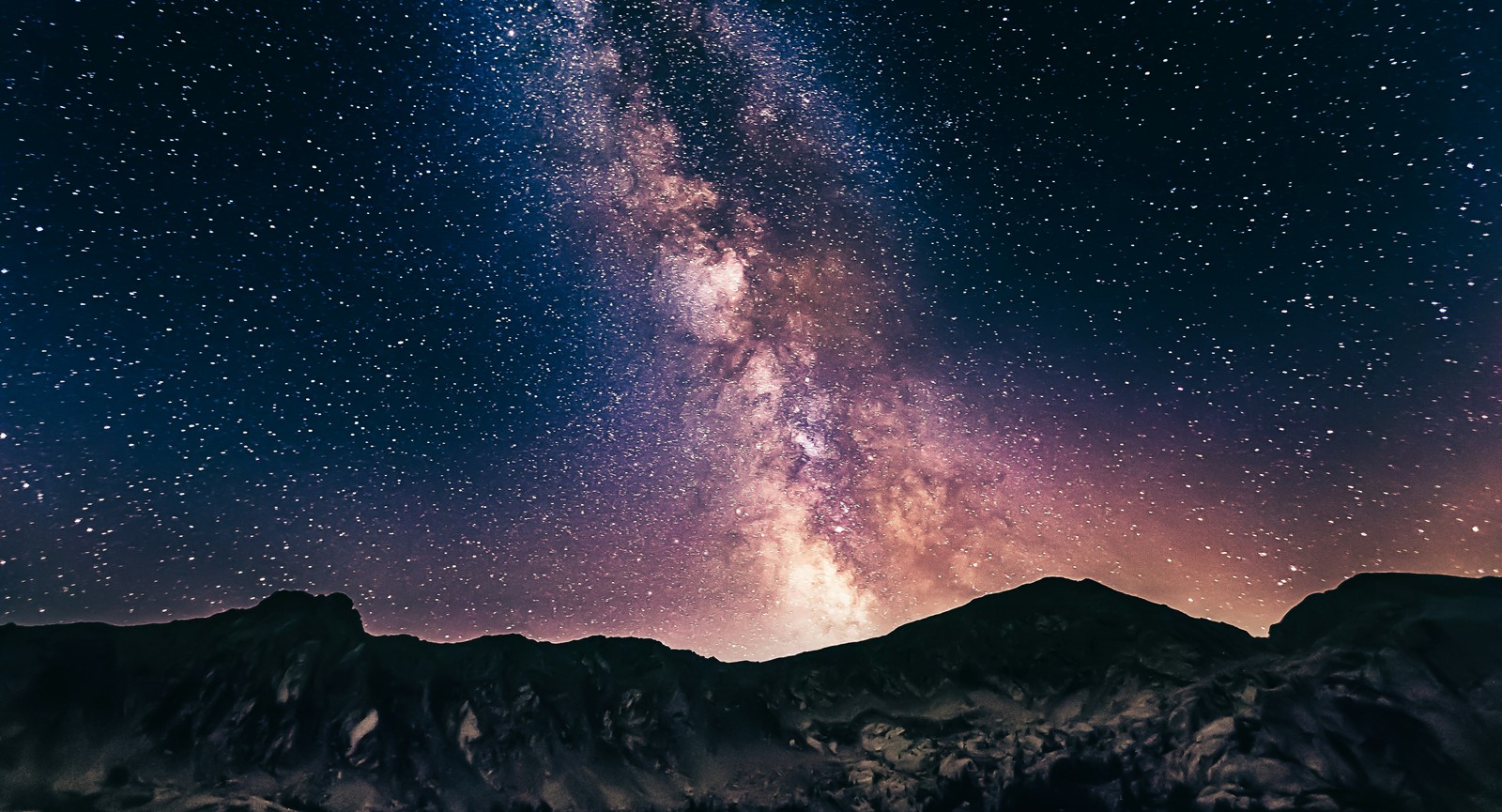
For centuries, humans have looked to the night sky for answers, inspiration, and wonder. From ancient observatories to modern dark-sky sanctuaries, certain places on Earth offer exceptional conditions for observing the cosmos. Clear skies, high elevations, minimal light pollution, and deep cultural connections to astronomy make these destinations truly special.
Here are some of the world’s most important astronomy destinations, places where stargazers, scientists, and dreamers alike can experience the universe in all its brilliance.
Mauna Kea, Hawaii, USA
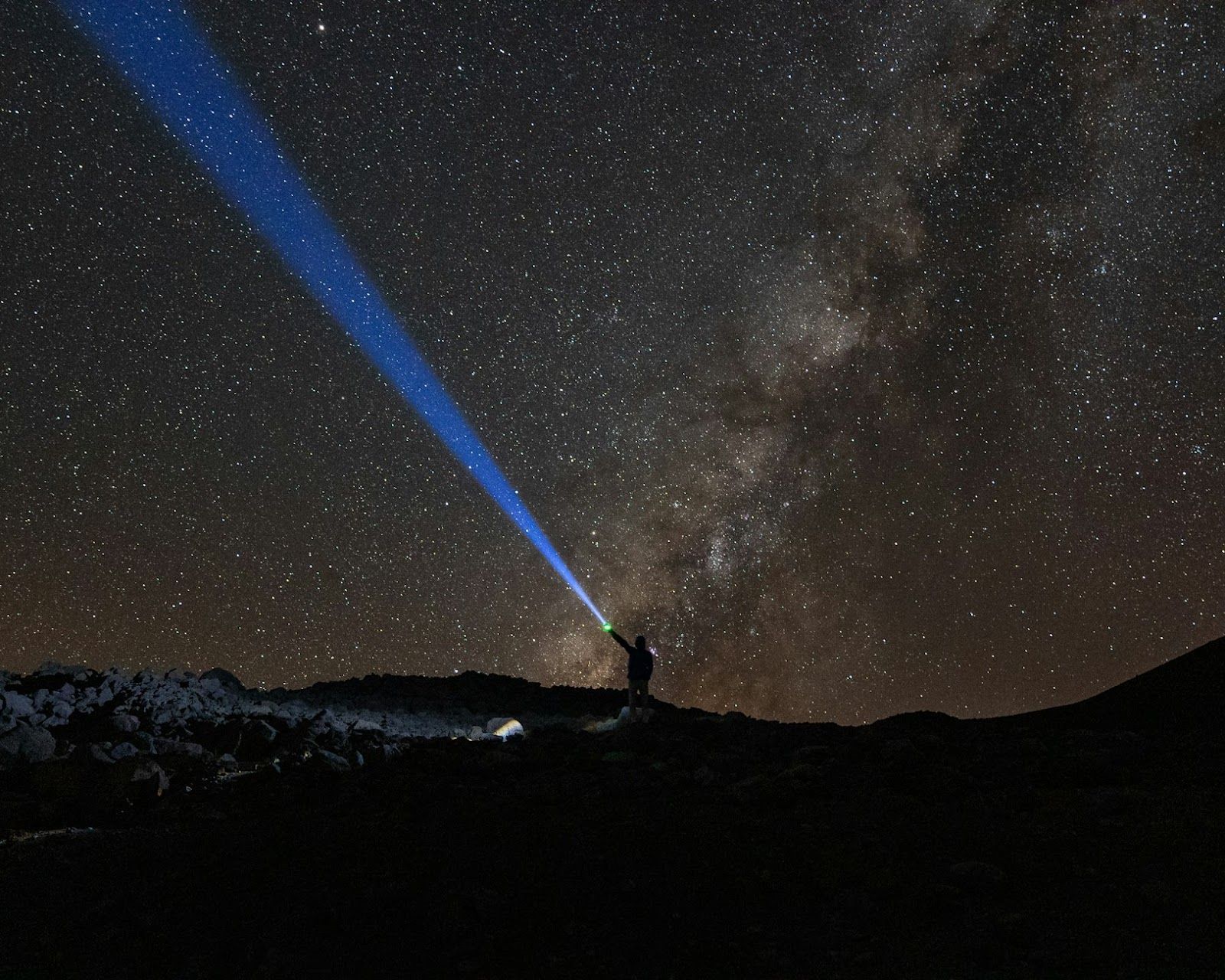 Image: ulziibayar badamdorj
Rising nearly 14,000 feet above sea level, Mauna Kea is one of the most significant astronomical sites on the planet. Its high altitude places observatories above much of Earth’s atmosphere, resulting in remarkably sharp and stable views of the night sky.
Home to some of the world’s most powerful telescopes, Mauna Kea has played a crucial role in discoveries about distant galaxies, black holes, and planetary systems. For visitors, the summit offers unforgettable stargazing experiences, especially during clear, moonless nights.
Atacama Desert, Chile
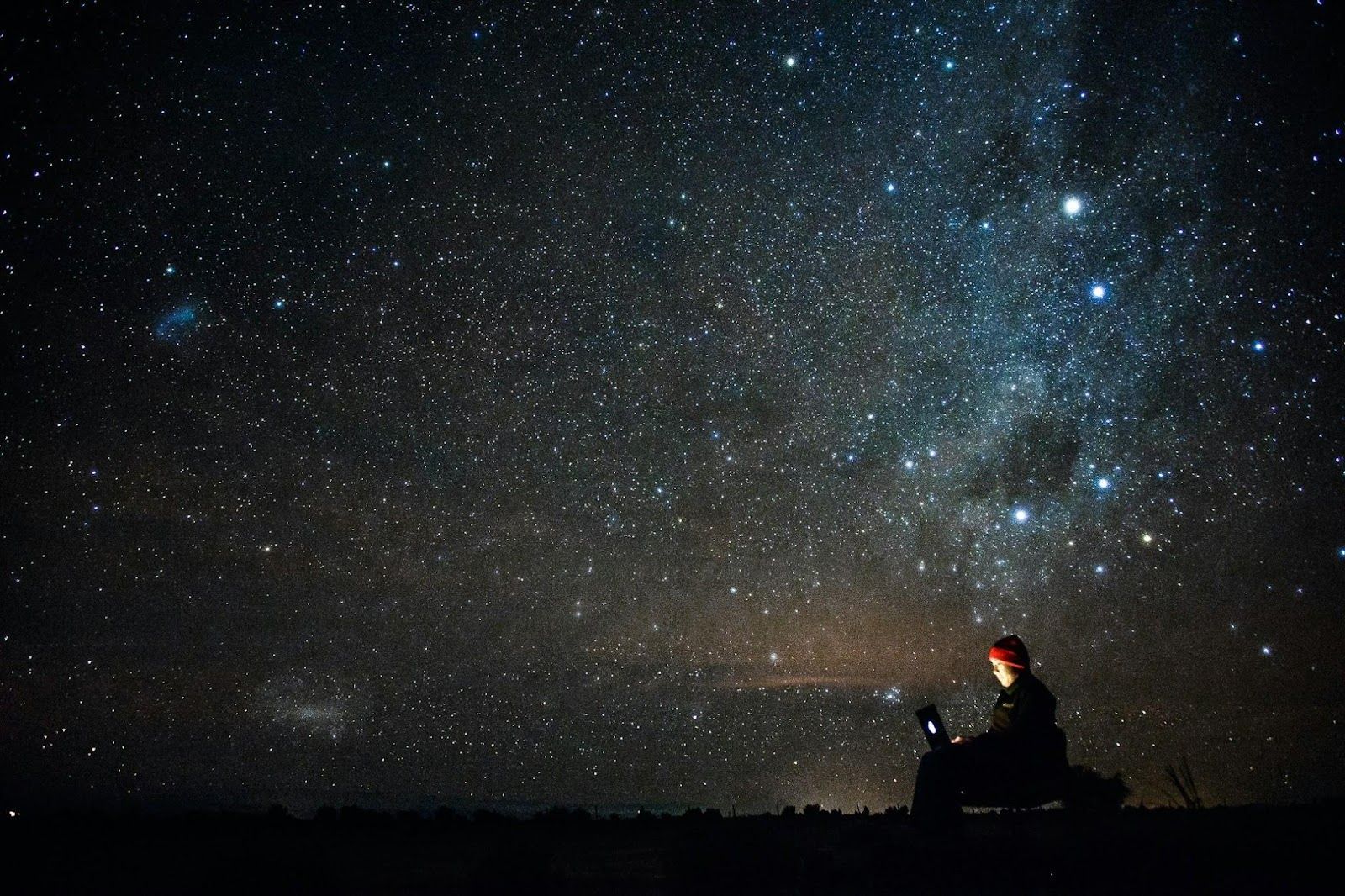 Image: Johnson Wang
The Atacama Desert is widely considered one of the best places on Earth for astronomical observation. It boasts some of the clearest, driest skies anywhere, with virtually no cloud cover and minimal atmospheric moisture.
Chile’s Atacama region hosts major international observatories, including ALMA and Paranal. Stargazers can see the Milky Way blazing overhead, along with planets, nebulae, and star clusters that are rarely visible from more light-polluted regions of the world.
La Palma, Canary Islands, Spain
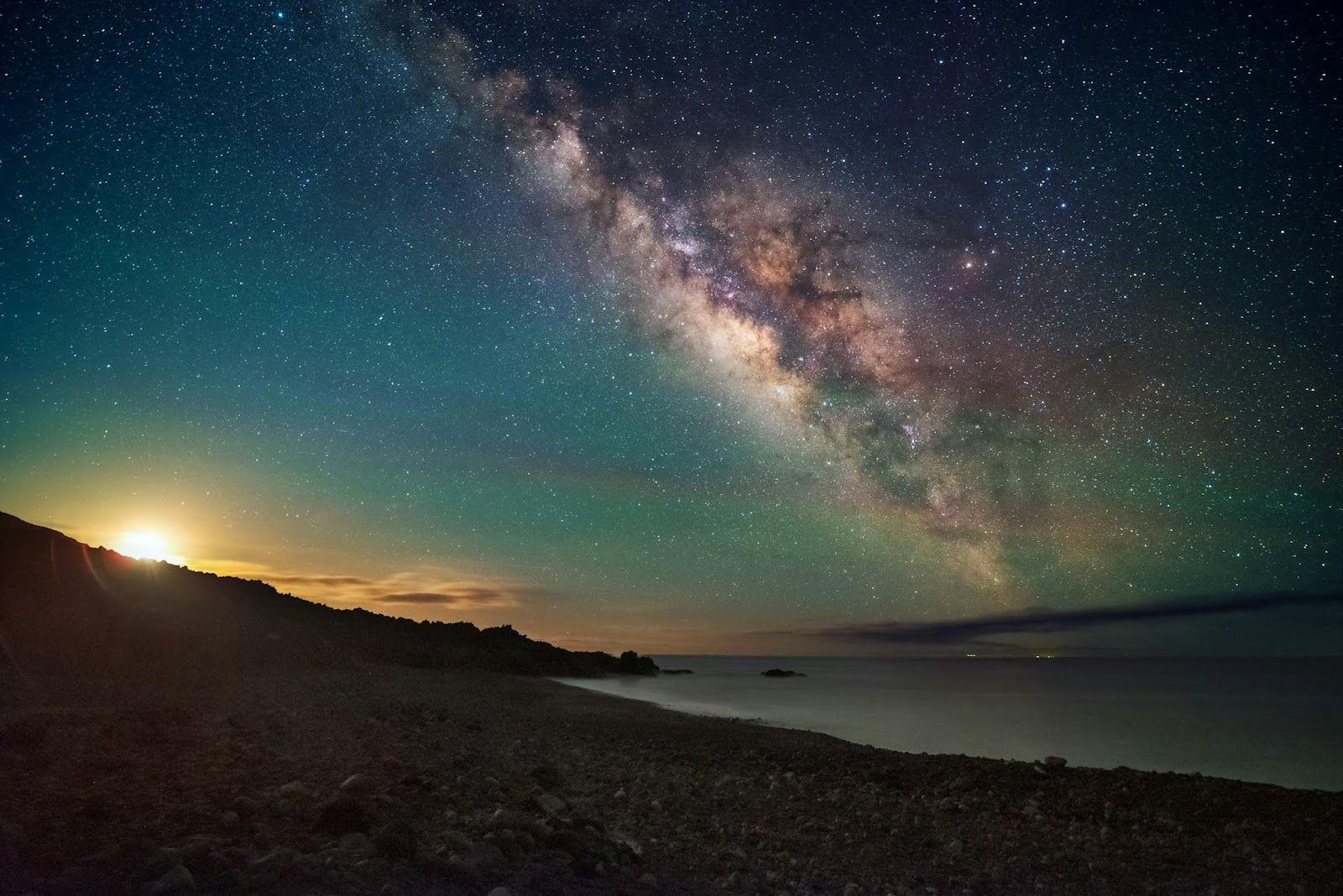 Image: Evgeni Tcherkasski
La Palma is renowned for its strict light pollution laws, which preserve the island’s exceptionally dark skies. Located in the Atlantic Ocean, its elevation, stable atmosphere, and mild climate create ideal observing conditions throughout the year.
The Roque de los Muchachos Observatory sits at the island’s highest point and is one of Europe’s most important astronomical research centers. Amateur astronomers and visitors also enjoy public stargazing tours and opportunities for astrophotography.
Aoraki Mackenzie Dark Sky Reserve, New Zealand
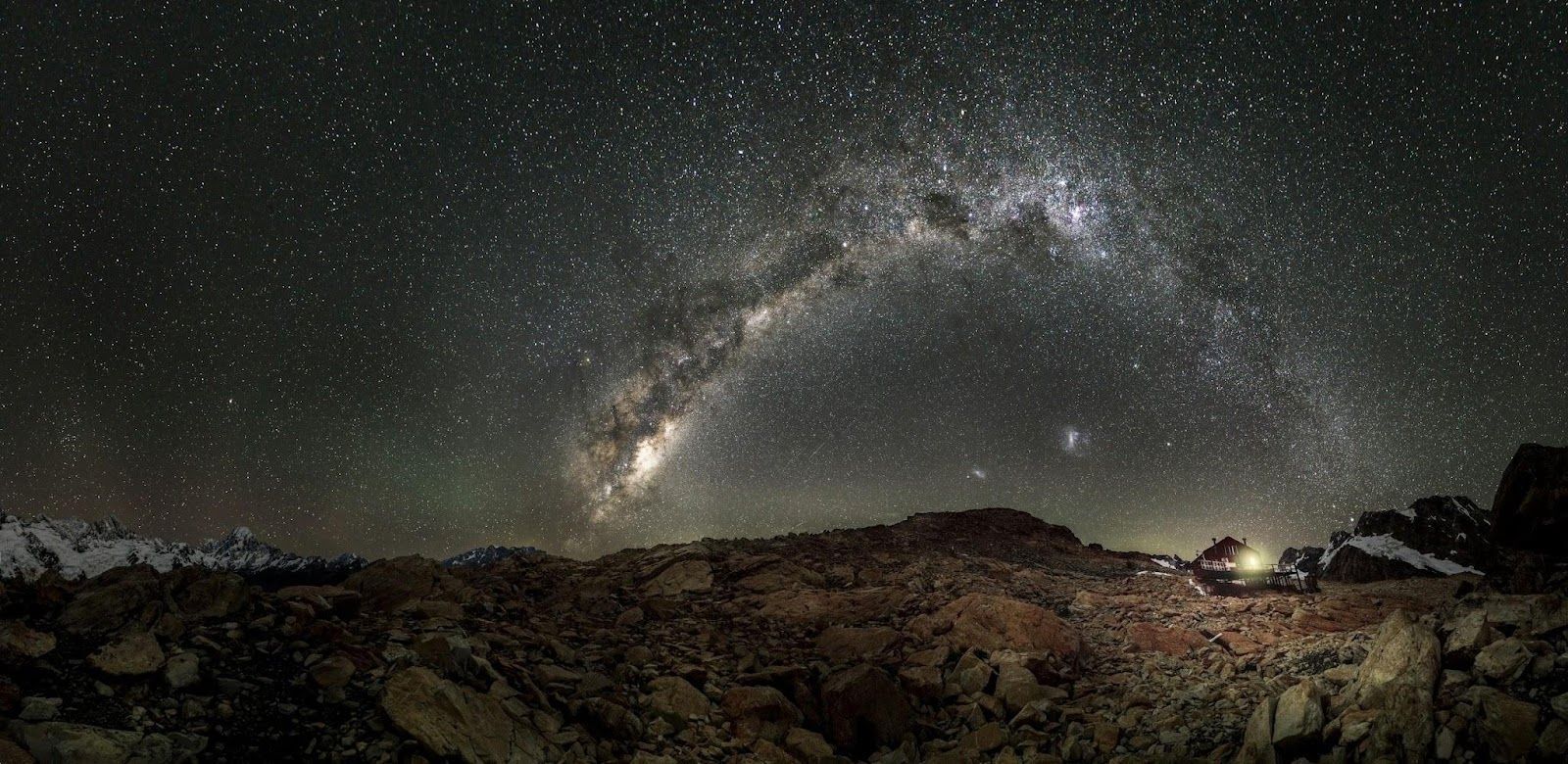 Image: Sebastian Knoll
This region is one of the largest dark sky reserves in the world, offering pristine views of the southern night sky. The near-total absence of artificial light allows stars, planets, and distant galaxies to shine with incredible clarity.
The Mackenzie Basin is especially famous for its views of the Southern Cross and the Magellanic Clouds, which are invisible from the Northern Hemisphere. Its combination of natural beauty and celestial splendor makes it a bucket-list destination for stargazers.
Namib Desert, Namibia
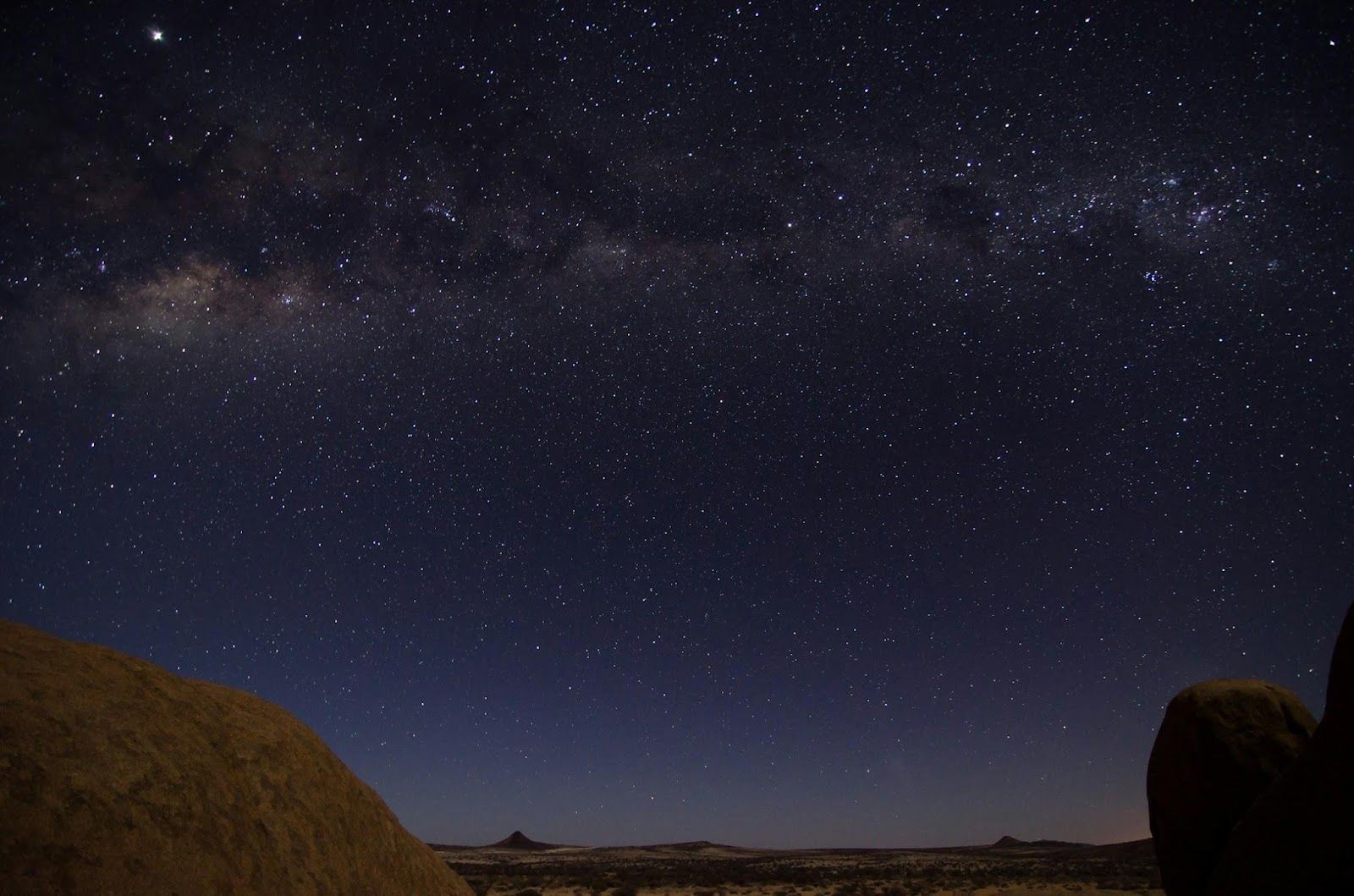 Image: Sergi Ferrete
The Namib Desert is one of the oldest deserts on Earth and among the darkest places in the world for night sky observation. Its remote location and dry climate create ideal conditions for seeing faint celestial objects.
Astronomy lodges and small observatories in the region cater specifically to stargazers. On clear nights, the Milky Way stretches vividly across the sky, offering a humbling reminder of our place in the universe.
Death Valley National Park, California, USA
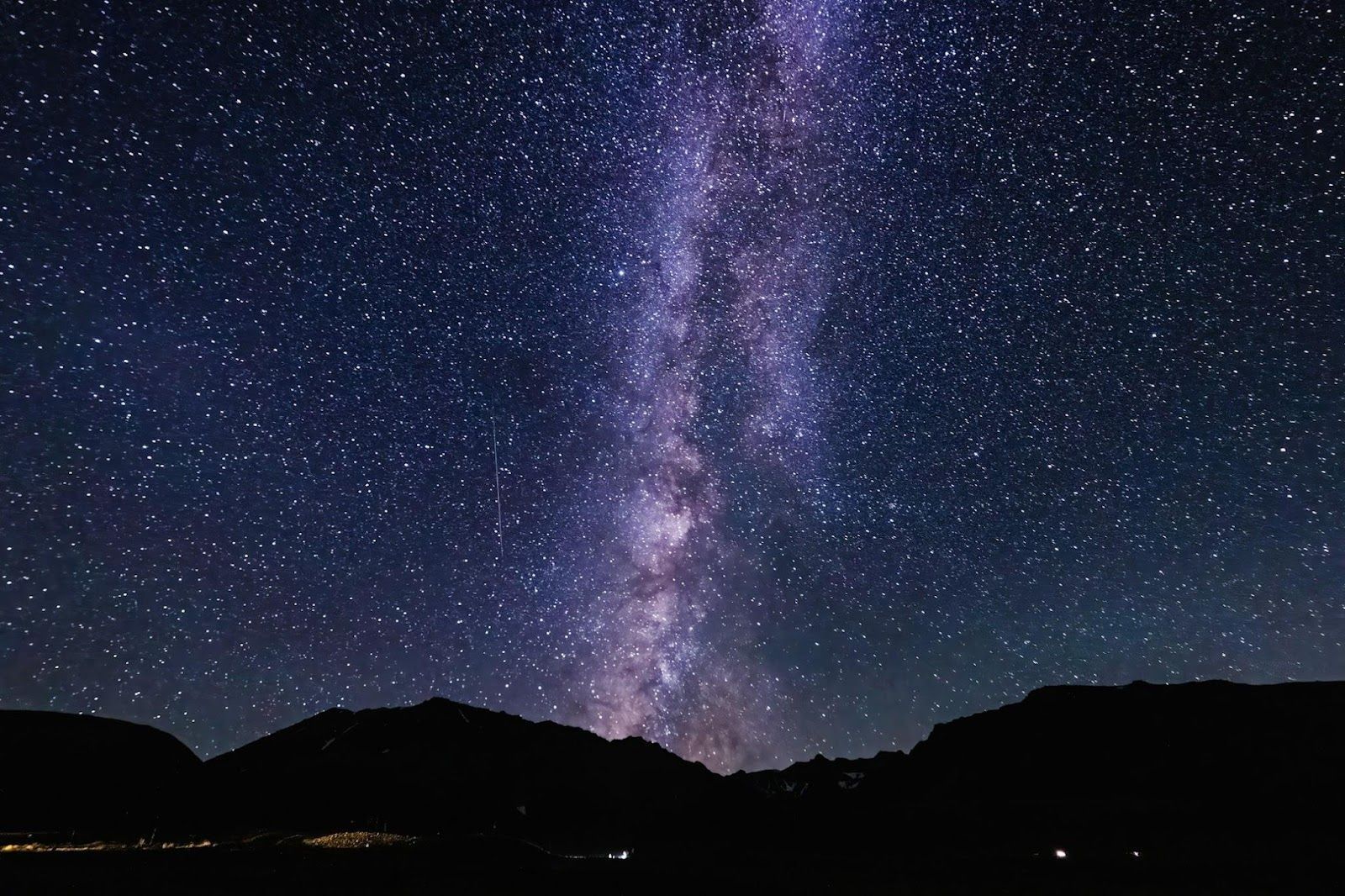 Image: Yifu Wu
Despite its extreme daytime temperatures, Death Valley transforms into a stargazer’s paradise after sunset. The park is designated as an International Dark Sky Park, meaning light pollution is kept to an absolute minimum.
Visitors can witness meteor showers, planets, and thousands of stars with the naked eye. The vast desert landscape adds to the sense of cosmic scale, making nighttime observation especially powerful and immersive.
Sutherland, South Africa
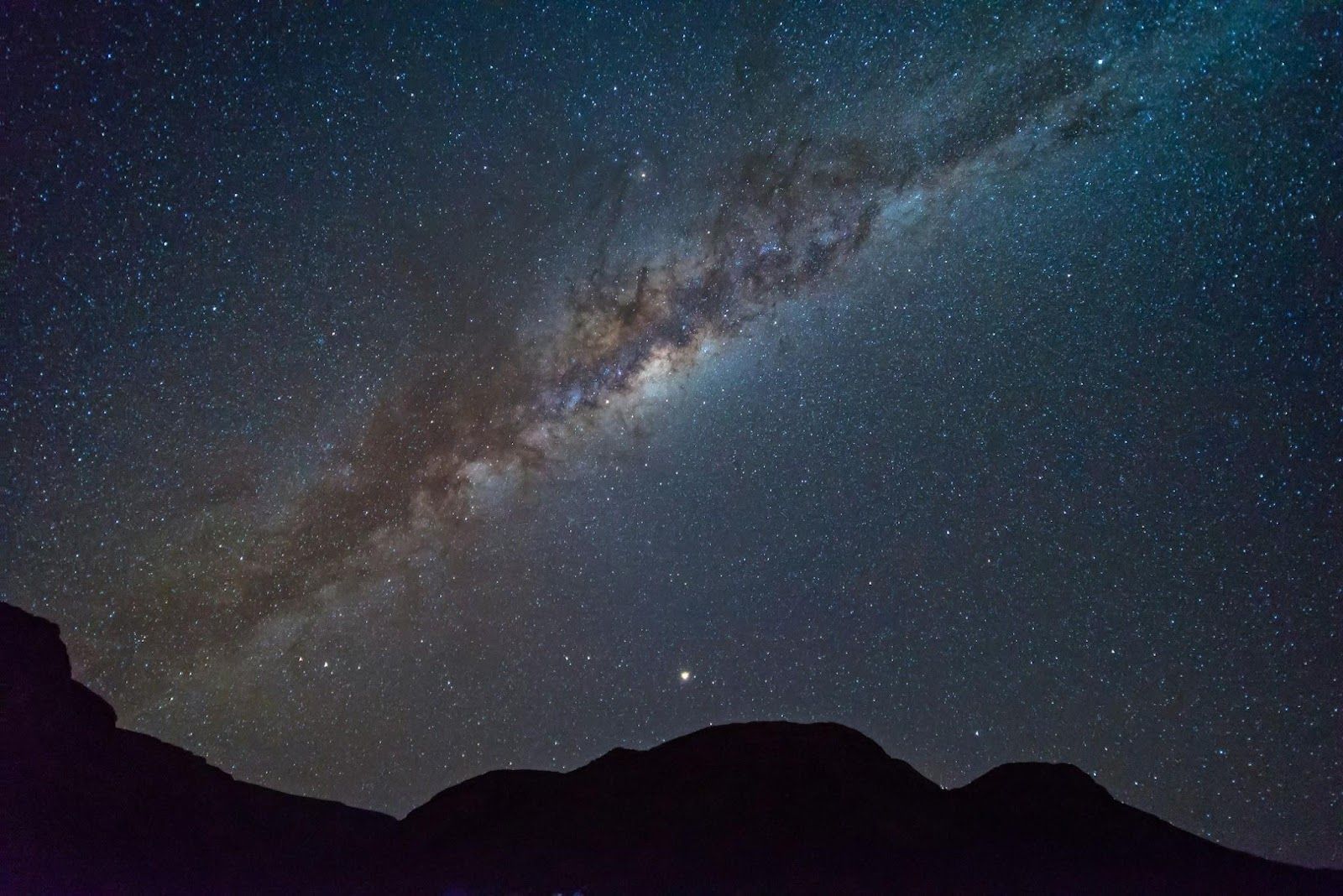 Image: Kyle Goetsch
Sutherland is home to the Southern African Large Telescope (SALT), the largest optical telescope in the Southern Hemisphere. Its location offers access to regions of the sky invisible from northern observatories.
The area’s cold, dry climate and low light pollution provide excellent viewing conditions. For travelers, guided stargazing sessions reveal galaxies, star clusters, and nebulae in stunning detail.
Pic du Midi, France
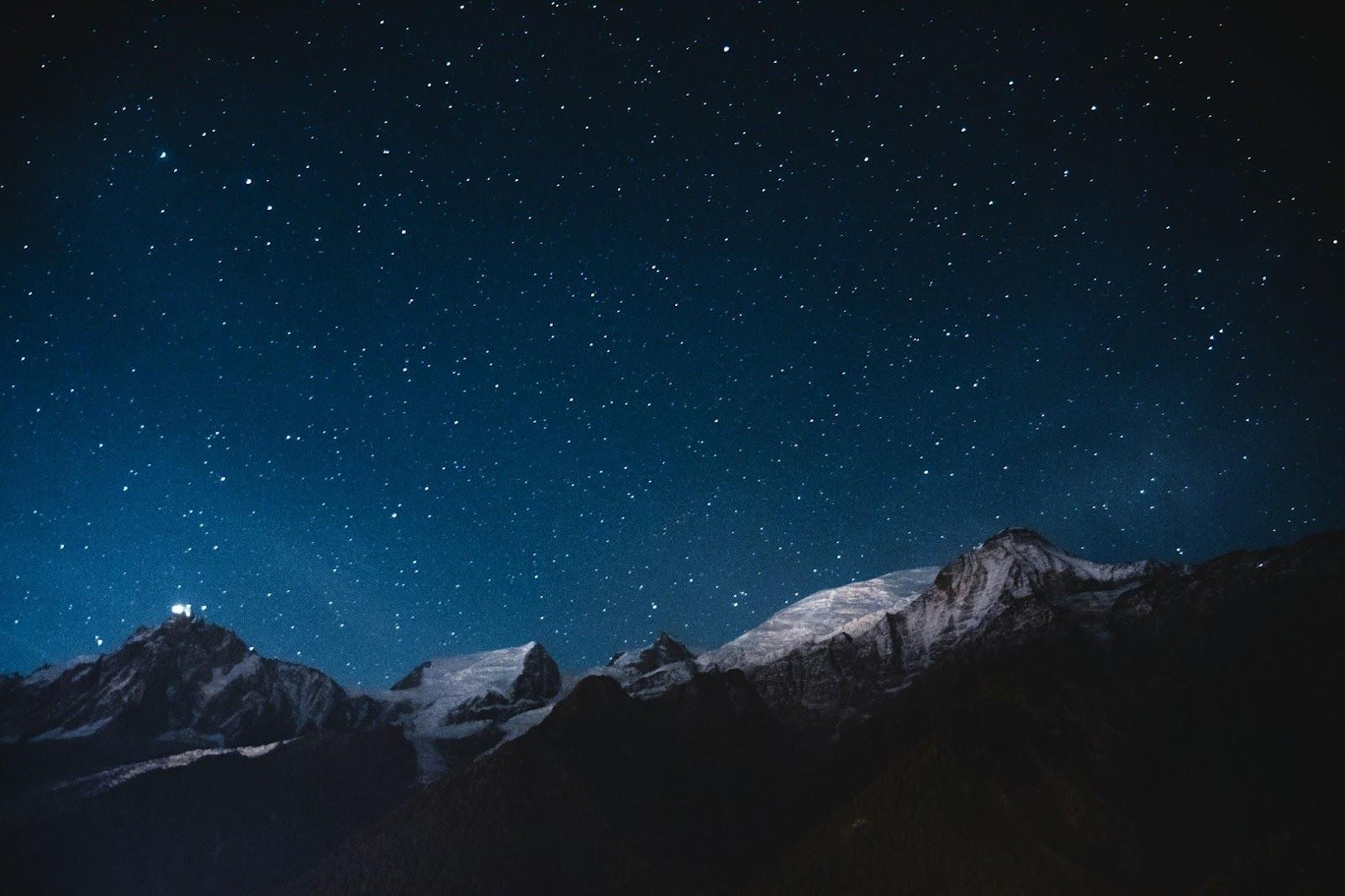 Image: Patrick Carr
Perched high in the Pyrenees Mountains, the Pic du Midi Observatory has been a cornerstone of European astronomy for over a century. Its elevation allows it to rise above clouds and much of the atmospheric distortion.
Today, visitors can stay overnight at the observatory and observe planets and stars through professional-grade telescopes. The experience combines scientific heritage with awe-inspiring views of the cosmos.
Uluru-Kata Tjuta National Park, Australia
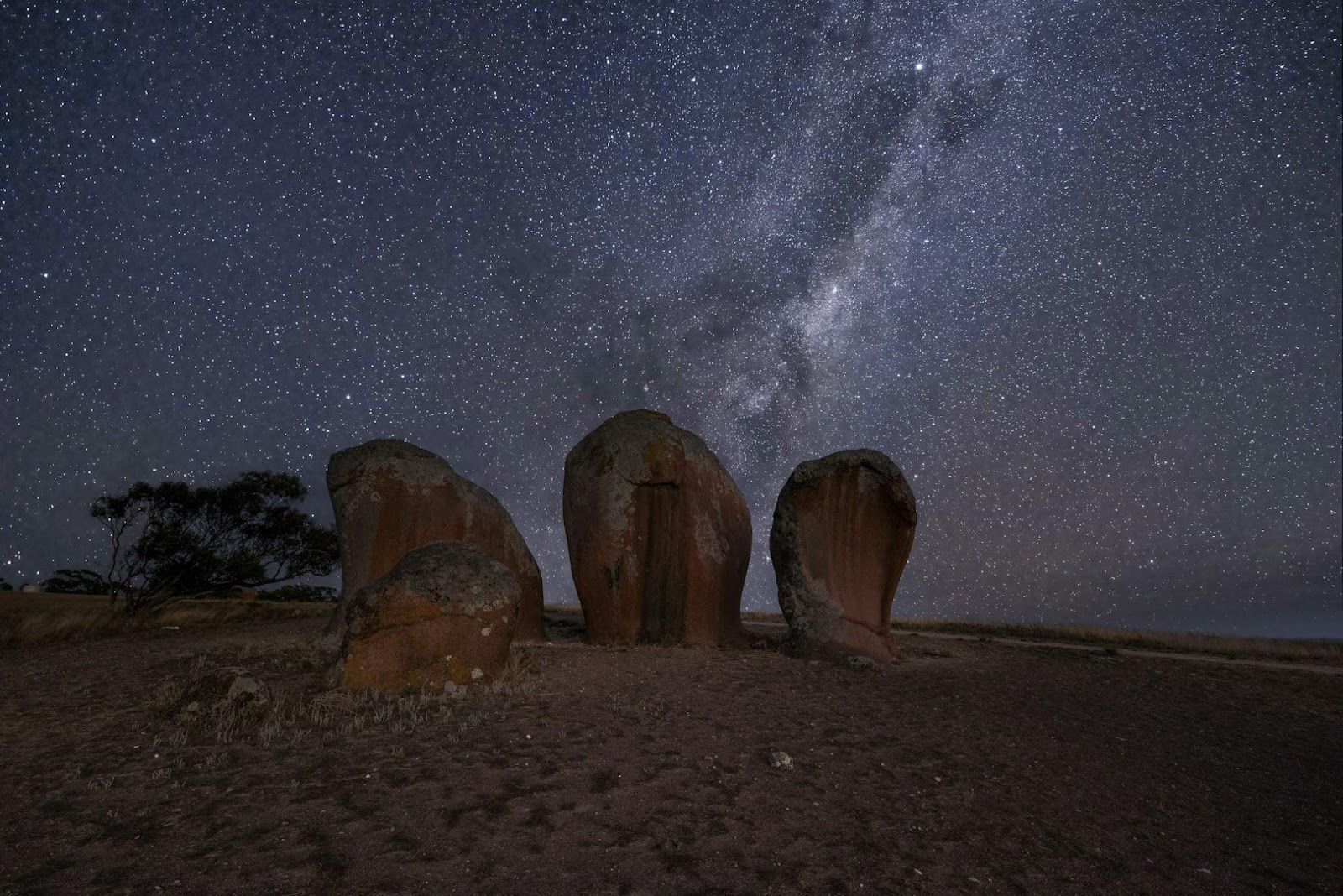 Image: Trevor McKinnon
This sacred landscape holds deep astronomical significance for the Indigenous Anangu people, whose traditions are closely connected to the stars. The park’s remote location ensures exceptionally dark skies, largely free from light pollution.
Stargazing here offers both scientific and cultural insight. Visitors can observe southern constellations while learning how ancient stories and celestial movements are woven together.
Chaco Canyon, New Mexico, USA
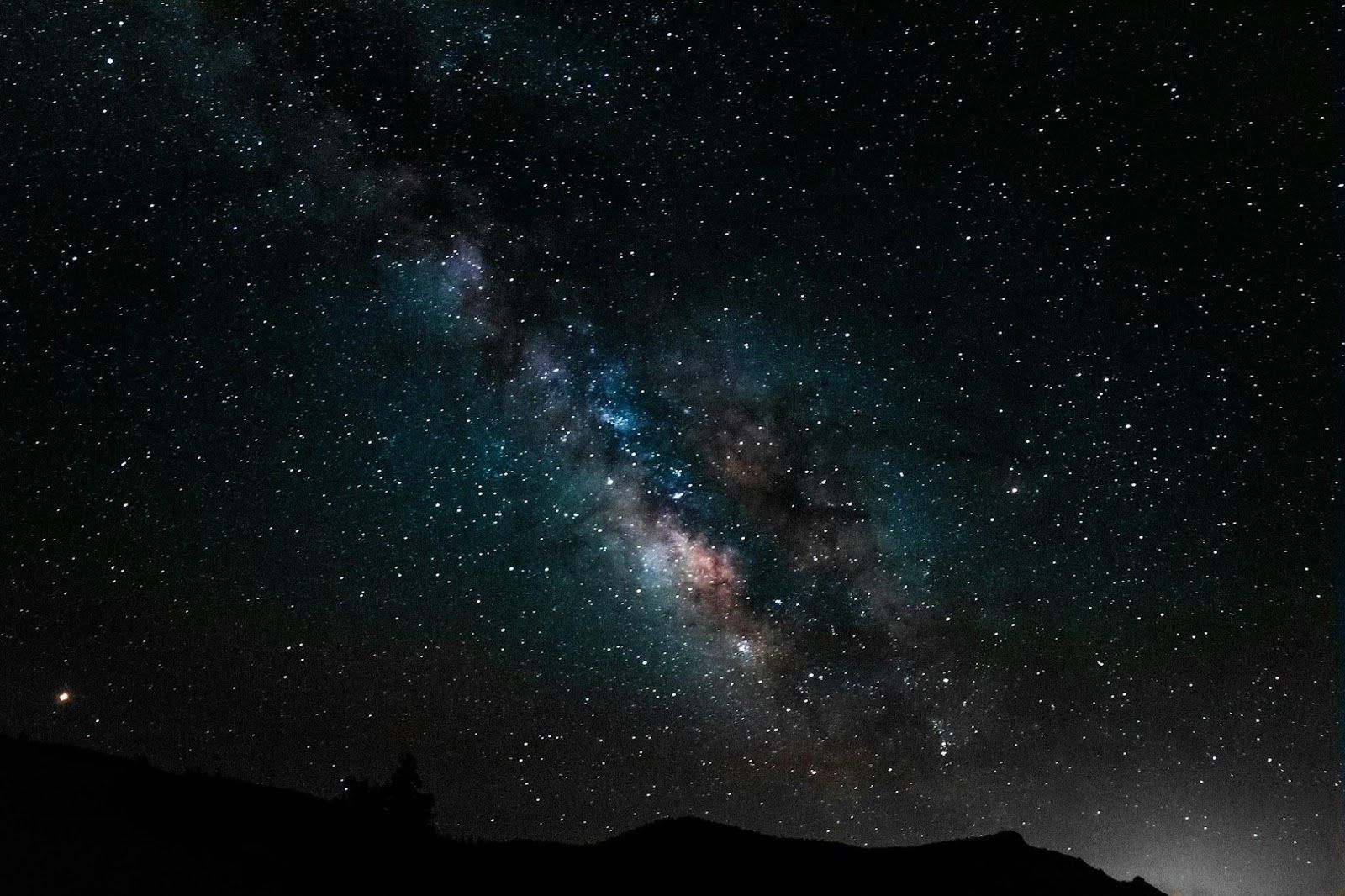 Image: Brian Jin
Chaco Canyon was a major center of astronomical observation for the Ancestral Puebloans. Many of its structures are precisely aligned with solstices, equinoxes, and lunar cycles, reflecting a sophisticated understanding of celestial movement.
Today, the canyon is a protected dark-sky site where visitors can enjoy breathtaking views of the Milky Way. It stands as a powerful example of how astronomy has shaped human civilization for thousands of years.
These destinations are more than just places to look at stars; they are gateways to understanding the universe and humanity’s long relationship with the night sky. Whether through cutting-edge science or ancient traditions, each location offers a unique cosmic perspective.
For stargazers, visiting even one of these sites can be a transformative experience, reminding us that the universe is vast, mysterious, and endlessly inspiring.
Keep wandering
There’s always
more to explore
 General

The real reason why TSA agents empty your bottle of water
6 min.
Read Now

The day the music died: The song that said goodbye to early rock 'n' roll
6 min.
Read Now

Drive-in movies were invented for this surprisingly personal reason
7 min.
Read Now
 Culture

11 movies that made millions want to pack their bags
6 min.
Read Now