
Test Track hits 65 mph: Check out these Disney attractions for all tastes
 Culture
Disney World rides ranked from gentle to extreme
Test Track hits 65 mph: Check out these Disney attractions for all tastes
Planning a Disney World trip but worried about which rides are right for you? Whether you're traveling with grandkids, reliving childhood memories, or simply looking for some magic without the motion sickness, we've got you covered. Let's break down the best attractions by thrill level so you can plan the perfect day without surprises.
It's a Small World (Magic Kingdom)

Thrill level: Low
This classic boat ride is about as gentle as they come. You'll float peacefully through colorful scenes of singing children from around the world while that famously catchy tune plays on repeat. The whole family can ride together, and there's absolutely nothing scary or jarring about it. Fair warning, though: that song may be stuck in your head for days.
The Carousel of Progress (Magic Kingdom)

Thrill level: Low
This rotating theater show has been a Disney staple since the 1964 World's Fair, and it's pure nostalgia. You'll sit comfortably in a theater that rotates around different scenes showing how American life changed throughout the 20th century. There's zero movement that will upset your stomach, and the seats are cushioned and stationary.
The whole experience lasts about 20 minutes, making it an excellent opportunity to rest your legs in air-conditioned comfort.
Kilimanjaro Safaris (Animal Kingdom)
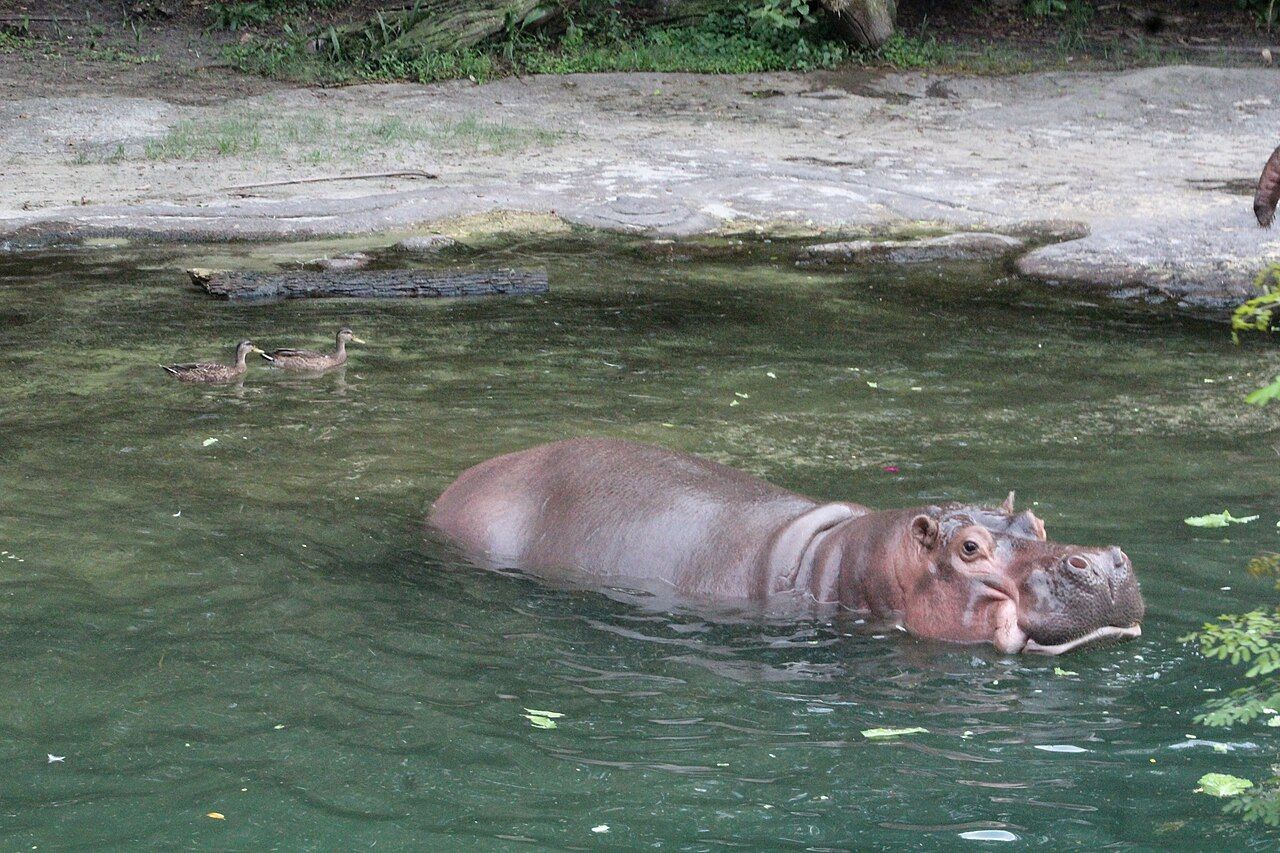
Thrill level: Low
Climb aboard an open-air vehicle for an African safari-style experience without leaving Florida. You'll spot real giraffes, elephants, lions, and rhinos roaming in carefully designed habitats that look just like the Serengeti. The ride does bounce a bit over dirt roads, but it's nothing too jarring, and the whole experience feels like a peaceful nature documentary come to life.
Go early in the morning or later in the afternoon, when animals are most active. Bring your camera because these photo opportunities are genuinely special.
Pirates of the Caribbean (Magic Kingdom)

Thrill level: Medium
This classic boat ride made Johnny Depp's movie franchise possible, and remains a must-do. You'll float through pirate battles, treasure rooms, and Caribbean towns with impressive animatronics and catchy music. There are a couple of small drops in the dark—nothing major, just enough to give you a mild thrill. The largest drop happens early, so if you handle that one, you're golden for the rest.
The ride is long enough to feel worthwhile but not so long that you'll get restless. Everything moves slowly except for those brief drops, and you're seated in a boat the whole time.
Haunted Mansion (Magic Kingdom)
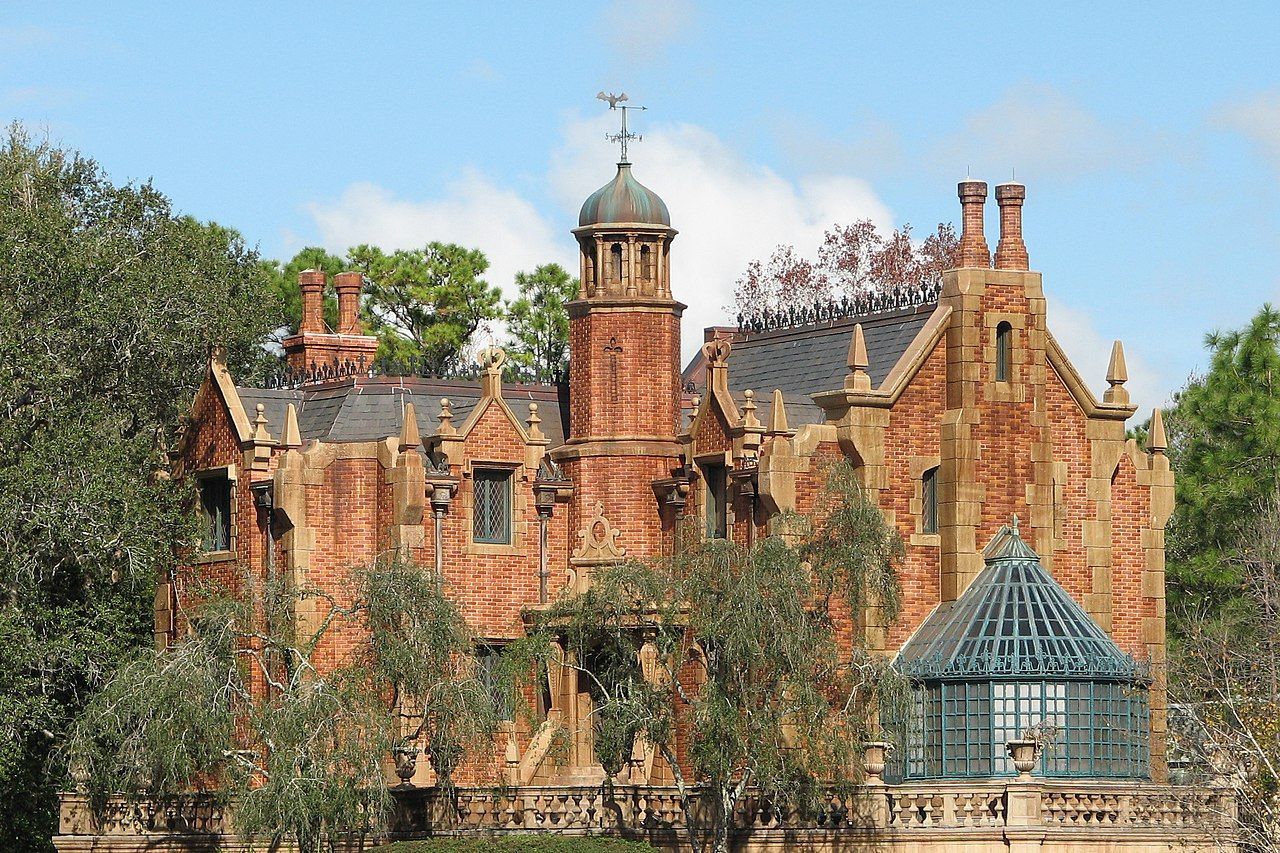
Thrill level: Medium
Don't let the spooky theme fool you—this attraction is more fun than frightening. You'll ride in a "Doom Buggy" through a mansion filled with 999 happy haunts, clever optical illusions, and genuinely funny moments. The special effects are impressive, and while there are ghosts everywhere, they're more goofy than scary. The ride moves continuously but slowly, and you never go upside down or experience any sudden drops.
One heads-up: the preshow involves standing in a room that appears to stretch, which can make some guests a bit queasy. Once you're in your Doom Buggy, though, it's smooth sailing.
Soarin' Around the World (Epcot)

Thrill level: Medium
Imagine sitting in a hang glider while soaring over famous landmarks around the world—that's Soarin'. You're lifted into the air in front of a massive curved screen that makes you feel as though you're flying over the Eiffel Tower, the Great Wall of China, and more. The motion is gentle and smooth, designed to feel like gliding rather than any sudden movements. You may even notice subtle scents, like ocean breeze or pine forest, released at the right moments.
This attraction is ideal if you want just a touch of excitement without anything too intense. Your feet dangle freely, but otherwise, it's a calm and immersive experience.
Big Thunder Mountain Railroad (Magic Kingdom)
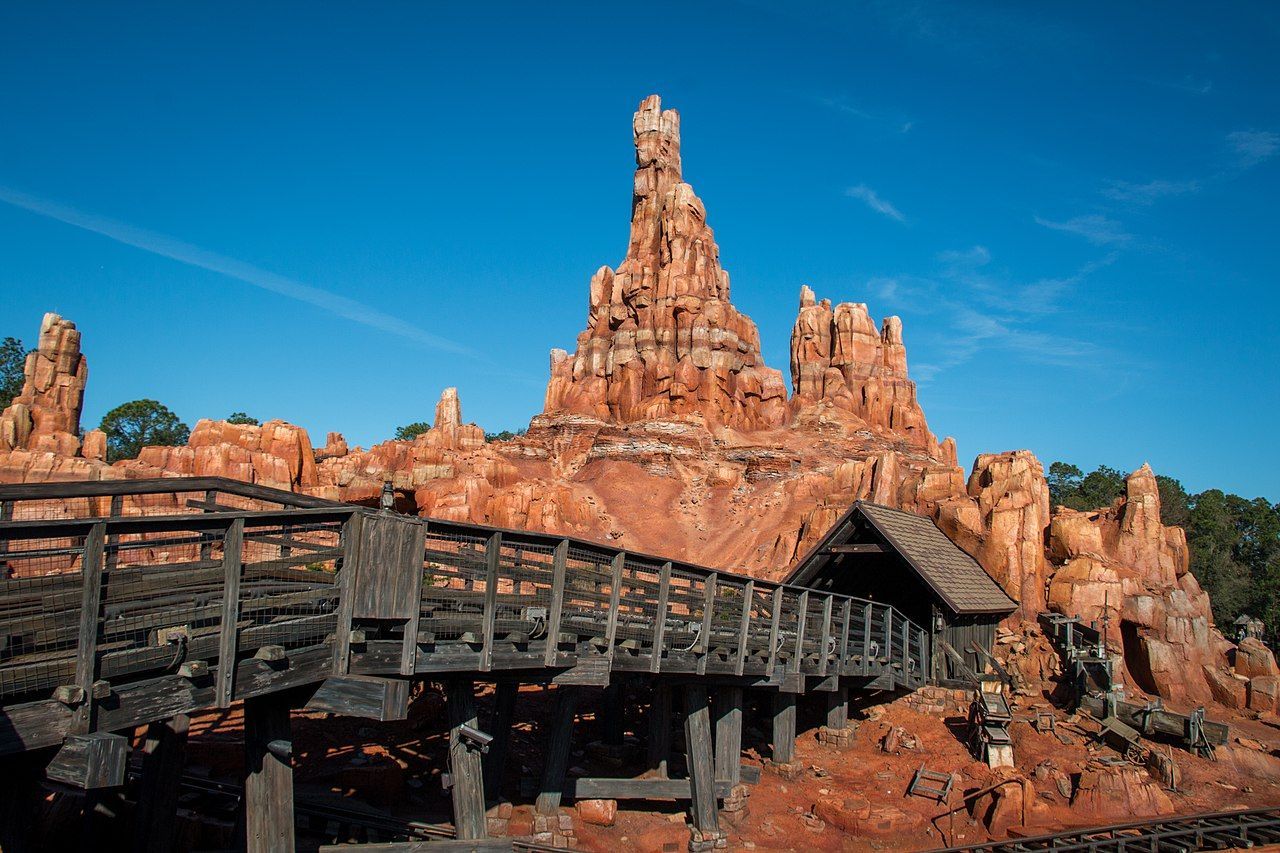
Thrill level: High
This is Disney's take on a roller coaster, which means it's thrilling but not terrifying. You'll race through an abandoned Old West mining town on a runaway mine train, with plenty of turns, small drops, and a couple of tunnels. The theming is fantastic—you really feel like you're speeding through the desert. It moves fast enough to get your adrenaline going, but doesn't have any loops, corkscrews, or those awful moments where you're hanging upside down.
If you haven't been on a roller coaster in years, this is a great way to test the waters. The ride is bumpy and fast, so hold on to loose items and maybe skip it if you have back problems.
Expedition Everest (Animal Kingdom)
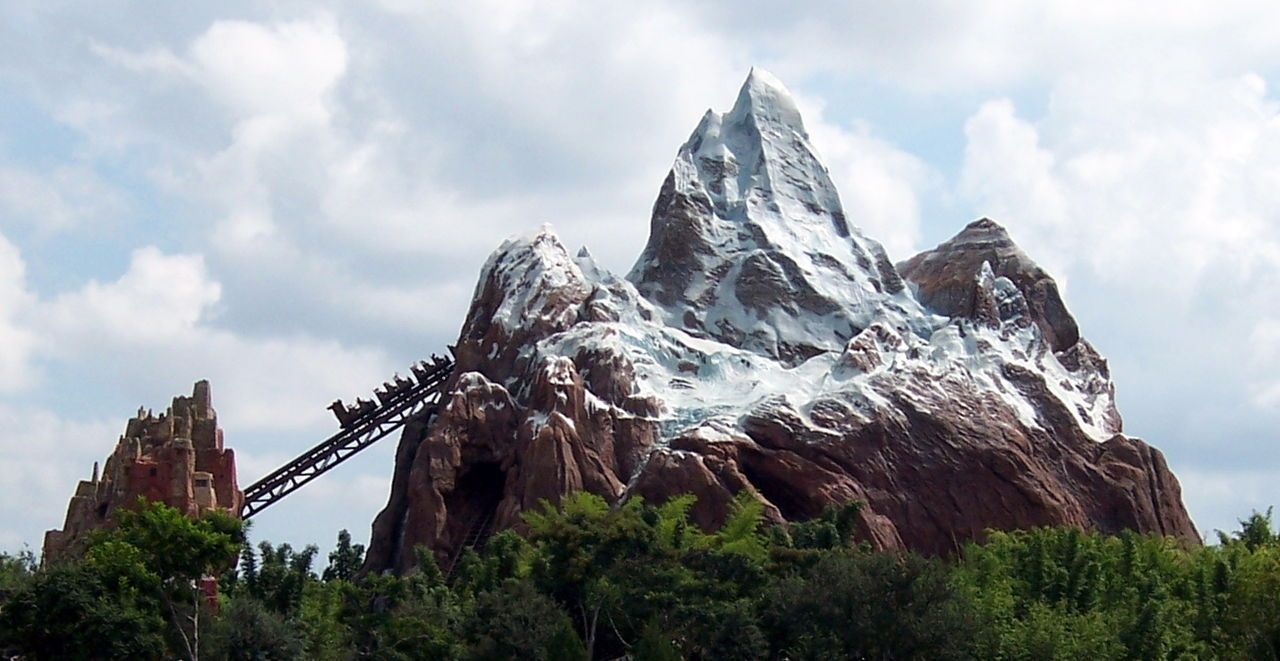
Thrill level: High
This roller coaster takes you on a thrilling journey through the Himalayas, where you'll encounter the legendary Yeti. There's a section where the track appears broken, and you actually go backward in the dark, which catches everyone by surprise the first time. You'll also experience one significant drop along with lots of twists and turns. The theming is exceptional—the queue alone feels like you're trekking through Nepal.
This is definitely not for the faint of heart, but it's also not the most extreme coaster at Disney. If you can handle Big Thunder Mountain and want to level up, give Everest a try.
Test Track (Epcot)
Thrill level: High
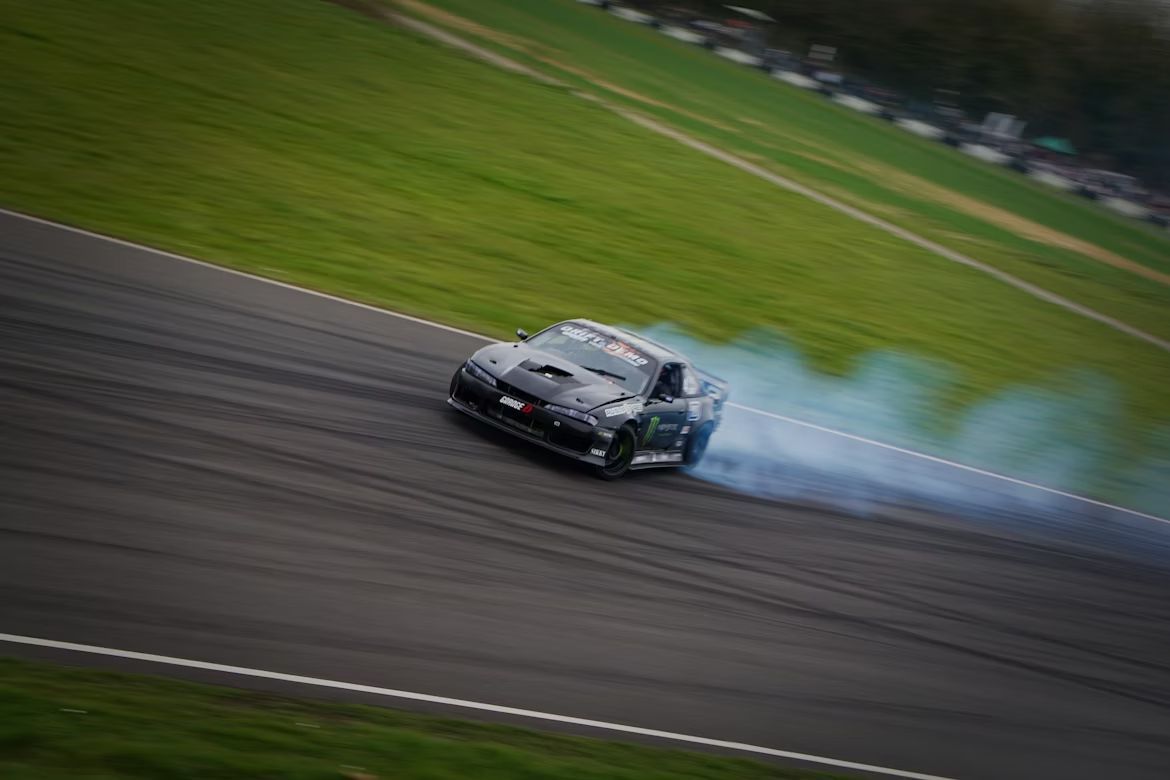
You'll design your own virtual concept car, then take it for a high-speed test drive around a track. The highlight is the outdoor portion, where you reach speeds of up to 65 miles per hour—making it one of the fastest rides at Walt Disney World. Before that, though, you'll experience some sharp turns, sudden stops, and near-collisions that simulate crash testing. It's thrilling but also fun because you're basically in a souped-up car rather than a traditional ride vehicle.
The outdoor speed portion is exhilarating, especially with the wind in your face and the Florida sunshine overhead. However, the ride can be jerky during the testing portions, so anyone with neck or back issues may want to think twice.
Space Mountain (Magic Kingdom)

Thrill level: High
This indoor roller coaster shoots you through outer space in near-total darkness, which makes it feel faster and more intense than it actually is. You can't see the drops or turns coming, which can make the experience either more exciting or more terrifying, depending on your perspective. The coaster itself isn't especially extreme—no loops or major drops—but the darkness and space theme create a thrilling atmosphere. You'll twist and turn through a galaxy of stars and shooting comets.
The track is old, so expect a bumpy ride that might rattle your teeth a bit. If you have any issues with your back, neck, or motion sickness in the dark, you might want to skip this one. But if you want to feel like an astronaut on a wild adventure, it's worth experiencing at least once.
Small wonders: 12 of the world’s most dreamy villages for your next trip
 Landmarks
Small wonders: 12 of the world’s most dreamy villages for your next trip
These villages may be small, but they are perfect for a visit away from the usual tourist-packed spots. Their size and location help limit crowds, allowing visitors to enjoy calm surroundings and a steady pace of life. Rather than major tourist hubs, they offer simple experiences shaped by local culture. This guide explores 12 of the best villages according to the UN, focusing on places where quiet streets and modest scale are the norm. If that’s what you are expecting from your next vacation, then join in!
Bibury, England
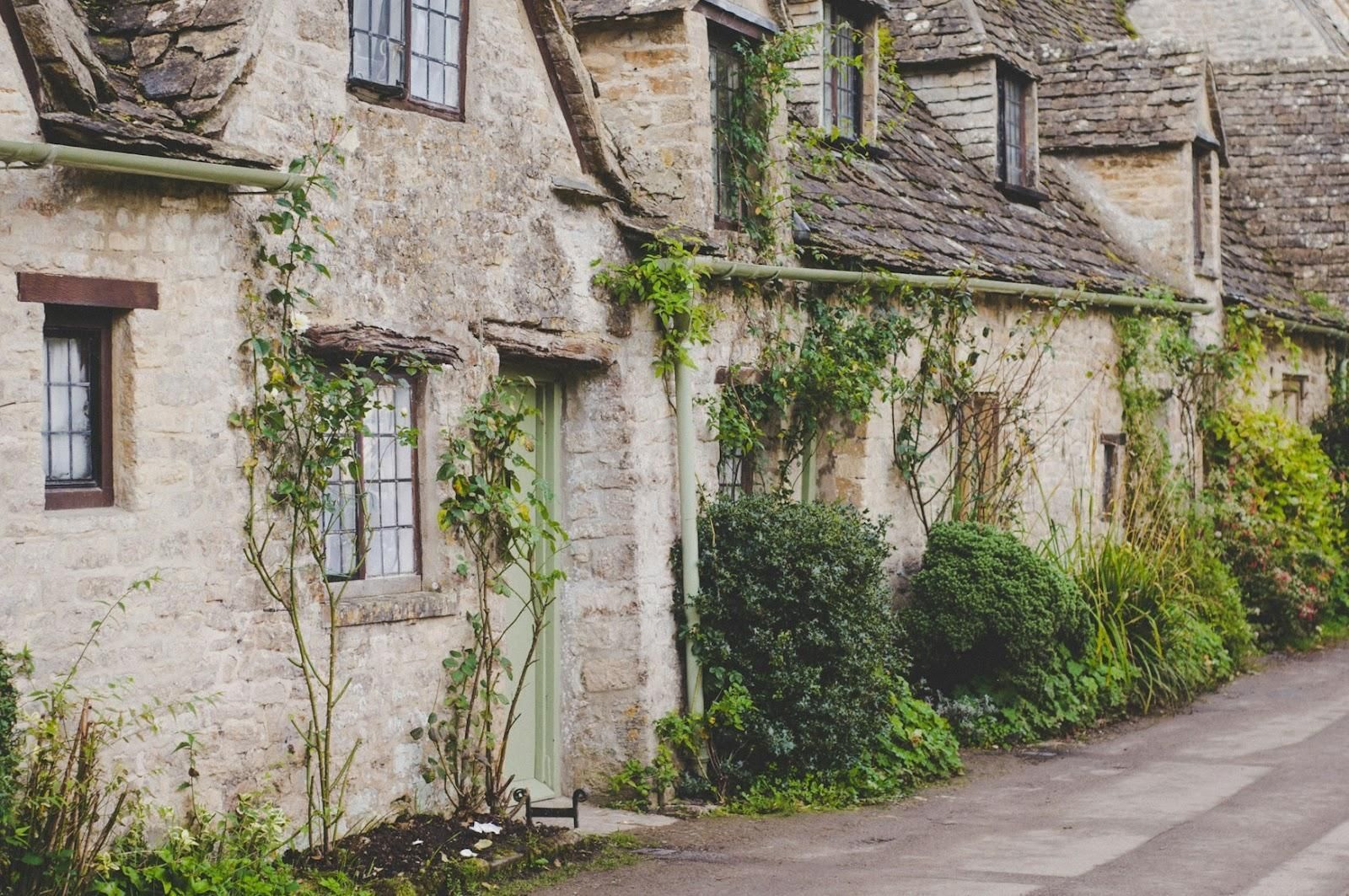 Image: Ivy Barn
Stone cottages line a short stretch of road beside the River Coln in Bibury, a village in Gloucestershire with fewer than 700 residents. Many of the buildings date to the 17th century and were built to house workers from the local wool industry.
The village has strict building protections and limited commercial development, so there are no large hotels or major attractions. This helps keep visitor numbers relatively low. Still, people visit Bibury to walk along Arlington Row—one of the most photographed spots in the UK—sit by the river, or stop briefly at a small pub or tearoom. It’s no wonder the village has been dubbed "the most beautiful village in England"!
Bohinj, Slovenia
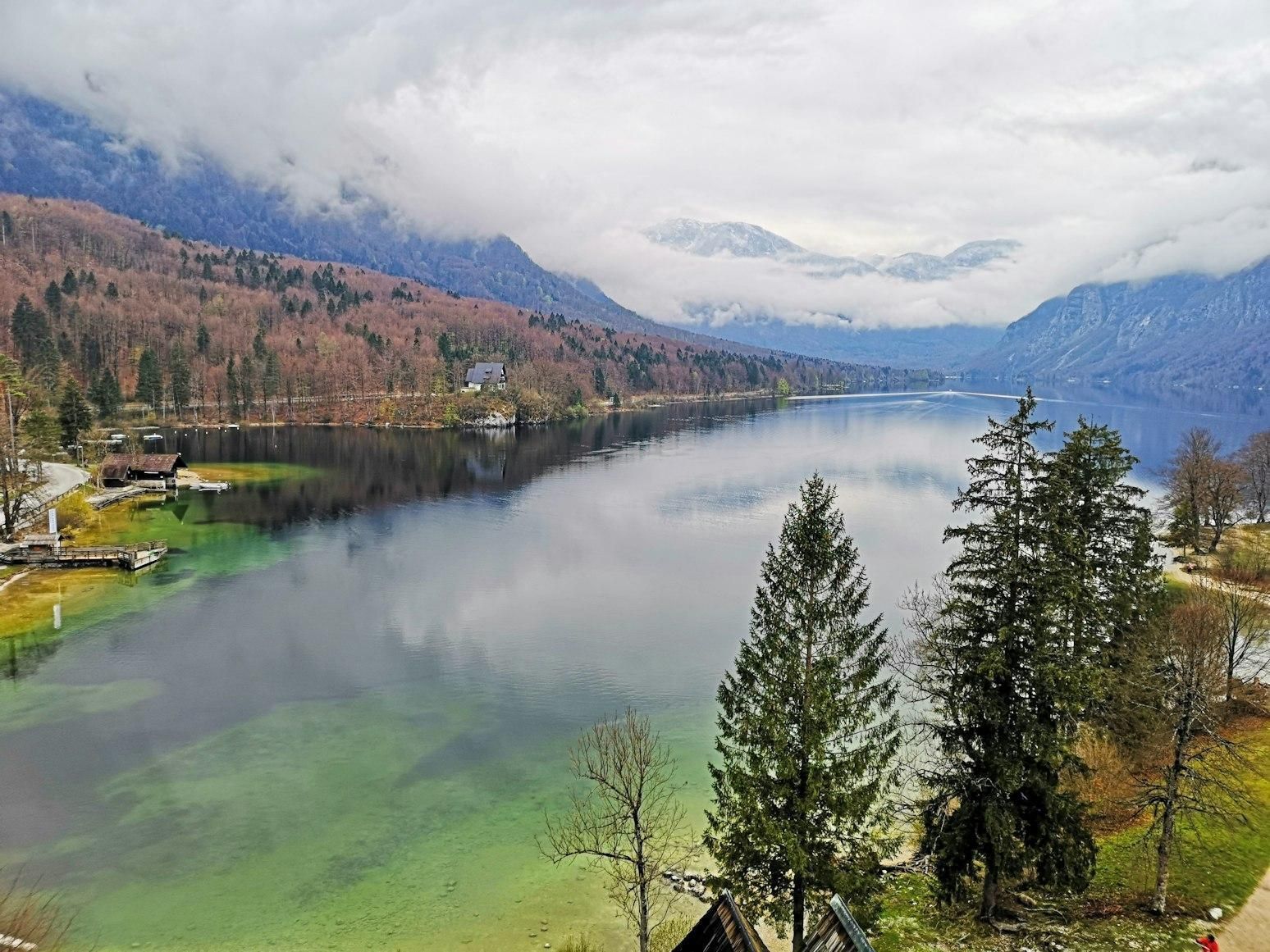 Image: Tienko Dima
Life in Bohinj revolves around daily routines shaped by nature rather than tourism. The village is located in northwestern Slovenia, near Lake Bohinj, within the boundaries of the Triglav National Park. Characterized by its peaceful atmosphere, this town remains much quieter than nearby destinations such as Lake Bled.
Large hotels and nightlife are limited, and most services are small and locally run. Visitors typically spend their time walking along the lake, hiking nearby trails, eating simple meals in local restaurants, or sitting outdoors while observing the calm pace of everyday life. The ideal place for a low-key vacation!
Lamu, Kenya
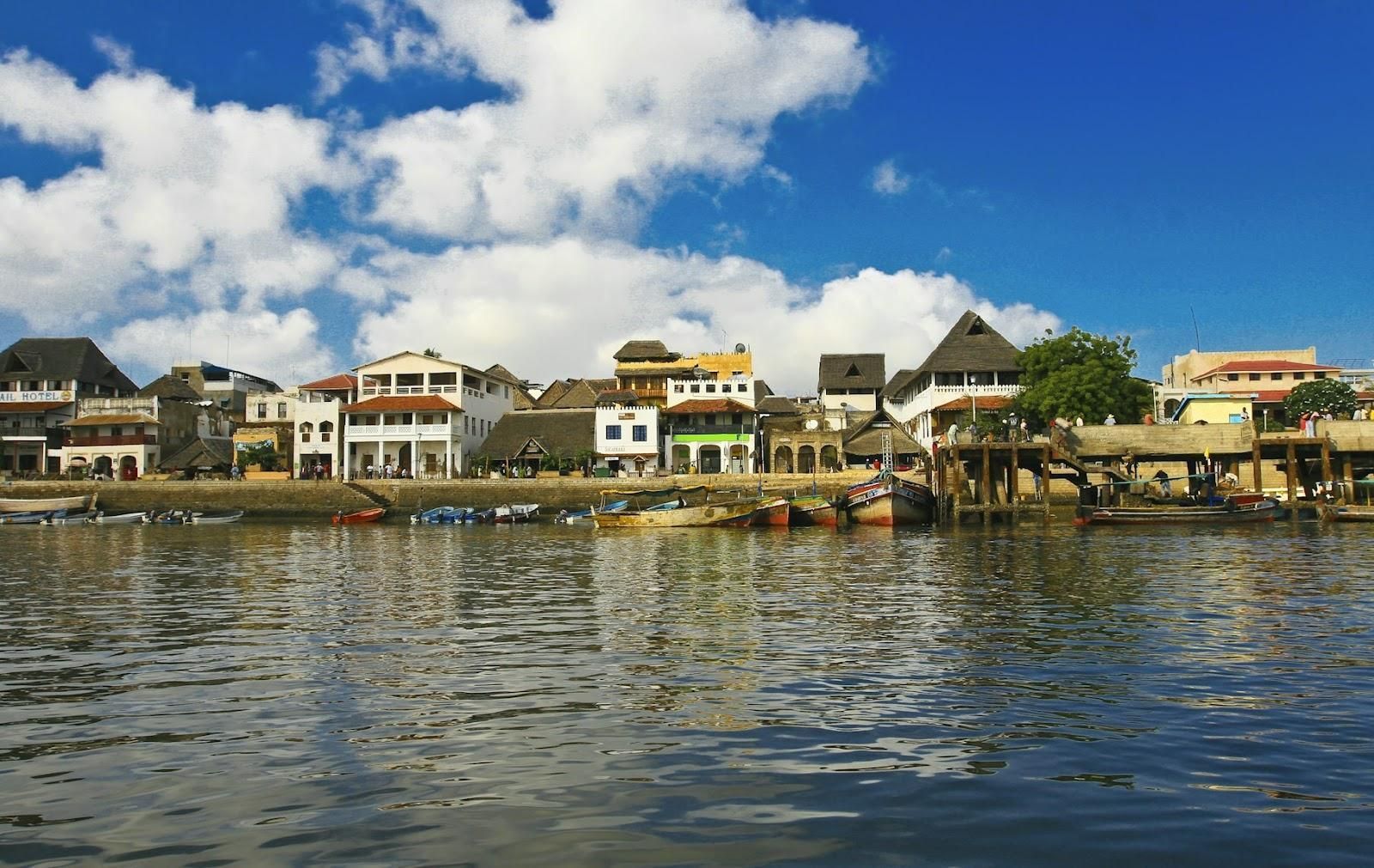 Image: Stanislav Lvovsky
Today, visitors to Lamu often notice the absence of cars first. This small coastal town on Lamu Island, off the coast of Kenya, has around 25,000 residents and relies on walking and donkeys as its main forms of transport. The narrow streets were not designed for motor vehicles, which helps keep noise and traffic low.
Daily life focuses on local routines such as shopping at small markets, visiting the waterfront, and preparing food at home. Visitors usually spend time walking through town, sitting by the sea, and eating fresh seafood. The overall pace remains slow and consistent throughout the day, making it a perfect destination to relax and unwind.
Murten and Andermatt, Switzerland
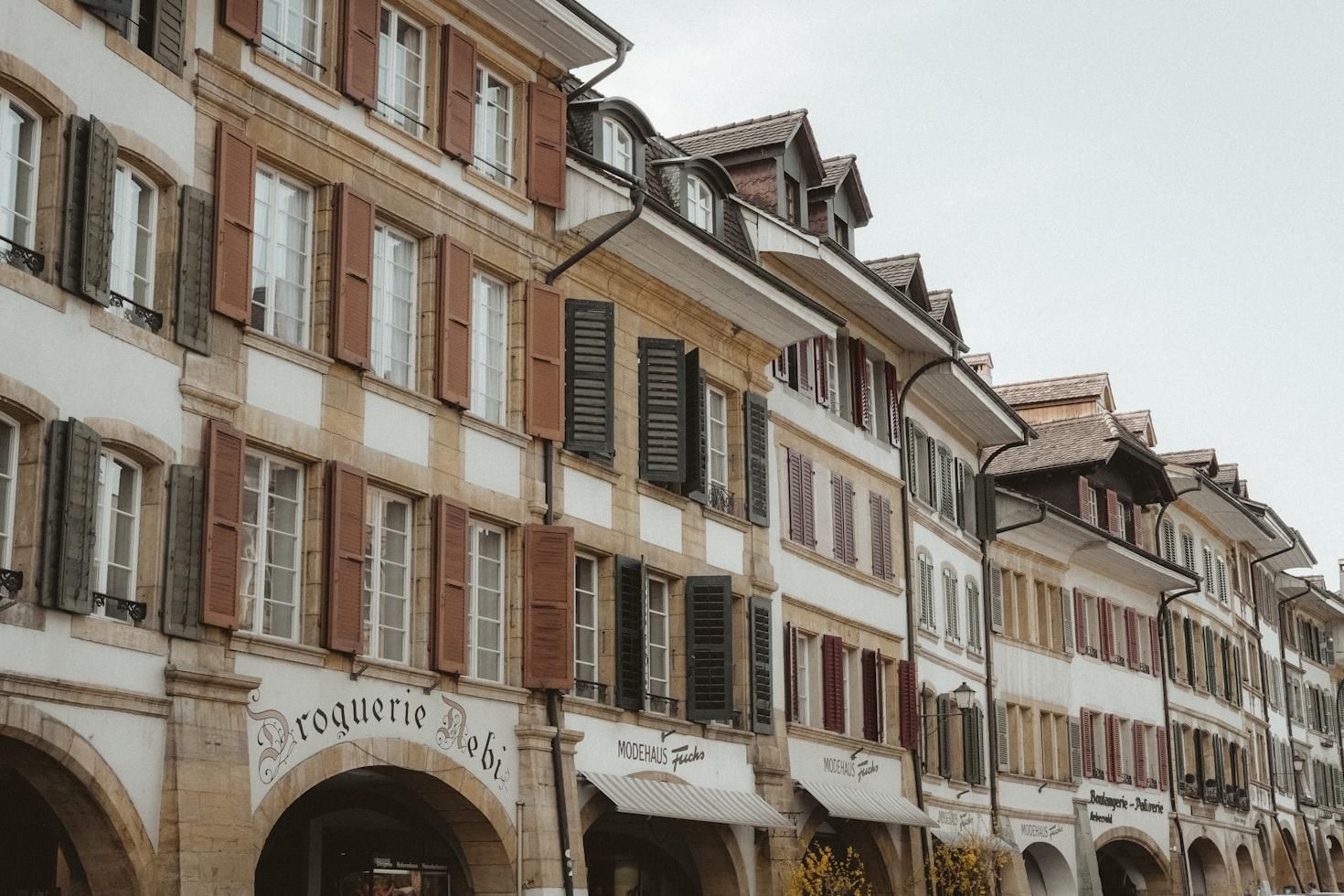 Image: Joel & Jasmin Førestbird
These two Swiss villages reflect a slower rhythm from a time before quick travel stops. Murten is located on the shore of Lake Murten and still has its medieval town walls and a compact historic center. Andermatt, a mountain village of roughly 1,500 people, developed as a stop along historic alpine passes used for trade and travel.
Neither place is large, and both are easy to explore on foot. Visitors typically spend time walking along the lake or through the old streets while enjoying local dishes such as fondue or raclette. Pro tip: Stay overnight rather than moving through on a tight schedule.
Iruya, Argentina
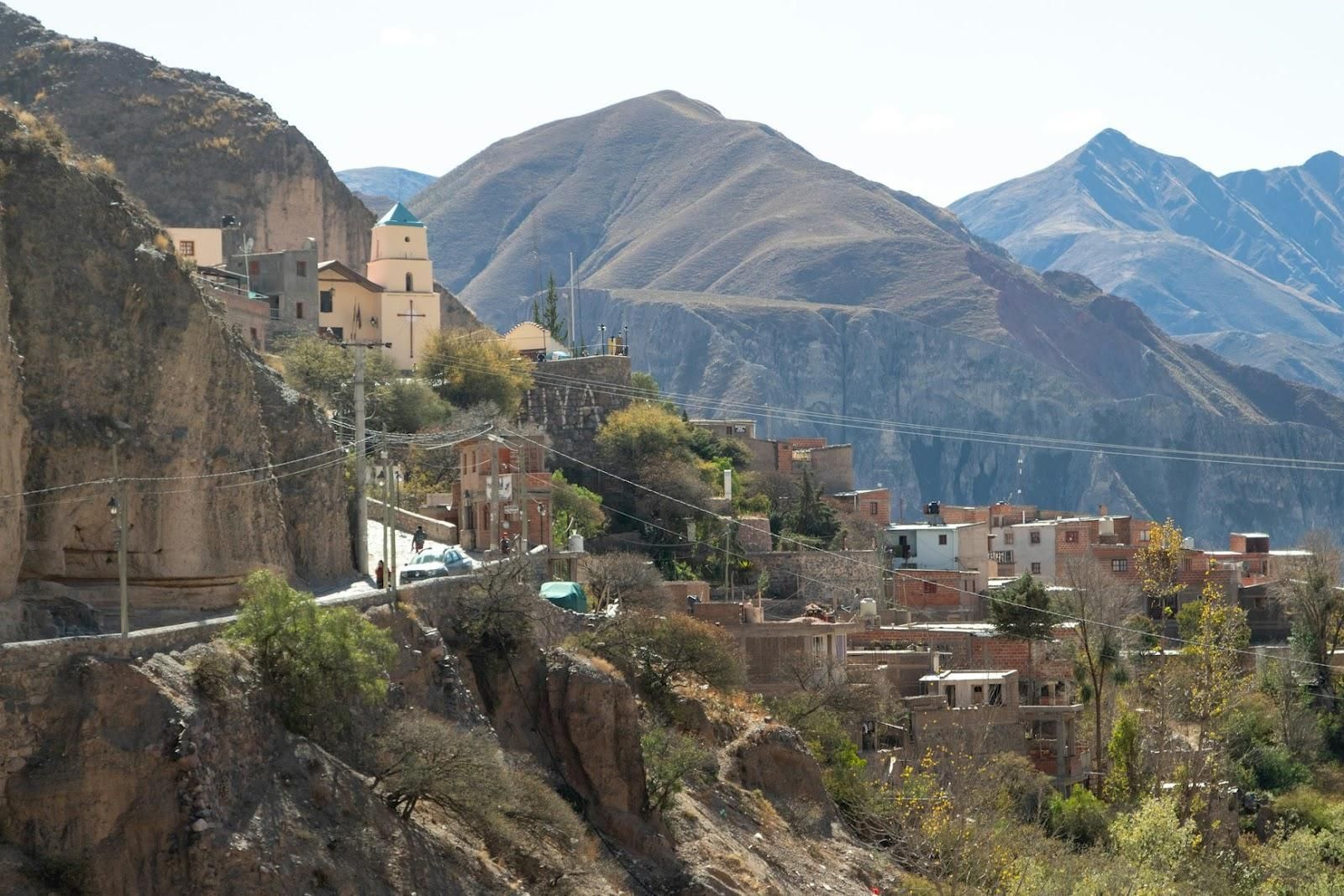 Image: Sonia Nadales
Iruya looks remote, and it is. People get to the village by a winding mountain road in northern Argentina’s Salta Province. Its distance from major cities and limited access prevent large-scale tourism, even during busier travel months. Yet, there are a few hotels and services, most of them small and locally owned.
Once there, visitors usually walk the narrow streets, eat delicious empanadas prepared by locals, visit the small central church, and spend time observing the surrounding Andean mountains in a quiet setting.
Rășinari, Romania
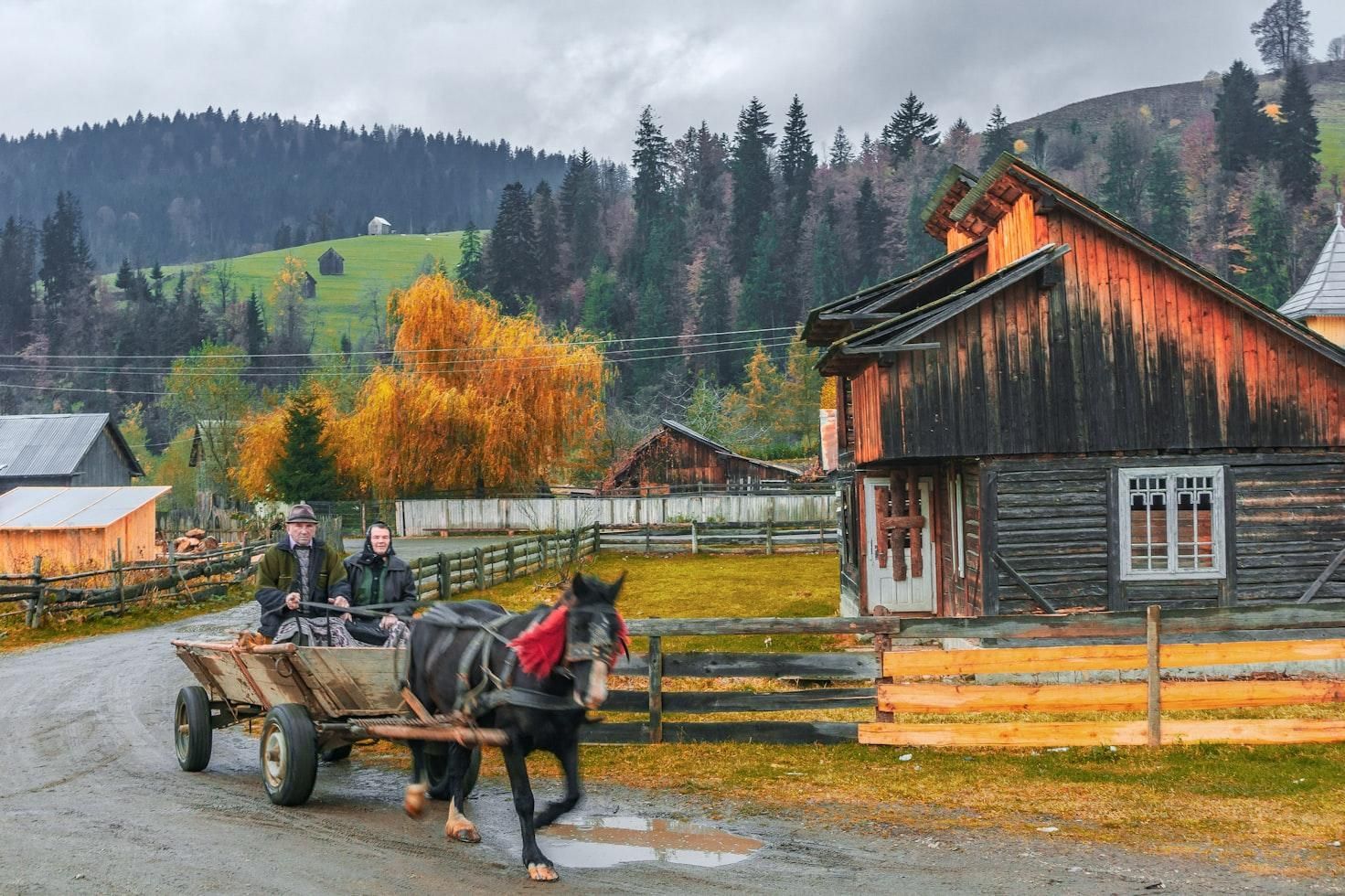 Image: Andrei Turca
Rășinari is a rural village near the city of Sibiu in central Romania, with a population of about 5,000 people. It has traditionally depended on farming, livestock, and local crafts rather than large-scale tourism. The village has no major attractions or resort facilities, which keeps daily life steady and peaceful.
Despite its small size, Rășinari offers historic churches, scenic nature, and traditional houses. Visit if you are looking for a quaint little town where you can blow off some steam.
Baños, Ecuador
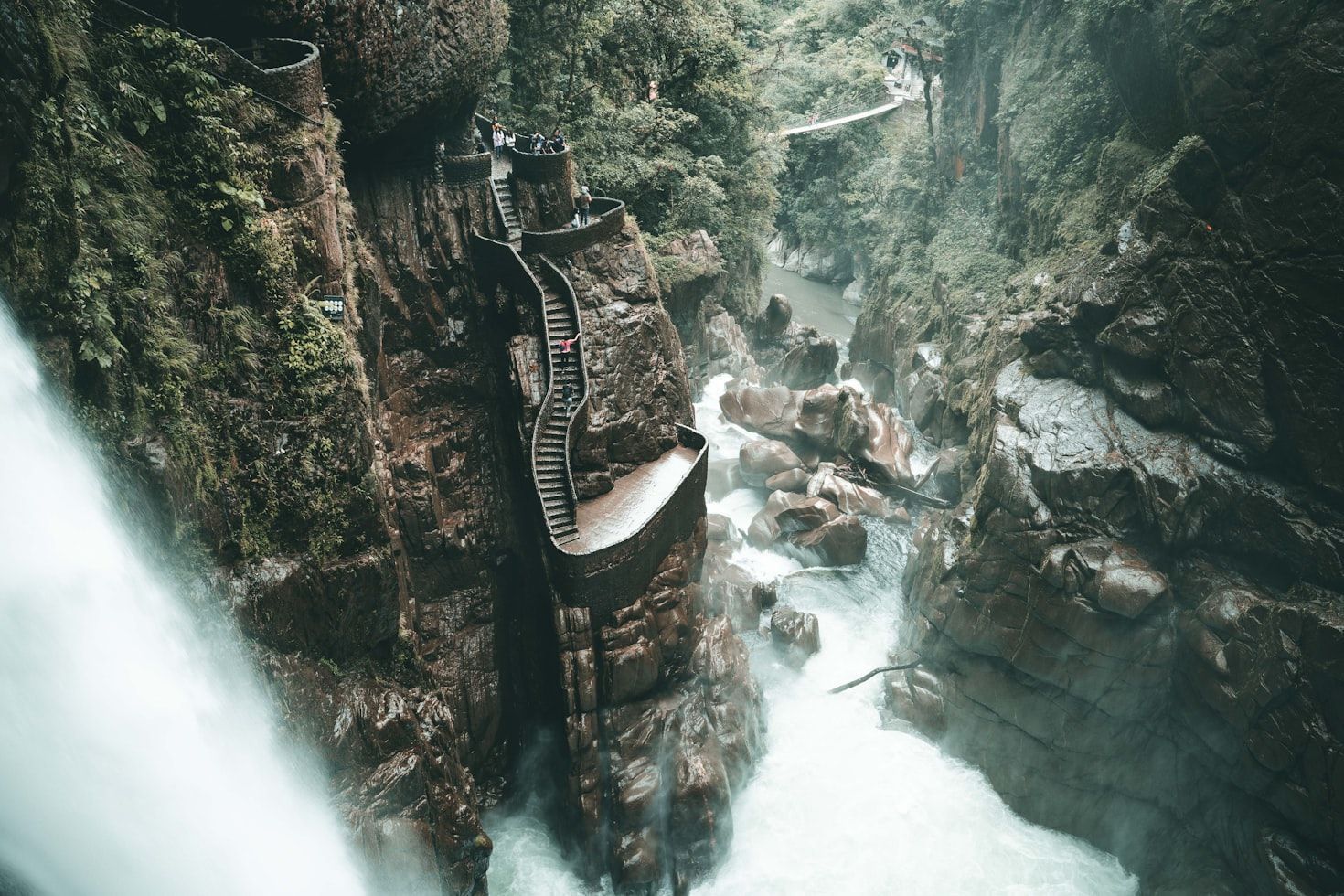 Image: Shad Meeg
Why does a small town near an active volcano feel so exciting? Baños manages to balance daily local life with tourism services in a compact area. Located in central Ecuador, it sits along main roads but remains easy to navigate on foot. Shops and parks are concentrated near the center, which limits long travel times.
Visitors often walk through town, spend time in cafés, or take short trips to nearby waterfalls and hot springs, usually without encountering heavy congestion.
Frigiliana, Spain
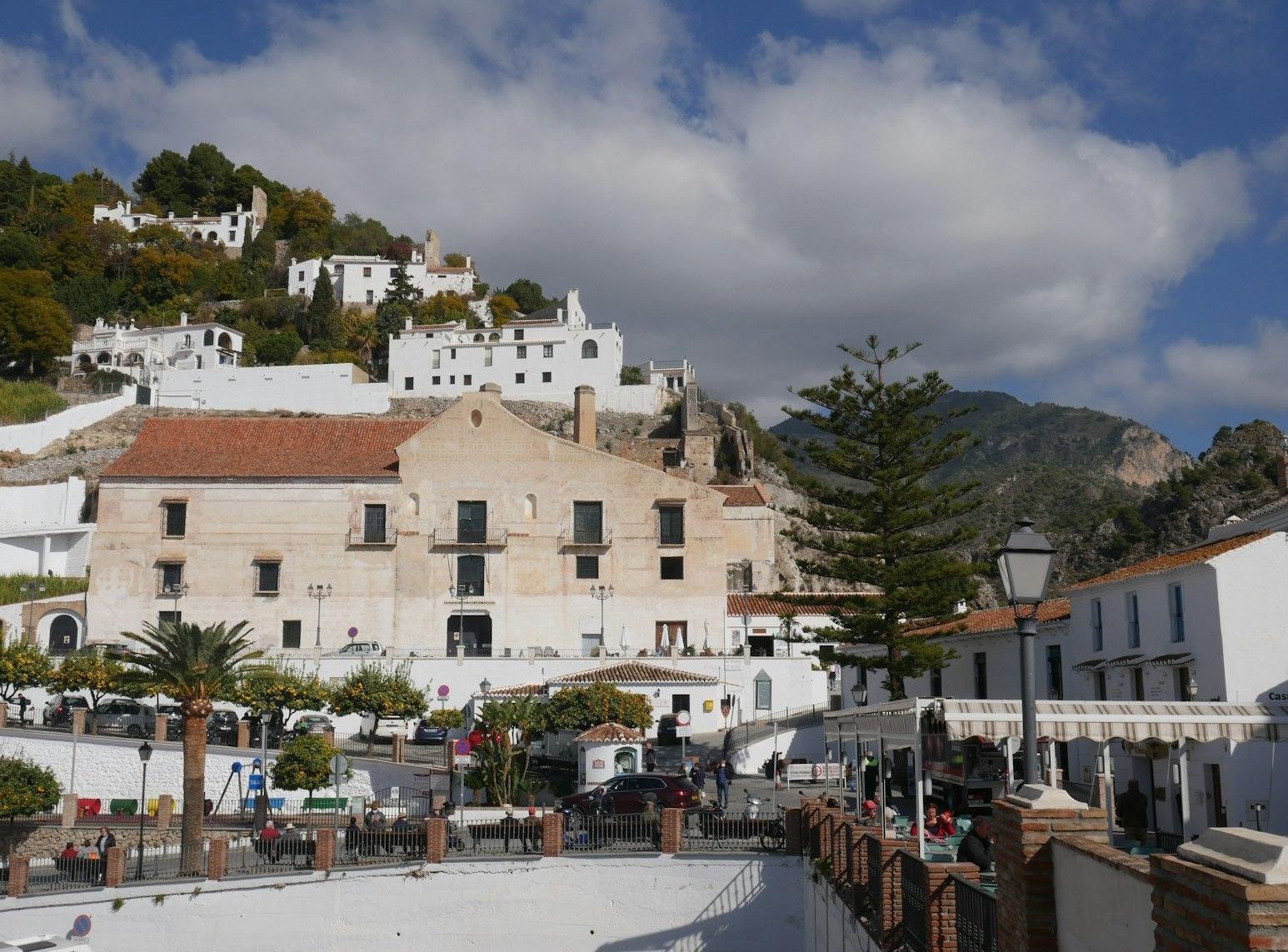 Image: roberto medina
Whitewashed houses climb a hillside in Frigiliana, a small village in southern Spain. The village is located in the hills above the Costa del Sol, in the province of Málaga. Its narrow streets and preserved historic center limit car traffic and large tour buses. Most visitors explore on foot, stopping at small cafés, local shops, or marked viewpoints.
Compared to nearby coastal towns, Frigiliana remains noticeably quieter, especially in the early morning and evening hours.
Ogimachi, Japan
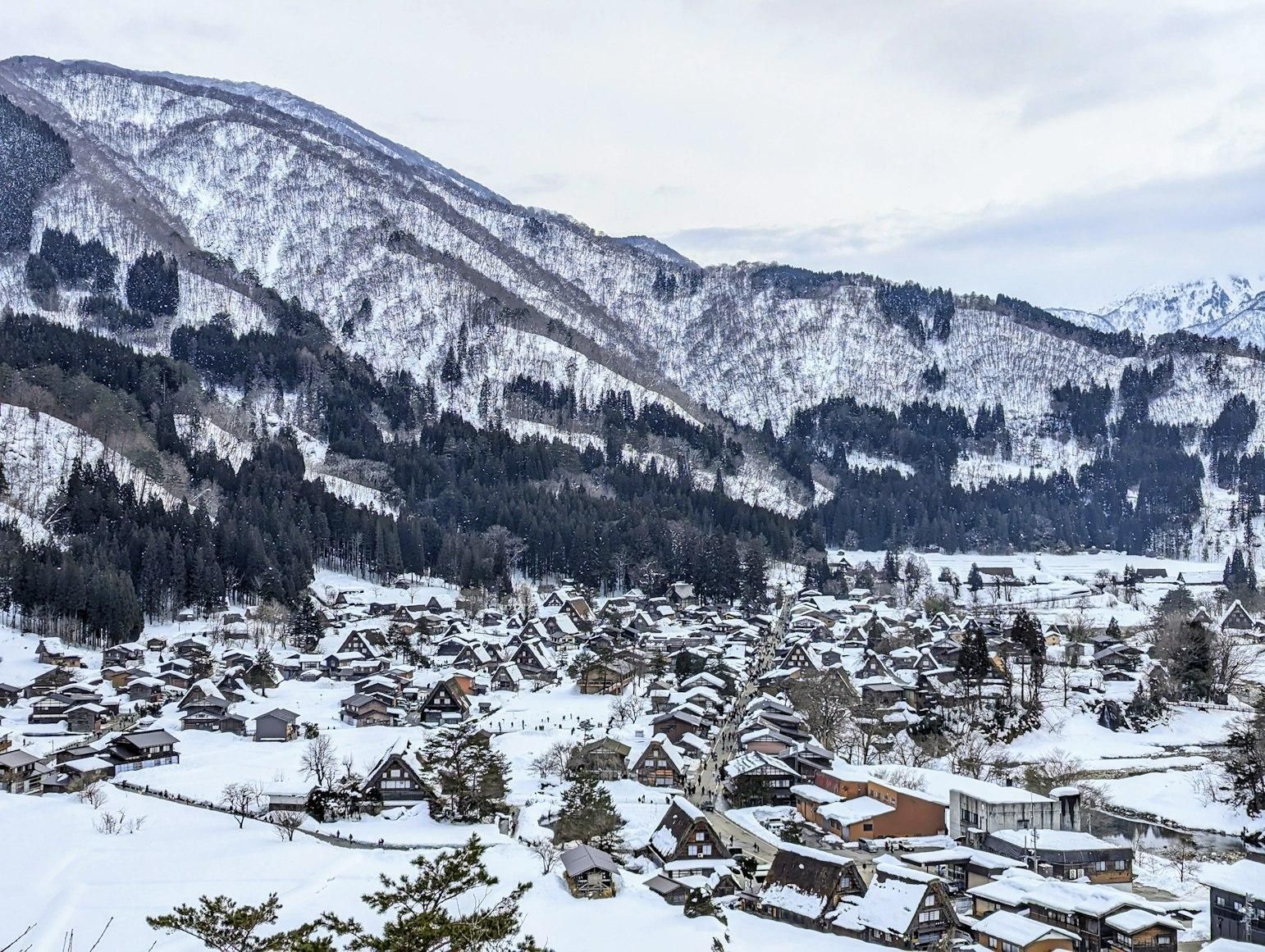 Image: Daniel Beauchamp
Ogimachi is known for its traditional gasshō-zukuri houses, some of which are more than 200 years old and built with steep thatched roofs. The village is located in central Japan, and it is part of the Shirakawa-go region.
Ogimachi is protected as a UNESCO World Heritage Site, which means strict regulations govern construction and changes to buildings. These limits help prevent large-scale development and keep things organized and calm. Most visitors explore the village on foot, admire the houses from the outside, and learn about how families lived and worked there in the past.
Penglipuran, Indonesia
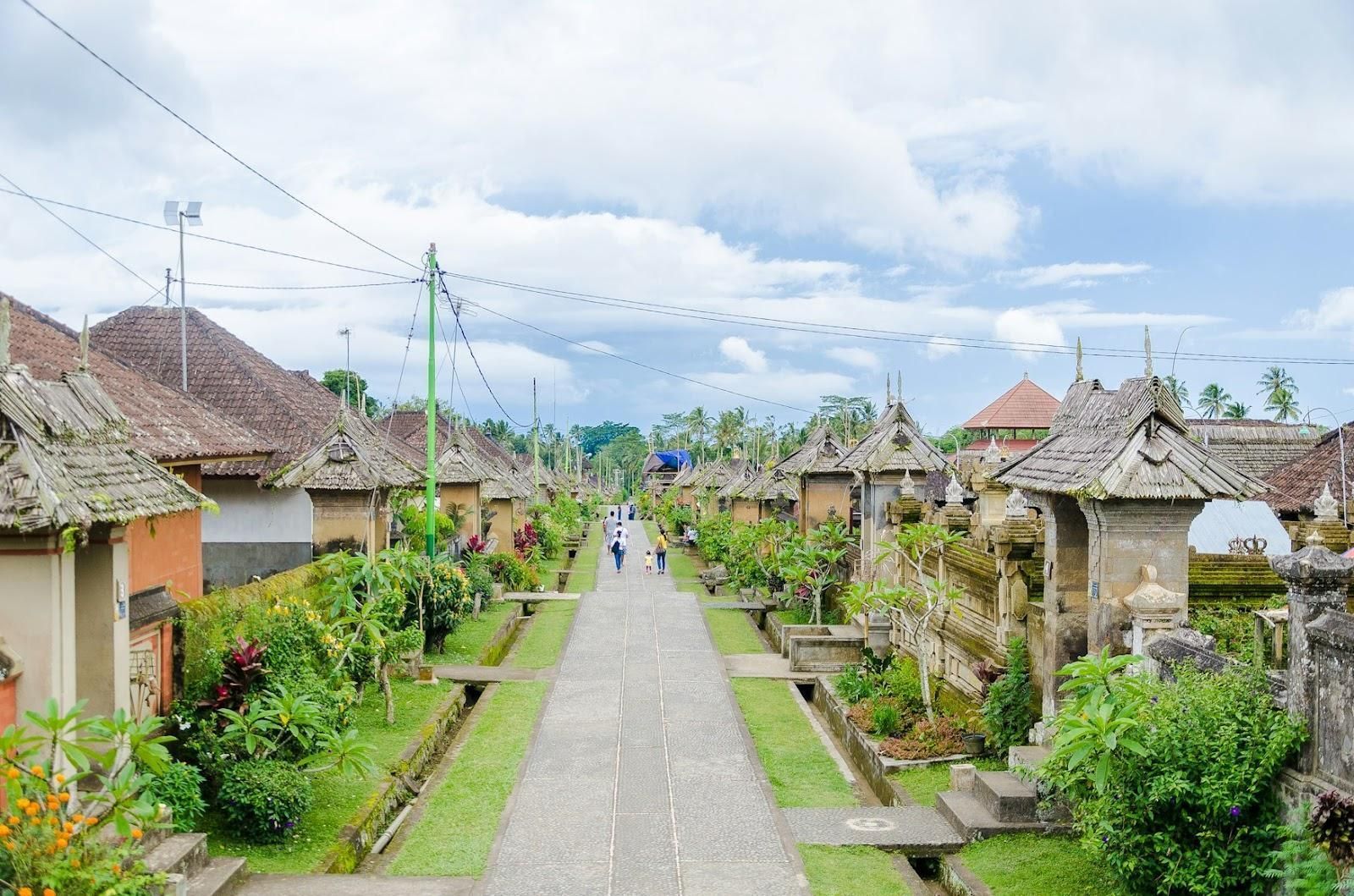 Image: satria setiawan
Penglipuran may appear tourist-oriented at first, but it remains a functioning village with about 1,000 residents. Located in Bali, Indonesia, it follows strict local rules that regulate building layout, cleanliness, and daily activities. Homes are arranged in an orderly pattern along a central walkway, and motor vehicles are not allowed within the village. Visitor numbers are managed through scheduled entry and local oversight, which helps prevent overcrowding.
Ilulissat, Greenland
 Image: 66 north
Ilulissat is a testament to how daily life can go on even in extreme environments. This small Greenlandic town has around 4,500 residents and is located on the western coast near the Ilulissat Icefjord, a UNESCO World Heritage Site. Fishing and local services support much of the economy. Despite the cold climate and remote location, schools, shops, and cafés operate year-round. If you are not afraid of rough conditions, this town is worth visiting!
Bocas del Toro, Panama
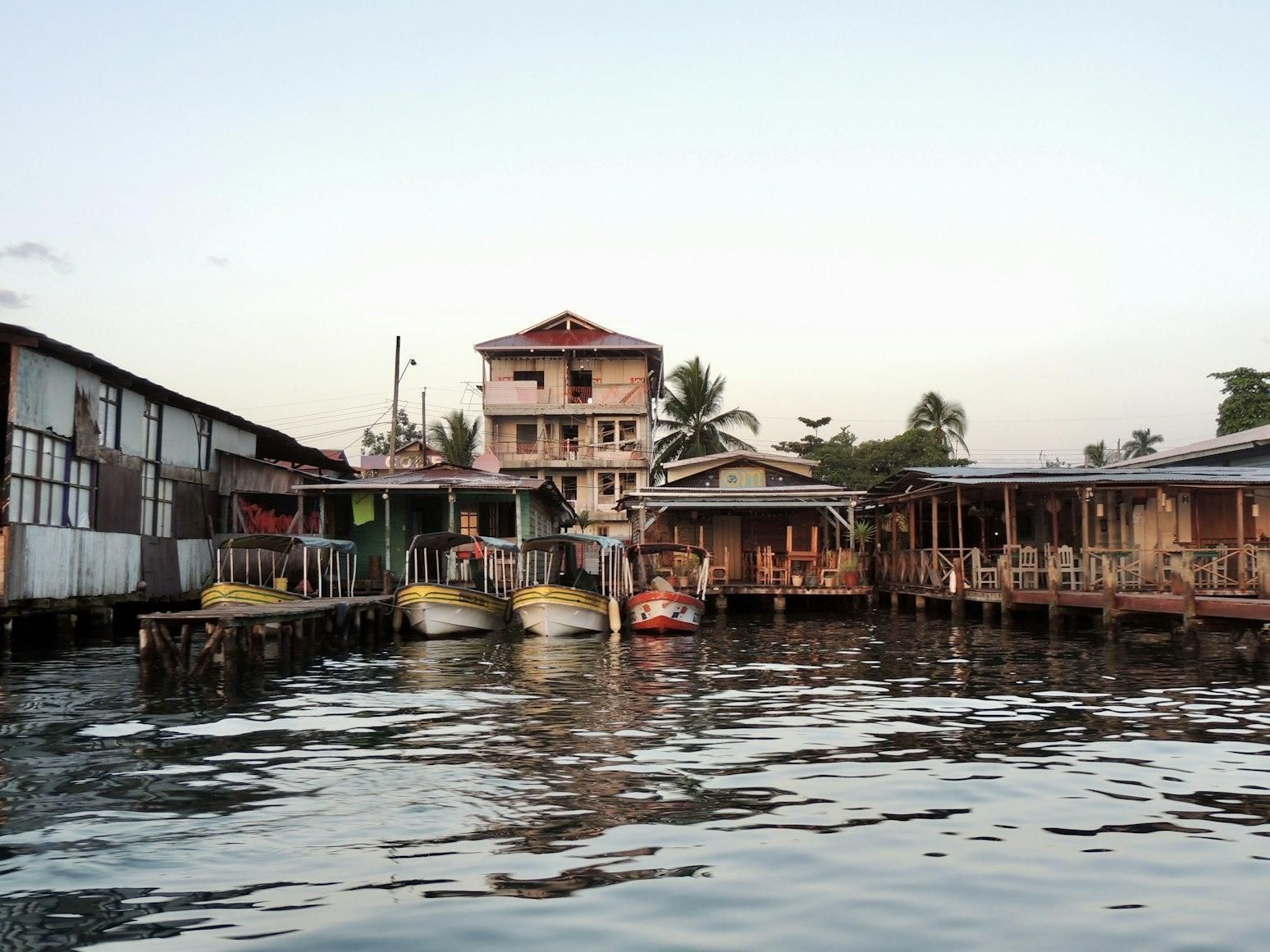 Image: Camilo Pinaud
In Bocas del Toro, the experience is simple and unhurried. This small Caribbean town has fewer than 8,000 residents and is located on a group of islands off Panama’s Caribbean coast. Buildings are low and spread out, and most places are reached on foot, by bicycle, or via small boats. With no large resorts dominating the area, daily life remains visible and authentic. Visitors usually walk through town, eat fresh seafood and ceviche, and spend time near the water, keeping the atmosphere relaxed and informal.
Keep wandering
There’s always
more to explore
 General
Here's why this particular airport worker can't be over 56 years old
6 min.
Read Now
Could you handle 162 steps inside the Statue of Liberty?
6 min.
Read Now

What is the safest seat on a plane? This study reveals the answer
8 min.
Read Now

10 top family vacation spots for every generation
4 min.
Read Now