Pictures that speak for themselves: Can you identify these places?
 Geography
World-famous sights
Pictures that speak for themselves: Can you identify these places?
Just as the Statue of Liberty is synonymous with New York City, and the Eiffel Tower with Paris, the rest of the cityscapes and landmarks on this list are just as iconic. You've probably seen pictures of them from a dozen different angles; that's how famous they are. Do you think you can place them in their correct city or country? Read on to try the challenge.
A famous clock tower by the river
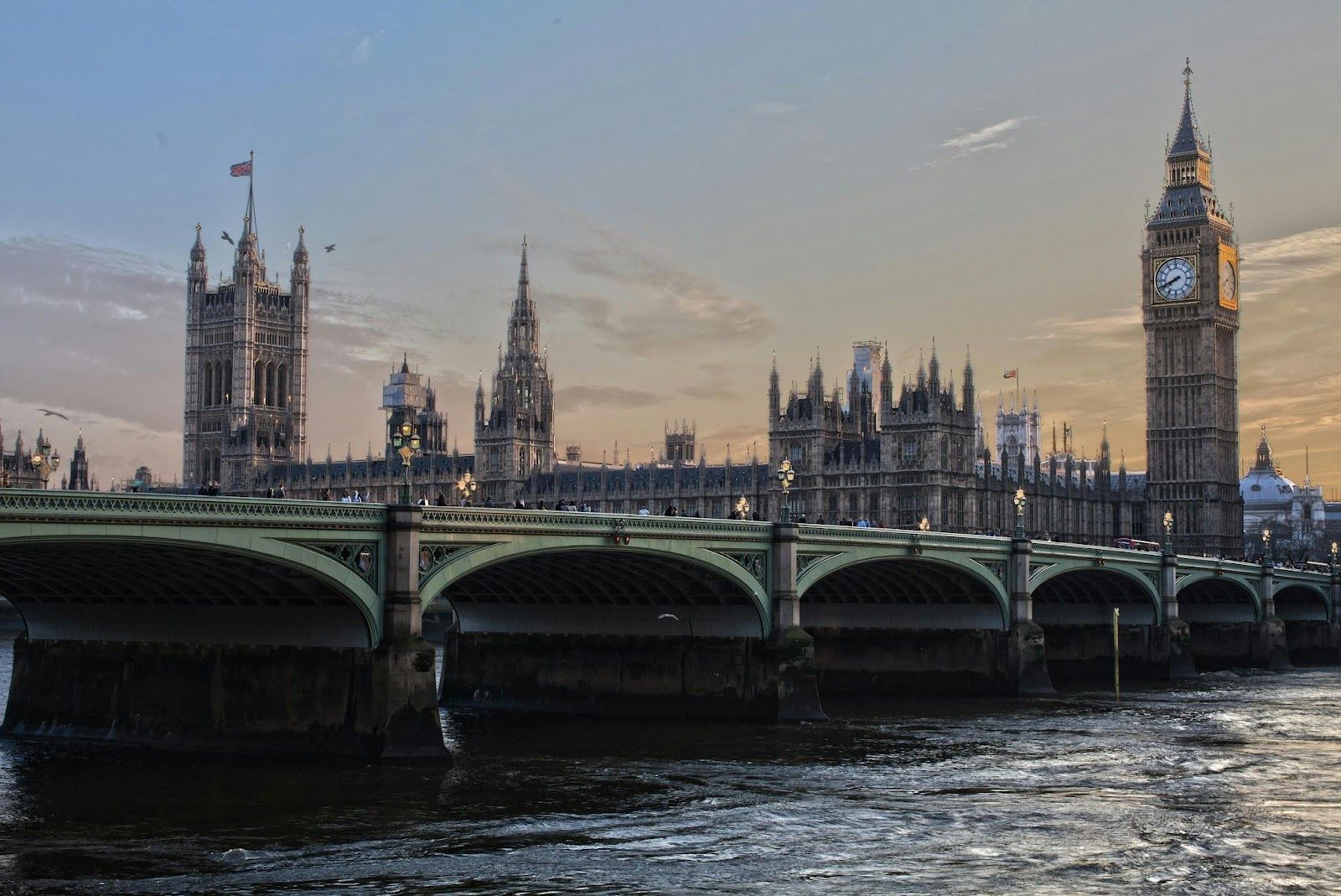
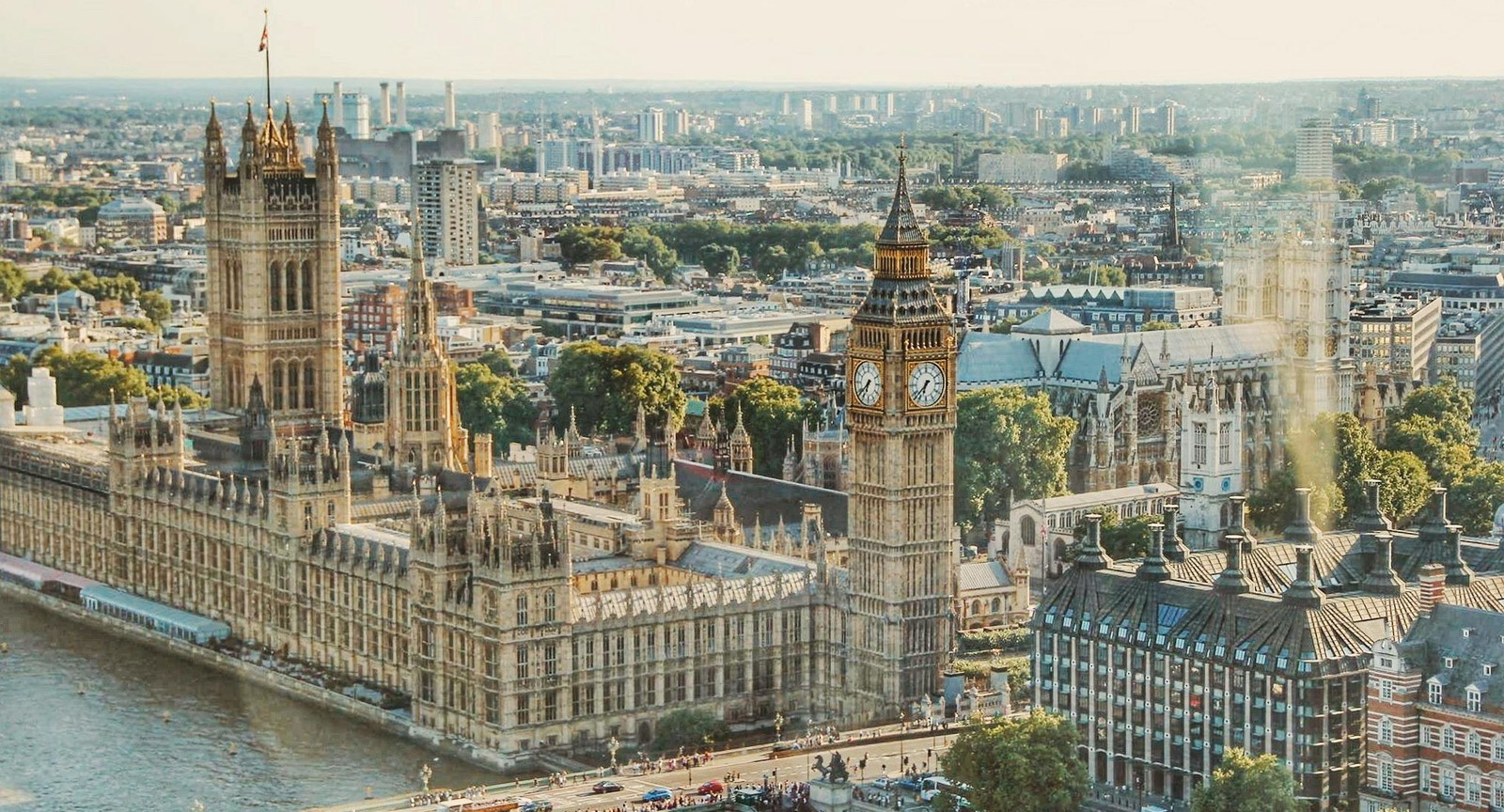
You’ve seen this clock tower chiming the hour in countless films, often with red double-decker buses passing by and gray skies overhead. It rises above the River Thames, attached to the Palace of Westminster, where British lawmakers have met for centuries.
Interestingly, "Big Ben" doesn’t actually refer to the tower itself, but to the massive bell inside it, weighing over 13 tons. Its steady chimes have marked historic moments, from wartime broadcasts to New Year celebrations. Of course, it is one of the most famous sights of London, the capital city of the United Kingdom and England.
A mile-deep canyon carved by a river
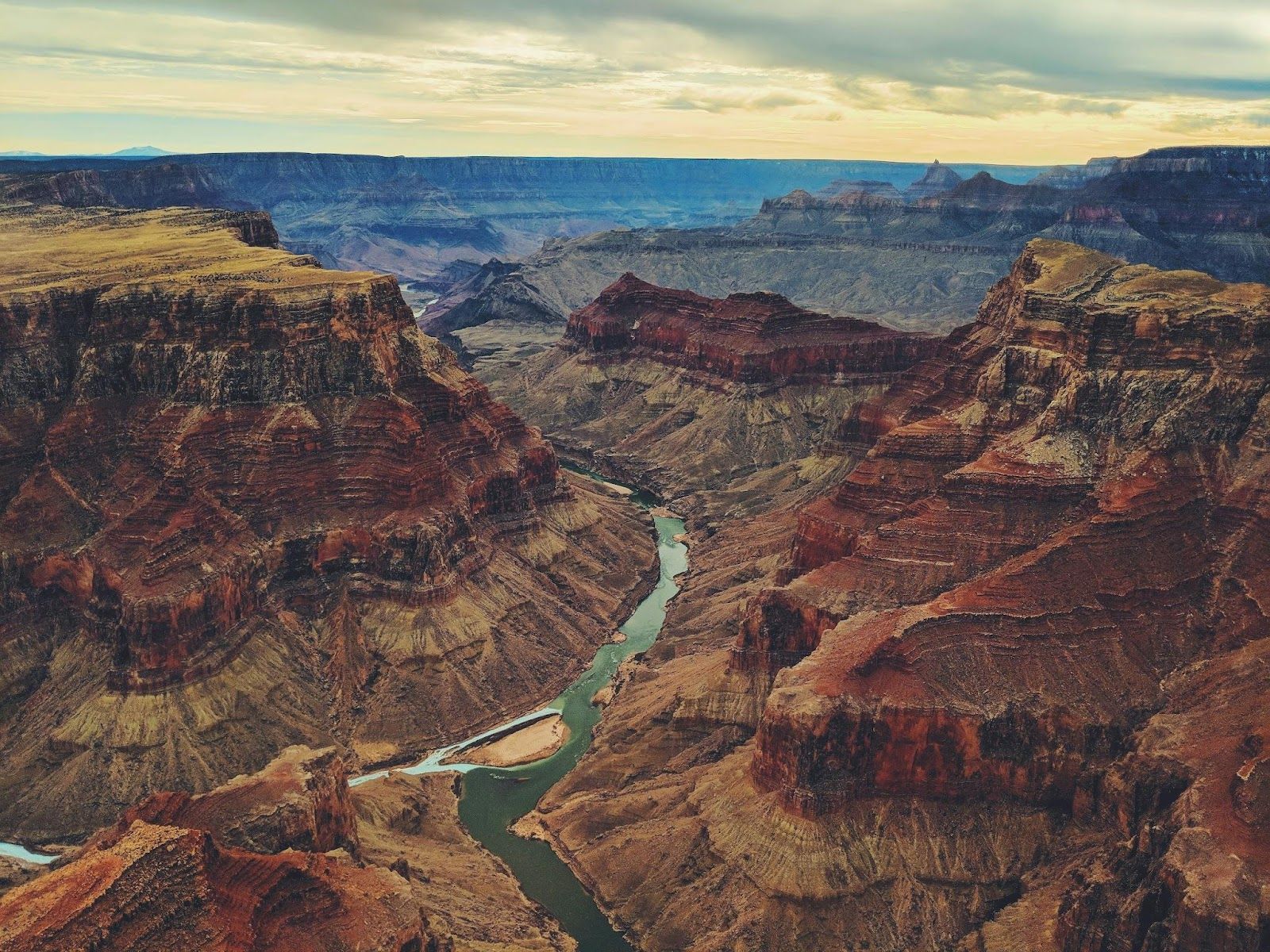
At first glance, it looks like a painted backdrop, layers of red, orange, and gold stretching endlessly into the distance. But this landscape was carved over millions of years by the Colorado River, creating a canyon that is over a mile deep and nearly 300 miles long.
From the rim, the river itself looks surprisingly small. But visitors often say photos never quite capture the scale; it’s something your eyes need time to adjust to. This makes a visit to the Grand Canyon, in Arizona, all the more tempting.
A harbor landmark inspired by ship sails
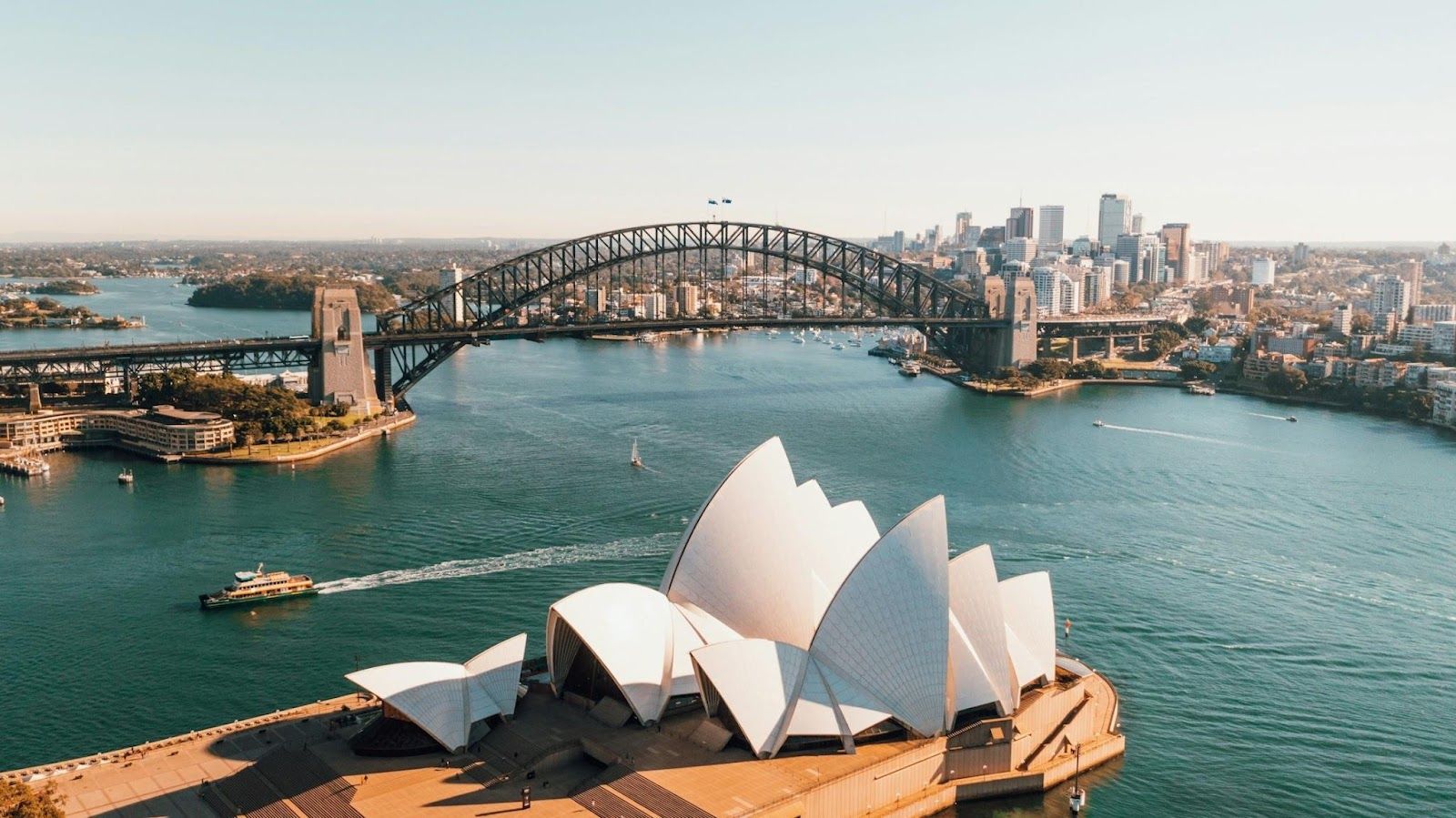
Do those white, curved shapes look like sails catching the wind? Well, that is what Danish architect Jørn Utzon had in mind when he presented his expressionist design for this opera house in the 20th-century, which would stand by the harbor as a tribute to a city so connected to the sea.
Opened in 1973, this performing arts center took over a decade to build and is now one of the most recognizable modern buildings in the world. As many know, it is one of the most iconic sights of Sydney, Australia.
An orange-red bridge often wrapped in fog
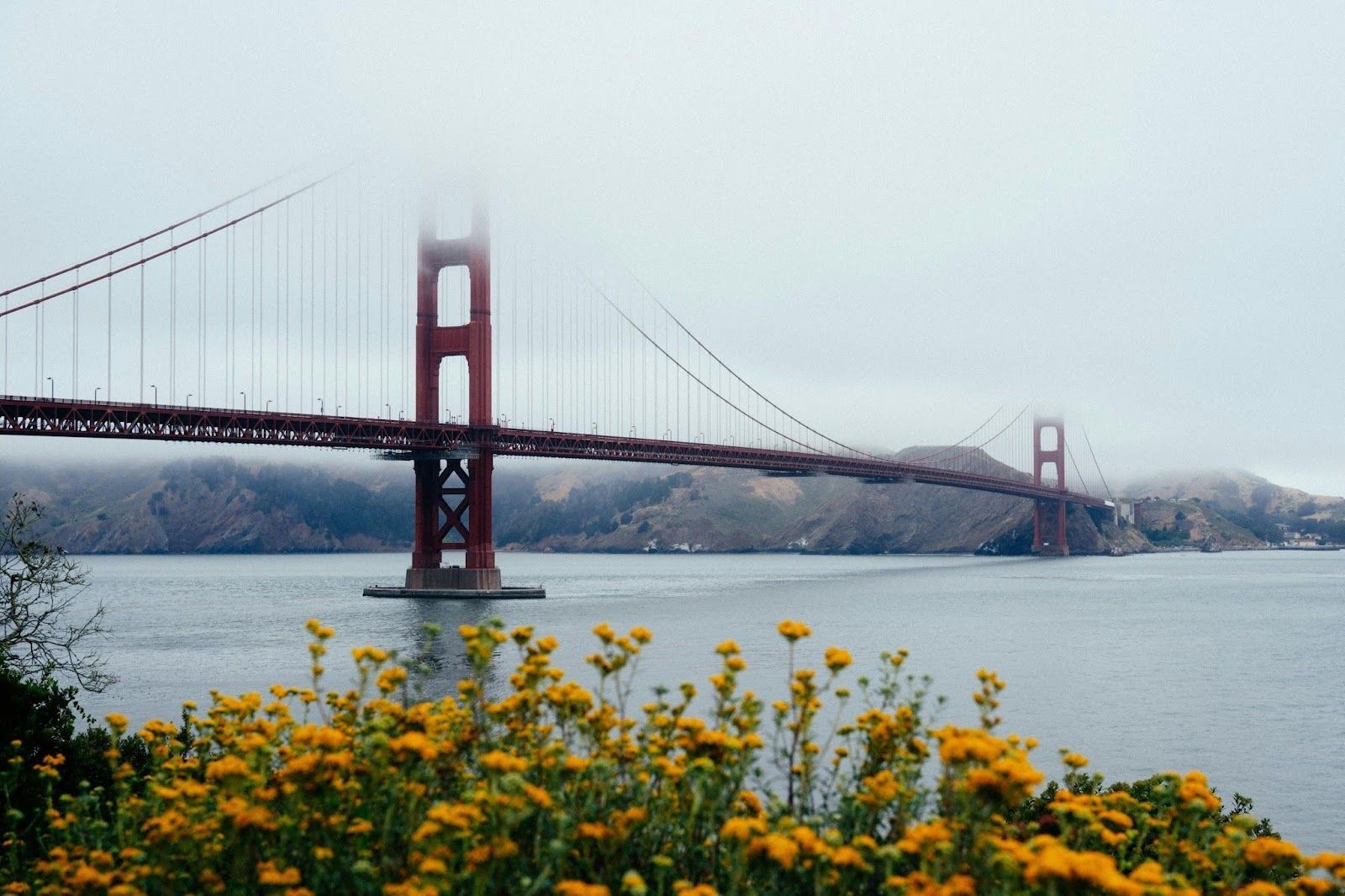
Few cities in the world are as easy to represent as the one that is connected to Marin County by this iconic, bright-red bridge. It is often depicted emerging from a blanket of fog, a weather phenomenon that is characteristic of this bay.
Opened in 1937, this was once the longest suspension bridge in the world, and its unique color is officially called "International Orange." The Golden Gate Bridge is the obvious symbol of San Francisco, located in California, US.
An ancient city hidden high in the Andes
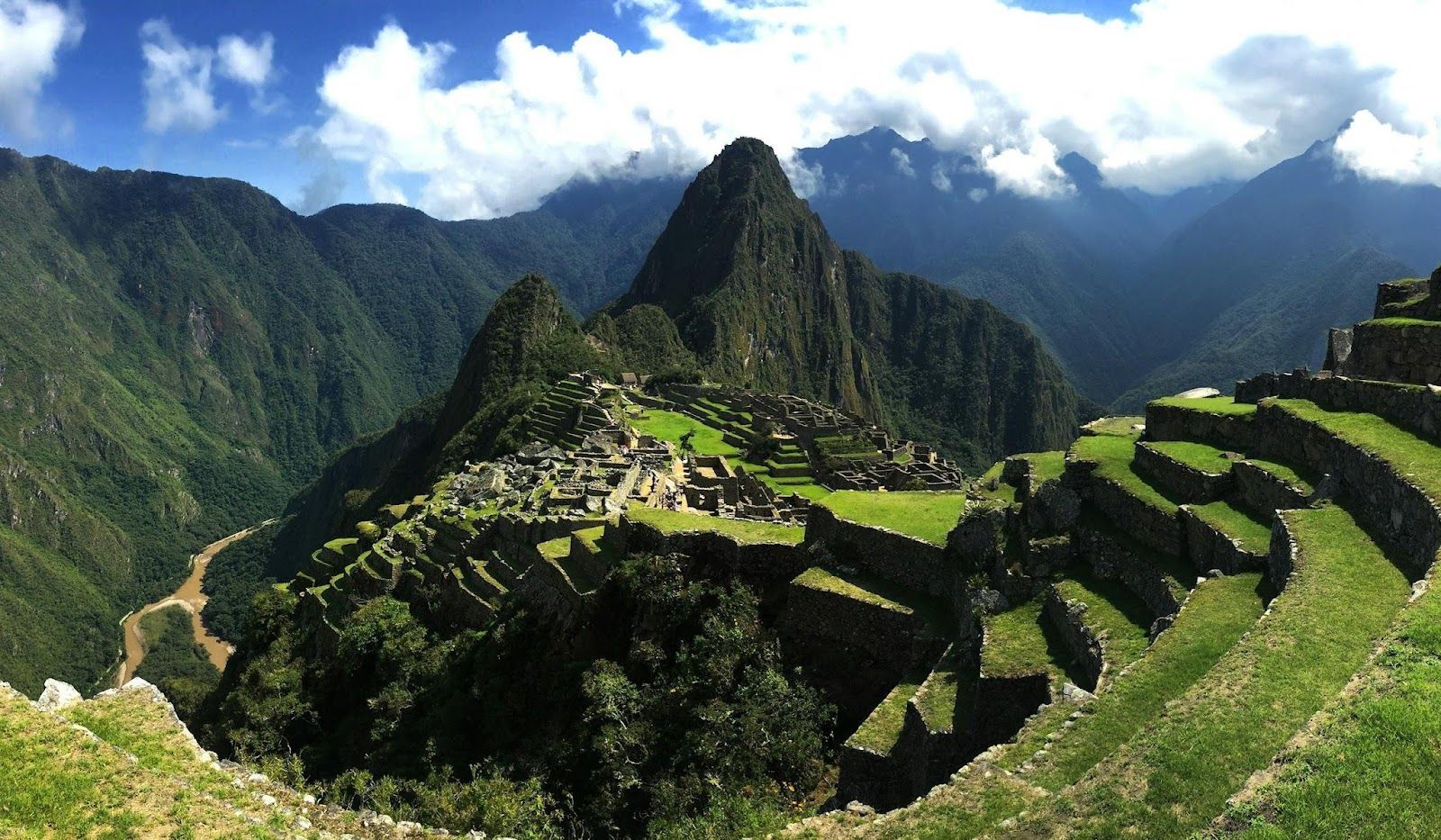
Stone terraces climb a remarkably steep mountainside, surrounded by green peaks and drifting clouds. For centuries, this Incan city remained hidden from the outside world, protected by its remote location high in the Andes.
It had been built in the 15th century and later abandoned, but it wasn’t widely known internationally until the early 1900s. Today, this Peruvian spot is synonymous with one of the most famous trails in the world. Many visitors arrive at sunrise, when mist slowly lifts to reveal the ruins of Machu Picchu, which means "old mountain" in the Quechua language.
Colorful domes standing by a central square
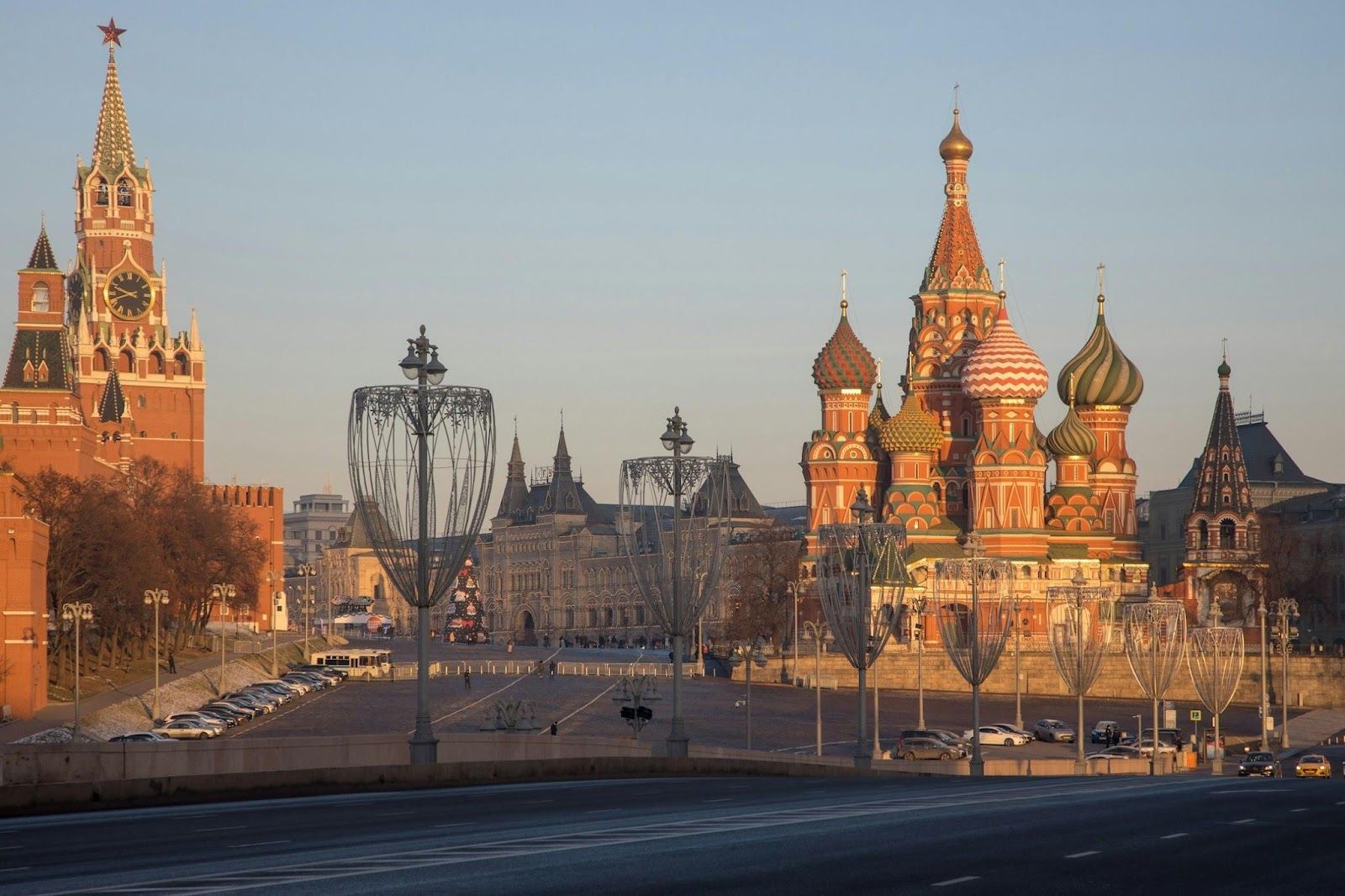
Bright, patterned domes in reds, greens, and blues rise into the sky. This cathedral was commissioned in the 16th century by Ivan the Terrible to celebrate a military victory. Each of its nine domes has a different design and corresponds to a separate chapel dedicated to a different saint or occasion. Despite its playful look, St. Basil’s Cathedral has witnessed centuries of Russian history unfold around it, standing at the edge of Moscow’s Red Square.
A giant statue overlooking green and turquoise bays
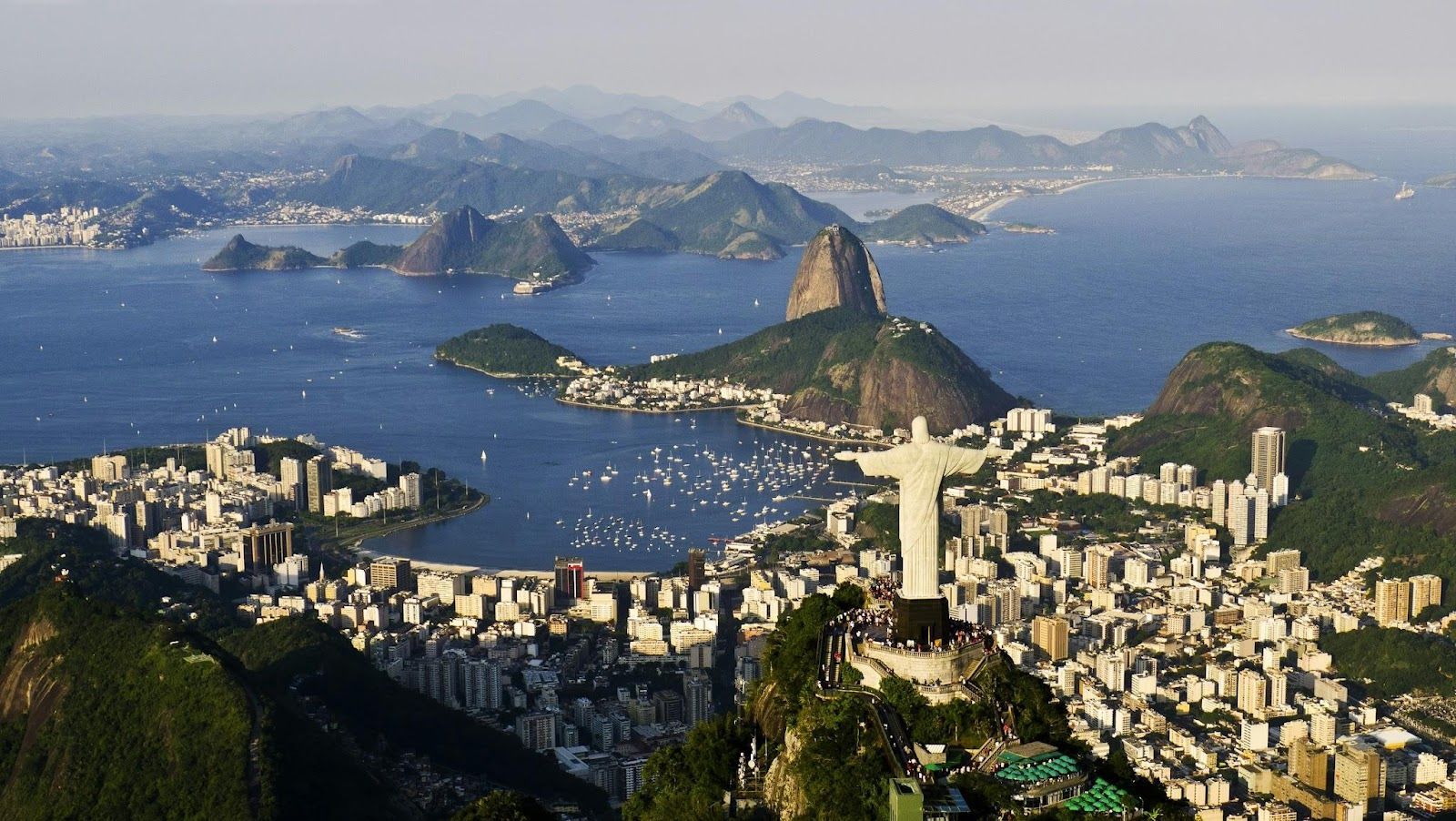
With arms outstretched, the Christ the Redeemer monument overlooking Rio de Janeiro, Brazil, stands high above a city of beaches and bright blue water. Perched atop Corcovado Mountain, it rises about 98 feet tall and has become a symbol of both the city and the country.
Completed in 1931, it was designed to be visible from almost anywhere below. In turn, those who make the climb are rewarded with sweeping views from the base of the monument.
Canals, gondolas, and no cars in sight
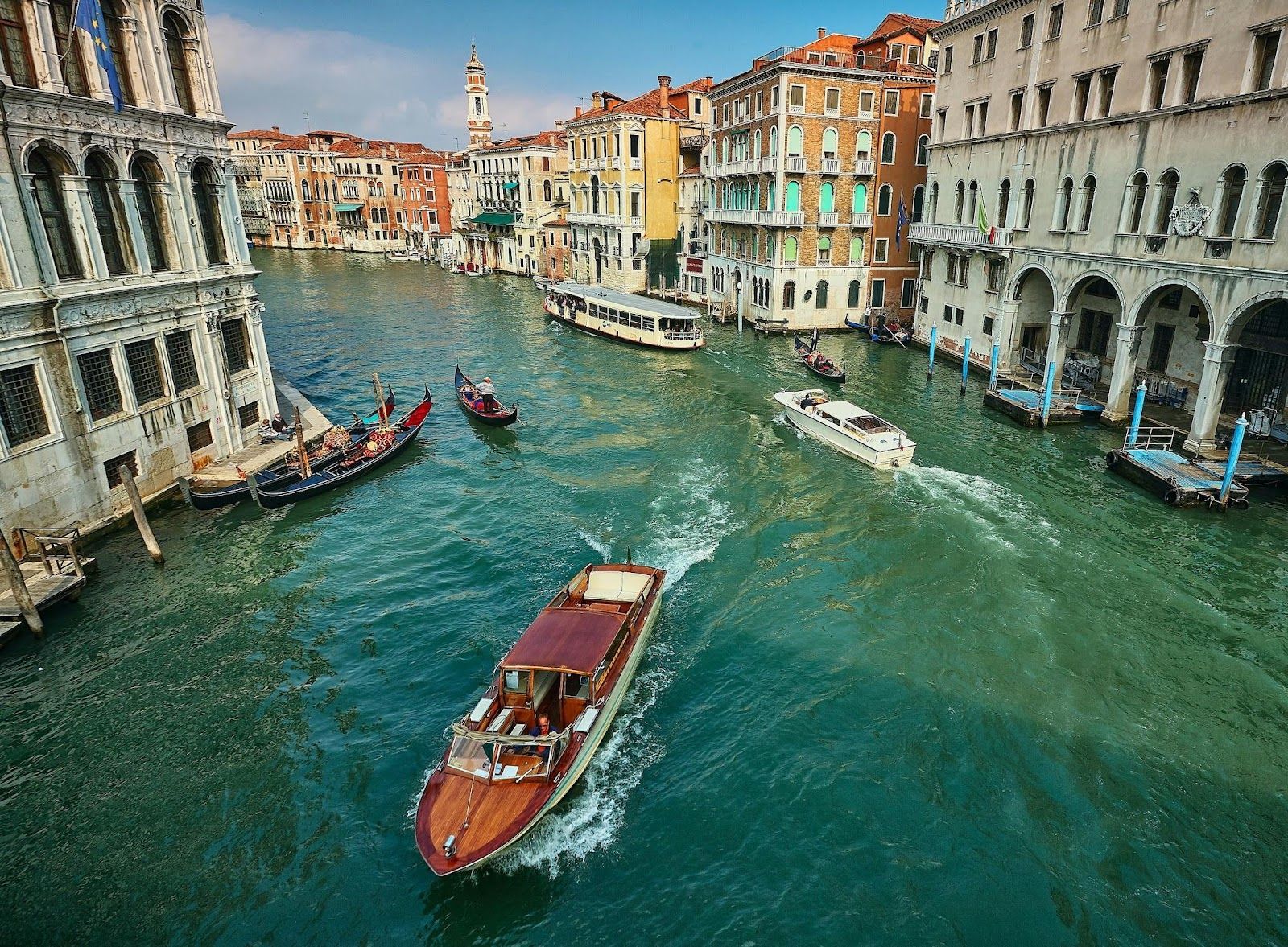
There are no ordinary streets in this city, only narrow waterways. Those characteristic black gondolas know their way past centuries-old buildings. This city was built on more than 100 small islands, connected by bridges instead of roads.
For over a thousand years, it was a major trading power, linking Europe with the East. Today, Venice, in northeastern Italy, is one of the most celebrated tourist destinations in the world, with a nostalgic beauty and a unique charm.
An iconic snow-capped volcanic peak
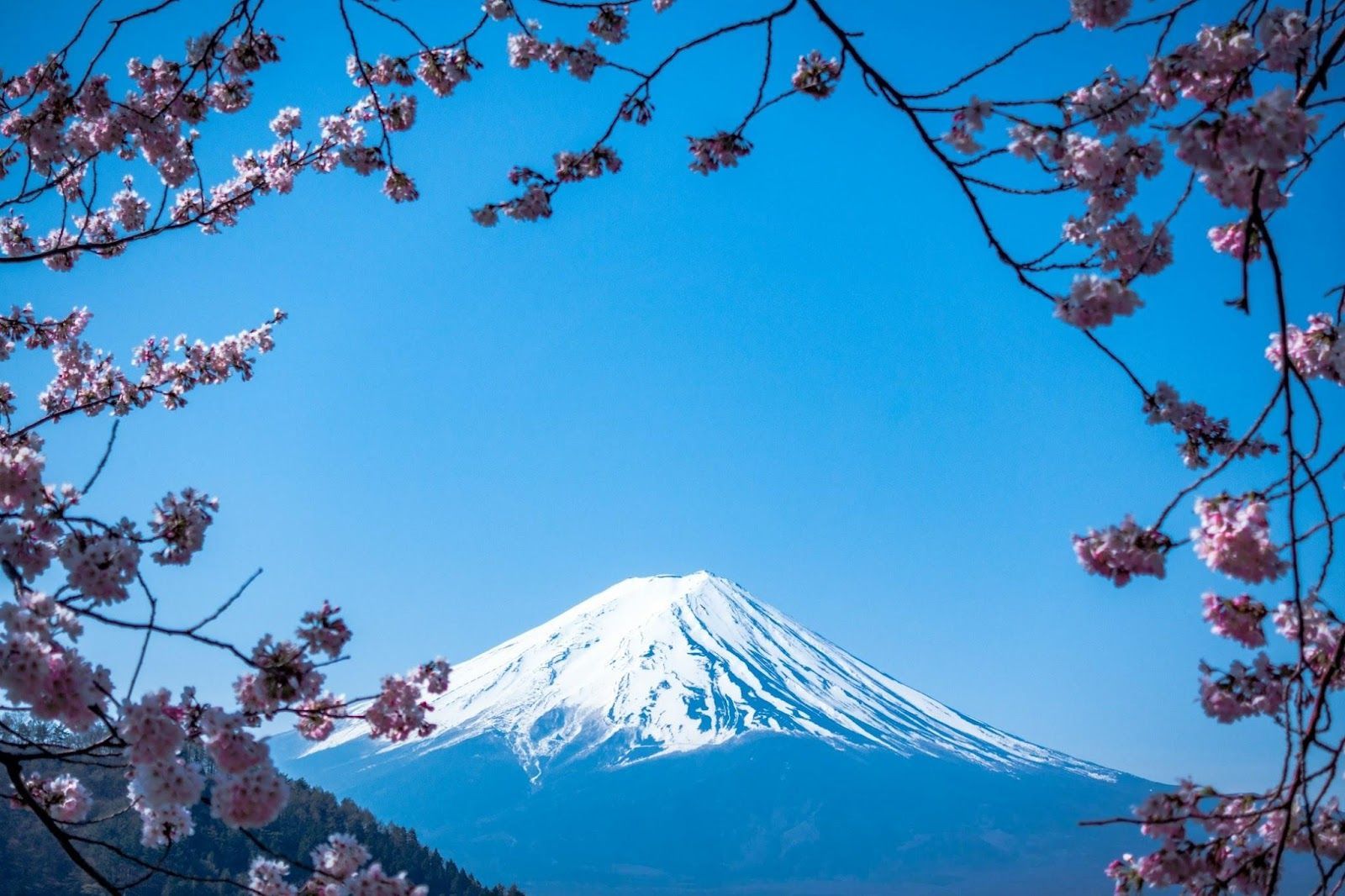
This mountain has been depicted in art, photographs, and postcards for generations. It’s actually an active volcano, though it has been dormant since its last eruption in the early 18th century. On clear days, Mount Fuji, located 62 miles southwest of Tokyo, Japan, can be seen from miles away, and in spring, pictures of it are often framed by blooming cherry blossoms, another unmistakable icon of the Asian country.
Giant seaside cliffs, painted bright green
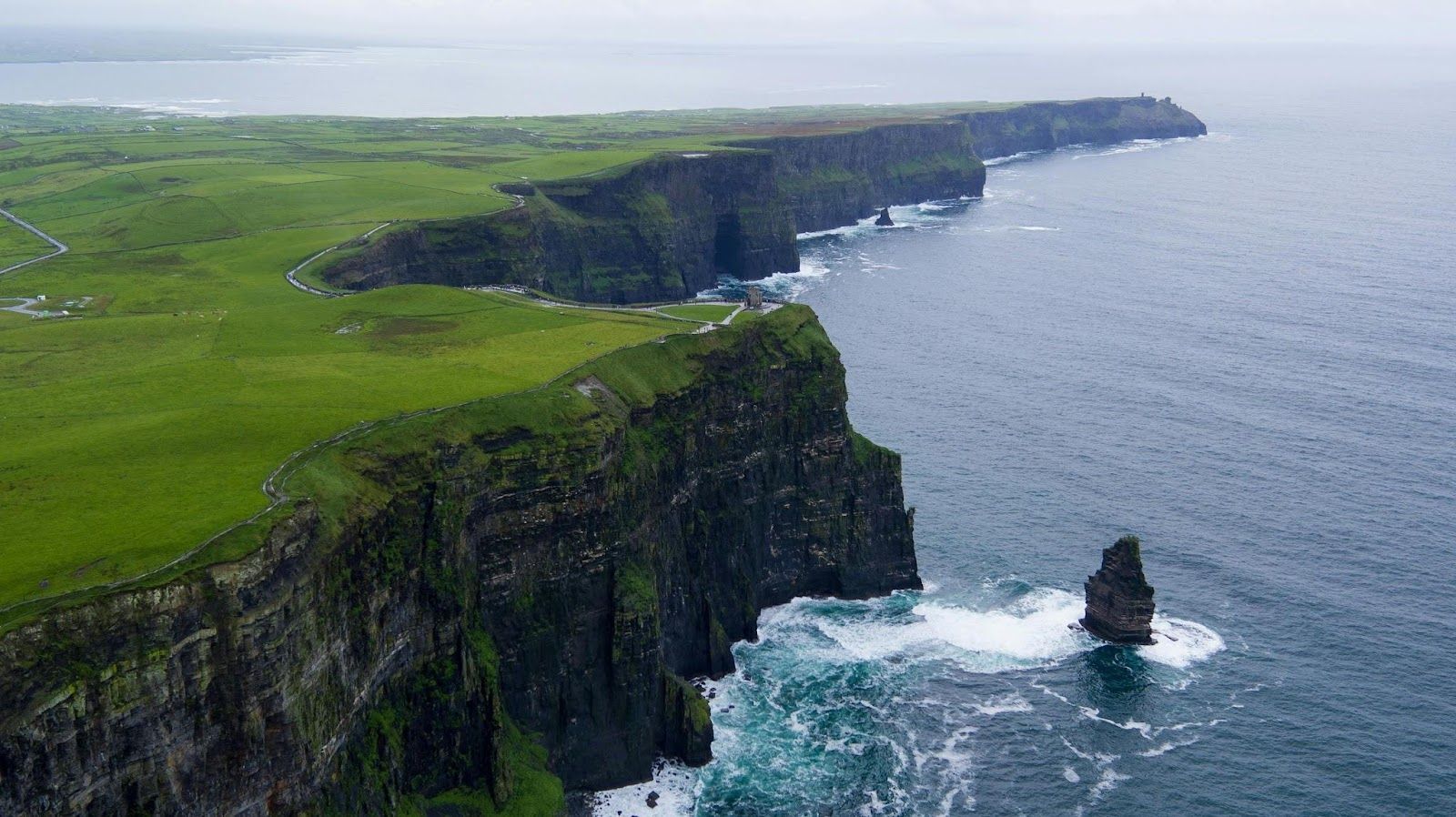
These dramatic cliffs, perpetually covered in a green carpet, look over the Atlantic Ocean. It’s easy to recognize the view from films or travel shows, where the wind seems constant, and the horizon stretches endlessly. The cliffs reach heights of over 700 feet, making them among the tallest in Europe. Despite their rugged beauty, the Cliffs of Moher, on the western shores of Ireland, have become one of the most visited natural sites in the country.
Remote island statues
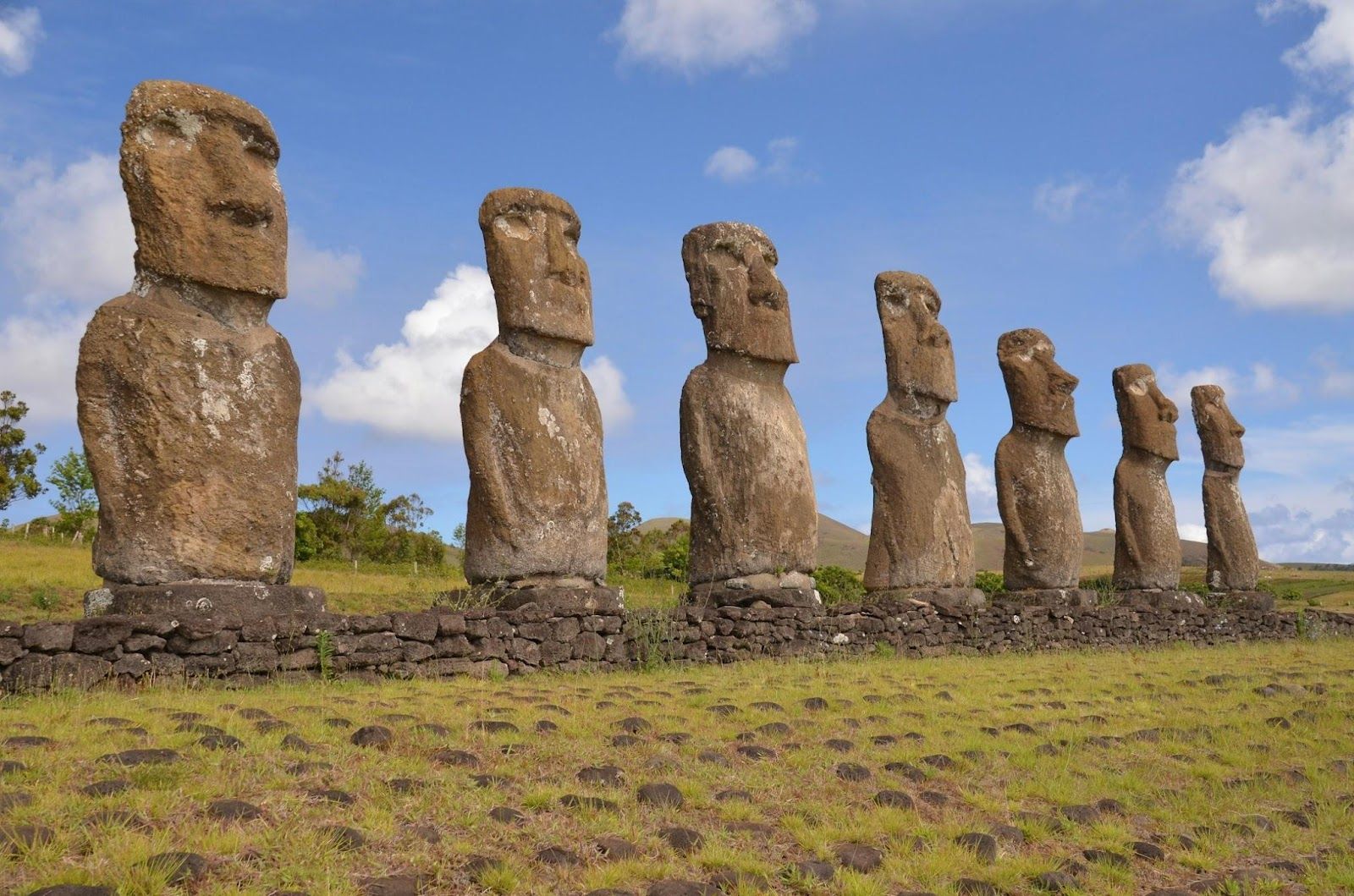
These ancient figures stand on a wind-swept island in the Pacific: Easter Island, off the coast of Chile in southwestern South America. Massive stone figures stand in quiet formation, many facing inland as if they were watching over the land.
They are known as Moai, and were carved by the island’s early inhabitants between the 13th and 16th centuries, some weighing over 80 tons. Even today, the mystery of their construction and purpose still sparks curiosity.
A massive waterfall system
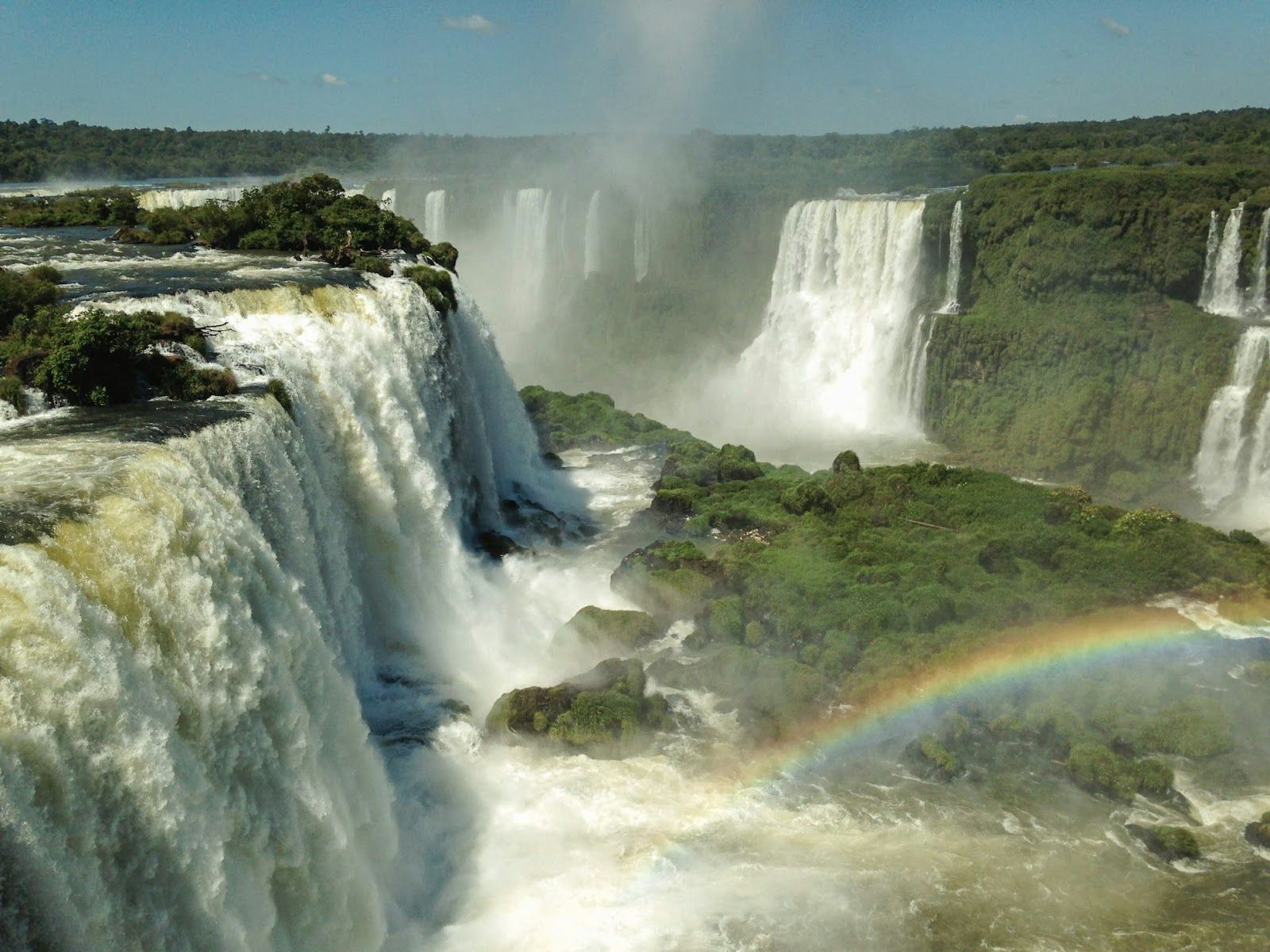
If you appreciate the vastness and power of one thunderous waterfall, imagine the impression that a gigantic system of around 275 cascades might cause. At its most powerful point, known as the Devil’s Throat, the force and the roar of the water are almost overwhelming.
The Iguazu Falls, the largest system of waterfalls in the world, sit right on the border between two countries, a wonder shared between Argentina and Brazil.
Airline lingo decoded: The words you probably hear, but never learned!
 General
Check-in time
Ever wondered what flight attendants are really saying? Guess no more!
You’ve probably sat on a plane and listened to flight attendants talk among themselves, but how much did you really understand? Where are they when they talk about the "blue room"? Should we worry about the "pink eye" on board? The code words they use sound funny, and some, dramatic, but one thing is certain: we never got the memo on what they mean. So today, we’re pulling back the curtain and translating some common crew expressions for you! Hop on board!
Red-eye
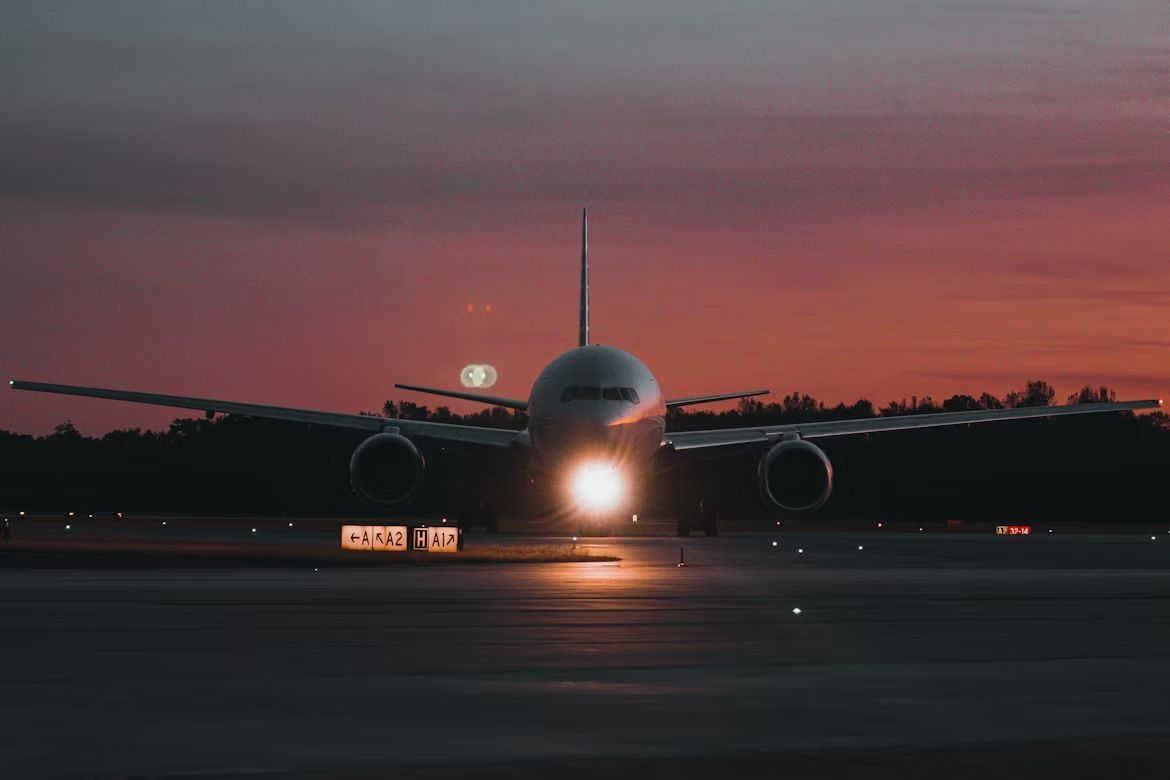 Image: Johnny Williams
Don’t worry, everyone’s eyes are okay! This expression is quite common. A red-eye is a late-night flight that leaves after dark and lands early the next morning. Travelers often choose these flights to save daytime hours, especially if it is a holiday trip. You take a nap, land at sunrise, and head straight into the day, coffee in hand and bags under your eyes.
Pink-eye
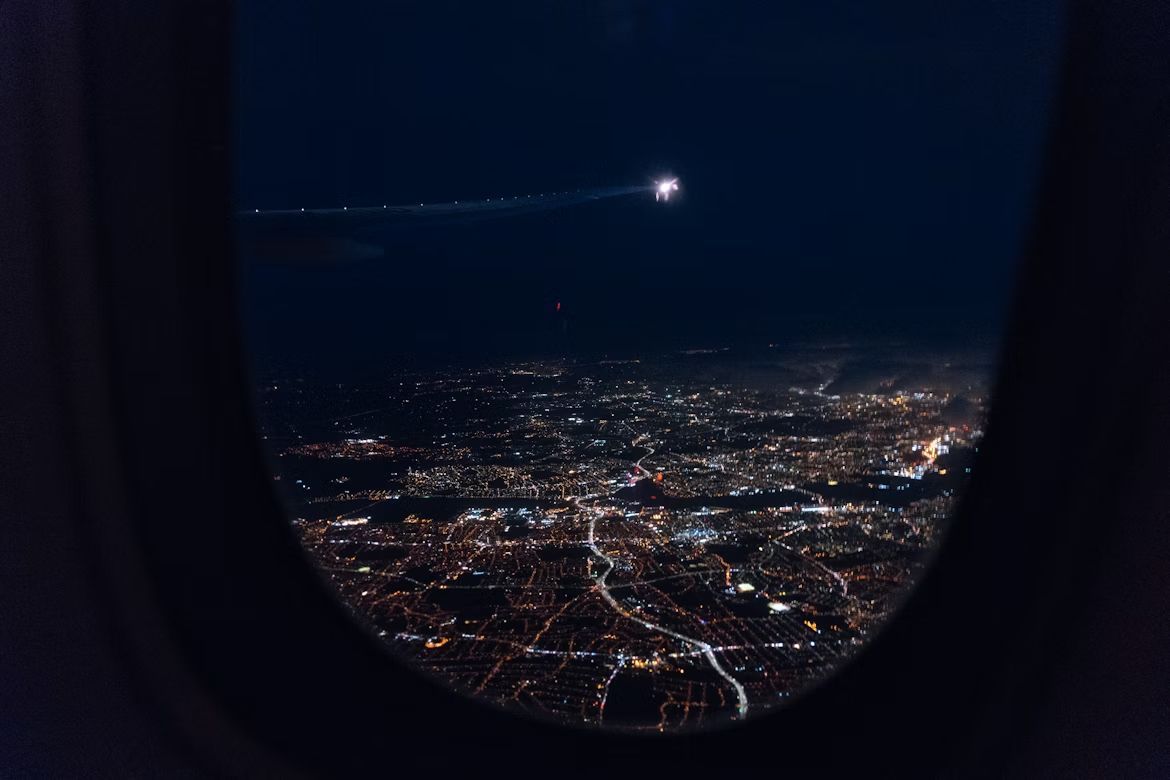 Image: Paolo Nicolello
No, this has nothing to do with conjunctivitis. Similar to the previous one, a pink-eye flight also leaves late, but this one doesn’t run through the night. It departs slightly earlier than a red-eye and usually lands before midnight. The good thing is you get to sleep in your own bed or a hotel room, rather than waking up mid-air.
Spinner
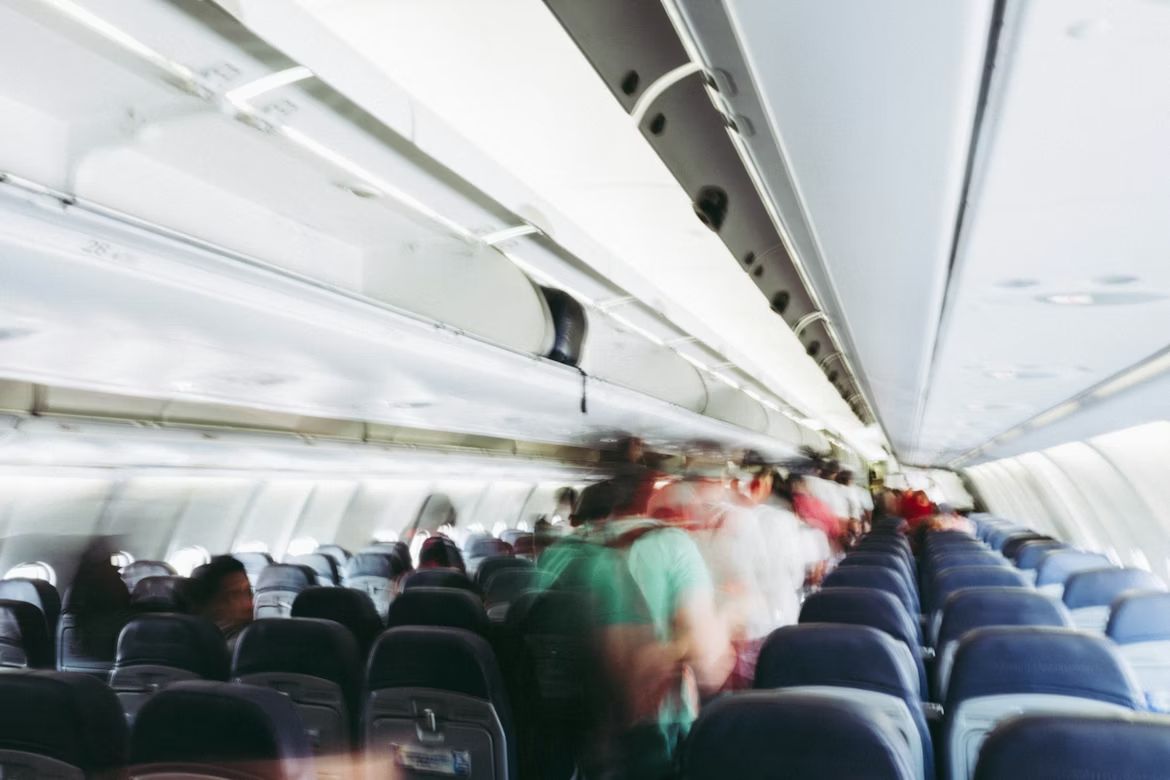 Image: Ina Carolino
This one is a classic. You know when you get on the plane, and there’s always a passenger frozen in the middle of the aisle, turning their heads, looking for their seat number, and scanning each seat row? Well, that’s a spinner. The word refers to how they slowly turn in circles, trying to figure things out while unintentionally stopping traffic on their way.
Cross-check
 Image: Norbert Braun
You can cross-check many things. In the context of a plane, the cross-check process involves some of the crew members carefully verifying each door is correctly armed or disarmed, depending on the phase of flight. This process happens before departure and again after landing.
All-call
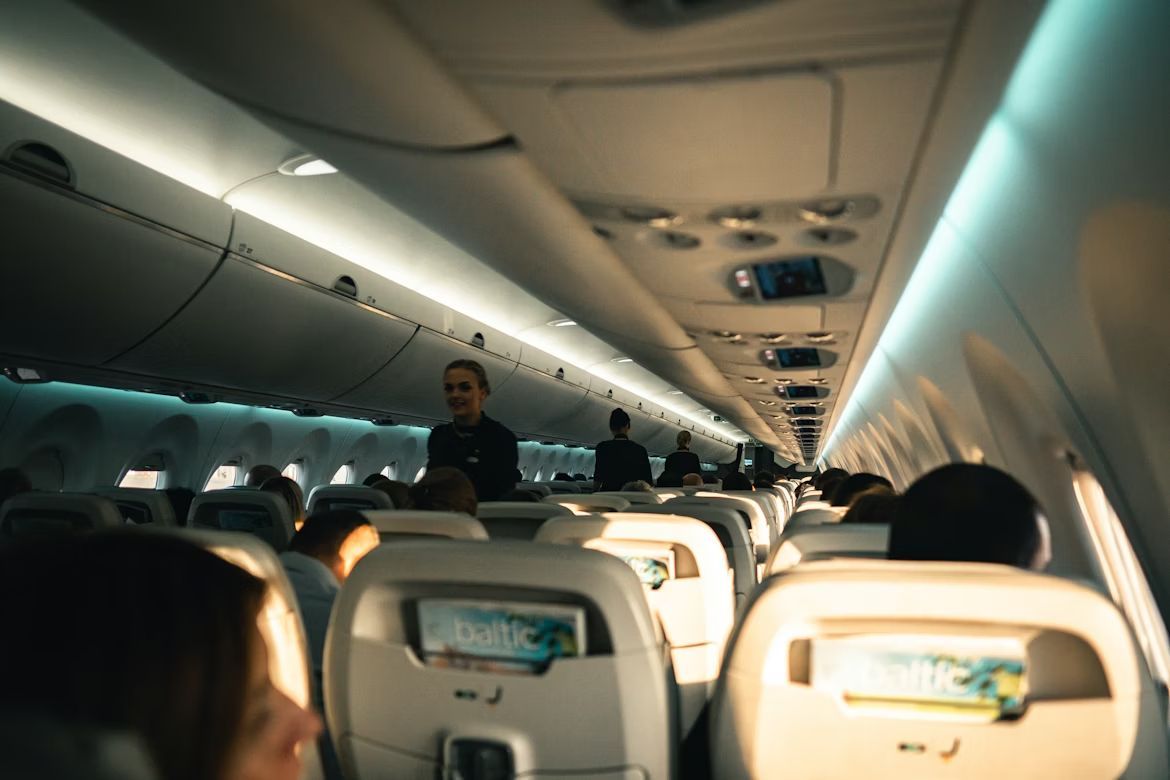 Image: Anton Shakirov
Unlike a cross-check, where only some of the members verify the doors, an all-call brings everyone together. Flight attendants use an internal phone system that allows them to confirm, for example, that all the doors are correctly set. The goal is always the same: making sure the entire team is on the same page about safety.
Blue room
 Image: zukunftssicherer
Is this a super VIP, crew-exclusive lounge? No, it isn’t! When you hear the flight attendants talking about going to the "blue room," they just need to use the bathroom. The nickname comes from the blue disinfectant liquid used in the toilet system. Nothing glamorous at all, but a little easier to say during a busy flight.
Galley
 Image: SandraTropp
This is another key part of the plane, but in this case, it’s the compact kitchen area. The galley is where drinks are prepared, meals and snacks are organized, and service carts are stocked. It’s small and hidden from the passengers, but it’s central to the service you get on board!
Jump seat
 Image: Kenny Eliason
Have you ever noticed those fold-down seats placed near the exits? Those are jump seats. Flight attendants use them during takeoff, landing, and periods of turbulence when they must be seated and secured. They are designed to save space and allow the crew to jump out of them if necessary. The good thing is, when they are not in use, they fold away like magic!
RON
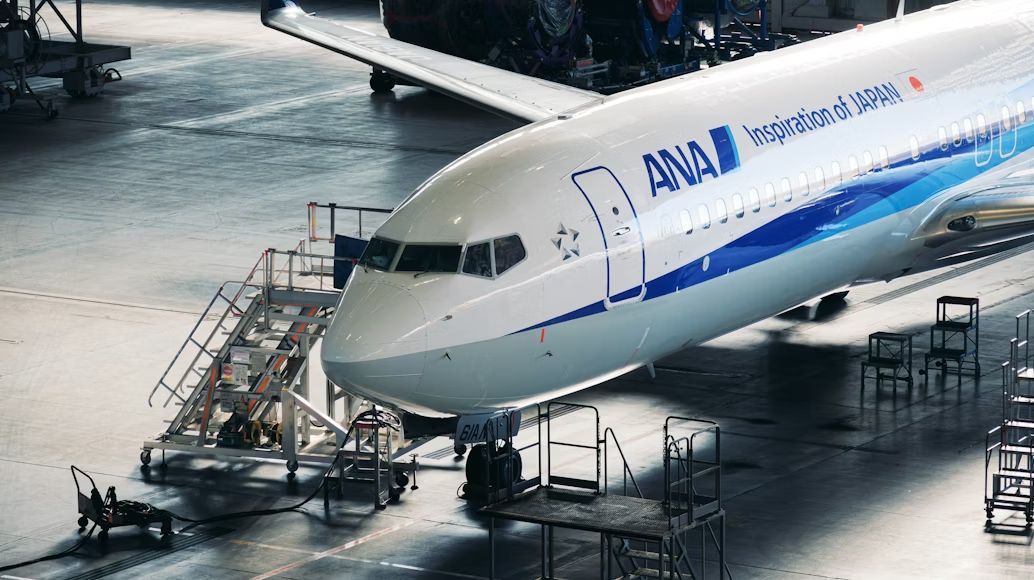 Image: 鱼 鱼
RON is not a person’s name, but an abbreviation. You might hear the crew ask each other if the flight is a RON, meaning if it is a "remain overnight." In practical terms, it indicates the plane is done flying for the day and will stay at that airport until the next morning. In crew slang, it can also be called a terminator, signaling the end of the day’s schedule.
Originator
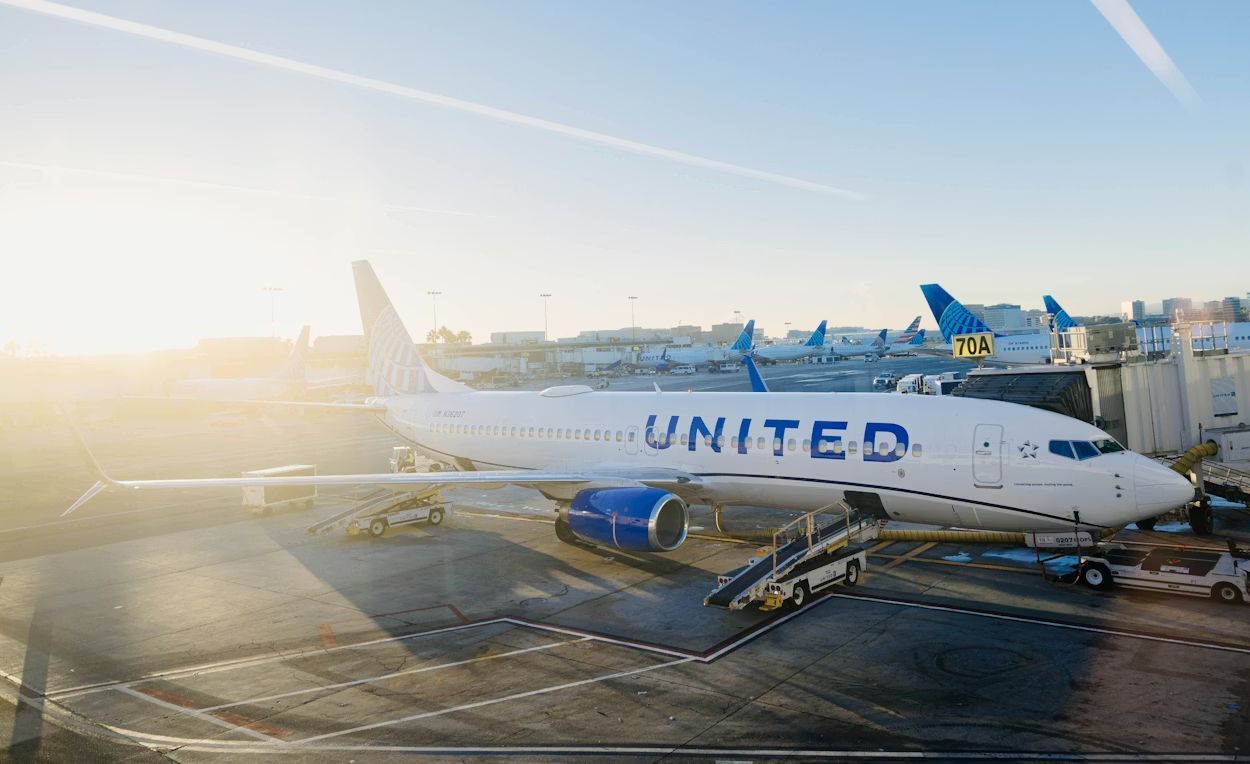 Image: Will Goodman
On the opposite end of the schedule, flight attendants may refer to the "originator," that is, the first flight of the day for a certain aircraft. Airlines keep a close eye on these flights because a delay on the first flight can ripple through every trip scheduled afterward. When an originator runs on time, the whole day has a better chance of staying on track.
Keep wandering
There’s always
more to explore
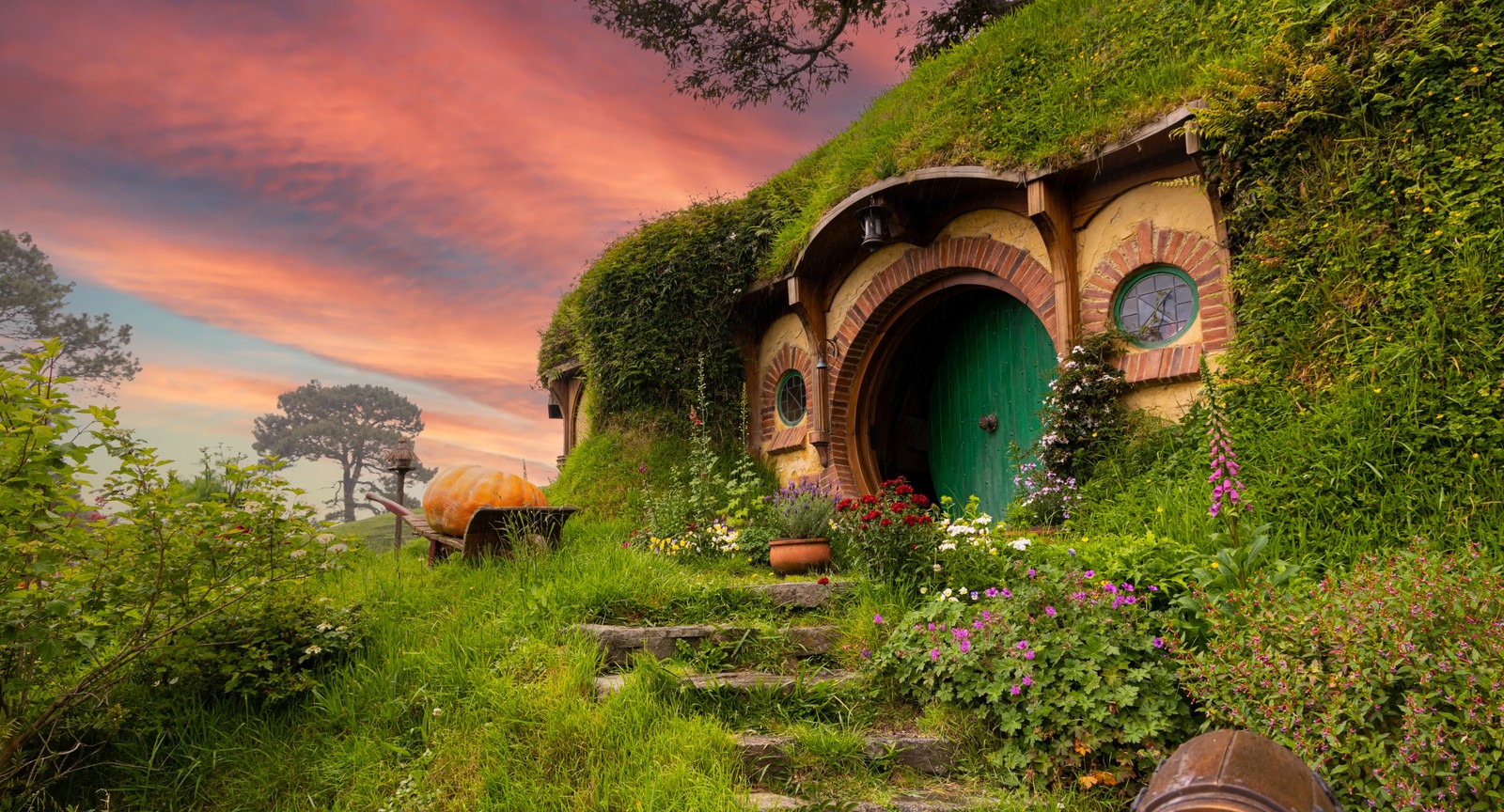
You've watched these movies 100 times... Go stand where they were filmed
3 min.
Read Now
 Culture

The bizarre reason there are no restrooms within Disney's Liberty Square
6 min.
Read Now

This trench could swallow Everest, with room to spare
6 min.
Read Now

How many time zones does the United States have?
5 min.
Read Now