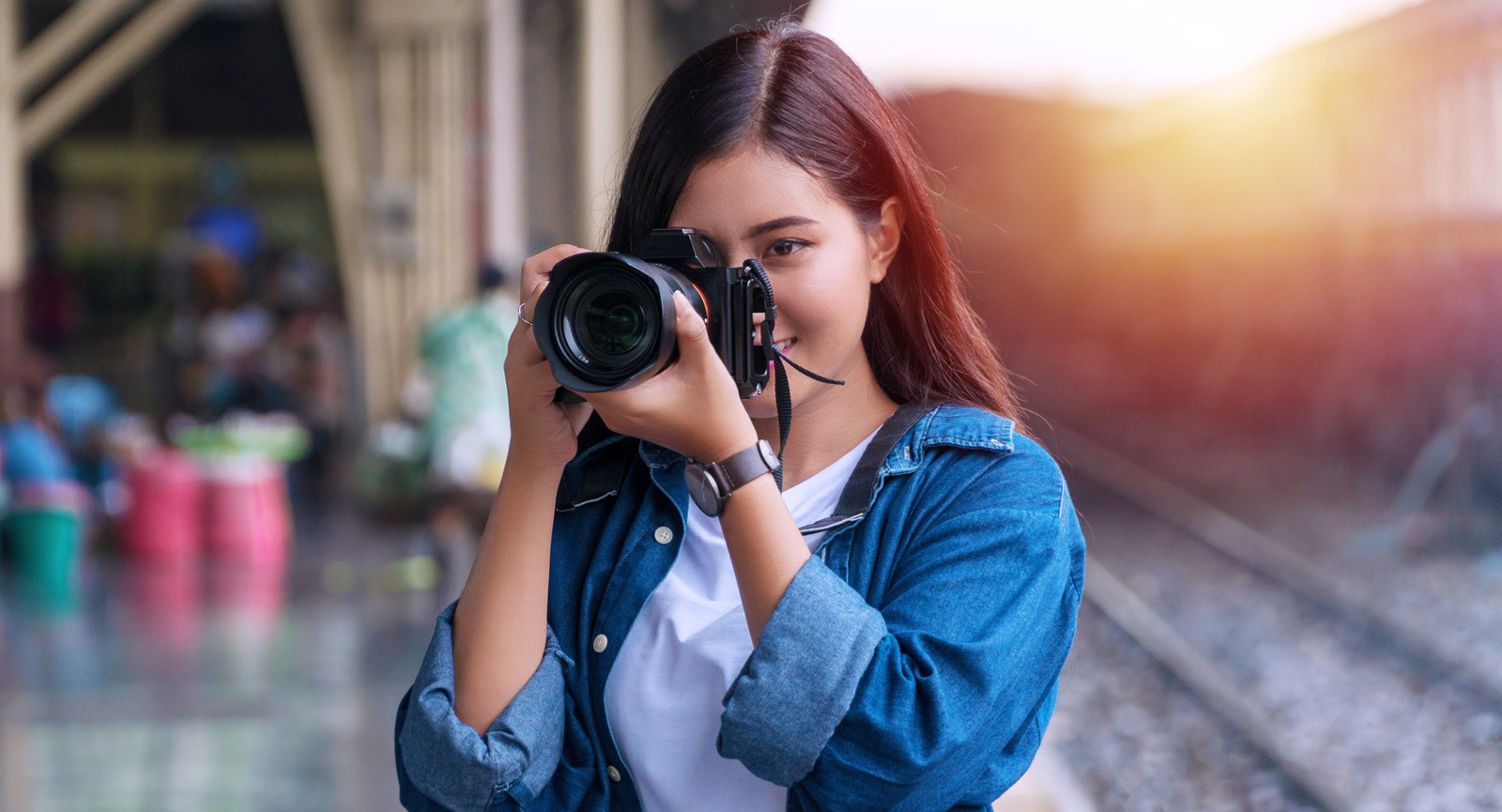
In these places, you'd better think twice before snapping that picture
 Landmarks
Strictly off-limits
In these places, you'd better think twice before snapping that picture
Reaching for a phone to take a quick photo is almost second nature today, whether it’s inside a famous church, on a dream trip to Paris, or during a stop at Las Vegas. But some of the world’s best-known places have strict rules about taking photographs that may catch visitors completely off guard. The U.S. Supreme Court is off limits, and so are some casinos. Even the Eiffel Tower is technically one of those places where photographs are forbidden. Here are 10 places where you aren’t allowed to take pictures, along with the reasons behind this unusual rule.
Las Vegas casinos
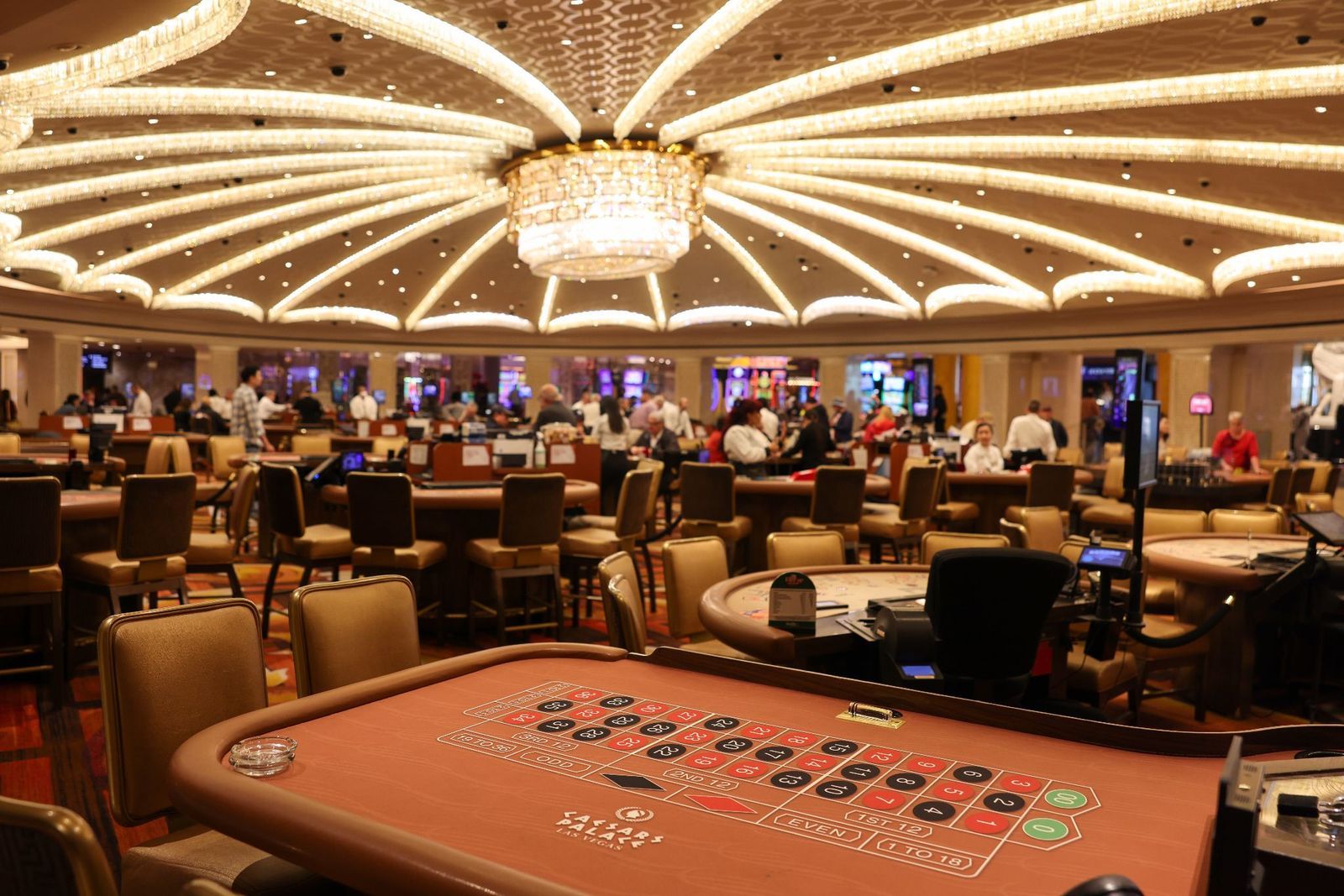
The slot machines are ringing, someone has just hit a jackpot, and the first instinct is to pull out a phone and capture the excitement. In most Las Vegas casinos, though, that simple act can quickly attract security.
Photography has long been discouraged on casino floors for several reasons. Casinos want to protect the privacy of guests, especially high-profile visitors and big winners who would rather not become the center of attention. Cameras can also reveal gaming strategies, surveillance systems, and security procedures. Concerns about cheating and organized crime made these rules even stricter, and many of those policies remain today. While some resorts now allow casual photos in certain public areas, the gaming floor itself is still one place where it's safest to keep the camera in a pocket.
Supreme Court courtroom
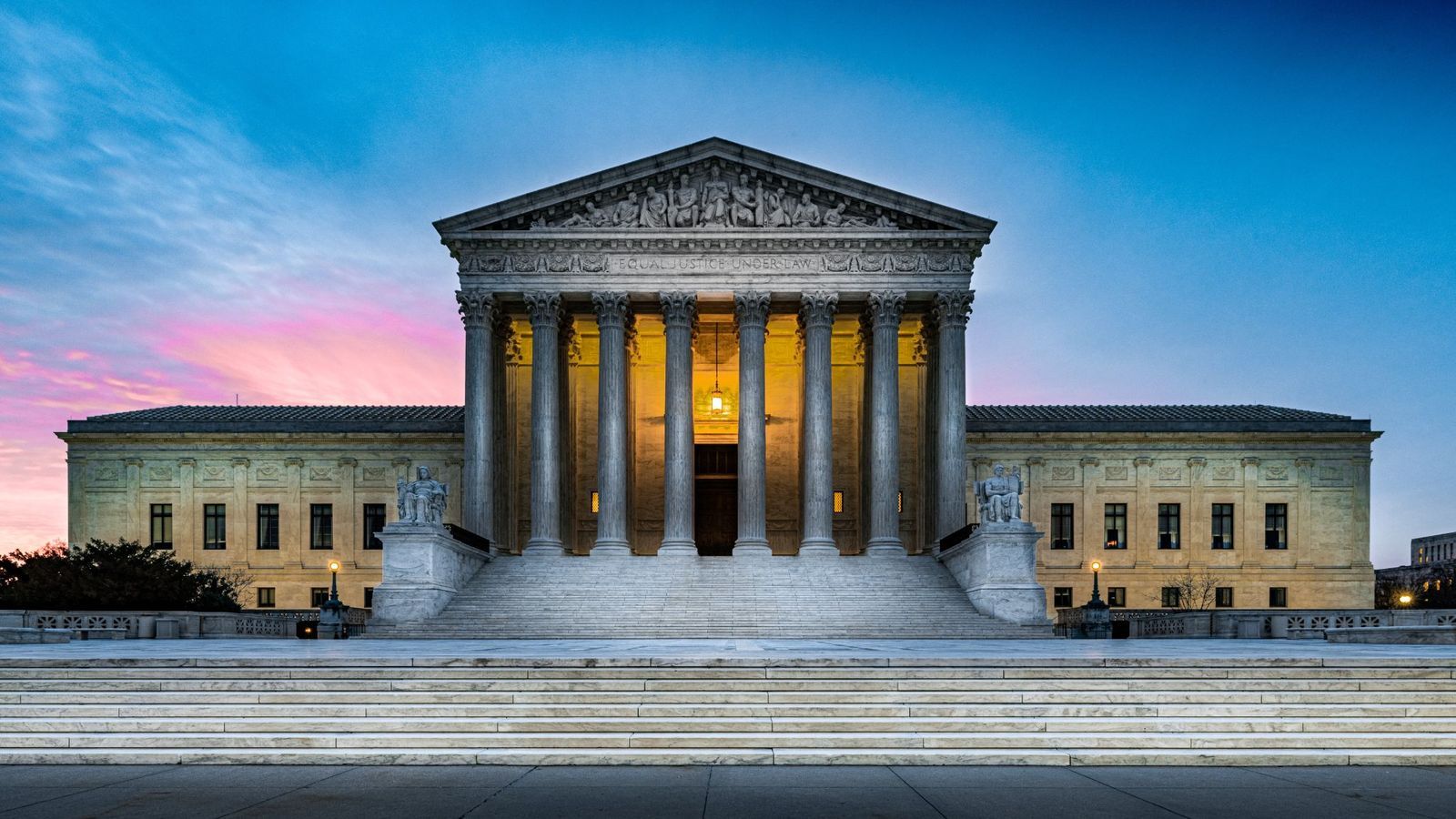
When people visit the courtroom of the U.S. Supreme Court, they go to the place expecting to take some great pictures of its architecture, but it’s not long before they discover that cameras are not welcome.
There’s a restriction that exists to preserve the dignity and fairness of judicial proceedings. Federal Rule of Criminal Procedure 53 prohibits photography and broadcasting in federal courtrooms, and the Supreme Court has maintained its own longstanding ban inside the courtroom. The Court allows non-flash photography in certain public areas of the building, but once visitors step into the courtroom itself, cameras must stay off.
Eiffel Tower
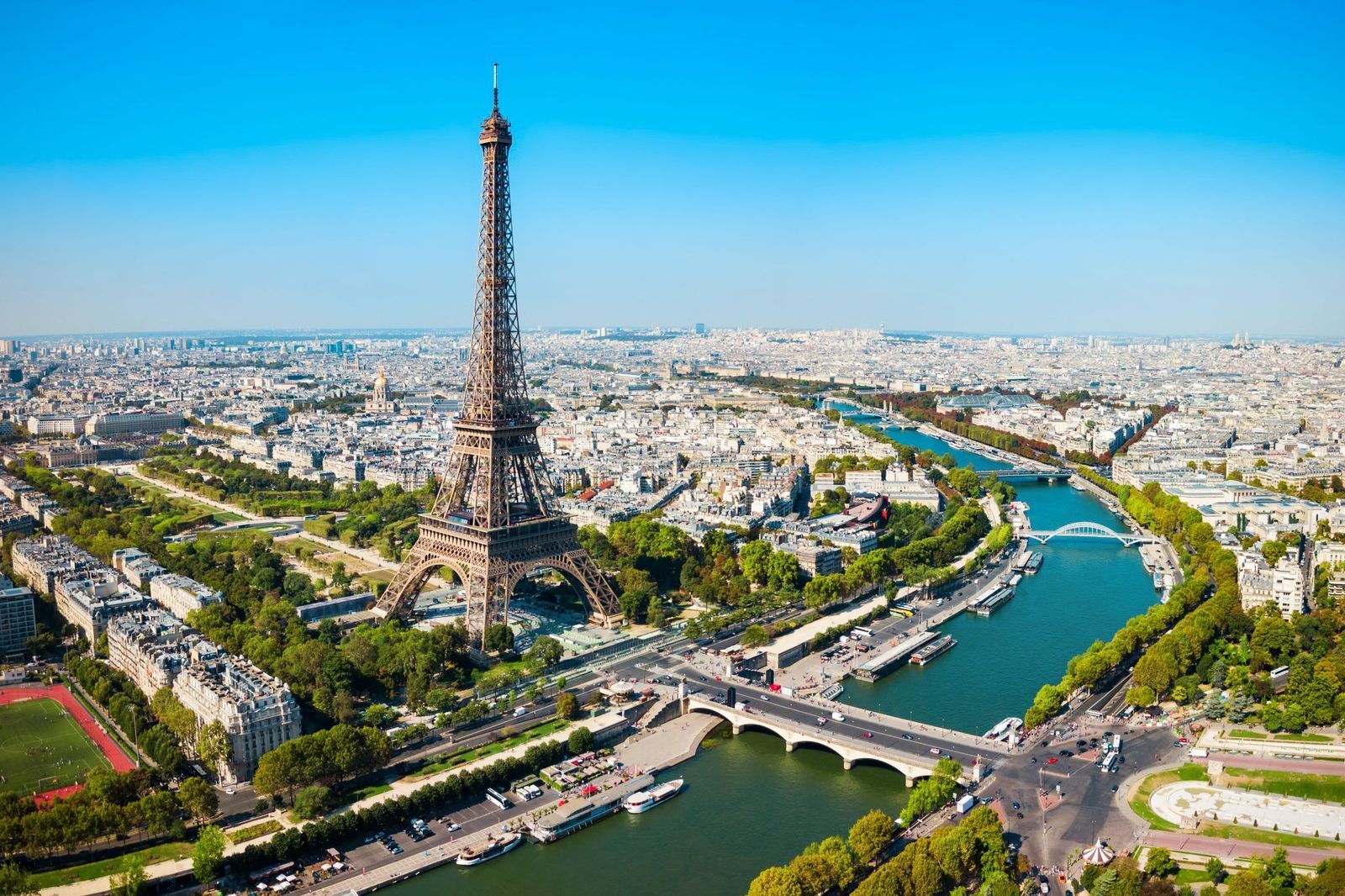
The towering monument is probably one of the most photographed places on Earth. Millions of visitors snap and post pictures of it every day. However, they are all technically breaking the law.
The Eiffel Tower has been standing since 1889, and for decades, it was part of the public domain, so photographs were perfectly acceptable. The famous sparkling light display, however, was added in 1985 by designer Pierre Bideau and is considered a separate artistic work protected under French copyright law. In practice, tourists taking personal photos rarely face problems. The restriction affects commercial use, such as advertisements, books, films, or products featuring nighttime images without permission.
U.S. Post Office
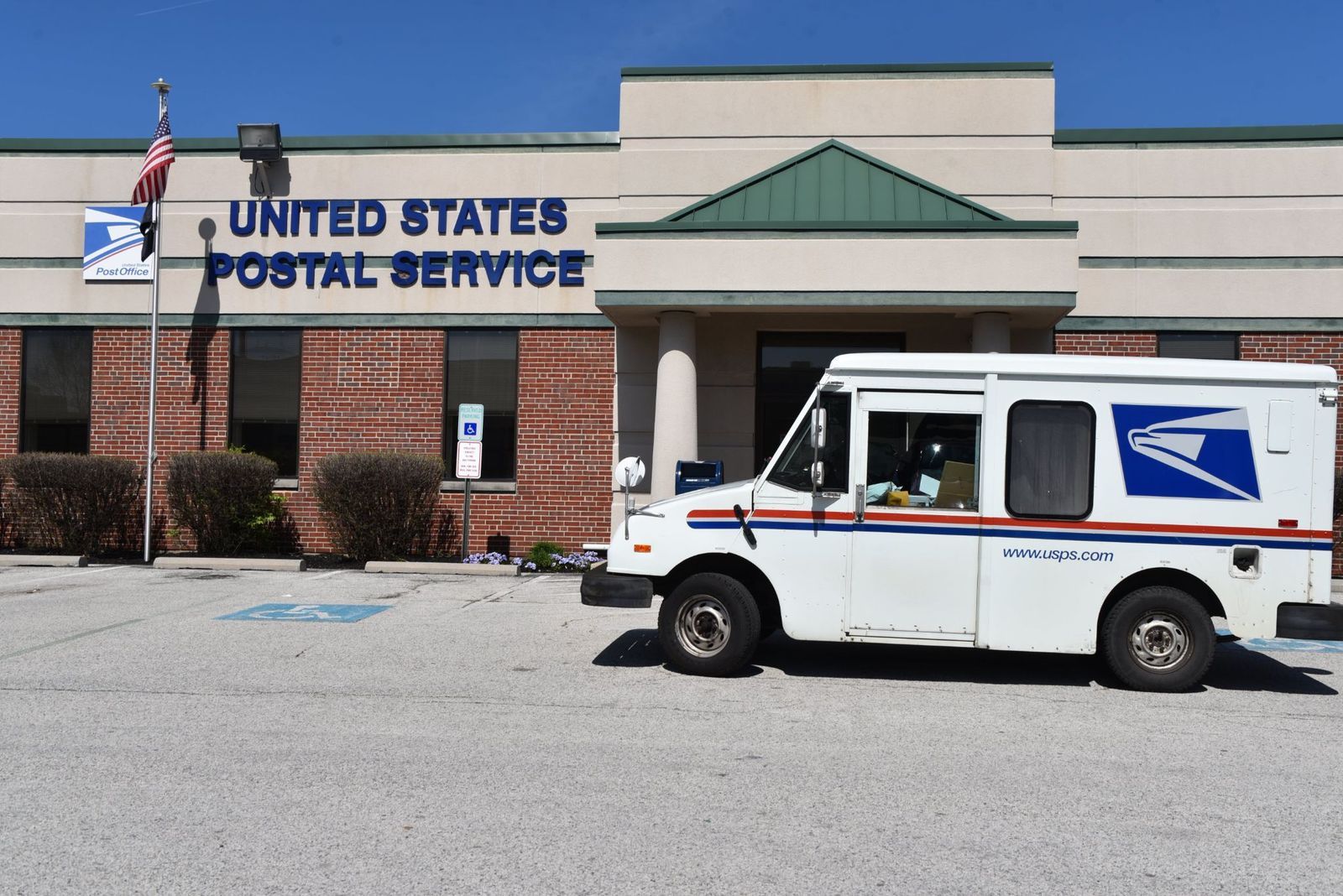
Stopping by the post office to mail a birthday card or holiday package is an ordinary errand. Few people imagine there could be restrictions on pulling out a camera while waiting in line.
The U.S. Postal Service has rules designed to protect both privacy and security. Photography that captures customers, employees, security cameras, restricted work areas, or mail handling operations may be prohibited or require permission. These rules help prevent sensitive information from being leaked and reduce security risks. While snapping a picture of the building from the sidewalk is fine, the activities inside are another matter entirely.
The Pentagon
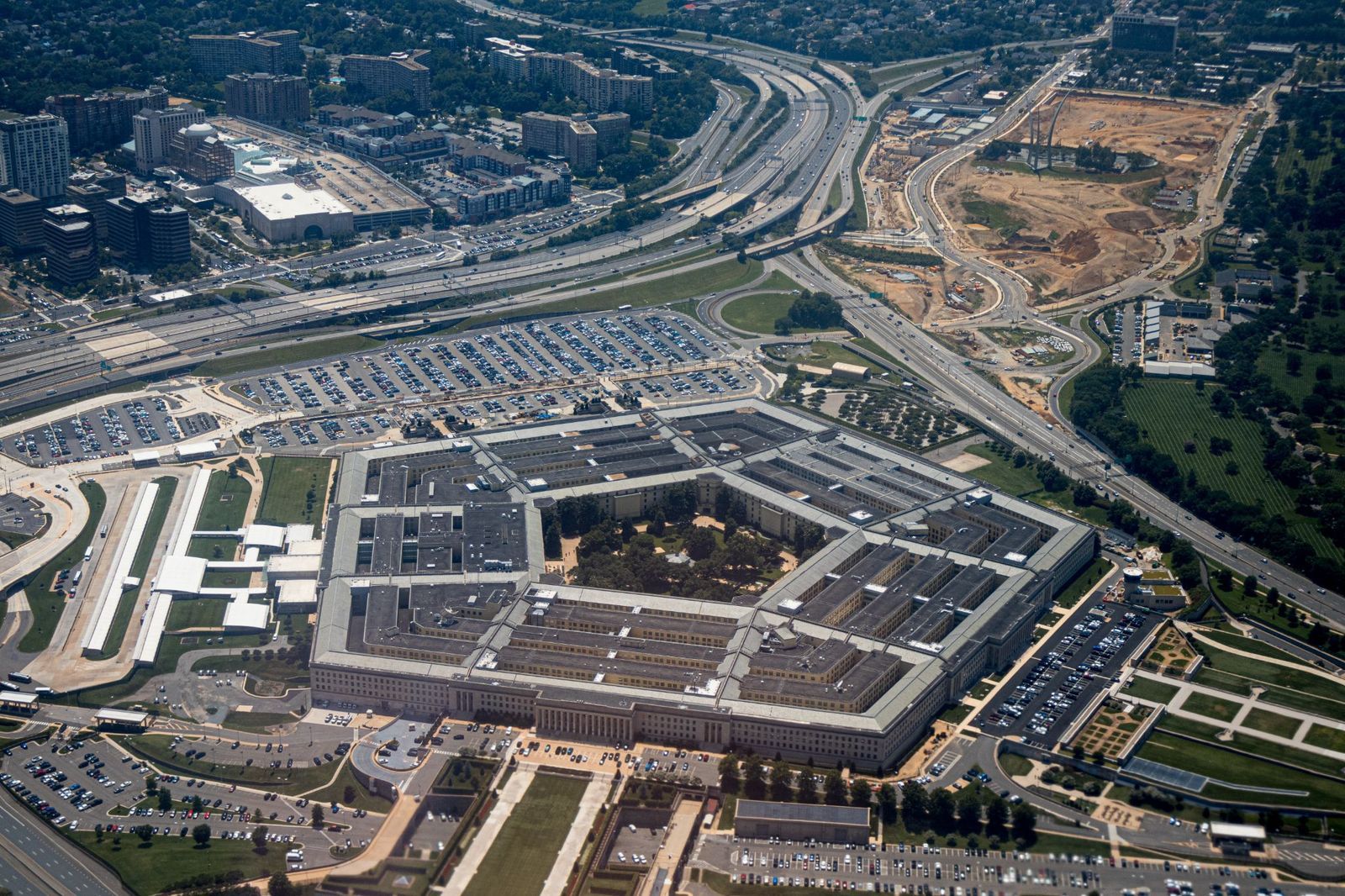
When people visit one of America’s most recognizable government buildings, they hope to go home with a souvenir picture. At the Pentagon, however, photography rules are among the strictest in the country.
Completed in 1943 during World War II, the Pentagon serves as the headquarters of the U.S. Department of Defense and remains one of the world’s most important military facilities. Visitors can only enter through guided tours, and photography is tightly controlled and prohibited in many areas to protect national security. Even details that seem harmless to the tourists could reveal information about building layouts, security systems, or military operations. For that reason, security personnel closely monitor camera use around the complex.
Sistine Chapel
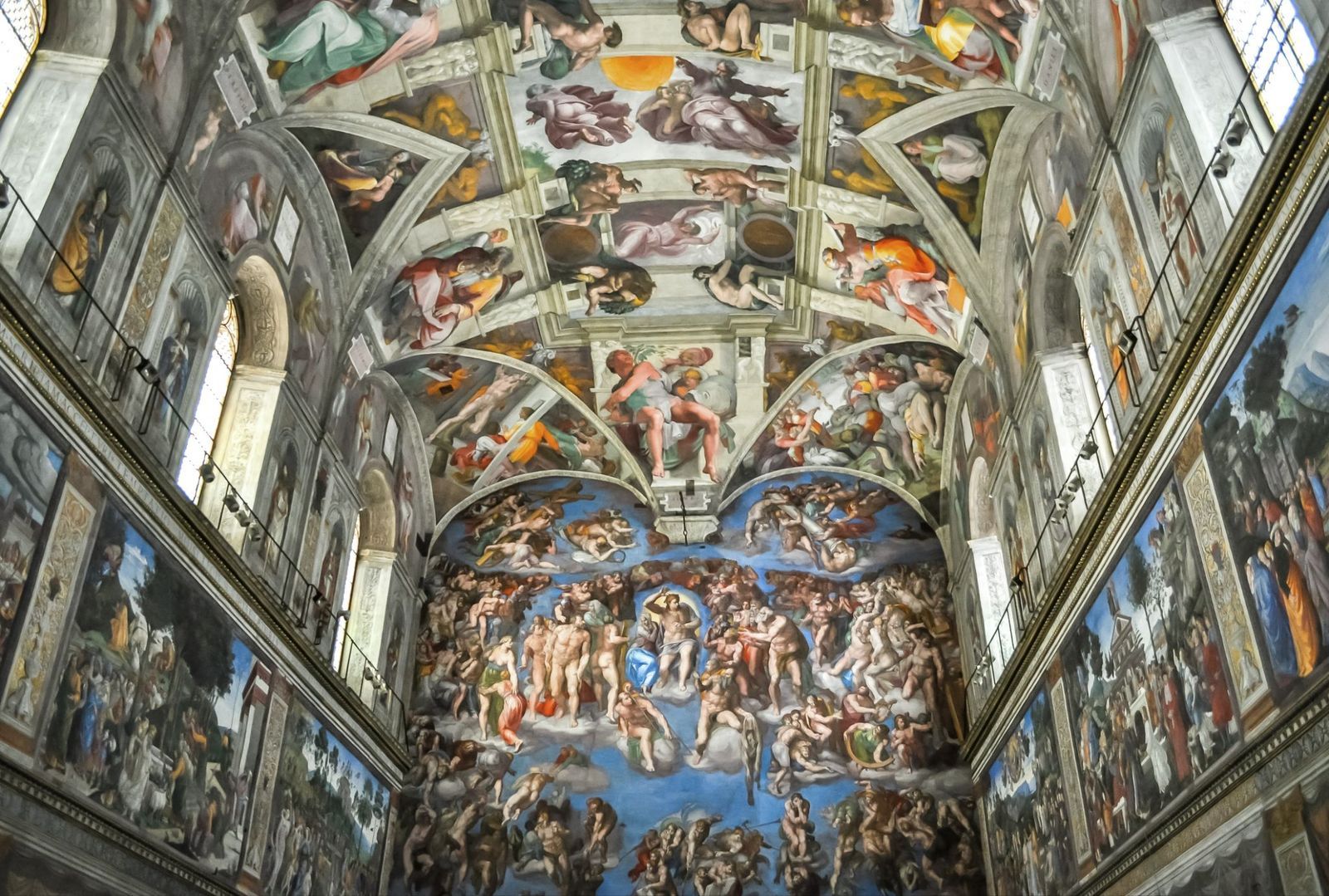
After walking through the Vatican Museum, closing the day at the Sistine Chapter is majestic. Visitors enter and immediately look upwards in amazement at the ceiling painted by Michelangelo more than 500 years ago. There’s always one who takes their phone out only to be gently reminded by the staff that no photos are allowed.
The rule serves two important purposes. For many years, officials worried that repeated camera flashes could contribute to a speedy deterioration of the frescoes, even though modern cameras usually have much more modern technology. Just as importantly, the chapel remains an active place of worship, so the artwork is expected to be enjoyed and experienced in silence and reflection rather than through phone screens.
Westminster Abbey
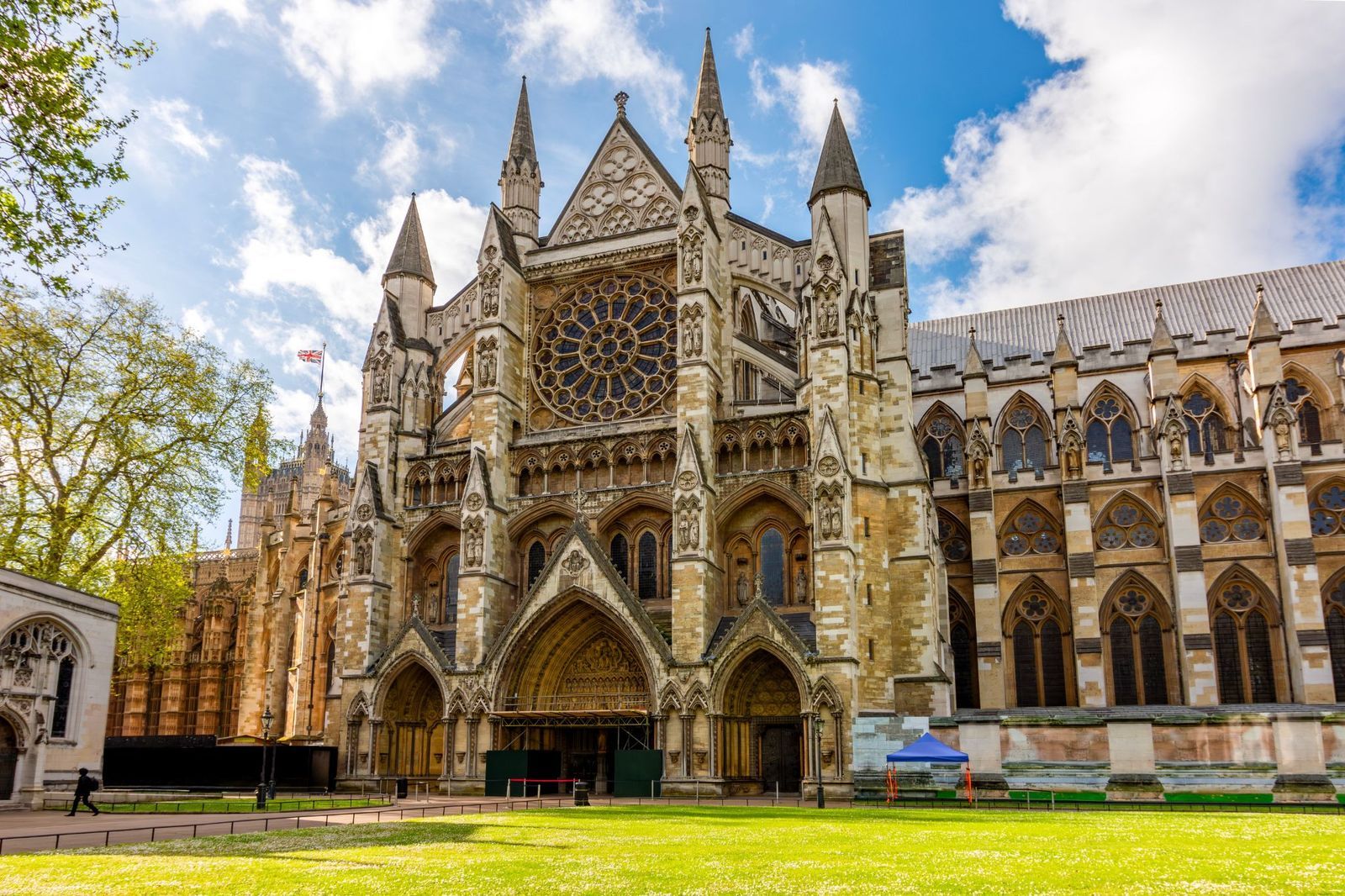
Many travelers enter Westminster Abbey hoping to photograph the same church where kings and queens have been crowned for nearly a thousand years. But the Abbey is yet another place where cameras are often restricted.
Westminster Abbey is a highly popular tourist attraction, but more than anything else, it’s a working church that hosts daily services, weddings, funerals, and national ceremonies. Photography is generally prohibited inside to preserve the building's sacred atmosphere and to help visitors appreciate its remarkable architecture without constant distractions. Certain especially important areas, including the Shrine of St. Edward the Confessor, receive additional protection because of their religious significance. It’s a place of worship first, a historic landmark second.
Tower of London
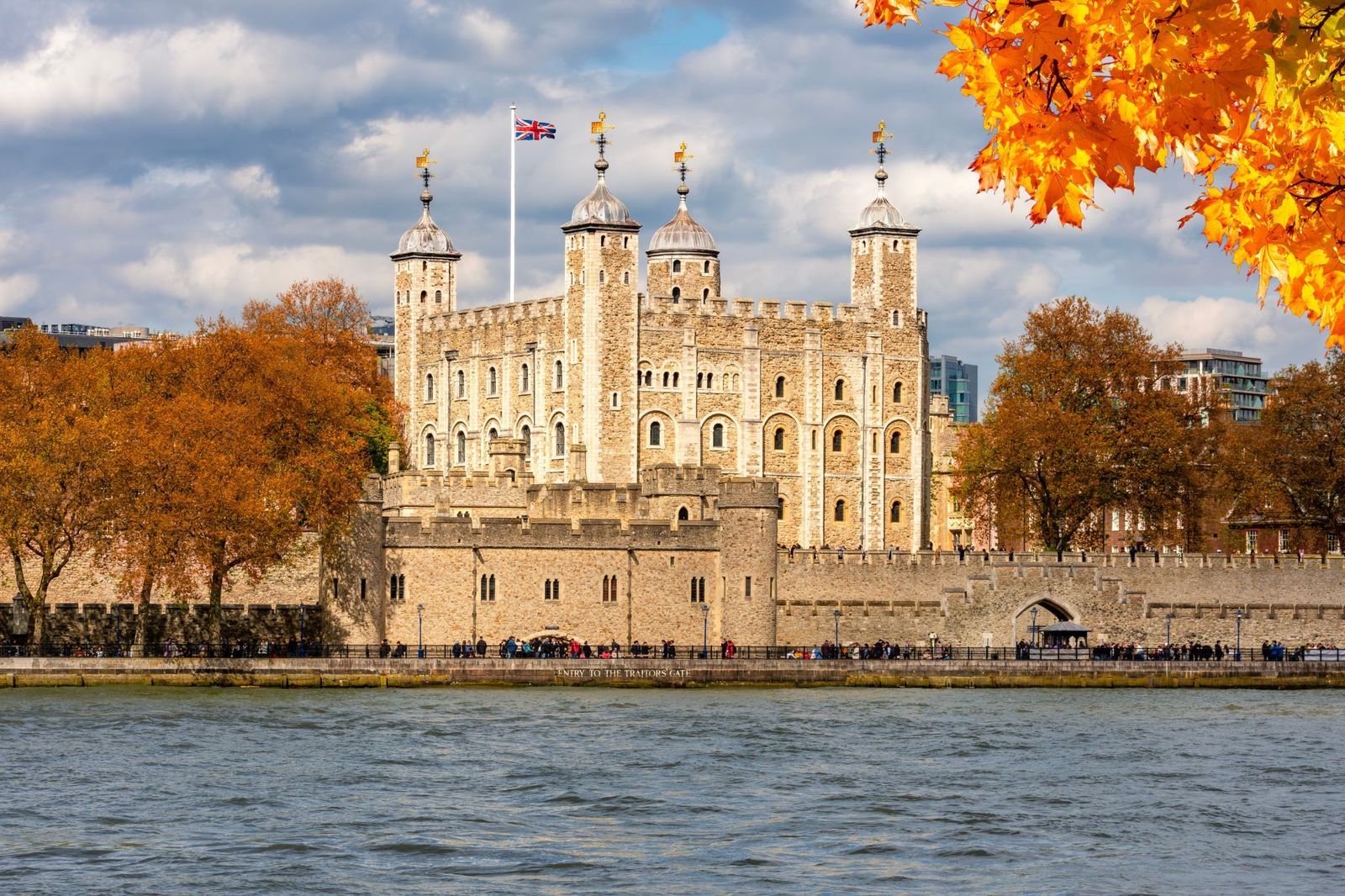
Walking through the Tower of London feels like stepping into a history book, and the Jewel House is worthy of a thousand photographs. Sadly, they aren’t allowed.
The Jewel House protects the Crown Jewels, one of the most valuable royal collections in the world. The no-photography rule is part of a broader security system designed to safeguard these priceless objects. Limiting photography helps reduce security risks and keeps crowds moving through the exhibition instead of stopping for lengthy photo sessions. It also allows visitors to focus on the extraordinary craftsmanship of regalia that continues to play a role in British coronation ceremonies.
Taj Mahal
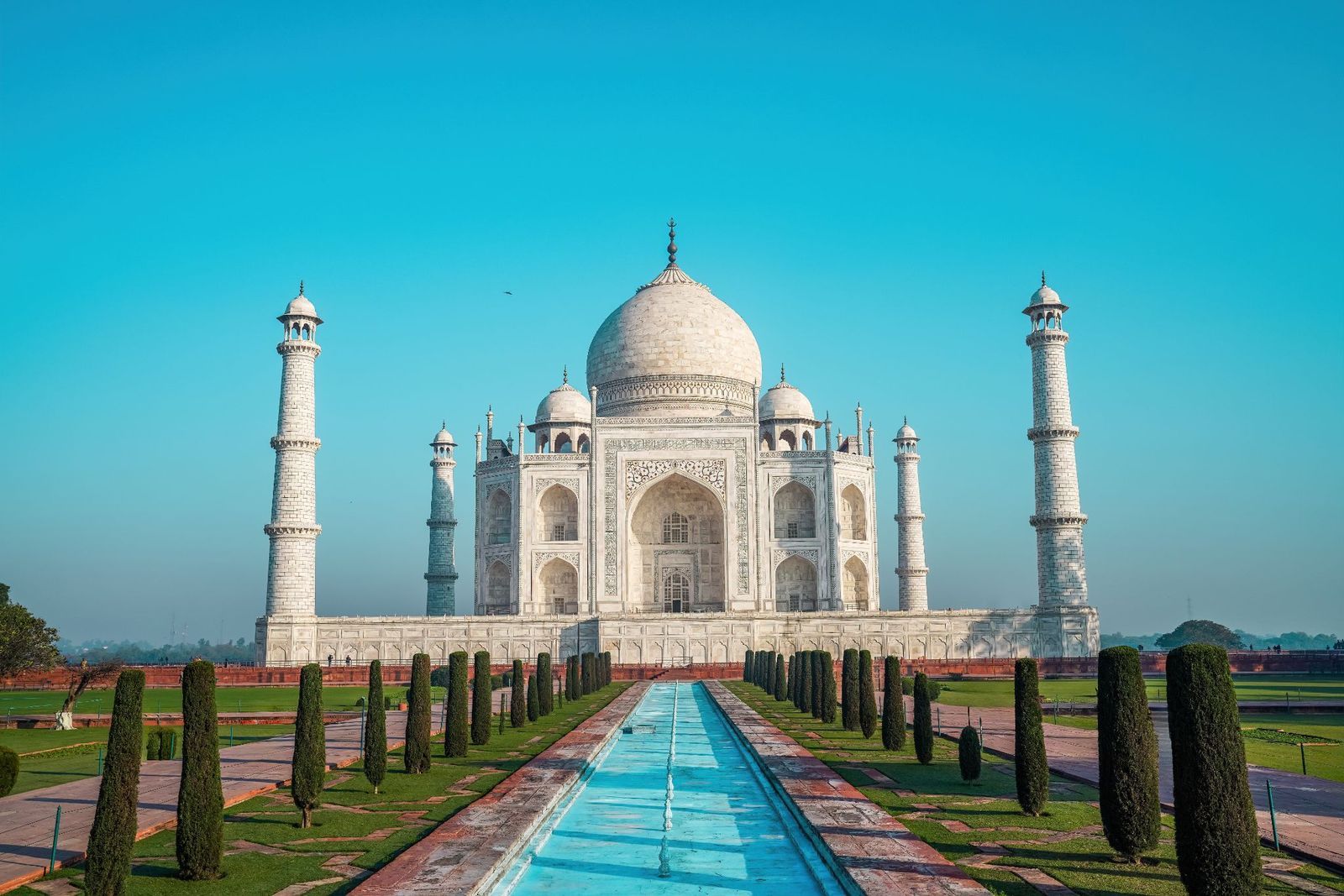
The first glimpse of the Taj Mahal is unforgettable, and almost everyone wants to capture every angle. Outside, photography is welcomed. Inside the mausoleum itself, the rules change.
Built in the 1600s by the Mughal emperor Shah Jahan in memory of his wife Mumtaz Mahal, the Taj Mahal is not simply a monument. It’s a mausoleum containing symbolic tombs, with actual graves located in a lower chamber. Because of its sacred and memorial nature, photography inside is prohibited. Visitors are also asked to remain quiet as they pass through the echoing marble interior. The experience is meant to honor the site’s original purpose as a place of remembrance rather than a backdrop for vacation pictures.
Neuschwanstein Castle
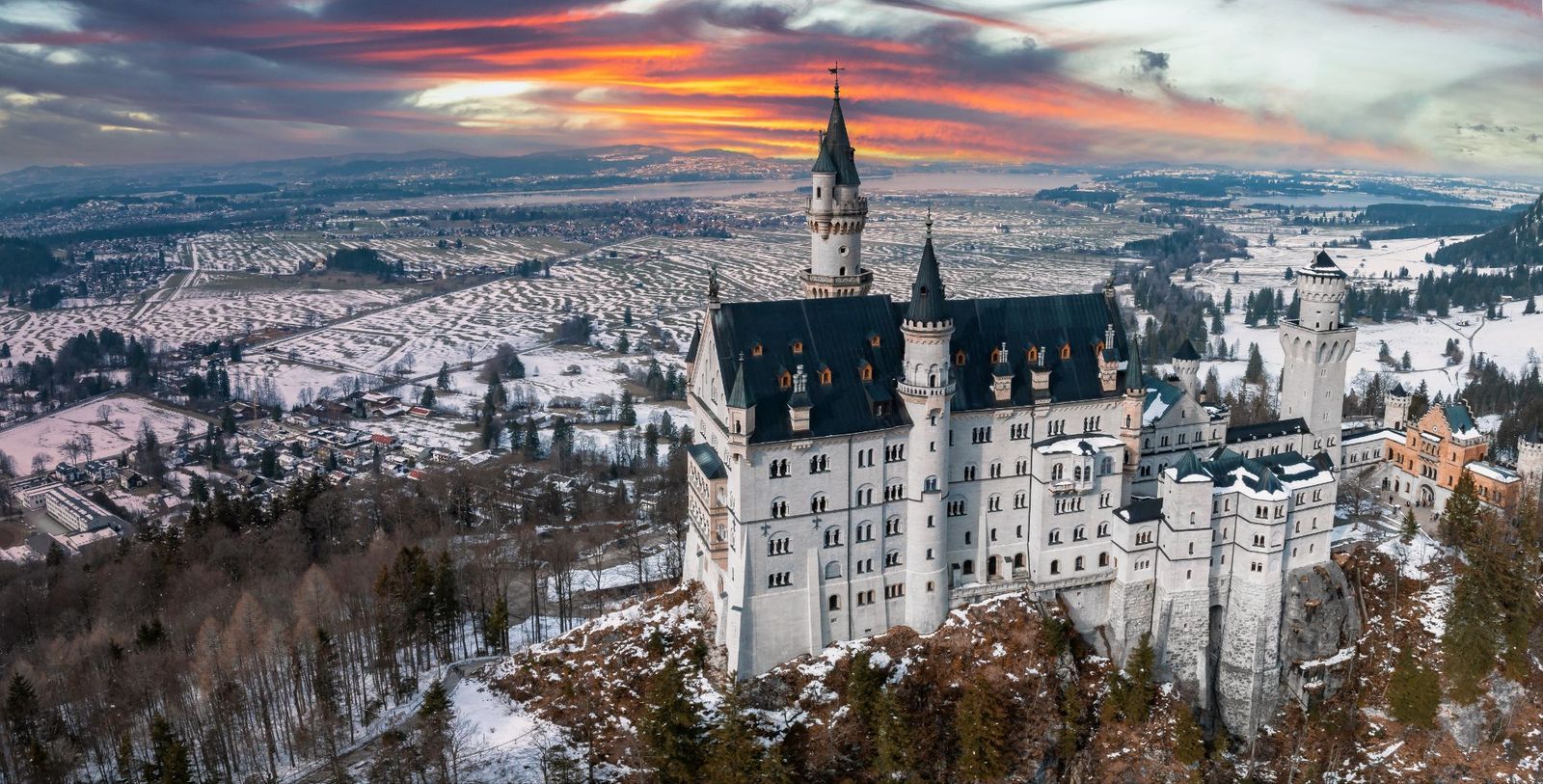
Like many other buildings, cameras outside the Castle are permitted. But once visitors step inside, they must be put away.
Commissioned by King Ludwig II of Bavaria in the late 19th century, the castle was designed as a romantic fantasy rather than a royal residence. Photography inside has long been prohibited to protect delicate artwork, furnishings, and decorative finishes from repeated exposure to flash photography. The castle’s management also controls commercial image rights, making official photographs the primary source for publications and souvenirs. Visitors leave with memories instead of snapshots, which are even more memorable than viewing them through a camera lens.
Why UFOs and giant bulldozers top the list of the strangest Nevada gems
Discover 10 outlandish Nevada adventures beyond the Las Vegas Strip
Nevada is often reduced to the neon glow of the Las Vegas Strip, but the Silver State is actually a rough landscape of high-desert weirdnesses, Wild West relics, and fierce subcultures. Whether you’re looking to spy a top-secret military base or visit a country that technically doesn’t exist, Nevada offers experiences that feel like they’ve been plucked straight from a cult film. Here are 10 of the most extravagant things you can do in Nevada.
Drive on America’s loneliest road
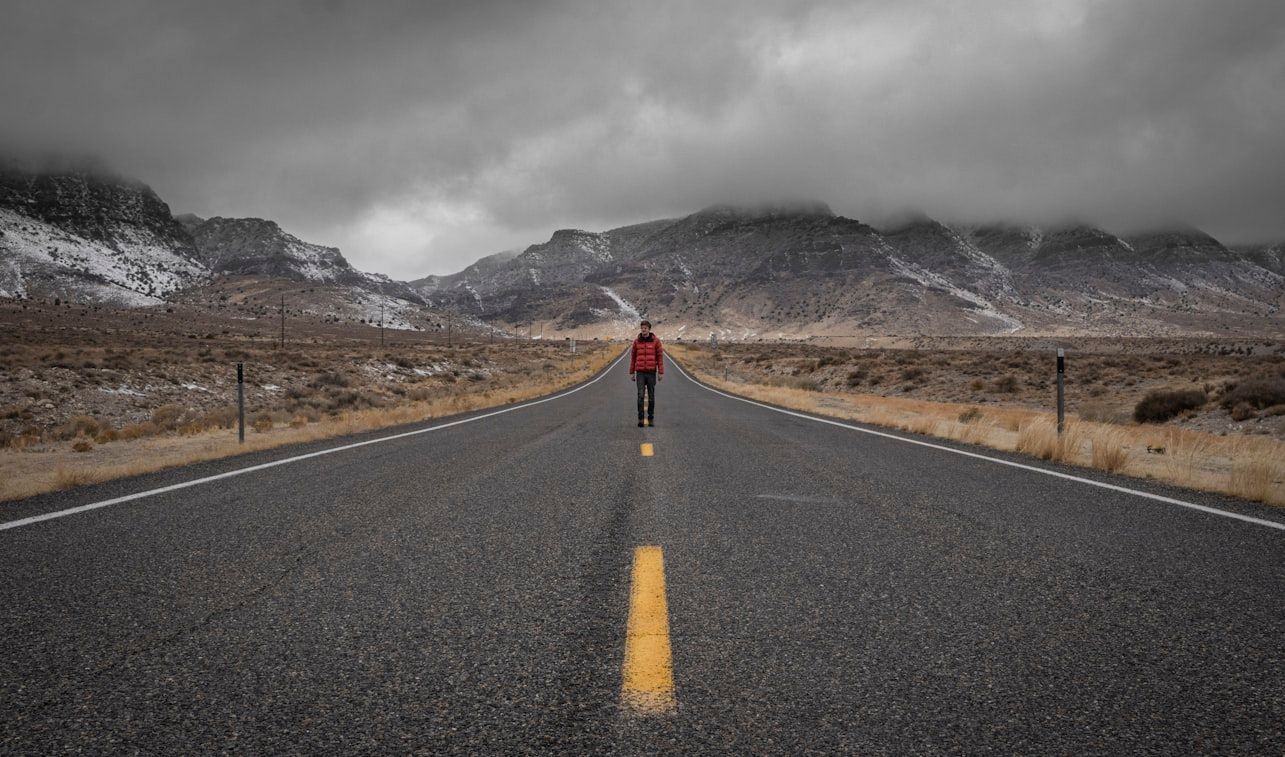
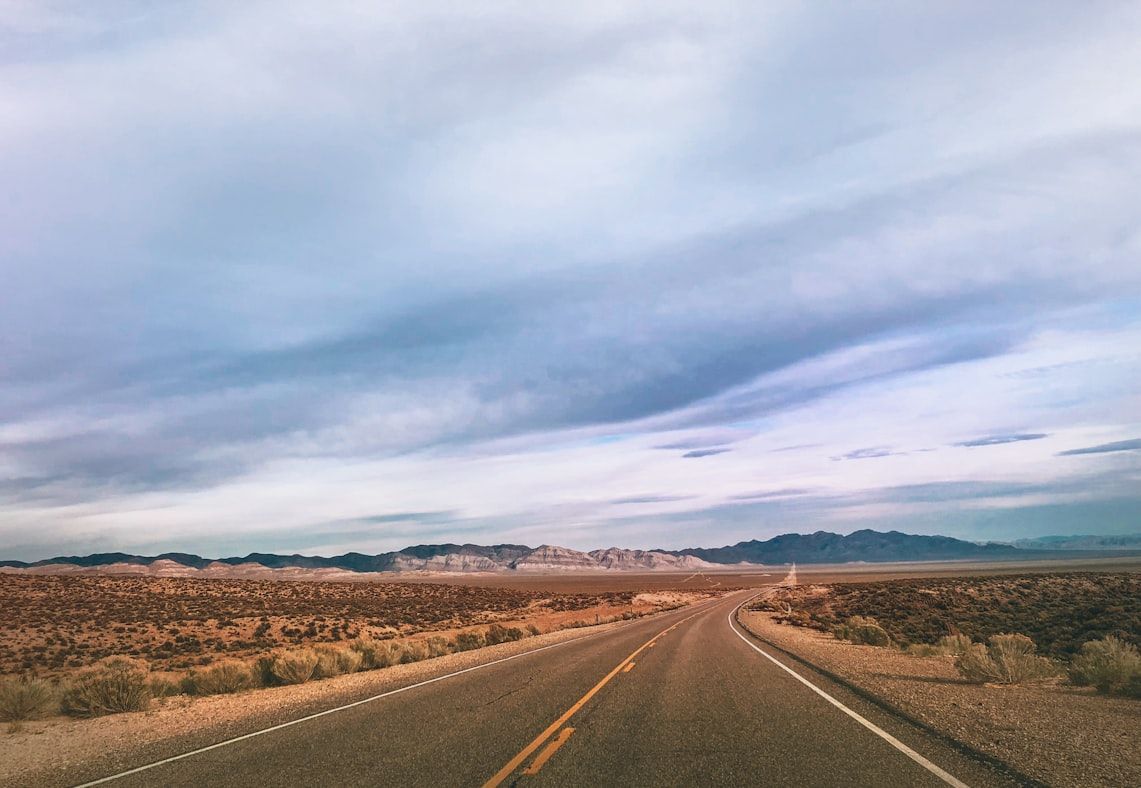
In 1986, Life magazine warned travelers never to drive Highway 50 through Nevada without minimum survival skills. They called it the "loneliest road in America". Stretching 287 miles through the heart of the state, the road crosses mountain ranges and vast sagebrush valleys with almost no signs of civilization. Nowadays, the state offers a "Survival Guide" passport that you can get stamped at tiny outposts along the way to prove you made it through the void.
Traveler’s tip: If you’re heading to the Loneliest Road, ensure your spare tire is in good shape and your gas tank is full. In central Nevada, "Next Gas: 80 Miles" is a literal warning, not a suggestion.
Eat at an authentic, bullet-riddled saloon
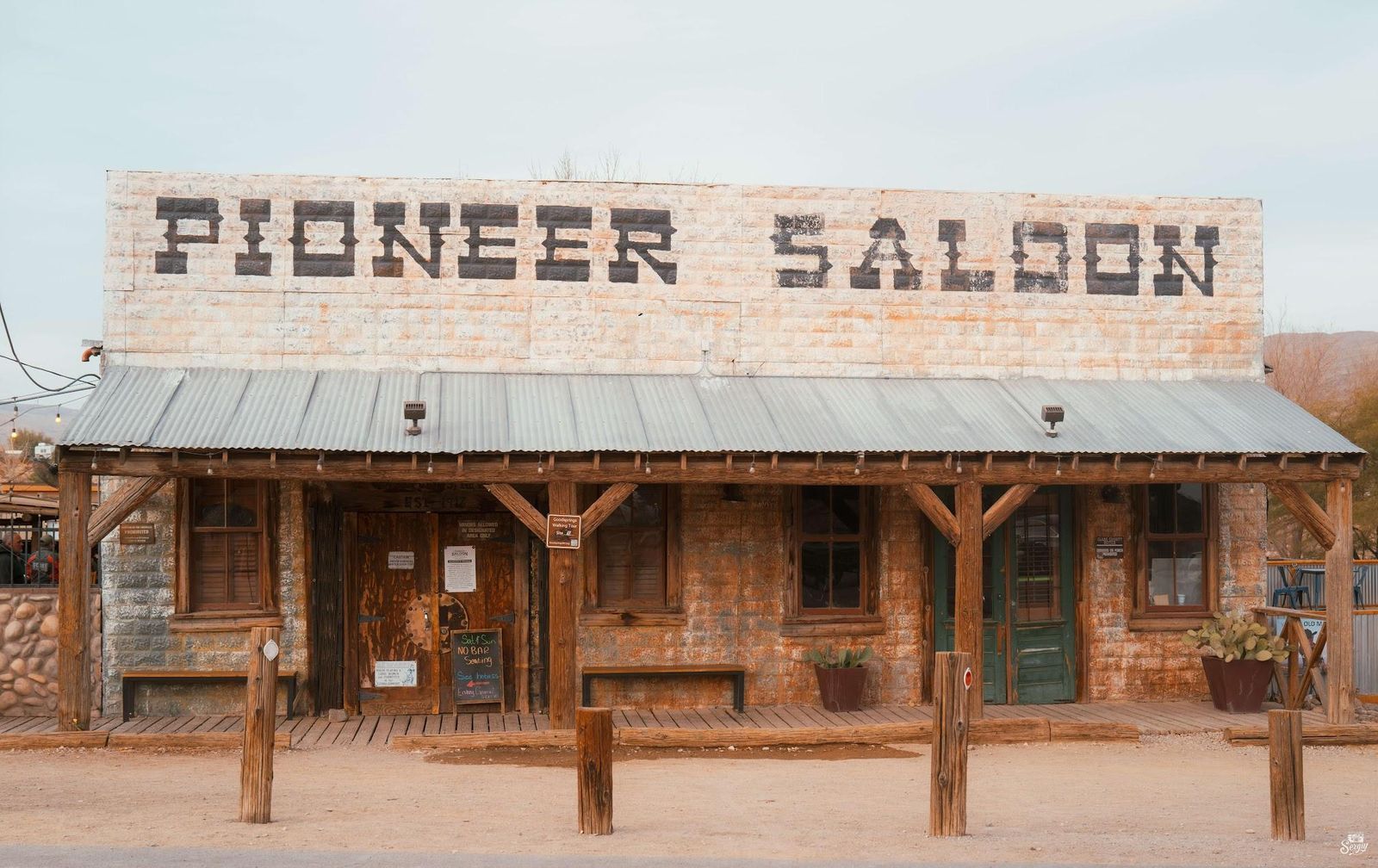
Located in Goodsprings, the Pioneer Saloon has stood since 1913. It is famous for its stamped-tin walls, which still bear bullet holes from a poker game gone wrong over a century ago. It’s also where Clark Gable waited for three days for news of his wife, Carole Lombard, after her plane crashed in nearby Potosi Mountain. If you like history and memorabilia, this is the place to go.
Stay at the scariest motel in America
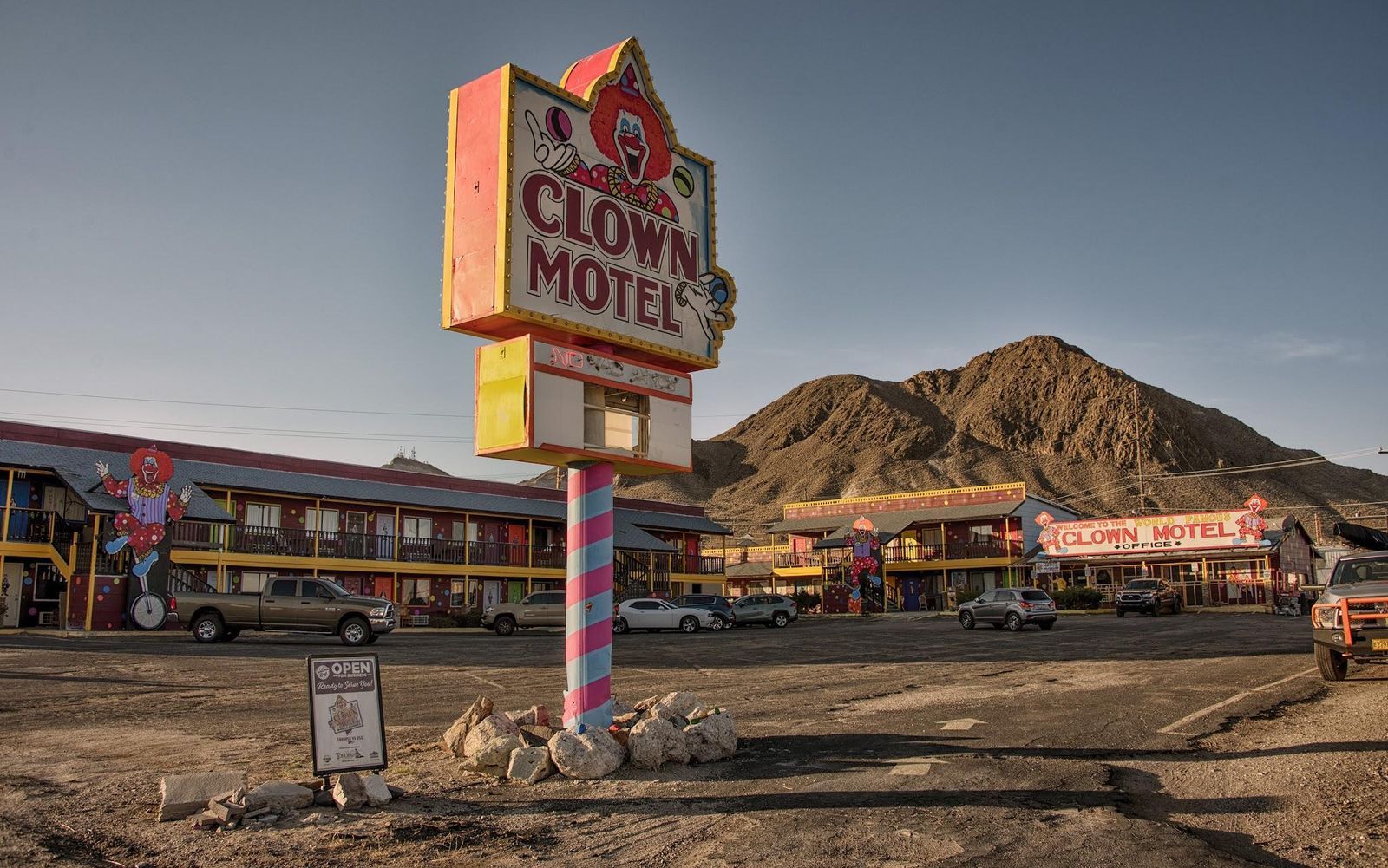
The Clown Motel in Tonopah might be a nightmare for many people. Yet, if you are one of the few people who love clowns, you’ll like it here. The lobby of this motel is packed with over 2,000 clown figurines, and the rooms are themed with portraits of famous jesters. If that isn’t enough, the motel is located immediately next to the Old Tonopah Cemetery, where miners from a 1911 fire are buried. It is frequently cited as one of the most haunted—and definitely the creepiest—lodging options in the country.
Get a new stamp in your passport
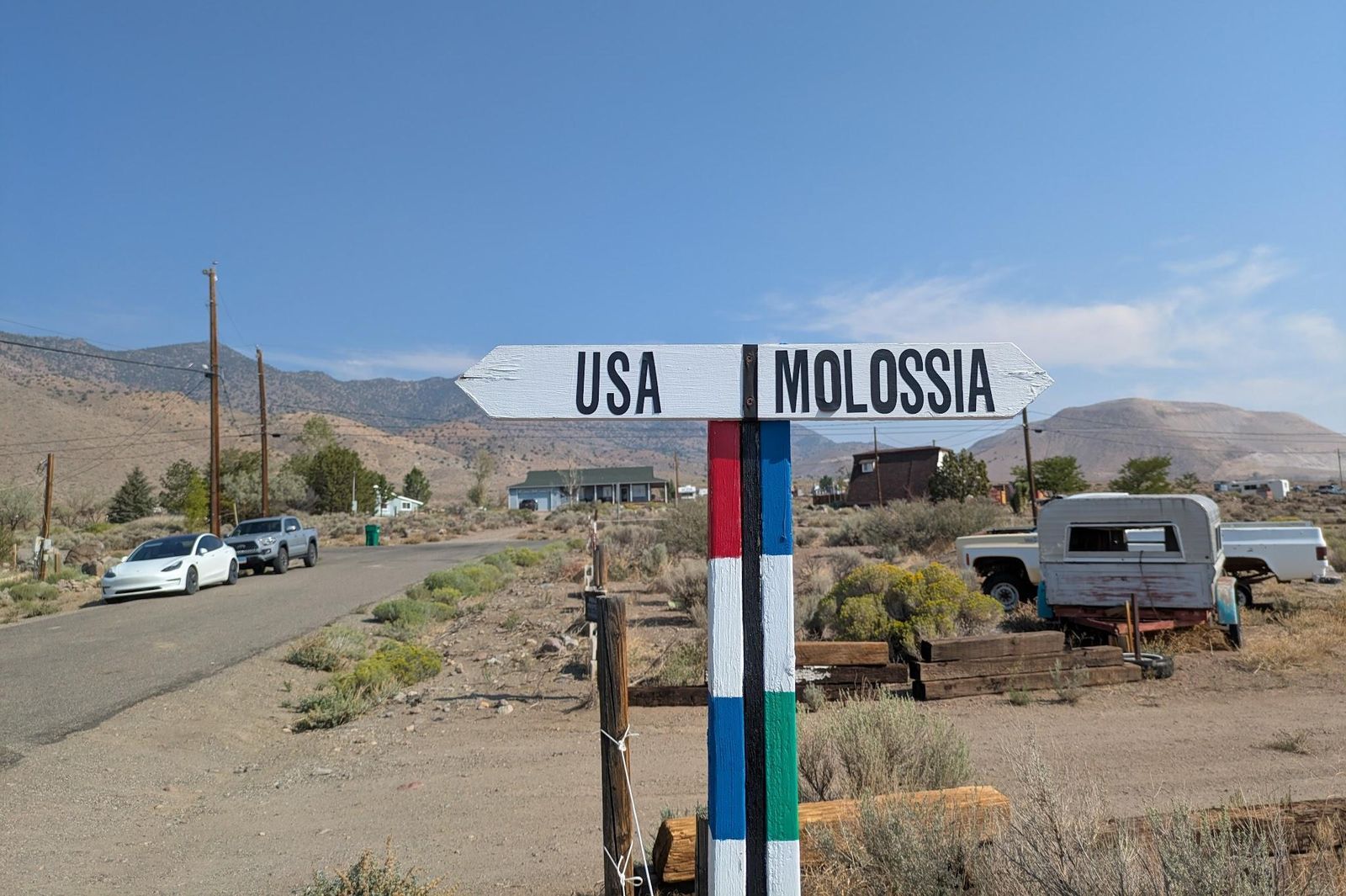
Near Dayton, Nevada, lies the Republic of Molossia, a self-declared sovereign micronation. Led by President Kevin Baugh, Molossia has its own currency (pegged to the value of chocolate chip cookie dough), its own time zone, and its own navy, which consists of inflatable boats. While the U.S. government doesn’t officially recognize it, Molossia is a fully functioning country on 1.1 acres. Tours must be booked in advance, and yes, they will stamp your passport upon entry.
Climb Tikaboo for a glimpse of Area 51
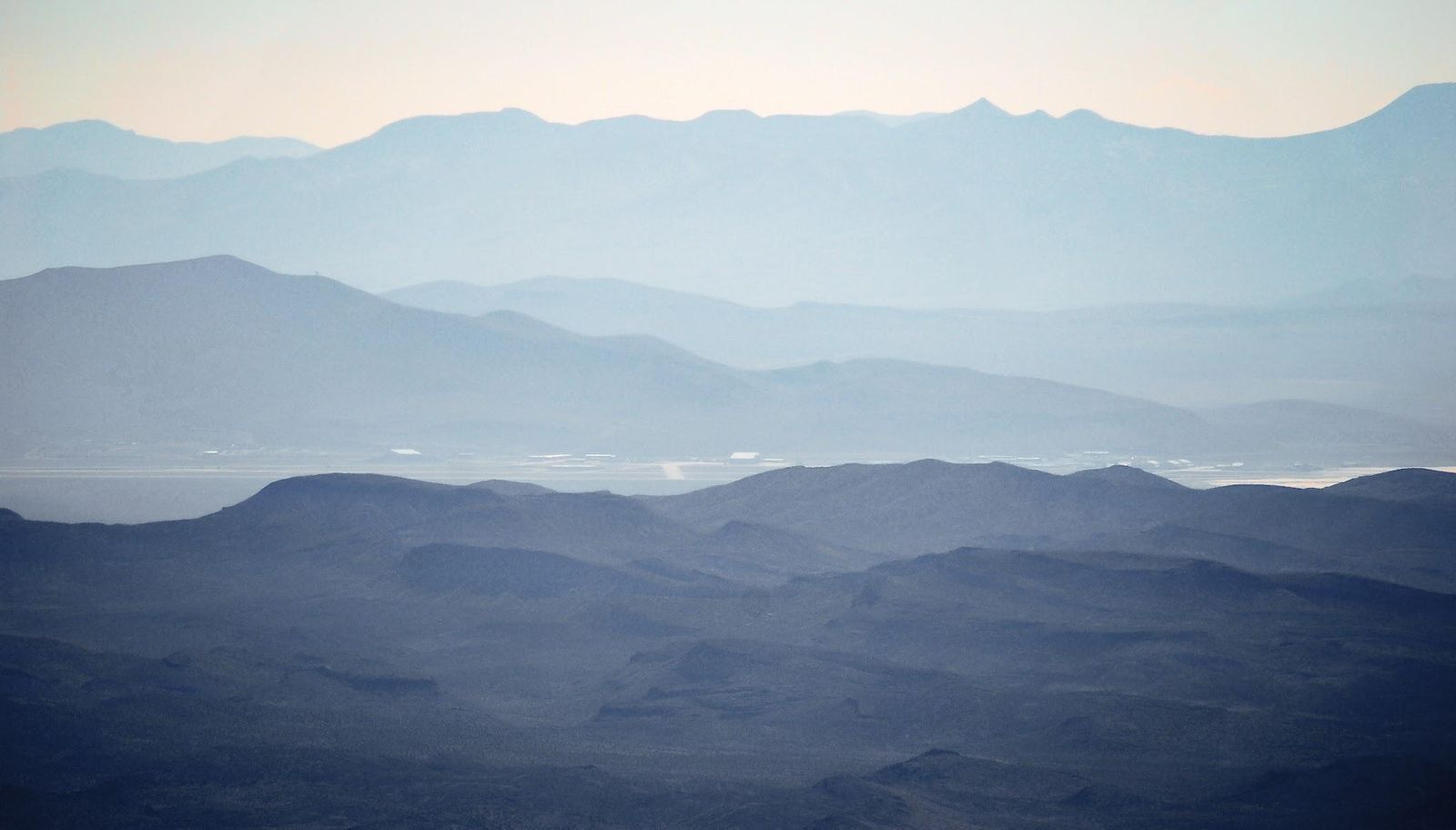
Since Area 51 is a restricted zone, you can’t just drive up to the gate. However, Tikaboo Peak is the last remaining legal vantage point where you can see the base. It’s a grueling hike and a 26-mile distance from the facility, meaning you’ll need high-powered telescopes or telephoto lenses to see anything. Yet, it’s the only way for civilians to catch a glimpse of the most secret military installation on Earth.
Send a letter to an Alien
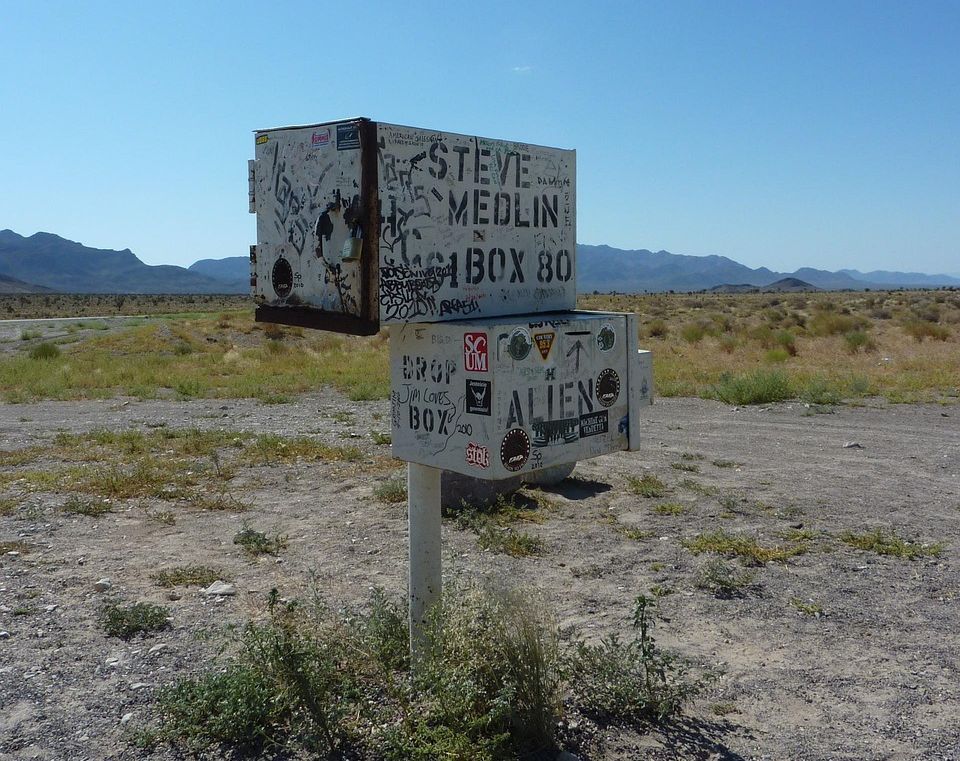
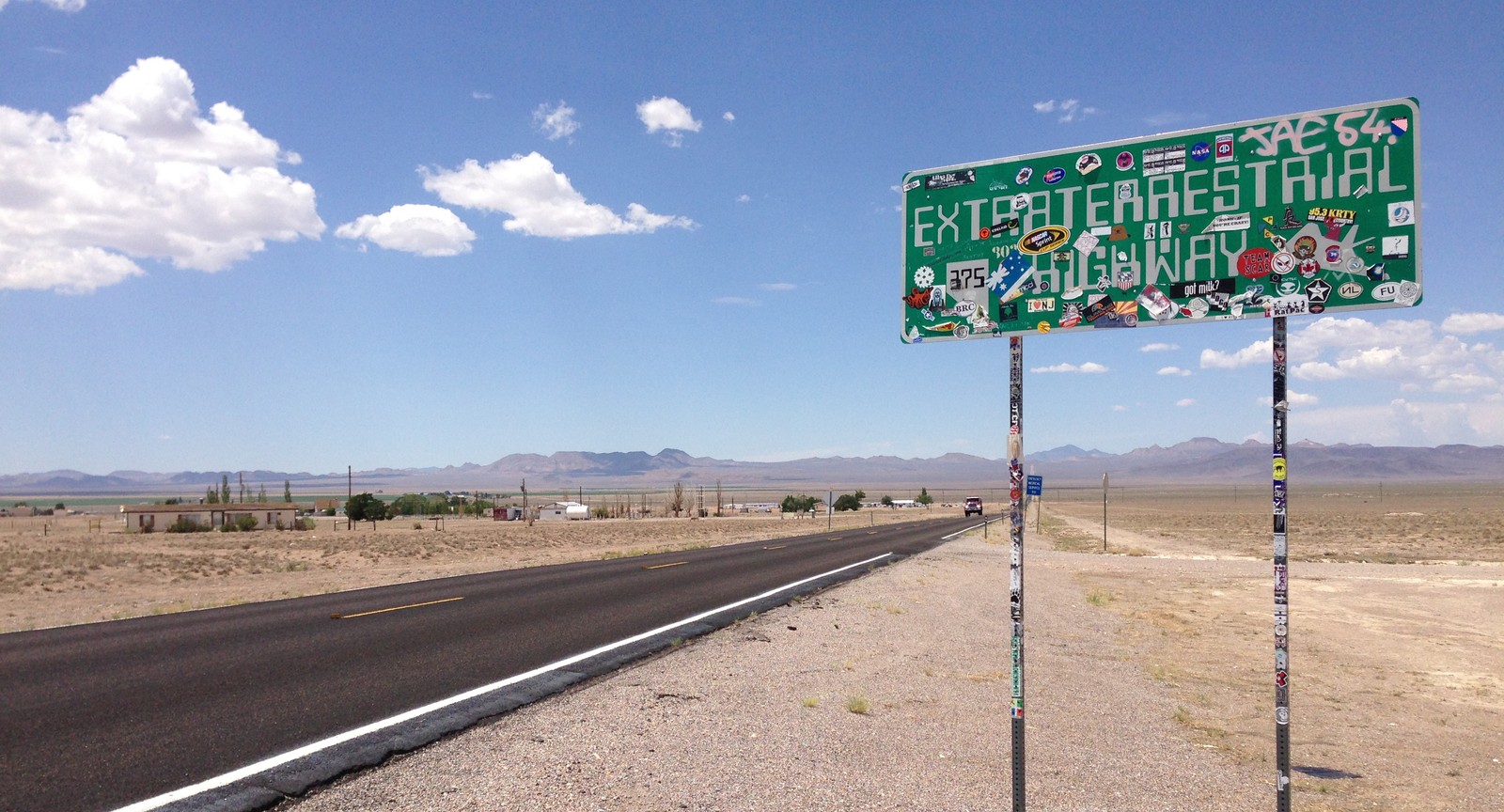
On Highway 375—also known as the Extraterrestrial Highway—stands a lone mailbox. While it was originally a normal mailbox for a local rancher, UFO enthusiasts became convinced it was a drop point for Area 51 secrets. Over the years, "The Black Mailbox"—which is now white, since the original was stolen—has become a shrine where visitors leave letters, tokens, and messages for extraterrestrials. What would you leave for a potential cosmic pen pal?
Play with construction equipment
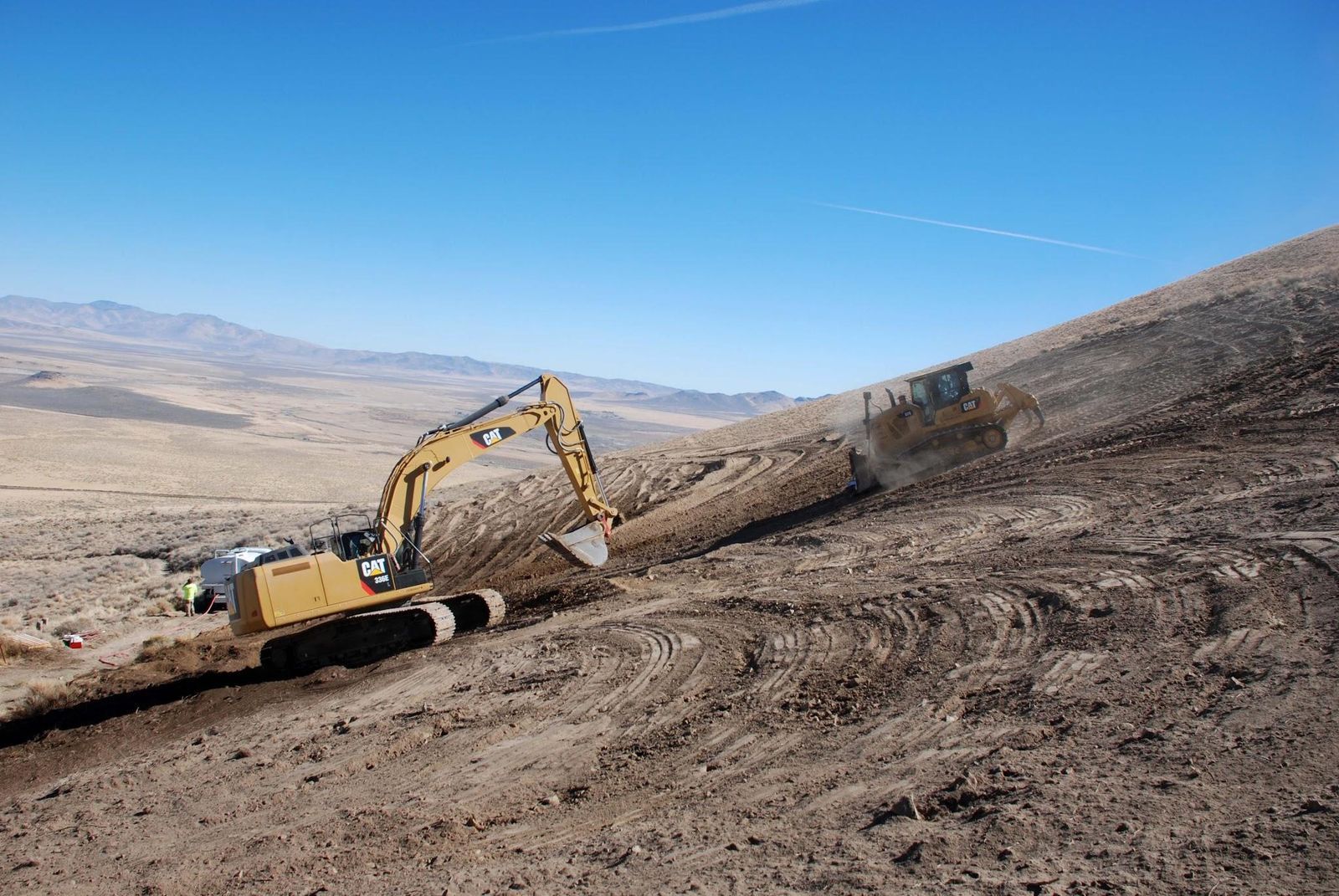
In Las Vegas, "playing in the dirt" isn’t just for kids. At a park called Dig This, you can rent 15-ton excavators and 20-ton bulldozers. After a brief safety orientation, you’re given a headset and a personal instructor who guides you through digging massive trenches, stacking 2,000-pound tires. It’s an oddly therapeutic way to release stress by moving literal tons of earth.
Go to the "McFarthest" point
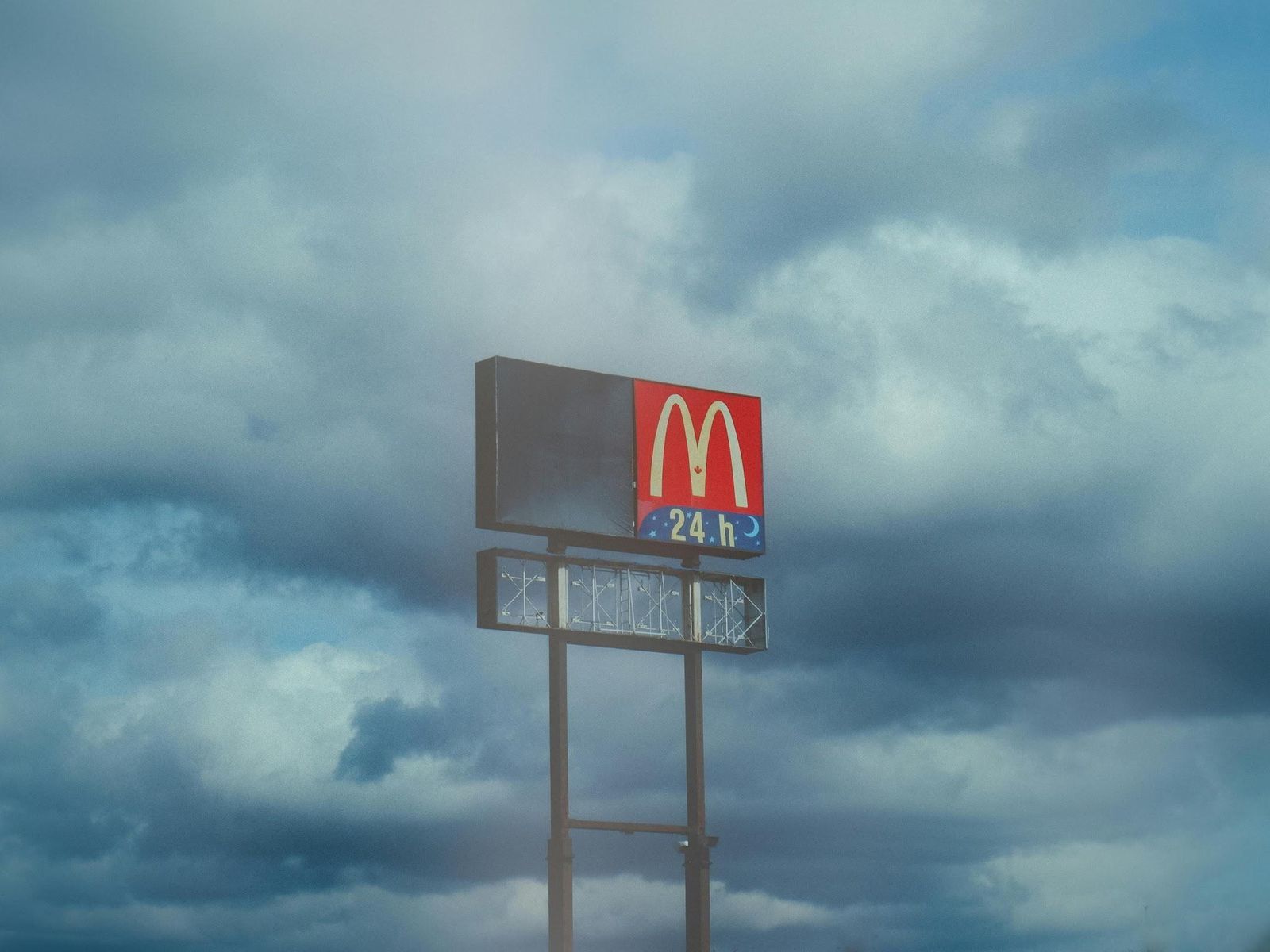
Nevada is home to a unique geographical record: the spot in the contiguous United States that is the farthest from any McDonald’s. Located in the northwestern desert near the Oregon border, you would have to travel roughly 120 miles to find a Big Mac. It is the ultimate destination for those seeking a true escape from corporations and a taste of the raw, untouched American West.
Visit an exact replica of the Simpsons’ house
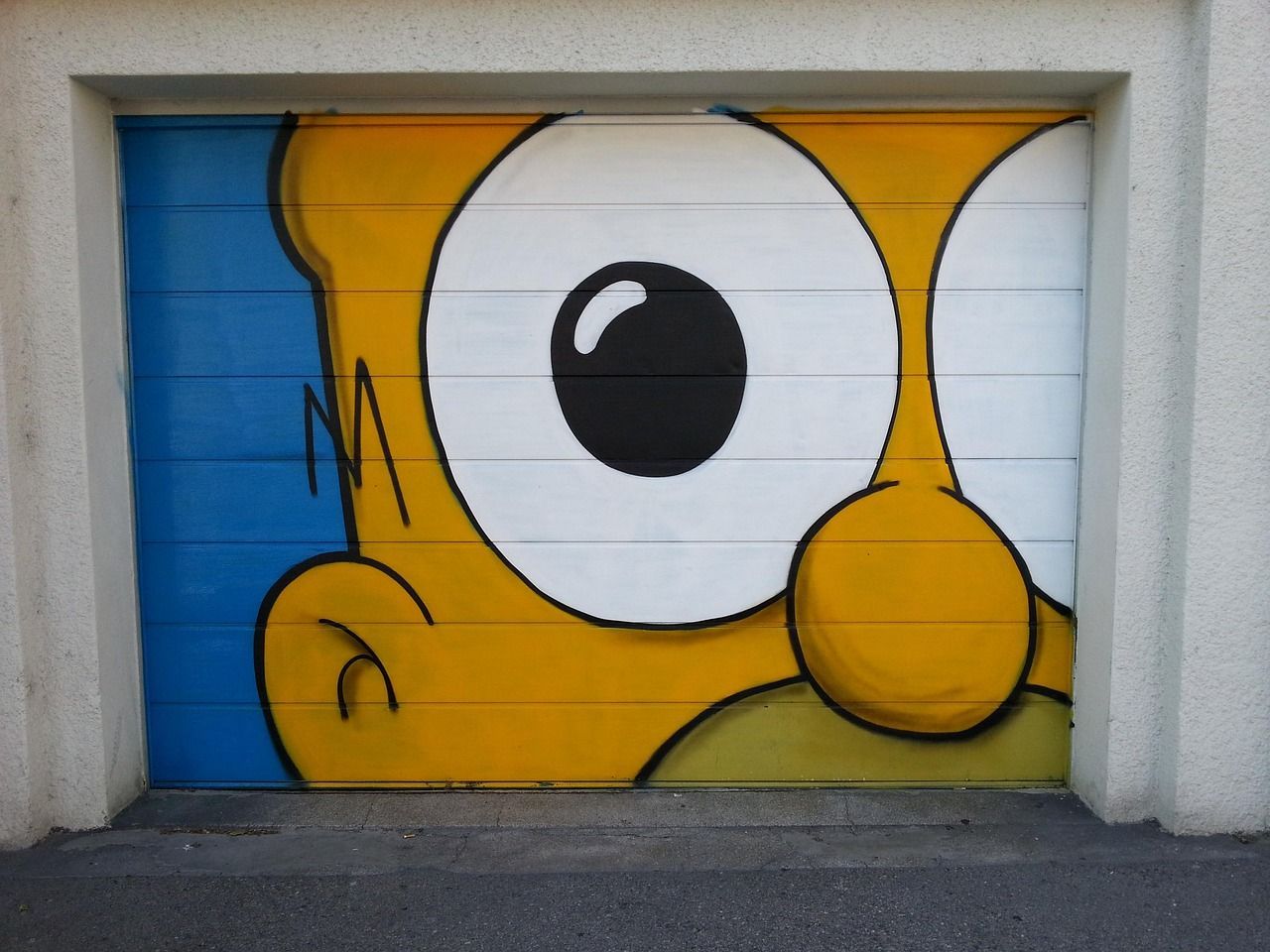
In 1997, as a marketing stunt for The Simpsons, a contest was set to give away a real-life, 2,200-square-foot replica of 742 Evergreen Terrace in Henderson, Nevada. The builders watched over 100 episodes to get the details right, from the corn curtains in the kitchen to the dent in the wall. While the winner opted for a cash price instead of the house, and the exterior has since been repainted to blend into the neighborhood, fans still flock to the curb to see the architectural skeleton of the world’s most famous cartoon home.
Explore the Solar Calendar of the High Desert
In the desert, just an hour outside of Las Vegas, there is a modern megalithic structure that functions as a Solar Calendar. Inspired by ancient sites like Stonehenge, these pillars are aligned to track the summer and winter solstices and the equinoxes. It serves as a quiet, spiritual reminder of the passage of time in a state that often feels like it’s stuck in a perpetual neon night.
Keep wandering
There’s always
more to explore
 Culture
11 movies that made millions want to pack their bags
6 min.
Read Now
 General
Ten airports where you will actually want to arrive early
3 min.
Read Now
Can you guess where Tutankhamun's golden mask is actually kept?
7 min.
Read Now
Some hotels are destinations all by themselves
7 min.
Read Now