
Flight canceled? These 10 passenger rights could save you money
 General
You need to know this
Flight canceled? These 10 passenger rights could save you money
A canceled flight can turn a simple trip into a maze of phone calls, vouchers, and unexpected bills. But some of the rules are more travel-friendly than many passengers realize. A significant delay can mean a cash refund, not just airline credit. An airline-caused three-hour delay may come with a meal voucher, and a bag that vanishes for 12 hours can trigger a baggage fee refund. Here are 10 passenger protections worth knowing before the next airport surprise.
Automatic cash refunds

Picture spending hours at an airport only to be told the canceled flight can be turned into a voucher. That’s not your only option.
Under the U.S. Department of Transportation’s refund rules, when an airline cancels a flight or makes a significant change, and you reject the alternatives, you’re entitled to a prompt cash refund. A domestic arrival three or more hours late counts as a significant change, as do certain major schedule or airport changes. The rule took effect in stages, with the key airline refund protections effective October 28, 2024. So if the new itinerary no longer works, there’s no need to accept airline credit simply because it’s offered first.
Fee refunds for delayed checked luggage
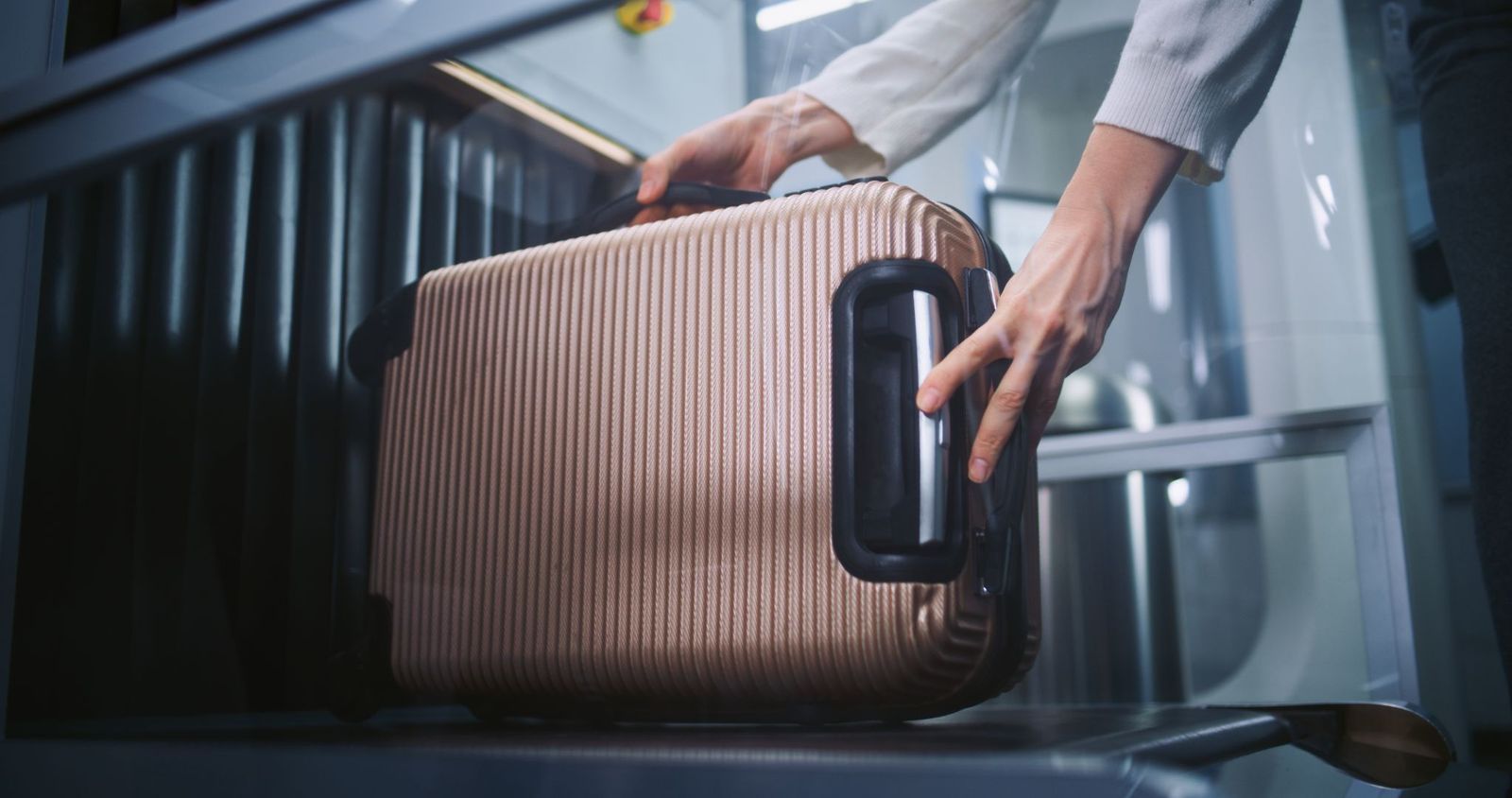
Few things sour the end of a trip faster than standing at baggage claim while the carousel goes round and round with no suitcase in sight. There’s a specific federal protection for that situation.
For a domestic flight, a checked bag is considered significantly delayed if it’s not delivered within 12 hours after the flight arrives at the gate. To receive the baggage-fee refund, the passenger must file a mishandled baggage report with the airline. Once the report is on file and the delay reaches the 12-hour threshold, the fee should be refunded automatically. The rule applies to the fee paid for checking the bag, not to any expense caused by the delay, so keep receipts for any separate claim.
Controllable vs. uncontrollable disruptions
A storm can shut down an airport, and nobody can negotiate with a thundercloud. A broken aircraft or crew scheduling problem is different.
Airlines and the Department of Transportation (DOT) distinguish between disruptions within the carrier’s control and those caused by circumstances beyond its control, such as weather or air traffic restrictions. That distinction matters because meal and hotel commitments generally apply to controllable disruptions. The DOT’s dashboard shows what each major airline has promised to provide, and it’s not identical across carriers. Weather may leave passengers waiting without a hotel or meal voucher, while an airline-caused overnight delay may trigger those benefits under the carrier’s published commitments. Checking the dashboard can save a frustrating argument at the counter.
Free rebooking on the same airline
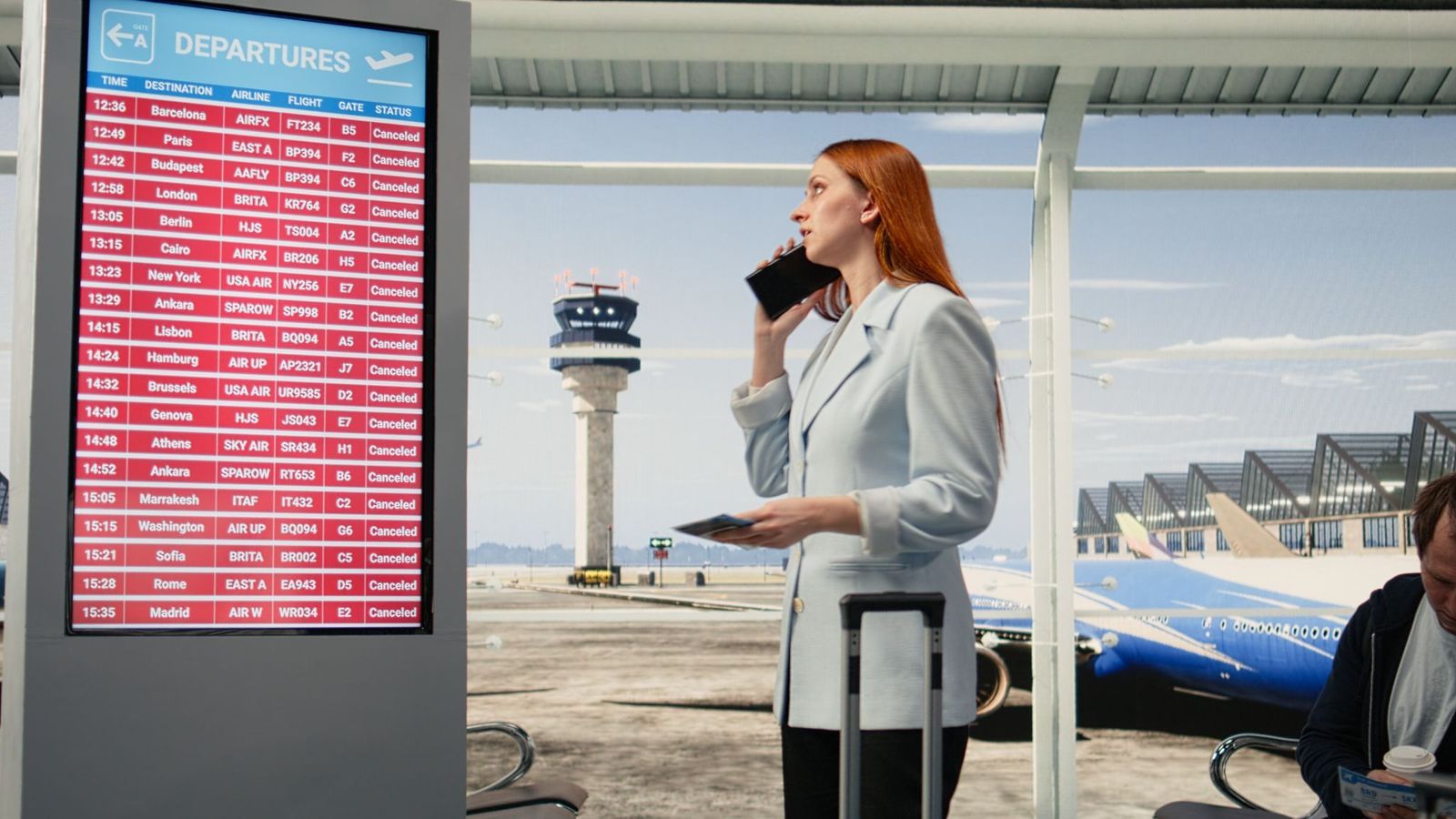
When a flight disappears from the departure board, the first instinct is often to wonder whether the next seat will cost more. For the major U.S. airlines covered by the DOT dashboard, if the airline changes the schedule significantly, delays your flight, or cancels it, you’re protected.
All 10 listed carriers commit to rebooking passengers on the same airline with no additional cost for controllable cancellations, and they make the same commitment for significant controllable delays. The exact definition of a significant delay can vary by airline policy, so the ticket conditions still matter. At the airport, it can be worth asking an agent to look beyond the first automatic options, especially when several flights leave for the same destination.
Free rebooking on partner airlines
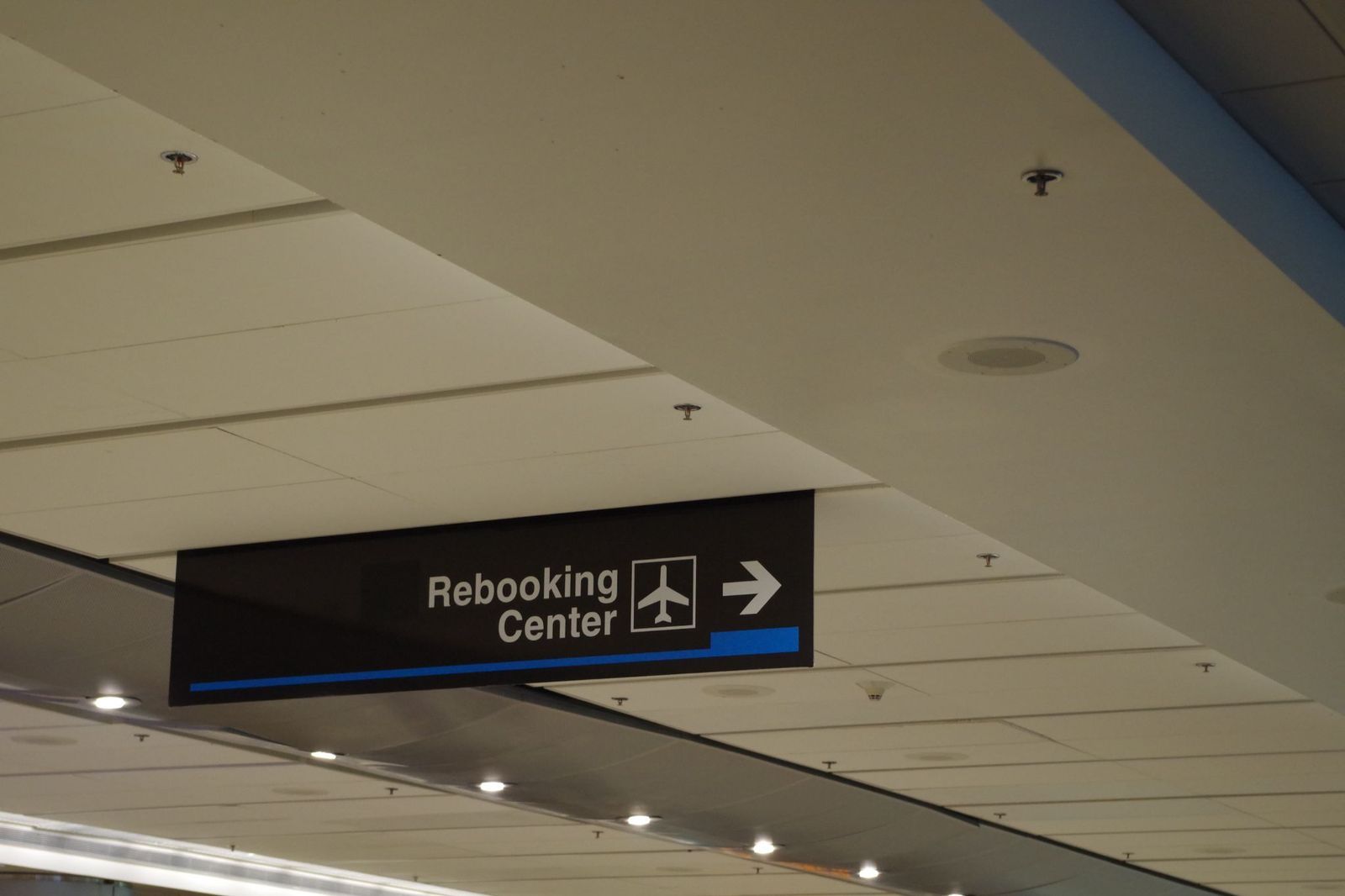
Sometimes, the next flight on the original airline is not until tomorrow, while another carrier has an open seat this afternoon. That’s where partner rebooking can become valuable, but it’s not a universal federal right.
The DOT dashboard records commitments by individual airlines, and several major carriers, including American, Delta, Alaska, and United, promise free rebooking on a partner or another airline with an agreement when covered disruptions occur. Others, including Southwest, Spirit, Frontier, and Allegiant, don’t make the same commitments on the dashboard. In other words, asking never hurts, but the answer depends on the airline and the circumstances. A competing flight is not automatically yours for the taking.
Complimentary meal vouchers
Three hours in an airport can turn a minor delay into an expensive afternoon, especially when every sandwich near the gate seems to cost a small fortune.
For controllable delays, the DOT dashboard shows that all 10 major U.S. airlines listed there commit to a meal, meal voucher, or cash equivalent when a passenger is waiting three hours or more. That benefit is tied to the airline’s control of the disruption, not simply the clock. A weather delay doesn’t automatically create the same obligation. If the delay is caused by a maintenance problem or another controllable issue, ask the airline about its meal policy rather than assuming the answer is no.
Free hotel accommodations for overnight delays

An evening flight gets pushed back, then pushed back again, and suddenly the departure board is talking about tomorrow morning. Before paying for a hotel, check whether the airline caused the disruption and what its customer-service commitment says.
The DOT dashboard shows that most major carriers like American or Delta, among others listed there, promise complimentary hotel accommodations and ground transportation for passengers affected by covered overnight controllable delays or cancellations. Frontier, instead, is a notable exception on the dashboard for overnight delay accommodations since they don’t provide accommodation. Weather and other events outside an airline’s control generally do not trigger the same commitment. If a hotel is covered, ask the airline for instructions before booking a room yourself, since reimbursement procedures can vary.
Strict tarmac delay limits
There’s a special kind of frustration in sitting onboard while the plane remains parked for hours. Federal rules put limits on that experience.
For domestic flights, airlines generally may not keep passengers on the tarmac for longer than three hours (or four for international flights) without allowing them an opportunity to deplane, subject to safety, security, and operation exceptions. Once a tarmac delay reaches two hours, the airline must provide adequate food and drinking water unless the pilot determines that doing so would create a safety or security risk. Passengers should also have access to working lavatories and appropriate medical attention. The clock matters, even when the gate feels frustratingly close.
Refunds for unused extra services
A seat with extra legroom, onboard Wi-Fi or priority boarding can feel like a worthwhile splurge when a trip is going smoothly. But if the airline takes the money and the service never arrives, the fee is not necessarily gone for good.
DOT rules require refunds for optional ancillary services that passengers paid for but didn’t receive through no fault of their own. Examples include seat selection, Wi-Fi, and in-flight entertainment. The protection can apply when a flight is canceled or when a service simply fails. The important detail is that the refund concerns the unused service fee, not the entire ticket. Check the receipt so it’s clear exactly which add-on was purchased.
The 24-hour penalty-free cancellation window

If it ever happens that you book a flight, but regret it or need to change the dates, federal rules give travelers a short window to reconsider.
For airline tickets purchased at least seven days before scheduled departure, airlines must either allow a passenger to cancel within 24 hours for a full refund or hold the reservation at the quoted fare for 24 hours without payment. They don’t have to offer both choices. The rule applies even to many tickets that would otherwise be nonrefundable. It doesn't mean a ticket can be changed freely during those 24 hours, so canceling a refund is different from changing the travel date. That distinction can prevent an unnecessary change fee.
Maps lie: 10 famous cities that love to trick tourists
 Culture
City secrets
10 world-famous cities with layouts that drive tourists crazy
We rely on maps to keep us oriented, but sometimes they aren’t enough to understand the city's complete layout. Each city grew to meet its changing needs and has its own method of dealing with chaos: streets that change their name for no discernible reason, passages that end at water, and diagonal avenues that cross numbered and lettered streets at the same time. To truly make sense of it all, we need to learn a little more about their past. Here are 10 legendary cities where unravelling their history is the secret to finding your way.
Venice’s Canals and Alleys
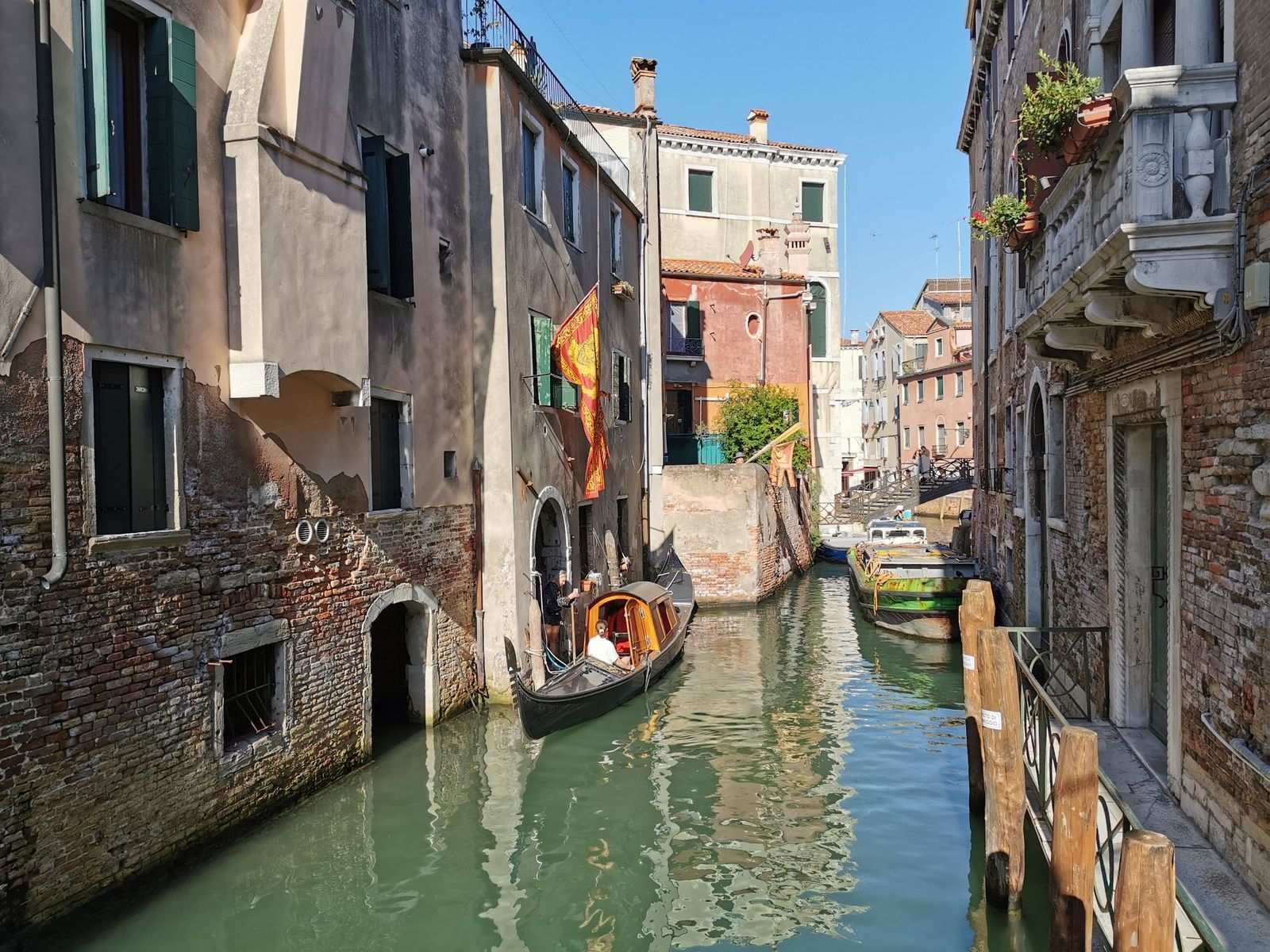
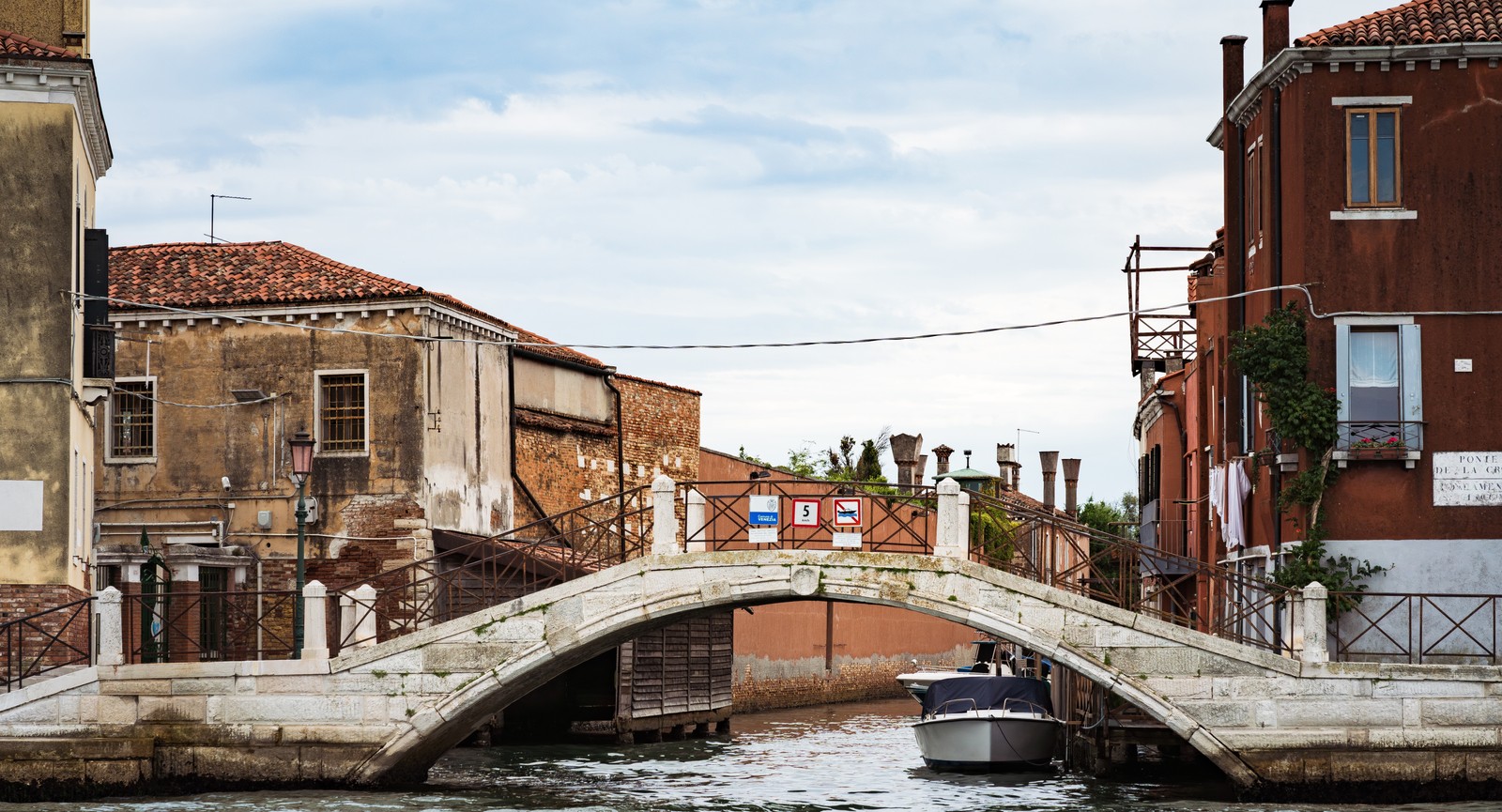
Venice is the city of canals and alleys that everyone wants to visit at least once. The city began developing across lagoon islands in the fifth century, and its urban system grew around waterways from the start. Separate settlements gradually joined, and canals became the transportation routes, with narrow lanes and bridges connecting the land.
Visitors should know that some of Venice’s passages end at water, while others pass beneath buildings. Bridges are the only crossing points between many sections, so a destination that appears nearby can require a long detour around a canal. In addition, signs may point toward the same landmark along several different routes, and two tourists can follow different arrows and still reach the same destination.
Washington D.C.’s Diagonal Avenues
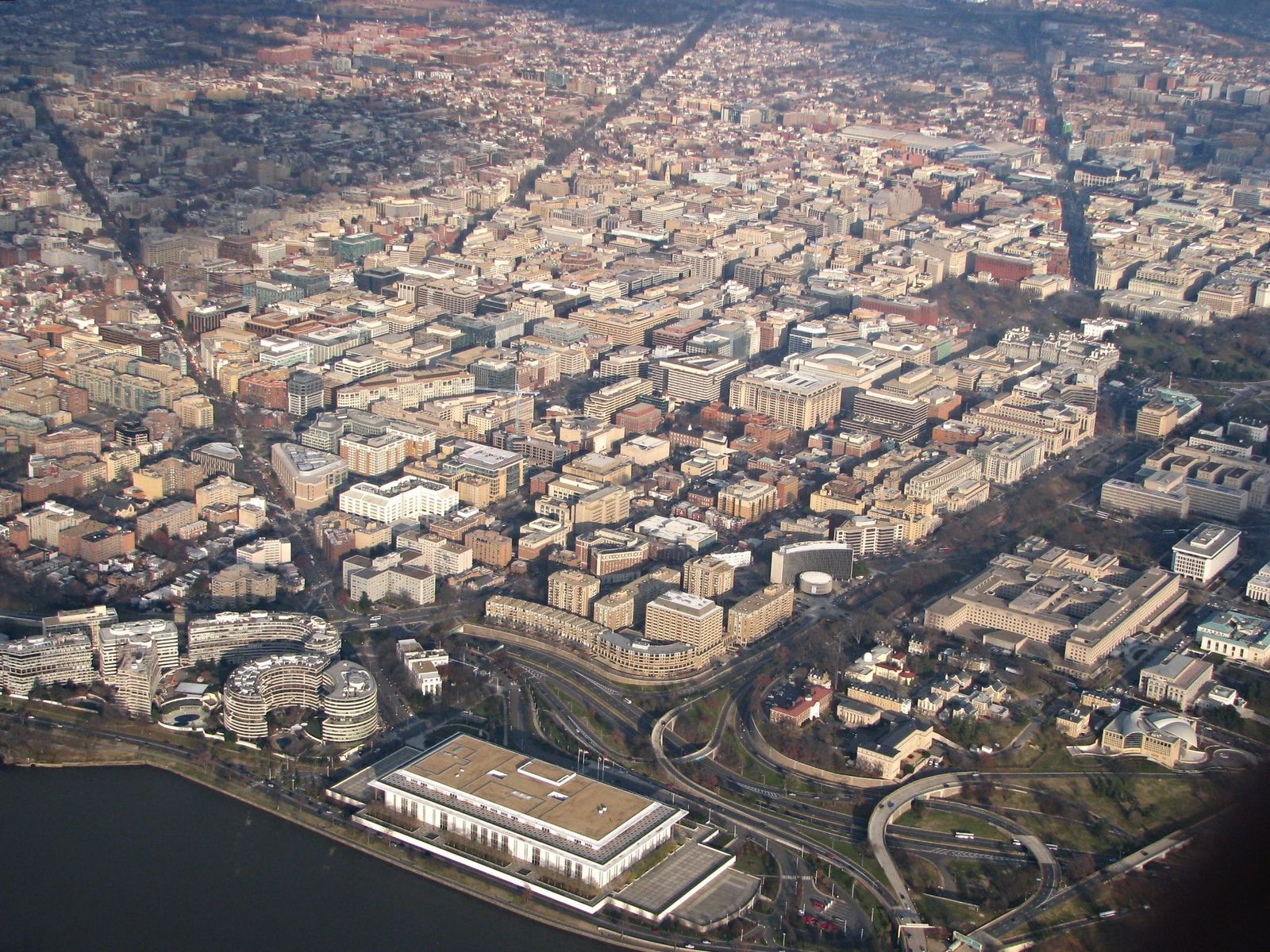
Washington uses numbered streets in one direction and lettered streets in the other, so navigating the city may seem simple at first. But state-named avenues cut diagonally across that grid, creating triangular blocks and intersections with several possible exits.
The layout dates to 1791, one year after Washington became the nation’s capital. Pierre Charles L’Enfant designed wide diagonal avenues to connect major government buildings. Pennsylvania Avenue, for example, connects the Capitol with the White House. It becomes confusing where avenues such as Massachusetts Avenue cross numbered streets, lettered streets, and diagonal roads at the same point, because visitors have to follow several naming systems while also figuring out which exit will keep them in the right direction. And most of the time, it’s all too easy to take the wrong turn.
Boston’s Winding Streets
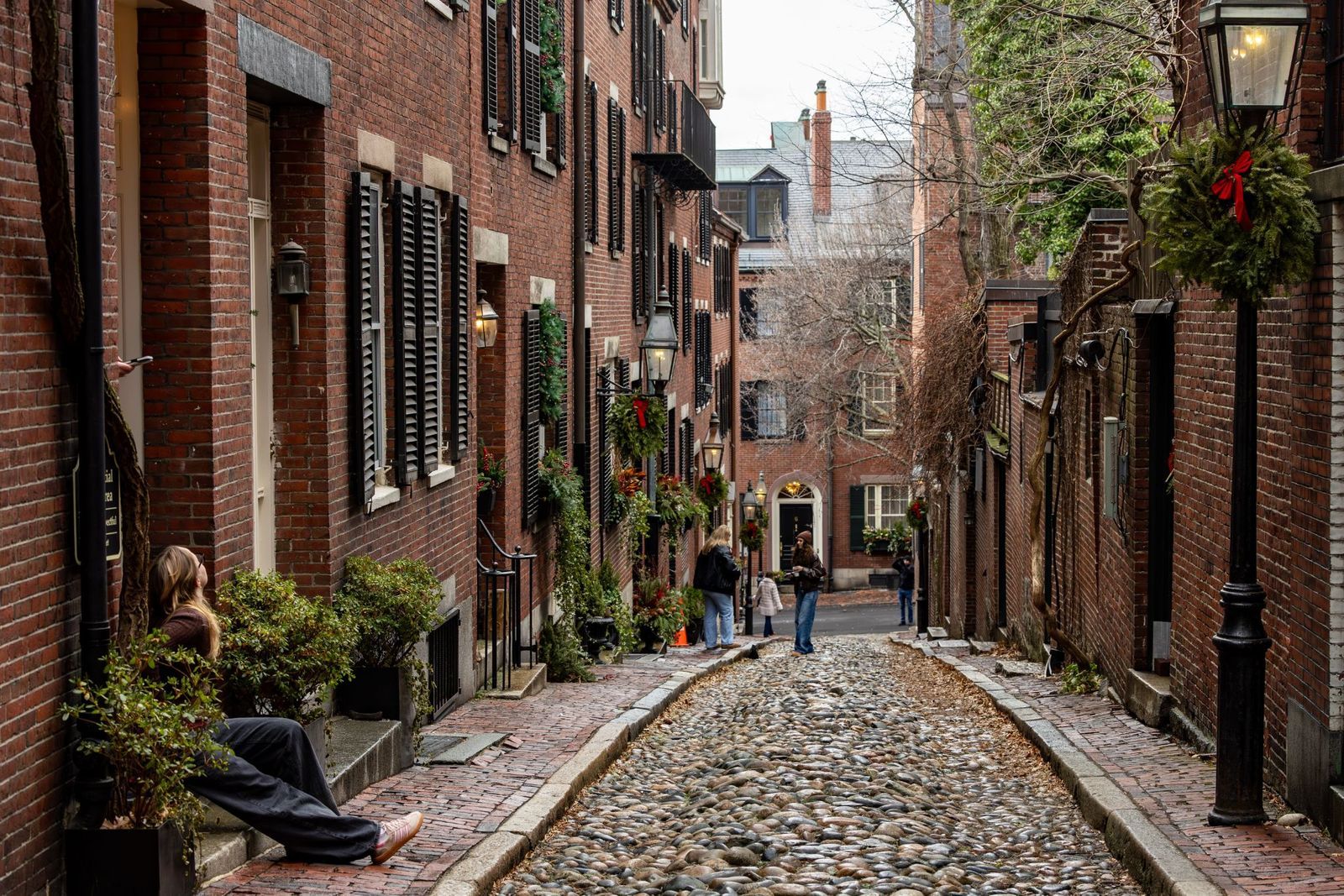
Boston was founded in 1630, long before uniform grids became the standard for American cities. Its earliest roads followed the natural shoreline, connected important gathering places, and worked around hills and private properties. Later land-reclamation projects pushed the shoreline outward, creating some streets that follow curves that are no longer connected to the water.
Boston’s Freedom Trail takes visitors from Boston Common through downtown and the North End. There, the red-brick line is the only clue to hang on to, because streets are curved, narrow, and can change direction suddenly. If you lose sight of it, the surrounding street network becomes confusing and unpredictable.
London’s Ancient Road Network
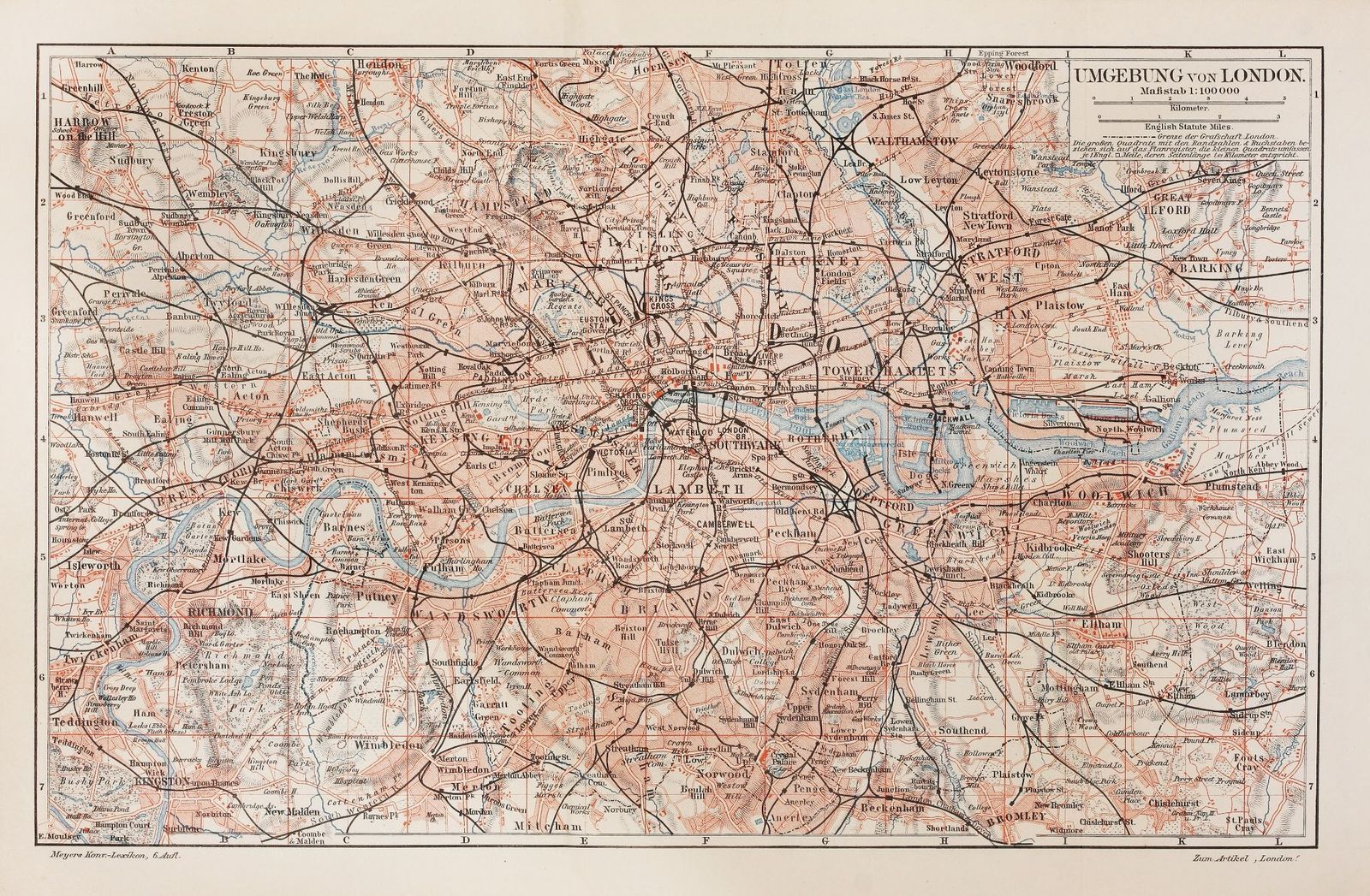
London’s story began nearly 2,000 years ago, when the Romans founded Londinium beside the Thames, the river they used to transport people and goods. From there, they built straight streets that formed simple square and rectangular blocks. But after the Romans left, the city continued growing, and medieval lanes, market streets, old city gates, and roads connecting settlements were added to the network. The problem: it didn’t follow a defined plan.
Today, some of London’s most popular landmarks include Trafalgar Square, St. Paul’s Cathedral, and the Tower of London. But getting from one to another can be confusing, as streets may bend or continue under a different name. You may also come across similar street names in different areas, as London expanded by absorbing smaller towns and neighborhoods, each with its own roads.
Paris’s Monumental Boulevards
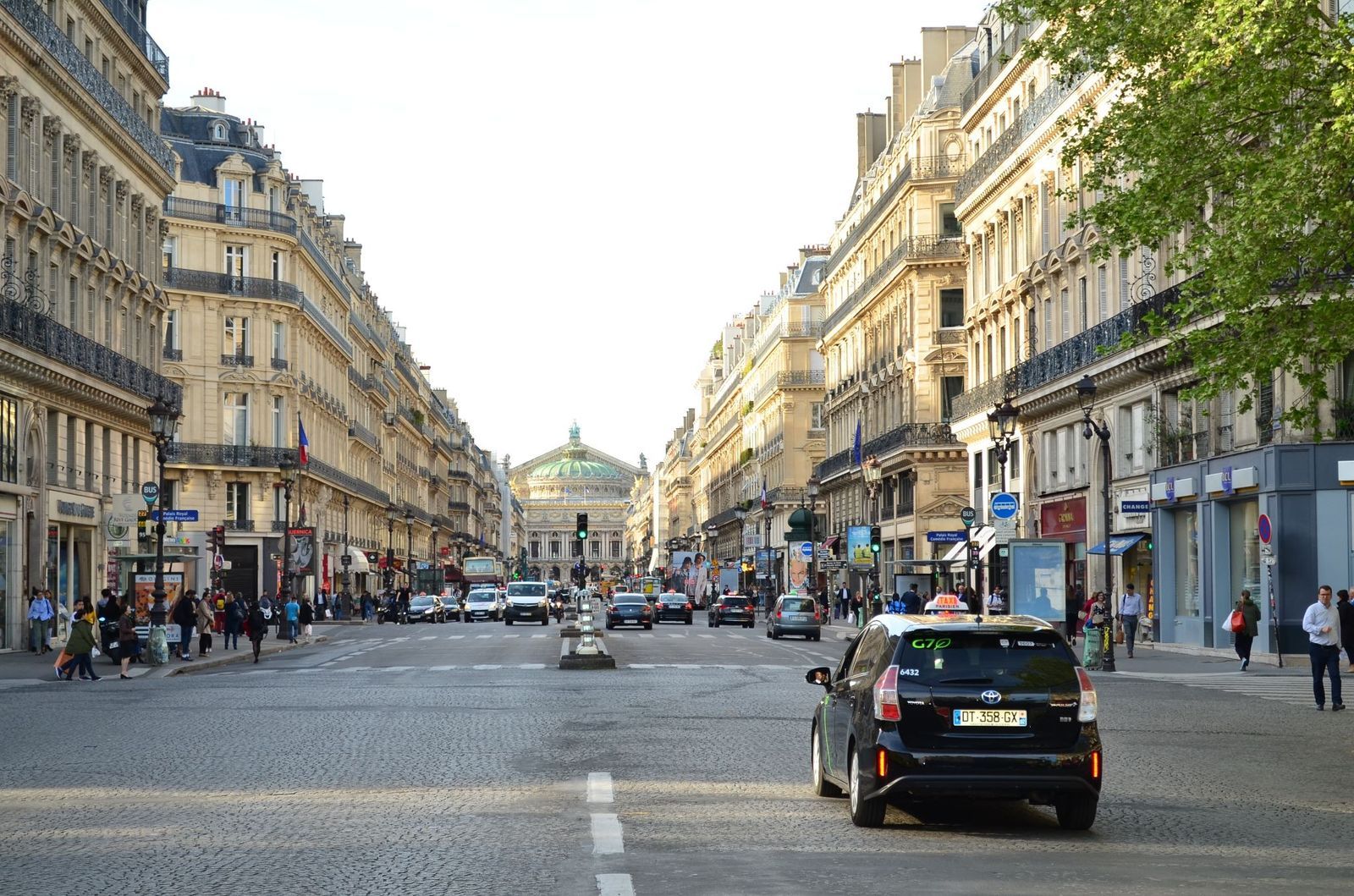
Paris began as a small settlement along the Seine more than 2,000 years ago, with narrow medieval streets around the historic center. In 1853, Napoleon III appointed government official Georges-Eugène Haussmann to lead a major renovation of Paris. Haussmann decided to cut wide boulevards through crowded neighborhoods to improve traffic, sanitation, natural light, and access to the city’s new railway stations.
Routes can sometimes become confusing when boulevards meet older streets at an unexpected angle or several avenues spread out from the same square. The Arc de Triomphe is a perfect example, where 12 similar-looking avenues radiate from Place Charles de Gaulle. Paris also has 20 numbered districts, or arrondissements, that spiral outward like a snail shell, so it helps to check the map before visiting.
San Francisco’s Hillside Grid
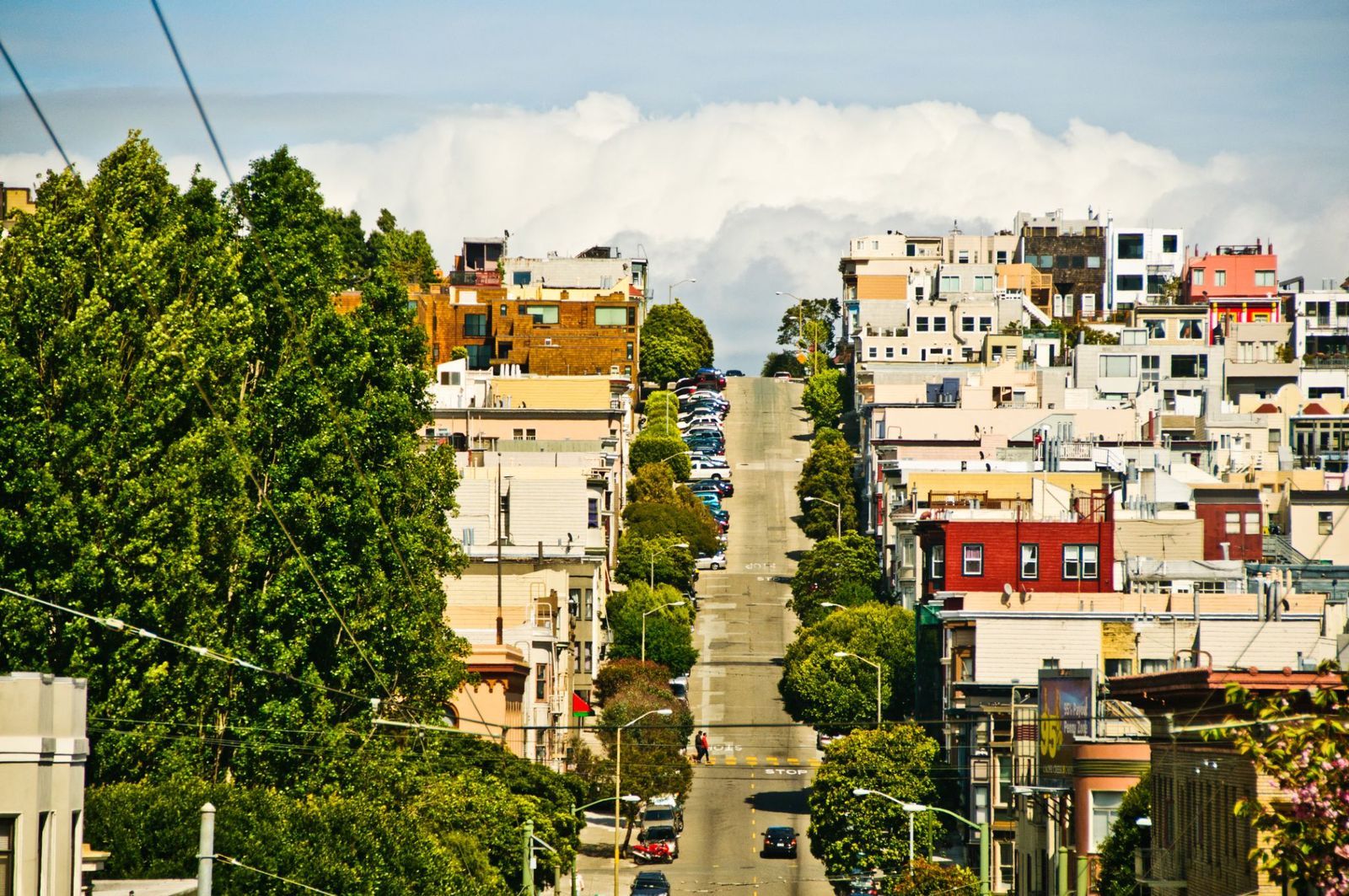
San Francisco began as a small Spanish mission and military outpost in 1776, but everything changed with the Gold Rush in 1848. As thousands of prospectors arrived, the settlement needed to expand, and instead of adapting every road to the terrain, streets were built across hills and dunes. Many streets now climb directly up one hill and descend the next.
The most visited spots, such as Union Square or Fisherman’s Wharf, may look like an easy walk on the map. But maps show distance more clearly than elevation, and they don’t warn visitors about the steep climbs over Nob Hill or Russian Hill. However, two cable car lines run from Powell and Market toward Fisherman’s Wharf, helping visitors avoid some of the city’s steepest streets.
Amsterdam’s Canal Rings
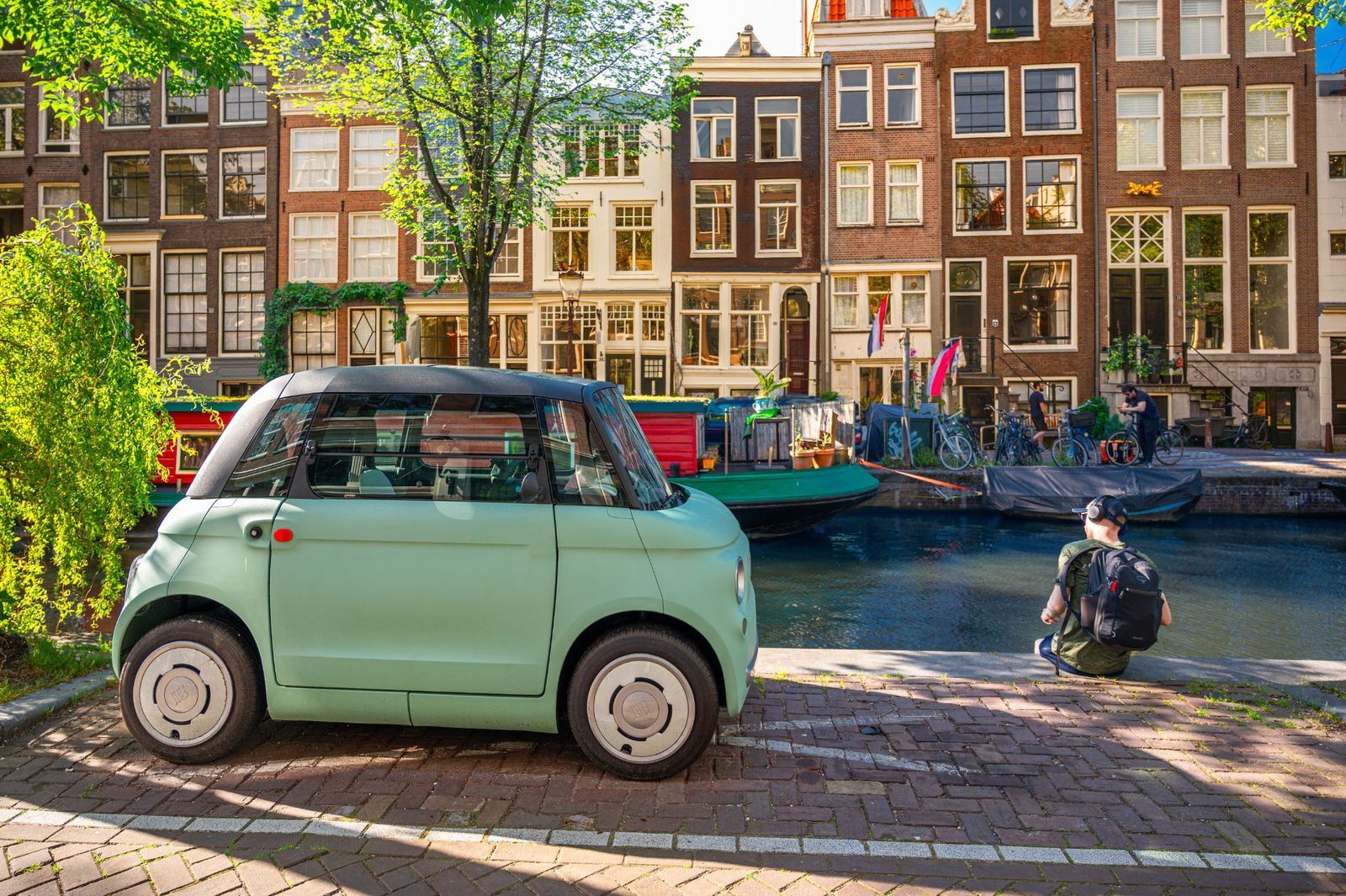
Water has shaped Amsterdam’s street system since its earliest days in the late 12th century, when the city began as a small settlement near the Amstel River. During the Dutch Golden Age of the 17th century, the Netherlands became a major center of trade, shipping, science, and art, and Amsterdam grew wealthy as ships brought goods from around the world. As the population increased and the city needed more space to expand, planners built the famous canal rings.
The Herengracht, Keizersgracht, and Prinsengracht are the three main canals in Amsterdam’s historic ring, and curve around the city center in semicircles. But walking straight ahead along these canals doesn’t necessarily take you straight across the city. And since the bridges and narrow canal houses look so similar, visitors may cross the right canal while still heading the wrong way.
Barcelona’s Cut-Corner Blocks
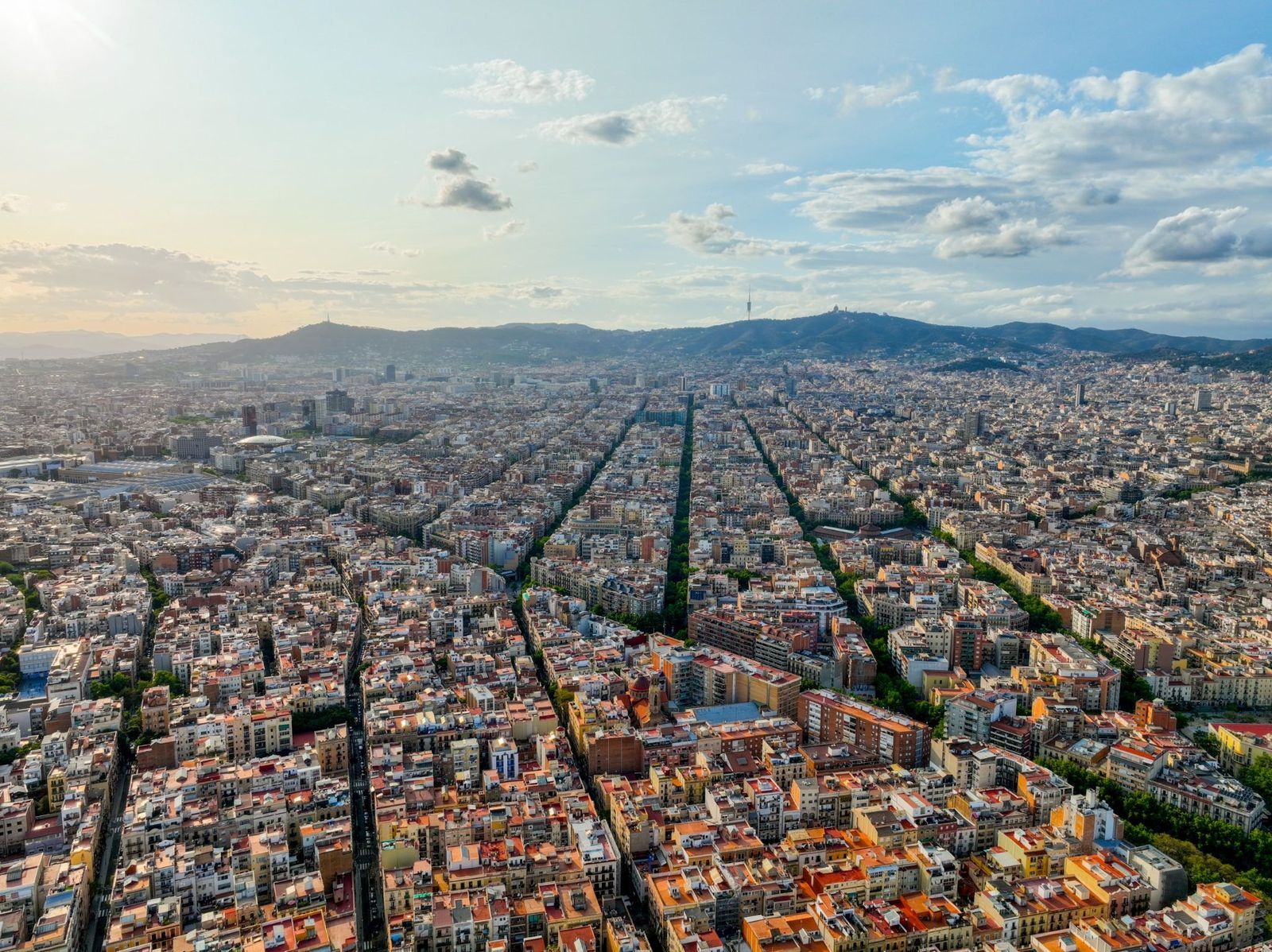
Barcelona was founded around 15 BC when the Roman Empire built a walled settlement where the city stands today. For centuries, the city expanded inside those walls, with narrow streets around the Gothic Quarter. By the 19th century, there was no longer enough space for all the inhabitants, so engineer Ildefons Cerdà designed the Eixample expansion in 1859.
Cerdà designed a large grid with blocks cut at an angle in their corners, making intersections wider and easier to see across. But the octagonal blocks can seem almost identical from the street, and their cut corners can make the road ahead look slightly out of line, so visitors can walk several blocks before realizing they’re following a parallel street instead of the one they need.
Edinburgh’s Stacked Streets
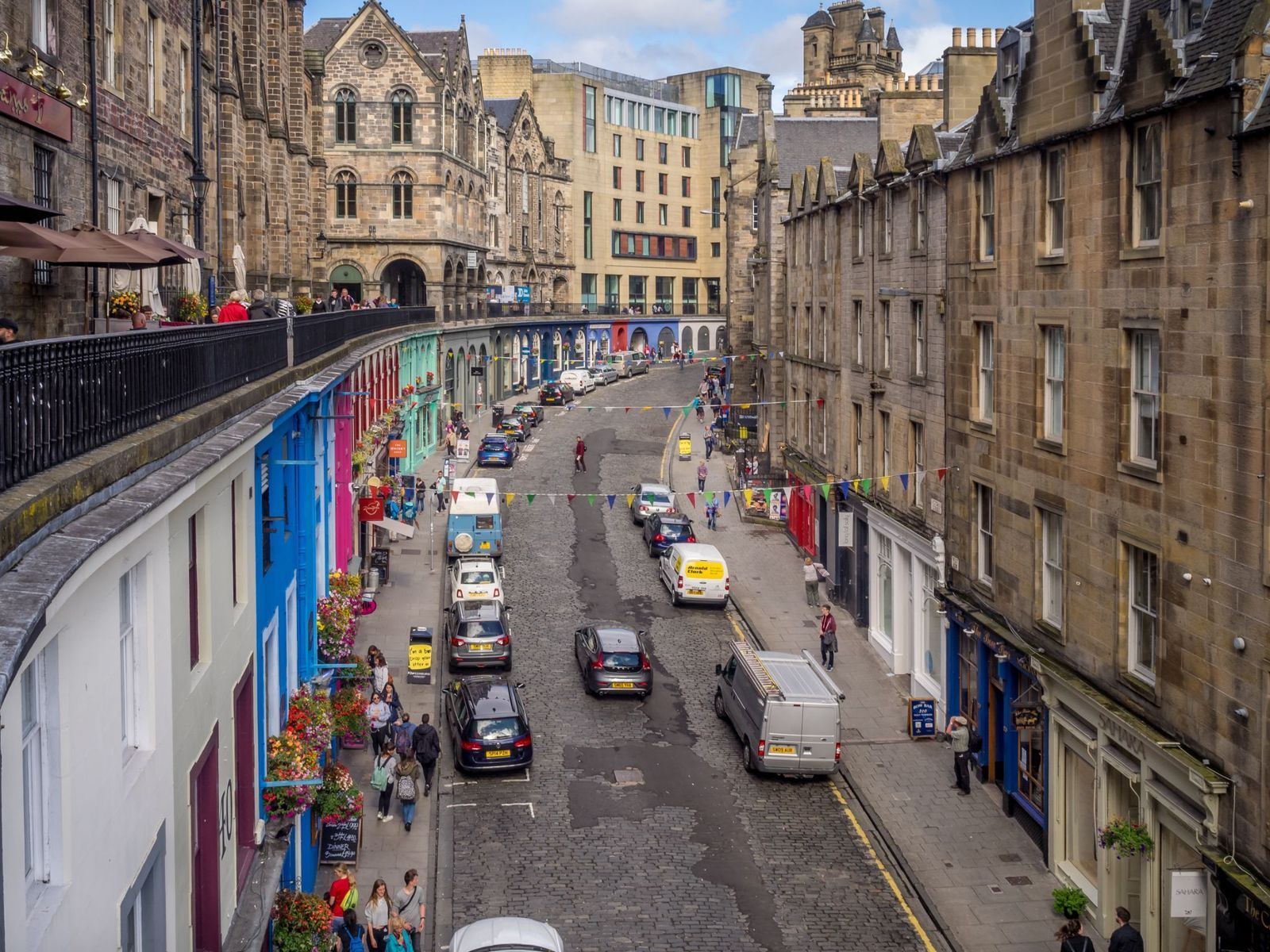
In Edinburgh, the Royal Mile directly connects Edinburgh Castle and the Palace of Holyroodhouse. However, the streets around these spots aren’t so easy to follow, because the city was built at different levels. The map may show two streets crossing, while one actually passes high above the other. To reach the lower road, you may have to find a staircase or one of the narrow alleyways locals call closes.
In the 12th century, Edinburgh grew as a royal town along the narrow ridge below the castle. Steep closes were added down the sides of the ridge to reach the lower ground, as more buildings crowded around the Royal Mile. Then, in the late 18th century, North Bridge and South Bridge were built across the surrounding valleys. And, instead of joining the older streets below, the new roads passed over them, creating the stacked street system that still confuses visitors today.
Savannah’s Public Squares
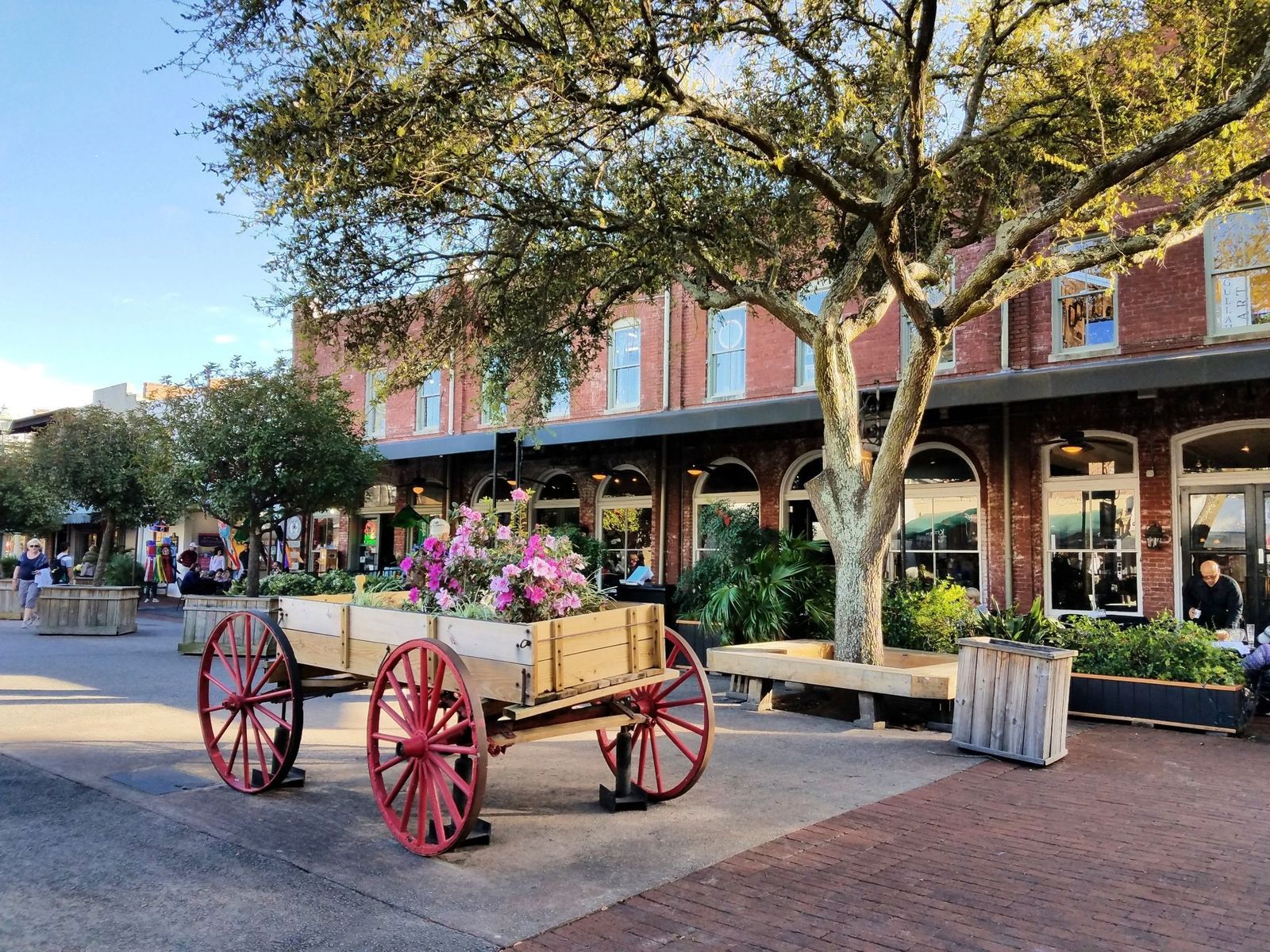
When James Oglethorpe founded the city of Savannah, Georgia, in 1733, he organized it around public squares rather than a single central plaza. So each new neighborhood had its own square, with separate spaces nearby for homes.
Visitors nowadays walk from River Street toward Forsyth Park, passing through several of the city’s 22 surviving squares. Many have similar trees and monuments, so it’s easy to mistake one for another. Instead of continuing straight, streets may also split or curve around a square, meaning tourists should check the square’s name before assuming they’re still following the same route.
Keep wandering
There’s always
more to explore

Your camera can read a menu in 200 languages instantly: Traveling hacks
5 min.
Read Now
You order dinner, and the menu has no dollar signs. Why?
6 min.
Read Now
The one confectionery you should never bring back to the U.S.
4 min.
Read Now

How can you skip airport lines without paying for VIP service? Find out
5 min.
Read Now