Everyday habits that can be unexpectedly rude when traveling abroad
 Culture
Should I tip or not?
Everyday habits that can be unexpectedly rude when traveling abroad
Travel has a funny way of making the familiar feel foreign. Habits that feel perfectly normal and polite in America, such as being on time to a date and tipping at restaurants, can suddenly become small cultural puzzles abroad. What is expected in one country might be confusing or even rude in another. Understanding these differences isn’t just about avoiding awkward moments; it’s about seeing how deeply culture shapes daily life. Here are 10 everyday things you definitely can’t do the same way everywhere in the world.
Tipping at Restaurants
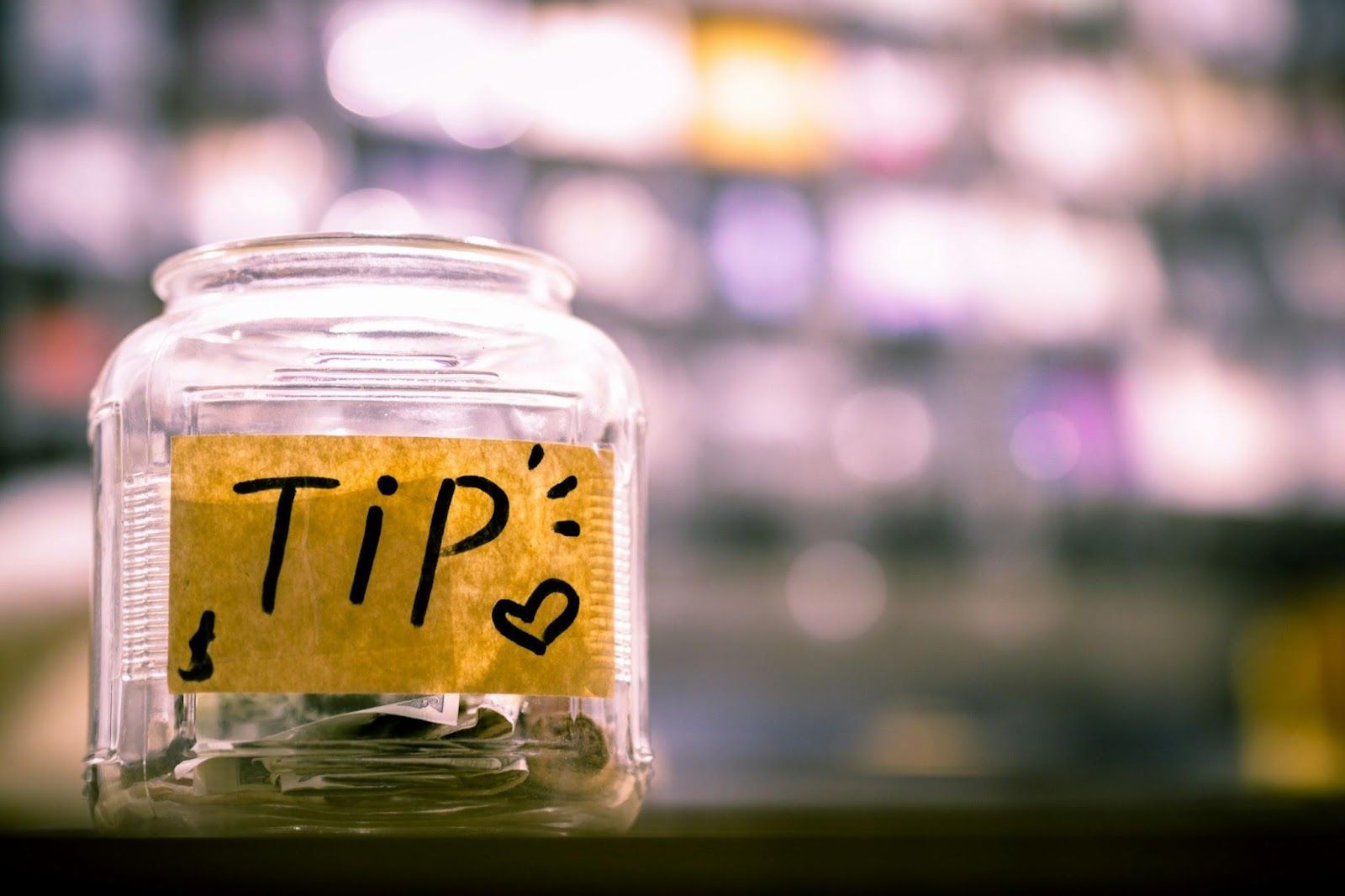
In the United States, tipping is practically mandatory, with servers often relying on it as a major part of their income. Adding 15 to 20% to your bill is standard practice at full-service restaurants, and leaving too little can be seen as a strong statement of dissatisfaction.
In Japan, however, tipping isn't a common habit. In their culture, excellent service is expected as part of the job, and suggesting that workers need extra financial reward to perform their duties can feel insulting to them.
Greeting People

A handshake is standard in the US and in many Western countries, where greetings tend to be formal and direct. Personal space is respected, especially with strangers and in professional environments.
On the other hand, in Brazil and many other South American countries, greetings are warmer and more physical. Hugs, cheek kisses, and close conversation are common, even among people who have just met.
Eating With Your Hands
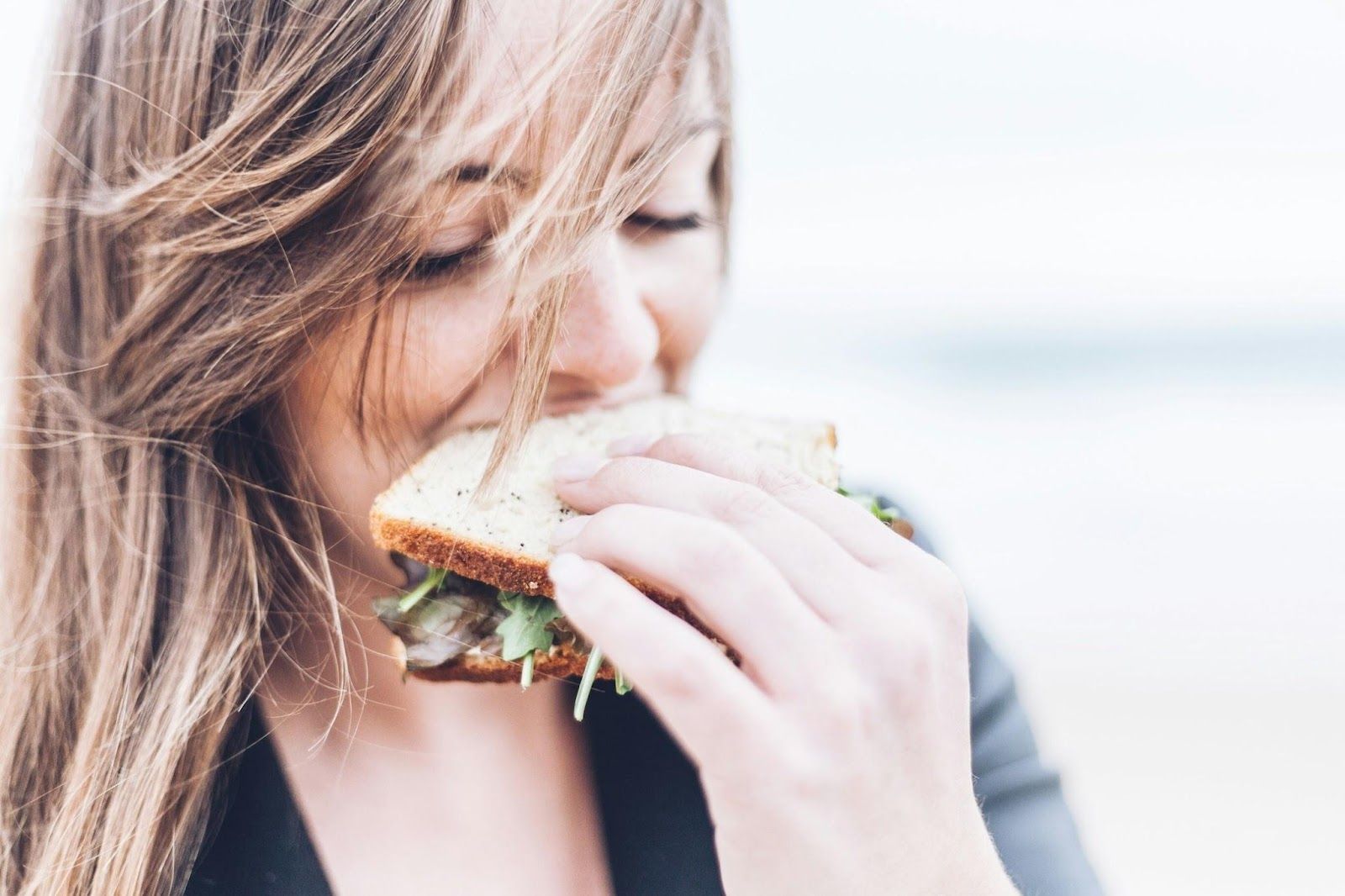
In India, eating with your hands, specifically with the right hand, is traditional and often encouraged for many dishes. It’s seen as an authentic way to connect with and enjoy food.
On the contrary, in much of France and other parts of Europe, using your hands is limited to certain foods like bread or cheese. For most meals, proper utensil placement and use is an important part of table manners and etiquette.
Being on Time
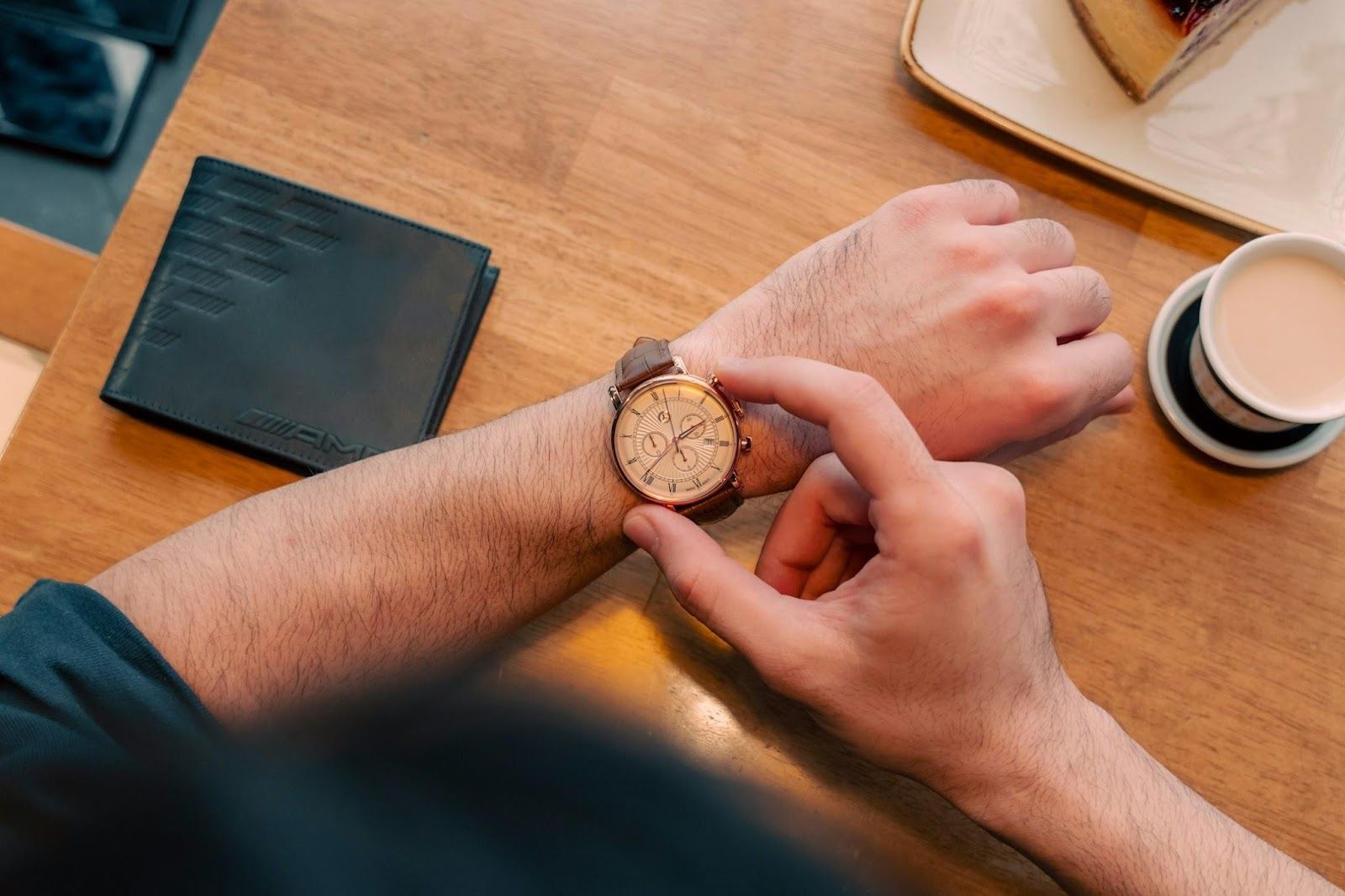
Punctuality is taken very seriously in Switzerland, where being late is often viewed as unprofessional and disrespectful. Schedules are followed closely, not just in the office, but also in more casual and relaxed social settings.
In Mexico and other Latin American cultures, on the other hand, being "politely late" (from 15 to 30 minutes) is usually the norm. Arriving late to a casual gathering is often expected rather than frowned upon, and being early can even be considered rude.
Using Public Transportation
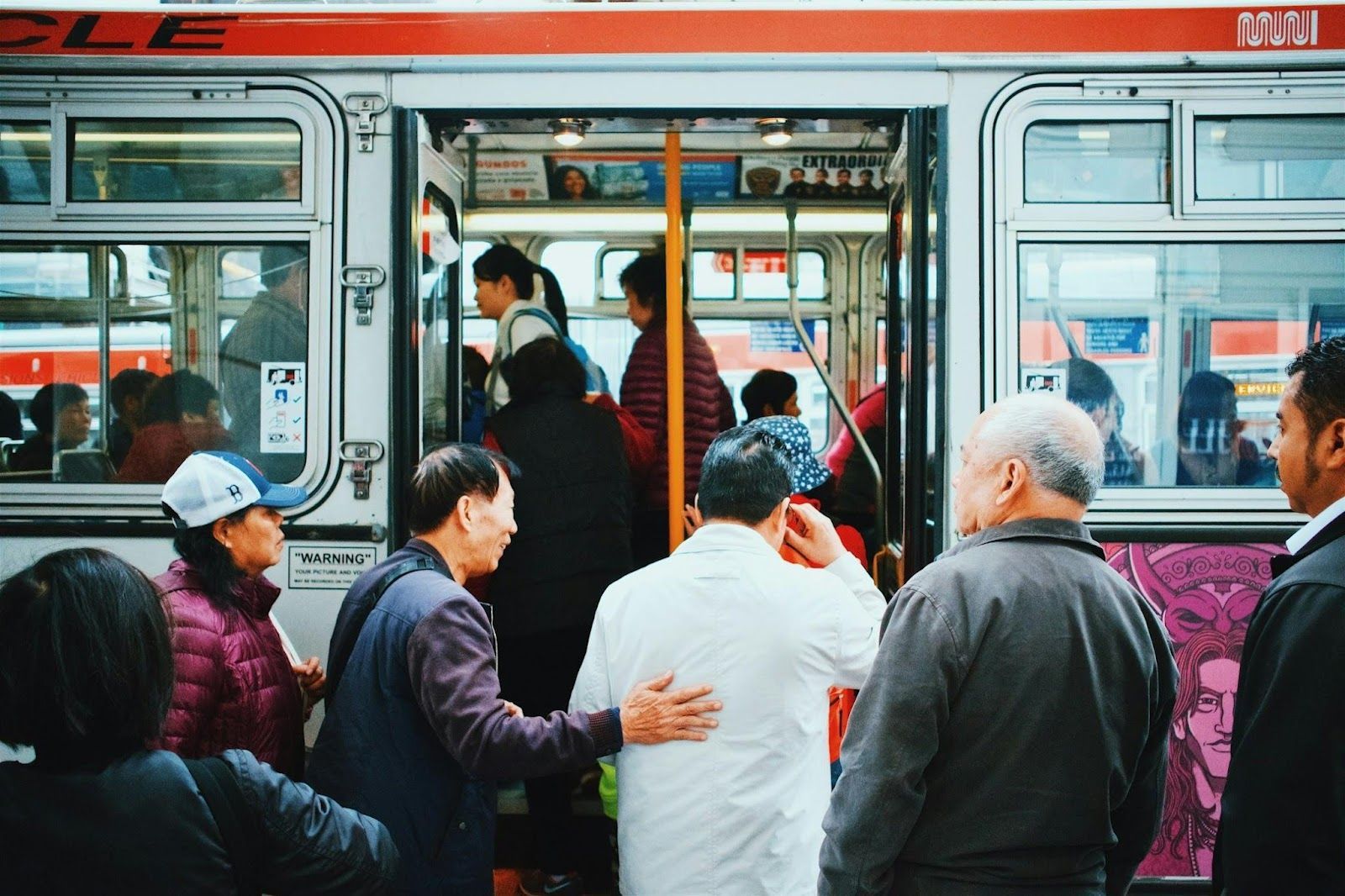
In Tokyo, public transportation runs with extreme efficiency, and silence is valued. Phone calls on trains are discouraged, and commuters are highly orderly.
In New York City, public transit is louder and more expressive. Conversations, music, and spontaneous interactions are part of the everyday experience.
Shopping Hours
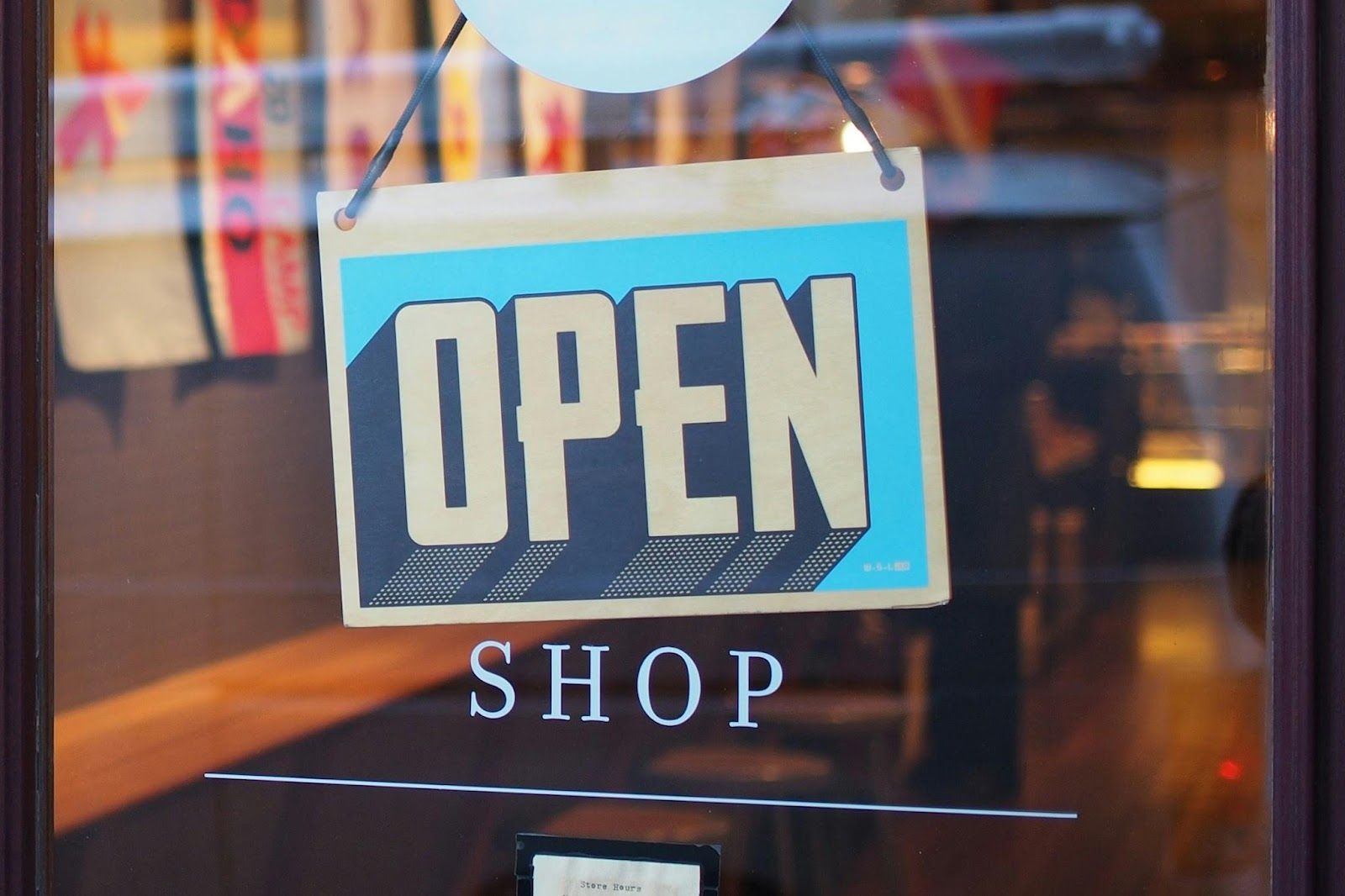
Many stores in Spain still close in the afternoon for a long break, especially in smaller towns. Shopping often resumes in the evening. This is also true in many South American countries that were heavily influenced by early Spanish colonization.
In many larger cities around the world, shopping hours can extend throughout the day and late into the night. In Seoul, South Korea, some districts are busiest after dark, reflecting a more nocturnal lifestyle.
Drinking Alcohol
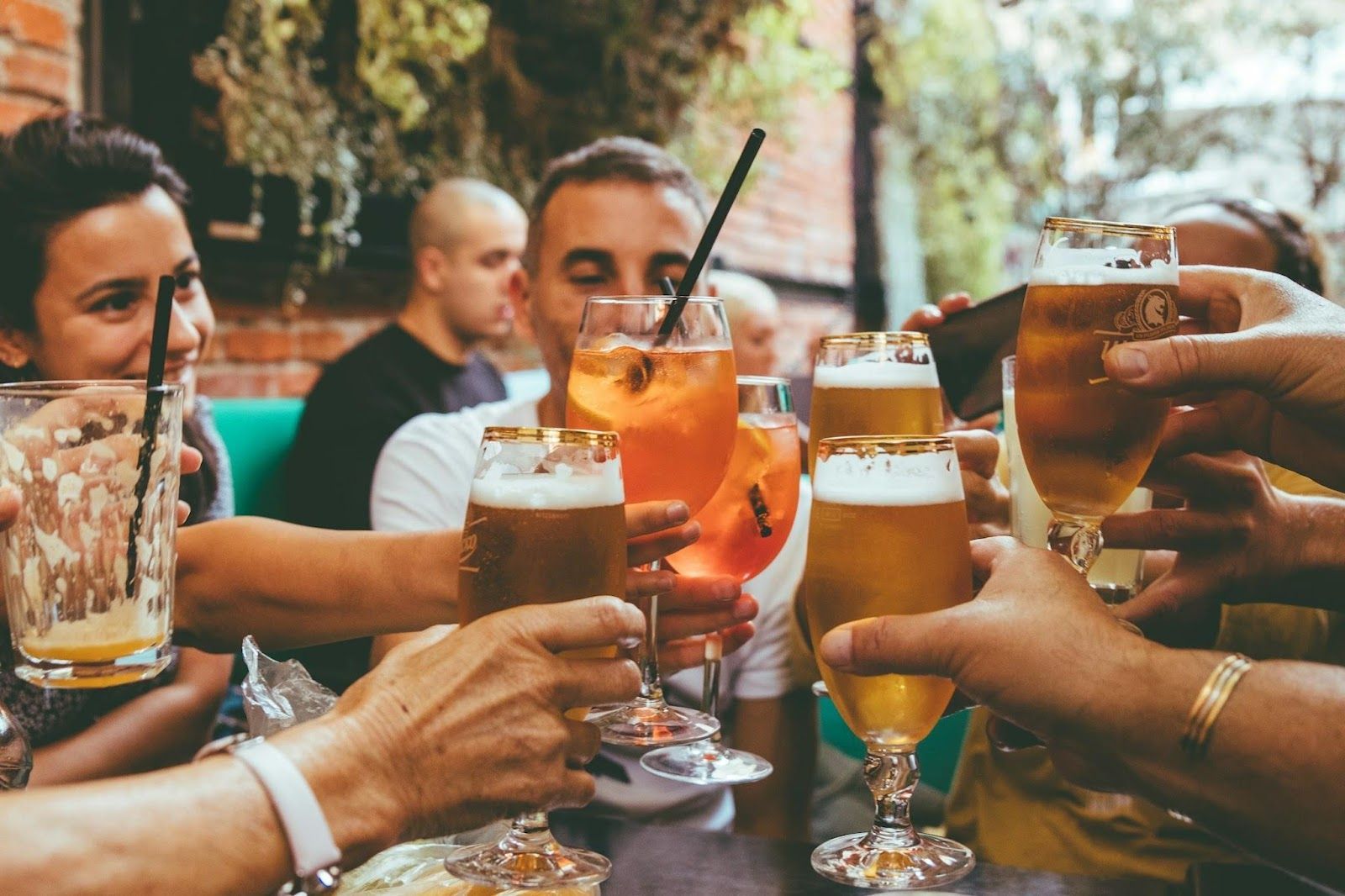
In the United Kingdom, drinking in pubs is a deeply rooted social activity, often centered around conversation and community.
In Saudi Arabia, alcohol is strictly prohibited by law. Visitors must adapt quickly to a culture where drinking simply isn’t part of public or private life.
Personal Space
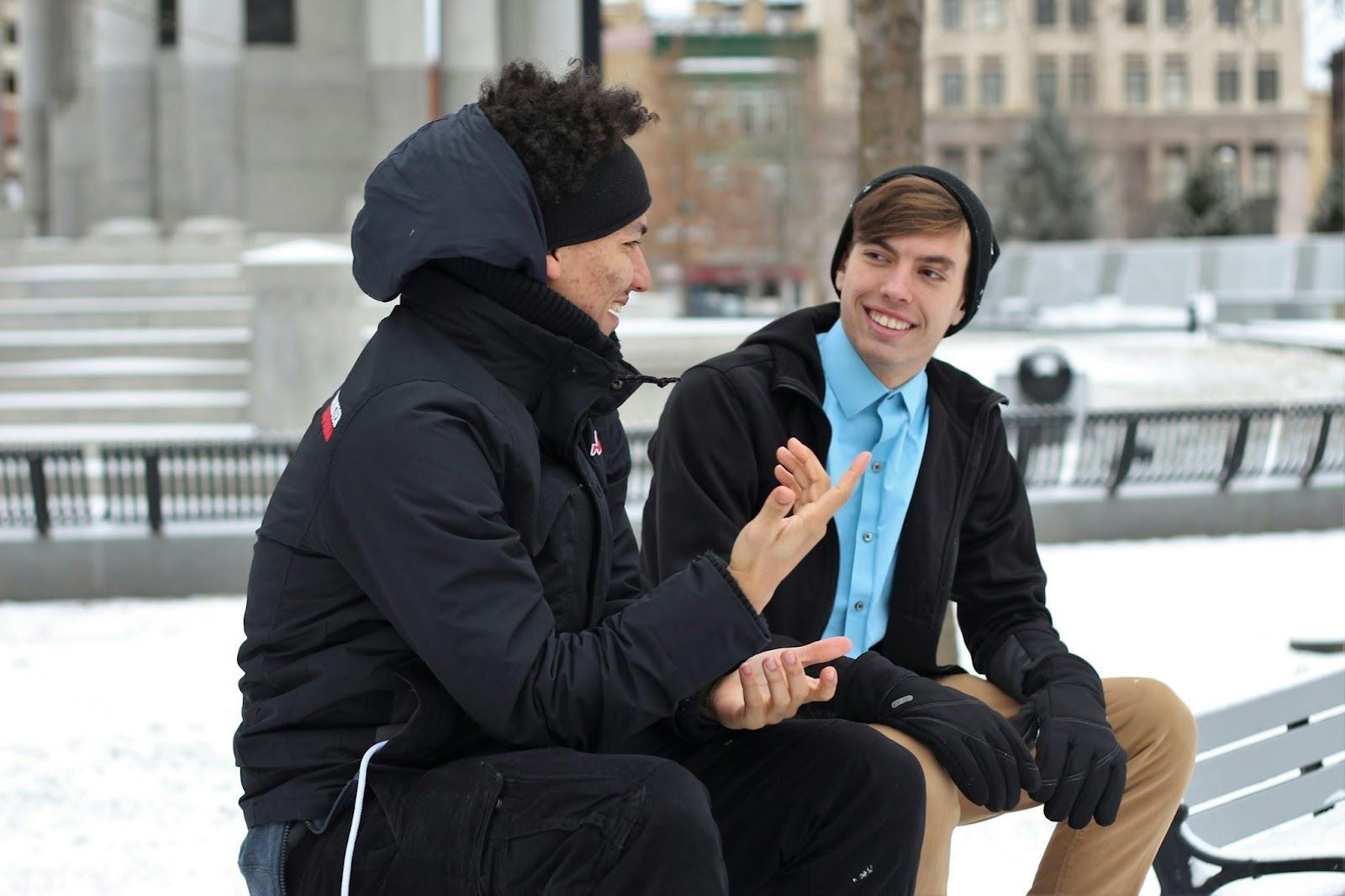
In Canada, people tend to value personal space and polite distance, especially in public settings.
In Italy, close physical proximity during conversation is common. Standing too far back can even feel cold or unfriendly.
Negotiating Prices
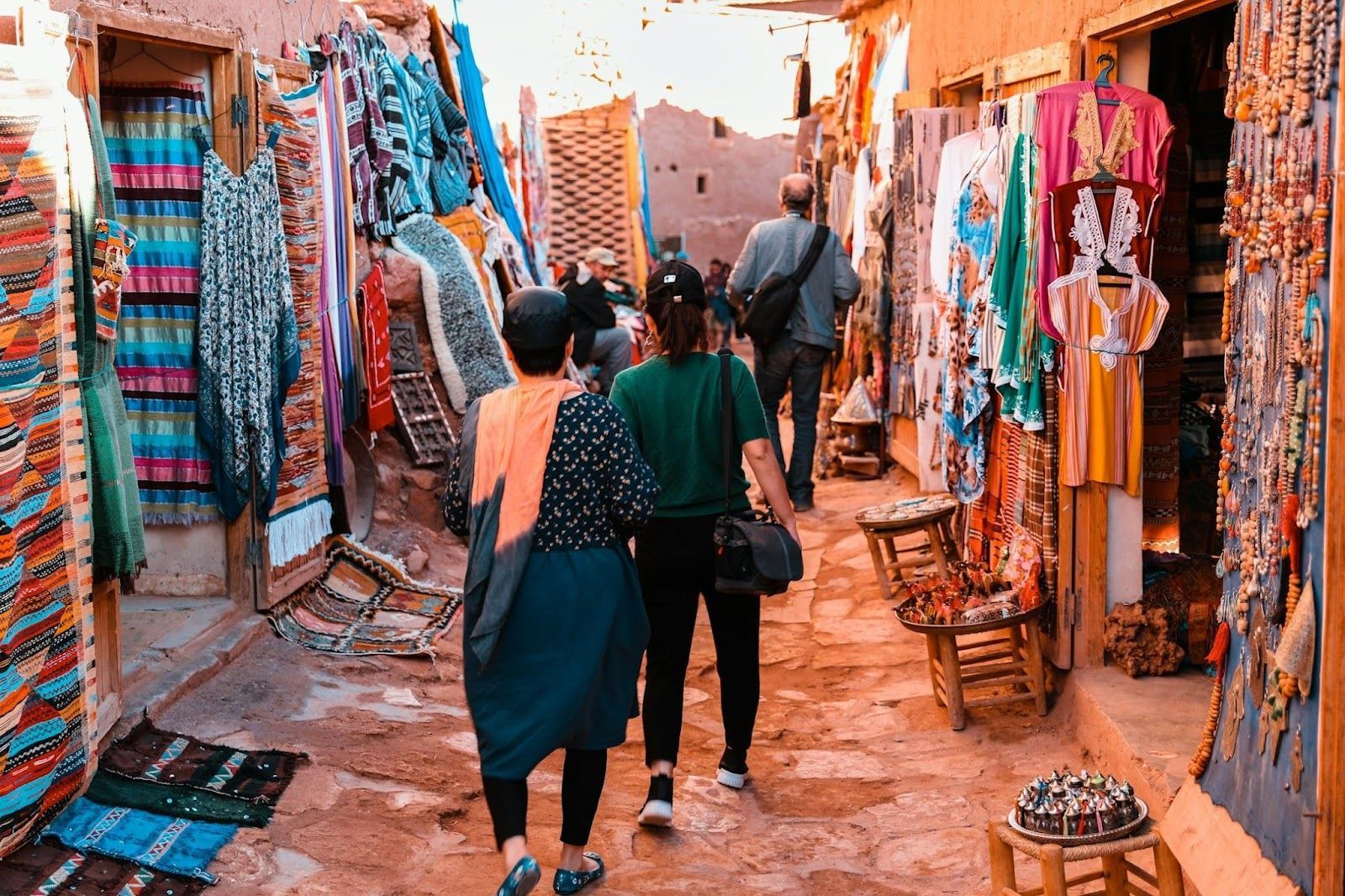
Haggling is expected in many markets in Morocco. Negotiation is part of the experience and is often done with humor and patience.
In Australia, prices are usually fixed. Attempting to negotiate in regular shops can feel awkward or inappropriate.
Following Rules
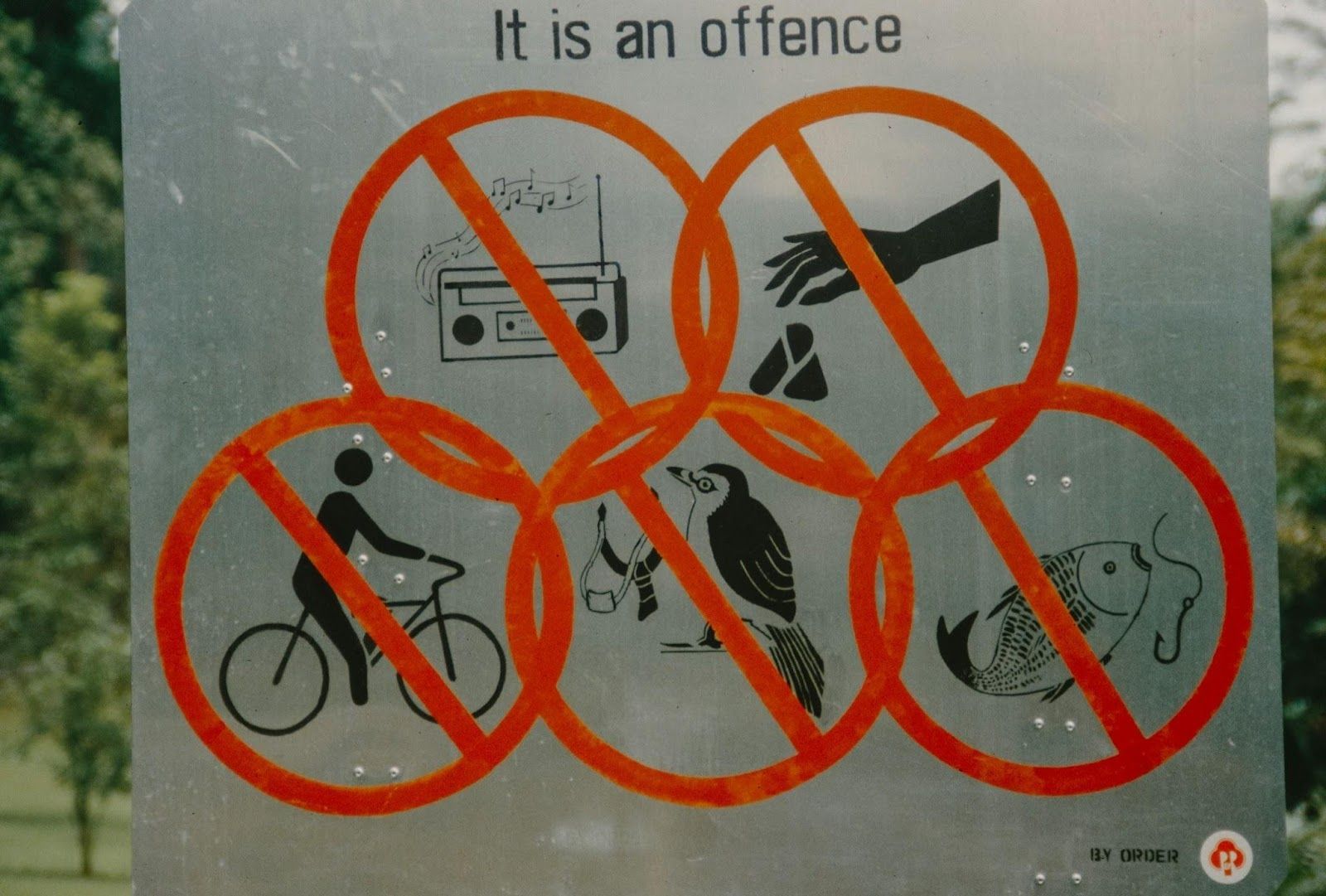
In Singapore, rules are strictly enforced, and fines are common for behaviors considered minor elsewhere, like littering or jaywalking.
In Greece, rules can feel more flexible in daily life. Social norms and personal judgment often matter more than strict enforcement.
The world’s weirdest hotels you won’t believe actually exist
 General
Would you stay here?
Would you sleep 500 feet underground? 10 hotels that aren’t for everyone
Traveling is always wonderful. Some people prefer wild landscapes and outdoor adventures, while others are all about cozy hotel beds, fluffy pillows, and great breakfasts. And then, there are hotels that manage to blend a bit of both worlds. From beds placed 500 feet underground to rooms entirely made of ice, today we’re taking a look at 10 of the most unusual hotels in the world. Trust us: you won’t believe they actually exist.
Sala Silvermine, Sweden
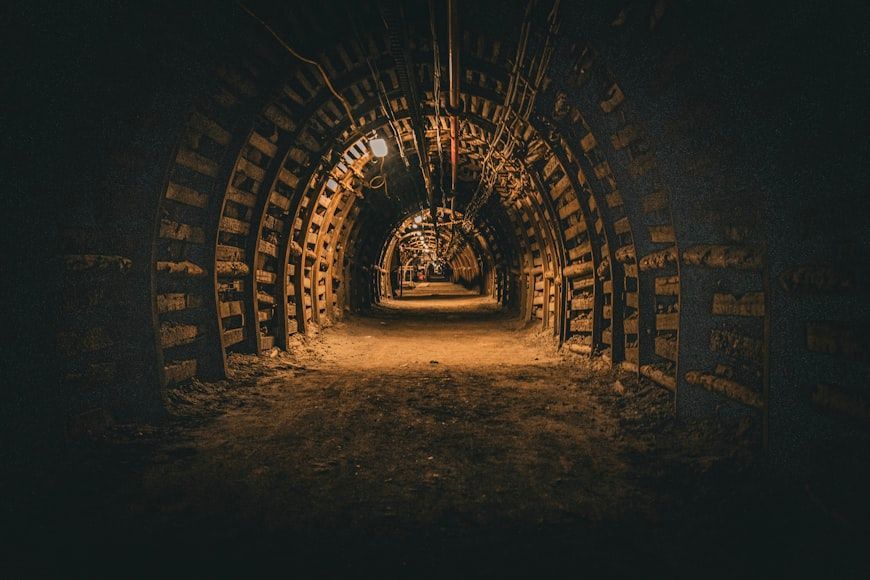 Image: Alpha Perspective
Miners work hard deep underground, so it’s definitely not a job for everyone. And neither is the impressive Sala Silvermine Hotel, built inside a historic mine in Sweden, about 509 feet below the surface, making it the deepest hotel suite in the world. The suite is rustic but still offers comforts like cozy beds and even champagne, though you’ll have to forget about cell phone reception. So, how long do you think you could last down there?
Giraffe Manor, Kenya
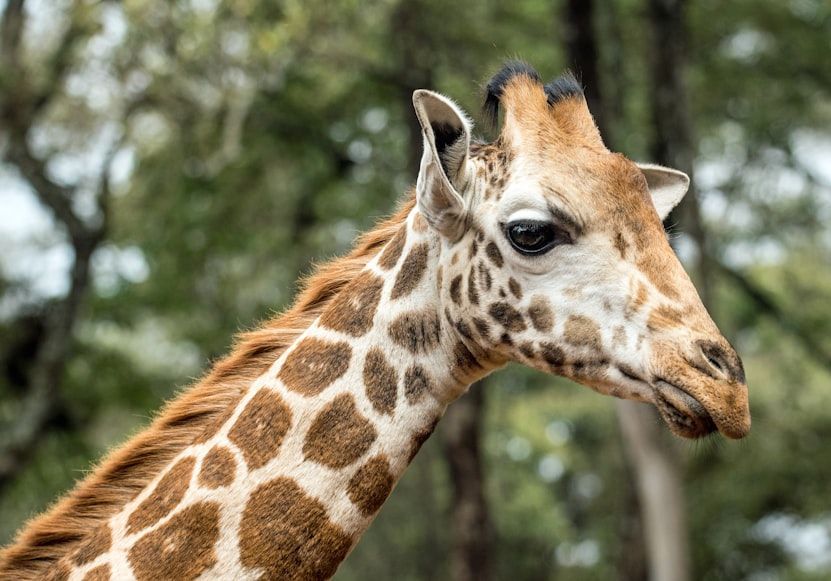 Image: David Clode
If you love being around animals, this might be your favorite hotel on the list. Giraffe Manor in Kenya is a beautiful boutique hotel built in the 1930s, located on the outskirts of Nairobi. And as if that weren’t enough, something magical happens during breakfast and afternoon tea: Rothschild’s giraffes poke their heads through the windows, coming face to face with guests for deep and unforgettable encounters.
Icehotel, Sweden
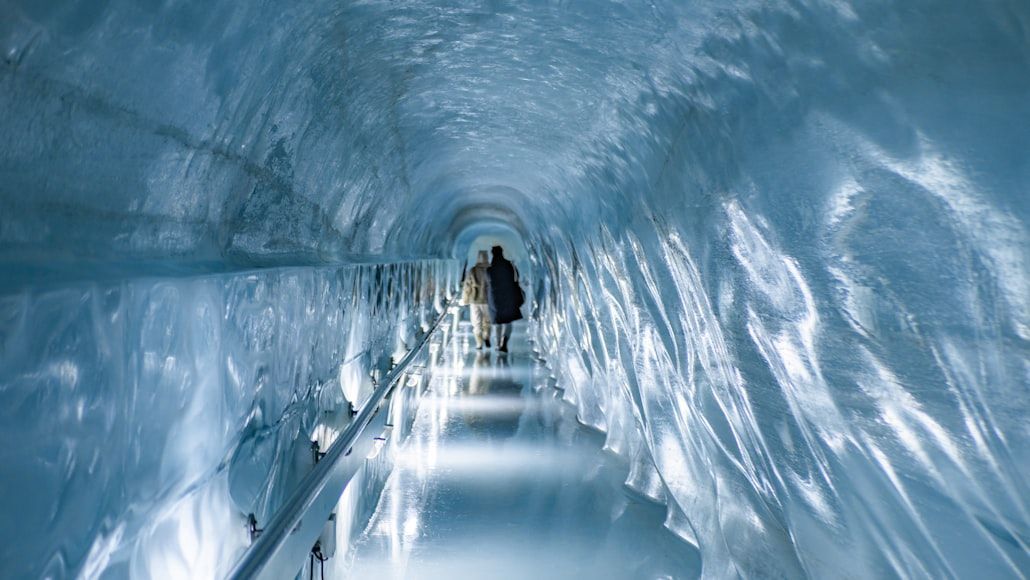 Image: Christopher Politano
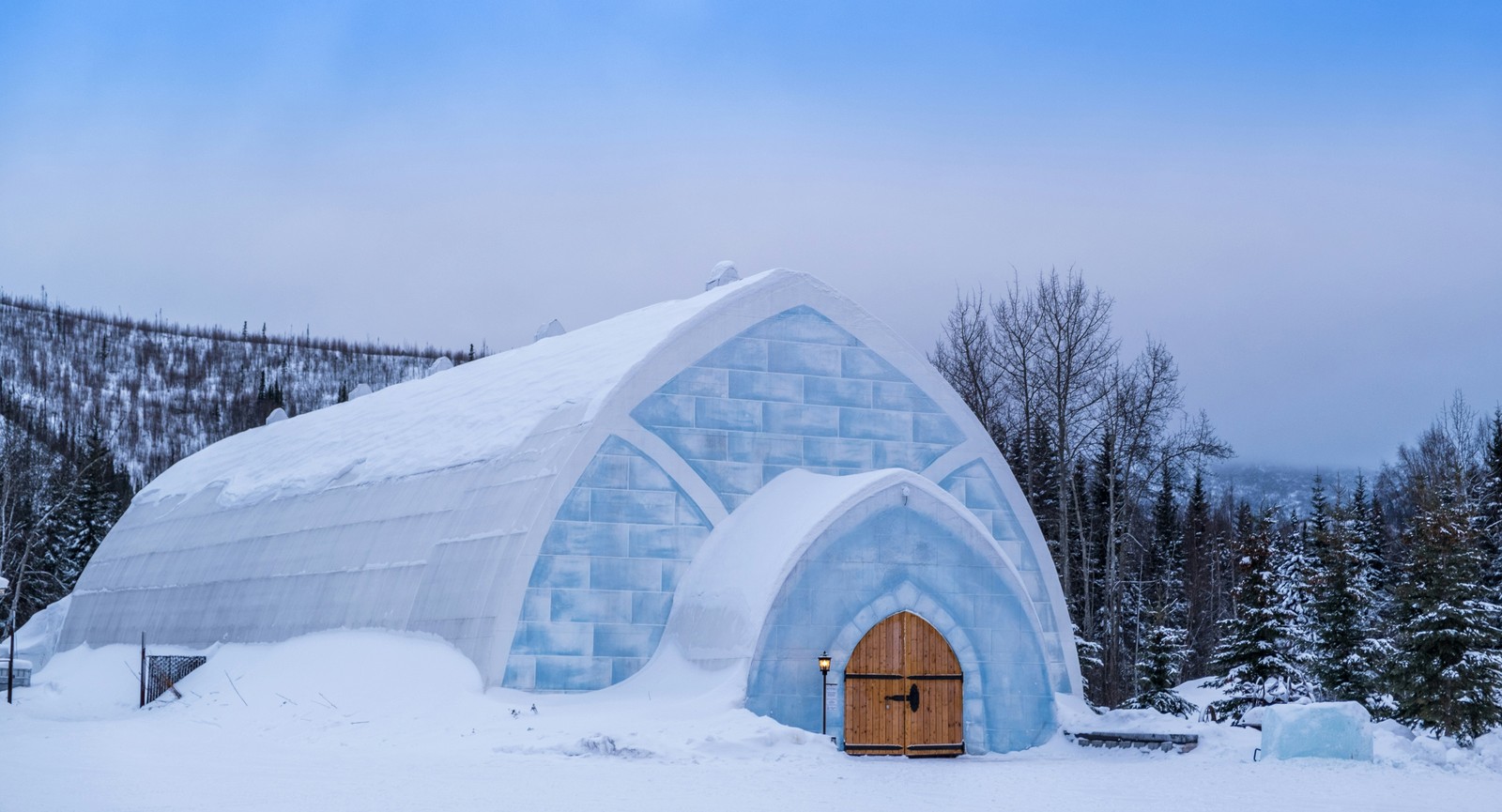
This hotel is so incredible that it might even win over the biggest summer lover. Located in Jukkasjärvi, Sweden, and made entirely of ice, the Icehotel is a temporary place, rebuilt every year using ice from the Torne River. When spring arrives, it melts away, so you can only visit it during the colder months. That said, there’s one exception: Icehotel 365, a year-round section kept frozen using solar power. That’s amazing, right?
Hotel Kakslauttanen, Finland
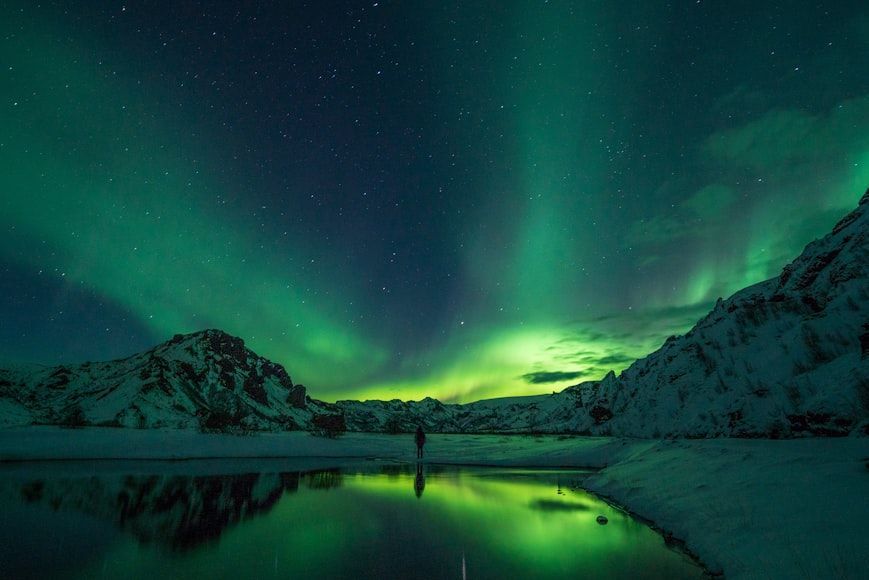 Image: Jonatan Pie
Can you imagine spending the night in a transparent igloo, watching the Northern Lights above you? It sounds too magical to be real, but you can actually do it at Kakslauttanen Arctic Resort in Finland. There, you sleep in cozy glass igloos (basically warm, see-through capsules) that let you watch the Arctic sky without freezing.
Conrad Maldives Rangali Island, Maldives
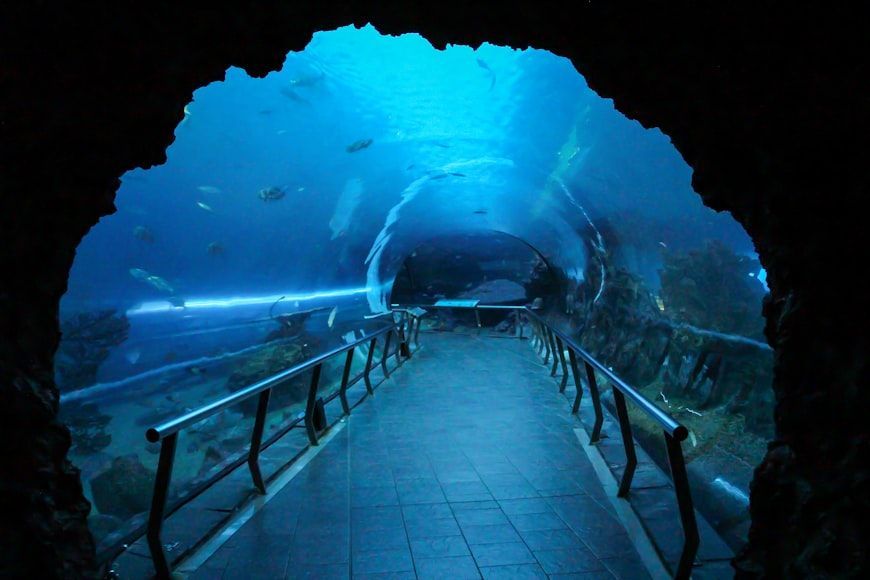 Image: Ricky LK
South Asia offers views that look like something out of a fantasy film, not only on the surface but also underwater. The Conrad Maldives Rangali Island is one of the world’s most beautiful hotels, but what sets it apart is the Muraka, the world’s first underwater residence. Submerged 16 feet below sea level, this incredible suite has two levels, a master bedroom, bathroom, and a 180-degree view of the marine life swimming around you.
Hotel Costa Verde, Costa Rica
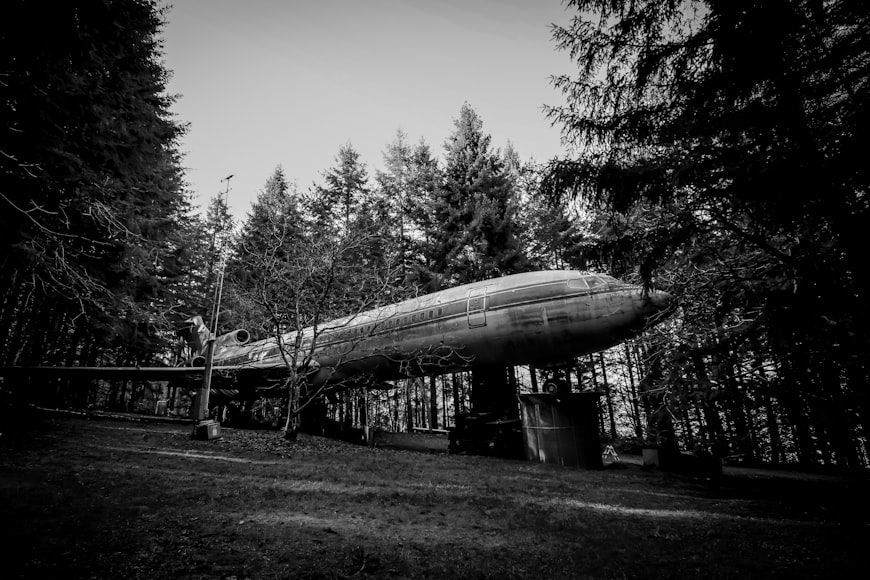 Image: Guss B
Would you spend the night inside the fuselage of a decommissioned Boeing 727? It sounds weird but exciting, doesn't it? Well, you can do exactly that at Hotel Costa Verde in Costa Rica. Nestled in the rainforest and overlooking the Pacific Ocean, the hotel lets you sleep either in hillside rooms or in the famous Boeing 727, converted into a luxury suite. And for even more aviation fun, their "El Avion" restaurant and bar is built inside a real airplane, too.
Tree House Lodge, Costa Rica
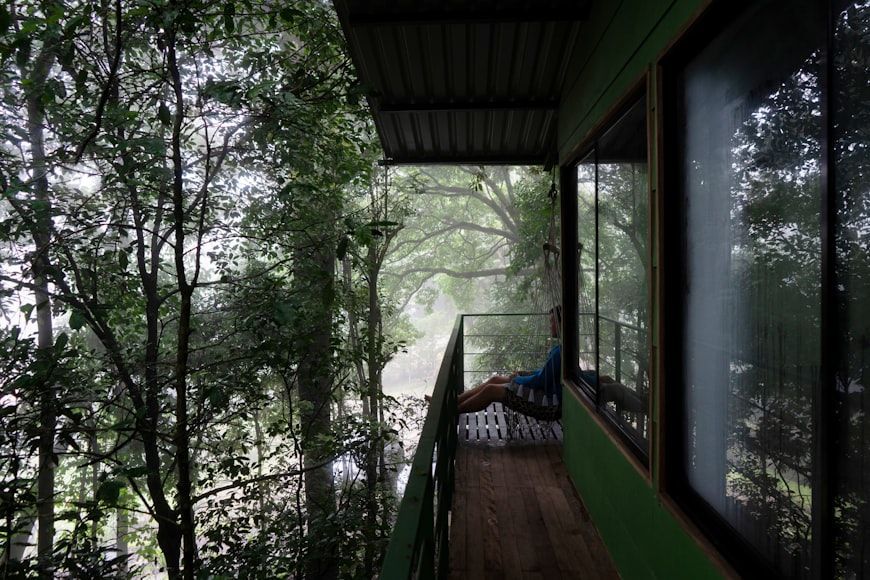 Image: Ana Shuda
All children dream of having a tree house, right? If you want to make that dream come true, but with a lot more luxury and an incredible view, you can stay at the Tree House Lodge in Puerto Viejo, Costa Rica. Crafted from local wood, each lodge is literally built into the trees and blends comfort with nature, offering features like hot tubs overlooking the jungle, suspension bridges, and easy access to the beach.
Bubble Hotel, Iceland
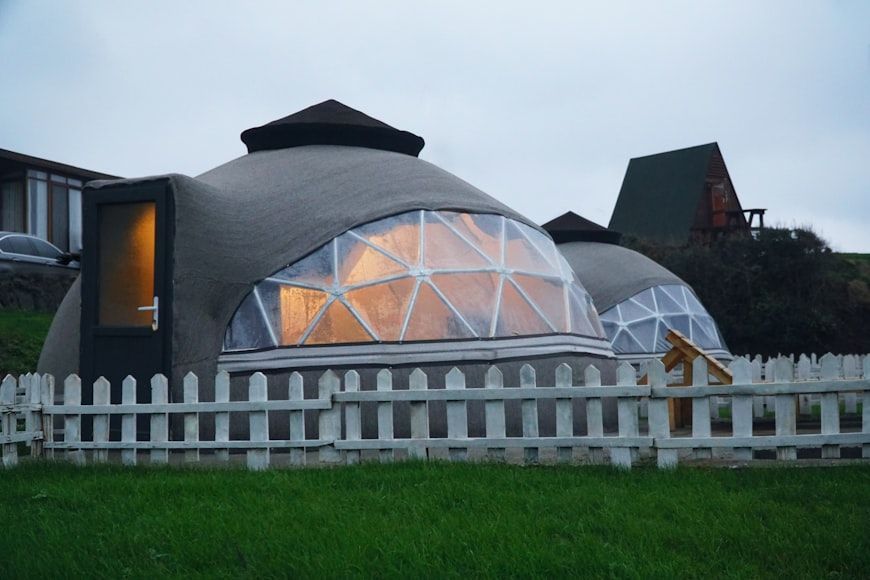 Image: Kampbros
Although it’s nicknamed the "5 Million Star Hotel," this stay is all about simple pleasures. The Bubble Hotel in Iceland lets you spend the night in the forest, surrounded by nature, inside small inflatable PVC igloos. They may look a bit improvised at first glance, but each bubble is cozy, well-equipped, well-insulated against the cold, and kept fully inflated throughout the night.
V8 Hotel, Germany
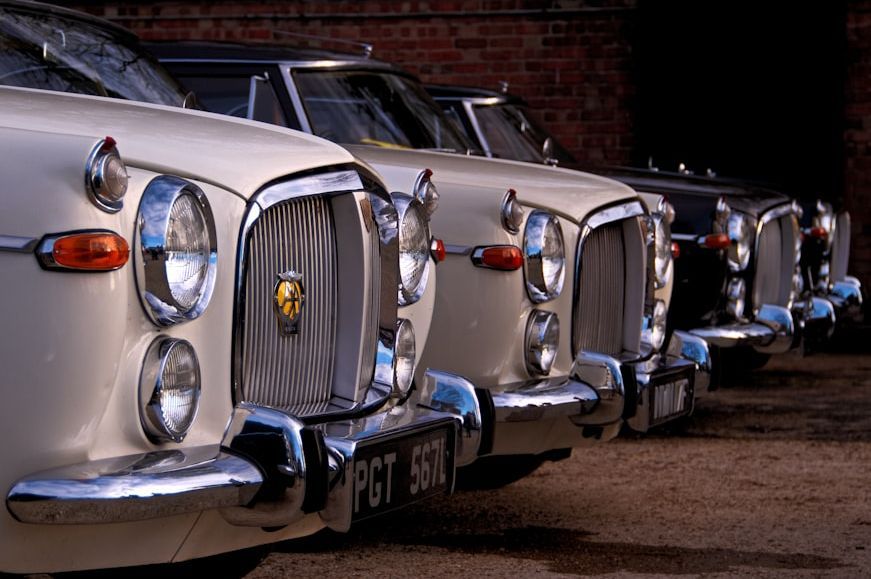 Image: Paul Harris
If engines are your thing, this might be your dream hotel: the V8 Hotel in Böblingen, Germany. Located inside the Motorworld Region Stuttgart complex, it’s a paradise for car lovers. The entire hotel and every room are themed around real cars, with beds shaped like classic and modern models and automotive parts and details everywhere.
Das Parkhotel, Austria
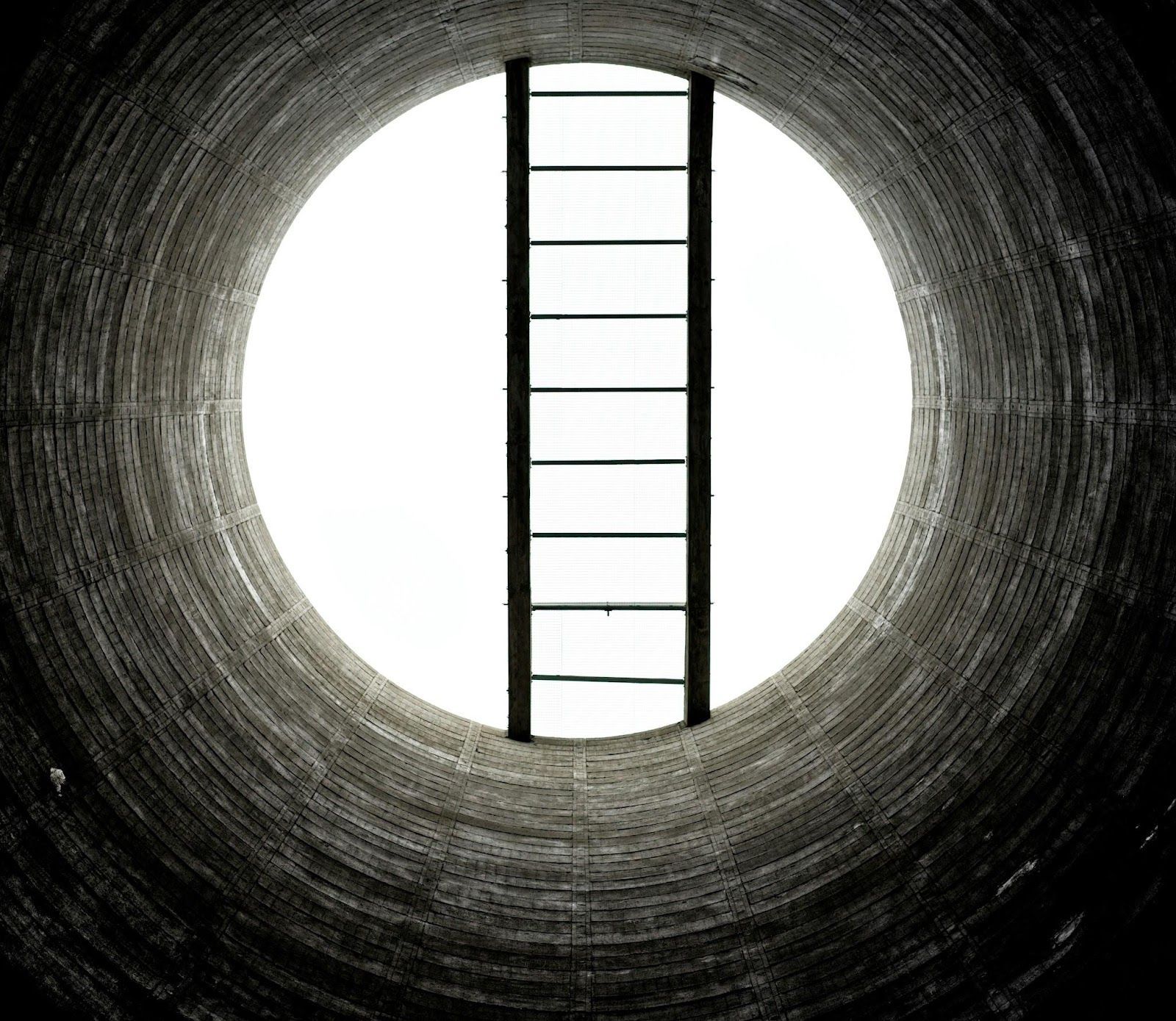 Image: F DALLAY
If over-the-top luxury isn’t your thing, there’s Das Park Hotel in Ottensheim, Austria, where the "rooms" are actually giant concrete drain pipes. Each pipe is a comfortable space where you can sleep and keep your stuff, nothing fancy, but definitely unusual. And here’s the fun twist: the hotel runs on a pay-what-you-wish system, so you decide what the experience was worth. How much would you be willing to pay?
Keep wandering
There’s always
more to explore
Why are hard landings sometimes the perfect landings?
6 min.
Read Now
 History

Was Moby-Dick a real whale? These marine stories have real backgrounds
6 min.
Read Now
What passengers never see after midnight on a cruise ship
4 min.
Read Now
These 10 mysteries were solved. So why do we still believe them?
6 min.
Read Now