Did you know? Some of the best spots in the world are free to visit
 Geography
The best free experiences
Did you know? Some of the best spots in the world are free to visit
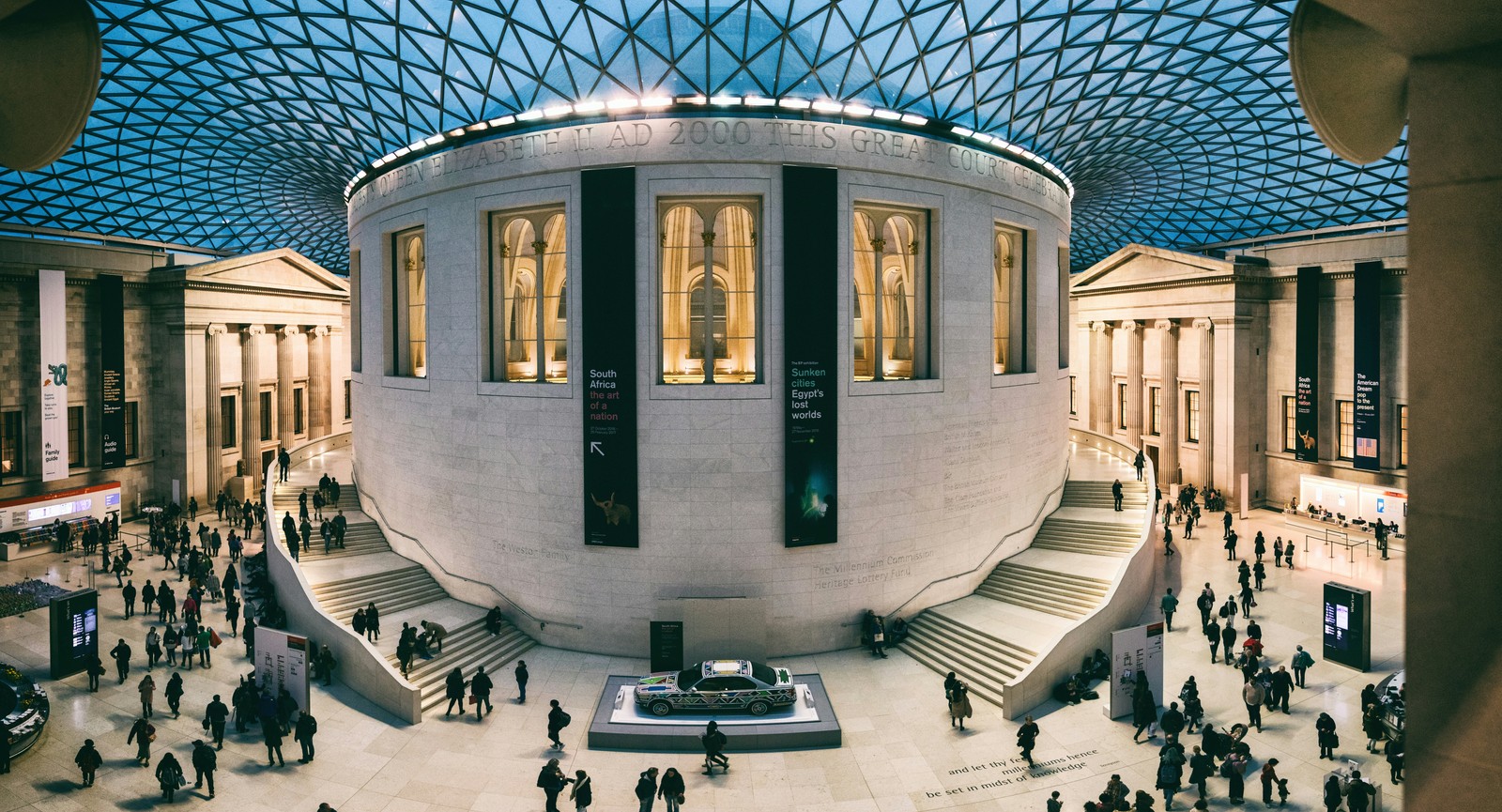
Did you know that some of the most extraordinary experiences in cities like New York, Paris, or Rome cost absolutely nothing? London’s British Museum charges nothing for you to explore its 8 million objects. Crossing New York’s Brooklyn Bridge at sunrise is free, as is visiting some of Tokyo’s thousand-year-old temples. Plane fares might be expensive, yes. But here, we’ll explore over 30 of the best memories you can make at these destinations for free.
New York, US
New York has a well-earned reputation for being expensive. But some of its most iconic experiences cost nothing at all. To begin with, there’s Central Park, with its 843 acres of green space, free to enter through any of its 20 gates.
There’s no charge for walking across the Brooklyn Bridge, which was the world's first steel suspension bridge when it opened in 1883. From the Brooklyn side, the Brooklyn Heights Promenade offers arguably the best unobstructed view of the Manhattan skyline in the city.
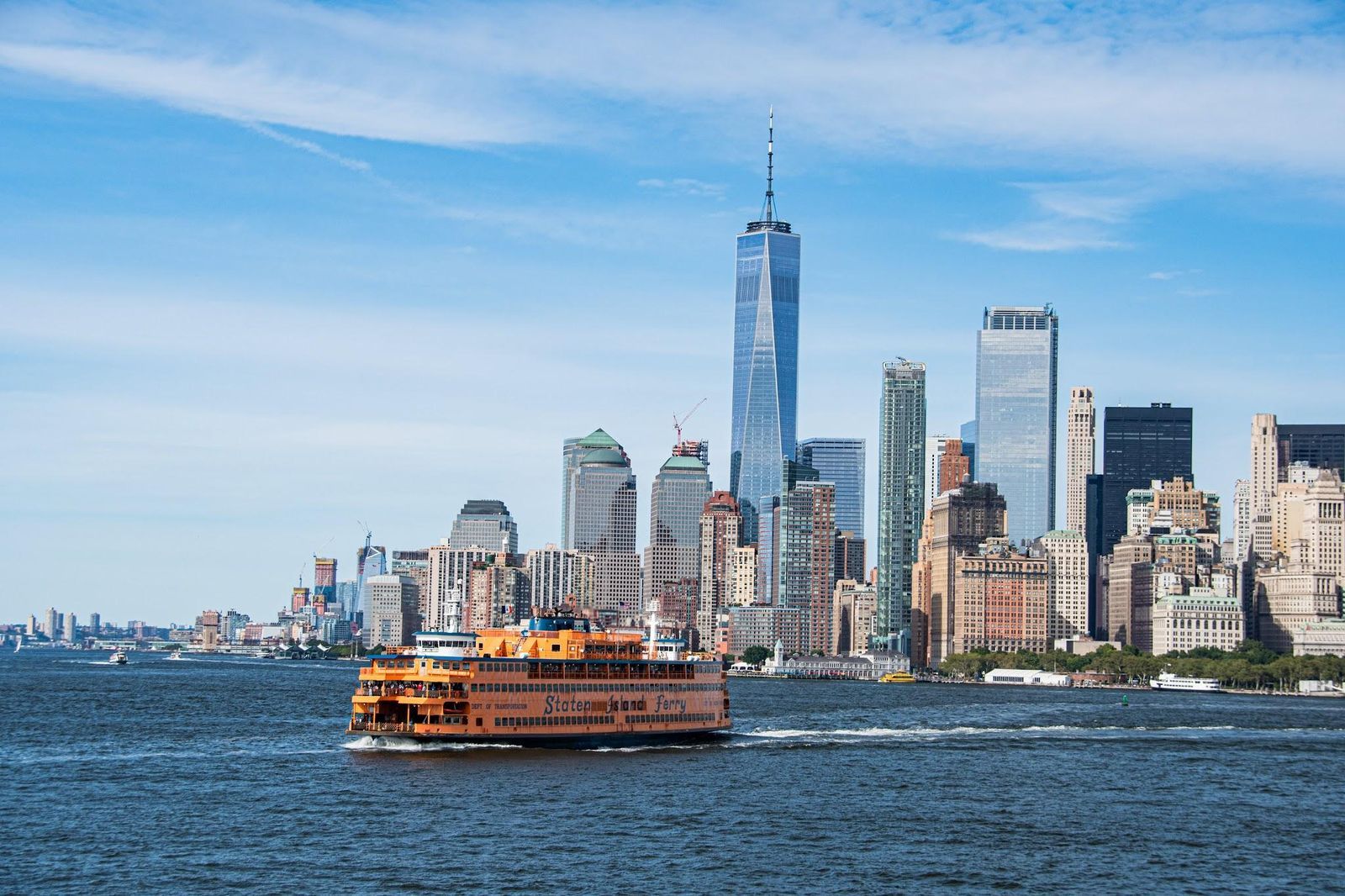
The High Line, a 1.45-mile elevated linear park built on a former railroad on Manhattan's west side, is free year-round and one of the most inventive public spaces built anywhere in the world in the past 25 years. And here is one of tourists’ favorites: The Staten Island Ferry runs 24 hours a day, seven days a week, carrying passengers past the Statue of Liberty and through New York Harbor at no charge.
Los Angeles, US
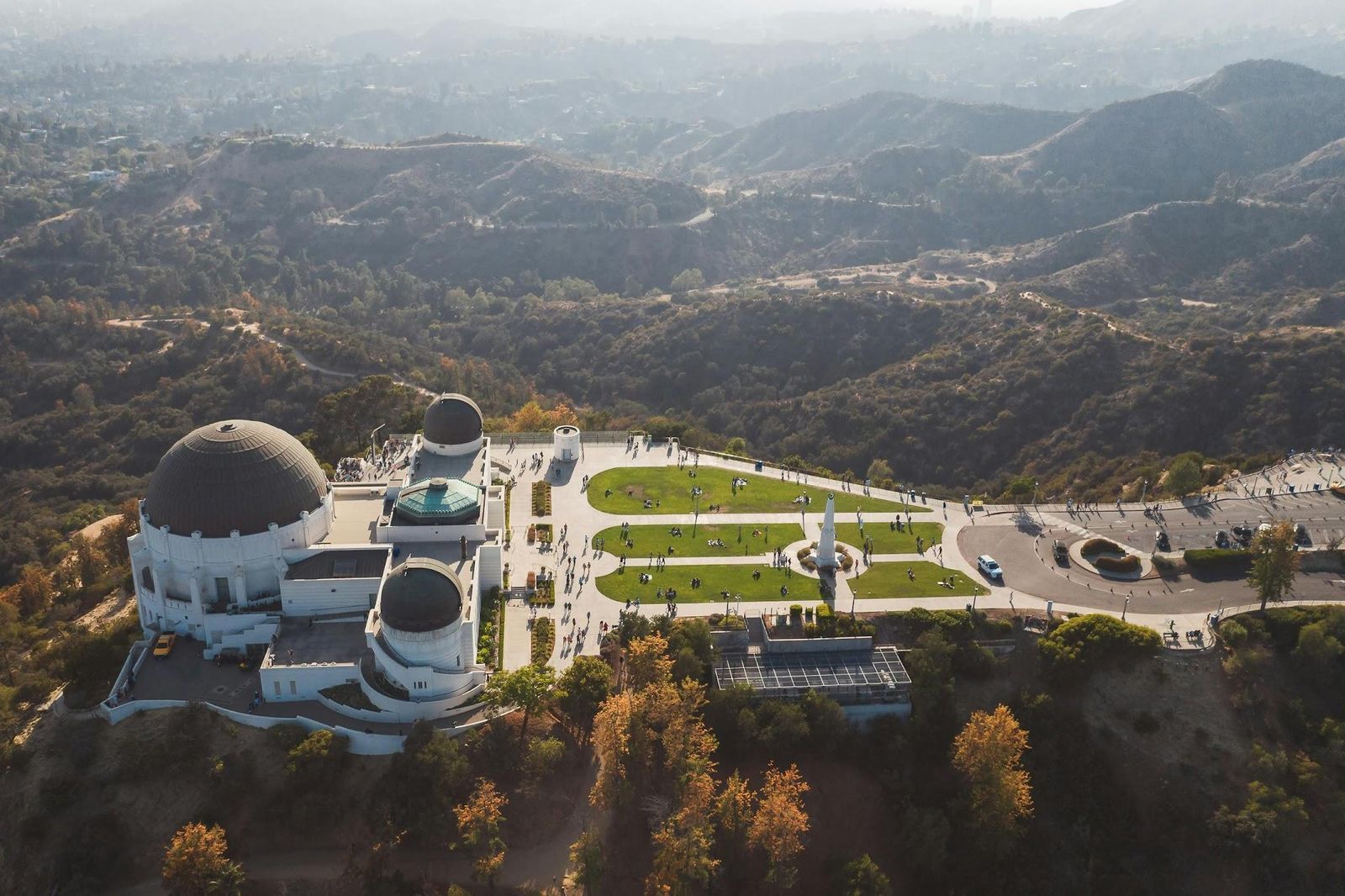
Did you know that one of LA’s most beloved institutions has been free since the day it opened in 1935? At no cost, people can access the Griffith Observatory, its grounds, and all exhibits, including the famous Foucault pendulum, the Tesla coil, and the Camera Obscura. The views from its terrace take in the Hollywood Sign, the Los Angeles basin, and, on clear days, the Pacific Ocean.
The Getty Center, a campus of world-class art on a hilltop above Bel-Air, is free to enter, with free parking on weekends. There, visitors will find paintings by Rembrandt, Van Gogh, and Monet, as well as sweeping views of the city.
Finally, the Santa Monica Pier, the official end of Historic Route 66, is free to walk, as is its ungated amusement park, Pacific Park, although its attractions are priced.
Rome, Italy
Rome is one of the few cities on earth where extraordinary ancient monuments simply sit in the open. For example, the Spanish Steps, the Piazza Navona, the Campo de' Fiori, and the Circus Maximus (the ancient chariot-racing track that once held 250,000 spectators) cost nothing to visit.
Entering the basin area of the iconic Trevi Fountain used to be free, but since early 2026, it costs €2. However, the fountain itself remains fully visible from the surrounding piazza, free of charge.
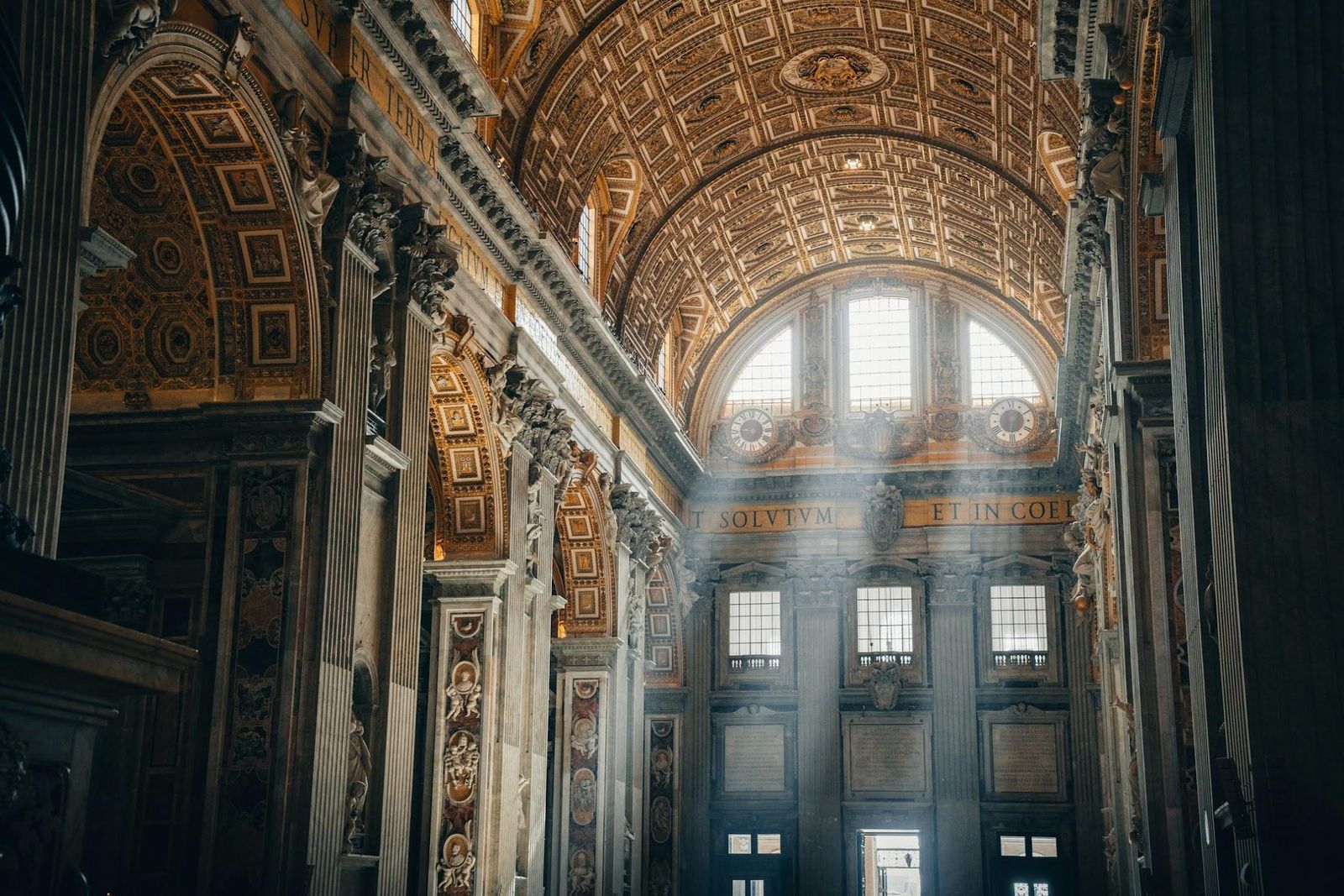
St. Peter's Basilica, the largest church in the world, containing Michelangelo's Pietà sculpture, is free to enter, as long as shoulders and knees are covered. Visitors can also freely walk around the Trastevere neighborhood, with its medieval alleyways and centuries-old churches.
Paris, France
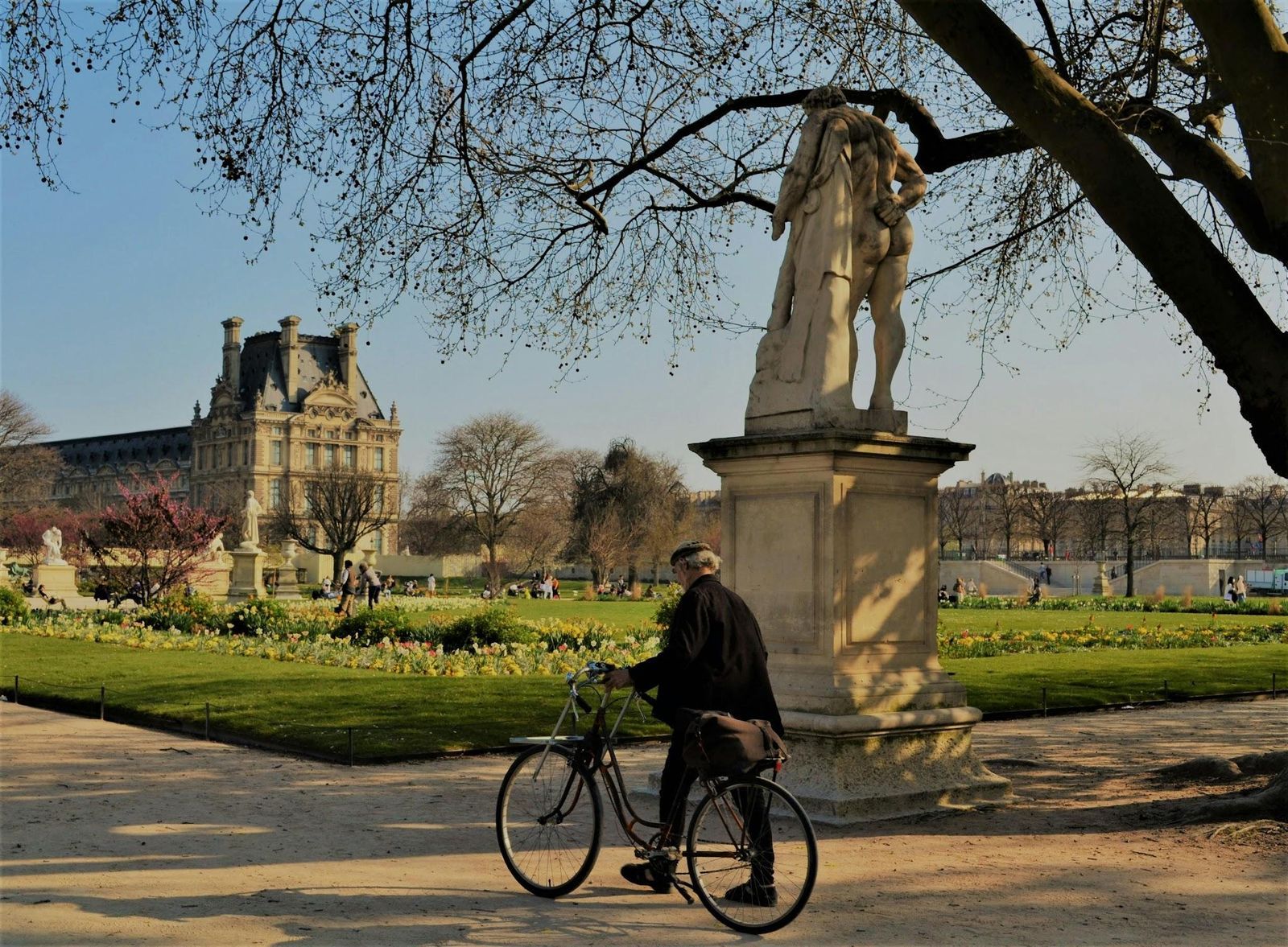
Paris is generous with its beauty. The Jardins du Palais Royal, a peaceful garden in the heart of the city, is free and less crowded than the tourist circuits nearby. The Luxembourg Gardens offer 60 acres of formal French landscape, fountains, and tree-lined paths, entirely free.
Montmartre, the hilltop neighborhood of artists, cobblestone streets, and sweeping views, costs nothing to explore on foot, and the steps of the Sacré-Cœur Basilica at sunset offer one of the best panoramic views of the city available.
St. Peter's Basilica, with its stunning Renaissance architecture, welcomes visitors freely, as does Notre-Dame Cathedral, which reopened in 2024 after five years of restoration following the 2019 fire. Another free-to-enter option is the Père Lachaise Cemetery, the resting place of figures like Edith Piaf, Oscar Wilde, Jim Morrison, and Frédéric Chopin.
London, UK
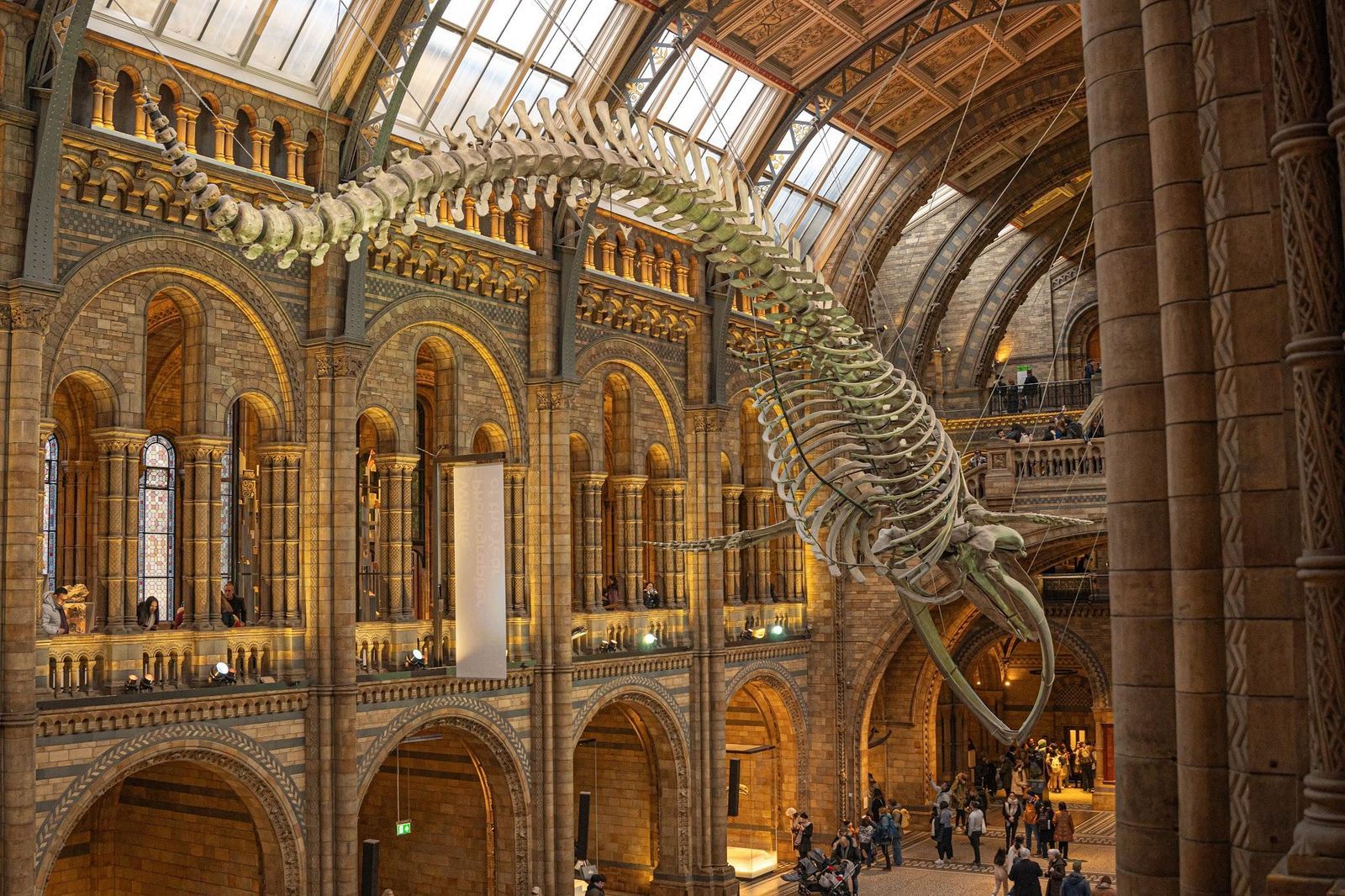
London may be one of the most expensive cities on earth, but its greatest treasures are free. Most of its world-class museums and galleries have free permanent collections, and they don’t charge a penny to receive their millions of annual visitors.
For example, the British Museum holds a permanent collection of approximately 8 million objects (the largest in the world), including the Rosetta Stone, the Elgin Marbles, and Egyptian mummies. The Natural History Museum has a life-size blue whale suspended from its ceiling.
The Tate Modern art museum holds Picasso, Warhol, and Rothko. The National Gallery on Trafalgar Square contains Van Gogh's Sunflowers and Monet's Water Lilies., which means a visitor could spend a full week moving between world-class institutions without paying for a single ticket. Add the Changing of the Guard at Buckingham Palace, a stroll through Hyde Park, and an afternoon at Borough Market, and you have a full weekend of free activities.
Barcelona, Spain
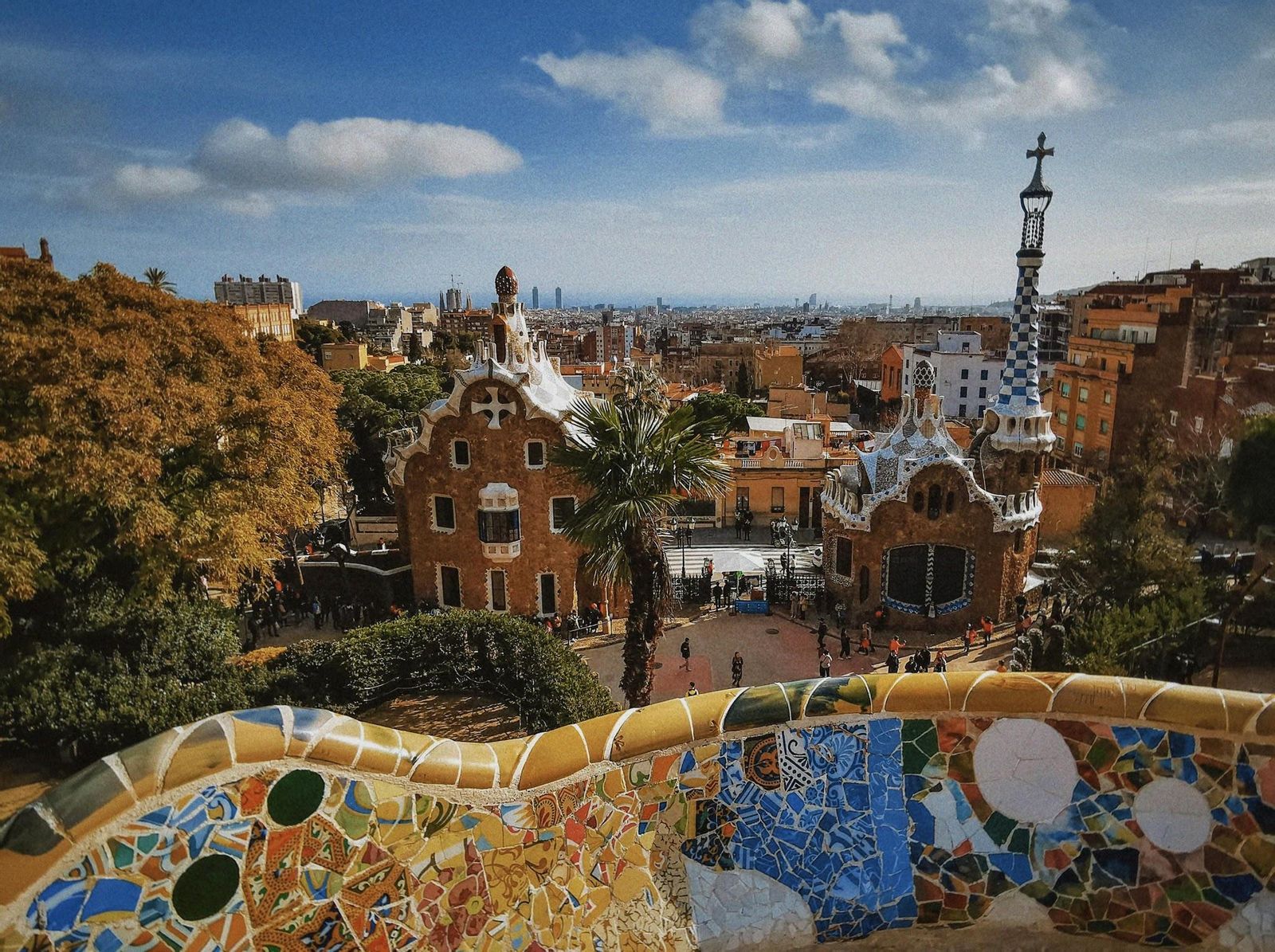
There are plenty of one-of-a-kind spots to visit for free in Barcelona. Visitors can wander through the Gothic Quarter, a dense medieval neighborhood of narrow stone alleyways, Roman ruins, and Gothic churches; some of the original Roman walls of Barcino, dating to the 1st century BC, are simply visible from the pavement.
Park Güell, Gaudí's colorful hilltop park, charges a fee for the Monumental Zone at its center, but the majority of the park, including the surrounding hillside paths and forest areas, is entirely open to the public. La Barceloneta beach, a fifteen-minute walk from the old city, is free to use year-round.
For the best view in the city, almost no visitor knows about the Bunkers del Carmel, the ruins of an abandoned Civil War anti-aircraft battery on a hilltop in the Carmel neighborhood, a completely free, 360-degree panoramic view over the entire city, the sea, and the Sagrada Família. It is where locals go to watch the sun go down, and it costs nothing.
Dubai, UAE
Dubai prides itself on being the city of superlatives, and some of its unique attractions are entirely free. The Dubai Fountain shoots water almost 500 feet into the air every 30 minutes every evening, and it's completely free to watch. Stretching over 900 feet (about two football pitches), it is the world's largest choreographed fountain. It performs against the backdrop of the Burj Khalifa, the world's tallest building.
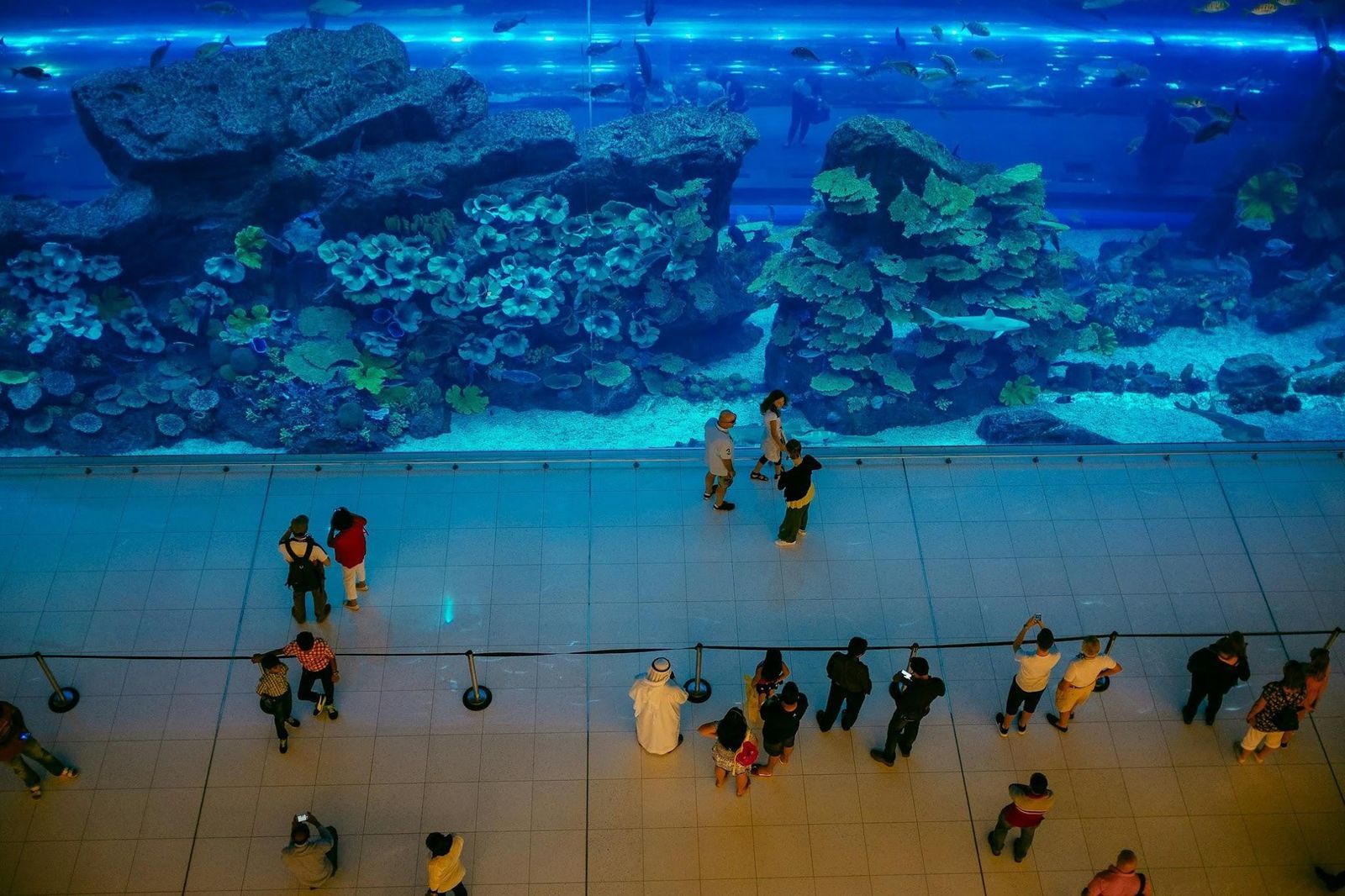
JBR Beach and Jumeirah Open Beach are public and free, with fine white sand, clear water, and gorgeous views of the Dubai skyline. The Dubai Mall, the largest shopping mall in the world by total area, is free to enter, and its Dubai Aquarium viewing panel, visible from outside without a ticket, is one of the most spectacular sights in the city; behind the world's largest acrylic panel, 100 feet wide, you’ll spot sharks, rays, and thousands of fish.
For a completely different Dubai, the Al Fahidi Historic District, the city’s oldest surviving neighborhood, with wind-tower architecture dating to the 1780s, is free to walk and offers a different version of the city.
Tokyo, Japan
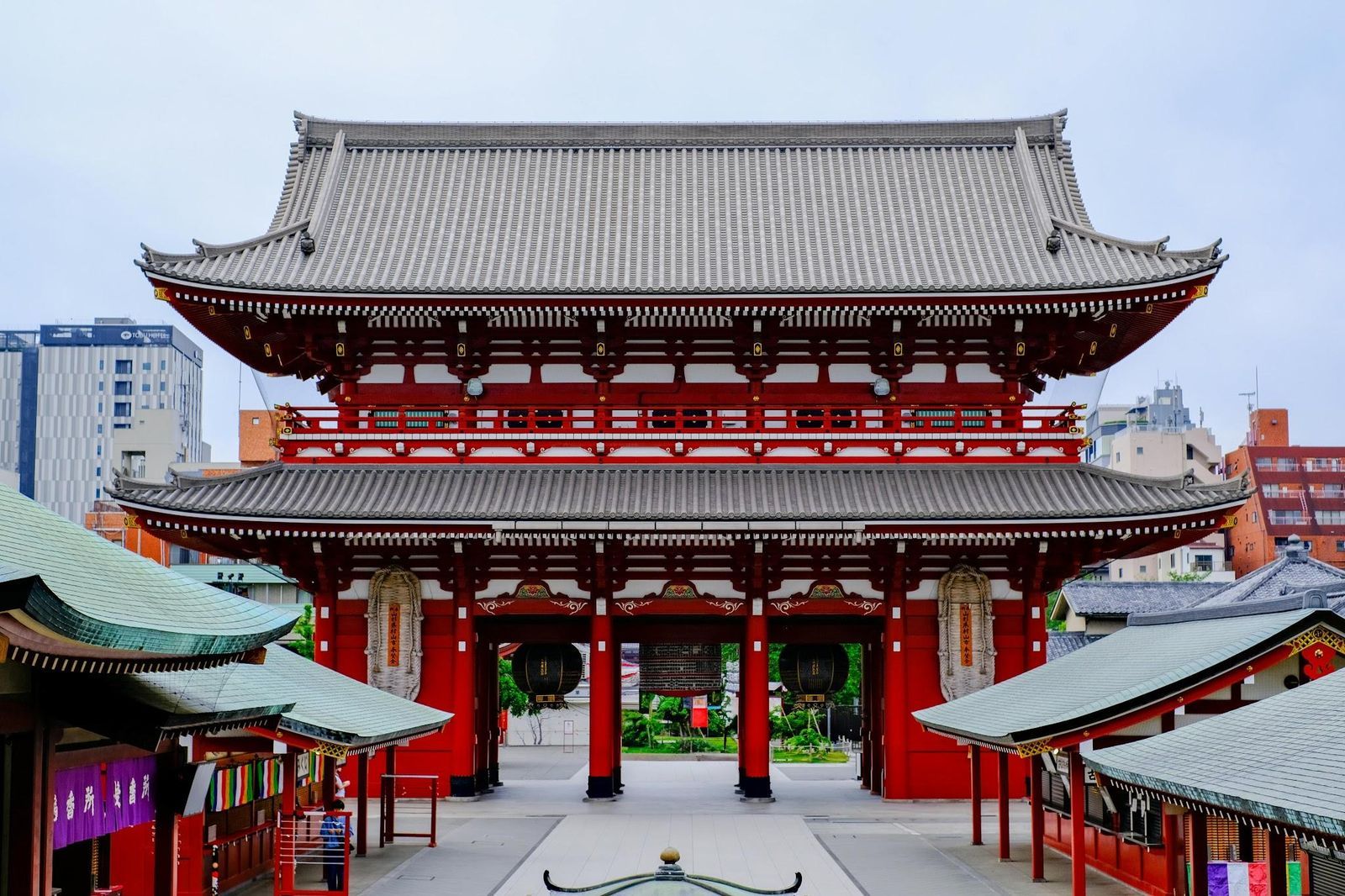
In Tokyo, ancient ritual and electric modernity exist side by side and are often free to experience. Senso-ji Temple in Asakusa, Tokyo's oldest temple, dating to 645 AD, is free to enter and one of the most photographed places in Japan.
Meiji Jingu Shrine, located in central Tokyo, is a must-see. It’s surrounded by a forest of over 100,000 trees donated from across Japan at its founding in 1920, and within minutes of the entrance, the noise of the city disappears entirely.
A ten-minute walk away, Harajuku's Takeshita Street is the opposite experience: color, youth fashion, and food, all free to wander. Yoyogi Park, adjacent to both, frequently hosts free outdoor performances, festivals, and community gatherings on weekends. Finally, the Tsukiji Outer Market is free to browse, with some of the best street food in the city.
Sydney, Australia
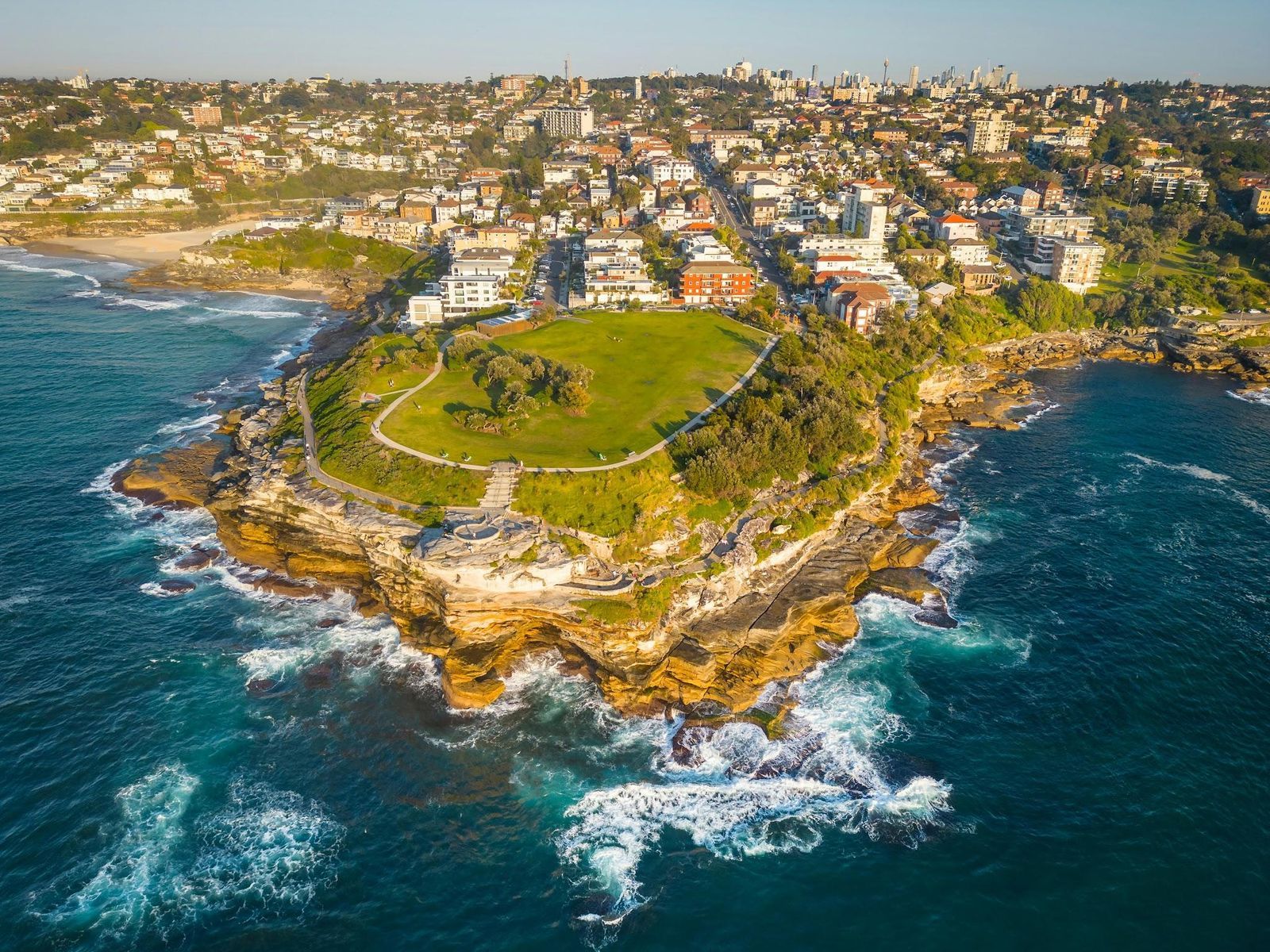
Sydney's most iconic free experience isn't the Opera House; it's the coast. The Bondi to Coogee Coastal Walk is 3.7 miles one-way, takes 2 to 3 hours at a comfortable pace, and passes Bondi Beach, Tamarama, Bronte, Clovelly, and Coogee Beach. The path runs along sandstone cliffs above the Pacific, past pools carved into the rock, through cemetery headlands and café-lined beachfronts. Entry is free, and the trail is open year-round. In winter months, it's one of the best vantage points in Australia to spot humpback whales on their annual coastal migration.
Adjacent to the Opera House, the Royal Botanic Garden, cultivated since 1816, is free to enter and home to over 7,500 plant species on 30 hectares of waterfront land. Mrs Macquarie's Chair, a sandstone bench carved into a headland by convicts in 1810 for the Governor's wife, sits at the tip of a peninsula inside the gardens and offers the definitive postcard view: the Sydney Opera House and Harbour Bridge across the water.
Istanbul, Turkey
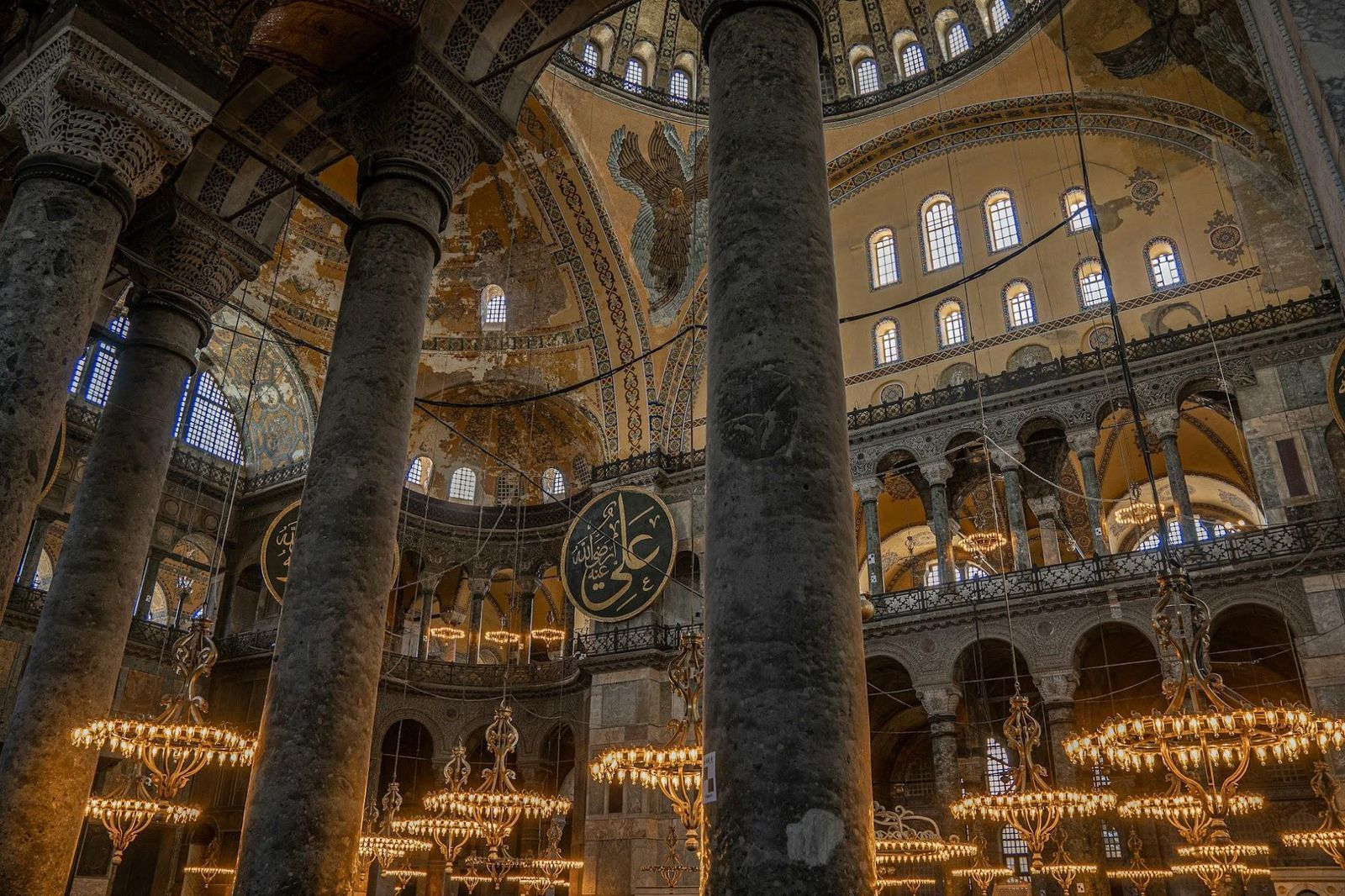
Very few of the most extraordinary places in Istanbul have an entry fee. The Grand Bazaar, one of the oldest and largest covered markets in the world, has 61 covered streets and over 4,000 shops, and entry is free at any of its 18 gates.
The Galata Bridge, crossing the Golden Horn at sunset, is lined with local fishermen casting lines from the railings. Sultanahmet Square is perhaps the single most historically dense free zone on earth: the Blue Mosque and Hagia Sophia stand face to face across the same square, with the ancient obelisks of the Roman Hippodrome between them, and both are now free to enter, having been returned to active use as mosques.
The Spice Bazaar, smaller and more fragrant than the Grand Bazaar, is also free to enter. And a short ferry across the Bosphorus to the Kadıköy neighborhood on the Asian side costs almost nothing and delivers a street market, a waterfront promenade, and the rare experience of having set foot on two continents in a single afternoon.
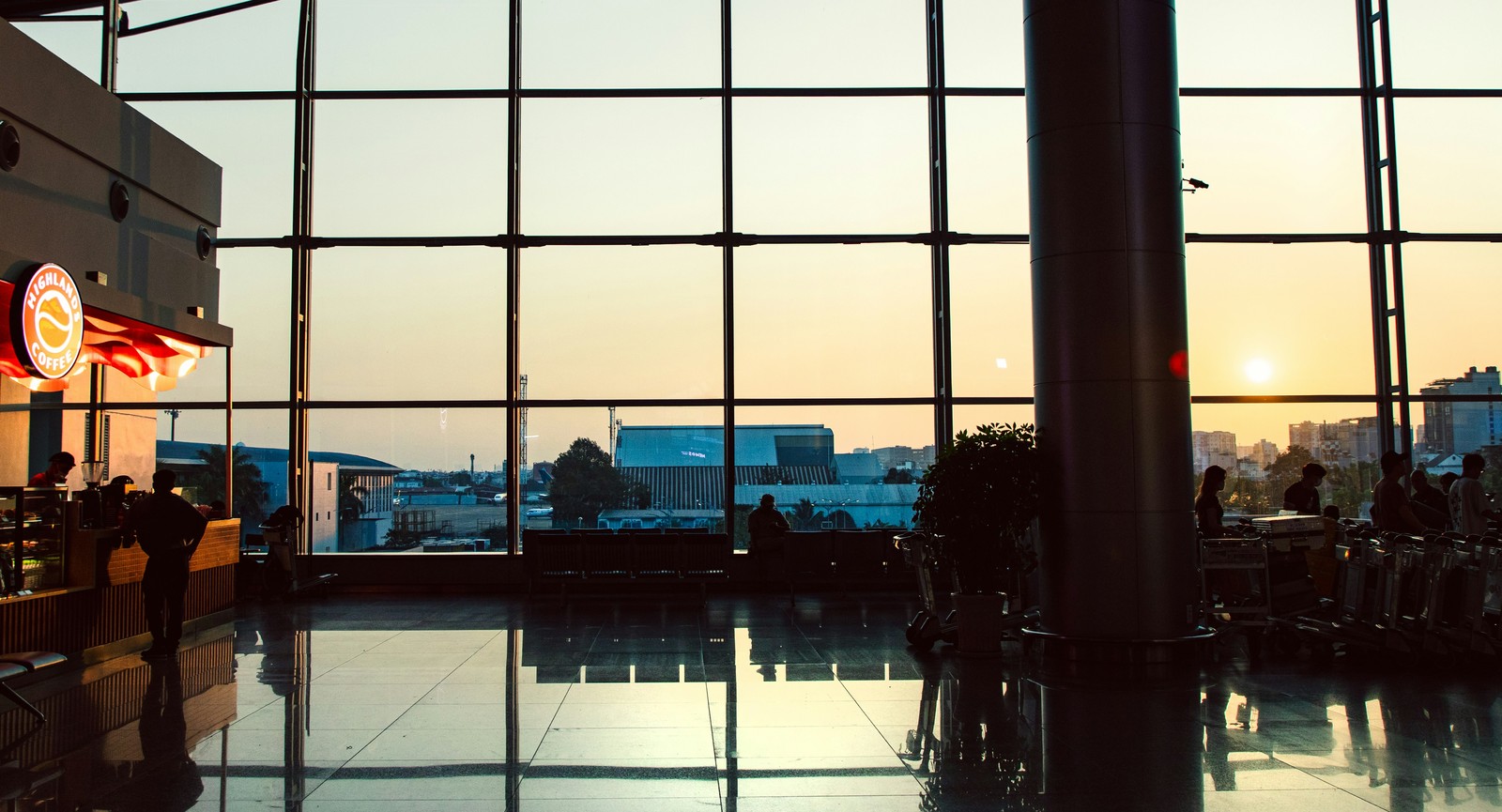
You probably never considered doing this at the airport — but you should
 General
Make the most of your time at the airport
Check out these fun things to do when you're stuck at the airport
You've checked your bag, cleared security, and now you're facing a two-hour layover with nothing but an overpriced sandwich and your own thoughts for company. Don't worry, airports have come a long way, and there's more to do than you might think. Here are 10 ways to make the time fly (pun intended).
Try the local airport lounge
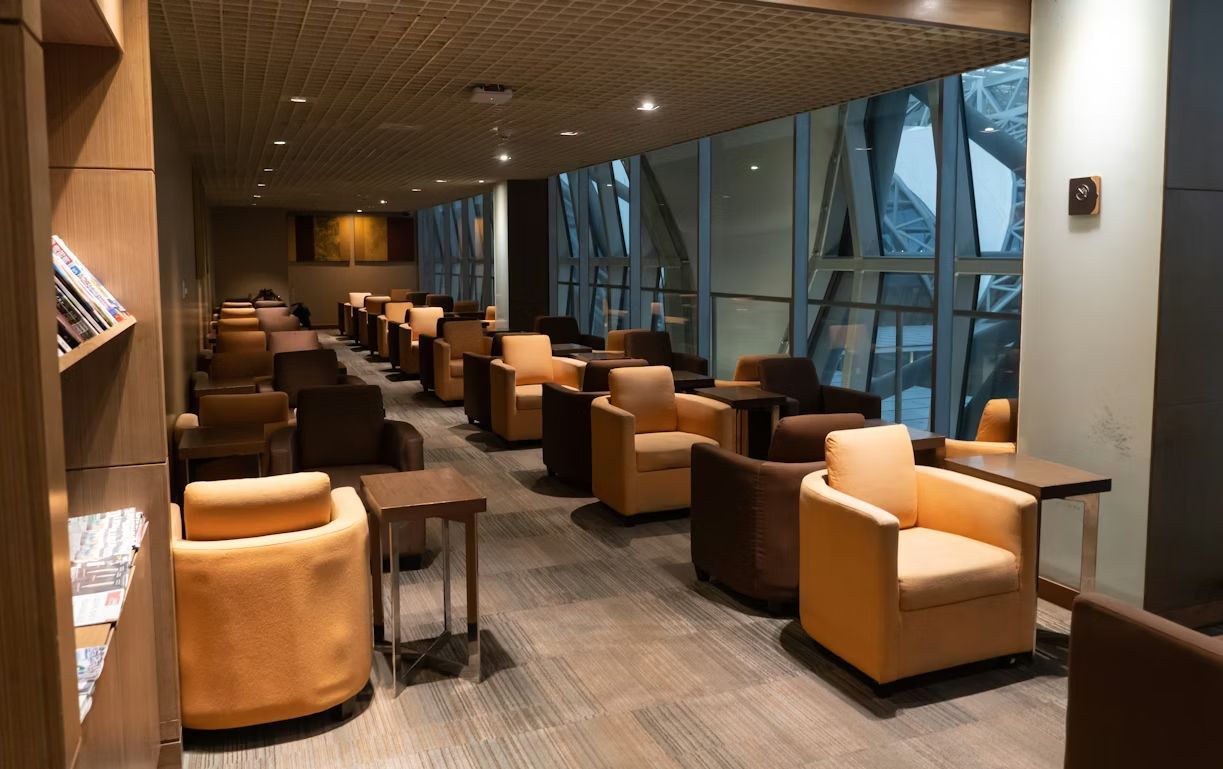
Many airports offer day passes to their lounges, and if you've never tried one, it's worth it. For a reasonable fee, you can enjoy comfortable seating, free snacks and drinks, Wi-Fi, and a much calmer atmosphere than the main terminal. Some lounges even have showers. It's the kind of experience that turns a tedious layover into something that almost feels like a treat.
Explore the terminal like a tourist
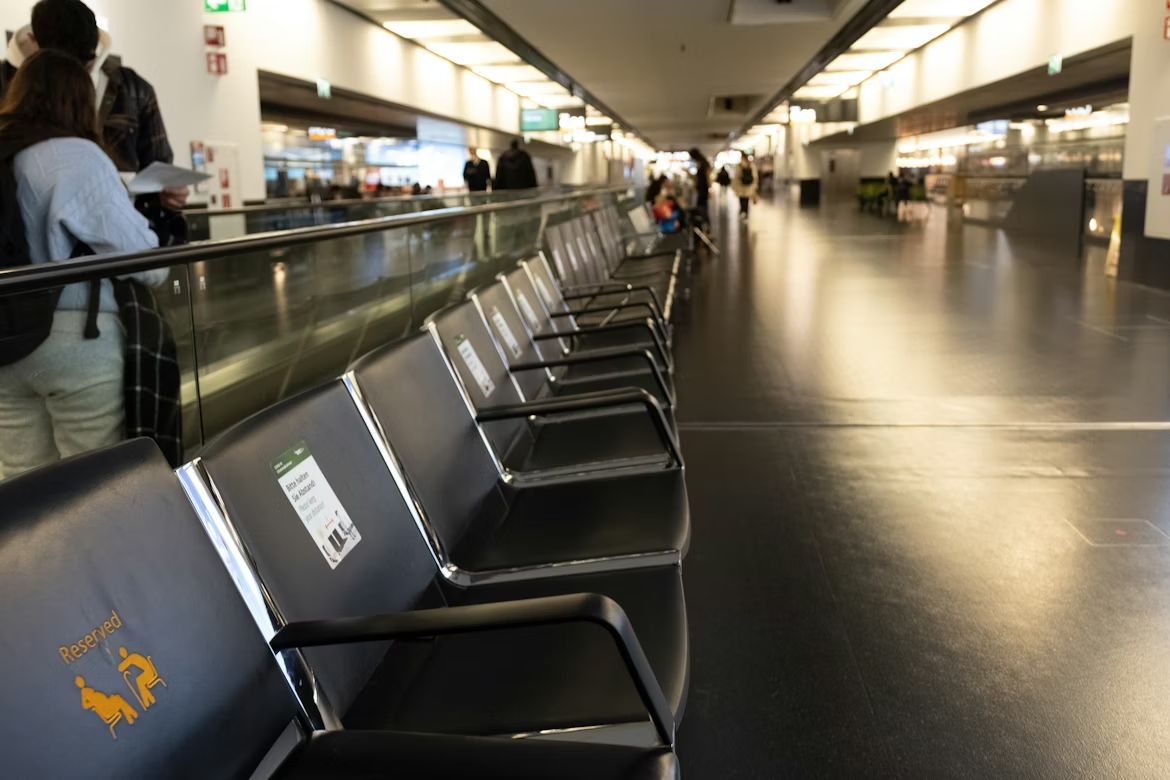
Most people head straight for their gate and stay there for the duration. Don't be like most people. Wander around a bit, and you'd be surprised by what you find. Many major airports have art installations, local food vendors, and shops that actually reflect the city you're passing through. Think of it as a mini tour of a place you might not otherwise visit.
Treat yourself to a sit-down meal

Airport food has a bad reputation, but it's gotten much better in recent years. Instead of grabbing something and rushing back to your gate, find a proper restaurant, sit down, and take your time. Order something you wouldn't normally try. Have a glass of wine if the mood strikes.
Browse a bookstore or magazine shop
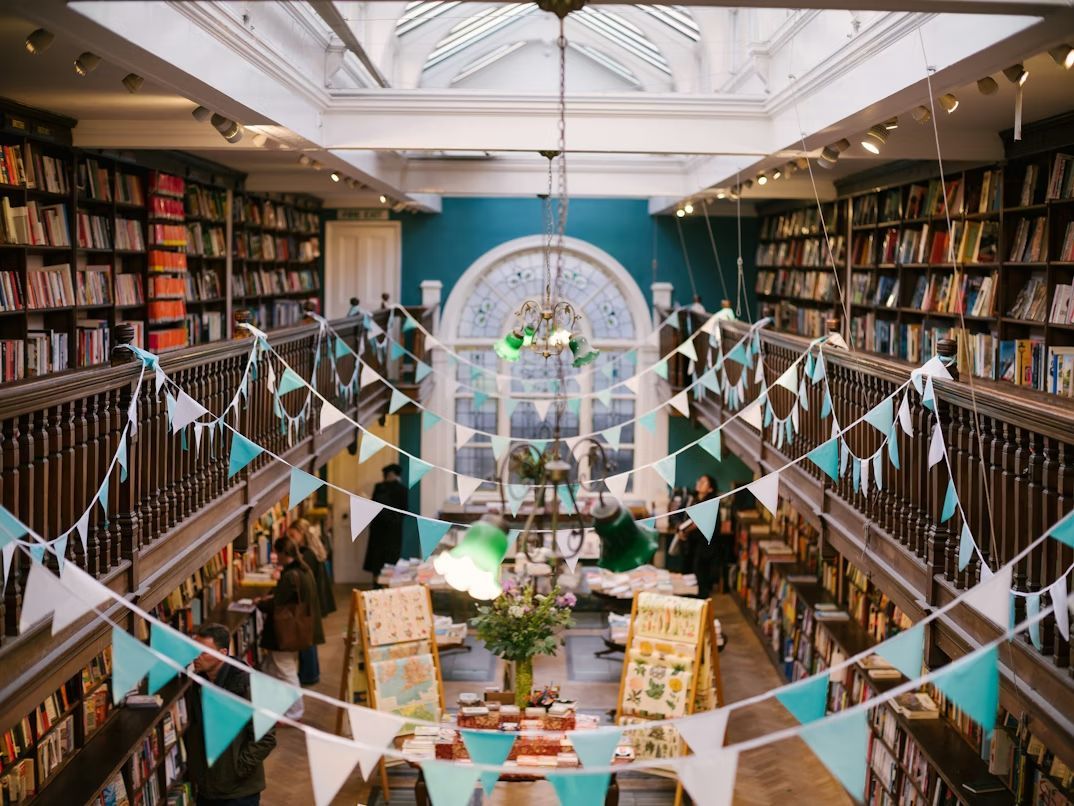
There's something deeply satisfying about browsing a bookstore with no particular agenda. Pick up a novel you've never heard of, flip through a travel magazine, or grab a puzzle book for the flight. Many airport bookstores carry a surprisingly good selection, and impulse-buying a book you end up loving is one of life's small but genuine joys.
Write in a journal

Travel has a way of stirring up thoughts and feelings, and airports, with all their comings and goings, can be surprisingly inspiring places to put pen to paper. Jot down what you're looking forward to on the trip, what you're leaving behind, or whatever's on your mind. Remember, you don't have to be a writer to keep a travel journal.
Call someone you've been meaning to call

You know that friend or sibling you've been meaning to catch up with for months? Call them. You've got time, you've got nowhere to be, and there's something about being in transit that makes conversation feel a little easier and more relaxed.
People-watch from a good spot
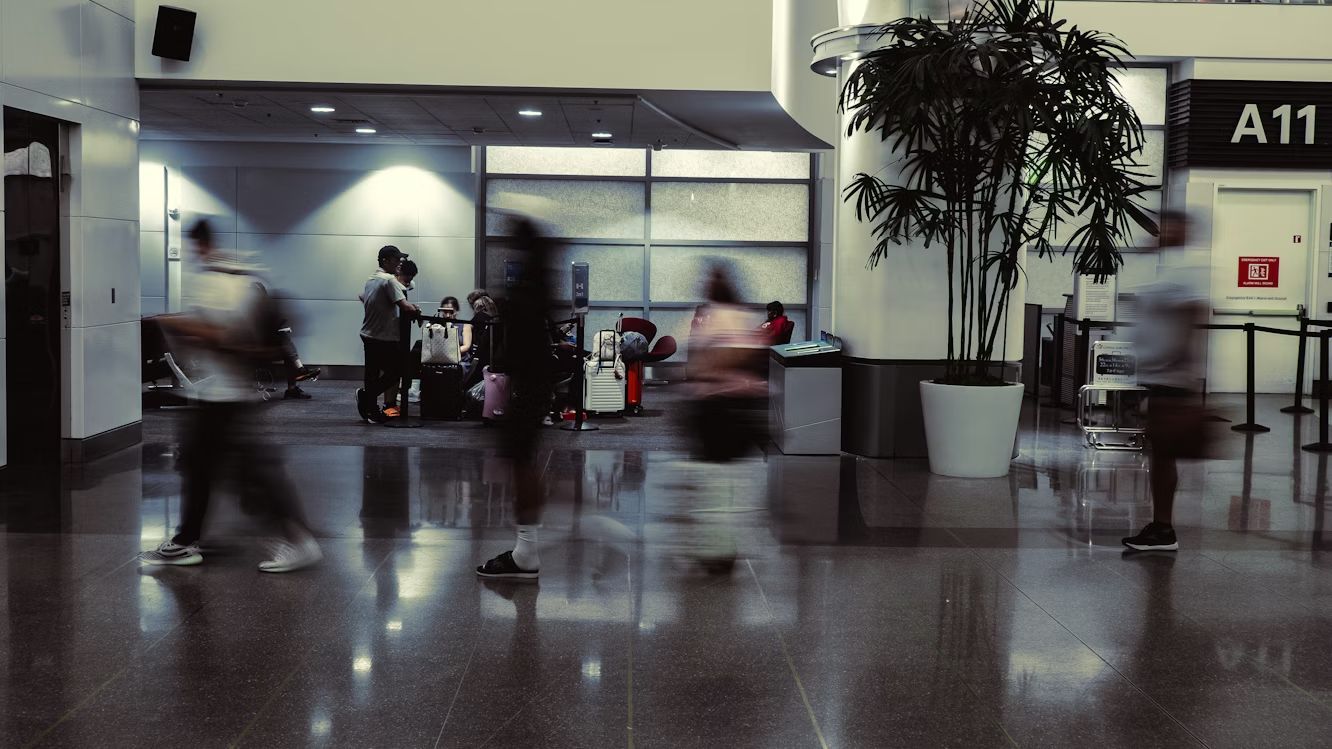
Find a comfortable seat with a good view of the foot traffic and just observe. You'll see reunions, tearful goodbyes, frazzled parents, seasoned business travelers, and the occasional person in full pajamas acting as if it's completely normal.
Download something new to watch

If you haven't already loaded your phone or tablet with something to watch, now's a great time to do it. Most streaming services allow you to download shows and movies for offline viewing. Think of the layover as a head start on your in-flight entertainment, and suddenly, two hours won’t seem so bad after all.
Stretch your legs and walk
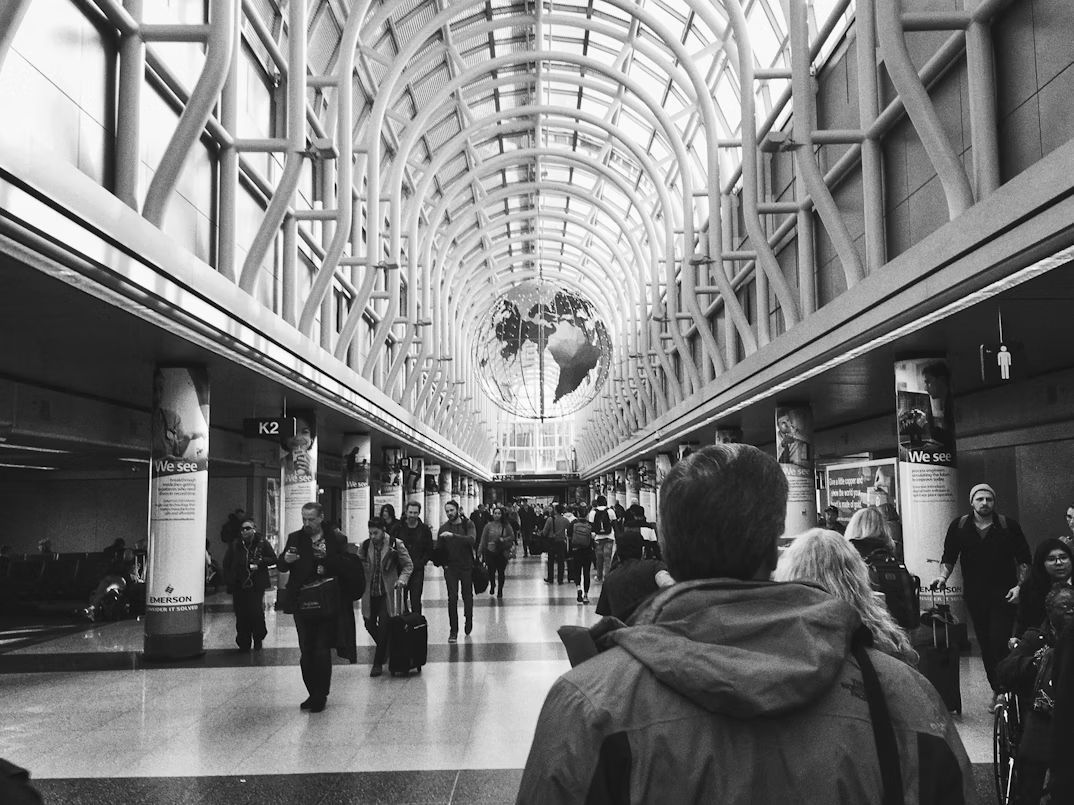
Airports are big—sometimes enormous—and walking the length of a terminal is better exercise than you might think. Put on a podcast or some music and just walk. It loosens you up before a long flight, gets your circulation going, and helps the time pass more quickly.
Just sit and do nothing
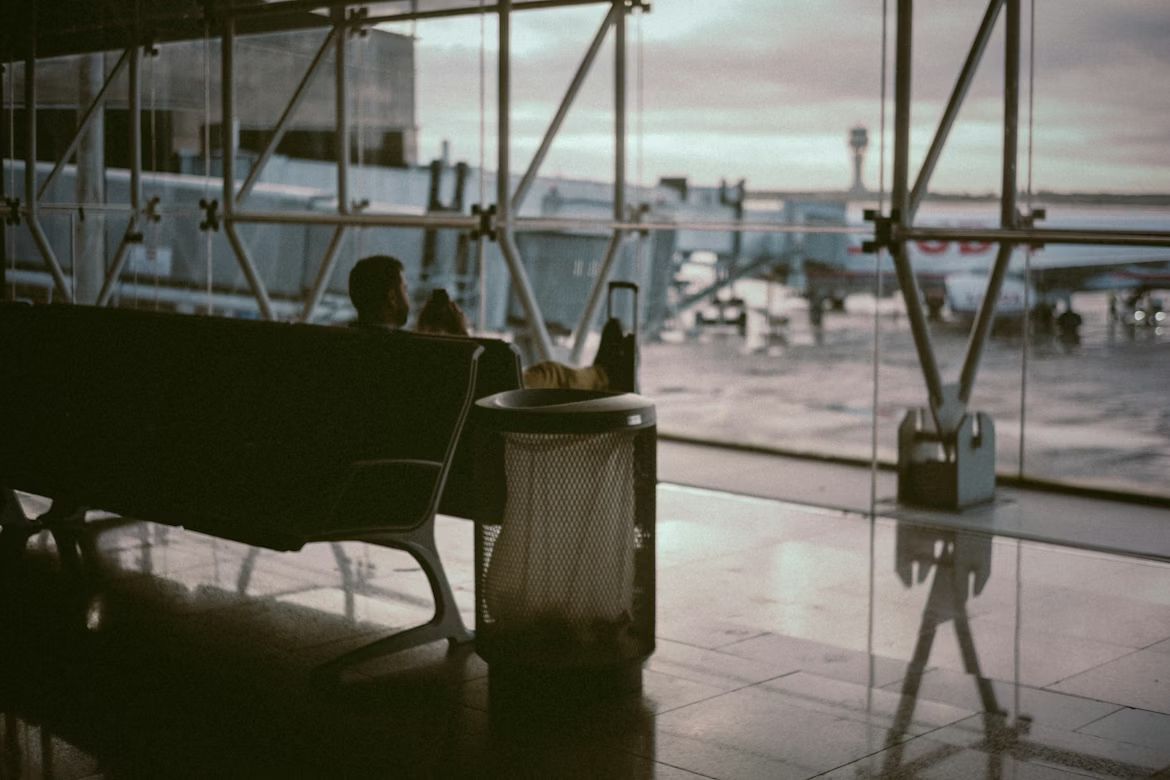
This one sounds too simple, but hear us out. In everyday life, how often do you actually give yourself permission to sit quietly and do nothing? No errands, no responsibilities, no one needing anything from you. An airport layover is, in a strange way, a rare pocket of guilt-free downtime. You might be surprised by how restorative it feels.
Safe travels, and may your layovers always be just long enough to enjoy them!
Keep wandering
There’s always
more to explore
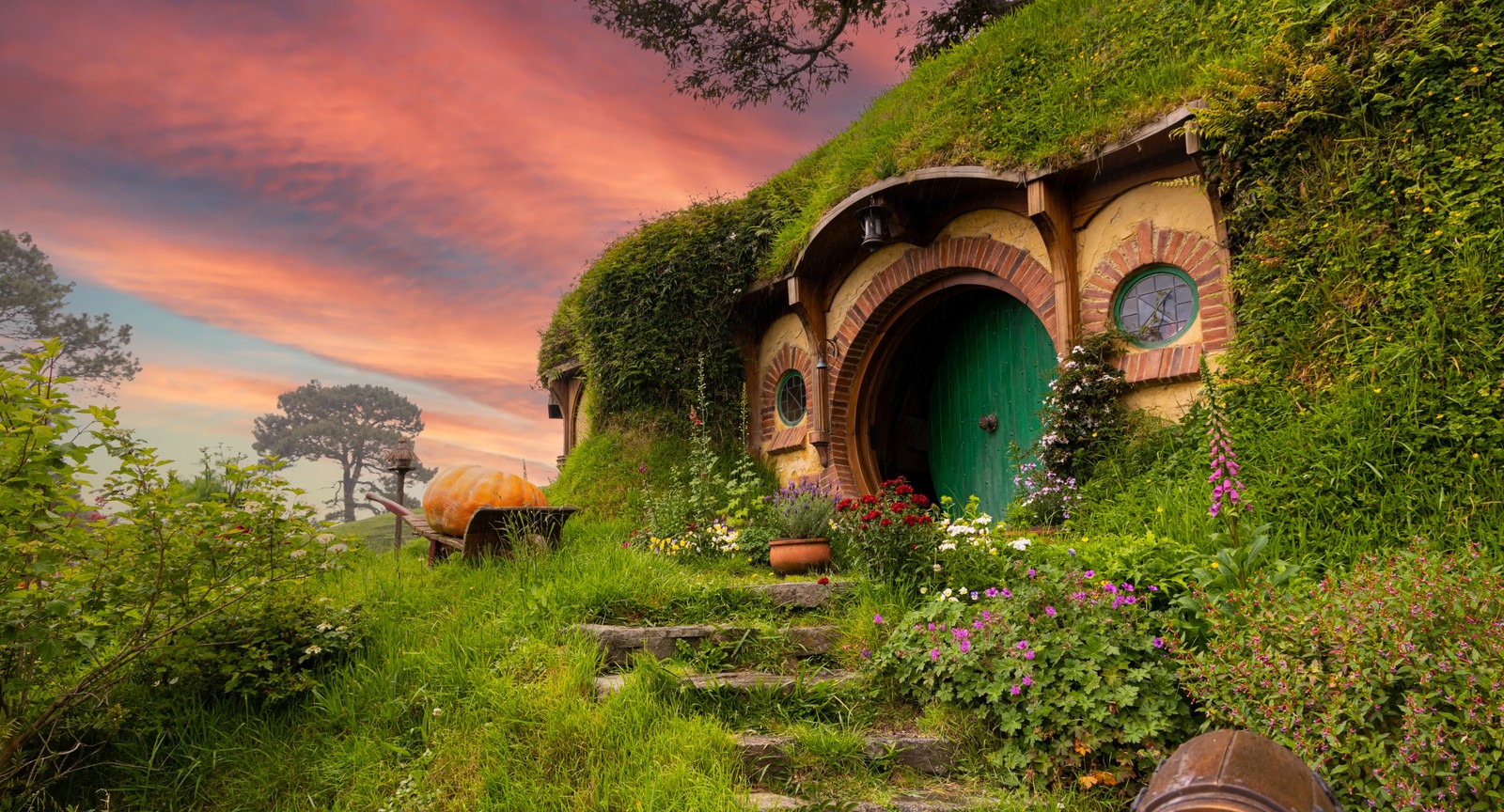
You've watched these movies 100 times... Go stand where they were filmed
3 min.
Read Now
 Culture
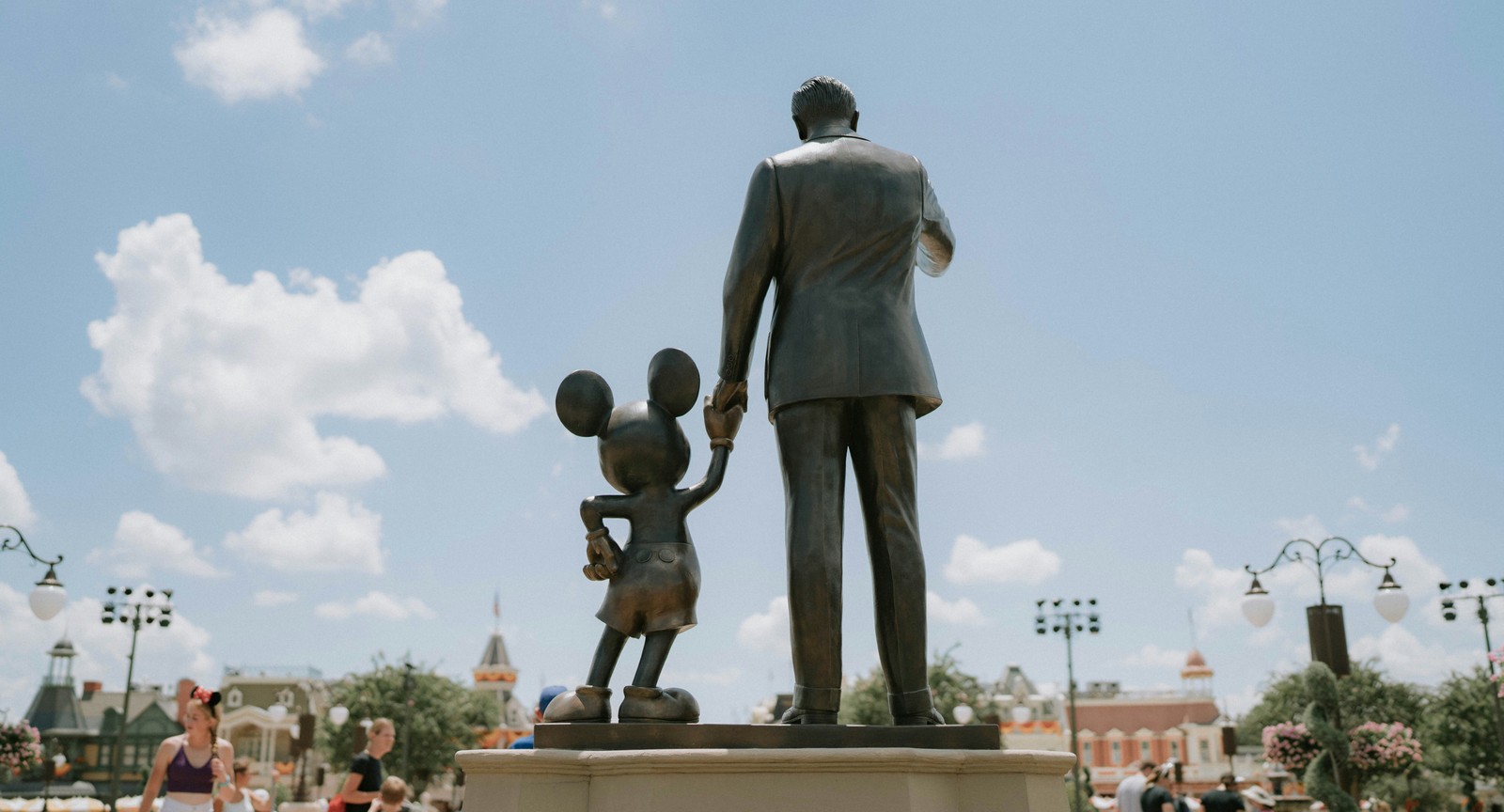
The bizarre reason there are no restrooms within Disney's Liberty Square
6 min.
Read Now
This trench could swallow Everest, with room to spare
6 min.
Read Now
How many time zones does the United States have?
5 min.
Read Now