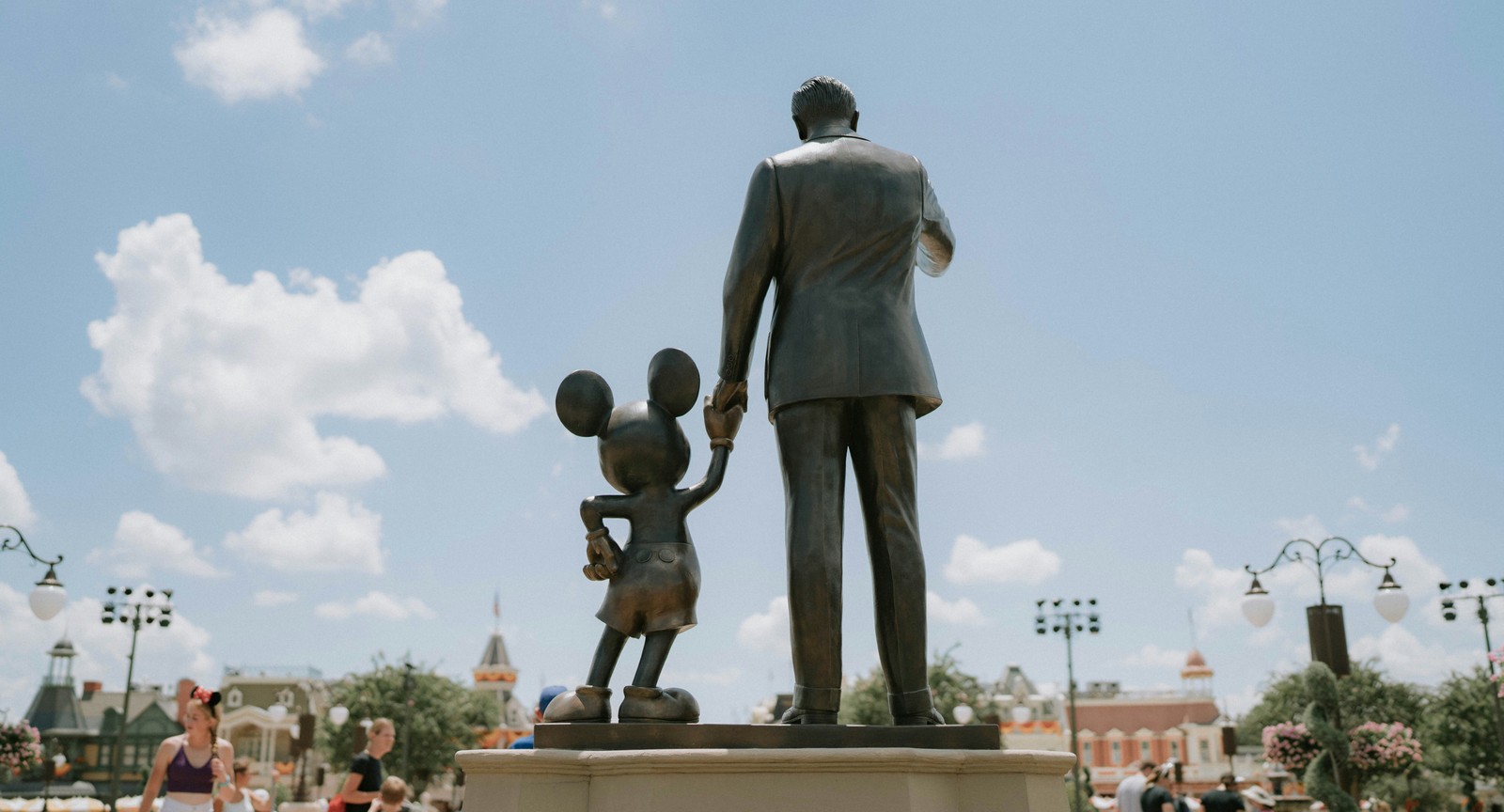
All about the secret room hiding inside Disney World's castle
 Culture
Disney secrets
All about the secret room hiding inside Disney World's castle
Did you know that there’s a hidden hotel suite inside Cinderella’s Castle? Or that Disney gives away hundreds of thousands of pounds of food every year to families in Central Florida? Main Street’s flags aren’t even real American flags, and there’s a clever reason why. From secret elevators to a Beast who only shows up in one single restaurant, Walt Disney World in Orlando hides more than most visitors ever notice. Here are 10 of them.
There's a secret hotel suite inside Cinderella’s Castle
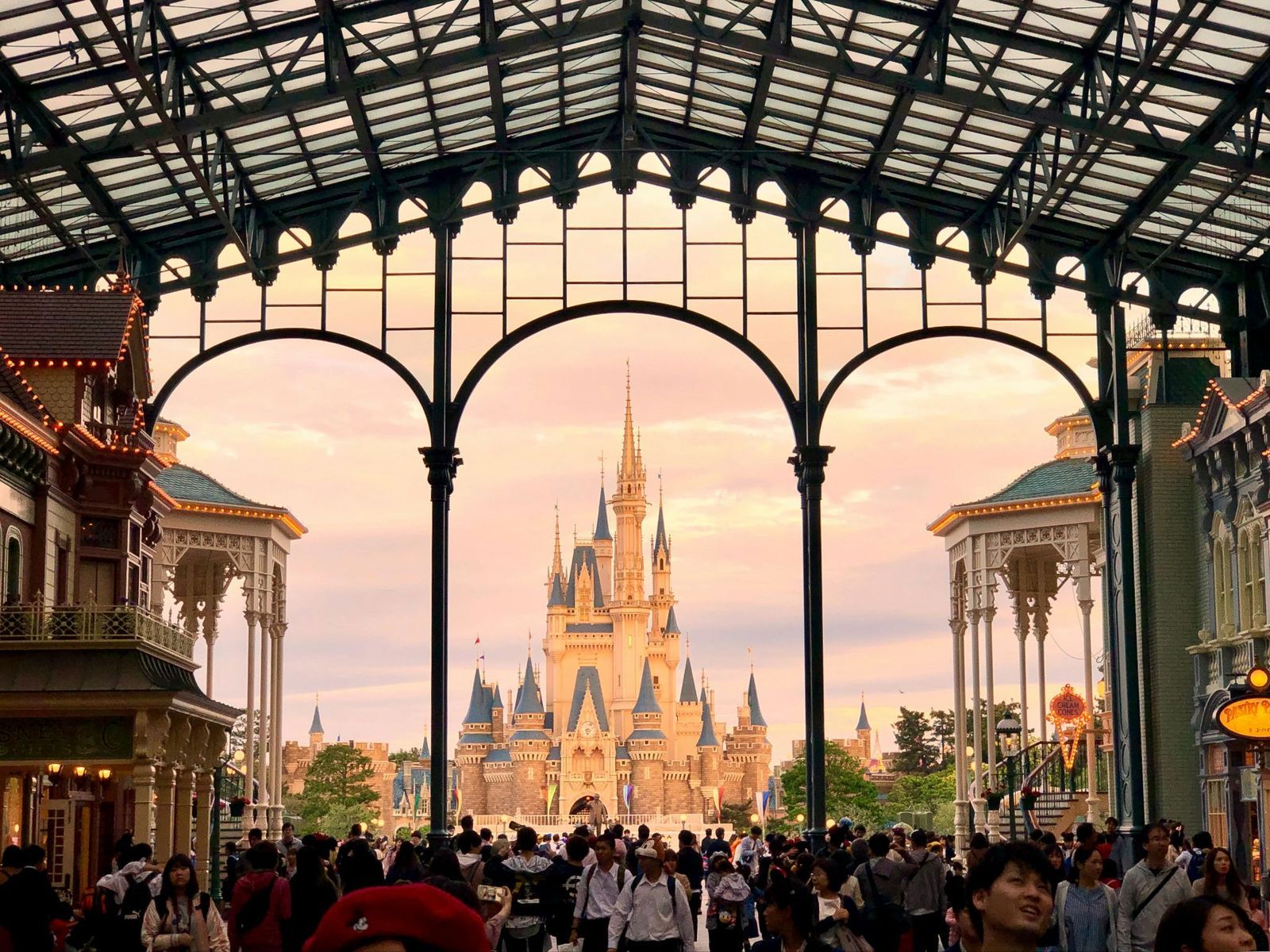
Millions of guests walk past Cinderella’s Castle every year, cameras ready, never guessing that four stories up there’s an actual hotel suite that was never supposed to exist.
Walt Disney originally planned it as a private apartment for his family, but he passed away in 1966 before the castle was even built, and the space sat unused as an office and storage room for decades. In 2006, the Disney World team finally finished the suite, opening it in 2007 as part of the Year of a Million Dreams promotion, which handed out 307 overnight stays to lucky winners that year. Today, you can’t book it with a credit card, no matter how much you offer. Entry comes only through contests, charity giveaways, or a personal invitation from organizations like Make-A-Wish, and stars like Tom Cruise and Mariah Carey have spent the night behind that hidden door.
Spaces are kept historically accurate
Walking through Liberty Square feels like stepping into colonial America, with cobblestone paths and buildings styled after the 1700s. There’s a reason you won’t find a single restroom inside its borders.
Indoor plumbing simply didn’t exist during that era, so Disney’s designers left public restrooms out of the land entirely, placing them just outside in neighboring Fantasyland and Adventureland instead. Look down at the pavement while you’re there too. Its brown, uneven texture isn’t random paving; it’s a deliberate nod to the muddy, waste-runoff streets of colonial towns. It’s a small detail, but it shows just how far Disney’s designers go to keep every corner of a themed land telling one consistent story.
You will never see two of the same character at once
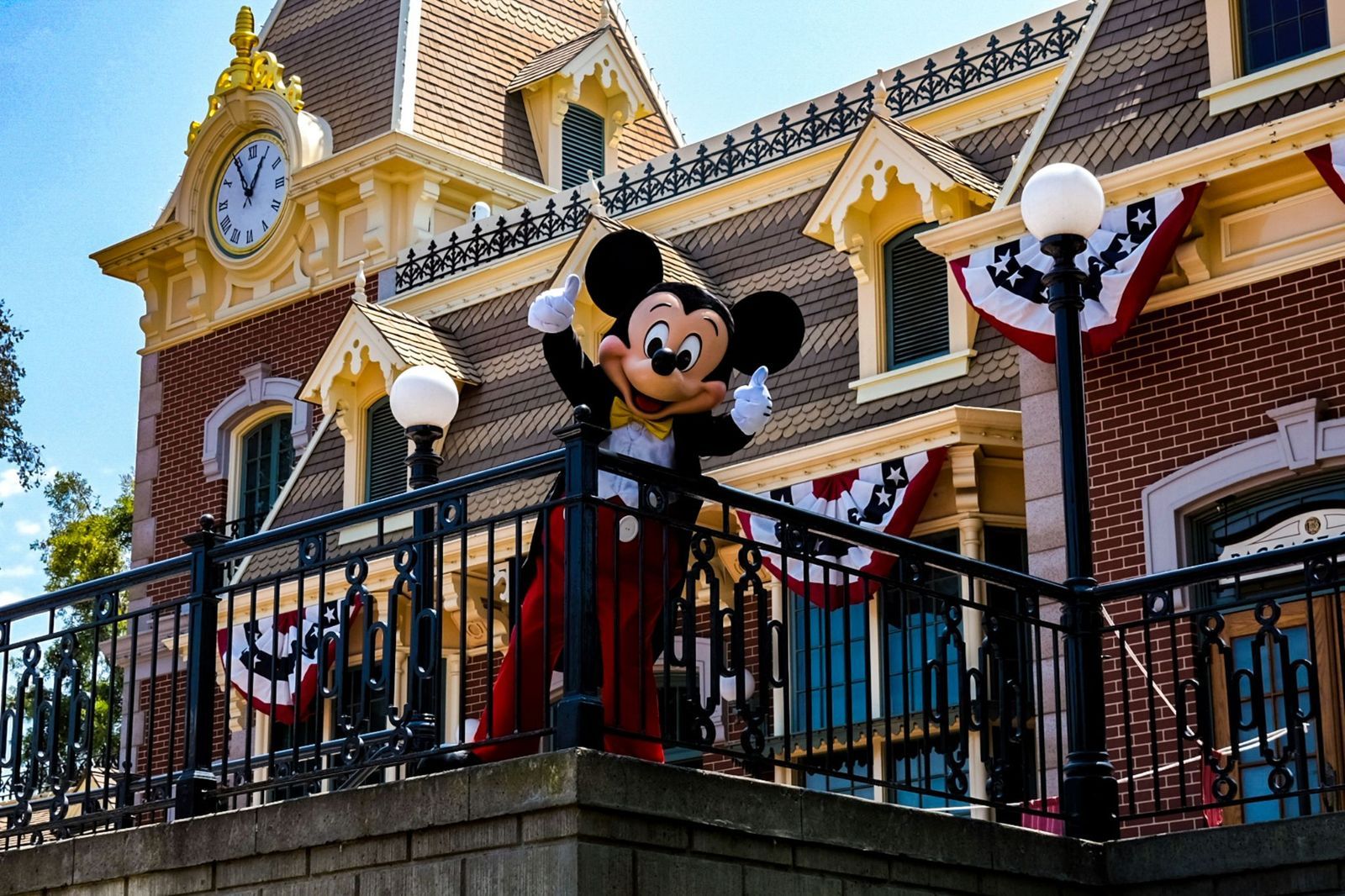
At some point during a Disney World trip, you’ll spot Mickey Mouse, say, near the castle and hug him. An hour later, the grandkids spotted him again across the park. Those two are not the same Mickey, and Disney makes sure you never catch the overlap.
Behind the scenes, a strict schedule tracks every costumed character across Magic Kingdom, coordinating routes through the underground utilidor tunnels so two Mickeys, two Cinderellas, or any duplicate pair never appear in a guest area at the same time. This keeps the illusion going for visitors who walk the same path all day.
Disney donates hundreds of thousands of pounds of food

While you’re enjoying a turkey leg or a plate of fries on Main Street, Disney is already planning where the extra food goes.
Since 1991, the Disney Harvest program has partnered with the Second Harvest Food Bank of Central Florida, collecting prepared but unserved food from restaurants across the resorts. Recent years have seen more than 700,000 pounds donated annually, translating into hundreds of thousands of meals for local families facing hunger in the Orlando area. The food comes from dozens of locations across the resort, sorted daily and delivered to nonprofits, from shelters to daycare centers.
The "Stars and Stripes" aren't quite right
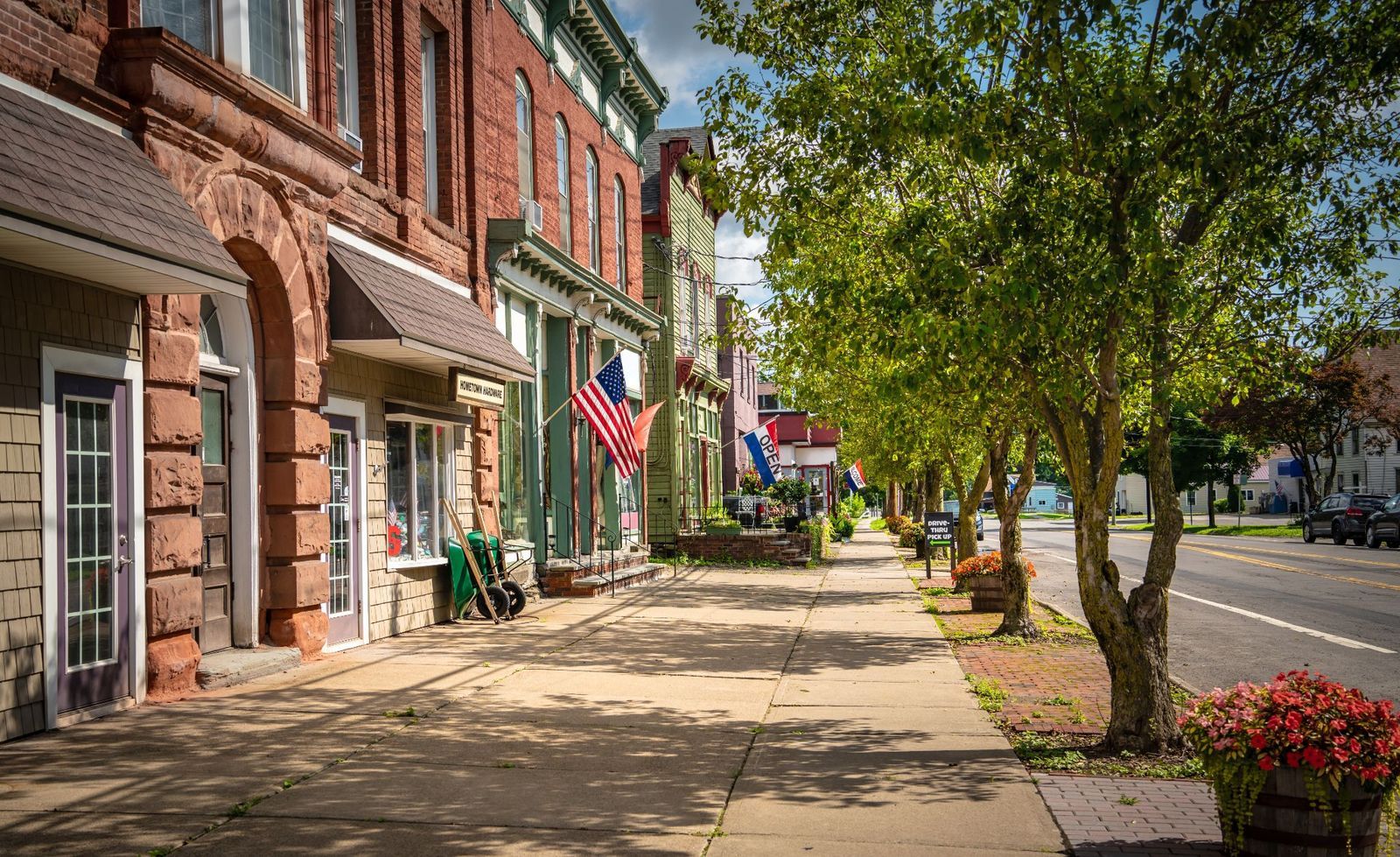
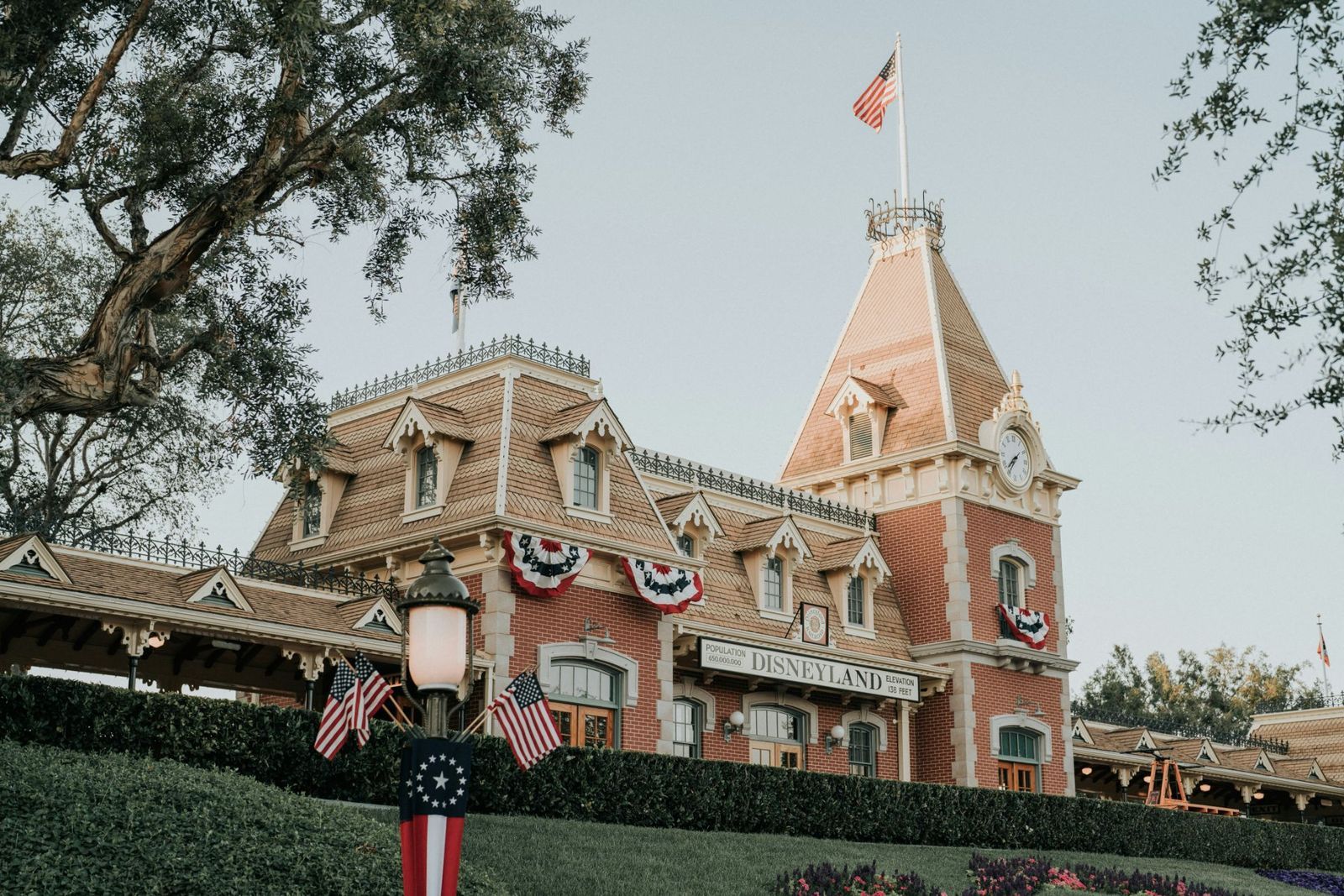
If you look up at the little flags perched atop the buildings on Main Street, U.S.A, you’ll see that, patriotic as they look, some details are a bit off: There’s a missing star here and there. That’s not a mistake.
Disney designed them to be historically accurate to the turn of the century, when the flag carried only 45 stars, matching Main Street’s own 1900s setting. Because they’re technically not official United States flags, Disney is free of the usual flag code rules, meaning no lowering them to half-mast, no mandatory nighttime lighting, and no need to bring them in during a Florida thunderstorm.
Hidden Mickeys are everywhere
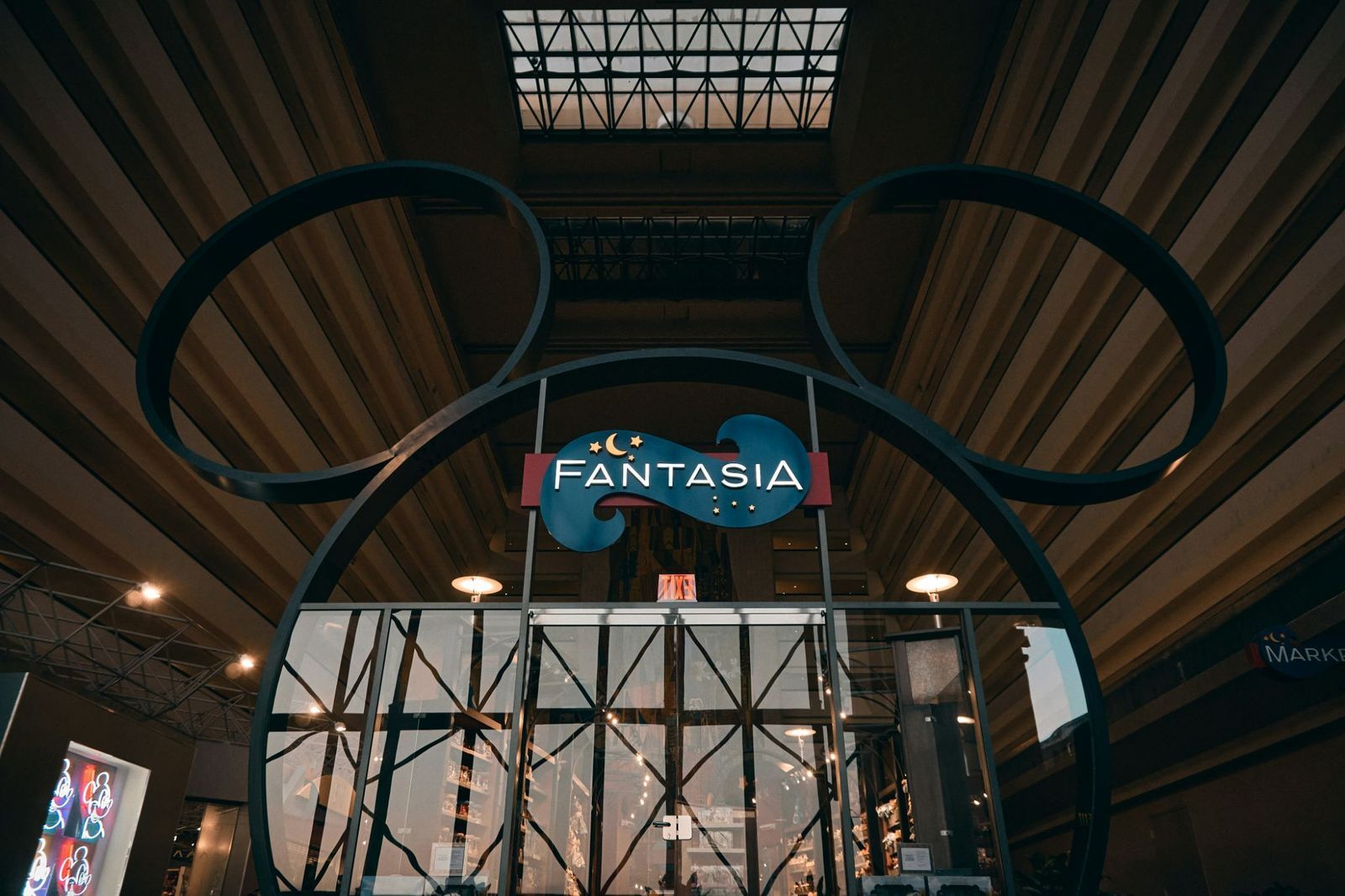
Next time you’re waiting in line, take a closer look at the wallpaper, the ironwork, or even the rock formations around you. Disney’s Imagineers have long tucked the three-circle Mickey Mouse silhouette into places guests would never think to search, from ceiling tiles to manhole covers to the patterns on carpets.
What began decades ago as a playful habit among designers and construction crews turned into a beloved tradition across every Disney park. Some Hidden Mickeys are large and obvious once you know where to look, while others are so subtle that even cast members struggle to point them out. Families have turned spotting them into their own game, one that can keep kids entertained throughout the longest lines.
Disney uses garlic as an insect repellent
Central Florida's swampland comes with a stubborn problem: mosquitoes, and lots of them. Rather than blast the parks with strong-smelling insecticides that would clash with the smell of popcorn and churros, Disney takes a subtler approach.
Grounds crews work to eliminate standing water across the property, since that’s where mosquitoes breed, and they also apply an odorless garlic extract that mosquitoes simply cannot tolerate. Guests never notice it, but the pests stay away all the same.
You can do character meals without a park ticket

Not every character encounter requires park admission. Several Disney resort hotels host their own character dining experiences, open to anyone staying on property simply by making a reservation.
Character buffet restaurant Chef Mickey’s at the Contemporary Resort has long been a favorite for its lively breakfast buffet with Mickey and friends, while the restaurant ‘Ohana at the Polynesia Village Resort offers a similarly relaxed, family-style meal with familiar faces stopping by each table. For families traveling with young kids who want character time without the crowds and long lines of the parks themselves, these resort meals offer an easier, calmer way to get that same magic.
You can't take a bad picture at Cinderella’s Castle

Ask any Disney photographer, and they’ll tell you the castle almost never looks bad on camera, and that’s by design, not luck.
When Imagineers positioned Cinderella’s Castle, they oriented it to face South, which means the sun is never directly behind it, avoiding the harsh silhouette effect that ruins countless photos. The surrounding buildings were also carefully placed so their shadows never fell across the castle’s facade during park hours. The result is a landmark that photographs beautifully at almost any time of day, morning light, golden hour, or fireworks at night, giving generations of visitors that perfect, camera-ready shot without ever realizing how much planning went into it.
The Beast only meets guests in one location
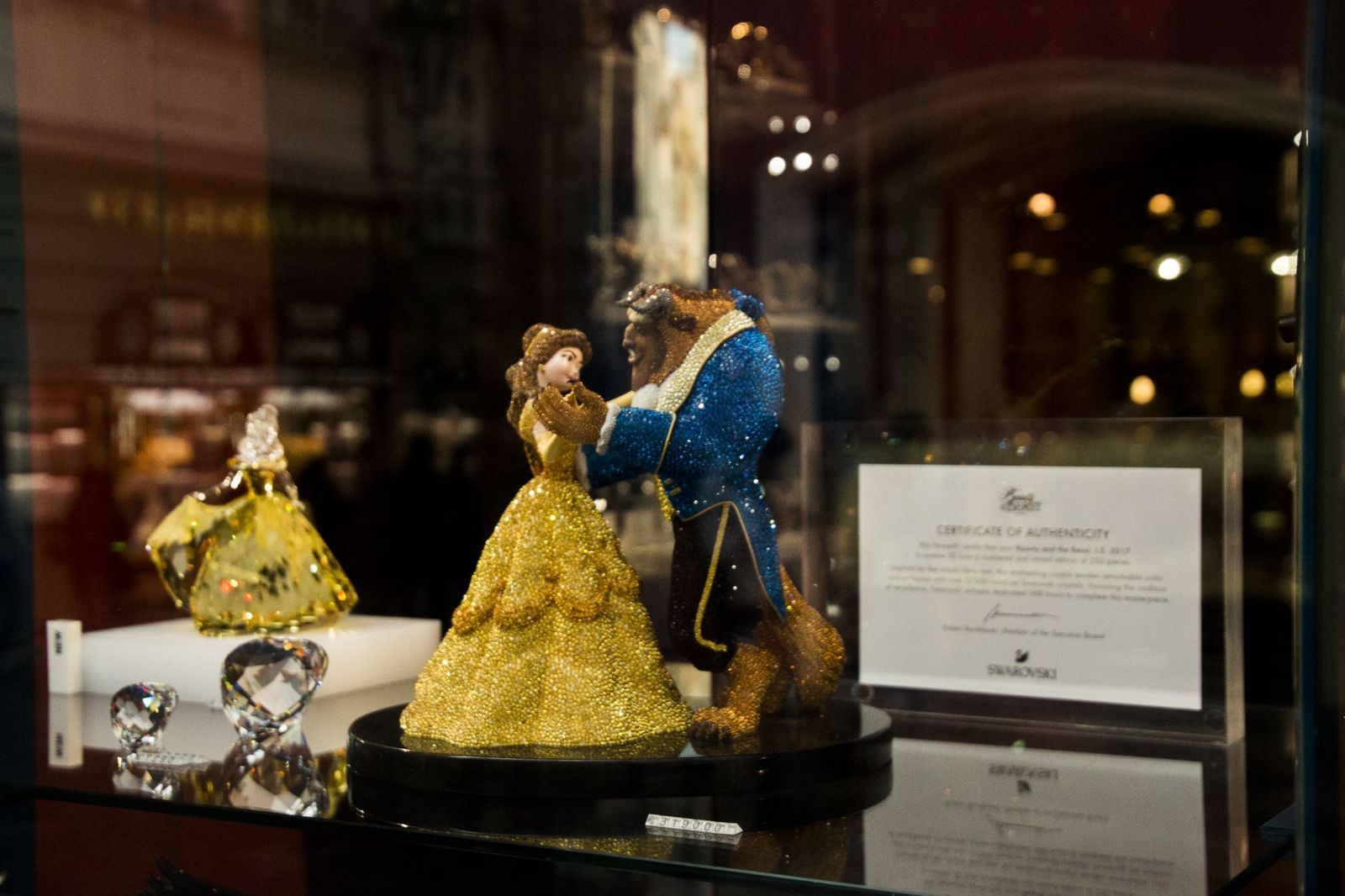
Unlike most Disney characters who wander the parks for photos and hugs throughout the day, the Beast keeps to himself.
You won’t find him strolling through Fantasyland or posing near the castle. His only regular appearance happens inside Be Our Guest Restaurant during dinner service, where he moves quietly through the candlelit Grand Ballroom, greeting guests at their tables. It’s a fitting touch, considering that the character's story is built around isolation within his own castle walls. For fans hoping for that specific encounter, a dinner reservation at Be Our Guest is the only guaranteed way to see him, making the meal feel like its own small, exclusive event within the wider park.
10 things airlines won't tell you about a missing bag
 General
Luggage uncover
10 things airlines won't tell you about a missing bag
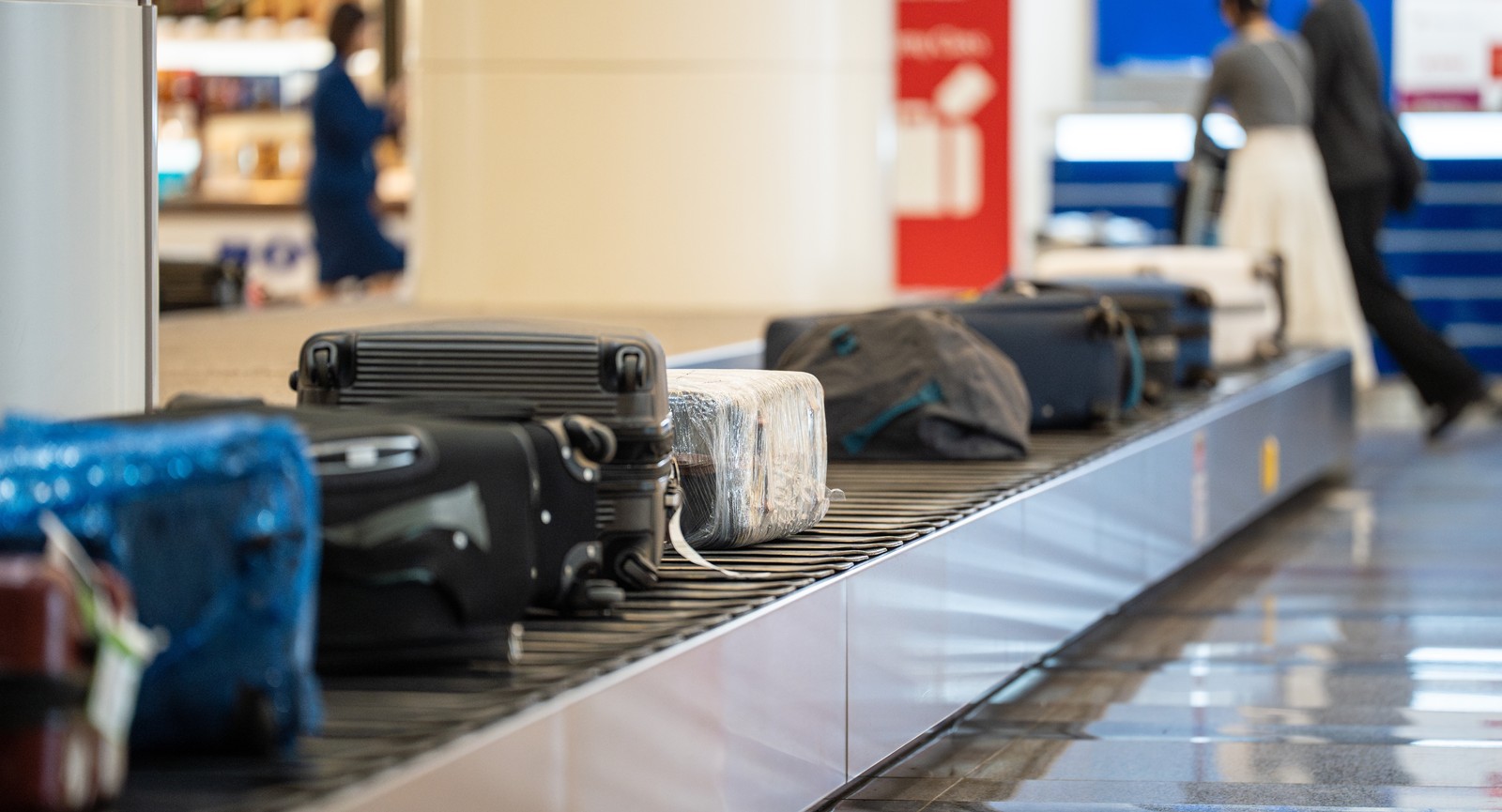
Picture yourself standing at baggage claim after a long flight. The carousel starts moving, people pick up their bags, and the crowd slowly disappears. The belt stops, but your luggage never comes out. What happens next? Before sinking into frustration, knowing this step-by-step process can help you manage your missing bag. This is how airlines usually handle a delayed bag.
How airlines notice a missing bag
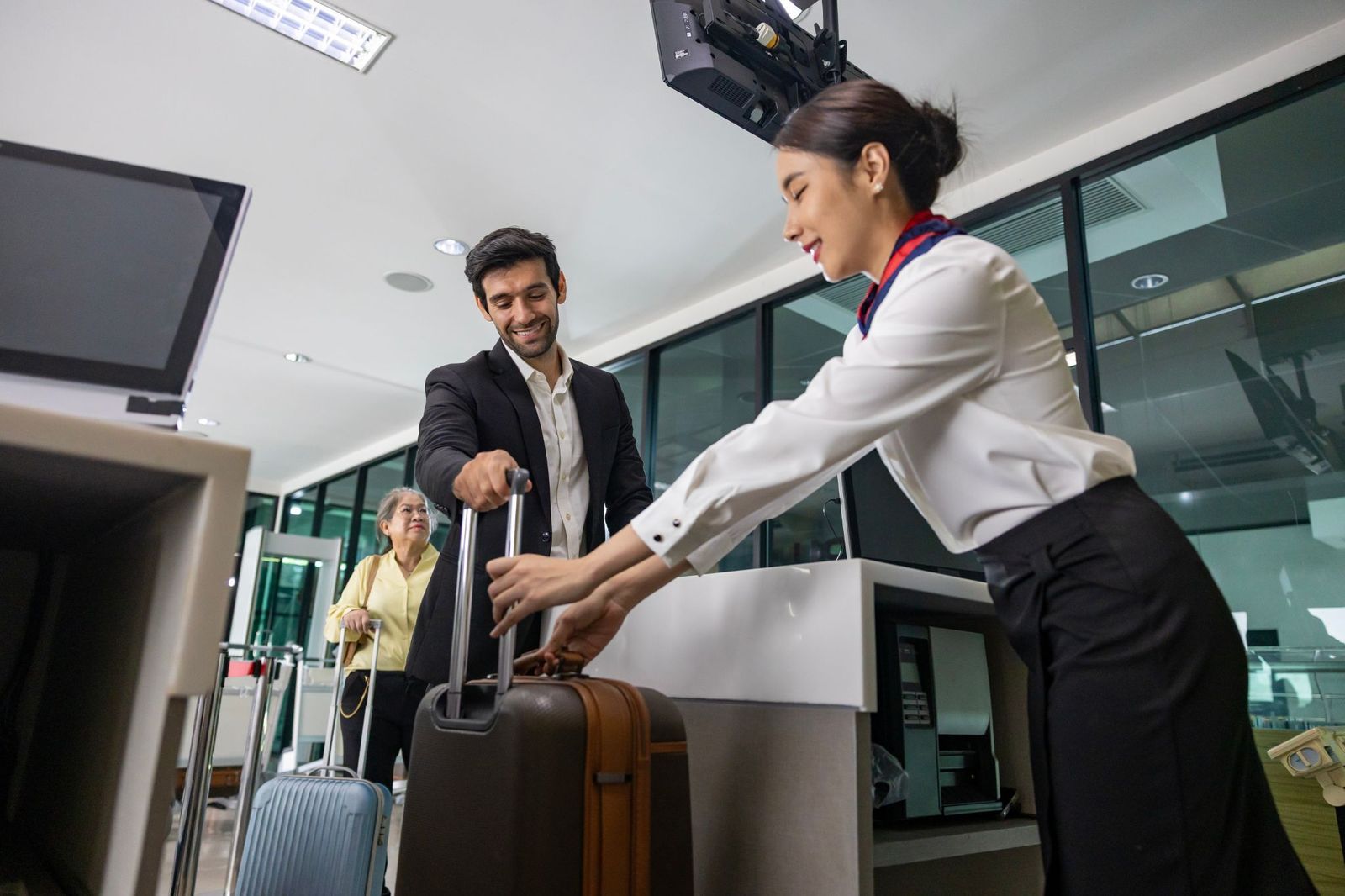
Airlines can actually notice a missing bag through tracking records. When checking your bag, the airline attaches a tag with a barcode or tracking number. That tag links the bag to your name, flight, destination, and baggage claim receipt. So, as the bag moves through the airport system, it may be scanned at different points and spots where the bag was last recorded.
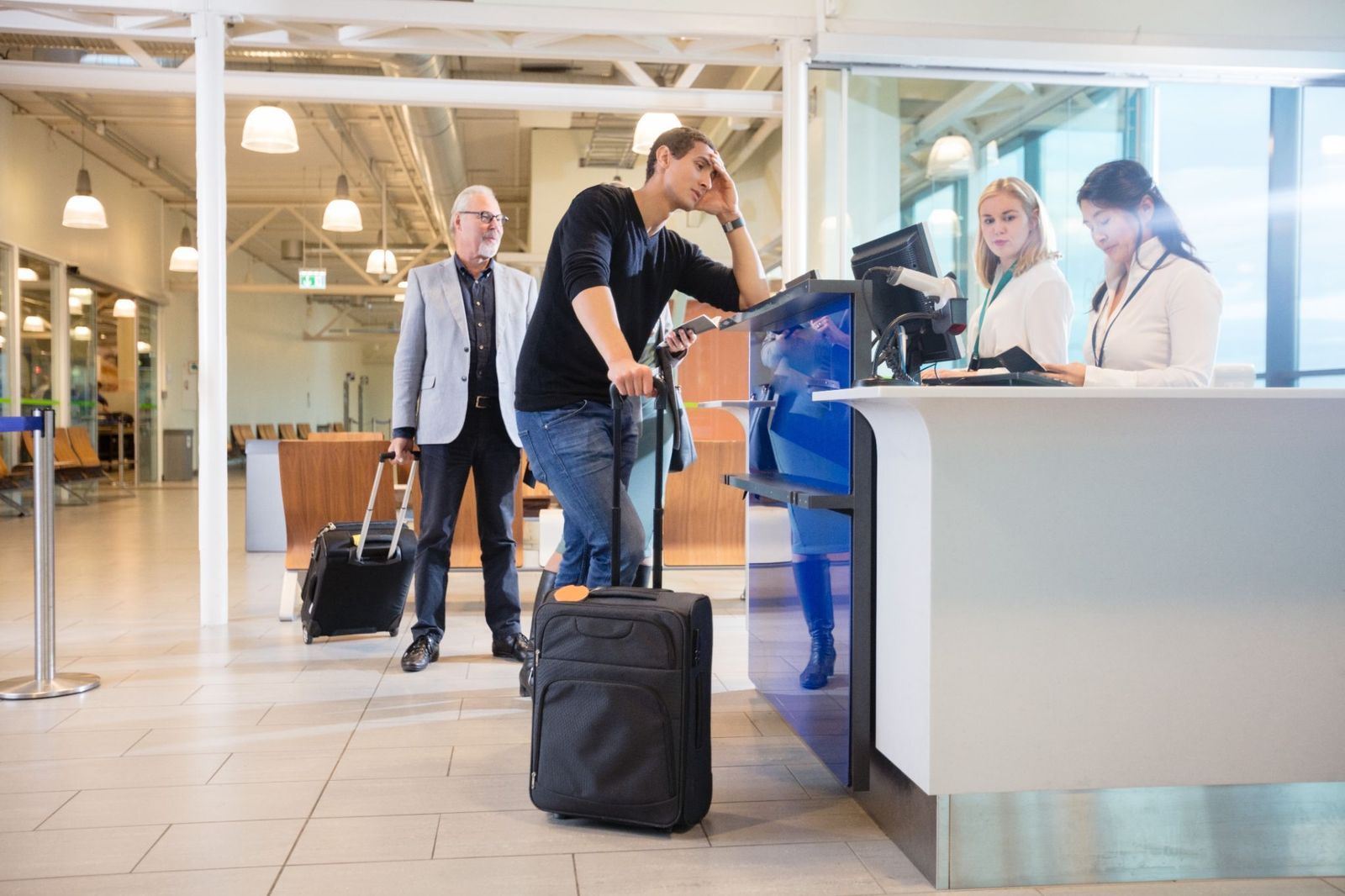
But if the bag remains unclaimed, the airline may never notice that the passenger is waiting for it. So it's important to report the loss before leaving the airport or as soon as possible through the airline’s baggage claim system. This report creates an official file that is the starting point for tracking it.
What travelers can buy while they wait
You are at the airport, waiting for the airline to find your suitcase, and you realise you need a few basic items such as toiletries, underwear, medication replacements, etc. In this situation, the keyword is "necessary." Airlines may compensate for the delay by paying for reasonable expenses, but passengers need to save the receipts. Unnecessary purchases may not be covered, only what you need for the short term. Keep every receipt, take photos of them, and send them to the airline with your claim.
How compensation for lost luggage works
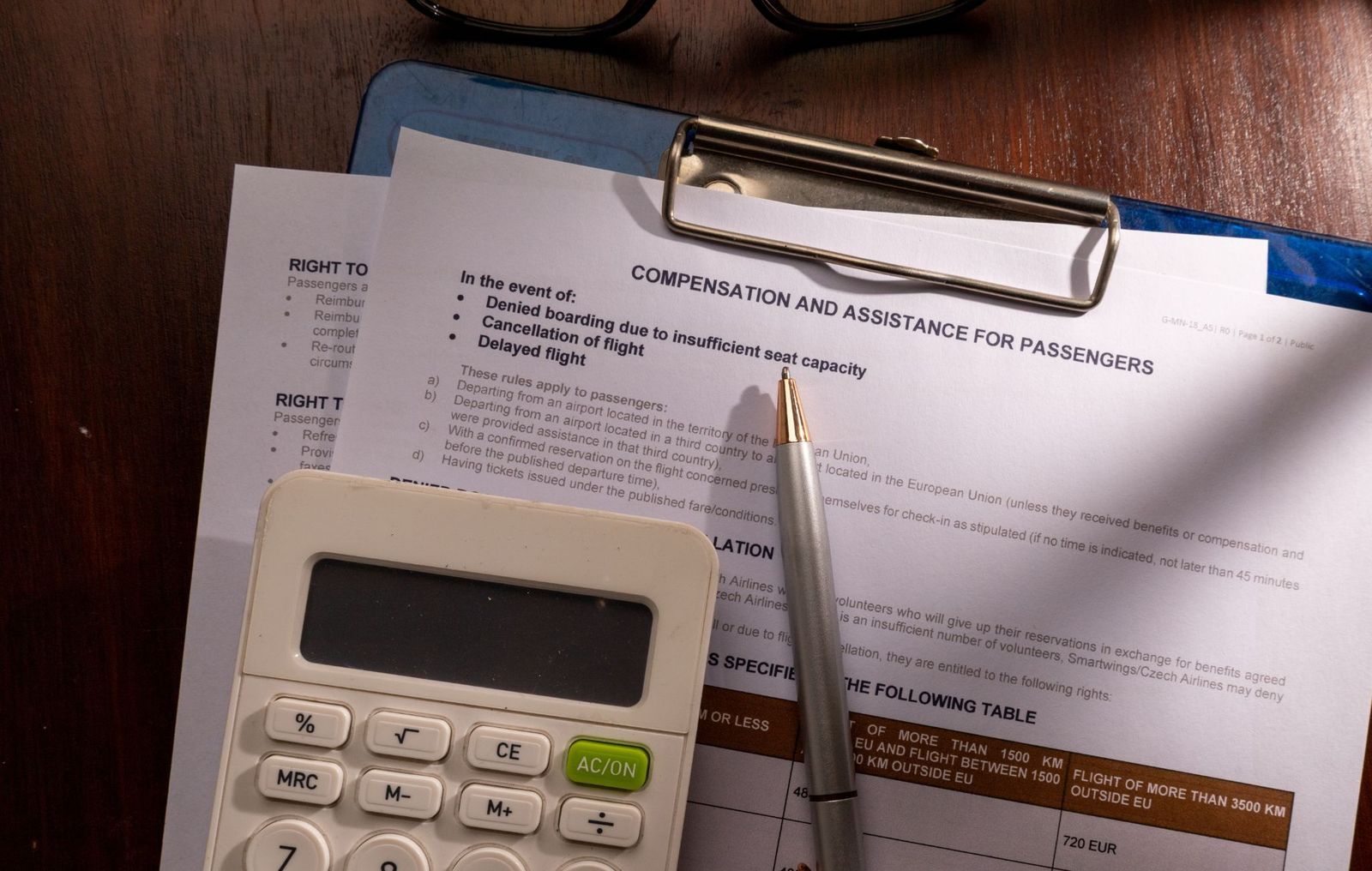
Now suppose the worst happens: the airline says your bag is lost. At that point, the airline is usually responsible for paying you back for the items inside the bag. But there are some rules to follow. The airline may ask for proof of what was in the bag, and it may not pay the full original price for older items. There are also legal limits on how much the airline has to pay. Most of the time, the airline must also refund the baggage fee you paid to check that bag.
What information airlines need from you

The information needed includes your name, contact information, flight number, baggage claim ticket, bag tag number, final destination, and a delivery address. Reasonably, the airline would ask for a description of the bag: brand, color, size, material, wheels, handles, tags, stickers, or any remarkable item. You should be able to describe what is inside the bag, especially if it has been missing for a few days. It helps to confirm ownership when the tag gets damaged or is missing.
Where delayed luggage goes first
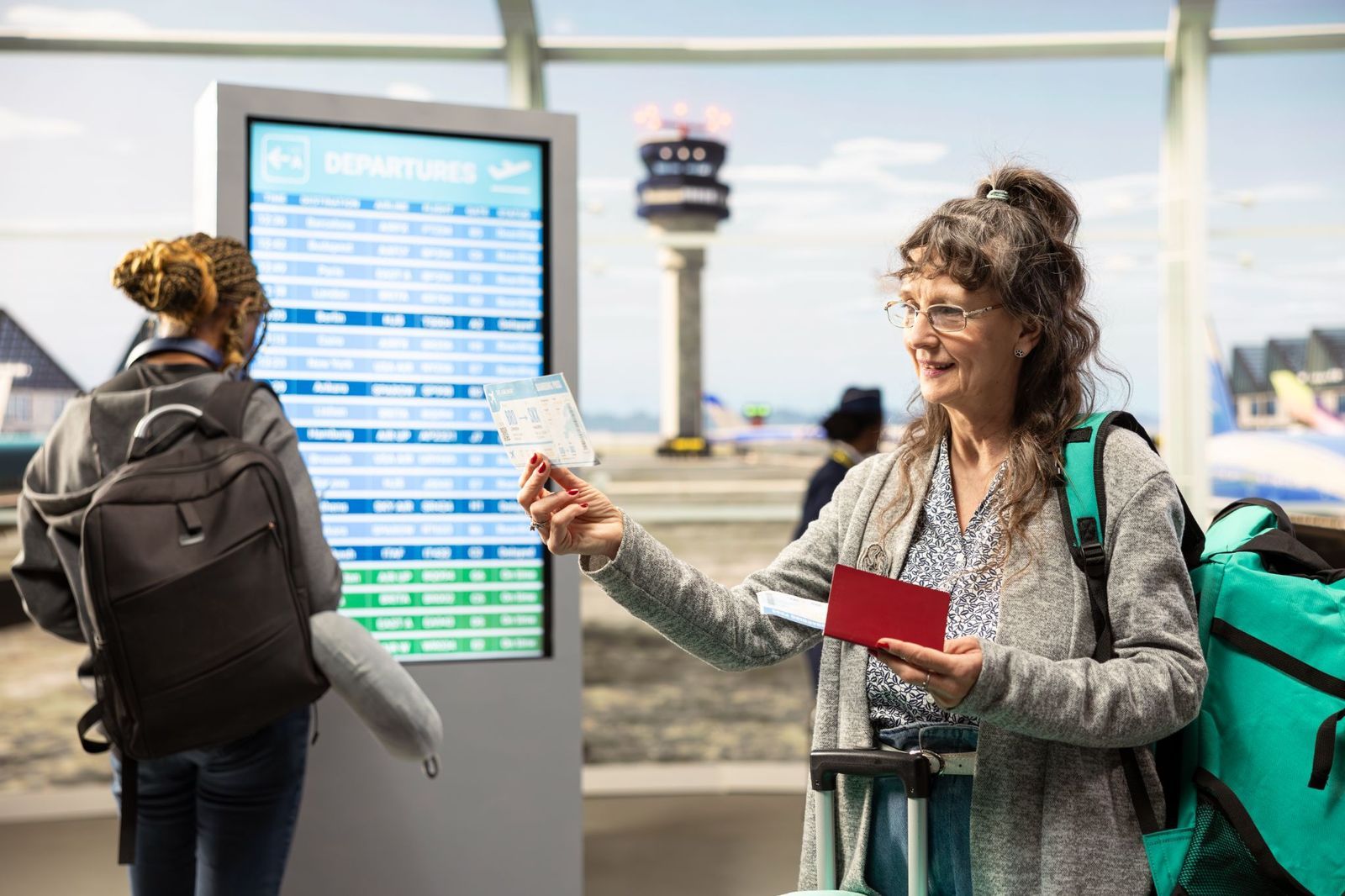
Delayed bags that missed the carousel could be in a baggage room at the departure airport; it might have missed a connection, been placed on a later flight, or even arrived at your destination airport but went to the airline’s baggage service area instead of the carousel. In most cases, a missing suitcase is delayed, not lost.
That is why the first step isn’t to claim compensation. The first step should be checking the last scan, tracking the bag, and matching that information with the passenger’s report. If the bag is already at the destination airport, you’d get the best scenario. If it’s still in another city, the airline should send it on the next available flight.
How bags are tracked between airports
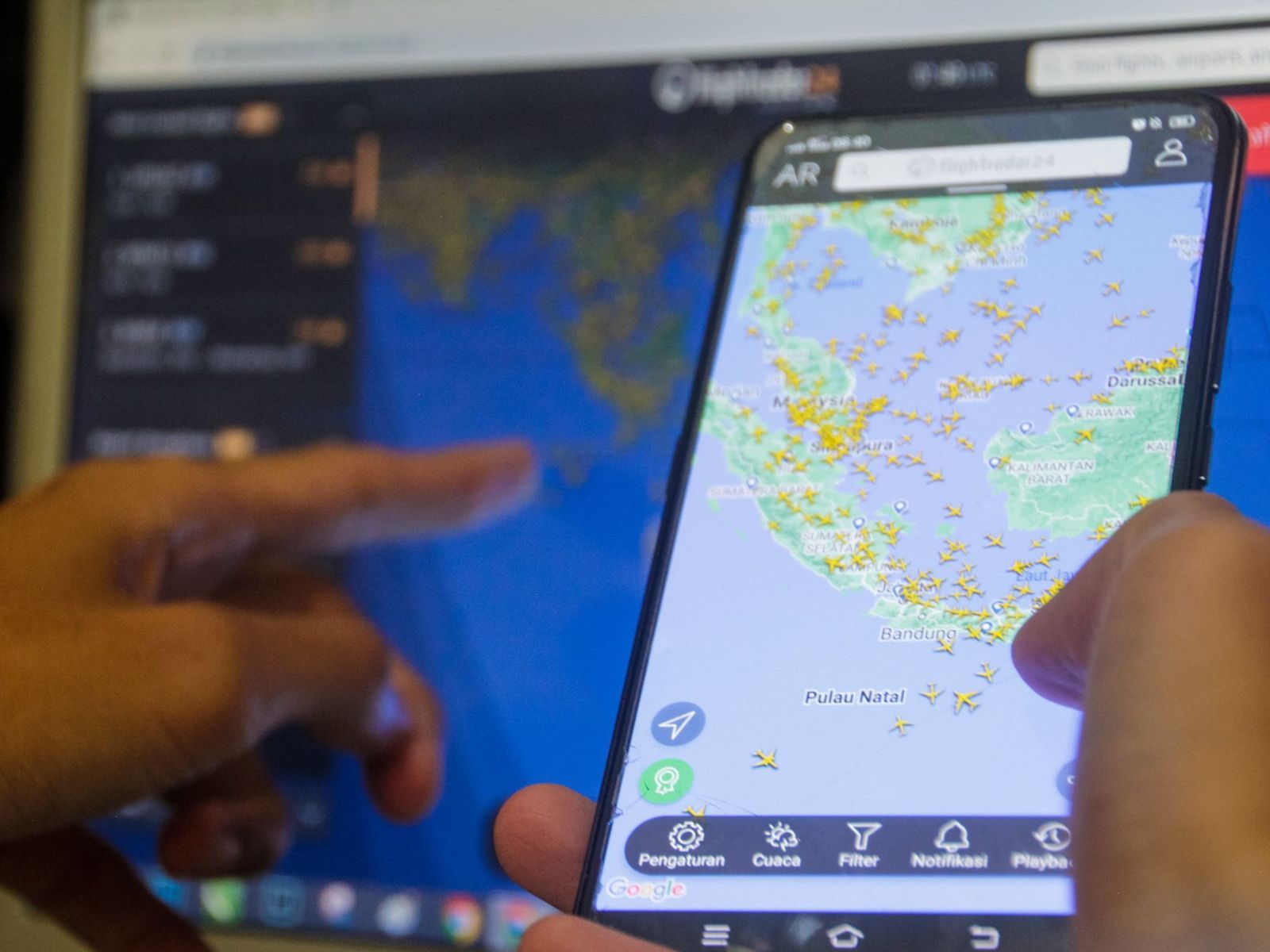
Let’s go deeper into the tracking possibilities. Checked bags are tracked through the bag tag. The number on it is the key piece of information, telling the airline the bag’s owner and where it is going.
However, some airlines also let passengers track checked bags through an app or online tool. This can show when the bag was checked in, loaded, transferred, or delivered. But even if the passenger can see that the bag is at another airport, the airline still needs to process the bag, match it to the claim, and arrange transportation.
Why luggage sometimes takes a different flight
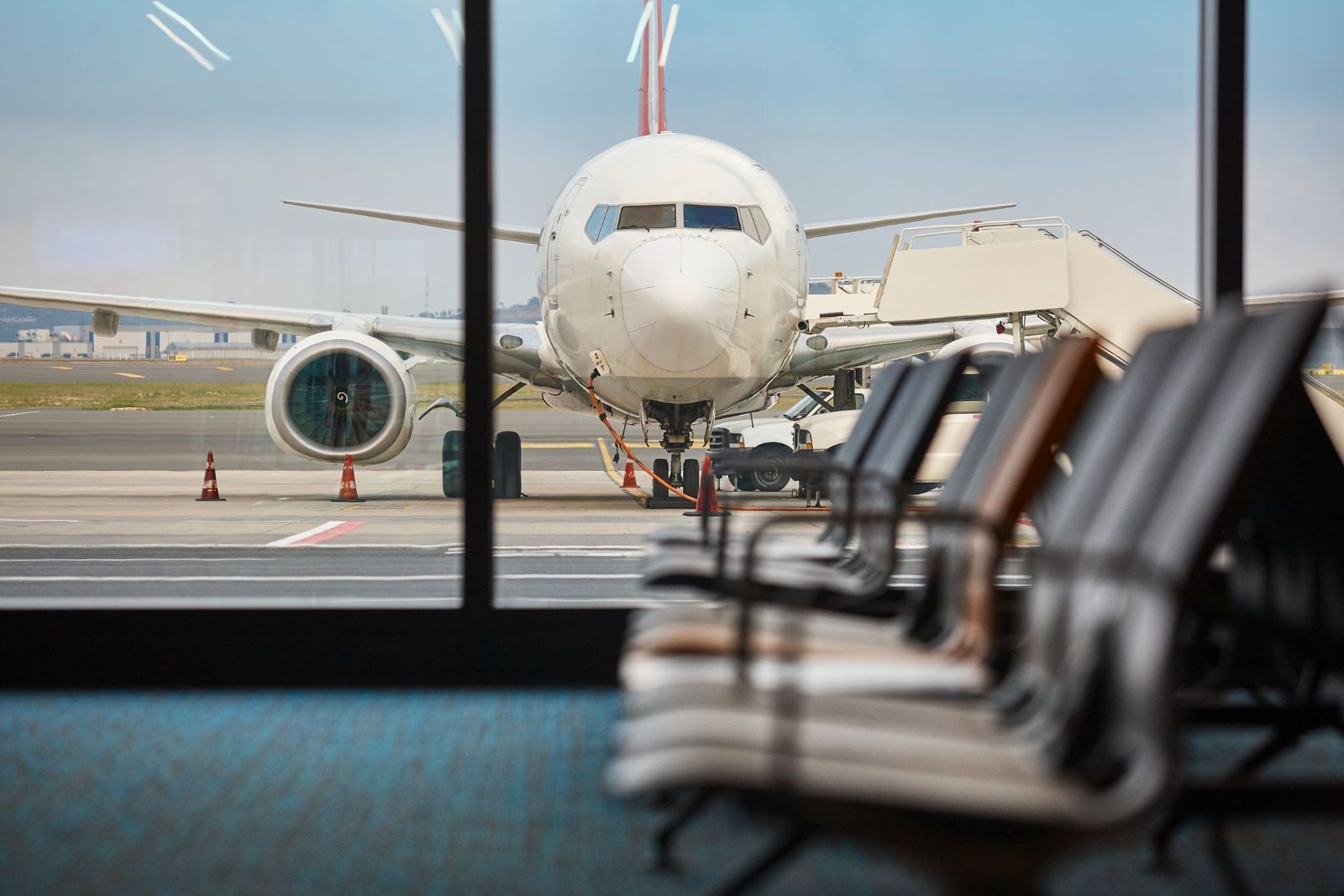
One of the most common reasons a bag misses a flight is a tight connection. Although the passenger may have enough time to reach the next gate, the bag may not have enough time to move from one aircraft to another.
Bad weather, late flights, last-minute aircraft changes, short staffing working that day, or mechanical delays can slow the baggage process. When that happens, the passenger may make the flight, but the bag may fall behind.
When the airline delivers the bag to your hotel
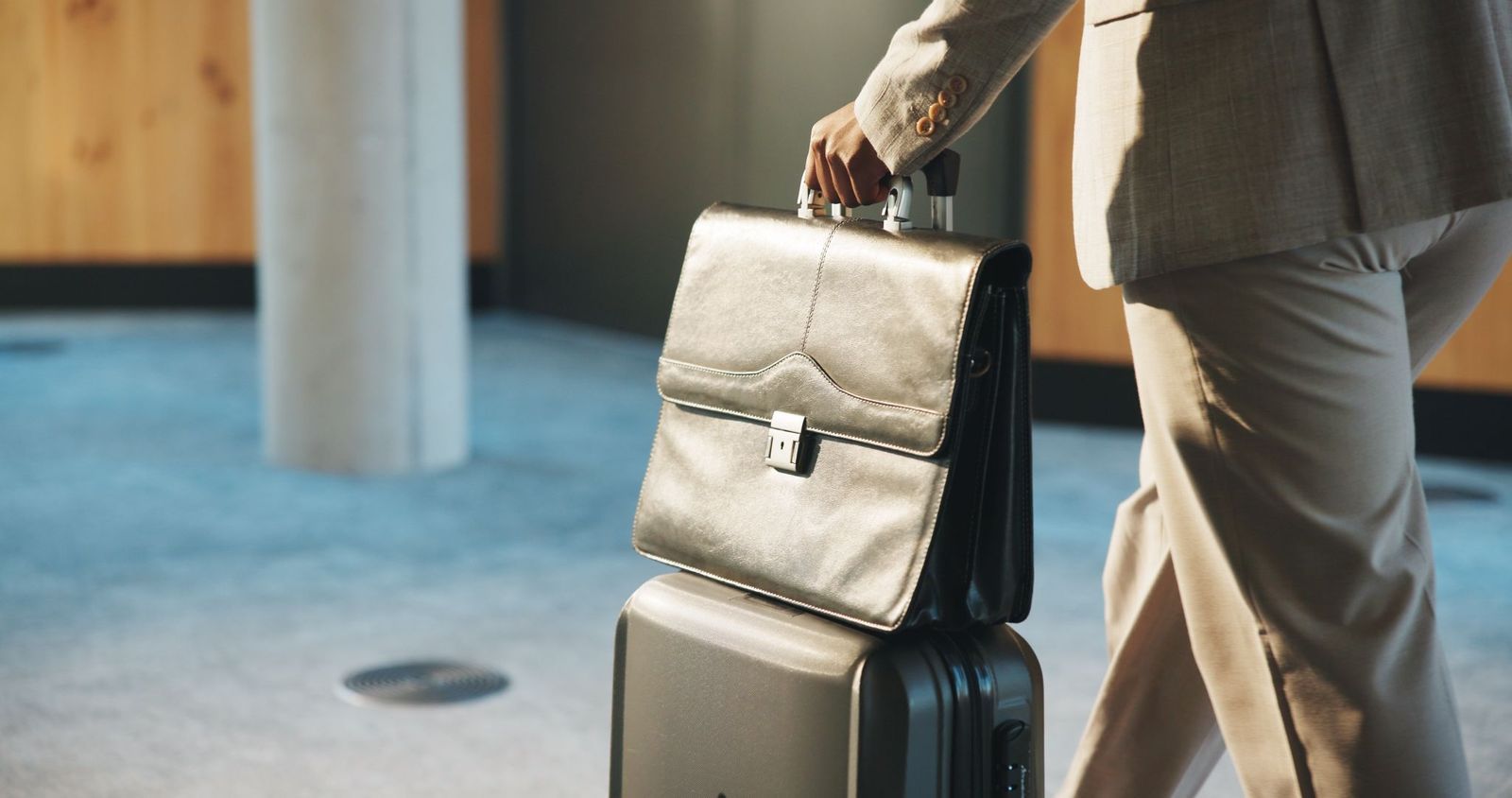
What happens when the airline finally finds the bag? If the issue wasn’t resolved within the next few hours, the passenger will likely have left the airport without his suitcase. But once the airline finds the delayed bag, it’s sent to the airport where the passenger arrived and later delivered to the hotel, home, or another address agreed with the passenger.
That is why the baggage report is so important. If you are staying at a hotel, give the full hotel name, address, phone number, reservation name, and the dates you will be there. If you are moving from one city to another, tell the airline right away to avoid being sent to the wrong place.
When a delayed bag becomes officially lost
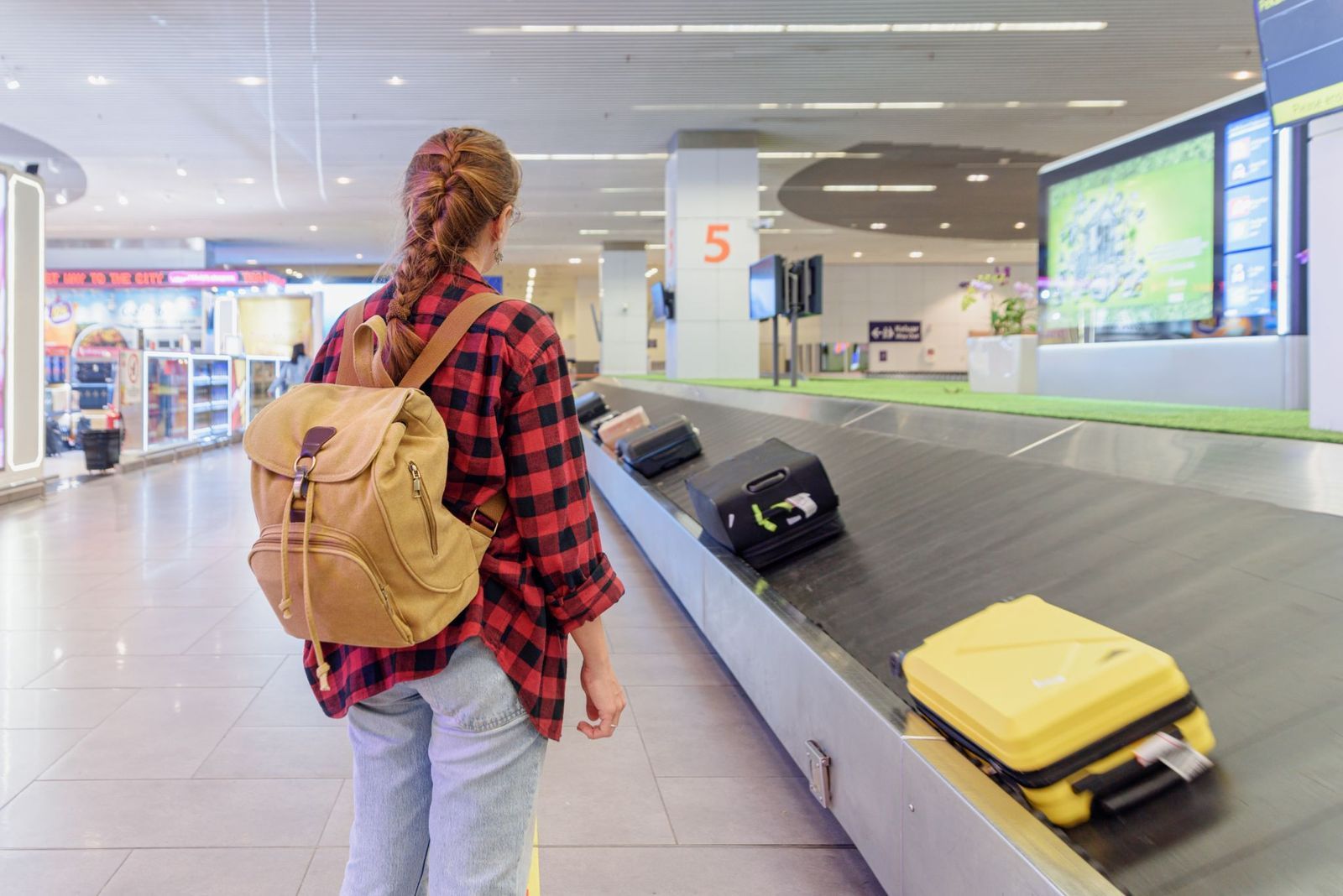
If your bag doesn’t show up on the first day, that doesn’t mean it is lost. Most of the time, the airline still treats it as delayed while it keeps searching. The Department of Transportation says most airlines make that decision somewhere between five and fourteen days after the flight. A domestic flight is often easier to check, while an international one can take longer because it involves partner airlines, customs rules, and different baggage systems.
How to reduce the risk of losing a bag

What should a casual passenger do to reduce the probability of losing a bag? A clear luggage tag with your name, phone number, and email address could be one of the best alternatives. Also, before checking the bag, remove old airline tags so they do not confuse the system, and add something highly recognizable, like a strap or a sticker.
Packing the most important items in your carry-on is also a safe move. Always bring with you one change of clothes, basic toiletries, medication, documents, and chargers. That way, if your checked bag is delayed, it’ll be frustrating, but it doesn’t stop the whole trip.
Keep wandering
There’s always
more to explore
 Geography

How many time zones does the United States have?
5 min.
Read Now
Why your watch should stay at home: 10 tips every traveler needs
5 min.
Read Now

You've watched these movies 100 times... Go stand where they were filmed
3 min.
Read Now
10 full-size liquids you can legally take on a plane
4 min.
Read Now