10 things to check if you are planning a camping trip
 General
Happy campers
10 things to check if you are planning a camping trip
Are you a seasoned camper? Or maybe you are new to it and don’t know where to start? No matter your experience level, camping should always be safe and comfortable, but this can mean different things. Location, style of camping, time of the year, personal needs and preferences, these are all things that will determine the success of your camping trip. So, let’s have a look at the best way to plan it.
Choose the camping style that suits you best
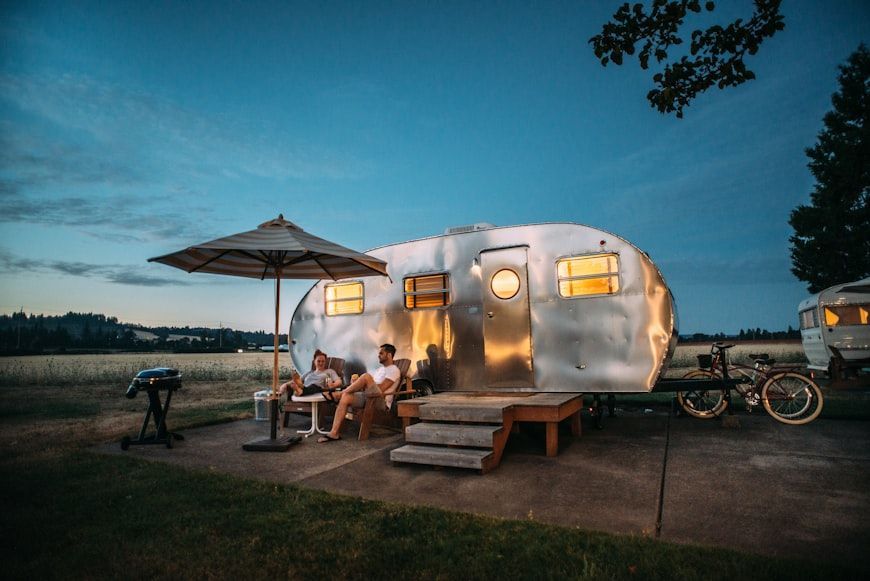
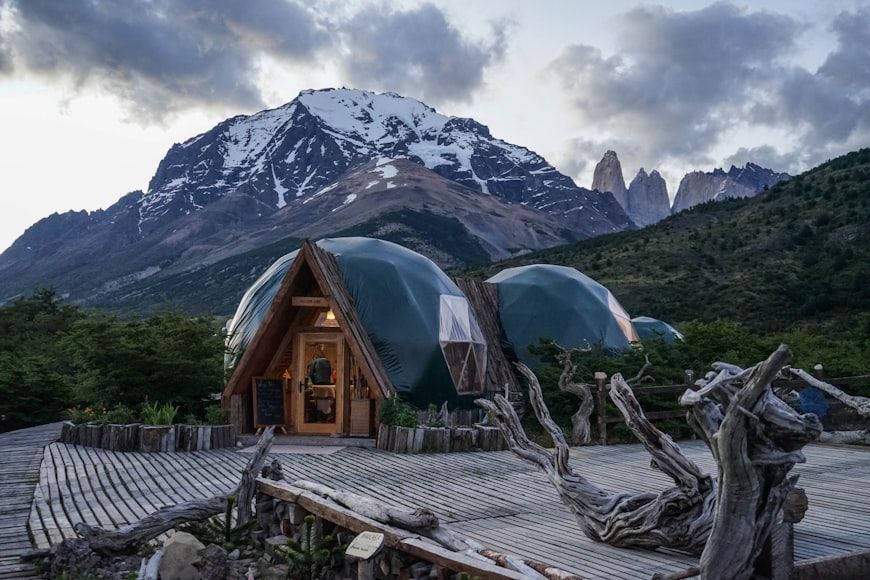
There is not a single way of camping: it can go from a minimalist, backcountry style in a remote location to a luxurious glamping site, including camping sites with amenities, RV camping, and shelters.
Your final pick will not only be dependent on the location and the type of camping style, but also on your personal camping experience. If it’s your first time, prioritize comfort, easy access, and a camping style that plays into your personal strengths and abilities.
Research the camping site
You have decided what camping style you prefer. Now it’s time to choose a location. If you prefer a more developed site, check if it’s suited for the type of camping chosen, the site requirements, the fees, and the amenities offered.
More remote locations will likely have lower or no fees, but they will lack the convenience of a developed campsite. When choosing a remote location, check the closest town, the access to water, and the gear you will need for that specific terrain. It’s also important to check if the area requires a permit or if it has specific safety regulations.
Timing
As a rule of thumb, it’s always better and easier to camp during the warmer and drier months, but this can look different for each location. Spring and fall tend to have milder weather, but they can come accompanied by rain. Summer ensures warmth and stable conditions, but extreme heat requires preparation of its own. Winter camping? That’s more advanced, unless you are picking a camping site with ample amenities.
Besides the season, it’s important to pick the best time of the month. Planning your trip around a full moon will give you better night visibility. While this is minor if you are staying at a developed campsite, it can greatly affect the conditions of a more remote location.
Check the weather forecast
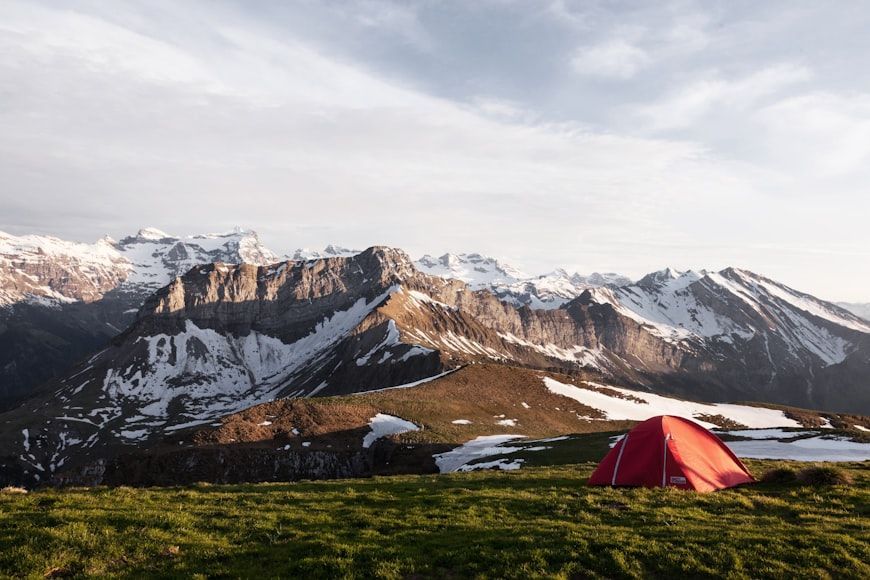
Not all camping sites present the same conditions year-round. When choosing a location, it’s important to research the weather conditions, depending on the season and the environment. A site that seems perfect for tent camping during the summer might be very challenging during the colder months.
It’s also key to check the forecast on the days leading up to the trip. Weather conditions might change rapidly and require new equipment, a change of plans, or suspending the trip altogether.
Food planning
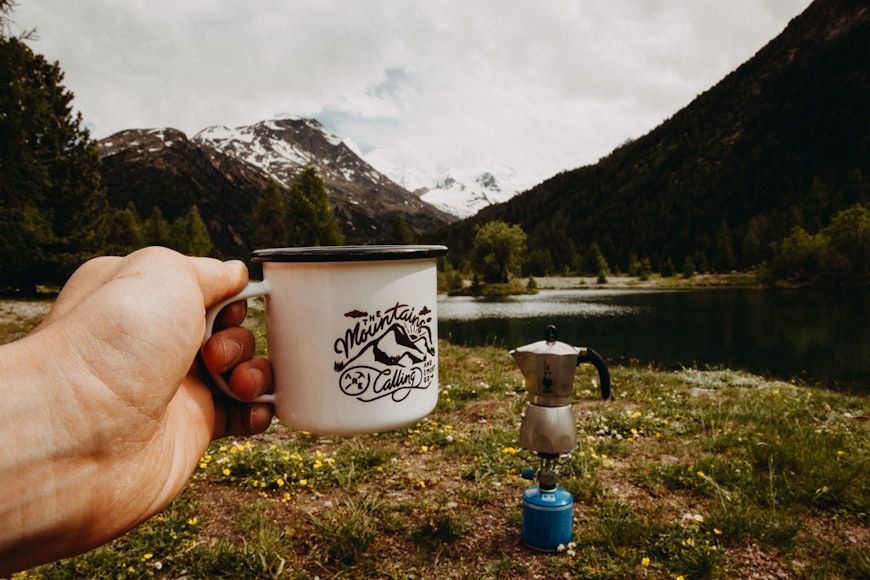
What food you choose for a trip is mainly determined by your personal preferences, but also by the style of camping. If you are staying at a campsite or travelling by RV, you will most likely have better access to stoves, cookware, and storage. If you are backpacking to a remote location, you will be restricted to what you can carry.
In all of these situations, you will benefit from preparing food or ingredients ahead of time and prioritizing quick and easy options. If you are planning to cook by fire or with a portable stove, check the fire regulations for the area.
Camping etiquette
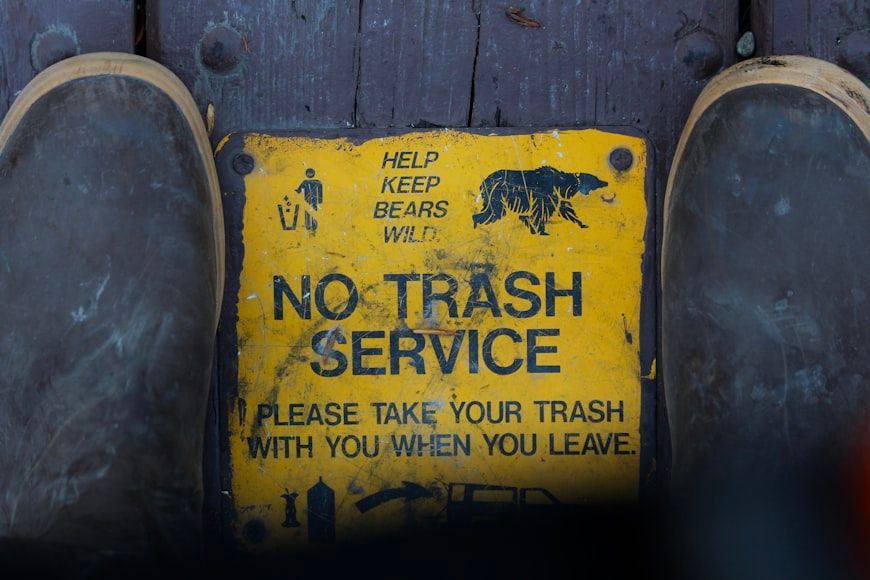
Your behavior during a camping trip will, in some way, be influenced by the location and the style of camping chosen, but there are some ground rules that you can follow. If you are camping at a developed campsite, be mindful of other campers, respecting quiet hours, personal space, and shared facilities.
For all camping styles, but mainly when camping at a remote location, it is essential to follow the ‘Leave no trace’ rules, packing up your trash and food scraps, following fire safety regulations, and minimizing light and noise pollution.
Wildlife
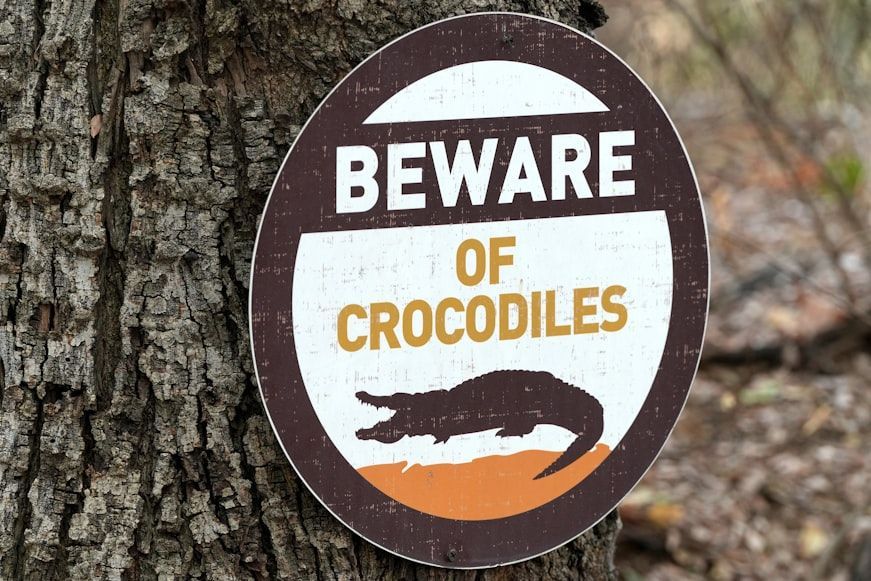
Knowing how to interact (or not) with wildlife is essential to camping. After all, we, as campers, are visitors to the wildlife’s environment. To avoid attracting animals, remember to keep your campsite clean and store your food and leftovers in airtight containers.
When encountering wild animals, maintain the recommended distance—25 yards for small animals, and at least 100 yards for predators and large animals—and never feed them. If you are camping with small children or pets, be mindful of keeping them away from wildlife.
Personal comfort
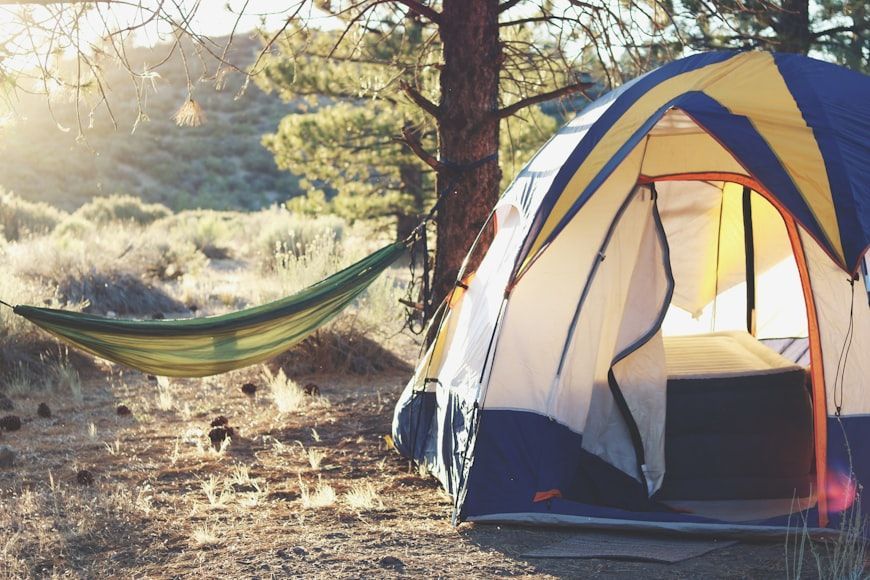
No matter how minimalist your camping experience is, you can ensure it’s a comfortable one by prioritizing the quality of your sleeping system—using an insulated pad and/or an inflatable mattress, an insulated sleep bag, and a spacious tent.
If you are camping during the colder months or at a remote location, make sure you are packing adequate clothes. It is always best to wear several layers: breathable clothes should be worn closer to the body, then an insulating layer, and finally, waterproof clothing.
Safety
Ensuring you are safe while camping should start before the trip: scout the location and make sure to note the closest town, medical center, and police station. Give your trip information to a friend or relative, so they can check up on you, and pack a power bank to ensure you will not be out of communication.
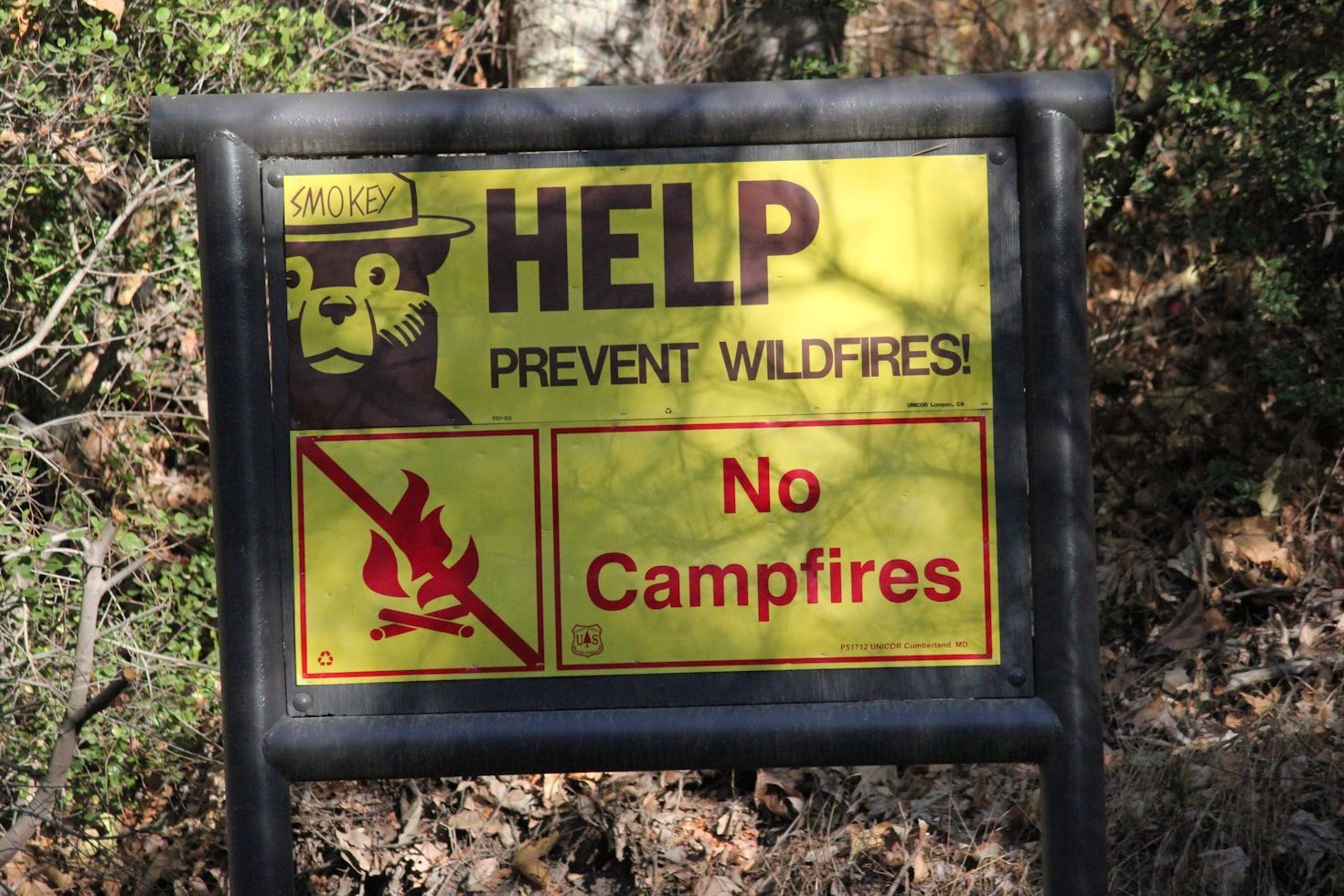
For personal safety, set up your camp during the daytime to check for potential dangers such as falling branches or areas prone to flooding. Follow official recommendations for fire safety and wildlife encounters, and make sure to utilize portable stoves out in the open.
Make a list

There is nothing worse than starting a carefully planned camping trip and realizing you left your sleeping bag at home or that you forgot to buy snacks. A pleasant camping experience involves many factors, and small things that might seem unimportant can make or break your trip.
As you plan your trip, make a list with all of the things you will absolutely need, all the things you prefer to have, and all the data to research. In the days leading up to the trip, make sure to check which items are pending, so everything goes smoothly.
Which of these 12 cities in the U.S. has the cleanest air?
Let’s clear the air
Which of these 12 cities in the U.S. has the cleanest air?
Clean air is one of the most important factors in quality of life, and some U.S. cities consistently stand out for it. Experts measure cleanliness using fine particle pollution (PM2.5), which refers to microscopic solid or liquid droplets that pose severe health risks, as well as overall air quality indices. The cities with the cleanest air often benefit from favorable geography, low industrial activity, and strong environmental policies. From coastal winds to mountain air, these 12 places offer some of the freshest environments in America.
Honolulu, Hawaii
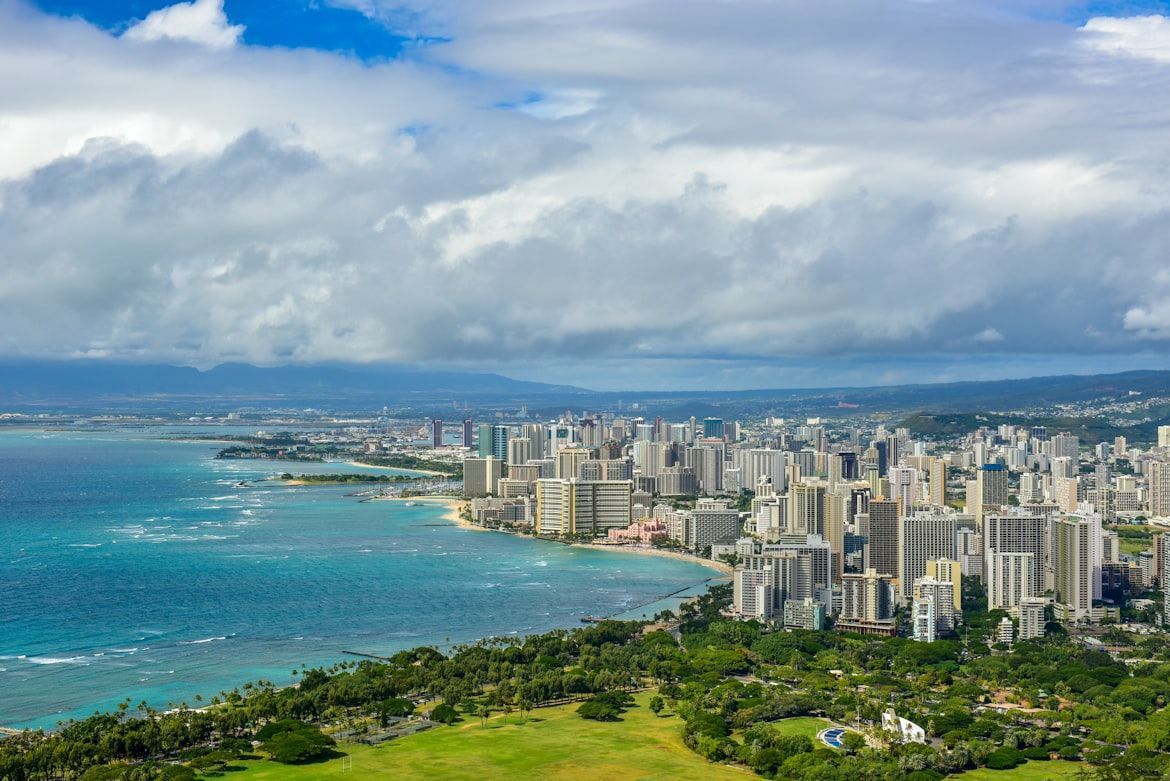
Honolulu consistently ranks among the cleanest cities in the U.S. The American Lung Association has repeatedly placed it at or near the top, with air quality rated "good" nearly 100% of the time.
Hawaii’s capital average PM2.5 level is about 4.1 µg/m³, below even strict global guidelines. Steady Pacific trade winds and the city’s remote island location help prevent pollution buildup, keeping the air fresh year-round.
Casper, Wyoming
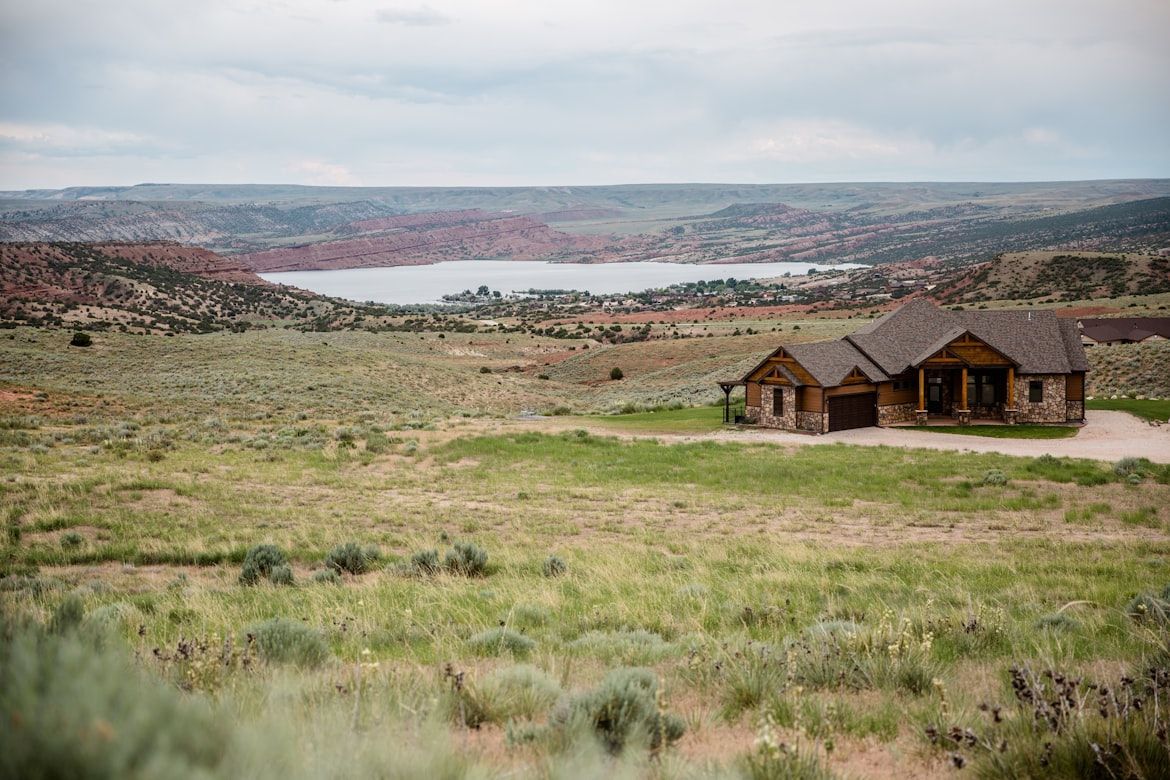
The second-most populous city in Wyoming, Casper, is frequently ranked among the cities with the cleanest air in the U.S., according to national air quality rankings. With a small population and minimal industrial activity, pollution levels remain consistently low throughout the year.
Located on the open plains, Casper benefits from strong winds that disperse pollutants quickly. This natural ventilation keeps PM2.5 levels among the lowest recorded in American metro areas.
Kahului-Wailuku, Hawaii
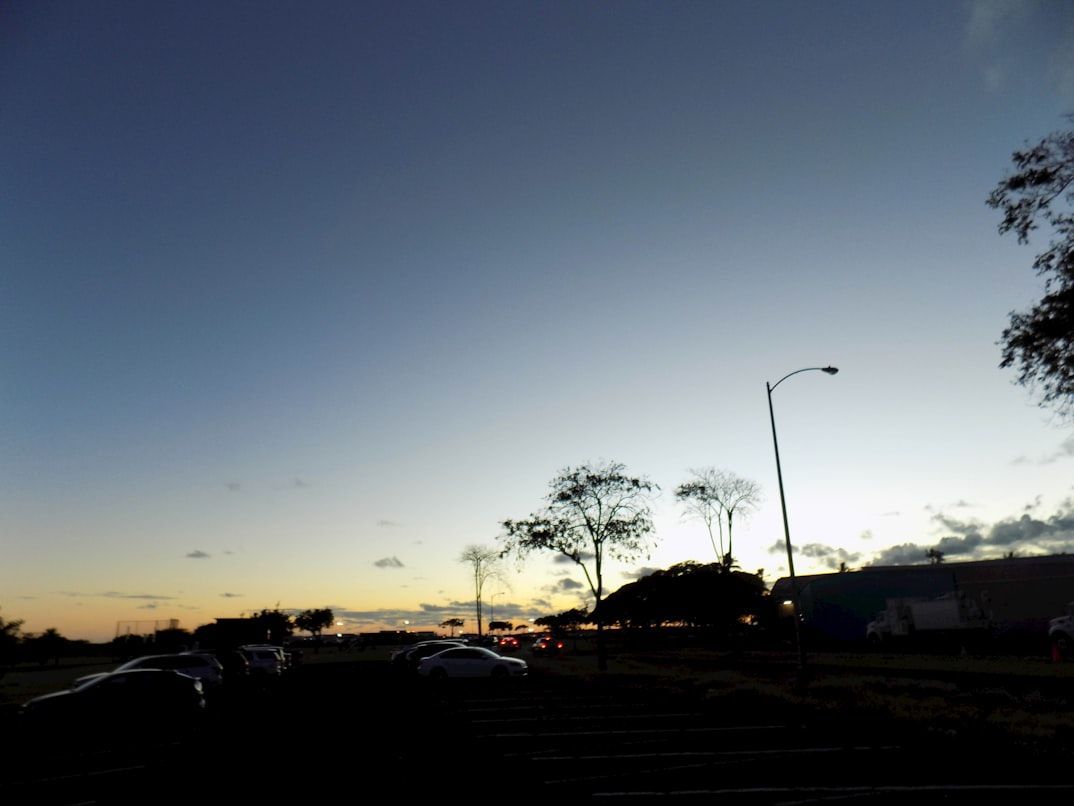
This Maui metro area regularly ranks among the cleanest in the country for particle pollution. Its air quality remains consistently excellent, with very few days exceeding "good" standards.
Ocean breezes and limited industrial development play a key role. Like Honolulu, Kahului-Wailuku’s islandic geography allows pollutants to dissipate quickly, maintaining low PM2.5 levels year-round.
Bellevue, Washington
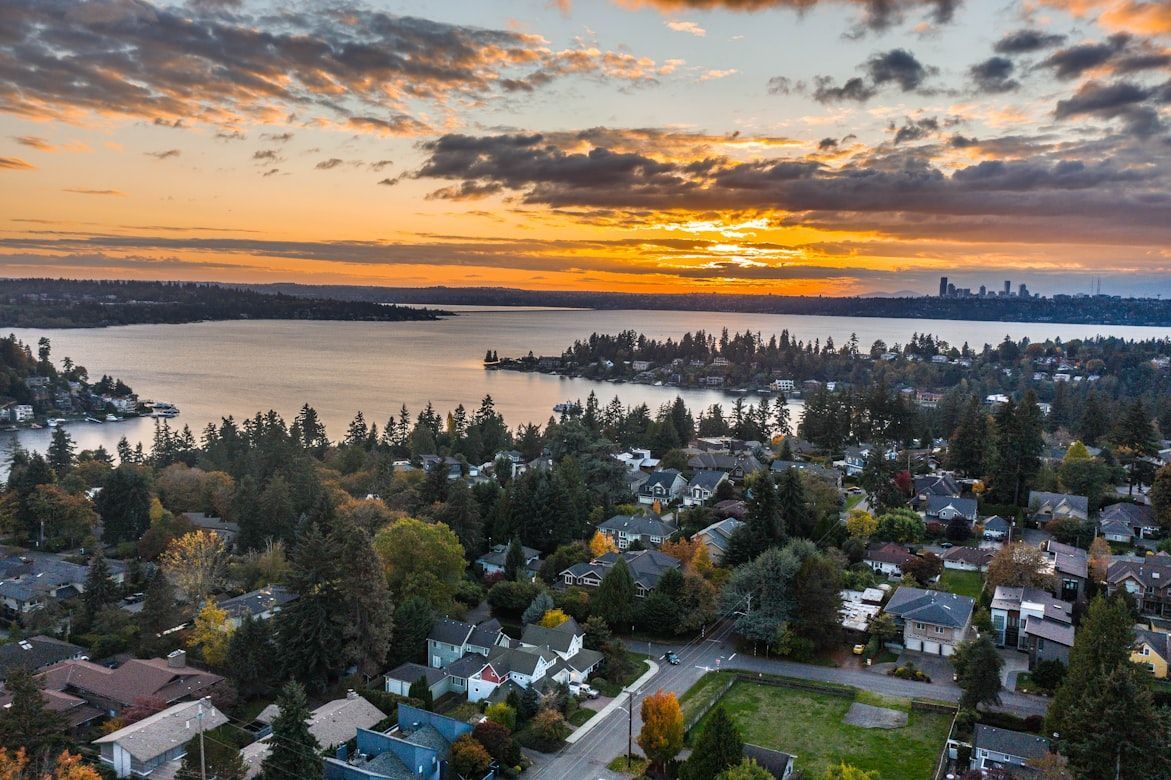
Bellevue, Washington, has been identified as one of the least polluted cities in the U.S., with PM2.5 levels around 3.8 µg/m³. That’s well below both U.S. and World Health Organization standards.
Located near Seattle but with less congestion, Bellevue benefits from Pacific Northwest air patterns. Regular rainfall and strong environmental regulations help maintain its clean air profile.
Colorado Springs, Colorado
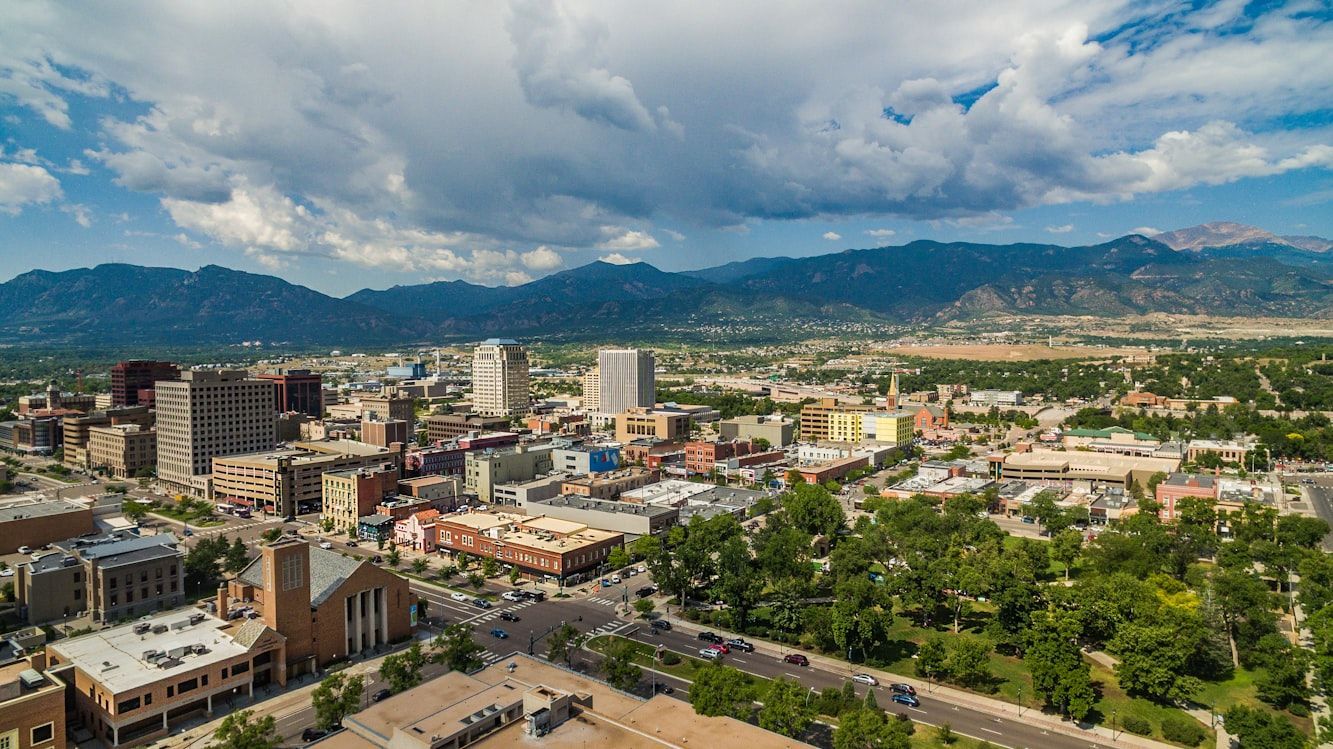
Colorado Springs enjoys some of the cleanest air in the Mountain West. PM2.5 levels average about 4.6 µg/m³, placing it among the top clean-air cities nationwide.
Its high elevation and proximity to the Rocky Mountains improve air circulation. Combined with relatively low industrial activity, this helps prevent pollution from particle accumulation.
Santa Rosa, California
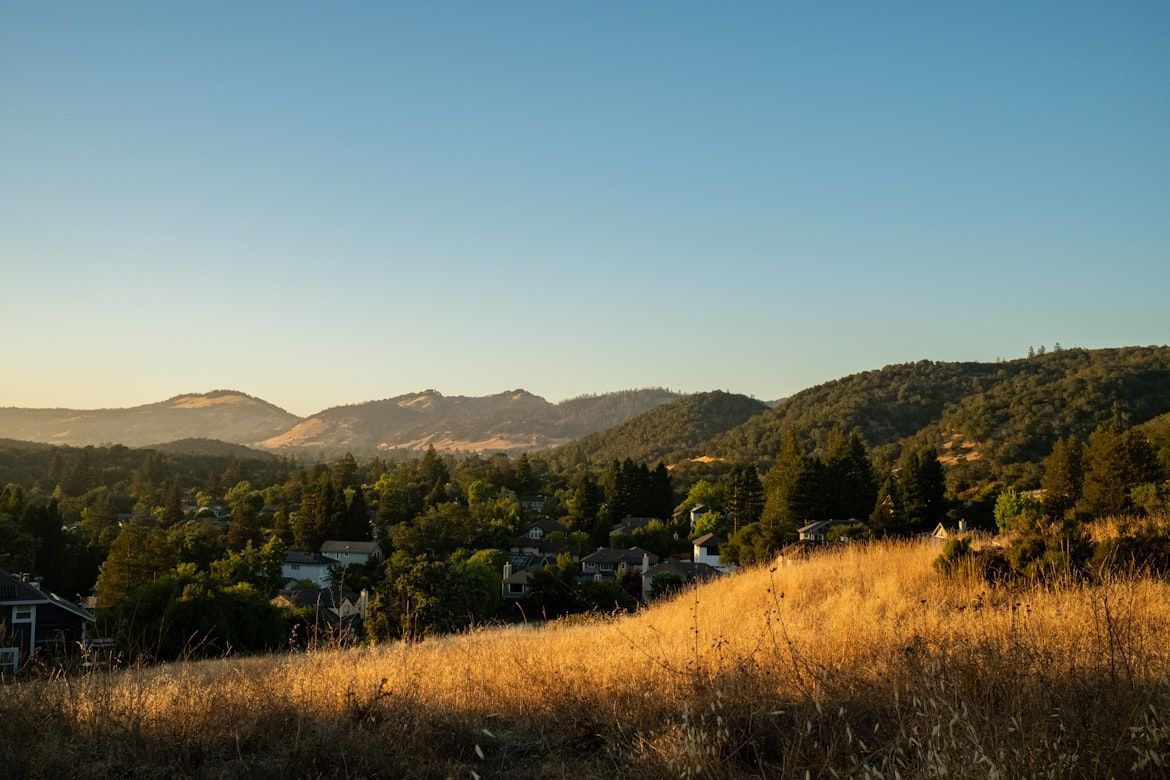
Santa Rosa stands out in California for its relatively clean air, with PM2.5 levels around 4.6 µg/m³. This is notable in a state often associated with smog in larger cities.
Located in Sonoma County, the city benefits from coastal breezes flowing inland from the Pacific Ocean. Lower population density compared to major metropolises also helps reduce emissions.
Eugene, Oregon
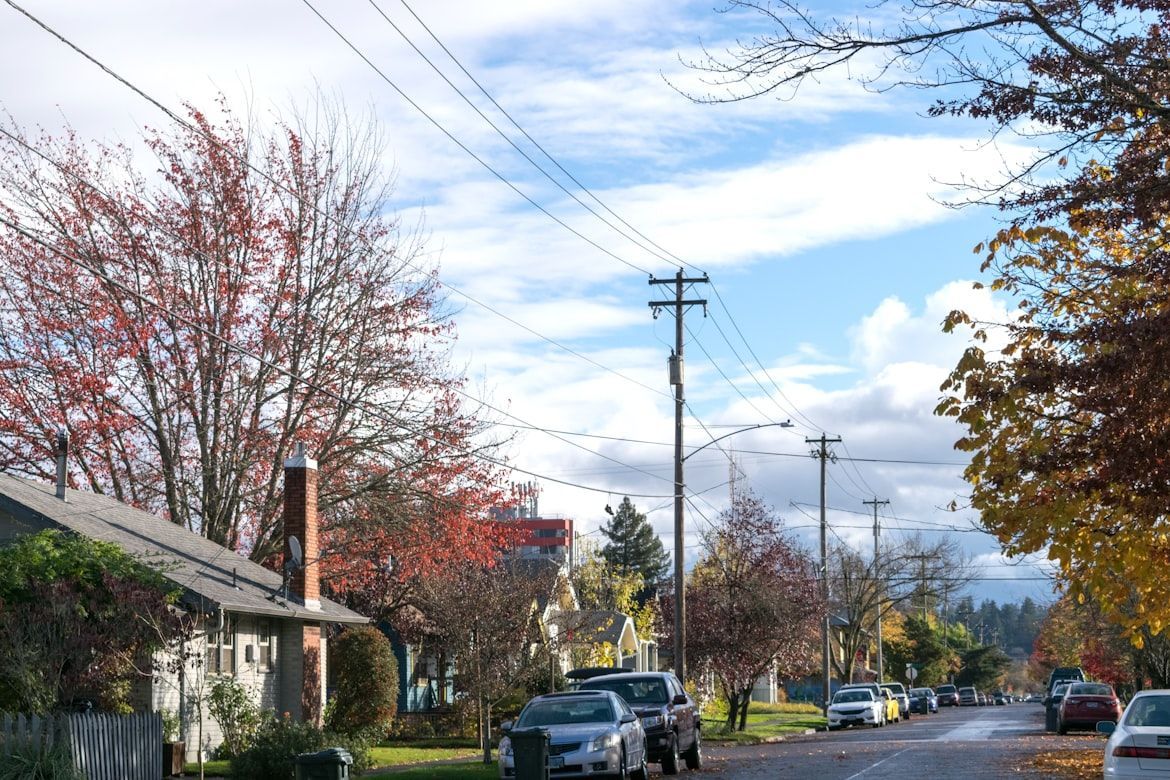
Eugene consistently reports low levels of fine particle pollution, averaging around 5.2 µg/m³. This keeps it with clean-air guidelines set by health organizations.
The city’s location, at the end of the lush Willamette Valley, combined with frequent rainfall, helps cleanse the air. Strong environmental policies in Oregon further support its clean-air reputation.
Boise, Idaho
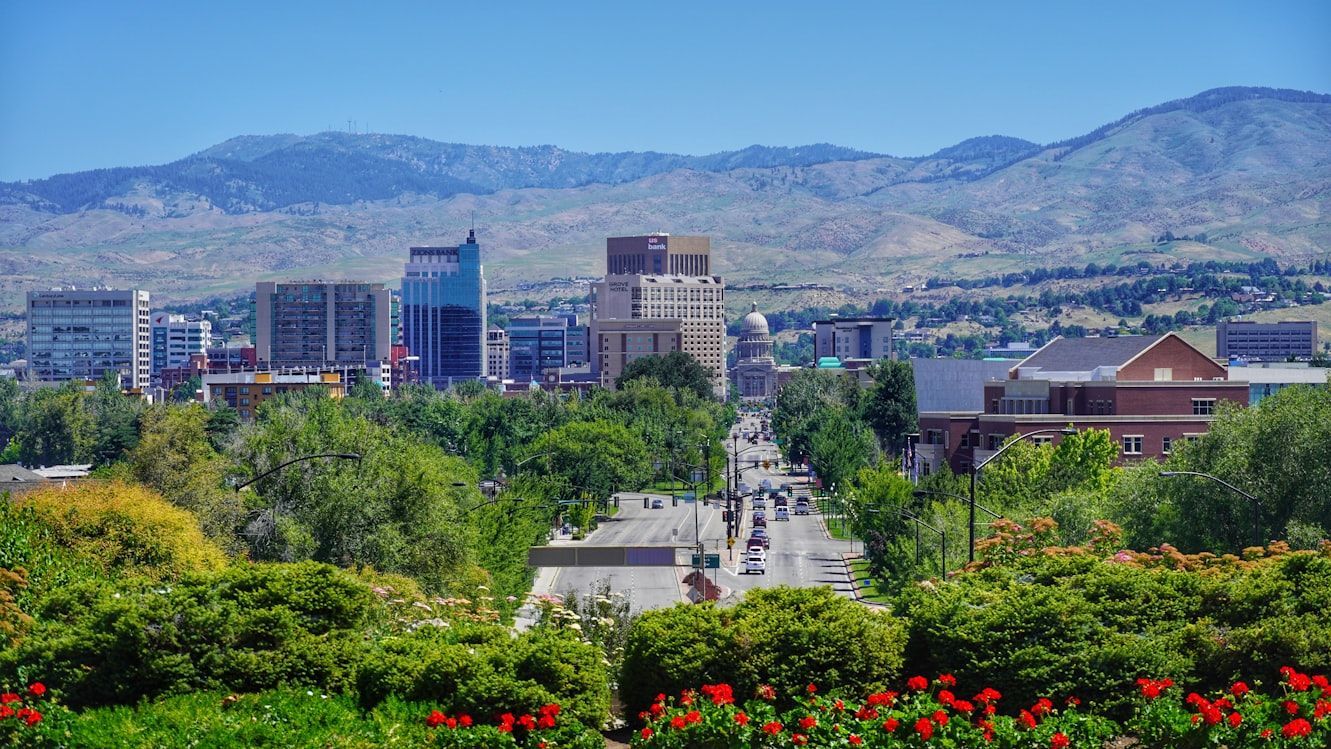
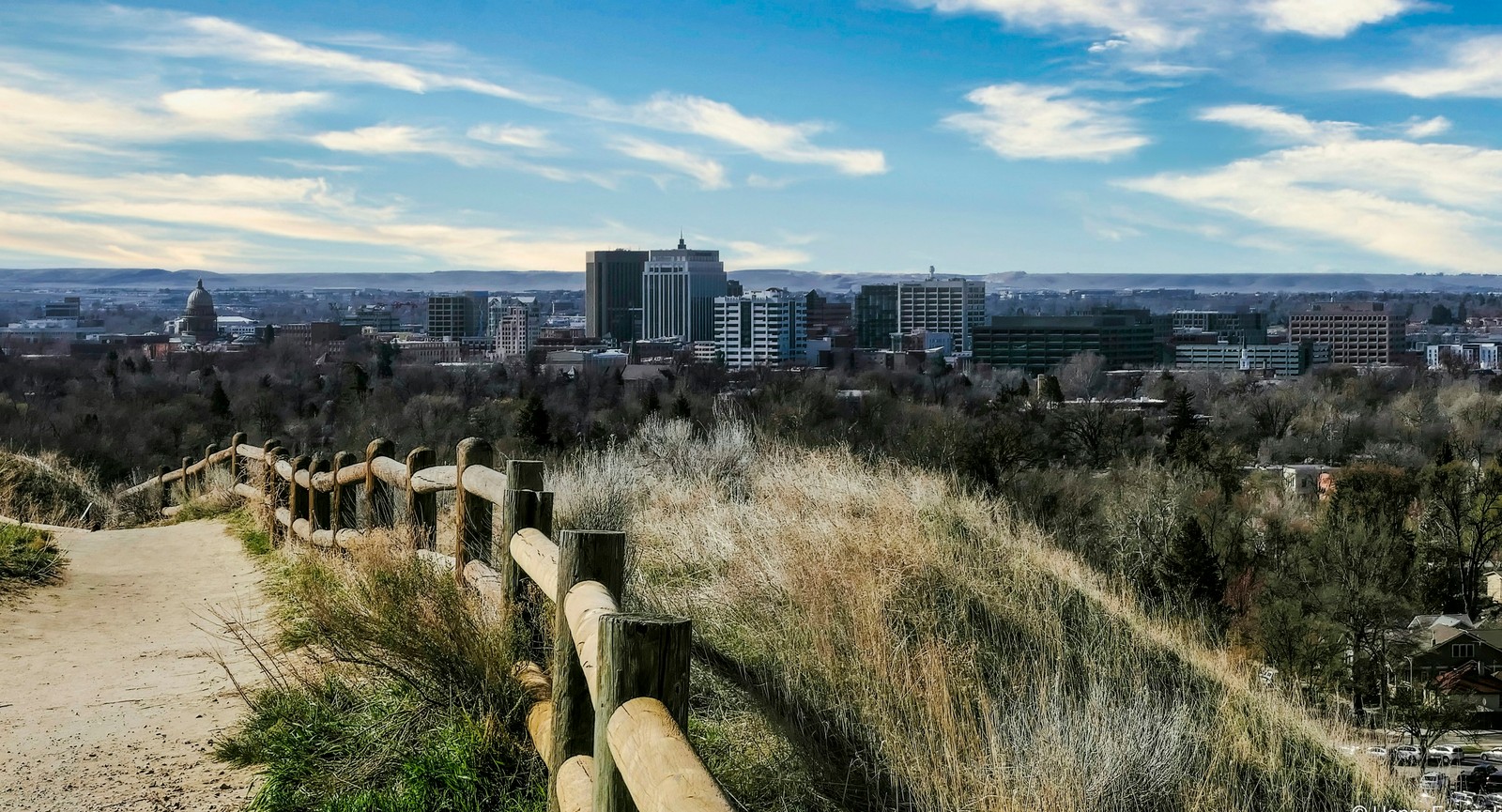
The capital and most populous city in Idaho, Boise, maintains relatively clean air compared to many U.S. cities. With PM2.5 levels near 5.6 µg/m³, it is often cited as one of the cleanest mid-sized cities in the country.
Extensive green spaces and limited heavy industry contribute to this. City planning efforts, including bike-friendly infrastructure, also help reduce vehicle emissions.
Anchorage, Alaska
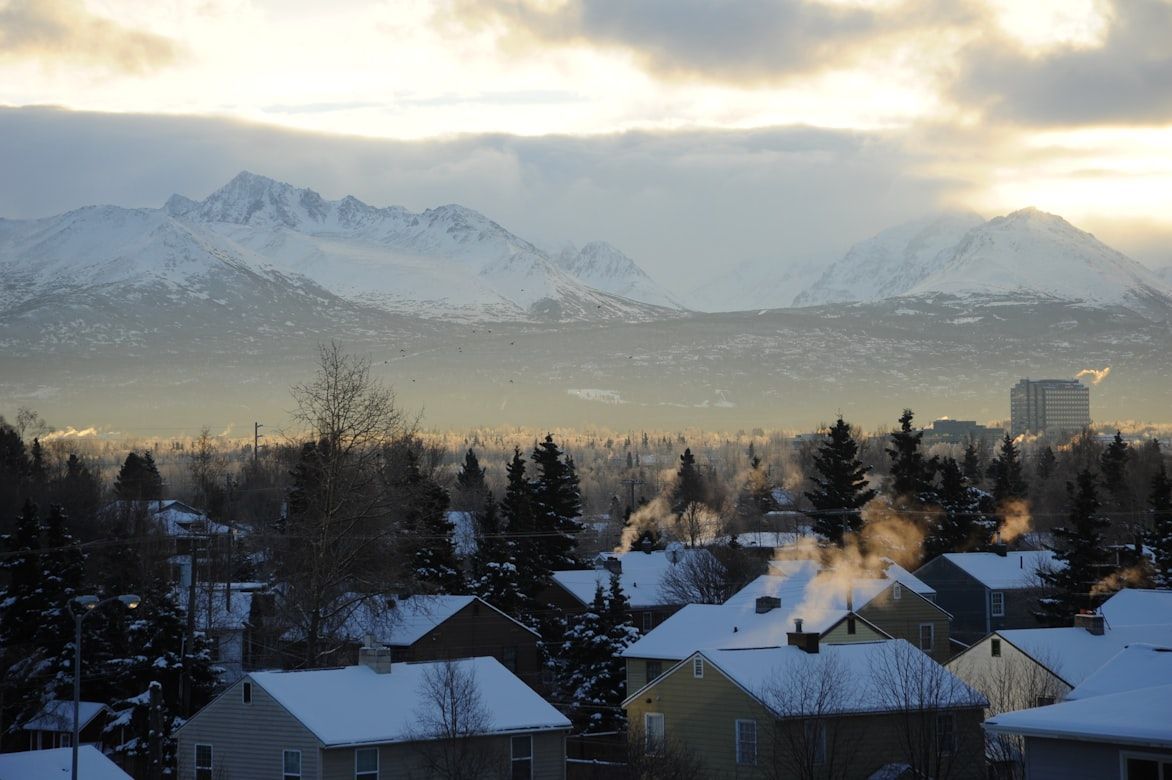
Anchorage, Alaska’s most populous city, offers some of the freshest air in the U.S., often recording AQI (Air Quality Index) values in the "good" range. PM2.5 levels can average close to 3.1 µg/m³ in favorable conditions.
Its remote location, low population density, and coastal winds all play a role. These factors combine to keep pollution levels low throughout much of the year.
Seattle, Washington
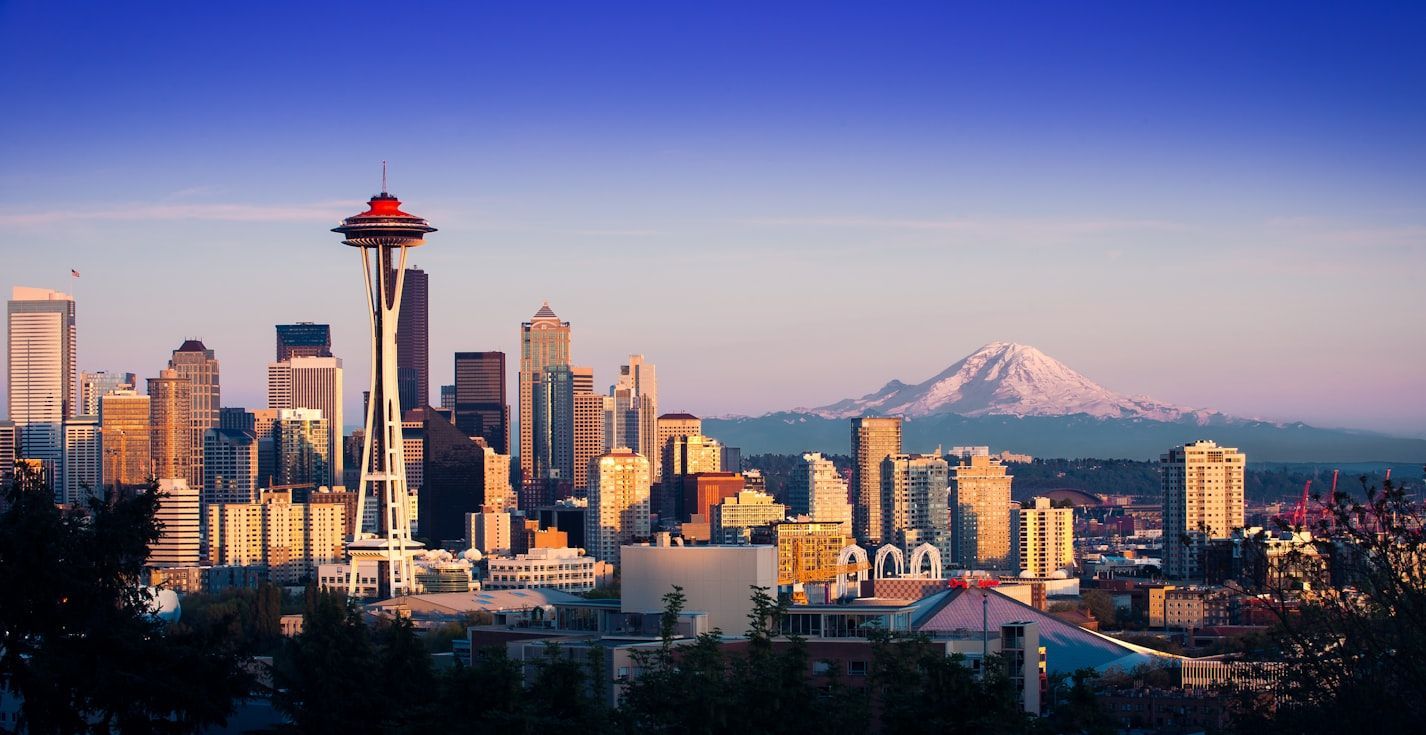
Seattle frequently enjoys good air quality, with AQI levels typically staying between 0 and 50. Its marine climate helps prevent pollution from lingering.
Rainfall and ocean air from Puget Sound help clear contaminants. However, the city can occasionally experience short-term spikes due to wildfire smoke in late summer.
Bellingham, Washington
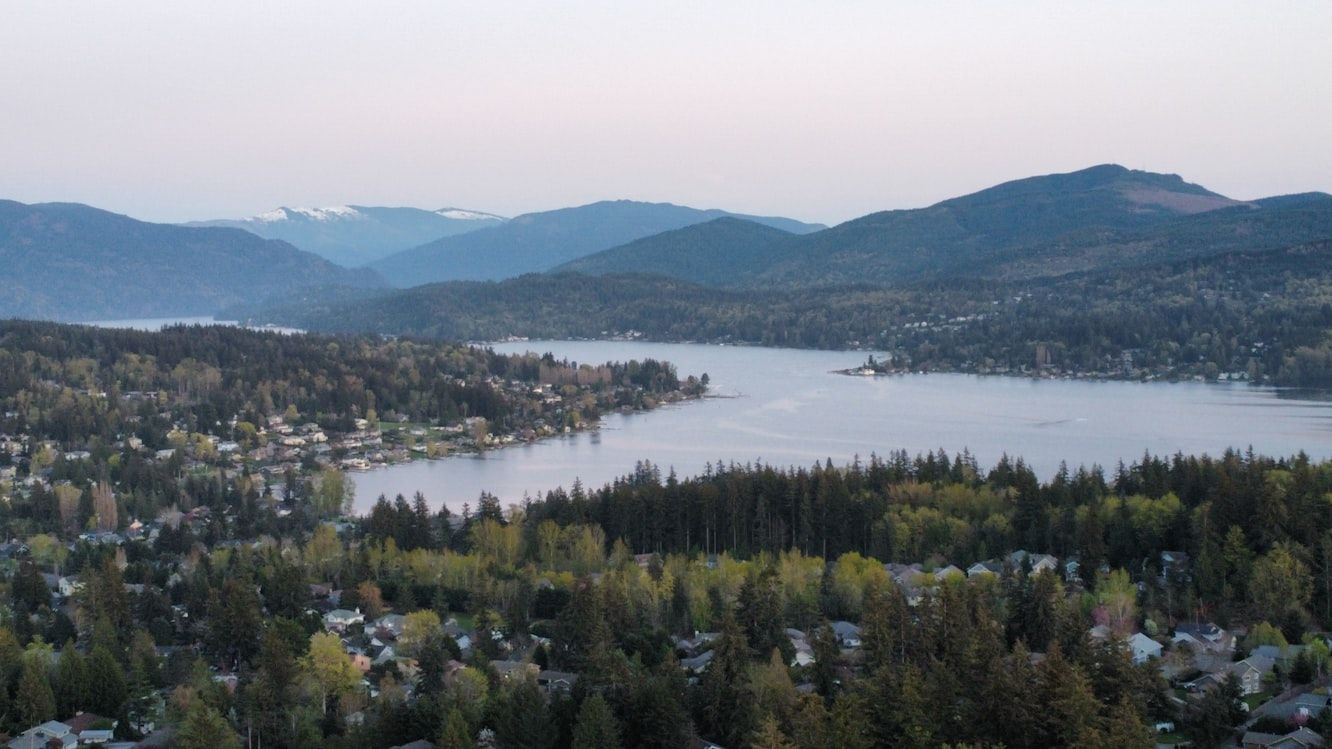
Bellingham, located in Washington near the Canadian border, is known for its consistently clean air. Pollution levels remain low thanks to its coastal setting and small population.
The city benefits from steady ocean winds and minimal industrial activity. PM2.5 levels often stay below 5 µg/m³, placing it among the cleanest urban areas in the region.
Worcester, Massachusetts
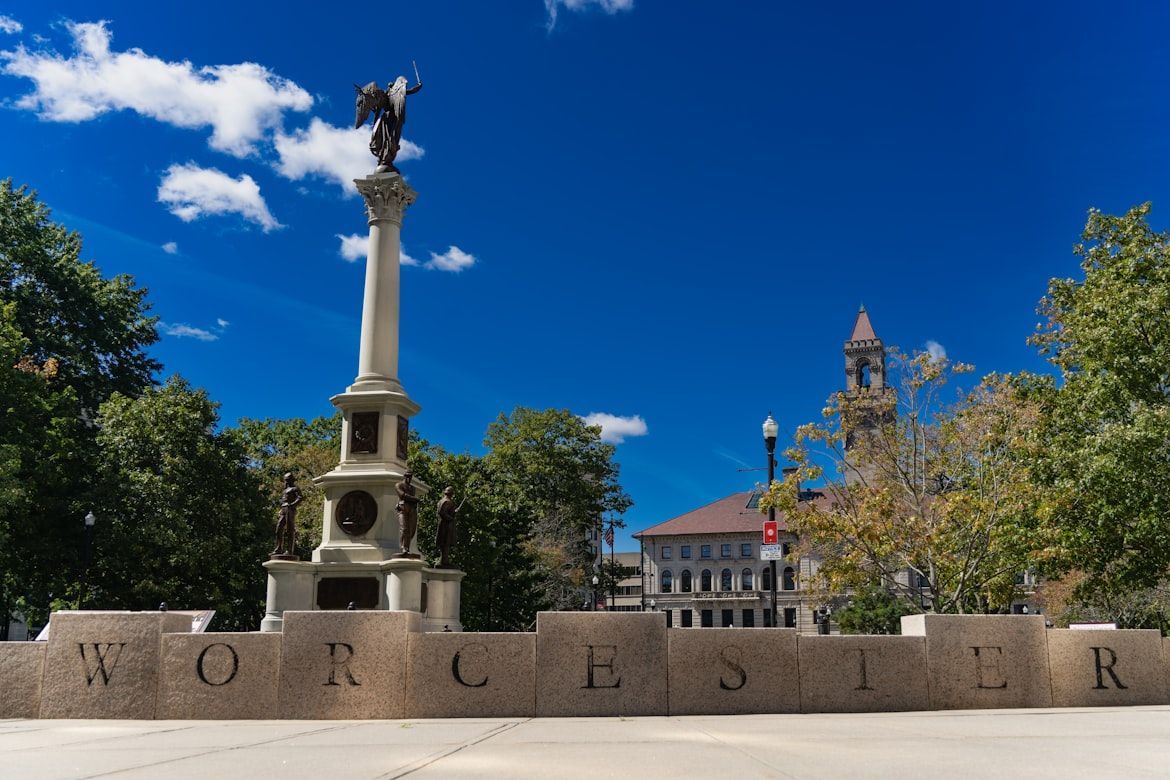
Worcester ranks among the cleanest cities in the Northeast, with PM2.5 levels around 5.8 µg/m³. This reflects major improvements in regional air quality over recent decades.
Once an industrial hub, the city now benefits from stricter emissions standards and reduced heavy industry. These changes have helped create noticeably cleaner air for residents.
Keep wandering
There’s always
more to explore
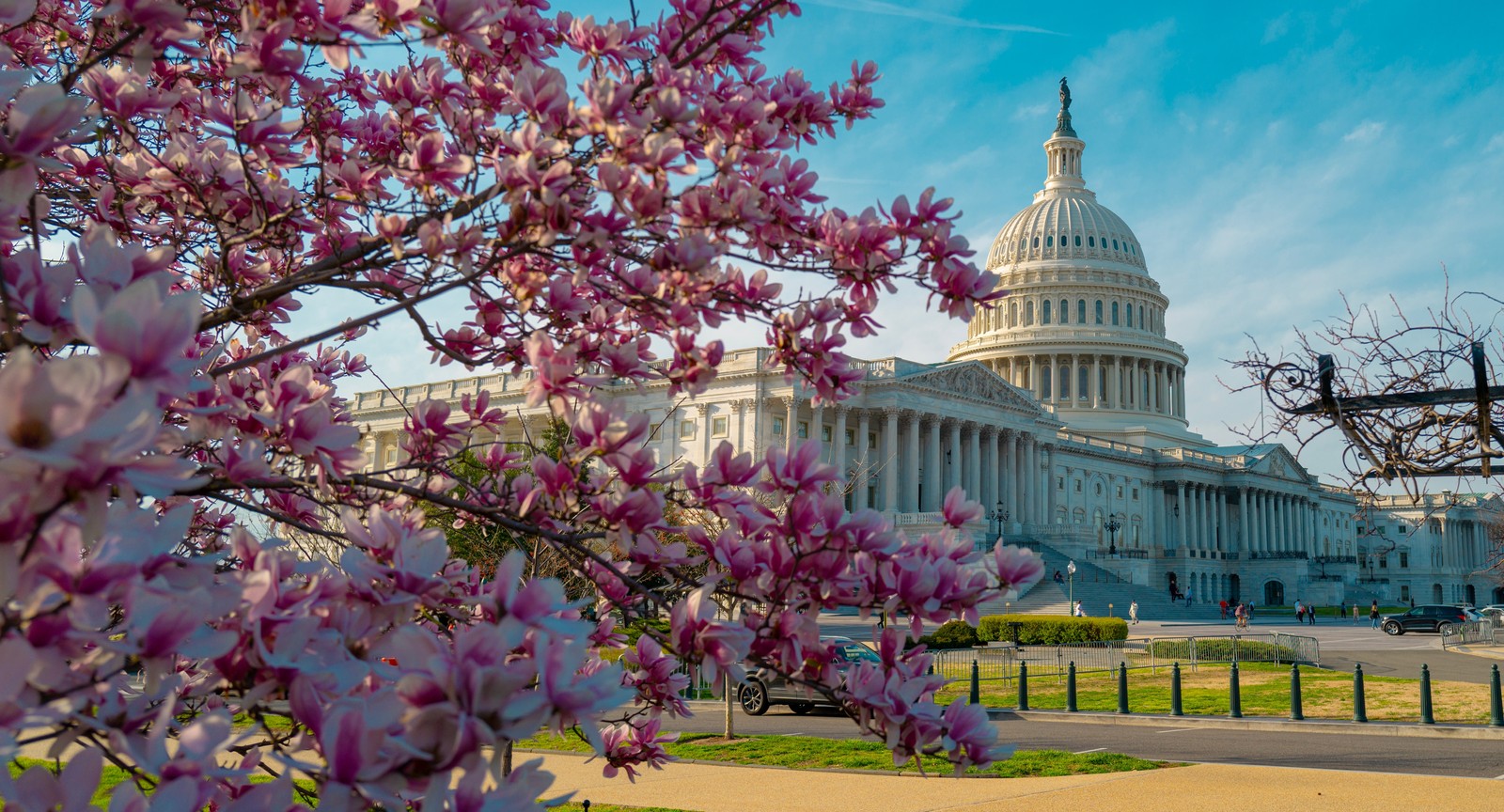
Ten tips for a trip to Washington, D.C., you'll wish you'd known sooner
5 min.
Read Now
10 things airlines won't tell you about a missing bag
5 min.
Read Now
10 travel 'rules' you can finally stop following
5 min.
Read Now
 Landmarks
Secrets about New York City most Americans don't know
4 min.
Read Now