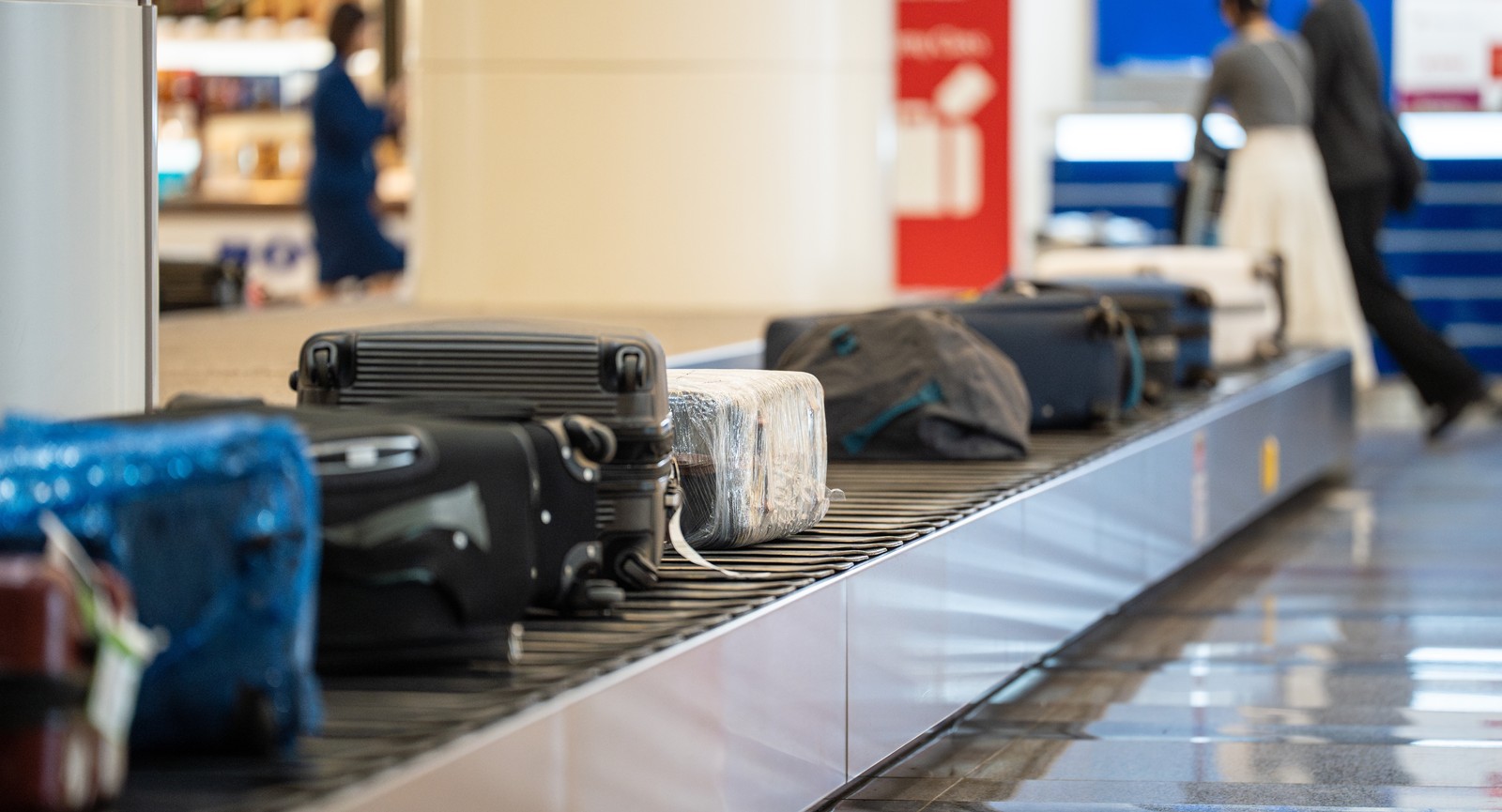
10 things airlines won't tell you about a missing bag
 General
Luggage uncover
10 things airlines won't tell you about a missing bag
Picture yourself standing at baggage claim after a long flight. The carousel starts moving, people pick up their bags, and the crowd slowly disappears. The belt stops, but your luggage never comes out. What happens next? Before sinking into frustration, knowing this step-by-step process can help you manage your missing bag. This is how airlines usually handle a delayed bag.
How airlines notice a missing bag
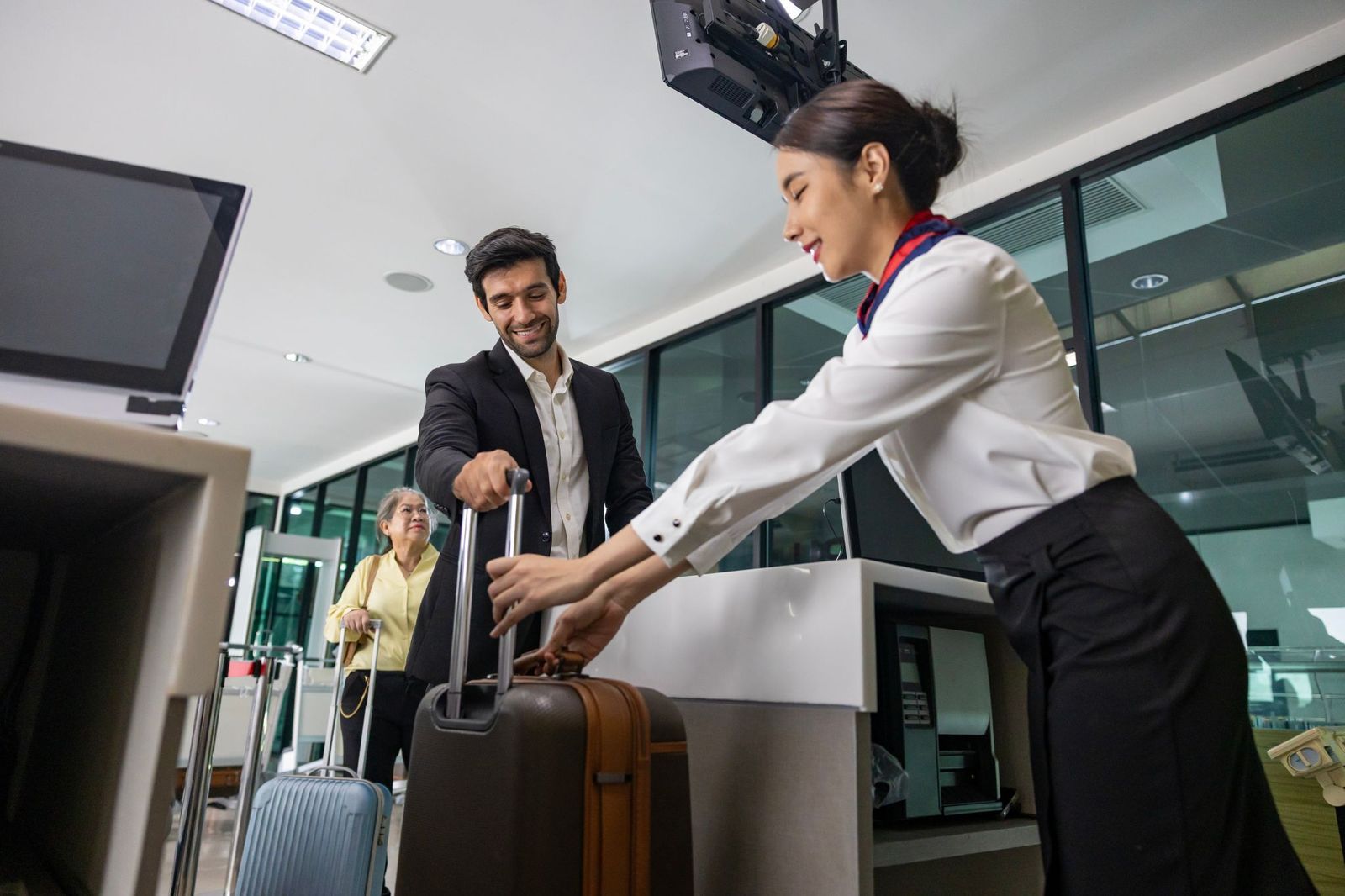
Airlines can actually notice a missing bag through tracking records. When checking your bag, the airline attaches a tag with a barcode or tracking number. That tag links the bag to your name, flight, destination, and baggage claim receipt. So, as the bag moves through the airport system, it may be scanned at different points and spots where the bag was last recorded.
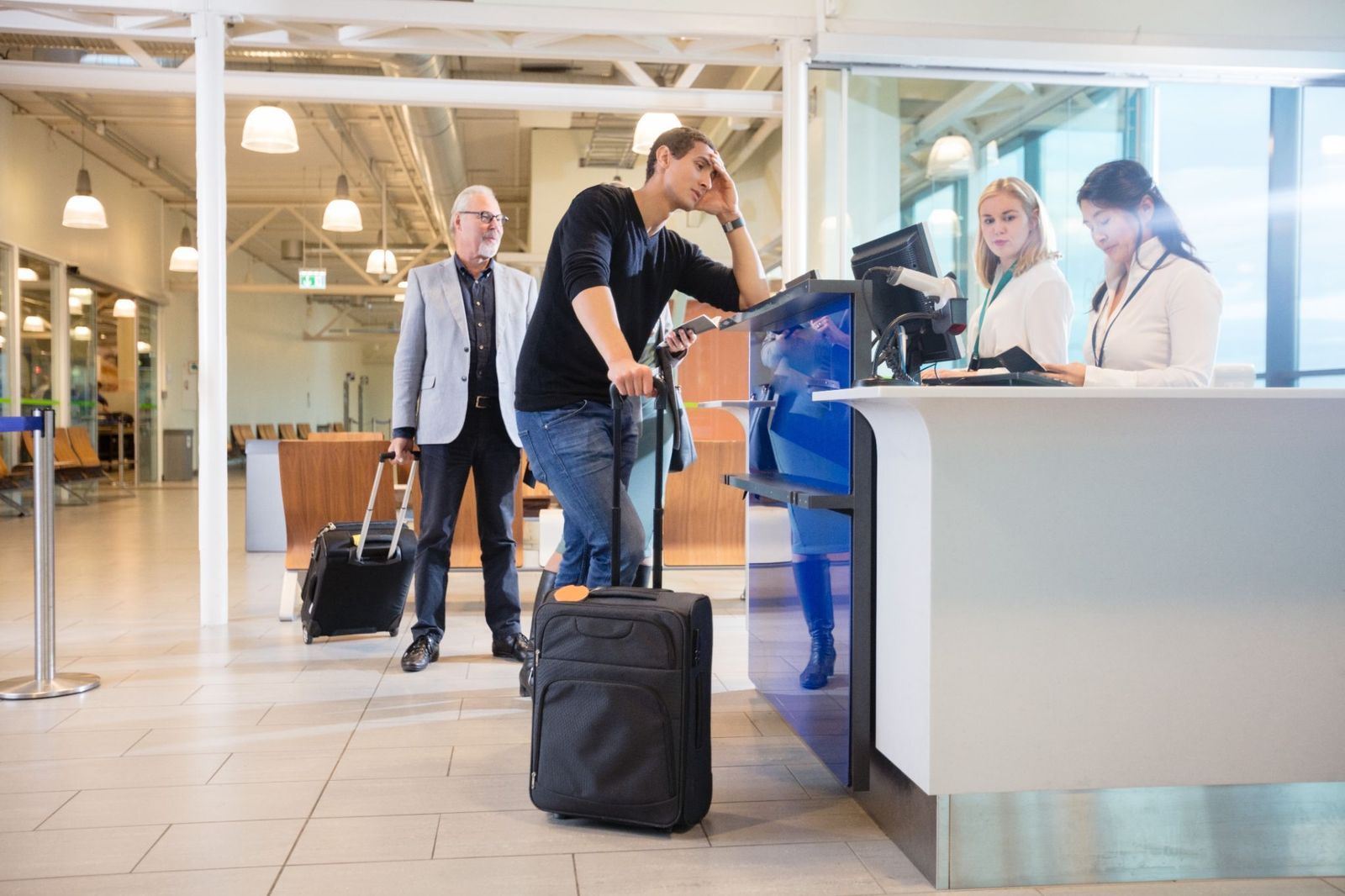
But if the bag remains unclaimed, the airline may never notice that the passenger is waiting for it. So it's important to report the loss before leaving the airport or as soon as possible through the airline’s baggage claim system. This report creates an official file that is the starting point for tracking it.
What travelers can buy while they wait
You are at the airport, waiting for the airline to find your suitcase, and you realise you need a few basic items such as toiletries, underwear, medication replacements, etc. In this situation, the keyword is "necessary." Airlines may compensate for the delay by paying for reasonable expenses, but passengers need to save the receipts. Unnecessary purchases may not be covered, only what you need for the short term. Keep every receipt, take photos of them, and send them to the airline with your claim.
How compensation for lost luggage works
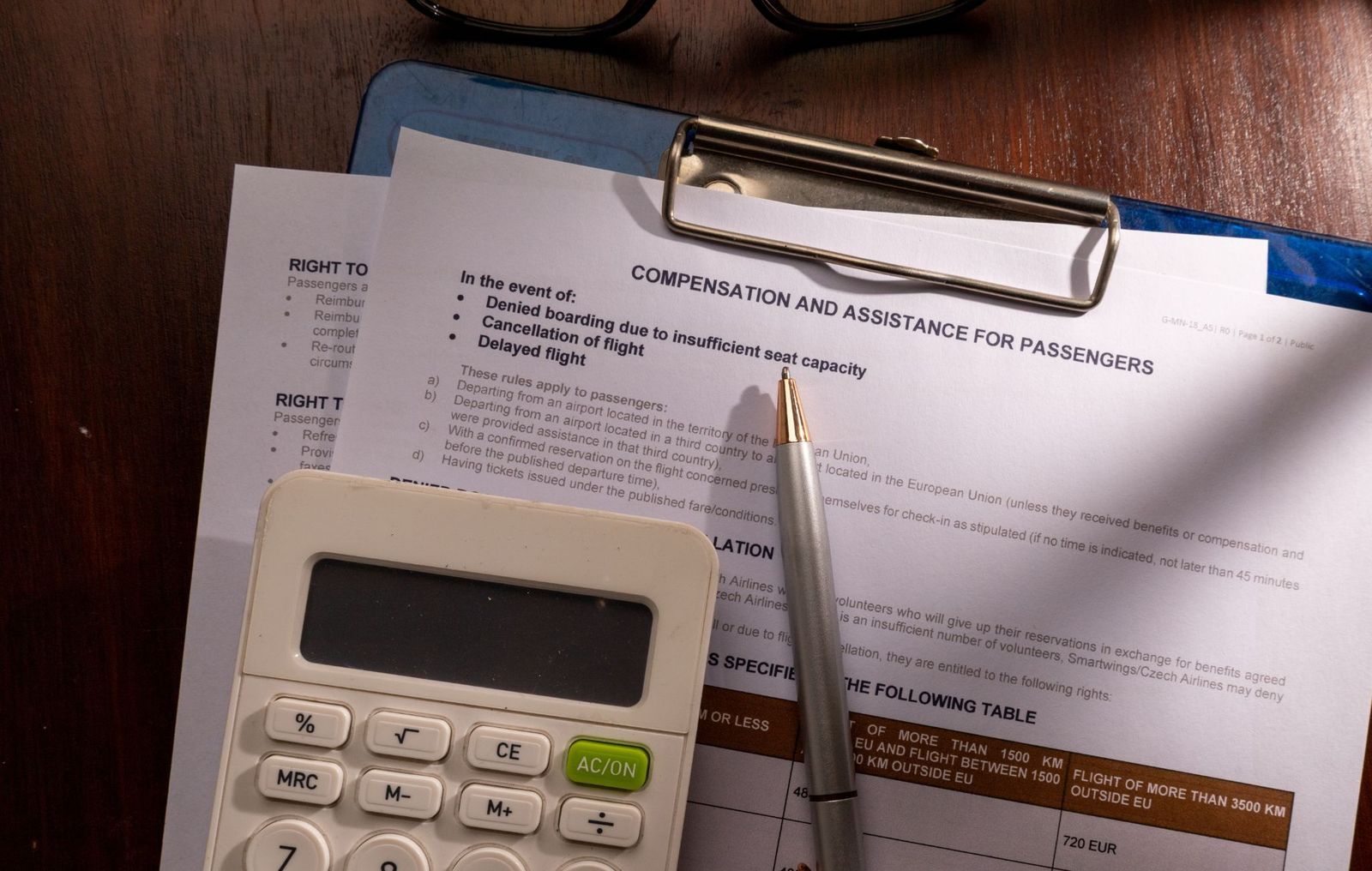
Now suppose the worst happens: the airline says your bag is lost. At that point, the airline is usually responsible for paying you back for the items inside the bag. But there are some rules to follow. The airline may ask for proof of what was in the bag, and it may not pay the full original price for older items. There are also legal limits on how much the airline has to pay. Most of the time, the airline must also refund the baggage fee you paid to check that bag.
What information airlines need from you

The information needed includes your name, contact information, flight number, baggage claim ticket, bag tag number, final destination, and a delivery address. Reasonably, the airline would ask for a description of the bag: brand, color, size, material, wheels, handles, tags, stickers, or any remarkable item. You should be able to describe what is inside the bag, especially if it has been missing for a few days. It helps to confirm ownership when the tag gets damaged or is missing.
Where delayed luggage goes first
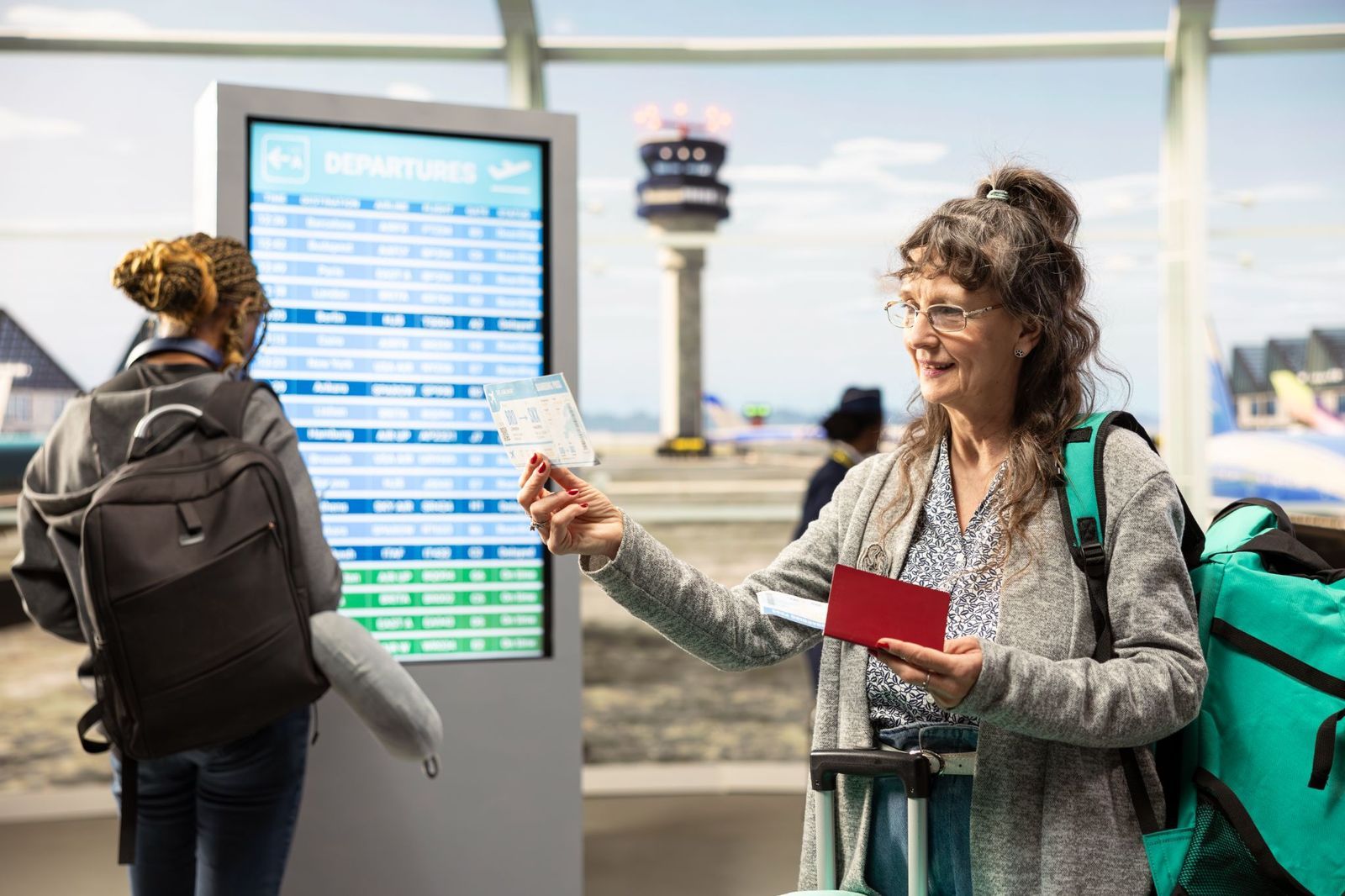
Delayed bags that missed the carousel could be in a baggage room at the departure airport; it might have missed a connection, been placed on a later flight, or even arrived at your destination airport but went to the airline’s baggage service area instead of the carousel. In most cases, a missing suitcase is delayed, not lost.
That is why the first step isn’t to claim compensation. The first step should be checking the last scan, tracking the bag, and matching that information with the passenger’s report. If the bag is already at the destination airport, you’d get the best scenario. If it’s still in another city, the airline should send it on the next available flight.
How bags are tracked between airports
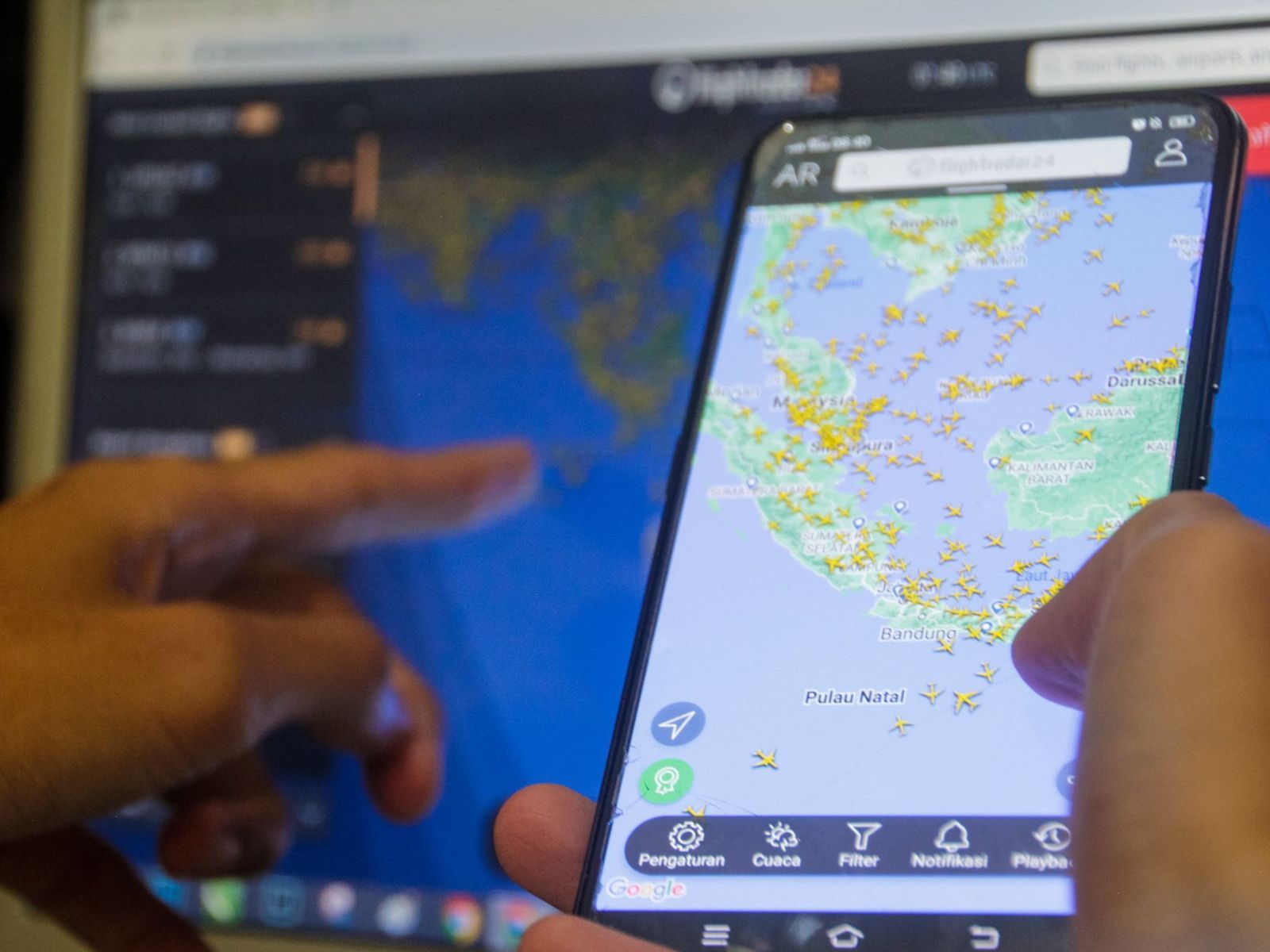
Let’s go deeper into the tracking possibilities. Checked bags are tracked through the bag tag. The number on it is the key piece of information, telling the airline the bag’s owner and where it is going.
However, some airlines also let passengers track checked bags through an app or online tool. This can show when the bag was checked in, loaded, transferred, or delivered. But even if the passenger can see that the bag is at another airport, the airline still needs to process the bag, match it to the claim, and arrange transportation.
Why luggage sometimes takes a different flight
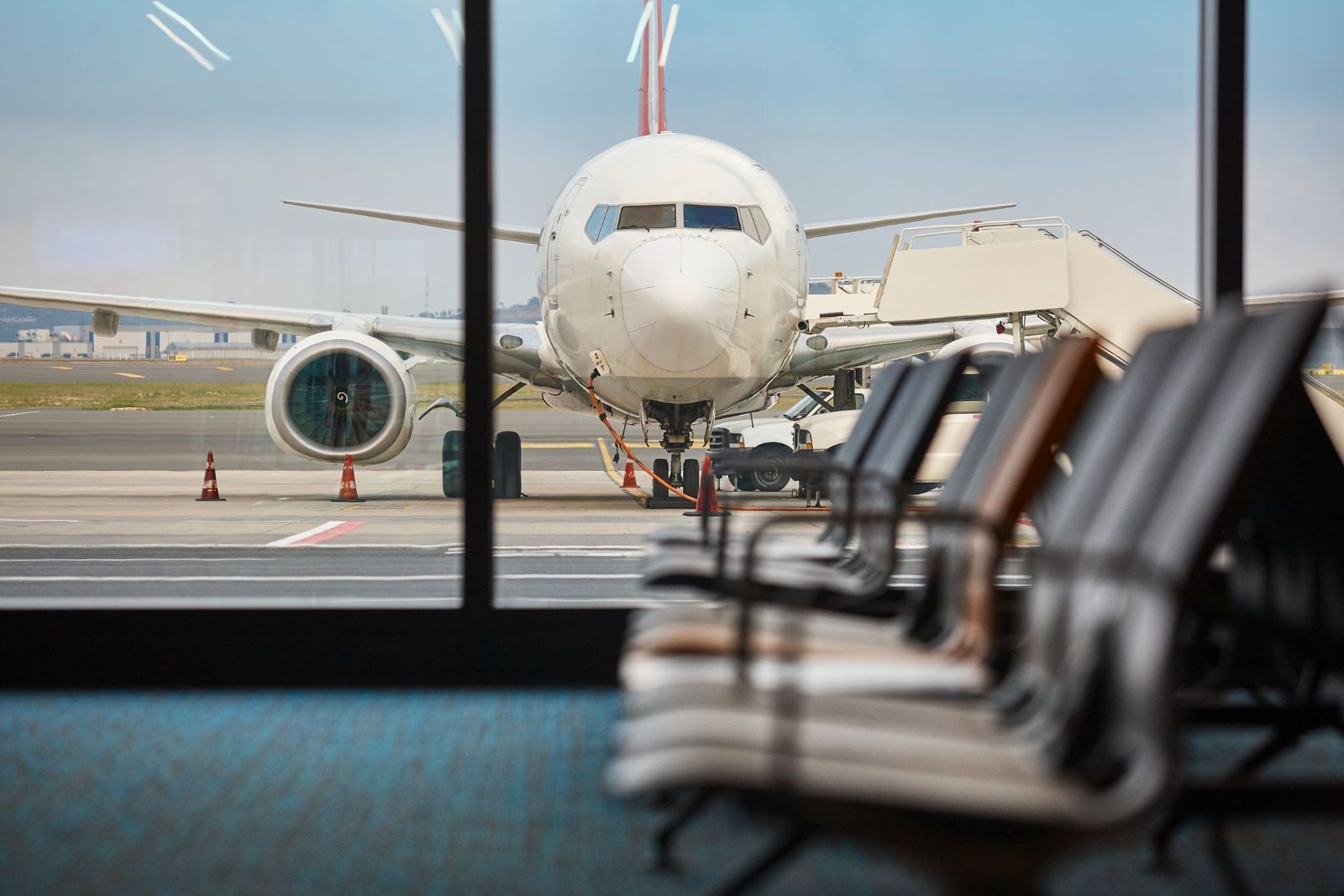
One of the most common reasons a bag misses a flight is a tight connection. Although the passenger may have enough time to reach the next gate, the bag may not have enough time to move from one aircraft to another.
Bad weather, late flights, last-minute aircraft changes, short staffing working that day, or mechanical delays can slow the baggage process. When that happens, the passenger may make the flight, but the bag may fall behind.
When the airline delivers the bag to your hotel
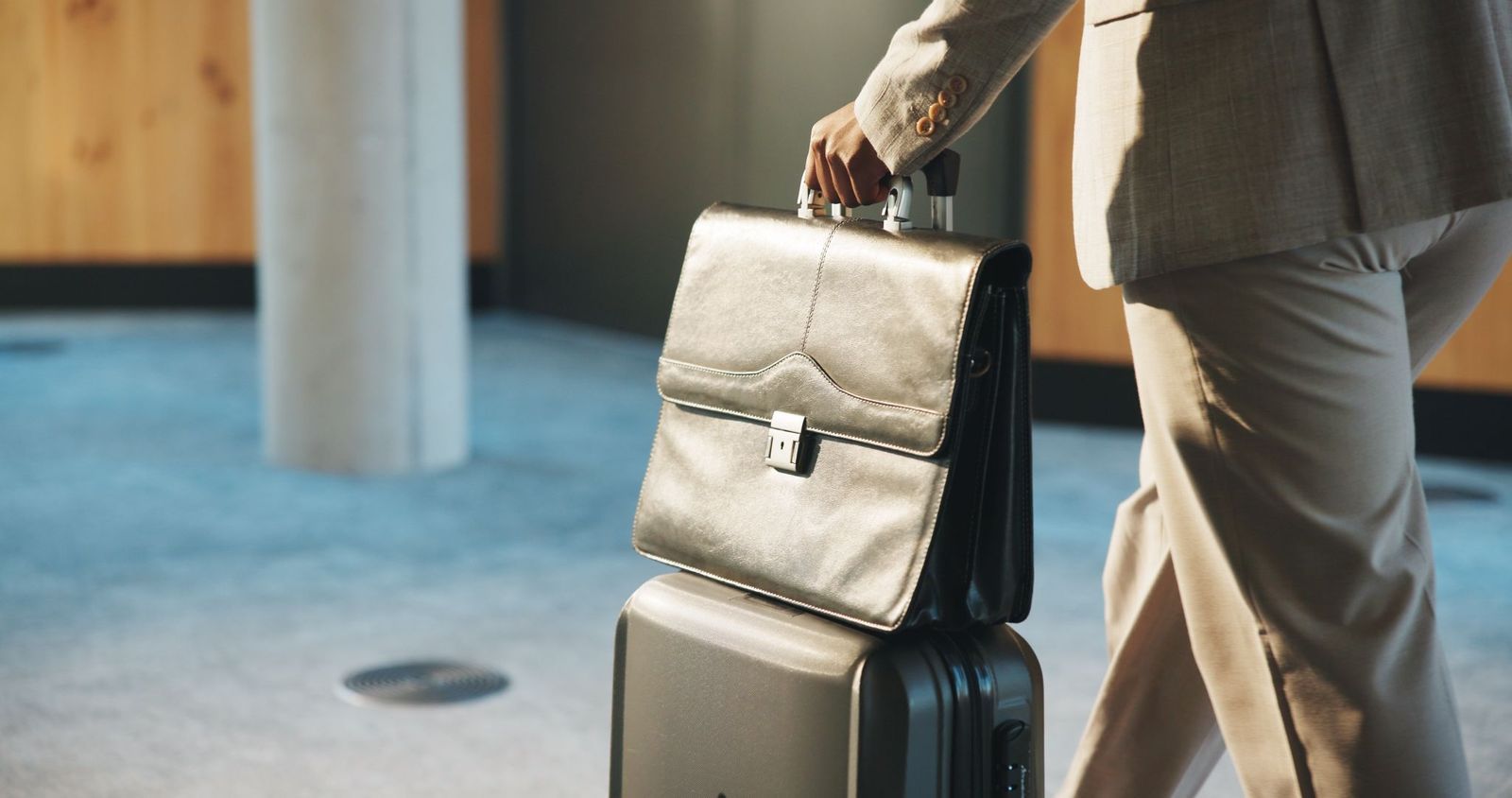
What happens when the airline finally finds the bag? If the issue wasn’t resolved within the next few hours, the passenger will likely have left the airport without his suitcase. But once the airline finds the delayed bag, it’s sent to the airport where the passenger arrived and later delivered to the hotel, home, or another address agreed with the passenger.
That is why the baggage report is so important. If you are staying at a hotel, give the full hotel name, address, phone number, reservation name, and the dates you will be there. If you are moving from one city to another, tell the airline right away to avoid being sent to the wrong place.
When a delayed bag becomes officially lost
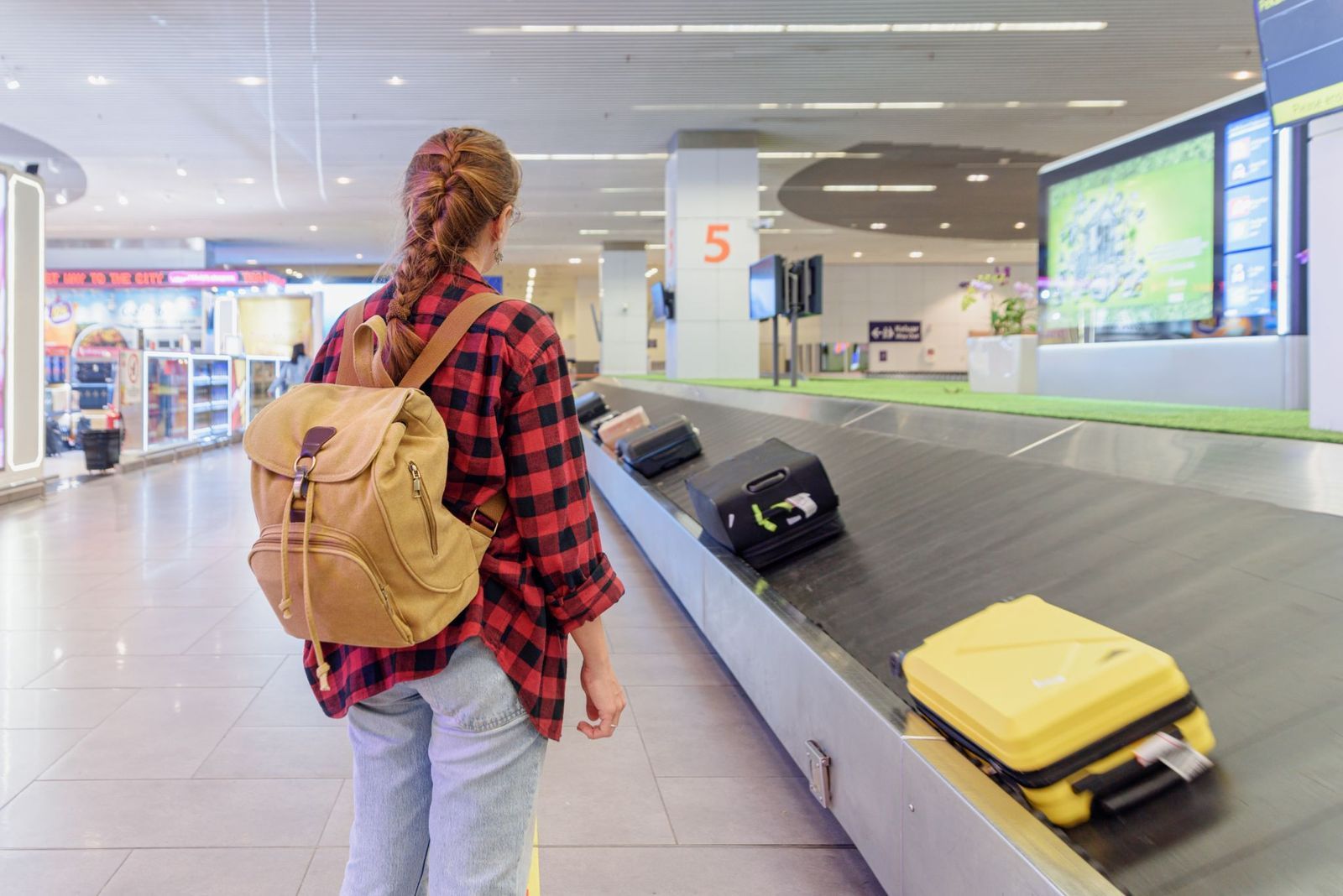
If your bag doesn’t show up on the first day, that doesn’t mean it is lost. Most of the time, the airline still treats it as delayed while it keeps searching. The Department of Transportation says most airlines make that decision somewhere between five and fourteen days after the flight. A domestic flight is often easier to check, while an international one can take longer because it involves partner airlines, customs rules, and different baggage systems.
How to reduce the risk of losing a bag

What should a casual passenger do to reduce the probability of losing a bag? A clear luggage tag with your name, phone number, and email address could be one of the best alternatives. Also, before checking the bag, remove old airline tags so they do not confuse the system, and add something highly recognizable, like a strap or a sticker.
Packing the most important items in your carry-on is also a safe move. Always bring with you one change of clothes, basic toiletries, medication, documents, and chargers. That way, if your checked bag is delayed, it’ll be frustrating, but it doesn’t stop the whole trip.
What happens to toilet waste above 35,000 feet? Here's the answer
Debunked!
What airlines don't usually tell you: 10 common flying myths
What if some of the things we’ve believed for decades about air travel simply aren’t true? One bump of turbulence, one flash of lightning outside the window, or one rumor about airplane doors opening mid-flight can make the imagination run wild. But there’s logic behind all that. From the mystery of the "black box" to what really happens when you flush the toilet at 35,000 feet, these common airplane myths have surprising explanations behind them.
Flying is riskier than driving
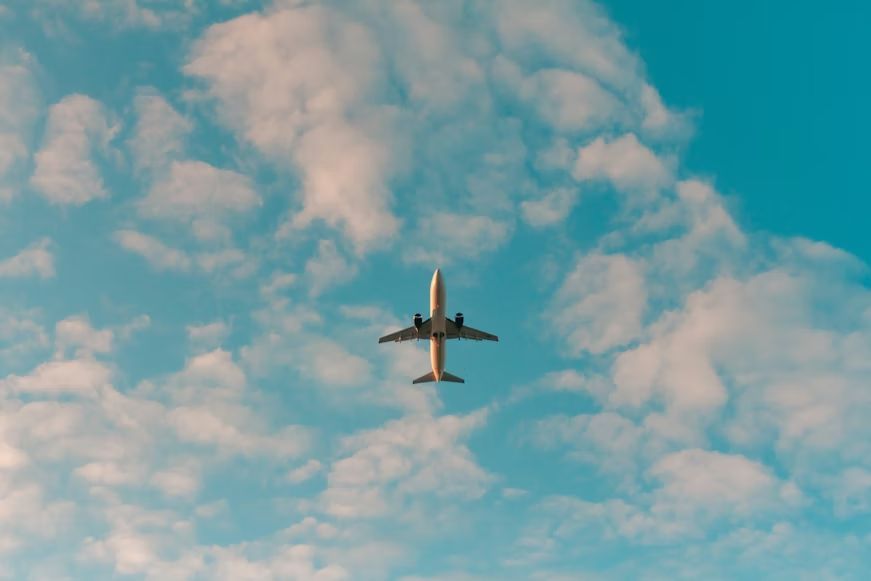
It may not feel that way when you’re gripping the armrest during takeoff, but statistically, flying remains one of the safest ways to travel. It’s funny how we can feel nervous during a flight but perfectly fine while merging onto a busy interstate.
Statistically, flying is much safer than driving. According to global aviation data, millions of flights operate safely every year with remarkably few serious accidents. Commercial aviation is built around layers upon layers of safety checks, training, maintenance, and oversight. According to the International Air Transport Association (IATA), 2023 recorded just one major accident for every 1.26 million flights.
Turbulence means a plane is in trouble
If you have ever been on a cross-country flight and felt the plane start to shudder, your heart probably did a little somersault. We tend to think turbulence means the plane is struggling, but pilots actually view it quite differently.
Modern airplanes are built to handle forces far stronger than everyday turbulence. Engineers test aircraft wings by bending them dramatically without breaking. Pilots are also trained extensively to navigate rough air safely, whether by flying through it or adjusting altitude to find smoother skies. These days, crews often know rough patches are coming long before passengers feel the first shake. So while turbulence may spill your coffee, it’s very unlikely to threaten the aircraft itself.
Mobile phones can crash planes
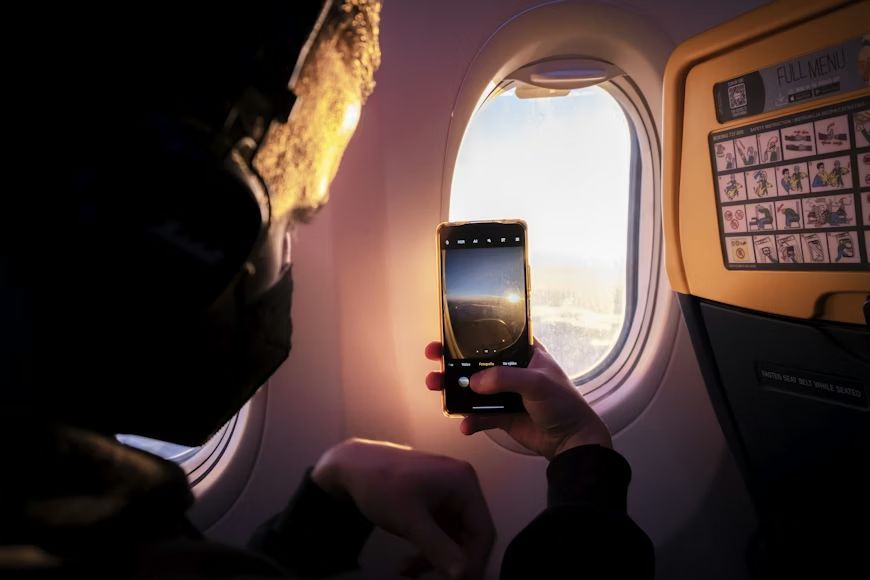
For years, passengers were told to switch off their phones because they could interfere with airplane systems. That warning sparked all kinds of fears, and while it feels like one text message could bring down the whole operation, that is not the case.
The truth is much less dramatic. Modern aircraft are heavily shielded against electronic interference, and experts say personal devices are extremely unlikely to affect navigation systems. The bigger concern has traditionally been distraction during takeoff and landing, when passengers need to pay attention to safety instructions. That’s why many airlines now allow phones in airplane mode throughout the flight.
The air inside the plane is full of germs
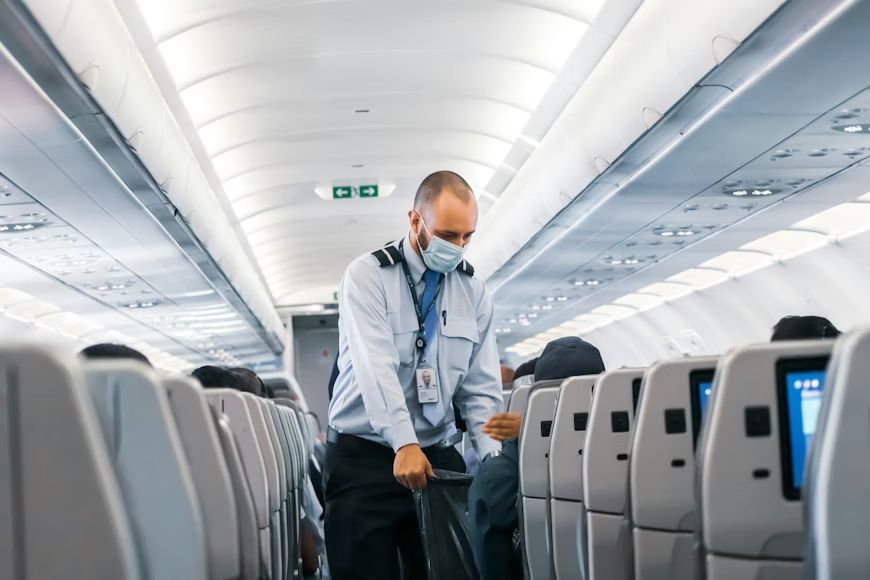
Many travelers worry that the recycled air in a cabin is a breeding ground for the latest flu or cold. Sitting shoulder to shoulder with strangers for hours sounds like the perfect recipe for illness. However, you might be surprised to learn that the air on a plane is often cleaner than you think.
Most commercial aircraft use HEPA filtration systems similar to those found in hospitals. These filters remove more than 99% of airborne particles, including bacteria and viruses. Cabin air is also refreshed frequently during flight. Every few minutes, fresh outside air cycles through the cabin while used air is filtered and recirculated.
The black box isn’t black
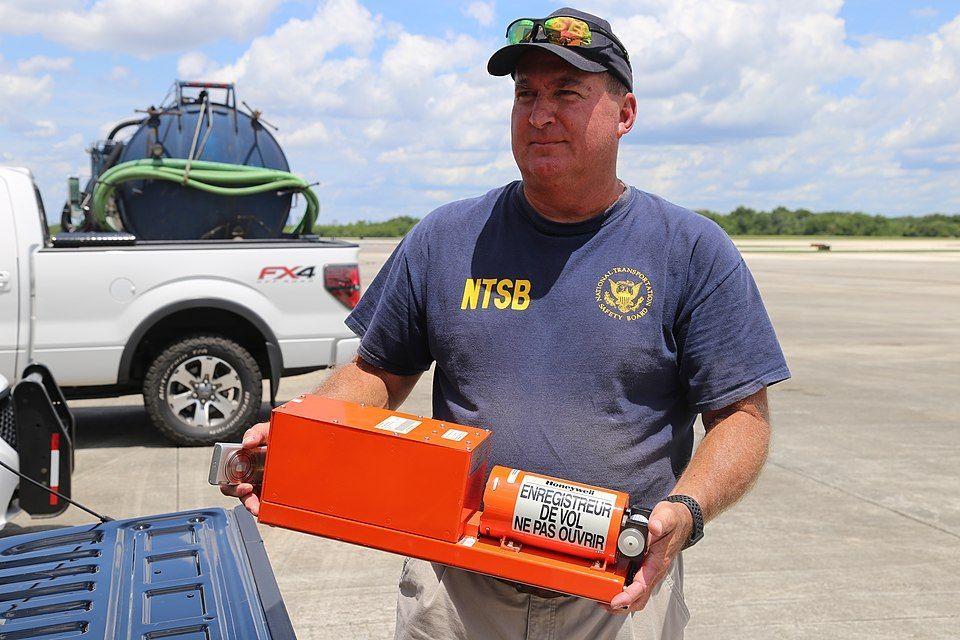
If you’ve ever watched news coverage after an aviation accident, you’ve probably heard reporters talk about recovering the "black box." Most people picture a dark metal cube hidden somewhere deep inside the plane. In reality, the flight data recorder is bright orange. And it isn’t even box-shaped.
These devices are designed to survive extreme crashes, fires, and deep-water pressure. The vivid orange color makes them easier to locate in wreckage. They’re usually placed near the tail section because that area often survives impacts better than the front of the aircraft. The recorder captures vital flight information and cockpit audio, helping investigators understand exactly what happened. It’s one of the reasons air travel has become safer decade after decade.
Emptying toilets mid-air
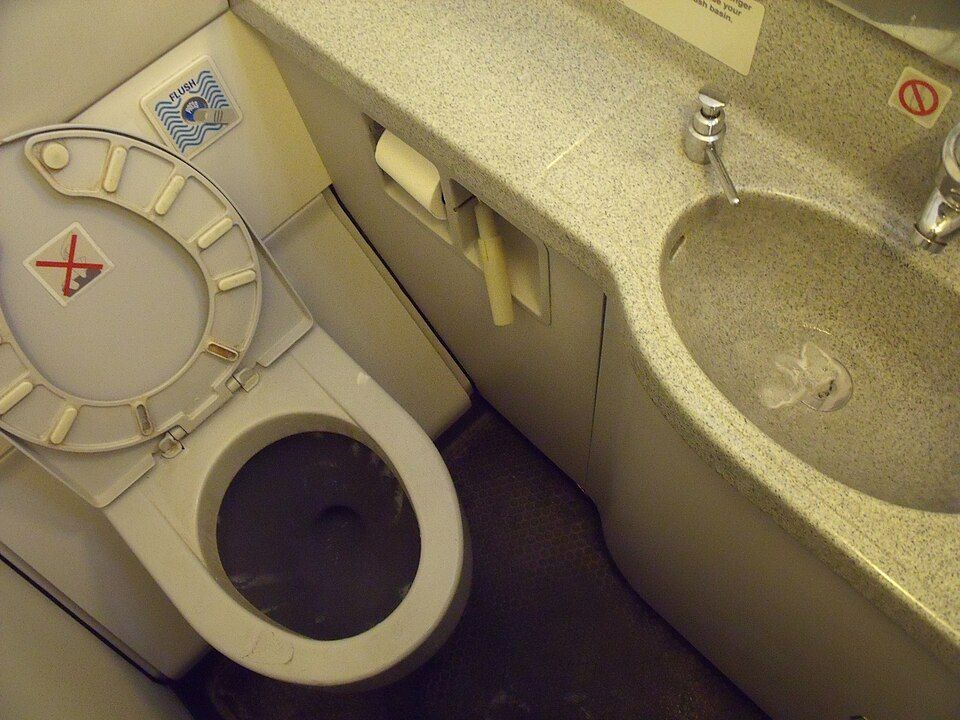
There is an old urban legend that airplanes simply empty the lavatory tanks while flying over the countryside. You might have even heard stories of "blue ice" falling from the sky.
Aircraft toilets use vacuum systems that store waste in sealed onboard tanks. Once the plane lands, specialized airport crews empty those tanks safely on the ground. The myth likely grew because older planes sometimes released a harmless blue disinfectant fluid by accident. Seeing blue ice near airports fueled wild stories for years. Thankfully, today’s systems are much more advanced and tightly regulated.
The doors can open mid-flight
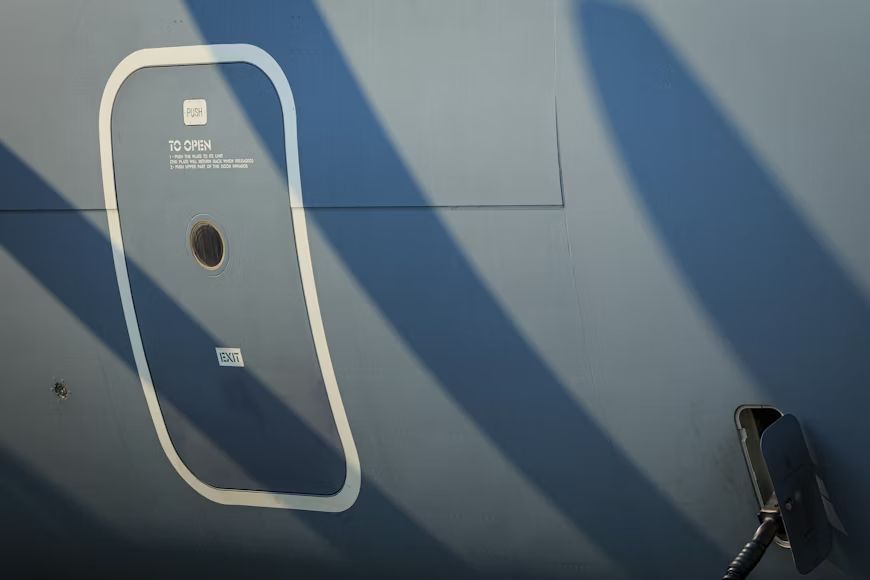
Movies love this scene: a panicked passenger grabs the handle, the cabin erupts into chaos, and papers start flying everywhere. Hollywood makes it look easy. Physics says otherwise.
At cruising altitude, the difference between cabin pressure and outside air pressure creates thousands of pounds of force sealing the doors shut. Even the strongest person on board couldn’t pull the door open during the flight. Once the plane descends and pressure equalizes, the doors can open normally again. But at 35,000 feet, they’re effectively locked in place by nature itself.
Oxygen masks don’t really help

Some passengers assume those dangling oxygen masks are mostly for show. In truth, they’re one of the most important emergency systems on the plane.
If cabin pressure suddenly drops, oxygen levels at high altitude become dangerously low very quickly. Without supplemental oxygen, passengers could lose consciousness within minutes. The masks provide enough oxygen to keep everyone alert while pilots perform an emergency descent to a lower, breathable altitude. Flight crews practice these procedures regularly in simulators.
Lightning strikes can bring down a plane

Seeing lightning flash outside an airplane window can make even seasoned travelers uneasy. The good news is that commercial aircraft are specifically designed to handle lightning strikes.
In fact, planes are struck by lightning more often than many people realize, usually about once a year on average. The aircraft’s outer shell safely conducts the electrical energy around the plane and out the other side, much like a car protects passengers during a thunderstorm. Engineers spend years testing aircraft systems against extreme weather conditions. Pilots also use advanced radar to avoid the worst storms whenever possible.
Pilots rely entirely on autopilot
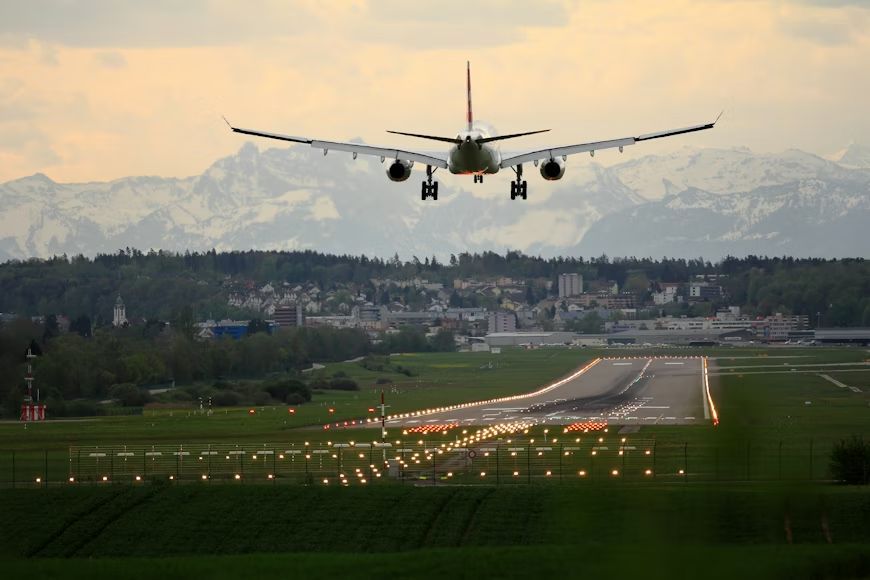
Autopilot technology has become incredibly advanced, but that doesn’t mean pilots spend flights sipping coffee while computers do all the work.
Pilots remain deeply involved throughout every trip. They handle takeoffs and landings, monitor weather conditions, communicate with air traffic control, and constantly oversee the aircraft’s systems. Even if it’s on for most of the flight, the autopilot is a sophisticated assistant rather than a replacement. It helps reduce workload during long flights so pilots can stay focused and alert.
Keep wandering
There’s always
more to explore
How to cancel your flight and get your money back when sick
4 min.
Read Now
 Geography

This trench could swallow Everest, with room to spare
6 min.
Read Now

10 sneaky secrets restaurant staff won't tell you
4 min.
Read Now

10 dirty secrets hotels don't want you to know
4 min.
Read Now