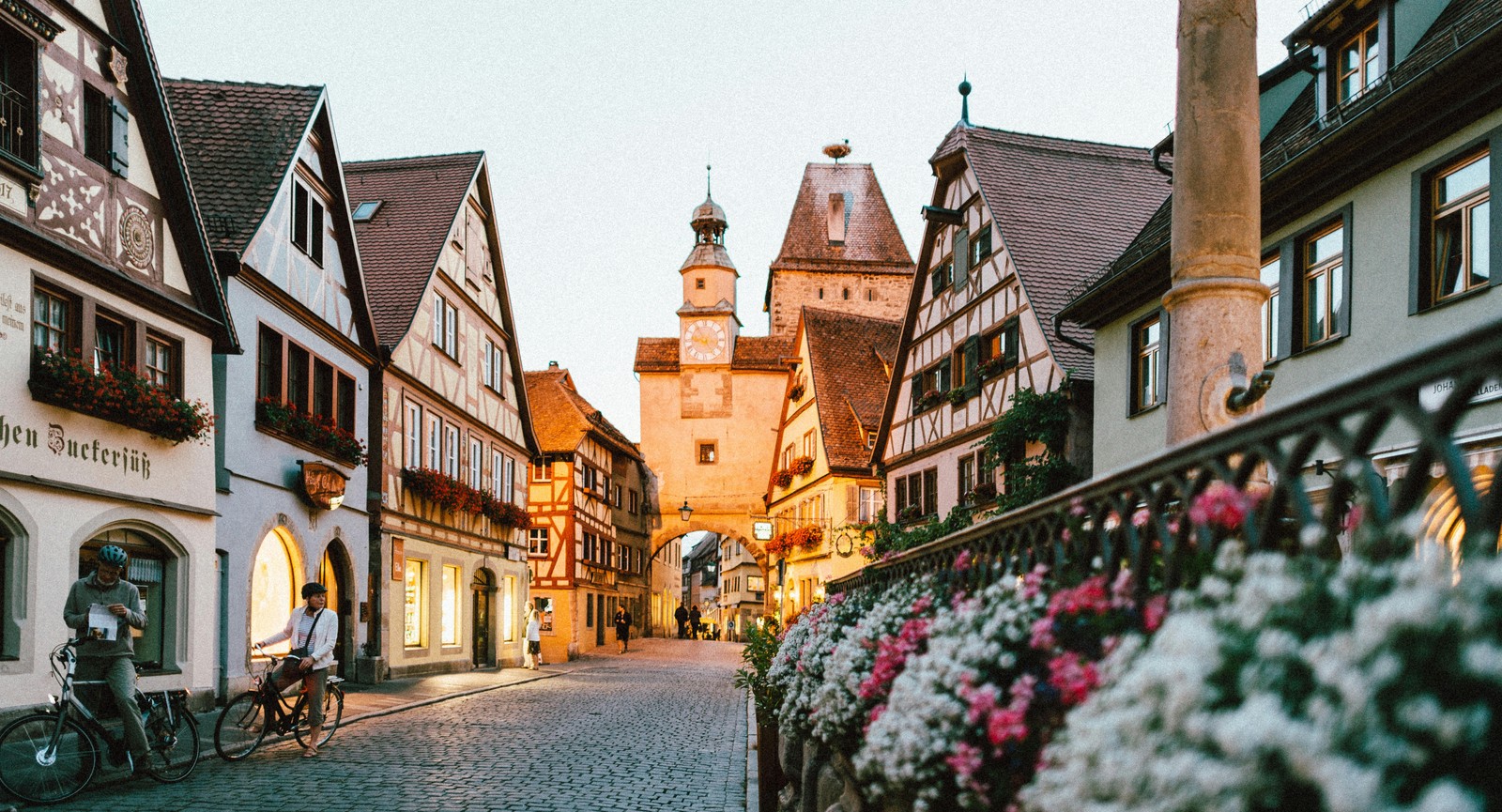
10 things Americans are always surprised by when visiting Europe
 Culture
Cultural differences
10 things Americans are always surprised by when visiting Europe
If you are planning a long-awaited trip to Europe, get ready for incredible historic sites, stunning art, and maybe... a few surprises. You might be used to a certain way of doing things, and Europe has its own charming (and sometimes puzzling) quirks. Here are 10 things that might make you say "Wait, what?" – and some that are actually pretty great.
The disappearing dinner hour
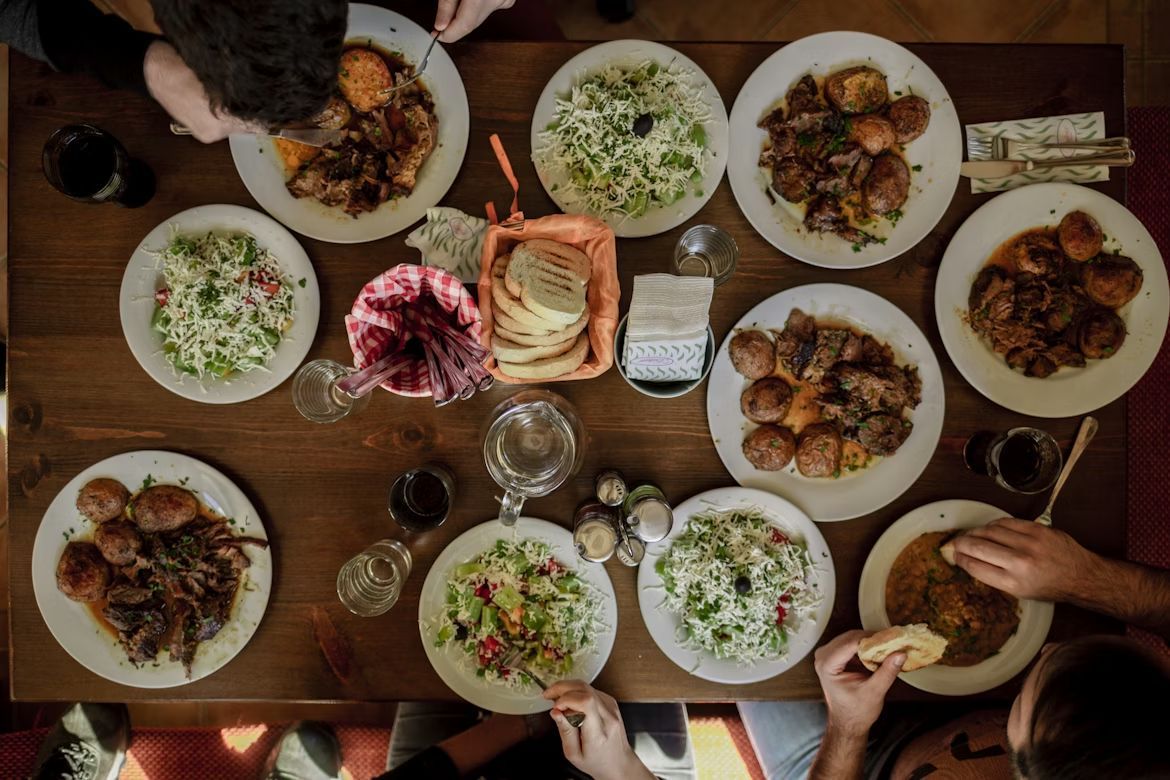
Dinner in Europe usually happens late. You might not see locals eating dinner until 9:00 or 10:00 PM, or even later. "How don't they starve?" you may ask. Well, in many European countries, particularly in Spain, they bridge the gap with a 'merienda' — a light afternoon snack — to tide them over until dinner. While some tourist-oriented restaurants cater to earlier diners, the true local experience involves a later meal.
The wonderful world of public transport
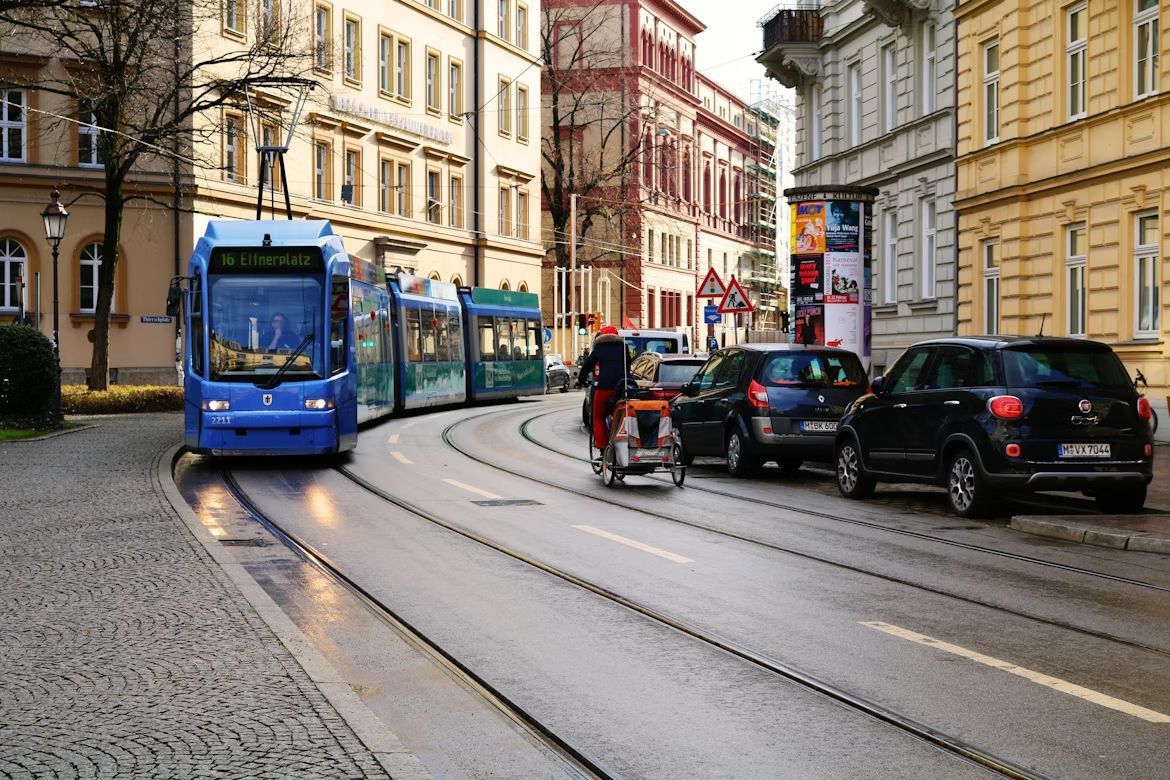
European cities often boast incredible public transportation systems – subways, trams, and buses that are clean, efficient, and affordable. Forget Uber and taxis! Getting around on the métro in Paris or the Tube in London is an adventure in itself. Purchase day passes or use contactless payment and enjoy the ease of navigating like a local.
The tipping tease: Service included?
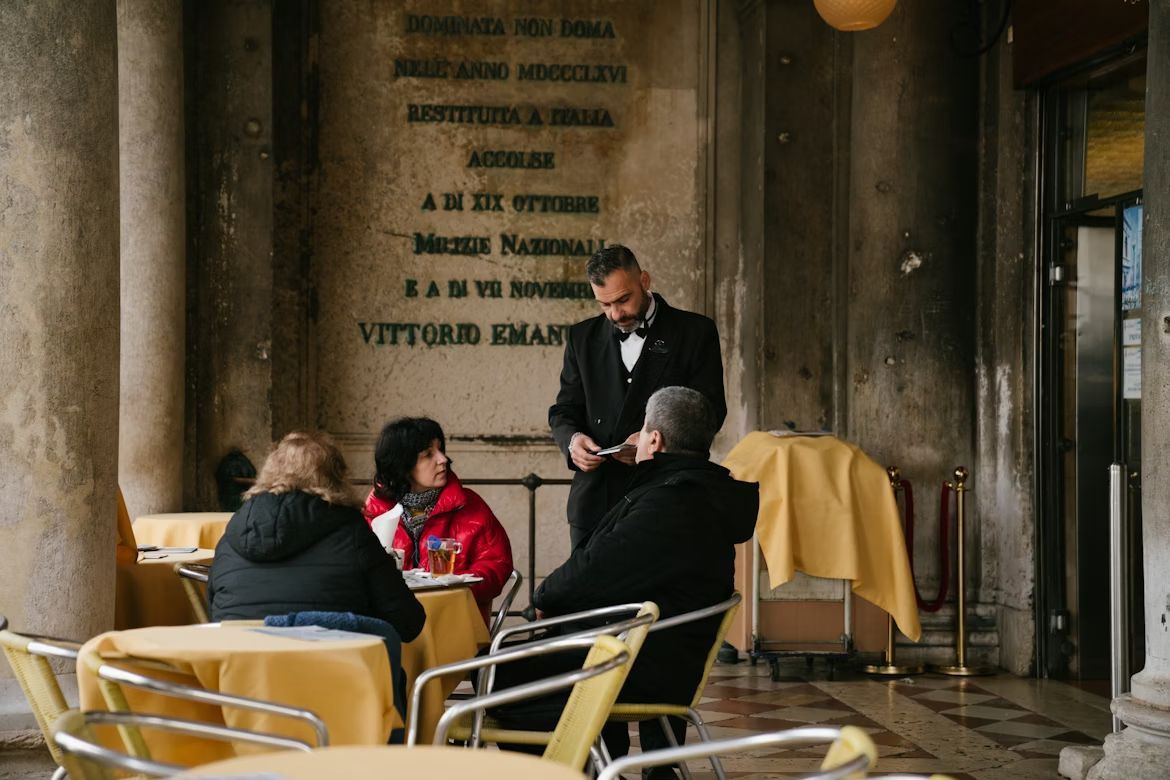
Tipping in Europe is far less common and generous than in the U.S. In many countries, a service charge is already included in your bill. If not, a small tip (maybe 5-10% for exceptional service) is appreciated but rarely expected. Don’t feel obligated to tip 20% like back home.
The "where's the water?" waiter mystery
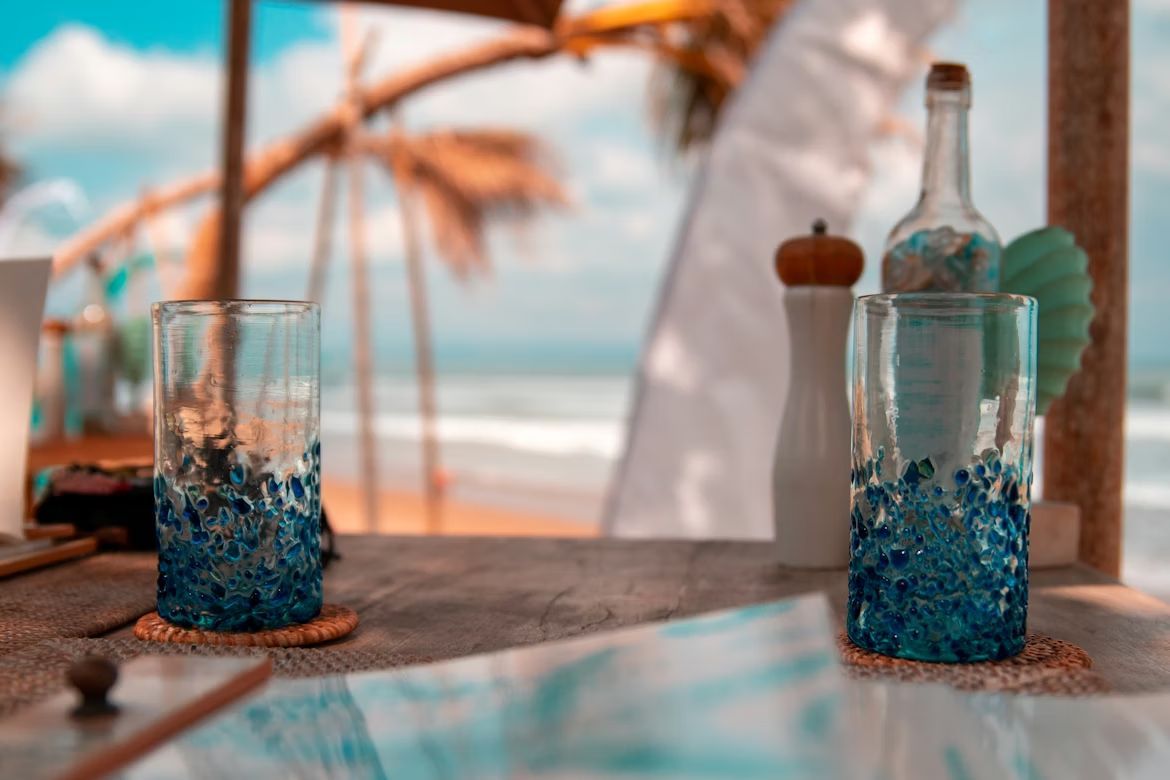
Don't expect that ice-cold glass of water to magically appear on your table the moment you sit down. In most European restaurants, you’ll need to order and pay for bottled water. The waiter will probably ask you to choose between sparkling water (carbonated) or still water (non-carbonated). You can ask for tap water if you want to, and you will be served a courtesy glass, but it is not standard practice.
Small wonders: When bigger isn't better
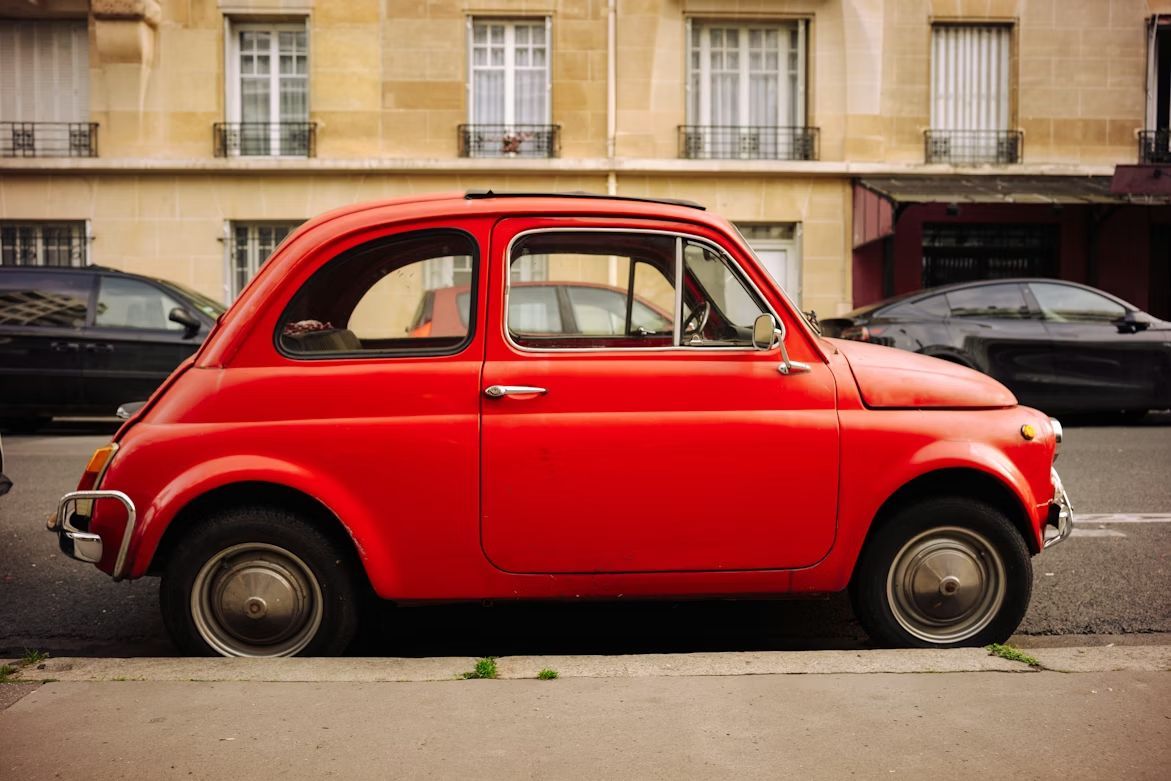
From coffee cups to car sizes, everything in Europe feels just a little bit smaller. Expect smaller portions at restaurants, smaller cars on narrower roads, and yes, smaller hotel rooms and even elevators. Think of it as part of the European charm. You might even find yourself preferring a café noisette (tiny espresso with a dash of milk) to your massive cup of Starbucks.
Those amazing, efficient little bathrooms
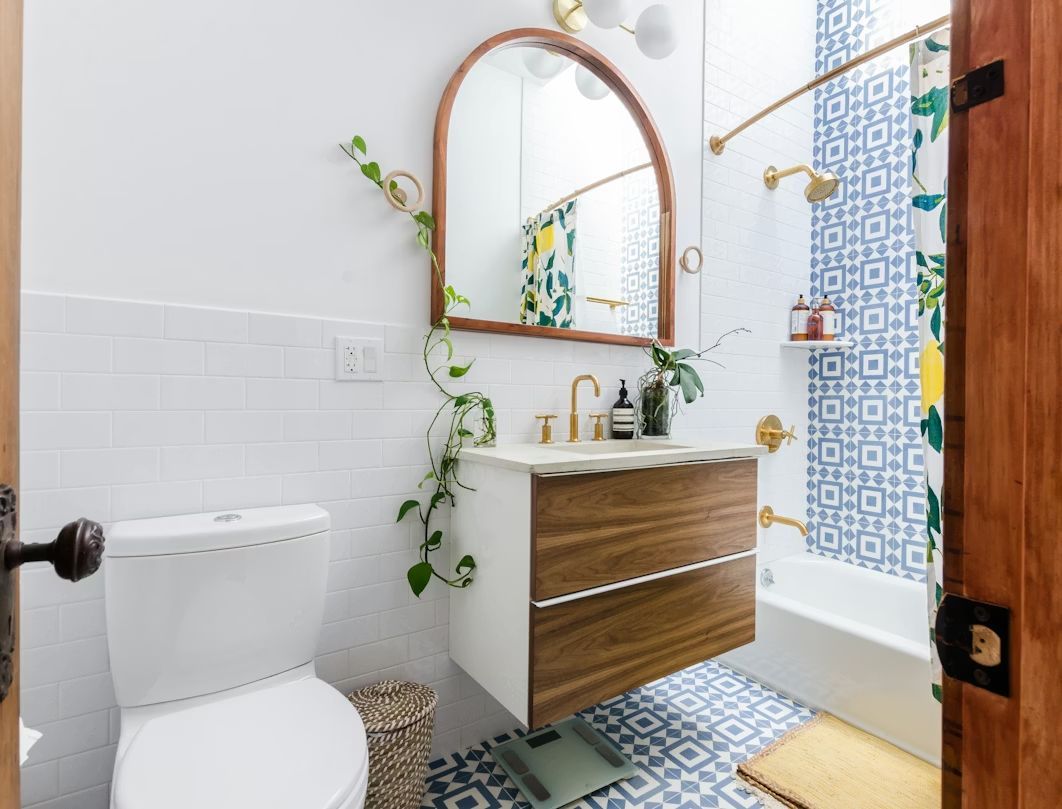
Prepare yourself for different bathroom configurations. You might find a pull chain for the toilet, a separate room for the toilet itself, or a combo shower/toilet space in older buildings. They get the job done, often with an ingenuity that might surprise you. Some public restrooms require a small fee for use, so make sure to keep some coins handy.
"Wait, it's 20:00?" Mastering military time
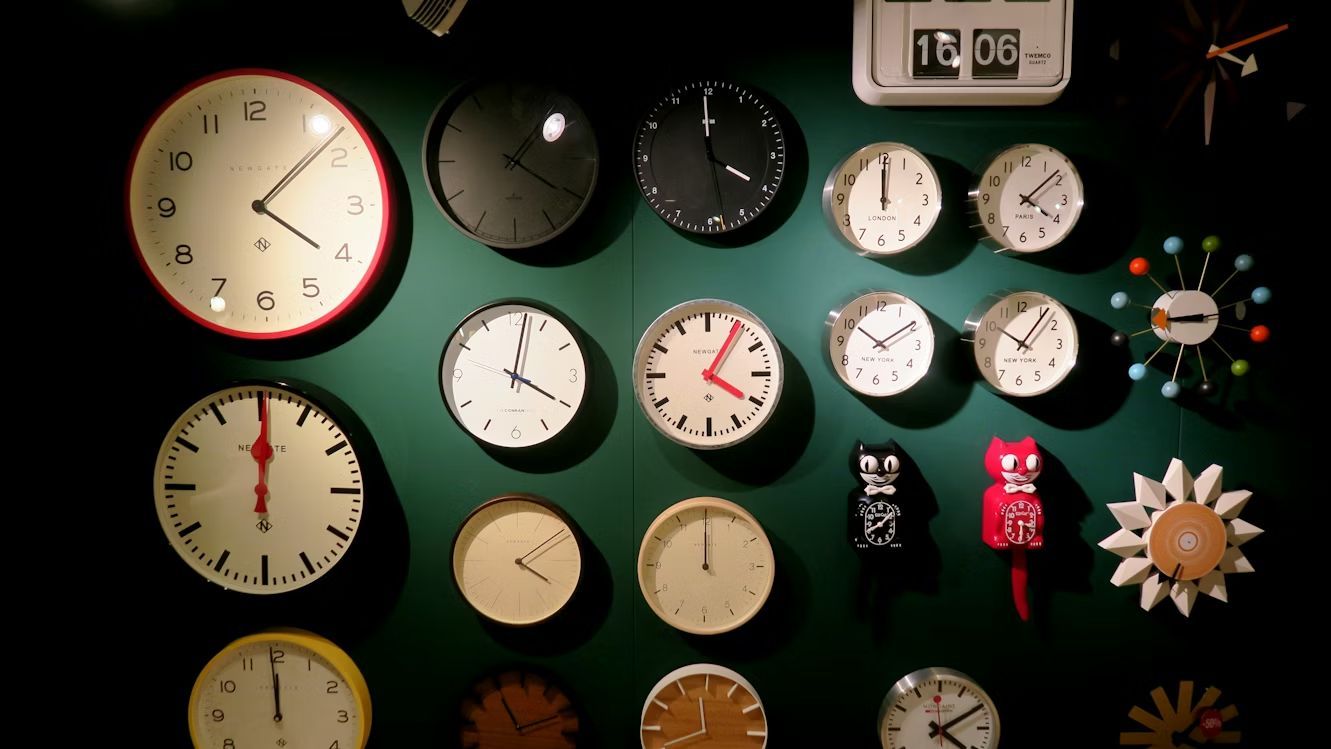
In Europe, the 24-hour clock (military time) is standard. Train schedules, museum hours, and even restaurant reservations will often use this format. Remember: for times after 1:00 PM, just add 12. So, 3:00 PM becomes 15:00. It takes a little getting used to, but it avoids any AM/PM confusion!
The sweet simplicity of "just coffee"
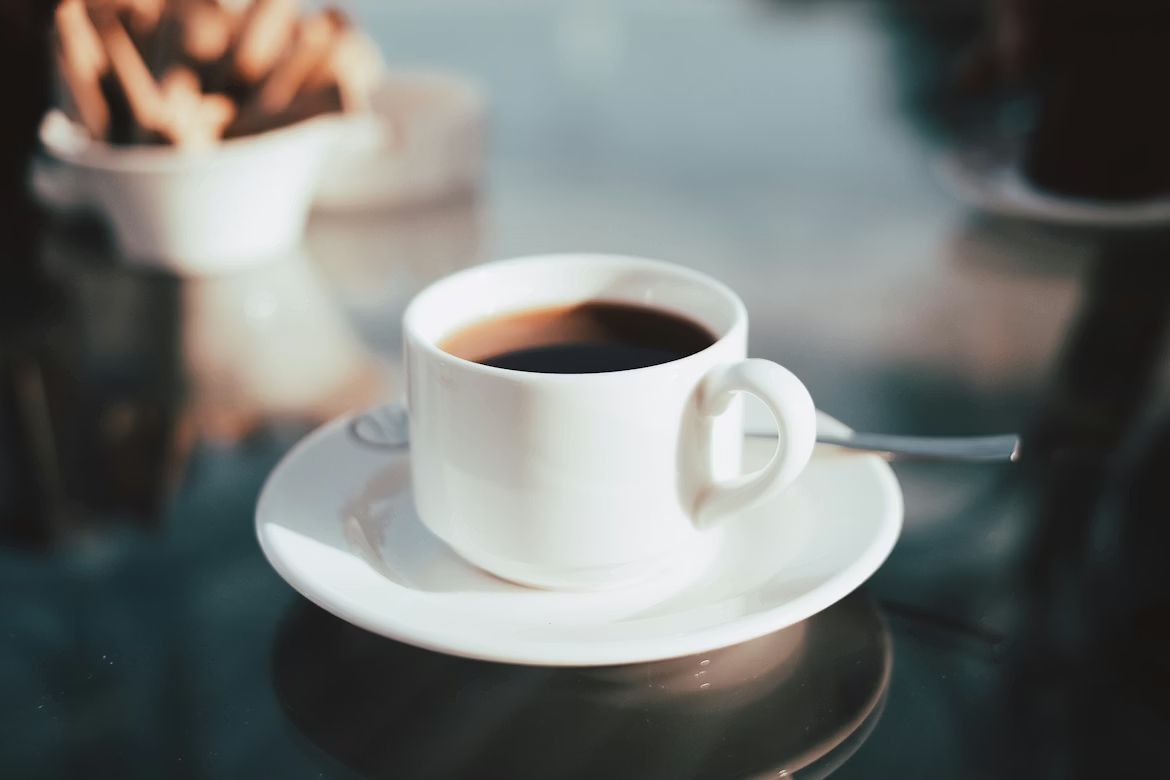
Ordering a "coffee" (or café in Spain) will likely get you an espresso: a small cup of strong, rich coffee. European coffee culture is about taking your time to savor your drink, often standing at a bar.
If you want something closer to what you get back home, look for a "café Americano" or a latte. On the other hand, if you are in the mood for something new, try a local specialty. Just remember not to expect free refills (another US-specific perk).
Sundays: The day the city (partially) sleeps
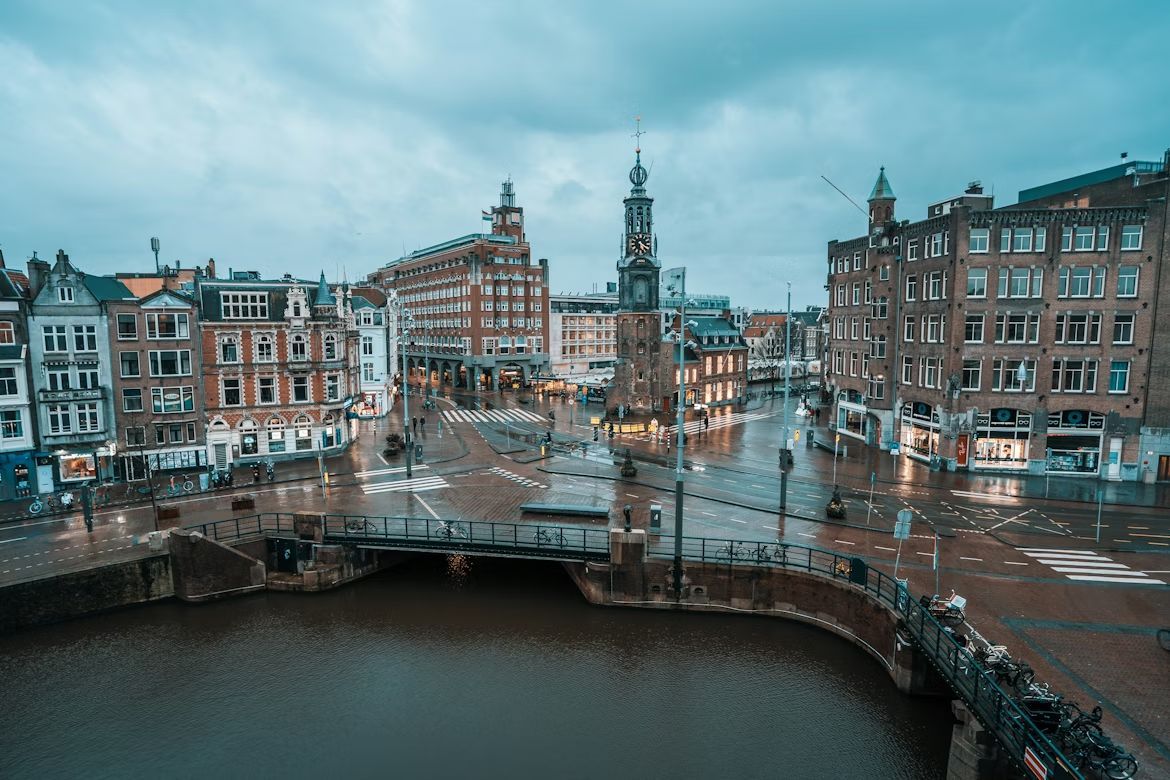
Don’t expect malls to be bustling on Sundays. In many European countries, Sunday is a day of rest, and many shops (especially smaller ones) are closed. Museums and major tourist attractions are usually open, but many smaller boutiques and grocery stores won't be. Plan your shopping accordingly and enjoy a slower-paced Sunday, perhaps with a long lunch or a park visit.
The "walkable city" wonder
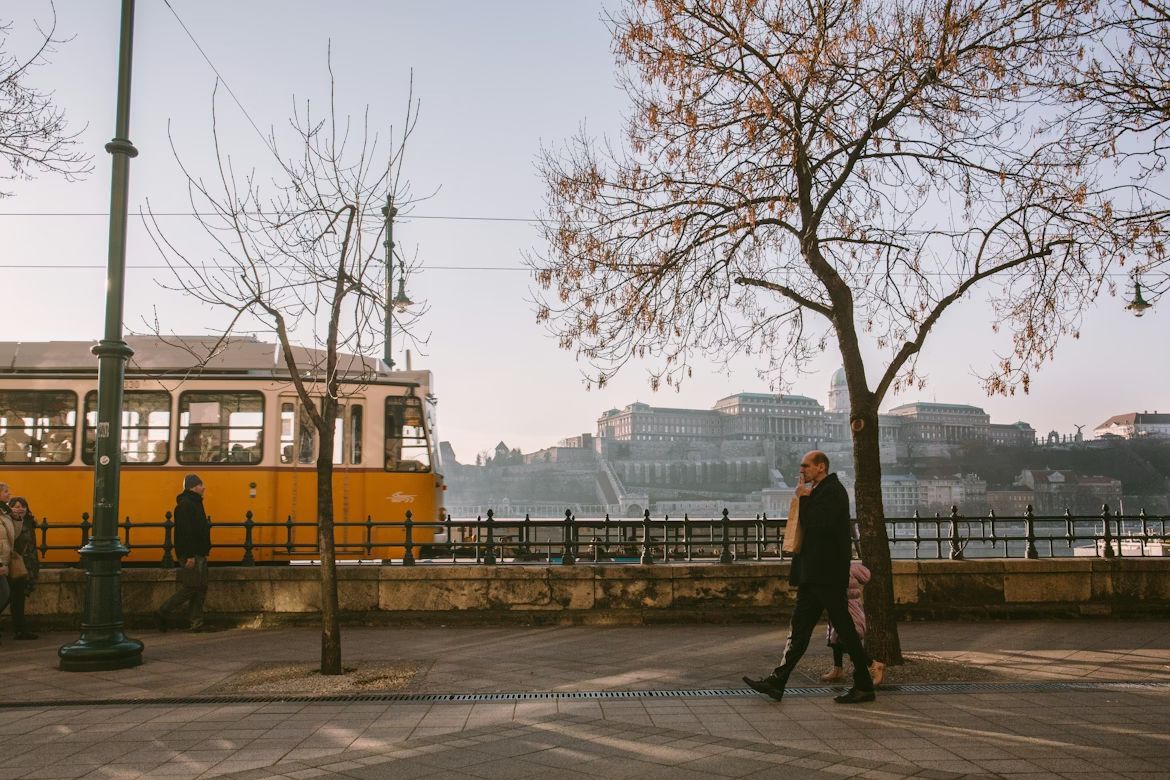
European cities are designed for walking! Ancient cobblestone streets, charming squares, and countless sights are best explored on foot. You’ll find yourselves walking a lot more than you do at home. Leave the high heels and uncomfortable shoes behind – sturdy, comfortable walking shoes are absolutely essential.
Keep wandering
There’s always
more to explore
Santa Monica Pier through Route 66 and more iconic road trip gems
6 min.
Read Now
 General
Secrets of the world’s currencies: Hidden symbols on your cash
5 min.
Read Now
Understanding these TSA regulations can make or break your trip
5 min.
Read Now

Why do airlines always give you bottled water? The real reason
5 min.
Read Now