10 of the most bizarre and quirky cities and towns around the world
 Landmarks
Eccentric urban design
10 of the most bizarre and quirky cities and towns around the world
Most cities are pretty standard: ordinary streets, office buildings, houses, and typical parks. But around the world, there are a few unusual towns that defy convention. From underground mining communities and forgotten ghost towns to utopian eco-villages and entire cities painted white, human eccentricity and ingenuity have produced some truly strange places to live. Here are 10 of the most bizarre and quirky cities from every corner of the planet.
Ashgabat, Turkmenistan
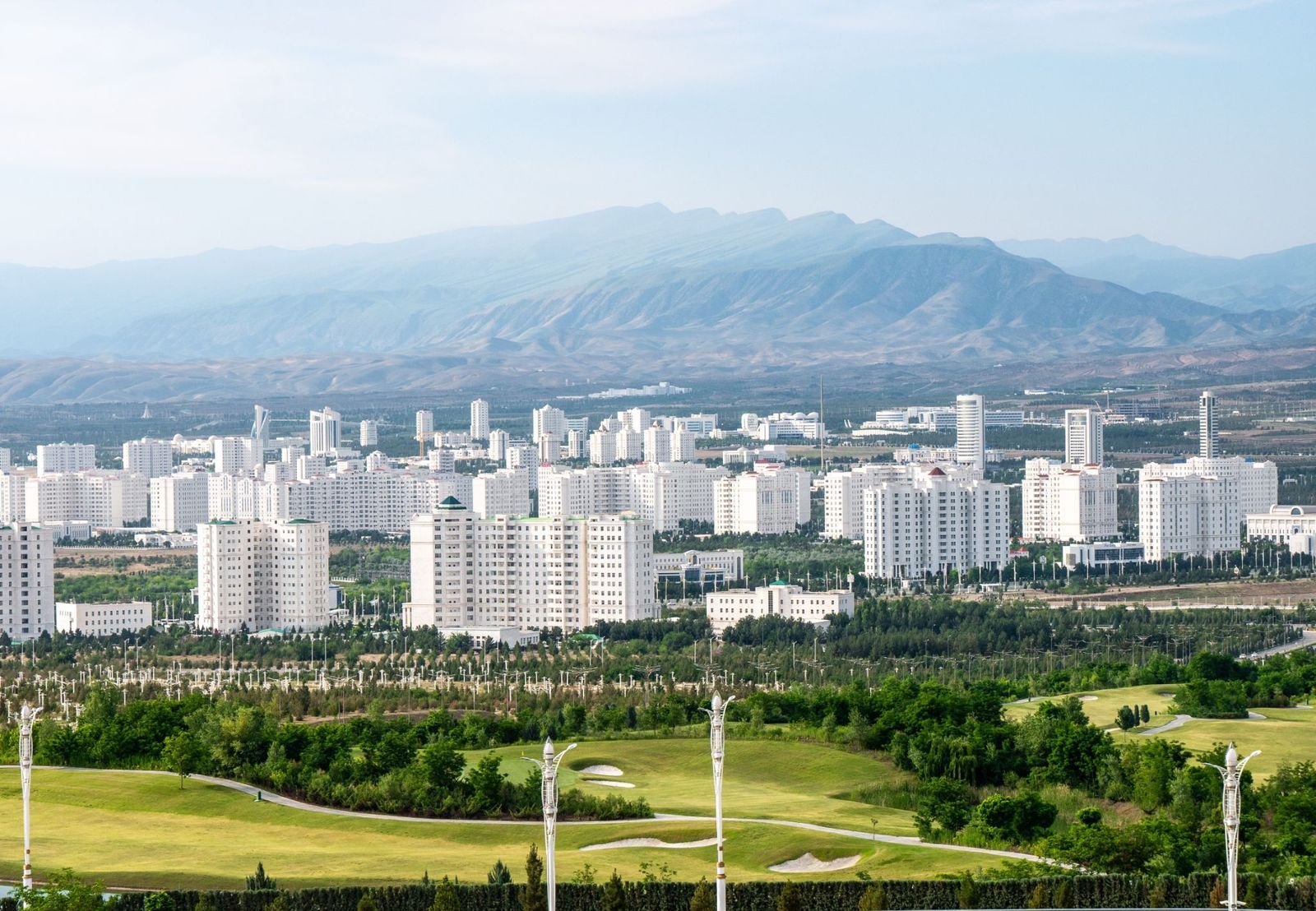
Ashgabat holds a Guinness World Record for having the highest concentration of white marble buildings in the world. Turkmenistan’s capital looks like an ethereal futuristic metropolis, but the color obsession doesn’t end with architecture. Under strict national laws, residents can't own black or colored cars. If you want to drive through the pristine streets of Ashgabat, your car better be white or silver.
Slab City, California, United States
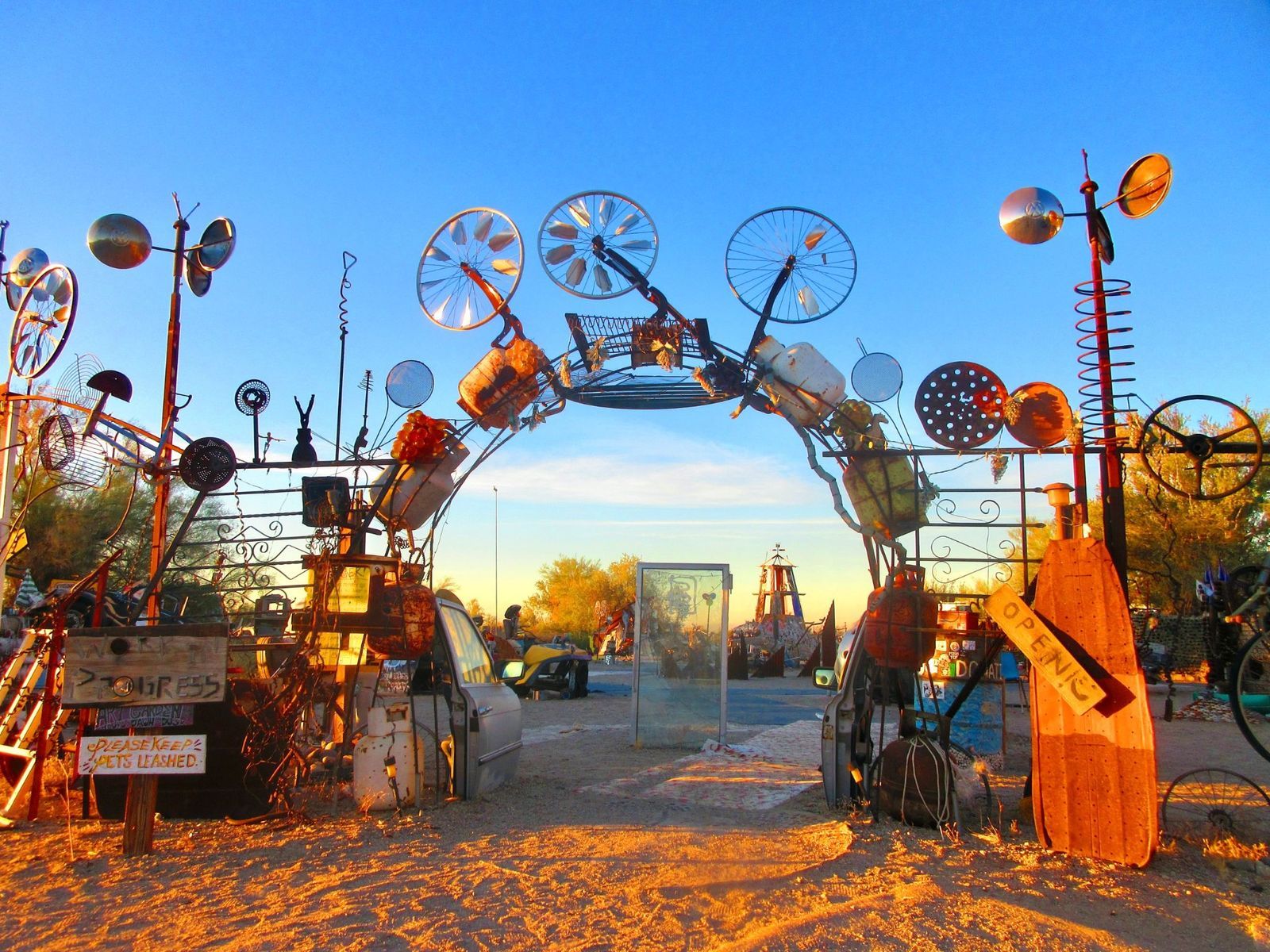
Slab City, also known as "the last free place in America," sits on an abandoned World War II Marine base in the Sonoran Desert.
Occupied by nomads, artists, retirees, and off-grid enthusiasts since the 1980s, the settlement operates without any municipal government, property taxes, running water, electricity grids, or formal law enforcement. Residents build creative homes out of salvaged materials, relying on solar panels and communal cooperation to manage daily life.
Longyearbyen, Norway
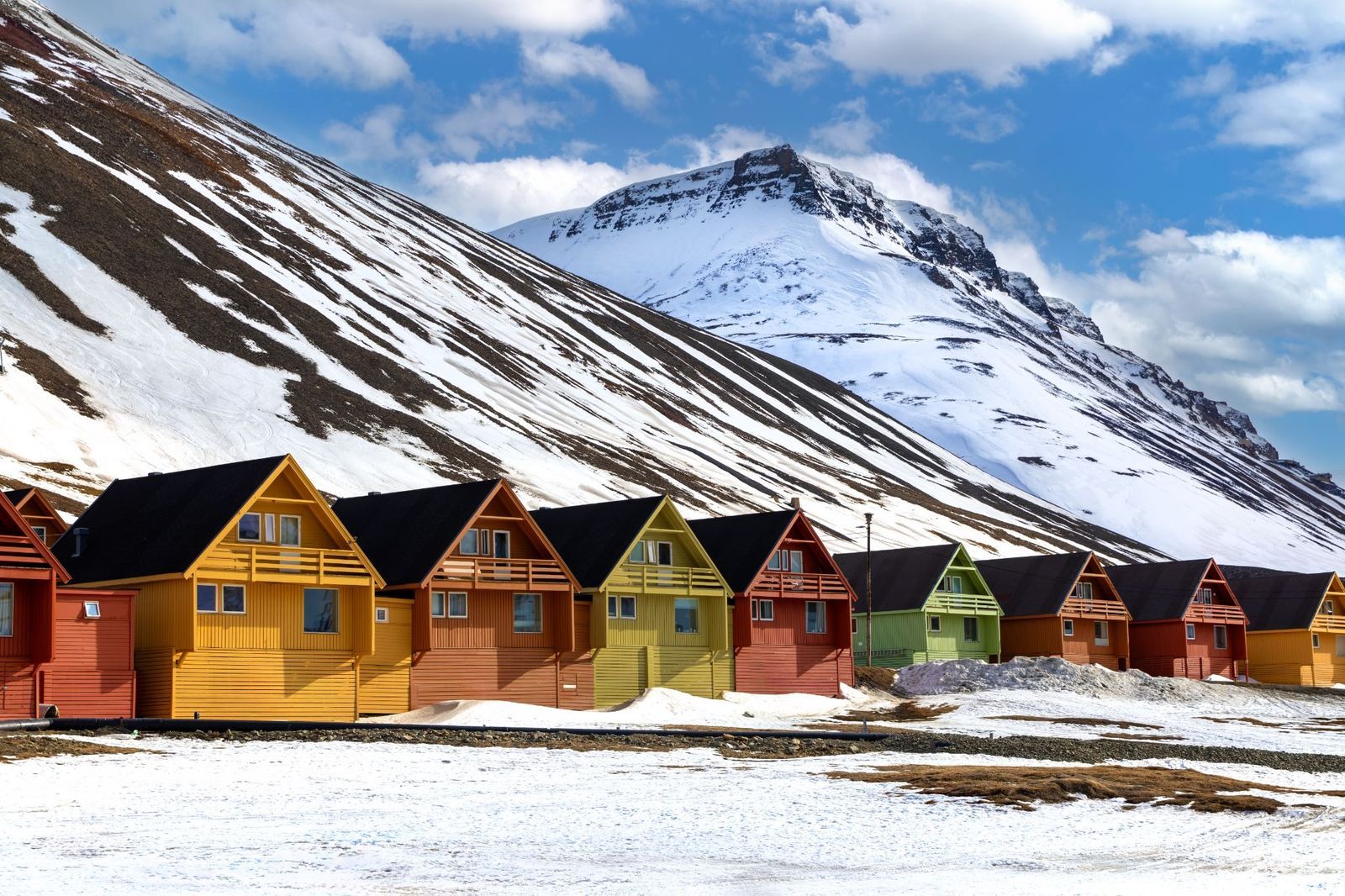
Located in the Arctic Svalbard archipelago, Longyearbyen is the northernmost permanent settlement in the world. It also boasts one of the most unusual local rules: it’s famously illegal to die here.
Because the region sits on perpetual permafrost, buried bodies never decompose, making burials impossible and posing health risks. Terminally ill residents or frail seniors are flown to mainland Norway for care and burial, keeping the local mortality rate at zero.
Gibsonton, Florida, United States
Also known as "Freaktown" or "Gibtown," Gibsonton served as the main winter retreat for traveling carnival workers and circus performers since the 1930s. In fact, this town, located 12 miles south of Tampa, was home to Percilla the Monkey Girl, the Anatomical Wonder, and the Lobster Boy.
To accommodate its unique seasonal residents, the local administration adopted special zoning laws that permitted people to house circus trailers, carnival rides, and exotic animals (like elephants and tigers) in residential front yards. The local post office even famously adjusted its service counter heights for little person performers.
Coober Pedy, Australia
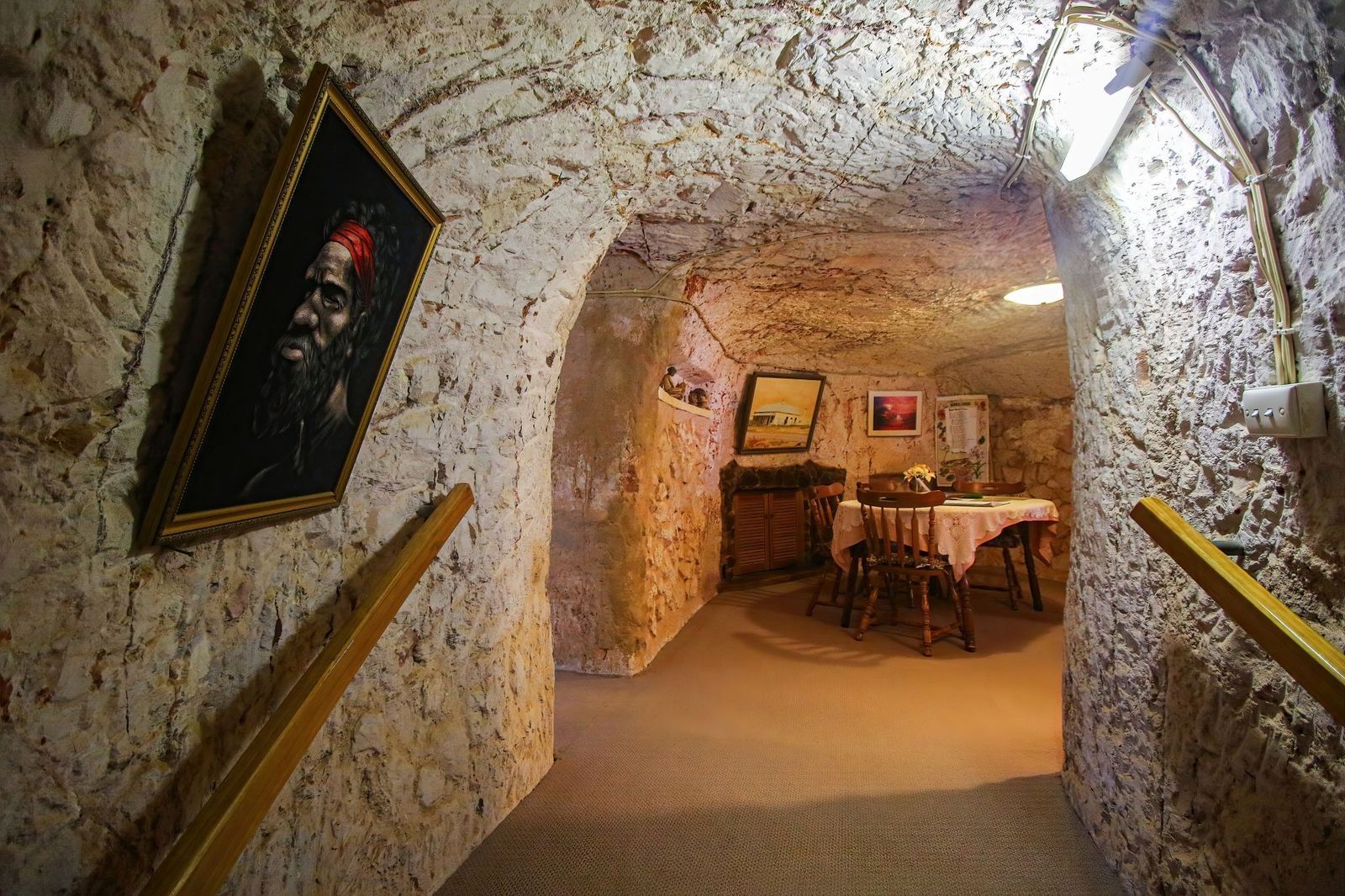
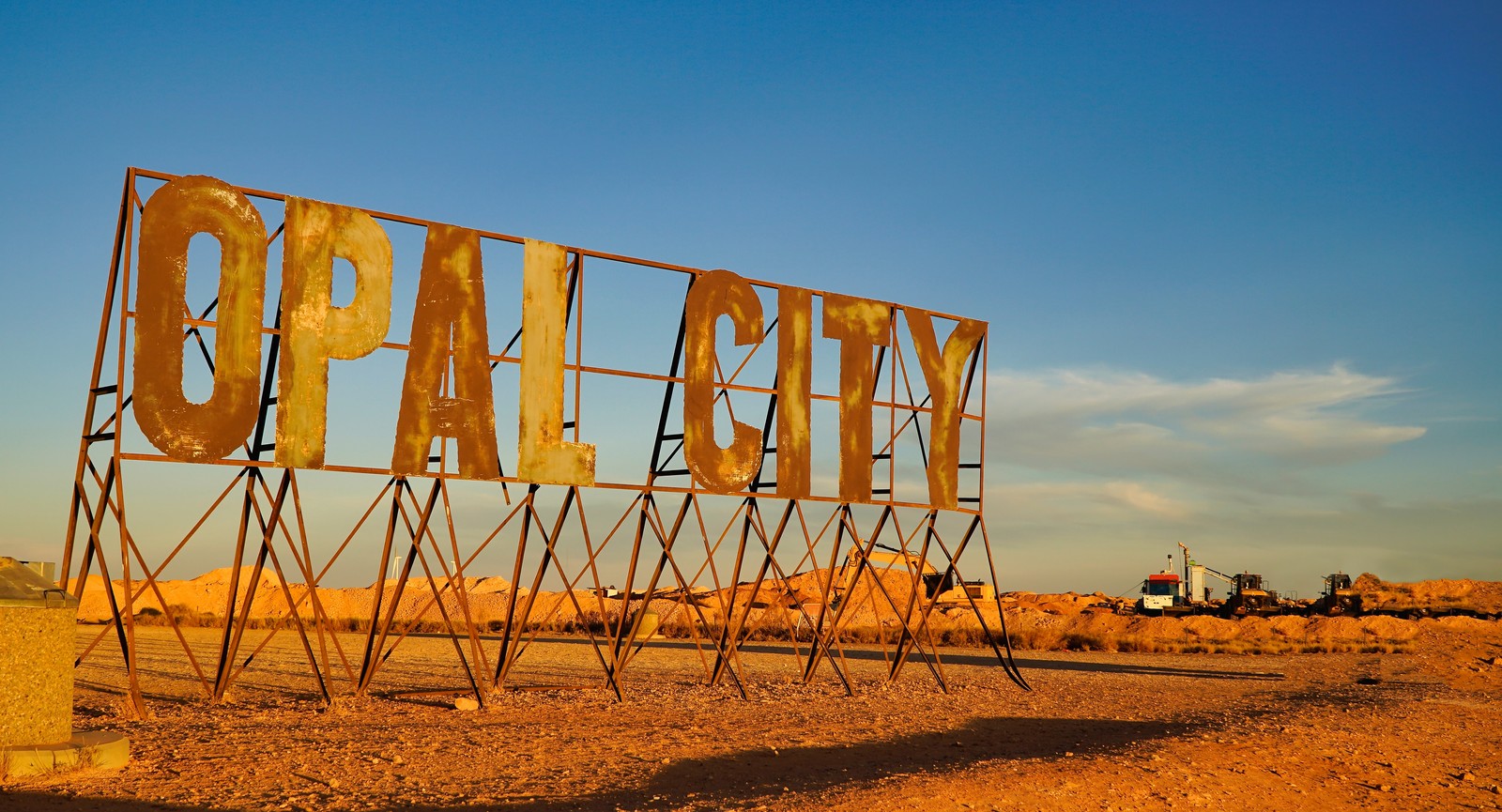
In the desert of South Australia, surface temperatures rise past 110ºF. To escape the oppressive heat, the residents of Coober Pedy (a famous opal mining zone north of Adelaide) moved their daily life underground.
More than half the population lives in homes excavated directly into the hillsides. The subterranean community also keeps underground hotels, restaurants, bars, museums, and even three fully functional churches.
Thames Town, China
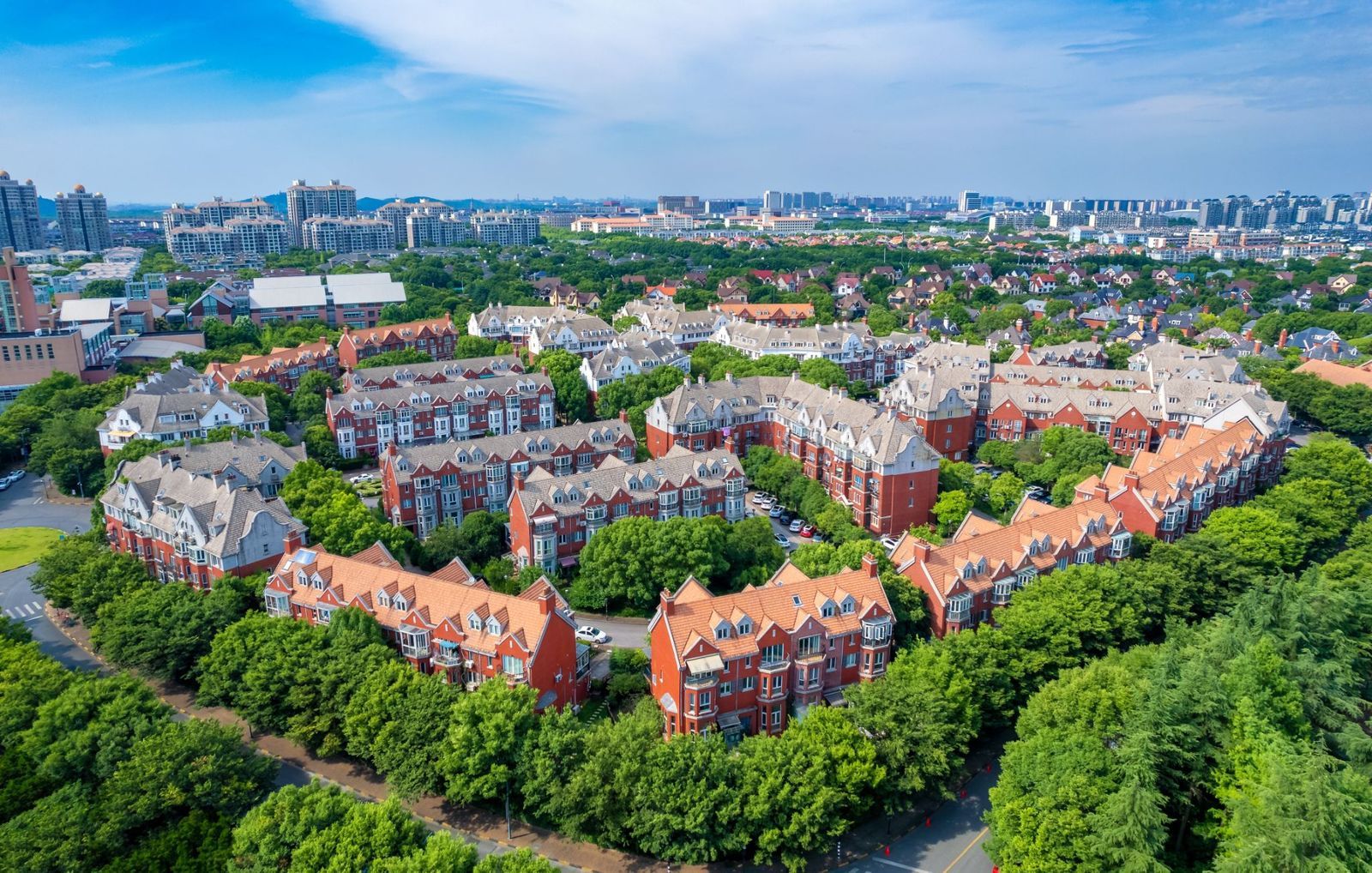
Located 20 miles outside central Shanghai, Thames Town is a replica of a traditional English country village.
Walk down its cobblestone streets, and you’ll find classic red telephone booths, Victorian-style storefronts, fish-and-chip shops, and even a statue of Winston Churchill. Built during the 2000s as part of an urban planning initiative, today it works mainly as a tourist attraction and backdrop for wedding photography.
Centralia, Pennsylvania, United States
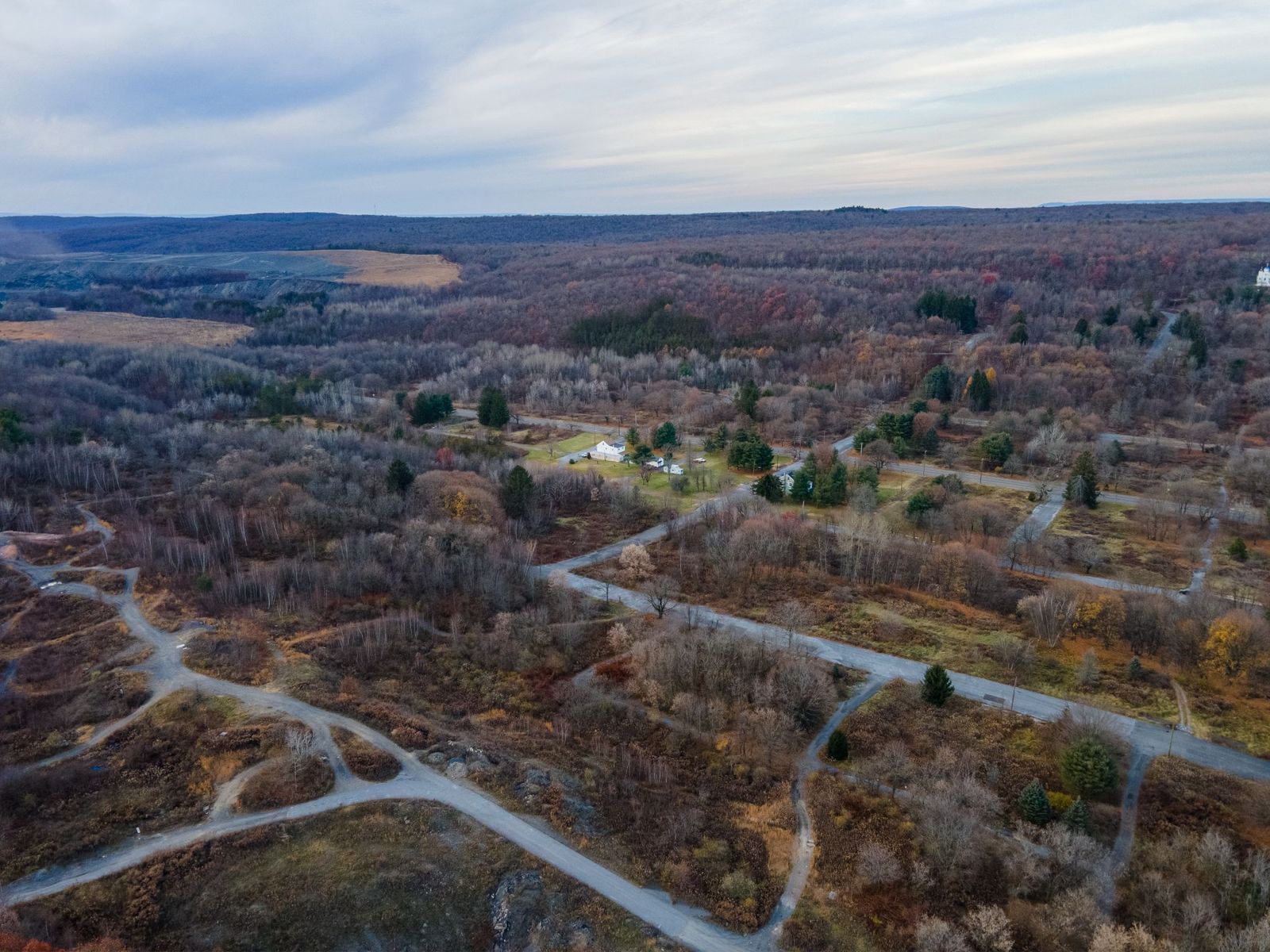
In 1962, a controlled trash burn ignited an exposed seam of coal beneath the mining town of Centralia, Pennsylvania. The fire quickly spread underground, creating dangerous sinkholes and venting toxic gas into homes.
After the government forced most residents to evacuate in the early 1990s, Centralia became a ghost town. Decades later, the subterranean furnace continues to burn under the cracked pavement. Scientists estimate it could keep burning for another 250 years.
Auroville, India
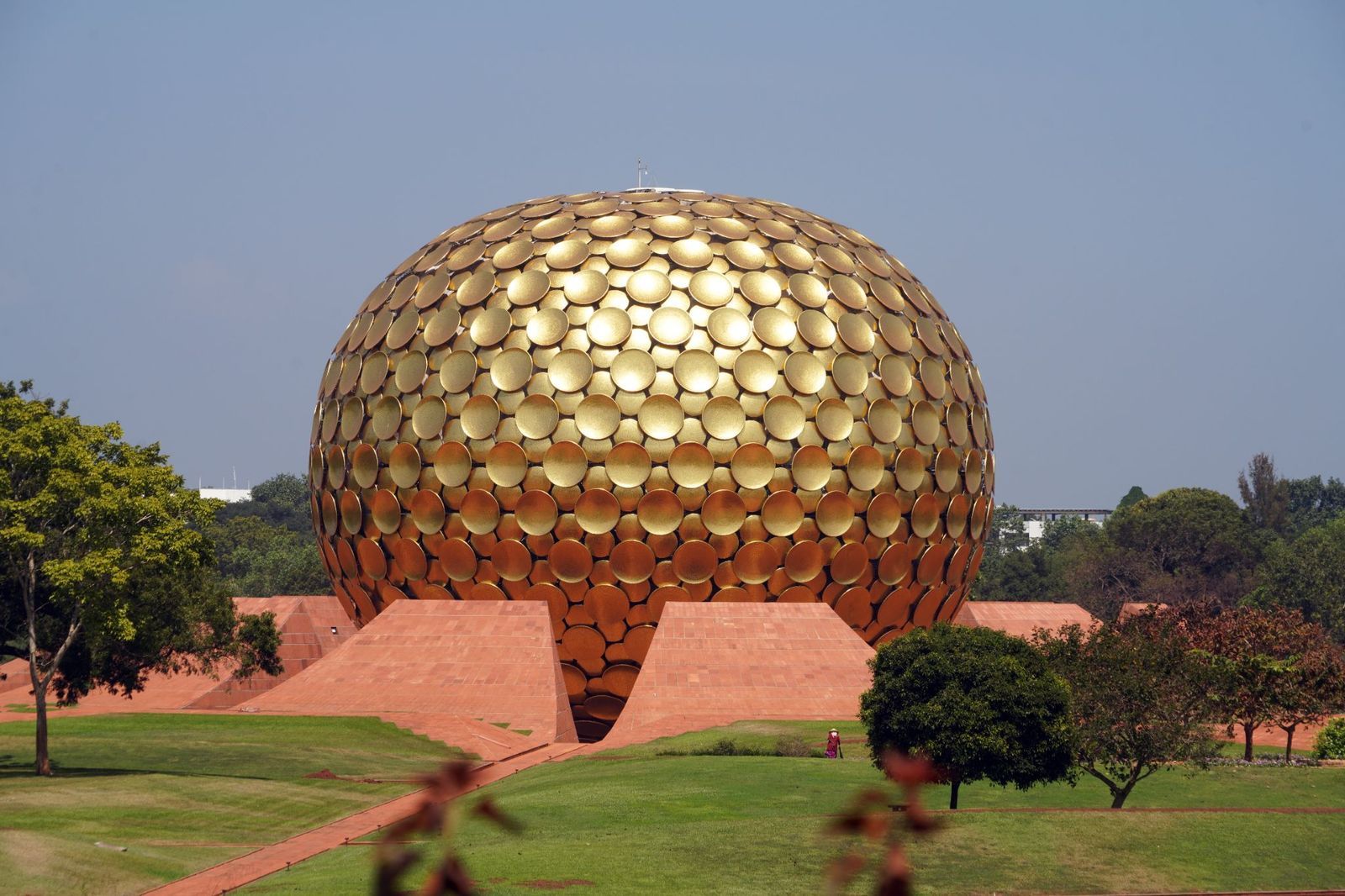
Founded in 1968 in southern India, Auroville is an experimental, utopian township created to promote human unity and sustainable living.
Designed around a golden-domed meditation temple called the Matrimandir, the town hosts residents from around the world. Auroville works without traditional political governance, private land ownership, or paper cash, relying instead on a collective economic system focused on community service.
Chess City, Elista, Kalmykia
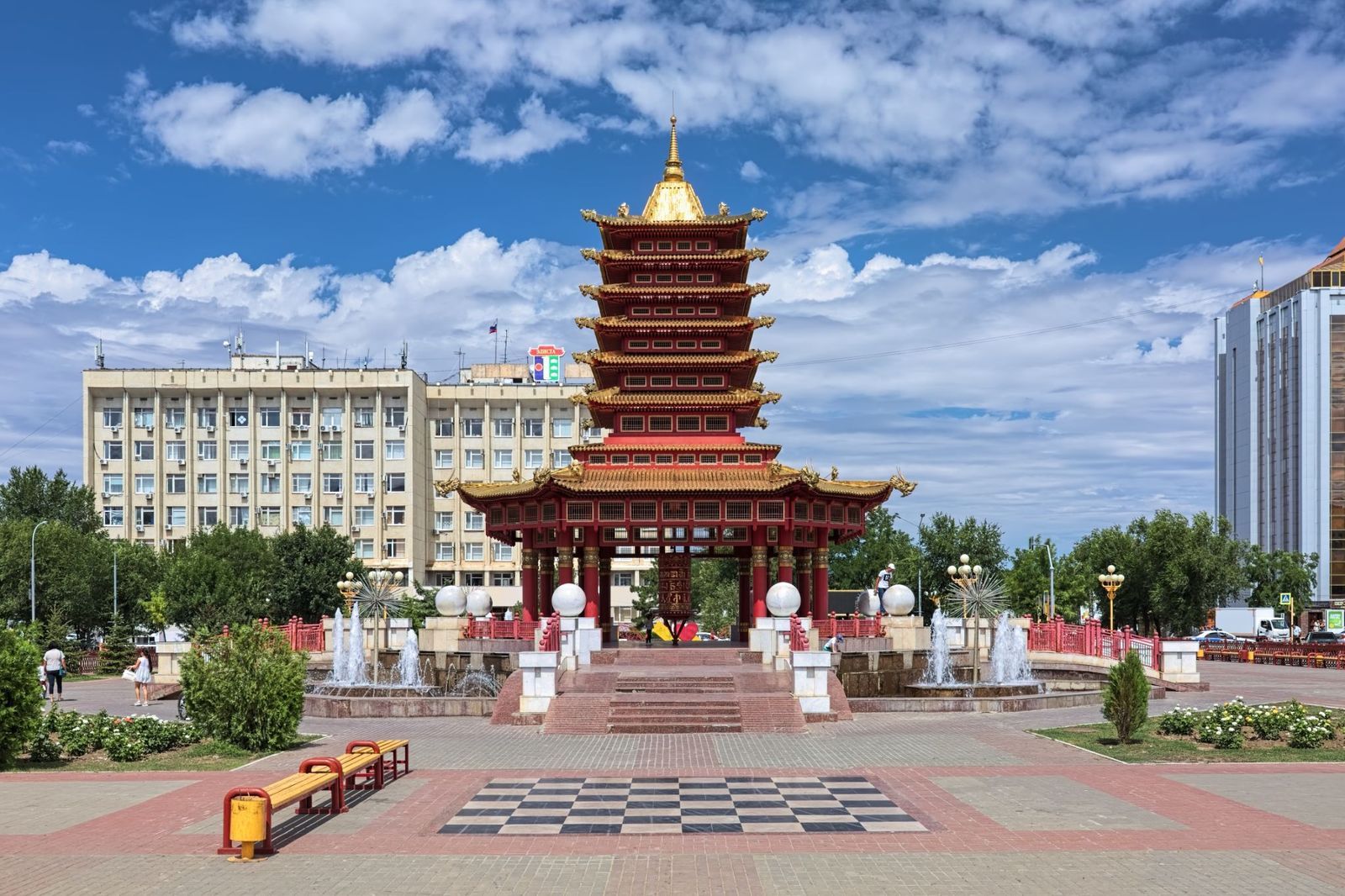
Elista, the capital of the Russian Republic of Kalmykia, features a whole district that revolves around a single board game.
Dreamed up by former president and avid chess fanatic Kirsan Ilyumzhinov, "Chess City" was built to host the 33rd Chess Olympiad in 1998. The complex includes a giant glass dome, suburban streets with chess-themed artwork, and a massive outdoor chessboard where visitors can play with giant pieces.
Ordos, China
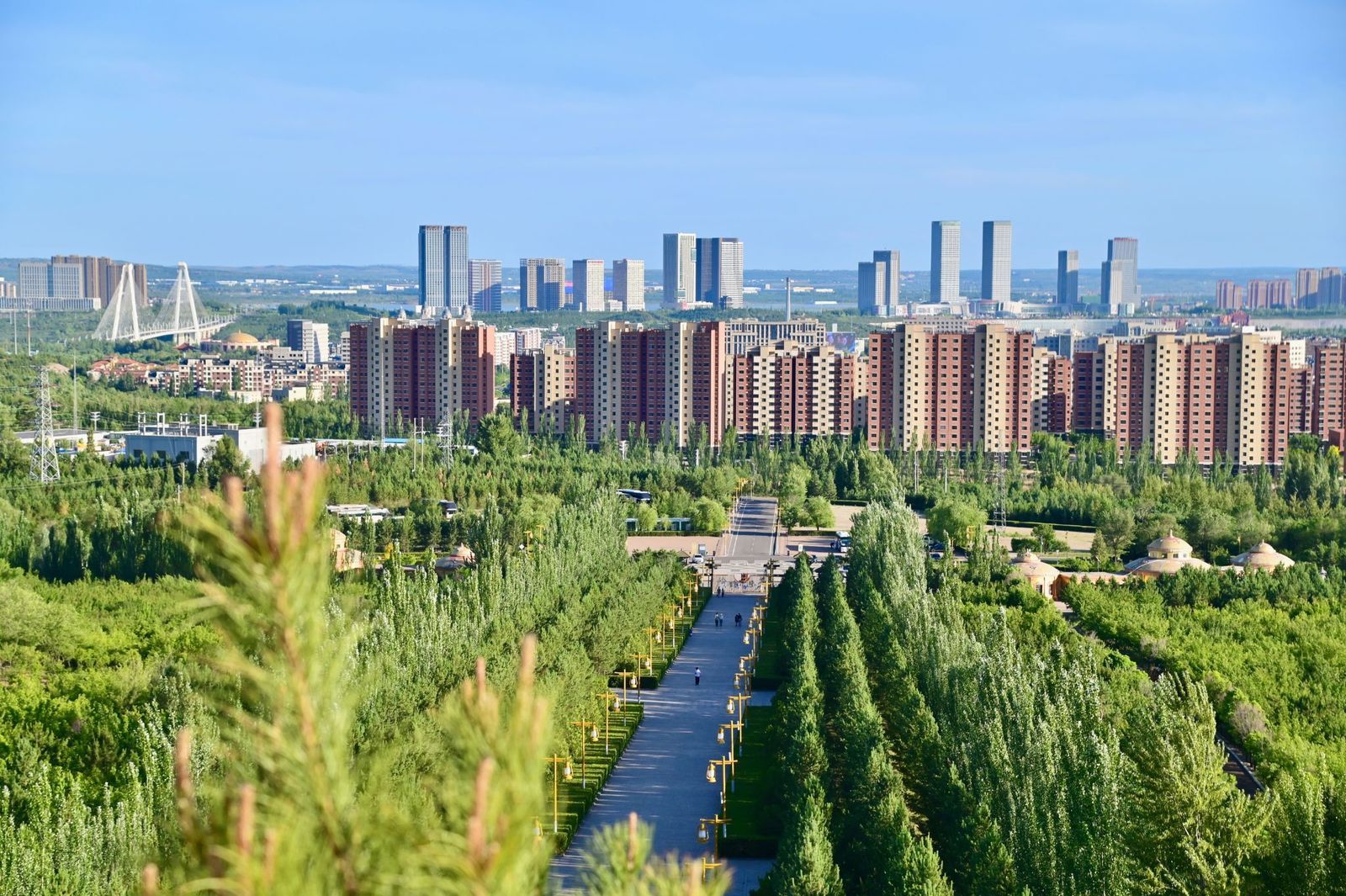
Located in Inner Mongolia, Ordos was established in 2001 during a real estate boom to house over a million residents.
With futuristic high-rises, large plazas, museums, and civic centers, the city became famous as China’s largest "ghost city" when home sales stalled, and most of the infrastructure stood empty for years. Though population levels have gradually risen, walking through its streets still feels like stepping into a post-apocalyptic sci-fi film.

The place where people live longer: 10 surprising state statistics
 Geography
Unexpected data
Interesting statistical facts about 10 U.S. states
More bourbon barrels than people. A state so huge that even if cut in half, each piece would still be larger than Texas. And a place where you can search for diamonds… and keep whatever you find. It sounds made up, but every one of these things is real, and they’re all in the U.S. From the state that raises more than 200 chickens per resident each year to the one with more than 11,000 lakes, here are 10 surprising state facts that put some astonishing numbers into perspective.
Kentucky: More bourbon than people

We know Kentucky is the bourbon state. It’s not only the top producer in the US; it also produces about 95% of the world’s bourbon, so it’s hard to imagine just how much of it is aging across the state.
The numbers put it into perspective: Kentucky now has an incredible 16.1 million barrels of bourbon aging in its warehouses, plus more than 17 million barrels of aging spirits overall. With a population of roughly 4.5 million people, that means Kentucky has about 3.5 barrels of bourbon for every resident.
Alaska: Even cut in half, it’s the largest state in the country
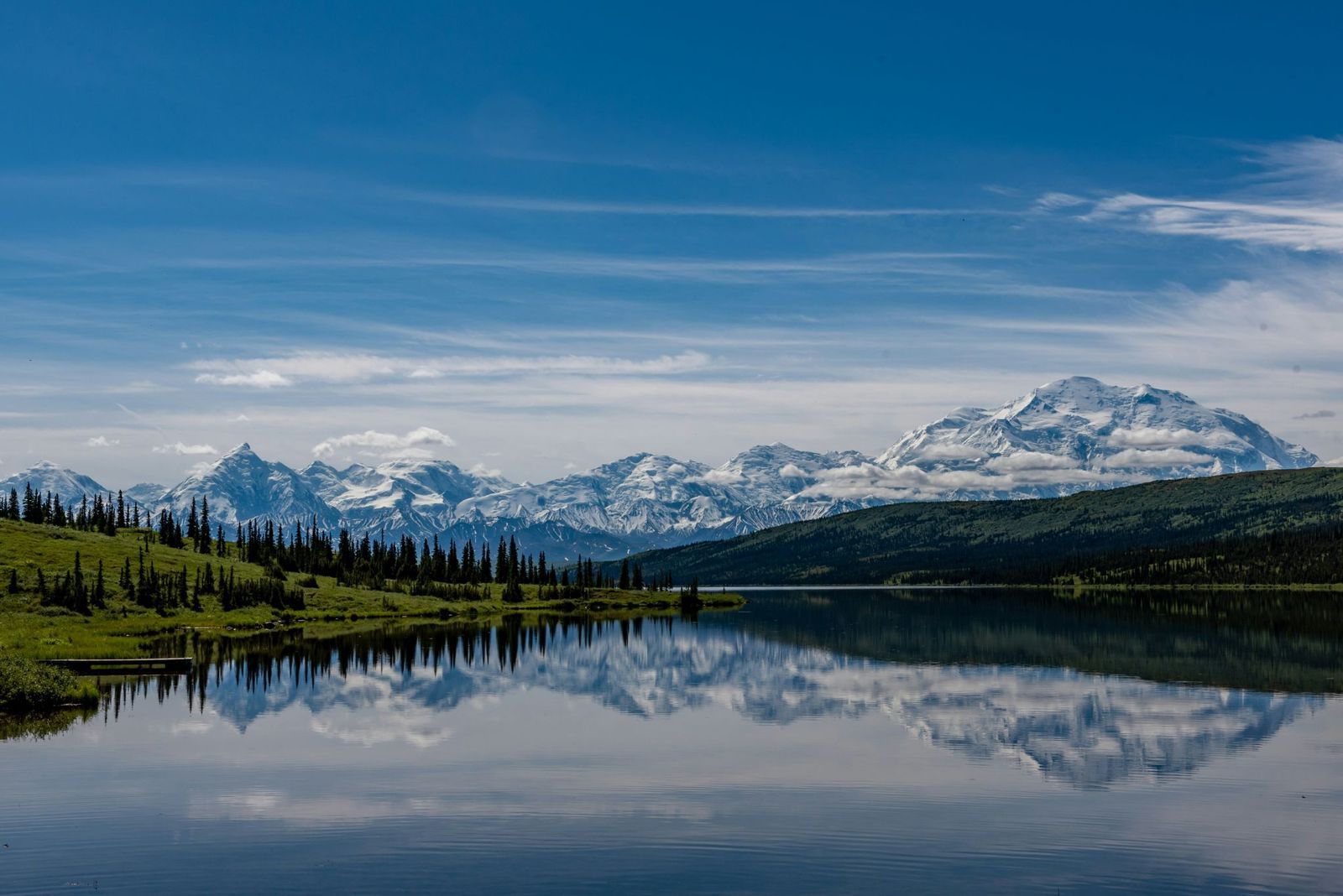
It’s no secret that Alaska is huge. But just how enormous is it? Let’s put its size into perspective.
Purchased by the United States from the Russian Empire on March 30, 1867, for $7.2 million, Alaska covers about 663,300 square miles. Now imagine cutting the state in half: each half would still cover roughly 331,650 square miles. That’s larger than Texas, the second-largest state, at 268,569 square miles. In other words, Alaska is so enormous that even if you cut it in half, either half would still be the largest state in the country.
Minnesota’s 11,000 lakes
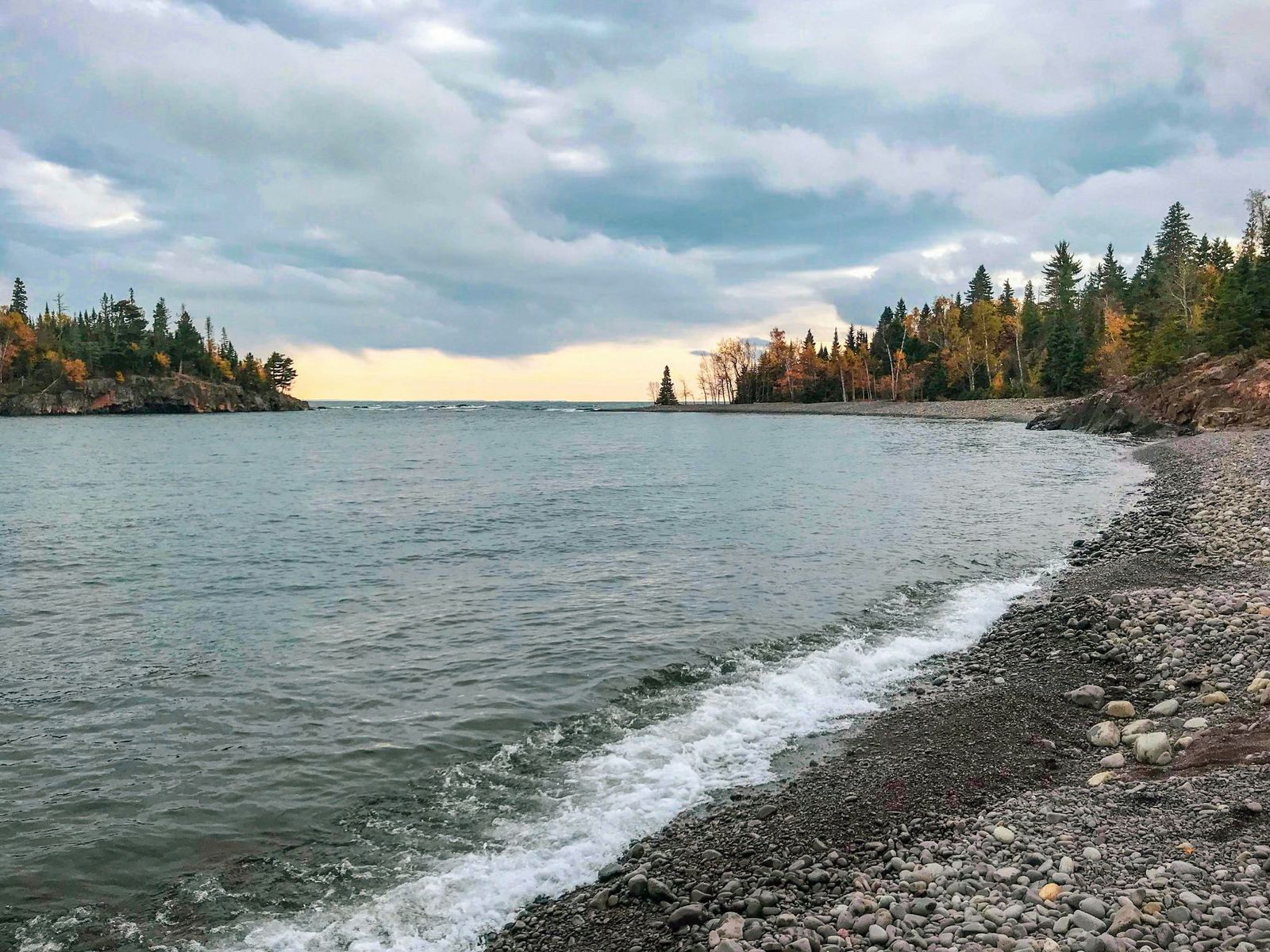
Minnesota’s famous nickname, "Land of 10,000 Lakes," sounds so impressive that many assume it’s an exaggeration, but it’s actually the opposite: the nickname doesn’t even count them all.
According to the Minnesota Department of Natural Resources, the state has 11,842 lakes that are 10 acres or larger, including Lake Superior, Lake of the Woods, and enormous inland lakes such as Red Lake. So the famous "10,000 Lakes" slogan actually undersells the true total. And if that number still isn’t impressive enough, there’s more: when smaller lakes down to 2.5 acres are included, Minnesota has more than 21,000 lakes.
Arkansas: Search for diamonds and keep what you find
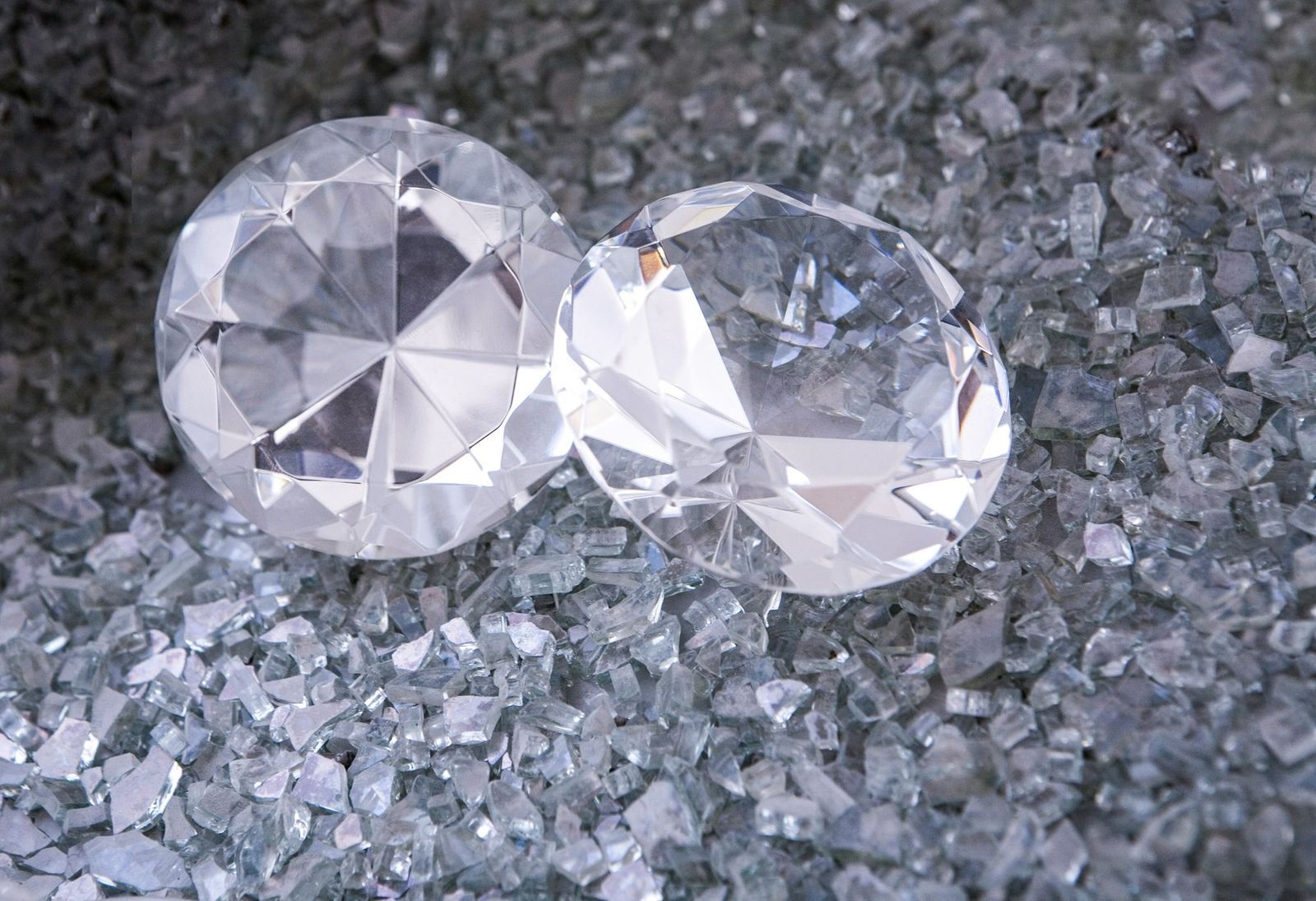
Imagine a place where you can find a diamond and take it home, almost like picking fruit in a field. It sounds like a fantasy, but this place actually exists, and it’s in Arkansas.
Crater of Diamonds State Park in Murfreesboro, Arkansas, is the only public diamond-producing site in the world where visitors can search a 37-acre plowed field and keep whatever diamonds or other gemstones they find. The field is the eroded surface of an ancient volcanic pipe that brought diamonds up from deep within the Earth about 100 million years ago. There, visitors find an average of one or two diamonds a day, with more than 37,000 diamonds registered since the site became a state park in 1972.
Texas’ real size
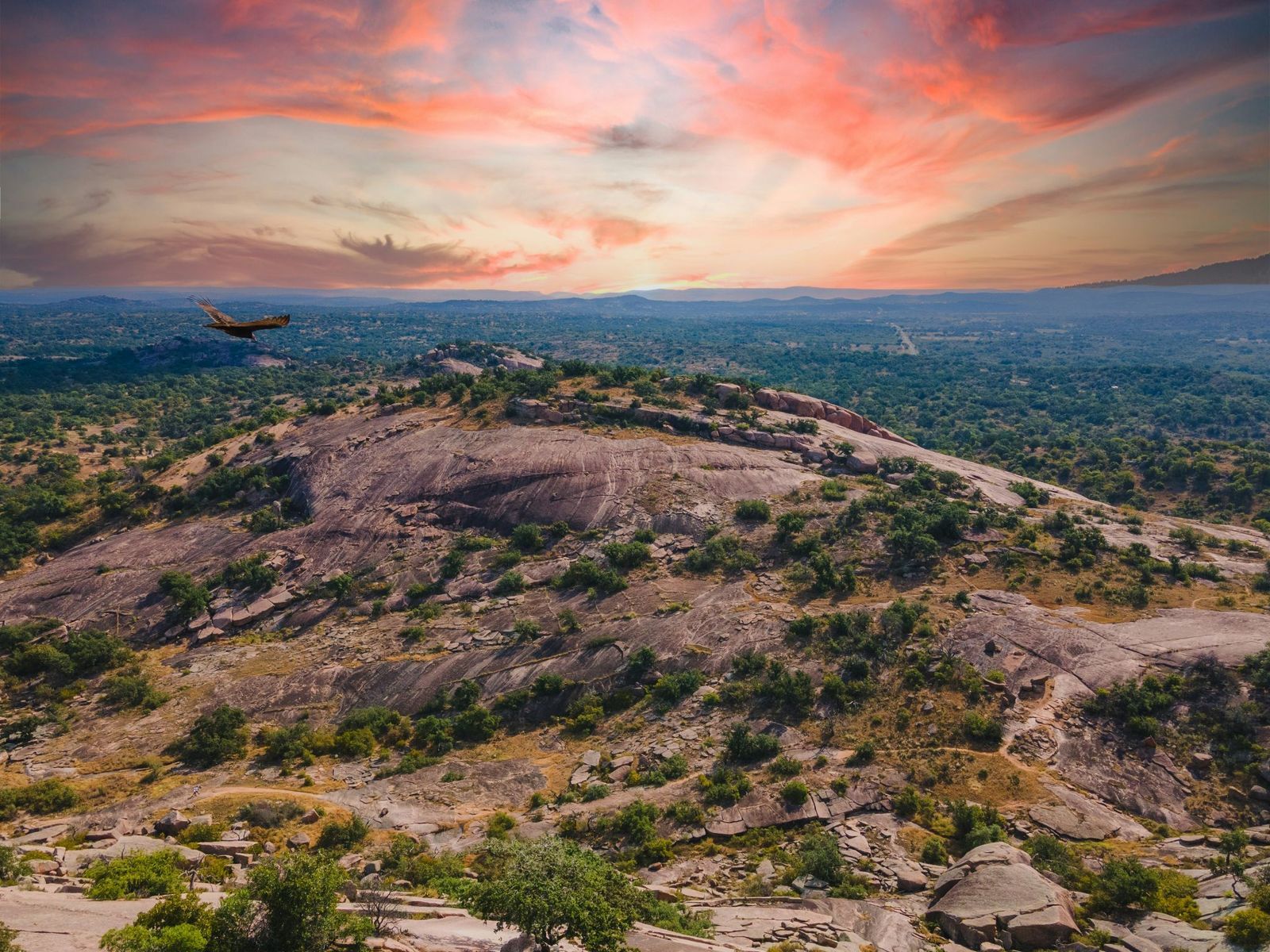
They say everything is bigger in Texas. And when it comes to the size of the state, that’s no exaggeration.
Texas covers about 268,596 square miles, making it the largest state in the contiguous US. But its size becomes even more impressive when you compare it with Europe: Texas is larger than any individual country in Western Europe and every European country except Russia. For comparison, Spain covers about 195,380 square miles, France about 213,011, and Portugal just 35,608; the Lone Star State still beats every one of them.
Delaware’s chickens

What would you do if you were surrounded by 200 chickens? In Delaware, that wouldn’t sound so crazy.
Delaware has just over 1 million human residents, but the state’s farms can have up to 61 million broiler chickens being raised at once. And because broilers grow quickly and are typically processed after just a few weeks, the flocks are constantly being replaced. Over the course of a year, Delaware farms raise more than 240 million broiler chickens, more than 200 chickens for every resident.
California’s economy
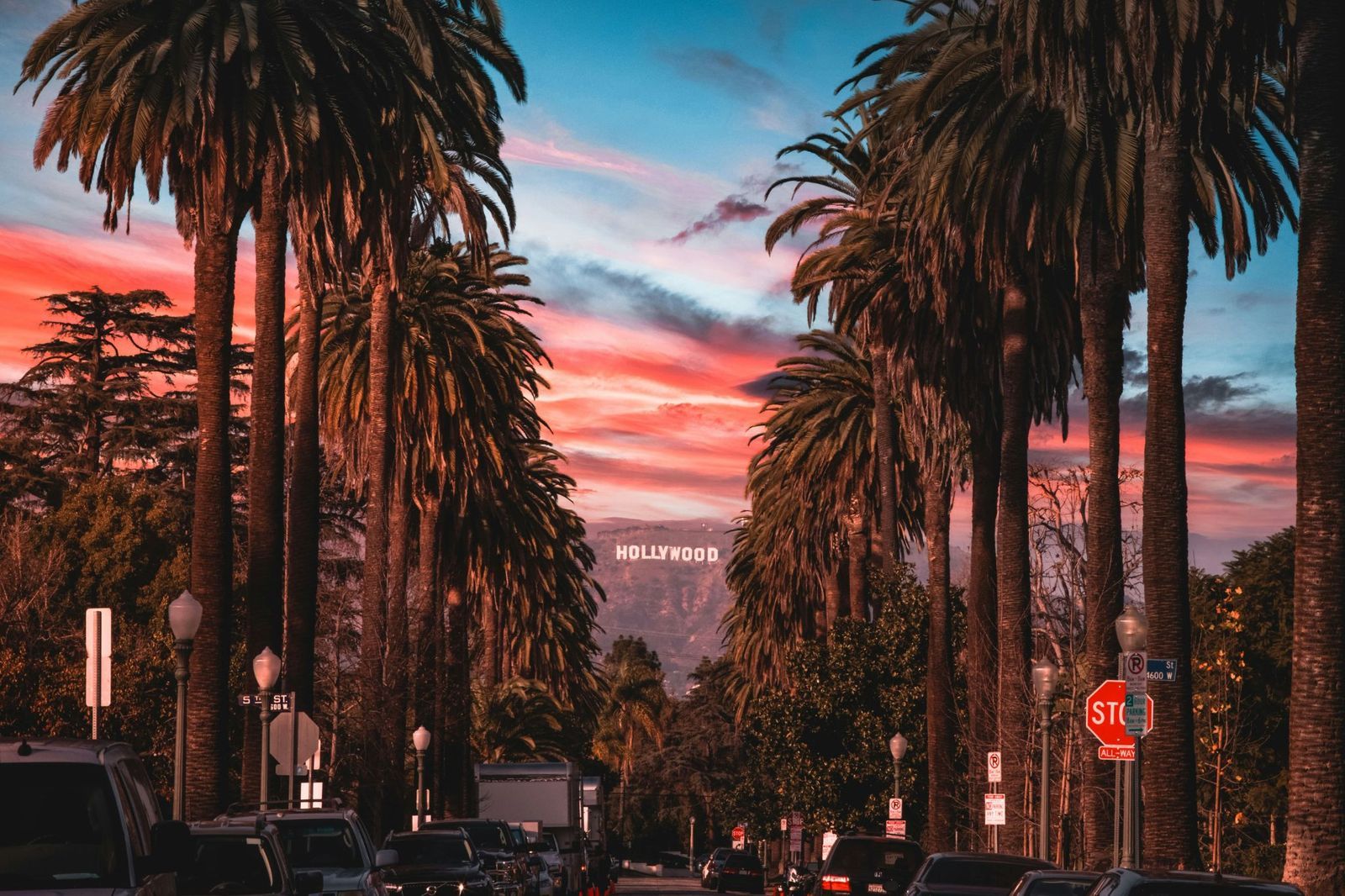
California is not only one of the largest states in population and land area; it also has an economy that rivals those of entire countries.
California’s gross domestic product (GDP) is about $4.2 to $4.3 trillion. To put that into perspective, the median state GDP is only around $330 billion. If California were a sovereign country, its economy would rank among the five largest in the world, putting it in the same league as economic powerhouses such as Germany and Japan. But where does all this come from? California is home to Silicon Valley and tech giants such as Apple, while Hollywood is home to one of the world’s biggest entertainment and media industries. And there’s more: the state is the top agricultural-producing state in the US, generating billions of dollars in crops and livestock every year.
Arizona telescopes
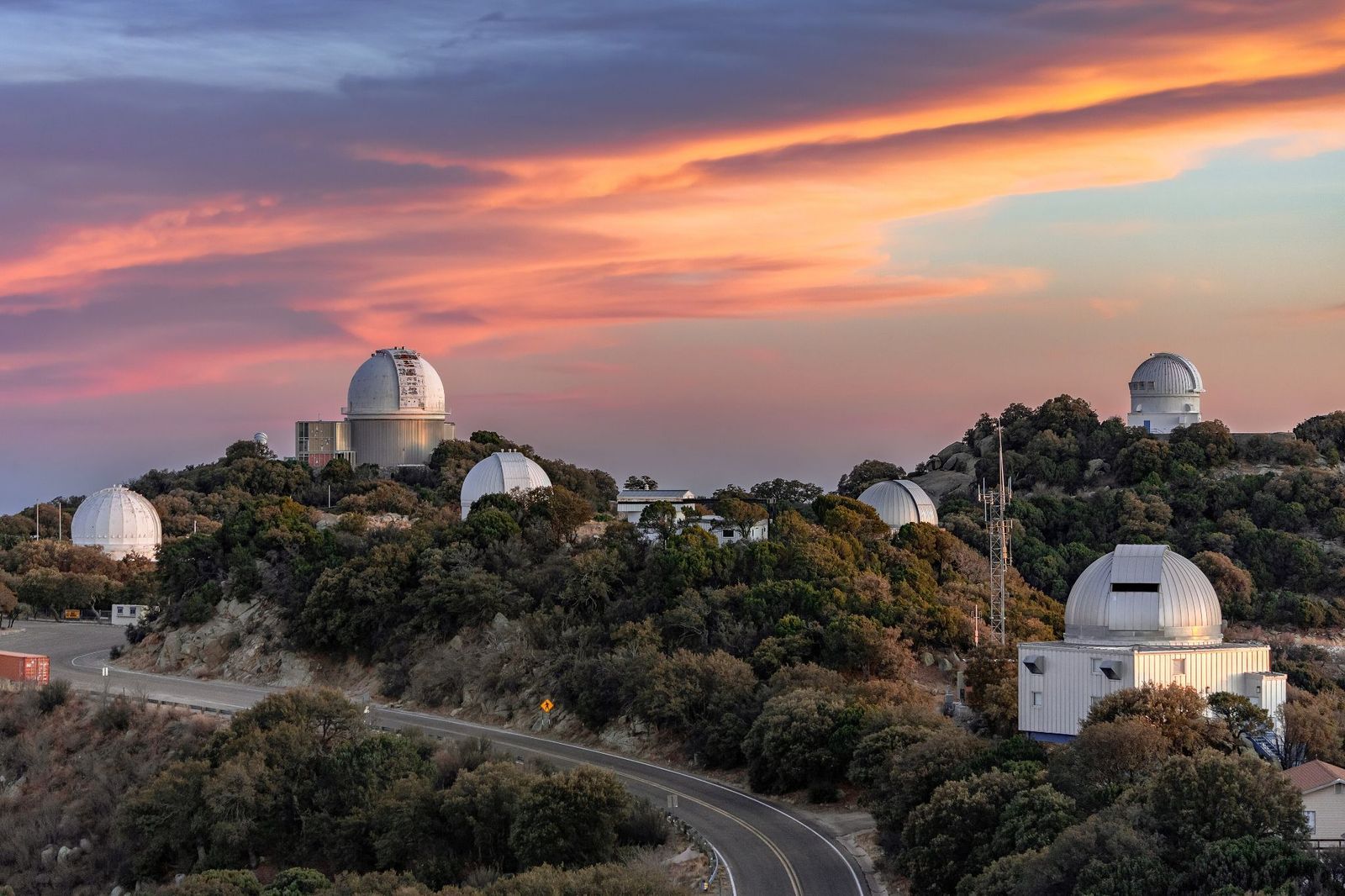
If you’re someone who enjoys gazing at the night sky and wondering what’s out there, Arizona is a great place to do it.
The state is home to one of the world’s largest concentrations of ground-based telescopes, including some of the most powerful and famous observatories on Earth. A spectacular example is the Large Binocular Telescope (LBT) on Mount Graham, which uses two 27.6-foot mirrors working together to provide the light-gathering power of a single 38.7-foot telescope. Its images can be exceptionally sharp, at times rivaling or even surpassing those from the Hubble Space Telescope. But why Arizona? High elevations and dry desert air reduce atmospheric distortion, while communities such as Tucson and Flagstaff have strict light-pollution regulations. The result is some of the clearest and darkest skies in the country.
Wyoming: the least populous state
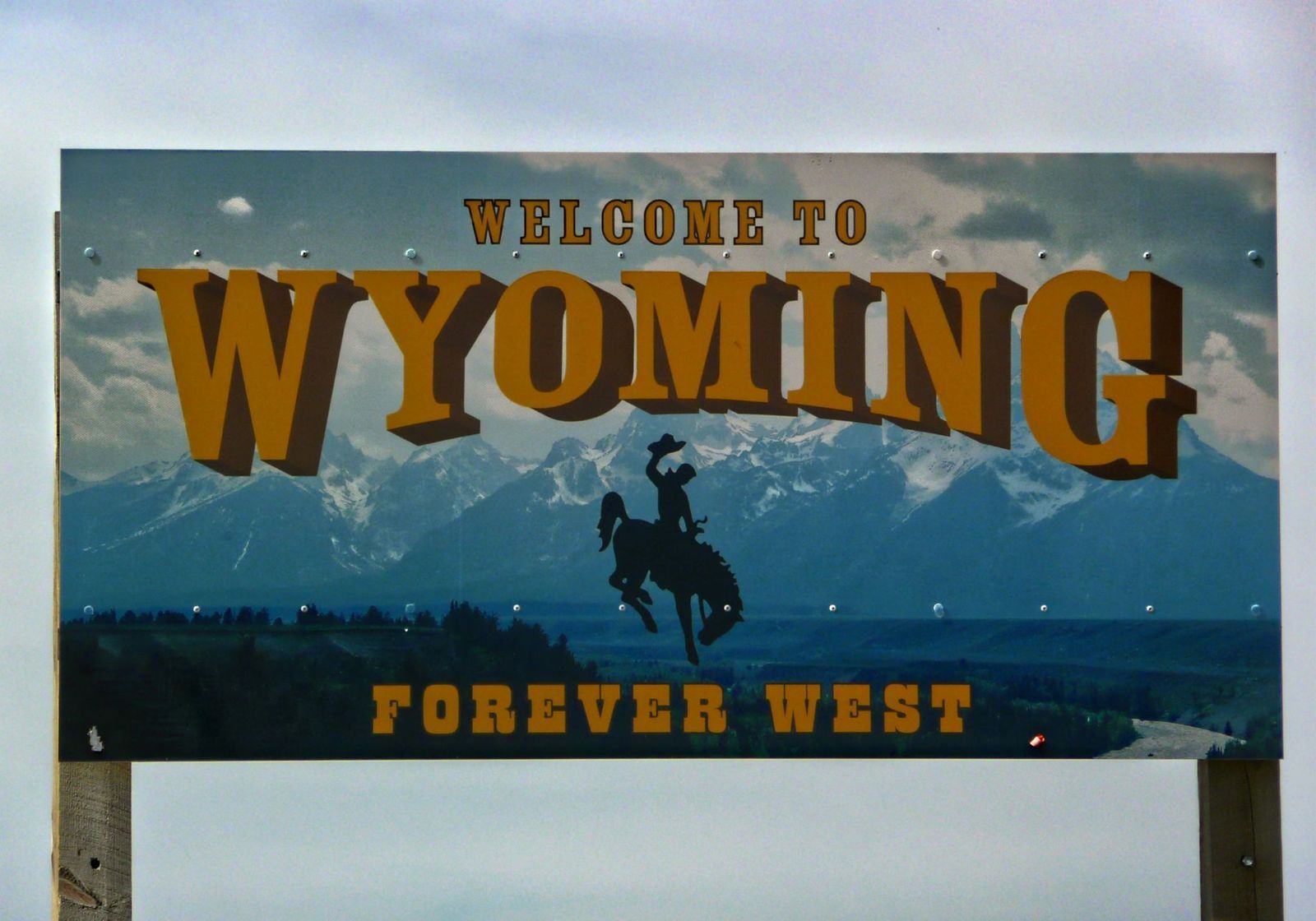
If you like having plenty of space to yourself, Wyoming might be your kind of place. Despite being the 10th-largest state by total land area, Wyoming has only about 589,000 residents, making it the least populous state in the US.
To put that into perspective, several individual American cities have more people than the entire state, including Seattle (about 793,000), Denver (about 747,000), and Washington, DC (about 699,000). In fact, Wyoming has fewer residents than roughly 30 of the most populous US cities.
Hawaii: People live longer

The average life expectancy in the US is about 79 years, but in Hawaii, people tend to live noticeably longer.
Hawaii residents have a life expectancy of roughly 81.7 to 82.6 years, about 3 years longer than the national average. Although the numbers vary among the state’s different ethnic groups, the reasons are likely a combination of factors, including a diet rich in fresh seafood, vegetables, and lean meats, along with a lifestyle shaped by the islands themselves. The mild climate and clean air encourage people to spend more time outdoors and stay physically active, while the lack of harsh winters means residents avoid the physical strain of extreme cold for much of the year.
Keep wandering
There’s always
more to explore
 General

Your camera can read a menu in 200 languages instantly: Traveling hacks
5 min.
Read Now
11 more beautiful U.S. towns you’ll want to visit
3 min.
Read Now
 Culture

11 movies that made millions want to pack their bags
6 min.
Read Now

Can you guess where Tutankhamun's golden mask is actually kept?
7 min.
Read Now