10 everyday items that might get you delayed at some airports
 General
Common, but not always allowed
10 everyday items that might get you delayed at some airports
We are all aware of certain items that might cause problems in an airport setting, such as sharp objects, batteries, or large amounts of liquid. But some seemingly innocuous items can get you delayed, depending on which part of the world you find yourself in. Where is gum a banned object? How can a pair of dirty boots get you in trouble? Keep on reading to learn more about these items.
Gum in Singapore
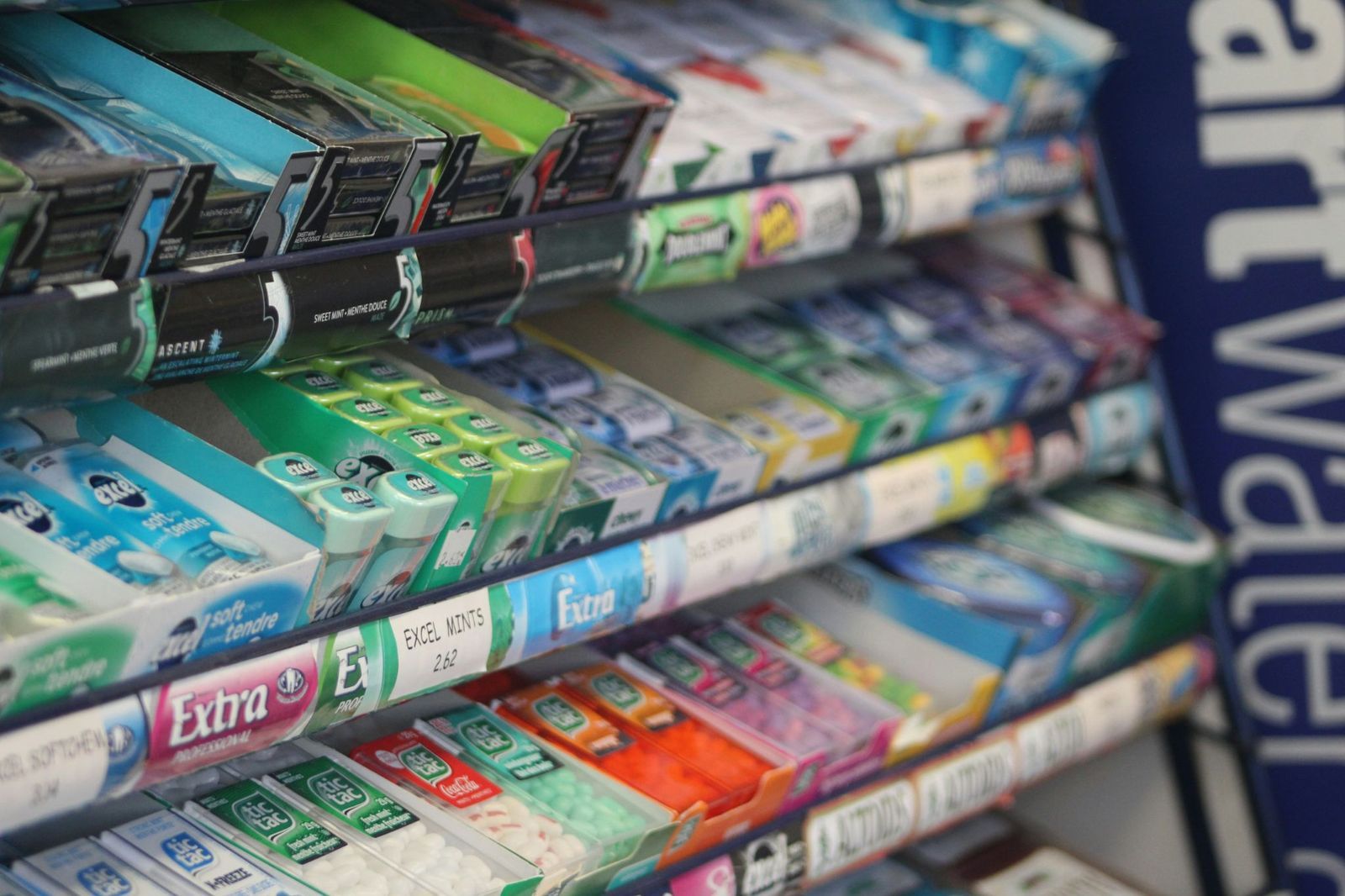
While gum itself is not illegal in Singapore, importing or selling it is, so carrying gum with you can potentially be a problem. Small amounts for personal use are technically allowed, but airport officials might confiscate it or ask you to dispose of it, and bigger quantities might lead to a fine. Gum for therapeutic purposes, such as nicotine or dental gum, is allowed with a medical prescription, so you will need a doctor’s note.
Kinder Surprise Eggs in the U.S.
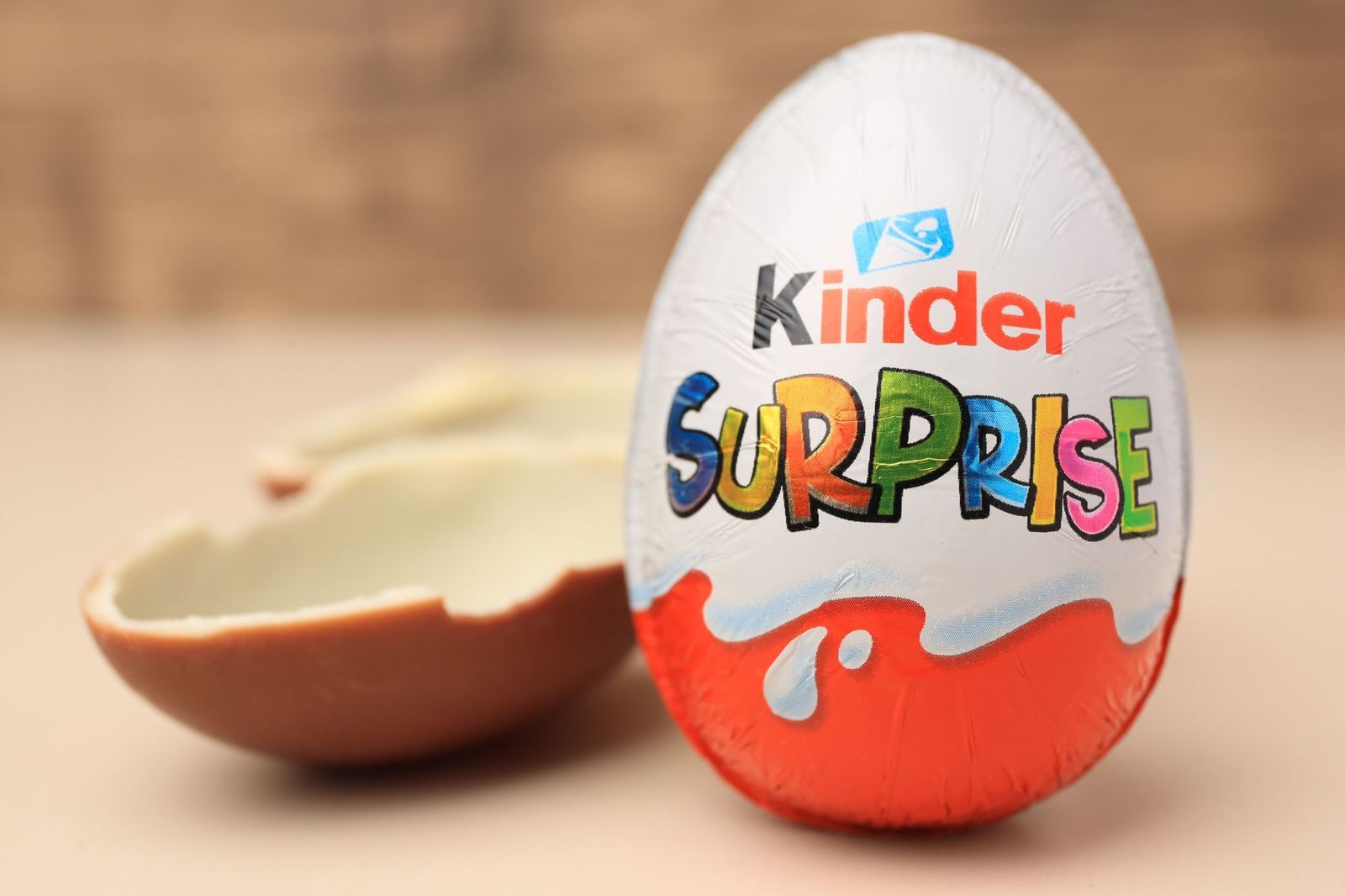
Kinder Surprise Eggs are famously not commercialized in America due to the small toy capsule being considered a potential choking hazard, and trying to bring some back home from a holiday might get you in trouble with U.S. Customs, as it can be considered smuggling of an illegal item. Though you are unlikely to be fined for carrying Kinder Surprise Eggs, they might be confiscated, and you might be questioned for having illegal items in your possession.
ADHD and cold medication in Japan and the UK

Several over-the-counter cold medications (such as Sudafed or Vicks) and ADHD medications (like Adderall) sold in America contain Amphetamine, Ephedrine, or Pseudoephedrine, which are considered controlled substances in countries like Japan or the UK, and are therefore illegal to bring with you. While the UK stance on these medications is more permissive when it comes to small amounts for personal use with a valid doctor’s prescription, Japanese customs has a zero-tolerance policy when it comes to controlled substances, even if you have a doctor’s note to back you up.
Poppy seeds in South Korea and Saudi Arabia

Both South Korea and Saudi Arabia classify poppy seeds as a controlled or narcotic substance, so carrying them into the country can lead to confiscation, fines, or a legal penalty. This ban includes not only loose poppy seeds, but also spice mixes, seasoning blends, and food items containing them.
Drones in India and Morocco
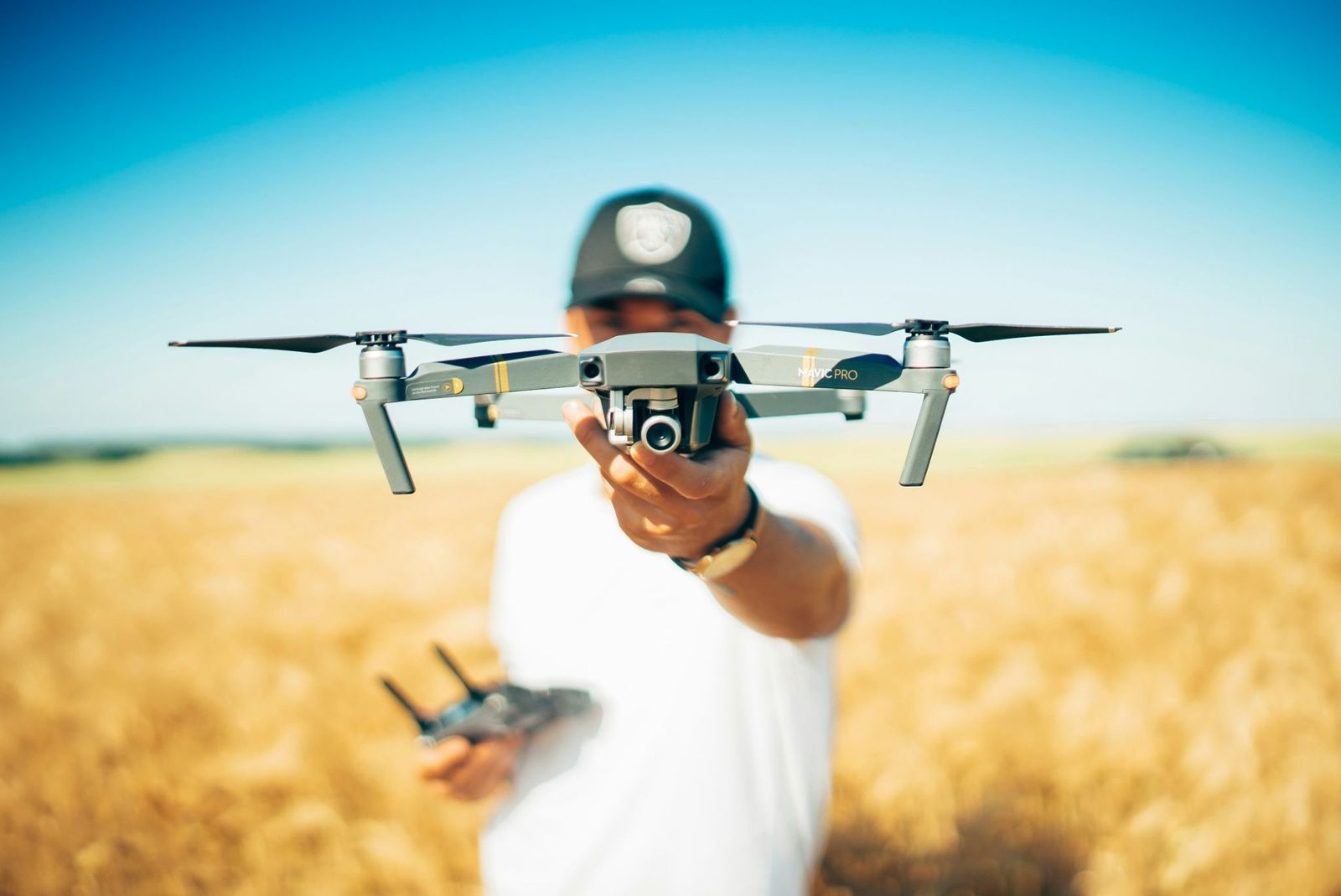
Many tourists carry small drones for aerial photography and video, but this can lead to airport trouble in places like India and Morocco, where bringing drones into the country requires special permits and official clearance. In India, this ban is aimed at foreign-made drones, and the possession and use of Indian-made drones is allowed, although strictly regulated. In Morocco, however, the use of drones is heavily restricted, and any declared drone at customs will be temporarily confiscated and returned to you when you exit the country.
Dirty hiking boots in New Zealand
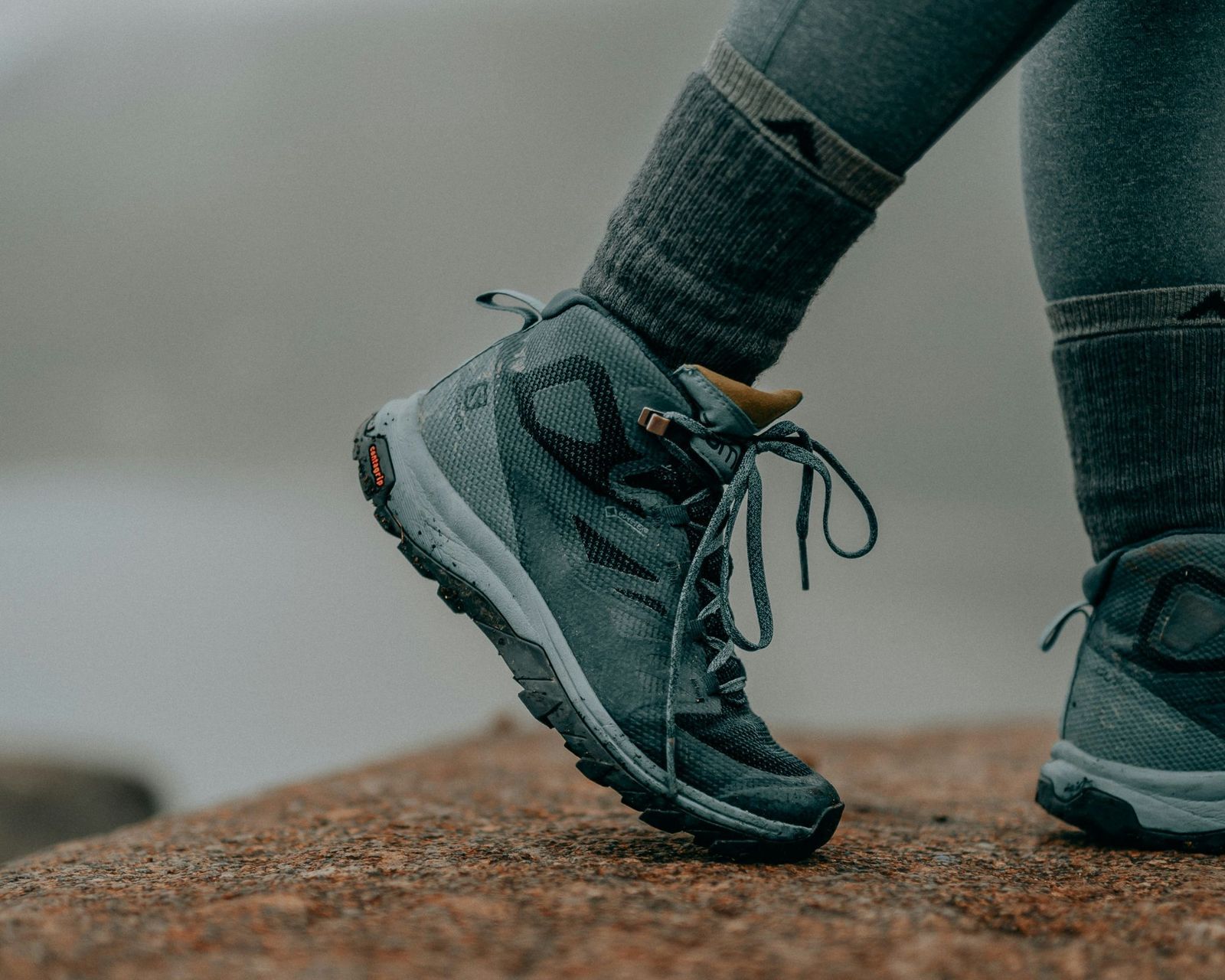
If you are the kind of person who doesn’t bother to completely clean their hiking boots, you might get a surprise upon arriving in New Zealand, where foreign soil falls into the "biosecurity risk" category as a potential contaminant and can carry a fine of around $250. What should you do if you are concerned about dirty footwear or items such as bicycles or tents that have been in contact wth fresh soil? You have to declare them so they can be inspected. If they are considered dangerous, you will be led to an on-site cleaning station or, in more extreme cases, asked to dispose of them.
Literature about the Dalai Lama in China

The figure of the Dalai Lama is a major point of contention when it comes to China and Tibet. The Chinese government considers the Dalai Lama a separatist threat and not a mere cultural and spiritual leader, so books and leaflets concerning his figure are censored and heavily regulated, and will be seized by airport authorities. The ban mainly concerns materials in Chinese, but Western material containing important keywords or images might also be confiscated.
Playing cards in Saudi Arabia
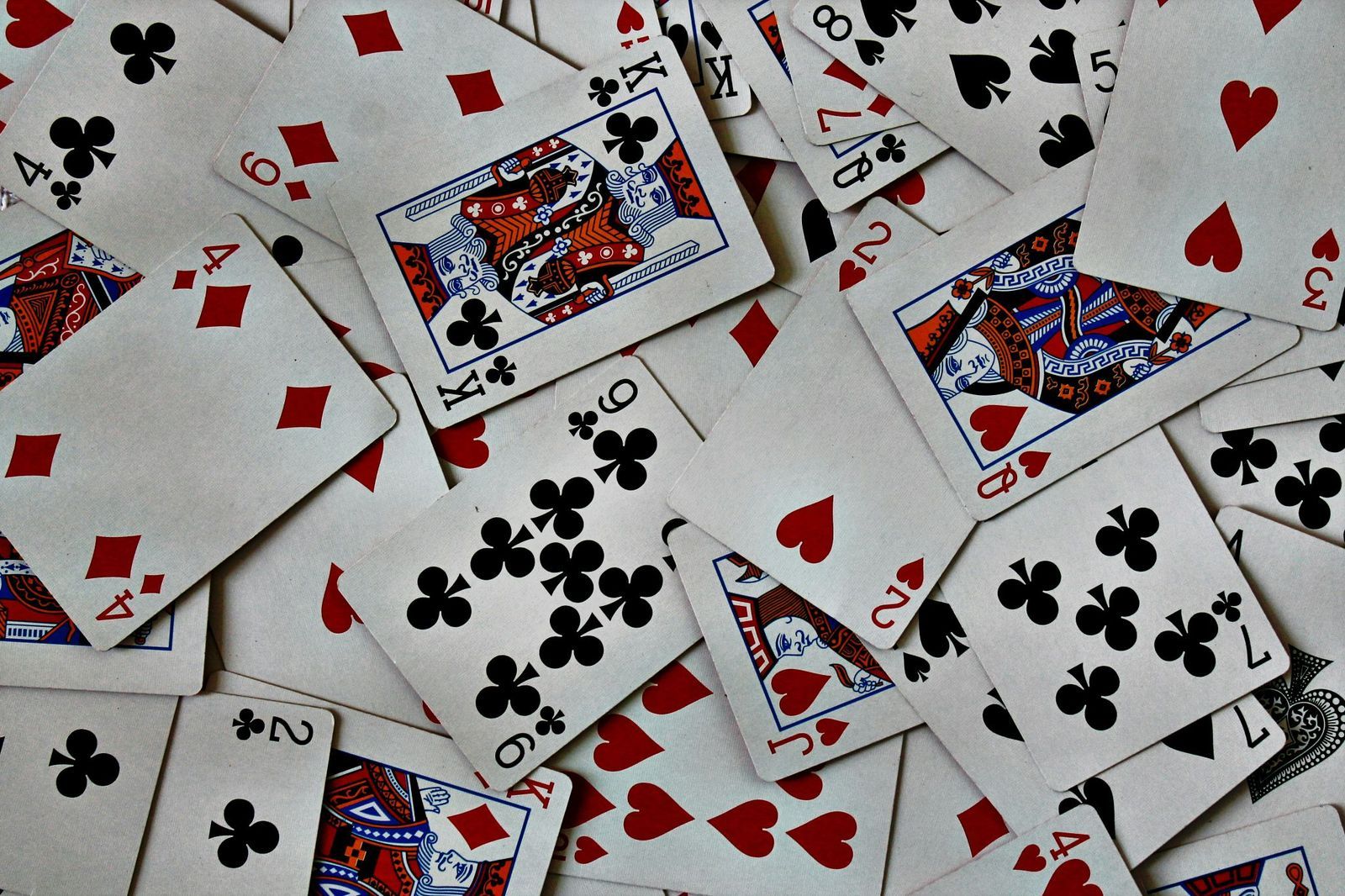
Many tourists carry a deck of cards as an easy form of entertainment, not knowing that it might be a potential source of problems in countries like Saudi Arabia. Saudi law strictly forbids gambling and all items related to it, including playing cards. While tourists carrying cards usually won’t face fines or legal consequences, they are usually delayed for inspection, and the items will most of the time be confiscated.
Honey in New Zealand

Many countries place restrictions on raw honey and honeycombs, but will allow the entry of commercially produced, packaged, and sealed honey. Not New Zealand, though. In order to protect local bee populations and native plants from foreign diseases and pests, there is a strict ban on foreign honey and other bee products such as honeycomb, pollen, propolis, and beeswax. Some commercial products, including small amounts of honey or other bee products, might be allowed through customs, but they must always be declared, under risk of fines up to $250.
Single-use plastic bags in Kenya, Rwanda, Tanzania, and Botswana
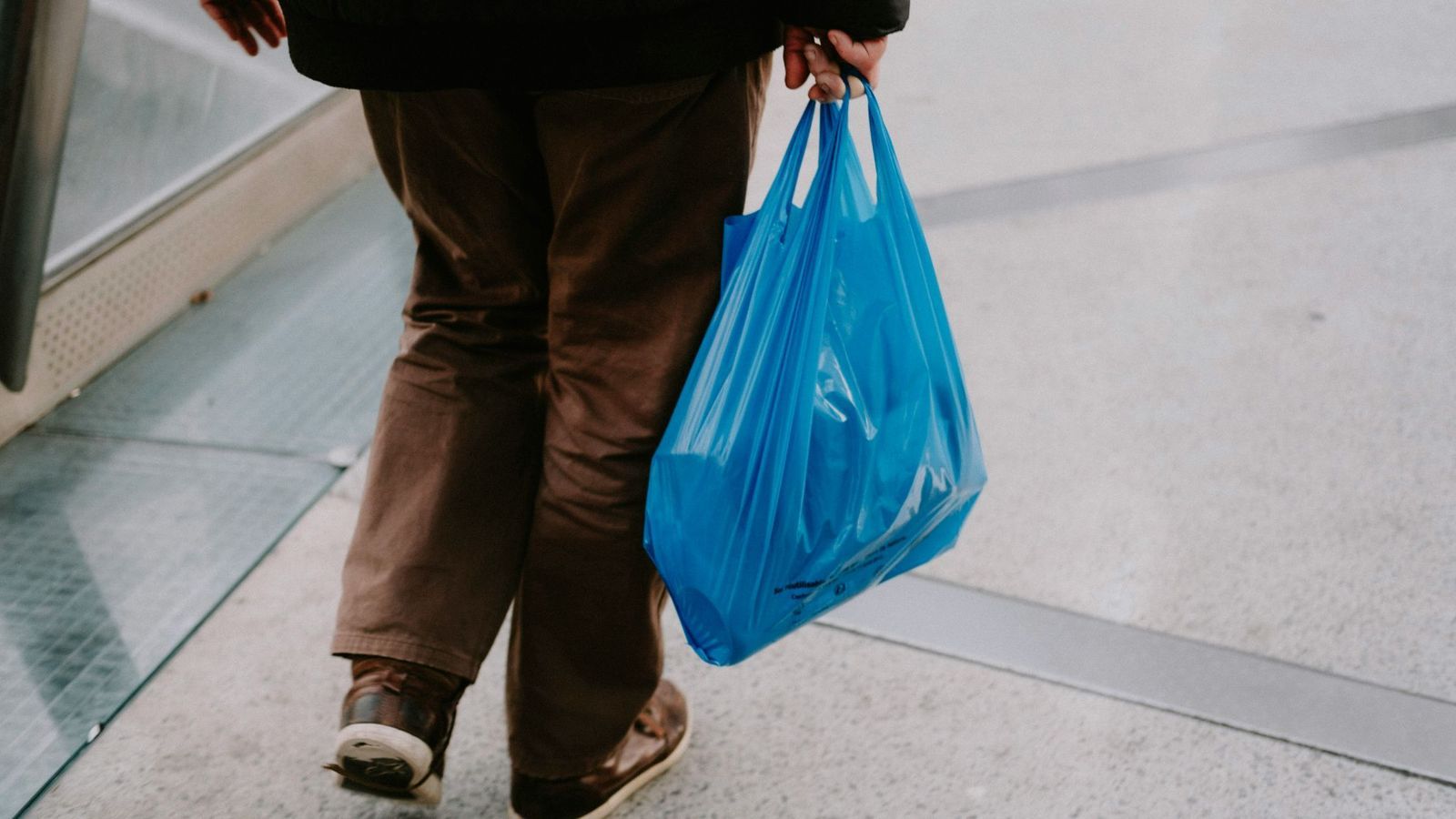
Kenya, Rwanda, Tanzania, and Botswana have enacted nationwide strict bans on single-use plastic bags as part of environmental conservation policies and an effort to reduce the use of plastic. As a result, single-use plastic bags will be seized and confiscated at airports (and even reusable plastic bags in some cases), though fines are unlikely to be imposed on tourists.
Hotel staff can tell these 10 things about you almost immediately
How do they know?
Hotel staff know: They notice far more about you than you realize
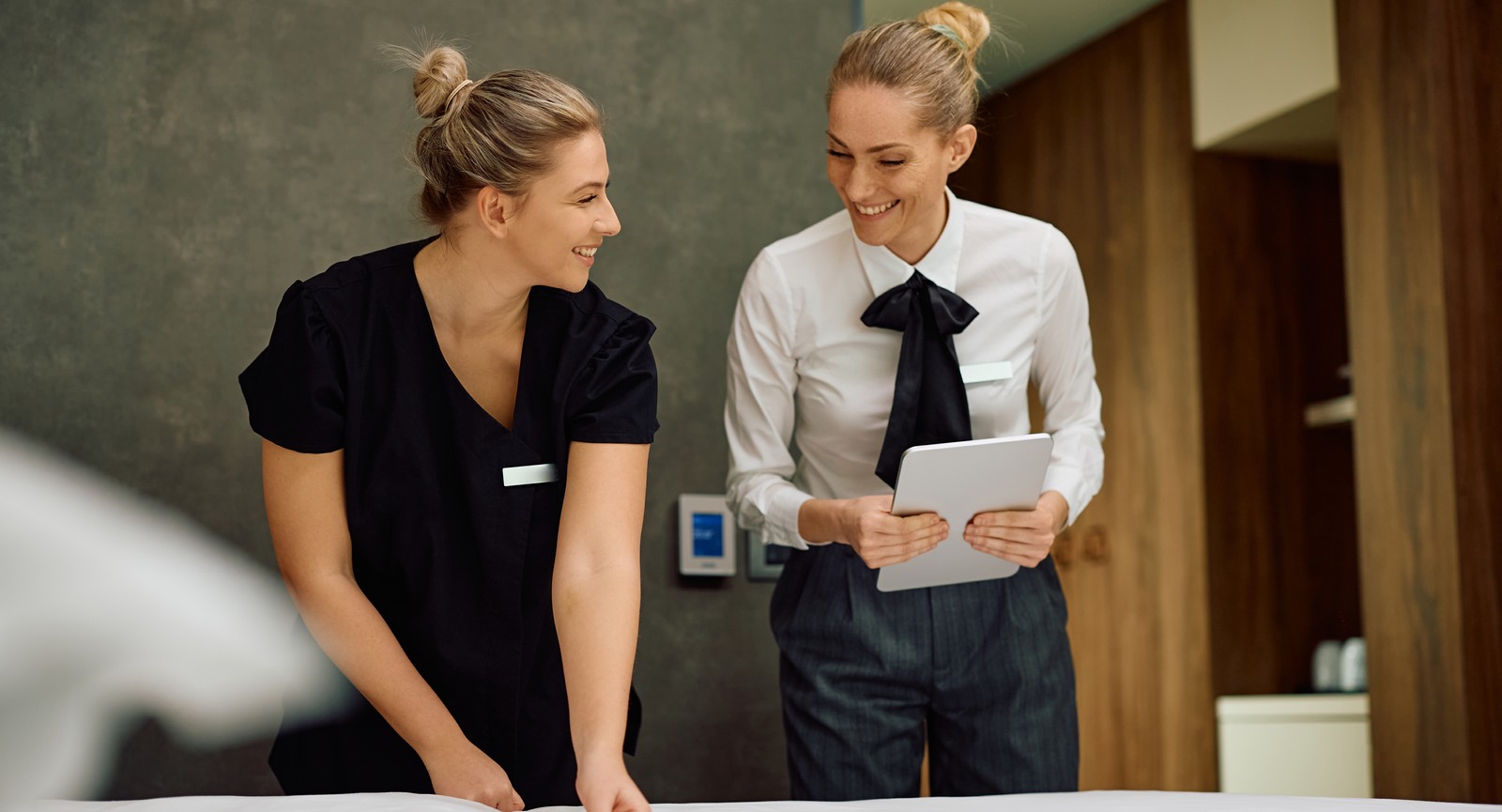
Think hotel staff only know what you tell them? Think again. From the moment you make a reservation to the moment you check out, you’re leaving behind little clues about yourself, often without realizing it. The way you talk, what you ask for, how you behave, and even how you use your room can tell experienced hotel staff surprisingly much about you. From whether you’re a light sleeper to how particular you are about cleanliness, here are 10 things hotel staff notice about you.
Whether you’re a light sleeper
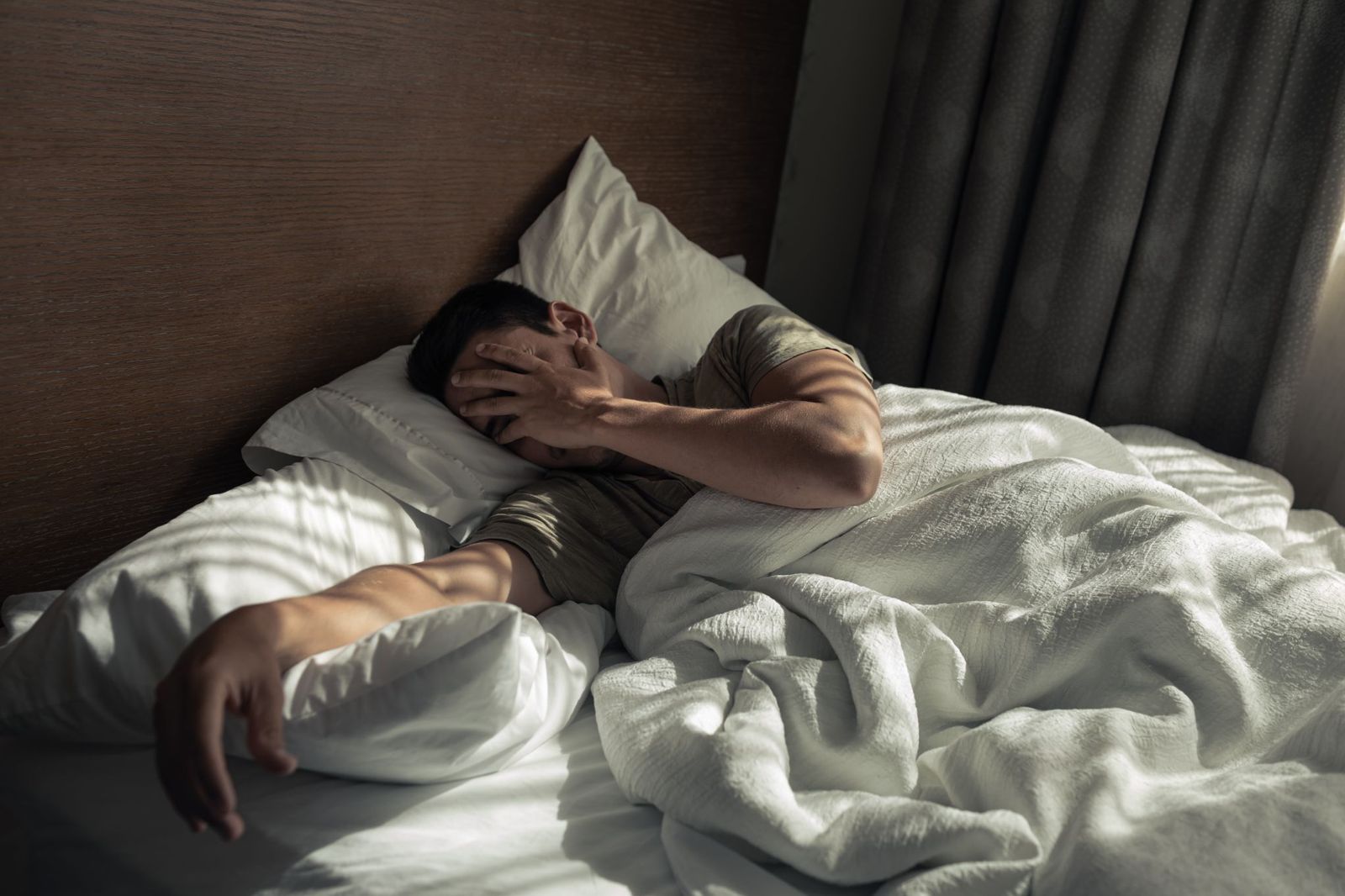
If you’re the type of person who takes forever to fall asleep and wakes up at the slightest noise or hint of light, hotel staff may figure that out before you even arrive.
It’s not just about noticing when you go to bed; your room requests can give you away, too. Asking for a high floor, a room away from the elevator, or somewhere especially quiet tells experienced staff that noise and foot traffic can make a big difference to your sleep. In other words, they may already know you’re a light sleeper before you’ve even unpacked your suitcase. That means staff may take extra care around your room, moving quietly when they need to enter, keeping noise to a minimum, and being mindful when they pass your door so they don’t disturb you.
How much you care about cleanliness
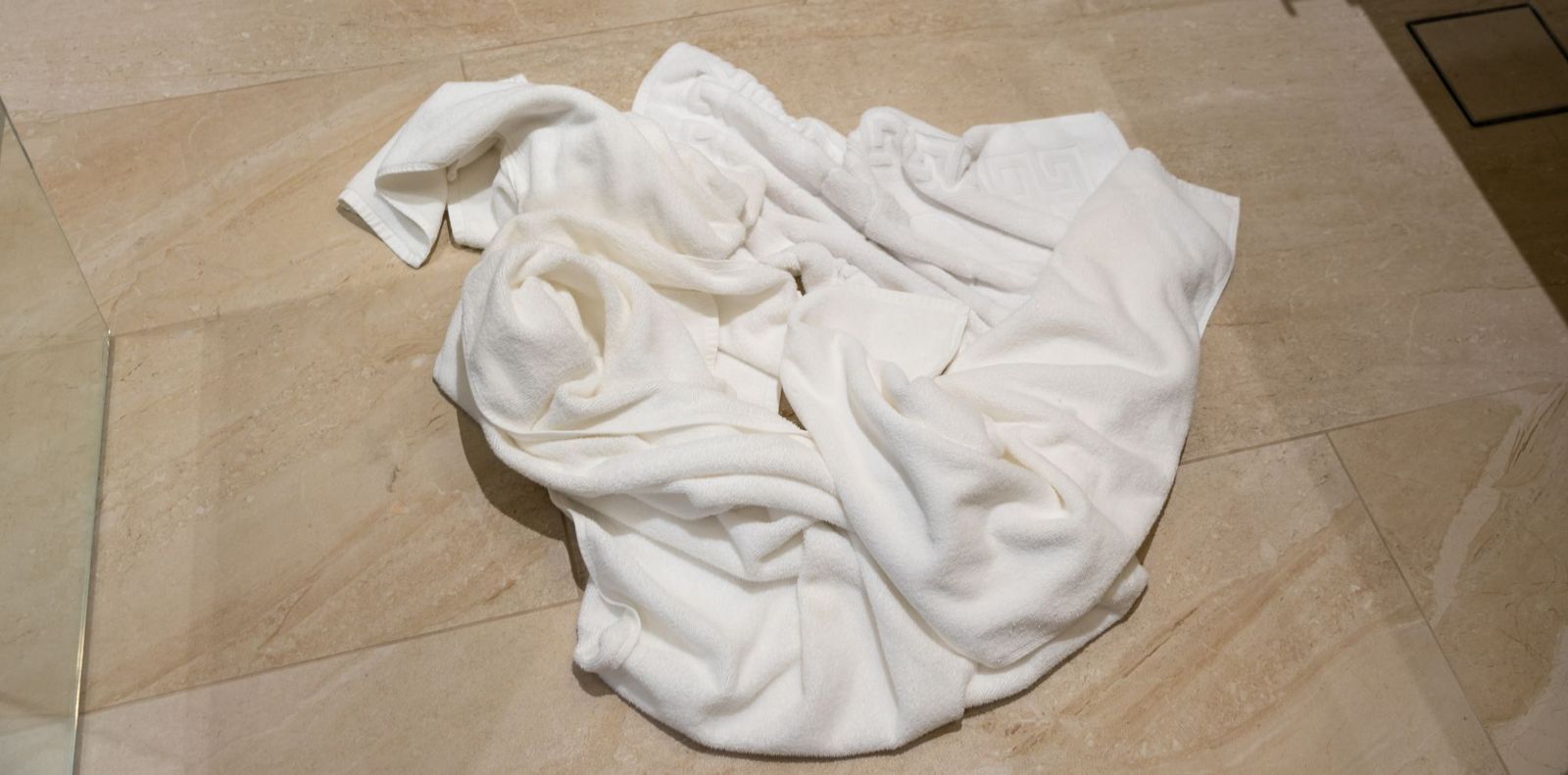
One of the clearest examples here is how much you care about cleanliness.
Guests who are particular about it may check the bathroom, sheets, and towels almost as soon as they arrive, and quickly ask for something to be replaced or cleaned if it doesn’t meet their standards. More laid-back guests, on the other hand, may barely notice those details, or might not notice a cleaning issue until they’ve been in the room for a while.
Whether you’re easygoing or know exactly what you’re entitled to
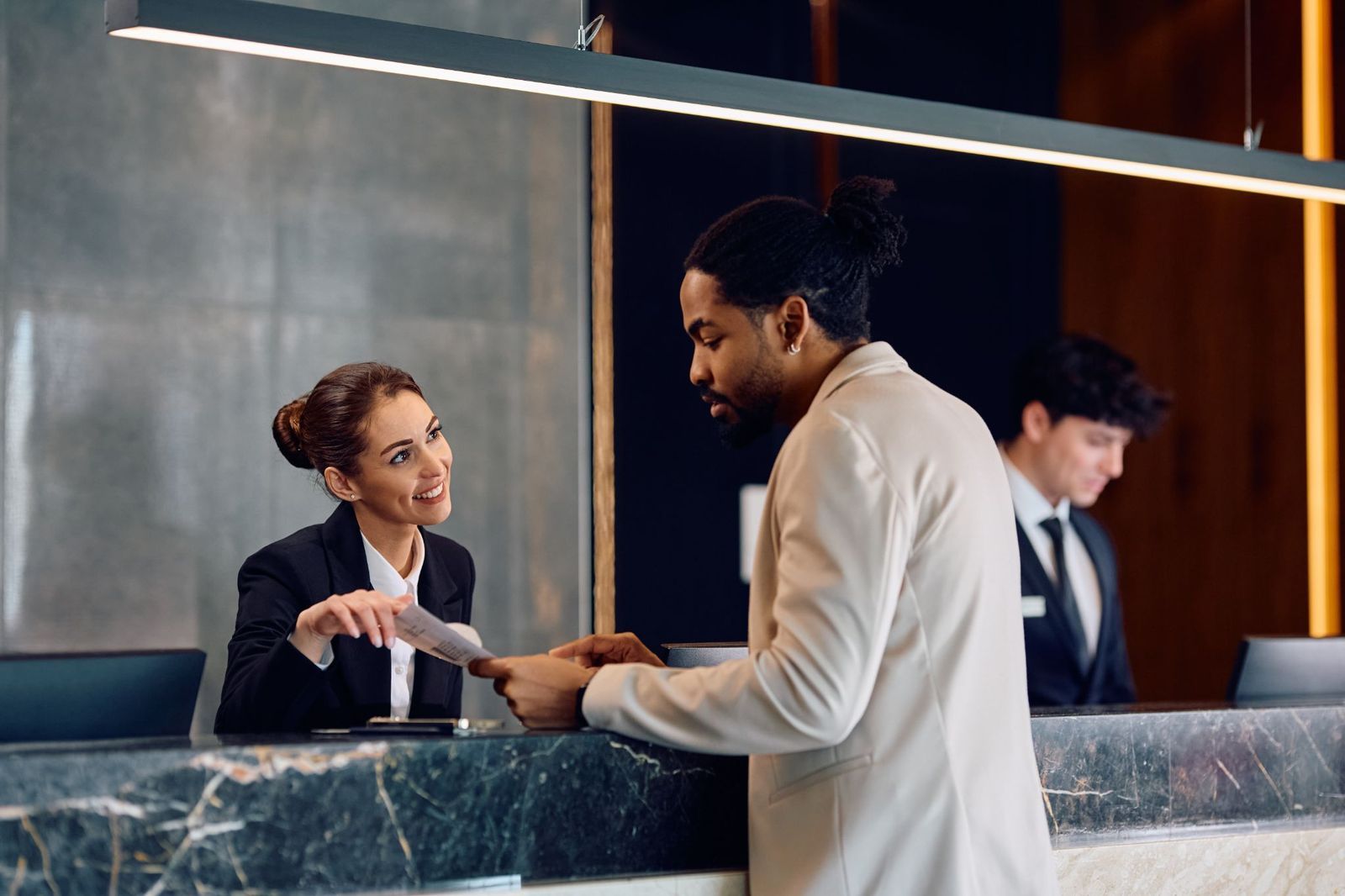
A front-desk employee can often tell when a guest is excited, stressed, in a hurry, or likely to have specific expectations.
If you walk into the lobby and immediately say, "I had a terrible experience at another hotel," staff may realize that you’re someone who wants things done a certain way. They’ll likely pay closer attention from the start, hoping to make sure your stay goes smoothly. The same goes for guests who arrive with a long list of detailed questions. It’s not a bad thing; it simply tells experienced staff that the details matter to you.
How much privacy you really want
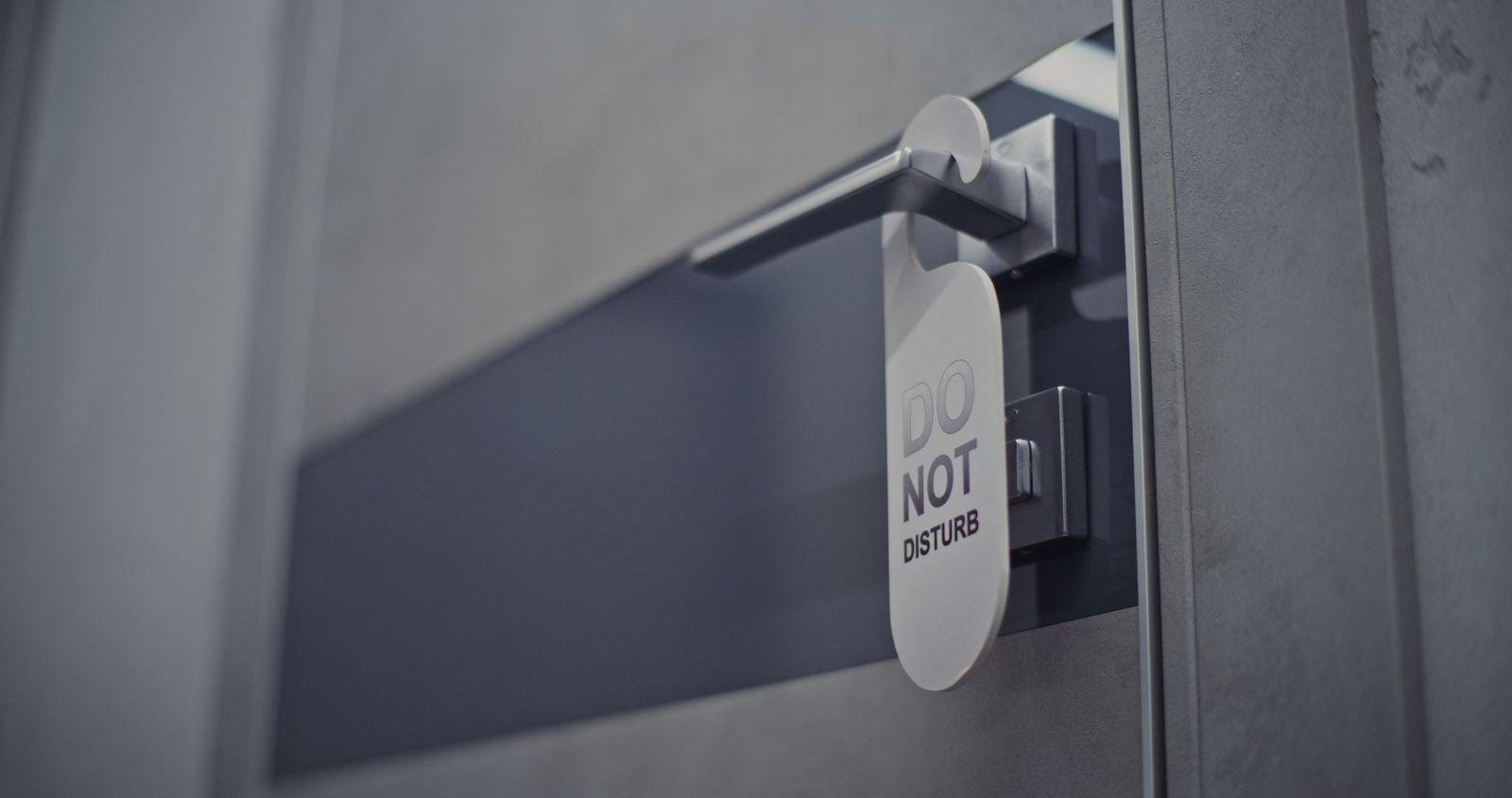
Even if you never say it outright, hotel staff can often tell how much privacy you want during your stay.
Experienced staff pay attention to simple social cues: Do you linger at the front desk, chat with employees, share stories about your trip, or take photos around the hotel? Those little behaviors suggest you’re comfortable with interaction. But if you prefer a quick key handoff, simple directions, no small talk, and a discreet exchange of your room number, staff will usually understand that you’d rather have your space.
Whether you’re likely to leave a tip
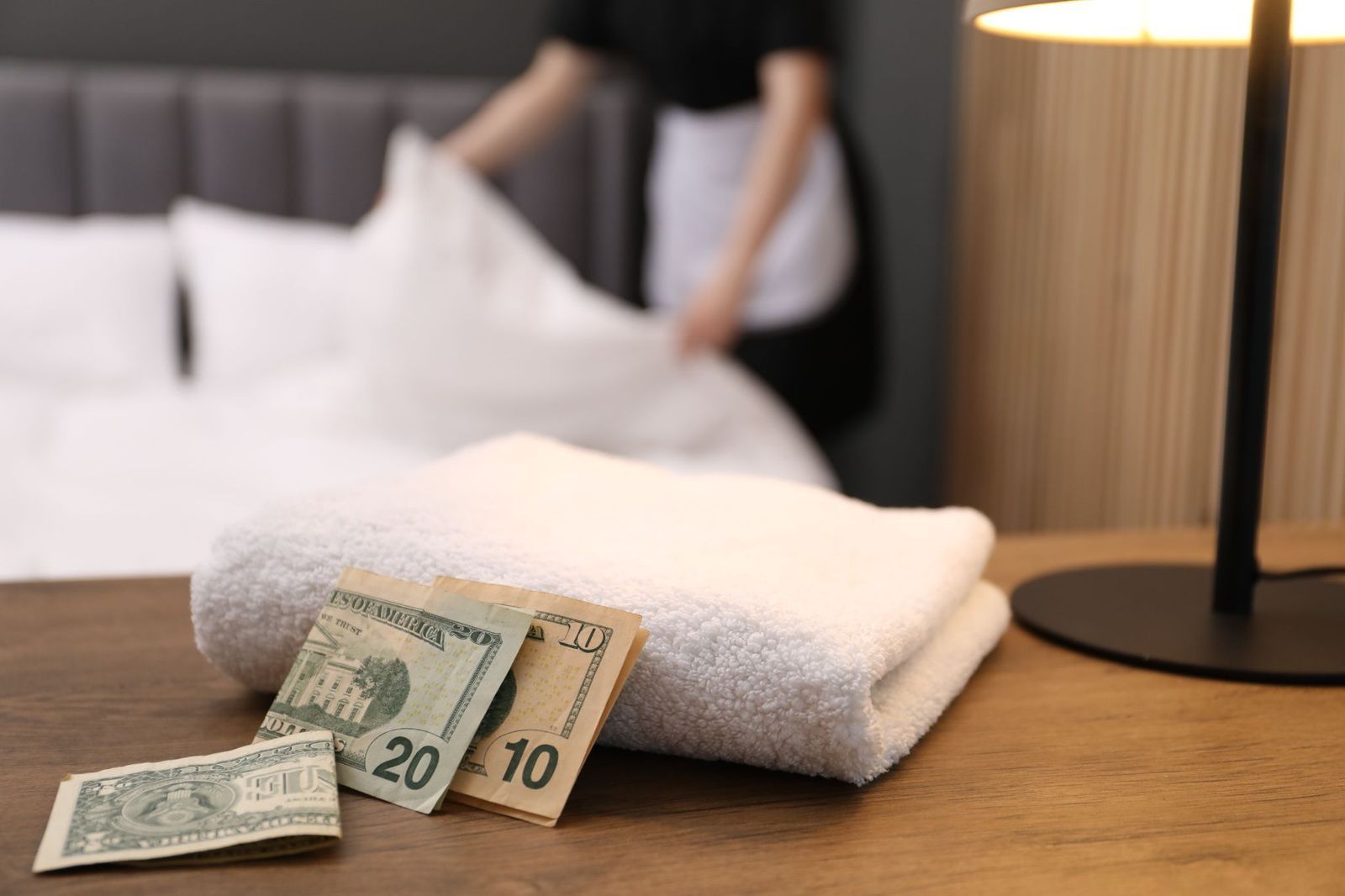
One of the things hotel staff may be able to anticipate about you is something they definitely care about: tips. Even before you decide how much to leave, your behavior may already give staff a rough idea of what to expect. But how can they tell?
A lot comes down to how you interact with the staff. Guests who converse with employees, ask for help with their luggage, or leave notes with special requests may signal that they’ll be more likely to leave a generous tip. Guests who keep things simple, make few requests, and barely interact with staff may be less likely to tip, or may leave a smaller amount. Where you’re from can matter, too: tipping is ingrained in American culture, while guests from countries where tipping isn’t customary may simply be less familiar with the practice.
Whether you’re a regular hotel traveler
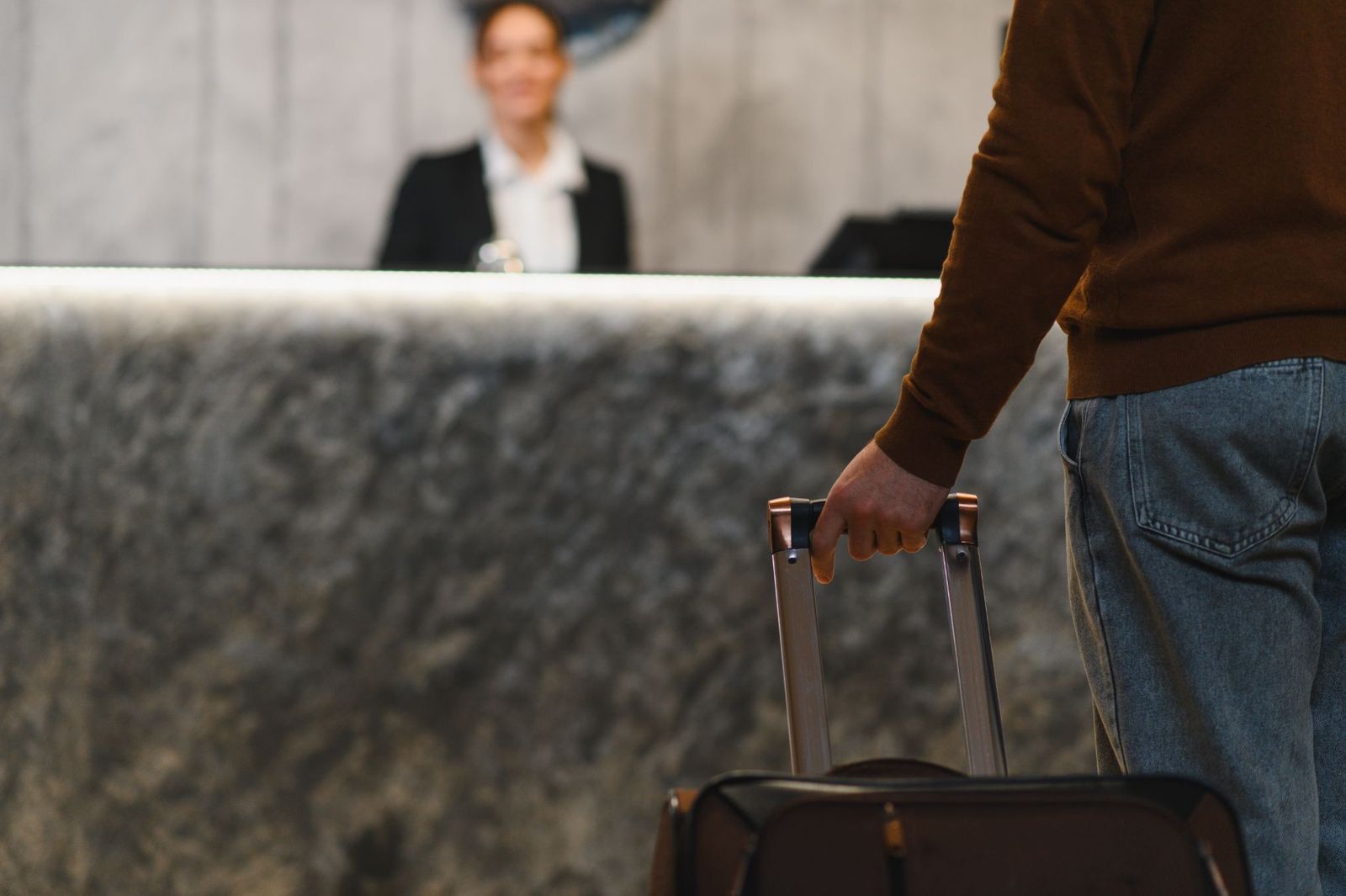
If you’re a frequent hotel traveler, you probably know a few things that occasional guests tend to overlook or learn the hard way.
Experienced travelers often stand out to hotel staff almost immediately: They know exactly what to ask for, understand how check-in and other hotel routines work, and may already have preferences about rooms, floors, breakfast, or checkout. They also tend to arrive at the front desk prepared, with the documents they know they’ll need, rather than figuring everything out as they go. And because they’ve done it many times before, they often have a calm, confident air that tells staff they know their way around a hotel.
Whether you’re traveling for business or pleasure
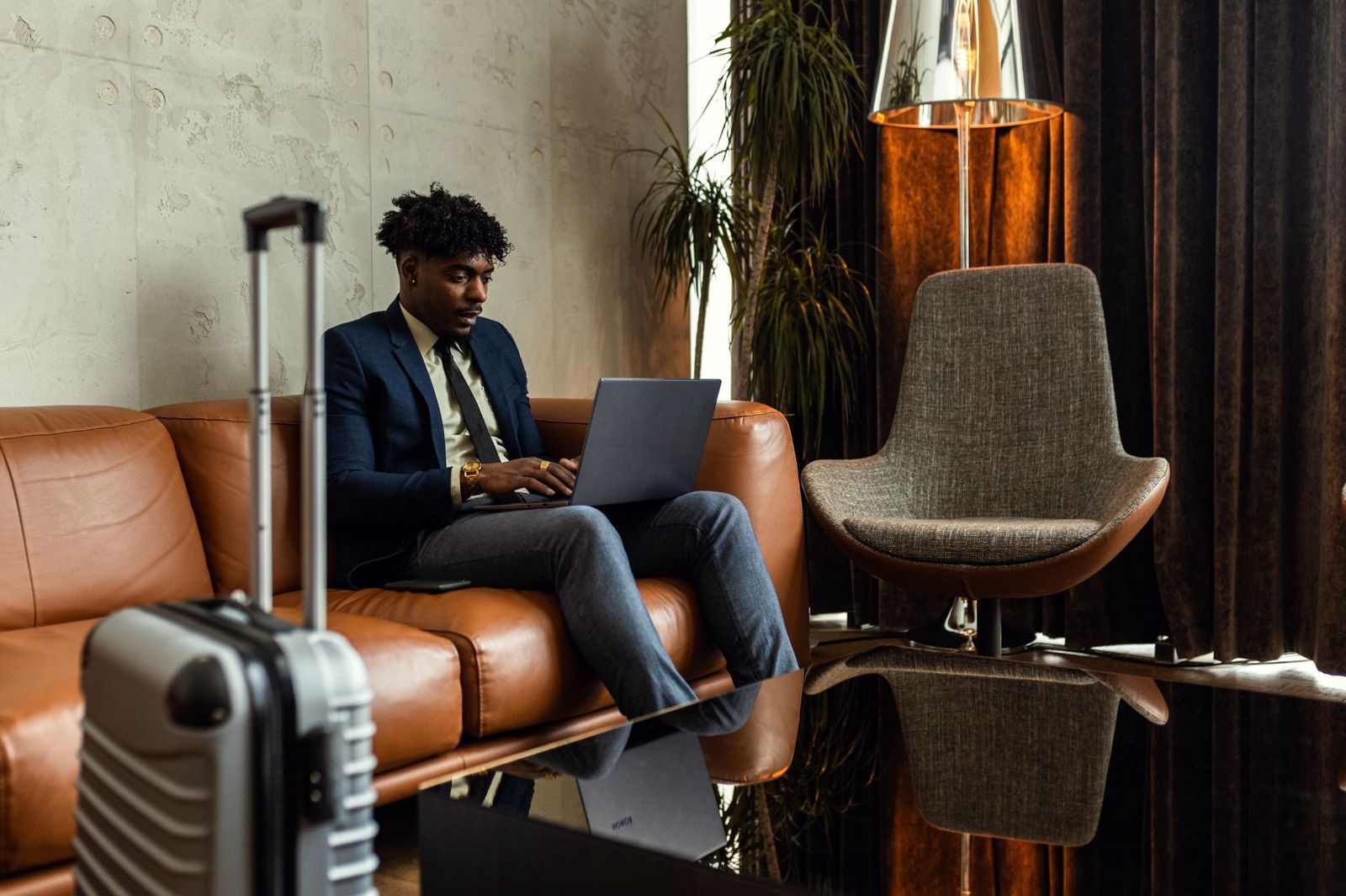
A hotel can be filled with dozens of guests, all there for completely different reasons. And even if you never tell the staff why you’re in town, they may be able to figure it out anyway.
Your luggage, schedule, requests, and even the way you use your room can give you away. A guest with several bags, casual clothes, and a flexible schedule may look like they’re there for a vacation. A business traveler, meanwhile, might arrive with a smaller bag, work clothes, a laptop, and a much tighter schedule, perhaps asking about Wi-Fi, a quiet room, early check-in, or a place to work. To experienced hotel staff, those little clues can make the purpose of your trip surprisingly easy to spot.
If you’re a morning person
Are you the type who’s up with the sun, or would you rather sleep a little longer? Either way, the hotel staff will know.
Housekeeping and breakfast staff often get a pretty good sense of a guest’s routine simply from when they leave the room, when they request service, or when they show up for breakfast. Early risers may be out the door by 7 a.m., sometimes leaving a room ready for housekeeping before the busiest part of the morning. Late sleepers, meanwhile, may still have the "Do Not Disturb" sign up when housekeeping makes its rounds, request service later in the morning or late at night, or be among the last guests to appear at breakfast, if they go at all.
Whether you’re using the room mainly as a place to sleep
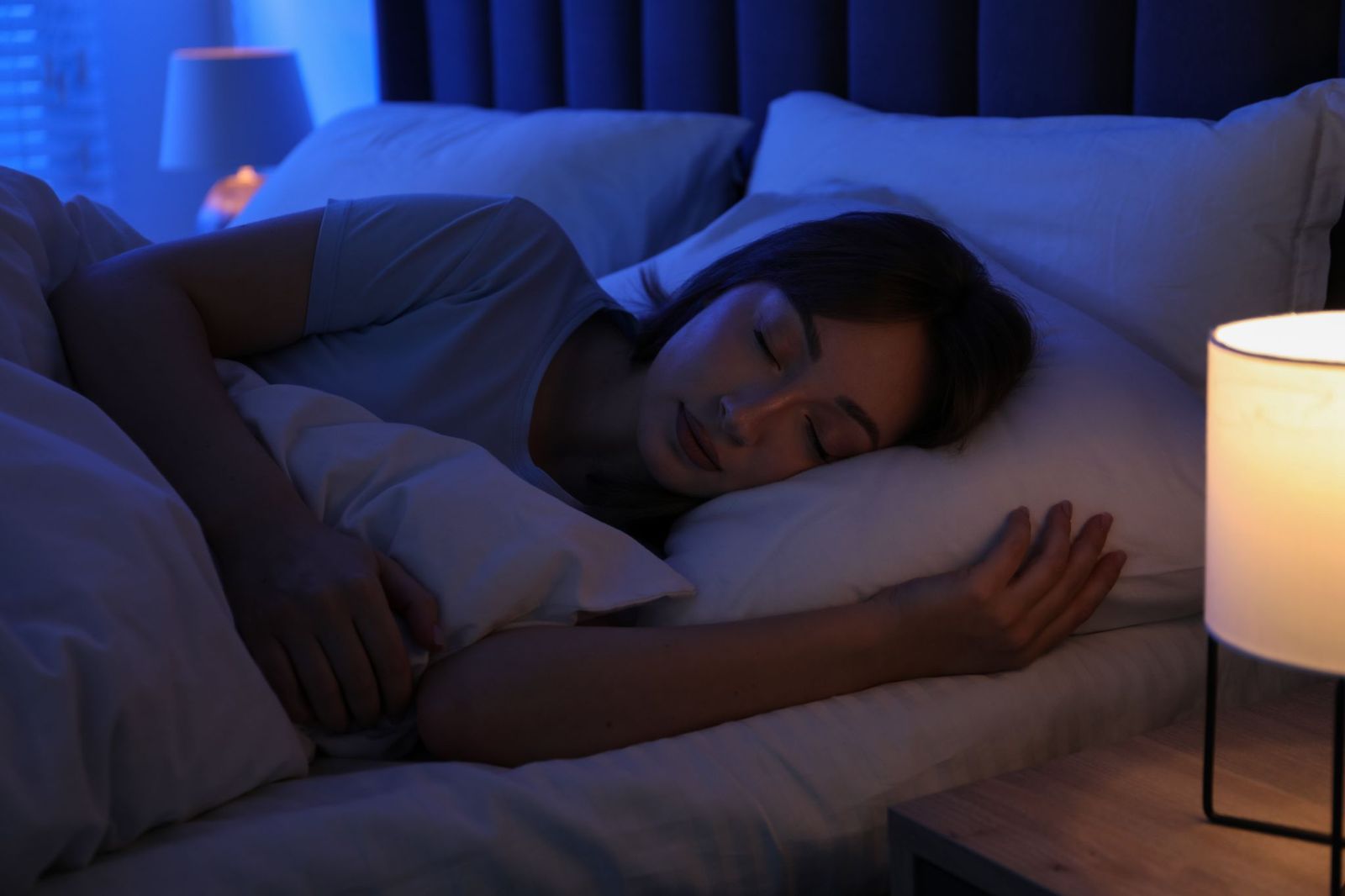
Even when they’re not in the room with you, hotel staff can often tell whether you’re using the room mainly to sleep or actually spending more time there. But how?
The clues are often surprisingly simple. Housekeepers may notice that a room is barely touched, the coffee maker hasn’t been used, the mini-fridge is intact, and the bed looks almost exactly as it did when the guest arrived. That can suggest the guest has been out most of the day, sightseeing, visiting family, or attending events and is mainly using the room as a place to sleep. A room that shows more signs of use tells a different story: extra towels, more room requests, used amenities, or an empty item from the minibar can all suggest a guest has been spending more time there. None of these clues tells the whole story, of course, but experienced housekeepers learn to read the room.
If you read the hotel information or ignore it
Are you one of those who read every sign, check the hotel information, and like to know how everything works? Or do you prefer to go with the flow and figure things out as you go? Either way, the front desk can often tell.
From the moment you check in, staff notice the questions you ask… or don’t ask. Some guests arrive wondering about breakfast hours, checkout time, parking, Wi-Fi, or the pool, while others have already read the information and simply ask the front desk to confirm what they know. Neither approach is better than the other, but experienced staff can use these clues to know how much information you need and tailor their service.
Keep wandering
There’s always
more to explore
Pilots would rather you didn’t bring a banana on board. Here’s why
5 min.
Read Now
They left a winning lottery ticket behind at the hotel—What happened next
6 min.
Read Now

The 10 best chocolate desserts in the world
5 min.
Read Now

Some hotels are destinations all by themselves
7 min.
Read Now