10 Things you've always wondered about airlines, finally explained
 General
Debunking air myths
10 Things you've always wondered about airlines, finally explained
Flying doesn’t have to be stressful, as airlines have carefully designed their systems to manage potential risks. However, for years, passengers have been worried about turbulence or the possibility of losing their luggage, or believe that the cabin air is extremely unhealthy. But in reality, most of these concerns are based on myths. Here, we break down why these 10 common beliefs stuck around—and why they simply aren’t true.
"Turbulence can cause the wings to break"
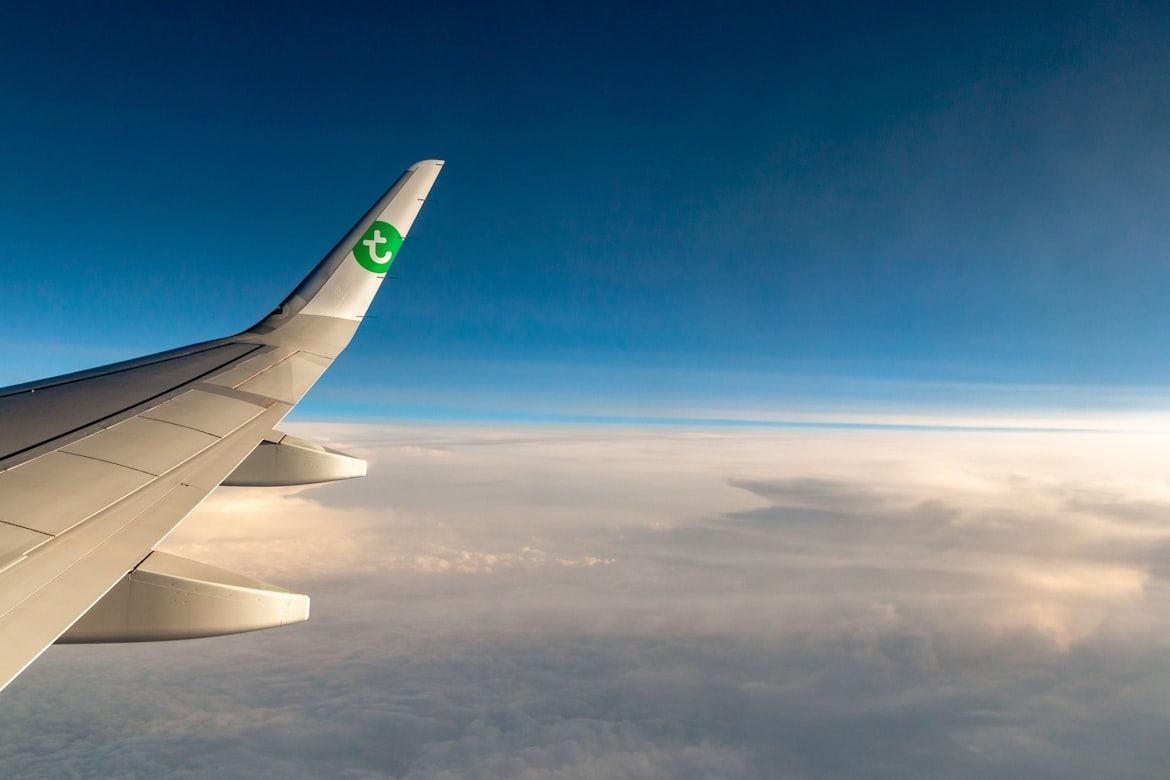
If you’ve ever worried that turbulence could break the airplane’s wings, you can sleep easy; that’s extremely unlikely. While it’s still essential to keep your seatbelt fastened, today’s aircraft are carefully engineered to handle everything from mild to even severe turbulence.
So how do the wings hold up? They’re actually designed to be flexible. Even if it’s not obvious at first glance, that flexibility allows them to bend and adapt to sudden shocks, absorbing stress and distributing the force rather than breaking.
"Doors can open mid-flight"
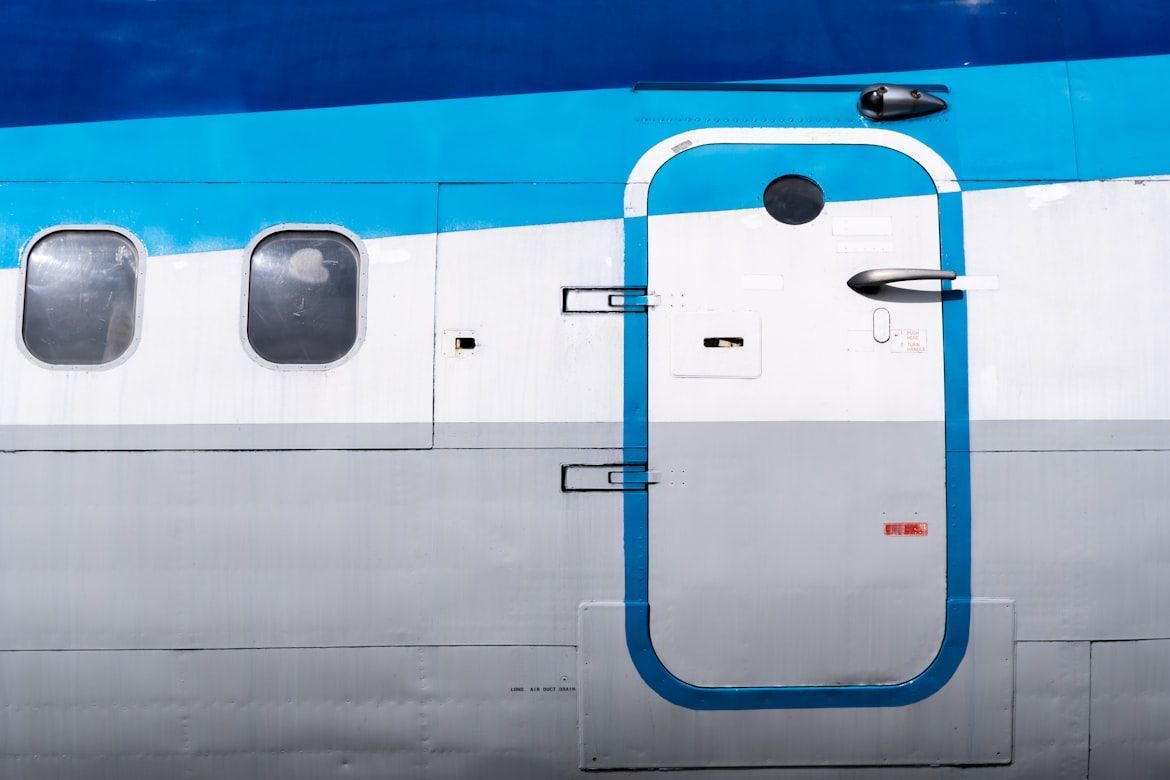
We’ve all seen those movie scenes where an airplane door opens during flight, and everything gets sucked out. But that’s more fiction than reality.
In real life, aircraft are designed to prevent that from happening. It’s impossible to open a commercial plane’s passenger doors or emergency exits during normal flight at cruising altitude. The reason comes down to physics: cabin pressurization and the way the doors are built create an inward force that keeps them tightly sealed, far beyond what a person could overcome.
"Recirculated air spreads disease"
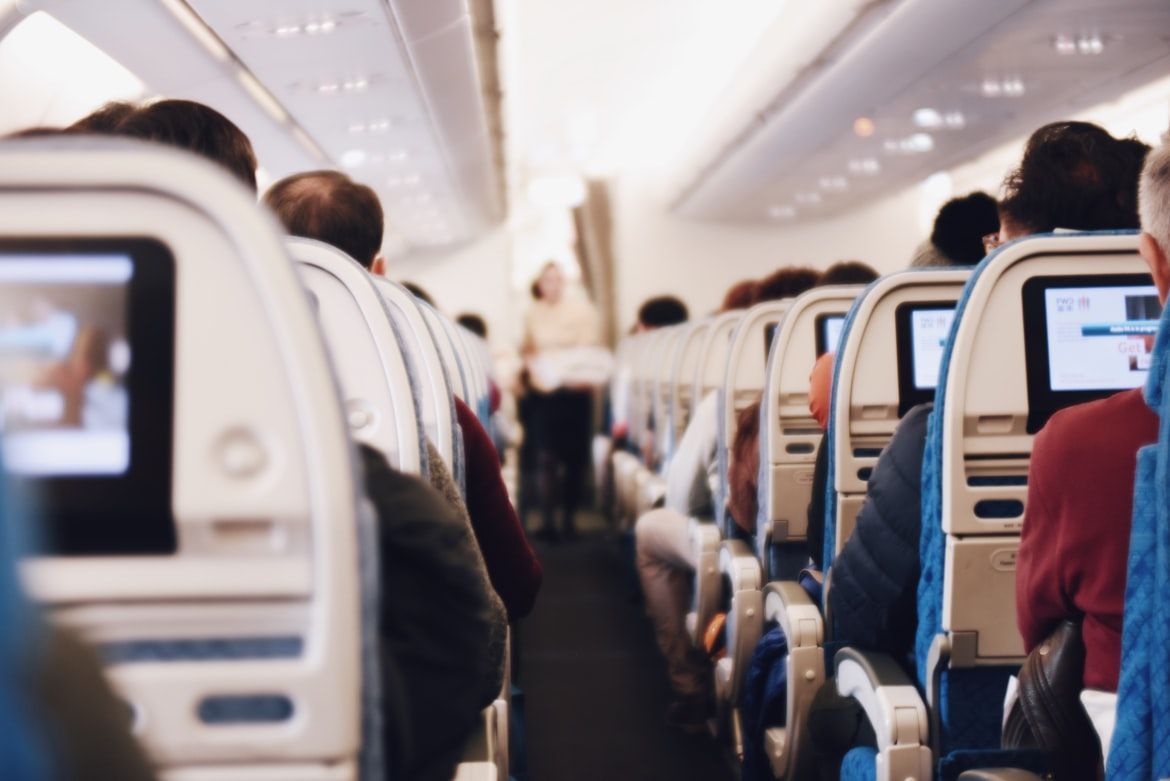
We get it; you’re stuck on a plane for hours with a lot of people, so it’s easy to assume the air is stale and just being recirculated. But, despite a long-held belief, the air inside an airplane isn’t harmful to your health.
Modern aircraft are specifically designed to manage air quality. Cabin air passes through high-efficiency particulate air (HEPA) filters, similar to those used in hospitals, which remove the majority of airborne particles, including bacteria and viruses. In addition, the air exchange in the cabin is frequent, typically every 2 to 3 minutes, which is more often than in many office buildings or homes. Besides that, most airlines have health guidelines for boarding, including advising passengers not to fly if they have symptoms of a contagious respiratory illness.
"Airlines lose luggage all the time"
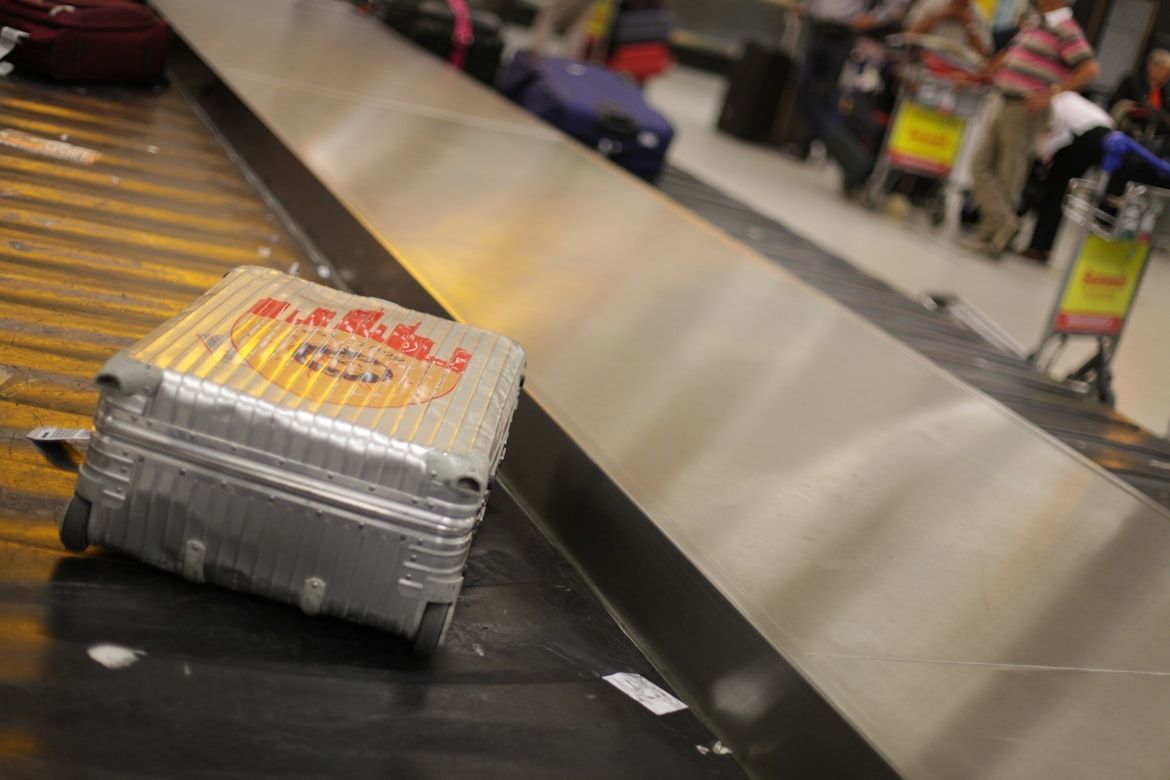
If you’re the kind of traveler who keeps a constant eye on your suitcase and hates letting it out of your sight, you can relax; you’re very unlikely to lose it. While there are rare cases, airlines don’t usually lose luggage; it’s more of a common misconception, often fueled by the fact that bad news travels faster than good news.
In fact, according to the International Air Transport Association (IATA), about 99.5% to 99.7% of checked bags arrive at their destination, nearly all of them. So whether your suitcase holds your favorite clothes or a special gift, there’s no reason to worry.
"The dangers of using your phone"
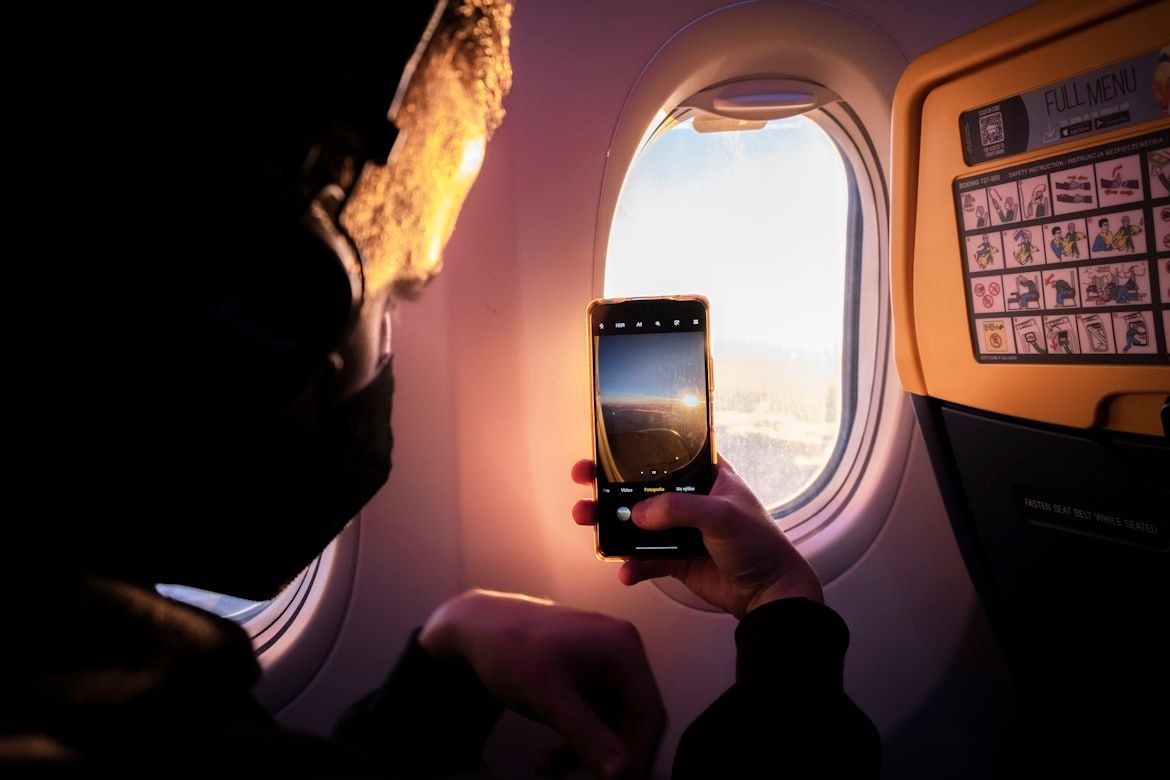
Why do so many people think using a cell phone on a plane is always dangerous? In the 1990s, early studies raised concerns about possible interference with aircraft functioning. And, while technology has advanced since then, those fears have stuck around.
In reality, it’s extremely unlikely your phone could cause a crash or a fall, because modern planes are built to handle electromagnetic interference. Still, passengers are asked to use airplane mode (which disables the phone’s cellular signal), and this is an important rule, mainly to prevent potential interference with aircraft communication and navigation systems, and to avoid thousands of devices trying to connect to ground networks at once.
"You can’t get compensation for delays"
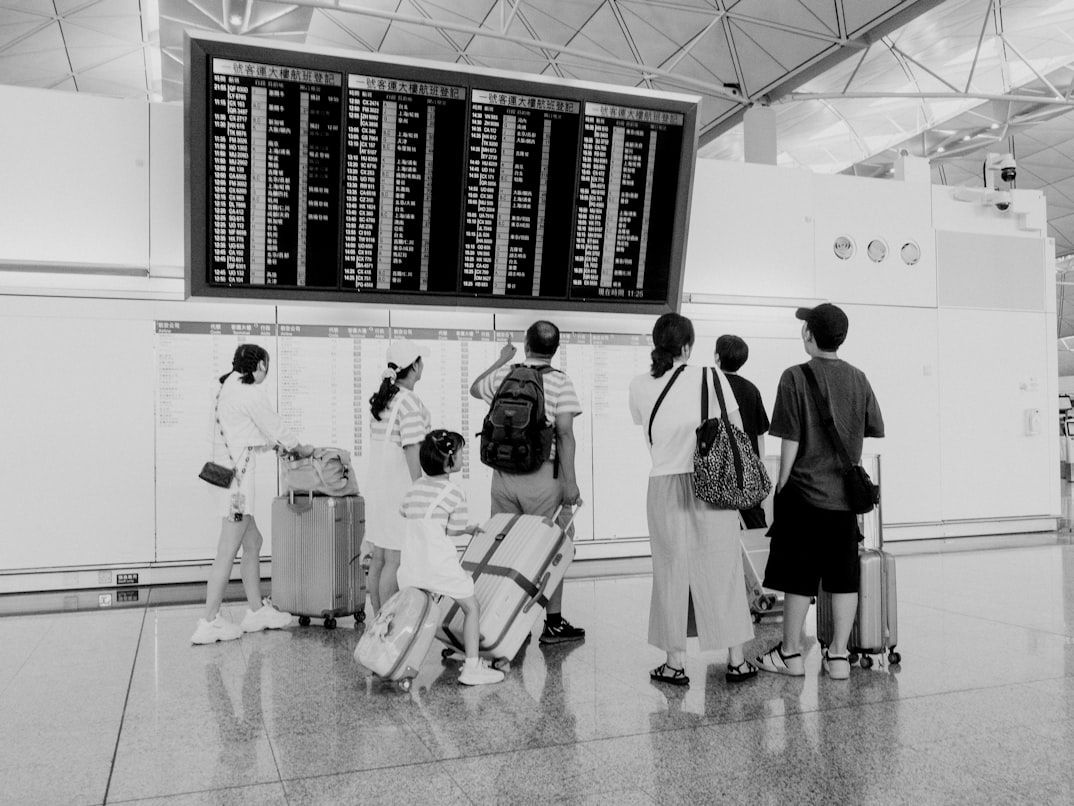
Most of us have been there: you get to the gate ready to board, only to hear your flight is delayed, or worse, overbooked, and you’ll need to take a later one. It’s frustrating, to say the least.
But you don’t always have to just accept it. Depending on where you’re flying, you may be entitled to compensation when you’re bumped from an overbooked flight. For delays, compensation isn’t always guaranteed in the US, particularly if the cause is outside the airline’s control, like weather. That said, airlines may offer rebooking, meal vouchers, hotel stays, or travel credits. Many travelers don’t know this because the rules can be confusing, and airlines often make this process more complicated, but it’s always worth asking what your options are.
"Budget airlines are always cheaper"
If you’re looking for the best overall price, don’t rush to book with a budget airline.
The low fare you see upfront can be tempting, but it often rises quickly once fees are added for carry-on or checked bags, seat selection, boarding, and other extras, not to mention change or cancellation fees, which can be exorbitant. It may seem surprising, but in many cases, especially on longer trips or if you need flexibility, a traditional airline can end up costing the same or even less.
"Tuesdays are always the cheapest day to book flights"
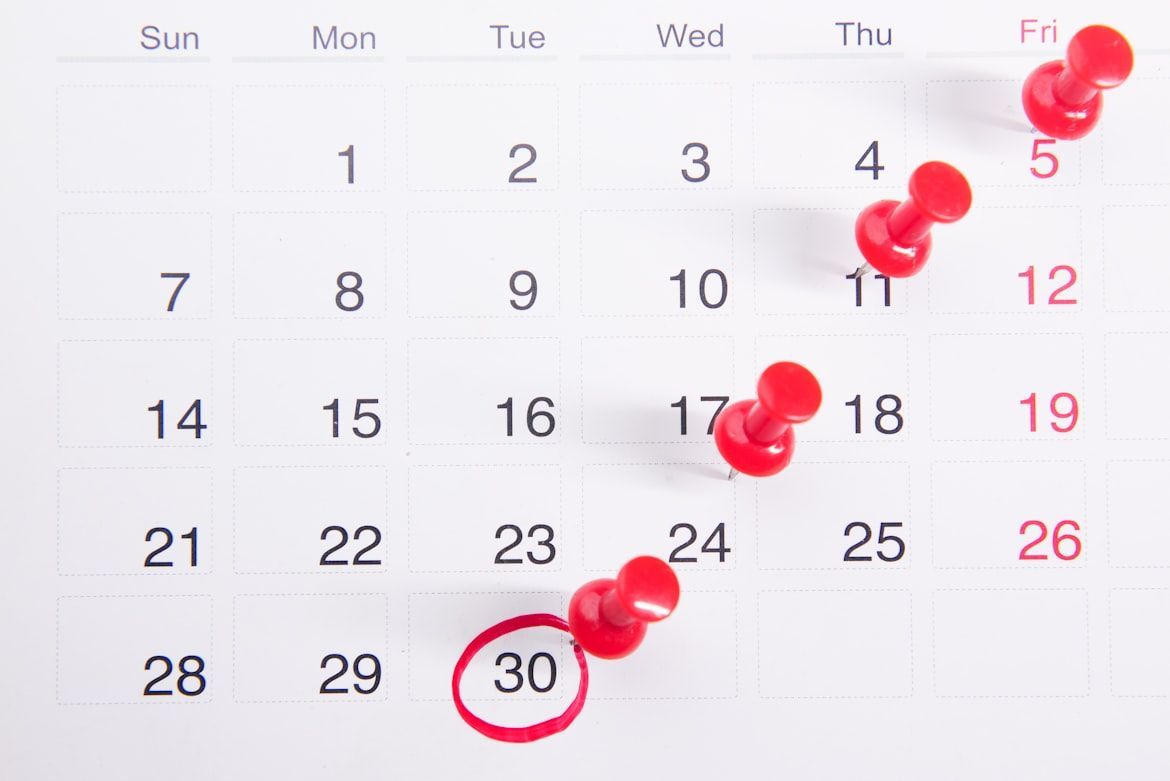
We’ve all heard the advice: book your tickets on Tuesdays and you’ll get a better deal. But that is not always true.
There is a reason this myth stuck around: back in the 1990s and early 2000s, the early days of online booking, airlines often released new, lower fares early in the week, and competitors would match them soon after. But that doesn’t really apply anymore. Today, most airlines use dynamic pricing systems that adjust fares constantly based on demand, not the day of the week. You might still find a good deal on a Tuesday, but it’s no longer a foolproof rule.
"You can’t bring food through airport security"
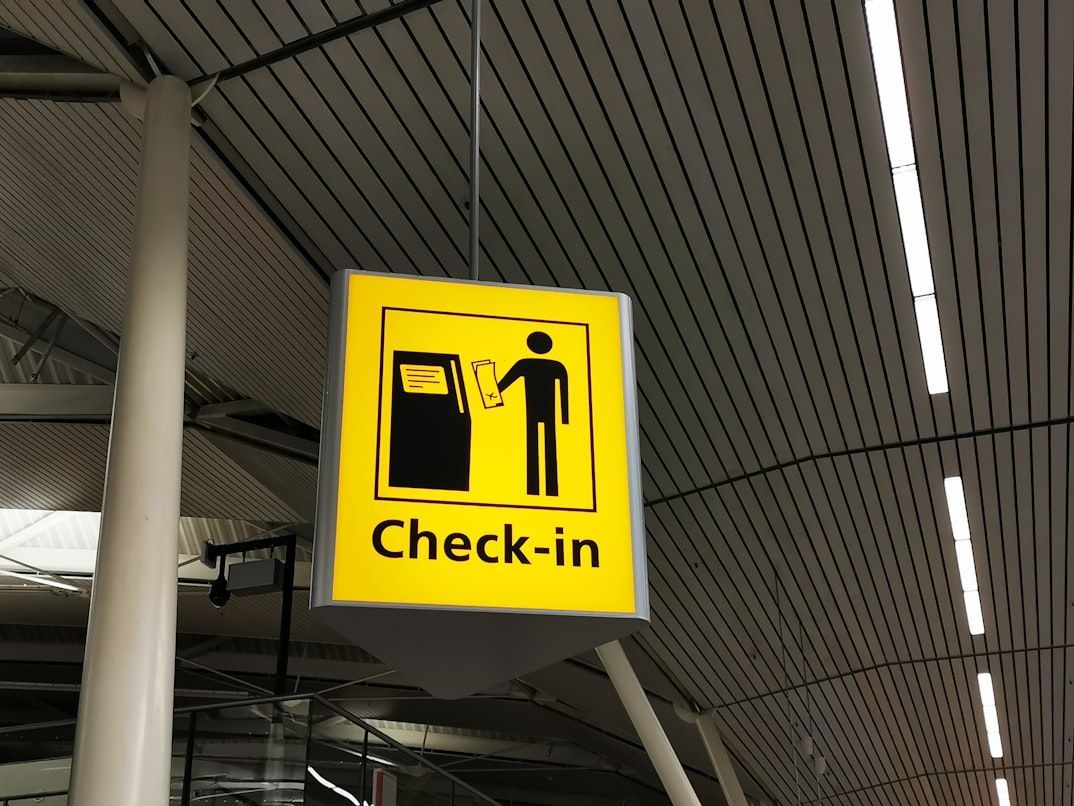
Many people assume you can’t bring any food through airport security, but that’s simply not true. The Transportation Security Administration (TSA) actually has clear guidelines on what’s allowed.
While not all food can pass through, many solid items, like bread, cheese, packaged snacks, and even sandwiches, are typically permitted at security checkpoints. The confusion usually comes from the 3-1-1 rule, which limits liquids, creams, gels, and pastes to containers of 3.4 ounces or less, all placed in a single clear plastic bag per passenger.
"You must print your boarding pass"
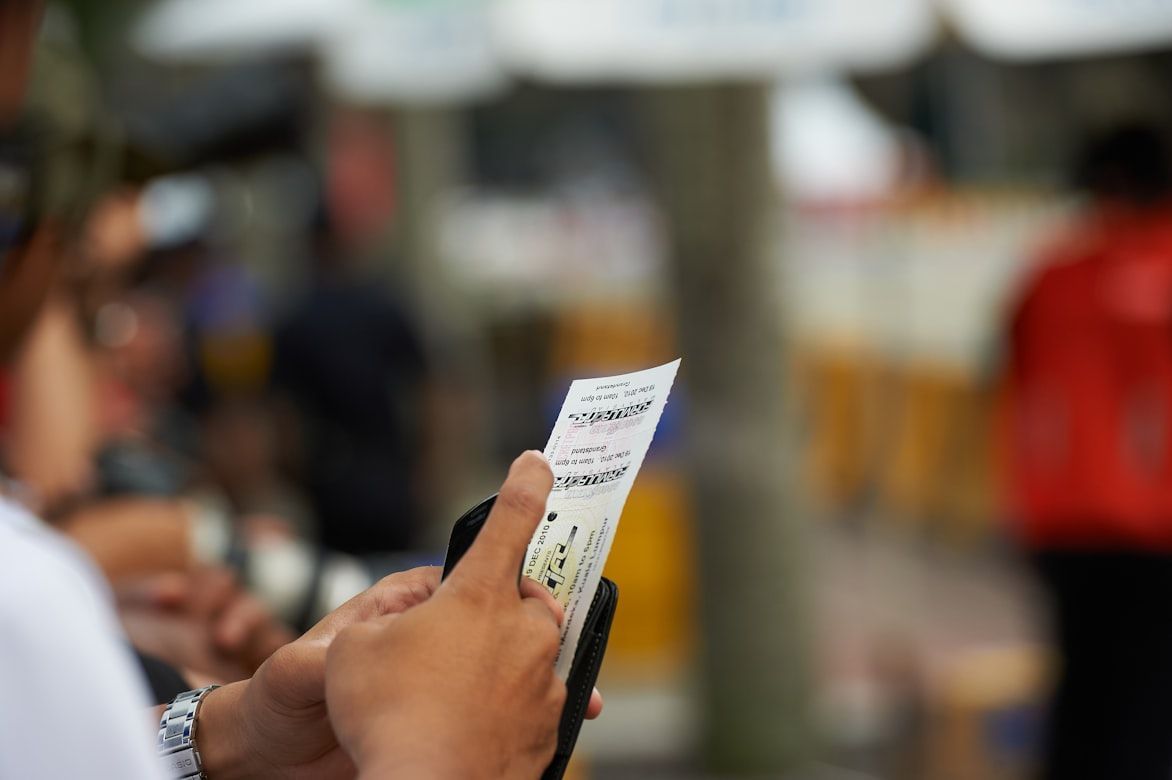
The simple truth is that you’re not always required to print your boarding pass. At most airports, a digital version on your phone is perfectly acceptable, as long as it’s easy to access. There are a few exceptions, but they’re rare.
That said, it’s still highly recommended to have a printed copy as a backup. Wi-Fi or cellular service might be spotty, your phone battery could die, the pass might be hard to find among your digital documents, or you could run into a technical malfunction at the worst moment.
Keep wandering
There’s always
more to explore
 History
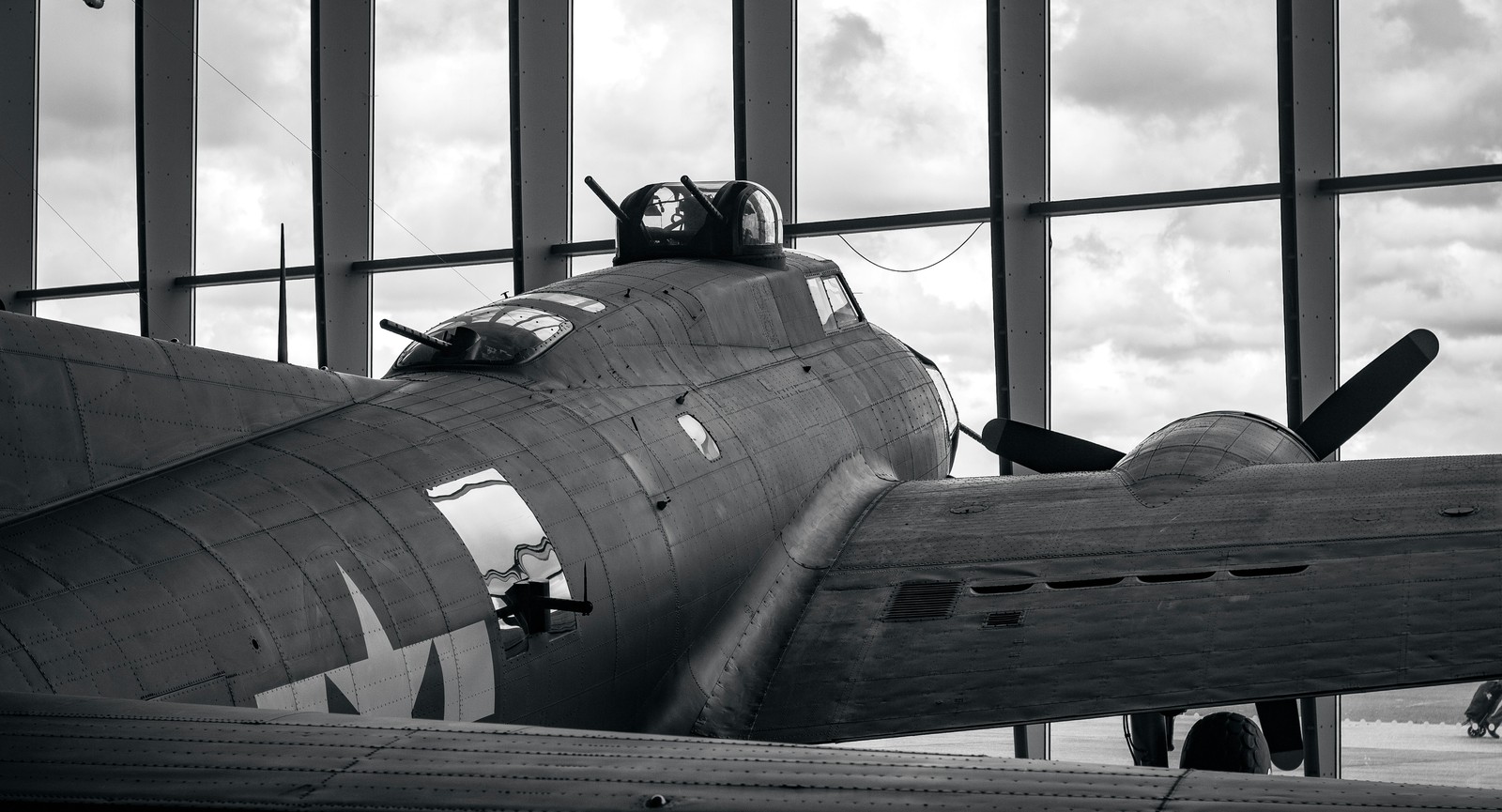
These 12 airports were once military bases. Can you tell by just looking?
4 min.
Read Now
 Landmarks

10 famous world landmarks that are never called by their official names
4 min.
Read Now
 Culture

You saw these views in space movies; They’re actually from this planet
6 min.
Read Now
Rolling your clothes instead of folding? Check out these traveling hacks
4 min.
Read Now