These iconic train rides might be your trip of a lifetime
 Landmarks
The train is about to depart
These iconic train rides might be your trip of a lifetime
Are you the type of person who enjoys the journey as much as the destination, if not more? Do you prefer to travel by land but loathe driving and need to stretch your legs frequently? Well, long-distance train journeys, with scenic views and comfy seats, might be just what you need. Here are ten famous railways across the world that are worth the trip!
California Zephyr (USA)
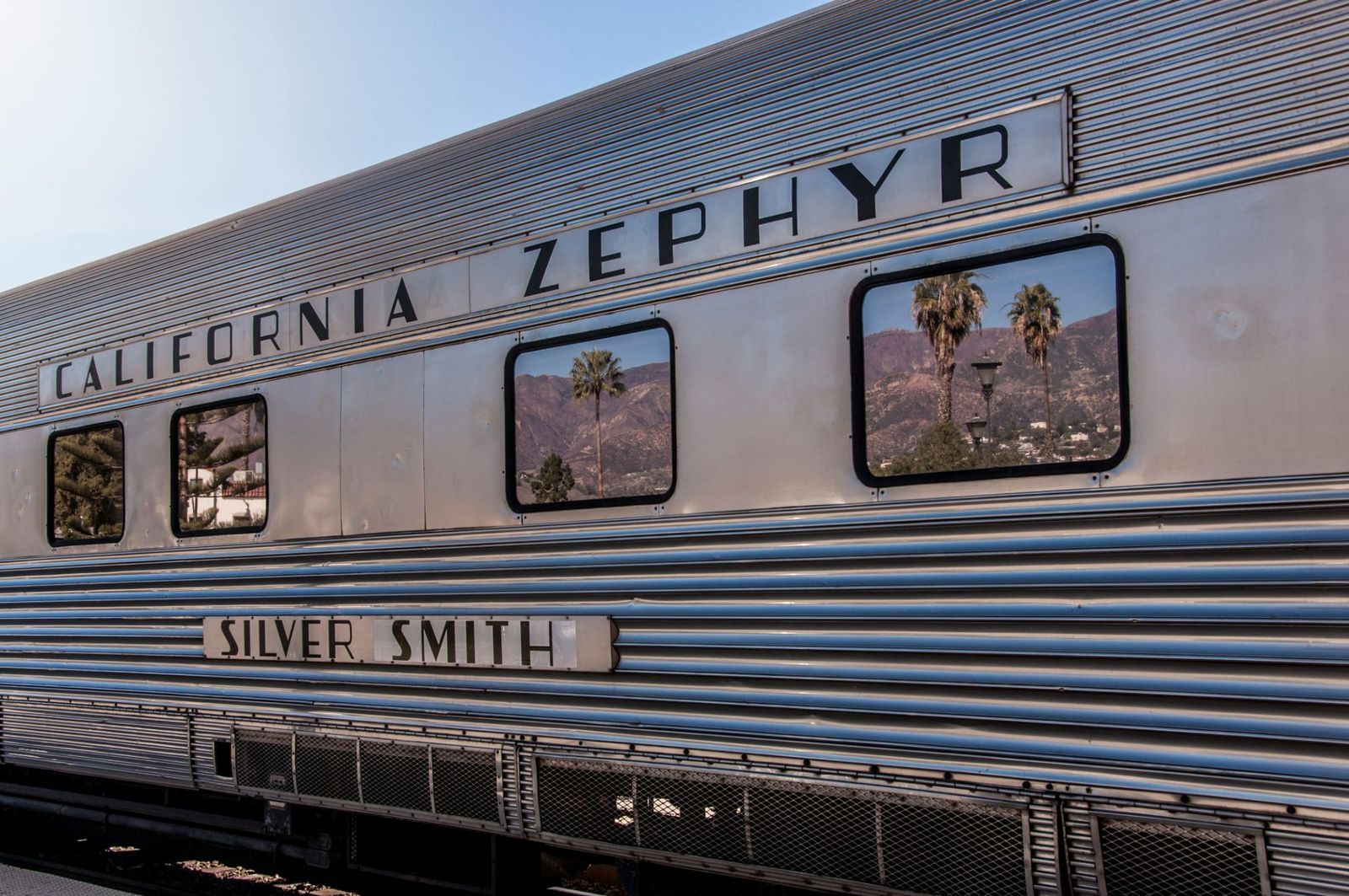
This 2,438-mile daily Amtrak route runs between Chicago and Emeryville, California, passing through Omaha, Denver, Salt Lake City, Reno, Sacramento, and the San Francisco Bay Area along the way. During the journey, the train schedule is timed so that you can enjoy such stirring landscapes as the Nebraska plains, the Rocky Mountains, and the majestic Sierra Nevada during daylight hours, and sleeper accommodations are available at night. The entire route takes 52 hours to complete.
Venice Simplon-Orient-Express (England to Italy)

The modern version of the iconic Paris-Istanbul Orient Express, the Venice Simplon-Orient-Express operates several routes across Europe. Its signature overnight route connects Paris with Venice through the Swiss Simplon Pass, with a weekly two-day route connecting Venice with London across the English Channel. Twice a year, a special 5-day journey travels the historic Paris-Istanbul route, complete with hotel stopovers in Budapest and Bucharest.
Glacier Express (Switzerland)
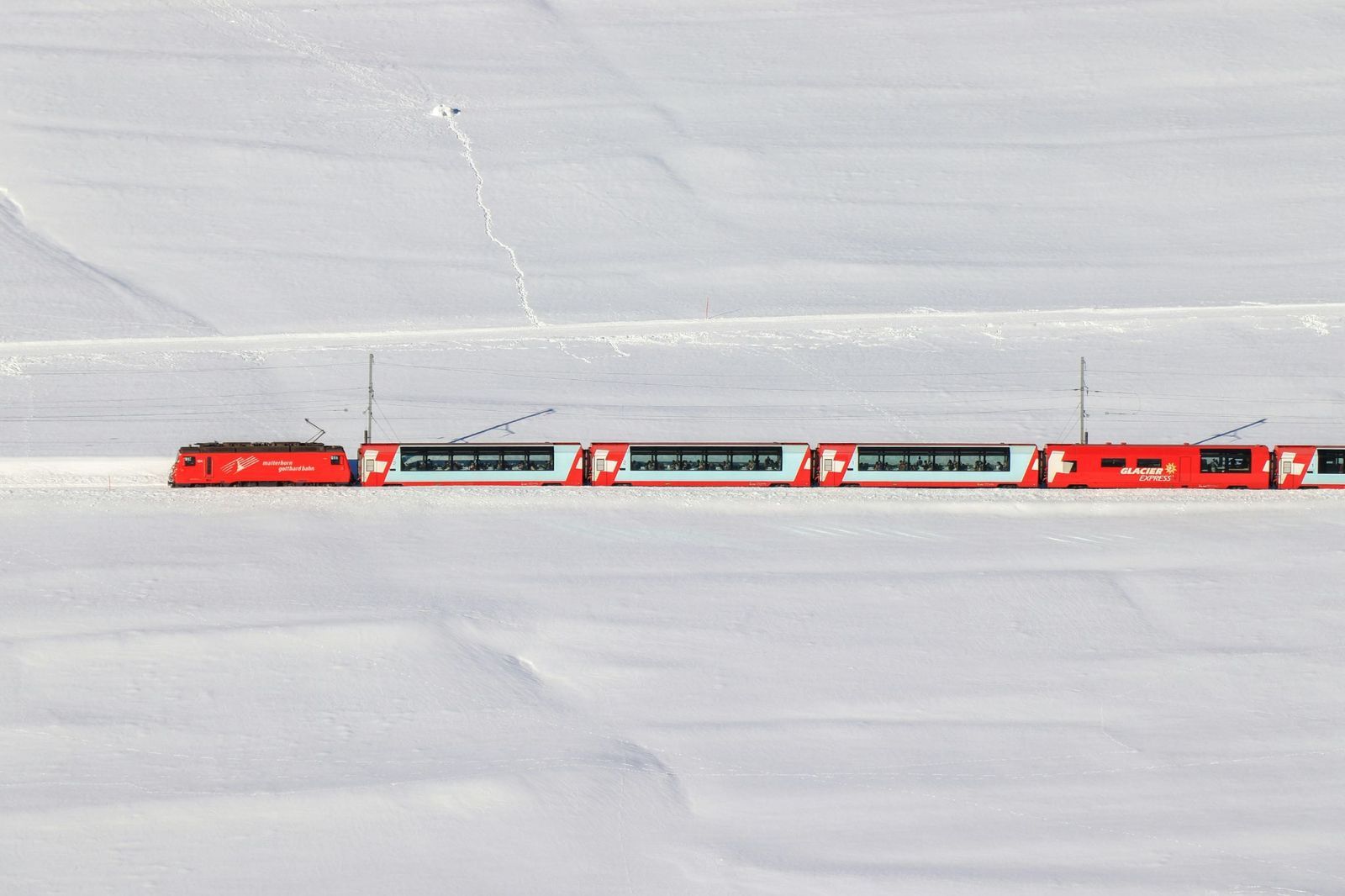
Nicknamed the "world's slowest express", this panoramic train connects the Zermatt and St. Moritz resorts through the Swiss Alps, taking 8 hours to traverse the 181-mile route. Equipped with floor-to-ceiling panoramic windows, multilingual audio guides, and various other amenities, this express journeys over 291 bridges and through 91 tunnels, providing one-of-a-kind views of mountains and glaciers.
Sunset Limited (USA)
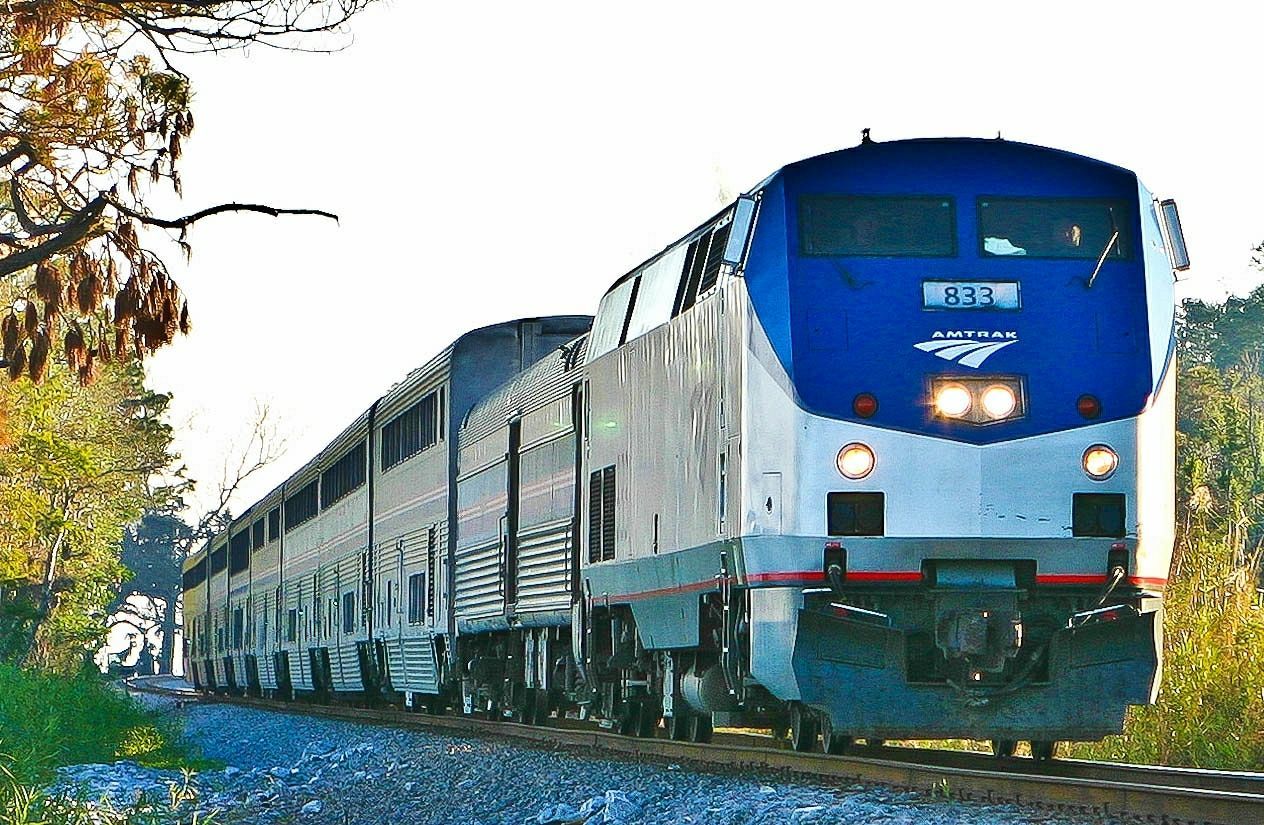
One of the oldest continuously operated passenger trains in America, the Sunset Limited travels the 1,995-mile route between Los Angeles and New Orleans three times a week. The 48-hour journey includes stops in Houston, San Antonio, El Paso, and Tucson, offering scenic views of Louisiana's bayou country, the desert Southwest, and the California mountains.
Rocky Mountaineer (Canada and USA)
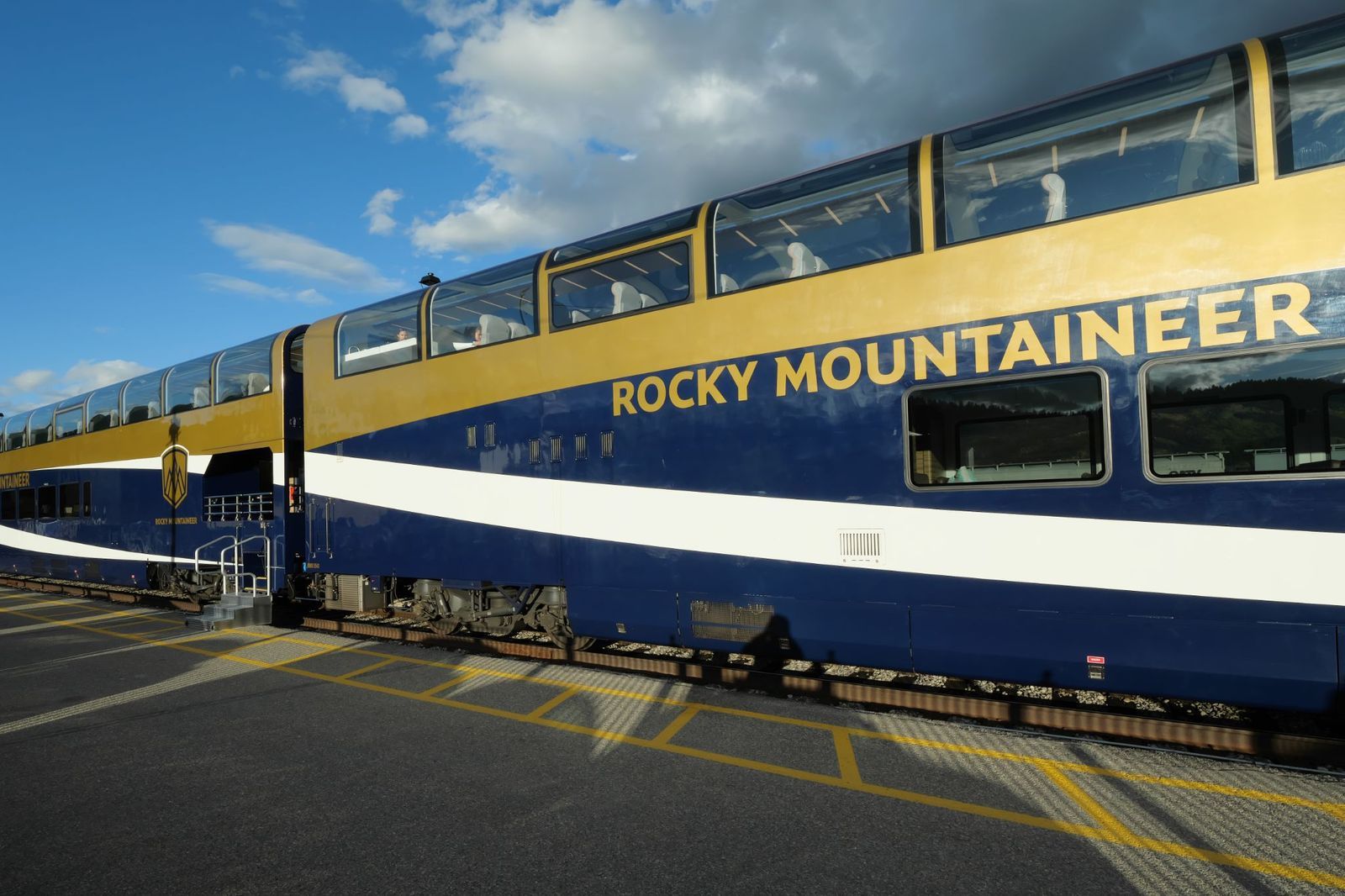
Famous for its custom glass-dome coaches, the Rocky Mountaineer offers several luxury scenic routes across Canada and the United States. Popular Canadian routes connect Vancouver with the Canadian Rockies and with several coastal towns, while the "Rockies to the Red Rocks" route runs between Denver and Moab, Utah.
Trans-Siberian Railway (Russia)
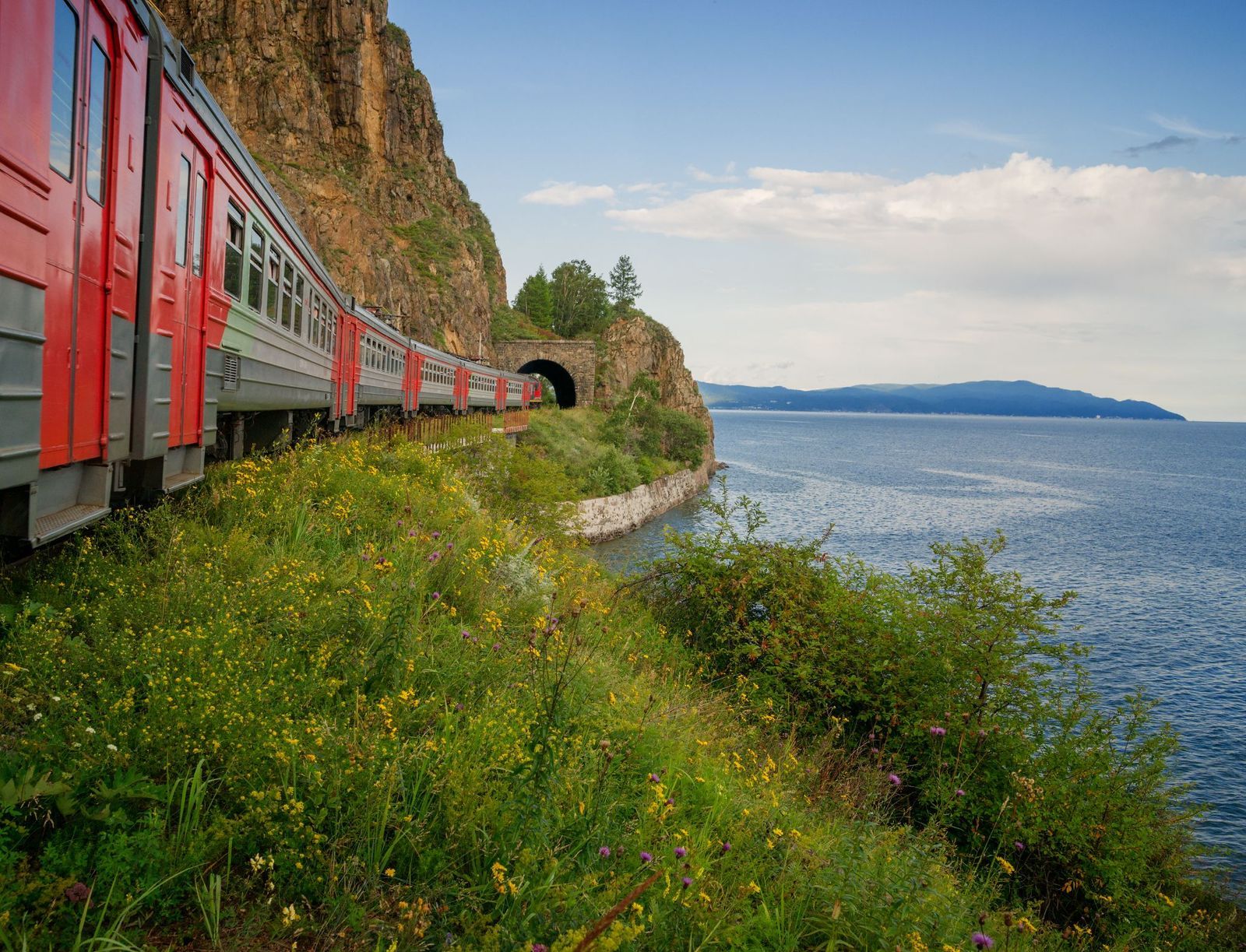
The longest railway line in the world, the Trans-Siberian railway crosses 5,772 miles, connecting Moscow on the European side of Russia with Vladivostok on the far-eastern Asian side. A continuous non-stop trip, the main route takes seven days from one end to the other, crossing eight time zones, with additional routes branching into Mongolia and Northern China. Unlike some railways on this list, the Trans-Siberian is not a luxury line, but primarily a working railway, which offers the unique experience of interacting with the locals while enjoying scenic views.
Alaska Railroad (USA)
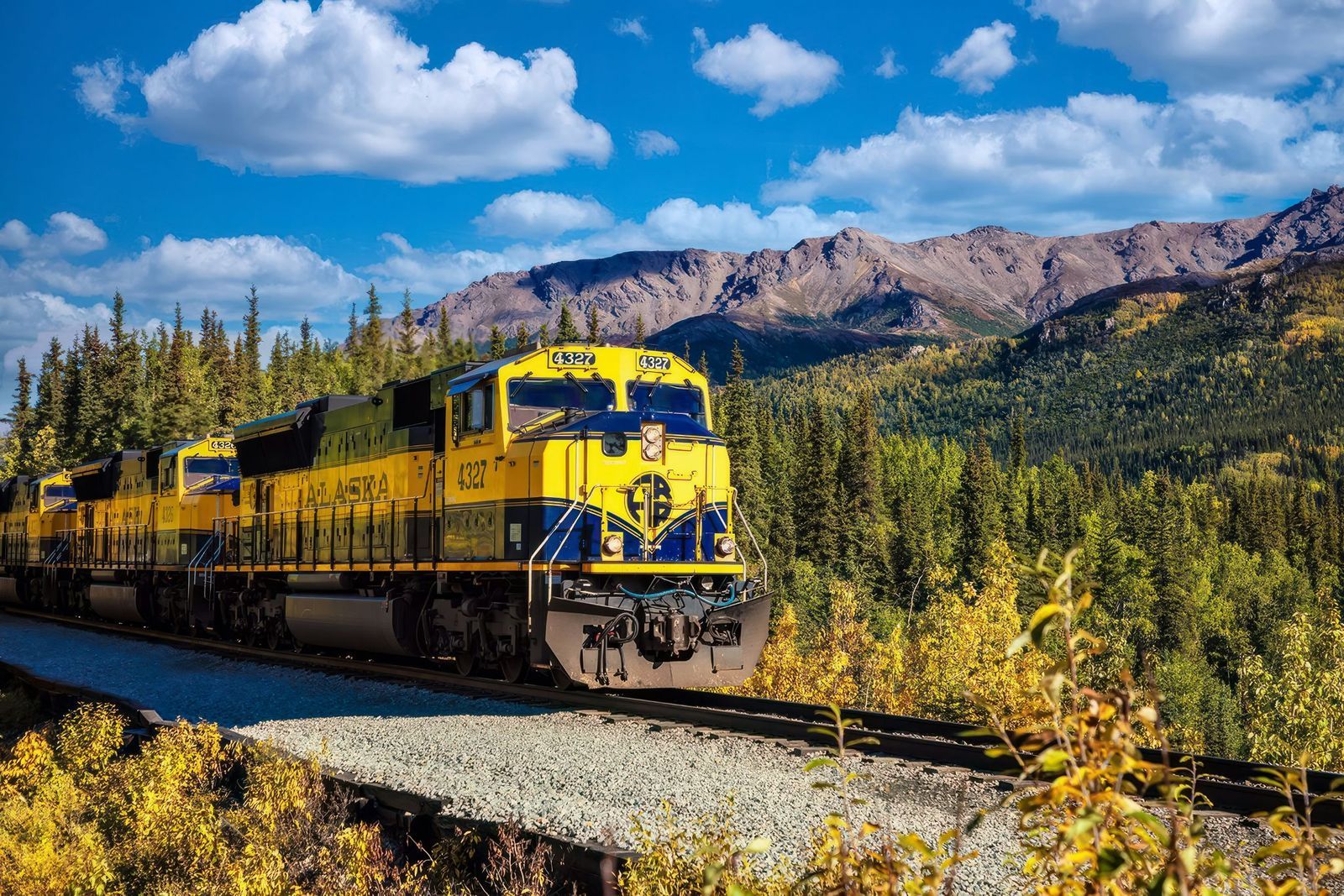
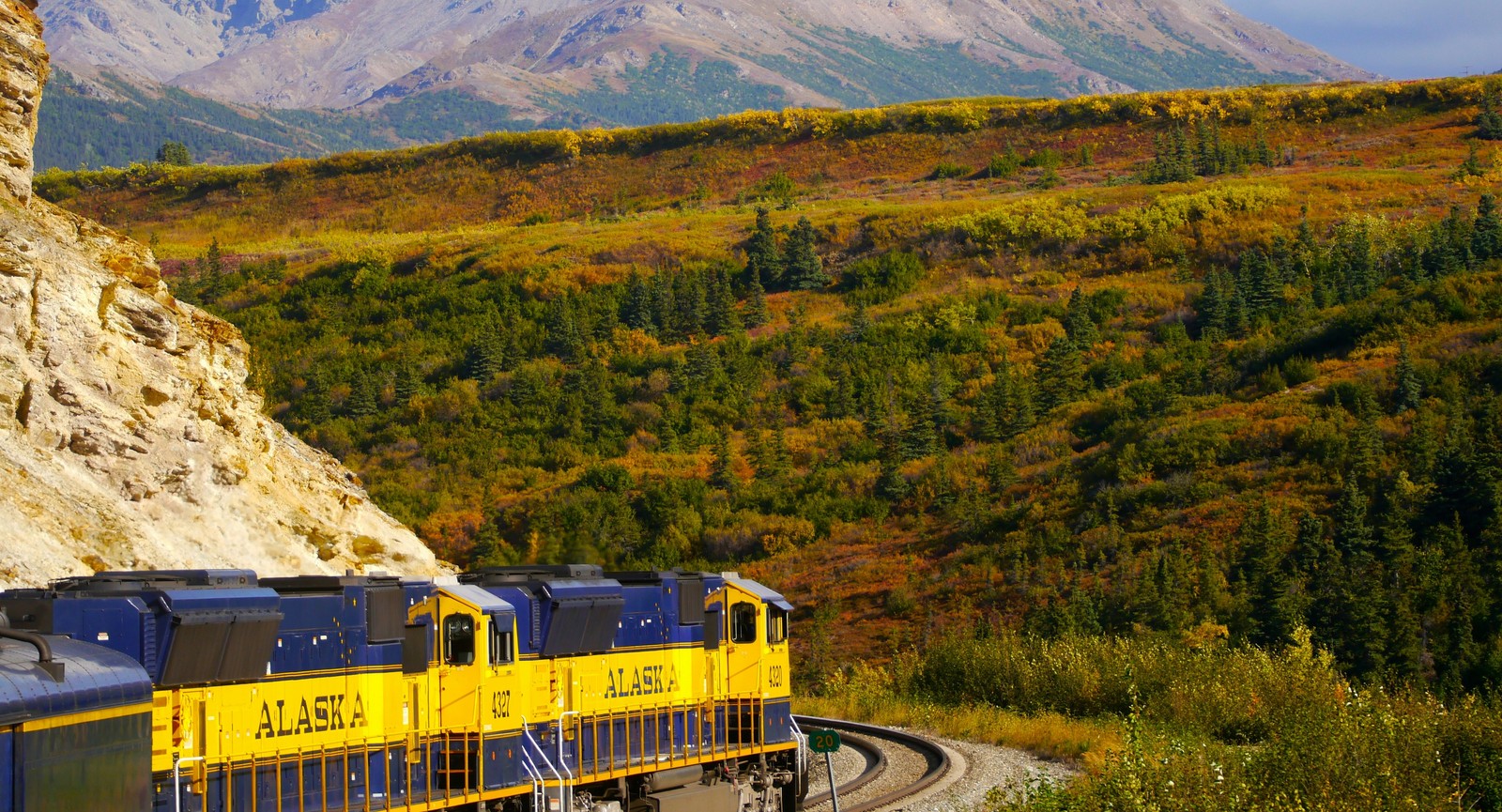
A self-sustaining, self-funded corporation owned by the State of Alaska, the Alaska Railroad operates several routes centered around Anchorage, spanning around 470 miles. Its flagship route, the Denali Star, runs between Anchorage and Fairbanks in about 11.5 hours, passing through the Denali National Park and providing spectacular views of Mt. McKinley. Alternate routes include the Coastal Classic —a 4.5-hour route to Seward across glaciers, mountain passes, and fjords— and the Glacier Discovery —a 6-hour service to Whittier, Spencer Glacier, and Grandview.
Caledonian Sleeper (UK)

Active for more than a century, the Caledonian Sleeper is one of the last remaining sleeper trains in the UK, connecting London with five major Scottish destinations through two main lines: the Lowland Sleeper to Glasgow and Edinburgh, and the Highland Sleeper, which splits in Edinburgh to serve Aberdeen, Inverness, and Fort William. Operating six nights a week, passengers of the Caledonian Sleeper can choose between standard seats, bunk beds, and luxury rooms for the seven to thirteen-hour ride.
Bernina Express (Switzerland and Italy)
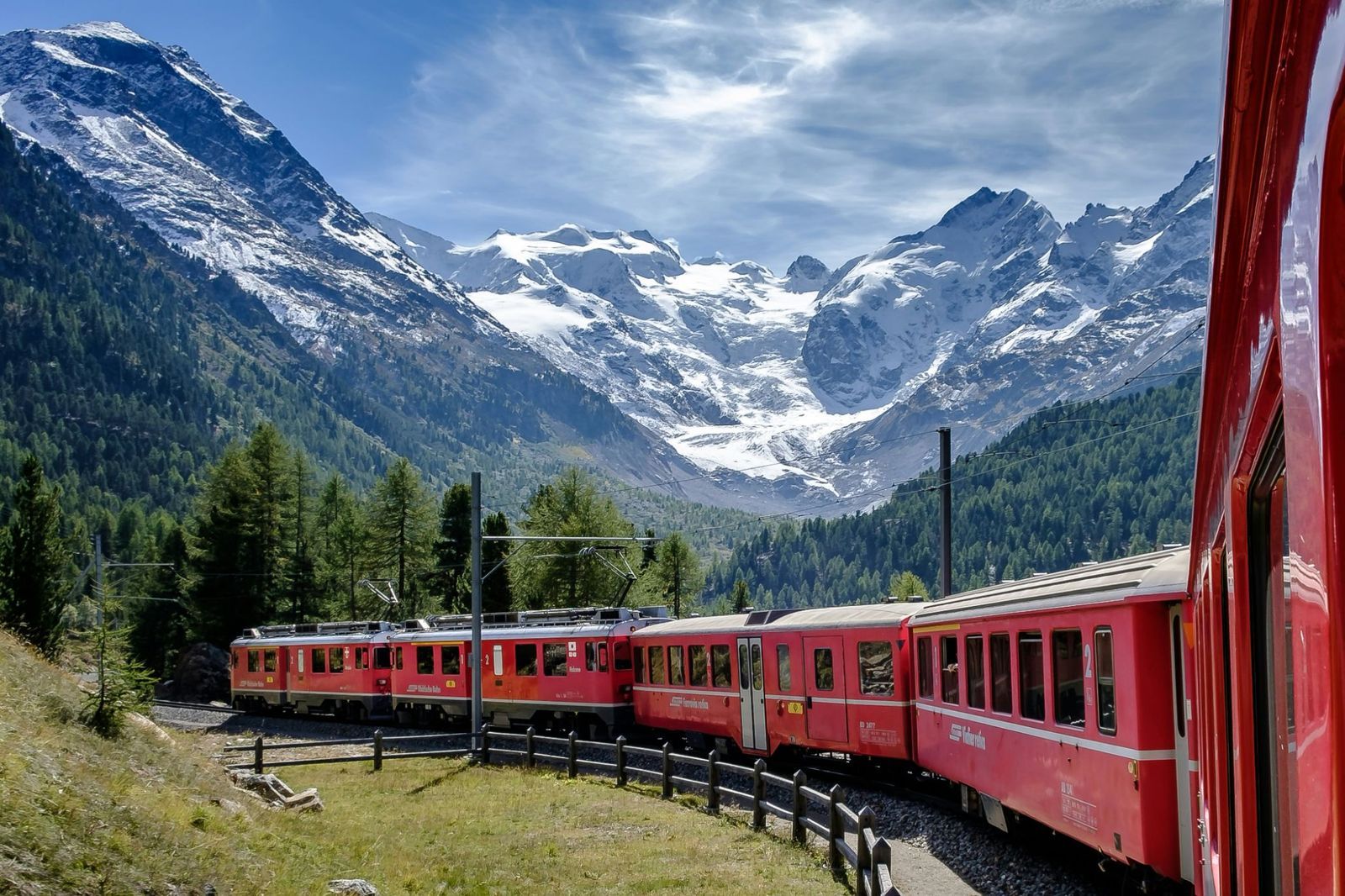
The route covered by this famous panoramic train is not long —a mere 76 miles— but no less impressive. Connecting Chur/St. Moritz in Switzerland with Tirano in Italy, the 4-hour ride crosses the Alps and dozens of tunnels and bridges. Equipped with both traditional and panoramic train cars—with floor-to-ceiling windows—the Bernina Express allows its passengers to enjoy landscapes that range from glaciers and alpine peaks to warm valleys.
Beijing-to-Lhasa Express (China)
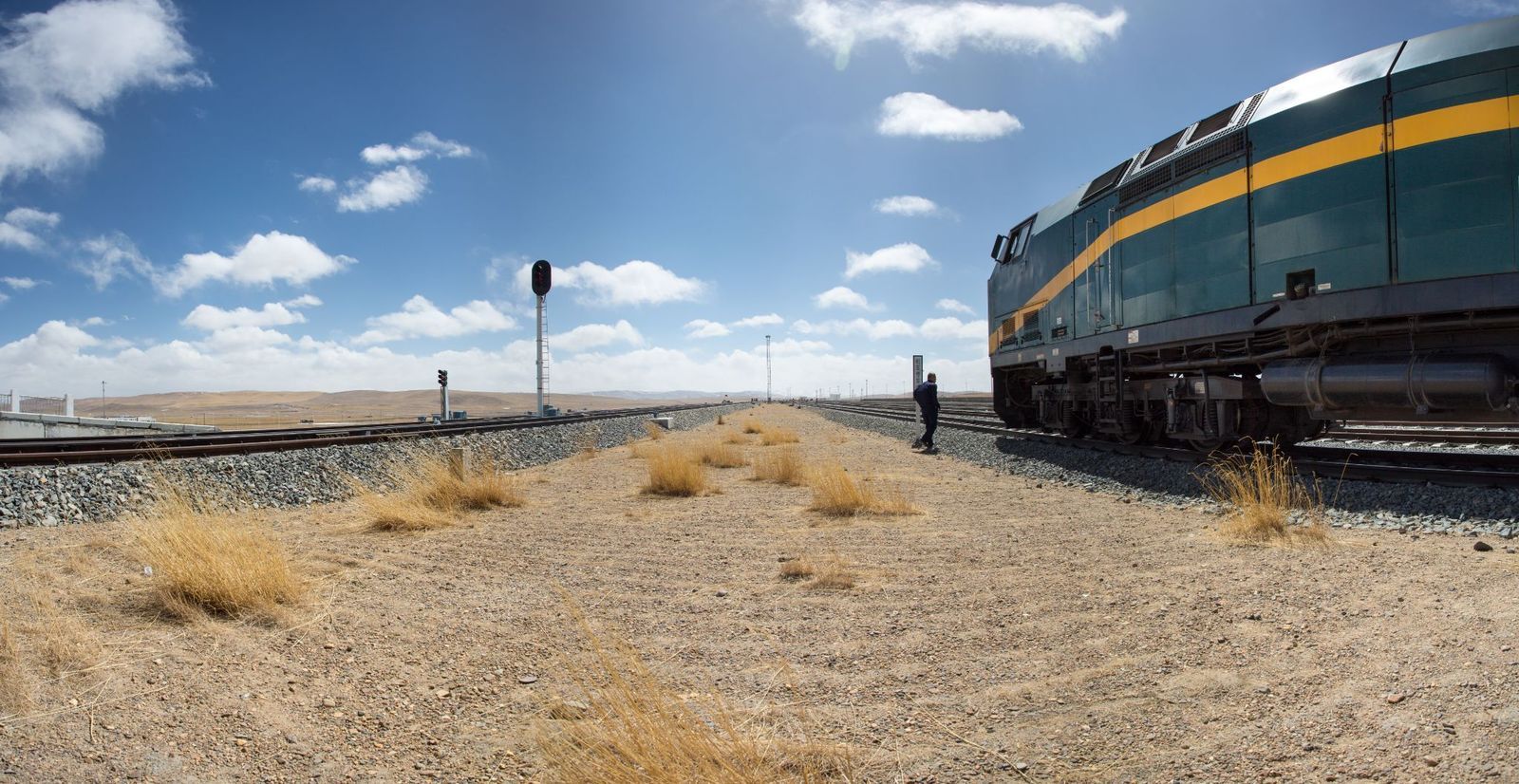
Famous for crossing the world's highest passenger railway pass, the Beijing-to-Lhasa Express covers a 2,335-mile route across the Tibetan Plateau in about 40 hours. The scenic route features varied landscapes such as the Gobi Desert, the Qarhan Salt Lake, the Tanggula Mountains, and the Tibetan grasslands. For the high-altitude zones, the train cabins are equipped with supplemental oxygen outlets, as well as oxygen masks in order to combat altitude sickness.
These safety tips for traveling abroad are a game-changer
 General
How to prepare for a safer trip abroad
These safety tips for traveling abroad may just save your trip
Traveling abroad at any age is one of life's great pleasures. New food, new faces, new adventures. But a little preparation goes a long way, especially when you're far from home. Here are ten practical safety tips that'll help you travel smarter and worry less.
Register with the U.S. embassy

The U.S. State Department offers a free service called STEP — Smart Traveler Enrollment Program. You register your trip online before you leave, and the nearest U.S. embassy will know you're in the country. In the event of a natural disaster, political unrest, or a family emergency back home, they can reach you and offer assistance.
It takes about ten minutes to sign up at travel.state.gov and requires nothing more than your itinerary and contact information. It's one of those things that feels unnecessary until the one time it isn't. Sign up, and then go enjoy your trip.
Be careful with public Wi-Fi

Free Wi-Fi at airports, hotels, and cafés is convenient, but it’s not always secure. Avoid logging into sensitive accounts like online banking when you’re on a public network. If you need to connect, using a VPN adds an extra layer of protection and is easy to set up before your trip.
A VPN app adds an extra layer of protection and is easy to set up before you travel. Most phones make it surprisingly straightforward. Either way, save the online banking for when you're back on a secure connection.
Know the local emergency numbers

911 is a great number — in the United States. Abroad, emergency numbers vary by country. In most of Europe it's 112, in the UK it's 999, in Australia it's 000. A quick internet search before you go will tell you what to dial if you need police, an ambulance, or the fire department in your destination.
Write the number down somewhere physical — your phone might be dead or stolen exactly when you need it most. A small card in your wallet with key numbers, including your country's local embassy, is old-fashioned and absolutely worth it.
Get travel insurance (and actually read it)

Travel insurance isn't just for worst-case scenarios. It covers trip cancellations, lost luggage, and most importantly, medical emergencies abroad. Healthcare in foreign countries can be shockingly expensive, and your regular health insurance often won't cover you once you cross the border. Don't assume. Check.
When you buy a policy, take a few minutes to understand what's actually covered. Some plans exclude certain activities or pre-existing conditions. Know what you're paying for before you need it — not while you're sitting in a foreign hospital trying to translate the paperwork.
Share your itinerary with someone back home
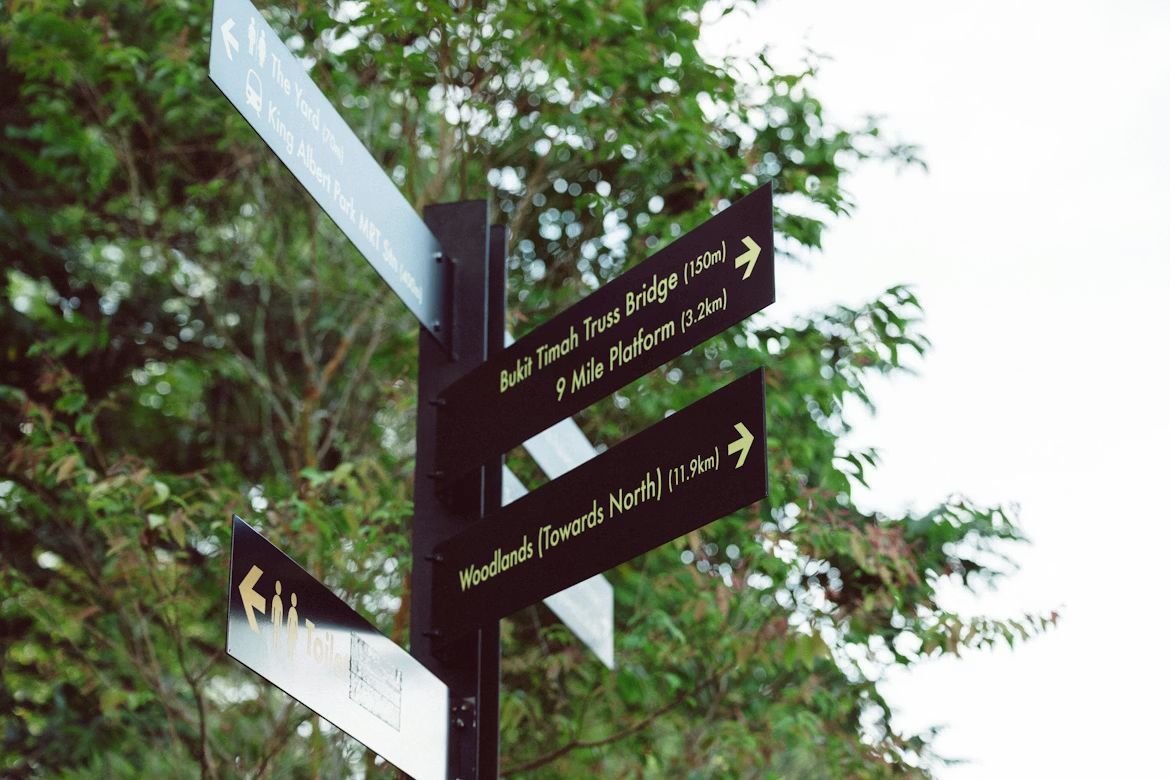
Tell a friend or family member where you're going, where you're staying, and roughly when you'll be where. You don't need to check in every hour, but someone at home should have a general sense of your movements. If something goes wrong, it's a lot easier for people to help you if they know which country you're in.
A quick email with your hotel names and flight numbers is all it takes. Think of it less as being cautious and more as being considerate — your family will sleep better, and so will you.
Keep a simple backup of your important documents
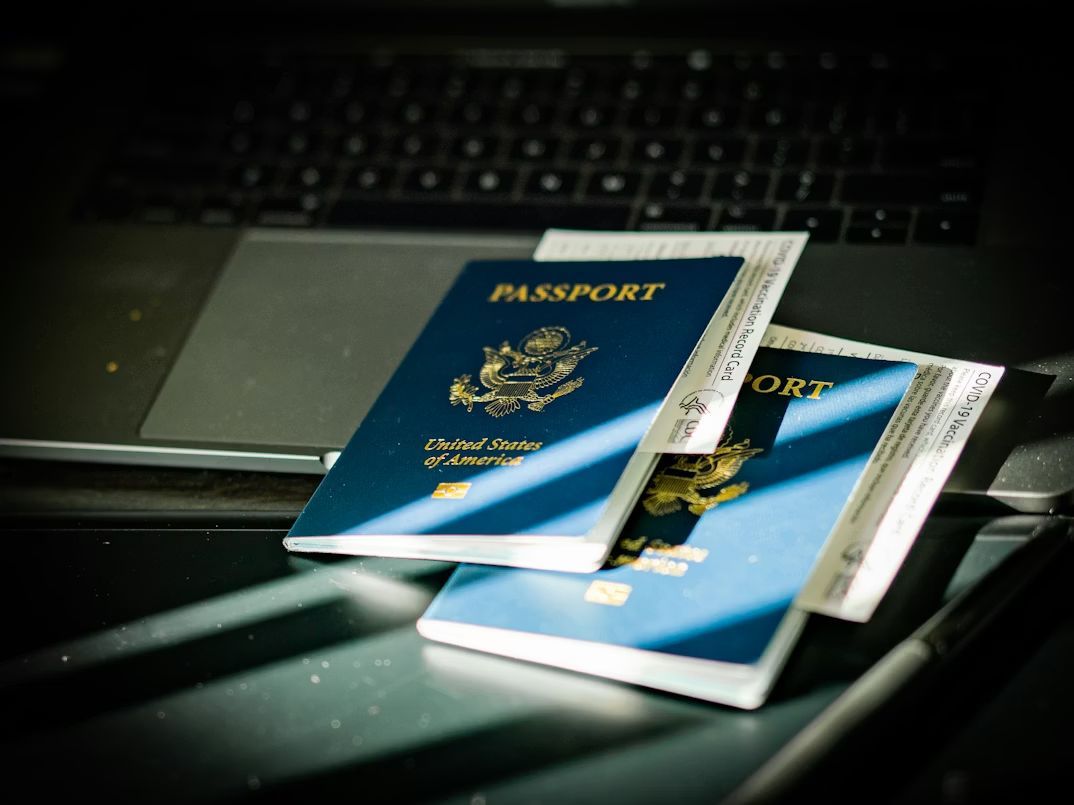
Before you leave, take photos of your passport, travel insurance, hotel reservations, and any other important documents with your phone. Email the photos to yourself or save them somewhere easy to find. If your bag gets stolen or your passport goes missing, having those images handy can save you hours of stress at a foreign embassy.
Spend a few minutes organizing your documents before the trip, and future-you will be very grateful when things don’t go exactly as planned.
Watch out for pickpockets in crowded places

Tourist hotspots are pickpocket paradise. Busy markets, train stations, public transport, and popular landmarks are exactly where thieves like to work. When you're in a crowd, keep your wallet, phone, and passport somewhere secure — ideally in a front pocket or a bag that closes properly — and stay aware of what's happening around you.
The classic move is a distraction — someone bumps into you, asks for directions, or causes a small scene while an accomplice does the work. It happens more often than you’d think. Just keep an eye on your belongings.
Don't flash expensive items

Wearing your nicest watch, carrying a top-of-the-line camera around your neck, or pulling out a thick wallet in public marks you as a target. Thieves in tourist areas are experienced at spotting visitors who look wealthy and distracted.
This isn't about dressing down or being paranoid. It's about being sensible. Leave the flashy jewelry at home, carry just the cash you need for the day, and keep your phone in your pocket when you're not using it. Blend in as much as you can.
Use official taxis and transportation
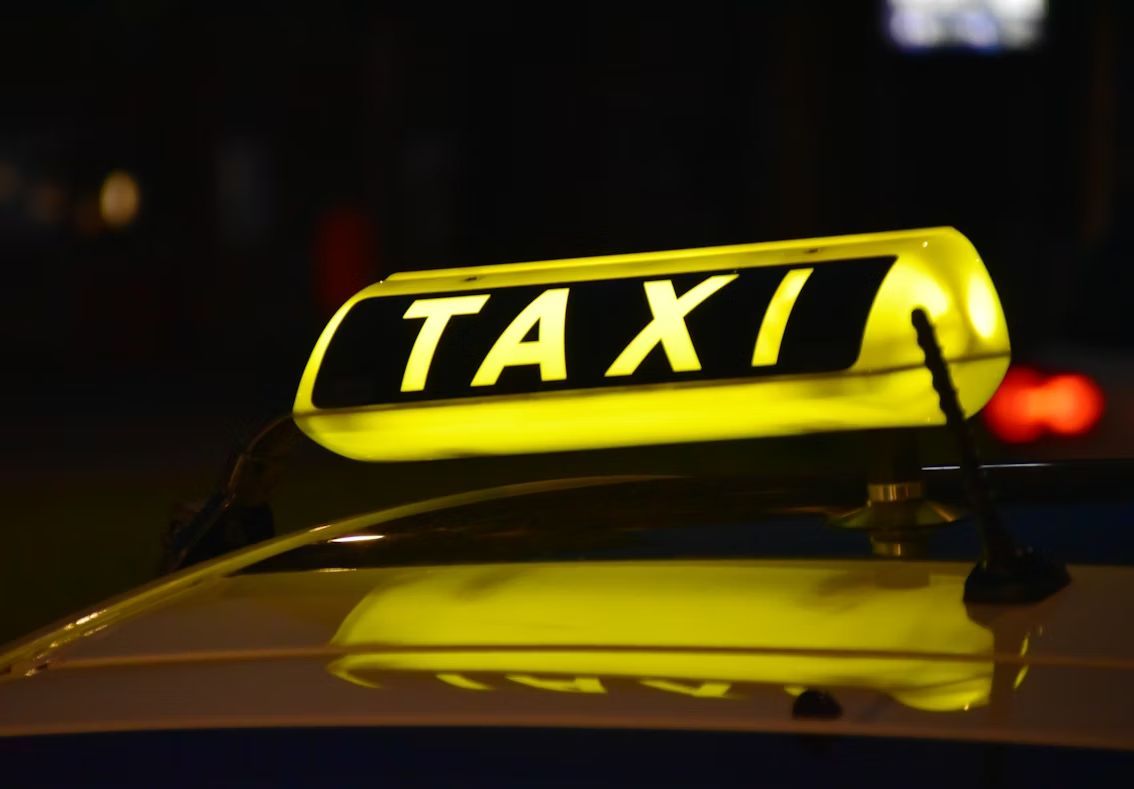
In many cities around the world, unofficial taxis — guys who approach you at the airport offering a great deal — are a classic tourist trap at best and a safety risk at worst. Stick to licensed cabs, official ride-share apps, or transportation arranged through your hotel. It might cost a little more, but it's worth it.
If you do take a taxi, note the driver's name and license number when you get in. A quick text to someone back home with those details takes five seconds and sends a clear message that you're not someone to mess with.
Trust your gut

This one sounds vague, but it might be the most important tip on the list. If a neighborhood feels off, leave. If someone is paying you unusual attention, move on. If a deal sounds too good to be true, it almost certainly is. Your instincts are there for a reason, and ignoring them to avoid seeming rude is never worth it.
Travelers who get into trouble often say afterward that something felt wrong before anything happened. You don't owe anyone your time or your presence. It's perfectly okay to walk away from a situation that makes you uncomfortable, no explanation required.
Keep wandering
There’s always
more to explore
 Culture
How do airports control passengers' rage? All they need is this
4 min.
Read Now

10 American bands & musicians became icons
5 min.
Read Now

What should you do if your passport and hotel key vanish all of a sudden?
4 min.
Read Now

9 Legendary bands & musicians from around the world
4 min.
Read Now