The bull that was installed illegally and 9 other tales of iconic statues
 Landmarks
Landmarks with strange stories to tell
The bull that was installed illegally and 9 other tales of iconic statues
Most people could easily picture and/or name these 10 legendary statues. But how many know the strange, half-explained stories behind them? Was the Venus de Milo holding something in her missing arms? What did the Great Sphinx of Egypt once look like? Why was the Wall Street Bull installed if no one had commissioned it or even allowed it? Some facts about these statues are still being investigated, and some, most likely, have been lost to time. Here, we go into the truths and mysteries behind the world’s most famous statues.
Statue of Liberty (New York, USA)
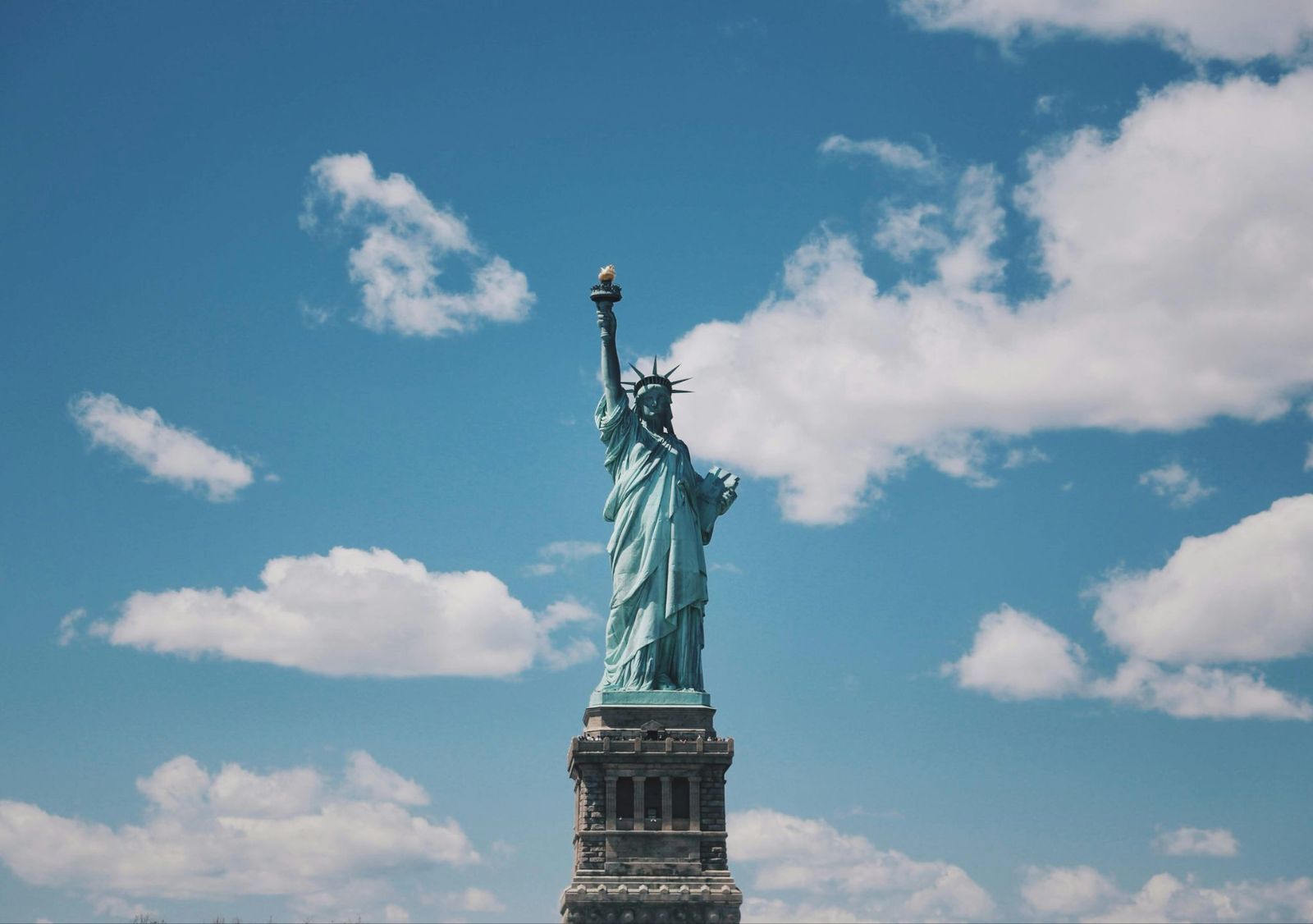
When she was unveiled in 1886, Lady Liberty was reddish-brown. The statue was covered with 300 copper sheets, each only as thick as two stacked pennies. It took just 15 years of exposure to salt air, rain, and pollution from New York Harbor to turn her into a dull, darker brown.
Within 20 years, a green patina had begun to spread across her surface. The US Congress initially allotted funds to repaint her, but the project was abandoned when it faced protests; architects, artists, and citizens insisted that the natural oxidation had some charm and should be respected.
Thirty years after its installation, the statue had acquired the permanent hue of green we know today.
Michelangelo's David (Florence, Italy)
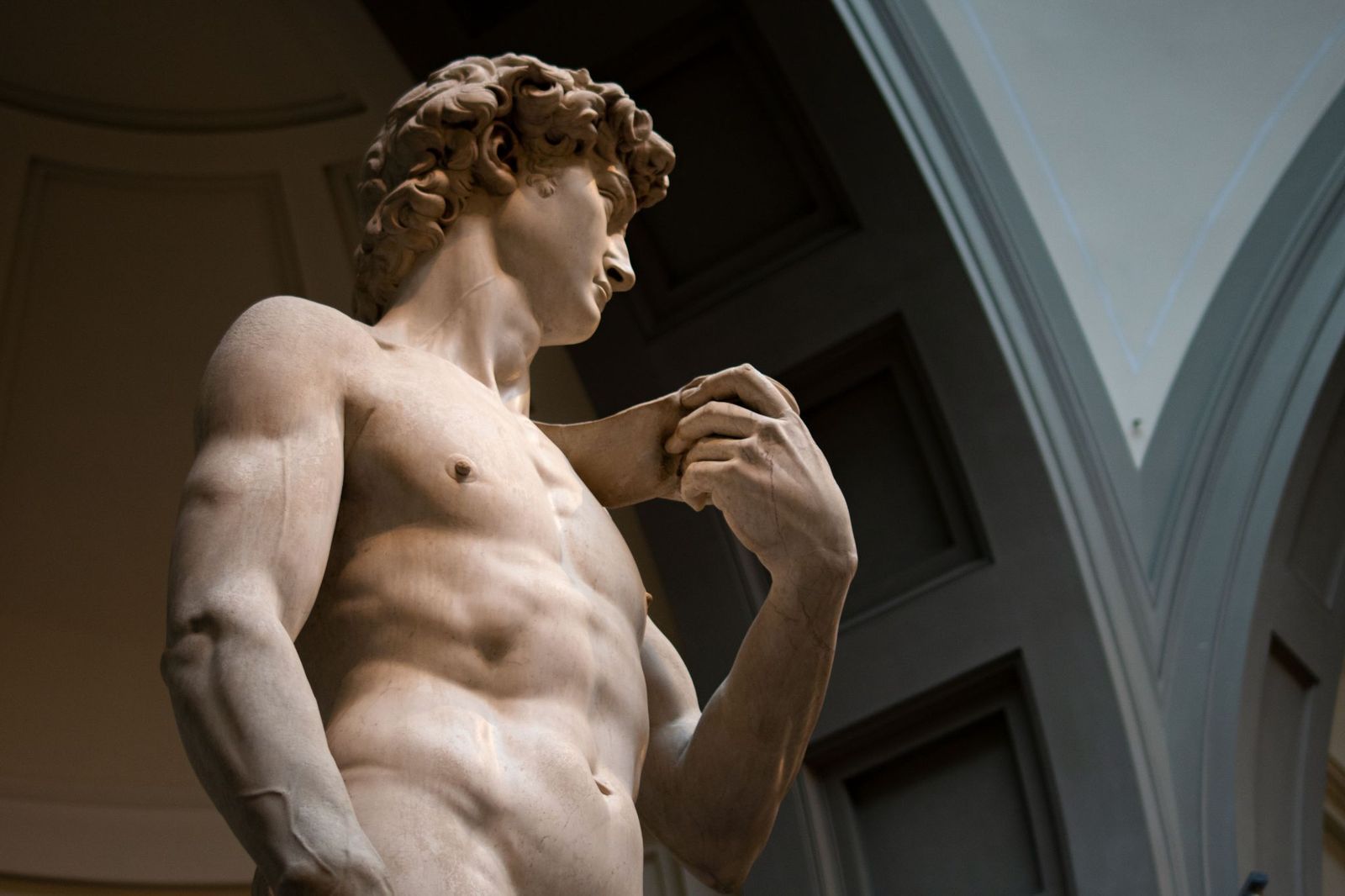
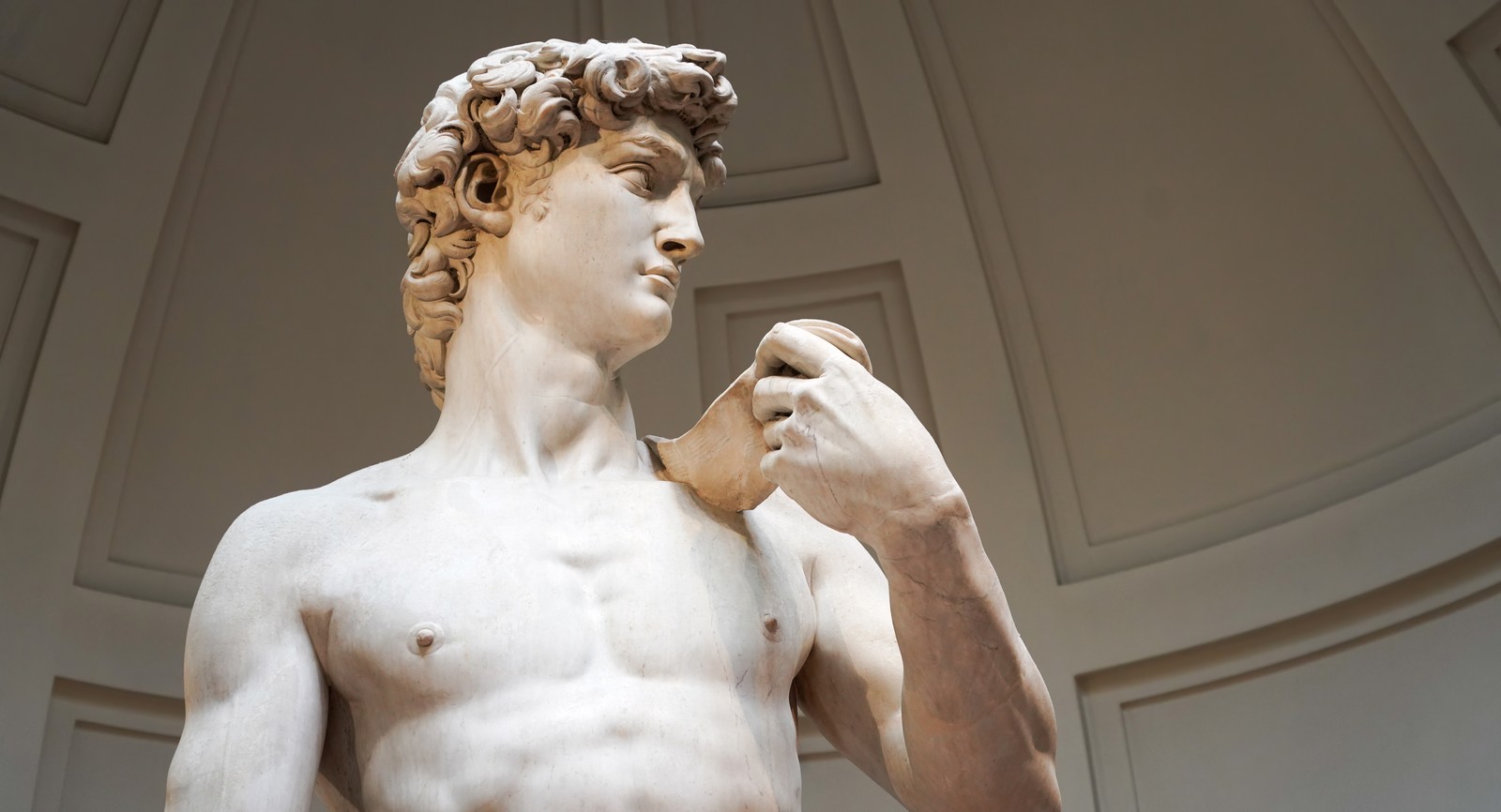
The Statue of David is widely considered the greatest sculpture ever made, but initially it was a derailed, abandoned block of half-worked marble. That was until a 26-year-old genius came to the rescue.
In 1464, the Cathedral of Florence asked sculptor Agostino di Duccio to carve a statue of the biblical figure of David. He started working on a massive, expensive block of marble that would be his legs, but abandoned the project. A decade later, Antonio Rossellino tried to salvage it to no avail; he declared the marble too flawed and difficult to work with. The block sat in a courtyard for the next 25 years.
Eventually, it was offered to Michelangelo, a young, skilled sculptor who had already finished his masterpiece, the Pietà. The marble was too narrow to add the intended sword and head of Goliath, but within less than 3 years, by 1504, he had managed the impeccable figure that still stands today.
Christ the Redeemer (Rio de Janeiro, Brazil)

Built between 1922 and 1931, Christ the Redeemer is the world's most recognizable religious monument. It gets struck by lightning between three and six times every year. Its location on the summit of Corcovado Mountain, rising over 2,000 feet above Rio inside a tropical rainforest, makes it one of the most exposed structures on Earth.
The strikes are not always harmless. For example, in 2008, lightning during a violent thunderstorm damaged its fingers, head, and eyebrows. His right-hand fingers were dislodged again in 2014, just weeks before the opening of that year’s FIFA World Cup in Brazil, which required rushed repairs.
Following that, lightning rods were embedded in the statue’s head and arms to divert the worst of the strikes.
Great Sphinx of Giza (Giza, Egypt)
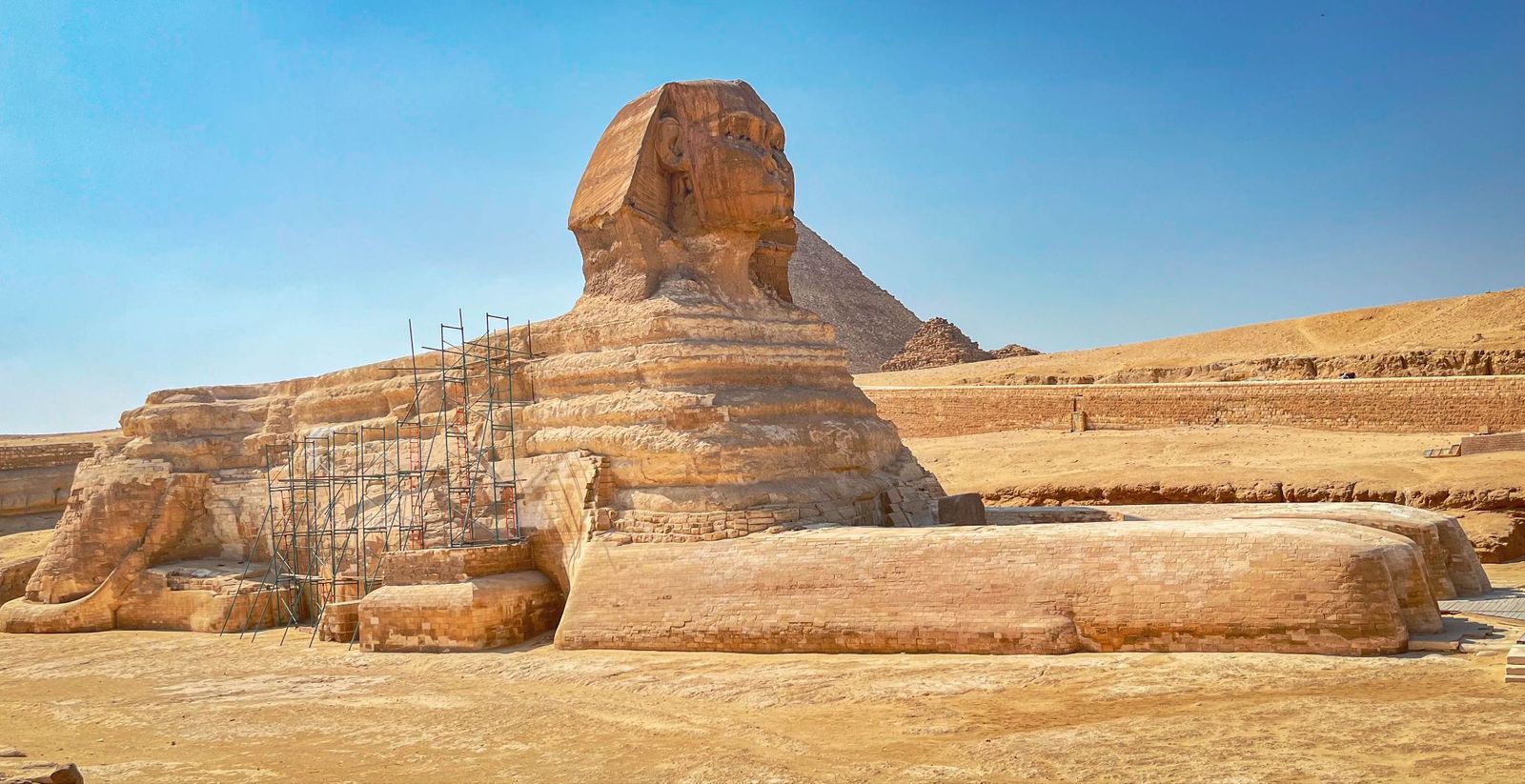
At 240 feet long and 66 feet high, the Great Sphinx is the largest monolithic statue in the world. It was carved entirely from a single piece of limestone approximately 4,500 years ago. But there is a lot about her that remains a mystery.
We know from observing pigment residue on her surface that it was probably fully painted once. What experts haven’t been able to find out is who modeled for the face, exactly when it was built, or by whom.
Its missing nose is a source of endless myths. For some time, a legend spread saying that Napoleon's soldiers had shot it off for target practice, but sketches made decades before Napoleon was in Egypt already show the Sphinx noseless, which meant whatever destroyed it had happened centuries earlier.
Winged Victory of Samothrace (Paris, France)
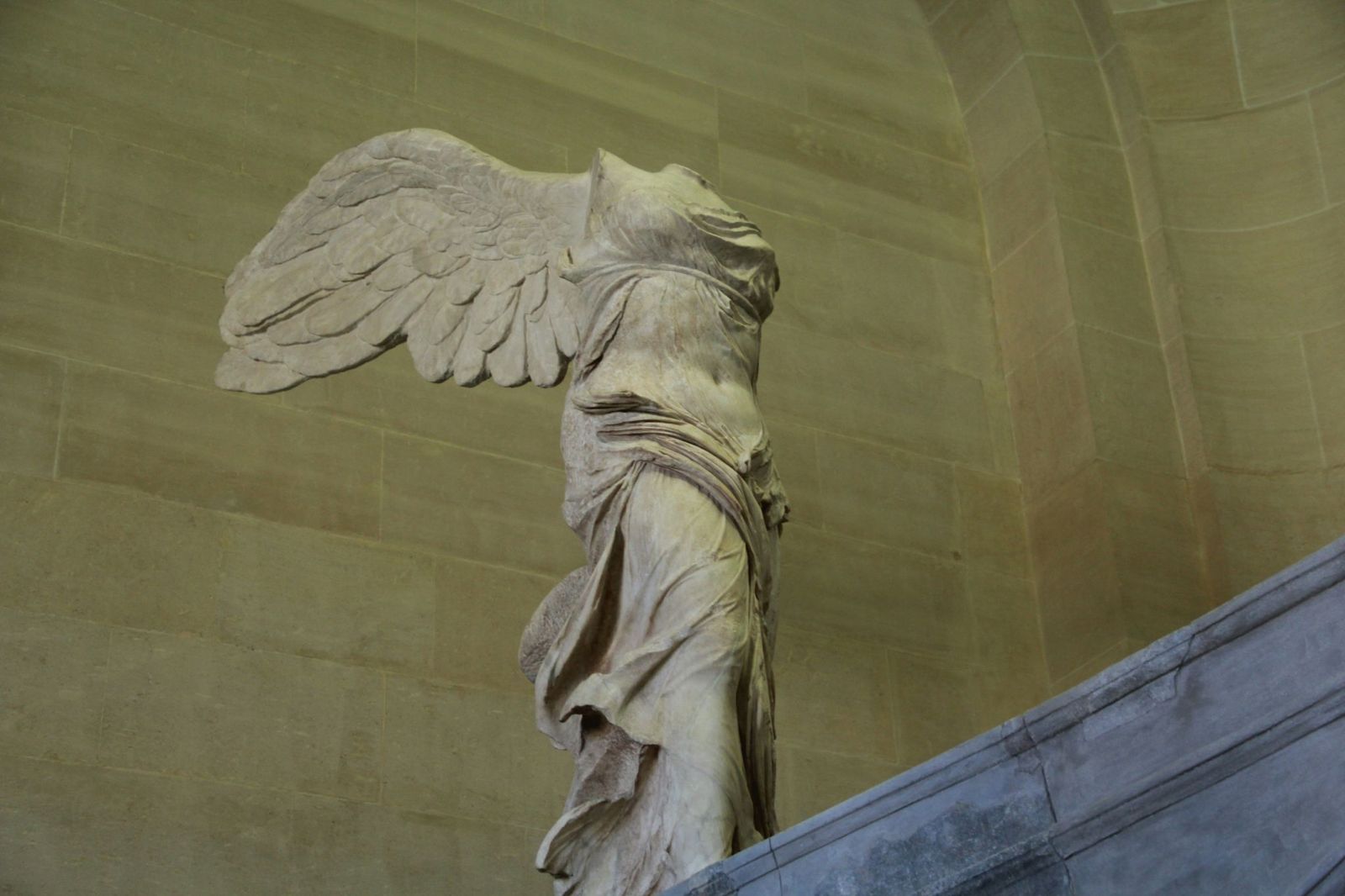
The Winged Victory depicts Nike, the Greek goddess of victory, descending onto the prow of a ship. She was carved roughly 2,200 years ago, around 190 BC, in Ancient Greece. Her robes show the "wet drapery" technique unique to Greek sculptures; thin fabric seemingly pressed against the body by sea wind.
She was unearthed in 1863 by French diplomat Charles Champoiseau on the Greek island of Samothrace. When found, she was broken into 118 fragments. Champoiseau shipped the pieces to the Louvre in Paris, where curators reassembled them. But the head, arms, and feet were not among the fragments.
Expeditions returned to Samothrace several times throughout the following century, hoping to recover what was missing. A right hand was eventually found and is displayed separately in a glass case nearby in the Louvre, but the head has never been found, and after more than 160 years of searching, it is presumed lost forever.
Charging Bull (New York, USA)
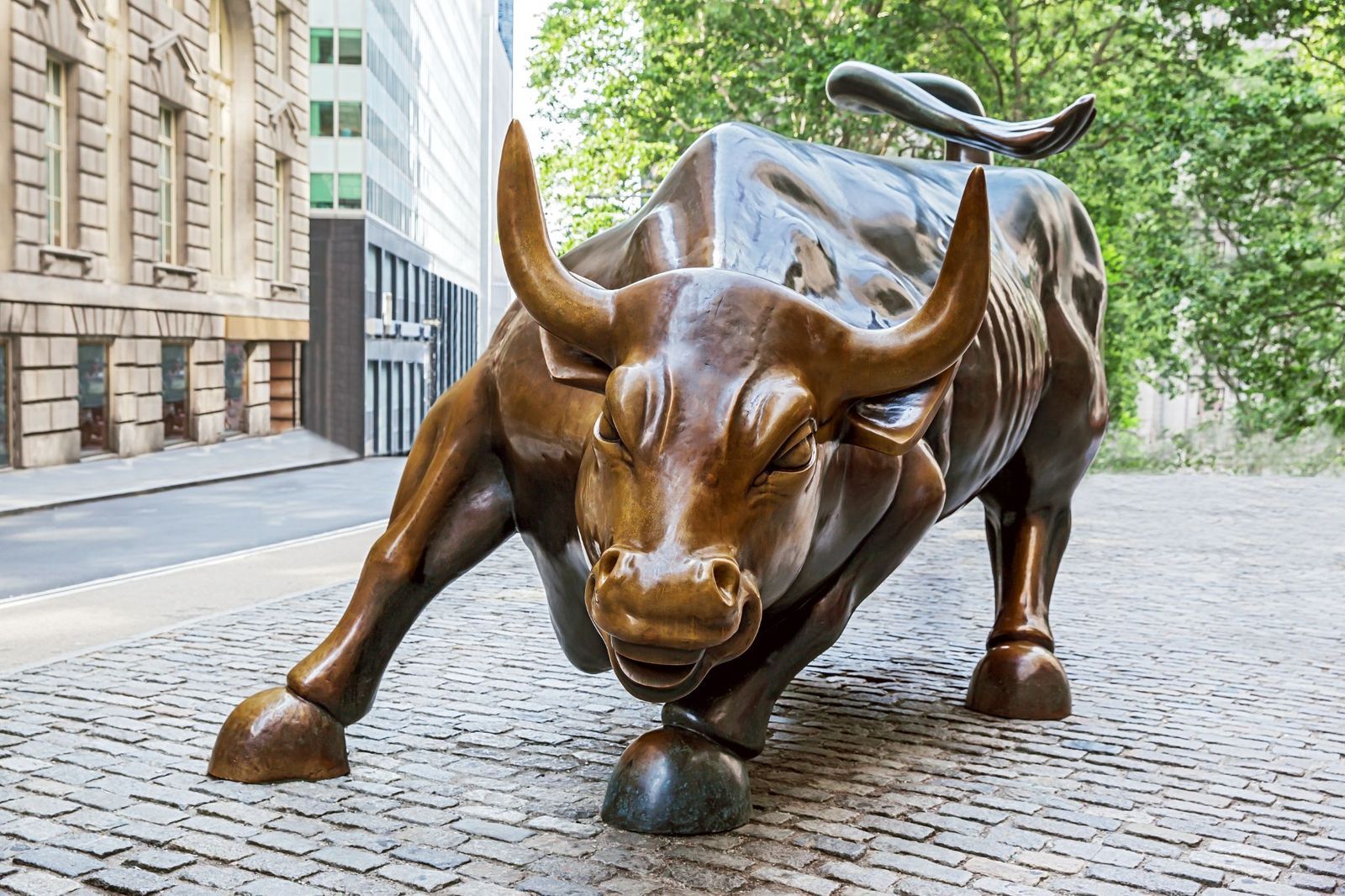
The Charging Bull on Wall Street was never commissioned. In fact, for a few hours after its installation, it was a crime. Arturo Di Modica, a Sicilian-born sculptor who had arrived in New York penniless in 1970 and built a successful career there, felt he owed the city something.
In 1987, he spent $325,000 of his own money and two years of work casting a 3.5-ton bronze bull, then, with a team, drove it to Wall Street on a truck in the middle of the night and dropped it in front of the New York Stock Exchange. This he did without anyone’s permission. It was meant, he said, as a Christmas gift for the city of New York.
Police hauled it away within hours, but civilians protested. Within days, the city relented and installed it permanently at Bowling Green Park, where it has stood ever since on a "temporary permit" that was never revoked.
Venus de Milo (Paris, France)
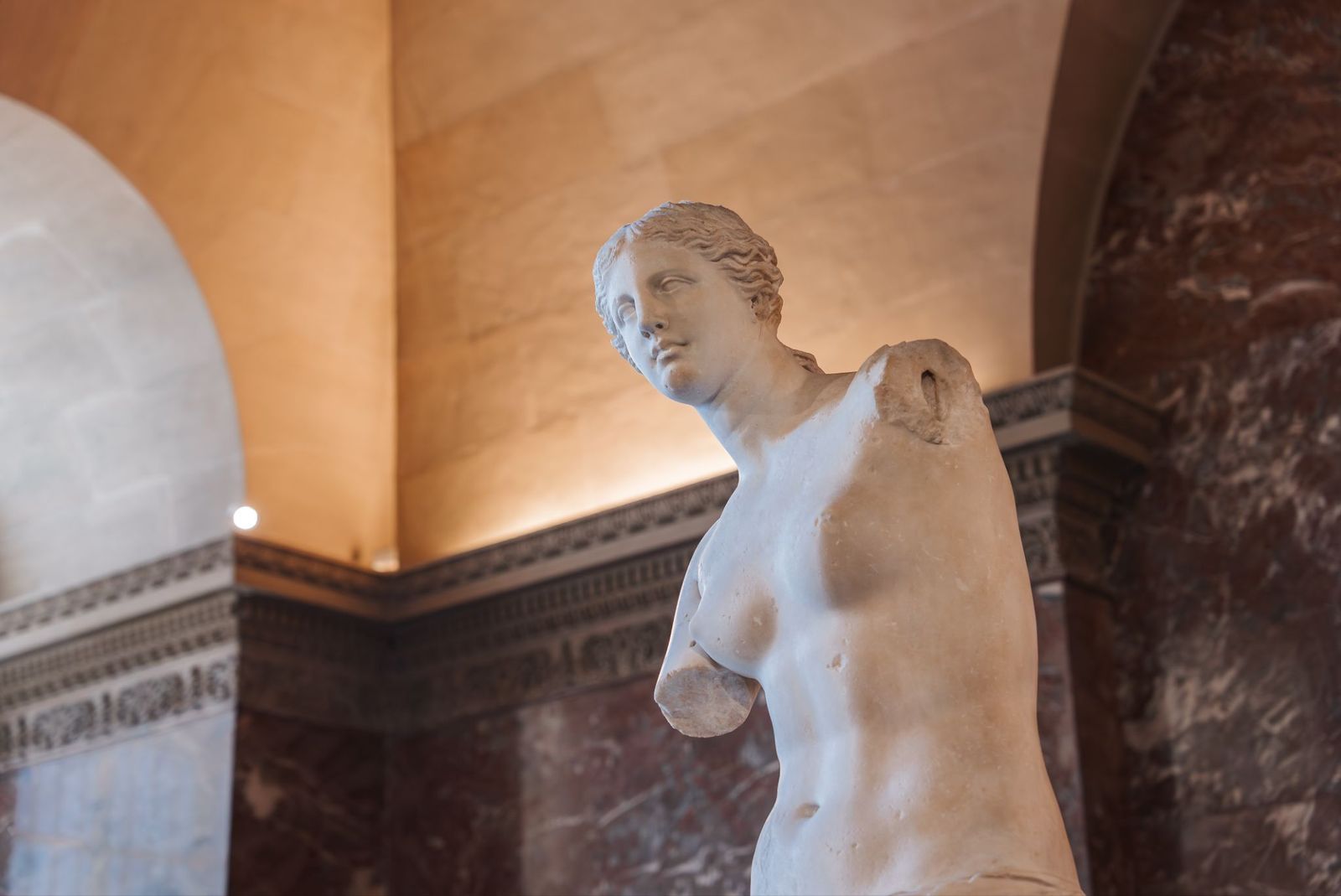
Experts cannot agree on what the arms of the Venus de Milo were doing. This Greek statue, carved around 2,100 years ago, was discovered on the Greek island of Melos in 1820 and has been missing her arms for as long as the modern world has known her.
Scholars have proposed that she was holding an apple, spinning thread, adjusting her robe, or reaching toward a shield held by another figure entirely. We may never know the truth, since no more fragments were found at that site in Greece.
Moai (Easter Island, aka Rapa Nui, Chile)
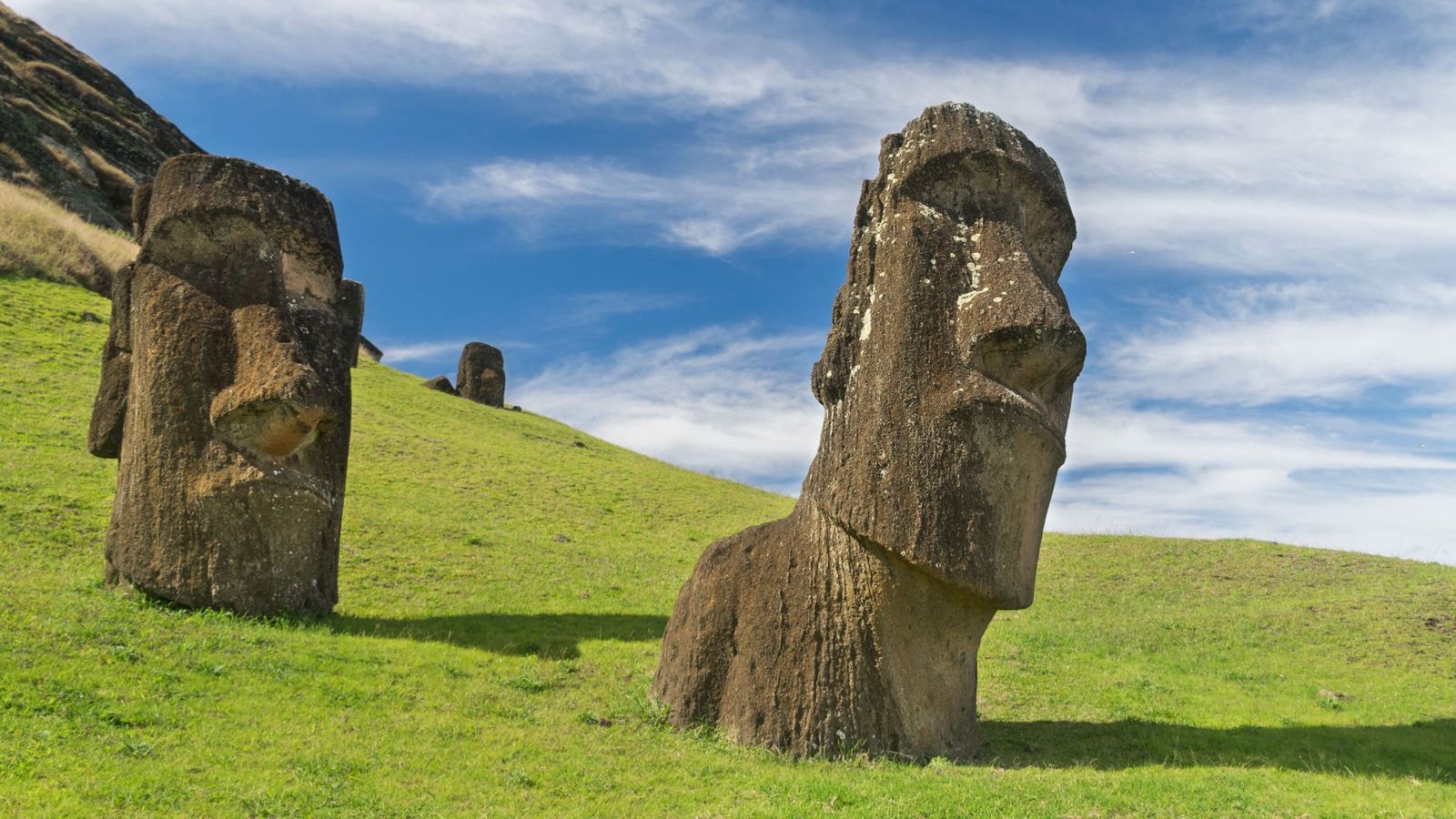
What the world calls the "Easter Island heads" are not heads. They are full-body figures that have been buried for centuries and were carved between the years 1250 and 1600. But nowadays, roughly 150 statues on the slope of the Rano Raraku volcano are buried up to their shoulders.
Beneath the surface, each figure has a complete torso, with arms and hands resting above the abdomen. They even had intricate carvings on their backs. These exposed bodies were only made widely known to the public after 2012, when excavation photos went viral online.
The Rapa Nui carved nearly a thousand of these figures, and then moved some that weighed over 80 tons across miles, without wheels or draft animals.
The Thinker (Paris, France)

The figure the world knows as The Thinker was not originally called that, and it was never meant to stand alone. Rodin conceived it in 1880 as a small element in a much larger commission: a monumental set of bronze doors called The Gates of Hell, based on Dante's book Inferno.
The figure was originally named The Poet, and was positioned above the doors looking down at the suffering figures below. The statue most likely represents Dante himself, contemplating the world of Hell he had imagined. Rodin later renamed it The Thinker and began exhibiting it independently, eventually enlarging it to over 6 feet tall.
There are now approximately 28 full-sized bronze casts of The Thinker in museums and public spaces around the world. French law permits up to twelve authorized posthumous castings from an artist's original molds, and Rodin's estate has continued to produce them under those rules.
Great Buddha of Kamakura (Kamakura, Japan)
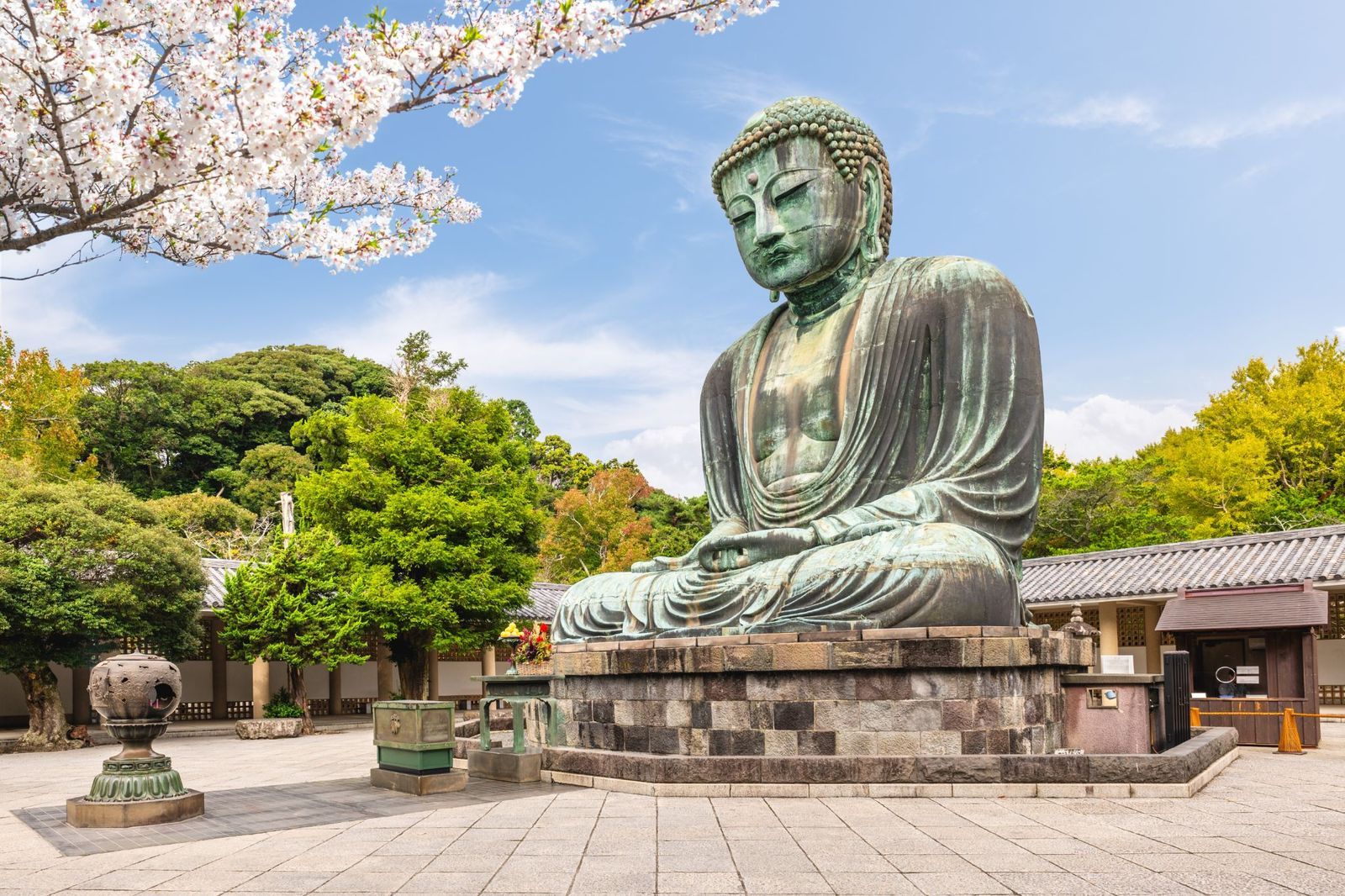
Cast in bronze in 1252, the Great Buddha of Kamakura stands roughly 44 feet tall and weighs about 121 tons. For its first two centuries, it was sheltered inside a large wooden hall. But the hall had a catastrophic relationship with Japanese weather.
A violent storm destroyed it in 1335. The hall was rebuilt. Then an earthquake and tsunami struck in 1498, destroying the structure again. This time, the decision was made not to rebuild it; historians aren’t sure if this was based on practical or spiritual reasons.
Since then, the Buddha has sat in the open air. Unlike the hall that surrounded it, the figure has endured five more centuries of typhoons, earthquakes, and salt wind and remains nearly intact.

Can you actually enjoy a flight? 10 crucial tips to reclaim your vacation
 General
The no-panic packing List: 10 tips to manage travel anxiety
For some, the thought of a vacation conjures images of white sandy beaches and sunset cocktails. For others, it triggers a mental reel of missed connections, lost luggage, and the crushing weight of "what-ifs." If you fall into the latter camp, you aren’t alone. The good news? Travel anxiety isn't a permanent barrier to the world. Here are ten tips that will help you reclaim your itinerary and actually enjoy the view.
Plan in detail: Defeat the unknown with data

Anxiety thrives on the unknown. When your brain doesn’t have a clear picture of what’s next, it fills the gaps with worst-case scenarios. The antidote to this is meticulous organization.
Start by creating comprehensive lists. Don’t just list clothes; list "three pairs of socks, blue jeans, and the gray sweater." Use a digital or physical planner to map out your transit times, hotel addresses, and emergency contact numbers. Print out physical copies of your boarding passes and hotel confirmations. Knowing you have a backup if your phone battery dies can significantly lower your baseline stress level.
Remind yourself why you’re traveling

When you’re in the middle of a crowded terminal or a turbulent flight, it’s easy to lose sight of the "why." In those moments, your brain views the trip as a series of obstacles rather than an opportunity.
Before you leave, write down the reasons for your trip. Are you visiting a lifelong friend? Are you finally seeing the Louvre? Keep this list in your Notes app or on a piece of paper in your pocket. When the anxiety spikes, read it back to yourself. Reminding yourself of the reward at the end of the journey helps reframe the stress as a temporary price for a permanent memory.
Time your logistics wisely

Many travelers try to maximize their time by booking the cheapest 3:00 AM flight or opting for 45-minute changeovers to save an hour of total travel time. For someone with travel anxiety, this is a recipe for disaster, since sleep deprivation is a major trigger for anxiety and panic attacks.
If you start your journey exhausted, your emotional resilience is already compromised. Furthermore, tight connections create stressors that can haunt you for the duration of your first flight. To avoid this, aim for mid-morning departures that allow for a full night’s sleep. Also, give yourself at least two to three hours between flights. It’s much better to spend an hour reading in a terminal than sprinting through an airport with five minutes to spare.
Travel with a companion

While solo travel is often romanticized, it isn't for everyone—especially if you struggle with high anxiety. Traveling with a trusted friend, partner, or family member acts as an emotional anchor.
A companion can handle the heavy lifting of navigation or talking if you’re feeling overwhelmed. Just having someone to talk to can distract your brain from internal spirals. If you must travel alone, stay in touch with someone via text or video call at each stage of your journey to maintain that sense of connection.
Strategize your seat selection
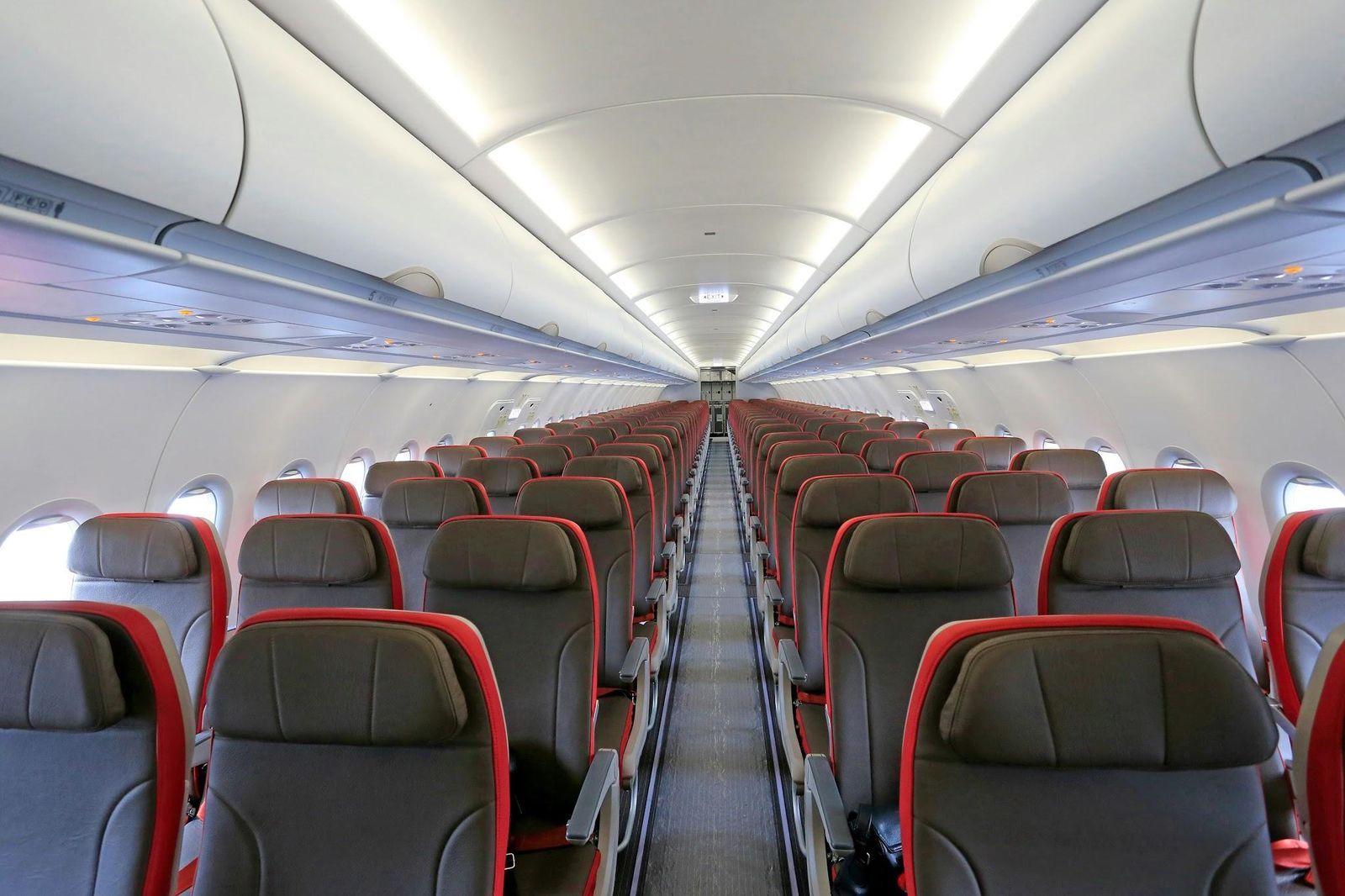
Not all airplane seats are created equal when it comes to comfort and calm. If you feel trapped in tight spaces or worry about turbulence, where you sit matters. Generally speaking, the front of the plane experiences less turbulence than the tail. It also allows you to be among the first to deplane, reducing the bottleneck anxiety that occurs after landing.
On the other hand, an aisle seat provides a psychological sense of freedom. You can get up to stretch your legs or go to the restroom without having to ask two strangers to move. This exit strategy can be vital for those who struggle with claustrophobia.
Exercise before you fly

Anxiety is, at its core, an excess of energy, specifically cortisol and adrenaline. Your body is prepared for a "fight or flight" response, but you’re forced to sit still in a pressurized tube for hours. This mismatch is a primary cause of physical restlessness and panic.
Before you head to the airport, engage in some vigorous exercise. Whether it's a brisk 30-minute walk, a gym session, or some heavy yard work, burning off that physical energy helps tire out the anxiety response. A tired body is much more likely to settle into a seat and rest than one that is brimming with unused nervous energy.
Practice relaxation techniques

You cannot think your way out of a physiological anxiety response, but you can breathe your way out of it. Developing a breathing ritual allows you to manually override your nervous system.
One of the most effective methods is Box Breathing: First, inhale for 4 seconds, and hold for 4 seconds; then exhale for 4 seconds, hold for 4 seconds. Repeat this cycle four times. This technique is used by elite athletes to stay calm under pressure because it forces the heart rate to slow down and signals the brain that there is no immediate threat.
Avoid alcohol

It is tempting to head to the airport bar for a pre-flight drink to take the edge off. However, alcohol is a double-edged sword for the anxious traveler.
While it might provide a temporary numbing effect, alcohol is a depressant that can actually increase the likelihood of a panic attack as it wears off. It also dehydrates you and disrupts your sleep—two things that are already at risk during travel. Stick to water, herbal tea, or fruit juice. Keeping your body hydrated and your mind clear is your best defense against a sudden surge of dread.
Create an auditory sanctuary
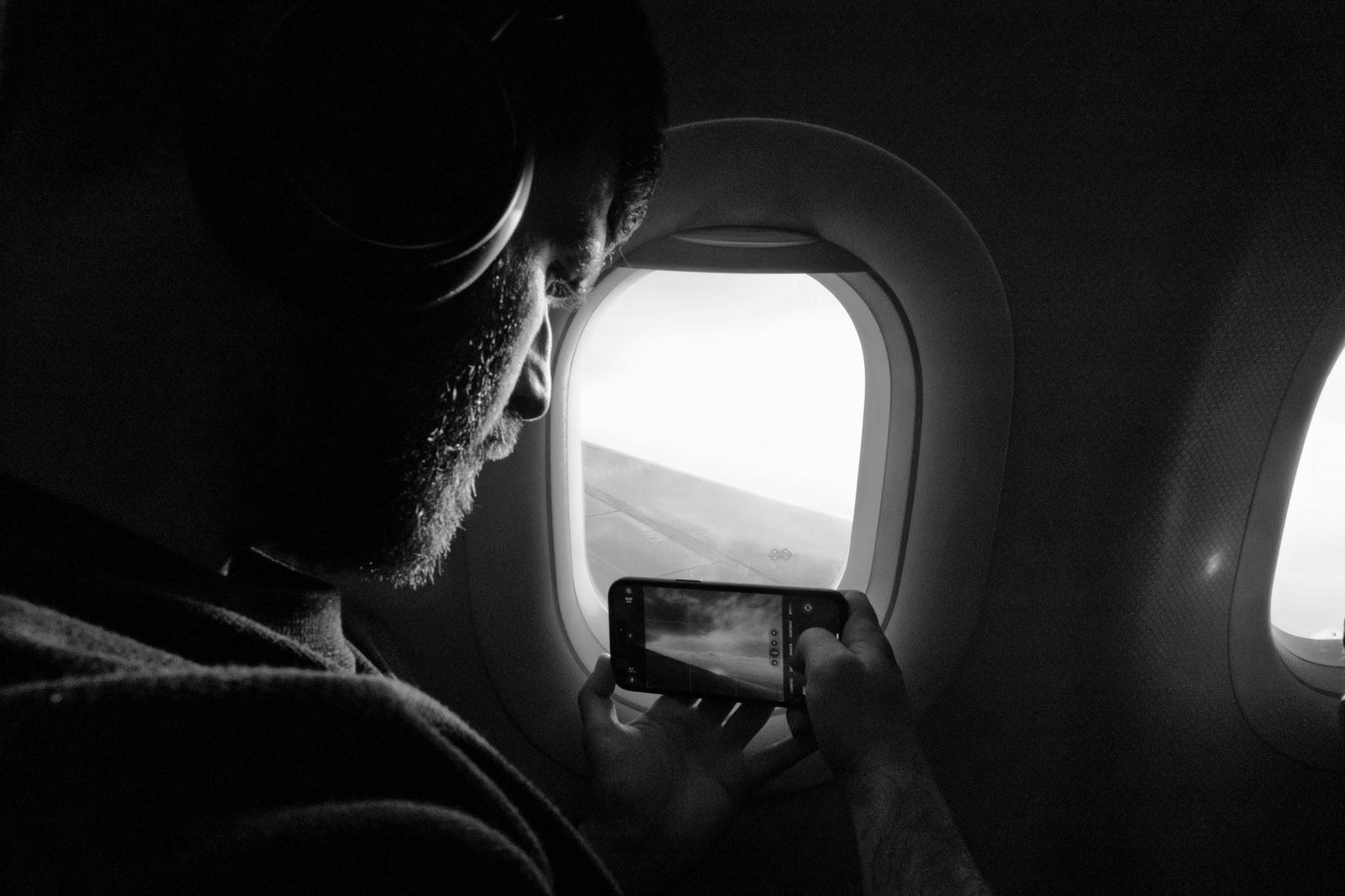
The world is a noisy place, and airports are sensory overload hubs. The clatter of luggage, the hum of engines, and the constant overhead announcements can keep your nervous system on high alert.
Invest in a good pair of noise-canceling headphones and curate a calming playlist. This shouldn't just be random music; it should be tracks you associate with safety and relaxation. Whether it’s classical music or a familiar audiobook, creating a sound cocoon allows you to withdraw from the chaotic environment and focus on something predictable and soothing.
Don’t worry about being a tourist
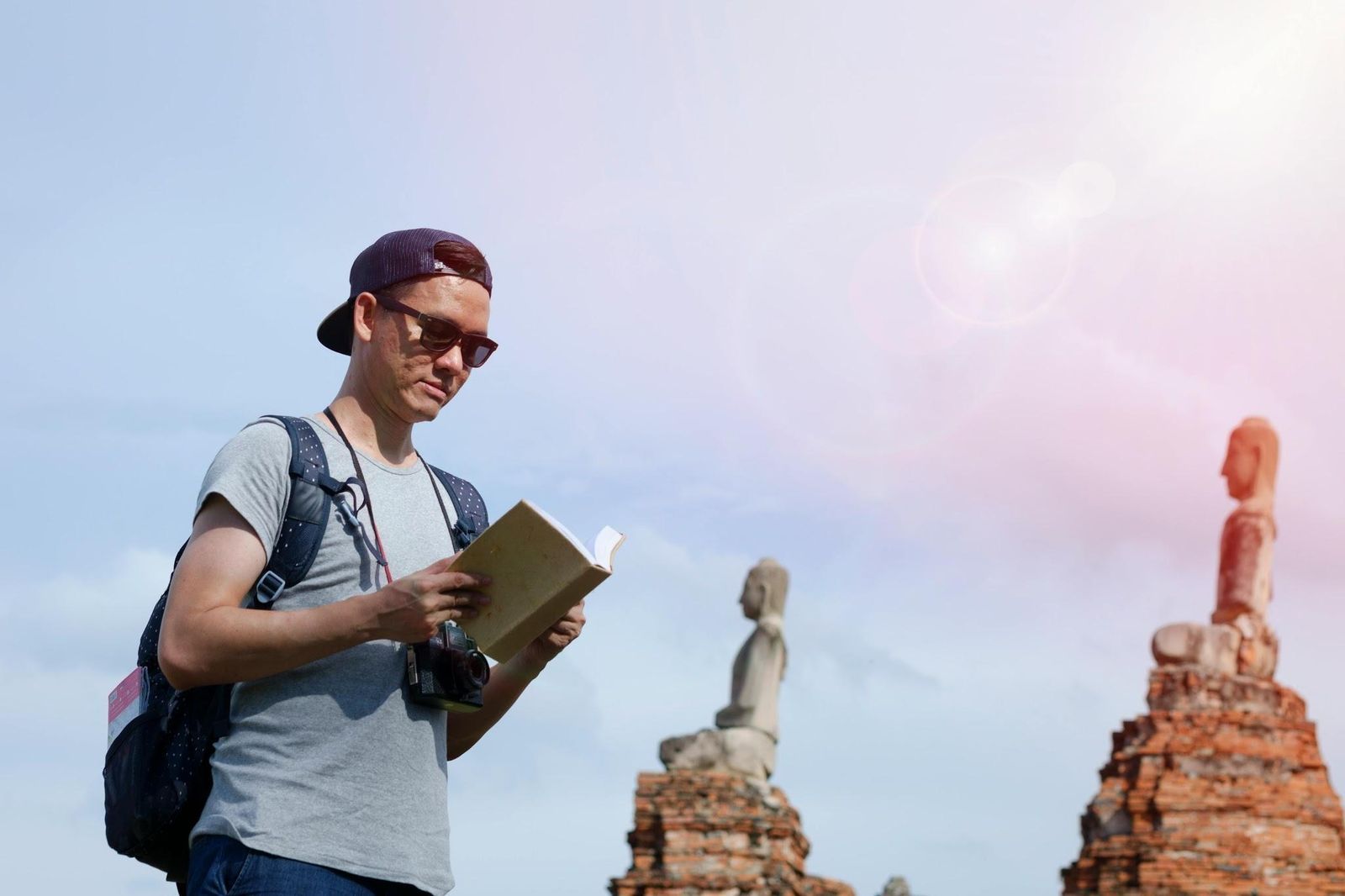
There is a strange social pressure in modern travel to blend in or act like a local. For someone with anxiety, the fear of doing something wrong or looking stupid adds an unnecessary layer of stress.
Give yourself permission to be a tourist. Carry the map. Ask the silly questions. Wear the comfortable walking shoes. If you get lost, it’s not a failure; it’s part of the process. By accepting that you are a visitor in a new place, you lower the stakes. You aren't expected to know everything, and that realization can be incredibly liberating.
Keep wandering
There’s always
more to explore

These towns look fake, but they're real: Too pretty to be true
3 min.
Read Now

Your feet do what!? No one tells you what outer space does to your body
6 min.
Read Now
Most tourists never find these London spots hiding in plain sight
3 min.
Read Now
Don’t take that feather home: knowing these 10 rules can save you a fine
5 min.
Read Now