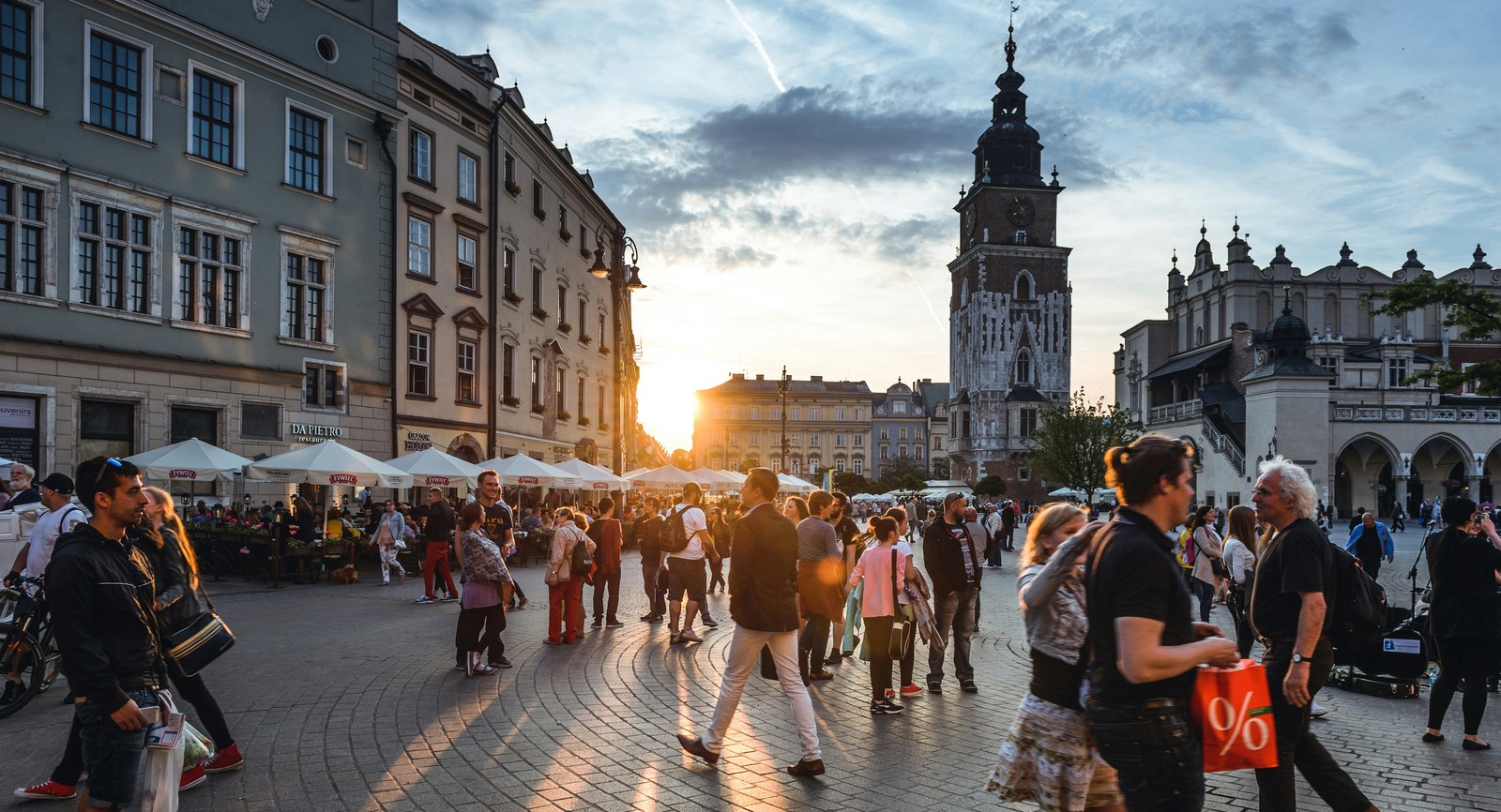
Don't dig into the breadbasket in Spain before checking the menu
 Culture
When in Rome
Don't dig into the breadbasket in Spain before checking the menu
As tourists in a foreign country, we will naturally come across behaviors and customs that are different from our own. Some of them might catch us by surprise, because they are small things we wouldn’t even think to question. What side of the road do you walk on? Do you buy groceries on a Sunday? Which floor is considered the 1st floor? Here are some small but important foreign customs that might baffle most Americans.
Japan: You should never tip your server

Tipping is quite ingrained in American culture, as well as many European and Latin American countries, though the rules around it might change from country to country. But things are quite different in places like Japan, where tipping is not only not customary, but even seen as rude. While in the Western mentality tipping is seen as a reward for good service, for the Japanese, expecting good service is the standard, so "rewarding" them for doing their job properly comes as an affront.
Germany: Sunday closures

Shops closing on a Sunday is not unheard of in America, but it is not the norm, although some places might reduce their working hours during the weekend. In Germany, however, most shops are legally required to close on a Sunday to give workers a Ruhetag or ‘day of rest’. While you will find cafés, museums, restaurants, gas stations, and even some bakeries open on a Sunday, retail stores, grocery shops, and supermarkets will be closed.
Spain: The bread basket
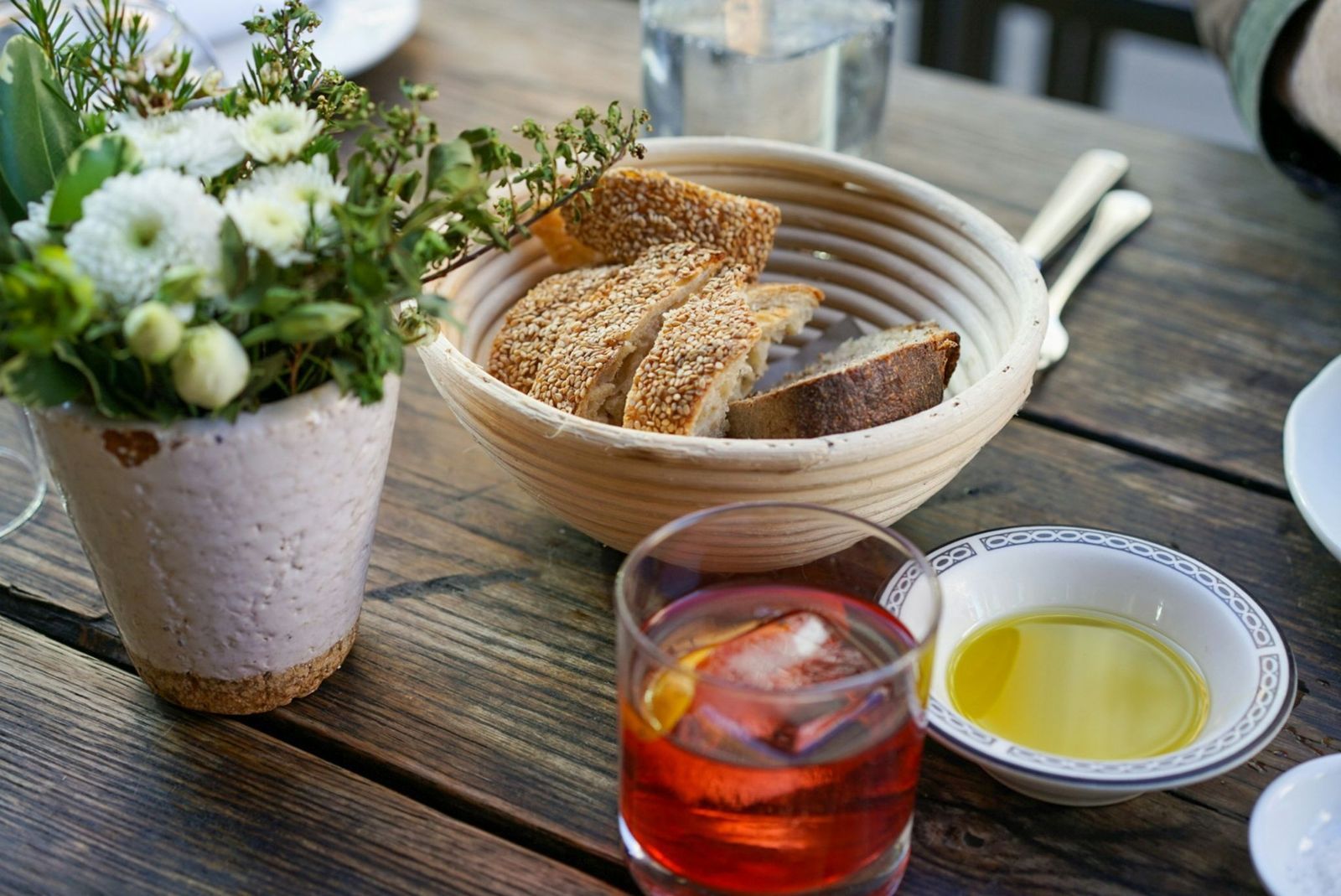
An essential part of eating out is digging into the bread basket, but what if I told you that it’s not always complimentary? If you are eating out in Spain, you will most likely be served a bread basket, which will later appear as a charge on your receipt. The restaurant, however, can only charge you for it if the bread basket is explicitly listed in the menu. If you don’t want to pay for it, you will have to ask the waiter to take it away as soon as they bring it to the table.
Brazil: Never flush toilet paper

Many things shouldn’t be flushed down the toilet, but paper is not usually one of them. In America, flushing toilet paper is not an issue, and most people do it without thinking twice about it. If you are visiting Brazil, though, you will have to set a reminder. Brazil’s plumbing system is somewhat old, with narrow pipes that cannot handle too much paper. Instead, Brazilians typically dispose of toilet paper in a small trash can next to the toilet. Although modern establishments and hotels usually have better plumbing, always check for the trash can before flushing paper down the drain.
Australia: Pedestrians should always walk on the left side
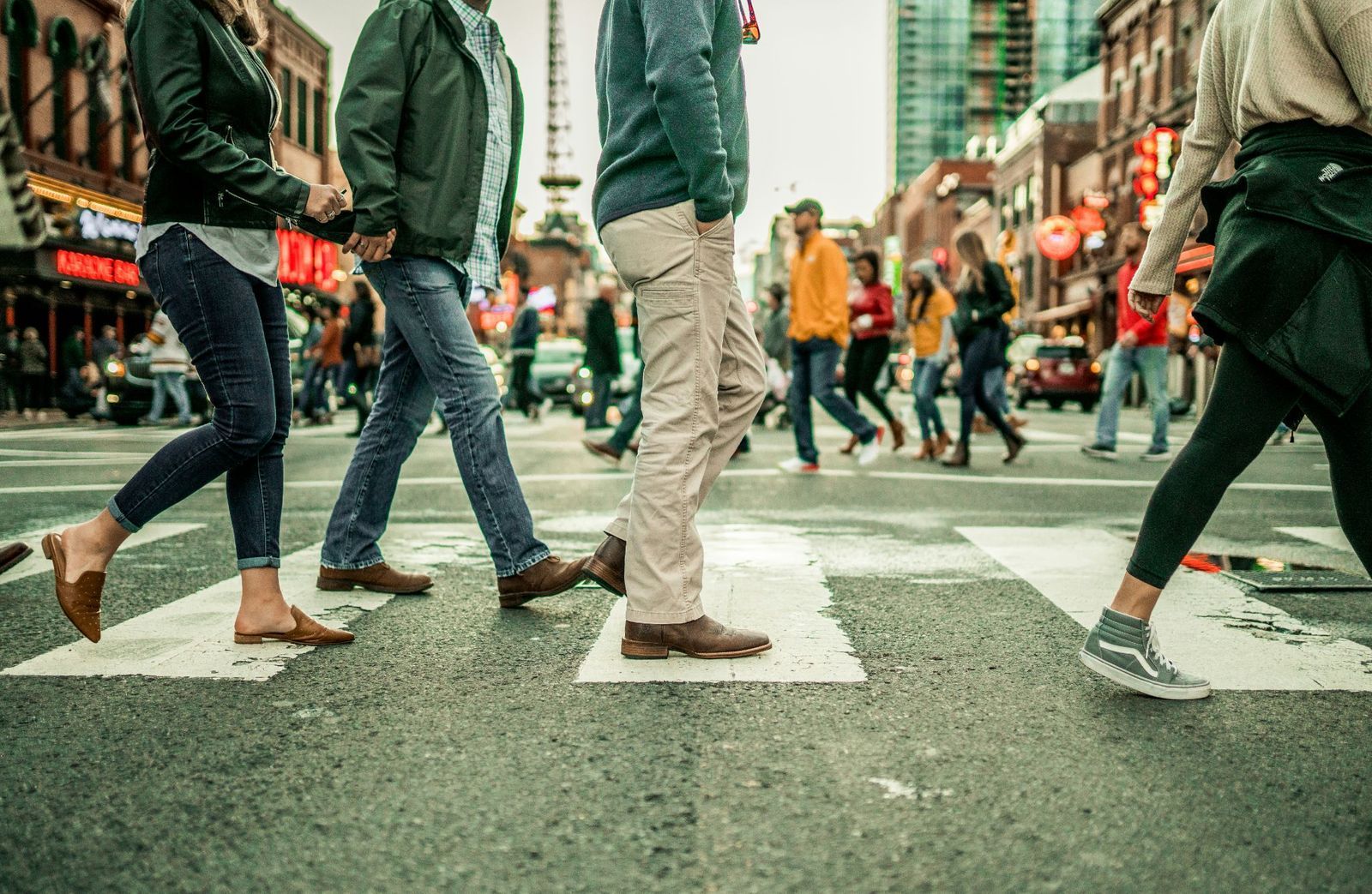
Do you keep to the left or the right when walking on the street? Aside from personal preferences, most Americans will naturally stay on the right side when walking or taking the stairs, but this is not always the case worldwide. In Australia, it is customary to keep to the left, which can cause some unexpected bumps on the streets and on escalators for American tourists.
France: The ground floor is number zero, not 1
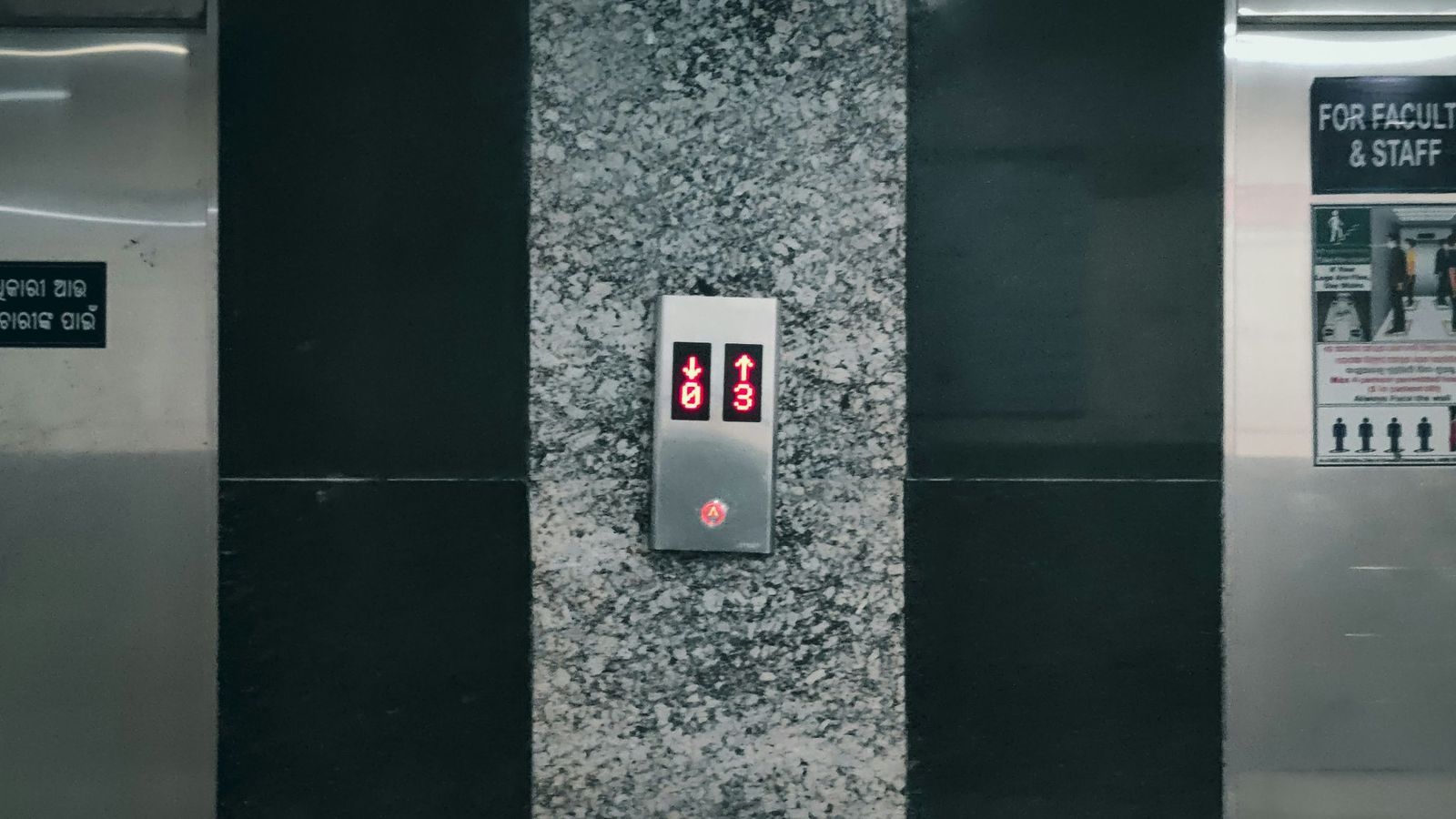
You get on the elevator and press 1 for the ground floor. Simple, right? Well, not if you are in France. For the French, the ground floor or rez-de-chaussée (often abbreviated as RDC) is not numbered as 1, but as 0. The first floor is instead the first level above the ground floor, so pressing 1 in the elevator will always leave you one floor above what you are used to.
England: In the pub, you have to ask and pay before sitting
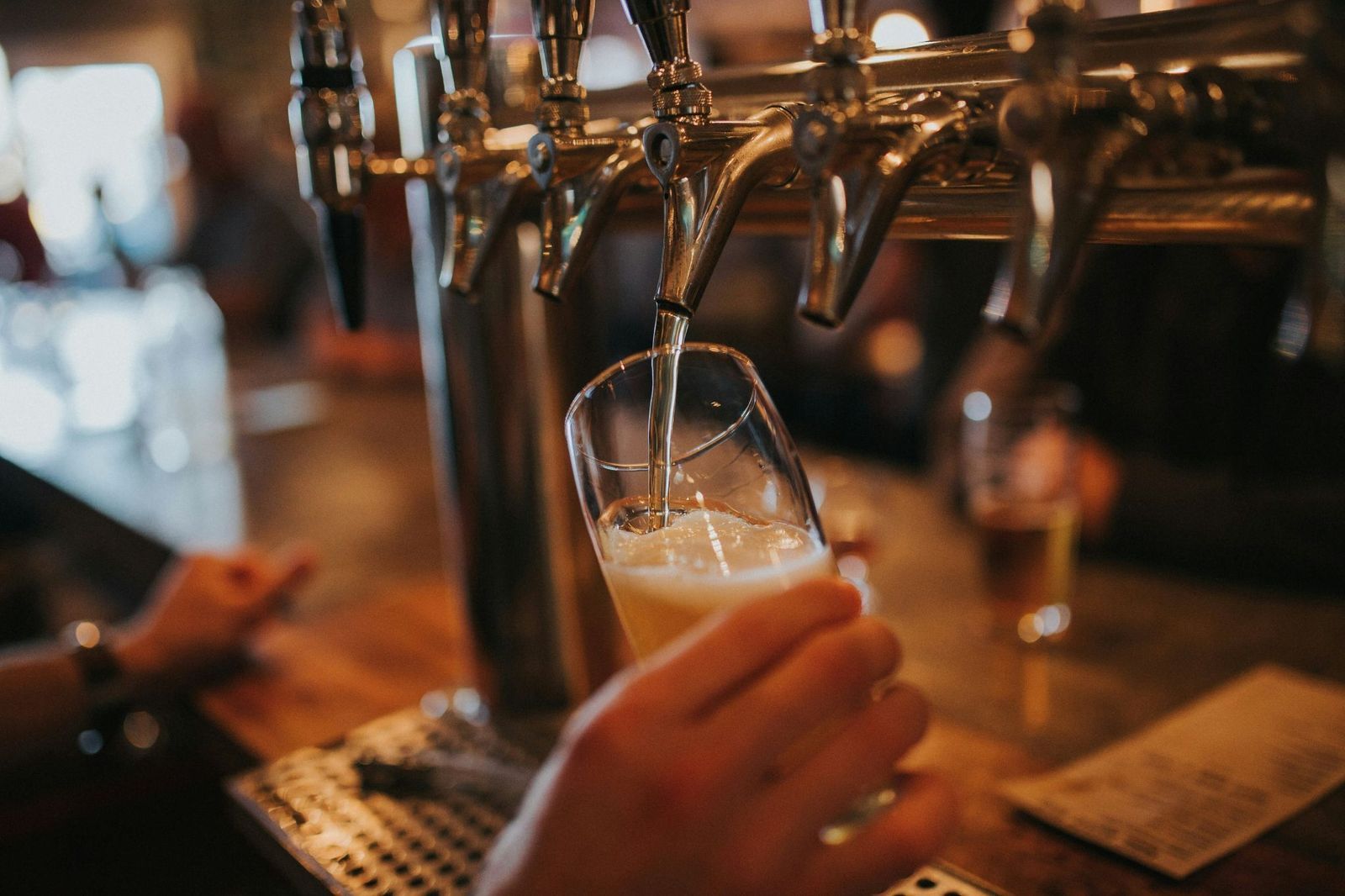
Bars work differently from restaurants, but in most American bars, you would get a table before waiting for a server to come take your order. If you do this in an English pub, however, you will get nothing except a few annoyed stares. English (and most British) pubs rely on ordering at the counter, and they require you to pay beforehand to prevent unpaid walk-outs or wasted food. While you can certainly get a table, you will have to then go to the bar, state your table number, and then request and pay for your food.
Italy: There is no tap water at restaurants

Tap water does exist in Italy, and it’s fit for drinking, but not in a restaurant setting. While Americans are used to asking for a pitcher of tap water, and in some places restaurants are legally required to provide it for free, this is not the case in Italy. You can request it, but bear in mind that the server might be confused or flat-out refuse. Instead, they will ask you if you prefer naturale (still) or frizzante (sparkling) water, in both cases bottled.
Iceland: You need to shower naked before entering hot springs or pools
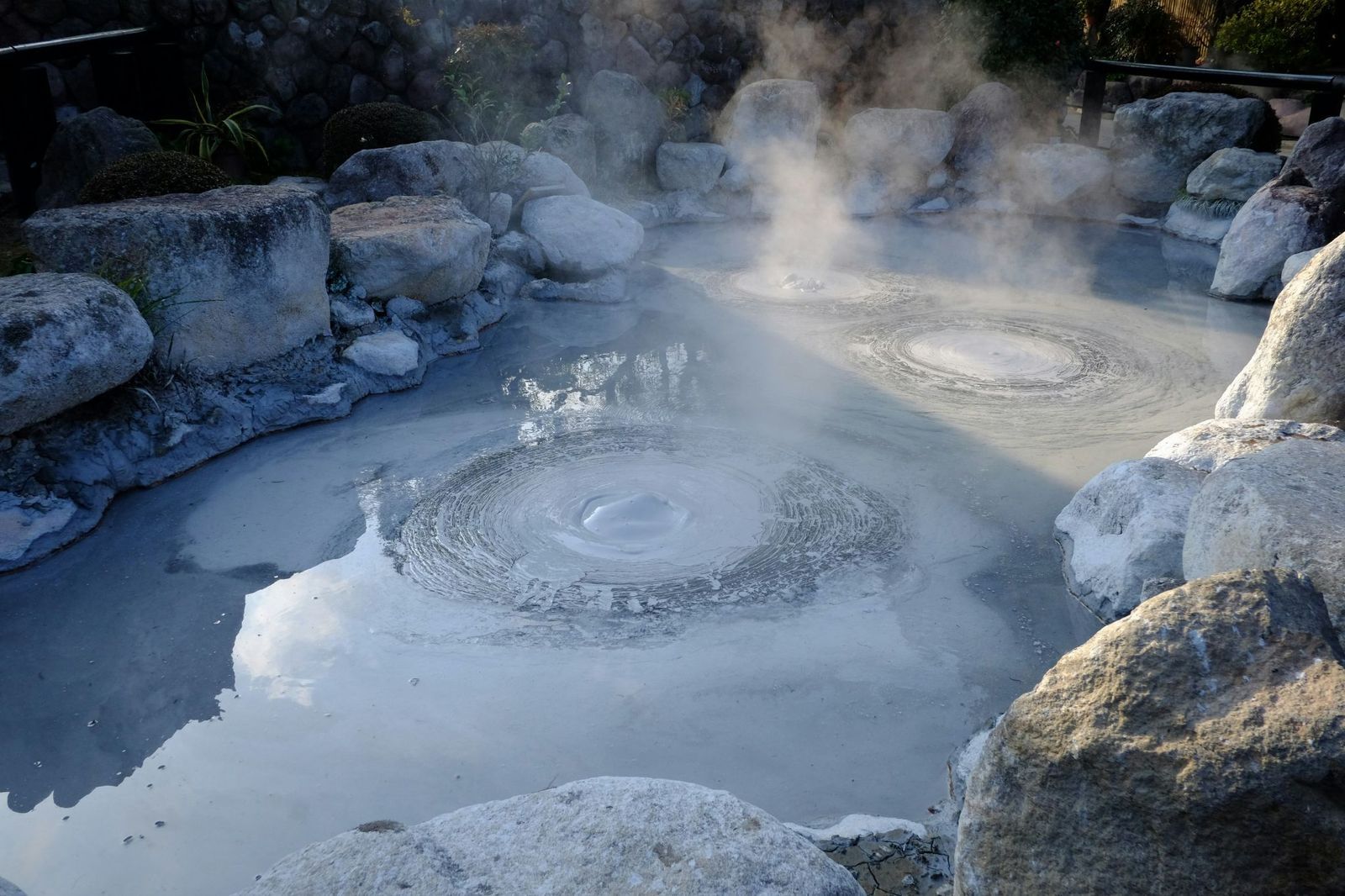
Showering before entering a public pool of any kind seems logical and a good way to keep the water clean. But would you do it if you had to take off all your clothes? While in America this is only a hypothetical question, it is a reality in Iceland, where showering naked with soap (not just rinsing yourself) is mandatory before using public pools, geothermal spas, and even some lakes. Don’t worry, most places will allow you to put your swimsuit back on after the shower.
Indonesia: Always use your right hand

Most people will use their dominant hand —either the right or the left— for daily activities, from shaking hands to paying with cash at the store. While the hand you use is irrelevant in America, it is a great deal in countries such as Indonesia, where the left hand is traditionally used for personal hygiene and is therefore considered unclean. When interacting with others, it is important to use only the right hand to avoid coming across as rude or disrespectful. If your right hand is already holding something, switch the item to the left hand. If you can’t avoid using your left hand, make sure to sincerely apologize.
Are these 12 local treats worth a trip? 12 U.S. regional dishes
 General
Have you tried any?
An all-American foodie road trip: from clam chowder to cheese curds
One of the best parts of a classic American road trip, beyond the scenery, is the food. Our cuisine isn’t one single tradition but a magnificent mix of regional specialties shaped by local ingredients, history, and cultural influences. The following 12 local favorites are famous for good reasons, and travelers passing through will do themselves a huge favor by trying them out.
Texas Brisket (Texas)
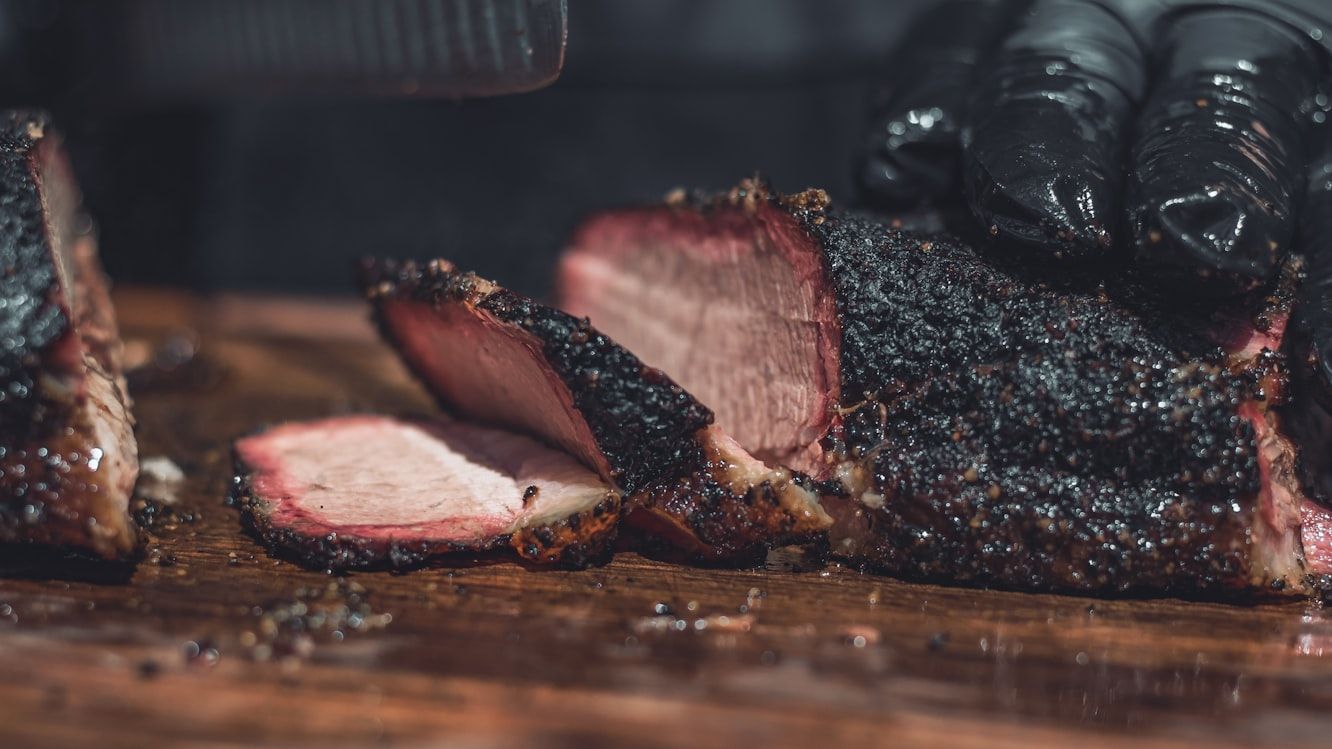
Slow-smoked for 12 to 18 hours over wood, Texas brisket is the heart of the Lone Star State’s barbecue tradition. The meat is typically seasoned simply with salt and pepper, letting the smoke and beef flavor shine through.
What makes it special is the technique: low heat, long cooking, and careful slicing. In cities like Austin, brisket isn’t just food, it's a ritual, often served on butcher paper with classic sides like beans and coleslaw.
Chicago deep-dish pizza (Illinois)
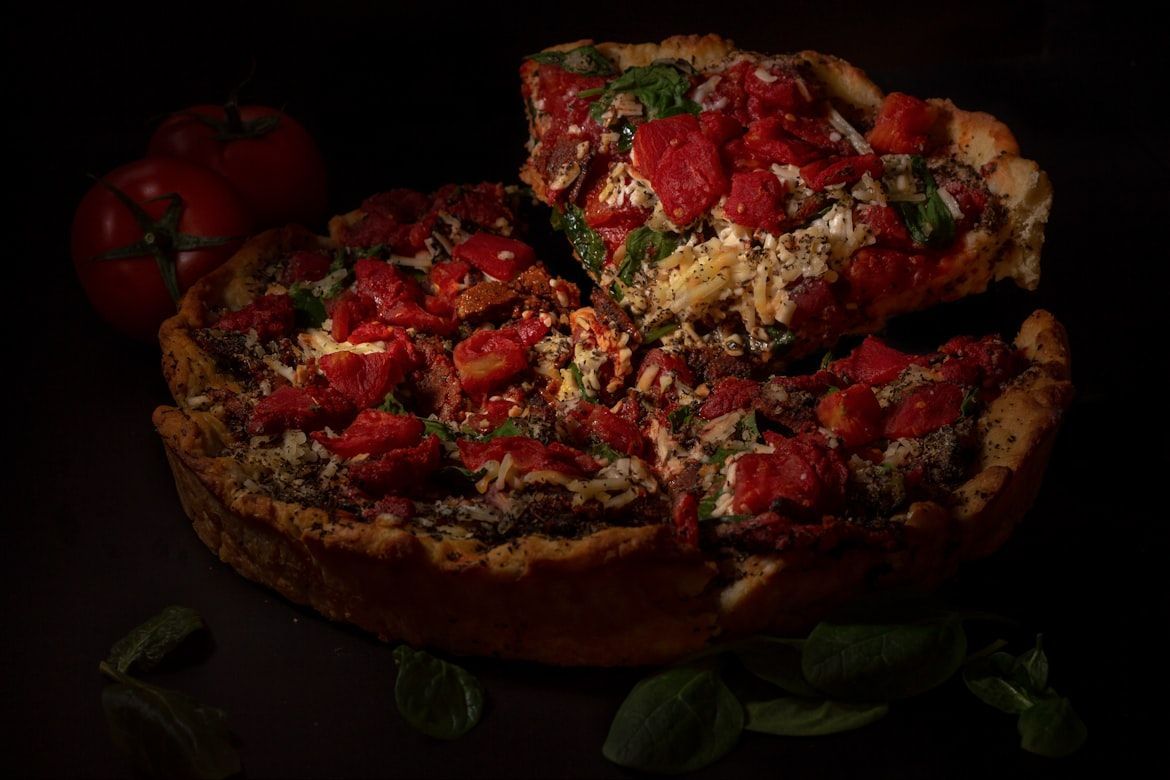
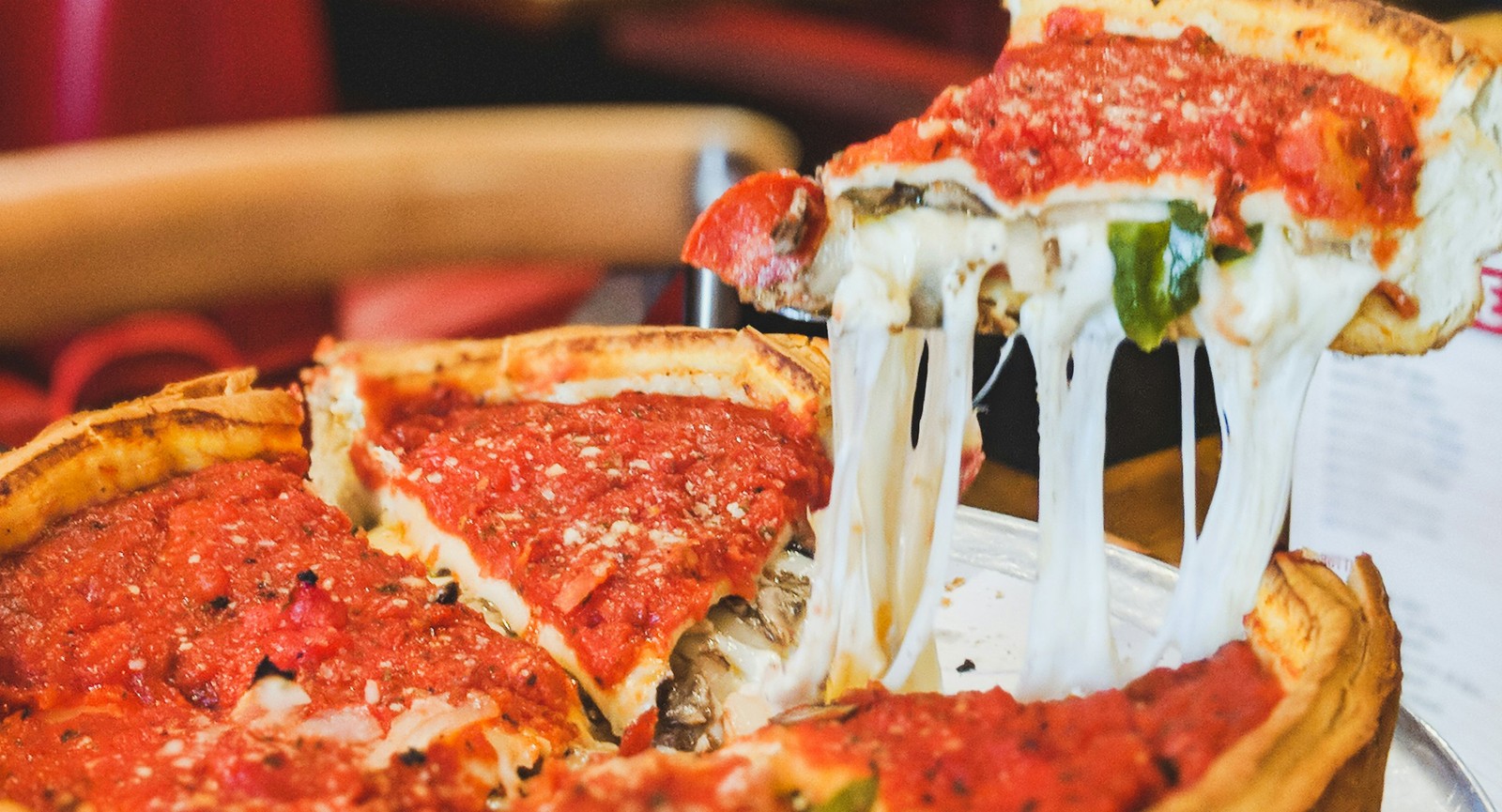
Vastly different than a New York-style slice, Chicago deep-dish features a thick, buttery cornmeal-heavy crust filled with layers of cheese, toppings, and chunky tomato sauce on top.
Created in the 1940s, it’s more like a savory pie than a slice. One serving is hearty enough to fill you up, making it a must-try comfort food in the Windy City.
New England clam chowder (Massachusetts/Maine)
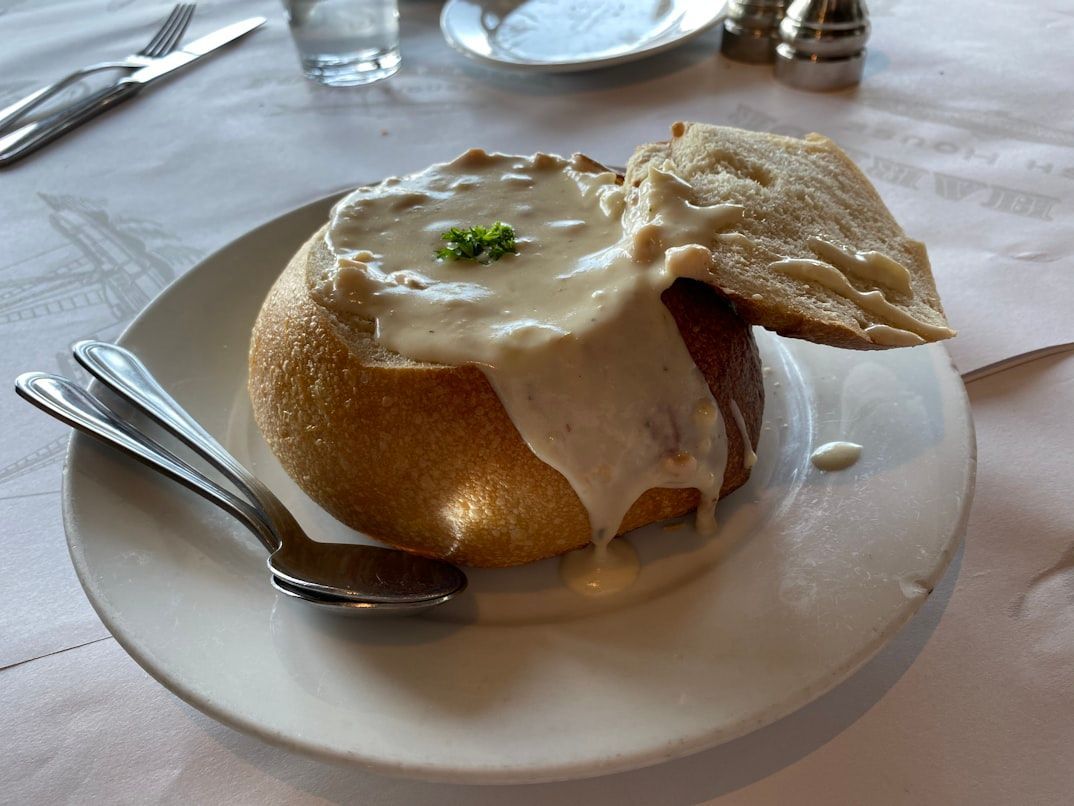
A departure from the tomato-based Manhattan Clam Chowder, this chowder is creamy, rich, and packed with clams, potatoes, and onions, and is a staple of New England.
Its roots trace back to early coastal communities that relied on seafood. Served hot, sometimes in a bread bowl, it’s especially popular in chilly weather and seaside towns.
Southern fried chicken
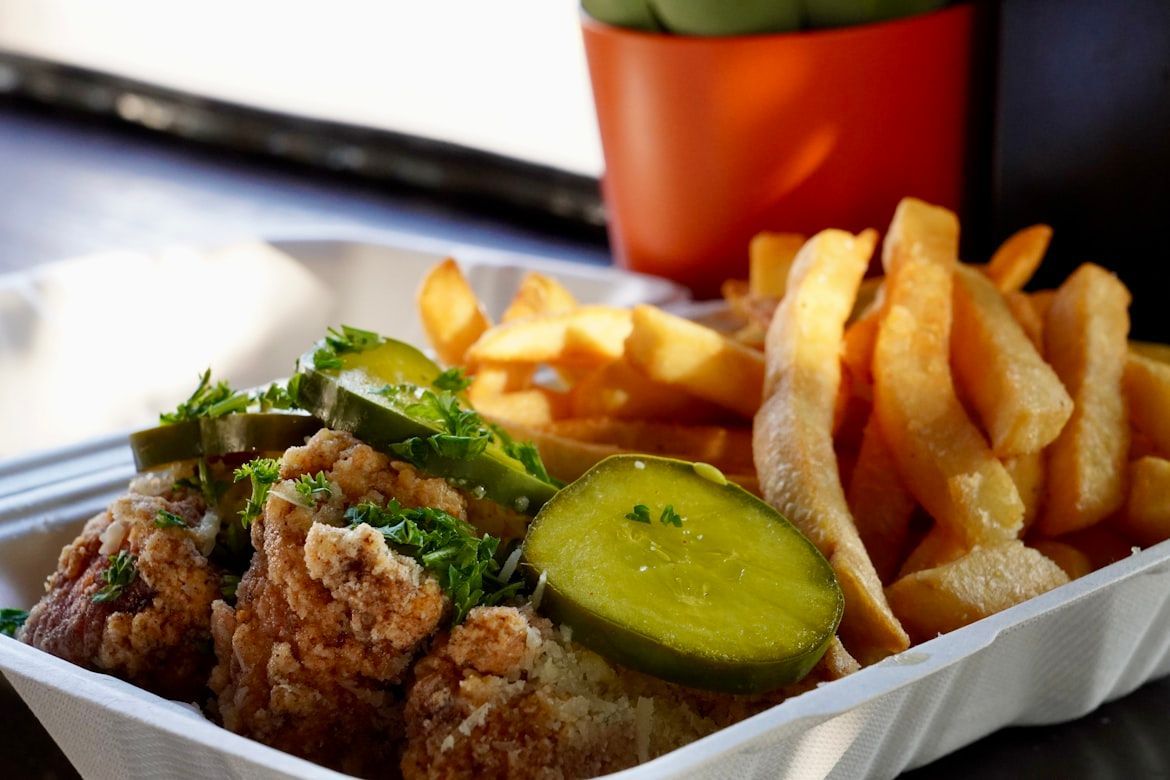
Crispy on the outside and juicy inside, Southern fried chicken is one of America’s most famous comfort foods.
It reflects a blend of culinary traditions, including African and European influences. Typically seasoned and fried to golden perfection, it’s often paired with biscuits, gravy, and mashed potatoes.
Gumbo (Louisiana)
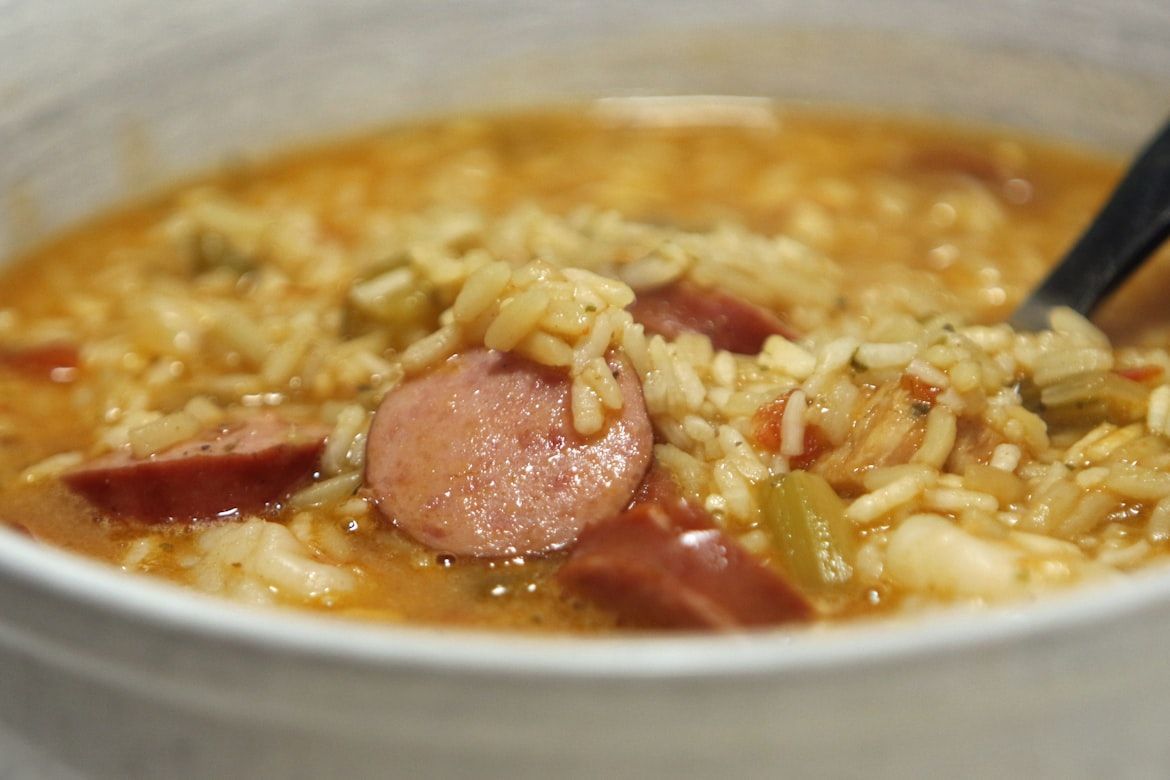
Gumbo is a flavorful stew that blends French, African, and Native American influences. It usually includes seafood or meat, okra, and a dark roux.
Served over rice, it’s deeply tied to Louisiana’s Creole and Cajun cultures. Every family has its own version, making each house meal a bit different.
Philly cheesesteak (Philadelphia)
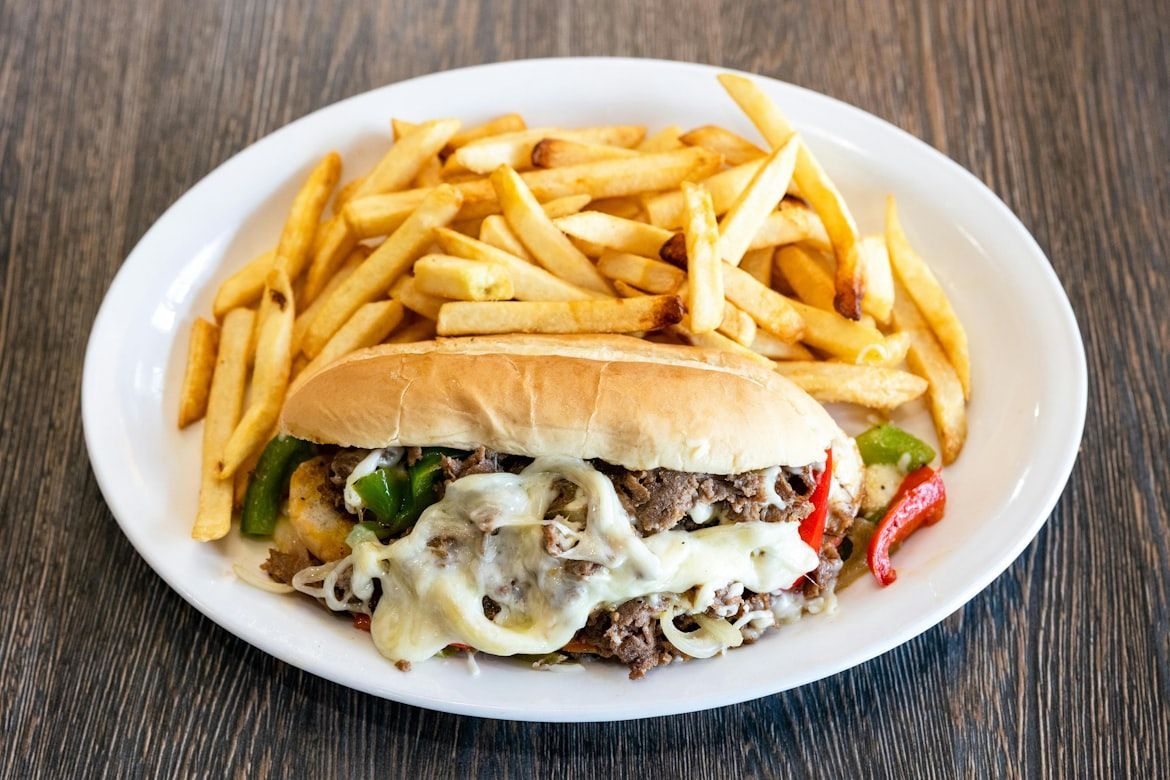
This iconic sandwich features thinly sliced beef, melted cheese, and often onions, sometimes peppers, all packed into a soft roll.
Born in Philadelphia, it’s a street food classic. Locals even debate the "correct" way to order it, focusing on details like the type of cheese, the presence of onion, and the order process, making the experience part of the fun.
Key lime pie (Florida)
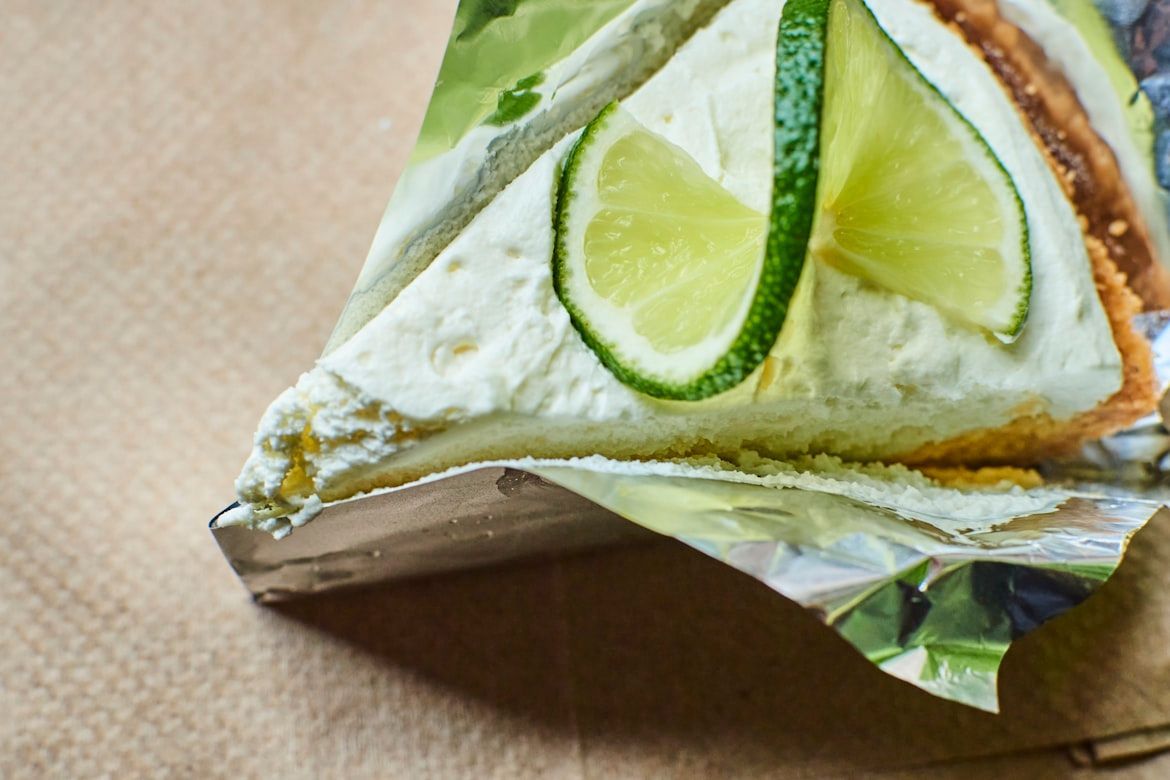
Tangy, sweet, and refreshing, key lime pie is made with the juice of small, aromatic key limes native to Florida.
Traditionally set in a graham cracker crust and topped with whipped cream or meringue, it’s the perfect dessert in warm coastal climates.
Kansas City barbecue ribs (Missouri)
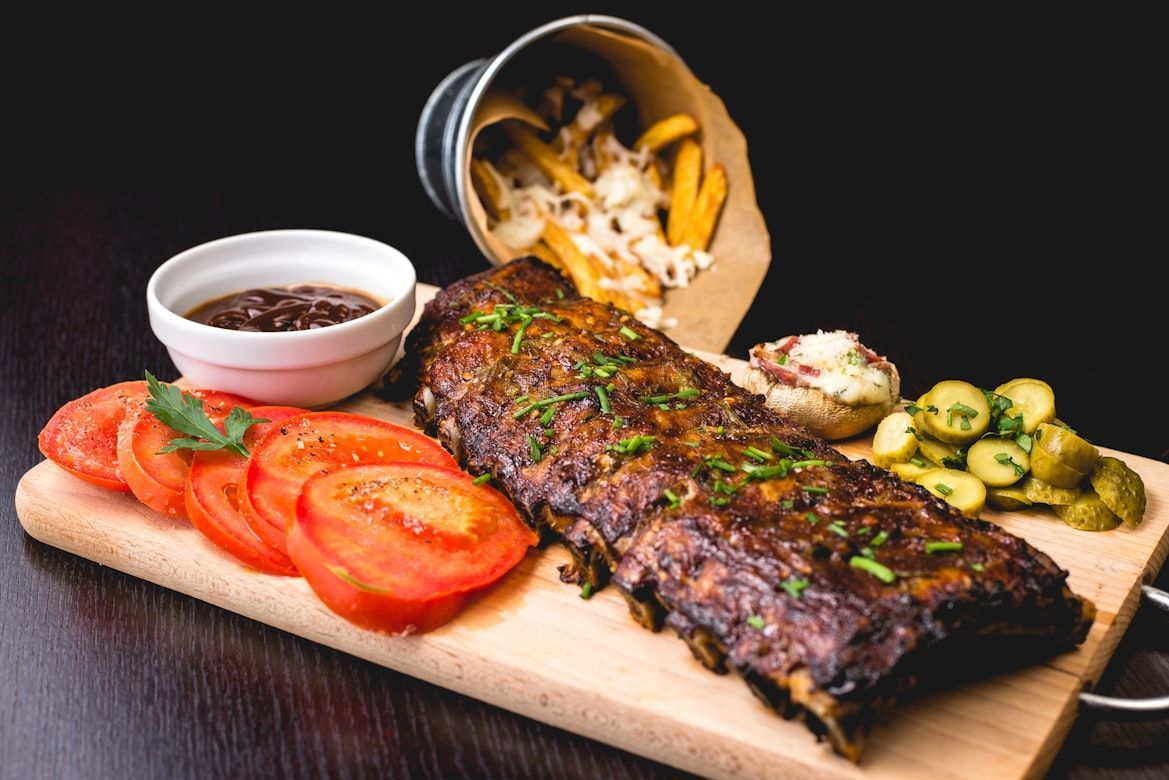
Kansas City is known for its barbecue style: sweet, smoky, and slathered in thick sauce. Ribs are a standout favorite.
Unlike Texas brisket, the focus here is on bold sauces. The result is tender, flavorful ribs that fall right off the bone.
Buffalo wings (New York)
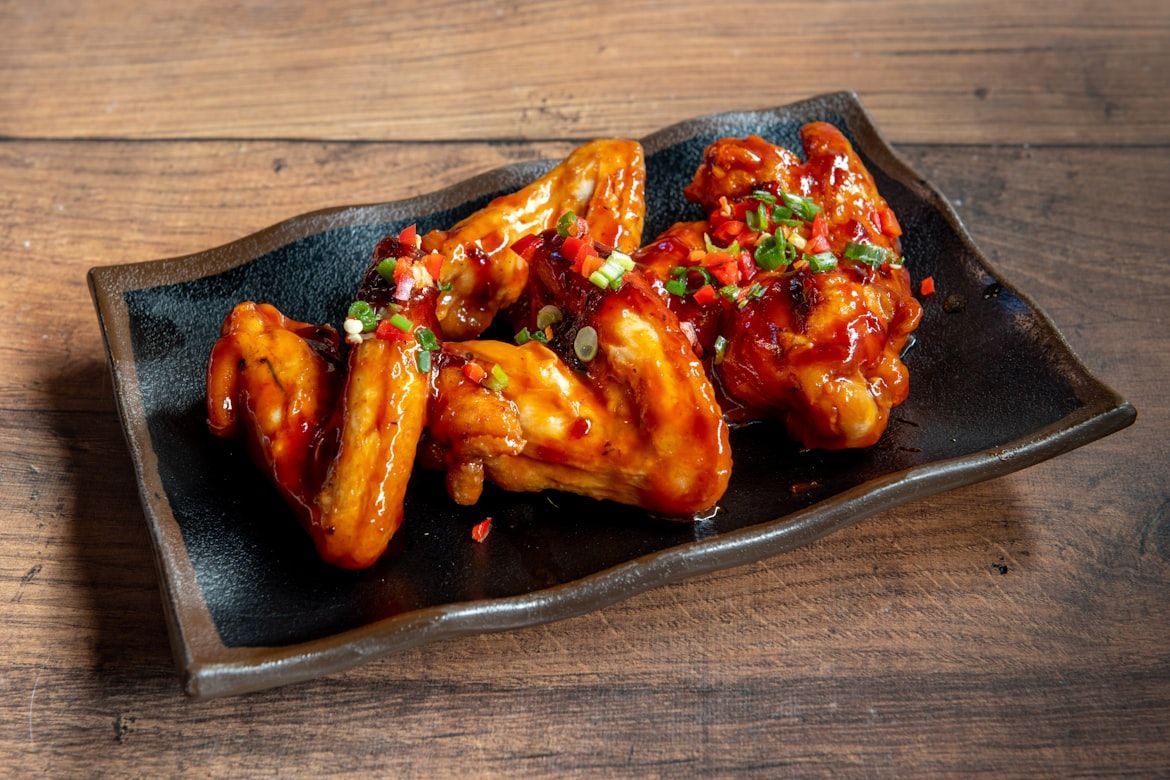
First served in Buffalo, New York, these spicy chicken wings are coated in a tangy hot sauce and often paired with cooling celery and blue cheese dressing.
They’ve become a nationwide favorite, especially during sports events. The balance of heat and flavor makes them hard to resist.
Navajo fry bread (Arizona/Southwest)
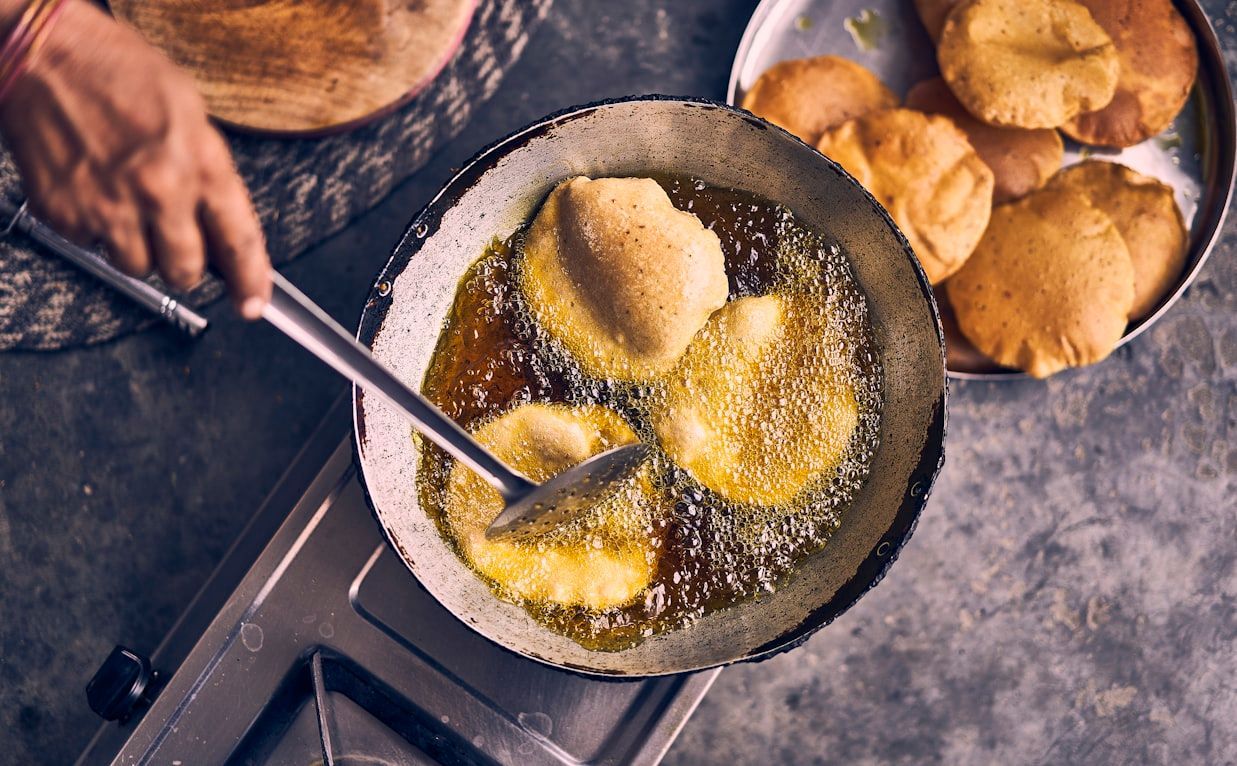
Fry bread is a Native American staple, made from simple dough fried until golden and puffy.
It can be served with honey or savory as a base for toppings like meat and beans. Its history is deeply tied to Native American culture.
Wisconsin cheese curds (Wisconsin)
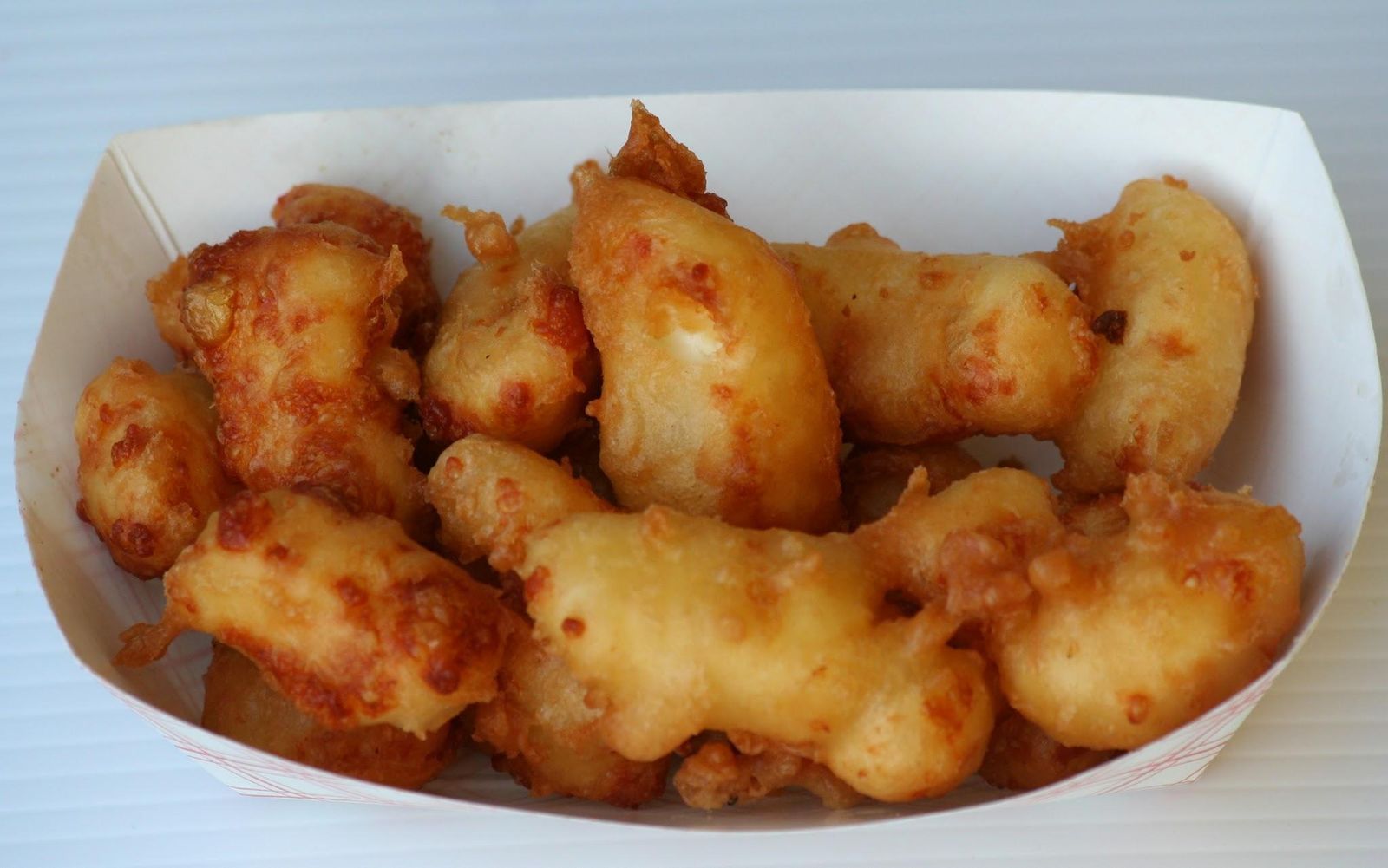
Fresh cheese curds are known for their mild flavor and signature "squeak" when bitten. In Wisconsin, they’re often deep-fried for extra flavor.
Their origin is linked to the state’s strong dairy heritage, and are a beloved snack at fairs, restaurants, and roadside stops.
Pacific Northwest salmon (Washington/Oregon)
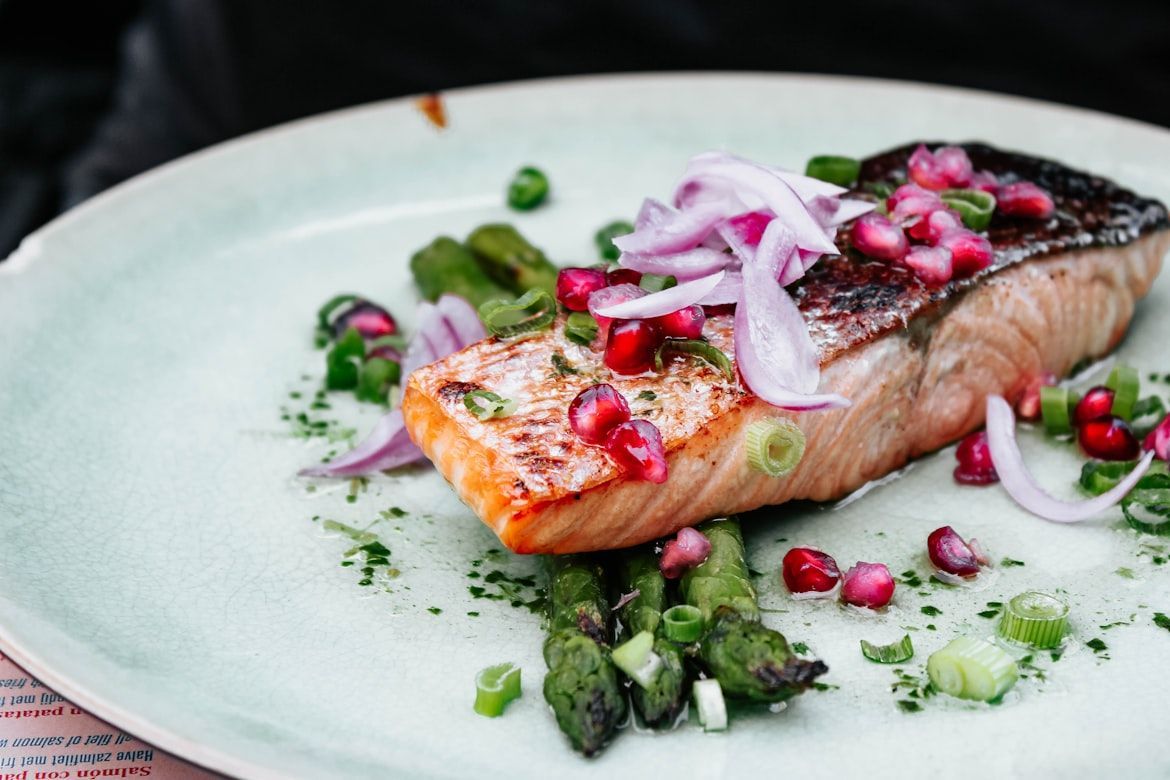
In the Pacific Northwest, locally caught salmon is a cornerstone of local cuisine, often grilled, smoked, or cedar-planked.
The region’s rivers and coastline provide some of the freshest fish in the country. This dish also reflects long-standing Native American fishing traditions.
Keep wandering
There’s always
more to explore

Who empties airplane toilets? Meet the airport's oddest workers
6 min.
Read Now
 Landmarks
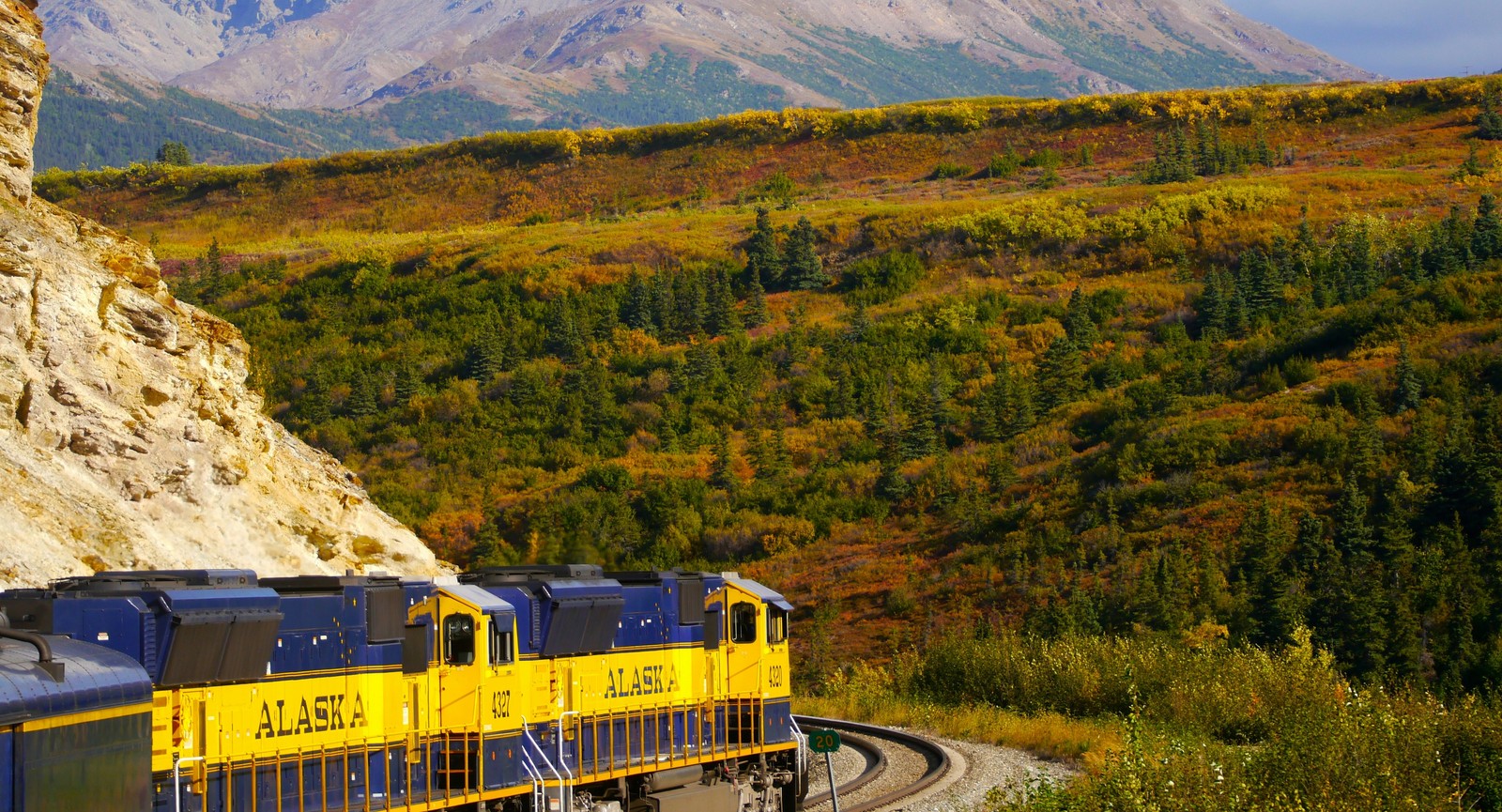
These iconic train rides might be your trip of a lifetime
4 min.
Read Now

10 sneaky travel expenses you completely forgot to budget for
4 min.
Read Now

A pod of dolphins protected four humans from a shark attack
5 min.
Read Now