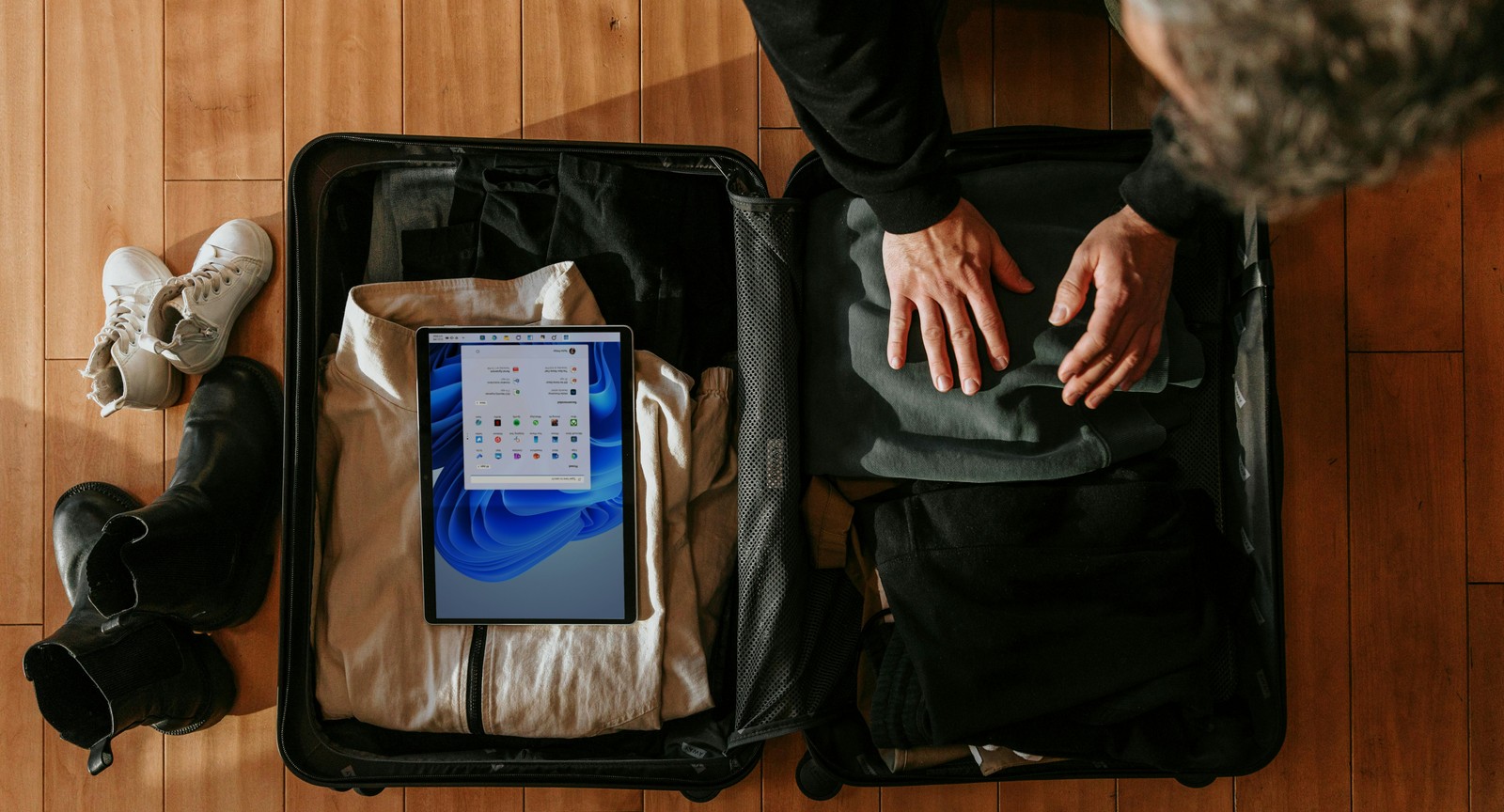
Most people forget at least one of these key items when packing a bag
 General
Make a list. Always.
Most people forget at least one of these key items when packing a bag
Packing your bag for a short trip sounds simple enough, right? That is, until you arrive and realize that something essential has been left behind. Seasoned travelers know it’s rarely the big items that cause trouble, but rather the small, everyday things that quietly make a trip comfortable or stressful. Take a look at the following 12 items and make a note to never forget them!
Chargers and power adapters

Few modern inconveniences compare to a dead phone in an unfamiliar place. Chargers for phones, tablets, hearing aids, or other devices are easy to overlook when packing in a hurry. A universal power adapter is especially helpful for international trips, where outlets may differ from those at home.
Keeping chargers together in a small pouch helps prevent last-minute scrambling. Without power, digital tickets, maps, and contact lists become useless, making this one of the most common and frustrating mistakes.
Prescription medications

Daily medications should always go in your carry-on, not in checked luggage. Delays or lost bags can leave travelers without critical prescriptions for days. It’s also wise to pack a few extra doses in case plans change unexpectedly.
Including a simple list of medications and dosages can be helpful in emergencies. For many travelers, especially seniors, remembering prescriptions is not just about comfort, but about health and peace of mind on the road.
Important travel documents
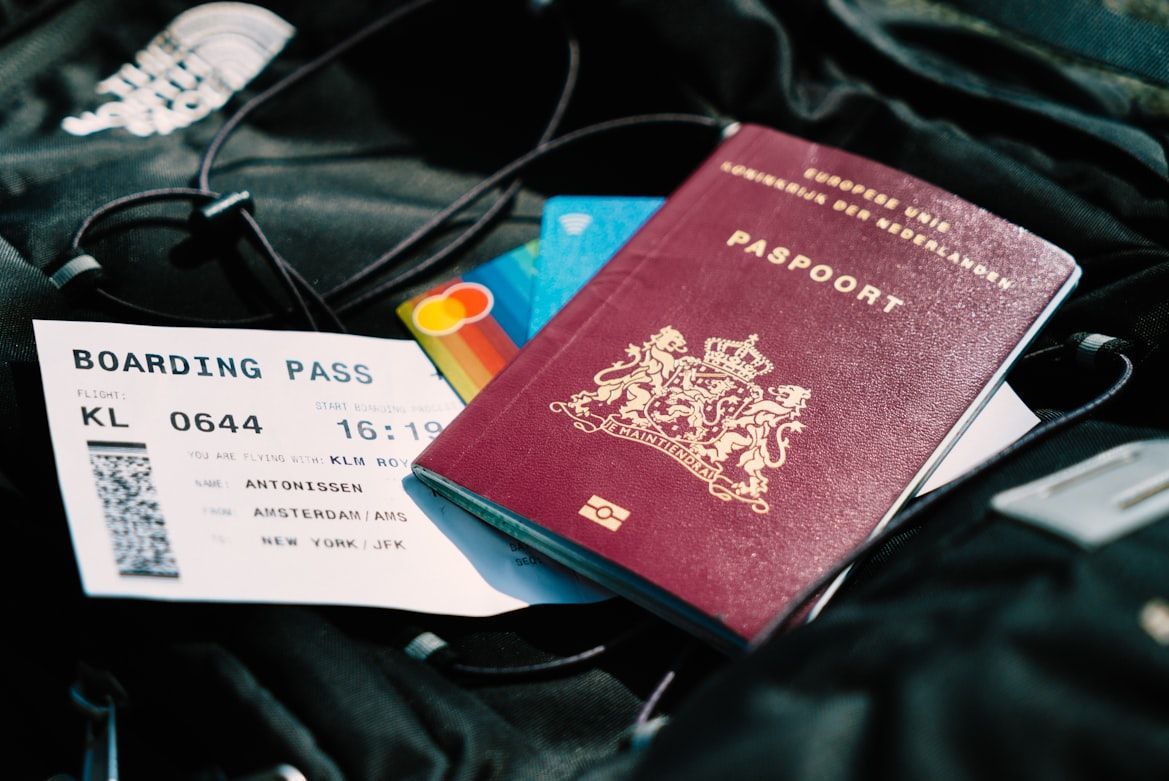
Passports, IDs, insurance cards, and reservations are the backbone of any trip. Even domestic travel can become complicated if identification is misplaced. Making paper copies and saving digital versions adds an extra layer of security.
Storing documents in a dedicated folder or zip pouch reduces the risk of misplacement. Losing essential paperwork can derail an entire journey, making this one of the most important items to double-check.
Comfortable walking shoes

Travel often involves more walking than expected, whether through airports, museums, or city streets. Packing only dress shoes or new footwear can lead to sore feet and blisters, cutting days short.
A well-broken-in pair of walking shoes offers comfort and stability. For many travelers, good footwear can make the difference between enjoying sightseeing and needing to rest indoors.
Weather-ready layer

Even sunny destinations can surprise visitors with cool evenings or overly air-conditioned buildings. A light jacket, sweater, or shawl takes up little space but adds a great deal of comfort.
Layers allow for flexibility without overpacking heavy coats. Many travelers wish they had brought something warm once they’re already miles from home, especially on planes and buses.
Daily toiletries

Hotels may provide basic items, but personal routines vary. Items like deodorant, face wash, denture supplies, or specialty creams are easy to forget and hard to replace on short notice.
Travel-size containers help save space while ensuring familiarity. Having your usual toiletries can make a hotel feel more like home, easing the transition into travel mode.
Eyeglasses or hearing aids

Vision and hearing aids are essential, yet they’re sometimes left behind during last-minute packing. A spare pair of glasses or extra hearing aid batteries can be a lifesaver.
Replacing these items while traveling can be costly and time-consuming. Keeping them in a consistent, designated spot reduces the chance of forgetting something so vital.
Wallet essentials
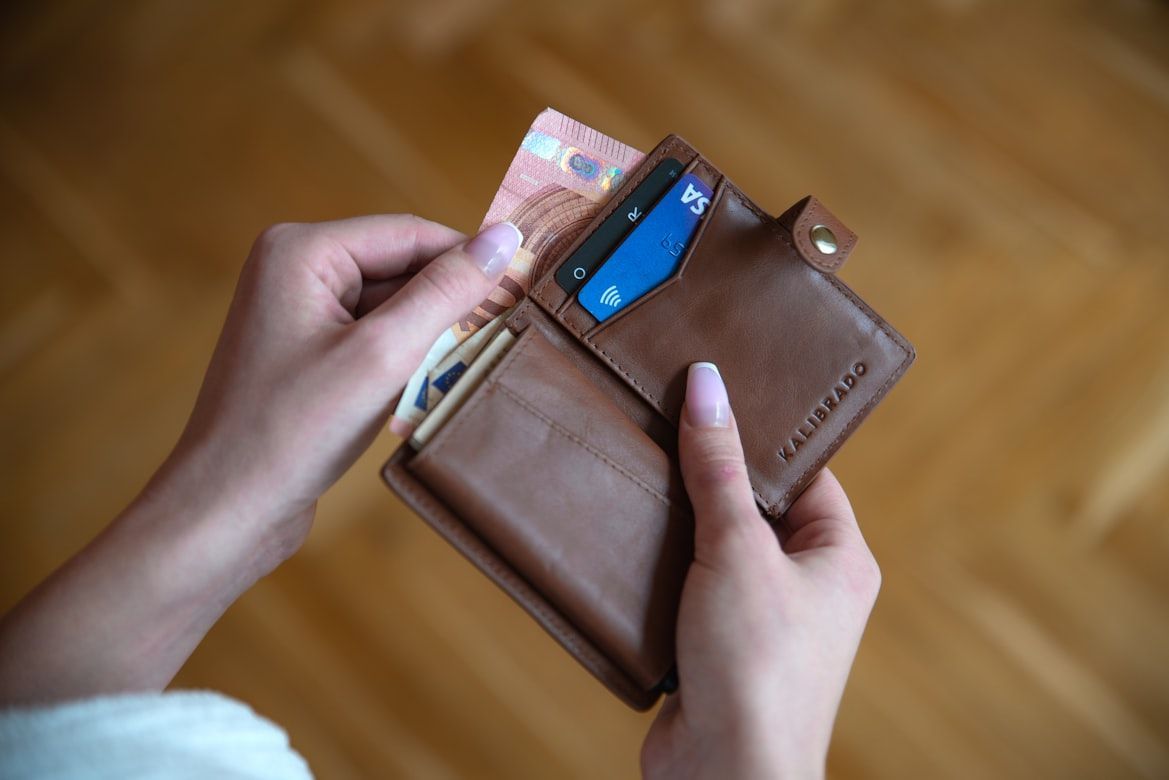
It’s surprisingly easy to pack clothes and forget what’s inside your wallet. Credit cards, ID, and a bit of cash are still important, even in a digital age.
Double-checking that everything is in place before leaving home prevents stressful calls to banks later. For many travelers, peace of mind begins with knowing their finances are accessible.
Phone numbers and contacts

Relying entirely on a smartphone can backfire if the battery dies or service is spotty. Writing down key phone numbers offers a simple backup plan.
Emergency contacts, hotel information, and a trusted family member’s number are worth having on paper. Old-fashioned preparation can still save the day.
Medications and First-Aid items

Minor aches, allergies, or blisters often arise while traveling. Packing basics like pain relievers, bandages, or motion-sickness tablets can prevent unnecessary pharmacy runs.
Familiar remedies are often more comforting than unfamiliar brands. A small first-aid kit adds reassurance without adding much weight.
Travel insurance information

Many travelers buy insurance and then forget the details. Having policy numbers and contact information on hand is essential if plans are disrupted or medical care is needed.
Keeping this information accessible helps avoid confusion during stressful moments. It’s one of those items you hope not to use but are grateful to have.
A packing checklist

The most overlooked tool is often the simplest one: a written checklist. It reduces stress and prevents real mistakes, trip after trip.
Checking items off before leaving creates a sense of confidence and calm. For frequent travelers, a reusable list becomes a trusted companion, quietly ensuring nothing important is left behind.
Tourists say these are the must-try foods in 15 countries
 Culture
Delicacies to try
15 yummy delights from around the world
Every country has dishes locals grow up with, but travelers often discover them in a different way. These are the meals people rave about after coming home, the flavors that turn into souvenirs, and the plates that somehow define an entire trip and have you dreaming about trying them again. From street food classics to slow-cooked comfort dishes, these are the foods tourists say you absolutely shouldn’t miss!
Japan: Sushi
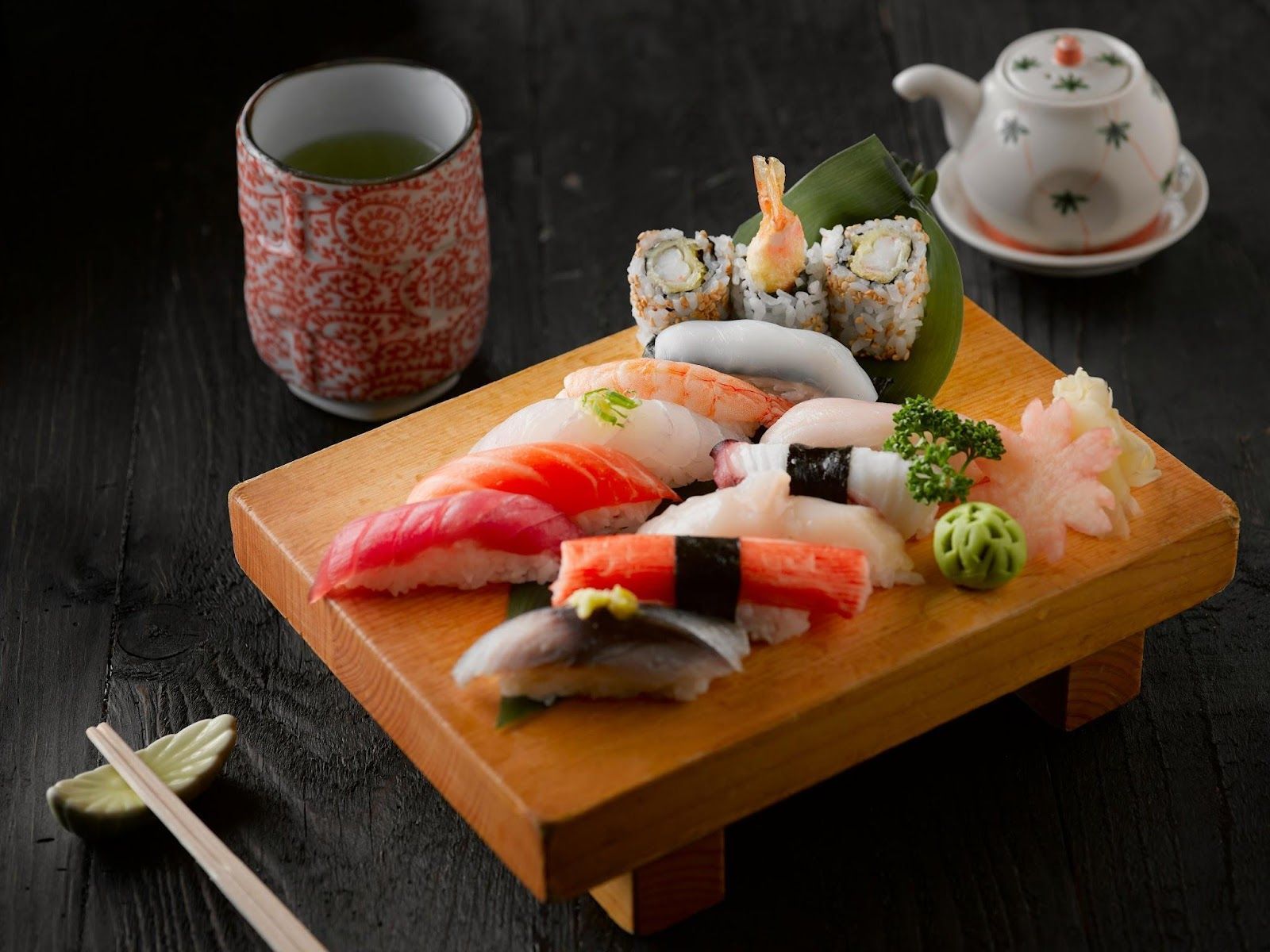 Image: Rajesh TP
Sushi may be an acquired taste, but it definitely has its fans! And it may look minimalist, but it’s the result of centuries of refinement.
It began as a way to preserve fish using fermented rice, eventually evolving into the fresh, precise art form we know today. Tokyo, especially around former fish markets, is still considered its spiritual home.
Mexico: Tacos al pastor
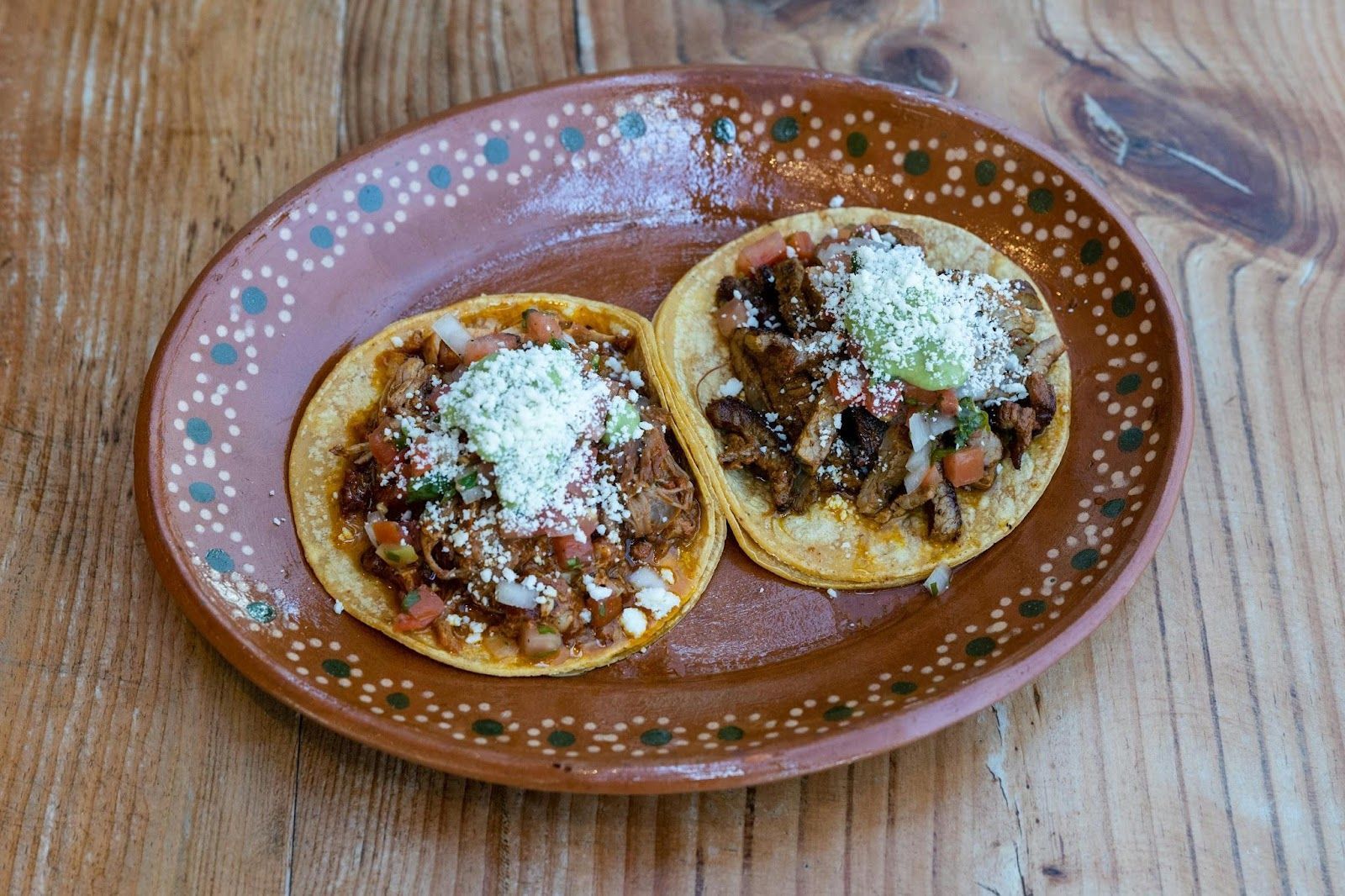 Image: Snappr
Tacos al pastor were born from Lebanese immigrants who brought shawarma-style cooking to Mexico.
A street-food legend that has won the hyperbolic title of "best food in the world" by some gastronomy websites. Mexico City is widely considered the best place to try them, shaved fresh from a vertical spit.
Italy: Pizza Napoletana
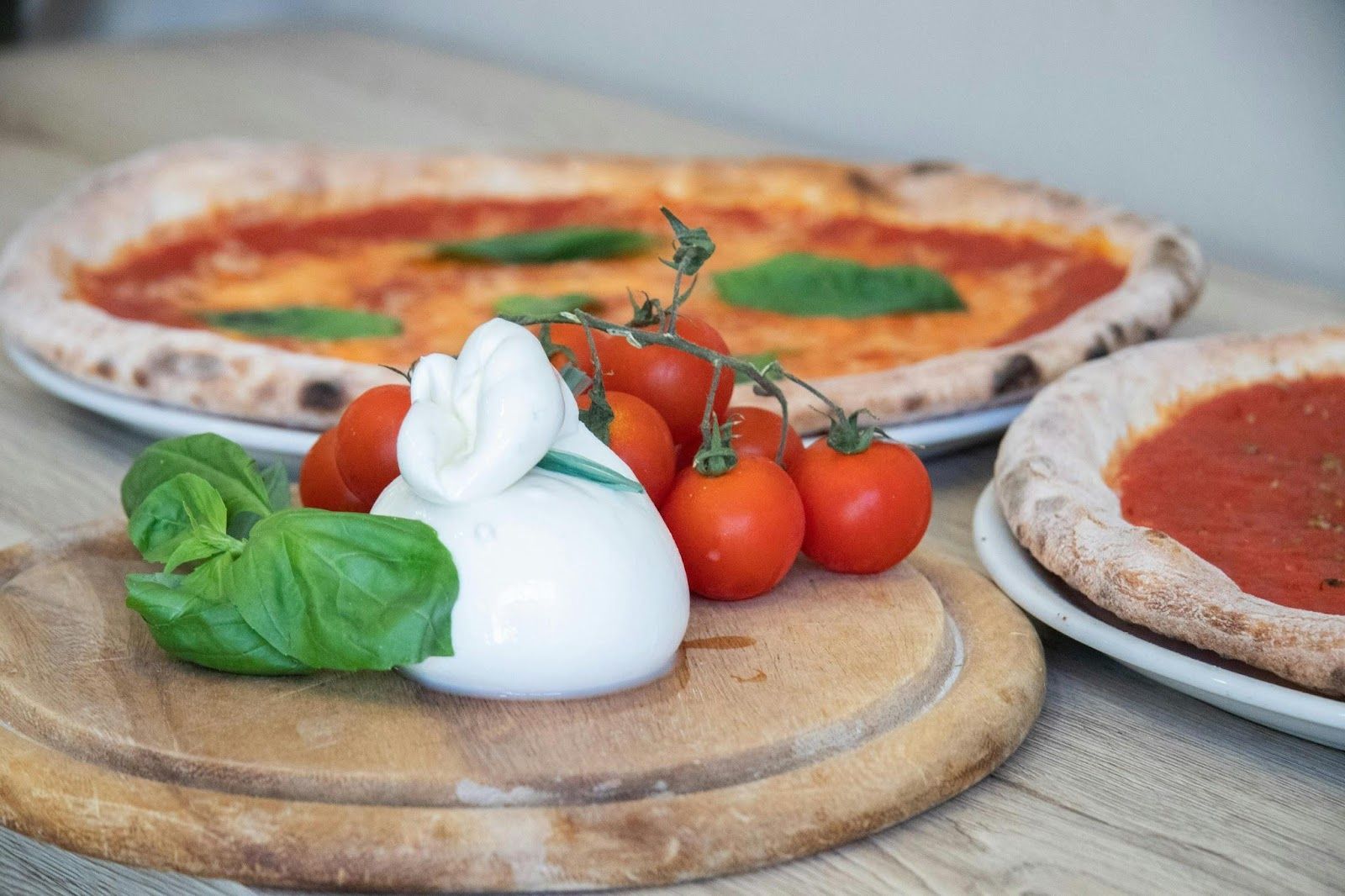 Image: Giona Mason
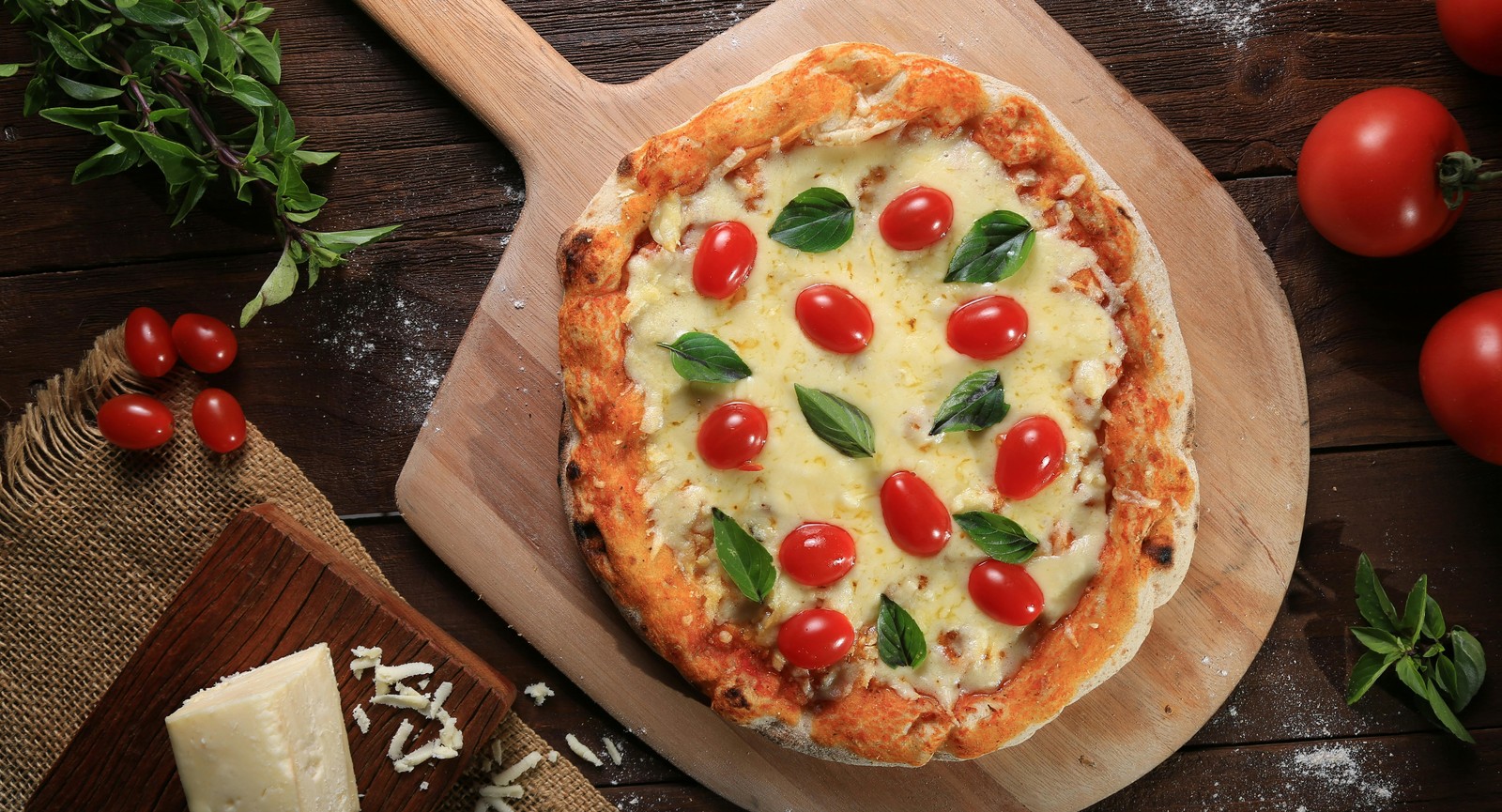
This is pizza in its purest form! Created in Naples as affordable food for the working class, it relies on just a few ingredients: dough, tomatoes, mozzarella, and heat. The method is so specific that Neapolitan pizza-making is officially protected as cultural heritage.
Spain: Paella
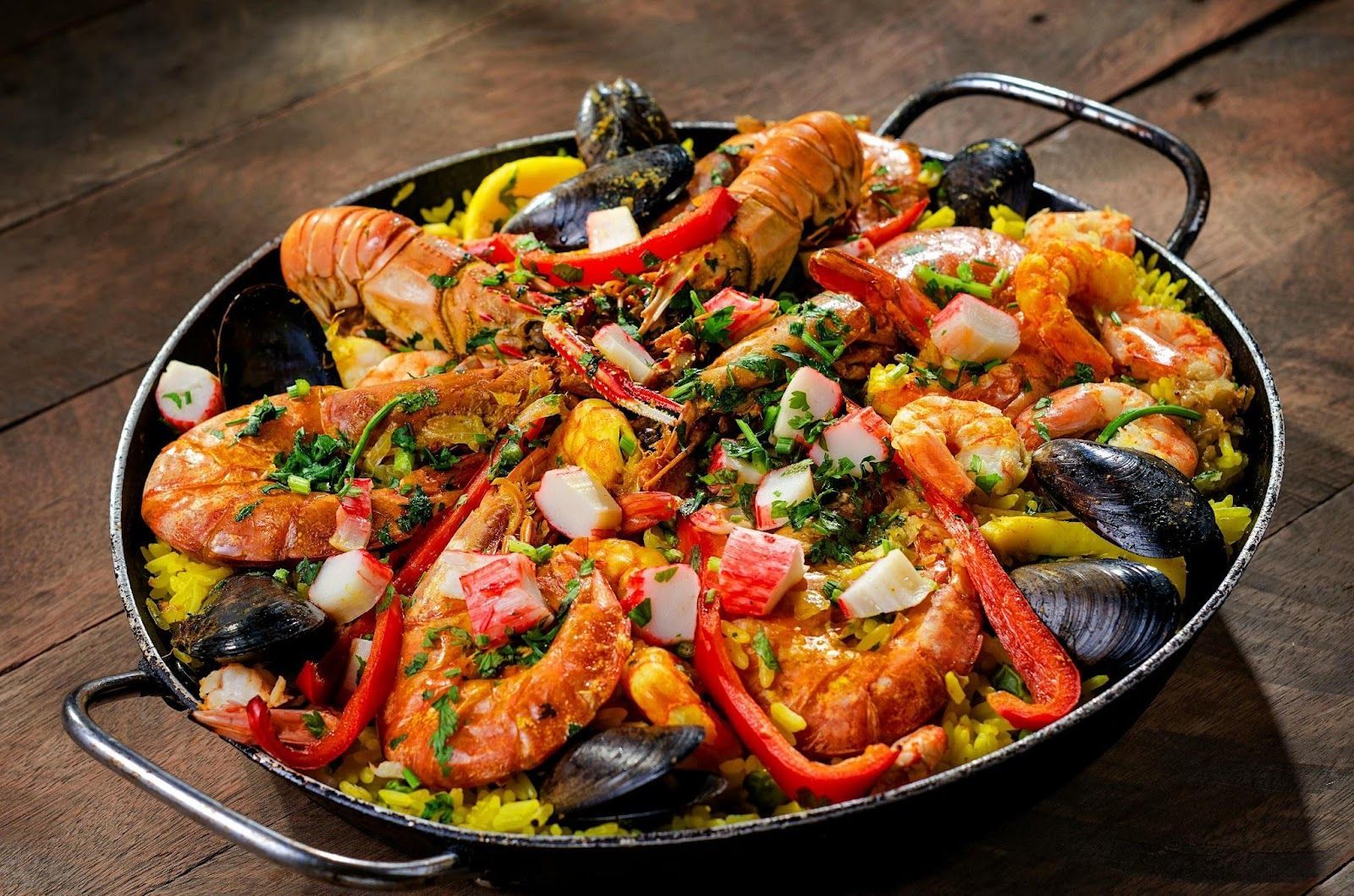 Image: Marcelo Verfe
Paella originated in Valencia as a rural dish cooked over open fires by farm workers.
Rice was mixed with whatever was available, from rabbit to vegetables, before seafood versions became popular along the coast. Today, locals still debate what "real" paella should include.
India: Butter chicken
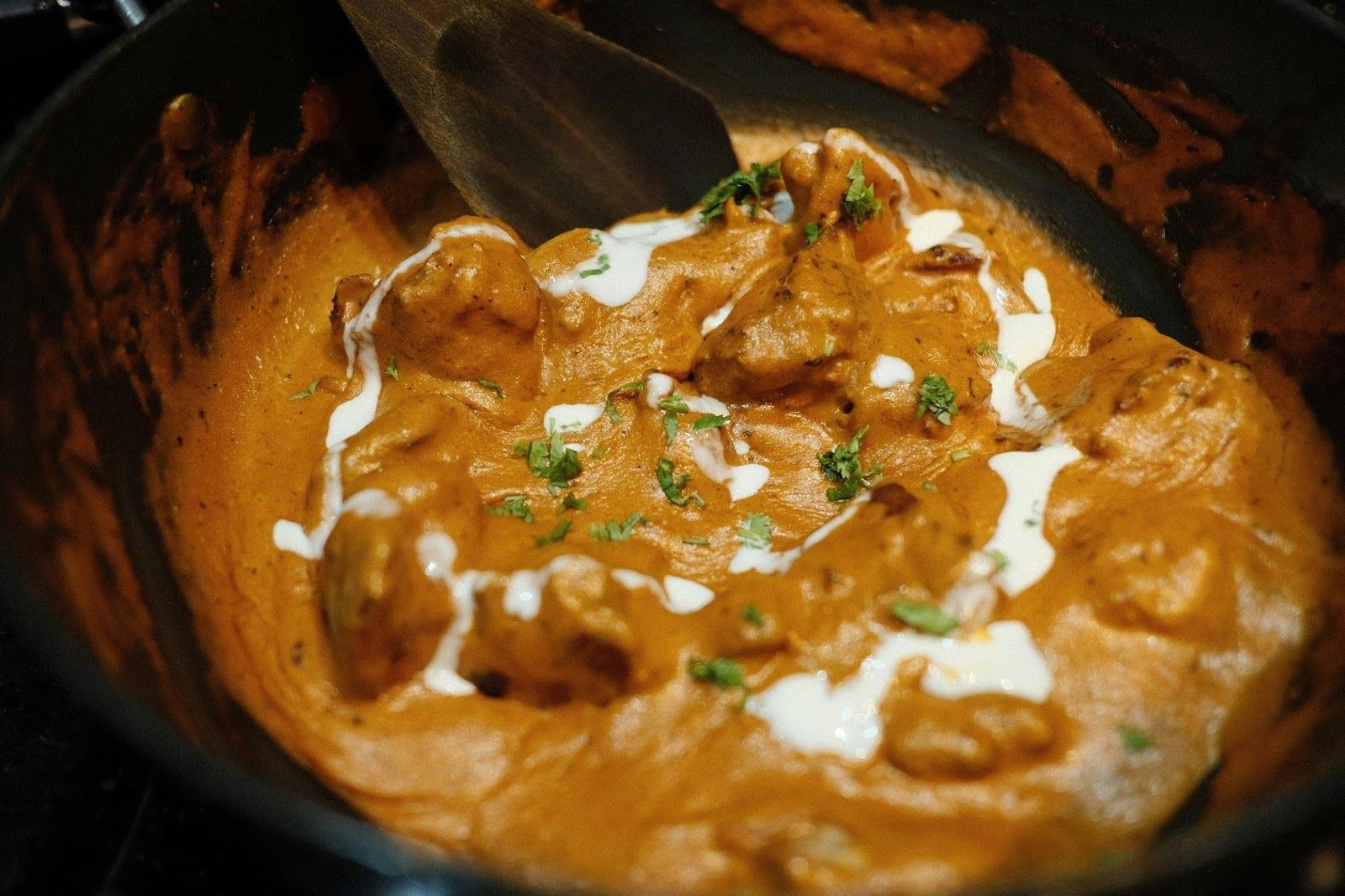 Image: Raman
Butter chicken was created in Delhi as a clever way to reuse leftover tandoori chicken. Simmered in a rich tomato and butter sauce, it quickly became one of India’s most famous comfort dishes. Its mild, creamy flavor helped it travel the world.
Thailand: Pad Thai
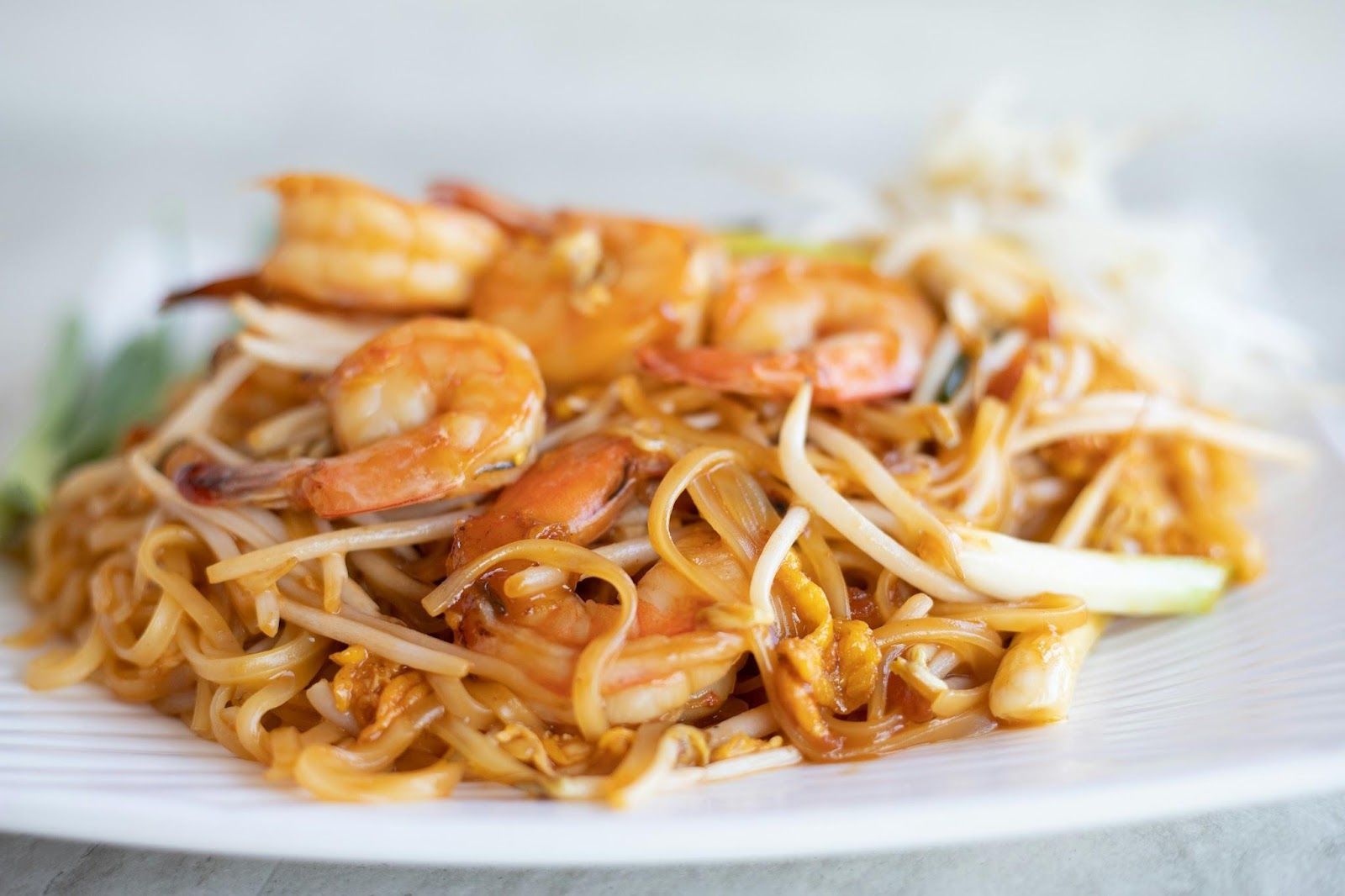 Image: Alyssa Kowalski
Pad Thai rose to fame during the 20th century as part of a national campaign to promote Thai identity. Rice noodles, eggs, tamarind, peanuts, and shrimp came together in a perfectly balanced street dish. Bangkok remains the best place to experience its bold, sweet-sour punch.
Vietnam: Pho
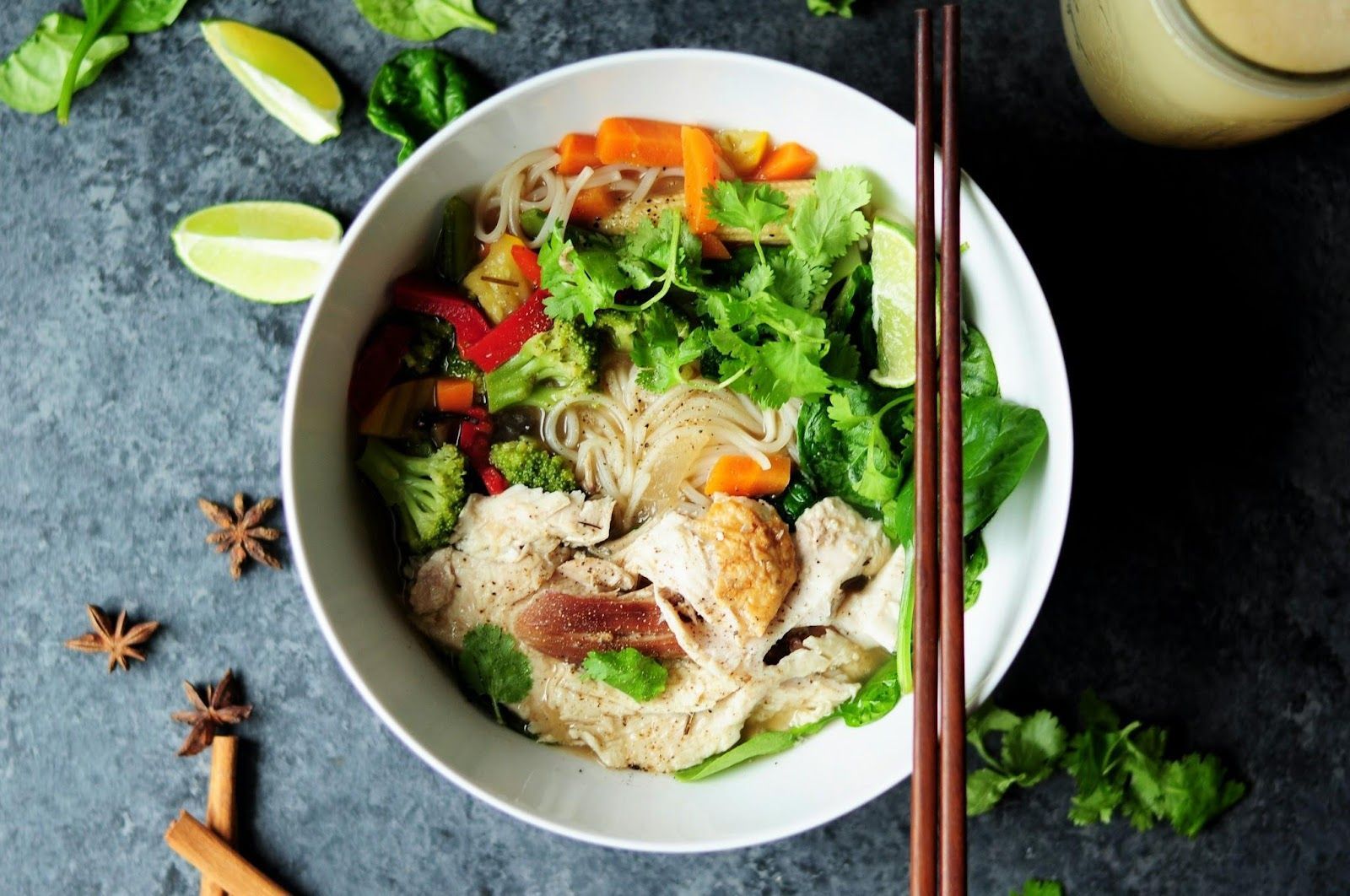 Image: Sharon Chen
Pho is a deeply aromatic noodle soup that became popular in northern Vietnam in the early 20th century.
Long-simmered broth, rice noodles, herbs, and meat make it both delicate and filling. Regional styles vary, with Hanoi favoring simplicity and Ho Chi Minh City leaning bolder.
Philippines: Sinigang
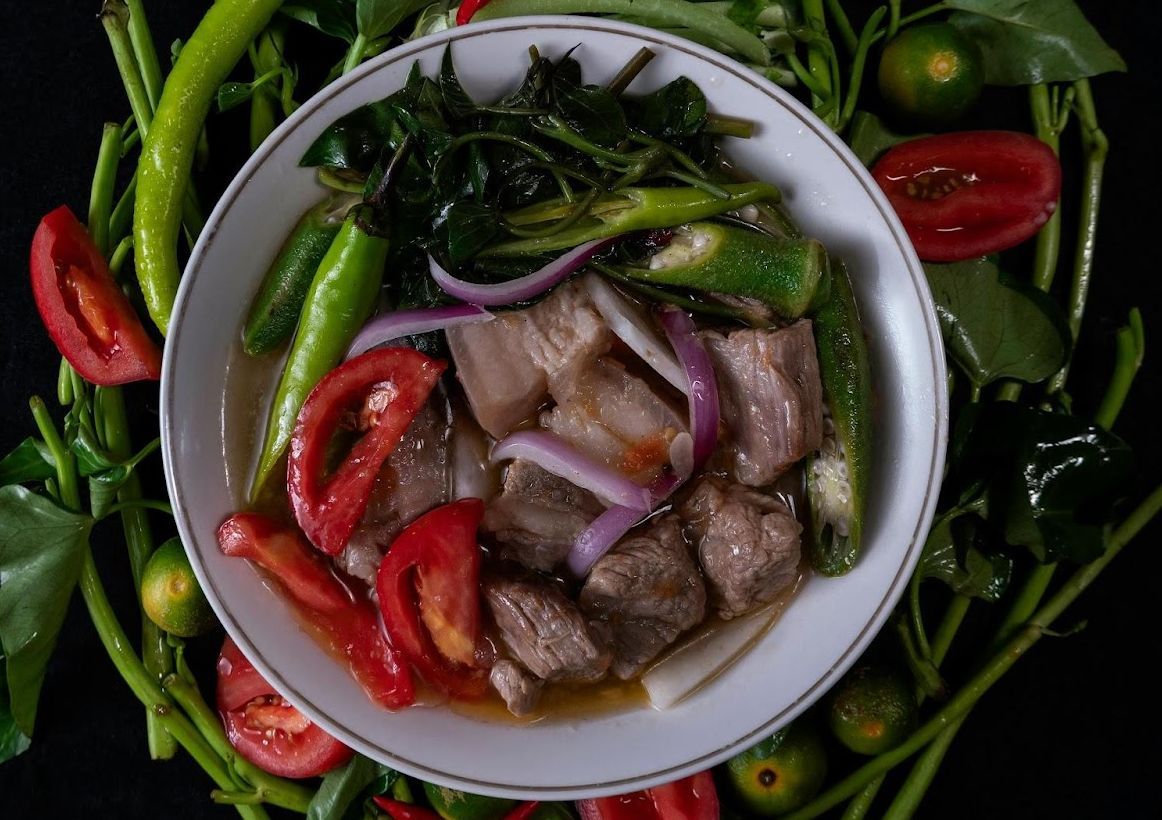 Image: Gans Art
Sinigang is defined by its sourness, traditionally from tamarind. It developed as a way to suit the tropical climate, offering something refreshing yet hearty. Every household has its own version, using pork, shrimp, or fish, and adjusting the tang to taste.
Turkey: Baklava
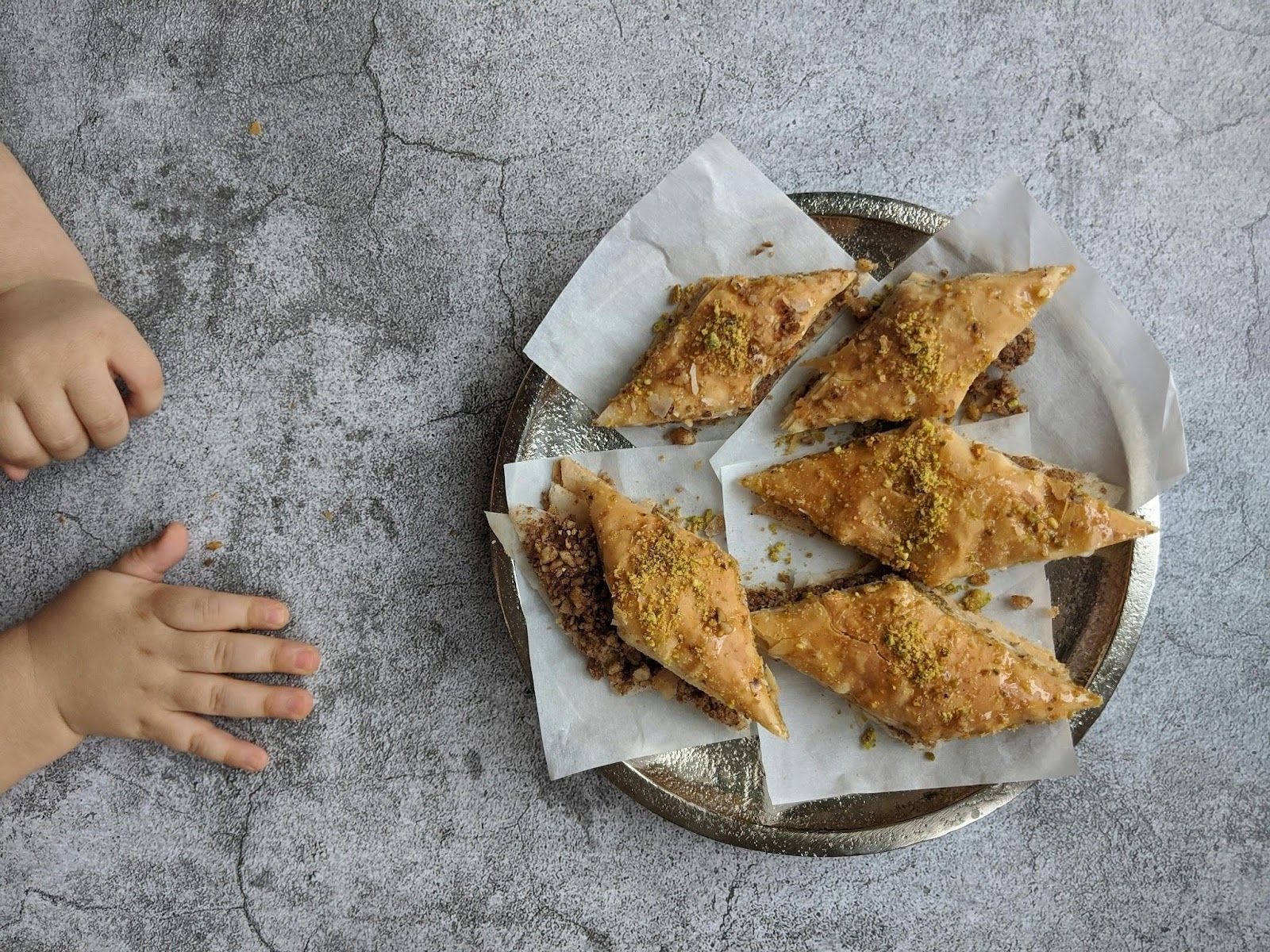 Image: Amnah Mohammad
Baklava’s layered pastry and nut filling trace back to Ottoman palace kitchens. Thin sheets of filo dough are stacked with pistachios or walnuts, then soaked in syrup.
Regional variations exist, but Gaziantep is especially famous for its pistachio-rich version.
Canada: Poutine
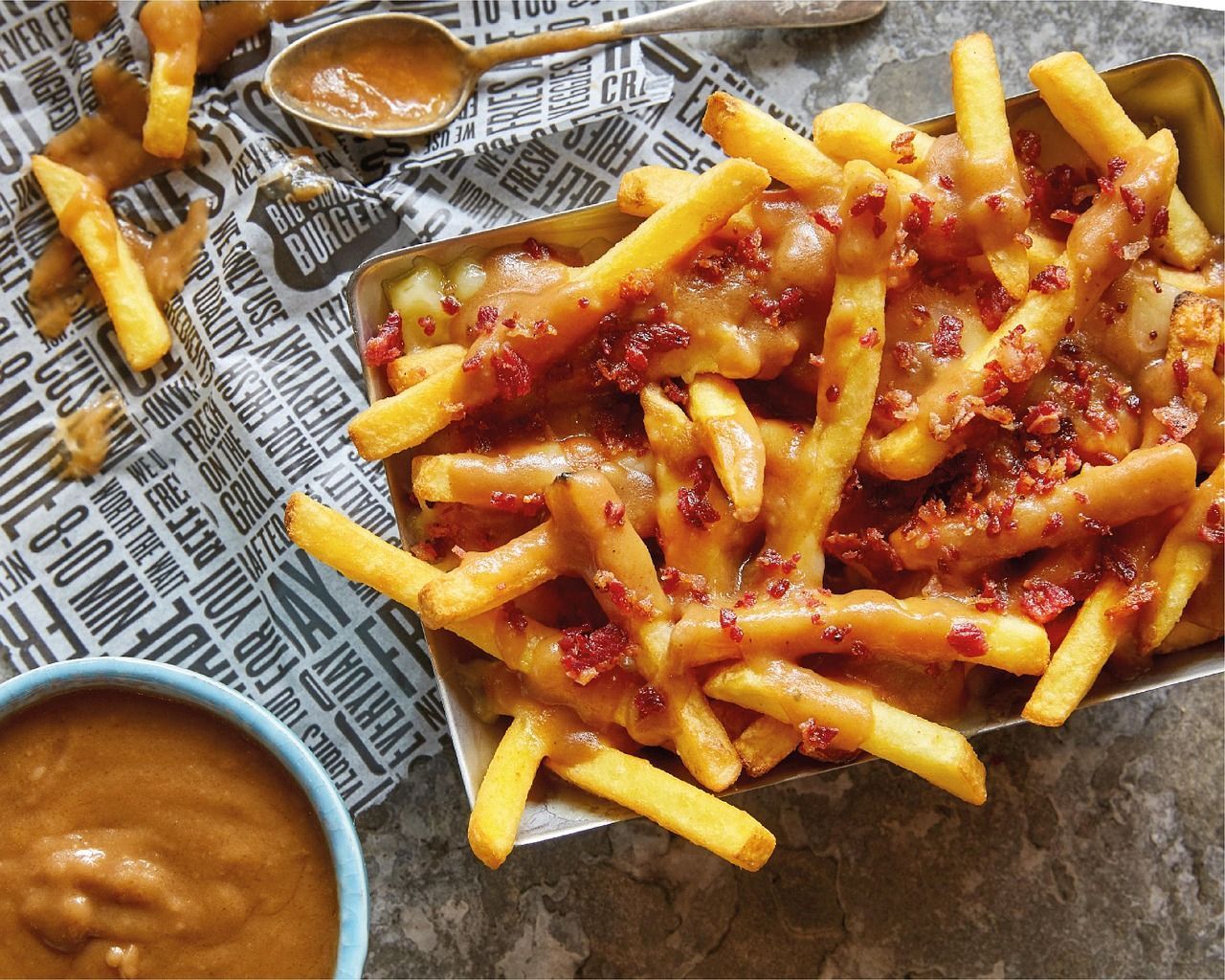 Image: 2SIF
Poutine began in rural Quebec in the 1950s as a casual snack. Fries, cheese curds, and gravy don’t sound elegant, but together they became a national comfort food.
Today, chefs reinvent it endlessly, but the classic version still reigns.
Argentina: Asado
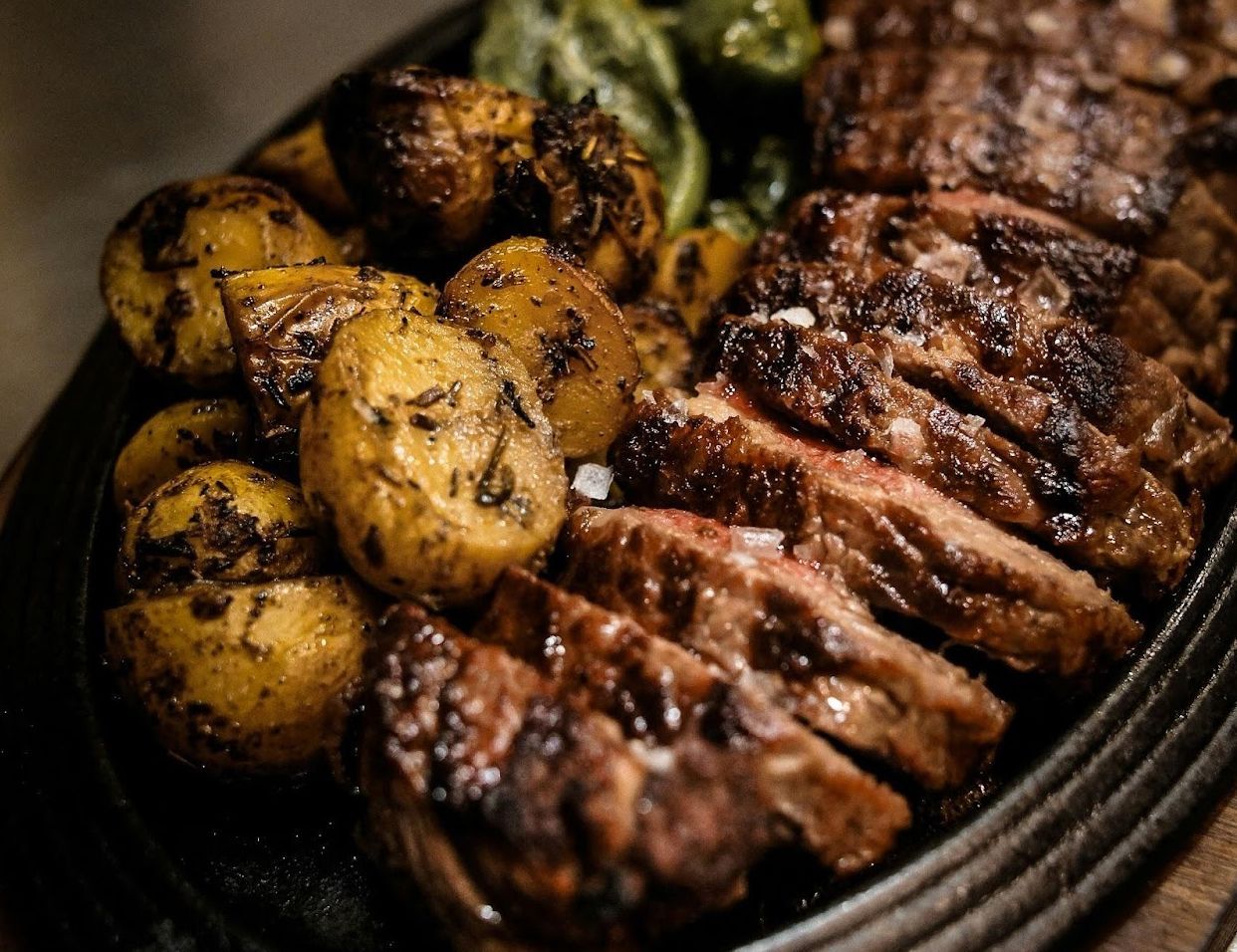 Image: iman zaker
Asado is more than a meal; it’s a social ritual. Rooted in gaucho traditions, it celebrates Argentina’s beef culture through slow grilling over wood or charcoal.
Different cuts and techniques vary by region, but the focus is always on simplicity and quality meat.
Greece: Moussaka
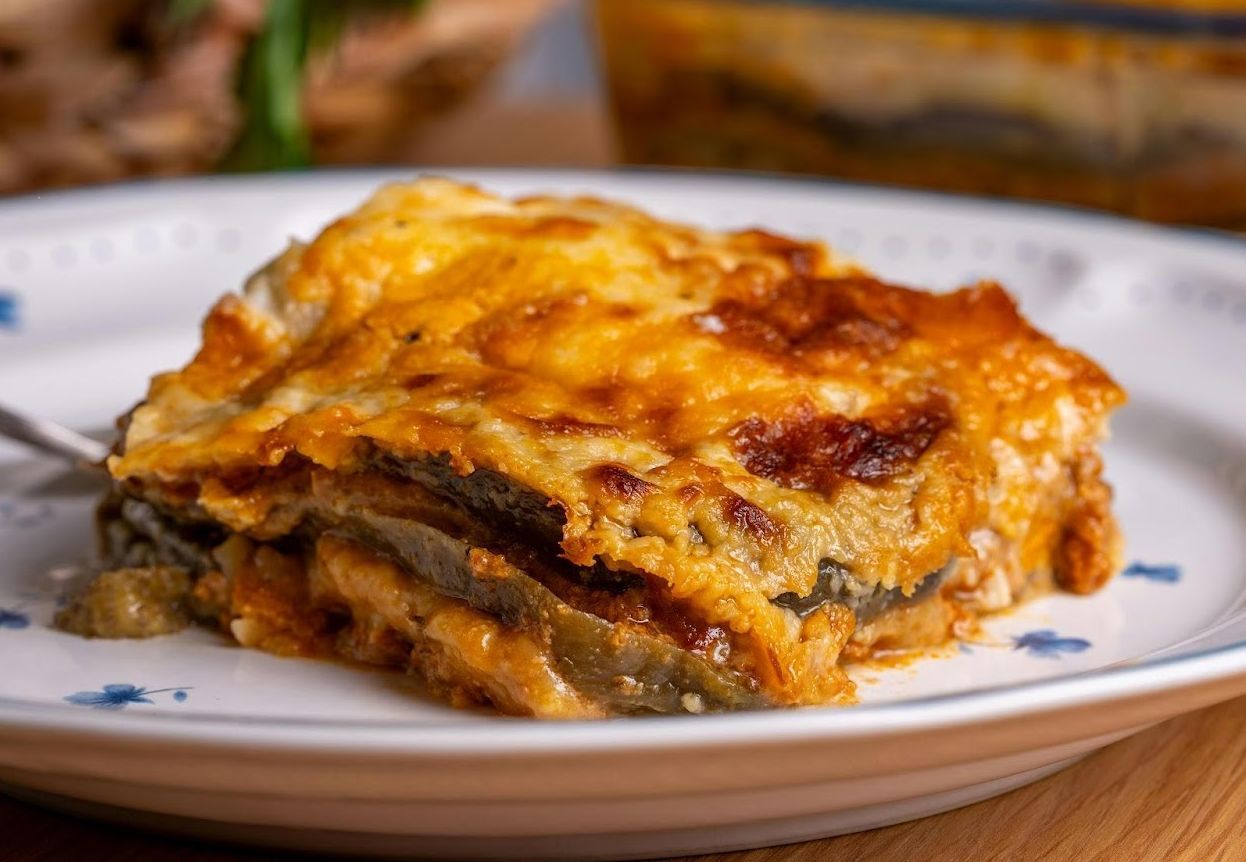 Image: Nano Erdozain
Moussaka layers eggplant, spiced meat, and creamy béchamel into a rich baked dish. While versions existed earlier, its modern form was popularized in the early 20th century. It’s now a staple of Greek home cooking and special occasions.
France: Cassoulet
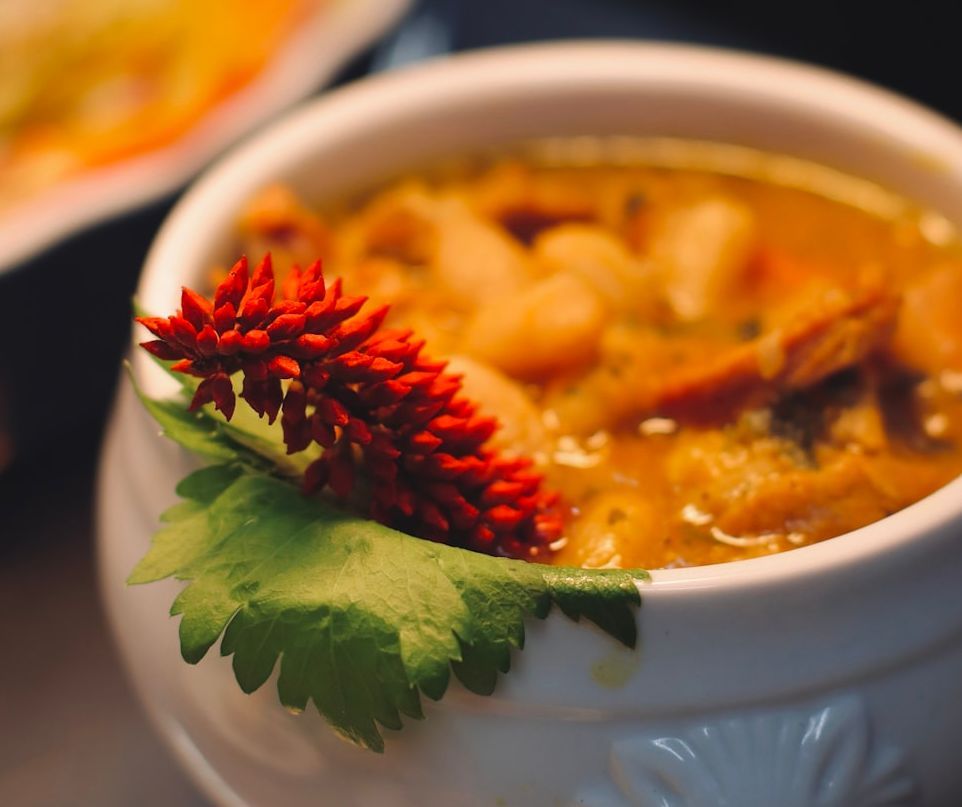 Image: Andrey Câmara
Cassoulet comes from southern France and was shaped by necessity and patience. Beans were slowly cooked with meats like duck or sausage to create a filling, long-lasting dish. Each town, from Toulouse to Carcassonne, fiercely defends its own version.
Brazil: Feijoada
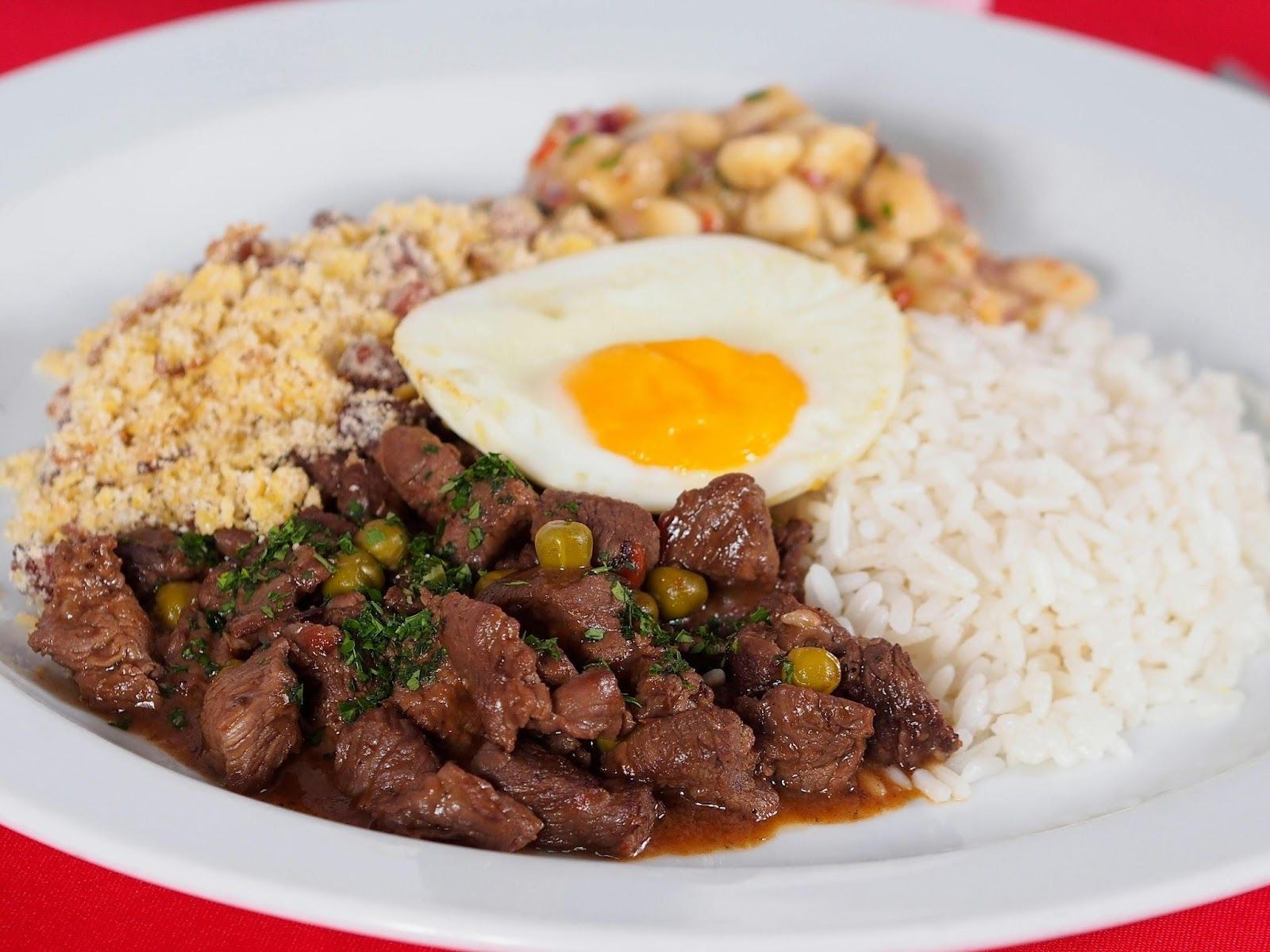 Image: Daigoro Folz
Feijoada is a hearty black bean stew traditionally served with rice, greens, and orange slices. Its roots are debated, but it became popular as an affordable, filling meal.
Today, it’s closely associated with weekend lunches and social gatherings across Brazil.
Keep wandering
There’s always
more to explore
Why are hard landings sometimes the perfect landings?
6 min.
Read Now
 History

Was Moby-Dick a real whale? These marine stories have real backgrounds
6 min.
Read Now

What passengers never see after midnight on a cruise ship
4 min.
Read Now

These 10 mysteries were solved. So why do we still believe them?
6 min.
Read Now