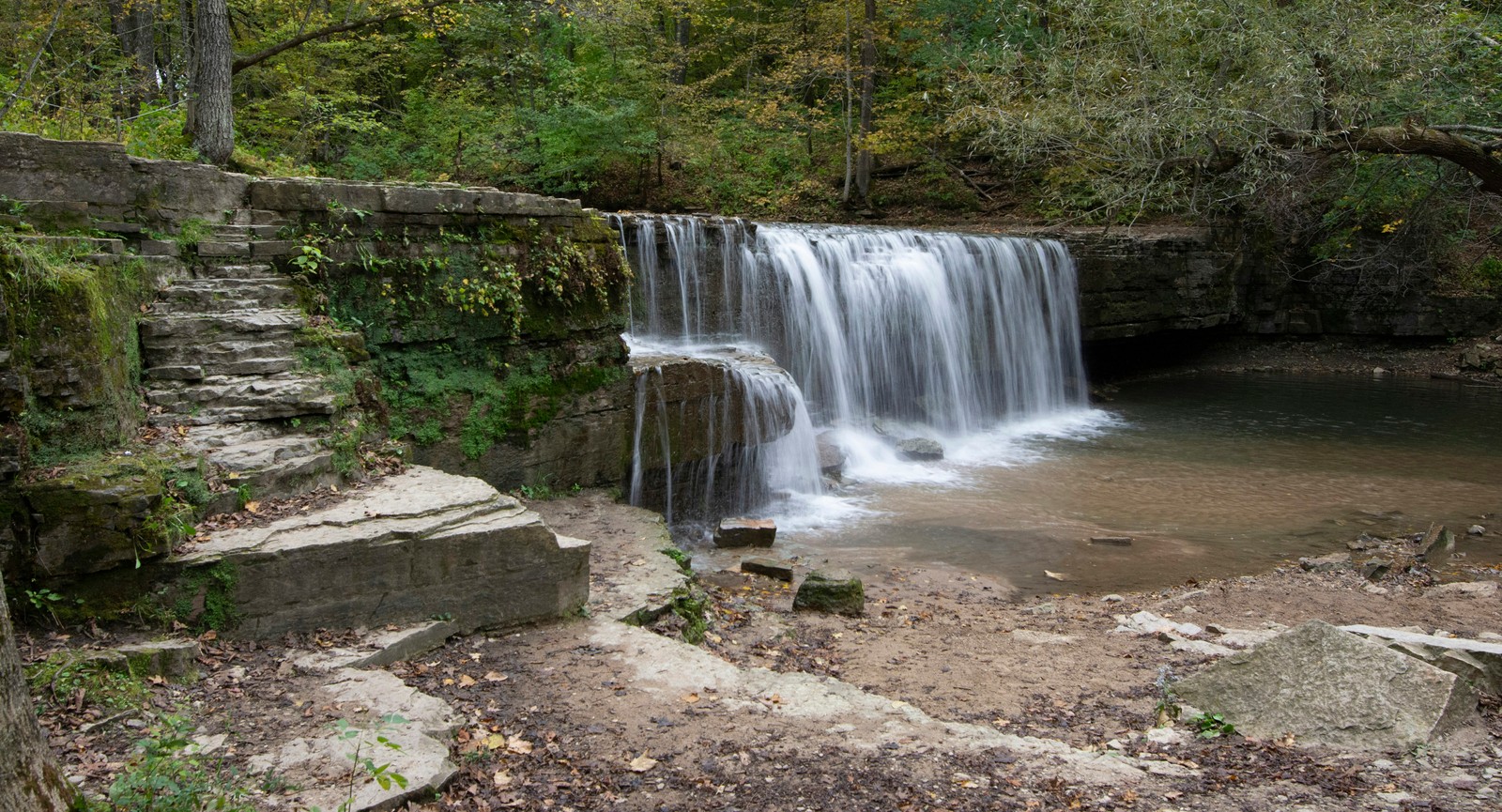
State Parks With Scenery as Stunning as National Parks Without the Crowds
 General
State Parks With Scenery as Stunning as National Parks Without the Crowds
When people plan outdoor trips in the U.S., national parks often steal the spotlight. But tucked away in nearly every state are incredible state parks that rival famous destinations, without the crowds. These parks offer dramatic scenery, rich history, and unforgettable experiences for travelers willing to look beyond the obvious.
From desert canyons to coastal cliffs and ancient forests, these underrated state parks are more than worthy of a road trip. Each one delivers something distinctive, whether it’s a rare ecosystem, a surprising landscape, or a sense of peaceful discovery that’s increasingly hard to find.
Custer State Park (South Dakota)
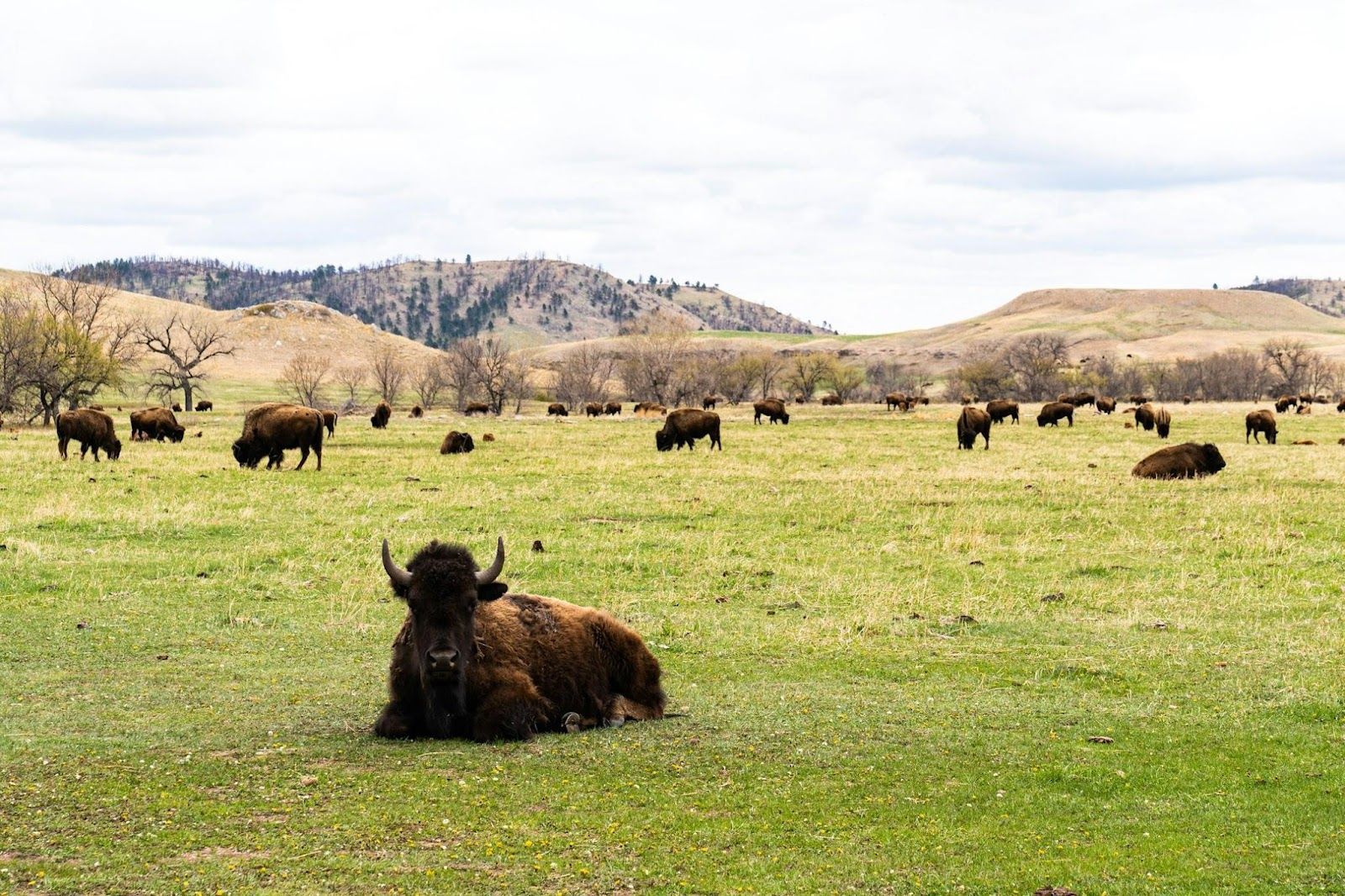
Custer State Park is often overshadowed by nearby Mount Rushmore, yet it offers some of the most scenic driving and wildlife viewing in the Midwest. Rolling granite hills, sparkling lakes, and open prairies create a landscape that feels both rugged and serene.
The park is especially known for its massive free-roaming bison herd, which regularly crosses roads and grazing areas. Travelers can explore scenic byways, hike among granite spires, or simply enjoy wide-open views that feel far removed from everyday life.
Valley of Fire State Park (Nevada)
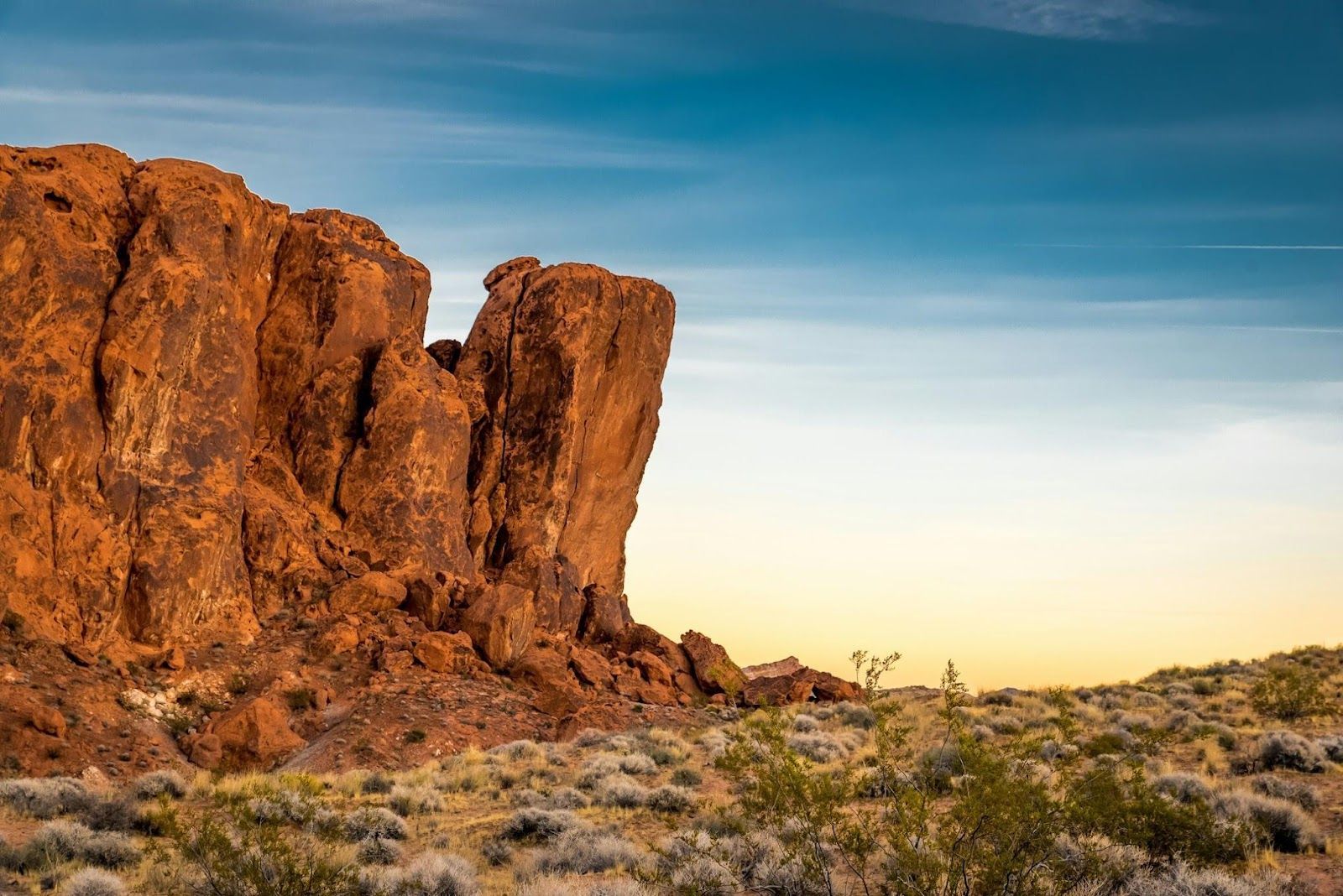
Valley of Fire is named for its brilliant red sandstone formations that seem to glow under the desert sun. Though close to Las Vegas, it feels worlds away, offering quiet trails and striking natural arches.
Ancient petroglyphs etched into the rock add a sense of deep history to the park. Short hikes lead to colorful canyons and panoramic views that rival far more famous desert parks.
Goblin Valley State Park (Utah)
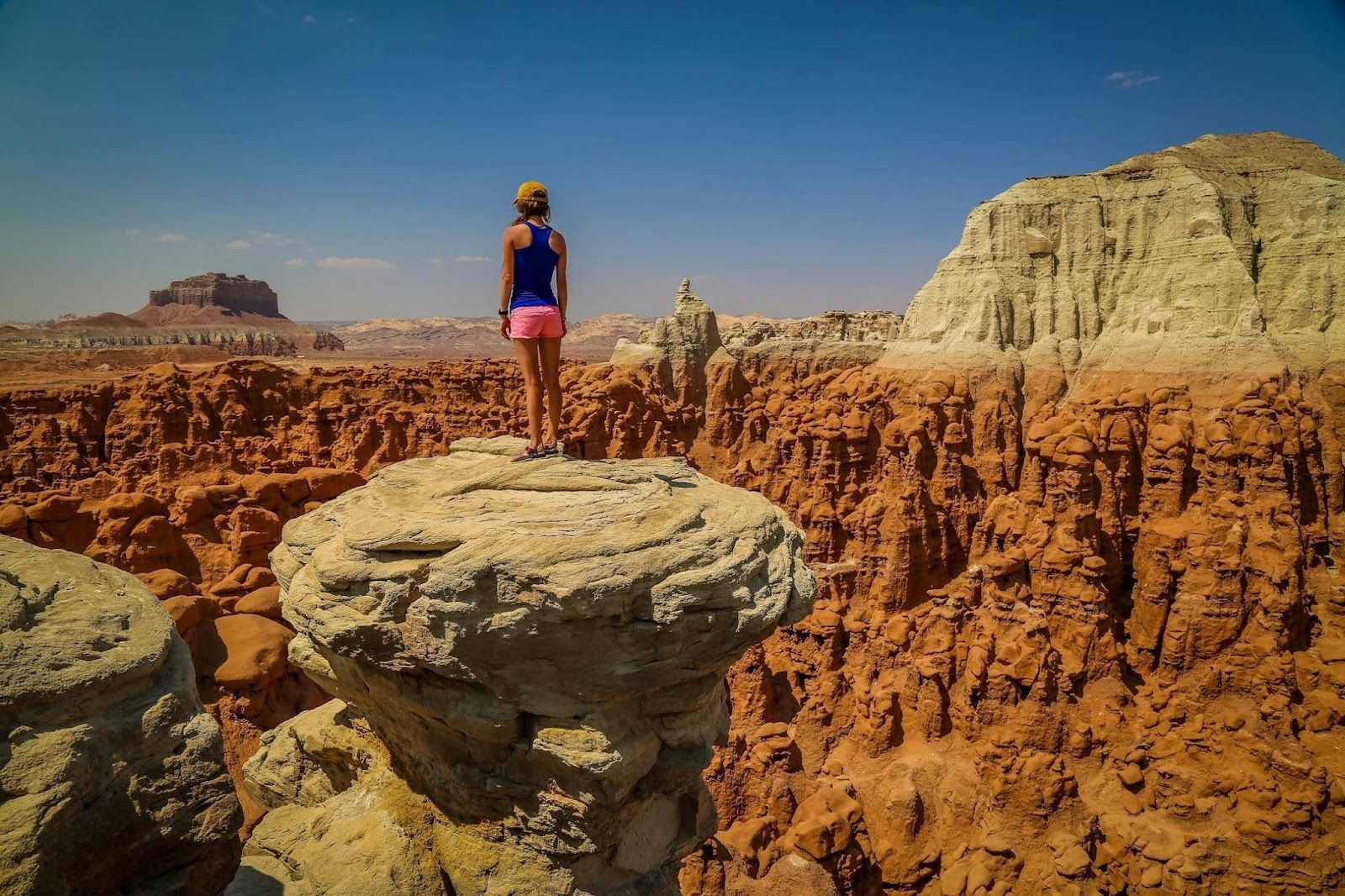
Goblin Valley State Park looks like something from another planet. Thousands of mushroom-shaped rock formations, nicknamed "goblins," fill a wide desert valley, creating a surreal and playful landscape unlike anywhere else in Utah.
Unlike many protected sites, visitors are encouraged to freely wander among the formations. The park is also a designated dark-sky area, making it an exceptional place for stargazing after sunset.
Porcupine Mountains Wilderness State Park (Michigan)
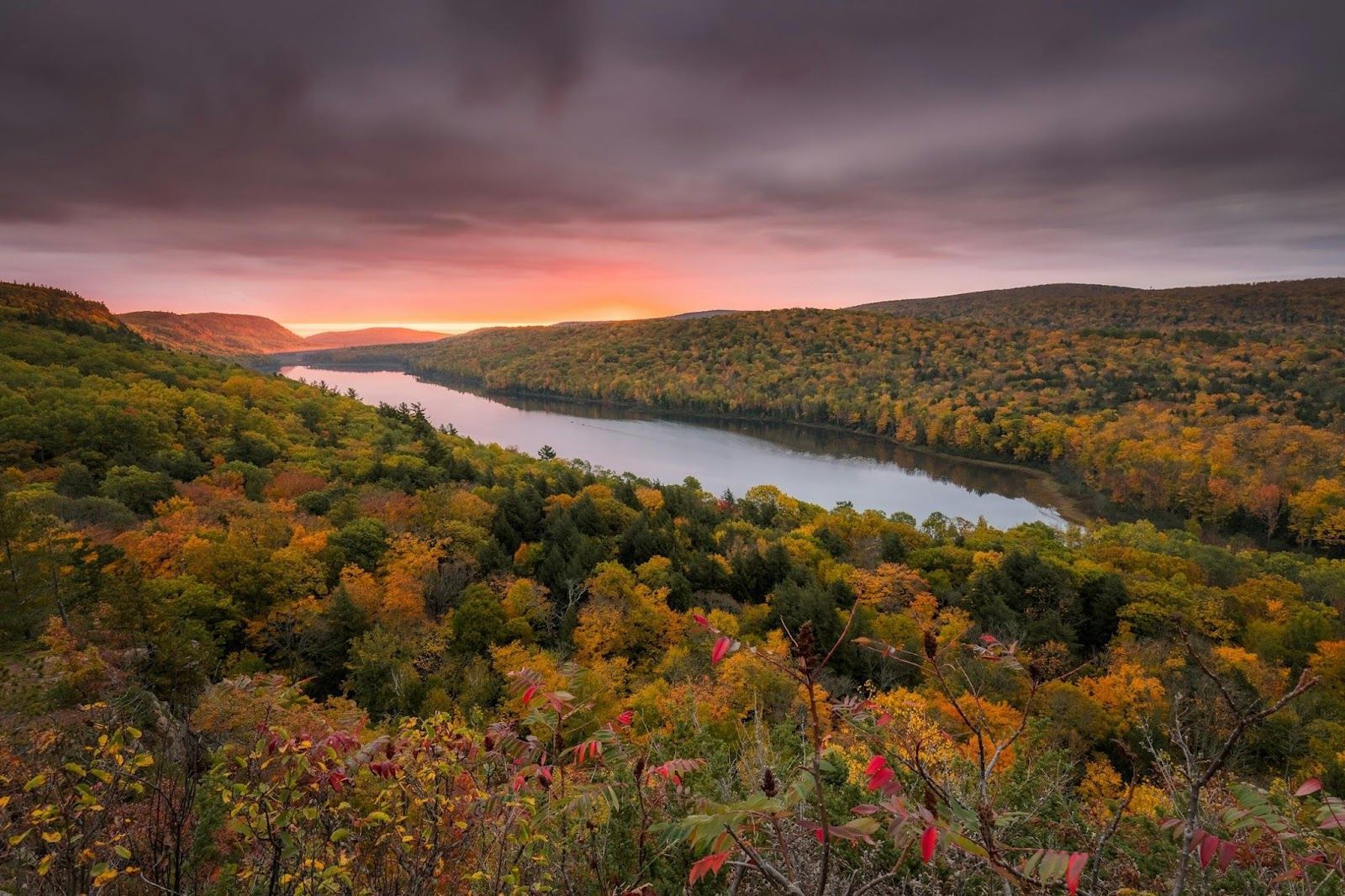
Often called "the Porkies," this park is one of the largest wilderness state parks in the Midwest. It features old-growth forests, dramatic Lake Superior shorelines, and waterfalls hidden deep in the woods.
The park’s extensive trail system makes it ideal for backpacking, while scenic overlooks like Lake of the Clouds provide jaw-dropping views. It’s a perfect destination for travelers seeking solitude and untamed natural beauty.
Anza-Borrego Desert State Park (California)
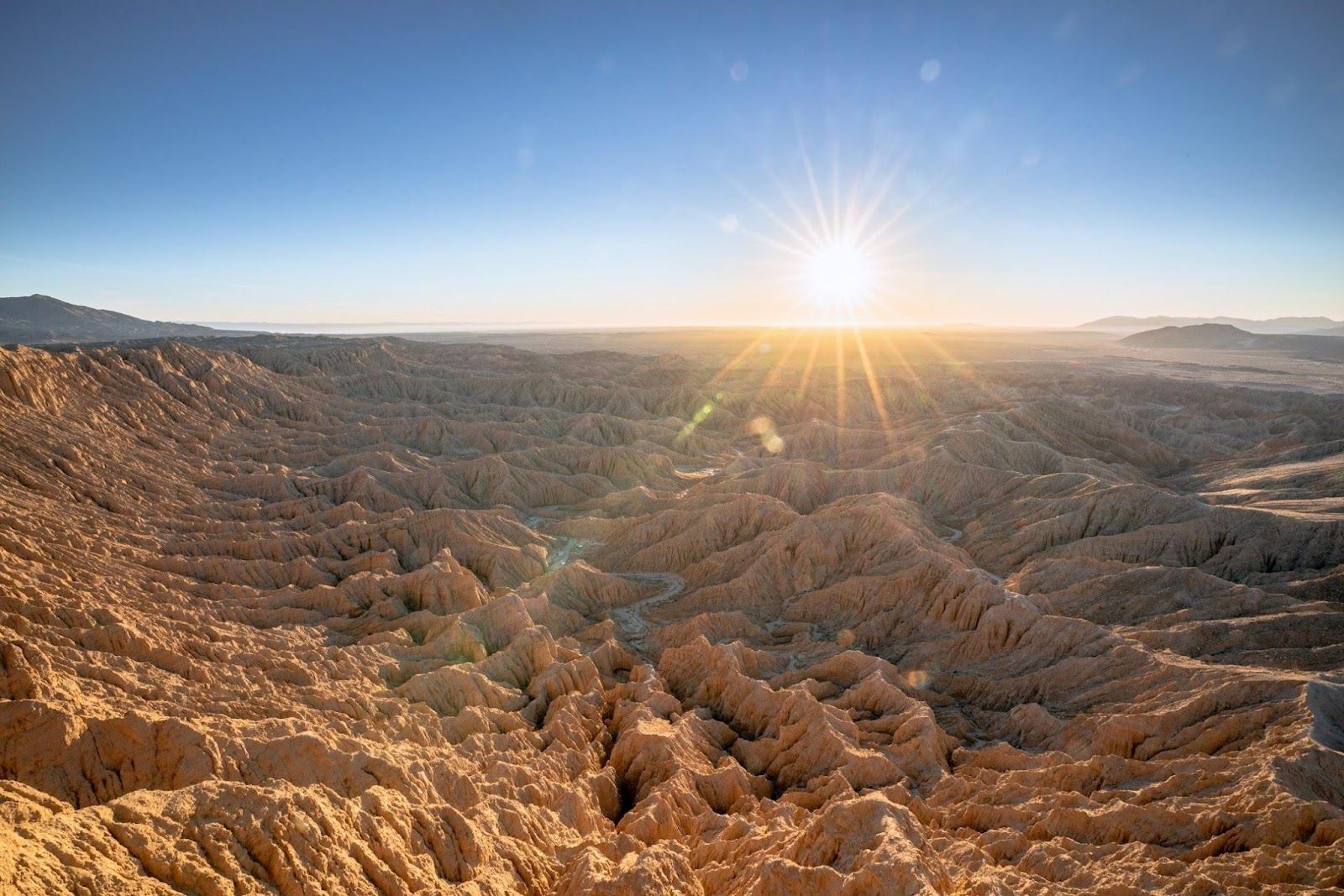
As California’s largest state park, Anza-Borrego remains surprisingly uncrowded. Its vast desert landscapes include slot canyons, palm oases, badlands, and seasonal wildflower blooms that transform the terrain in spring.
The park also features dramatic metal sculptures scattered across the desert floor and some of the best stargazing in Southern California. It’s a place where silence and scale leave a lasting impression.
Silver Falls State Park (Oregon)
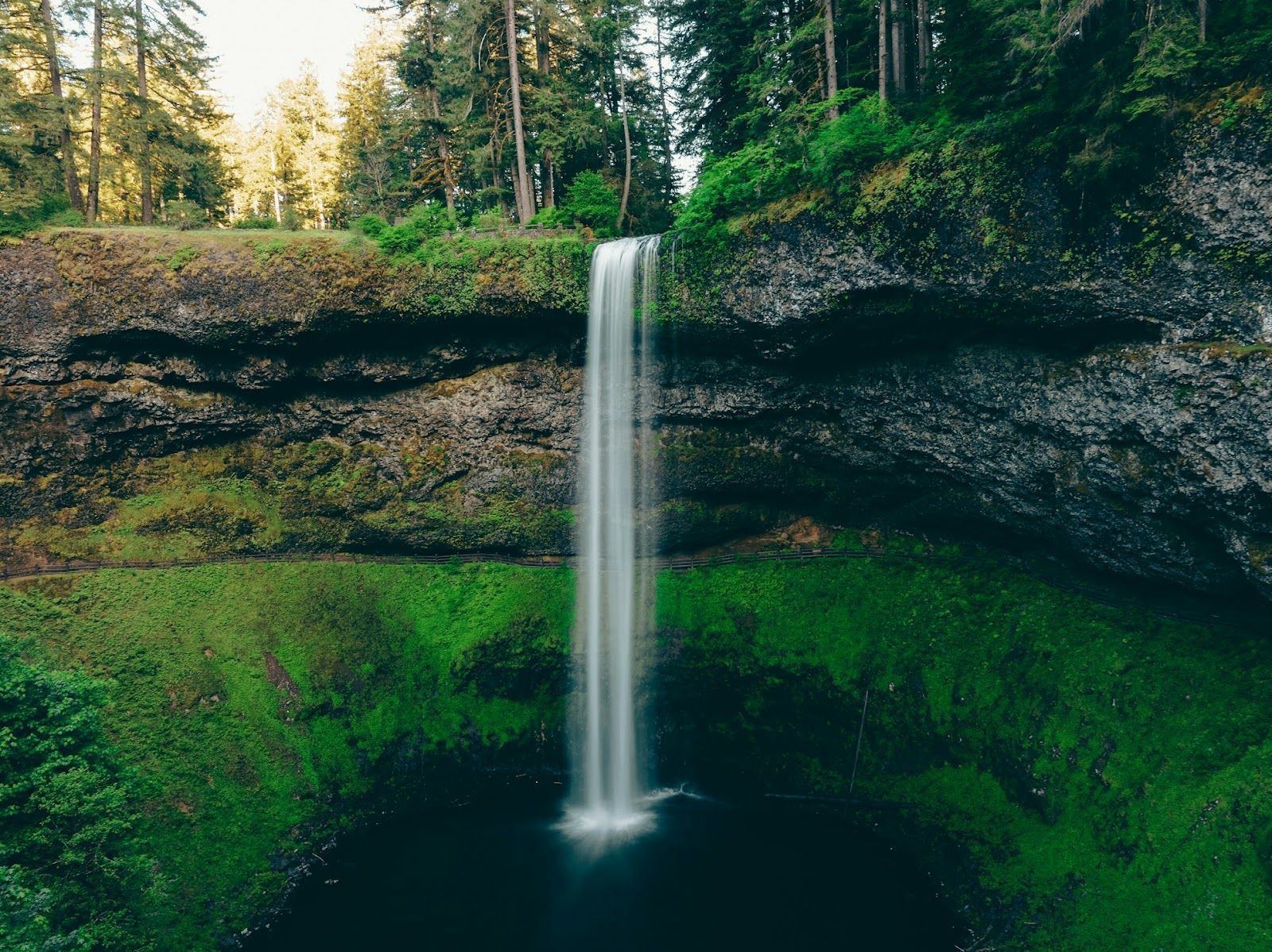
Silver Falls is best known for its "Trail of Ten Falls," a loop hike that passes behind several cascading waterfalls. Despite its beauty, it often flies under the radar compared to Oregon’s coastal and mountain destinations.
Lush forests, misty paths, and year-round water flow make this park magical in any season. It’s especially appealing to travelers who want dramatic scenery without committing to a long backcountry trek.
Hocking Hills State Park (Ohio)
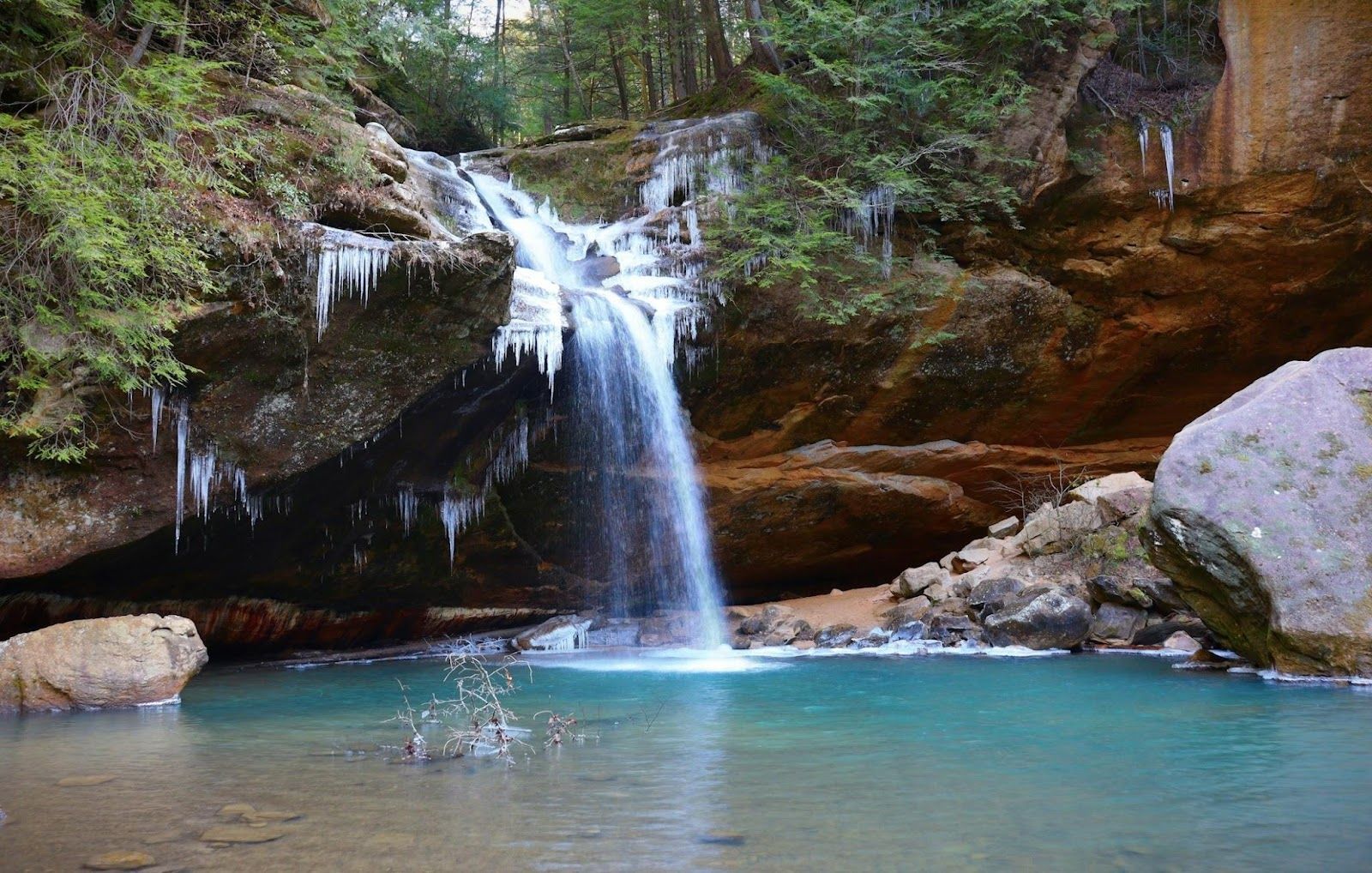
Hocking Hills surprises many first-time visitors with its rugged cliffs, deep gorges, and dramatic rock formations. Waterfalls, caves, and hemlock forests create a landscape more reminiscent of Appalachia than the Midwest.
The park’s well-maintained trails make it accessible while still feeling adventurous. It’s an ideal destination for a long weekend filled with hiking, photography, and cozy cabin stays.
Dead Horse Point State Park (Utah)
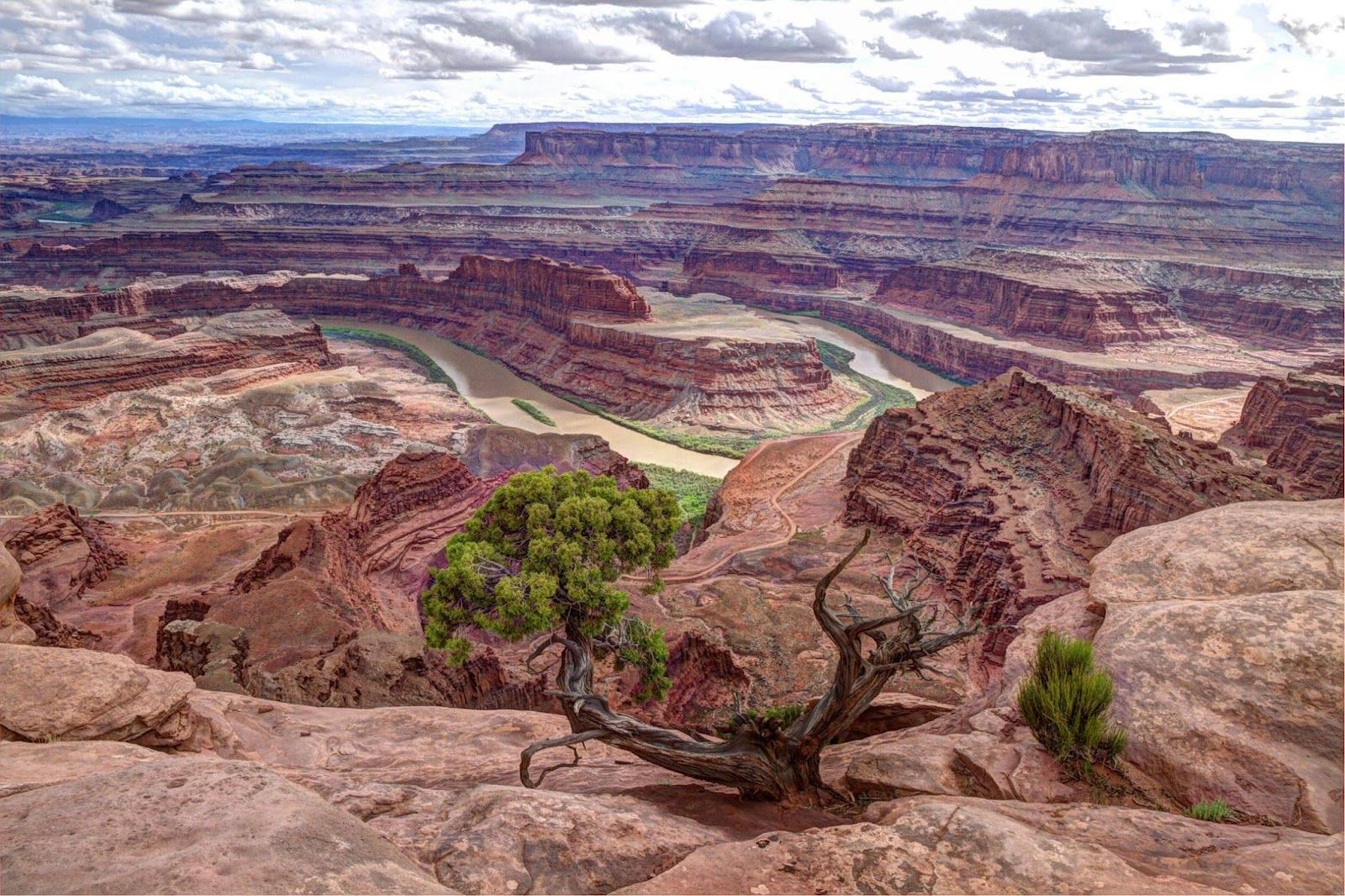
Perched high above the Colorado River, Dead Horse Point offers some of the most breathtaking canyon views in the Southwest. The dramatic overlooks rival those of nearby national parks, but with far fewer visitors.
The park is especially popular at sunrise and sunset, when the canyon walls shift through layers of color. Its compact size makes it easy to explore while still delivering unforgettable scenery.
Petit Jean State Park (Arkansas)
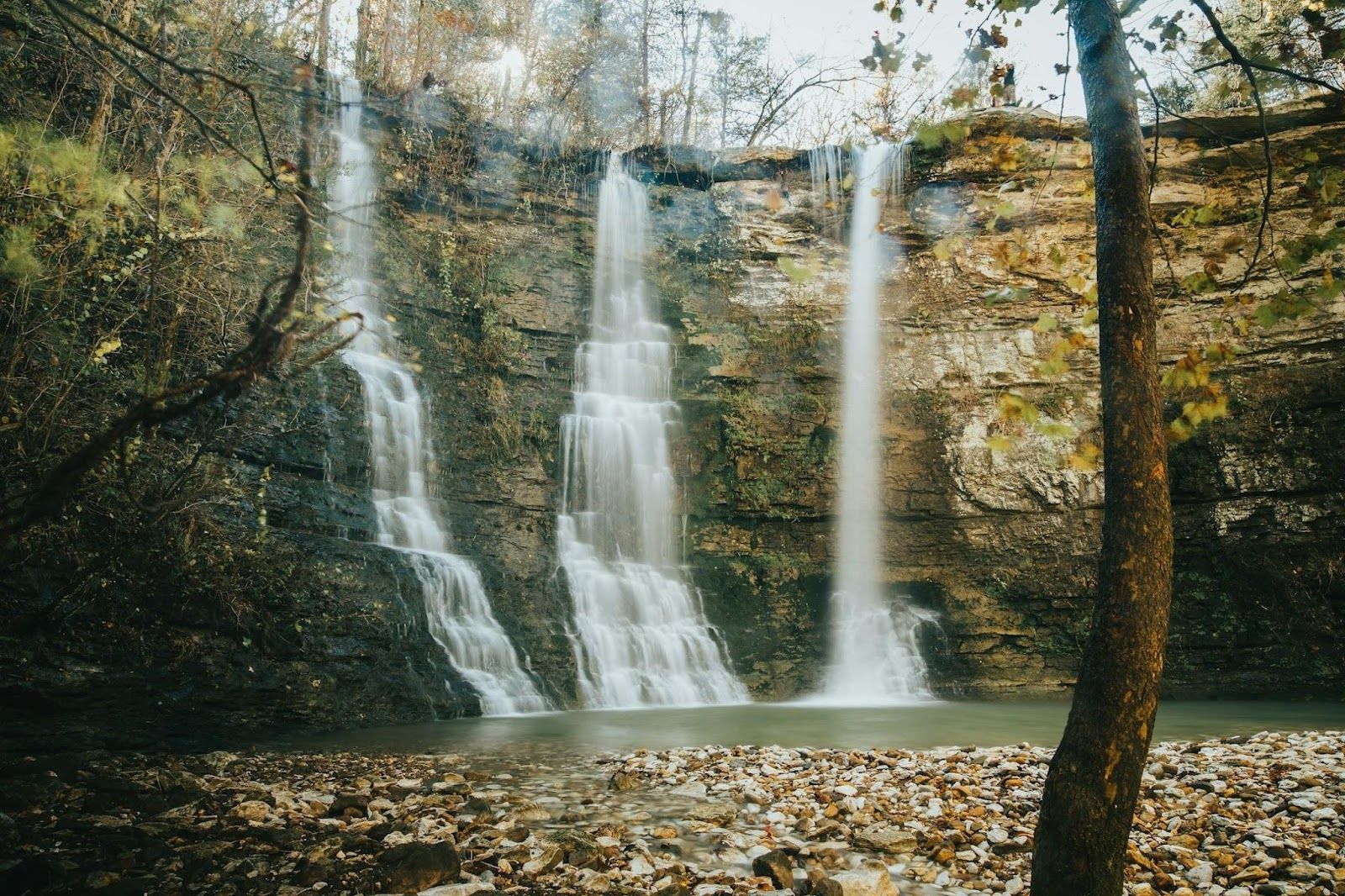
Petit Jean State Park blends natural beauty with local legend and history. Elevated viewpoints offer sweeping views of the Arkansas River Valley, while trails lead to waterfalls, caves, and rugged bluffs.
The park’s centerpiece, Cedar Falls, is one of the most photographed waterfalls in the state. With a mix of easy walks and challenging hikes, it appeals to travelers of all experience levels.
Baxter State Park (Maine)
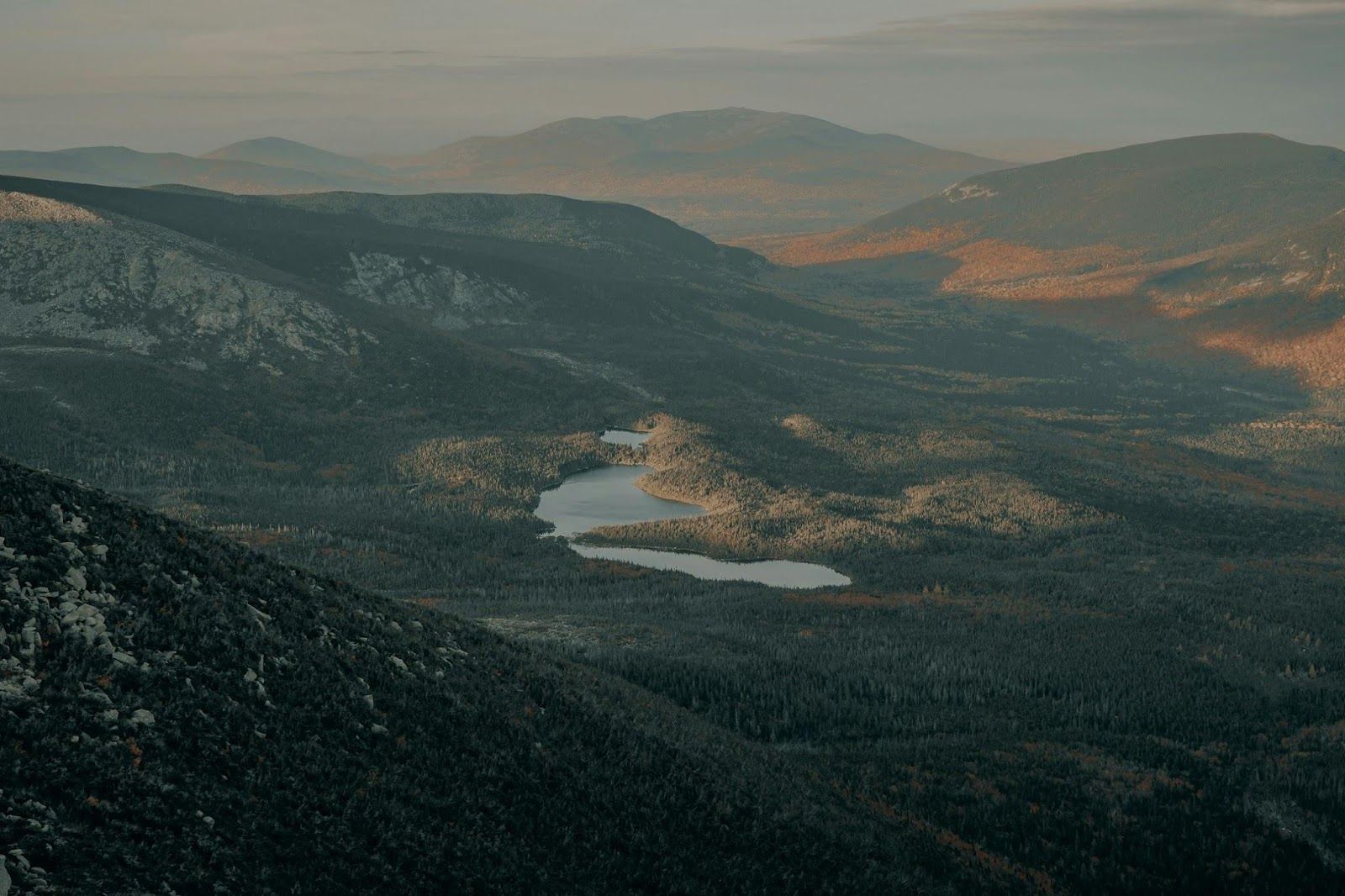
Baxter State Park is a true wilderness preserve, known for its remote feel and strict conservation rules. It’s home to Mount Katahdin, Maine’s highest peak, and the northern terminus of the Appalachian Trail.
Unlike many parks, Baxter limits development to protect its natural character. Visitors are rewarded with pristine forests, quiet lakes, and a sense of stepping into an untamed landscape rarely found in the eastern U.S
Fancy a European trip minus the journey? Check out these 11 U.S. spots!
 Geography
Can you guess where this is?
Is this Europe or America? 11 U.S. spots that look like the Old World
Every place has its own charm, but sometimes you’ll come across a certain spot that reminds you of another one, whether you have actually been there or seen it in pictures. America is full of towns, cities, and landscapes where a tourist might, if suddenly dropped there, initially believe they were in a European country. Take a look at these 11 spots in the U.S. that seem like a quick trip to Europe. Have you been to any of them?
Leavenworth, Washington
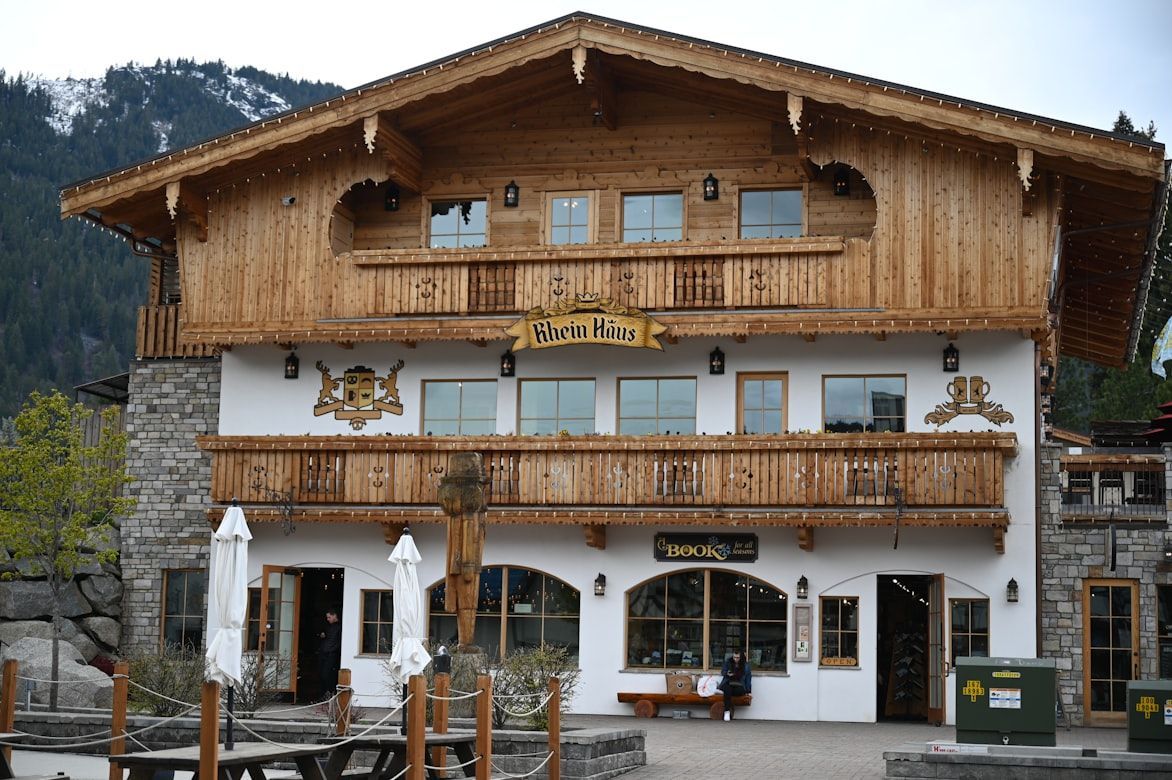 Image: Herry Sutanto
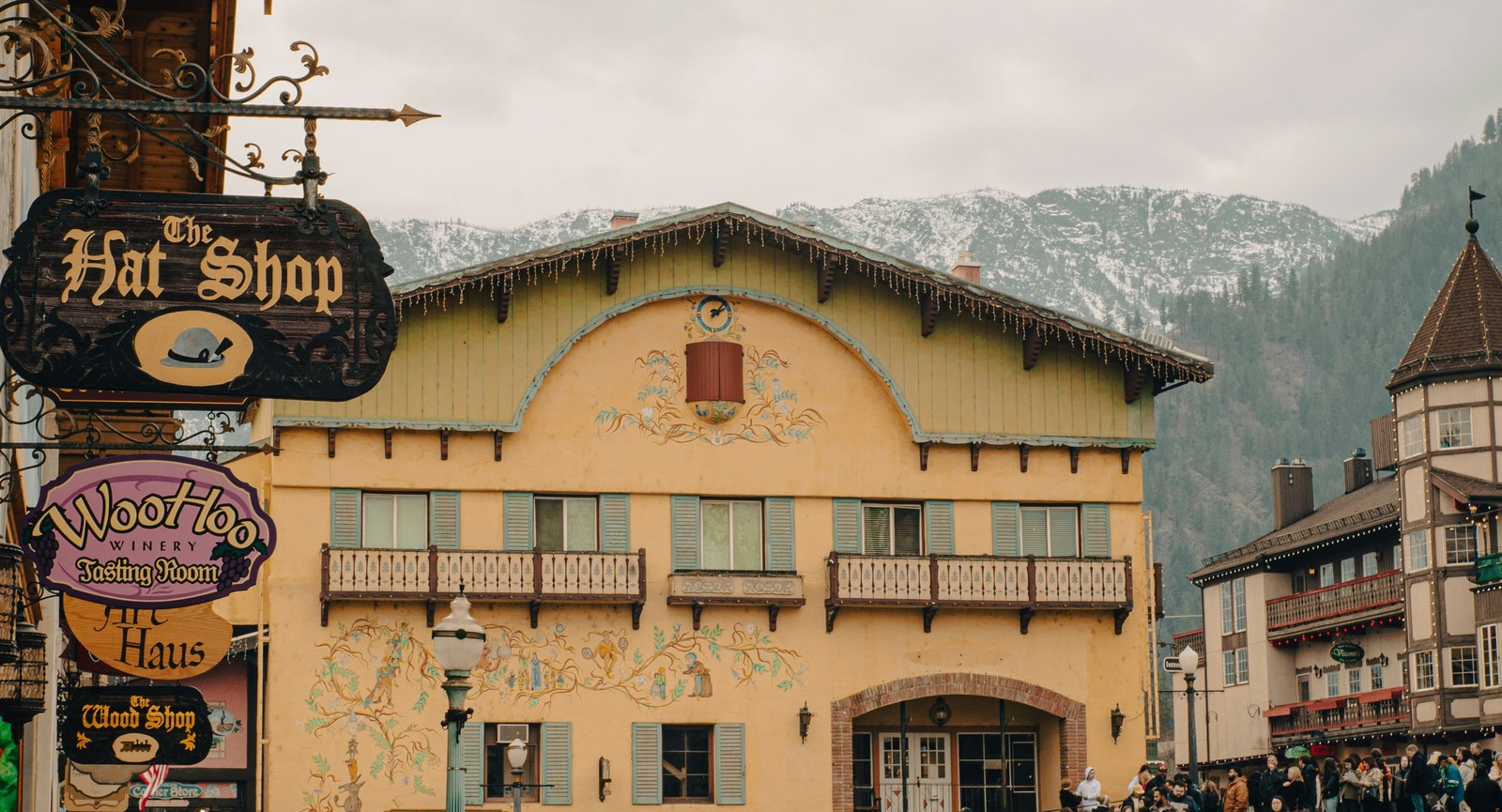
Our first example is probably one of the most famous instances of European charm in America. Nestled in the Cascades east of Seattle, Leavenworth has a distinct Bavarian feel to it. Painted facades, peaked roofs, flower boxes, and beer gardens that feel transplanted from southern Germany.
Even the signage and street details play along, leaning into this identity. This is not an accident: after years of economic decline, the town rebranded around a Bavarian theme to revive tourism. And it worked!
Solvang, California
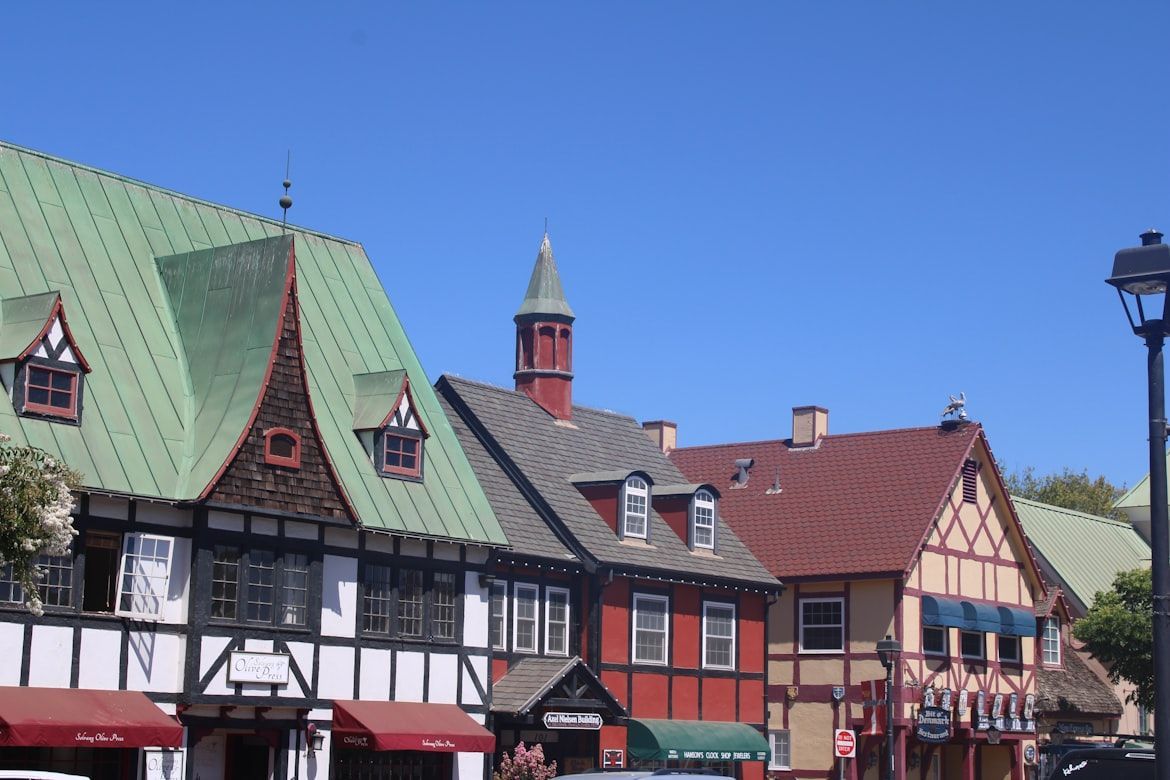 Image: Jolea Schwindt
Solvang was founded by Danish Americans, and its downtown still looks like a postcard from Denmark, with its half-timbered buildings, windmills, bakeries, and shop signs with strong Copenhagen vibes.
The town is filled with Scandinavian-style boutiques, restaurants, bars, and themed shops, which give it a distinct "Europe but in California" vibe.
Holland, Michigan
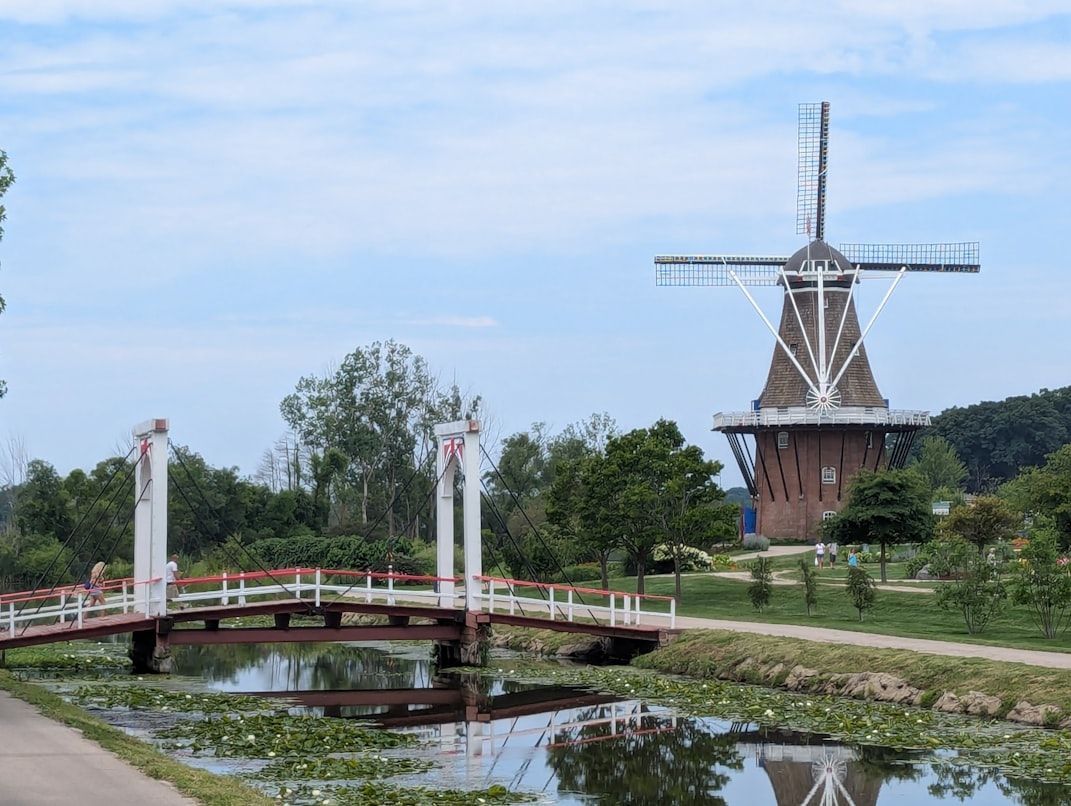 Image: Chad Jones
As its name implies, Holland, Michigan, wears its Dutch roots with pride, especially around Windmill Island Gardens. An authentic, working Dutch windmill rises over manicured grounds, tulips, and neat paths that feel straight out of the Netherlands.
Even if you are not visiting during the tulip blossoming season, the windmill and surrounding gardens still manage to recreate a full Low Countries atmosphere.
Helen, Georgia
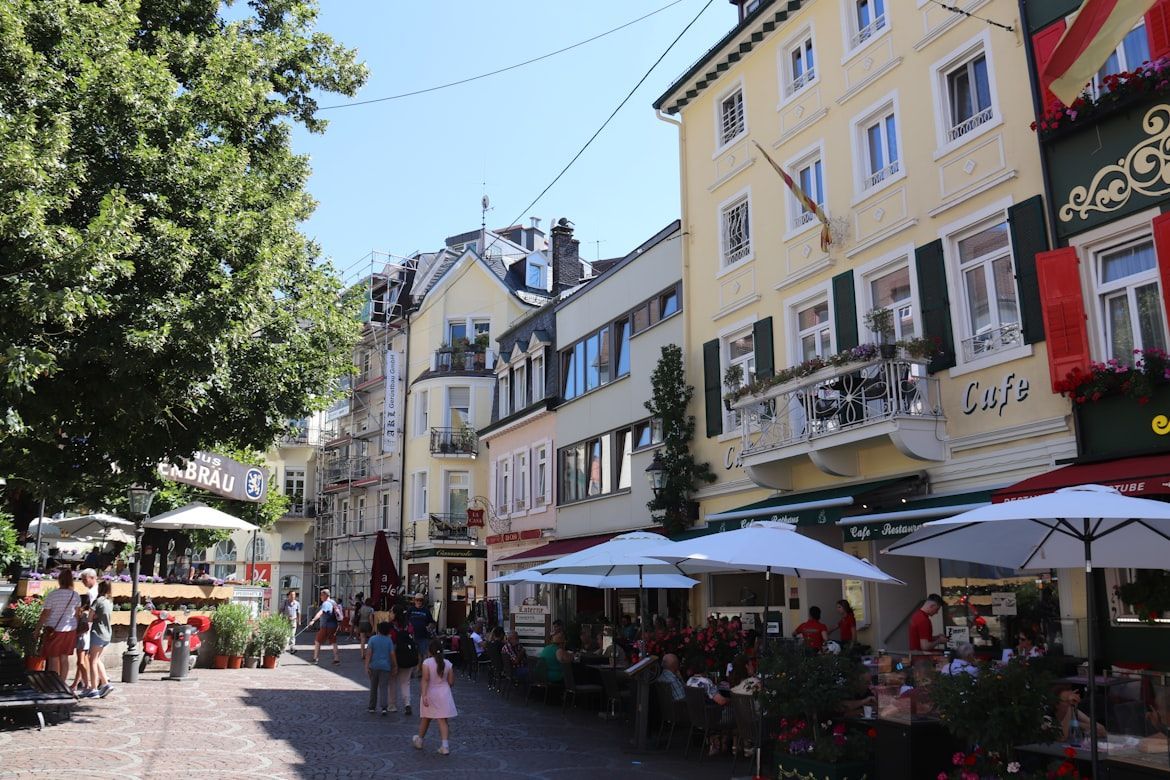 Image: Shalev Cohen
Helen sits in Georgia’s Blue Ridge, but its downtown looks like an alpine village, with painted trim, Bavarian-inspired storefronts, and a compact, walkable core that’s all about that Germany-meets-mountains feel.
As with other examples on this list, the town deliberately adopted the look, and it shows. The rivers and trails help create a perfect postcard from Europe.
St. Augustine, Florida
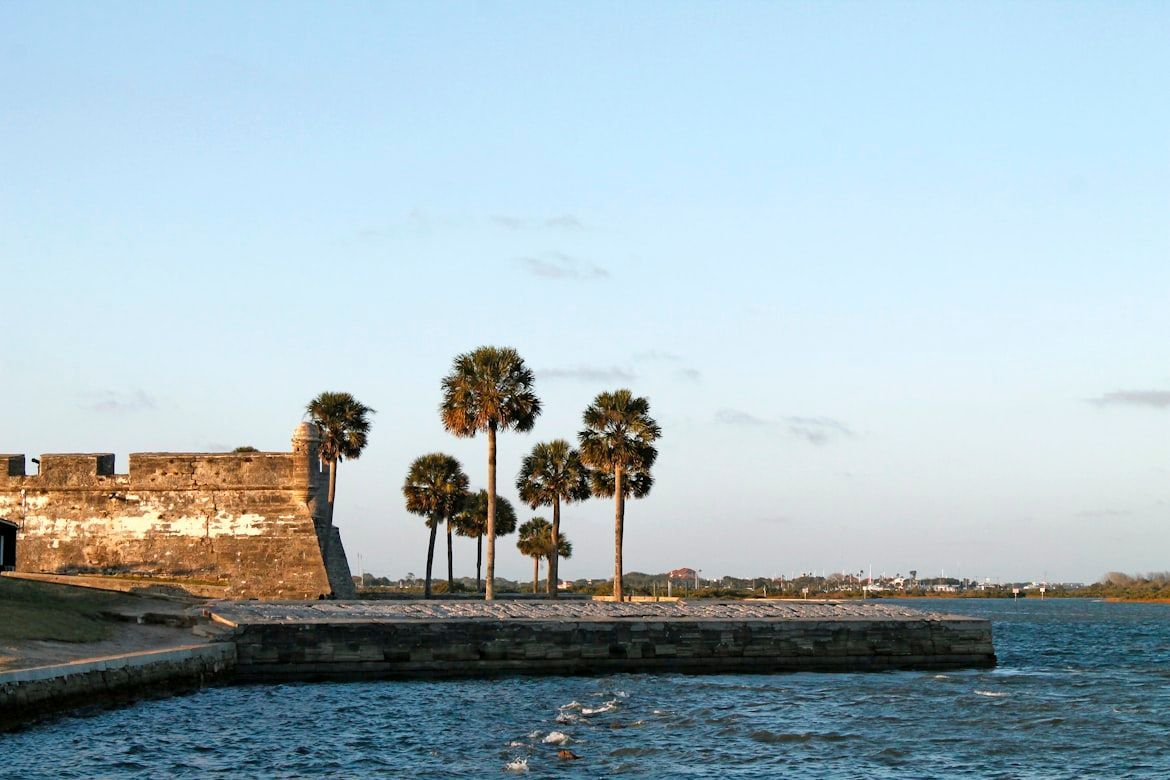 Image: Maddie DiFilippo
St. Augustine has that "Old World" energy because it was founded by the Spanish in 1565, and it still has a stone fortress on the bay: the Castillo de San Marcos. The age and layout alone feel different from most U.S. towns.
Explore the star-shaped walls built by Spain from coquina stone, then wander around the historic district nearby. Between colonial streets, sea air, and rich history, the place feels like a coastal Spanish town.
Tarpon Springs, Florida
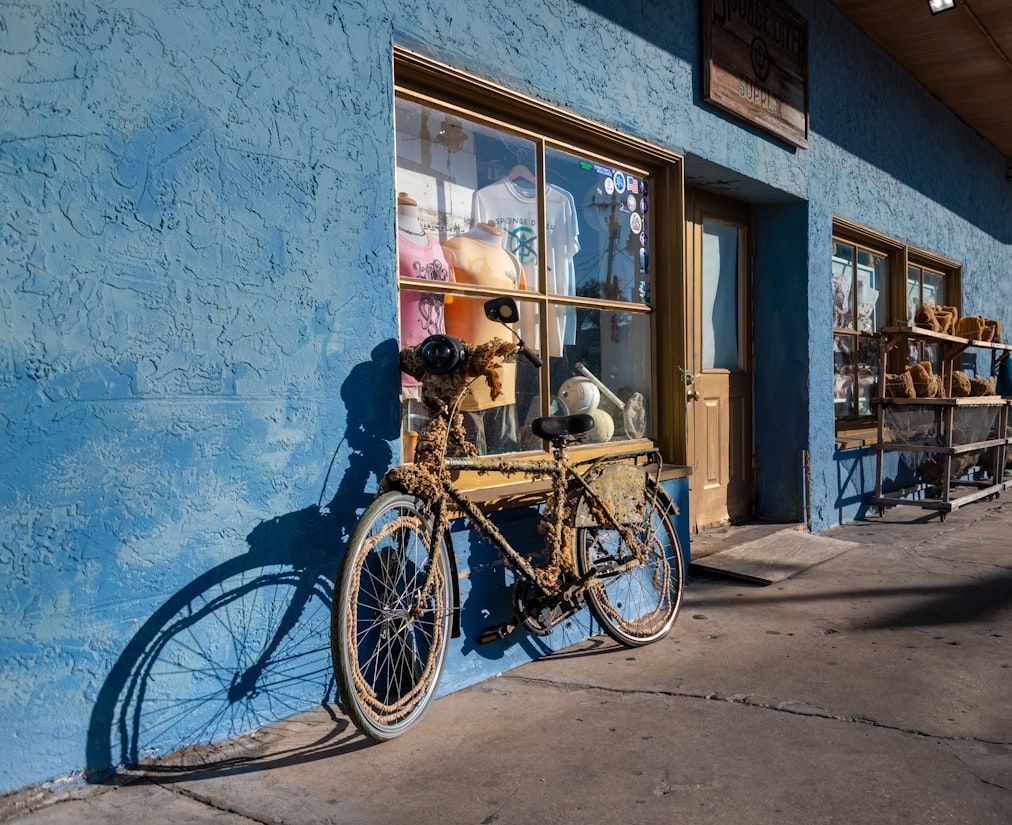 Image: Joseph Corl
Tarpon Springs can feel like a Greek corner on Florida’s Gulf Coast. Greek sponge divers helped shape the town in the early 1900s, and the Sponge Docks are packed with Greek restaurants, bakeries, and markets.
Tourists can enjoy dishes filled with olive oil and lemon, hear the locals’ colorful dialect, and stroll along the beautiful waterfront.
Avalon, California
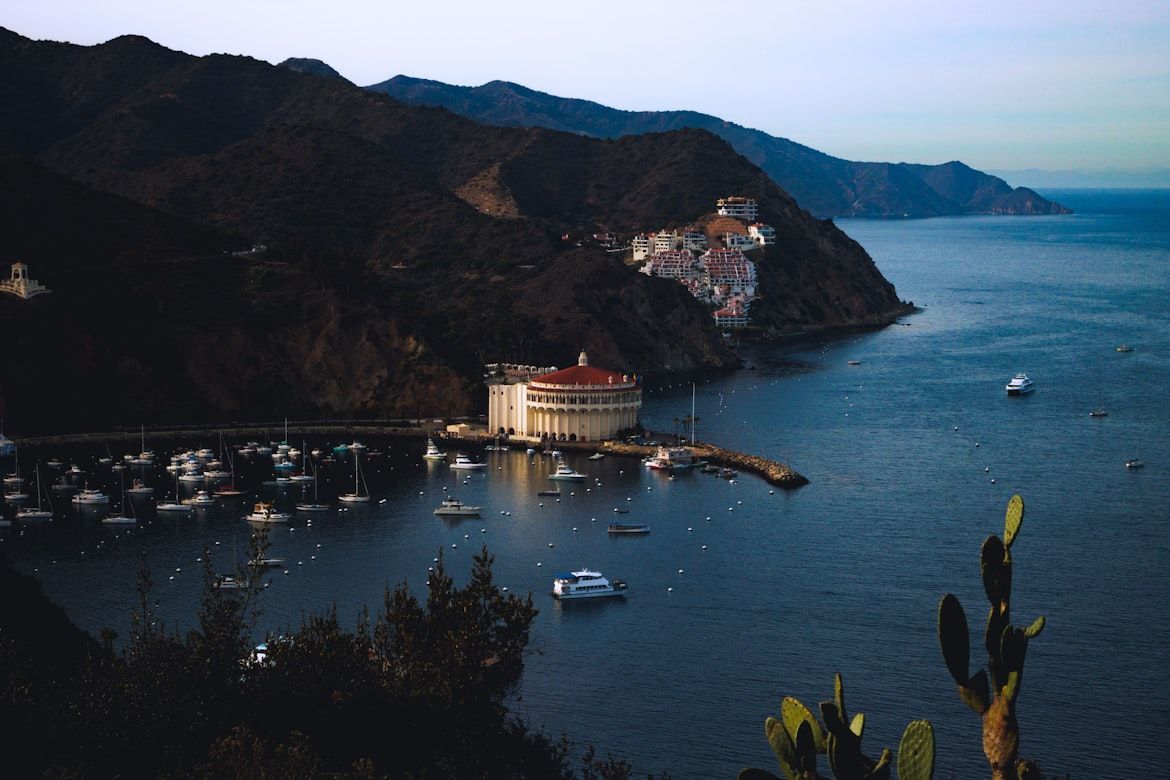 Image: Parker Sturdivant
Avalon, the main town on Catalina Island, is often described as having Mediterranean charm, with its colorful hillside buildings, palm trees, and waterfront promenades that could be mistaken for a southern European coast.
Spanish details and tilework add to the vibe, and the Catalina Casino’s Mediterranean Revival flair doesn’t hurt either.
French Quarter, Louisiana
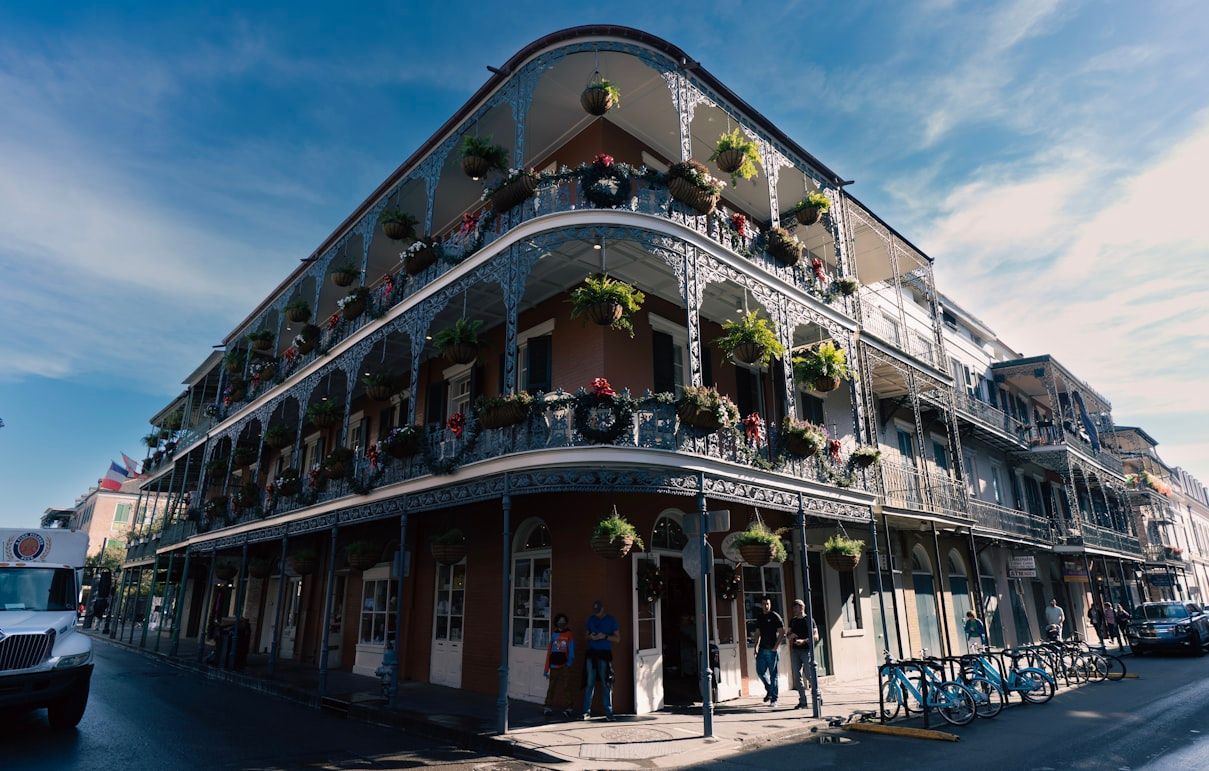 Image: Tianxiang Ji
The French Quarter’s balconies and courtyards resemble a European street scene, shaped by French and Spanish colonial eras and marked by ironworks, stucco walls, and tightly packed, walkable blocks.
It can be easy to forget that one is in the U.S. when walking past the shaded patios and enclosed courtyards.
Stowe, Vermont
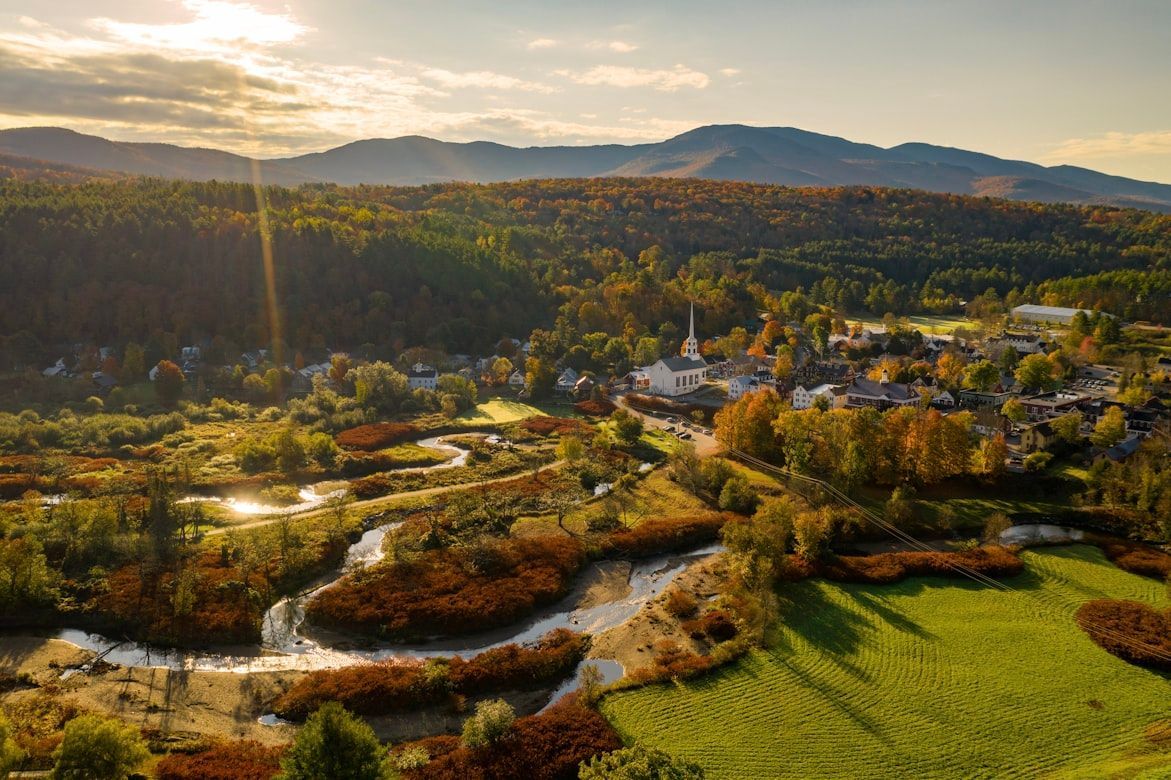 Image: Jeffrey Clayton
Stowe is Vermont’s mountain postcard, and in winter, it can look like a small Alpine village with its snowy peaks, cozy inns, and a town center built for strolling around.
The scenery also contributes to giving the town its distinctive Swiss-inspired vibe, and the locals have taken advantage of this to promote tourism.
Savannah, Georgia
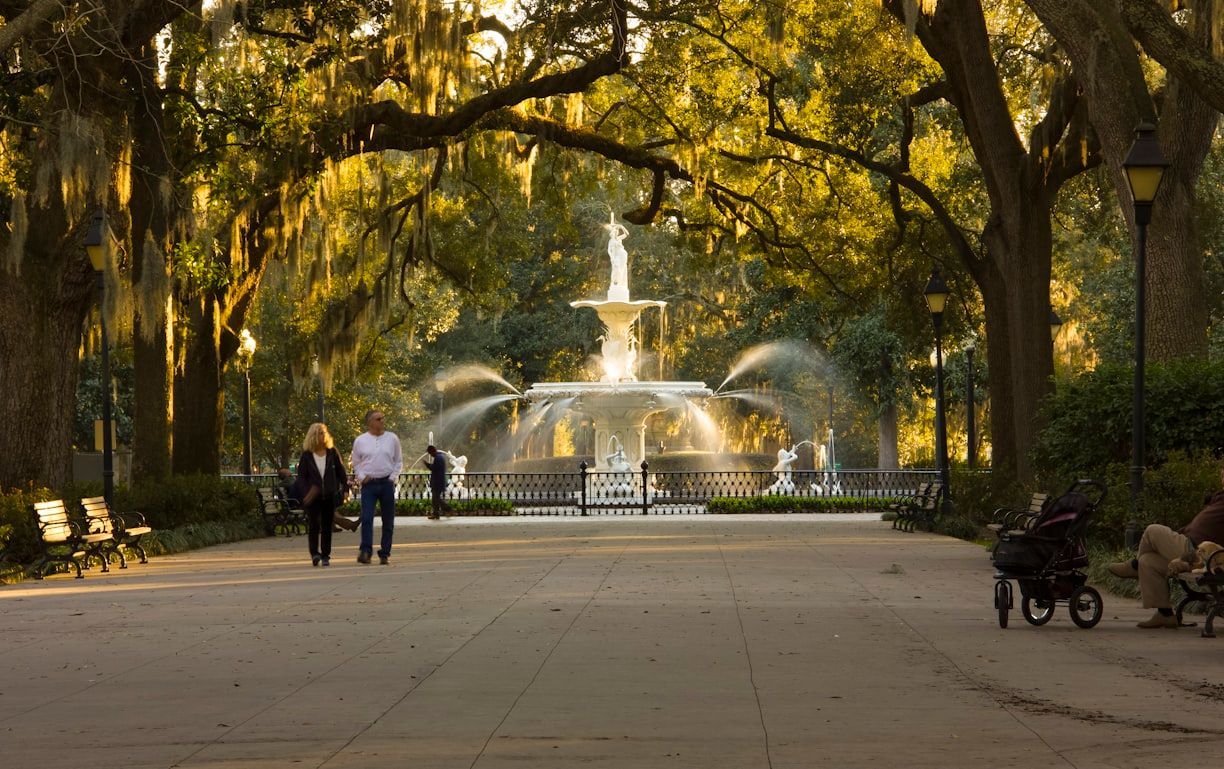 Image: Ron Dylewski
Savannah’s layout is among the most European in the country. A grid of leafy public squares breaks up the city, creating a calm, walkable center that feels more like France or Spain than the American South.
The historic architecture is very picturesque without being imposing, and the city’s human scale allows for unhurried visits and calm living.
New Glarus, Wisconsin
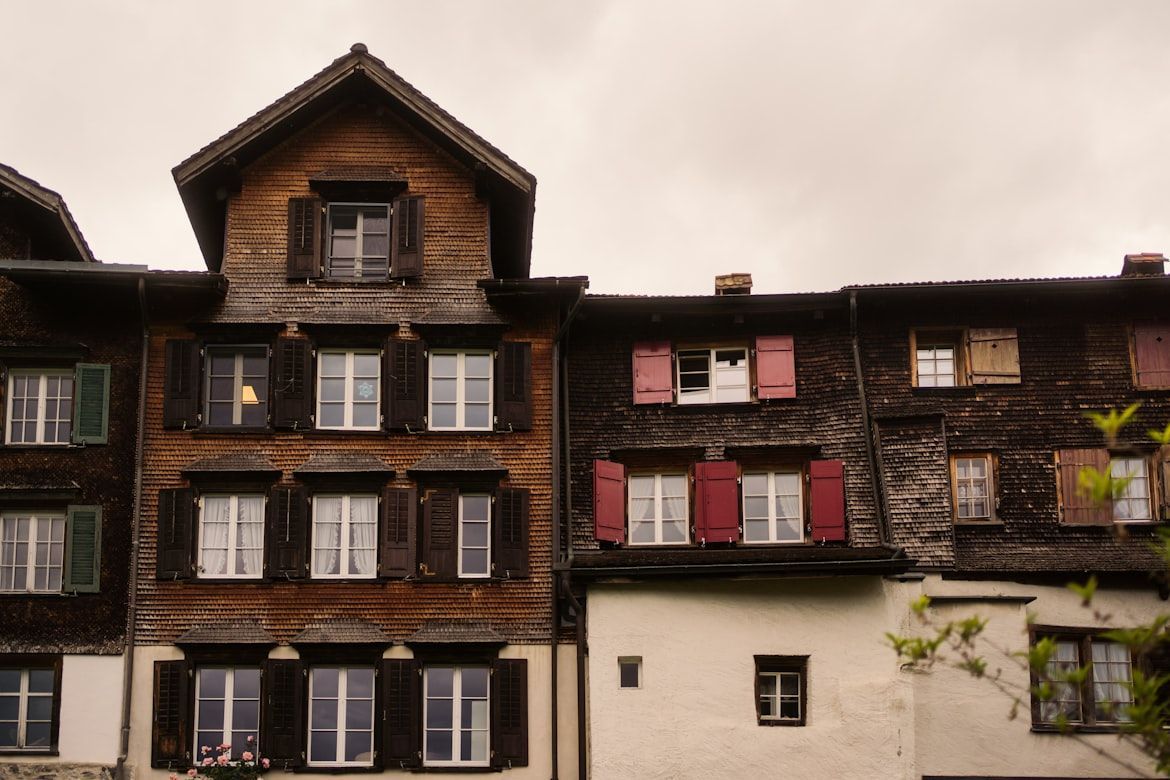 Image: Róger Nobles
New Glarus calls itself "America’s Little Switzerland," and the village backs up this claim with its Swiss heritage, chalet-style houses, and Old World details that pop against Wisconsin’s countryside.
Founded in 1845 by immigrants from Switzerland’s Glarus canton, the town keeps that identity front and center. Flags, bakeries, and alpine-minded architecture can easily make visitors think that they have been transported to the Swiss Alps, minus the mountains.
Keep wandering
There’s always
more to explore

Why are hard landings sometimes the perfect landings?
6 min.
Read Now
 History

Was Moby-Dick a real whale? These marine stories have real backgrounds
6 min.
Read Now
What passengers never see after midnight on a cruise ship
4 min.
Read Now

These 10 mysteries were solved. So why do we still believe them?
6 min.
Read Now