
We don't recommend filling your suitcase to the brim, and here's why
 General
Travel with ease
We don't recommend filling your suitcase to the brim, and here's why
Packing can be a bit overwhelming, regardless of how much of an experienced traveller you are. Besides using packing cubes and the often-repeated rolling technique to pack clothes efficiently, there are other packing rules that don’t get much spotlight. Read them and see if you can apply them on your next trip!
Start a packing list early

Travelling starts way earlier than the actual plane or bus. It starts with all the planning behind it. Part of that planning is making a checklist of all the things you’ll need for it. A simple list on your phone works wonders. Whenever something pops into your mind, add it to the list. By the time packing day arrives, you will already have a clear guide and far less chance of forgetting something important.
If it’s a "maybe," it’s a "no"

Even if you've made a list, there’s always that item that makes you doubt. Do I take it or not? If you hesitate while packing something, there is a good chance you will never use it. The rule is simple: When in doubt, leave it out. Your suitcase will stay lighter and easier to manage.
Pick clothes that mix and match
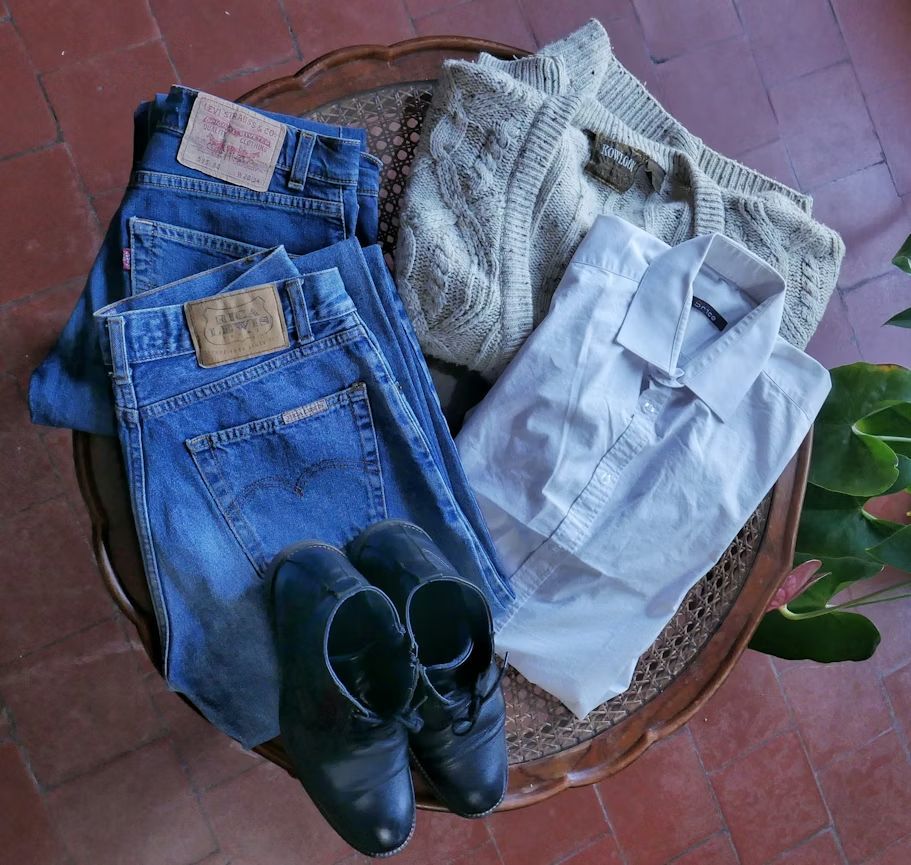
The secret to packing light is versatility. Choose tops that work with several pairs of pants to get more outfit combinations without extra clothing. A small wardrobe that works together can stretch surprisingly far.
Wear the bulkiest outfit on travel day
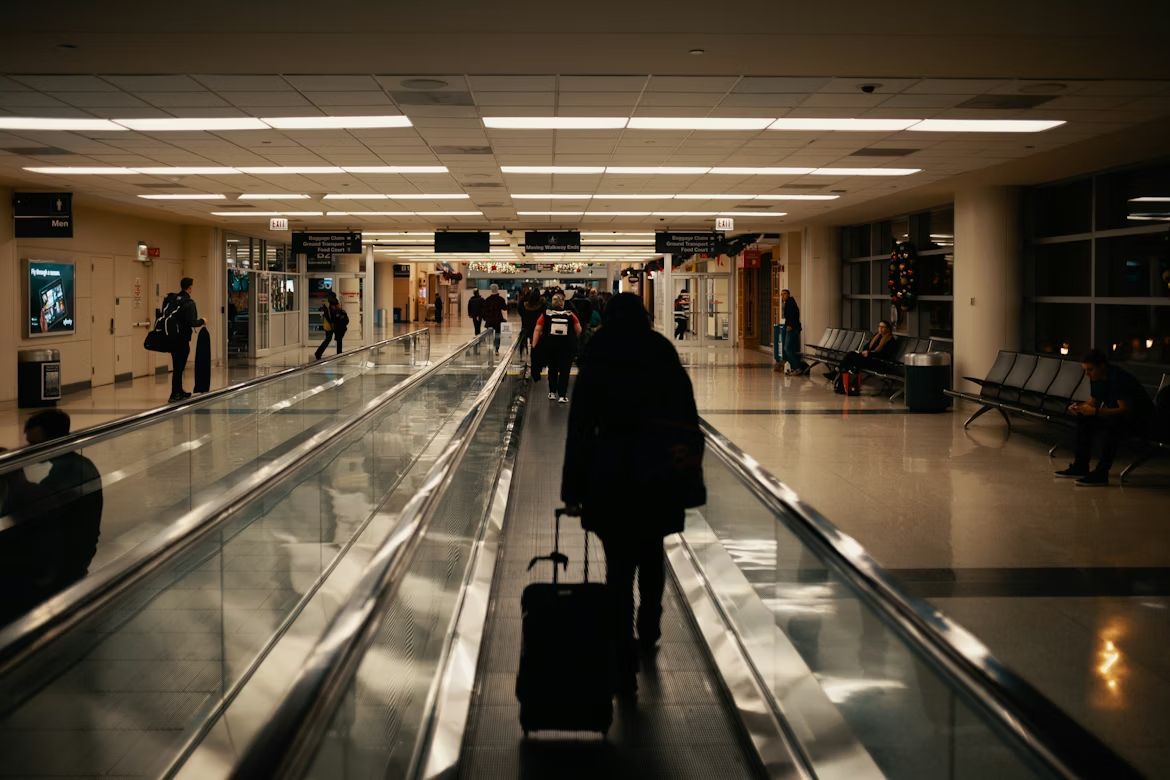
If your boots or jacket take up a lot of space, wear them on the plane. This simple trick frees up room in your bag and keeps your luggage lighter. Of course, this rule applies to comfortable clothing only; high-heeled boots or a leather jacket may not apply. But that bulky sweatshirt that may also save you on cold nights? That’s the item you want to travel with.
Include at least one outfit for a rainy day
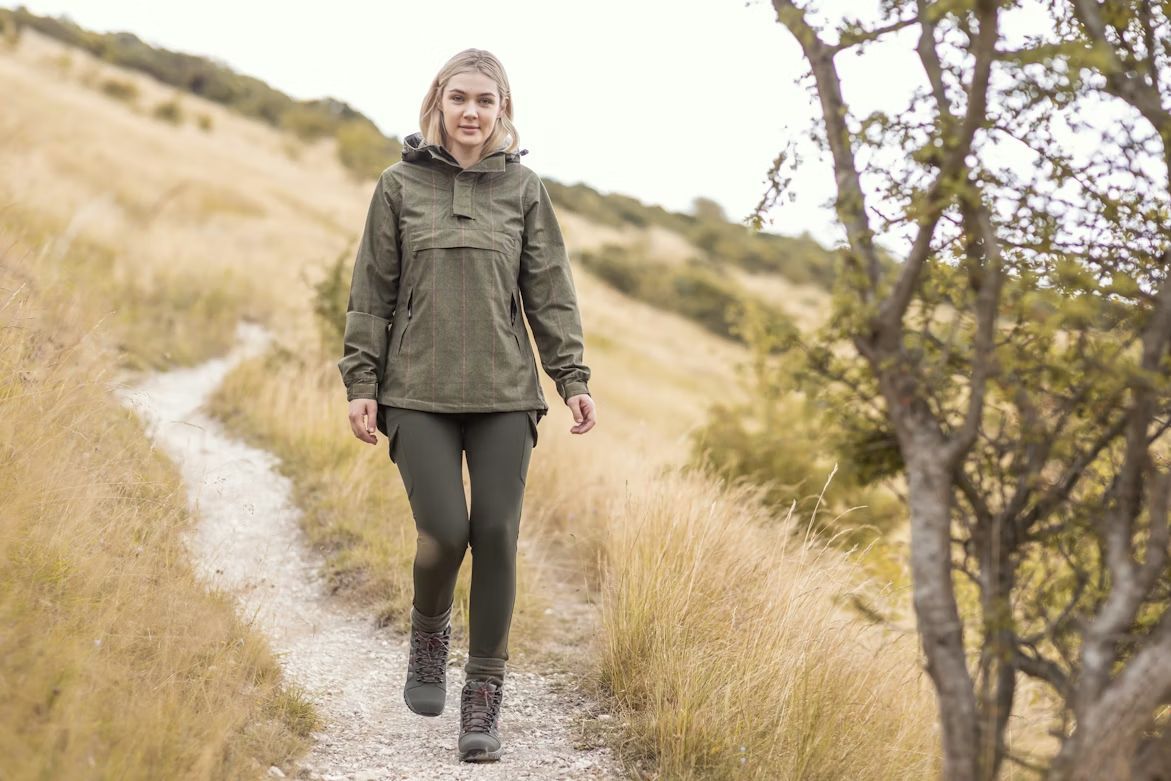
Even the sunniest destinations can surprise you. A compact rain jacket or a small umbrella can save the day if the skies open up. Waterproof or water-resistant shoes are also worth considering. Walking all day in soggy socks is not a highlight of any vacation.
Pack to dress in layers

Depending on your destination and the time of the year, take this into account. The weather can change quickly, so instead of packing only summer clothes or one big coat, bring a few items you can layer. A light sweater, a cardigan, and a simple jacket give you options without taking up too much room.
Don’t fill your suitcase completely
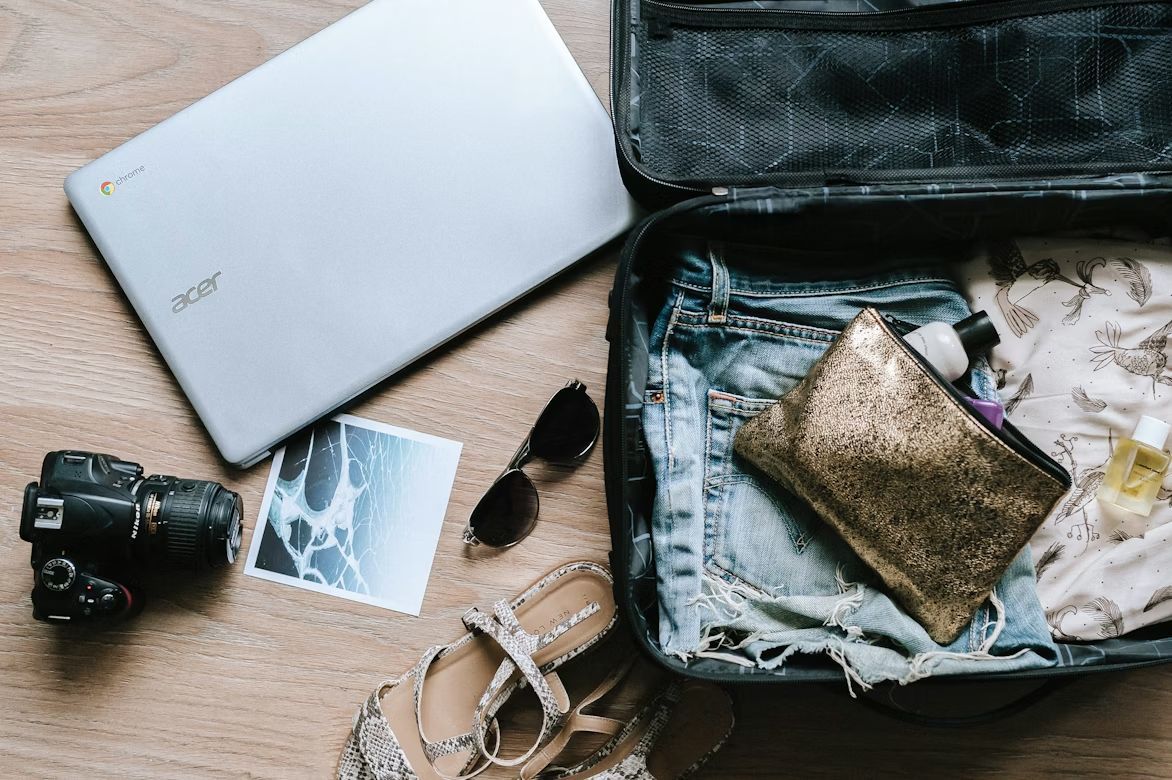
Here’s a controversial one, but it’s a game-changer. It is tempting to pack every inch of space before leaving home. Try to resist that urge. If you’ve travelled enough, you know that when it’s time to pack everything to go home, there never seems to be enough space in the same suitcase you packed a week ago. A little extra room makes it easier to repack later and gives you space for a souvenir or two along the way.
Pack a few Ziploc bags
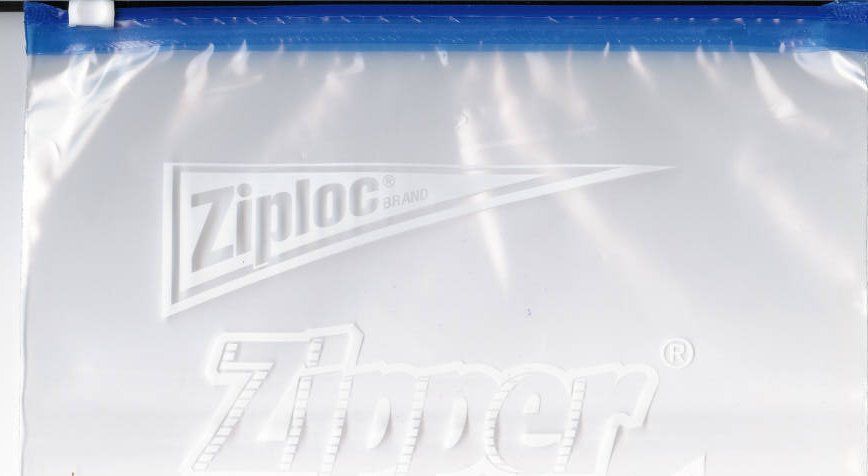
Reusable bags and small zip bags come in handy more often than you might expect. They work well for laundry, wet swimsuits, groceries from a local market, or organizing small items in your suitcase.
Bring an E-reader instead of books

If you enjoy reading on vacation, an e-reader like a Kindle is a wonderful travel choice. It weighs almost nothing and can hold dozens of books. That means you can switch between mysteries, memoirs, and travel guides without carrying a stack of paperbacks in your bag.
Know the rules ahead of time.
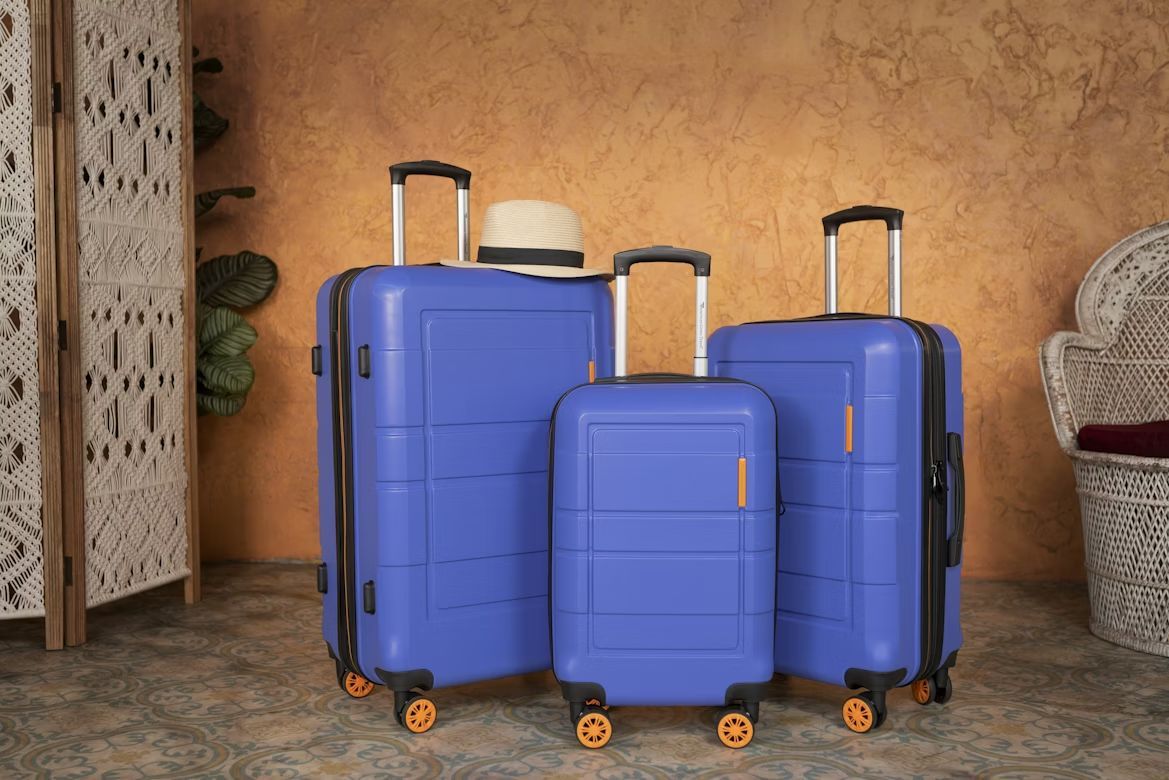
Airlines and airports each have their own guidelines about luggage size, liquids, and security checks. There’s no point in packing that bottle of face cream if they’ll take it away later. A quick look at the rules (especially the handbag or cabin luggage ones) before leaving home can help you avoid surprises at the airport and start your trip on a smoother note.
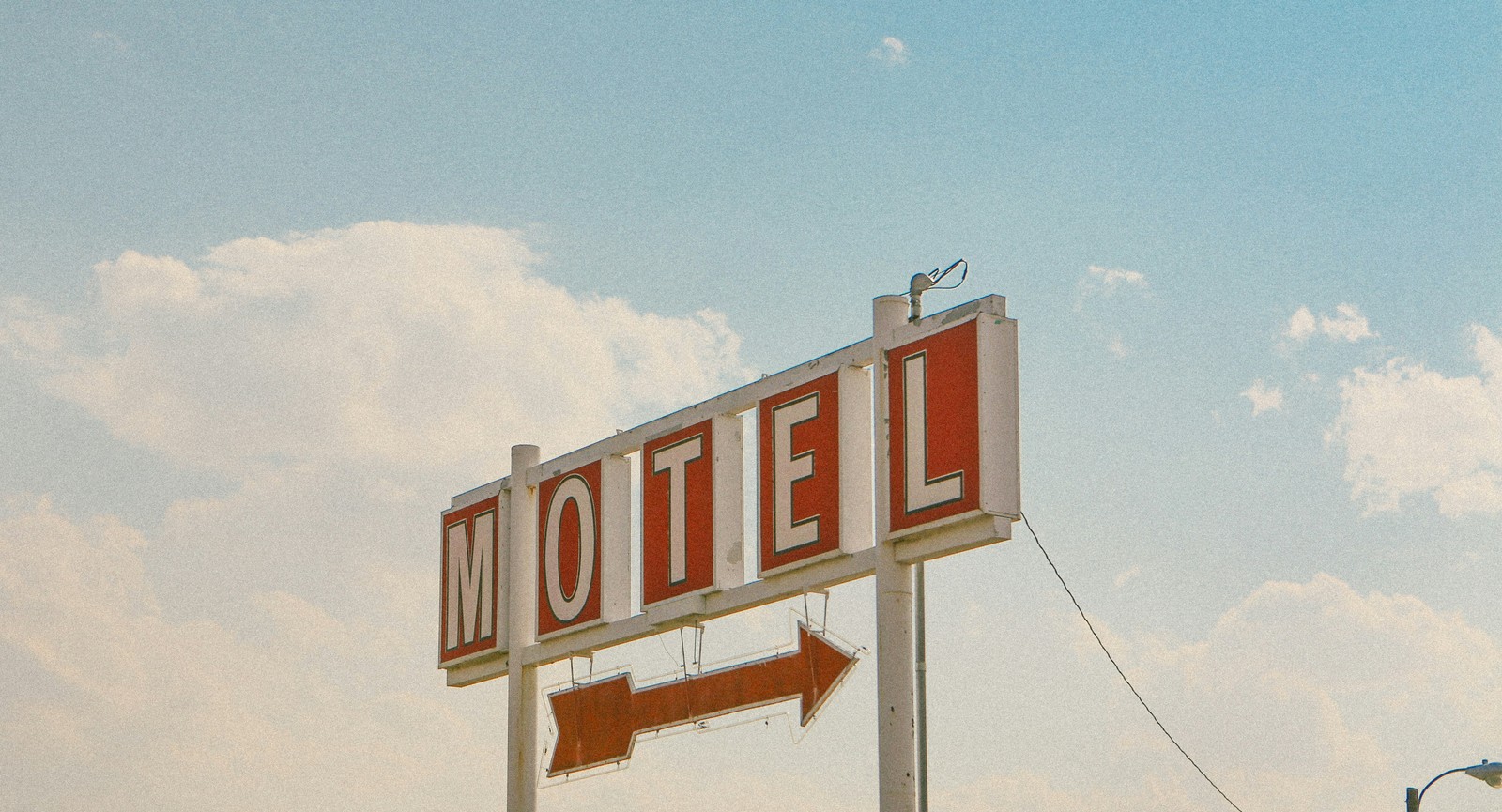
Most people don’t know how motels are different from hotels. Do you?
Roadside charm
What to expect when checking into a motel: 12 tips for a better stay
Roadside motels are one of America’s most practical travel traditions. Built for drivers, they’re usually more affordable than large hotels and far less formal. But they also operate differently. If you’ve never stayed in one, a little preparation helps. Take a look at 12 tips about what to expect and how to make your stay smoother.
Check-in and check out
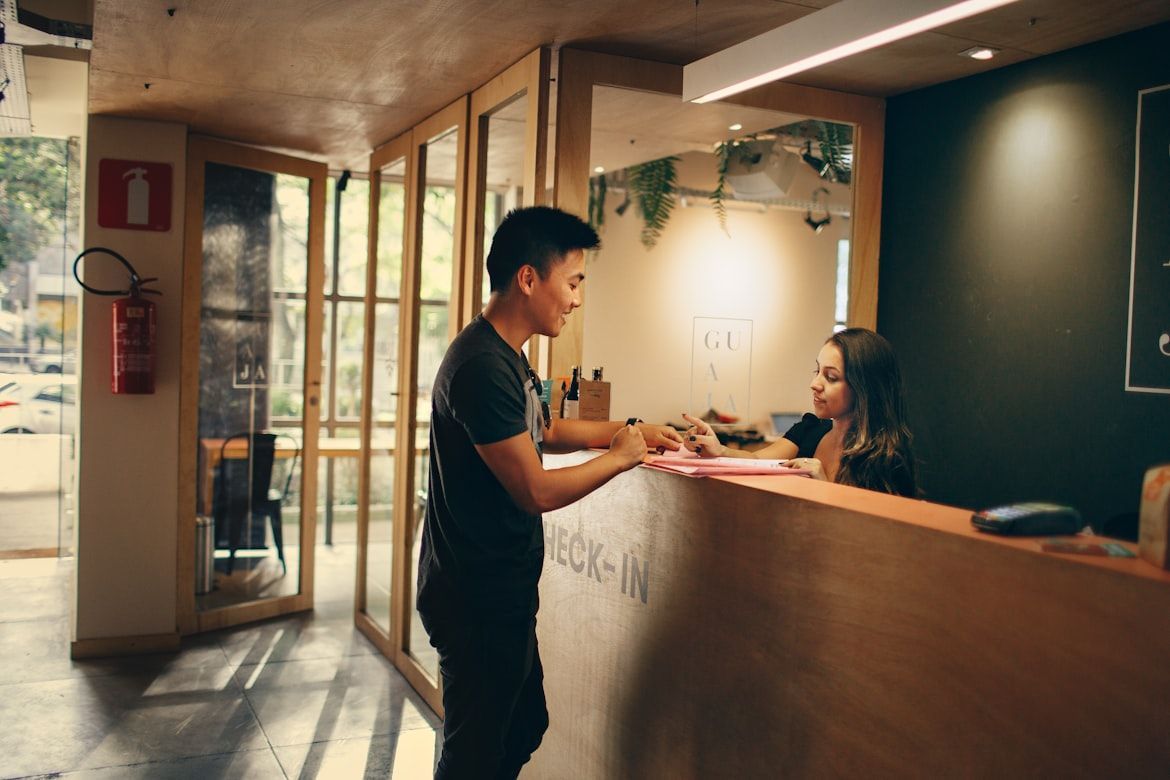
Most U.S. motels start check-in around 3 p.m., and rooms may not be ready earlier, even if the lot looks quiet. If you arrive too early, you may have to wait while housekeeping finishes, because small properties have limited staff and supplies, and many independent motels don’t staff a 24-hour desk.
Many motels set check-out at 10 or 11 a.m. Late check-out may be unavailable because housekeeping turns rooms quickly for the next wave of travelers. Set an alarm, pack the car in stages, and ask politely for more time if needed.
Parking is usually right outside
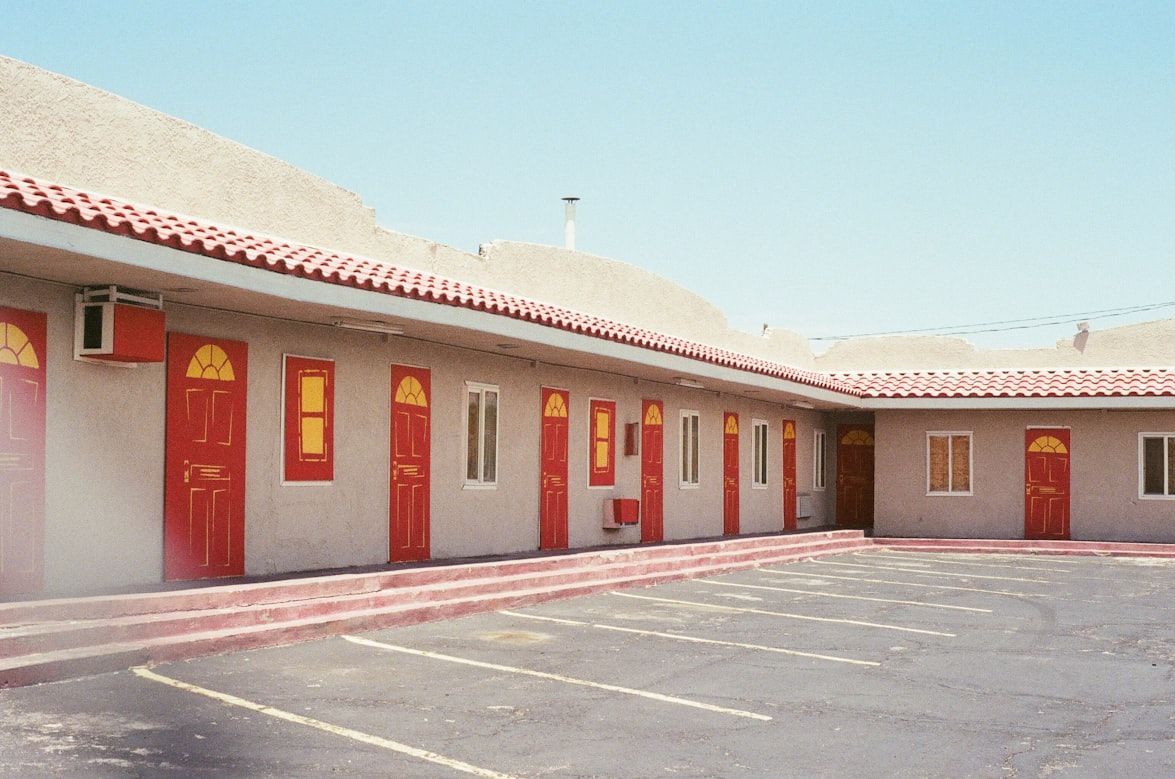
Classic motels are built for drivers: you typically park a few steps from your room door. That makes unloading easy, keeps your car in view, and is great for heavy luggage or coolers. It also means less time walking through long hallways.
Because doors open outdoors, lock up like you would at home. Use the deadbolt, keep curtains closed at night, and don’t leave any valuables visible in the car, even if you are parked right in front. Unlike many city hotels, motels almost always include parking in the room rate.
Basic amenities
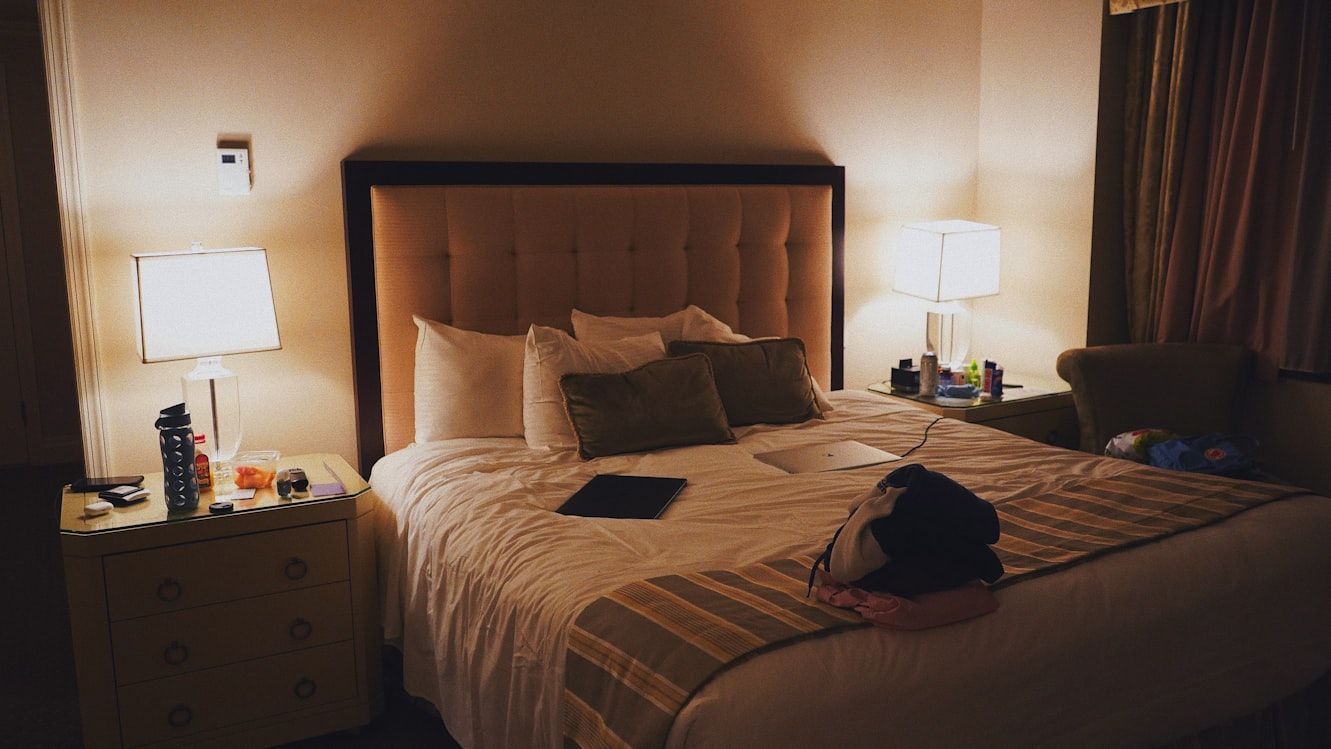
Expect essentials: bed, private bathroom, TV, A/C or heat, and Wi-Fi. Many motels include a mini-fridge and microwave, but not all, so check the listing photos and amenity list. Some older properties may have slower Wi-Fi or fewer outlets.
Don’t assume extras like elevators, gyms, or room service. If you need something specific, like a hair dryer, iron, accessible room, or crib, call ahead. Small properties vary widely from one owner to the next.
Smoking rules can be strict
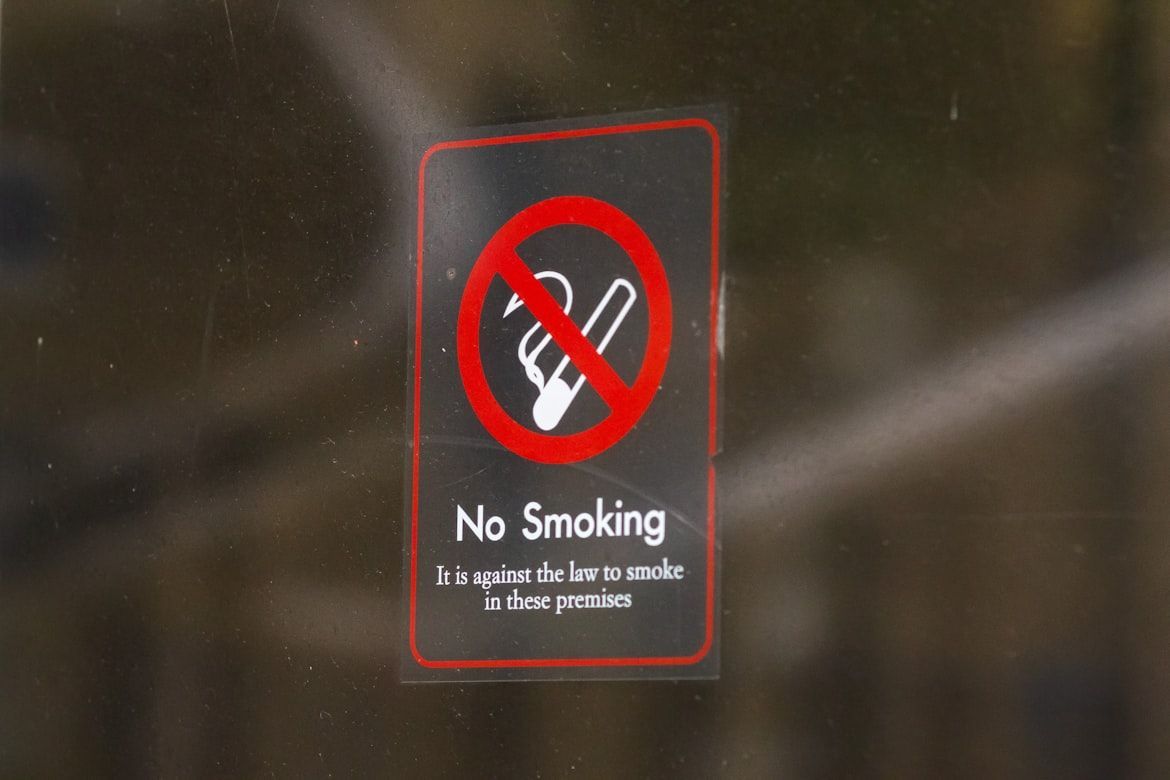
Most U.S. motels are non-smoking now, and breaking that rule can trigger hefty cleaning fees. Even vaping may be treated as smoking depending on the posted policy. The fee can be far higher than the nightly rate because it covers deep cleaning and lost inventory time.
If you need a smoking room, confirm it explicitly at booking. Don’t risk it "just once." If you step outside to smoke, keep the door shut and ash well away from entrances. Keep your confirmation or receipt, as cleaning fees are often listed in writing.
Cleanliness varies

Chains are consistent; independent motels can be excellent or disappointing. Recent reviews matter more than old star ratings, since management and upkeep change. Look for repeated comments about bugs, odors, noisy HVAC, or stained linens.
Before unpacking, do a quick check of the bathroom surfaces and overall smell. If something’s off, ask for a different room immediately. Fixes are easier at check-in than after you’ve settled.
Security is mostly "outside-in"
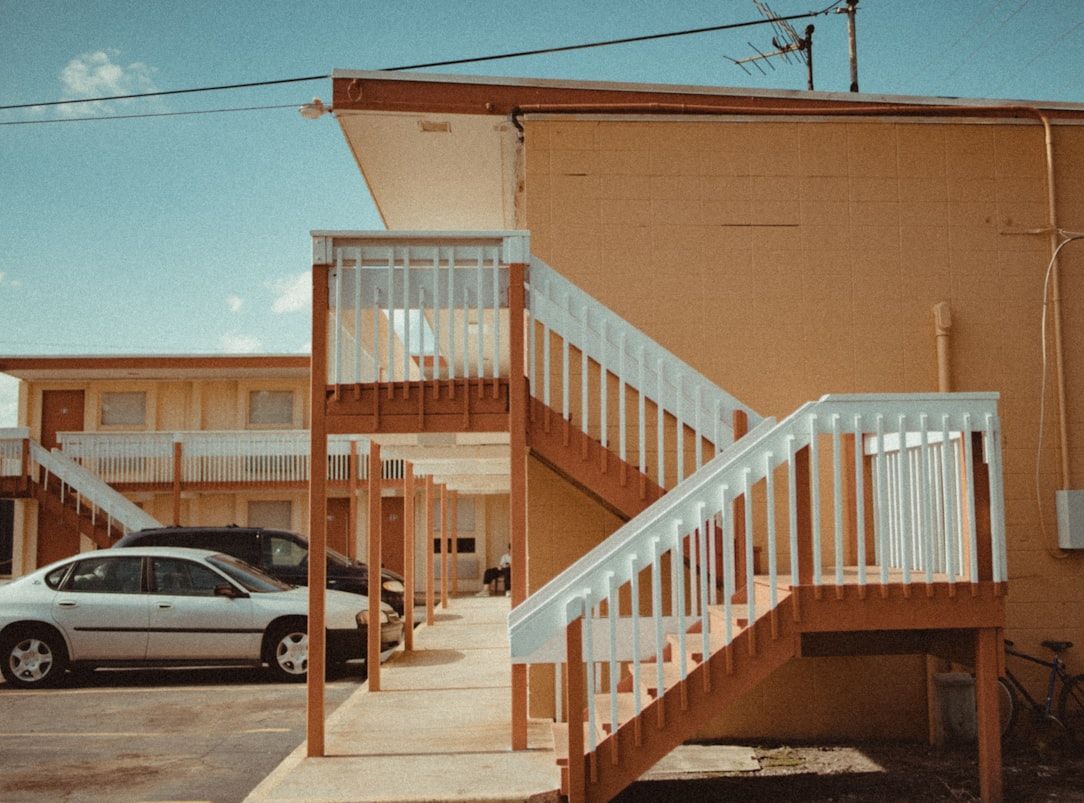
Because rooms open to exterior walkways, security depends on the property. Check that the door latch works, the windows lock, and the area feels well-lit. Also note where your room sits relative to the office: closer can feel safer and quieter.
Park near lights when possible and bring valuables inside. If something feels wrong, trust your instincts: request a room nearer the office, choose an upper floor when available, or move on to another motel. Don’t hesitate to switch.
Toiletries can be minimal
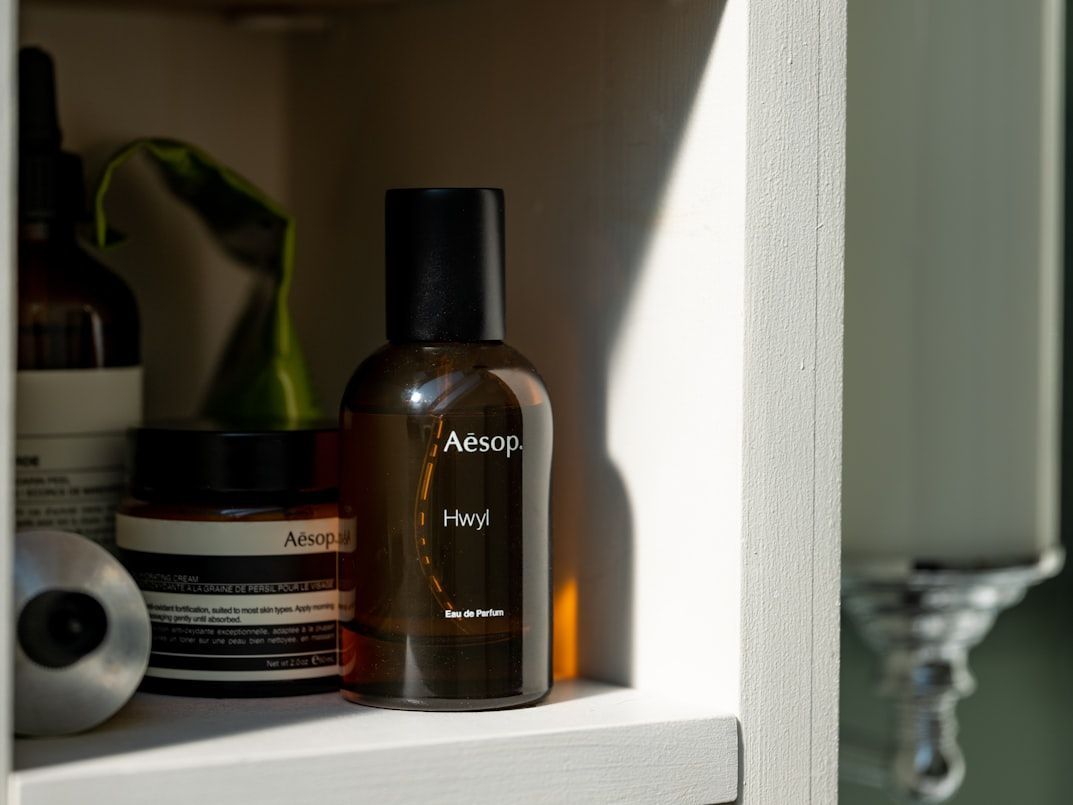
Many motels provide only the basics: small soap, shampoo, and towels. Items like conditioner, lotion, razors, toothbrushes, or makeup remover wipes may be missing. Housekeeping may also be "on request," so you might not get automatic restocks each day. Coffee packets may be absent, too.
Pack a simple overnight kit so you aren’t hunting for a store late at night. This matters most in rural areas where the nearest pharmacy could be miles down the highway.
Ice and vending machines are common
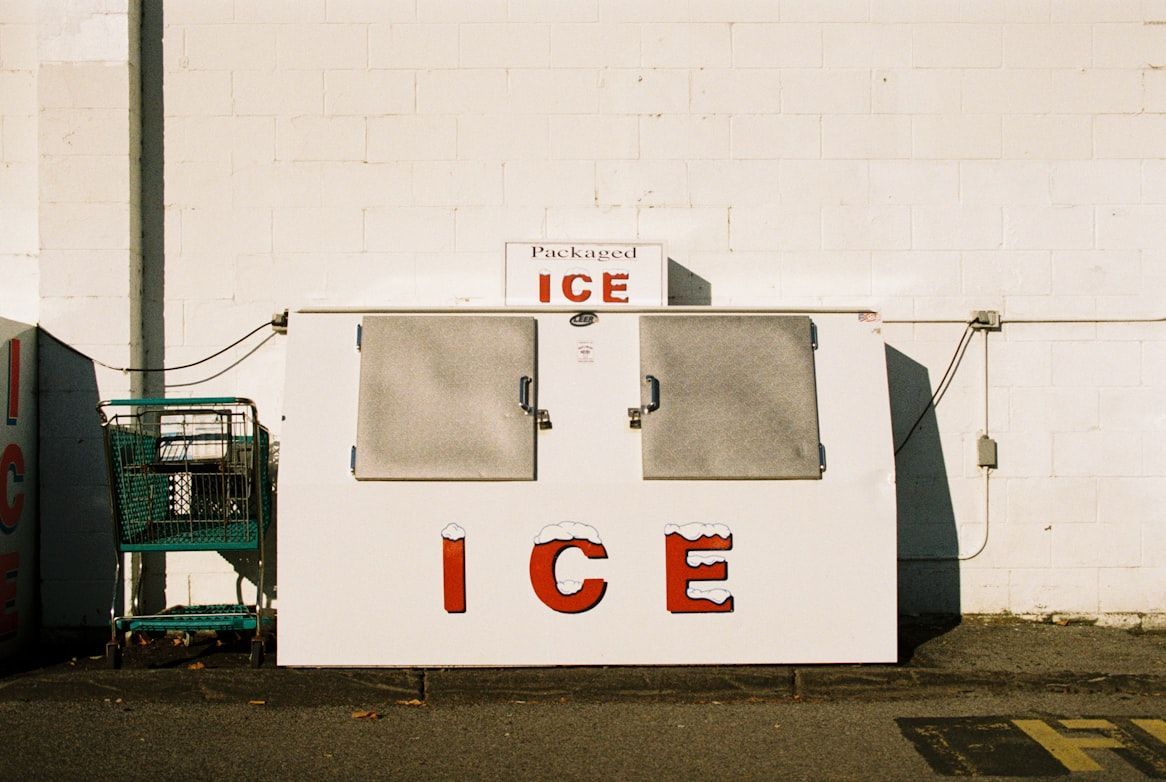
It’s common to find an outdoor ice machine and vending machines for drinks or snacks. They’re handy after a long drive, but prices can be high and selection limited. Sometimes, the machine is empty or out of order, especially late at night.
If you want to save money, grab groceries before check-in. A cheap cooler or the room fridge can turn a motel stop into an easy picnic dinner, and you’ll wake up to drinks ready for the road. Bring a reusable bottle for ice and water.
Breakfast isn’t guaranteed

Some motels offer "continental breakfast," which might mean coffee and pastries, or just coffee. Others offer nothing, even when the price looks similar. Photos can be misleading if they’re old or seasonal, so check recent reviews for what guests actually received.
If breakfast matters, call and ask what is provided and when it starts. Otherwise, plan on a nearby diner or supermarket. Knowing ahead of time prevents a frustrating morning scramble. Weekends may be more crowded, too.
Weekend prices can be higher
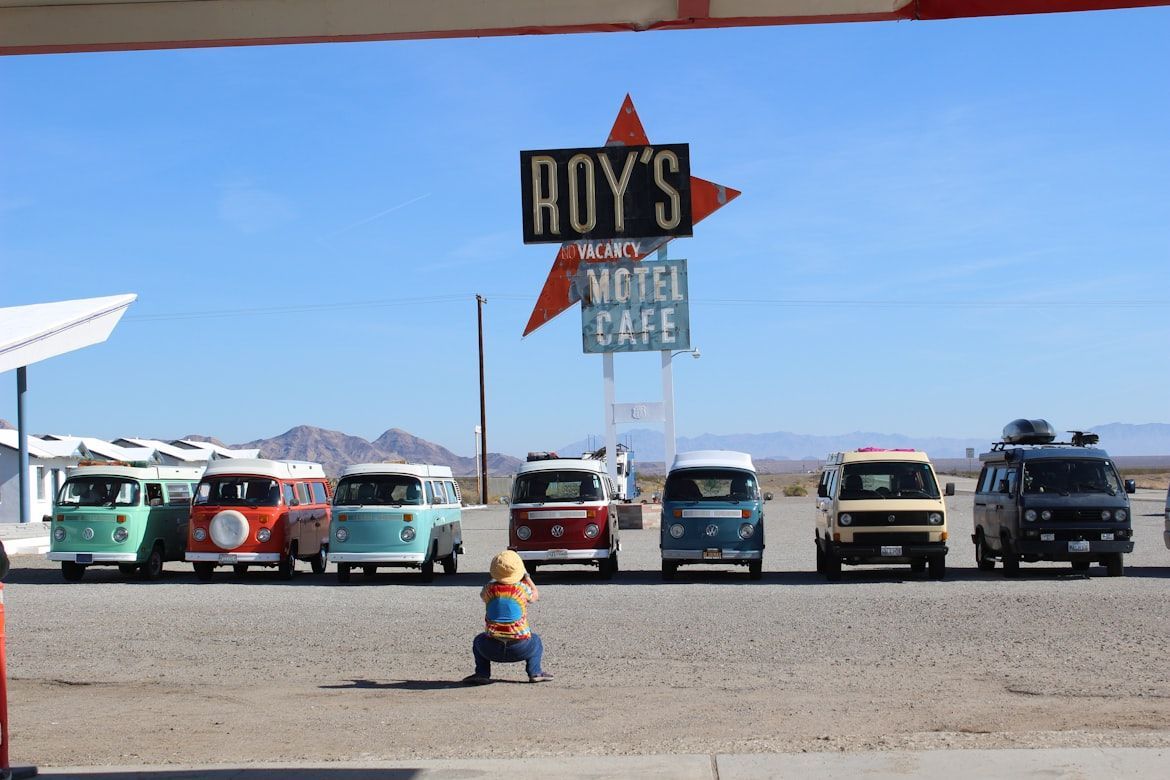
Motels often raise rates on Fridays and Saturdays, especially near attractions, national parks, college towns, or big events. The same room can cost noticeably more per night, and availability can vanish faster than you’d expect in small areas.
If your route is flexible, weeknights are usually cheaper and quieter. Traveling Sunday through Thursday can stretch your budget, shorten check-in lines, and make it easier to request a quieter room. Your sleep may improve, too.
Old-school coupons still exist

In parts of the U.S., gas stations and rest stops still carry coupon books with motel discounts. They’re a throwback, but they can shave real dollars off a night, especially on long highway routes where multiple motels compete for the same drivers.
Coupons work best for flexible trips where you haven’t pre-booked. Always read the fine print: some deals exclude holidays, require cash, or apply only to certain room types. Ask before you commit.
Calling directly can save money

Booking sites are handy, but a quick call can sometimes match or beat the online price, especially at smaller hotels that pay commissions to third-party platforms. You might also learn about AAA, senior, or weekly rates that aren’t shown online.
Calling lets you confirm key details: deposit holds, ID requirements, pet fees, late arrival plans, and whether the mini-fridge or microwave is actually in the room. That two-minute chat can prevent surprises after a long drive.
Keep wandering
There’s always
more to explore
 Landmarks
What's hiding beneath Alcatraz, and why can't anybody visit it?
6 min.
Read Now
What should you do if you lose your passport while traveling?
4 min.
Read Now
 Culture
Maps lie: 10 famous cities that love to trick tourists
6 min.
Read Now

The whole town moved underground, and other stories that cities hide
6 min.
Read Now