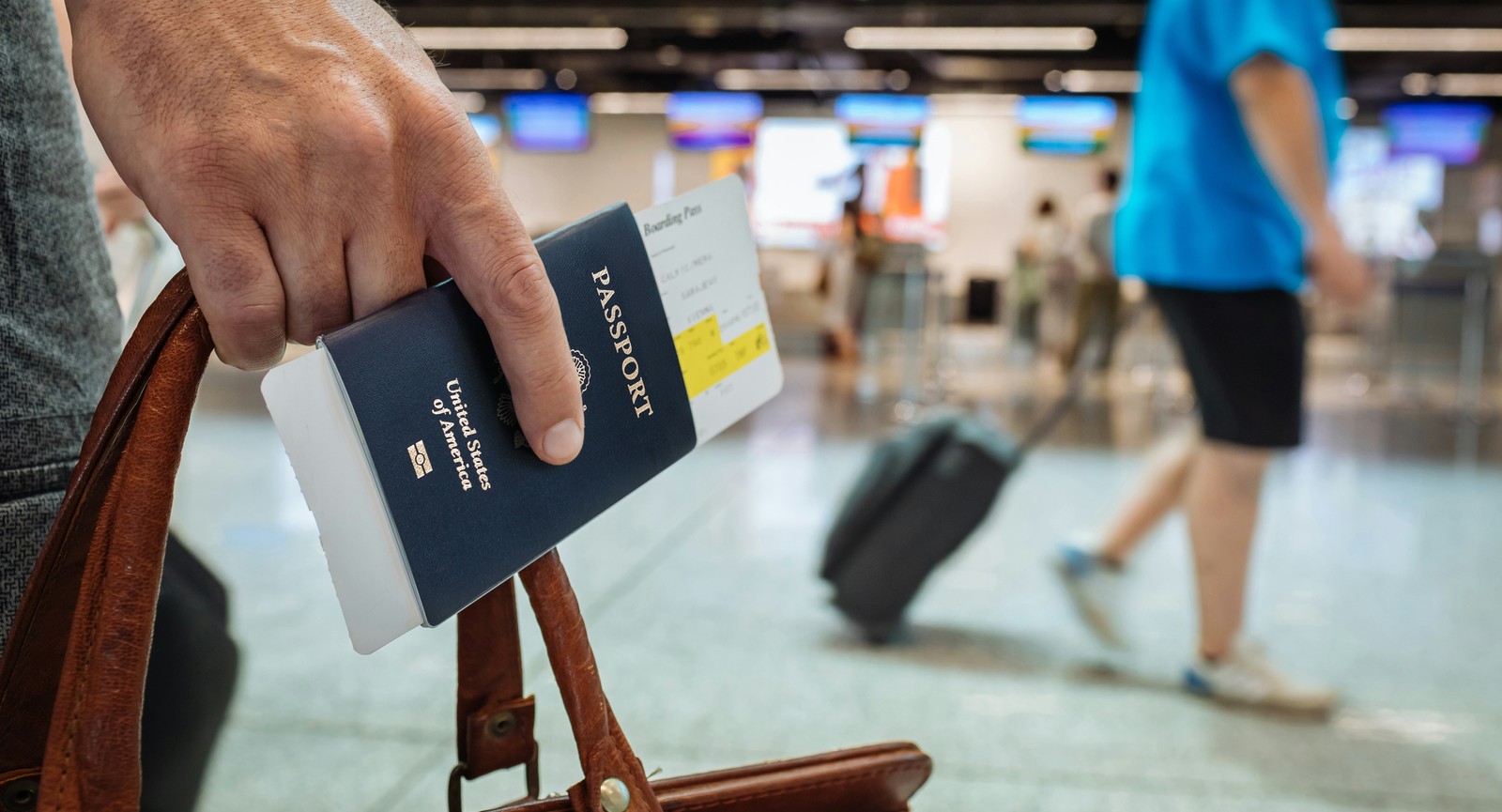
10 TSA questions and answers for an easier airport experience
 General
10 TSA questions and answers for an easier airport experience
If you want to make flying less stressful, being familiar with the Transportation Security Administration (TSA) rules and recommendations goes a long way. Many delays at checkpoints happen simply because travelers are unsure about how early to arrive at the airport, what documentation to have close at hand, and what items are actually allowed in carry-on bags. We’ve compiled a list of frequently asked questions and answers to make your next airport experience faster and easier.
How early should I get to the airport?
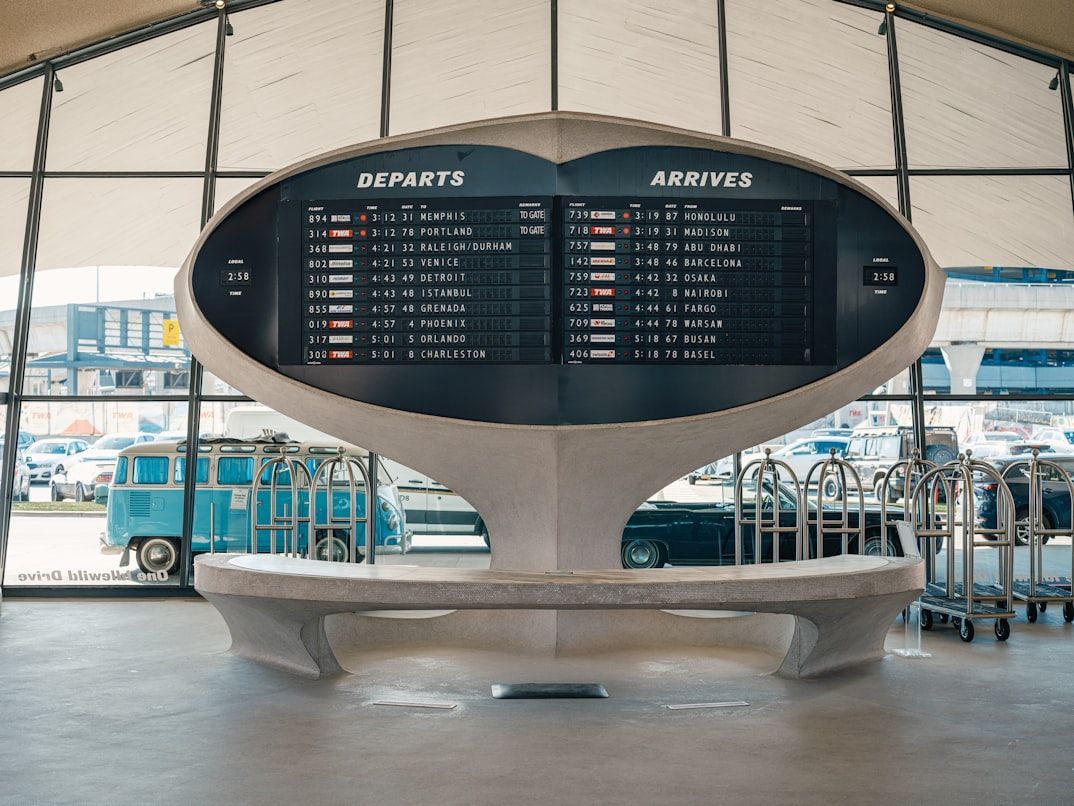
The TSA recommends arriving at the airport at least 2 hours before domestic flights, and 3 hours before international flights. Following their advice will give you ample time to check in, pass through security, and handle unexpected delays without feeling rushed.
Trusted flyers enrolled in TSA PreCheck often have access to faster lanes due to reduced checkpoint procedures. Still, it's recommended that they arrive at least 1.5 hours before domestic flights, and 2.5 hours before international flights.
What documentation should I bring?
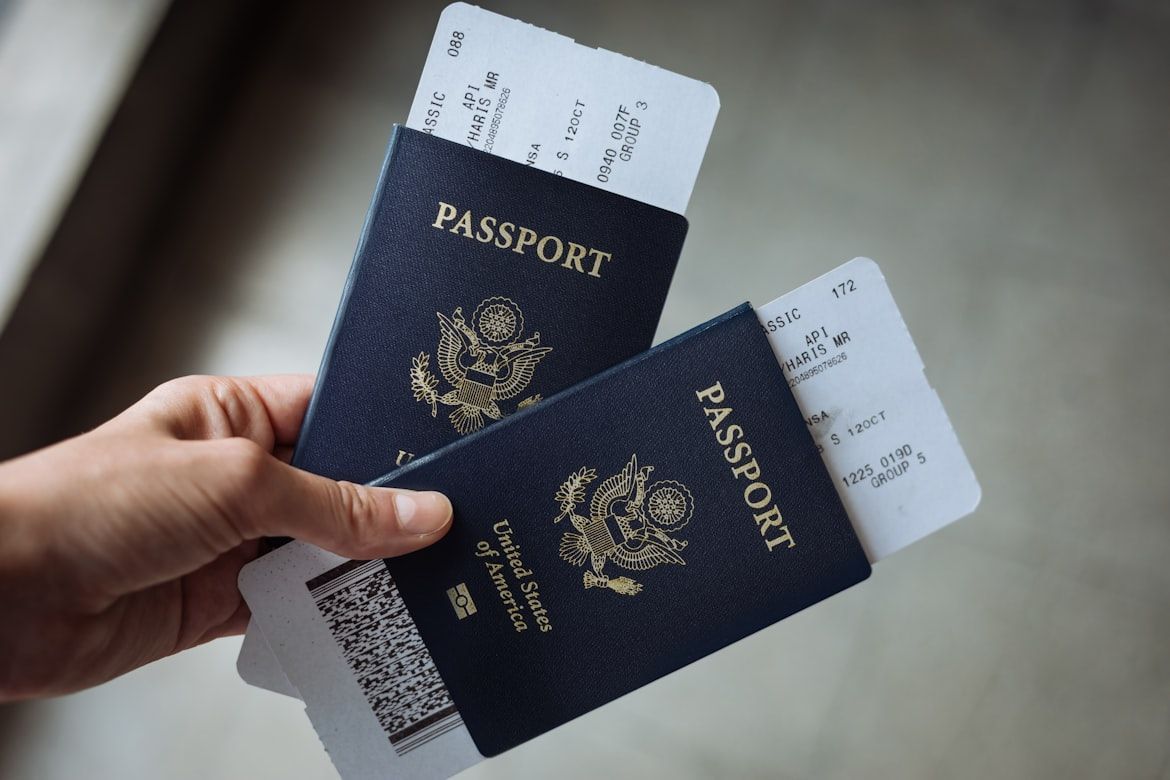
For domestic flights within the US, you'll need a government-issued ID, such as a driver's license or passport. Make sure that the name on your ID matches exactly the name on your boarding pass, as even small discrepancies will be investigated and can cause delays.
For international travel, you'll need a valid passport and, depending on your destination, a visa or additional entry documentation. It's a good idea to check entry requirements well in advance of your trip. Keeping your ID, passport, boarding pass, and any additional paperwork close at hand before reaching security will make the process faster and smoother.
What is the 3-1-1 rule?
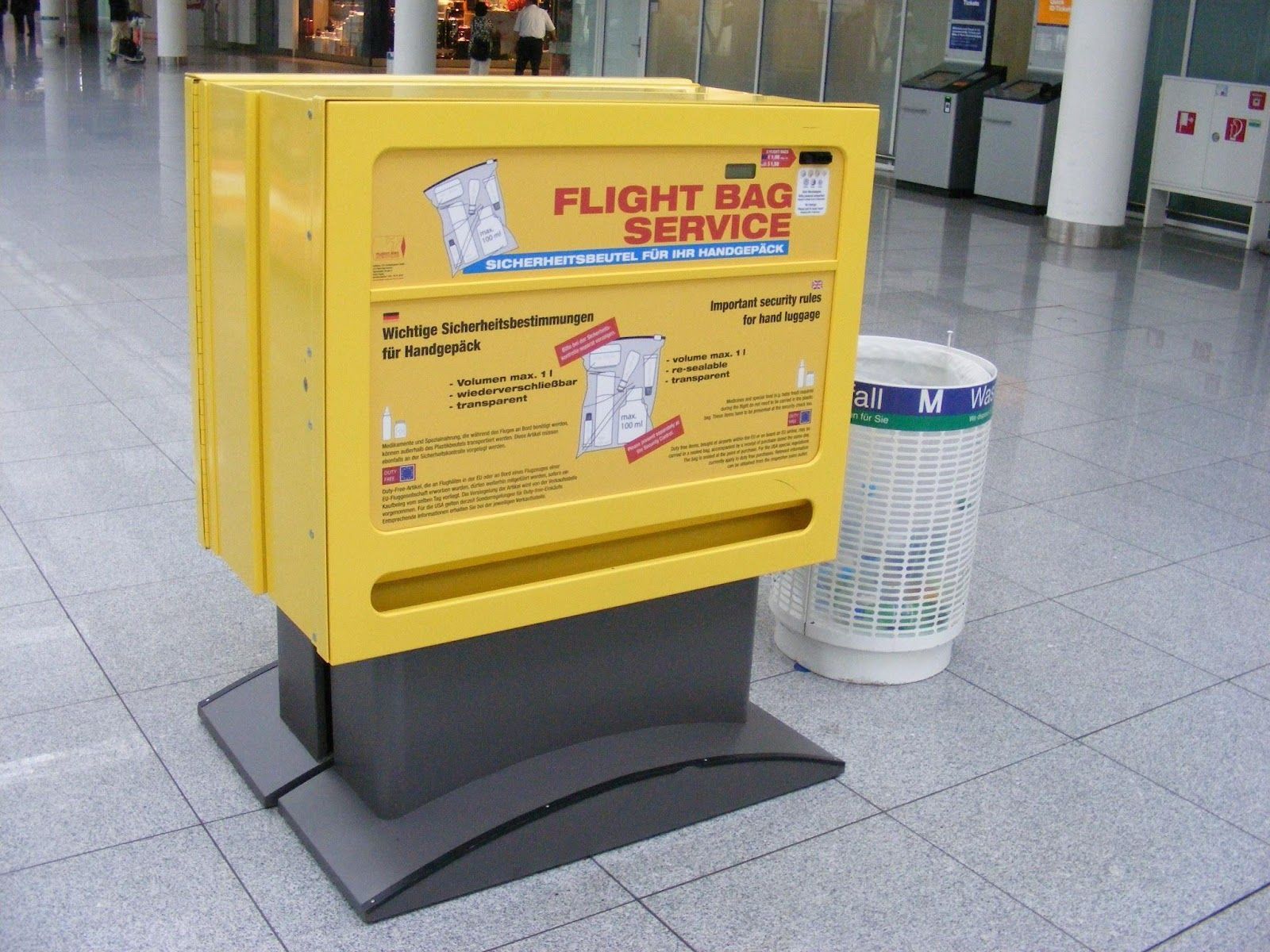
The TSA enforces limits on fluids in carry-on bags. The 3-1-1 rule states that all liquids, gels, and aerosols must be in containers 3.4 ounces or smaller, all containers must fit inside one resealable, clear, quart-sized plastic bag, and each traveler is only allowed one bag.
This requirement allows officers to quickly identify and inspect the contents. According to the TSA, common travel items that people often forget are also affected by this rule are: toothpaste, shampoo, mouthwash, and lotions.
Can I bring medications on the plane?

Medications in pill or tablet form aren't subject to strict quantity limits, as long as they are screened. The TSA recommends keeping your medications in their original packaging to facilitate screening, and packing them in your carry-on in case you need them in transit.
Liquid medications are exempt from the 3-1-1 rule as long as the quantities are reasonable for the flight. However, you must declare these medications to a TSA officer at the start of the security screening process. Additional inspection may be required, which can include being asked to open the container.
Can I bring food on the plane?

Most solid foods are allowed through TSA checkpoints, including sandwiches, snacks, and baked goods. These items typically pass through screening without issue.
However, spreadable or pourable foods, such as peanut butter, yogurt, or jam, are considered liquids and are subject to the 3-1-1 rule. When in doubt, pack these foods in 3.4-ounce containers or place them in your checked baggage to comply with TSA regulations.
Can I bring a portable charger on the plane?

Spare lithium batteries of up to 100 watt-hours (Wh), including power banks and cellphone charging cases for personal use, are only allowed in carry-on baggage. Larger batteries require airline approval, and damaged or unlabeled batteries will be confiscated.
Batteries and power banks are not allowed in checked baggage, as they can be damaged or accidentally activate in the cargo hold, and they are considered a fire hazard. Keeping chargers in your carry-on baggage ensures they remain accessible and easy to screen.
Why do I need to unpack my electronics during screening?
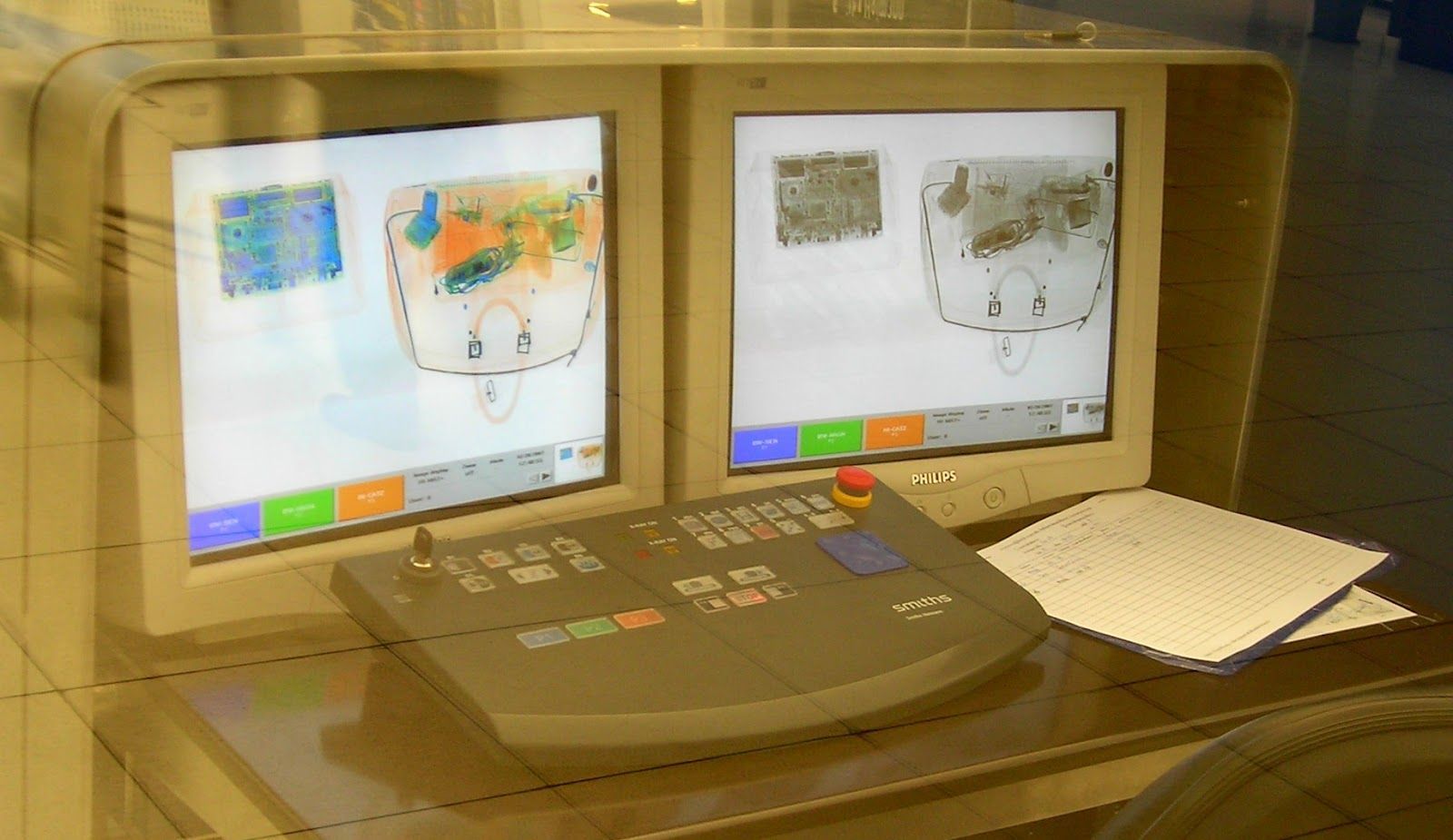
At most airports, laptops and large electronic devices must be removed from carry-on baggage and placed in a separate bin for screening. This can also apply to tablets, e-readers, and digital cameras. Packing your electronics near the top of your bag allows for quick removal and helps prevent unnecessary delays at the security checkpoint.
Electronic devices and their batteries contain dense components that can block X-ray machines from seeing other items in your bag. Removing them ensures a clear, unobstructed view of your bag's contents, reducing the likelihood of a physical search and speeding up the overall security process.
What should I do with full-sized bottles?
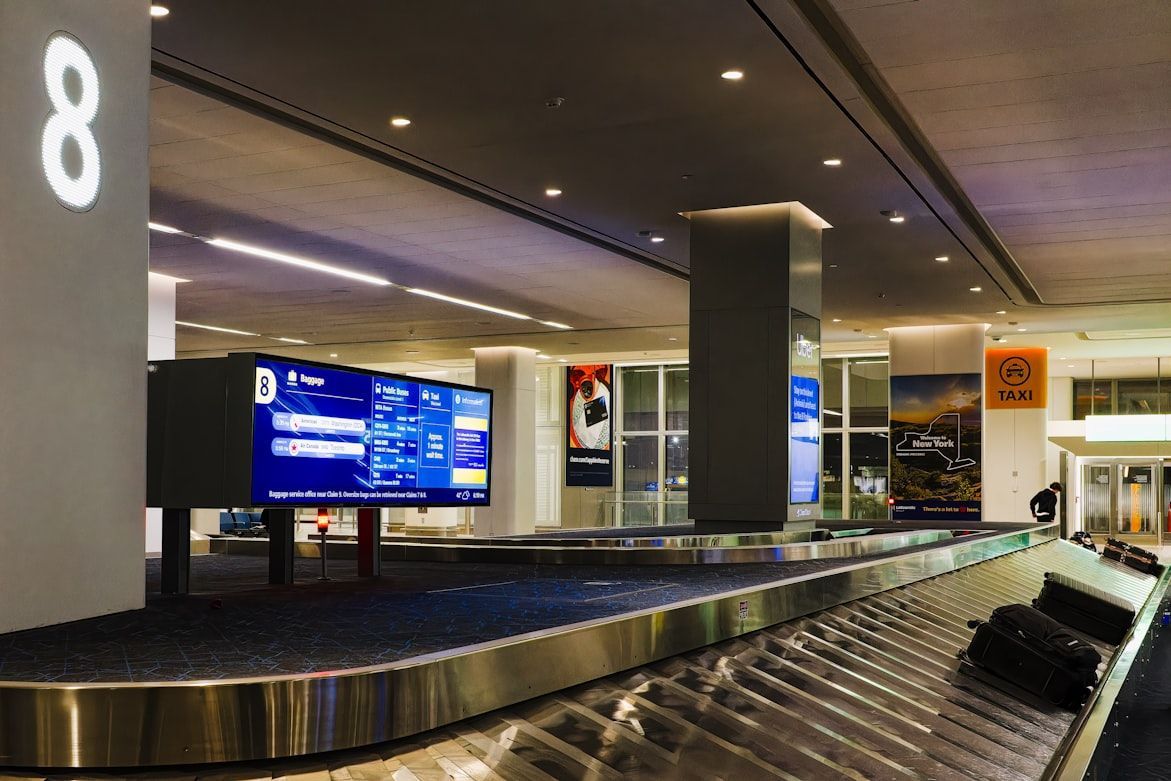
Under the 3-1-1 rule, liquids, gels, and aerosols larger than 3.4 ounces are not permitted in carry-on bags. Full-sized toiletries, such as shampoos and deodorants, must be packed in checked baggage to comply with TSA regulations.
Unless you absolutely need to bring large bottles, we recommend transferring products into travel-sized containers before packing. Otherwise, comply with the rules by placing full-sized containers in sealed plastic bags inside your checked baggage to prevent leaks during transit.
Can I bring a reusable water bottle?
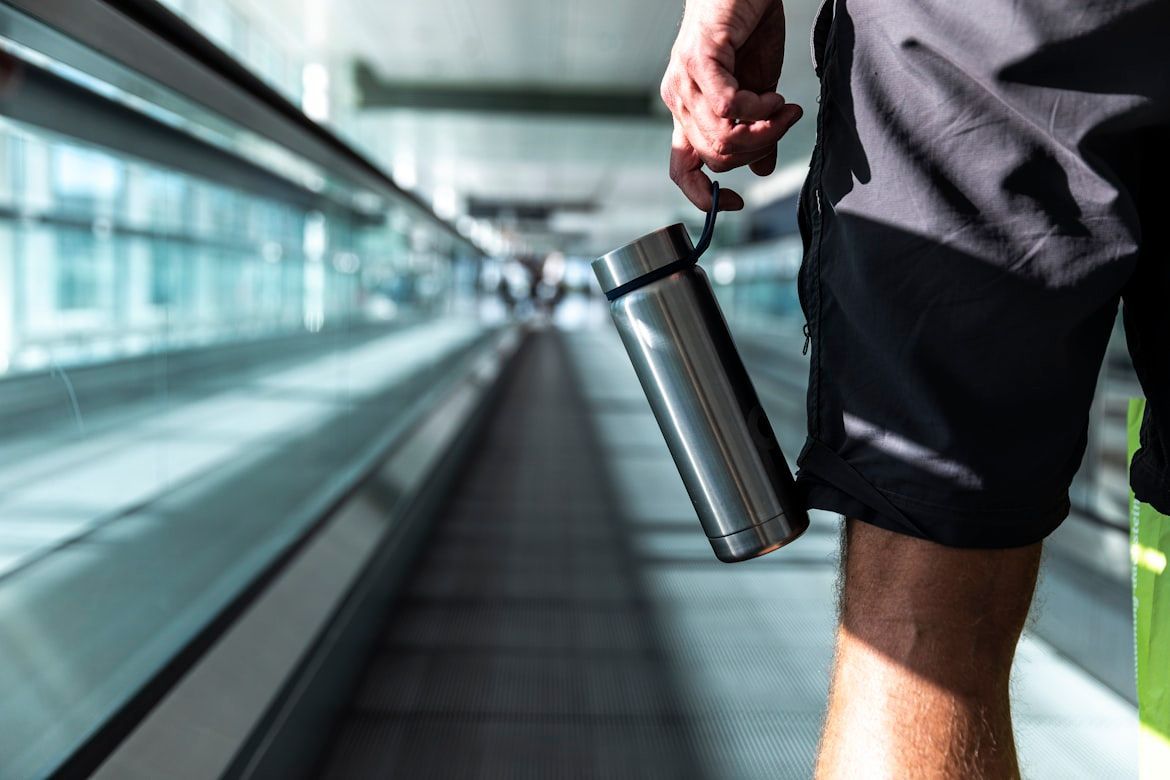
Reusable water bottles, thermoses, and travel mugs are allowed through TSA checkpoints as long as they are completely empty during screening.
Bringing a reusable water bottle is a great way to stay hydrated while avoiding unnecessary expenses. Just be sure to drink or pour out any contents before going through security, and your bottle can pass through security without issue. At most airports, you will be able to refill it after the checkpoint.
What is TSA PreCheck?
TSA PreCheck is a paid program that allows trusted, low-risk travelers departing from American airports access to dedicated security lanes and a simplified screening experience. Members are often allowed to keep their shoes and jackets on and leave laptops and liquids in their carry-on bags.
Enrollment requires an application, background check, and in-person identity verification. Travelers interested in applying can find details, including pricing and eligibility requirements, on the official TSA website.

True stories of emergency landings that still amaze pilots
 Geography
Sky-high experiences
Would you stay calm if the engines quit? These pilots did!
Most of us hope we never hear the words "brace for landing." Yet aviation history is full of moments when something went extremely wrong and calm thinking made all the difference. From quiet farm fields to busy highways and even abandoned drag strips, these emergency landings show how skill, luck, and nerve can turn a frightening situation into a story people tell for decades.
A river becomes a runway
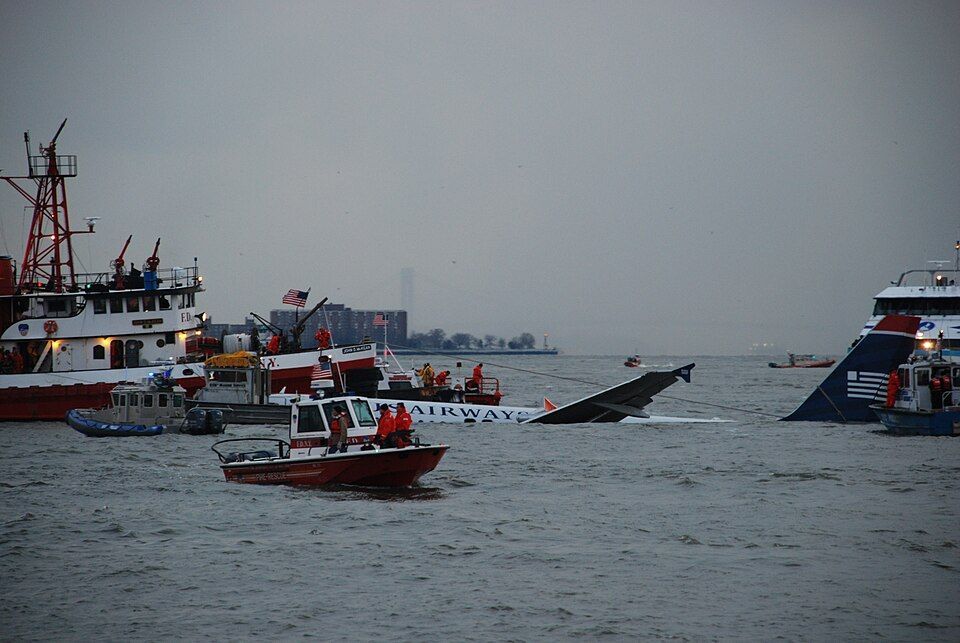 Image: Photo by Chris Gardner, USACE New York District Public Affairs, Public domain, via Wikimedia Commons
On January 15, 2009, US Airways Flight 1549 lifted off from New York’s LaGuardia Airport and almost immediately struck a flock of geese. Both engines quit, leaving Captain Chesley "Sully" Sullenberger with seconds to decide what to do. With no runway within reach, he guided the Airbus A320 down onto the Hudson River between Manhattan and New Jersey. The jet stayed afloat long enough for ferries and rescue boats to arrive, and all 155 people aboard survived. Many New Yorkers watching from the shoreline thought they were seeing a movie being filmed, until they realized it was real!
Lost in the Amazon
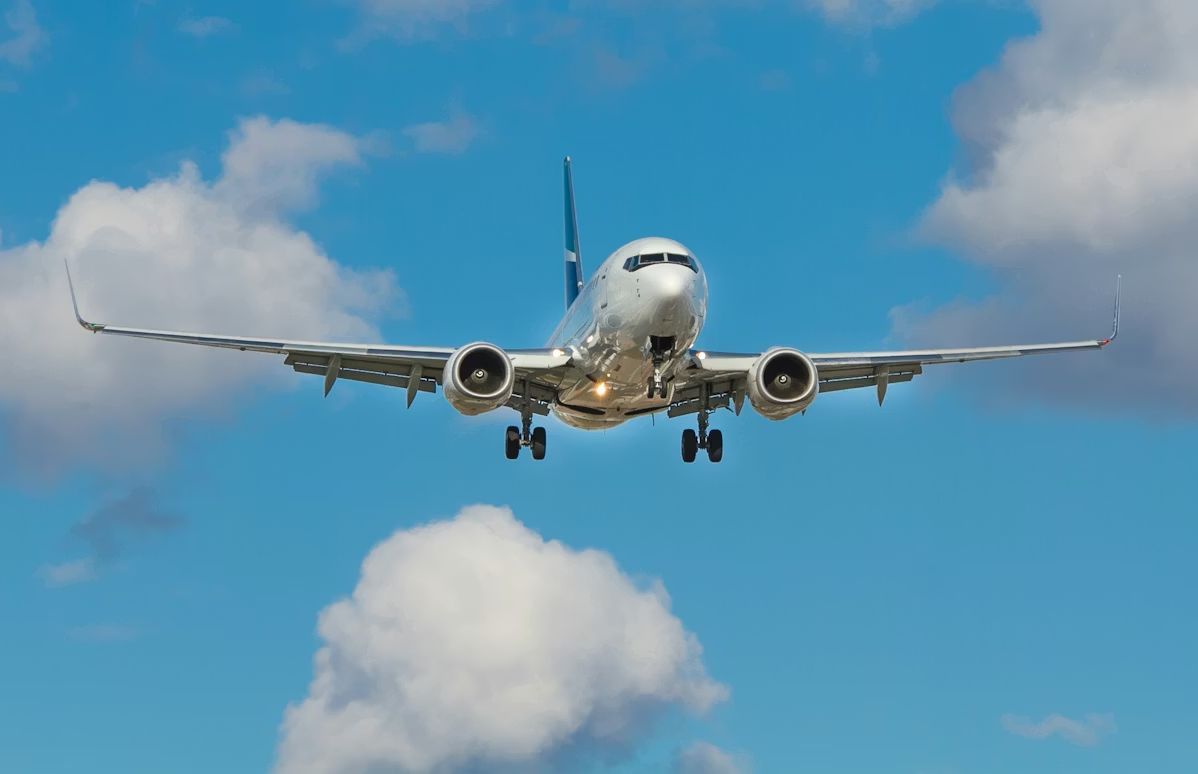 Image: John McArthur
Varig Flight 254 left Marabá in 1989 bound for Belém, but flew west instead of north due to a misread heading. Fuel ran out over the rainforest after dark. Captain César Garcez glided the Boeing 737 into the treetops, wings tearing off as it stopped. Thirteen died, but 41 survived. The landing was skillful, even if the mistake was tragic.
Two airplanes become one
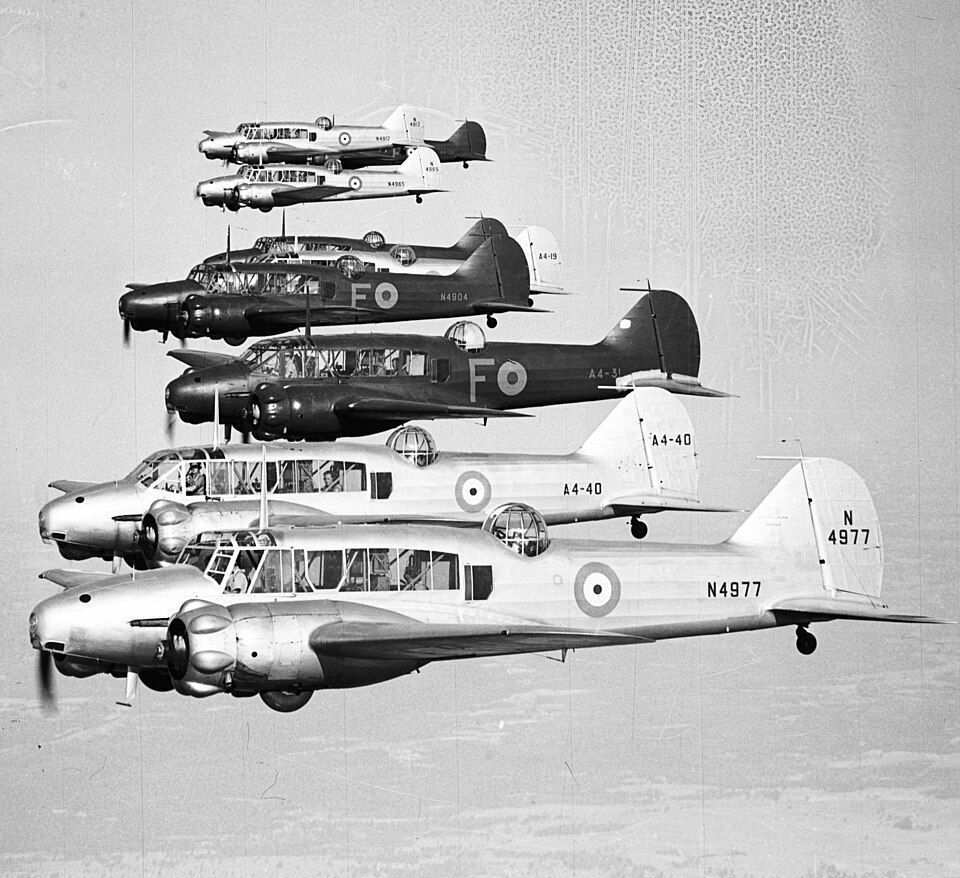 Image: See page for author, Public domain, via Wikimedia Commons
Over Australia in 1940, two Avro Anson trainers bumped into each other and locked together, one riding on top of the other. The lower pilot parachuted out, but the upper pilot, Leonard Fuller, discovered he could still fly the tangled pair! He eased them into a farm field. One airplane was scrapped. The other flew for years afterward, how crazy is that?
Both engines gone over England
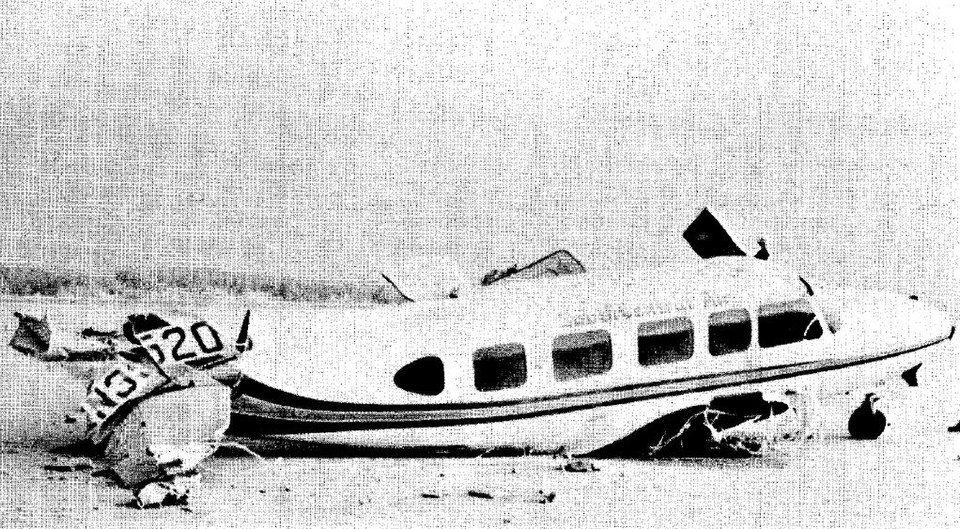 Image: National Transportation Safety Board, Public domain, via Wikimedia Commons
In 1993, pilot Edward Wyer was flying a Piper Navajo from Birmingham to Norwich with seven passengers aboard. One engine tore loose in midair, and its propeller wrecked the other. With no power and barely controllable flight, Wyer aimed for a field near power lines and slid the airplane in on its belly. Believe it or not, everyone walked away! Sore necks, for sure, but they made it.
Holding a wing on with gravity
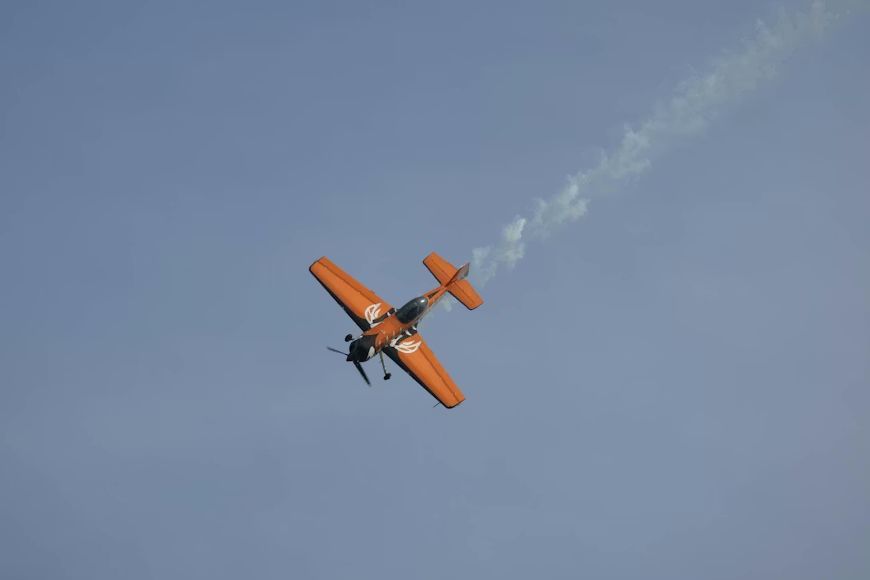 Image: Edoardo Bortoli
During aerobatic practice in 1970, British pilot Neil Williams felt his Zlin’s wing structure fail. One wing folded like a bad lawn chair. He could have lost it completely. Instead, thinking fast, he flipped the plane upside down so negative forces would keep the wing in place. He flew back inverted to Royal Air Force Hullavington and rolled upright at the last second. The wing finally gave up just after touchdown.
The day a jet became a glider
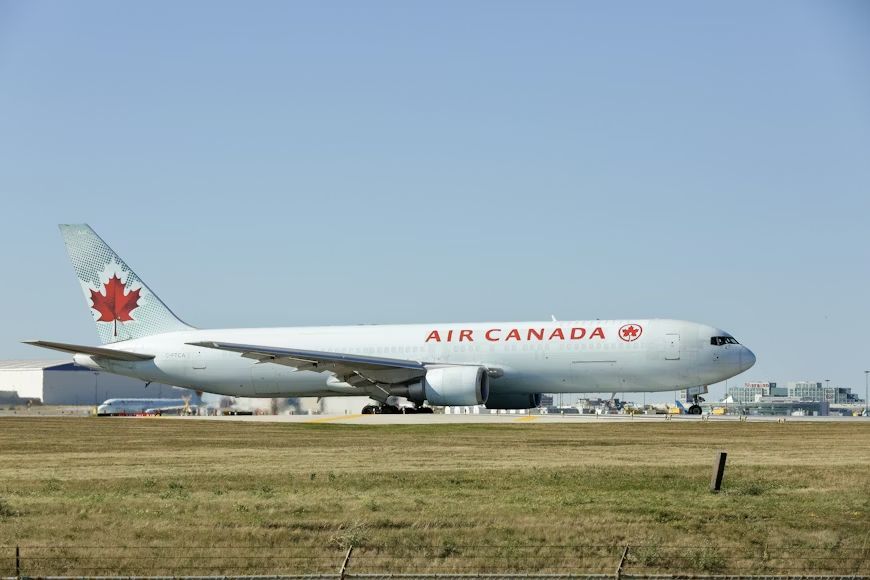 Image: Michael
Air Canada Flight 143 ran out of fuel in 1983 due to a metric mix-up. At cruising altitude, both engines quit. Captain Bob Pearson, a glider pilot, aimed the Boeing 767 toward Gimli in Manitoba, unaware that the runway was partly a drag strip. With minimal instruments and no engines, they landed hard but safely. Most passengers were more shaken than hurt.
Steering with nothing but throttle
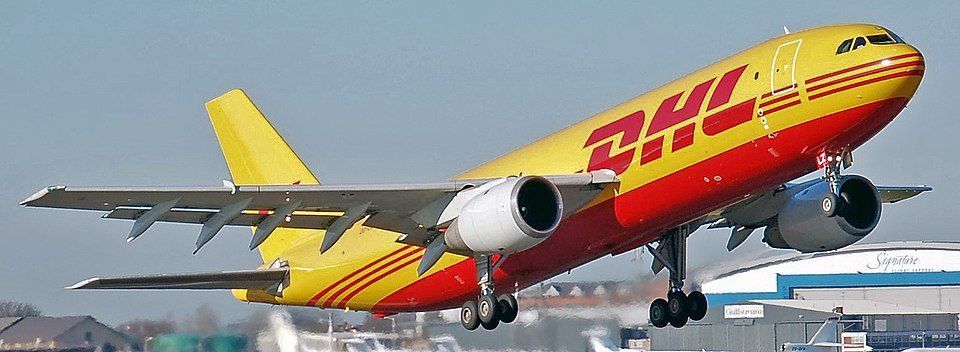 Image: Arpingstone, Public domain, via Wikimedia Commons
In 2003, a DHL Airbus A300 was hit by a missile shortly after takeoff from Baghdad. All hydraulic systems failed, leaving no control surfaces. Remembering a training talk, Captain Eric Gennotte used engine thrust alone to steer and descend. The crew landed hard and slid off the runway. Everyone lived, then discovered they had stopped near a minefield. Talk about dodging bullets!
A jet rolls into a gas station
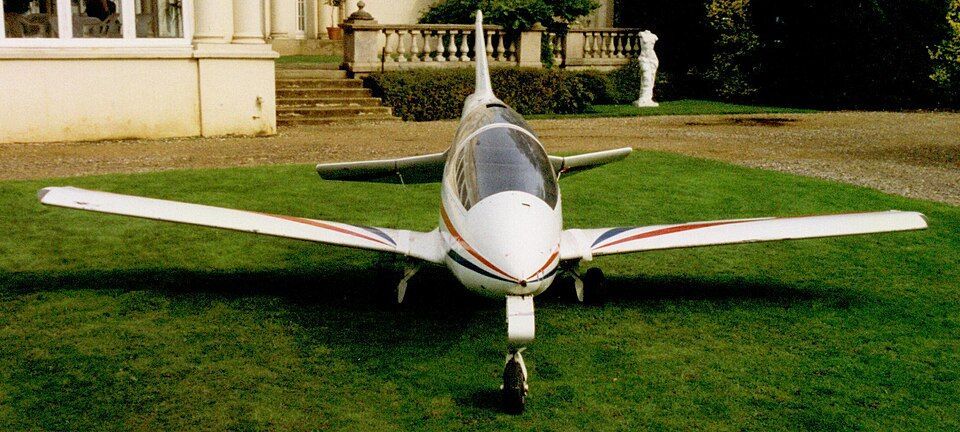 Image: No machine-readable author provided. Hannibal assumed (based on copyright claims)., Public domain, via Wikimedia Commons
In 1975, aerobatic pilot Corkey Fornof lost oil pressure in his tiny BD-5J microjet over North Carolina. He shut down the engine, dropped through clouds, and spotted Interstate 95. He landed among cars, rolled off an exit, and coasted right up to a Sunoco pump. The gas station attendant needed a moment to believe his eyes.
Flying from the wing in World War I
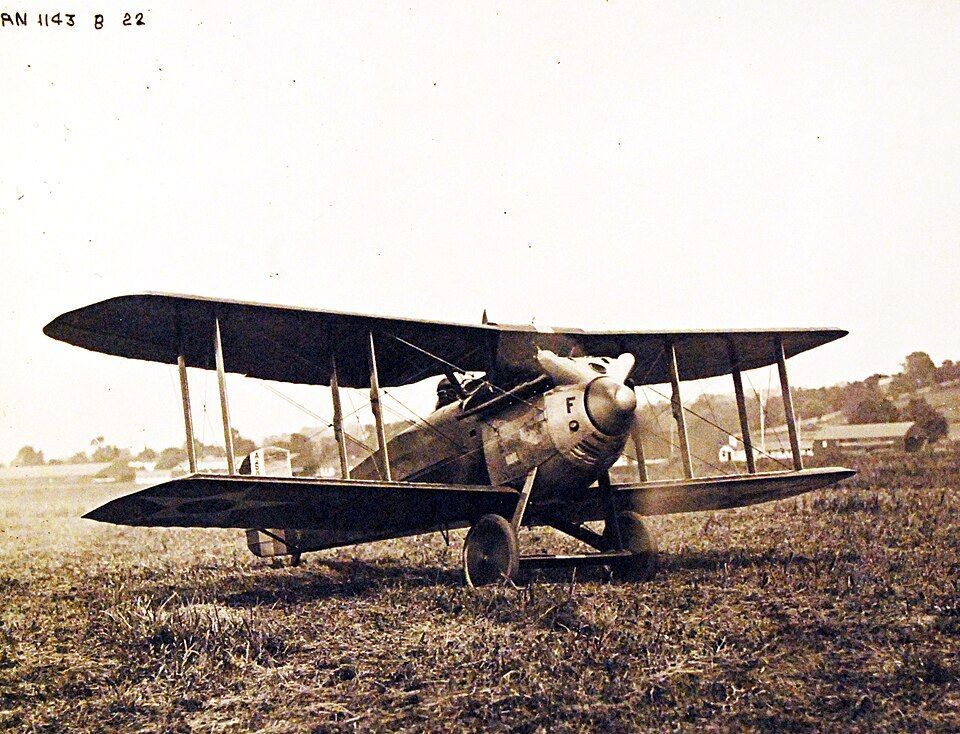 Image: U.S. Navy, Public domain, via Wikimedia Commons
Canadian pilot Alan McLeod was just 18 when his bomber caught fire during combat in 1918. Wounded and with flames licking the cockpit, he climbed onto the wing to keep the fire away from his injured gunner. Somehow, he guided the plane into a survivable crash near friendly lines. Both men lived, and McLeod earned the Victoria Cross, naturally!
Flying wounded, mission first
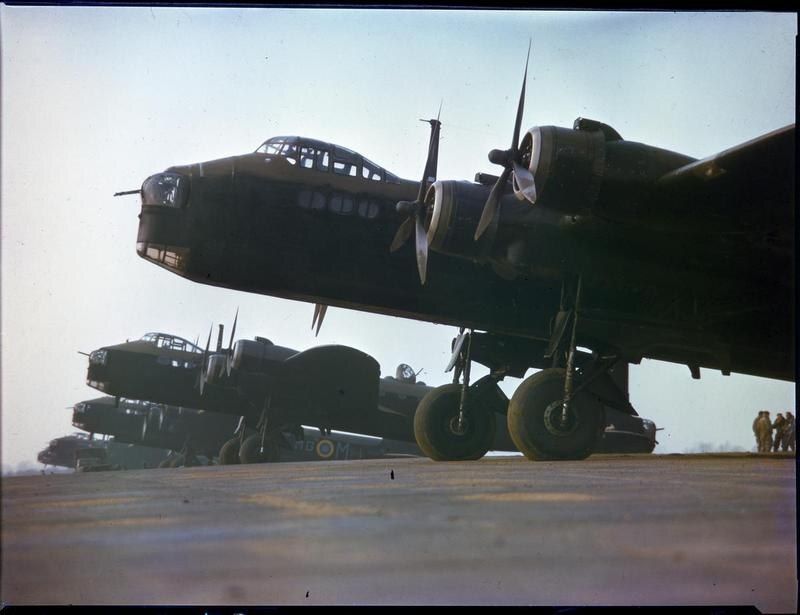 Image: Royal Air Force official photographer, Public domain, via Wikimedia Commons
Royal Air Force pilot Bill Reid was badly wounded over Europe in 1943, his Lancaster bomber damaged and crew members injured or killed. Despite blood loss and freezing air blasting through a shattered windscreen, he pressed on to bomb Düsseldorf, then navigated home by the stars. He crash-landed in England and survived. For that night, he earned the Victoria Cross.
Keep wandering
There’s always
more to explore
 Landmarks
What's hiding beneath Alcatraz, and why can't anybody visit it?
6 min.
Read Now

10 destinations that are nearly impossible to visit
3 min.
Read Now
Do you still use any of these “old” technologies when travelling?
5 min.
Read Now

Did the three men who escaped Alcatraz in 1962 actually survive?
7 min.
Read Now