
The no-panic packing List: 10 tips to manage travel anxiety
 General
The no-panic packing List: 10 tips to manage travel anxiety
For some, the thought of a vacation conjures images of white sandy beaches and sunset cocktails. For others, it triggers a mental reel of missed connections, lost luggage, and the crushing weight of "what-ifs." If you fall into the latter camp, you aren’t alone. The good news? Travel anxiety isn't a permanent barrier to the world. Here are ten tips that will help you reclaim your itinerary and actually enjoy the view.
Plan in detail: Defeat the unknown with data
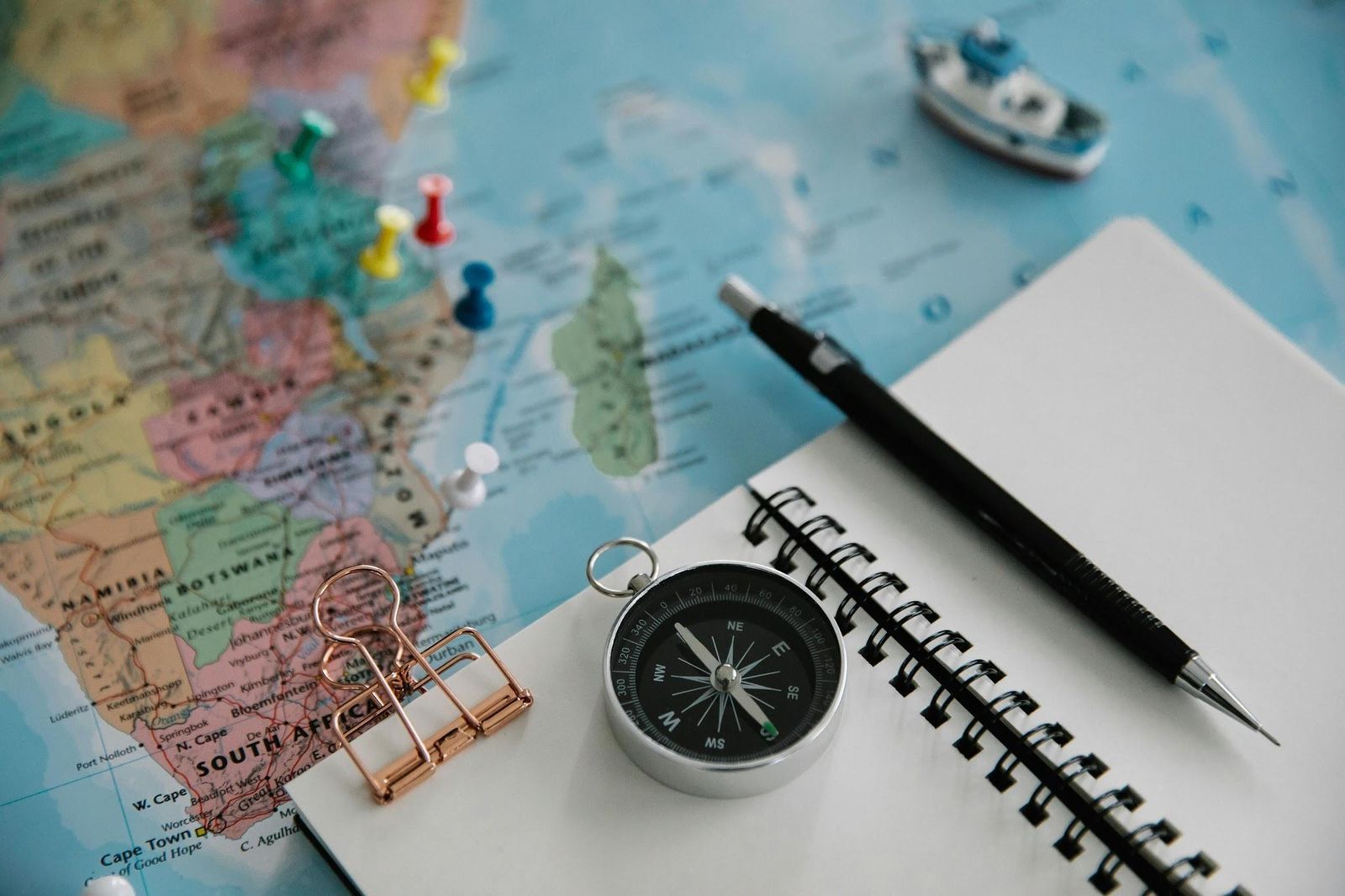
Anxiety thrives on the unknown. When your brain doesn’t have a clear picture of what’s next, it fills the gaps with worst-case scenarios. The antidote to this is meticulous organization.
Start by creating comprehensive lists. Don’t just list clothes; list "three pairs of socks, blue jeans, and the gray sweater." Use a digital or physical planner to map out your transit times, hotel addresses, and emergency contact numbers. Print out physical copies of your boarding passes and hotel confirmations. Knowing you have a backup if your phone battery dies can significantly lower your baseline stress level.
Remind yourself why you’re traveling

When you’re in the middle of a crowded terminal or a turbulent flight, it’s easy to lose sight of the "why." In those moments, your brain views the trip as a series of obstacles rather than an opportunity.
Before you leave, write down the reasons for your trip. Are you visiting a lifelong friend? Are you finally seeing the Louvre? Keep this list in your Notes app or on a piece of paper in your pocket. When the anxiety spikes, read it back to yourself. Reminding yourself of the reward at the end of the journey helps reframe the stress as a temporary price for a permanent memory.
Time your logistics wisely

Many travelers try to maximize their time by booking the cheapest 3:00 AM flight or opting for 45-minute changeovers to save an hour of total travel time. For someone with travel anxiety, this is a recipe for disaster, since sleep deprivation is a major trigger for anxiety and panic attacks.
If you start your journey exhausted, your emotional resilience is already compromised. Furthermore, tight connections create stressors that can haunt you for the duration of your first flight. To avoid this, aim for mid-morning departures that allow for a full night’s sleep. Also, give yourself at least two to three hours between flights. It’s much better to spend an hour reading in a terminal than sprinting through an airport with five minutes to spare.
Travel with a companion

While solo travel is often romanticized, it isn't for everyone—especially if you struggle with high anxiety. Traveling with a trusted friend, partner, or family member acts as an emotional anchor.
A companion can handle the heavy lifting of navigation or talking if you’re feeling overwhelmed. Just having someone to talk to can distract your brain from internal spirals. If you must travel alone, stay in touch with someone via text or video call at each stage of your journey to maintain that sense of connection.
Strategize your seat selection
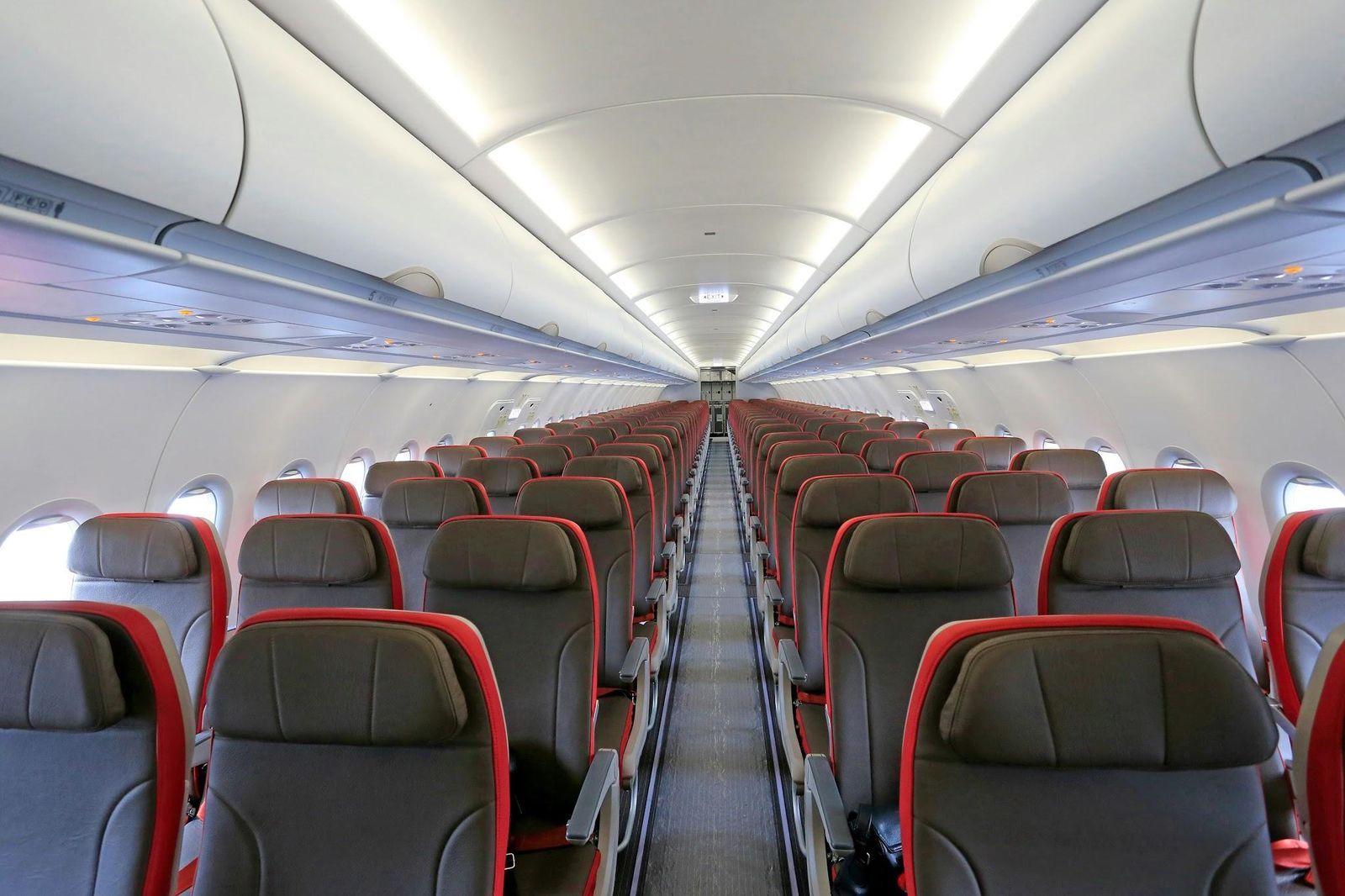
Not all airplane seats are created equal when it comes to comfort and calm. If you feel trapped in tight spaces or worry about turbulence, where you sit matters. Generally speaking, the front of the plane experiences less turbulence than the tail. It also allows you to be among the first to deplane, reducing the bottleneck anxiety that occurs after landing.
On the other hand, an aisle seat provides a psychological sense of freedom. You can get up to stretch your legs or go to the restroom without having to ask two strangers to move. This exit strategy can be vital for those who struggle with claustrophobia.
Exercise before you fly

Anxiety is, at its core, an excess of energy, specifically cortisol and adrenaline. Your body is prepared for a "fight or flight" response, but you’re forced to sit still in a pressurized tube for hours. This mismatch is a primary cause of physical restlessness and panic.
Before you head to the airport, engage in some vigorous exercise. Whether it's a brisk 30-minute walk, a gym session, or some heavy yard work, burning off that physical energy helps tire out the anxiety response. A tired body is much more likely to settle into a seat and rest than one that is brimming with unused nervous energy.
Practice relaxation techniques

You cannot think your way out of a physiological anxiety response, but you can breathe your way out of it. Developing a breathing ritual allows you to manually override your nervous system.
One of the most effective methods is Box Breathing: First, inhale for 4 seconds, and hold for 4 seconds; then exhale for 4 seconds, hold for 4 seconds. Repeat this cycle four times. This technique is used by elite athletes to stay calm under pressure because it forces the heart rate to slow down and signals the brain that there is no immediate threat.
Avoid alcohol

It is tempting to head to the airport bar for a pre-flight drink to take the edge off. However, alcohol is a double-edged sword for the anxious traveler.
While it might provide a temporary numbing effect, alcohol is a depressant that can actually increase the likelihood of a panic attack as it wears off. It also dehydrates you and disrupts your sleep—two things that are already at risk during travel. Stick to water, herbal tea, or fruit juice. Keeping your body hydrated and your mind clear is your best defense against a sudden surge of dread.
Create an auditory sanctuary
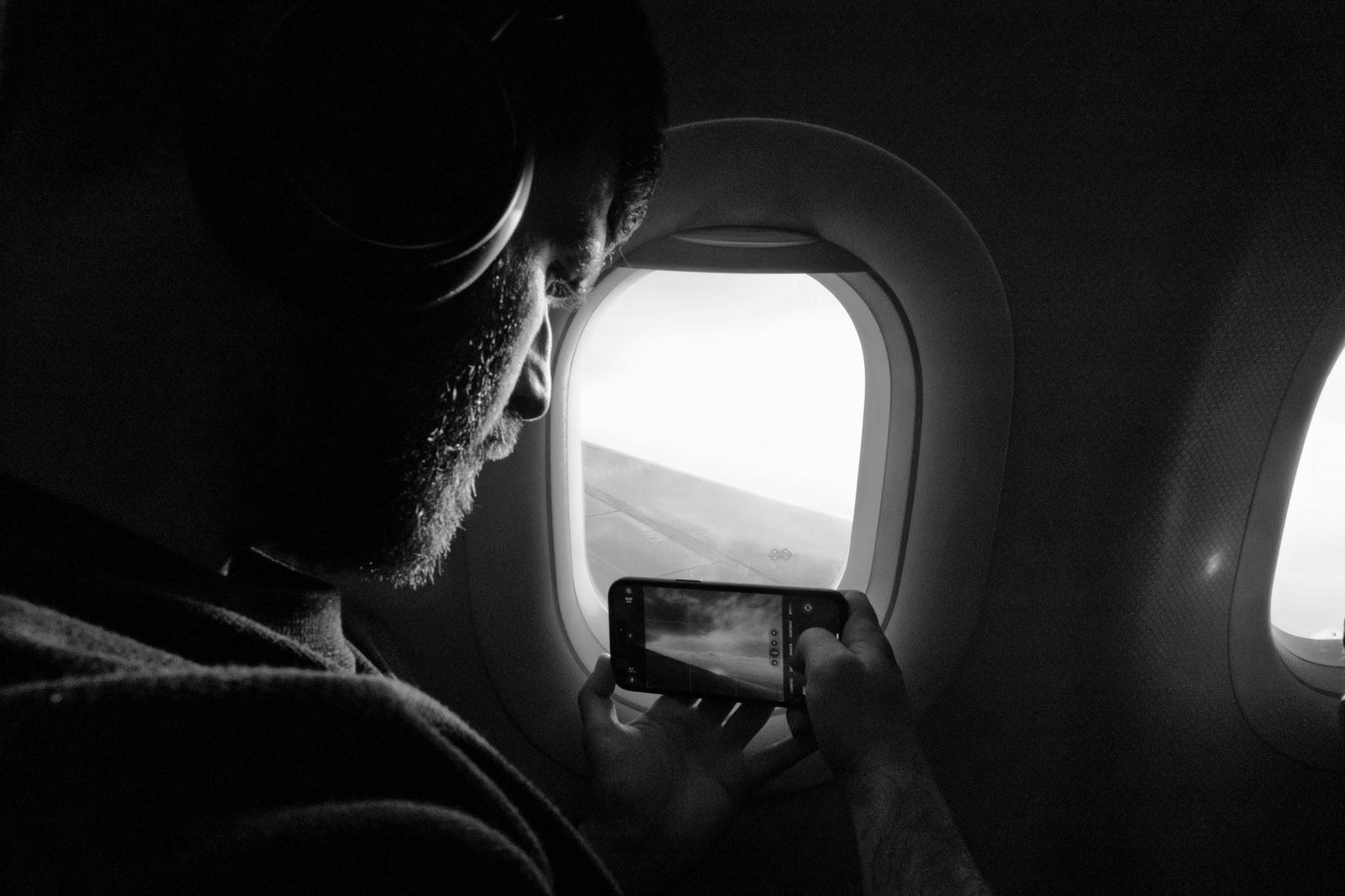
The world is a noisy place, and airports are sensory overload hubs. The clatter of luggage, the hum of engines, and the constant overhead announcements can keep your nervous system on high alert.
Invest in a good pair of noise-canceling headphones and curate a calming playlist. This shouldn't just be random music; it should be tracks you associate with safety and relaxation. Whether it’s classical music or a familiar audiobook, creating a sound cocoon allows you to withdraw from the chaotic environment and focus on something predictable and soothing.
Don’t worry about being a tourist

There is a strange social pressure in modern travel to blend in or act like a local. For someone with anxiety, the fear of doing something wrong or looking stupid adds an unnecessary layer of stress.
Give yourself permission to be a tourist. Carry the map. Ask the silly questions. Wear the comfortable walking shoes. If you get lost, it’s not a failure; it’s part of the process. By accepting that you are a visitor in a new place, you lower the stakes. You aren't expected to know everything, and that realization can be incredibly liberating.
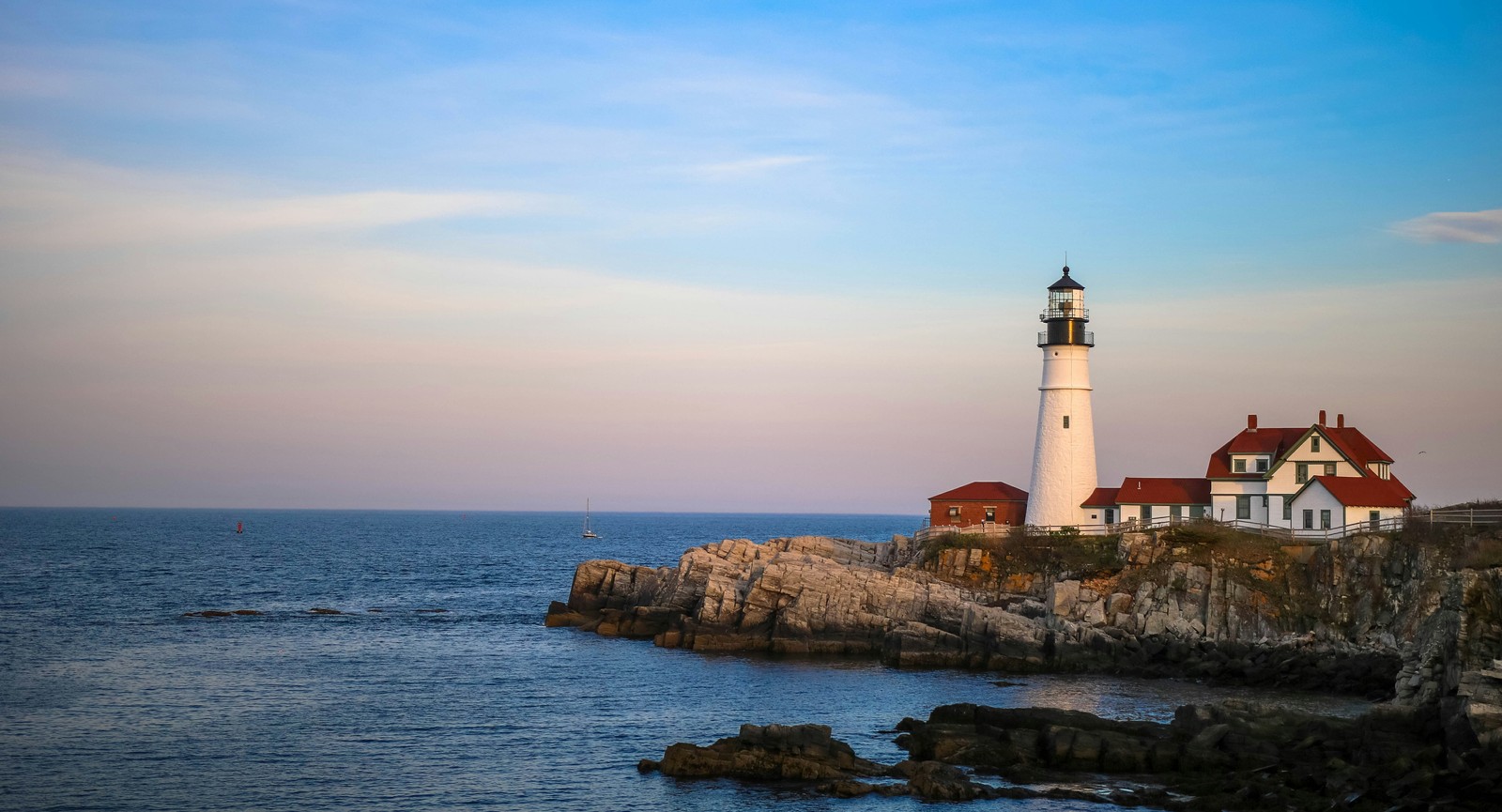
Why travel to Europe when Maine has these stunning lighthouses?
Maine's most spectacular lighthouses: ten beacons worth visiting
Ten coastal Maine lighthouses that rival any European landmark
Maine’s lighthouses are genuine American icons standing guard over some of the most beautiful coastline you'll ever lay eyes on. From Portland to the Canadian border, these sentinels have weathered storms, guided sailors home, and become the stars of a million vacation photos.
Portland Head Light
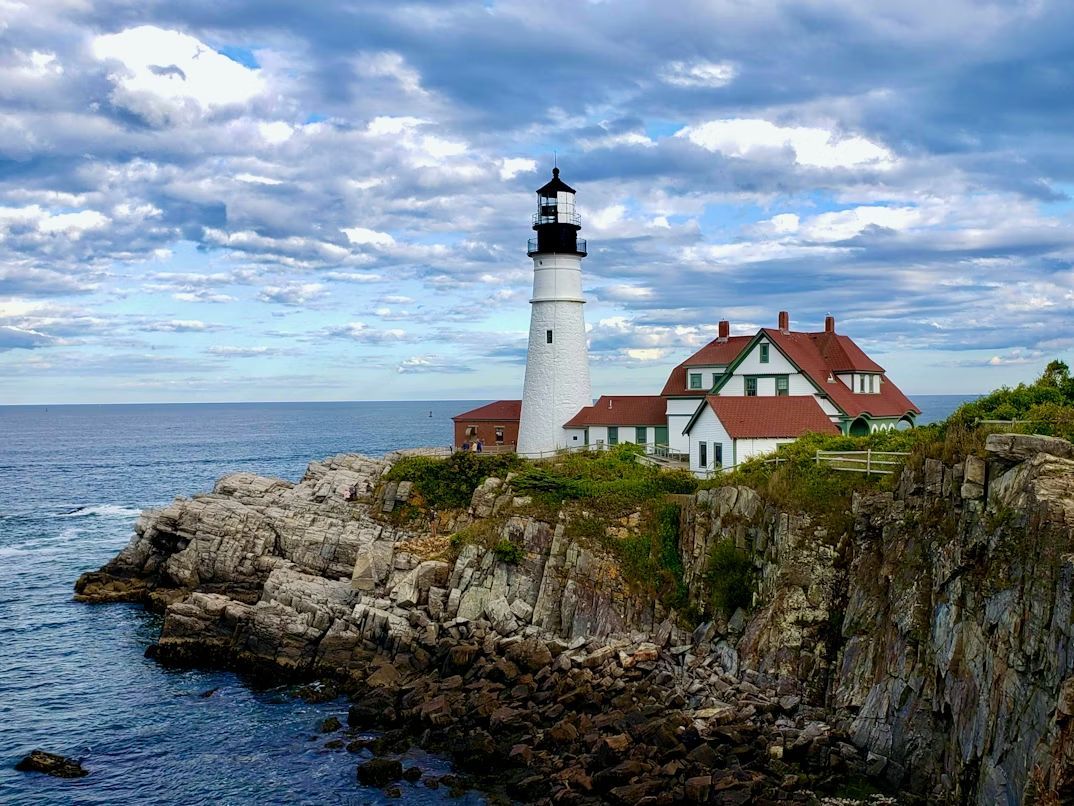
Built in 1791 on George Washington's orders, this is Maine's oldest lighthouse and probably its most photographed. The white conical tower rises 80 feet above the rocky cliffs of Cape Elizabeth and looks exactly like what a kid would draw if asked to sketch a lighthouse.
The keeper's house is now a maritime museum where you can learn about lighthouse life without having to climb all those stairs.
Pemaquid Point Light
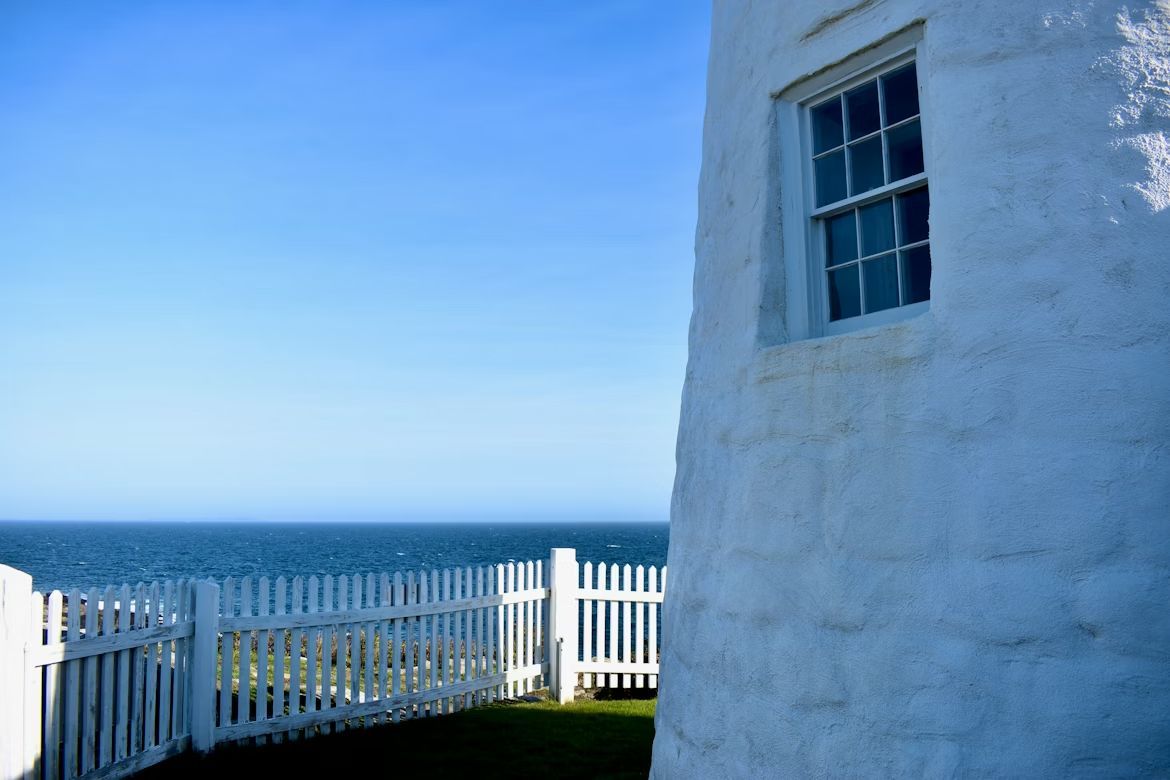
This 1835 beauty sits atop some of the most dramatic striped rock formations on the East Coast—layers of ancient stone that resemble Mother Nature's layer cake. The lighthouse itself is a classic white tower with a bright red-brown keeper's house attached.
What makes Pemaquid Point special is how it perches right on those jagged rocks with waves crashing below. The small museum inside has a great collection of old fishing gear and lighthouse memorabilia.
West Quoddy Head Light
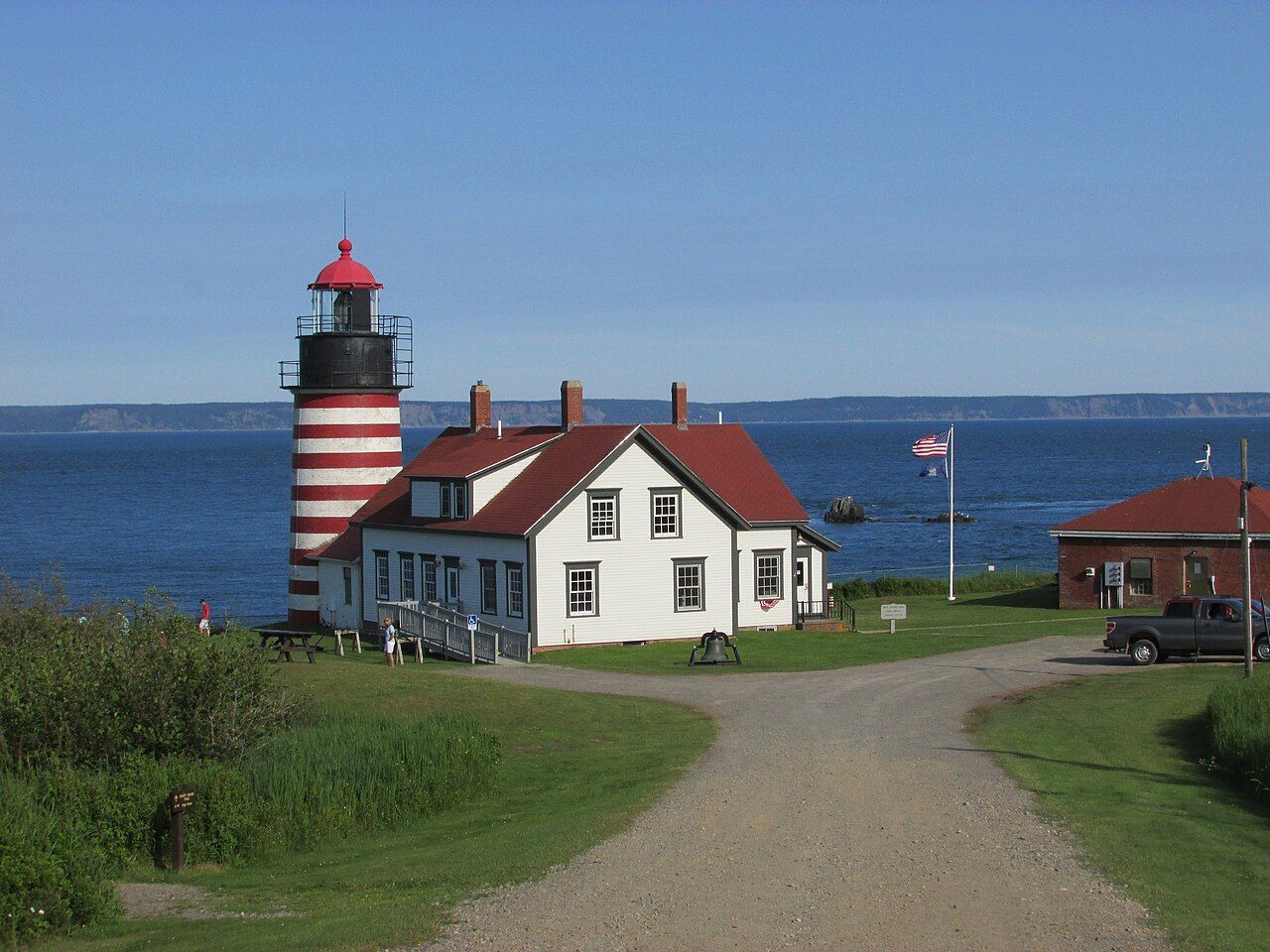
America's easternmost lighthouse greets the dawn before anywhere else in the country. Built in 1808 and rebuilt in 1858, its candy-cane red-and-white stripes make it instantly recognizable and delightfully quirky compared to its more traditional cousins.
The surrounding Quoddy Head State Park offers spectacular hiking trails along 500-foot cliffs, where you might spot whales, seals, and eagles. On foggy days, the foghorn's mournful blast is hauntingly beautiful, reminding you why these beacons were so crucial.
Nubble Light (Cape Neddick Light)
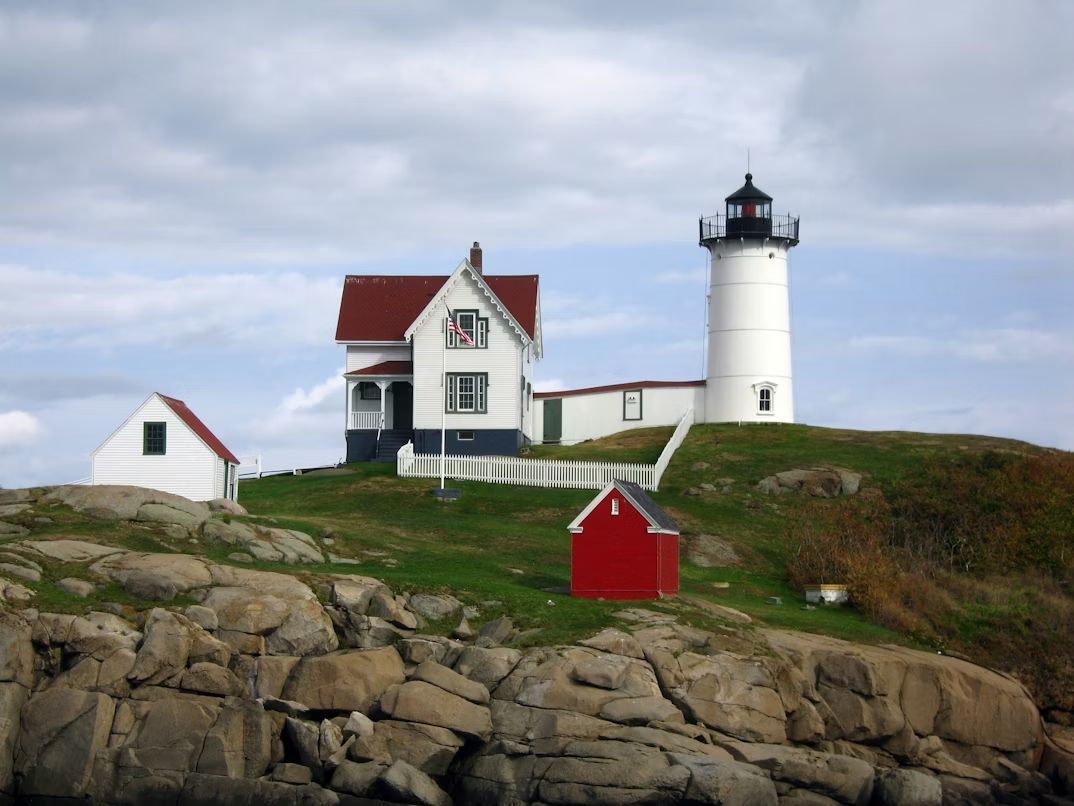
Sitting on a tiny rocky island just off York Beach, Nubble Light is the lighthouse that has inspired a thousand jigsaw puzzles. Built in 1879, this charming red-roofed beauty is connected to the mainland by absolutely nothing, which is part of its appeal.
You can't actually visit the island itself, but the views from Sohier Park on the mainland are so spectacular that you won't mind.
Bass Harbor Head Light
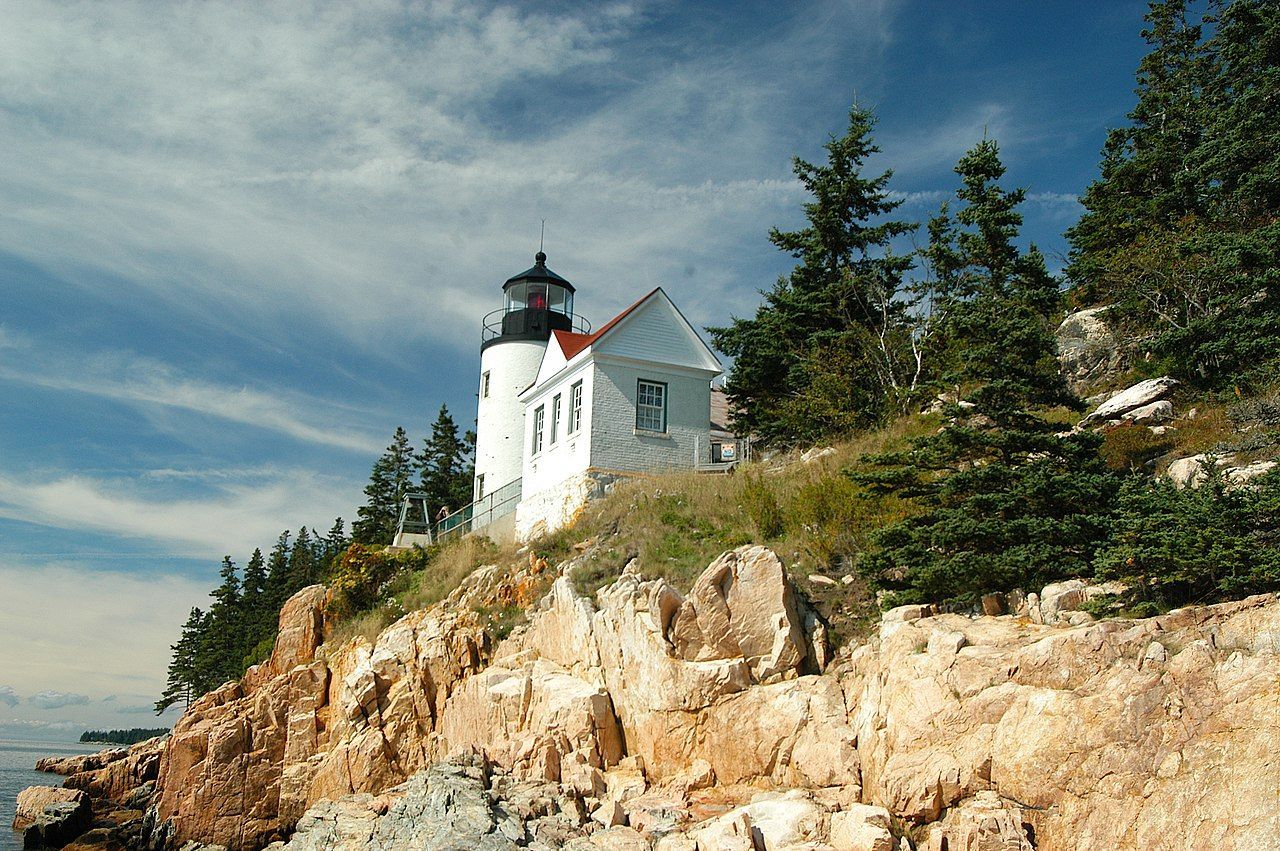
Tucked into Acadia National Park on Mount Desert Island, this 1858 lighthouse clings to a cliff surrounded by evergreen forest. The wooden tower and brick keeper’s house create a rustic charm that feels more intimate than the grand coastal sentinels.
The best photos come from the rocky beach below, reached by a steep trail through the woods. Late afternoon light turns everything golden, and if you time it right during sunset, you'll get shots that will make your friends back home seriously jealous.
Owls Head Light
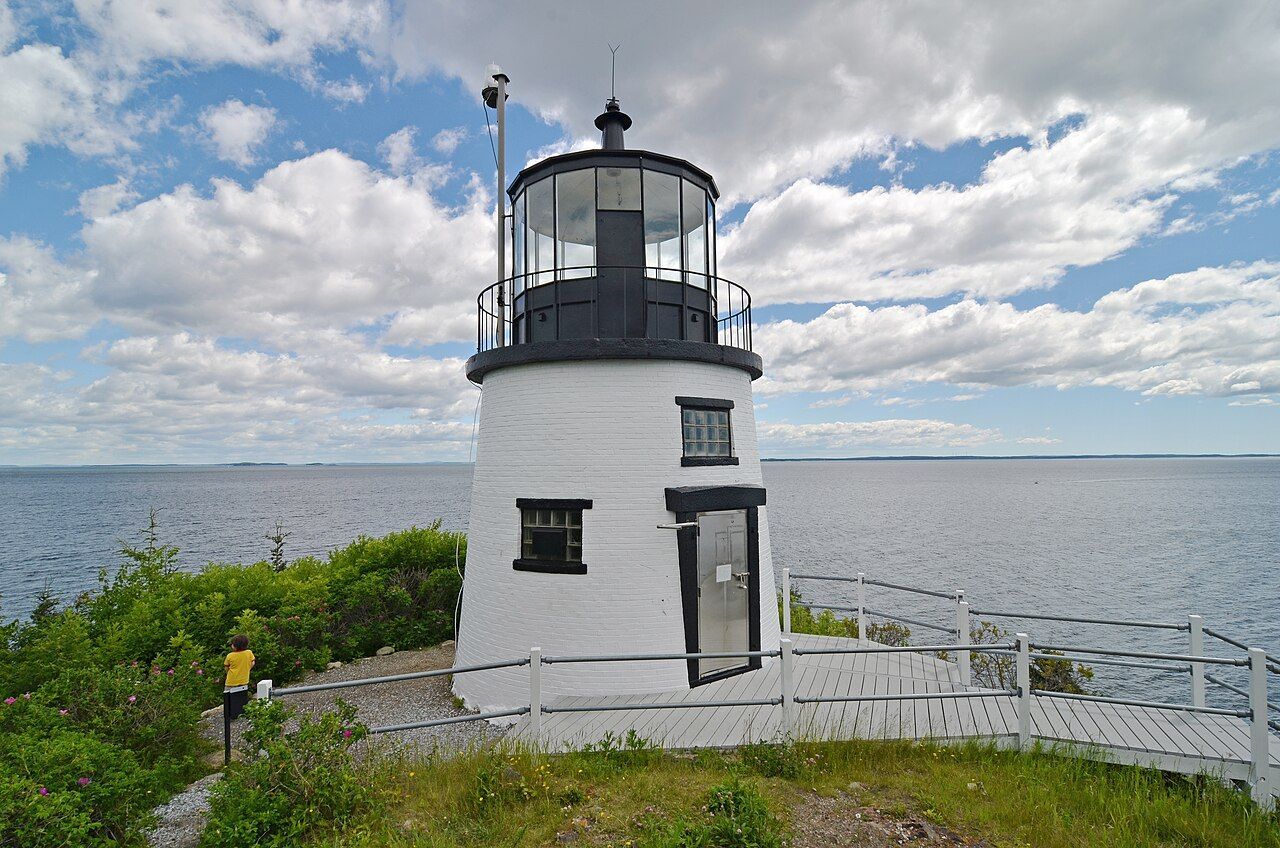
This modest 1825 lighthouse near Rockland doesn't scream for attention like some of its flashier neighbors, but insiders know it's special. The white tower sits within a state park perfect for picnicking, and locals swear the place is haunted by a friendly keeper who still tends the light.
Legend has it that a little white dog once saved two lovers stranded in a snowstorm by barking until rescuers arrived.
Marshall Point Light
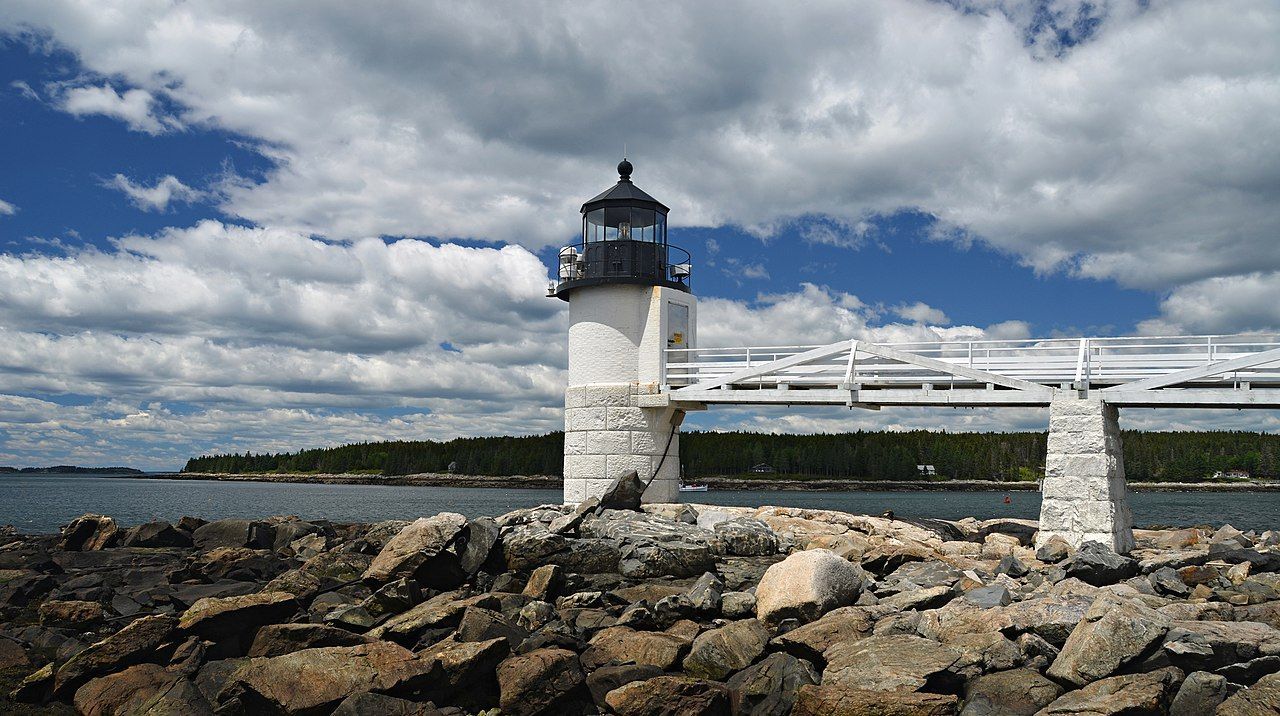
This 1832 lighthouse got its Hollywood moment in Forrest Gump, when Tom Hanks jogged out to the end of its distinctive wooden walkway. That iconic boardwalk stretches across the rocks like a pier, making Marshall Point instantly recognizable.
The museum in the keeper's house celebrates local maritime history, but honestly, most visitors come primarily for the walkway.
Rockland Breakwater Light
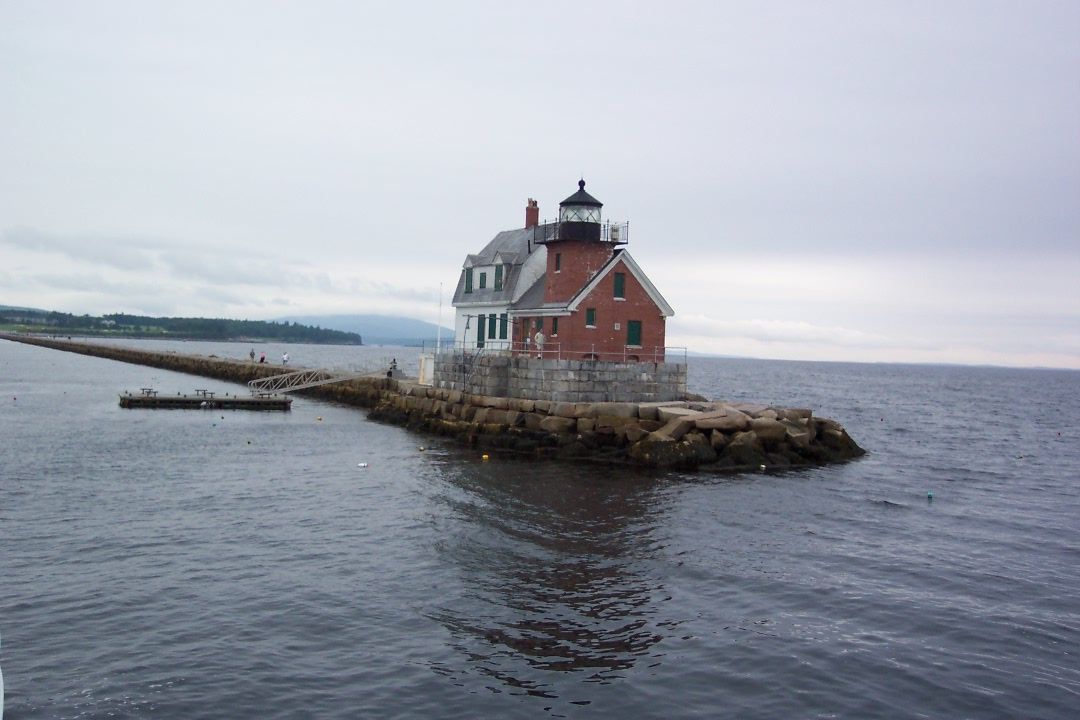
The Rockland Breakwater requires a nearly mile-long walk across massive granite blocks—uneven, sometimes slippery, and always an adventure. Built in 1902 at the end of the breakwater, this squat white tower rewards your trek with incredible harbor views.
The walk takes about 20-30 minutes one way. However, reaching the lighthouse feels like a genuine achievement, and watching the working harbor from this vantage point gives you a real sense of Maine's maritime soul.
Burnt Island Light
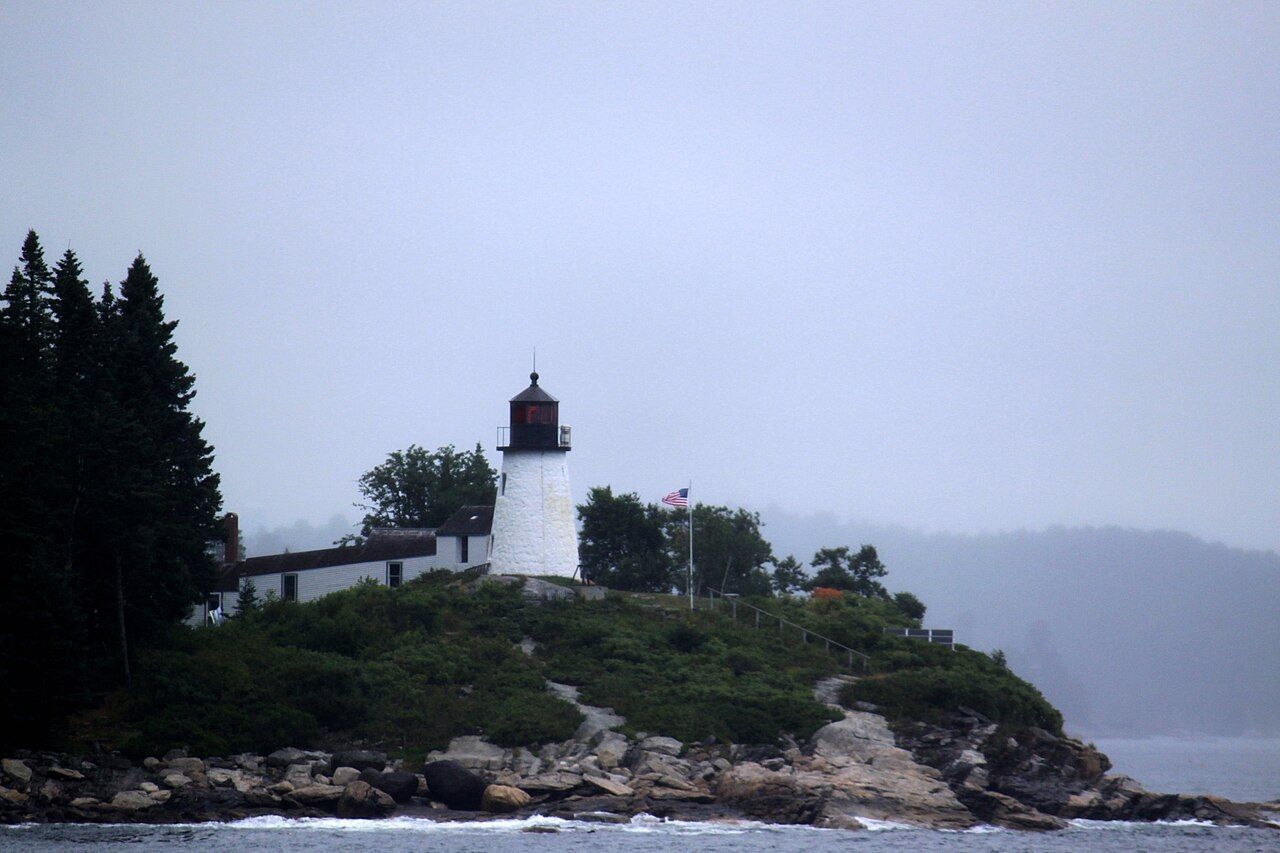
Built in 1821 in Boothbay Harbor, this lighthouse offers something most others don't: living history tours with actors portraying a 1950s lighthouse keeper’s family. Kids especially love meeting the "keeper's children" and exploring life before smartphones and Netflix.
Burnt Island is accessible only by boat, which adds to the adventure. The tours run during the summer and include hands-on activities, such as helping with period-appropriate chores.
Spring Point Ledge Light
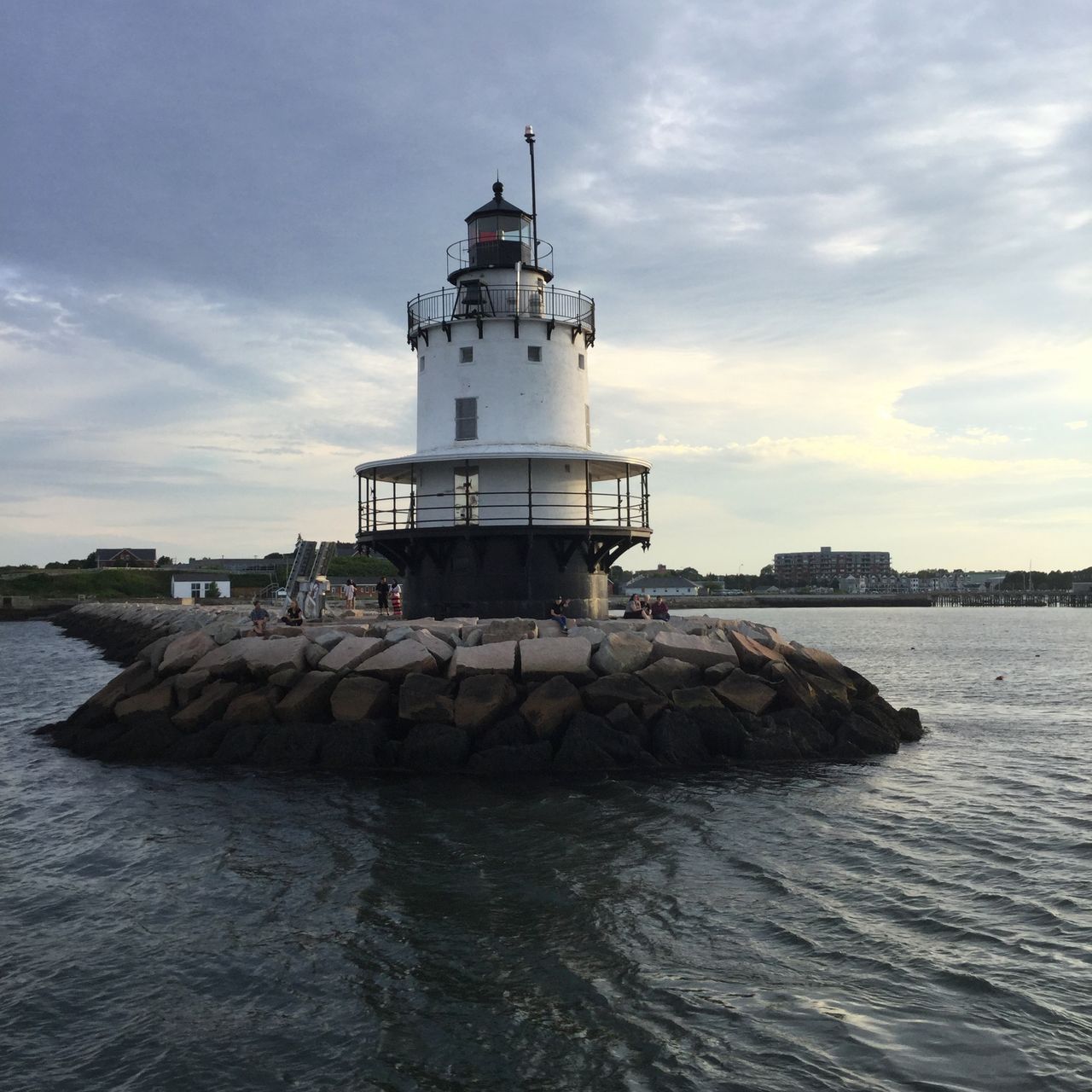
This brick fortress sits at the end of a granite breakwater near South Portland, looking more like a small castle than a traditional lighthouse. Built in 1897, its unique "sparkplug" design was intended to withstand ice flows and harsh weather in Portland Harbor.
The breakwater walk is much easier than Rockland's, and the lighthouse is open to visitors during special open houses.
Keep wandering
There’s always
more to explore
 Landmarks
What's hiding beneath Alcatraz, and why can't anybody visit it?
6 min.
Read Now
What should you do if you lose your passport while traveling?
4 min.
Read Now
 Culture
Maps lie: 10 famous cities that love to trick tourists
6 min.
Read Now

The whole town moved underground, and other stories that cities hide
6 min.
Read Now